

385 Results for "

Metabolic study

" in MedChemExpress (MCE) Product Catalog:
Products (385)

385 Results for "Metabolic study" in MCE Product Catalog:

4
4 Cited Publications
Cat. No.: HY-N1957
CAS No.: 31271-07-5
Synonyms: γ-Mangostin
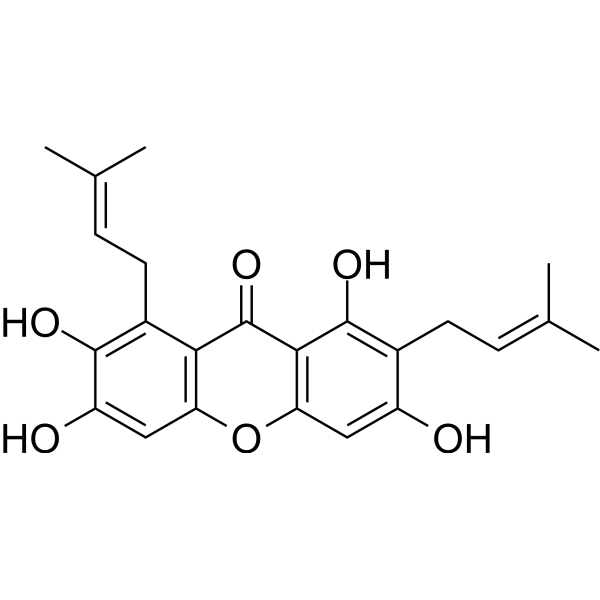
Gamma-Mangostin is a novel competitive 5-hydroxytryptamine 2A (5-HT2A) receptor antagonist and potent epoxidase 2 (COX-2) inhibitor, as well as a transthyroxin protein (TTR) profibrosis inhibitor. Gamma-Mangostin binds to the thyroxine (T4)-binding sites and stabilized the TTR tetramer . Gamma-Mangostin inhibits [3 H] spiperone binding to cultured rat aortic myocytes (IC50=3.5 nM) and reduces The perfusion pressure response of rat coronary artery to 5-HT2A (IC50=0.32 μM). Gamma-Mangostin has anti-inflammatory, antibacterial, antioxidant and anticancer activities, and can be used in the study of metabolic disorders such as diabetes .
loading...
    loading...
4
4 Cited Publications
Cat. No.: HY-N7075
CAS No.: 9005-80-5
Inulin is an orally active prebiotic targeting the intestinal microbiota, selectively promoting the proliferation and activity of beneficial bacteria such as bifidobacteria and lactic acid bacteria, and playing a role in regulating the intestinal microecology. The functions of Inulin include: Fermentation by probiotics in the colon to produce short-chain fatty acids (such as butyrate and propionate), lowering the intestinal pH and inhibiting the overgrowth of harmful bacteria; Enhancing the intestinal barrier function and reducing endotoxin translocation; Directly scavenging free radicals (such as superoxide free radicals, hydroxyl free radicals) and activating antioxidant enzymes (SOD, CAT) to reduce oxidative stress. Inulin can also be used in the study of intestinal diseases (constipation, IBD), metabolic syndrome (diabetes, obesity) and liver damage by regulating glucose and lipid metabolism (such as reducing triglycerides, improving insulin sensitivity) and immune response (enhancing NK cell activity, inhibiting inflammatory factors)[1][2][3][4].
loading...
    loading...
2
2 Cited Publications
Cat. No.: HY-135026
CAS No.: 3414-63-9
Target:  

Adrenergic Receptor

Research Areas:  

Neurological Disease

DL-Norepinephrine tartrate is an external racemic catecholamine neurotransmitter, which is an equal mixture of the left-handed (L-, with activity) and right-handed (D-, with very low or no activity) stereoisomers. DL-Norepinephrine tartrate after being labeled with tritium can be used as a tracer for the research on Parkinson's disease .
loading...
    loading...
2
2 Cited Publications
Cat. No.: HY-N7142
CAS No.: 55-27-6
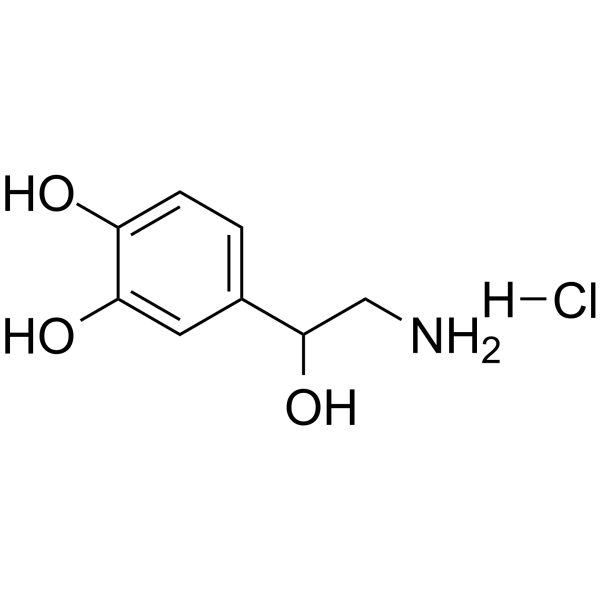
DL-Norepinephrine hydrochloride is an external racemic catecholamine neurotransmitter, which is an equal mixture of the left-handed (L-, with activity) and right-handed (D-, with very low or no activity) stereoisomers. DL-Norepinephrine hydrochloride after being labeled with tritium can be used as a tracer for the research on Parkinson's disease .
loading...
    loading...
2
2 Cited Publications
Cat. No.: HY-N0680
CAS No.: 67-03-8
Synonyms: Thiamine chloride hydrochloride; Vitamin B1 hydrochloride
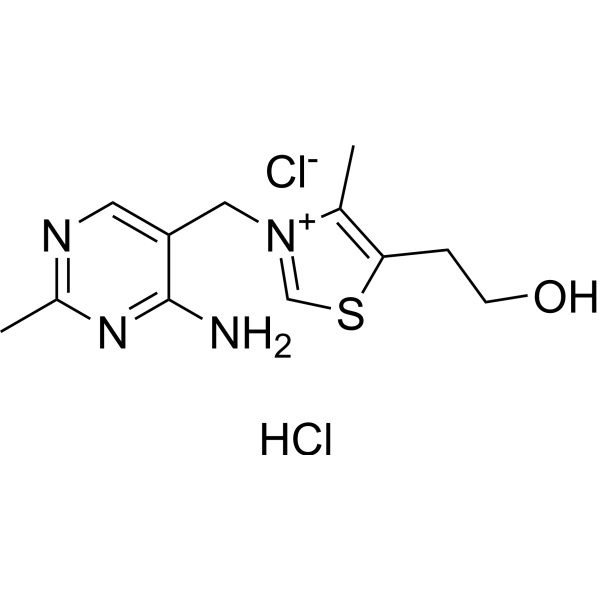
Thiamine hydrochloride (Thiamine chloride hydrochloride) is an essential micronutrient needed as a cofactor for many central metabolic enzymes.Thiamine hydrochloride activates NrF-2/HO-1 and inhibits TLR4, NF-κB. Thiamine hydrochloride has neuroprotective and anti-inflammatory effects. Thiamine hydrochloride can be used in the studys of diabetic complications, neurological diseases, cancers, and colitis .
loading...
    loading...
2
2 Cited Publications
Cat. No.: HY-W008634
CAS No.: 56741-95-8
Synonyms: U-54461; U-54461S; PNU-54461
Research Areas:  

Cancer

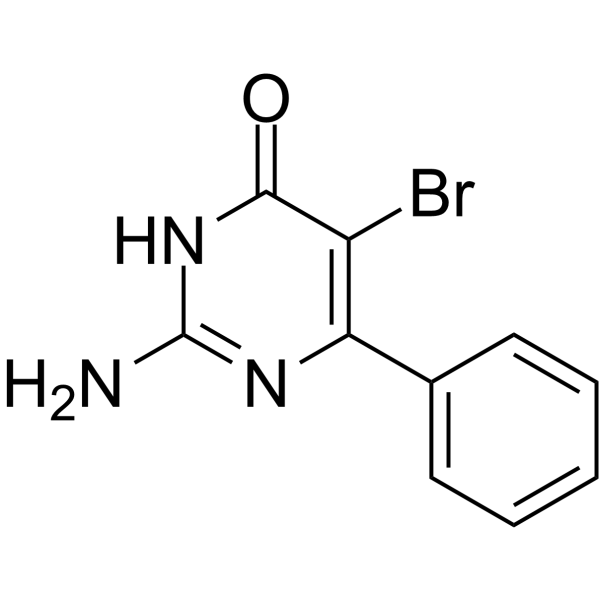
Bropirimine (U-54461; U-54461S; PNU-54461) is an orally active TLR7 agonist. Bropirimine inhibits RANKL-induced osteoclast differentiation of mouse bone marrow-derived macrophages (BMMs). Bropirimine exhibits dose-dependent direct inhibitory effects on colony formation of cultured KK-47 and 724 cells. Bropirimine can be used for the study of cancers and bone metabolic disorders such as osteoporosis .
loading...
    loading...
2
2 Cited Publications
Cat. No.: HY-156654
CAS No.: 2755812-39-4
Purity:  99.90%
Synonyms: PF-07817883
Target:  

SARS-CoV Virus Protease

Research Areas:  

Infection

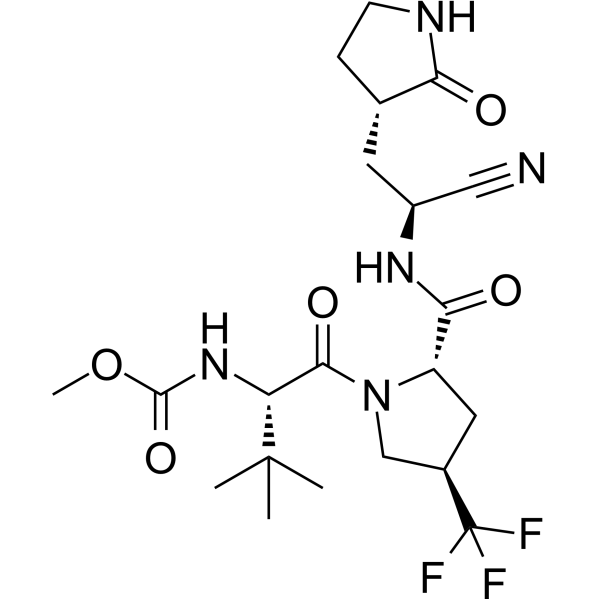
Ibuzatrelvir (PF-07817883), a second-generation, orally bioavailable, is SARS-CoV-2 main protease (M pro and 3CL pro) inhibitor with improved metabolic stability. Ibuzatrelvir has demonstrated pan-human coronavirus antiviral activity and off-target selectivity profile in vitro and in preclinical animal studies. Ibuzatrelvir is well tolerated with a safety profile similar to placebo and prevents viral infection and transmission. Ibuzatrelvir can be used to inhibit COVID-19 .
loading...
    loading...
2
2 Cited Publications
Cat. No.: HY-129084
CAS No.: 111755-76-1
Purity:  98.85%
Research Areas:  

Others

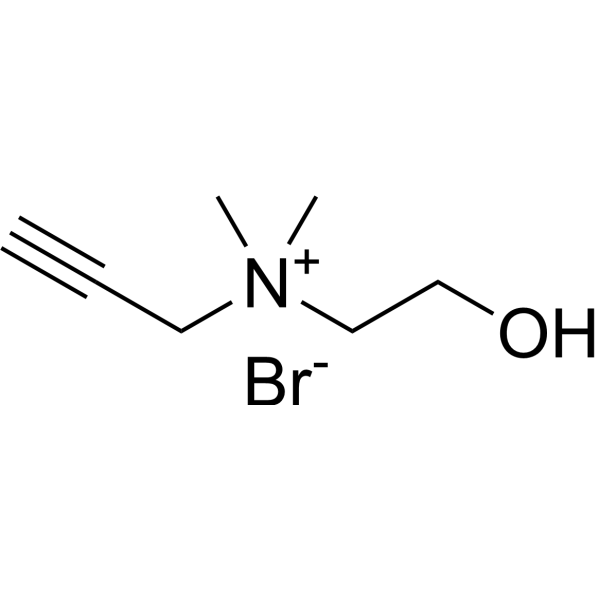
Propargylcholine bromide is a choline analogue containing terminal propargyl that can be incorporated into all classes of Choline-containing phospholipids such as phosphatidylcholine and sphingomyelin, labeling Choline-containing phospholipids. Propargylcholine bromide-labeled phospholipid molecules can be visualized in cells with high sensitivity and spatial resolution. Propargylcholine bromide can be used as a molecular tool to study the biochemical and metabolic processes of Choline-containing phospholipids in cells . Propargylcholine (bromide) is a click chemistry reagent, it contains an Alkyne group and can undergo copper-catalyzed azide-alkyne cycloaddition (CuAAc) with molecules containing Azide groups.
loading...
    loading...
2
2 Cited Publications
Cat. No.: HY-128578
CAS No.: 906669-07-6
Purity:  99.86%
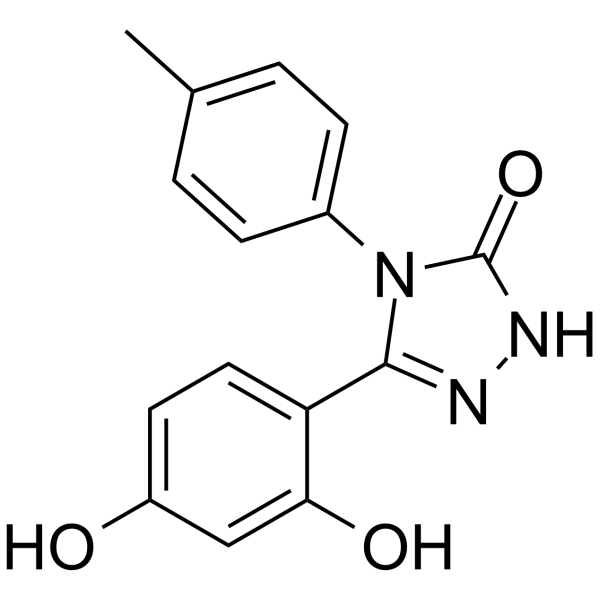
KPLH1130 is a pyruvate dehydrogenase kinase (PDK) inhibitor. KPLH1130 potently inhibits M1 macrophage polarization by reducing the expression of pro-inflammatory cytokines, decreasing the levels of M1 phenotype markers (HIF-1α, iNOS) and nitric oxide (NO) production. KPLH1130 prevents the reduction of mitochondrial oxygen consumption rate (OCR) induced by inflammatory stimuli (LPS ((HY-D1056) + IFN-γ) in various macrophage types. KPLH1130 improves glucose tolerance in HFD-fed mice. KPLH1130 can be used for the study of obesity-associated metabolic disorders and other inflammatory conditions .
loading...
    loading...
2
2 Cited Publications
Cat. No.: HY-113218
CAS No.: 3040-38-8
Purity:  ≥98.0%
Synonyms: O-Acetyl-L-carnitine; ALCAR
Target:  

Caspase Apoptosis

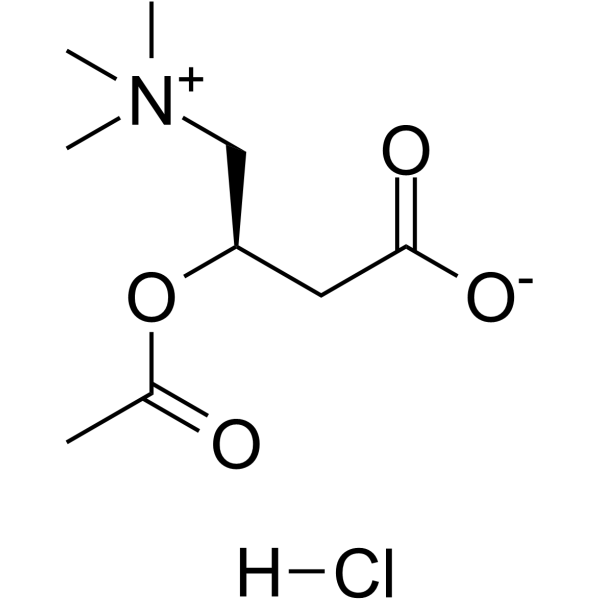
Acetyl-L-carnitine (O-Acetyl-L-carnitine; ALCAR) is an orally active mitochondrial energy metabolism regulator and neuroprotectant that can penetrate the blood-brain barrier. Acetyl-L-carnitine selectively enters cells and the brain through the organic cation transporter OCTN2. Acetyl-L-carnitine can participate in fatty acid β-oxidation, promote acetylcholine synthesis, regulate mitochondrial function and inhibit oxidative stress as an acetyl donor. Acetyl-L-carnitine exerts its activity by enhancing energy metabolism, protecting neurons and improving synaptic plasticity. Acetyl-L-carnitine is mainly used in the study of neurodegenerative diseases and metabolic disorder-related diseases such as neonatal hypoxic-ischemic brain damage, Alzheimer's disease, and depression .
loading...
    loading...
2
2 Cited Publications
Cat. No.: HY-B0762
CAS No.: 5080-50-2
Synonyms: O-Acetyl-L-carnitine hydrochloride; ALCAR hydrochloride
Acetyl-L-carnitine (O-Acetyl-L-carnitine; ALCAR) hydrochloride is an orally active mitochondrial energy metabolism regulator and neuroprotectant that can penetrate the blood-brain barrier. Acetyl-L-carnitine hydrochloride selectively enters cells and the brain through the organic cation transporter OCTN2. Acetyl-L-carnitine hydrochloride can participate in fatty acid β-oxidation, promote acetylcholine synthesis, regulate mitochondrial function and inhibit oxidative stress as an acetyl donor. Acetyl-L-carnitine hydrochloride exerts its activity by enhancing energy metabolism, protecting neurons and improving synaptic plasticity. Acetyl-L-carnitine hydrochloride is mainly used in the study of neurodegenerative diseases and metabolic disorder-related diseases such as neonatal hypoxic-ischemic brain damage, Alzheimer's disease, and depression .
loading...
    loading...
2
2 Cited Publications
Cat. No.: HY-P1723
CAS No.: 1370290-58-6
Synonyms: Neuropeptide Q
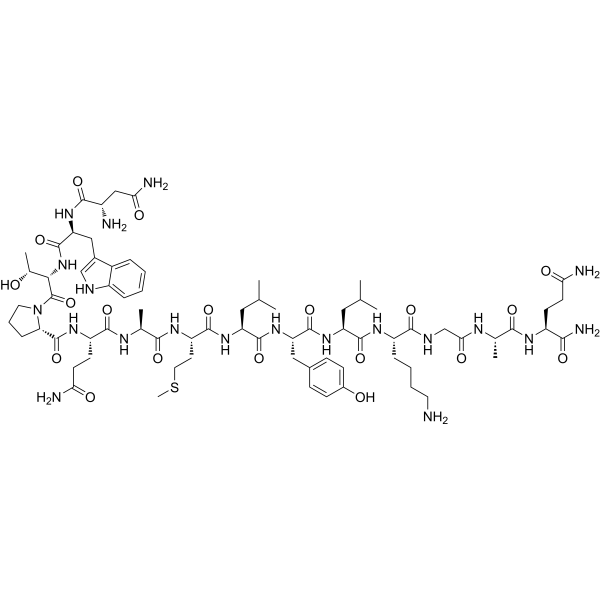
Spexin (Neuropeptide Q) is a selective agonist of galanin receptors GAL2 and GAL3, and is a conserved peptide that functions as a neurotransmitter/neuromodulator and endocrine factor. Spexin can function through both central and peripheral actions. Spexin upregulates Beclin 1 to inhibit ferroptosis induced by excessive autophagy, reduces the uptake of long-chain fatty acids by adipocytes, and regulates energy metabolism by increasing lipid oxidation (e.g., reducing the respiratory exchange ratio in rodents). Spexin improves cardiac function in the Doxorubicin hydrochloride (HY-15142)-induced cardiotoxicity model, protects mitochondrial membrane potential, and reduces iron accumulation and lipid peroxidation. Spexin can be used to study obesity and its related metabolic disorders, cardiovascular diseases (e.g., cardioprotection), and side effects of tumor chemotherapy .
loading...
    loading...
2
2 Cited Publications
Cat. No.: HY-B1120
CAS No.: 3383-96-8
Synonyms: Temefos
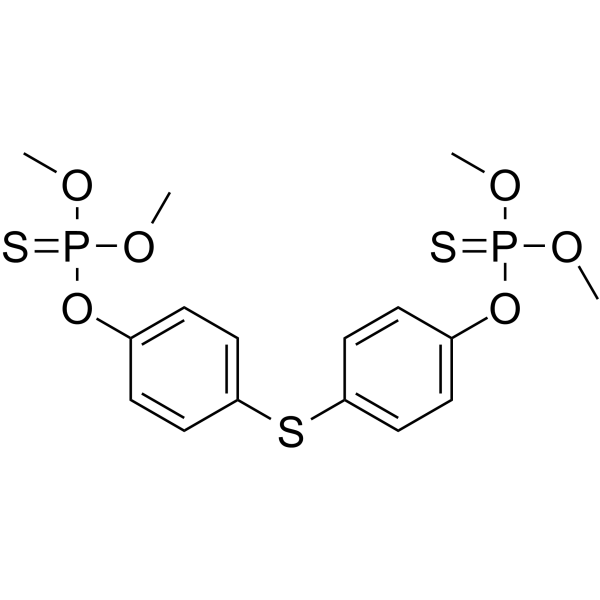
Temephos (Temefos) is an orally active, blood-brain barrier-permeable organophosphate insecticide and AChE inhibitor. By irreversibly inhibiting AChE to induce cholinergic overactivation, Temephos effectively blocks larval development of Aedes aegypti (yellow fever mosquito) and Aedes albopictus (Asian tiger mosquito), and is commonly used in studies related to Dengue Virus, Zika Virus and other relevant pathogens. Temephos exhibits genotoxicity and neurodevelopmental toxicity, and may also cause liver injury, reproductive system abnormalities and cholinergic poisoning symptoms in mammals. Temephos tends to accumulate in adipose tissues and aquatic organisms, and is excreted via feces after metabolism through oxidation and hydrolysis. Note that CYP-mediated metabolic detoxification may reduce the actual larvicidal efficacy of Temephos against some mosquito species. Temephos can be used in research related to dengue fever, Zika virus disease, chikungunya and dracunculiasis .
loading...
    loading...
1
1 Cited Publications
Cat. No.: HY-12638
CAS No.: 97-23-4
Purity:  98.55%
Synonyms: DDM
Research Areas:  

Infection

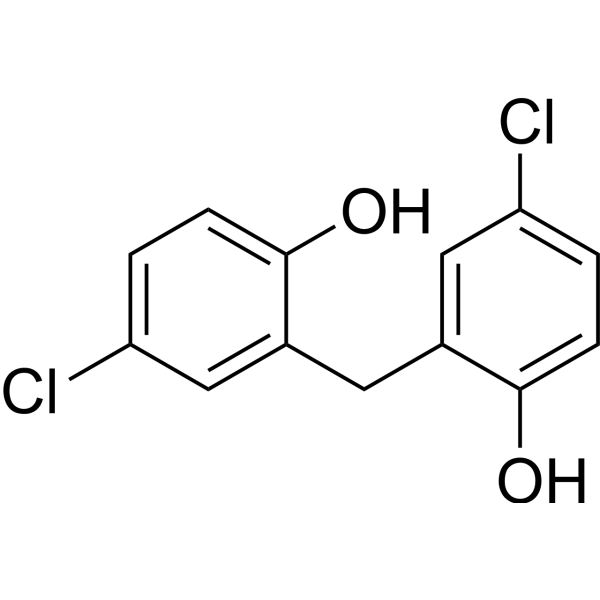
Dichlorophen is a chlorophenol antimicrobial agent that can destroy the integrity of microbial cell membranes and interfere with the activity of metabolic enzymes. Dichlorophen can covalently bind to the thiol groups of microbial proteins and has broad-spectrum antibacterial, antifungal and anthelmintic activity. Dichlorophen can be used as an antimicrobial agent in the study of drug-resistant bacterial infections .
loading...
    loading...
1
1 Cited Publications
Cat. No.: HY-N7814
CAS No.: 764-67-0
2-Hydroxypalmitic acid is an intermediate in the phytosphingosine metabolic pathway. 2-Hydroxypalmitic acid is exclusively incorporated into sphingolipids and not used for other lipids. 2-Hydroxypalmitic acid promotes the production of odd-carbon phosphatidylcholine species. 2-Hydroxypalmitic acid is applicable to studies of Saccharomyces cerevisiae infection .
loading...
    loading...
1
1 Cited Publications
Cat. No.: HY-W039924
CAS No.: 361154-23-6
Target:  

Drug Metabolite

Research Areas:  

Metabolic Disease

N-Azidoacetylmannosamine is an azide-labeled sugar that can be metabolically incorporated into glycoproteins. N-Azidoacetylmannosamine can then react with alkynes or phosphines that are linked to fluorescent or biotin tags for visualization or capture of the glycoproteins. N-Azidoacetylmannosamine can be used for studying glycan structures and functions in vivo .
loading...
    loading...
1
1 Cited Publications
Cat. No.: HY-128788A
ddhCTP trisodium solution (100 mM ± 3 mM) is an endogenously produced pyrimidine base analog with a Kd of 17.0 nM for LLDH and an IC50 of 55.8 μM for GAPDH. By inhibiting key metabolic enzymes such as GAPDH, ddhCTP trisodium reduces glycolytic flux and shifts metabolic flow toward the pentose phosphate pathway, thereby regulating the redox balance of cells. As a competitive CTP analog, ddhCTP trisodium terminates RNA synthesis by flavivirus RdRps and SARS-CoV-2 RdRp, and inhibits Zika virus replication in vivo. ddhCTP trisodium can be used in studies related to viral infections, COVID-19 and Zika virus infections .
loading...
    loading...
1
1 Cited Publications
Cat. No.: HY-151642
CAS No.: 105928-88-9
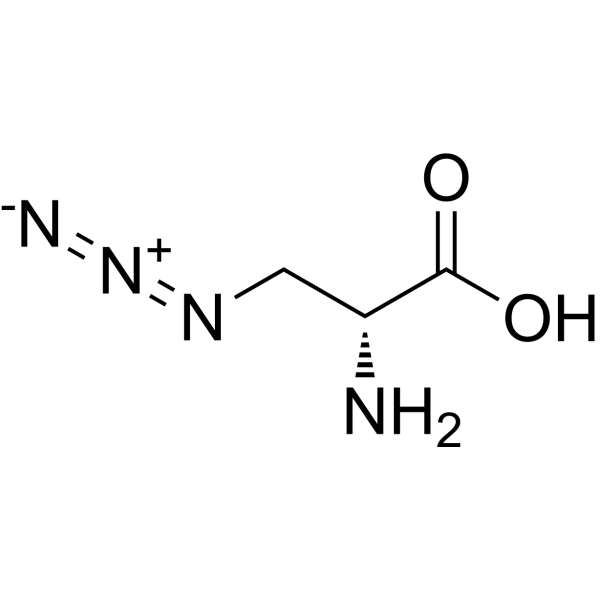
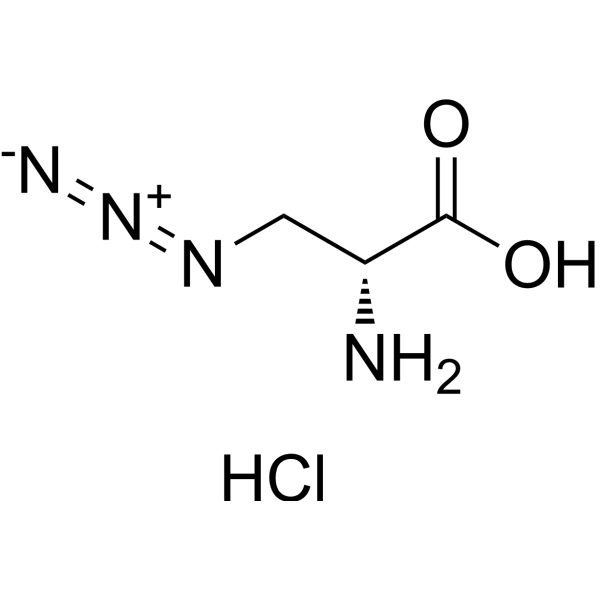
3-Azido-D-alanine is an orally active, selective metabolic tracer applicable for click chemistry labeling. 3-Azido-D-alanine can be selectively incorporated into bacterial cell wall peptidoglycans, introducing azido groups to enable copper-free click chemistry-based modification, labeling and single-cell tracing, while it cannot be metabolically incorporated by mammalian cells. 3-Azido-D-alanine can be used in studies related to bacterial infection, intracranial infection, otitis media, intestinal inflammation and tissue damage, as well as sepsis .
loading...
    loading...
1
1 Cited Publications
Cat. No.: HY-151642A
CAS No.: 1379690-01-3
Purity:  99.13%
3-Azido-D-alanine (hydrochloride) is an orally active, selective metabolic tracer applicable for click chemistry labeling. 3-Azido-D-alanine (hydrochloride) can be selectively incorporated into bacterial cell wall peptidoglycans, introducing azido groups to enable copper-free click chemistry-based modification, labeling and single-cell tracing, while it cannot be metabolically incorporated by mammalian cells. 3-Azido-D-alanine (hydrochloride) can be used in studies related to bacterial infection, intracranial infection, otitis media, intestinal inflammation and tissue damage, as well as sepsis .
loading...
    loading...
1
1 Cited Publications
Cat. No.: HY-15790
CAS No.: 439087-18-0
Purity:  99.91%
Synonyms: A 3309; AZD 7806
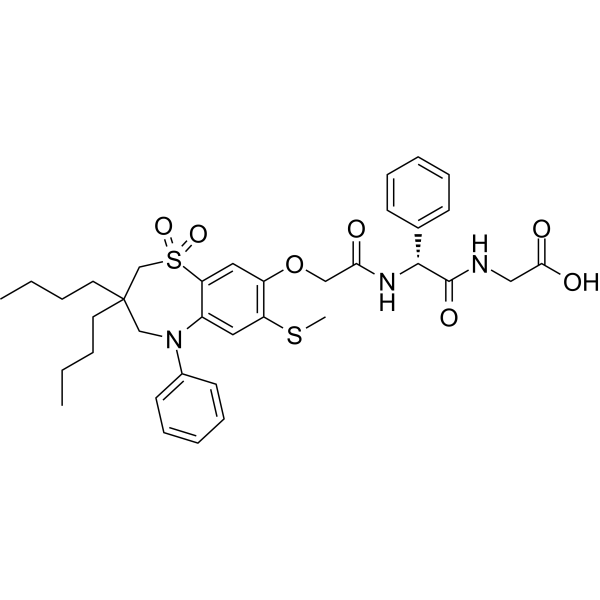
Elobixibat (A 3309; AZD 7806) is an orally active, bile acid transporter (IBAT) inhibitor with IC50 values ??of 0.53 nM (human IBAT), 0.13 nM (mouse IBAT), and 5.8 nM (canine IBAT). Elobixibat can lower LDL cholesterol, increase serum GLP-1, promote colonic motility, and has the potential to study metabolic syndrome. Elobixibat can be used in the study of chronic functional constipation (CIC), dyslipidemia, non-alcoholic hepatitis, and liver tumors in the elderly .
loading...
    loading...

