

191 Results for "

protein aggregation

" in MedChemExpress (MCE) Product Catalog:
Products (191)

191 Results for "protein aggregation" in MCE Product Catalog:

1
1 Cited Publications
Cat. No.: HY-113469
CAS No.: 7665-99-8
Purity:  99.43%
Cyclic GMP (cGMP), an important second messenger, is a major intracellular mediator of extracellular signals such as nitric oxide (NO) and natriuretic peptides (NPs). Effects of Cyclic GMP occur through three main groups of cellular targets: cGMP-dependent protein kinases (PKGs), cGMP-gated cation channels, and PDEs. Cyclic GMP can inhibit both platelet adhesion and aggregation. cGAMP (Cyclic-GMP-AMP) (HY-12512), a conjugate of Cyclic GMP and AMP, can induce IRF3 phosphorylation and nuclear translocation, enhancing antiviral immune responses .
loading...
    loading...
1
1 Cited Publications
Cat. No.: HY-113469A
CAS No.: 40732-48-7
Purity:  99.89%
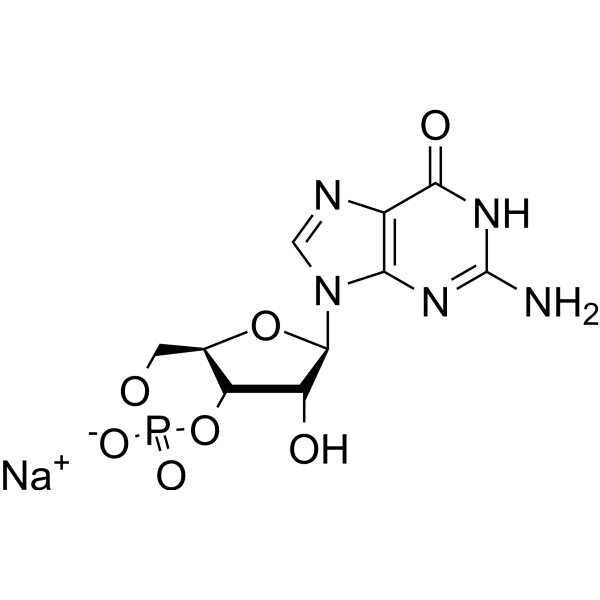
Cyclic GMP (cGMP) sodium, an important second messenger, is a major intracellular mediator of extracellular signals such as nitric oxide (NO) and natriuretic peptides (NPs). Effects of Cyclic GMP sodium occur through three main groups of cellular targets: cGMP-dependent protein kinases (PKGs), cGMP-gated cation channels, and PDEs. Cyclic GMP can inhibit both platelet adhesion and aggregation. cGAMP (Cyclic-GMP-AMP) (HY-12512), a conjugate of Cyclic GMP and AMP, can induce IRF3 phosphorylation and nuclear translocation, enhancing antiviral immune responses .
loading...
    loading...
1
1 Cited Publications
Cat. No.: HY-113283
CAS No.: 451-13-8
Purity:  99.46%
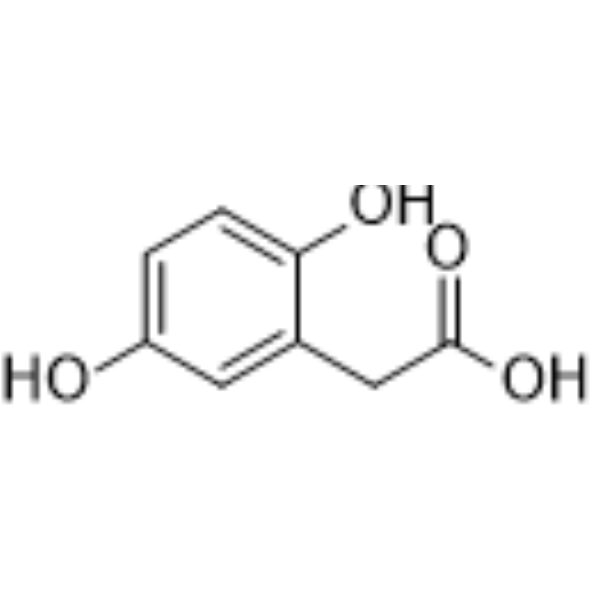
Homogentisic acid is an orally active, blood-brain barrier-permeable amyloidogenic compound that functions as both an amyloid component and a pigment precursor. Accumulation of homogentisic acid downregulates tight junction proteins (such as claudin-5, occludin, ZO-1) and impairs blood-brain barrier integrity. Homogentisic acid and its oxidation product benzoquinone acetic acid not only induce the aggregation and fibrosis of multiple proteins (such as Aβ1-42, α-synuclein, SAA, Transthyretin (TTR), atrial natriuretic peptide), but also trigger oxidative stress, damage to the Wnt/β-catenin pathway, and neurotoxicity, leading to ochronosis pigment deposition and synaptic dysfunction. At specific concentrations, homogentisic acid exerts no cytotoxicity or genotoxicity on human peripheral blood lymphocytes, and even counteracts the genotoxicity induced by Irinotecan (HY-16562). Homogentisic acid serves as an important tool molecule for investigating the mechanisms of diseases including ochronosis, secondary amyloidosis, Alzheimer's disease, and colorectal cancer .
loading...
    loading...
Cat. No.: HY-P99471
CAS No.: 2244960-75-4
Synonyms: UCB 0107

Target:  

Tau Protein

Research Areas:  

Neurological Disease

Bepranemab is a humanized IgG4 monoclonal antibody that binds to the central region of tau protein. Bepranemab inhibits the seeding, aggregation of pathological tau protein and the spread of tau pathology to distal brain regions. Bepranemab is applicable to research related to Alzheimer's disease .
loading...
    loading...
Cat. No.: HY-P4808
CAS No.: 329897-62-3
Target:  

Amyloid-β Autophagy

Research Areas:  

Neurological Disease

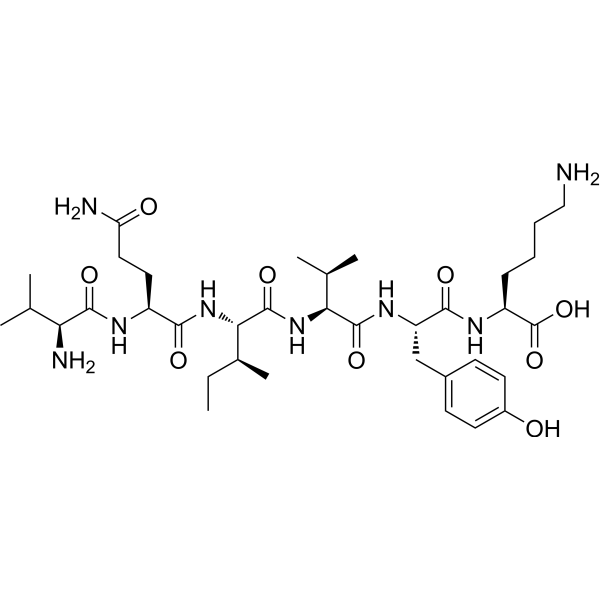
PHF6 (VQIVYK) is a self-assembly sequence capable of initiating the full-length tau protein aggregation and is mapped to the third microtubule-binding repeat region of the tau protein .
loading...
    loading...
Cat. No.: HY-W010041
CAS No.: 488-59-5
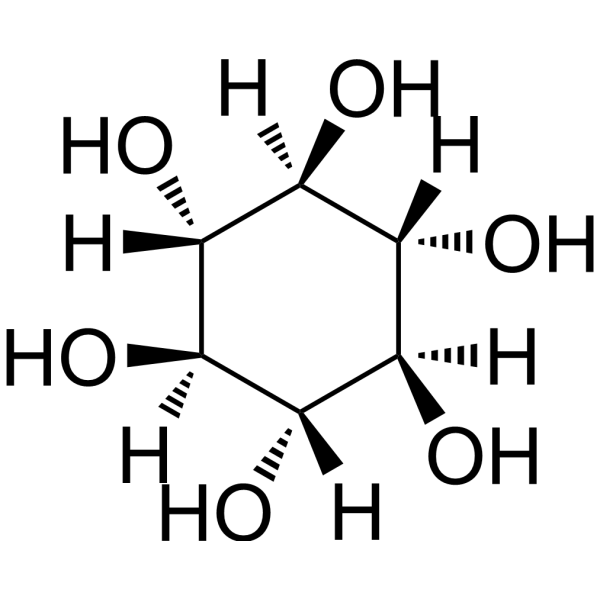
Scyllo-Inositol is an inhibitor that targets the aggregation of misfolded proteins (such as α-synuclein and Amyloid-β), is orally effective, and can cross the blood-brain barrier. Scyllo-Inositol can selectively bind to and stabilize non-toxic oligomers, preventing them from converting into toxic fibers, exerting protein homeostasis regulation and neuroprotective activity. Scyllo-Inositol binds to the hydrophobic region of pathogenic proteins, inhibits protein aggregation, and promotes lysosome- and proteasome-mediated degradation pathways, thereby reducing neurotoxicity. Scyllo-Inositol can be used in the study of neurodegenerative diseases such as Parkinson's disease, Alzheimer's disease, and Huntington's disease .
loading...
    loading...
Cat. No.: HY-B0228S1
CAS No.: 159496-13-6
Synonyms: Adenine riboside-13C5; D-Adenosine-13C5
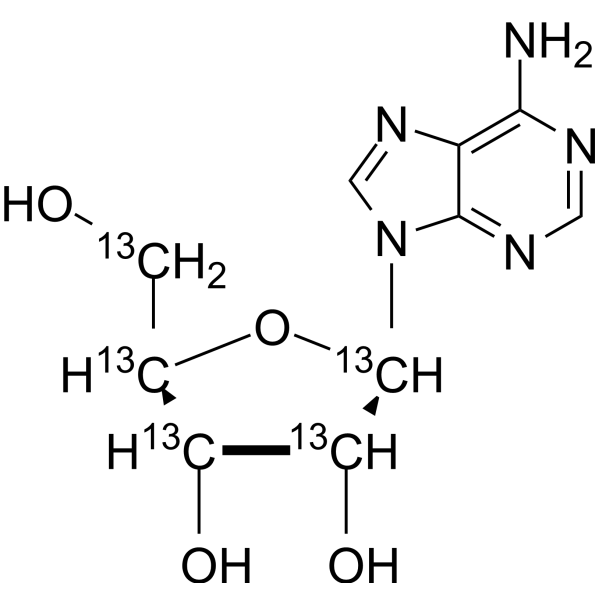
Adenosine- 13C5 is the 13C labeled Adenosine . Adenosine (Adenine riboside), a ubiquitous endogenous autacoid, acts through the enrollment of four G protein-coupled receptors: A1, A2A, A2B, and A3. Adenosine affects almost all aspects of cellular physiology, including neuronal activity, vascular function, platelet aggregation, and blood cell regulation .
loading...
    loading...
Cat. No.: HY-N2163
CAS No.: 172760-03-1
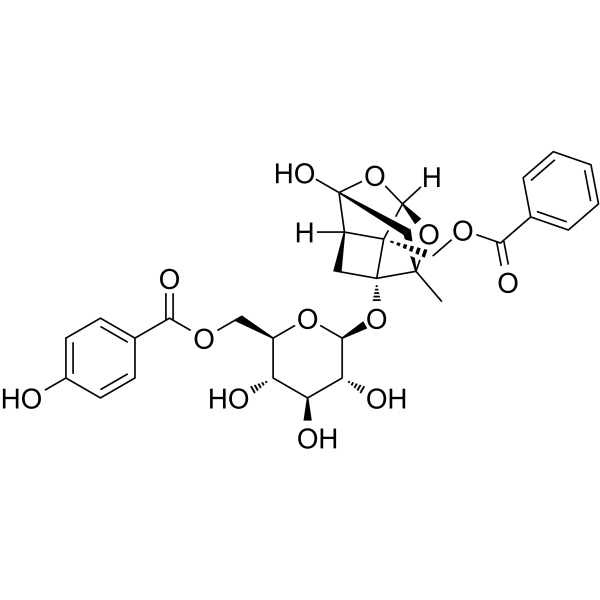
Mudanpioside C is a protein disulfide isomerase (PDI) inhibitor with a human IC50 of 3.31 μM and human Kd of 3.9 μM. Mudanpioside C suppresses collagen-induced platelet aggregation, interferes with platelet activation, adhesion, and spreading. Mudanpioside C can be used for the research of cardiovascular diseases .
loading...
    loading...
Cat. No.: HY-P99648
CAS No.: 1788032-39-2
Synonyms: BMS-986168; IPN007; BIIB092

Target:  

Tau Protein

Research Areas:  

Neurological Disease

Gosuranemab (BMS-986168; IPN007; BIIB092) is a humanised IgG4 anti-tau monoclonal antibody. Gosuranemab neutralizes the extracellular tau protein, inhibiting the spread and aggregation of pathological tau protein. Gosuranemab can be used for the research of progressive supranuclear palsy and early Alzheimer’s disease .
loading...
    loading...
Cat. No.: HY-155909A
CAS No.: 92451-01-9
Purity:  ≥80.0%
Synonyms: mPEG1000-SC; mPEG1000-Succinimidyl ester
Research Areas:  

Others

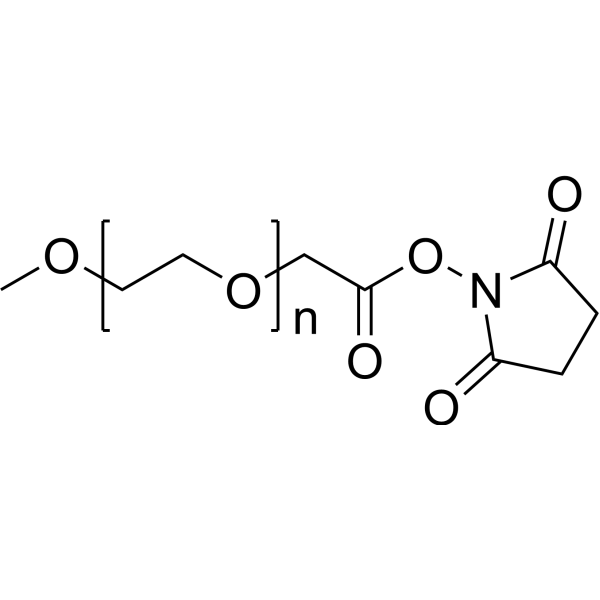
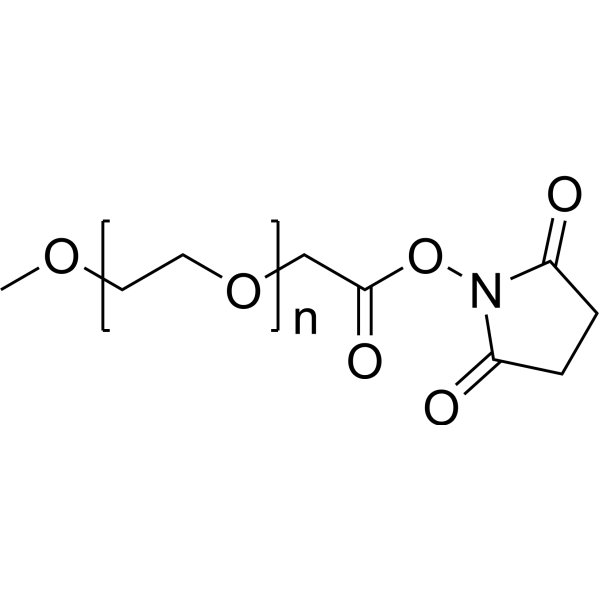
m-PEG1000-NHS ester (mPEG1000-SC; mPEG1000-Succinimidyl ester) is a polyethylene glycol (PEG)-based biocompatibility-enhancing modifier. m‑PEG1000‑NHS ester enables PEGylation of molecules such as proteins, which reduces the immunogenicity and antigenicity of target molecules, decreases the tendency of protein aggregation, and protects proteins from hydrolysis. m-PEG1000-NHS ester can be used in drug delivery-related research .
loading...
    loading...
Cat. No.: HY-153430
CAS No.: 1210750-32-5
Purity:  99.70%
Target:  

Amyloid-β

Research Areas:  

Neurological Disease

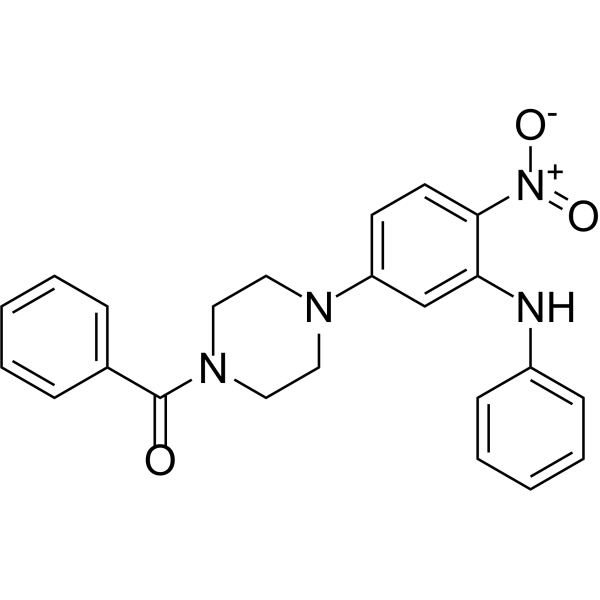
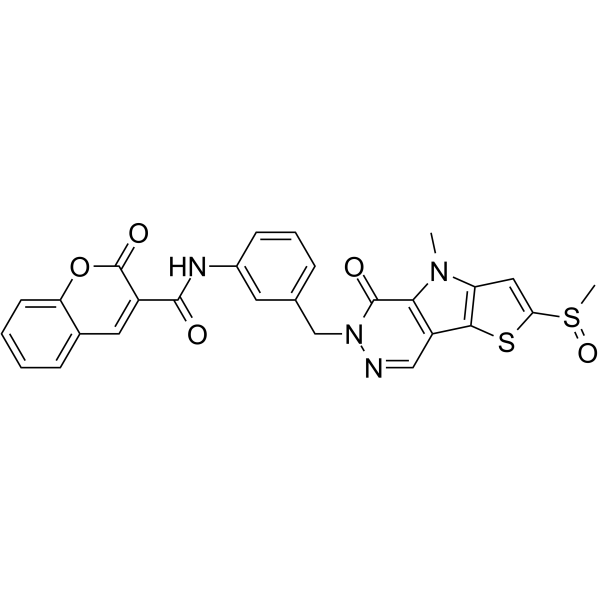
Aβ/tau aggregation-IN-3 is a potent amyloid protein aggregation inhibitor with an IC50 of 0.85 μM by Aβ-Thioflavin T (Aβ-ThT) functional aggregation assay. Aβ/tau aggregation-IN-3 has anti-amyloid activity .
loading...
    loading...
Cat. No.: HY-19738
CAS No.: 185351-19-3
Target:  

Tau Protein

Research Areas:  

Neurological Disease

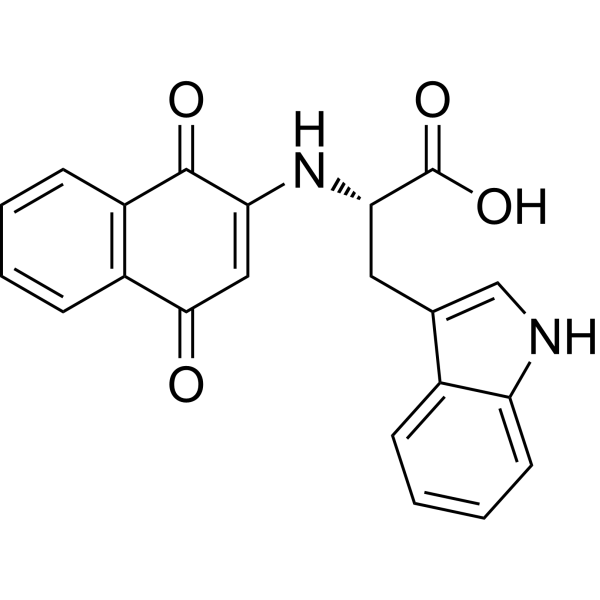
NQTrp, an aromatic naphthoquinone-tryptophan hybrid molecule, an inhibitor of the aggregation of the tau protein with generic anti-amyloidogenic effects. NQTrp inhibits the in vitro aggregation of hexapeptide ( 41GCWMLY 46 within the N-terminus of γD-crystallin) as well as full-length γD-crystallin .
loading...
    loading...
Cat. No.: HY-128849
CAS No.: 21668-77-9
Purity:  ≥98.0%
Target:  

Amyloid-β

Research Areas:  

Inflammation/Immunology

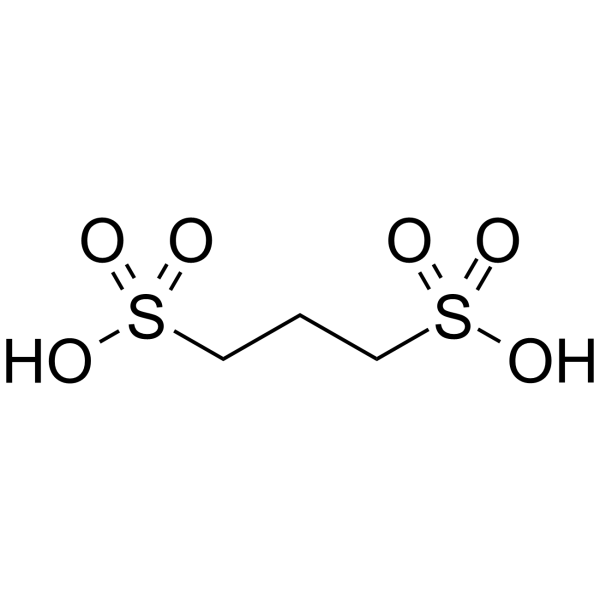
Eprodisate (70% in water) is an amyloid inhibitor that interferes with the interaction between amyloidogenic proteins and glycosaminoglycans, thereby inhibiting the aggregation of amyloid fibrils and the deposition of fibrils in tissues. Eprodisate (70% in water) slows the progression of renal disease associated with AA amyloidosis and may be useful for other types of amyloidosis .
loading...
    loading...
Cat. No.: HY-D1456
CAS No.: 2621957-88-6
TEPC466 is a novel TEPP-46-based aggregation-induced emission (AIE) probe. TEPC466 shows a high degree of selectivity and sensitivity for the detection of PKM2 protein via the AIE effect. EPC466 can be used for the detection of PKM2. TEPC466 is successfully applied in imaging the PKM2 protein in colorectal cancer cells with low toxicity. TEPC466 is a useful tool for cancer diagnosis and research .
loading...
    loading...
Cat. No.: HY-B0228S
CAS No.: 109923-50-4
Synonyms: Adenine riboside-d1; D-Adenosine-d
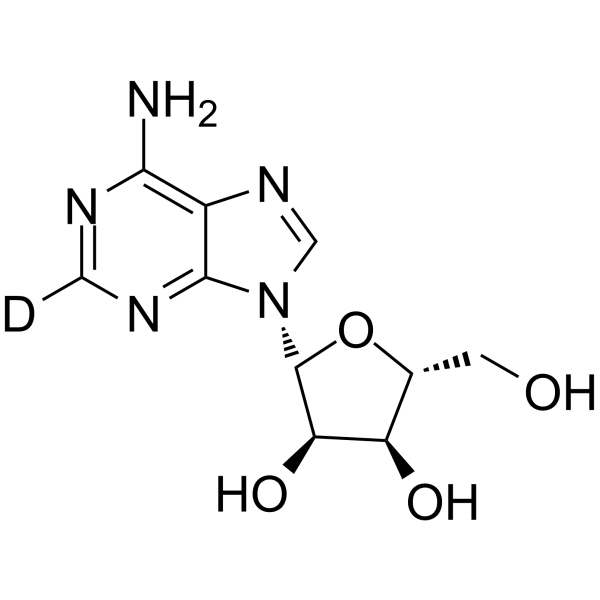
Adenosine-d is the deuterium labeled Adenosine. Adenosine (Adenine riboside), a ubiquitous endogenous autacoid, acts through the enrollment of four G protein-coupled receptors: A1, A2A, A2B, and A3. Adenosine affects almost all aspects of cellular physiology, including neuronal activity, vascular function, platelet aggregation, and blood cell regulation .
loading...
    loading...
Cat. No.: HY-P4808A
Target:  

Amyloid-β Autophagy

Research Areas:  

Neurological Disease

PHF6 (VQIVYK) TFA is a self-assembly sequence capable of initiating the full-length tau protein aggregation. PHF6 TFA is mapped to the third microtubule-binding repeat region of the tau protein .
loading...
    loading...
Cat. No.: HY-111447
CAS No.: 869853-70-3
Purity:  99.59%
Target:  

NADPH Oxidase Apoptosis

Research Areas:  

Cardiovascular Disease Cancer

VAS 3947, a specific NADPH oxidase (NOX) inhibitor, exerts a potent antiplatelet effect. VAS3947 induces apoptosis independently of anti-NOX activity, via UPR activation, mainly due to aggregation and misfolding of proteins .
loading...
    loading...
Cat. No.: HY-155909C
CAS No.: 92451-01-9
Purity:  ≥90.0%
Synonyms: mPEG350-SC; mPEG350-Succinimidyl ester
Research Areas:  

Others

m-PEG350-NHS ester (mPEG350-SC; mPEG350-Succinimidyl ester) is a polyethylene glycol (PEG)-based biocompatibility-enhancing modifier. m‑PEG350‑NHS ester enables PEGylation of molecules such as proteins, which reduces the immunogenicity and antigenicity of target molecules, decreases the tendency of protein aggregation, and protects proteins from hydrolysis. m-PEG350-NHS ester can be used in drug delivery-related research .
loading...
    loading...
Cat. No.: HY-N3187
CAS No.: 5945-86-8
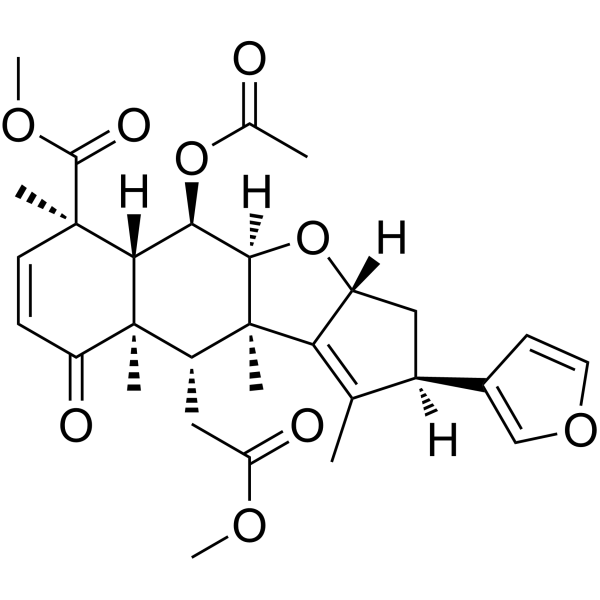
Nimbin is an orally active intermediate limonoid found in Azadirachta. Nimbin prevents tau aggregation and increases cell viability. Nimbin is effective inhibits the envelope protein of dengue virus. Nimbin has anti-inflammatory, antipyretic, antifungal, antihistamine, antiseptic, antioxidant, anti-cancer and anti-viral properties. Nimbin is promising for research of neurodegenerative diseases and viral infections .
loading...
    loading...
Cat. No.: HY-W856375A
CAS No.: 2046513-40-8
BSPOTPE is the mixture of (E)-BSPOTPE (HY-W856375) and (Z)-BSPOTPE. BSPOTPE binds Human serum albumin (HSA) (HY-P1956), exhibits aggregation-induced emission (AIE) phenomenon. BSPOTPE shows selectivity for albumin (such as HSA and BSA), but has no obvious fluorescence response to other proteins and DNA. BSPOTPE can be used as fluorescent probe for HSA .
loading...
    loading...

