328 Results for "

sensing

" in MedChemExpress (MCE) Product Catalog:
Products (328)

328 Results for "sensing" in MCE Product Catalog:

2
2 Cited Publications
Cat. No.: HY-P1955A
CAS No.: 1334237-71-6
Synonyms: Velcalcetide hydrochloride; AMG 416 hydrochloride; KAI-4169 hydrochloride
Target:  

CaSR

Research Areas:  

Endocrinology

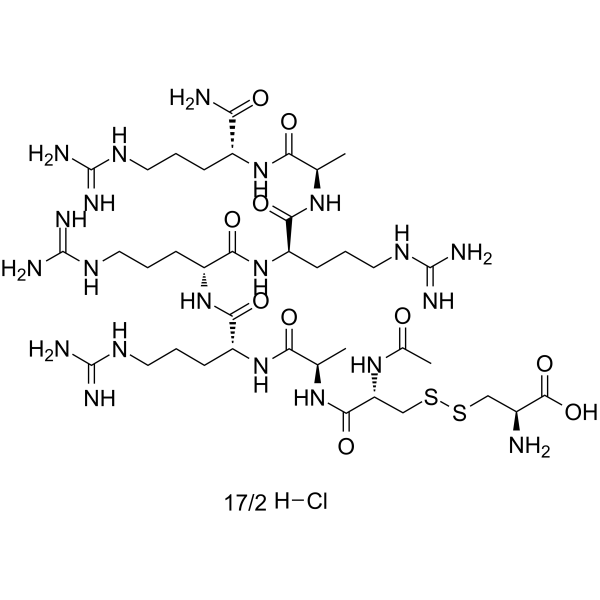
Etelcalcetide hydrochloride (AMG 416 hydrochloride; KAI-4169 hydrochloride) is a synthetic calcimimetic as an activator of the calcium sensing receptor (CaSR). Etelcalcetide hydrochloride is effective in lowering parathyroid hormone (PTH) concentrations in patients receiving dialysis with secondary hyperparathyroidism receiving hemodialysis, which is promising for research in the field of secondary hyperparathyroidism and chronic kidney disease .
loading...
    loading...
2
2 Cited Publications
Cat. No.: HY-17397
CAS No.: 135459-87-9
Synonyms: Distrontium renelate; S12911
Target:  

CaSR

Research Areas:  

Metabolic Disease

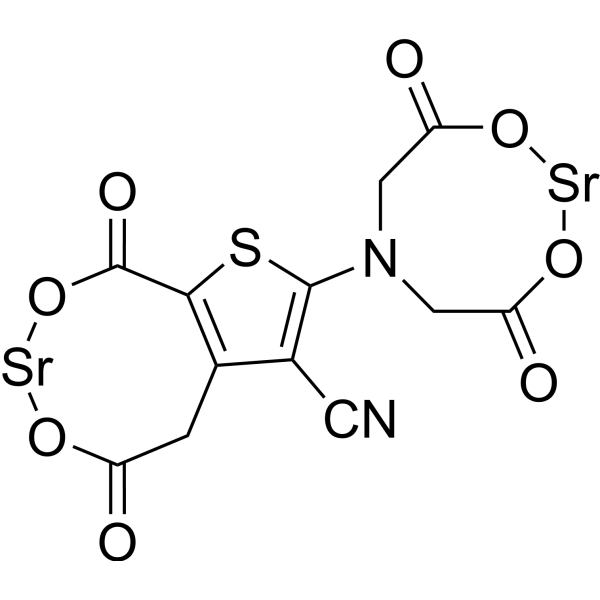
Strontium Ranelate (S12911) is an antiosteoporotic agent that acts by reducing bone resorption and promoting bone formation, thereby inducing a positive bone balance. Strontium Ranelate can also activate the calcium-sensing receptor (CaSR) in non skeletal cells, resulting in the activation of inositol 1, 4, 5-triphosphate production and mitogen-activated protein kinase signaling .
loading...
    loading...
2
2 Cited Publications
Cat. No.: HY-B0914
CAS No.: 112-38-9
Synonyms: Undecylenic acid
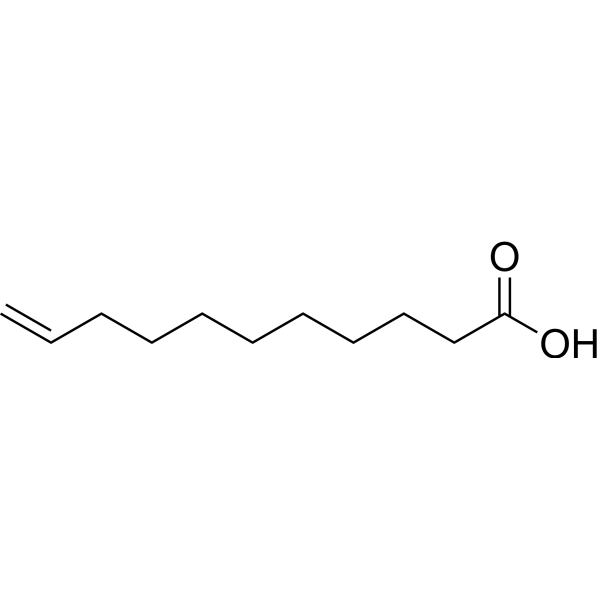
10-Undecenoic acid (Undecylenic acid) is an antifungal agent. 10-Undecenoic acid inhibits oligomerization, scavenges ROS and inhibits μ-calpain activity. 10-Undecenoic acid has neuroprotective effects. 10-Undecenoic acid has anticancer effects on a variety of tumors. 10-Undecenoic acid inhibits C. albicans biofilm formation and MRSA infection. 10-Undecenoic acid inhibits quorum sensing signals of Bacillus subtilis and Pseudomonas aeruginosa .
loading...
    loading...
2
2 Cited Publications
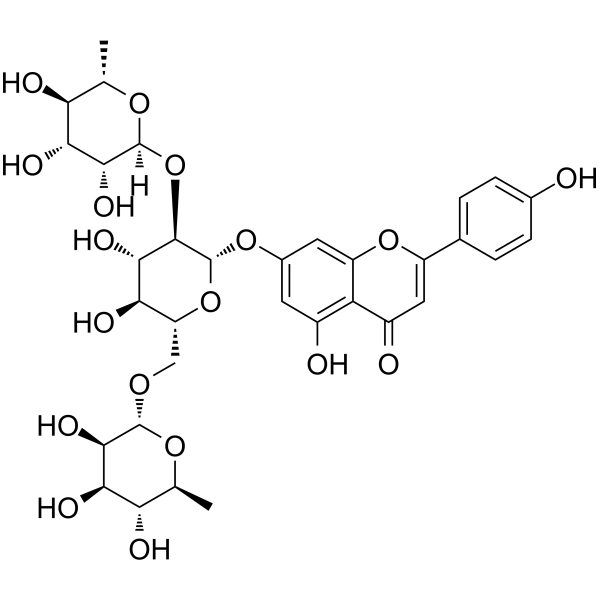
Cat. No.: HY-N0546
CAS No.: 260413-62-5
Synonyms: Nuezhenoside
Ligustroflavone is an orally active flavonoid compound. Ligustroflavone can be extracted from Ligustrum lucidum. Ligustroflavone antagonizes the calcium-sensing receptor (CaSR), inhibits the RIPK1/RIPK3/MLKL pathway, and downregulates TGF-β/Smad signaling. Ligustroflavone regulates calcium metabolism, protects bone tissue, reduces cerebral ischemic injury, and inhibits liver fibrosis. Ligustroflavone can be used in the study of diabetic osteoporosis, ischemic stroke, and liver fibrosis .
loading...
    loading...
2
2 Cited Publications
Cat. No.: HY-104086
CAS No.: 259886-50-5
Purity:  ≥98.0%
Synonyms: CB7; Carrier CB7
Cucurbit[7]uril is a cyclic organic molecule consisting of seven glycoluril units linked by methylene bridges. It has a rigid barrel-like structure with two identical inlets at both ends to selectively encapsulate guest molecules of appropriate size, shape, and polarity. Cucurbit[7]uril is known for its high binding affinity for a variety of organic and inorganic guests, including drugs, amino acids, peptides, and metal ions. This property makes them promising candidates for various applications in areas such as drug delivery, catalysis, and sensing.
loading...
    loading...
2
2 Cited Publications
Cat. No.: HY-B0914A
CAS No.: 557-08-4
Synonyms: Zinc undecylenate
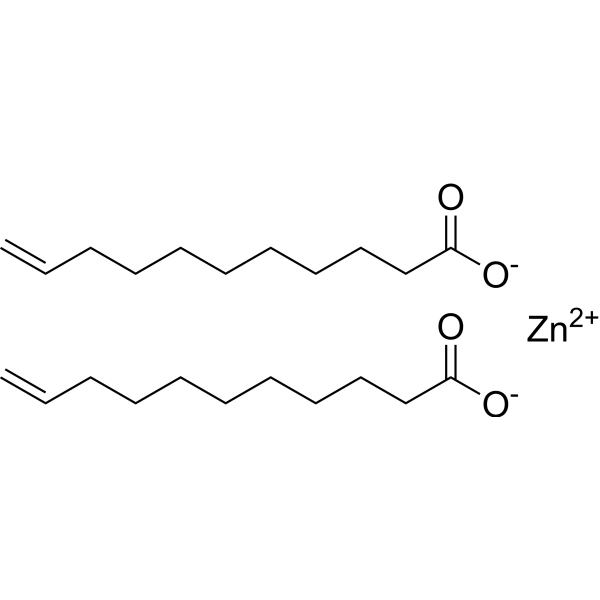
10-Undecenoic acid zinc salt (Undecylenic acid zinc salt) is an antifungal agent. 10-Undecenoic acid zinc salt inhibits oligomerization, scavenges ROS and inhibits μ-calpain activity. 10-Undecenoic acid zinc salt has neuroprotective effects. 10-Undecenoic acid zinc salt has anticancer effects on a variety of tumors. 10-Undecenoic acid zinc salt inhibits C. albicans biofilm formation and MRSA infection. 10-Undecenoic acid zinc salt inhibits quorum sensing signals of Bacillus subtilis and Pseudomonas aeruginosa .
loading...
    loading...
1
1 Cited Publications
Cat. No.: HY-118697
CAS No.: 137173-46-7
Purity:  ≥98.0%
Synonyms: C12-HSL
Target:  

Bacterial

Research Areas:  

Infection

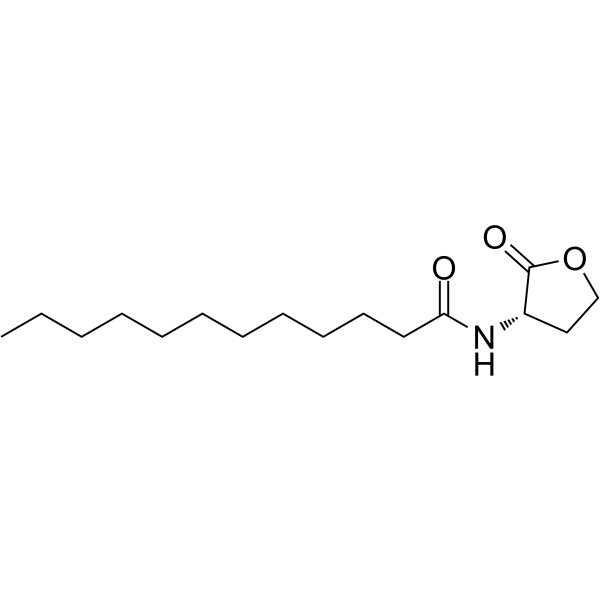
N-dodecanoyl-L-Homoserine lactone (C12-HSL) is a quorum sensing (QS) signaling molecule. N-dodecanoyl-L-Homoserine lactone (C12-HSL) aptamers blocks qurom sensing and inhibits biofilm formation in Pseudomonas aeruginosa .
loading...
    loading...
1
1 Cited Publications
Cat. No.: HY-131011
CAS No.: 247167-54-0
Purity:  ≥98.0%
Target:  

Bacterial

Research Areas:  

Infection

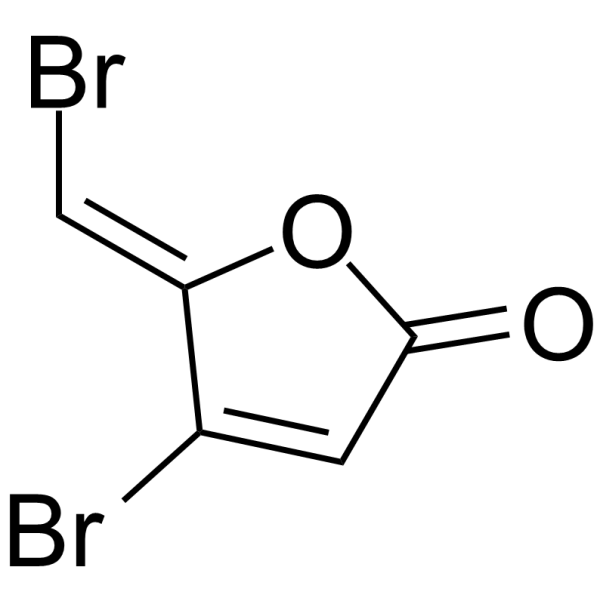
Furanone C-30 is a quorum sensing inhibitor. Furanone C-30 can effectively inhibit bacterial biofilm formation by S. mutans and its luxSmutant strain .
loading...
    loading...
1
1 Cited Publications
Cat. No.: HY-P2454
CAS No.: 172889-49-5
Target:  

Bacterial

Research Areas:  

Infection

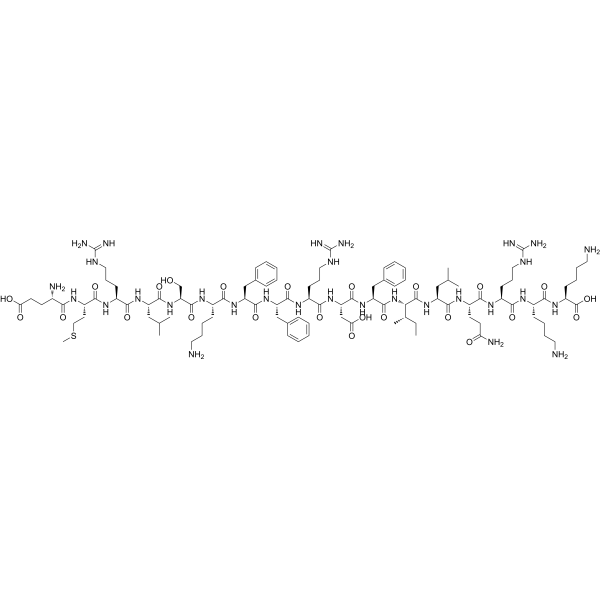
CSP1 is a potent and selective ComD1 receptor agonist, with an IC50 of 10.3 nM. CSP1 is a major variants of competence-stimulating peptide (CSP), and it can regulate genetic transformation of S. pneumonia by modulating quorum sensing (QS). CSP1 can act as an antibacterial agent .
loading...
    loading...
1
1 Cited Publications
Cat. No.: HY-136748
CAS No.: 882268-69-1
Purity:  99.96%
Research Areas:  

Cancer

HIF-2α-IN-4 is a potent inhibitor of hypoxia inducible factor-2α (HIF-2α) translation, with an IC50 of 5 μM. HIF-2α-IN-4 decreases both constitutive and hypoxia-induced HIF-2α protein expression. HIF-2α-IN-4 links its 5'UTR iron-responsive element to oxygen sensing .
loading...
    loading...
1
1 Cited Publications
Cat. No.: HY-W007390
CAS No.: 52727-57-8
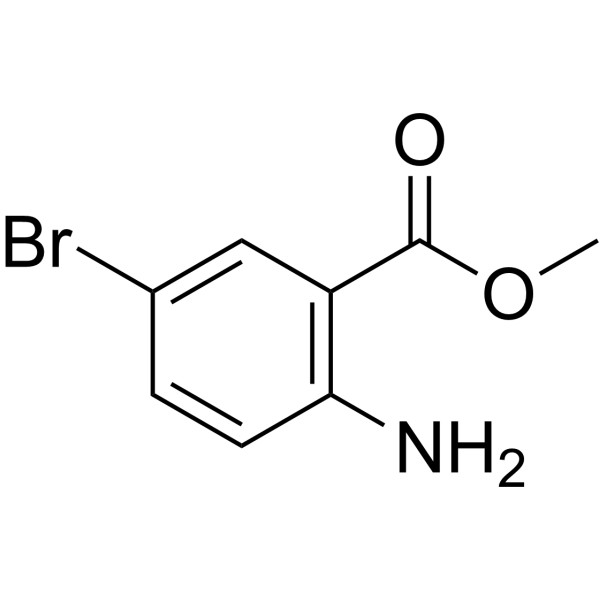
Methyl 2-amino-5-bromobenzoate (Compound 8/12) is a pharmaceutical intermediate. Methyl 2-amino-5-bromobenzoate can be used to synthesize 2-benzamidobenzoic acid, a known FabH inhibitor. Derivatives of methyl 2-amino-5-bromobenzoate also inhibit PqsD, the pqs quorum sensing (QS) system, of Pseudomonas aeruginosa .
loading...
    loading...
1
1 Cited Publications
Cat. No.: HY-121584
CAS No.: 42438-90-4
Purity:  99.82%
Synonyms: Cyclomethyltryptophan
Lycoperodine-1 (Cyclomethyltryptophan) is an active product that can be isolated from tomato fruits (Lycopersicon sculentum). Lycoperodine-1 act as an agonist of Ca 2+ sensing receptors (CaSR) .
loading...
    loading...
1
1 Cited Publications
Cat. No.: HY-107757
CAS No.: 5361-15-9
Purity:  99.66%
Synonyms: 2-Guanidine-4-methylquinazoline hydrochloride
Target:  

Sodium Channel

Research Areas:  

Neurological Disease

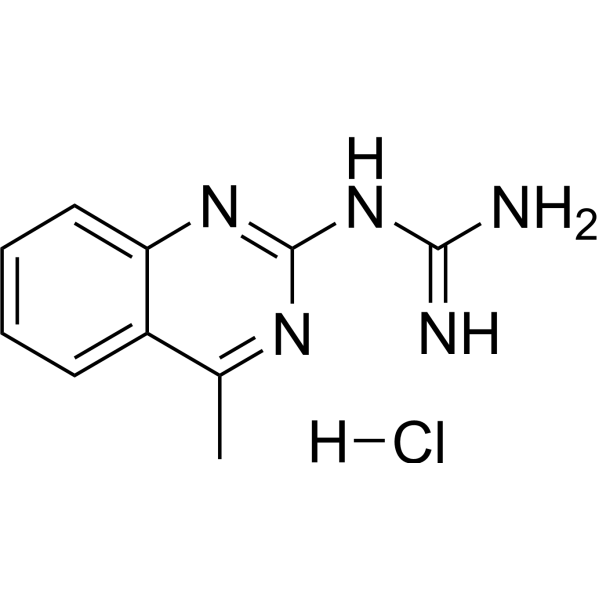
GMQ (hydrochloride) is a ASIC (acid-sensing ion) channel activator with an EC50 value of 1.83 mM for ASIC3 at pH 7.4. GMQ (hydrochloride) opens only ASIC3 but no other ASICs at pH 7.4. GMQ (hydrochloride) can be used for neurological disease research .
loading...
    loading...
1
1 Cited Publications
Cat. No.: HY-120504
CAS No.: 1202-66-0
Purity:  98.90%
Target:  

Bacterial

Research Areas:  

Infection Cancer

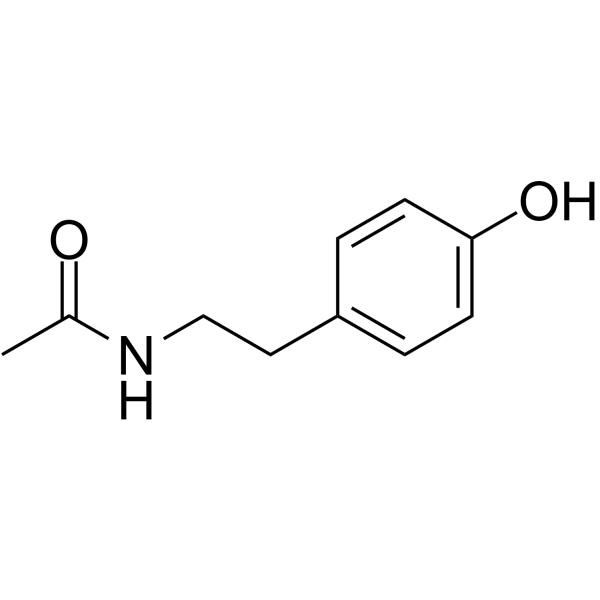
N-Acetyltyramine is a quorum-sensing inhibitor (QSI) compound produced by V. alginolyticus M3-10. N-Acetyltyramine is capable of inhibiting the QS of C. violaceum ATCC 12472. N-acetyltyramine reverses resistance in Doxorubicin-resistant leukemia P388 cells .
loading...
    loading...
1
1 Cited Publications
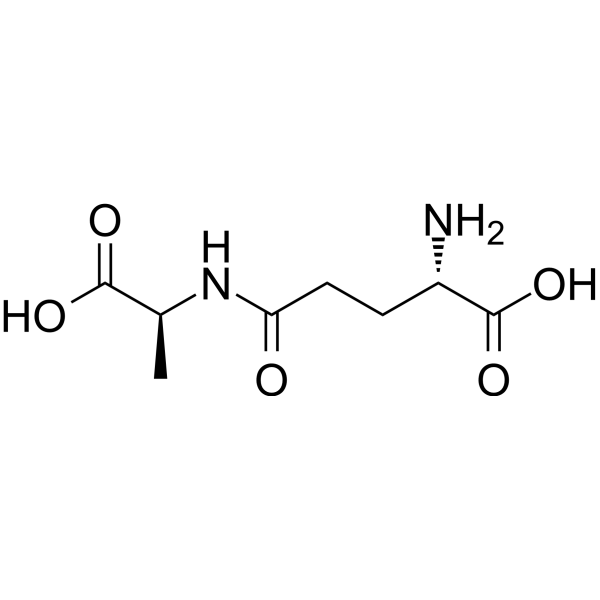
Cat. No.: HY-112171
CAS No.: 5875-41-2
Purity:  ≥98.0%
Synonyms: γ-Glu-Ala
γ-L-Glutamyl-L-alanine (γ-Glu-Ala), composed of gamma-glutamate and alanine, is a proteolytic breakdown product of larger proteins. γ-L-Glutamyl-L-alanine is a natural substrate of the γ-Glutamylcyclotransferase. γ-L-Glutamyl-L-alanine is a positive modulator of calcium-sensing receptor (CaR) function .
loading...
    loading...
1
1 Cited Publications
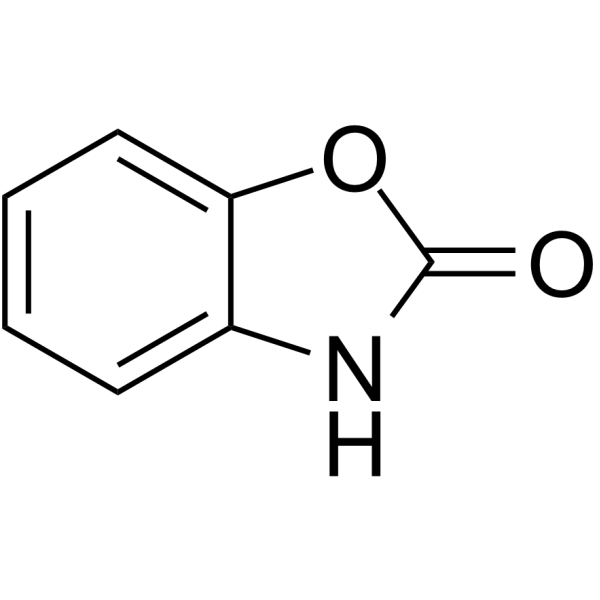
Cat. No.: HY-W015818
CAS No.: 59-49-4
Synonyms: 2-Benzoxazolone; 1,3-Benzoxazol-2(3H)-one; 2-Hydroxybenzoxazole
2-Benzoxazolinone is an anti-leishmanial agent with an LC50 of 40 μg/mL against L. donovani . A building block in chemical synthesis. 1,3-Benzoxazol-2(3H)-one derivatives have antimicrobial activity against a selection of Gram-positive, Gram-negative bacteria and yeasts . Derivatives as anti-quorum sensing agent .
loading...
    loading...
1
1 Cited Publications
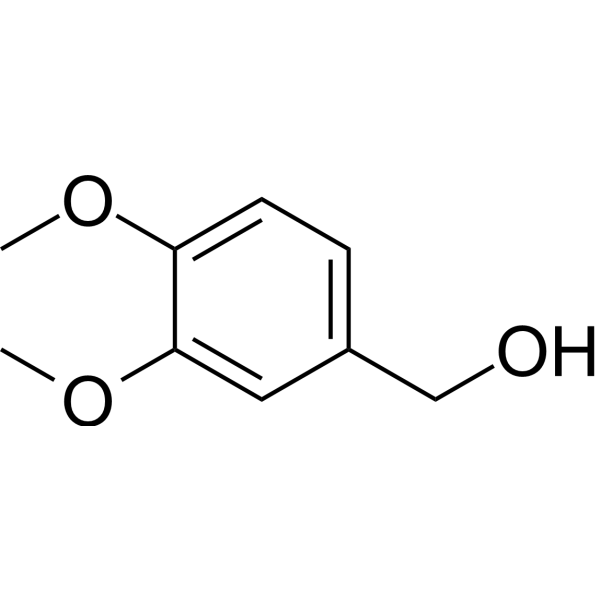
Cat. No.: HY-107858
CAS No.: 93-03-8
Purity:  99.98%
Synonyms: 3,4-Dimethoxybenzyl alcohol
Veratryl alcohol (3,4-Dimethoxybenzyl alcohol) is a secondary metabolite of lignin-degrading fungi, commonly used as a substrate for lignin peroxidase (LiP) to measure lignin degradation activity. Veratryl alcohol protects LiP from inactivation by H2O2 and prevents the accumulation of LiP III compounds. Veratryl alcohol also acts as a stabilizer for manganese-dependent peroxidases (MnP). Veratryl alcohol is a quorum-sensing inhibitor (QSI) and exhibits antibacterial efficacy .
loading...
    loading...
1
1 Cited Publications
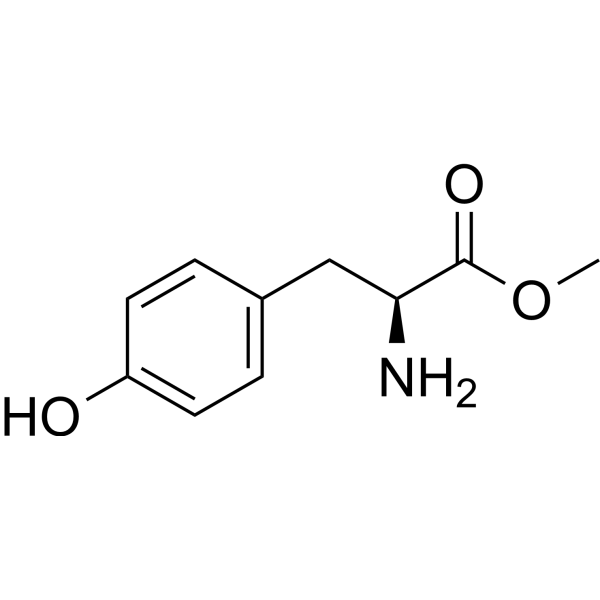
Cat. No.: HY-W007671
CAS No.: 1080-06-4
H-Tyr-OMe is an amino acid derivative and also a coordinating ligand for Cu II ions. H-Tyr-OMe can serve as a surface functionalization reagent for carbon dots, and is used to prepare fluorescent probes for biothiol sensing. H-Tyr-OMe is oxidized to quinone under the catalysis of Tyrosinase via its phenolic hydroxyl group, which quenches the fluorescence of carbon dots. H-Tyr-OMe contains potential coordination sites, including carboxyl, amino and phenolic hydroxyl groups .
loading...
    loading...
1
1 Cited Publications
Cat. No.: HY-W012228
CAS No.: 3417-91-2
Research Areas:  

Others

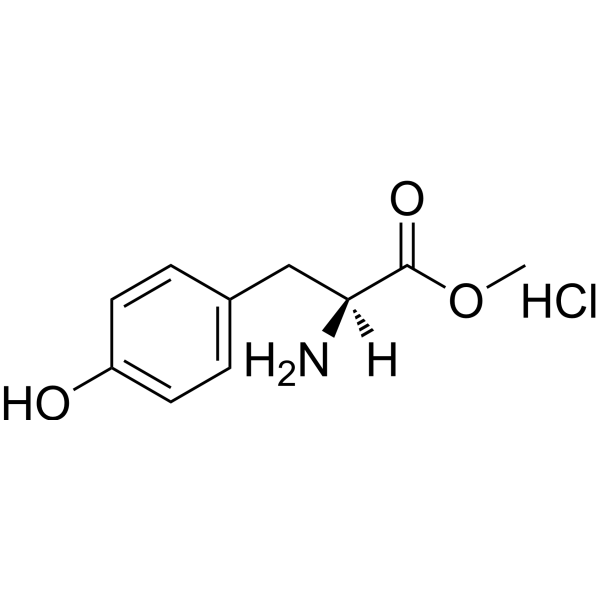
H-Tyr-OMe.HCl is an amino acid derivative and also a coordinating ligand for Cu II ions. H-Tyr-OMe.HCl can serve as a surface functionalization reagent for carbon dots, and is used to prepare fluorescent probes for biothiol sensing. H-Tyr-OMe.HCl is oxidized to quinone under the catalysis of Tyrosinase via its phenolic hydroxyl group, which quenches the fluorescence of carbon dots. H-Tyr-OMe.HCl contains potential coordination sites, including carboxyl, amino and phenolic hydroxyl groups .
loading...
    loading...
1
1 Cited Publications
Cat. No.: HY-W089845
CAS No.: 629-94-7
Heneicosane is a royal-specific pheromone of insects (such as subterranean termites) and is an identification signal for queens and kings in termites. Heneicosane mediates royal recognition and the maintenance of social division of labor by being sensed by worker ants and triggering vibrations and antennal behaviors. Heneicosane can exert anti-inflammatory, analgesic and antipyretic activities by inhibiting the release of inflammatory mediators (such as prostaglandins and cytokines). At the same time, Heneicosane can also inhibit the mycelial growth of aflatoxin-producing fungi and inhibit the production of aflatoxin. Heneicosane can be used in insect chemical ecology research to analyze the regulatory mechanism of termite social behavior, and is also a potential target for new anti-inflammatory drugs .
loading...
    loading...