
250 Results for "

precursor cells

" in MedChemExpress (MCE) Product Catalog:
Products (250)

250 Results for "precursor cells" in MCE Product Catalog:

3
3 Cited Publications
Cat. No.: HY-110318
CAS No.: 1785665-61-3
Purity:  98.28%
Target:  

CXCR

Research Areas:  

Inflammation/Immunology Cancer

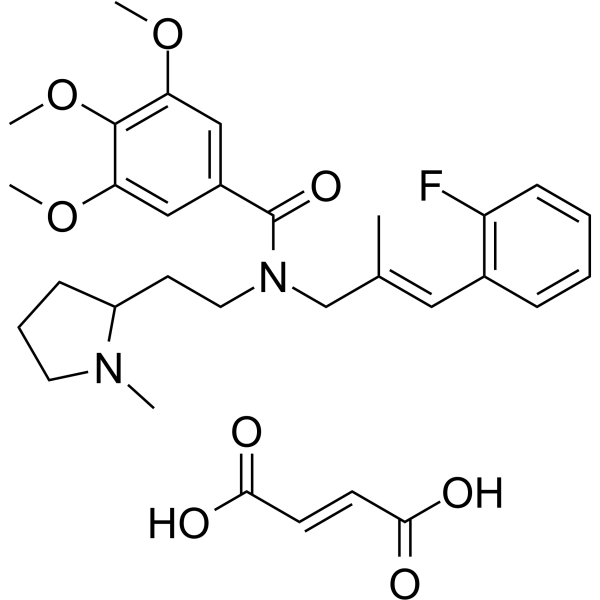
VUF11207 fumarate is a CXCR7 agonist that binds specifically to CXCR7. VUF11207 fumarate reduces CXCL12-mediated osteoclastogenesis and bone resorption by inhibiting ERK phosphorylation .
loading...
    loading...
3
3 Cited Publications
Cat. No.: HY-135750
CAS No.: 574759-62-9
Purity:  99.90%
Research Areas:  

Inflammation/Immunology

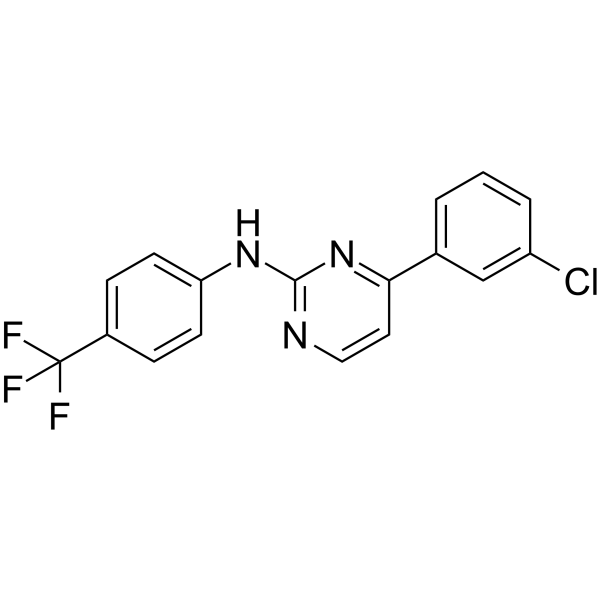
VAF347 is a cell permeable and highly affinity aryl hydrocarbon receptor (AhR) agonist and induces AhR signaling. VAF347 inhibits the development of CD14 +CD11b + monocytes from granulo-monocytic (GM stage) precursors. VAF347 has anti-inflammatory effects .
loading...
    loading...
3
3 Cited Publications
Cat. No.: HY-Y0598
CAS No.: 614-47-1
Synonyms: Benzylideneacetophenone
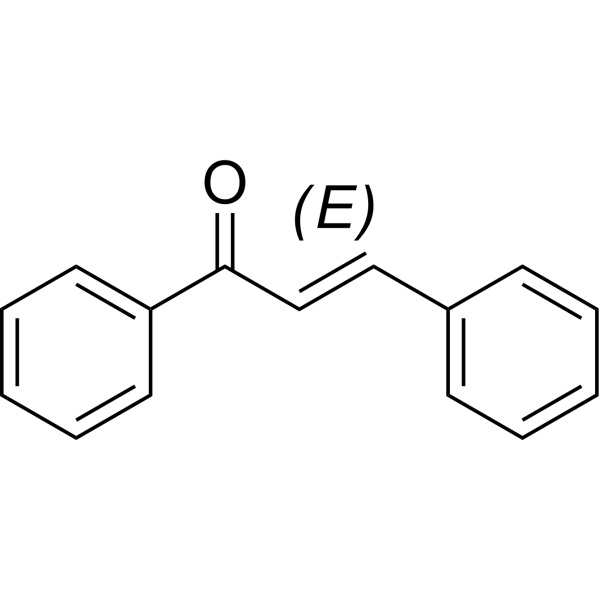
trans-Chalcone, isolated from Aronia melanocarpa skin, is a biphenolic core structure of flavonoids precursor. trans-Chalcone is a potent fatty acid synthase (FAS) and α-amylase inhibitor. trans-Chalcone causes cellcycle arrest and induces apoptosis in the breastcancer cell line MCF-7. trans-Chalcone has antifungal and anticancer activity .
loading...
    loading...
3
3 Cited Publications
Cat. No.: HY-N0411
CAS No.: 7235-40-7
Synonyms: Provitamin A; beta-Carotene
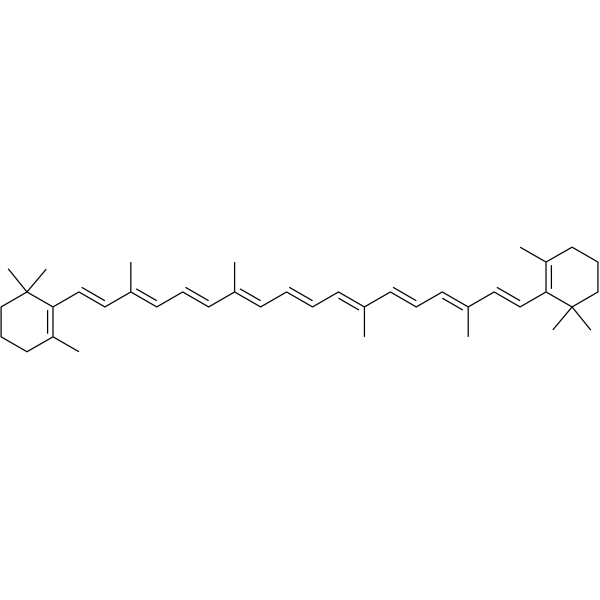
β-Carotene (Provitamin A), a carotenoid compound, is a naturally-occurring vitamin A precursor. β-Carotene is a modulator of reactive oxygen species (ROS), with antioxidant and antiinflammatory activities. β-Carotene may serve as an antioxidant or as a prooxidant, depending on its intrinsic properties as well as on the redox potential of the biological environment in which it acts. β-Carotene induces breast cancer cells apoptosis, with anticancer activities .
loading...
    loading...
3
3 Cited Publications
Cat. No.: HY-N0354
CAS No.: 84-65-1
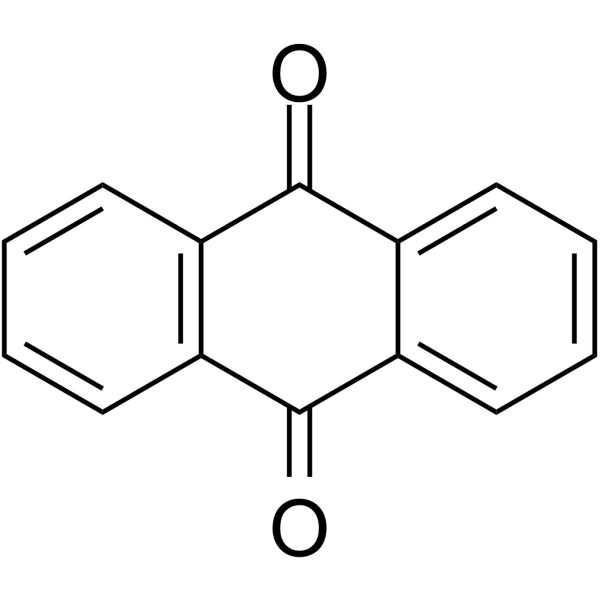
Anthraquinone is used as a precursor for dye formation and agrochemicals, existing in different organisms, such as bacteria, fungi, plants, and some animals. Anthraquinone has biological activities: anticancer, antiinflammatory, diuretic, antiarthritic, antifungal, antibacterial, antimalarial and antioxidant. Anthraquinone also plays an important role in the primary metabolism of plants by acting on the electron transport chain through the inhibition of energy transfer in the photosynthetic process. Anthraquinone can intercalates into DNA and inhibits the topoisomerase II (topo II) enzyme, resulting in cell death via Apoptosis .
loading...
    loading...
3
3 Cited Publications
Cat. No.: HY-P1291
CAS No.: 201422-03-9
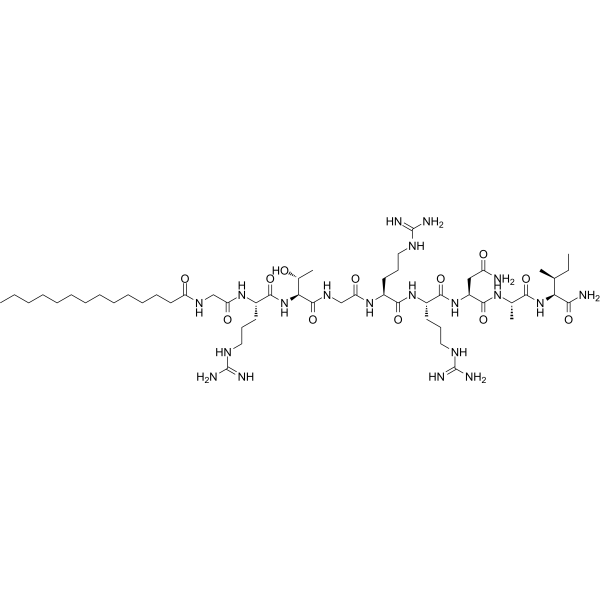
PKI 14-22 amide, myristoylated is a selective, cAMP-dependent, competitive PKA inhibitor with Ki=~36 nM. The myristoylation modification of PKI 14-22 amide, myristoylated makes it more permeable to cell membranes and blood-brain barriers than the precursor molecule. PKI 14-22 amide, myristoylated can block the phosphorylation of cAMP-dependent downstream targets (such as CREB). PKI 14-22 amide, myristoylated can prevent the development of morphine analgesic tolerance in mice, and also inhibits protein translation and negative-strand RNA synthesis of Zika virus. PKI 14-22 amide, myristoylated can be used in research fields such as opioid tolerance mechanisms and antiviral drugs .
loading...
    loading...
3
3 Cited Publications
Cat. No.: HY-P1291A
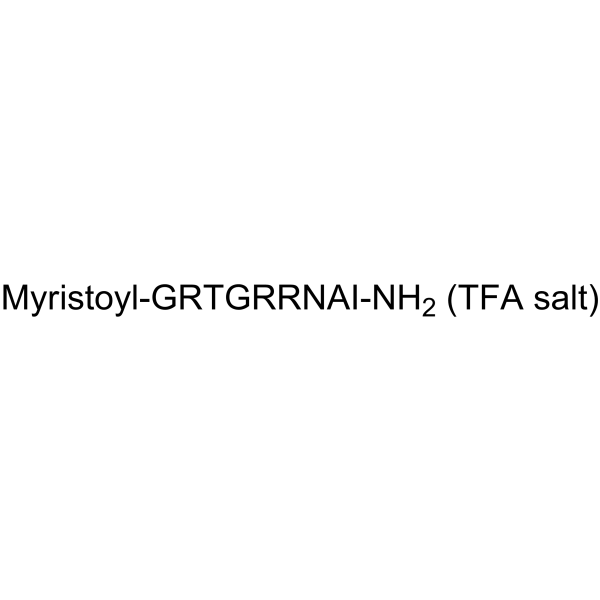
PKI 14-22 amide, myristoylated TFA is a selective, cAMP-dependent, competitive PKA inhibitor with Ki=~36 nM. The myristoylation modification of PKI 14-22 amide, myristoylated TFA makes it more permeable to cell membranes and blood-brain barriers than the precursor molecule. PKI 14-22 amide, myristoylated TFA can block the phosphorylation of cAMP-dependent downstream targets (such as CREB). PKI 14-22 amide, myristoylated TFA can prevent the development of analgesic tolerance in mice, and also inhibits protein translation and negative-strand RNA synthesis of Zika virus. PKI 14-22 amide, myristoylated TFA can be used in research fields such as opioid tolerance mechanisms and antiviral drugs .
loading...
    loading...
3
3 Cited Publications
Cat. No.: HY-128879A
CAS No.: 1281681-33-1
Purity:  98.01%
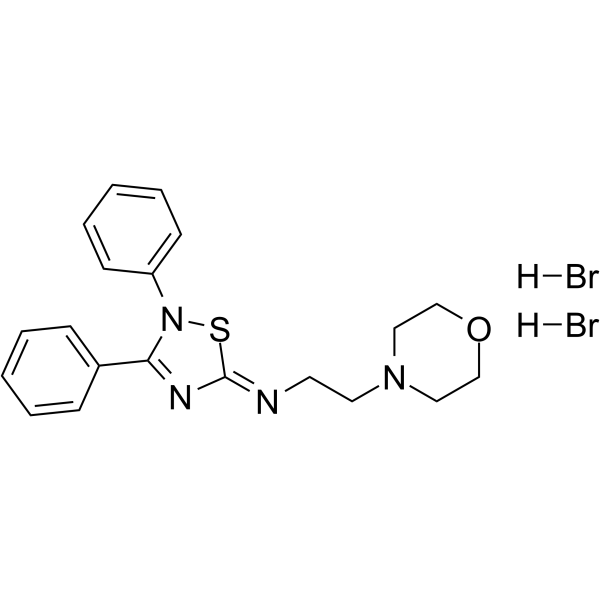
VP3.15 dihydrobromide is a highly potent, orally bioavailable, and CNS-penetrant PDE7-GSK3 dual inhibitor, with IC50 values of 1.59 μM and 0.88 μM against PDE7 and GSK3, respectively . VP3.15 dihydrobromide elevates intracellular cAMP levels, suppresses immune responses, enhances remyelination, limits excessive tau phosphorylation, and alleviates neuroinflammation and neuronal loss. VP3.15 dihydrobromide promotes oligodendrocyte precursor cell differentiation, improves in vivo remyelination, inhibits autoimmune encephalomyelitis, and mitigates germinal matrix-intraventricular hemorrhage-related brain injury, cerebral atrophy, ventricular enlargement, and cognitive impairment. VP3.15 dihydrobromide can be used in research related to multiple sclerosis and germinal matrix-intraventricular hemorrhage .
loading...
    loading...
2
2 Cited Publications
Cat. No.: HY-118660
CAS No.: 13803-65-1
Purity:  99.68%
Target:  

Antibiotic Bacterial

Research Areas:  

Infection

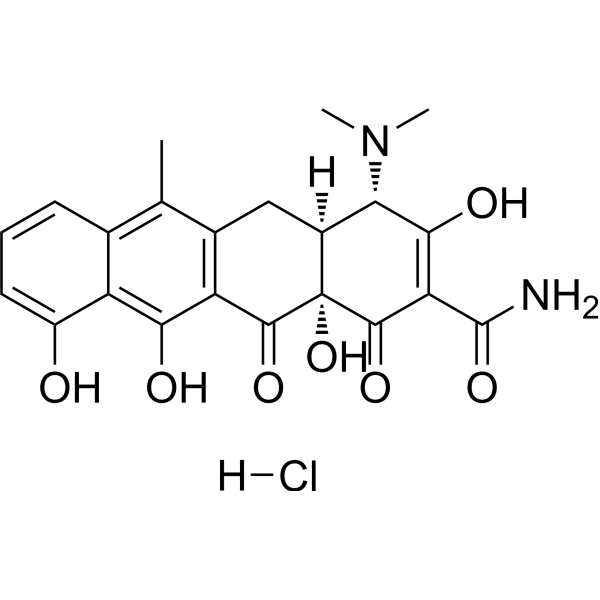
Anhydrotetracycline hydrochloride, a tetracycline biosynthetic precursor, is a potent competitive broad-spectrum tetracycline destructase enzymes inhibitor. Anhydrotetracycline hydrochloride is an effector for tetracycline controlled gene expression systems in eukaryotic cells .
loading...
    loading...
2
2 Cited Publications
Cat. No.: HY-N0072
CAS No.: 474-07-7
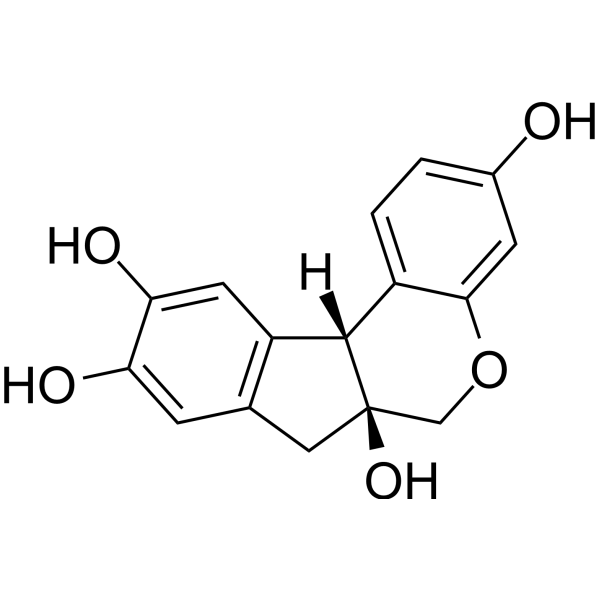
Brazilin is a red dye precursor obtained from the heartwood of several species of tropical hardwoods. Brazilin inhibits the cells proliferation, promotes apoptosis, and induces autophagy through the AMPK/mTOR pathway. Brazilin shows chondroprotective and anti-inflammatory activities .
loading...
    loading...
2
2 Cited Publications
Cat. No.: HY-N0623R
CAS No.: 73-22-3
Synonyms: Tryptophan (standard); Tryptophane (standard)
L-Tryptophan (standard) is the analytical standard of L-Tryptophan. L-Tryptophan (Tryptophan) is an orally active and essential amino acid that is the precursor of serotonin, melatonin, and vitamin B3. L-Tryptophan can promote an increase in stemness and osteogenic ability of BMSCs in vitro and in vivo. L-Tryptophan inhibits cell proliferation and induced cell cycle arrest with high levels .
loading...
    loading...
2
2 Cited Publications
Cat. No.: HY-13438
CAS No.: 1227163-84-9
Purity:  99.91%
Target:  

Beta-secretase

Research Areas:  

Neurological Disease

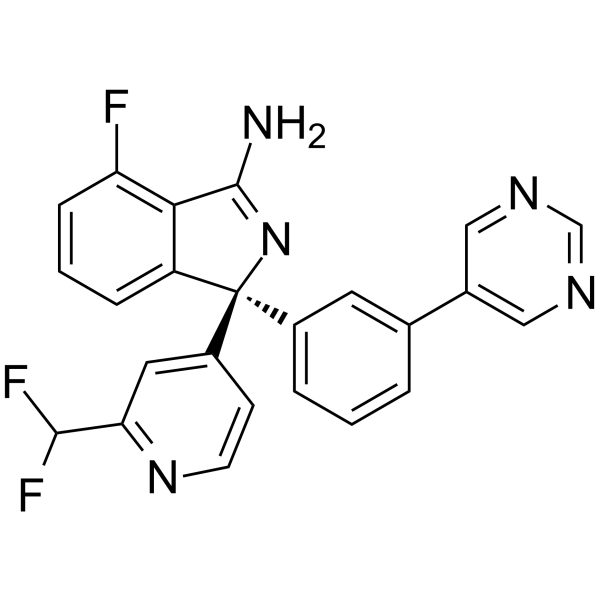
AZD3839 is an orally available, selective, reversible inhibitor of the β-site amyloid precursor protein cleaving enzyme BACE1 that can cross the blood-brain barrier. AZD3839 inhibits recombinant human BACE1 with a Ki=26.1 nM. AZD3839 inhibits A40 production in SH-SY5Y cells with an IC50 of 4.8 nM. AZD3839 binds to BACE1 and reduces the Aβ amyloid produced by the cleavage of amyloid precursor protein (APP) by BACE1 and γ-secretase. AZD3839 can be used in the field of Alzheimer's disease research .
loading...
    loading...
2
2 Cited Publications
Cat. No.: HY-114297
CAS No.: 128-33-6
Purity:  99.47%
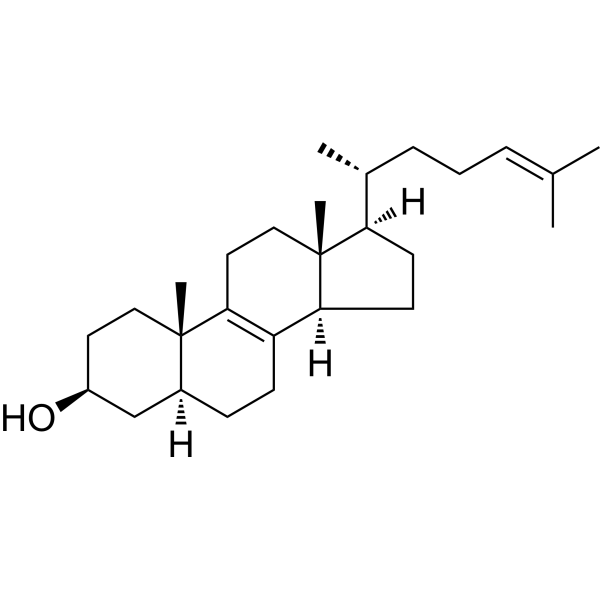
Zymosterol is a Cholesterol (HY-N0322) biosynthesis metabolite. Zymosterol, a precursor of Cholesterol, is found mostly in the plasma membrane. Zymosterol circulates within the cell .
loading...
    loading...
1
1 Cited Publications
Cat. No.: HY-P99412
CAS No.: 2375835-91-7
Synonyms: OSE-127

Target:  

Interleukin Related

Research Areas:  

Cancer

Lusvertikimab (OSE-127) is a humanized IL7R monoclonal antibody. Lusvertikimab is not internalized by target cells and prevents IL7R heterodimerization and subsequent downstream signaling. Lusvertikimab has anti-leukemic efficacy and has the potential for B cell precursor acute lymphoblastic leukemia (BCP-ALL) research .
loading...
    loading...
1
1 Cited Publications
Cat. No.: HY-79139
CAS No.: 119-24-4
Target:  

Drug Intermediate

Research Areas:  

Metabolic Disease

Pteroic acid is a precursor to significant compounds like Folic acid (HY-16637) and Vitamin B12 (HY-B0315). Pteroic acid facilitates the examination of how different compounds influence cell growth and development .
loading...
    loading...
1
1 Cited Publications
Cat. No.: HY-W026772
CAS No.: 86-73-7
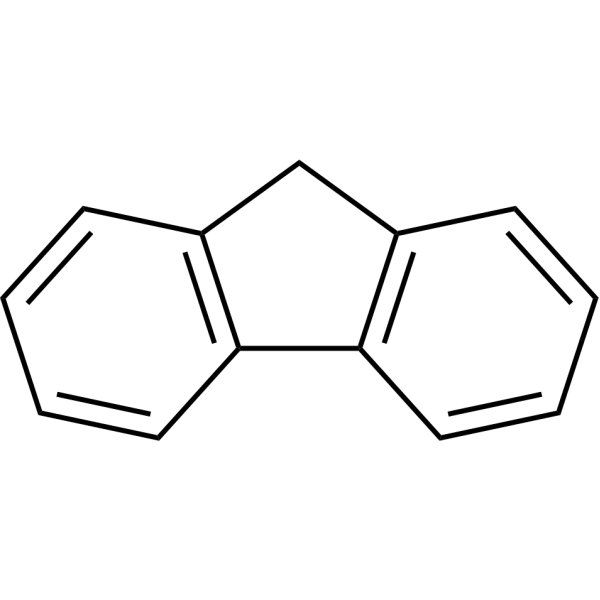
Fluorene is an orally active polycyclic aromatic hydrocarbon (PAH) and a precursor to other fluorene-based compounds. Fluorene and its derivatives serve as dye precursors for fluorene synthesis. In A549 cells, Fluorene induces oxidative stress and inflammatory responses by increasing ROS and SOD generation, exacerbating lipid peroxidation, modulating antioxidant enzyme activity, and upregulating the expression of pro-inflammatory factors TNF-α and IL-6. In vivo, Fluorene exhibits anxiolytic activity. Fluorene holds potential for research in inflammation and neurological disorders .
loading...
    loading...
1
1 Cited Publications
Cat. No.: HY-W008661
CAS No.: 93919-41-6
Synonyms: dGTP trisodium solution (100 mM); 2'-Deoxyguanosine-5'-triphosphate trisodium solution (100 mM)
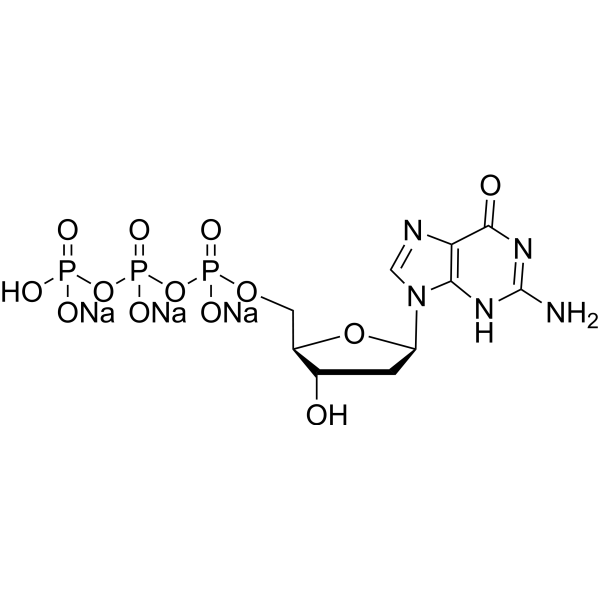
Deoxyguanosine triphosphate (dGTP) trisodium solution (100 mM) is a nucleotide precursor in cells for DNA synthesis. Deoxyguanosine triphosphate trisodium is used in reverse transcription-polymerase chain reaction (RT-PCR) for DNA amplification .
loading...
    loading...
1
1 Cited Publications
Cat. No.: HY-B1924
CAS No.: 213997-73-0
Synonyms: N-Demethylvancomycin monohydrochloride; NVCM monohydrochloride
Target:  

Bacterial

Research Areas:  

Infection

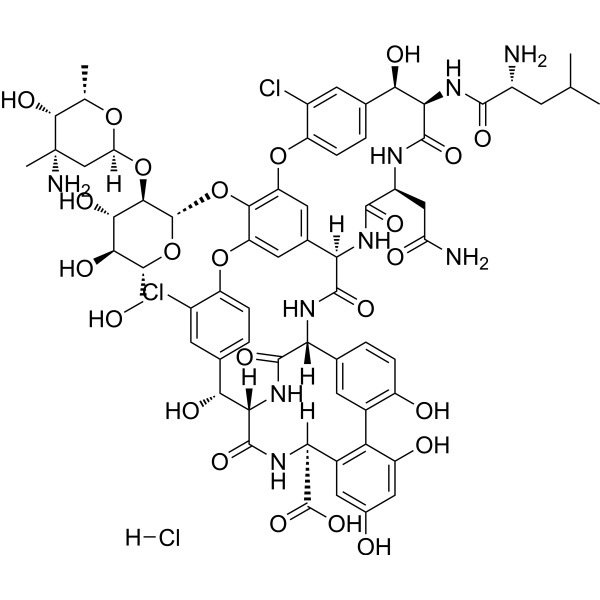
Norvancomycin hydrochloride is a cell wall synthesis inhibitor targeting peptidoglycan precursors of Gram-positive bacteria and cannot pass the blood-brain barrier. Norvancomycin hydrochloride can competitively bind to peptidoglycan precursors, irreversibly inhibit bacterial cell wall synthesis, and exert antibacterial activity. Norvancomycin hydrochloride is mainly used in the study of Gram-positive bacterial infections, especially infections caused by methicillin-resistant Staphylococcus aureus (MRSA) and methicillin-resistant Staphylococcus epidermidis (MRSE). Norvancomycin hydrochloride can also be incorporated into the bionic calcium phosphate coating of titanium implants to enhance antibacterial activity and inhibit postoperative orthopedic infections .
loading...
    loading...
1
1 Cited Publications
Cat. No.: HY-N7493
CAS No.: 2494-12-4
Synonyms: NADA
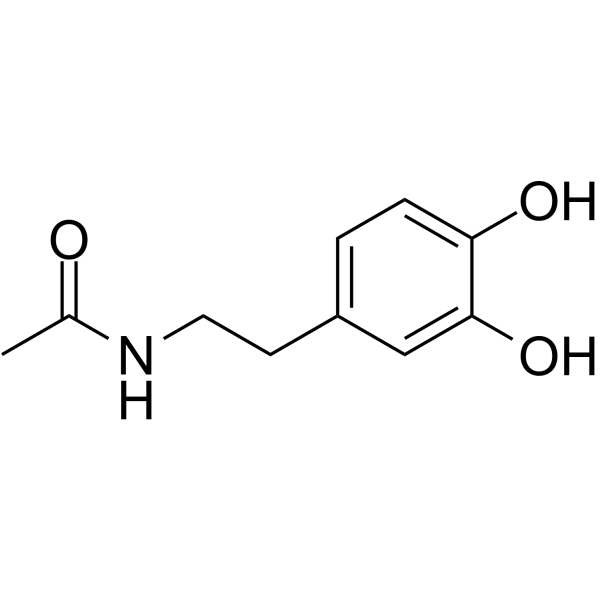
N-acetyldopamine is a sepiapterin reductase inhibitor. N-acetyldopamine is a catecholamine that is used by insects as sclerotizing precursors to harden their cuticle. N-acetyldopamine can attenuate LPS-stimulated TNF-α production and superoxide production in THP-1 cells .
loading...
    loading...
1
1 Cited Publications
Cat. No.: HY-113427
CAS No.: 693-72-1
Purity:  ≥98.0%
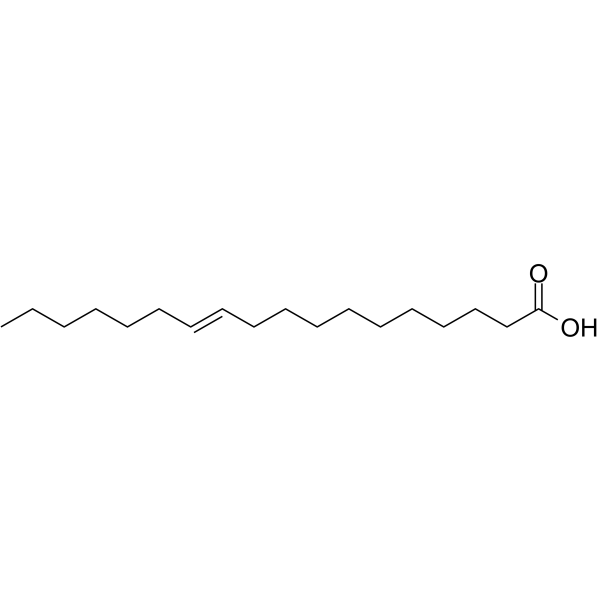
trans-Vaccenic acid is a naturally occurring trans fatty acid (TFA). trans-Vaccenic acid inhibits nasopharyngeal carcinoma (NPC) cell growth and induces apoptosis through the inhibition of Bad/Akt phosphorylation. trans-Vaccenic acid is a precursor for the synthesis of saturated fatty acid in the rumen and of conjugated Linoleic acid (CLA) at the tissue level. trans-Vaccenic acid exerts hypolipidemic effects in a rat model of obesity .
loading...
    loading...

