529 Results for "

oxidative damage

" in MedChemExpress (MCE) Product Catalog:
Products (529)

529 Results for "oxidative damage" in MCE Product Catalog:

Cat. No.: HY-136271
CAS No.: 137300-78-8
MJ-33 is a competitive phospholipase A₂ (PLA₂) inhibitor with an IC50 of 0.3 μM. MJ-33 inhibits the activation of NOX2 by blocking the PLA₂ activity of Prdx6, thereby reducing the production of ROS. MJ-33 effectively inhibits the activity of acidic PLA₂ (pH 4.0), reduces the degradation of pulmonary surfactant phosphatidylcholine (PC), but has no effect on alkaline PLA₂ (pH 8.5). MJ-33 significantly alleviates lung oxidative damage induced by ischemia-reperfusion (I/R). MJ-33 significantly inhibits the invasive, migratory and adhesive abilities of prostate cancer cells by suppressing the MAPK, AKT, NF-κB and AP-1 signaling pathways. MJ-33 can be used to study ROS-related diseases and prostate cancer .
loading...
    loading...
Cat. No.: HY-173437
Target:  

PROTACs PARP

Research Areas:  

Cancer

CW-2 is a CRBN-recruited PARP1 PROTAC degrader. CW-2 triggers multiple downstream biological effects including DNA damage accumulation, impaired DNA repair, mitochondrial-mediated apoptosis, intracellular ROS buildup and G1/S cell cycle arrest, as well as the regulation of oxidative phosphorylation, p53, PI3K-Akt and MAPK alongside ubiquitin proteolysis pathways. CW-2 enhances cell membrane permeability and intracellular platinum enrichment, exhibits detectable pharmacokinetic profiles after intraperitoneal administration in rats and drives differential gene expression. CW-2 can be applied to research on triple-negative breast cancer, non-small cell lung cancer, cisplatin-resistant non-small cell lung cancer, colon cancer and pancreatic cancer .
loading...
    loading...
Cat. No.: HY-187473
PARP1-IN-58 is a ROS-responsive prodrug constructed based on a natural stilbene scaffold, and its active parent nucleus 24c acts as a selective PARP-1 inhibitor. PARP1-IN-58 only hydrolyzes to release the active parent compound in the high-ROS microenvironment of tumors; the active parent compound competitively binds to PARP-1 and blocks DNA single-strand damage repair, upregulates intracellular ROS levels, reduces mitochondrial membrane potential, and thereby induces cell cycle arrest and mitochondria-dependent apoptosis. PARP1-IN-58 exerts potent proliferation-inhibiting effects on BRCA-deficient breast cancer cells under simulated tumor oxidative stress conditions, and exhibits tumor growth inhibitory activity in breast cancer xenograft models. PARP1-IN-58 can be used in cancer-related research .
loading...
    loading...
Cat. No.: HY-A0169AR
CAS No.: 79416-27-6
Methyl aminolevulinate hydrochloride (Standard) is the analytical standard of Methyl aminolevulinate hydrochloride. This product is intended for research and analytical applications. Methyl aminolevulinate hydrochloride is a sensitizer used in photodynamic therapy (PDT). Methyl aminolevulinate hydrochloride penetrates the skin and induces the production of photoactive porphyrins including protoporphyrin IX in cells; upon exposure to appropriate light, it generates ROS, which triggers cellular oxidation and cell death. Methyl aminolevulinate hydrochloride acts as a photo-damage reversing agent through epidermal reconstruction, cytokine-mediated activation of dermal fibroblasts, elastin breakdown, new collagen formation, and compression of dilated capillaries. Methyl aminolevulinate hydrochloride reduces the expression of the proliferation marker Ki-67 and the early skin carcinogenesis marker TP53. Methyl aminolevulinate hydrochloride delays the onset of ultraviolet-induced skin tumors and reduces tumor burden in hairless mice. Methyl aminolevulinate hydrochloride is applicable to research related to actinic keratosis and basal cell carcinoma .
loading...
    loading...
Cat. No.: HY-B0937AR
CAS No.: 137-88-2
Amprolium (hydrochloride) (Standard) is the analytical standard of Amprolium (hydrochloride) (HY-B0937A). This product is intended for research and analytical applications. Amprolium hydrochloride is a thiamine transporter inhibitor and antiparasitic agent with oral activity and blood-brain barrier penetration. Amprolium hydrochloride blocks thiamine transport at the blood-brain barrier and intestine, and competitively inhibits thiamine pyrophosphokinase, inducing thiamine pyrophosphate deficiency and impairing carbohydrate synthesis. Amprolium hydrochloride induces oxidative stress, alters antioxidant enzyme activity, and inhibits acetylcholinesterase (AchE) activity. Amprolium hydrochloride disrupts reproductive organs and gametogenesis, and causes histopathological and ultrastructural damage to multiple organs. Amprolium hydrochloride induces thiamine deficiency, reduces body weight gain in mice, and causes psychomotor behavioral changes and nephropathy. Amprolium hydrochloride exhibits molluscicidal activity against the terrestrial snail Eobania vermiculata, and reduces the shedding of Eimeria meleagrimitis oocysts in feces and litter. Amprolium hydrochloride can be used for research on thiamine deficiency and coccidiosis .
loading...
    loading...
Cat. No.: HY-B0937S
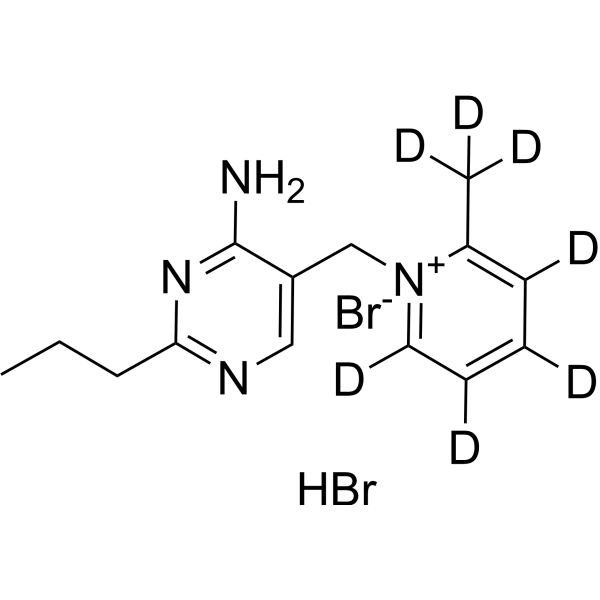
Amprolium-d7 (bromide hydrobromide) is the deuterated-labeled Amprolium (HY-B0937). Amprolium is a thiamine transporter inhibitor and antiparasitic agent with oral activity and blood-brain barrier penetration. Amprolium blocks thiamine transport at the blood-brain barrier and intestine, and competitively inhibits thiamine pyrophosphokinase, inducing thiamine pyrophosphate deficiency and impairing carbohydrate synthesis. Amprolium induces oxidative stress, alters antioxidant enzyme activity, and inhibits acetylcholinesterase (AchE) activity. Amprolium disrupts reproductive organs and gametogenesis, and causes histopathological and ultrastructural damage to multiple organs. Amprolium induces thiamine deficiency, reduces body weight gain in mice, and causes psychomotor behavioral changes and nephropathy. Amprolium exhibits molluscicidal activity against the terrestrial snail Eobania vermiculata, and reduces the shedding of Eimeria meleagrimitis oocysts in feces and litter. Amprolium can be used for research on thiamine deficiency and coccidiosis .
loading...
    loading...
Cat. No.: HY-B1065R
CAS No.: 2490-97-3
Synonyms: α-N-Acetyl-L-glutamine (Standard); N2-Acetylglutamine (Standard)
Aceglutamide (α-N-Acetyl-L-glutamine; N2-Acetylglutamine) (Standard) is the analytical standard of Aceglutamide (HY-B1065). This product is intended for research and analytical applications. Aceglutamide (α-N-Acetyl-L-glutamine; N2-Acetylglutamine) is a neuroprotectant that can penetrate the blood-brain barrier. Aceglutamide can enhance the antioxidant systems of glutathione (GSH), thioredoxin (Trx) and Nrf2. Aceglutamide also inhibits ASK1 and TRAF1, activates the Akt/Bcl-2 anti-apoptotic pathway, enhances the activity of antioxidant enzymes and reduces oxidative damage. Aceglutamide can improve neurological deficits after cerebral ischemia, reduce infarct volume, and inhibit neuronal apoptosis, especially substantia nigra dopaminergic neurons. Aceglutamide can reduce cerebral ischemia/reperfusion injury, improve motor dysfunction, and is used in ischemic stroke-related research .
loading...
    loading...
Cat. No.: HY-N0245R
CAS No.: 30462-34-1
Theaflavin-3-gallate (Standard) is the analytical standard of Theaflavin-3-gallate. This product is intended for research and analytical applications. Theaflavin-3-gallate, a black tea theaflavin monomer, is regarded as the biologically important active component of black tea and provides health benefits. Theaflavin-3-gallate acts as prooxidants and induces oxidative stress in the carcinoma cells. Theaflavin-3-gallate reacts directly with reduced glutathione (GSH) in a time- and concentration-dependent manner. Theaflavin-3-gallate induces apoptosis and G1 cell cycle arrest in ovarian cancer A2780/CP70 cells through p53-dependent pathways. Theaflavin-3-gallate induces DNA damage through ATM/Chk/p53 pathway .
loading...
    loading...
Cat. No.: HY-P11580
Research Areas:  

Infection

Pap12-6-10 is an MD-2 ligand that binds to the hydrophobic pocket of MD-2 to inhibit the dimerization of the TLR4/MD-2 complex and downstream inflammatory signal transduction. Pap12-6-10 also binds to LPS to permeabilize bacterial cell membranes and induce oxidative stress, leading to bacterial death. Pap12-6-10 regulates LPS-induced inflammatory responses through the TLR4 signaling pathway and exhibits antibacterial activity against multidrug-resistant Gram-negative bacteria. Pap12-6-10 shows low tendency to induce drug resistance and low preclinical cytotoxicity, and it prevents organ damage in a mouse model of sepsis. Pap12-6-10 can be used for research related to Gram-negative sepsis and carbapenem-resistant Acinetobacter baumannii infections .
loading...
    loading...
Cat. No.: HY-D0186R
CAS No.: 951-78-0
2'-Deoxyuridine (Standard) is the analytical standard of 2'-Deoxyuridine. This product is intended for research and analytical applications. 2’-deoxyuridine is a brain-penetrant pyrimidines nucleotide that is associated with nervous system diseases. 2'-Deoxyuridine could increase chromosome breakage and results in a decreased thymidylate synthetase activity. 2'-Deoxyuridine is a precursor in the synthesis of Edoxudine (HY-B1011) and also an analogue of 5-ethynyl-2'-deoxyuridine, EdU (HY-118411). 2’-deoxyuridine reduces microglial activation and improve oxidative stress damage by modulating glycolytic metabolism on the Aβ25-35-induced brain injury, which is promising for research of Alzheimer’s disease (AD) . In Vitro:The interaction between the 2-deoxyuridine and the column increases the duration of retention of 2-deoxyuridine .
Gradient elution with sodium acetate buffer-ACN eluent on two ZIC-HILIC homemade columns separates 2-deoxyuridine in under 9 min .
In Vivo:2'-Deoxyuridine (34.42 ng/mL, gavage, 15 min) passes the blood-brain barrier (BBB) to enter the hippocampus of mice brain .
2'-Deoxyuridine (20 mg/kg, gavage, daily for 4 weeks) improves cognition and memory loss and attenuates the damage to the hippocampus in Aβ25-35-induced mice model .
loading...
    loading...
Cat. No.: HY-125209A
CAS No.: 2253744-57-7
Research Areas:  

Cancer

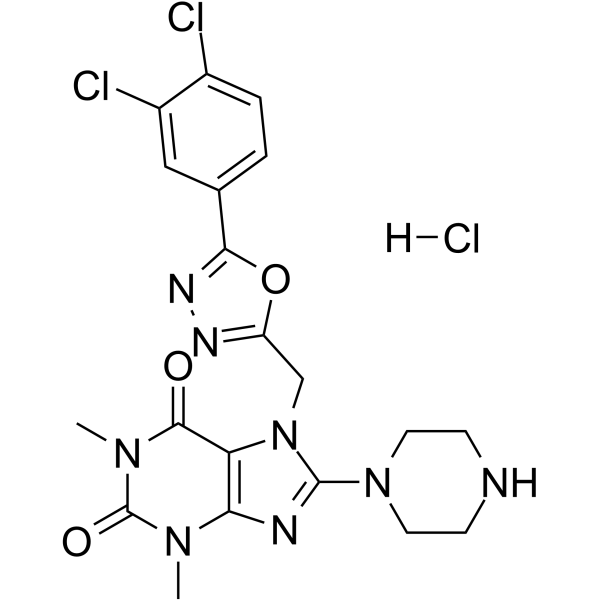
TH5427 hydrochloride is a NUDT5 inhibitor with a human target IC50 of 29 nM, ~690-fold selectivity over MTH1 in vitro, and selective functional inhibition over other NUDIX hydrolases including NUDT9 .TH5427 hydrochloride binds to the active site of NUDT5, blocking enzymatic activity related to ADP-ribose metabolism and PAR-derived ATP synthesis .TH5427 hydrochloride blocks progestin-dependent nuclear ATP synthesis, impairs progestin-induced chromatin remodeling, inhibits histone H1 displacement, disrupts progestin-dependent gene regulation, and abrogates progestin-dependent proliferation in breast cancer cells .TH5427 hydrochloride functions as a versatile probe to study nuclear ATP dynamics and ADP-ribose-related metabolism in cells .TH5427 hydrochloride engages NUDT5 at physiological temperatures, as demonstrated by Drug Affinity Responsive Target Stability (DARTS) assay .TH5427 hydrochloride stabilizes NUDT5 against thermal denaturation in cell lysates and intact cells, as shown by cellular thermal shift assay (CETSA) .TH5427 hydrochloride functionally inhibits NUDT5 activity, leading to downstream effects on oxidative DNA damage and DNA replication in triple-negative breast cancer (TNBC) cells .TH5427 hydrochloride suppresses proliferation of TNBC cells without inducing cell death or apoptosis, slows DNA replication in TNBC cells, promotes accumulation of oxidative DNA lesions, and triggers DNA damage response in TNBC cells .TH5427 hydrochloride suppresses growth of TNBC cells in vitro, inhibits growth of TNBC xenograft tumors in nude mice in vivo, and shows greater potency against TNBC cell lines compared to ER-positive and normal-like breast cell lines .TH5427 hydrochloride can be used for the research of breast cancer and triple-negative breast cancer .
loading...
    loading...
Cat. No.: HY-121337
CAS No.: 61213-25-0
Purity:  99.61%
Synonyms: R-40244
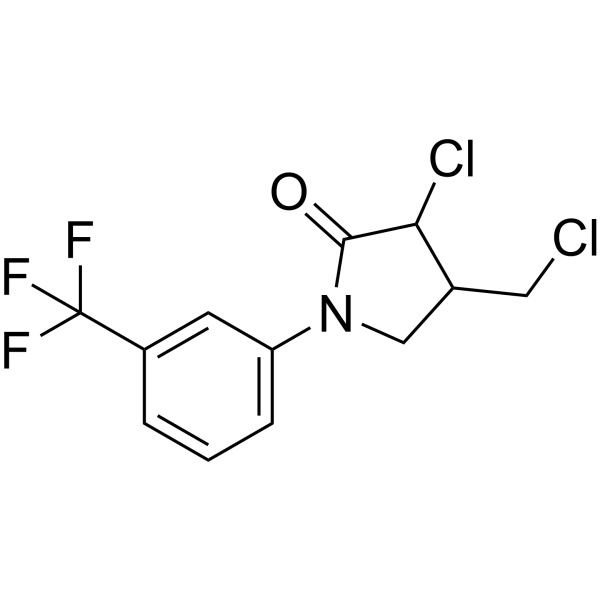
Flurochloridone (R-40244) is an orally active herbicide and an inducer of ER stress, apoptosis, and cytotoxicity. Flurochloridone upregulates GRP78 and activates the PERK-eIF2α-ATF4 UPR axis, ATF6, CHOP, Bax, and Bim. Flurochloridone decreases Akt, p-Akt, GSK3β, and p-GSK3β levels, and induces ROS, oxidative stress, γ-glutamyl cycle activation, and GSH accumulation. Flurochloridone inhibits mitochondrial respiration and ATP production while enhancing glycolysis and cell viability inhibition. Flurochloridone inhibits spermatogonial proliferation, spermatocyte meiosis, and sperm mitochondrial membrane potential, and induces Sertoli cell apoptosis and mitochondrial damage. Flurochloridone non-competitively binds phytoene desaturase, blocking phytoene desaturation and carotenoid synthesis, leading to leaf bleaching and phytotoxicity. Flurochloridone can be used for research on male reproductive toxicity, hepatotoxicity, and as a herbicide .
loading...
    loading...
Cat. No.: HY-128483R
CAS No.: 536-69-6
Fusaric acid (Standard) is the analytical standard of Fusaric acid (HY-128483). This product is intended for research and analytical applications. Fusaric acid is an orally active multi-pathway inhibitor with the activity of inducing oxidative stress and apoptosis. Fusaric acid can chelate divalent metal cations, damage mitochondrial membrane structure, and activate apoptosis-related proteases such as Caspase-3/7, -8, and -9. Fusaric acid also regulates Bax/Bcl-2 protein, inhibits fibrosis-related signaling pathways such as NF-κB, TGF-β1/SMADs, and PI3K/AKT/mTOR, and reduces collagen deposition. Fusaric acid is also a dopamine β-hydroxylase inhibitor, which reduces endogenous levels of norepinephrine and epinephrine in the brain, heart, spleen, and adrenal glands. Fusaric acid can play a role in myocardial fibrosis and improve cardiac hypertrophy in heart disease, and can also be used in the study of esophageal cancer and liver cancer .
loading...
    loading...
Cat. No.: HY-181907
Target:  

HyT Keap1-Nrf2 HSP

Research Areas:  

Inflammation/Immunology

NBE5 is an orally active hydrophobic tag-targeting (Hyt) degrader (HyTTD) that targets Keap1. NBE5 mimics protein misfolding and recruits the molecular chaperone Hsp90, while achieving targeted degradation of Keap1 through both the ubiquitin-proteasome system and the autophagy-lysosome system. Consequently, NBE5 relieves the inhibition of the transcription factor Nrf2 by Keap1, potently activates the Nrf2-mediated endogenous antioxidant pathway, and upregulates the expression of downstream antioxidant proteins such as HO-1 and GCLM. NBE5 effectively alleviates oxidative stress and inflammatory damage, and exhibits excellent in vivo activity in a mouse model of acute colitis induced by DSS (HY-116282C) .
NBE5 consists of a hydrophobic tag (HY-W022007), a Keap1-Nrf2 ligand (HY-14909), and a linker (HY-W014831).
loading...
    loading...
Cat. No.: HY-B1953S
CAS No.: 1793071-39-2
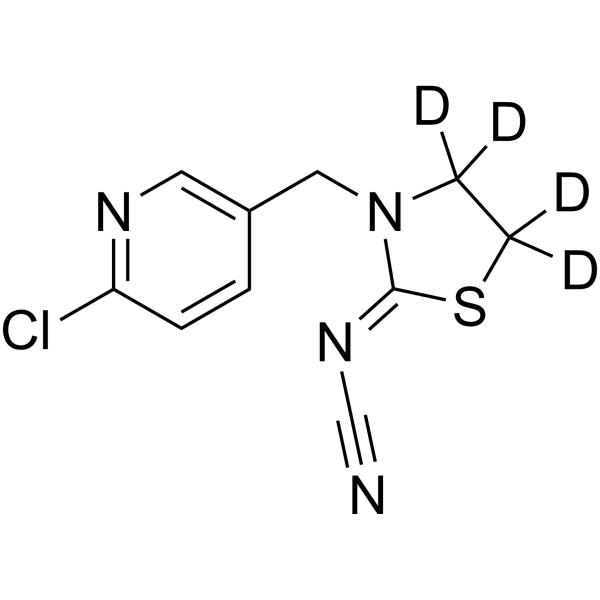
Thiacloprid-d4 is the deuterium labeled Thiacloprid. Thiacloprid is an orally active neurotoxic insecticide and also a nAChR agonist. Thiacloprid reduces the viability of healthy cells, depletes reduced glutathione, and increases MDA levels, thereby inducing cytotoxicity and oxidative stress damage. In practical applications, Thiacloprid has lower acute toxicity to honeybees than other compounds of the same class such as Imidacloprid (HY-B0838), but it still significantly impairs the learning and memory function, immune capacity and survival status of honeybees. Thiacloprid induces intestinal microbial dysbiosis and reduces survival rate in middle-aged honeybees, increases the risk of premature collapse in bumblebee colonies, and significantly decreases the final colony weight and reproductive output. Thiacloprid is used in broad-spectrum agricultural pest control, often alone or in combination with Deltamethrin (HY-B1971), and meets the pest management needs of various crops including potatoes, cabbages, various fruits and vegetables, and nuts .
loading...
    loading...
Cat. No.: HY-N0688R
CAS No.: 13476-25-0
Linderane (Standard) is the analytical standard of Linderane (HY-N0688). This product is intended for research and analytical applications. Linderane is an orally active natural sesquiterpene lactone with blood-brain barrier permeability. Linderane indirectly activates PDE3 by activating ERK/STAT3, thereby inhibiting the cAMP/PKA/CREB signaling pathway and hepatic gluconeogenesis. Linderane protects pancreatic β cells against oxidative damage by inhibiting the activation of the p38 MAPK pathway and activating the Nrf2 pathway. Linderane inhibits cell apoptosis and ameliorates intestinal mucosal inflammation by suppressing the IL-6/JAK/STAT3 signaling pathway. Linderane reduces pain sensitivity and alleviates anxiety-like behaviors by activating cannabinoid receptor 2 (CB2R). Linderane can be used in studies related to type 2 diabetes, ulcerative colitis, and chronic inflammatory pain with anxiety .
loading...
    loading...
Cat. No.: HY-L227
195 compounds

Amino acids are the fundamental components that sustain life activities, playing roles in ATP generation, promoting nucleotide synthesis, and maintaining cellular redox balance. Moreover, dysregulation of amino acid consumption is a significant potential regulatory mechanism leading to impaired anti-tumor immunity in immune cells. The normal functioning of immune cells relies on amino acid metabolic pathways to obtain energy and materials, and upon activation, they reprogram their metabolism to support growth, proliferation, and effector functions. Additionally, metabolic disorders of specific amino acids (such as branched-chain amino acids, glutamine, and arginine) can exacerbate mitochondrial dysfunction and oxidative stress, thereby promoting myocardial fibrosis and cardiac cell damage. Therefore, conducting research related to amino acid metabolism holds promise for discovering potential drugs for diseases related to cancer, immunity, and metabolism.

MCE can provide 195 kinds of metabolites of amino acid metabolic pathways, which can be used for drug screening in various diseases such as cancer, immune disorders, metabolic diseases, mitochondrial-targeted diseases

Cat. No.: HY-B1953R
CAS No.: 111988-49-9
Research Areas:  

Infection

Thiacloprid (Standard) is the analytical standard of Thiacloprid. This product is intended for research and analytical applications. Thiacloprid is an orally active neurotoxic insecticide and also a nAChR agonist. Thiacloprid reduces the viability of healthy cells, depletes reduced glutathione, and increases MDA levels, thereby inducing cytotoxicity and oxidative stress damage. In practical applications, Thiacloprid has lower acute toxicity to honeybees than other compounds of the same class such as Imidacloprid (HY-B0838), but it still significantly impairs the learning and memory function, immune capacity and survival status of honeybees. Thiacloprid induces intestinal microbial dysbiosis and reduces survival rate in middle-aged honeybees, increases the risk of premature collapse in bumblebee colonies, and significantly decreases the final colony weight and reproductive output. Thiacloprid is used in broad-spectrum agricultural pest control, often alone or in combination with Deltamethrin (HY-B1971), and meets the pest management needs of various crops including potatoes, cabbages, various fruits and vegetables, and nuts .
loading...
    loading...
Cat. No.: HY-N0103R
CAS No.: 6483-15-4
Sophocarpine (Standard) is the analytical standard of Sophocarpine (HY-N0103). This product is intended for research and analytical applications. Sophocarpine is a PTEN activator and an inhibitor of PI3K/Akt, MEK/ERK, and NF-κB signaling pathways. Sophocarpine upregulates PTEN expression and inhibits PI3K/Akt phosphorylation, arrests tumor cell cycle and induces apoptosis. Sophocarpine inhibits MEK/ERK phosphorylation and VEGF secretion, reducing tumor cell migration. Sophocarpine can also inhibit NF-κB activation and p38 and JNK phosphorylation, reduce the expression of inflammatory factors such as iNOS and COX-2, and activate the Nrf2/HO-1 pathway to reduce oxidative stress. Sophocarpine has anti-tumor, anti-inflammatory, antioxidant and anti-apoptotic effects, and can be used in the research of cancers such as glioblastoma and colorectal cancer, inflammation-related diseases, and Doxorubicin (HY-15142A)-induced cardiac damage .
loading...
    loading...
Cat. No.: HY-N0427
CAS No.: 6873-13-8
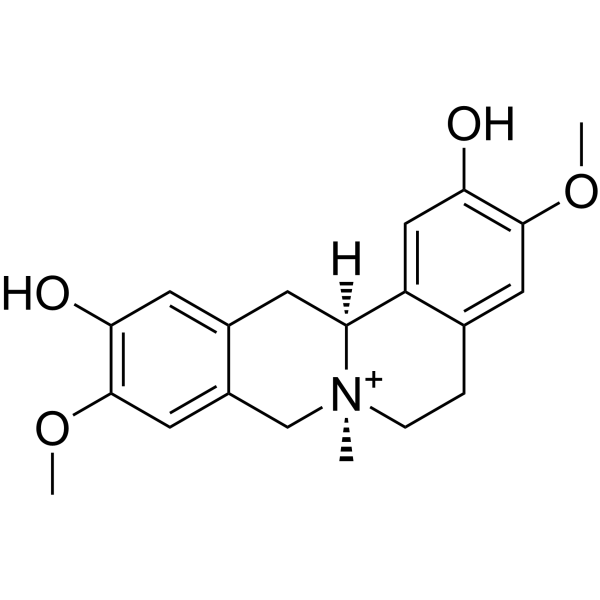
Phellodendrine is an orally active plant alkaloid. Phellodendrine inhibits the proliferation of KRAS-mutated pancreatic cancer cells by suppressing macropinocytosis and glutamine metabolism, inducing ROS accumulation and mitochondrial apoptosis. Phellodendrine promotes autophagy by activating the AMPK/mTOR pathway, alleviating intestinal damage in ulcerative colitis. Phellodendrine can alleviate gouty arthritis by inhibiting the IL-6/STAT3 signaling pathway. Phellodendrine suppresses allergic reactions by altering the conformation of MRGPRB3/MRGPRX2 protein, thereby inhibiting the activation of PKC and subsequent downstream MAPK and NF-κB signaling. Phellodendrine inhibits the AKT/NF-κB pathway and down-regulates the expression of COX-2, thereby protecting zebrafish embryos from oxidative stress. Phellodendrine has an anti-major depressive disorder (MDD) effect by down-regulating CHRM1, HTR1A, and the PI3K/Akt signaling pathway .
loading...
    loading...

