
527 Results for "

rat model

" in MedChemExpress (MCE) Product Catalog:
Products (527)

527 Results for "rat model" in MCE Product Catalog:

1
1 Cited Publications
Cat. No.: HY-P990148

Target:  

VEGFR

Research Areas:  

Cancer

Anti-Mouse VEGF-A Antibody (2G11-2A05) is a rat-derived IgG2a κ type antibody inhibitor, tragrting to mouse VEGF-A with high affinity. Anti-Mouse VEGF-A Antibody (2G11-2A05) shows good anti-tumor effect in gastric cancer xenograft models .
loading...
    loading...
1
1 Cited Publications
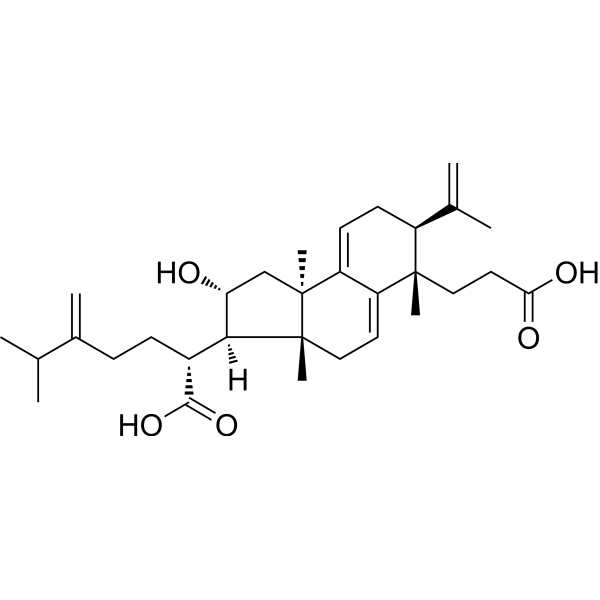
Cat. No.: HY-N2995
CAS No.: 137551-38-3
Synonyms: Poricoic acid A(F)
Poricoic acid A can be isolated from Poria cocos. Poricoic acid A is an orally active anti-tumor agent. Poricoic acid A enhances melatonin inhibition of AKI-to-CKD transition by regulating Gas6/AxlNFκB/Nrf2 axis. Poricoic acid A also attenuatea fibroblast activation and abnormal extracellular matrix remodeling in renal fibrosis by activating AMPK and inhibiting Smad3. Poricoic acid A significantly reduces the magnitude of rise in serum creatinine and urea levels in rat model when combined with Melatonin. Poricoic acid A ameliorates renal fibrosis and podocyte injury by attenuating oxidative stress and inflammation through regulating NF-κB and Nrf2 in IRI rodent model in combination with Melatonin .
loading...
    loading...
1
1 Cited Publications
Cat. No.: HY-132610
CAS No.: 1639325-43-1
Purity:  98.51%
Synonyms: ALN-AS1
Research Areas:  

Metabolic Disease

Givosiran (ALN-AS1) is a small interfering RNA that targets hepatic aminolevulinate synthase 1 (ALAS1) messenger RNA. Givosiran downregulates ALAS1 mRNA and prevents accumulation of neurotoxic δ-aminolevulinic acid (ALA) and porphobilinogen (PBG) levels. Givosiran demonstrates potent inhibitory activity against ALAS1 in mouse, rat, and cynomolgus monkey models. Givosiran can be used for the research of acute hepatic porphyria (AHP) .
loading...
    loading...
1
1 Cited Publications
Cat. No.: HY-132610A
CAS No.: 1639325-44-2
Purity:  98.51%
Synonyms: ALN-AS1 sodium
Research Areas:  

Metabolic Disease

Givosiran (ALN-AS1) sodium is a small interfering RNA that targets hepatic aminolevulinate synthase 1 (ALAS1) messenger RNA. Givosiran sodium downregulates ALAS1 mRNA and prevents accumulation of neurotoxic δ-aminolevulinic acid (ALA) and porphobilinogen (PBG) levels. Givosiran sodium demonstrates potent inhibitory activity against ALAS1 in mouse, rat, and cynomolgus monkey models. Givosiran sodium can be used for the research of acute hepatic porphyria (AHP) .
loading...
    loading...
1
1 Cited Publications
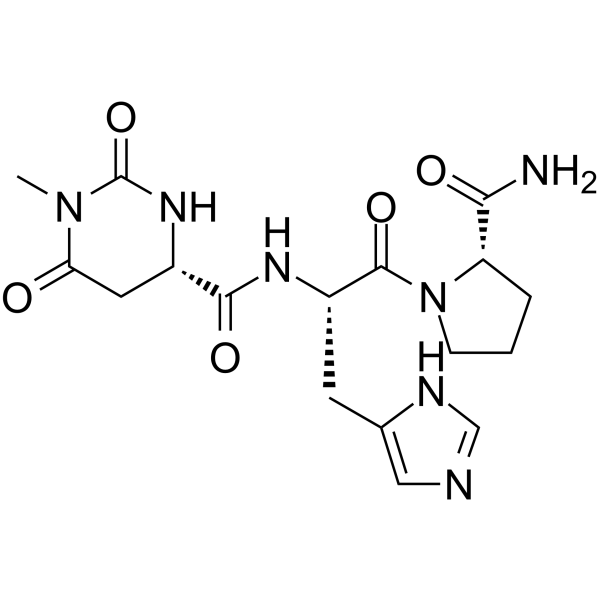
Cat. No.: HY-B0596
CAS No.: 103300-74-9
Synonyms: TA-0910
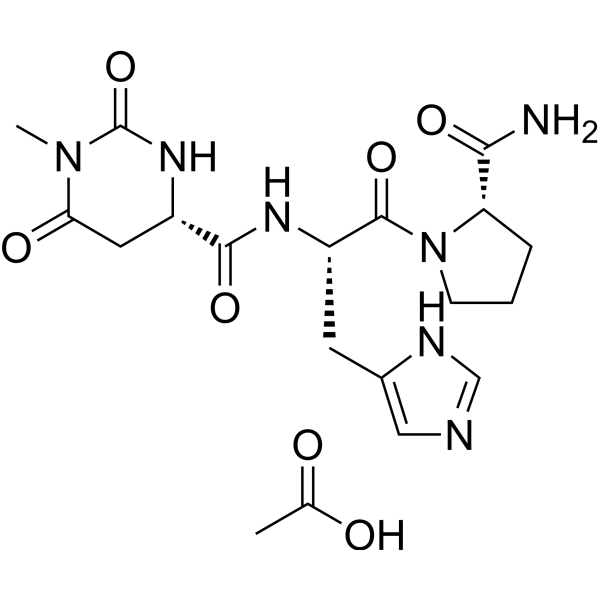
Taltirelin (TA-0910) is an orally effective analogue of thyrotropin releasing hormone (TRH) and a TRH receptor (TRH-R) superagonist (IC50 at 910 nM). Taltirelin can cross the blood-brain barrier. Taltirelin stimulates an increase in cytosolic Ca 2+ concentration (Ca 2+ release) with an EC50 value of 36 nM. Taltirelin increases cell viability and reduces apoptosis in SH-SY5Y cells and primary rat mesencephalic neurons treated with MPP+ (HY-W008719) or Rotenone (HY-B1756). Taltirelin has neuroprotective effects in both cellular and animal models of Parkinson's disease. Taltirelin alleviates fatigue-like behavior in mouse models of cancer-related fatigue .
loading...
    loading...
1
1 Cited Publications
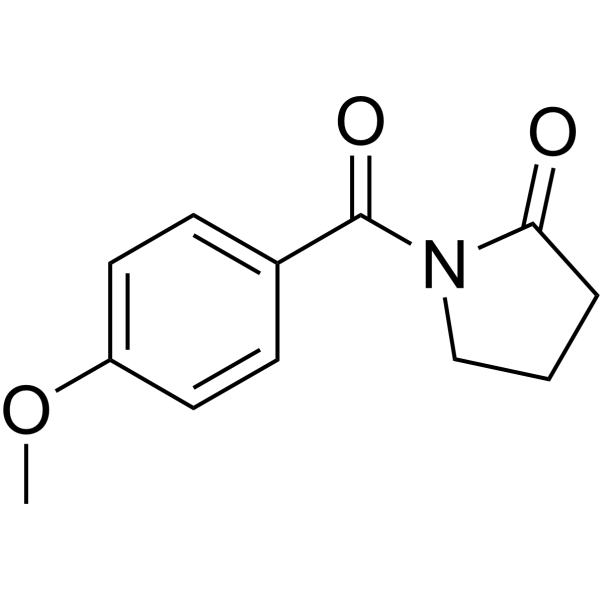
Cat. No.: HY-10932
CAS No.: 72432-10-1
Purity:  99.94%
Synonyms: Ro 13-5057
Target:  

nAChR iGluR

Research Areas:  

Neurological Disease

Aniracetam (Ro 13-5057) is an orally active neuroprotective agent, possessing nootropics effects. Aniracetam potentiates the ionotropic quisqualate (iQA) responses in the CA1 region of rat hippocampal slices. Aniracetam also potentiates the excitatory post synaptic potentials (EPSPs) in Schaffer collateral-commissural synapses. Aniracetam can prevents the CO2-induced impairment of acquisition in hypercapnia model rats. Aniracetam can be used to research cerebral dysfunctional disorders .
loading...
    loading...
1
1 Cited Publications
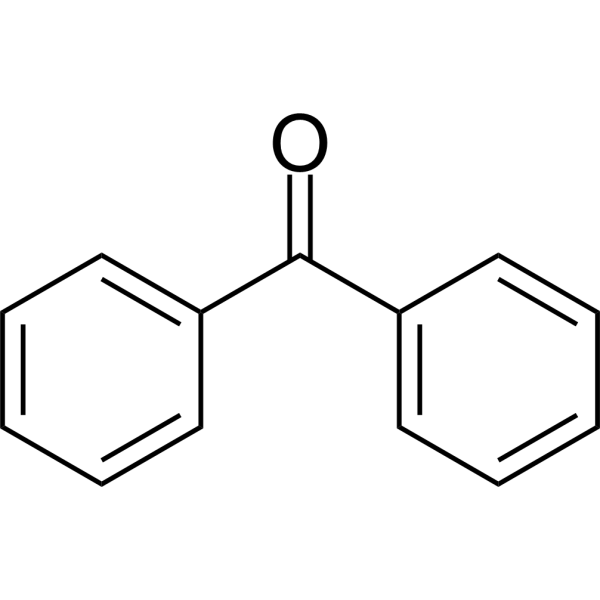
Cat. No.: HY-Y0546
CAS No.: 119-61-9
Benzophenone is an endogenous metabolite. Benzophenone is a photosensitizer, that absorbs UV light, transfers its energy to DNA, and triggers DNA damage. Benzophenone can be used as the fragrance enhancer, ultraviolet curing agent, additive in plastics, or the flavor ingredient. Benzophenone can also be used in the manufacturing of insecticides, agricultural chemicals, hypnotics, antihistamines, and other pharmaceuticals. Benzophenone exhibits certain carcinogenicity in mouse/rat models under long term exposure. Benzophenone exhibits estrogenic activity .
loading...
    loading...
1
1 Cited Publications
Cat. No.: HY-163121
CAS No.: 1096144-06-7
PST3.1a is an orally active and brain-penetrant N-acetylglucosamine glycosyltransferase (MGAT5) inhibitor with a human IC50 of 2 µM. PST3.1a inhibits TGFβR and FAK signaling pathway activity. PST3.1a alters β1,6-GlcNAc N-glycans and microtubule/microfilament integrity, increases OLIG2 expression, and inhibits proliferation, migration, invasiveness, and clonogenic capacities of glioblastoma initiating cells. PST3.1a reduces invasive and proliferative capacity of glioblastoma initiating cells in orthotopic graft models, increases overall survival of orthotopic graft model mice. PST3.1a blunts MGAT5 overexpression, decreases renal fibrosis via collagen 1, collagen 4, and galectin 3 downregulation in a rat chronic kidney disease model. PST3.1a can be used for the research of glioblastoma multiforme and chronic kidney disease .
loading...
    loading...
1
1 Cited Publications
Cat. No.: HY-B0596A
CAS No.: 1549593-23-8
Synonyms: TA-0910 acetate
Taltirelin acetate (TA-0910) is an acetate form of Taltirelin (TA-0910). Taltirelin (TA-0910) is an orally effective analogue of thyrotropin releasing hormone (TRH) and a TRH receptor (TRH-R) superagonist (IC50 at 910 nM). Taltirelin can cross the blood-brain barrier. Taltirelin stimulates an increase in cytosolic Ca 2+ concentration (Ca 2+ release) with an EC50 value of 36 nM. Taltirelin increases cell viability and reduces apoptosis in SH-SY5Y cells and primary rat mesencephalic neurons treated with MPP+ (HY-W008719) or Rotenone (HY-B1756). Taltirelin has neuroprotective effects in both cellular and animal models of Parkinson's disease. Taltirelin alleviates fatigue-like behavior in mouse models of cancer-related fatigue .
loading...
    loading...
1
1 Cited Publications
Cat. No.: HY-P99124

Target:  

CD3

Research Areas:  

Inflammation/Immunology

Anti-Mouse CD3 Antibody (17A2) is an anti-mouse CD3 IgG2b antibody inhibitor derived from the host Rat. Anti-Mouse CD3 Antibody (17A2) enhances T-cell proliferation and activation and stimulate IFN-γ or IL-17 production in splenic T cells. Anti-Mouse CD3 Antibody (17A2) significantly suppresses mortality in Graft-versus-host disease (GVHD) mice models .
loading...
    loading...
1
1 Cited Publications
Cat. No.: HY-B0199S
CAS No.: 1132748-21-0
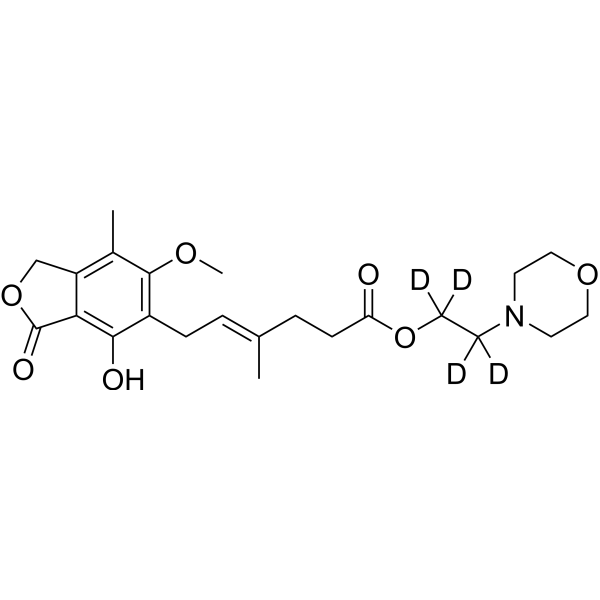
Mycophenolate Mofetil-d4 is the deuterium labeled Mycophenolate Mofetil. Mycophenolate mofetil (RS 61443; TM-MMF) hydrochloride is an orally active antimetabolic immunosuppressant with antiproliferative and anti-inflammatory properties. Mycophenolate mofetil hydrochloride significantly inhibits the production of B, T lymphocytes and the proliferation of smooth muscle cells by selectively blocking the de novo purine synthesis pathway. Mycophenolate mofetil hydrochloride effectively reduces adventitial inflammation, medial necrosis and intimal thickening in rat aortic allografts, and decreases the number of lymphocytes expressing the IL-2 receptor, thereby delaying xenograft rejection. Mycophenolate mofetil hydrochloride shows certain toxicity in a hamster-to-rat limb xenotransplantation model when used in combination with FK506 (HY-13756). Mycophenolate mofetil hydrochloride is widely used in studies related to allograft arteriosclerosis (chronic rejection) .
loading...
    loading...
1
1 Cited Publications
Cat. No.: HY-107428
CAS No.: 199850-67-4
Purity:  99.21%
Target:  

MMP

Research Areas:  

Cardiovascular Disease

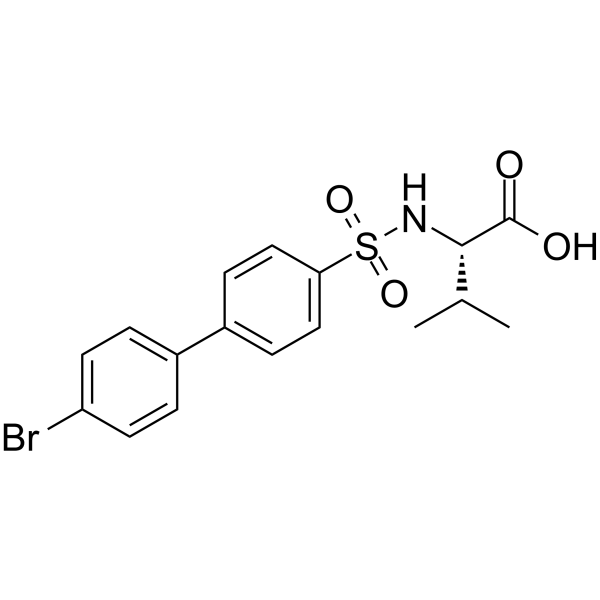
PD-166793 is a potent, selective, orally active and wide-broad spectrum inhibitor of MMP, exhibiting nanomolar potency against MMP-2, MMP-3 and MMP-13 (IC50=4, 7, and 8 nM, respectively) and micromolar potency vs MMP-1, -7 and -9 (IC50=6.0, 7.2, and 7.9 μM, respectively). PD-166793 can attenuate left ventricular remodeling and dysfunction in a rat model of progressive heart failure .
loading...
    loading...
1
1 Cited Publications
Cat. No.: HY-109139
CAS No.: 1337962-47-6
Purity:  99.84%
Synonyms: NIR178; PBF509
Target:  

Adenosine Receptor

Research Areas:  

Neurological Disease Cancer

Taminadenant (NIR178; PBF509) is a highly potent and orally active adenosine A2A receptor (A2AR) antagonist. Taminadenant can antagonize A2AR agonist-mediated cAMP accumulation and impedance responses with KB values of 72.8 nM and 8.2 nM, respectively. Taminadenant reverses motor impairments in several rat models of movement disorders, including catalepsy, tremor, and hemiparkinsonism. Taminadenant can also inhibit tumor growth when combined with Spartalizumab (HY-P9972). Taminadenant reactivate the antitumor immune response .
loading...
    loading...
1
1 Cited Publications
Cat. No.: HY-120380
CAS No.: 133314-07-5
Purity:  99.8%
Target:  

MOFs PARP

Research Areas:  

Neurological Disease

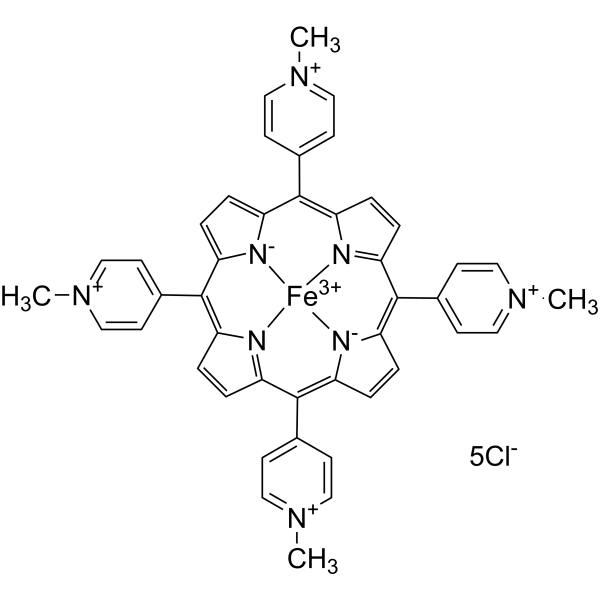
FeTMPyP is an orally active poly (ADP-ribose) polymerase (PARP) inhibitor. FeTMPyP inhibits cell death, nitrotyrosine formation, and depolarization of mitochondrial transmembrane potential. FeTMPyP reduces homocysteine-induced nitrosative stress and partially restores TFEB protein and mRNA levels. FeTMPyP improves functional and behavioral deficits caused by chronic constriction injury in rats. FeTMPyP alleviates acute cerebral infarction in a rat model of middle cerebral artery occlusion with mild hyperglycemia. FeTMPyP can be used in studies related to neuropathic pain, renal aging, ischemic penumbra, and hyperglycemic stroke .
loading...
    loading...
1
1 Cited Publications
Cat. No.: HY-19337
CAS No.: 1297537-33-7
Synonyms: BAY 1896953; ORM-15341
Target:  

Androgen Receptor

Research Areas:  

Cancer

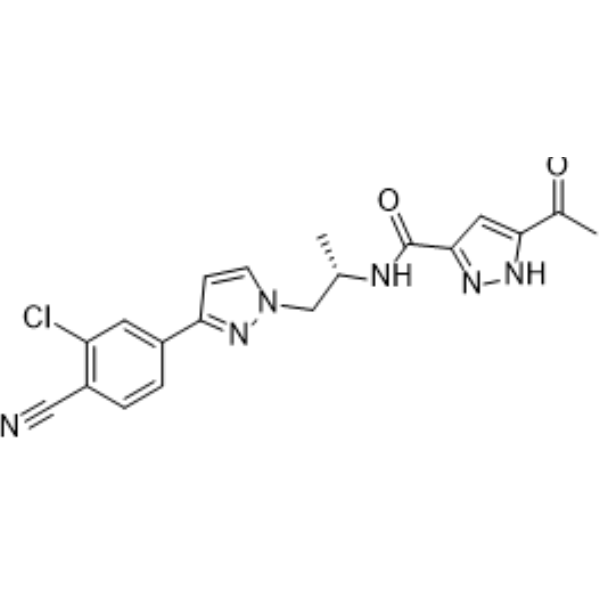
Ketodarolutamide (ORM-15341) is a potent, high-affinity nonsteroidal competitive full antagonist of androgen receptor (AR). Ketodarolutamide displays a Ki value of 8 nM for rat wild-type AR and an IC50 value of 38 nM in AR-HEK293 cells . Ketodarolutamide inhibits testosterone-induced nuclear translocation of the AR and antagonizes both overexpressed and mutant ARs . Ketodarolutamide specifically suppresses the proliferation of AR-dependent prostate cancer cells and exhibits antitumor activity in models of castration-resistant prostate cancer (CRPC) . Ketodarolutamide is suitable for the mechanistic and therapeutic research of prostate cancer .
loading...
    loading...
1
1 Cited Publications
Cat. No.: HY-B1076
CAS No.: 2668-66-8
Synonyms: HMS; 6α-Methyl-11β-hydroxyprogesterone
Target:  

VEGFR CCR STAT

Research Areas:  

Neurological Disease

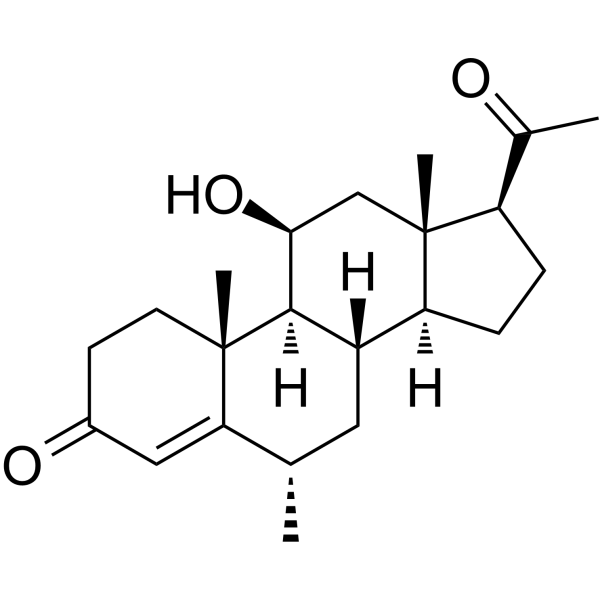
Medrysone (HMS; 6α-Methyl-11β-hydroxyprogesterone) is a STAT6 modulator and M2 macrophage polarization inducer. Medrysone enhances IL-4-triggered STAT6 activation, upregulates the expression of M2 markers, and promotes the secretion of VEGF and CCL2. Medrysone also enhances the pro-migratory activity of M2-like macrophages toward endothelial cells. By regulating macrophage polarization and related repair pathways, Medrysone significantly promotes corneal wound repair in a rat mechanical injury model. Medrysone can be used for research related to corneal injury .
loading...
    loading...
1
1 Cited Publications
Cat. No.: HY-149454
CAS No.: 2738381-94-5
Purity:  99.87%
Target:  

P2Y Receptor

Research Areas:  

Cancer

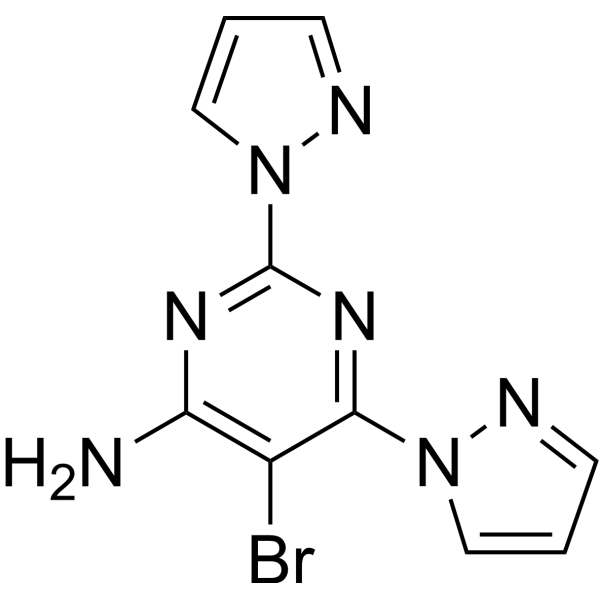
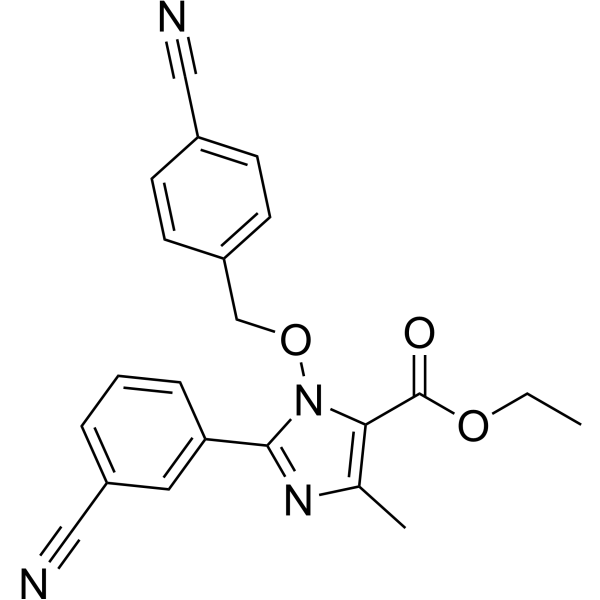
P2Y1/P2Y12 antagonist-1 (compound 24w) is an orally available dual inhibitor of P2Y1 and P2Y12 with antiplatelet activity. P2Y1/P2Y12 antagonist-1 inhibits ADP-induced platelet aggregation in rabbit plasma with an IC50 of 4.23 μM. P2Y1/P2Y12 antagonist-1 exhibits potent inhibitory effects in rat thrombosis model.
loading...
    loading...
1
1 Cited Publications
Cat. No.: HY-W017370
CAS No.: 99-48-9
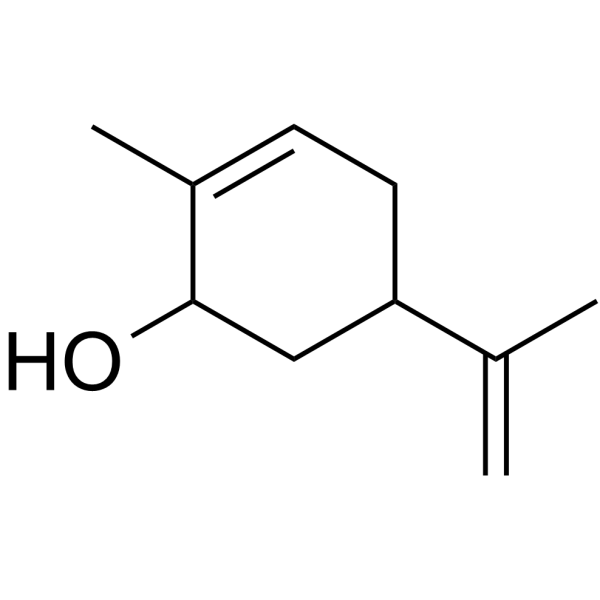
Carveol is an orally active monoterpenoid alcohol with neuroprotective, antioxidant, anti-inflammatory, anticonvulsant, antidiabetic, hypolipidemic and hepatoprotective activities. Carveol upregulates the expression of Bcl2, downregulates the expression of caspase-3, TNF-α, IL1β and IL6, activates the Nrf2/HO-1 antioxidant signaling pathway, inhibits the RAGE/NF-κB signaling pathway, and suppresses neuroinflammation and neuronal apoptosis. Carveol inhibits α-synuclein aggregation, improves cognitive ability, and inhibits α-amylase activity. Carveol exerts neuroprotective effects in a rat model of Parkinson's disease. Carveol exhibits antidiabetic effects in alloxan-induced diabetic rats. Carveol alleviates PTZ-induced seizures in rats. Carveol can be used in research related to Parkinson's disease, epilepsy, diabetes and ischemic stroke .
loading...
    loading...
1
1 Cited Publications
Cat. No.: HY-10201S
CAS No.: 1130115-44-4
Purity:  98.17%
Synonyms: Donafenib; Bay 43-9006-d3
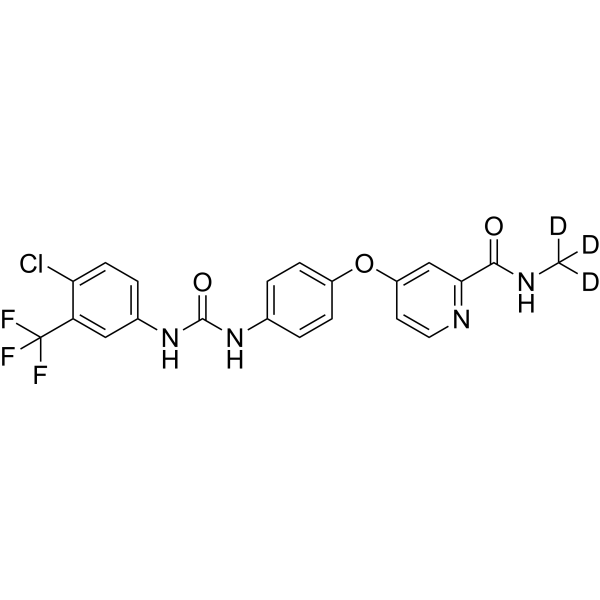
Sorafenib-d3 (Donafenib) is the deuterated-labeled Sorafenib (HY-10201). Sorafenib (Bay 43-9006) is a potent oral active multikinase inhibitor. Sorafenib blocks autophosphorylation and activity of receptor tyrosine kinases (VEGFR-2, VEGFR-3) and RAF family kinases, thereby suppressing the RAF/MEK/ERK and PI3K/Akt pathways, inhibiting STAT3 phosphorylation, and selectively inhibiting the MAPK pathway in cancer cells. Sorafenib induces cell cycle arrest, autophagy, apoptosis, and PARP cleavage, reduces Bcl-2, Bcl-XL, cyclin D1 levels, and activates Bak and Bax. Sorafenib inhibits tumor growth and metastasis in mouse and rat models. Sorafenib can be used for cancer research, such as colon, breast, non-small-cell lung cancer (NSCLC), ovarian, pancreatic, melanoma, colorectal and hepatocellular carcinoma .
loading...
    loading...
1
1 Cited Publications
Cat. No.: HY-10201S2
CAS No.: 1210608-86-8
Purity:  98.35%
Synonyms: Bay 43-9006-13C,d3
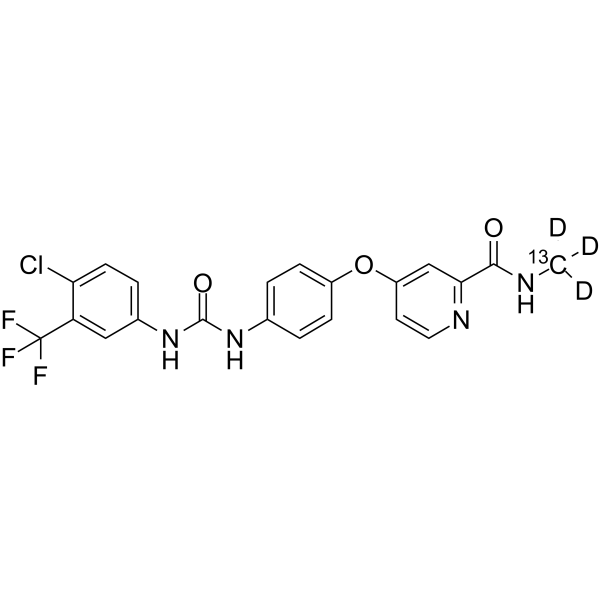
Sorafenib- 13C,d3 (Bay 43-9006- 13C,d3) is the 13C, deuterated-labeled Sorafenib (HY-10201). Sorafenib (Bay 43-9006) is a potent oral active multikinase inhibitor. Sorafenib blocks autophosphorylation and activity of receptor tyrosine kinases (VEGFR-2, VEGFR-3) and RAF family kinases, thereby suppressing the RAF/MEK/ERK and PI3K/Akt pathways, inhibiting STAT3 phosphorylation, and selectively inhibiting the MAPK pathway in cancer cells. Sorafenib induces cell cycle arrest, autophagy, apoptosis, and PARP cleavage, reduces Bcl-2, Bcl-XL, cyclin D1 levels, and activates Bak and Bax. Sorafenib inhibits tumor growth and metastasis in mouse and rat models. Sorafenib can be used for cancer research, such as colon, breast, non-small-cell lung cancer (NSCLC), ovarian, pancreatic, melanoma, colorectal and hepatocellular carcinoma .
loading...
    loading...

