675 Results for "

Reduction

" in MedChemExpress (MCE) Product Catalog:
Products (675)

675 Results for "Reduction" in MCE Product Catalog:

2
2 Cited Publications
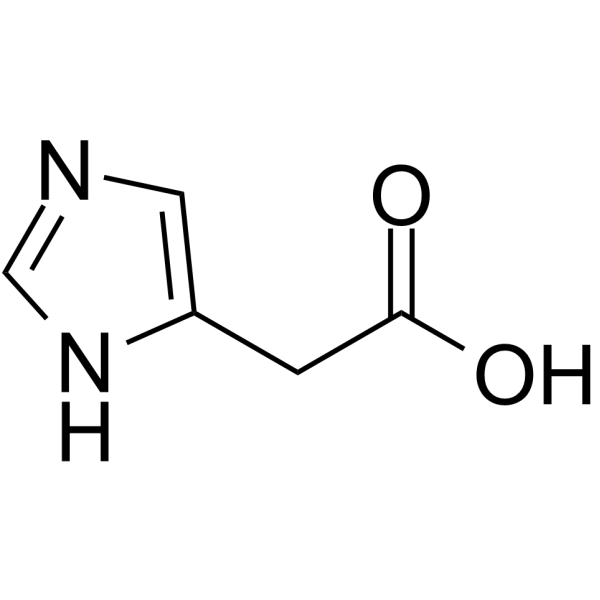
Cat. No.: HY-113413
CAS No.: 645-65-8
Purity:  99.56%
Synonyms: Imidazolyl-4-acetic acid
Imidazoleacetic acid (Imidazolyl-4-acetic acid) is a blood-brain barrier-permeable full agonist of the GABAA receptor. Imidazoleacetic acid forms via histamine oxidation in the mouse brain. Imidazoleacetic acid exerts multiple neurochemical and behavioral effects. Imidazoleacetic acid induces a range of centrally mediated effects, including analgesia, sedation, hypnosis, as well as reductions in blood pressure, body temperature, isolation-induced aggression and motor activity .
loading...
    loading...
2
2 Cited Publications
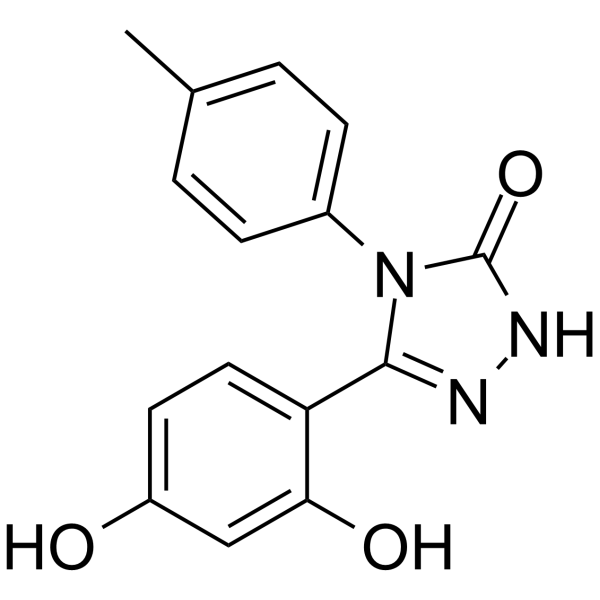
Cat. No.: HY-128578
CAS No.: 906669-07-6
Purity:  99.86%
KPLH1130 is a pyruvate dehydrogenase kinase (PDK) inhibitor. KPLH1130 potently inhibits M1 macrophage polarization by reducing the expression of pro-inflammatory cytokines, decreasing the levels of M1 phenotype markers (HIF-1α, iNOS) and nitric oxide (NO) production. KPLH1130 prevents the reduction of mitochondrial oxygen consumption rate (OCR) induced by inflammatory stimuli (LPS ((HY-D1056) + IFN-γ) in various macrophage types. KPLH1130 improves glucose tolerance in HFD-fed mice. KPLH1130 can be used for the study of obesity-associated metabolic disorders and other inflammatory conditions .
loading...
    loading...
2
2 Cited Publications
Cat. No.: HY-B1941
CAS No.: 140-66-9
4-tert-Octylphenol, a endocrine-disrupting chemical, is an estrogenic agent. 4-tert-Octylphenol is also a biodegradation product of non-ionic surfactants alkylphenol polyethoxylates. 4-tert-Octylphenol induces apoptosis in neuronal progenitor cells in offspring mouse brain. 4-tert-Octylphenol reduces bromodeoxyuridine (BrdU), mitotic marker Ki67, and phospho-histone H3 (p-Histone-H3), resulting in a reduction of neuronal progenitor proliferation. 4-tert-Octylphenol disrupts brain development and behavior in mice, which is promising for reserch of immune response, neuro-related diseases and ethology .
loading...
    loading...
2
2 Cited Publications
Cat. No.: HY-148013
CAS No.: 702668-62-0
Purity:  99.94%
K284-6111 is a high-affinity and orally active CHI3L1 inhibitor, and inhibits CHI3L1 expression. K284-6111 inhibits ERK and NF-κB pathway. K284-6111 suppresses nuclear translocation of p50 and p65, and phosphorylation of IκB. K284-6111 improves memory dysfunction by alleviating amyloidogenesis and neuroinflammation, with the reduction of inflammatory proteins (eg: iNOS, COX-2, GFAP, and Iba-1). K284-6111 reduces atopic-like skin inflammation and inhibits LPS (HY-D1056) -induced liver injury. K284-6111 can be used for the study of Alzheimer's diseases and sepsis like hepatic injury .
loading...
    loading...
2
2 Cited Publications
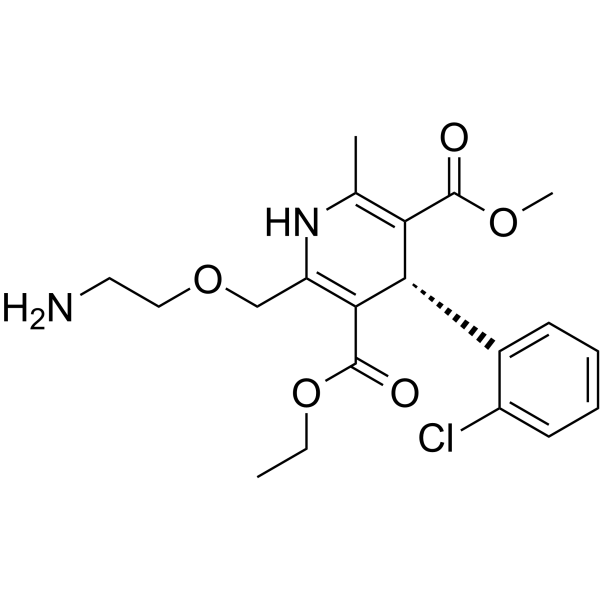
Cat. No.: HY-14744
CAS No.: 103129-82-4
Purity:  98.53%
Synonyms: (S)-Amlodipine; Levoamlodipine
Levamlodipine ((S)-Amlodipine; Levoamlodipin) is an orally active L-type calcium channel blocker and MMP-9 modulator with high permeability and retention properties. Levamlodipine significantly enhances plaque stability and improves lipid profiles by reducing blood pressure, decreasing systolic blood pressure variability, and inhibiting MMP-9 expression in atherosclerotic plaques. Levamlodipine not only alleviates cardiac and aortic hypertrophy and prevents renal atrophy, but also produces synergistic effects in blood pressure reduction and organ protection when combined with bisoprolol (HY-129029). Levamlodipine exerts no significant inhibitory effect on abdominal aortic intimal hyperplasia. When excessively accumulated in the epidermis, Levamlodipine may induce changes in keratin structure, impair the skin barrier and trigger inflammation; long-term use further exacerbates skin irritation caused by local administration. Levamlodipine can be used in research related to hypertension and atherosclerosis .
loading...
    loading...
2
2 Cited Publications
Cat. No.: HY-14744A
CAS No.: 150566-71-5
Purity:  99.84%
Synonyms: (S)-Amlodipine besylate; Levoamlodipine besylate
Target:  

Calcium Channel MMP

Research Areas:  

Cardiovascular Disease

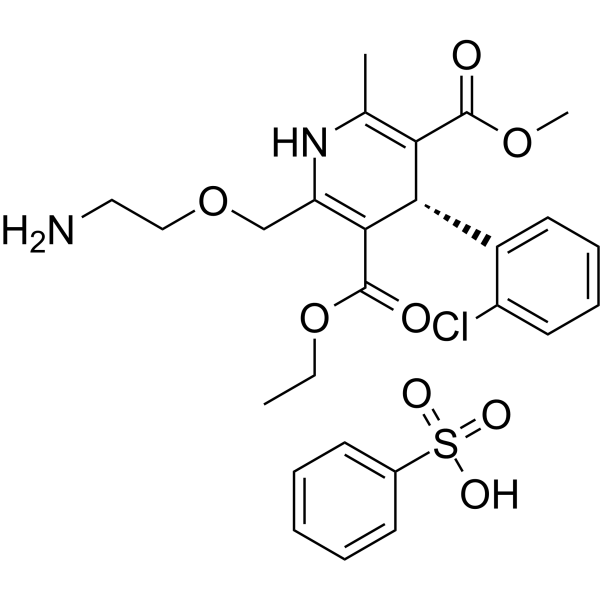
Levamlodipine ((S)-Amlodipine; Levoamlodipin) besylate is an orally active L-type calcium channel blocker and MMP-9 modulator with high permeability and retention properties. Levamlodipine besylate significantly enhances plaque stability and improves lipid profiles by reducing blood pressure, decreasing systolic blood pressure variability, and inhibiting MMP-9 expression in atherosclerotic plaques. Levamlodipine besylate not only alleviates cardiac and aortic hypertrophy and prevents renal atrophy, but also produces synergistic effects in blood pressure reduction and organ protection when combined with bisoprolol (HY-129029). Levamlodipine besylate exerts no significant inhibitory effect on abdominal aortic intimal hyperplasia. When excessively accumulated in the epidermis, Levamlodipine besylate may induce changes in keratin structure, impair the skin barrier and trigger inflammation; long-term use further exacerbates skin irritation caused by local administration. Levamlodipine besylate can be used in research related to hypertension and atherosclerosis .
loading...
    loading...
2
2 Cited Publications
Cat. No.: HY-N0541
CAS No.: 69884-00-0
Synonyms: Ginsenoside A1
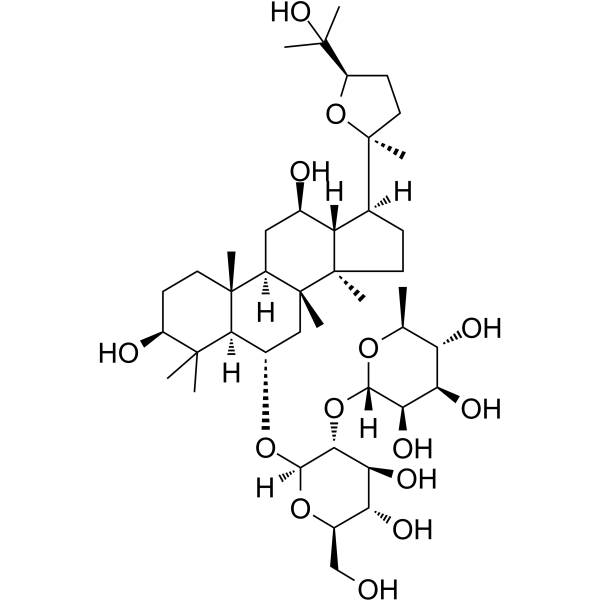
Pseudoginsenoside F11 is an orally active neuroprotective agent. Pseudoginsenoside F11 reduces the expression of β-amyloid precursor protein, inhibits the production of 1-40, downregulates the expression of JNK2, p53 and activated Caspase 3, and restores the activities of SOD and Glutathione peroxidase. Pseudoginsenoside F11 inhibits the excessive activation of μ-Calpain and restores the level of neuronal Nitric oxide synthase. Pseudoginsenoside F11 reduces infarct volume, alleviates cerebral edema, decreases neuronal loss, improves neurological deficits and enhances long-term functional outcomes in transient cerebral ischemia models. Pseudoginsenoside F11 antagonizes Methamphetamine-induced behavioral deficits, dopamine level reduction and neurotoxicity without altering the baseline behaviors of normal mice. Pseudoginsenoside F11 can be used in studies related to Alzheimer's disease, transient cerebral ischemic injury and Methamphetamine-induced neurotoxicity .
loading...
    loading...
1
1 Cited Publications
Cat. No.: HY-W229874
CAS No.: 757192-67-9
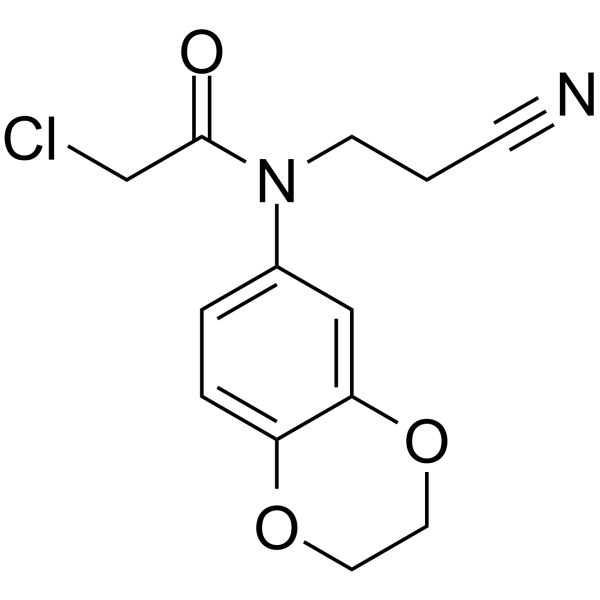
EN106 is a potent inhibitor of FEMIB. EN106 is a cysteine-reactive covalent ligand. EN106 disrupts recognition of the key reductive stress substrate of FEM1B, FNIP1. EN106 reduces oxidative stress and rescues high glucose-induced impaired angiogenesis in HUVECs .
loading...
    loading...
1
1 Cited Publications
Cat. No.: HY-P2809
CAS No.: 9001-64-3
Synonyms: MDH; EC 1.1.1.37
Research Areas:  

Metabolic Disease

Malate dehydrogenase (EC 1.1.1.37) (MDH) catalyzes the mutual conversion of oxaloacetate and malate, and is associated with the oxidation/reduction of dinucleotide coenzymes .
loading...
    loading...
1
1 Cited Publications
Cat. No.: HY-P2996
CAS No.: 9029-27-0
Target:  

Others

Research Areas:  

Others

NAD(P)H-Nitrate reductase is isolated from Aspergillus niger that catalyses the reduction of nitrate to nitrite via a two-electron transfer. In plants, the electron donor for Nitrate reductase is NADPH is NADH:Nitrate reductase and a bispecific NAD(P)H: Nitrate reductase .
loading...
    loading...
1
1 Cited Publications
Cat. No.: HY-109001
CAS No.: 1254698-46-8
Purity:  ≥98.0%
Synonyms: ABT-957
Target:  

Proteasome

Research Areas:  

Neurological Disease

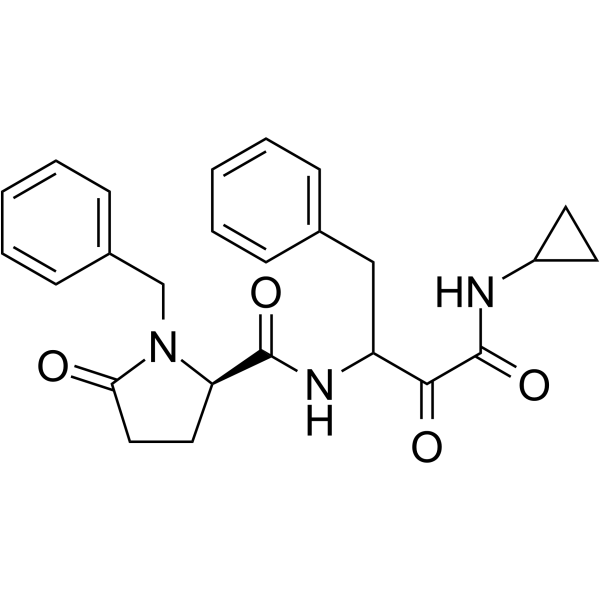
Alicapistat (ABT-957) is an orally active selective inhibitor of human calpains 1 and 2 for the potential application of Alzheimer's disease (AD) . Alicapistat mitigates the metabolic liability of carbonyl reduction and inhibits calpain 1 with an IC50 value of 395 nM .
loading...
    loading...
1
1 Cited Publications
Cat. No.: HY-14518
CAS No.: 54-62-6
Purity:  ≥98.0%
Synonyms: 4-Aminofolic acid; APGA
Target:  

Antifolate

Research Areas:  

Inflammation/Immunology Cancer

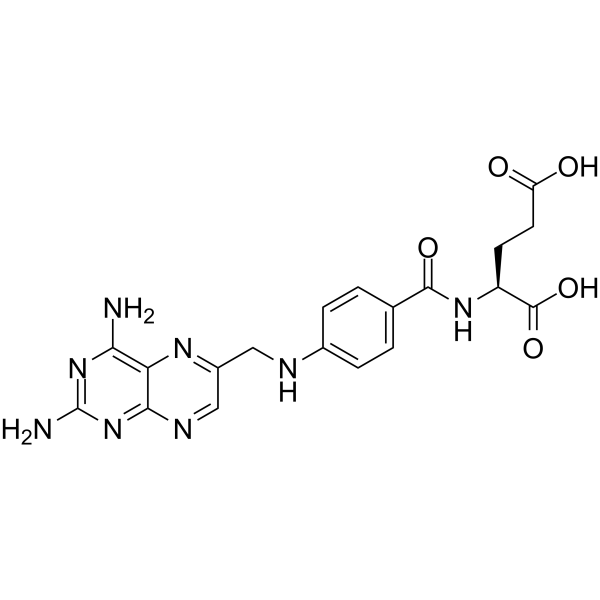
Aminopterin (4-Aminofolic acid), the 4-amino derivative of folic acid, is a folic acid antagonist. Aminopterin catalyses the reduction of folic acid to tetrahydrofolic acid, and competitively inhibits dihydrofolate reductase (DHFR) with a Ki of 3.7 pM. Aminopterin has anticancer and immunosuppressive activity. Aminopterin is used in treatment of pediatric leukemia .
loading...
    loading...
1
1 Cited Publications
Cat. No.: HY-147246
CAS No.: 1868138-66-2
Purity:  99.34%
Synonyms: HTD1801; BUDCA
Research Areas:  

Metabolic Disease

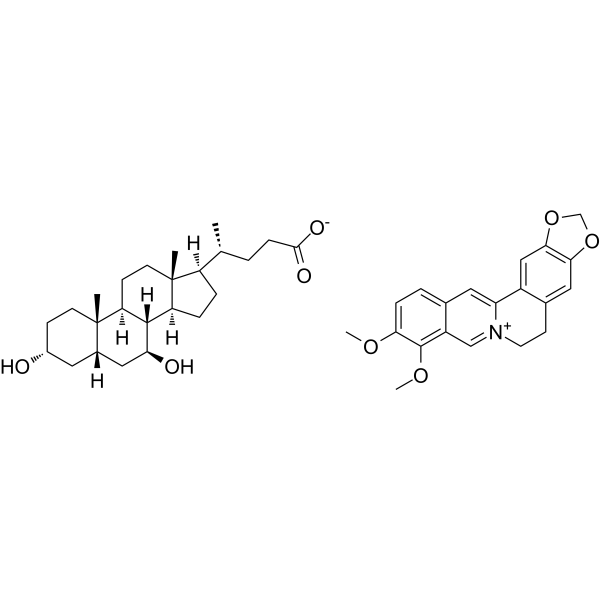
Berberine ursodeoxycholate (HTD1801), an ionic salt of Berberine and Ursodeoxycholic acid, is an orally active and potent hypolipidemic agent. Berberine ursodeoxycholate shows significantly great reduction in liver fat content. Berberine ursodeoxycholate has a broad spectrum of metabolic activity. Berberine ursodeoxycholate can be used for the research of hyperlipidemia, non-alcoholic steatohepatitis (NASH) and diabetes .
loading...
    loading...
1
1 Cited Publications
Cat. No.: HY-B0456R
CAS No.: 83-88-5
Synonyms: Vitamin B2 (Standard); E101 (Standard)
Riboflavin (Standard) is the analytical standard of Riboflavin. This product is intended for research and analytical applications. Riboflavin, an orally active and easily absorbed micronutrient, is a precursor of flavin mononucleotide (FMN) and flavin adenine dinucleotide (FAD), which serve as coenzymes for numerous enzymatic reactions and perform key metabolic functions by mediating the transfer of electrons in biological oxidation-reduction reaction .
loading...
    loading...
1
1 Cited Publications
Cat. No.: HY-N4321
CAS No.: 5115-71-9
Synonyms: Benzylglucosinolate potassium
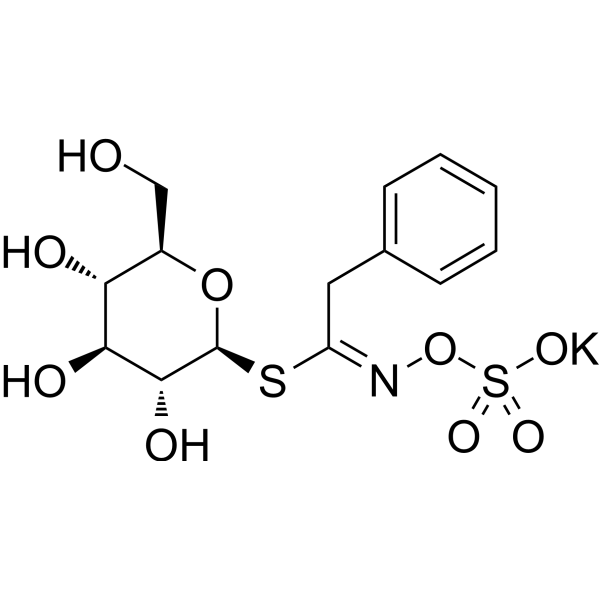
Glucotropaeolin (Benzylglucosinolate) potassium is an orally effective glucosinolate that can be extracted from cruciferous vegetables. Glucotropaeolin potassium exhibits activities including moderate reduction of spontaneous DNA damage in animals, anti-inflammation, antimicrobial action, and anticancer effect. Glucotropaeolin potassium can be used in research related to tendinopathy, late blight, type 2 diabetes, and cancer .
loading...
    loading...
1
1 Cited Publications
Cat. No.: HY-109052
CAS No.: 1200493-78-2
Purity:  99.77%
Synonyms: JNJ-54861911
Target:  

Beta-secretase

Research Areas:  

Neurological Disease

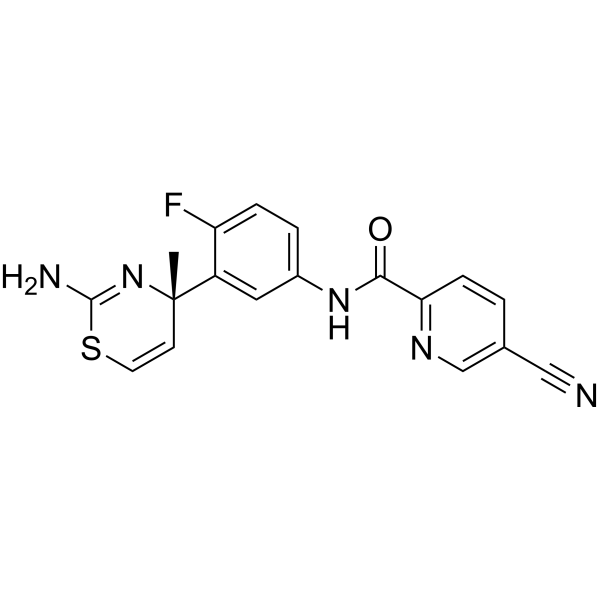
Atabecestat (JNJ-54861911) is a potent brain-penetrant and orally active β-site amyloid precursor protein cleaving enzyme 1 (BACE1) inhibitor, achieves robust and high CSF Aβ reduction. Atabecestat s tolerated and displays a sustained pharmacokinetic (PK) and pharmacodynamic (PD) characteristics. Atabecestat has the potential for Alzheimer's Disease treatment .
loading...
    loading...
1
1 Cited Publications
Cat. No.: HY-23155
CAS No.: 2257-09-2
Synonyms: 2-PE ITC
Target:  

Fungal

Research Areas:  

Infection

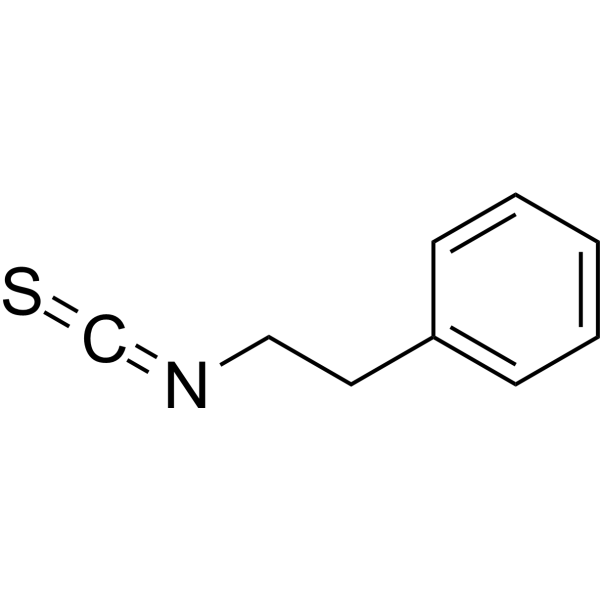
2-Phenylethyl isothiocyanate is a potent antifungal agent. 2-Phenylethyl isothiocyanate significantly inhibited spore germination and mycelial growth of Alternaria alternata, with a MIC (minimum inhibitory concentration) of 1.22 mM. The antifungal effect of 2-Phenylethyl isothiocyanate against Alternaria alternate might be via reduction in toxin content and breakdown of cell membrane integrity .
loading...
    loading...
1
1 Cited Publications
Cat. No.: HY-107004A
CAS No.: 161262-45-9
Purity:  99.86%
Synonyms: S-59
Research Areas:  

Inflammation/Immunology

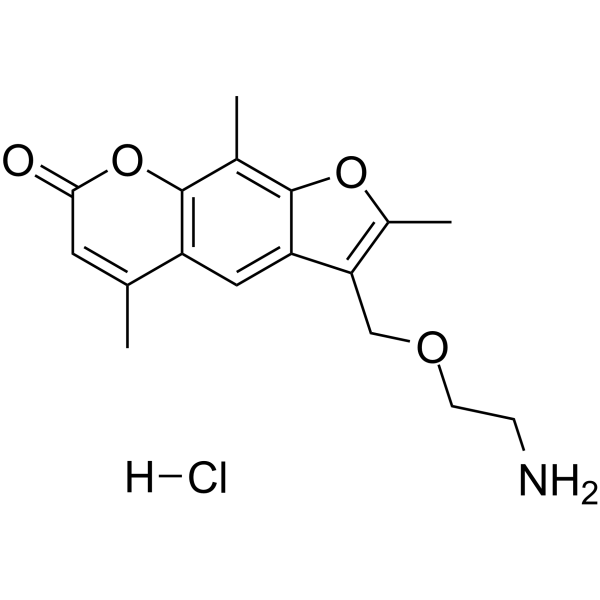
Amotosalen hydrochloride (S-59) is a light-activated, DNA-, RNA-crosslinking psoralen compound, which is used to neutralise pathogens. Light-activated Amotosalen binds and permanently crosslinks DNA, preventing replication and thus stopping proliferation of donor T cells. Amotosalen can be used for the study of blood system pathogen reduction technology and graft-versus-host disease (GVHD) .
loading...
    loading...
1
1 Cited Publications
Cat. No.: HY-135470
CAS No.: 13411-16-0
Purity:  98.70%
Synonyms: P-7138
Target:  

Bacterial

Research Areas:  

Infection

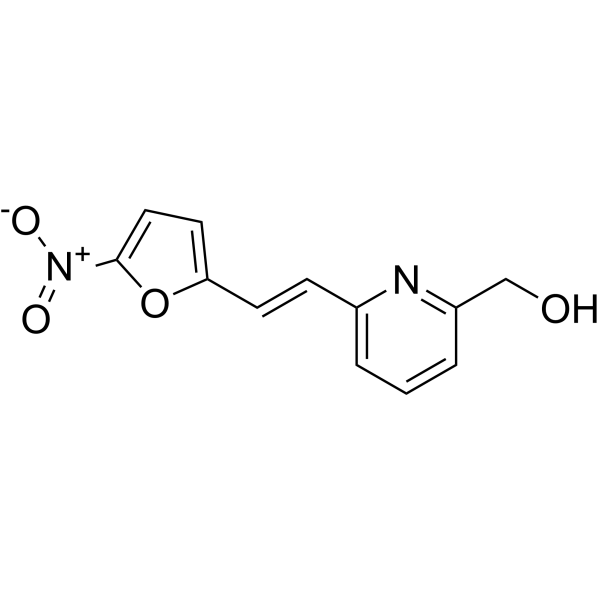
Nifurpirinol (P-7138) is a selective prosubstrate of bacterial nitroreductase (NTR). NTR catalyzes the reduction of nifurpirinol to generate cytotoxic metabolites that induce apoptosis in target cells. Nifurpirinol selectively ablates NTR-expressing cells such as pancreatic β cells, osteoblasts, dopaminergic neurons, and podocytes in transgenic zebrafish models. Nifurpirinol can be used in regeneration studies and disease modeling such as focal segmental glomerulosclerosis (FSGS) .
loading...
    loading...
1
1 Cited Publications
Cat. No.: HY-150252A
CAS No.: 3067165-96-9
Purity:  99.96%
Research Areas:  

Cancer

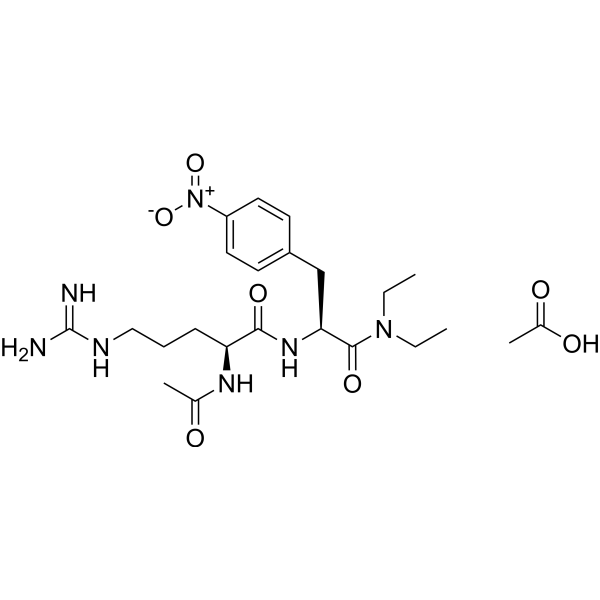
ATIC-IN-1 (compound 14) acetate is an inhibitor targeting to Aminoimidazole carboxamide ribonucleotide transformylase/inosine monophosphate cyclohydrolase (ATIC) dimerization with a Ki value of 685 nM, whcich catalyzes de novo purine biosynthesis. ATIC dimerization is crucial for its aminoimidazole carboxamide ribonucleotide (AICAR) transformylase activity. ATIC-IN-1 acetate exhibits anti-tumor activity via reduction in cell numbers and cell division rates .
loading...
    loading...

