644 Results for "

ATPases

" in MedChemExpress (MCE) Product Catalog:
Products (644)

644 Results for "ATPases" in MCE Product Catalog:

4
4 Cited Publications
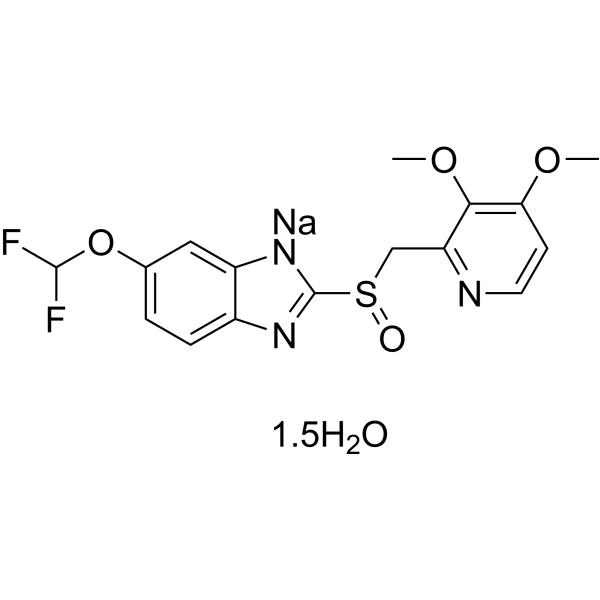
Cat. No.: HY-17507B
CAS No.: 164579-32-2
Synonyms: BY1023 sodium hydrate; SKF96022 sodium hydrate
Pantoprazole sodium hydrate (BY10232 sodium hydrate) is an orally active and potent proton pump inhibitor (PPI) . Pantoprazole sodium hydrate, a substituted benzimidazole, is a potent H +/K +-ATPase inhibitor with an IC50 of 6.8 μM. Pantoprazole sodium hydrate improves pH stability and has anti-secretory, anti-ulcer activities. Pantoprazole sodium hydrate significantly increased tumor growth delay combined with Doxorubicin (HY-15142) .
loading...
    loading...
4
4 Cited Publications
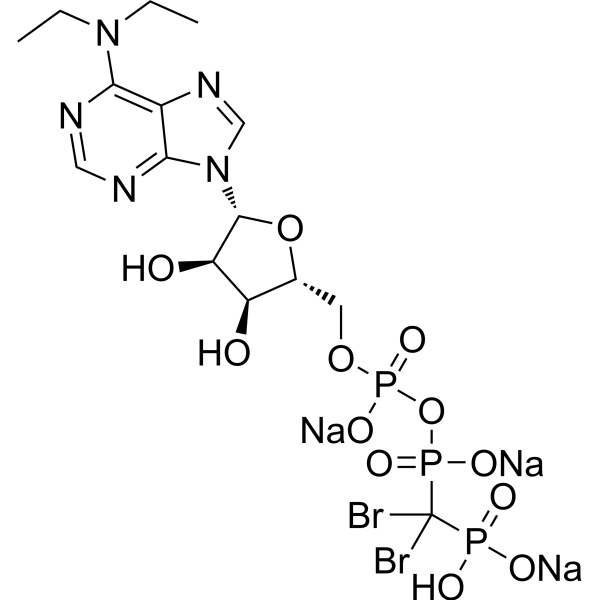
Cat. No.: HY-103265
CAS No.: 1021868-83-6
Purity:  99.94%
Synonyms: FPL 67156 trisodium
Target:  

NTPDase

ARL67156 (FPL 67156) trisodium is a selective small molecular inhibitor, targeting to ecto-ATPase, CD39, and CD73. ARL67156 trisodium is also a competitive inhibitor of NTPDase1 (CD39), NTPDase3 and NPP1, with Kis of 11, 18 and 12?μM, respectively. ARL67156 trisodium can be used in the research of calcific aortic valve disease, asthma .
loading...
    loading...
4
4 Cited Publications
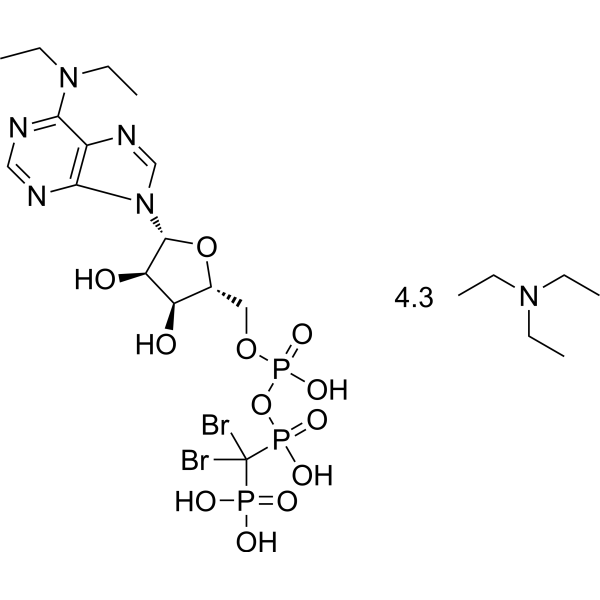
Cat. No.: HY-103265D
Synonyms: FPL 67156 triethylamine
Target:  

NTPDase

ARL67156 (FPL 67156) triethylamine is a selective small is a selective samll molecular inhibitor, targeting to ecto-ATPase, CD39, and CD73. ARL67156 triethylamine is also a competitive inhibitor of NTPDase1 (CD39), NTPDase3 and NPP1, with Kis of 11, 18 and 12 μM, respectively. ARL67156 triethylamine can be used in the research of disease like calcific aortic valve disease, asthma .
loading...
    loading...
3
3 Cited Publications
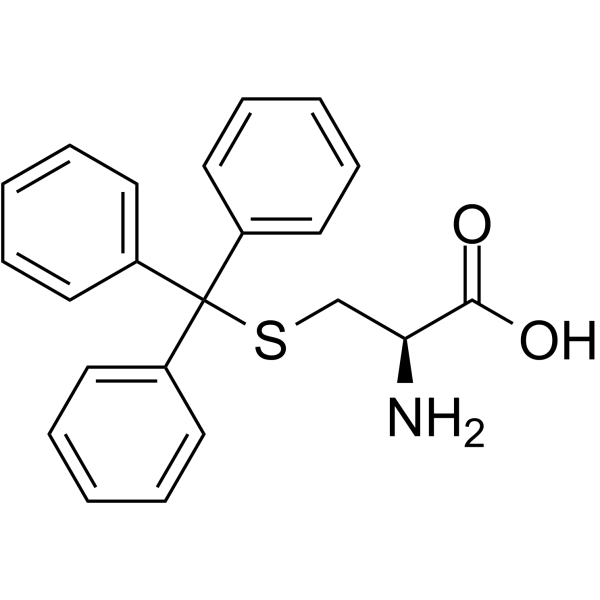
Cat. No.: HY-W011102
CAS No.: 2799-07-7
Synonyms: NSC 83265; S-Tritylcysteine; 3-Tritylthio-L-alanine
Target:  

Kinesin Apoptosis

Research Areas:  

Cancer

S-Trityl-L-cysteine (NSC 83265) is a selective and allosteric kinesin Eg5 inhibitor with an IC50 of 1 μM for the inhibition of basal ATPase activity and 140 nM for the microtubule-activated ATPase activity. S-Trityl-L-cysteine has antitumor activities .
loading...
    loading...
3
3 Cited Publications
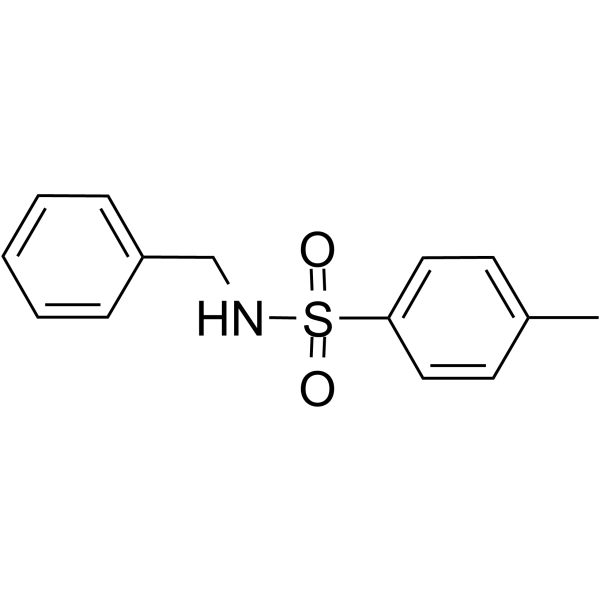
Cat. No.: HY-16690
CAS No.: 1576-37-0
Synonyms: N-Benzyl-p-toluenesulfonamide; N-Tosylbenzylamine
Target:  

Myosin

Research Areas:  

Others

BTS (N-Benzyl-p-toluenesulfonamide) is a potent and selective inhibitor of skeletal muscle myosin II subfragment 1 (S1) ATPase activity, with an IC50s of ~5 µM for actin- and Ca 2+-stimulated myosin S1 ATPase. BTS specifically inhibits the contraction of fast skeletal muscle fibers .
loading...
    loading...
3
3 Cited Publications
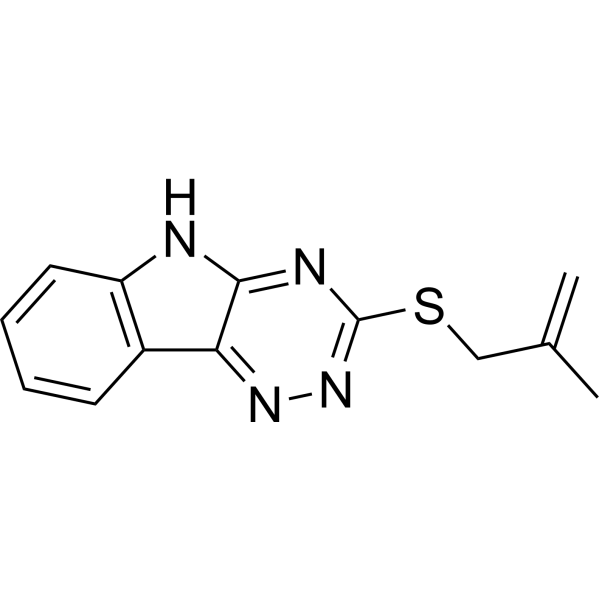
Cat. No.: HY-100816
CAS No.: 328023-11-6
Purity:  99.85%
Synonyms: Ribozinoindole-1
Target:  

Phosphatase

Research Areas:  

Metabolic Disease

Rbin-1 is a potent, reversible, and specific chemical inhibitor of eukaryotic ribosome biogenesis. Rbin-1 inhibits the ATPase with GI50 of 136 nM. Rbin-1 is a potent and selective chemical inhibitor of Midasin (Mdn1).
loading...
    loading...
3
3 Cited Publications
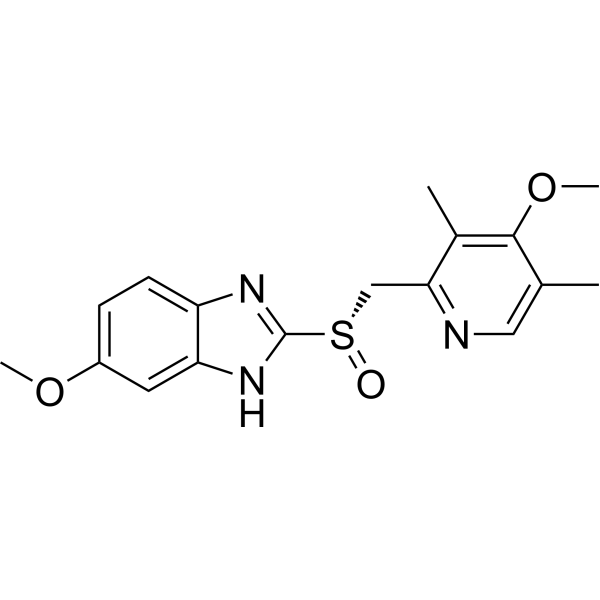
Cat. No.: HY-17021
CAS No.: 119141-88-7
Synonyms: (S)-Omeprazole; (-)-Omeprazole
Esomeprazole ((S)-Omeprazole) is a potent and orally active proton pump inhibitor and reduces acid secretion through inhibition of the H +, K +-ATPase in gastric parietal cells. Esomeprazole has the potential for symptomatic gastroesophageal reflux disease research .
loading...
    loading...
3
3 Cited Publications
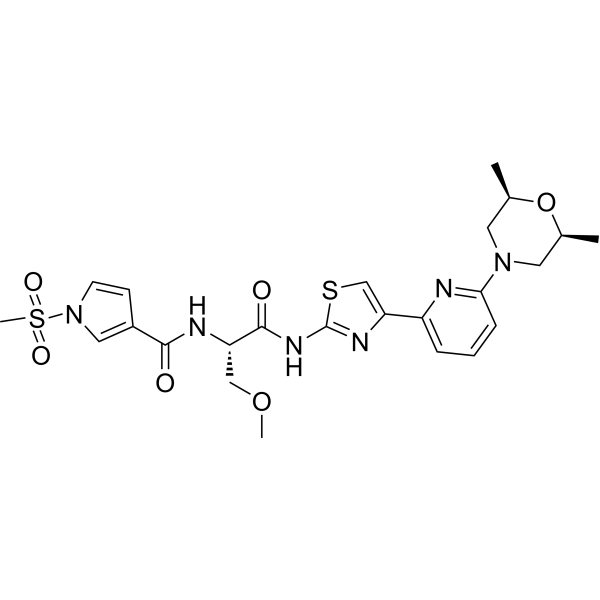
Cat. No.: HY-144835
CAS No.: 2671128-05-3
Purity:  99.06%
Synonyms: FHD-286
Research Areas:  

Cancer

FHD-286 is a selective, oral inhibitor of SMARCA4/SMARCA2 ATPase (BRG1 and BRM) inhibitor. FHD-286 has the potential for the research of BAF (BRG1/BRM-associated factor)-related disorders such as acute myeloid leukemia .
loading...
    loading...
3
3 Cited Publications
Cat. No.: HY-N2532
CAS No.: 22055-22-7
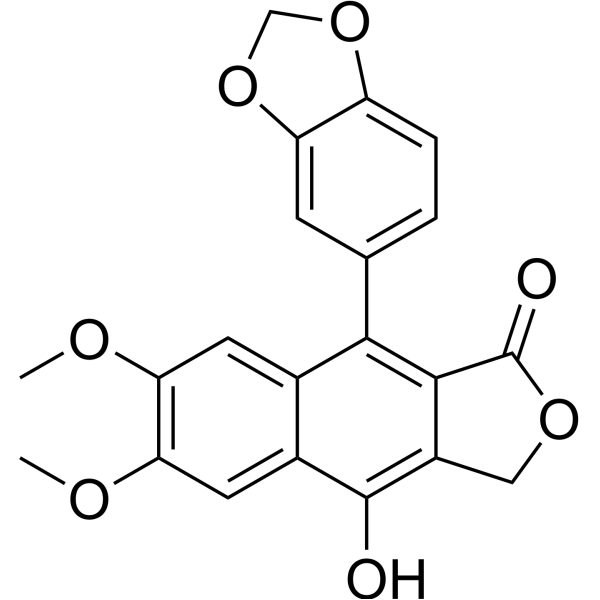
Diphyllin is an orally active V-ATPase inhibitor (IC50=17 nM) and HIV-1 inhibitor (IC50=0.38 μM). Diphyllin blocks the acidification of osteoclast lysosomes and bone resorption lacunas (IC50=0.6 nM for acid influx inhibition), thereby inhibiting bone resorption. Diphyllin can effectively inhibit osteoclast-mediated bone resorption and has no effect on osteoblastic bone formation. Diphyllin can be used in the research of bone metabolism-related diseases and has the potential to inhibit diseases related to excessive bone resorption .
loading...
    loading...
3
3 Cited Publications
Cat. No.: HY-N1431
CAS No.: 4429-63-4
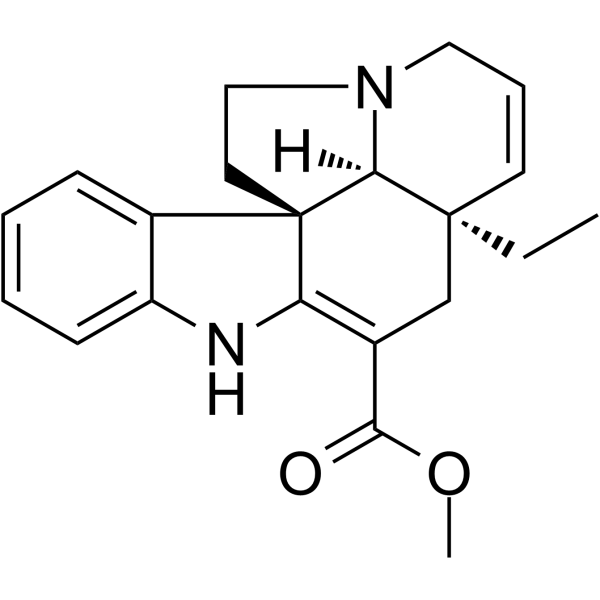
Tabersonine is a selective, orally active NLRP3 inhibitor. Tabersonine directly binds to the NACHT domain of NLRP3, inhibiting its ATPase activity and oligomerization, thereby blocking ASC spot formation and caspase-1 activation, and reducing the release of pro-inflammatory cytokines such as IL-1β. Tabersonine also inhibits K63-linked ubiquitination of TRAF6, blocking NF-κB, PI3K/Akt, and p38 MAPK signaling pathways. Tabersonine can inhibit inflammatory responses, induce apoptosis of liver cancer cells through mitochondrial pathways and death receptor pathways, reduce mitochondrial membrane potential, promote cytochrome c release, and activate caspase proteins. Tabersonine is mainly used in the study of NLRP3-driven inflammatory diseases (such as acute lung injury, sepsis, peritonitis) and tumors such as liver cancer .
loading...
    loading...
3
3 Cited Publications
Cat. No.: HY-N1431A
CAS No.: 29479-00-3
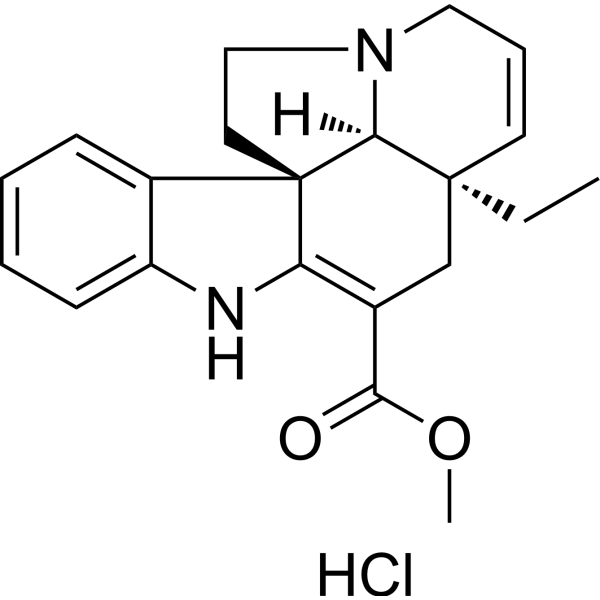
Tabersonine hydrochloride is a selective, orally active NLRP3 inhibitor. Tabersonine hydrochloride directly binds to the NACHT domain of NLRP3, inhibiting its ATPase activity and oligomerization, thereby blocking ASC spot formation and caspase-1 activation, and reducing the release of pro-inflammatory cytokines such as IL-1β. Tabersonine hydrochloride also inhibits K63-linked ubiquitination of TRAF6, blocking NF-κB, PI3K/Akt, and p38 MAPK signaling pathways. Tabersonine hydrochloride can inhibit inflammatory responses, induce apoptosis of liver cancer cells through mitochondrial pathways and death receptor pathways, reduce mitochondrial membrane potential, promote cytochrome c release, and activate caspase proteins. Tabersonine hydrochloride is mainly used in the study of NLRP3-driven inflammatory diseases (such as acute lung injury, sepsis, peritonitis) and tumors such as liver cancer .
loading...
    loading...
3
3 Cited Publications
Cat. No.: HY-109061
CAS No.: 1903008-80-9
Purity:  99.87%
Synonyms: YH25448; GNS-1480
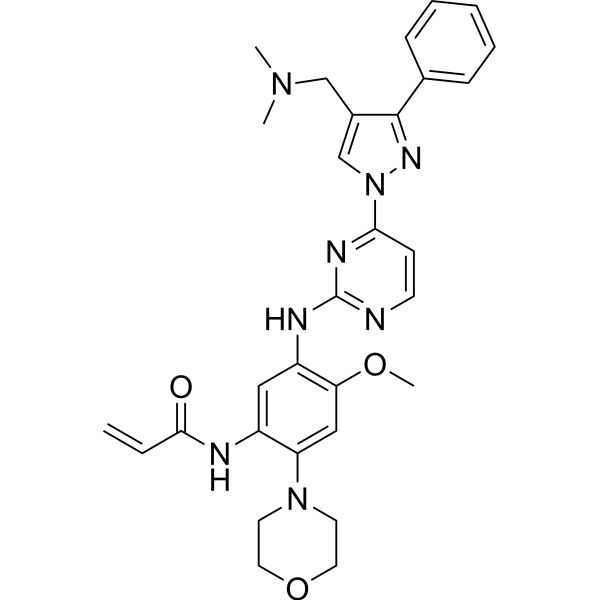
Lazertinib (YH25448; GNS-1480) is an orally active, blood-brain barrier permeable third-generation EGFR tyrosine kinase inhibitor, as well as an ABCB1/ABCG2 inhibitor and a TRPA1 activator. Lazertinib exhibits IC50 values of 0.4 mM and 0.2 mM against human ABCB1 and ABCG2, respectively. By inhibiting mutant EGFR signaling, EGFR phosphorylation and the downstream ERK/AKT pathway, as well as upregulating surface expression of EGFR/MET, Lazertinib induces cell cycle arrest, apoptosis, spontaneous calcium responses, hyperexcitability of dorsal root ganglion (DRG) neurons, and TRPA1-dependent pain-like behaviors. Lazertinib competitively binds to the substrate-binding sites of ABCB1/ABCG2, stimulates their ATPase activity without altering their expression or plasma membrane localization, thereby enhancing ADCC activity, acting as a chemosensitizer, and reversing ABCB1-mediated multidrug resistance. It exerts antitumor activity as a single agent or in combination with other drugs. Lazertinib is applicable to research related to non-small cell lung cancer, multidrug-resistant cancers, and paresthesia .
loading...
    loading...
3
3 Cited Publications
Cat. No.: HY-109061B
CAS No.: 2247995-37-3
Synonyms: YH25448 mesylate; GNS-1480 mesylate
Research Areas:  

Cancer

Lazertinib (YH25448; GNS-1480) mesylate is an orally active, blood-brain barrier permeable third-generation EGFR tyrosine kinase inhibitor, as well as an ABCB1/ABCG2 inhibitor and a TRPA1 activator. Lazertinib mesylate exhibits IC50 values of 0.4 mM and 0.2 mM against human ABCB1 and ABCG2, respectively. By inhibiting mutant EGFR signaling, EGFR phosphorylation and the downstream ERK/AKT pathway, as well as upregulating surface expression of EGFR/MET, Lazertinib mesylate induces cell cycle arrest, apoptosis, spontaneous calcium responses, hyperexcitability of dorsal root ganglion (DRG) neurons, and TRPA1-dependent pain-like behaviors. Lazertinib mesylate competitively binds to the substrate-binding sites of ABCB1/ABCG2, stimulates their ATPase activity without altering their expression or plasma membrane localization, thereby enhancing ADCC activity, acting as a chemosensitizer, and reversing ABCB1-mediated multidrug resistance. It exerts antitumor activity as a single agent or in combination with other drugs. Lazertinib mesylate is applicable to research related to non-small cell lung cancer, multidrug-resistant cancers, and paresthesia .
loading...
    loading...
2
2 Cited Publications
Cat. No.: HY-123872
CAS No.: 2219320-08-6
Purity:  99.89%
Target:  

p97

Research Areas:  

Cancer

MSC1094308 is a non-competitive and reversible VPS4B/p97 (VCP) (I/II type AAA ATPase) allosteric inhibitor, with IC50 values of 0.71 μM and 7.2 μM for VPS4B and p97, respectively . MSC1094308 inhibits the D2 ATPase activity by binding to a agentable hotspot of p97. MSC1094308 can be used in study of cancer .
loading...
    loading...
2
2 Cited Publications
Cat. No.: HY-116683
CAS No.: 831217-43-7
Purity:  98.55%
Synonyms: MAL2-11B
Target:  

HSP DNA/RNA Synthesis

Research Areas:  

Infection Cancer

116-9e (MAL2-11B) is a Hsp70 co-chaperone DNAJA1 inhibitor. 116-9e inhibits Simian Virus 40 (SV40) replication and DNA synthesis. 116-9e inhibits tumor antigen (TAg)’s endogenous ATPase activity and the TAg-mediated activation of Hsp70 .
loading...
    loading...
2
2 Cited Publications
Cat. No.: HY-144896
CAS No.: 2368903-18-6
Purity:  98.41%
Target:  

SWI/SNF Complex

Research Areas:  

Cancer

FHT-1015 is a selective SMARCA4 (IC50 = 4 nM) and SMARCA2 (IC50 = 5 nM) (also known as BRG1 and BRM) inhibitor. FH-1015 is an allosteric inhibitor that causes conformation change in the BRG1/BRM protein upon interaction with an allosteric site, inhibiting ATPase activity. FH-1015 interferes with tumor cell growth and migration. FH-1015 can be studied in research for uveal melanoma and hematologic cancer .
loading...
    loading...
2
2 Cited Publications
Cat. No.: HY-P3278
CAS No.: 350670-85-8
Target:  

Proton Pump

Research Areas:  

Metabolic Disease

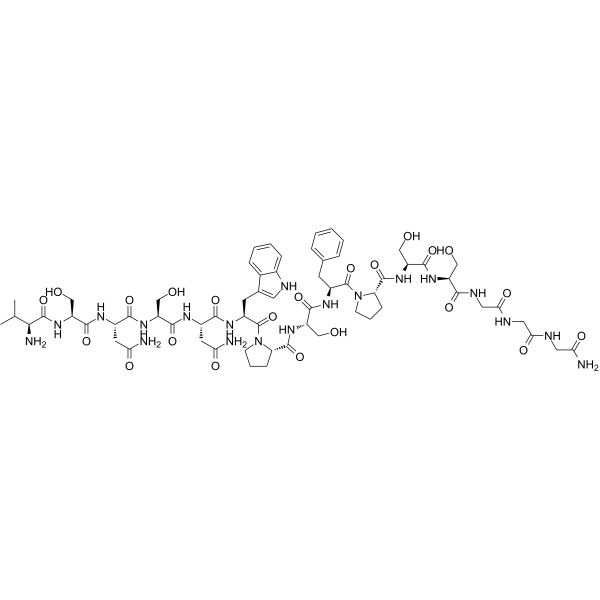
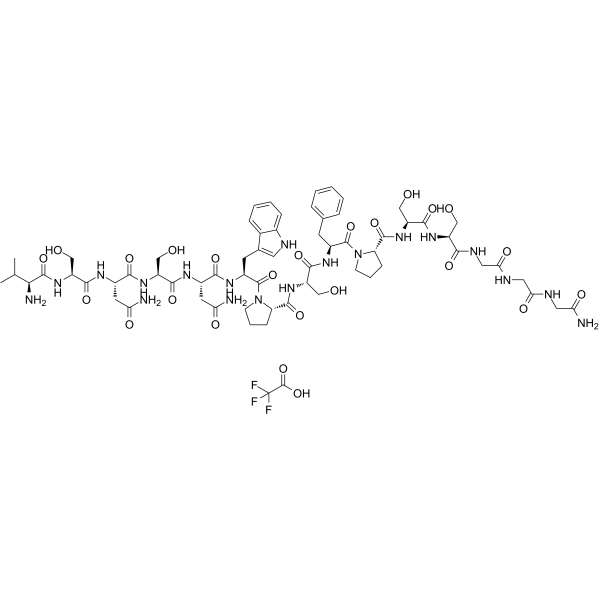
Caloxin 2A1 is an extracellular plasma membrane Ca 2+-ATPase (PMCA) peptide inhibitor. Caloxin 2A1 does not affect basal Mg 2+-ATPase or Na +-K +-ATPase .
loading...
    loading...
2
2 Cited Publications
Cat. No.: HY-P3278A
Target:  

Proton Pump

Research Areas:  

Metabolic Disease

Caloxin 2A1 TFA is an extracellular plasma membrane Ca 2+-ATPase (PMCA) peptide inhibitor. Caloxin 2A1 TFA does not affect basal Mg 2+-ATPase or Na +-K +-ATPase .
loading...
    loading...
2
2 Cited Publications
Cat. No.: HY-100414
CAS No.: 261944-46-1
Purity:  99.78%
Synonyms: BYK61359
Target:  

Proton Pump

Research Areas:  

Metabolic Disease

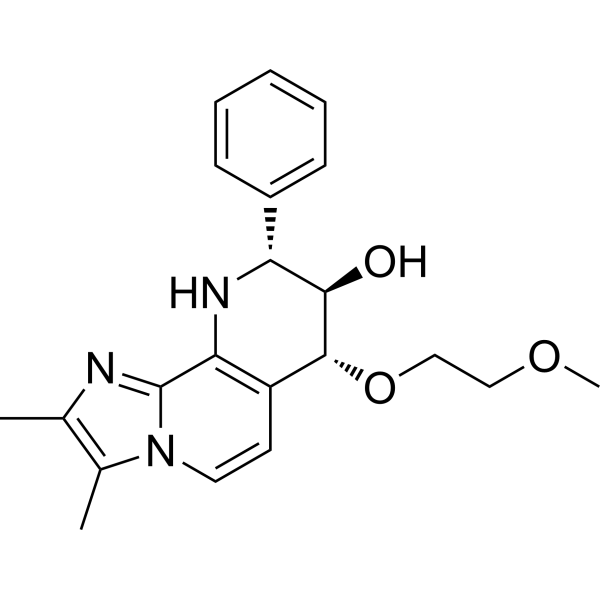
Soraprazan (BYK61359) is a selective, reversible K-competitive inhibitor of the H,K-ATPase (Ki=6.4 nM), with an IC50 of 0.19 μM in gastric glands. Soraprazan binds to the H,K-ATPase with a Kd of 28.27 nM. Soraprazan shows immediate inhibition of acid secretion and is more than 2000-fold selective for H,K-ATPase over Na,K- and Ca-ATPases .
loading...
    loading...
2
2 Cited Publications
Cat. No.: HY-B1446
CAS No.: 161973-10-0
Synonyms: (S)-Omeprazole magnesium; (-)-Omeprazole magnesium
Target:  

Exosomes Proton Pump

Research Areas:  

Endocrinology Cancer

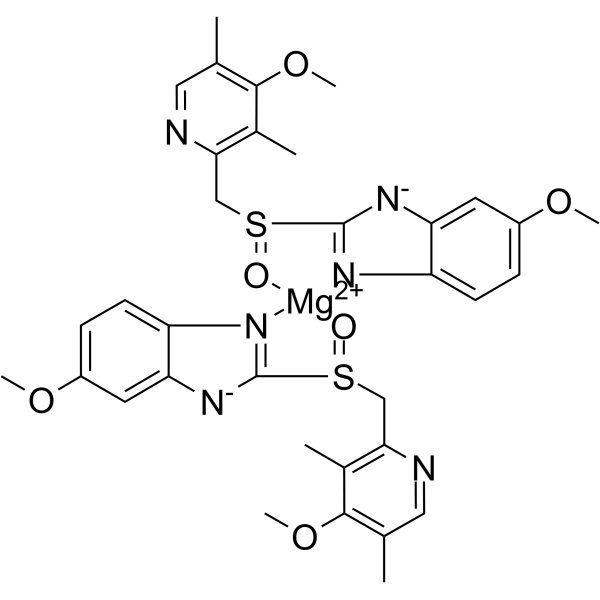
Esomeprazole magnesium ((S)-Omeprazole magnesium) is a potent and orally active H +, K +-ATPase inhibitor. Esomeprazole magnesium has the potential for upper intestinal disorders and gastroesophageal reflux disease research . Esomeprazole magnesium acts as an exosome inhibitor by blocking the exosome release via the inhibition of V-H +-ATPases .
loading...
    loading...

