
615 Results for "

Ligand binding

" in MedChemExpress (MCE) Product Catalog:
Products (615)

615 Results for "Ligand binding" in MCE Product Catalog:

1
1 Cited Publications
Cat. No.: HY-Y0395
CAS No.: 25487-66-5
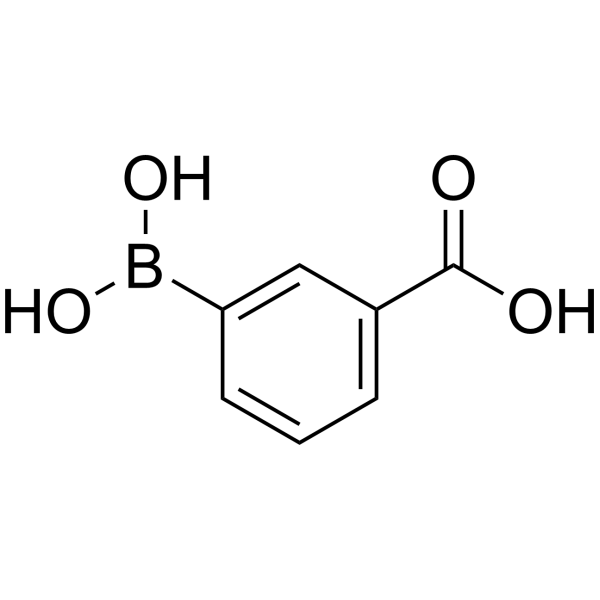
3-Carboxyphenylboronic acid is a biochemical reagent with multiple functions including nanoparticle enhancement, perovskite passivation, fluorescence quenching, and adhesion. 3-Carboxyphenylboronic acid improves tumor penetration and pulmonary retention of nanoparticles, and serves as a tumor-targeting ligand for carboxymethyl chitosan nanoparticles. 3-Carboxyphenylboronic acid optimizes film crystallization via coordinate chelation of free lead/iodide ions in perovskites. 3-Carboxyphenylboronic acid acts as an additive for n-i-p perovskite solar cells. Conjugation of 3-Carboxyphenylboronic acid with PPEG8 quenches the near-infrared fluorescence of single-walled carbon nanotubes, enabling aqueous dispersion of carbon nanotubes through binding to the diol structure of saccharides .
loading...
    loading...
1
1 Cited Publications
Cat. No.: HY-P1205
CAS No.: 128315-56-0
Synonyms: Melanin-concentrating hormone(human, mouse, rat)
Target:  

MCHR1 (GPR24)

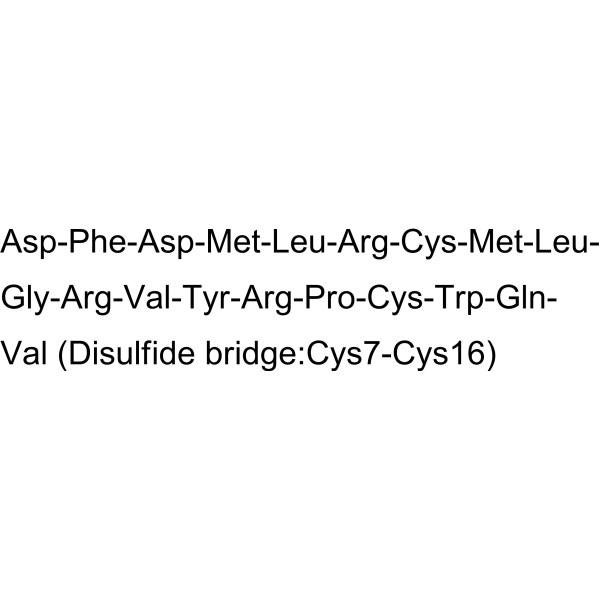
MCH (human, mouse, rat) is a cyclic neuropeptide mainly synthesized by neurons in the lateral hypothalamic area. MCH (human, mouse, rat) also serves as an endogenous ligand for the melanin-concentrating hormone receptor (MHC receptor), with a binding IC50 of 0.3 nM and 1.5 nM for human MCH-1R and MCH-2R, respectively; its functional EC50 values are 3.9 nM and 88.7 nM. MCH (human, mouse, rat) acts not only as an orexigenic signal but also as a key integrating and regulatory hormone for energy homeostasis and sleep-wake cycles. MCH (human, mouse, rat) can be used in studies related to obesity, sleep disorders, and other associated conditions .
loading...
    loading...
1
1 Cited Publications
Cat. No.: HY-P1205A
Synonyms: Melanin-concentrating hormone(human, mouse, rat) TFA
Target:  

MCHR1 (GPR24)

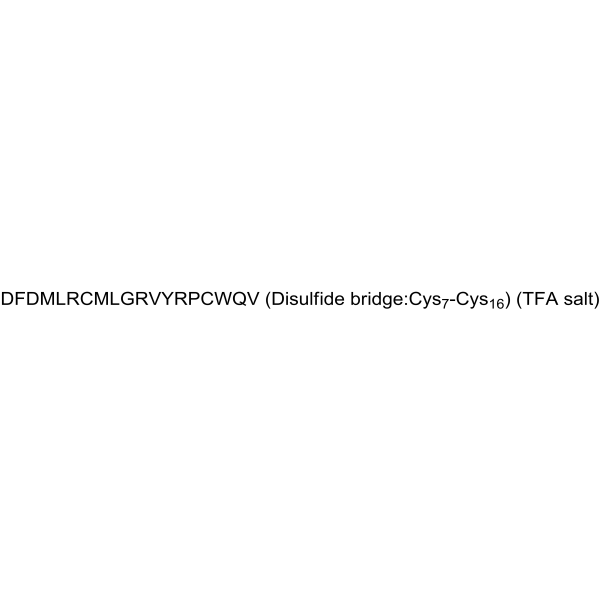
MCH (human, mouse, rat) TFA is a cyclic neuropeptide mainly synthesized by neurons in the lateral hypothalamic area. MCH (human, mouse, rat) TFA also serves as an endogenous ligand for the melanin-concentrating hormone receptor (MHC receptor), with a binding IC50 of 0.3 nM and 1.5 nM for human MCH-1R and MCH-2R, respectively; its functional EC50 values are 3.9 nM and 88.7 nM. MCH (human, mouse, rat) TFA acts not only as an orexigenic signal but also as a key integrating and regulatory hormone for energy homeostasis and sleep-wake cycles. MCH (human, mouse, rat) TFA can be used in studies related to obesity, sleep disorders, and other associated conditions .
loading...
    loading...
1
1 Cited Publications
Cat. No.: HY-P99291
CAS No.: 892553-42-3
Synonyms: LM609; MEDI-522

Target:  

Integrin Apoptosis Akt

Research Areas:  

Cancer

Etaracizumab (LM 609) is an αvβ3 integrin IgG mAb. Etaracizumab is developed to target αvβ3+ cancer cells via NK cell-mediated cytotoxicity. Etaracizumab sterically hinders access of large ligands to the RGD-binding pocket, without obstructing it. Etaracizumab decreases p-Akt in vitro. Etaracizumab can decrease cancer proliferation and invasion. Etaracizumab induces tumor cell apoptosis, and inhibition ofαvβ3-mediated cell adhesion, endothelial cell migration and osteoclast-mediated bone resorption. Etaracizumab can be studied in anti-tumor research against cancers such as ovarian cancer, metastatic melanoma as well as advanced solid tumors. Recommend Isotype Control: Human IgG1 kappa, Isotype Control (HY-P99001) .
loading...
    loading...
1
1 Cited Publications
Cat. No.: HY-P10495A
Target:  

Inhibitory Antibodies

Research Areas:  

Cancer

GPR110 peptide agonist P12 acetate is the acetate salt form of GPR110 peptide agonist P12 (HY-P10495). GPR110 peptide agonist P12 acetateis a peptide that acts as a GPR110 agonist. GPR110 peptide agonist P12 acetate can significantly enhance the initial rate of GPR110 stimulated G protein GTPγS binding. GPR110 peptide agonist P12 acetate mimics the action of natural ligands, causing the extracellular domain (ECD) of the GPR110 to dissociate from the seven transmembrane domains (7TM), exposing the β-strand-13/stalk region at the N-terminus of the 7TM domain, which acts as an agonist to activate G protein signaling. GPR110 peptide agonist P12 acetate can be used in the study of developmental disorders and cancers related to GPR110 .
loading...
    loading...
1
1 Cited Publications
Cat. No.: HY-P99590A
Synonyms: RAP-011
Sotatercept (mIgG2a) (RAP-011), the murine homolog of Sotatercept (ACE-011) (HY-P99590), is a soluble activin receptor type IIA (ActRIIA) ligand trap. Sotatercept (mIgG2a) inhibits the binding of activin A and other members of the TGF-β superfamily (such as Activin A/B, GDF11 and BMP9/10) to their receptors by combining and neutralizing them, thereby regulating cell proliferation and differentiation. Sotatercept (mIgG2a) mainly inhibits the SMAD2/3 signaling pathway, and can be used in various diseases such as chronic kidney disease. Sotatercept (mIgG2a) reduces the expression of erythropoietic hepcidin (ERFE), regulates iron metabolism, and promotes red blood cell production. Sotatercept (mIgG2a) has a dual effect of promoting bone formation (anabolic) and inhibiting bone resorption (catabolic) .
loading...
    loading...
1
1 Cited Publications
Cat. No.: HY-W017113
CAS No.: 149-30-4
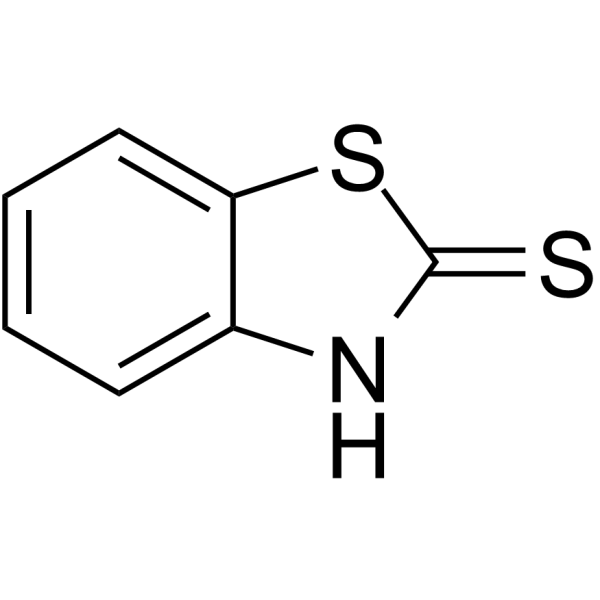
2-Mercaptobenzothiazole is an activator of the aryl hydrocarbon receptor (AhR) , inhibiting thyroid hormone synthesis and dopamine beta-hydroxylase activity . 2-Mercaptobenzothiazole promotes bladder cancer cell invasion by altering the conformation of the AhR ligand binding domain (LBD), activating AhR transcription, and upregulating the mRNA and protein expression of target genes CYP1A1 and CYP1B1 . 2-Mercaptobenzothiazole inhibits thyroid peroxidase (TPO) with an IC50 value of 11.5 μM, induces histological changes such as follicular cell hypertrophy in Xenopus laevis tadpoles, delaying metamorphosis . 2-Mercaptobenzothiazole increases chromosomal aberrations and sister chromatid exchanges (SCEs) in Chinese hamster ovary (CHO) cells, and enhances carcinogenicity in F344/N rats . 2-Mercaptobenzothiazole inhibits norepinephrine synthesis in mice and completely blocks the conversion of exogenous dopamine to norepinephrine in rat cardiomyocytes .
loading...
    loading...
Cat. No.: HY-174982
CAS No.: 3093182-34-1
Target:  

YTHDF

Research Areas:  

Cancer

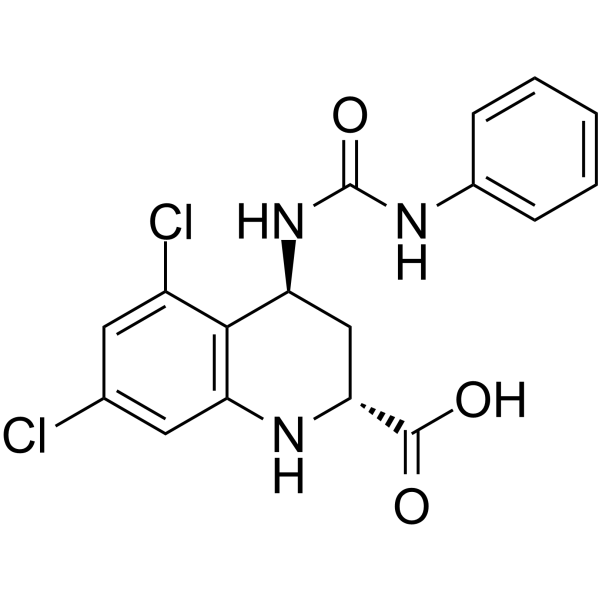
YTHDF2 ligand-1 (Compound 23) is a competitive, selective, and high-affinity YTHDF2 ligand with an IC50 of 11 μM and a Kd of 1.3 μM. YTHDF2 ligand-1 competes with m 6A-RNA for binding to YTHDF2. YTHDF2 ligand-1 is applicable for cancer research .
loading...
    loading...
Cat. No.: HY-112398
CAS No.: 1802251-00-8
Purity:  98.12%
Target:  

SWI/SNF Complex

Research Areas:  

Others

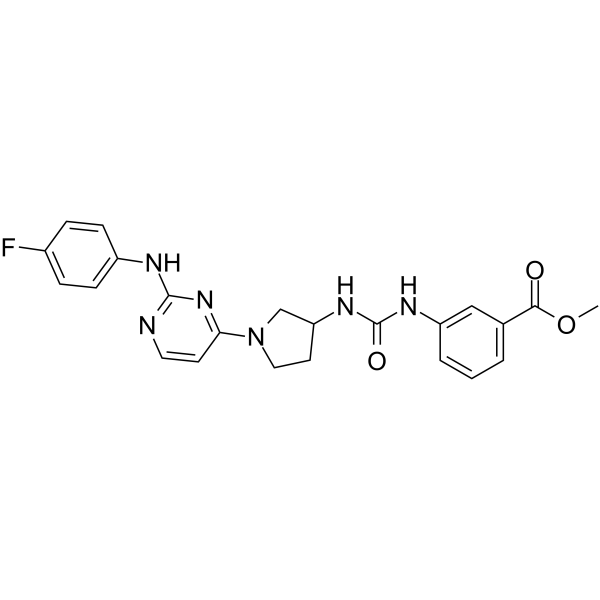
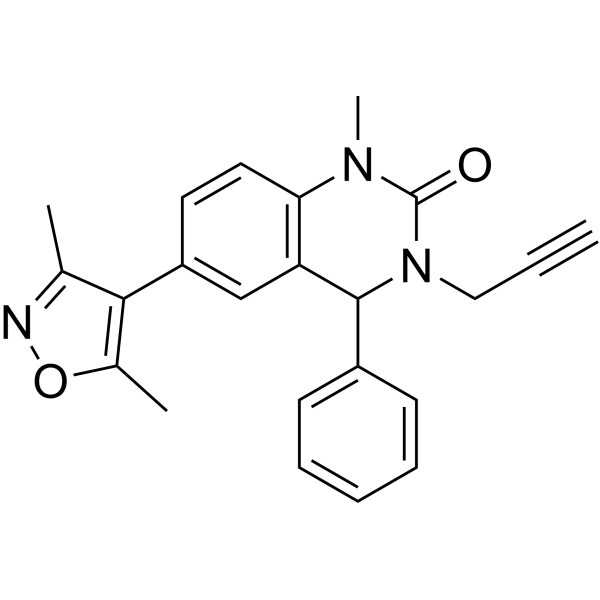
GSK1379725A is a selective BPTF ligand with a Kd of 2.8 uM, showing no binding activity for Brd4 .
loading...
    loading...
Cat. No.: HY-101861
CAS No.: 224624-80-0
Purity:  99.19%
Synonyms: CPHPC; Ro63-8695; GSK2315698
Target:  

Amyloid-β

Research Areas:  

Neurological Disease

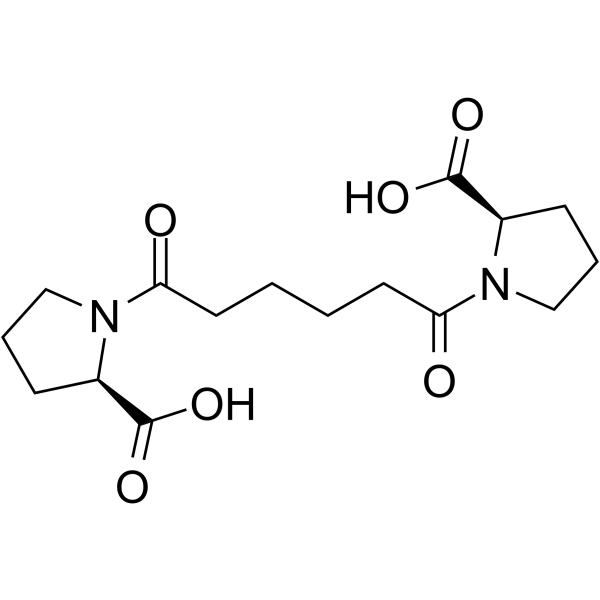
Miridesap is a ligand for serum amyloid P component (SAP) and intends to inhibit and dissociate SAP binding to amyloid fibrils and tangles.
loading...
    loading...
Cat. No.: HY-N11874
CAS No.: 127902-98-1
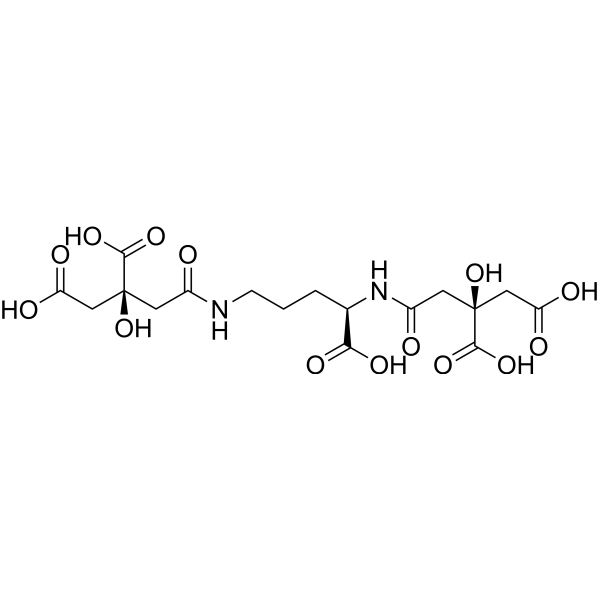
Staphyloferrin A is a carboxylate-type siderophore, as well as an iron (III) chelator and a HtsA ligand with high binding affinity for iron (III). Staphyloferrin A can be used in studies of bacterial infections .
loading...
    loading...
Cat. No.: HY-101178
CAS No.: 139051-78-8
Purity:  ≥99.0%
Target:  

iGluR

Research Areas:  

Neurological Disease

L-689560 is a potent N-methyl-D-aspartate (NMDA) receptor antagonist at the GluN1 glycine binding site. L-689560 is widely used as a radiolabeled ligand in binding studies and used for study the roles of NMDA receptors in normal neurological processes as well as in diseases .
loading...
    loading...
Cat. No.: HY-107442
CAS No.: 2101200-10-4
Purity:  99.14%
PROTAC BRD4-binding moiety 1 is a ligand for BRD4. PROTAC BRD4-binding moiety 1 binds to cereblon ligand via a linker to form PROTAC to degrade BRD4 (HY-133136) . PROTAC BRD4-binding moiety 1 is a click chemistry reagent, it contains an Alkyne group and can undergo copper-catalyzed azide-alkyne cycloaddition (CuAAc) with molecules containing Azide groups.
loading...
    loading...
Cat. No.: HY-107452
CAS No.: 1092369-24-8
Purity:  99.63%
Synonyms: PROTAC FKBP12-binding moiety 1
Research Areas:  

Cancer

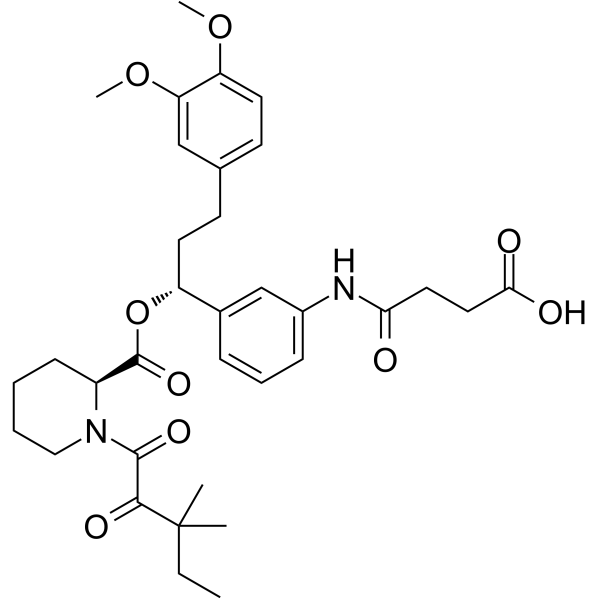
SLF-amido-C2-COOH (PROTAC FKBP12-binding moiety 1) is a synthetic ligand for FKBP (SLF). SLF-amido-C2-COOH (PROTAC FKBP12-binding moiety 1) can be used in the synthesis of PROTACs .
loading...
    loading...
Cat. No.: HY-117992
CAS No.: 1434873-26-3
Purity:  99.75%
Target:  

Complement System

Research Areas:  

Inflammation/Immunology

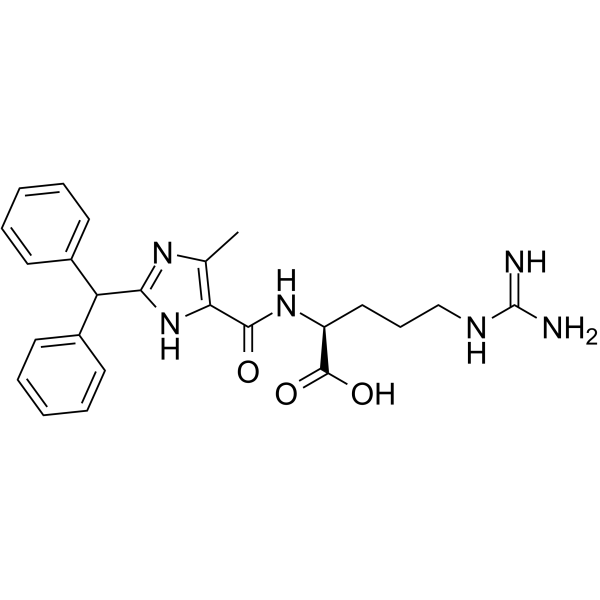
BR103 is a C3aR-specific small molecule ligand. BR103 can be used to measure ligand affinity for a G protein-coupled receptor for saturation and competitive binding .
loading...
    loading...
Cat. No.: HY-100982
CAS No.: 24587-49-3
Purity:  ≥98.0%
Synonyms: trans-4-Hydroxycrotonic acid; trans-γ-Hydroxycrotonic acid; T‐HCA
Target:  

GABA Receptor

Research Areas:  

Neurological Disease

(E)-4-Hydroxycrotonic acid (T-HCA) is a high-affinity ligand for GHB binding sites, with a ki value of 1.1 μM. The introduction of diaryl substituents into (E)-4-Hydroxycrotonic acid significantly enhances its affinity for GHB binding sites, with ki values ranging from 0.023 to 0.075 μM. (E)-4-Hydroxycrotonic acid holds promise for optimizing GHB ligand structures and assisting in the development of effective three-dimensional pharmacophore models .
loading...
    loading...
Cat. No.: HY-W489121
CAS No.: 774192-20-0
Target:  

p62 Autophagy AUTOTACs

Research Areas:  

Cancer

YTK-105 is a p62/ZZ binding domain ligand and Autophagy enhancer. YTK-105 activates p62-dependent selective macroautophagy. YTK-105 serves as an autophagy-targeting ligand (ATL) for synthesizing AUTOTAC degraders .
loading...
    loading...
Cat. No.: HY-156994
CAS No.: 1426160-58-8
Research Areas:  

Others

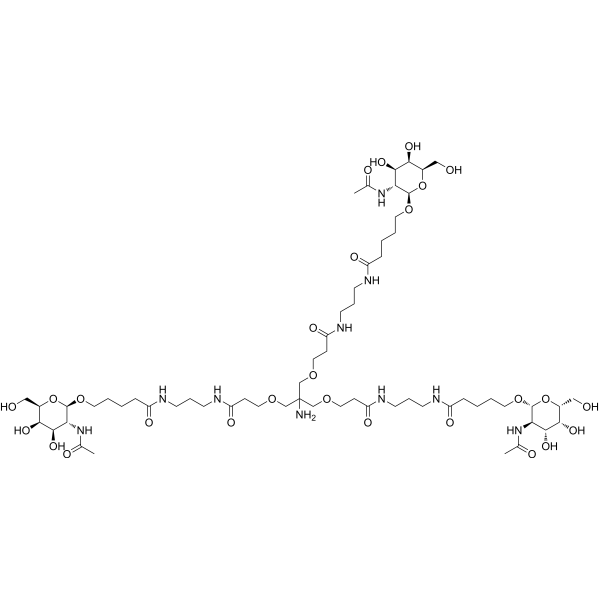
ASGPR ligand-1 (Compound int-CC2) is an asialoglycoprotein receptor (ASGPR) ligand with a binding Kd value of 0.9 nM. ASGPR ligand-1 is applicable to research on lysosome degradation-related diseases .
loading...
    loading...
Cat. No.: HY-150803
CAS No.: 2010986-87-3
Purity:  99.93%
Target:  

Ligands for E3 Ligase

Research Areas:  

Cancer

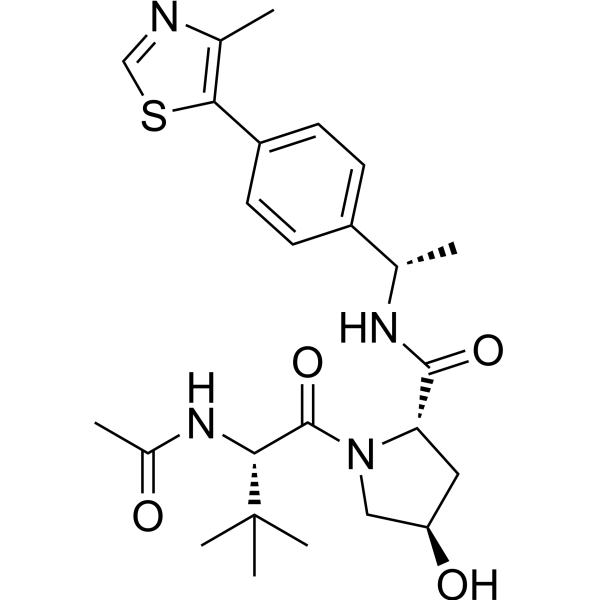
VHL Ligand 14 (Compound 11) is a VHL ligand for design of PROTAC estrogen receptor α (ERα) degraders, with a binding affinity IC50 of 196 nM .
loading...
    loading...
Cat. No.: HY-172563A
Target:  

Ligands for E3 Ligase

Research Areas:  

Others

BTR2000 TFA, a specifically KLHL20 ligand, is capable of binding to the KLHL20 Kelch domain with high affinity. BTR2000 TFA can be used as a ligand for E3 ligase for the synthesis of BTR2004 (HY-172562) .
loading...
    loading...

