1. Search Result
Search Result
Results for "

AF

" in MedChemExpress (MCE) Product Catalog:

244

Inhibitors & Agonists

60

Fluorescent Dye

30

Biochemical Assay Reagents

6

Peptides

6

MCE Kits

10

Inhibitory Antibodies

11

Natural
Products

15

Recombinant Proteins

7

Isotope-Labeled Compounds

140

Antibodies

10

Click Chemistry

10

Oligonucleotides

Cat. No. Product Name Target Research Areas Chemical Structure
  • HY-B0486
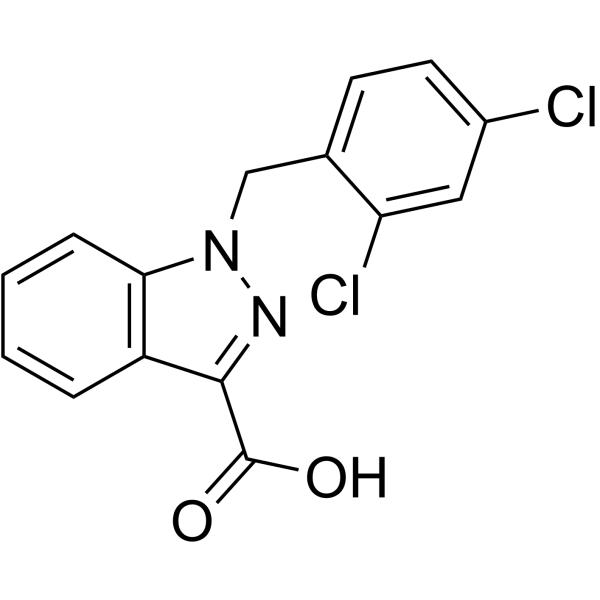
    Lonidamine
    15+ Cited Publications

    AF-1890; Diclondazolic Acid; DICA

    Hexokinase Mitochondrial Metabolism Apoptosis Parasite Inflammation/Immunology Cancer
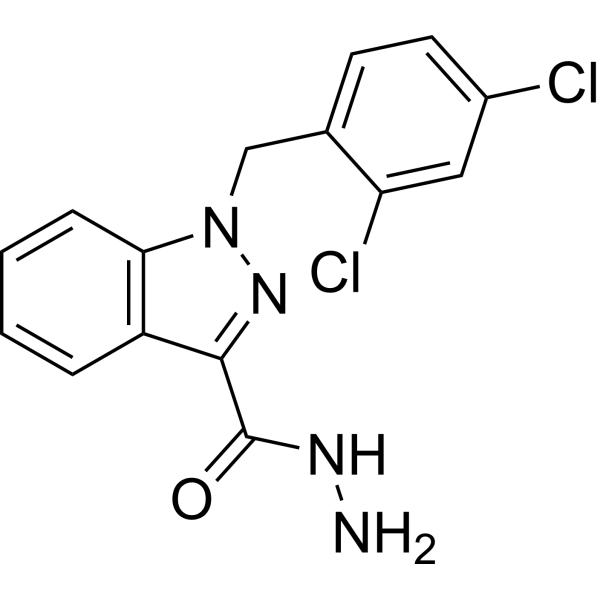
    Lonidamine (AF-1890) is a hexokinase and mitochondrial pyruvate carrier inhibitor (Ki: 2.5 μM). Lonidamine also inhibits aerobic glycolysis in cancer cells. Lonidamine can be used in the research of mitochondrial metabolism and inflammation, such as pulmonary fibrosis .
    Lonidamine
  • HY-B0498
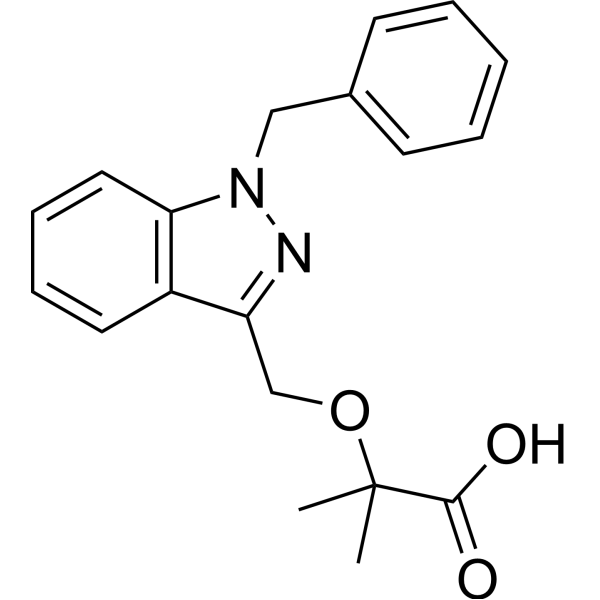
    Bindarit
    25+ Cited Publications

    AF2838

    CCR Neurological Disease Inflammation/Immunology Endocrinology Cancer
    Bindarit (AF2838) is a selective inhibitor of the monocyte chemotactic proteins MCP-1/CCL2, MCP-3/CCL7, and MCP-2/CCL8, and no effect on other CC and CXC chemokines such as MIP-1α/CCL3, MIP-1β/CCL4, MIP-3/CCL23. Bindarit also has anti-inflammatory activity .
    Bindarit
  • HY-D1119
    AF647-NHS ester
    1 Publications Verification

    Fluorescent Dye Others
    AF647-NHS ester is an analog of Alexa Fluor 647 (AF647). NHS ester can covalently bind to molecules with amino groups (such as proteins, antibodies, etc.). AF647 is a far-red fluorescent dye with an excitation wavelength (λex) of 635 nm (conventional fluorescence detection)/620 nm (instantaneous detection). Storage: Protect from light .
    AF647-NHS ester
  • HY-D1730
    AF488 NHS ester
    1 Publications Verification

    Fluorescent Dye Others
    AF488 NHS ester is an amine specific fluorescence probe (Em=525 nm). AF488 NHS ester reacts with sulfhydryl groups and amines in aqueous and biological samples then change their chemical structure and fluorescence properties after derivatization .
    AF488 NHS ester
  • HY-13011A
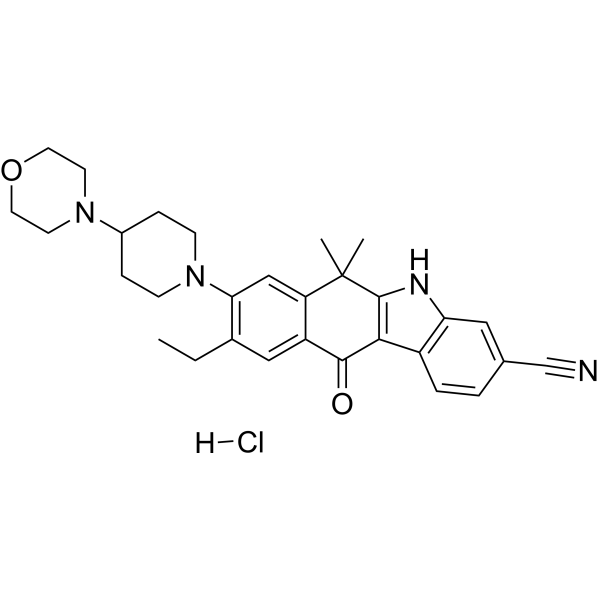
    Alectinib Hydrochloride
    Maximum Cited Publications
    43 Publications Verification

    CH5424802 Hydrochloride; RO5424802 Hydrochloride; AF-802 Hydrochloride

    Anaplastic lymphoma kinase (ALK) Neurological Disease Cancer
    Alectinib (CH5424802; RO5424802; RG7853) Hydrochloride is a potent, selective, and orally available ALK inhibitor with an IC50 of 1.9 nM and a Kd value of 2.4 nM (in an ATP-competitive manner), and also inhibits ALK F1174L and ALK R1275Q with IC50s of 1 nM and 3.5 nM, respectively . Alectinib demonstrates effective central nervous system (CNS) penetration .
    Alectinib Hydrochloride
  • HY-12802
    AF38469
    5+ Cited Publications

    Neurotensin Receptor Neurological Disease
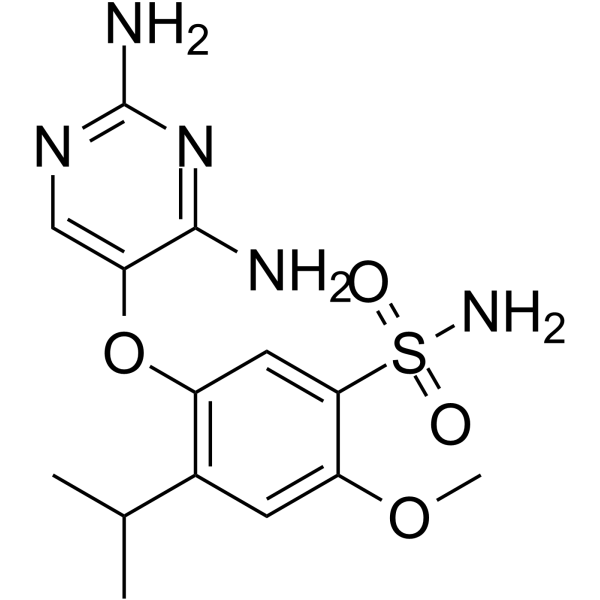
    AF38469 is a selective, orally bioavailable Sortilin inhibitor with an IC50 value of 330 nM.
    AF38469
  • HY-70020B
    Cevimeline hydrochloride
    2 Publications Verification

    AF102B hydrochloride

    mAChR Neurological Disease Cancer
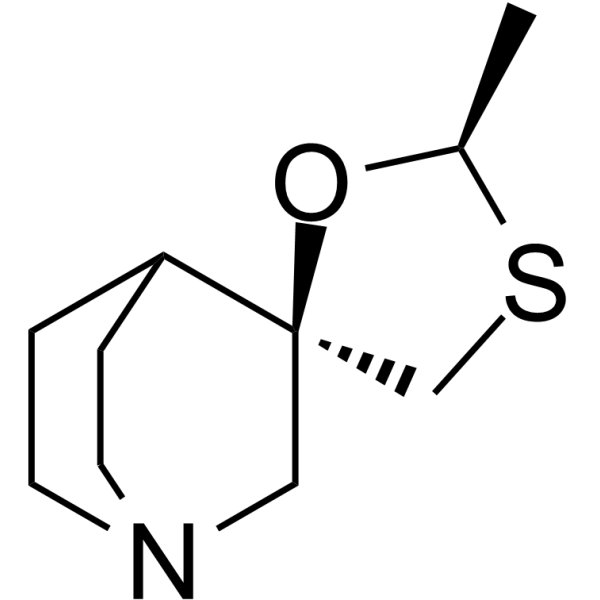
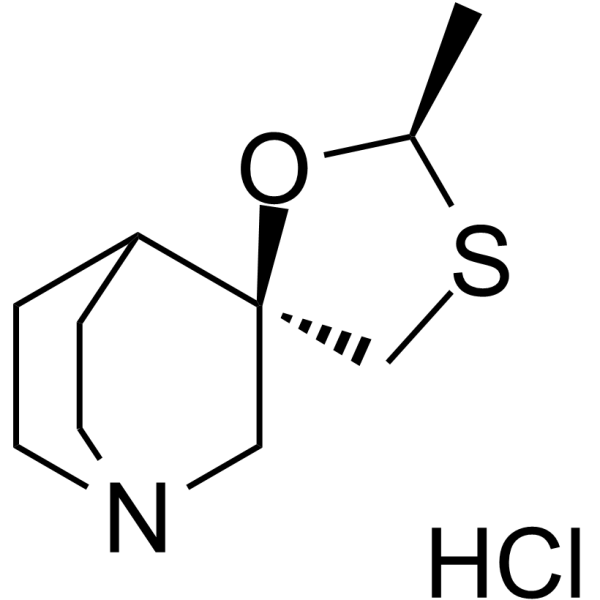
    Cevimeline hydrochloride (AF102B hydrochloride) is a quinuclidine derivative of acetylcholine and a selective and orally active muscarinic M1 and M3 receptor agonist. Cevimeline hydrochloride stimulates secretion by the salivary glands and can be used as a sialogogue for xerostomia . Cevimeline hydrochloride can cross the blood-brain barrier (BBB) .
    Cevimeline hydrochloride
  • HY-101588
    Gefapixant
    2 Publications Verification

    MK-7264; AF-219

    P2X Receptor Inflammation/Immunology
    Gefapixant is an orally active and potent purinergic P2X3 receptor (P2X3R) antagonist, with IC50 values of ~30 nM versus recombinant hP2X3 homotrimers and 100-250 nM at hP2X2/3 heterotrimeric receptors. Gefapixant can be used for the research of chronic cough and knee osteoarthritis .
    Gefapixant
  • HY-B0478A
    Trazodone
    5+ Cited Publications

    AF-1161 free base

    5-HT Receptor Serotonin Transporter Histamine Receptor Adrenergic Receptor Neurological Disease
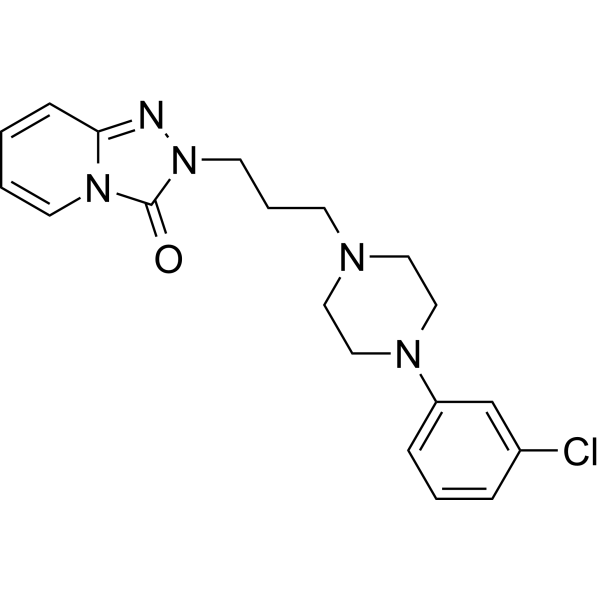
    Trazodone (AF-1161 free base) is a triazolopyridine derivative that belongs to the class of serotonin receptor antagonists and reuptake inhibitors (SARIs). Trazodone has anti-depressant and anti-insomnious activity. Trazodone exerts antagonistic properties against a1- and a2-adrenergic receptors and histamine H1 receptors, with minimal anticholinergic effects .
    Trazodone
  • HY-D1119C
    AF647-NHS ester triTEA
    1 Publications Verification

    Fluorescent Dye Others
    AF647-NHS ester is an analogue of Alexa Fluor 647 (AF647), which has excitation wavelength (λex) of 635 nm (conventional fluorescence detection)/620 nm (instantaneous detection). NHS ester can covalently bind to molecules with amino groups (such as proteins, antibodies, etc.) .
    AF647-NHS ester triTEA
  • HY-D1730A
    AF488 NHS ester TEA
    1 Publications Verification

    Fluorescent Dye Others
    AF488 NHS ester TEA is an amine specific fluorescence probe (λem=525 nm=525 nm). AF488 NHS ester reacts with sulfhydryl groups and amines in aqueous and biological samples then change their chemical structure and fluorescence properties after derivatization. AF488 exhibits the λem and λex wavelength of 520 nm and 470 nm, respectively .
    AF488 NHS ester TEA
  • HY-B0478
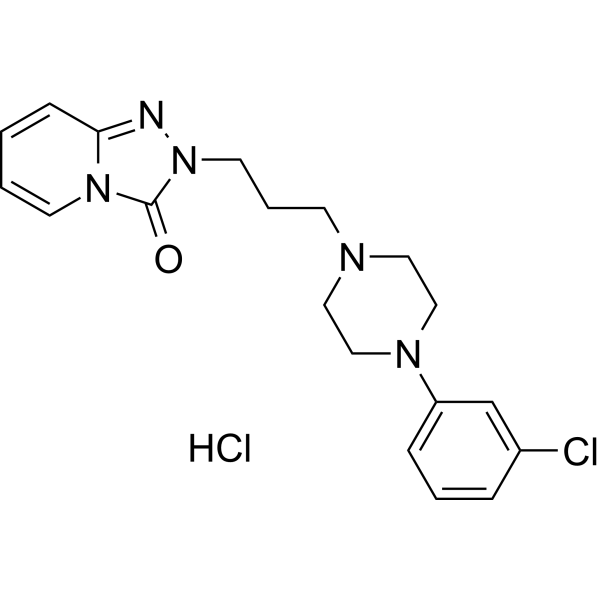
    Trazodone hydrochloride
    5+ Cited Publications

    AF-1161

    5-HT Receptor Serotonin Transporter Histamine Receptor Adrenergic Receptor Neurological Disease
    Trazodone hydrochloride (AF-1161) is a triazolopyridine derivative that belongs to the class of serotonin receptor antagonists and reuptake inhibitors (SARIs). Trazodone hydrochloride has anti-depressant and anti-insomnious activity. Trazodone hydrochloride exerts antagonistic properties against a1- and a2-adrenergic receptors and histamine H1 receptors, with minimal anticholinergic effects .
    Trazodone hydrochloride
  • HY-101381
    Otenzepad
    2 Publications Verification

    AF-DX 116

    mAChR Neurological Disease Metabolic Disease
    Otenzepad (AF-DX 116) is a selective and competitive M2 muscarinic acetylcholine receptor antagonist, with IC50 values of 640 nM and 386 nM for rabbit peripheral lung and rat heart, respectively .
    Otenzepad
  • HY-101588A
    Gefapixant citrate
    2 Publications Verification

    MK-7264 citrate; AF-219 citrate

    P2X Receptor Inflammation/Immunology
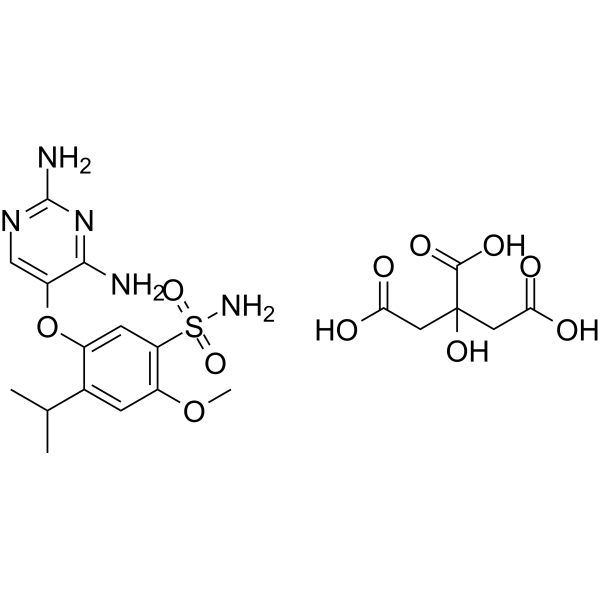
    Gefapixant citrate is an orally active and potent purinergic P2X3 receptor (P2X3R) antagonist, with IC50 values of ~30 nM versus recombinant hP2X3 homotrimers and 100-250 nM at hP2X2/3 heterotrimeric receptors. Gefapixant citrate can be used for the research of chronic cough and knee osteoarthritis .
    Gefapixant citrate
  • HY-D2171A
    AF488 DBCO ditriethylamine
    1 Publications Verification

    Fluorescent Dye Others
    AF488 DBCO ditriethylamineis a fluorescent dye and also a click chemistry reagent that can label azide-containing biomolecules. AF488 DBCO ditriethylaminemediates the coupling reaction with azide-modified 2'-OMe RNA oligonucleotides. DBCO is a bioorthogonal partner of azides and enables covalent coupling without copper (Ex/Em = 470/520 nm) .
    AF488 DBCO ditriethylamine
  • HY-D2381

    Fluorescent Dye Others
    AF 488 maleimide is a thiol-reactive dye used to label SH groups of proteins, which can attach the AF 488 fluorophore to cysteine residue-containing proteins and peptides as well as other thiolated molecules. AF 488 maleimide enables real-time visualization of dynamic pilus extension and retraction in live bacterial cells via epifluorescence microscopy (Ex/Em = 470/520 nm) .
    AF 488 maleimide
  • HY-12664
    AF64394
    1 Publications Verification

    Orphan GPCR Others
    AF64394 is a GPR3 inverse agonist, with a pIC50 of 7.3.
    AF64394
  • HY-70020
    Cevimeline
    2 Publications Verification

    AF102B

    mAChR Neurological Disease Cancer
    Cevimeline (AF-102B) is a quinuclidine derivative of acetylcholine and a selective and orally active muscarinic M1 and M3 receptor agonist. Cevimeline stimulates secretion by the salivary glands and can be used as a sialogogue for xerostomia . Cevimeline can cross the blood-brain barrier (BBB) .
    Cevimeline
  • HY-14483
    AF-353
    1 Publications Verification

    Ro-4

    P2X Receptor Cancer
    AF-353 (Ro-4) is a potent, selective and orally bioavailable P2X3/P2X2/3 receptor antagonist, with a pIC50 of 8.0 for both human and rat P2X3, and with a pIC50 of 7.3 for human P2X2/3 .
    AF-353
  • HY-18996
    Adjudin
    4 Publications Verification

    AF-2364

    Chloride Channel Mitochondrial Metabolism Cancer
    Adjudin is an extensively studied male contraceptive with a superior mitochondria-inhibitory effect. Adjudin is also a potent Cl - channel blocker.
    Adjudin
  • HY-76772
    Cevimeline hydrochloride hemihydrate
    2 Publications Verification

    SNI-2011; AF102B hydrochloride hemihydrate

    mAChR Neurological Disease Cancer
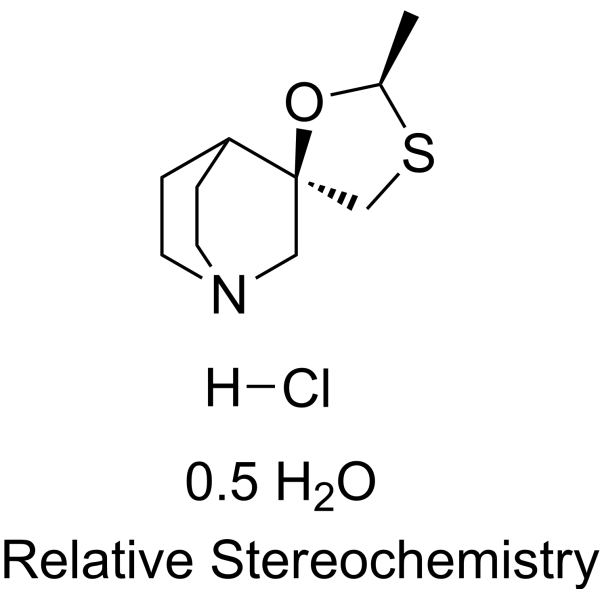
    Cevimeline hydrochloride hemihydrate (SNI-2011) is a quinuclidine derivative of acetylcholine and a selective and orally active muscarinic M1 and M3 receptor agonist. Cevimeline hydrochloride hemihydrate stimulates secretion by the salivary glands and can be used as a sialogogue for xerostomia . Cevimeline hydrochloride hemihydrate can cross the blood-brain barrier (BBB) .
    Cevimeline hydrochloride hemihydrate
  • HY-D2174

    Fluorescent Dye Others
    AF488 amine is a bright, green-fluorescent dye used for labeling molecule such as antibodies. AF488 exhibits the λem and λex wavelength of 520 nm and 470 nm, respectively .
    AF488 amine
  • HY-D2173

    Fluorescent Dye Others
    AF488 azide is a fluorescent dye that can be used to determine the reactivity of immobilized DIBO groups. AF488 azide exhibits the λem and λex wavelength of 520 nm and 470 nm, respectively .
    AF488 azide
  • HY-B0486R

    AF-1890 (Standard); Diclondazolic Acid (Standard); DICA (Standard)

    Reference Standards Hexokinase Mitochondrial Metabolism Apoptosis Parasite Inflammation/Immunology Cancer
    Lonidamine (Standard) is the analytical standard of Lonidamine. This product is intended for research and analytical applications. Lonidamine (AF-1890) is a hexokinase and mitochondrial pyruvate carrier inhibitor (Ki: 2.5 μM). Lonidamine also inhibits aerobic glycolysis in cancer cells. Lonidamine can be used in the research of mitochondrial metabolism and inflammation, such as pulmonary fibrosis .
    Lonidamine (Standard)
  • HY-B1042

    SKF-9976 citrate; AF-438 citrate

    Cytochrome P450 Inflammation/Immunology
    Oxolamine citrate (SKF-9976 citrate) is an orally active antitussive. Oxolamine citrate can inhibit CYP2B1/2. Oxolamine citrate has anti-inflammatory effects on the respiratory organs of guinea pigs. Oxolamine citrate increases the AUC of Warfarin (HY-B0687) and prolongs its terminal half-life. Oxolamine citrate can be used in respiratory disease research .
    Oxolamine citrate
  • HY-D2166

    Fluorescent Dye Others
    AF 594 NHS ester is a derivative of the red fluorescent dye AF 594 with high fluorescence quantum yield and high photostability (Ex=594 nm, Em=615 nm). AF 594 NHS ester can form an ester bond by reacting the NHS group with ammonia, with maximum excitation wavelength of 594 nm .
    AF 594 NHS ester
  • HY-124673
    AF40431
    1 Publications Verification

    Neurotensin Receptor Neurological Disease
    AF40431, the first reported small-molecule ligand of sortilin, has an IC50 of 4.4 µM and a Kd of 0.7 µM . AF40431 is bound in the neurotensin-binding site of sortilin .
    AF40431
  • HY-174873

    PROTACs METTL3 Apoptosis Bcl-2 Family Cancer
    AF151 is a METTL3 PROTAC degrader with the DC50 of 0.43 μM in MOLM-13 cells. AF151 inhibits cell growth by significantly degrading METTL3 protein and reducing m6A levels. AF151 can induce cell apoptosis and reduce the level of Bcl-2 protein. AF151 can be used for research on cancer such as acute myeloid leukemia (AML). (Pink: METTL3 Ligand (HY-174874); Blue: VHL Ligand (HY-125845); Black: Linker; VHL Ligand+Linker (HY-174875)) .
    AF151
  • HY-171180

    DNA/RNA Synthesis Cancer
    AF615 is a small molecule inhibitor targeting the CDT1/Geminin protein complex (IC50 = 0.313 μM). AF615 selectively induces DNA damage, inhibits DNA synthesis, causes cell cycle arrest, and decreases the survival rate in cancer cell lines. AF615 displayed a Ki = 0.37 μM in case of Geminin-tCDT1 interaction and a Ki = 0.75 μM in case of Geminin-miniCDT1 interaction .
    AF615
  • HY-D2171

    Fluorescent Dye Others
    AF488 DBCO is a fluorescent dye and also a click chemistry reagent that can label azide-containing biomolecules. AF488 DBCO mediates the coupling reaction with azide-modified 2'-OMe RNA oligonucleotides. DBCO is a bioorthogonal partner of azides and enables covalent coupling without copper (Ex/Em = 470/520 nm) .
    AF488 DBCO
  • HY-P1110
    AF12198
    4 Publications Verification

    Interleukin Related Inflammation/Immunology
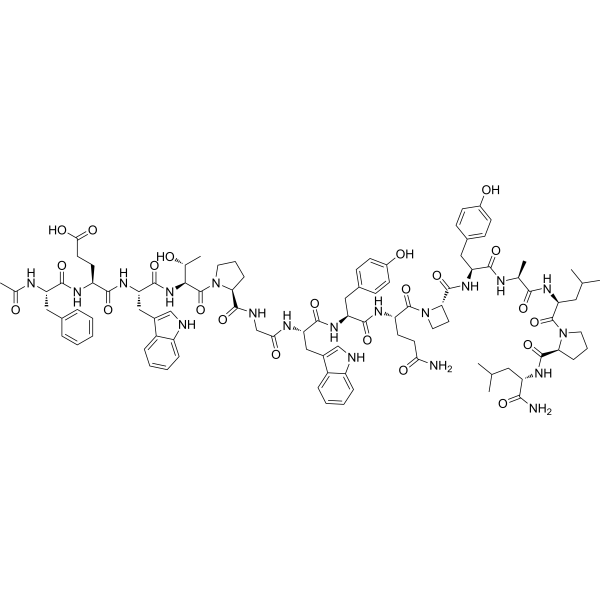
    AF12198 is a potent, selective and specific peptide antagonist for human type I interleukin-1 receptor (IL1-R1) (IC50=8 nM) but not the human type II receptor (IC50=6.7 µM) or the murine type I receptor (IC50>200 µM). AF12198 inhibits IL-1-induced IL-8 production (IC50=25 nM) and IL-1-induced intercellular adhesion molecule-1 (ICAM-1) expression (IC50=9 nM) in vitro. AF12198 has anti-inflammatory activities and blocks responses to IL-1 in vivo .
    AF12198
  • HY-D2443

    Fluorescent Dye Cancer
    AF594 DBCO is an AlexaFluor 594-conjugated DBCO click chemistry probe for fluorescent labeling of azido-modified cholesterol probes. DBCO is a commonly used chemical biomarker group. AF594 DBCO (Excitation wavelength about 590 nm, emission wavelength about 617 nm) can be used to label proteins, cells and other biomolecules for fluorescence imaging and flow cytometry detection .
    AF594 DBCO
  • HY-109540

    AF-0150

    Heme Oxygenase (HO) Interleukin Related Inflammation/Immunology
    Perfluorohexane (AF-0150) is a perfluorocarbon. Perfluorohexane is also an enhancer of high-intensity focused ultrasound (HIFU) therapy. Perfluorohexane increases HO-1 and IL-10. Perfluorohexane exerts an antioxidant effect. Perfluorohexane alleviates lung injury induced by LPS (HY-D1056A1). Perfluorohexane improves the efficiency and precision of HIFU and reduces damage to surrounding normal tissues. Perfluorohexane can be used in the study of acute lung injury .
    Perfluorohexane
  • HY-176200

    AF98943

    mAChR Neurological Disease
    VU6008055 (AF98943) is a brain-penetrant, orally active and selective muscarinic acetylcholine receptor subtype 4 (mAChR4) activator with human EC50 values of 73.4 nM. VU6008055 potentiates mAChR4 receptor activity in the presence of acetylcholine, and exhibits no activity at mAChR1, mAChR3, or mAChR5. VU6008055 can be used for the research of schizophrenia, parkinson’s disease, alzheimer’s disease .
    VU6008055
  • HY-D2178

    Fluorescent Dye Others
    AF 568 NHS ester is a derivative of the orange fluorescent dye AF 568. AF 568 NHS ester is widely used in cell dyes, biological dyes, biomolecules and particle fluorescent labeling. AF 568 exhibits maximum absorption wavelength of 579 nm and the maximum emission wavelength of 603 nm .
    AF 568 NHS ester
  • HY-D2161A

    Fluorescent Dye Others
    AF 594 azide (triethylamine) is an azide derivative of the red fluorescent dye AF 594, which has high fluorescence quantum yield and high photostability (maximum absorption wavelength of 586 nm, maximum emission wavelength of 613 nm). AF 594 azide (triethylamine) forms stable adducts by reaction of the azide group with alkynyl derivatives (terminal alkynes and cyclooctyne) .
    AF 594 azide triethylamine
  • HY-155310

    YAP Cancer
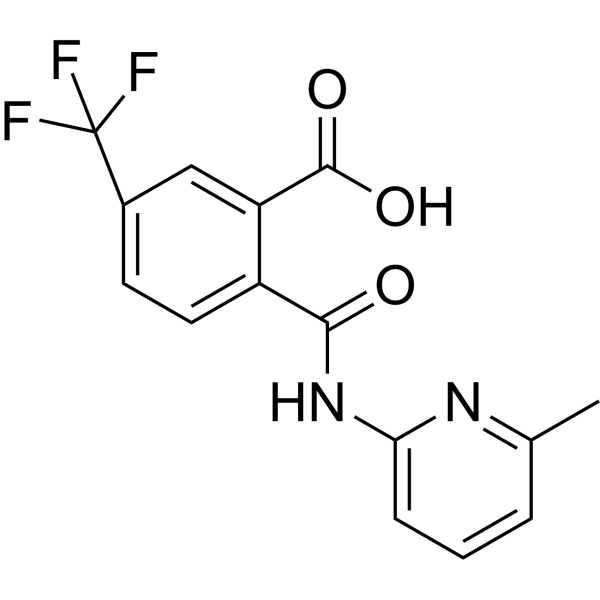
    AF-2112 is a Flufenamic acid-derived TEAD inhibitor hat strongly reduce the expression of CTGF, Cyr61, Axl and NF2.
    AF-2112
  • HY-D2175

    Fluorescent Dye Others
    AF 555 NHS ester is a bright, orange-red fluorescence probe. AF 555 NHS ester can be used to label primary amines (R-NH2) of proteins, amine-modified oligonucleotides, and other amine-containing molecules (Ex/Em = 552/566 nm) .
    AF 555 NHS ester
  • HY-116586

    Sigma Receptor mAChR ERK Amyloid-β Tau Protein Neurological Disease
    AF710B is an orally effective allosteric agonist for the M1 muscarinic receptor and σ1 receptor. AF710B activates the downstream phosphorylated ERK1/2 and phosphorylated CREB signaling pathways. AF710B simultaneously improves cognitive function and alleviates the core pathological features of Alzheimer's disease, including deposition, excessive Tau phosphorylation and neuroinflammation. AF710B is applicable to the research of Alzheimer's disease .
    AF710B
  • HY-D2177

    Fluorescent Dye Others
    AF 555 azide is a fluorescent dye and is the azide of AF 555. It contains an Azide group and can undergo copper-catalyzed azide-alkyne cycloaddition reaction (CuAAc) with molecules containing Alkyne groups. It can also undergo strain-promoted alkyne-azide cycloaddition (SPAAC) reactions with molecules containing DBCO or BCN groups (Ex/Em = 555/565 nm) .
    AF 555 azide
  • HY-D2170

    Fluorescent Dye Others
    AF488 streptavidin is a fluorescently labeled streptavidin. AF488 streptavidin is a streptavidin conjugated to Alexa Fluor 488, with 4 fluorophores per protein molecule, enabling stoichiometric fluorescent labeling of cell surface targets. AF488 streptavidin can form a complex with biotinylated E07 aptamer to stain cells expressing EGFR, and the staining is reversible after treatment with mA9 detoxifying oligonucleotides (Ex/Em = 470/520 nm) .
    AF488 streptavidin
  • HY-13011AR

    CH5424802 Hydrochloride (Standard); RO5424802 Hydrochloride (Standard); AF-802 Hydrochloride (Standard)

    Anaplastic lymphoma kinase (ALK) Reference Standards Cancer
    Alectinib (Hydrochloride) (Standard) is the analytical standard of Alectinib (Hydrochloride). This product is intended for research and analytical applications. Alectinib Hydrochloride (CH5424802 Hydrochloride; RO5424802 Hydrochloride; AF-802 Hydrochloride) is a potent, selective, and orally available ALK inhibitor with an IC50 of 1.9 nM and a Kd value of 2.4 nM (in an ATP-competitive manner), and also inhibits ALK F1174L and ALK R1275Q with IC50s of 1 nM and 3.5 nM, respectively . Alectinib demonstrates effective central nervous system (CNS) penetration .
    Alectinib Hydrochloride (Standard)
  • HY-B0478AS

    AF-1161-d6

    5-HT Receptor Isotope-Labeled Compounds Others
    Trazodone-d6 (hydrochloride) is the deuterium labeled Trazodone hydrochloride .
    Trazodone-d6 hydrochloride
  • HY-D2445

    Fluorescent Dye Others
    AF405 acid is a fluorescent dye. AF405 exhibits a maximal excitation wavelength of 395 nm, and a maximal emission wavelength of 435 nm. AF405 is used for cell labeling and imaging .
    AF405 acid
  • HY-D2179

    Fluorescent Dye Others
    AF 568 DBCO is a fluorescent dye that reacts with azide-labeled molecules or biomolecules via copper-free click chemistry. AF 568 exhibits maximum absorption wavelength of 579 nm and the maximum emission wavelength of 603 nm .
    AF 568 DBCO
  • HY-D2167

    Fluorescent Dye Others
    AF 568 alkyne is a derivative of the orange fluorescent dye AF 568. AF 568 has an absorption wavelength of 590-720 nm (FRET) and an emission wavelength of 515-720 nm. AF 568 alkyne can undergo copper-catalyzed azide-alkyne cycloaddition (CuAAc) via the Alkyne group and molecules containing Azide groups. To achieve specific coupling of dye labels and biomolecules .
    AF 568 alkyne
  • HY-N3430

    AF33

    Others Cancer
    Kaempferol tetraacetate (AF33) is a natural product. Kaempferol tetraacetate shows cytotoxicity .
    Kaempferol tetraacetate
  • HY-D2444

    Fluorescent Dye Cancer
    AF555 NHS is a red fluorescent dye with excellent fluorescence properties and light stability. The excitation wavelength is 556 nm and the emission wavelength is 571 nm, which can be used for protein labeling, antibody labeling, and cell imaging .
    AF555 NHS
  • HY-D1223
    AF488 NHS ester diTEA
    1 Publications Verification

    Fluorescent Dye Others
    AF488 NHS ester diTEA is a multifunctional dye. Dyes are important tools in biological experiments. They can help researchers observe and analyze cell structures, track biomolecules, evaluate cell functions, distinguish cell types, detect biomolecules, study tissue pathology and monitor microorganisms. Their applications range from basic scientific research to clinical A wide range of diagnostics. Dyes are also widely used in traditional fields such as textile dyeing, as well as in emerging fields such as functional textile processing, food pigments and dye-sensitized solar cells. AF488 exhibits the λem and λex wavelength of 520 nm and 470 nm, respectively .
    AF488 NHS ester diTEA
  • HY-W014208

    AF-267B

    mAChR Others
    NGX-267 is a selective agonist of the actin M1 receptor, which has high selectivity among the five actin receptor subtypes, especially for the M1 receptor rather than the M3 receptor. NGX-267 also has significant differences in affinity for dopamine D2 and 5-HT2B receptors .
    NGX-267

Inquiry Online

Your information is safe with us. * Required Fields.

Salutation


Country or Region *

Applicant Name *


Organization Name *

Department *


Email Address *


Product Name *

Cat. No.


Requested quantity *

Phone Number *


Remarks

Inquiry Online

Inquiry Information

Product Name:
Cat. No.:
Quantity:
MCE Japan Authorized Agent:

