1. Search Result
Search Result
Results for "

Bd

" in MedChemExpress (MCE) Product Catalog:

224

Inhibitors & Agonists

4

Fluorescent Dye

4

Biochemical Assay Reagents

1

Peptides

2

Inhibitory Antibodies

4

Natural
Products

15

Recombinant Proteins

11

Isotope-Labeled Compounds

3

Antibodies

1

Click Chemistry

2

Oligonucleotides

Cat. No. Product Name Target Research Areas Chemical Structure
  • HY-107425
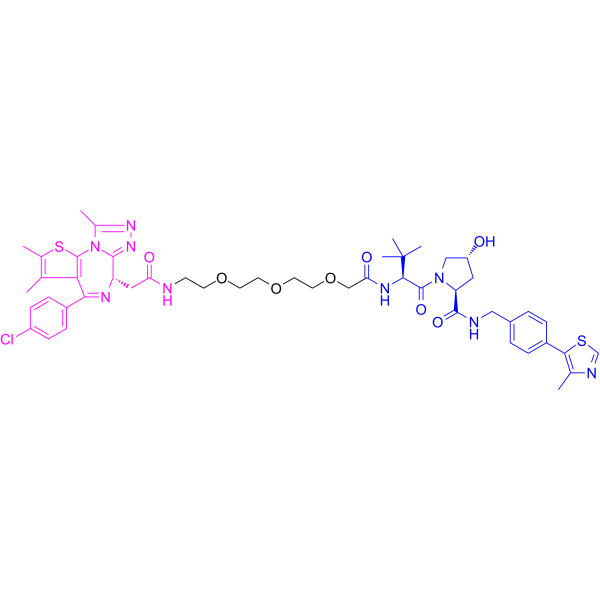
    MZ 1
    20+ Cited Publications

    PROTACs Epigenetic Reader Domain Cancer
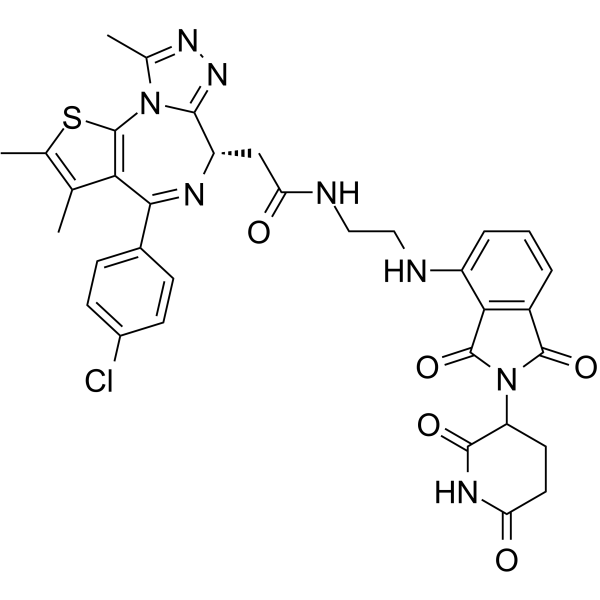
    MZ 1 is a PROTAC connected by ligands for von Hippel-Lindau and BRD4. MZ 1 potently and rapidly induces reversible, long-lasting, and selective removal of BRD4 over BRD2 and BRD3. Kds of 382/120, 119/115, and 307/228 nM for BRD4 BD1/2, BRD3 BD1/2, and BRD2 BD1/2, respectively .
    MZ 1
  • HY-16954
    ARV-825
    Maximum Cited Publications
    35 Publications Verification

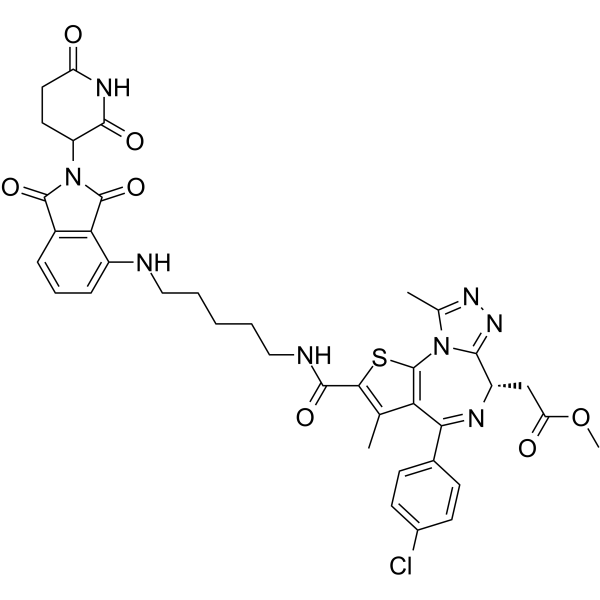
    PROTACs Epigenetic Reader Domain Cancer
    ARV-825 is a PROTAC connected by ligands for Cereblon and BRD4. ARV-825 binds to BD1 and BD2 of BRD4 with Kds of 90 and 28 nM, respectively.
    ARV-825
  • HY-16652
    Apabetalone
    5+ Cited Publications

    RVX-208; RVX000222

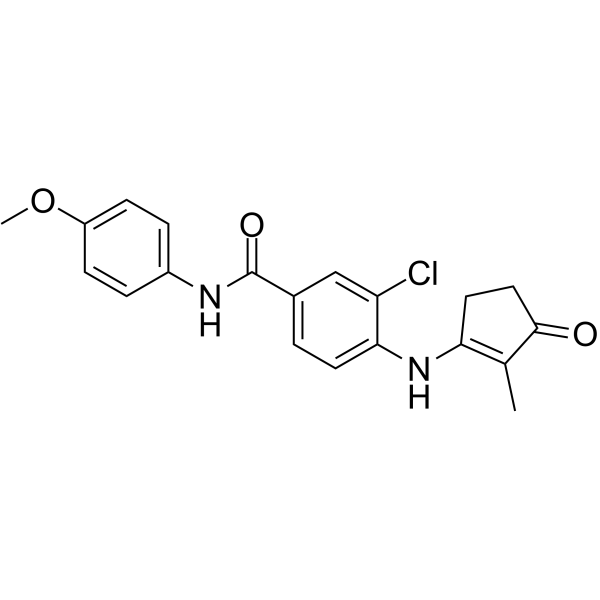
    Epigenetic Reader Domain HIV Cancer
    Apabetalone (RVX-208) is an inhibitor of BET transcriptional regulators with selectivity for the second bromodomain. The IC50s are 87 μM and 0.51 μM for BD1 and BD2, respectively .
    Apabetalone
  • HY-136570
    GSK778
    1 Publications Verification

    iBET-Bd1

    Epigenetic Reader Domain Apoptosis Inflammation/Immunology Cancer
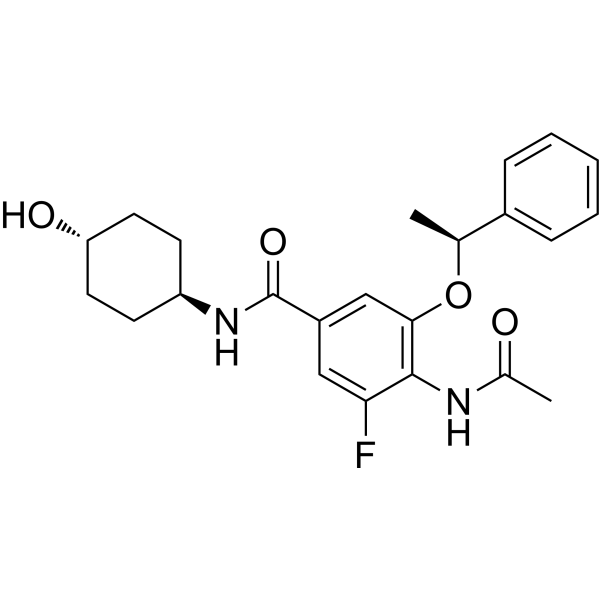
    GSK778 (iBET-BD1), a chemical probe, is a potent and selective BD1 bromodomain inhibitor of the BET proteins, with IC50s of 75 nM (BRD2 BD1), 41 nM (BRD3 BD1), 41 nM (BRD4 BD1), and 143 nM (BRDT BD1), respectively. GSK778 phenocopies the effects of pan-BET inhibitors in cancer models .
    GSK778
  • HY-111139
    MS417
    4 Publications Verification

    GTPL7512

    Epigenetic Reader Domain HIV Infection Inflammation/Immunology
    MS417 is a selective BET-specific BRD4 inhibitor, binds to BRD4-BD1 and BRD4-BD2 with IC50s of 30, 46 nM and Kds of 36.1, 25.4 nM, respectively, with weak selectivity at CBP BRD (IC50, 32.7 μM).
    MS417
  • HY-16996A
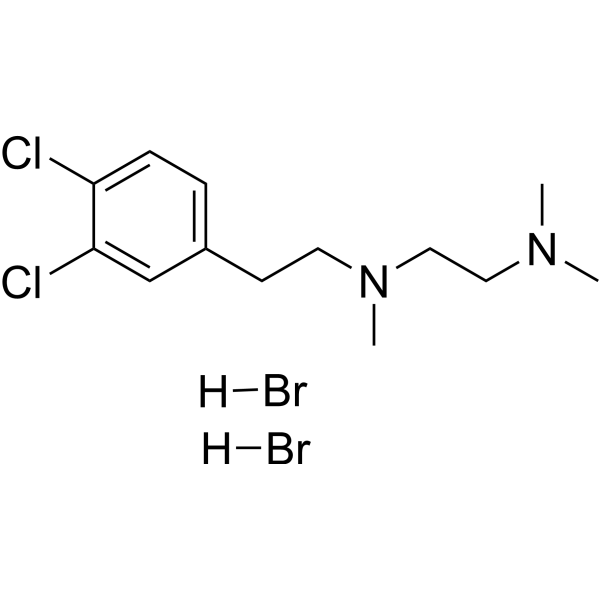
    BD-1047 dihydrobromide
    10+ Cited Publications

    Sigma Receptor Neurological Disease
    BD-1047 dihydrobromide is a selective functional antagonist of sigma receptors. BD-1047 dihydrobromide attenuates Apomorphine (HY-12723)-induced climbing and Phencyclidine-induced head twitches .
    BD-1047 dihydrobromide
  • HY-18101A
    BD-1063 dihydrochloride
    3 Publications Verification

    Sigma Receptor TRP Channel Neurological Disease
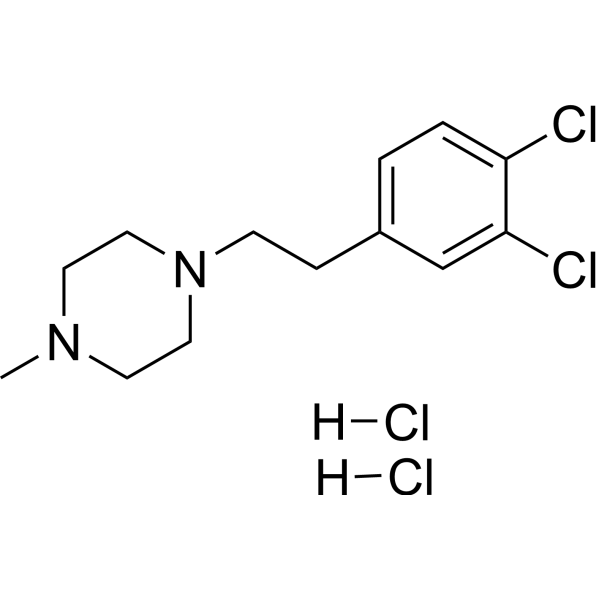
    BD-1063 dihydrochloride is a selective σ-1 receptor antagonist with inhibitory activity against TRPC5 and TRPM3. BD-1063 dihydrochloride exerts anti-hyperalgesic and anti-allodynic effects by inhibiting sustained calcium influx mediated by TRPC5 and TRPM3, and reverses the effects of Carrageenan (HY-125474). BD-1063 dihydrochloride also significantly reduces excessive ethanol self-administration behavior. BD-1063 dihydrochloride is widely used in studies on the mechanisms underlying neuropathic pain, inflammatory hyperalgesia, and alcohol abuse and dependence .
    BD-1063 dihydrochloride
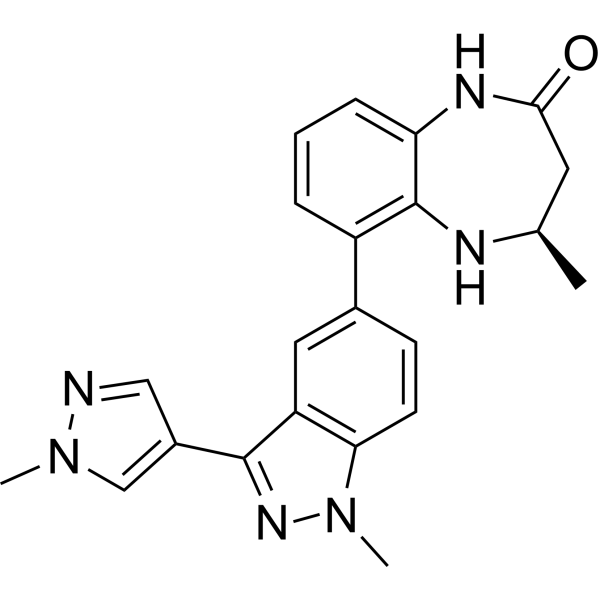
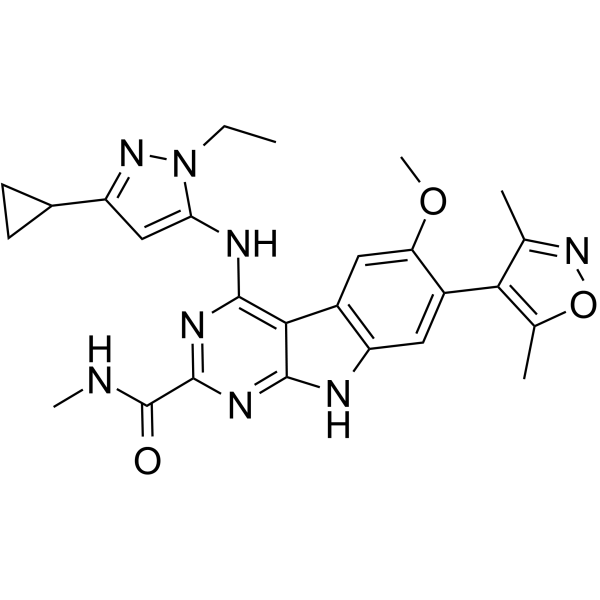
  • HY-151594

    Epigenetic Reader Domain Inflammation/Immunology Cancer
    iBRD4-BD1 is selective BRD4 bromodomain inhibitor. iBRD4-BD1 has inhibition activity for BRD4 bromodomain with an IC50 value of 12 nM. iBRD4-BD1 can be used for the research of inflammation and oncology .
    iBRD4-BD1
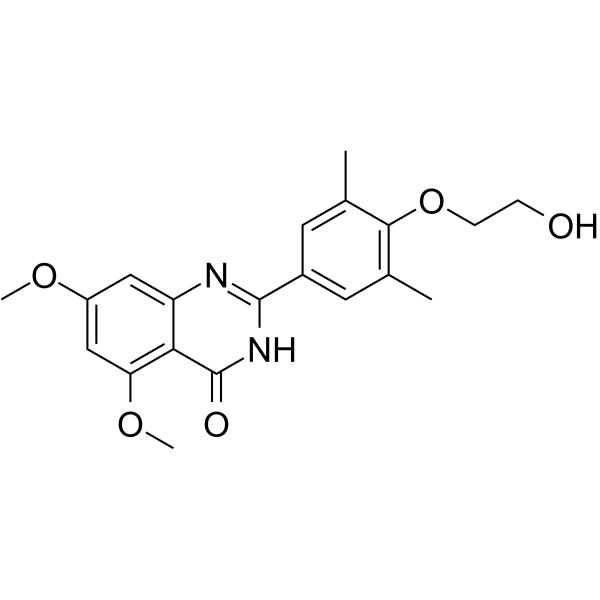
  • HY-136571
    GSK046
    3 Publications Verification

    iBET-Bd2

    Epigenetic Reader Domain Inflammation/Immunology
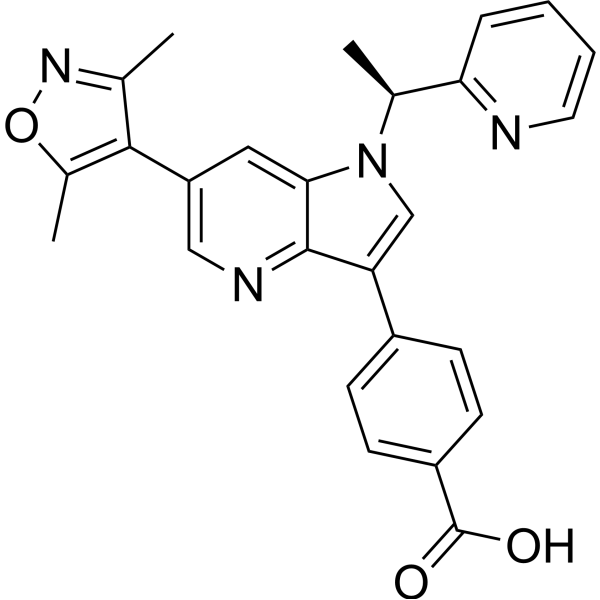
    GSK046 (iBET-BD2), a chemical probe, is a potent, selective and orally active BD2 bromodomain inhibitor of the BET proteins, with IC50s of 264 nM (BRD2 BD2), 98 nM (BRD3 BD2), 49 nM (BRD4 BD2) and 214 nM (BRDT BD2), respectively. GSK046 has immunomodulatory activity .
    GSK046
  • HY-131140
    BD750
    5 Publications Verification

    JAK STAT Inflammation/Immunology Cancer
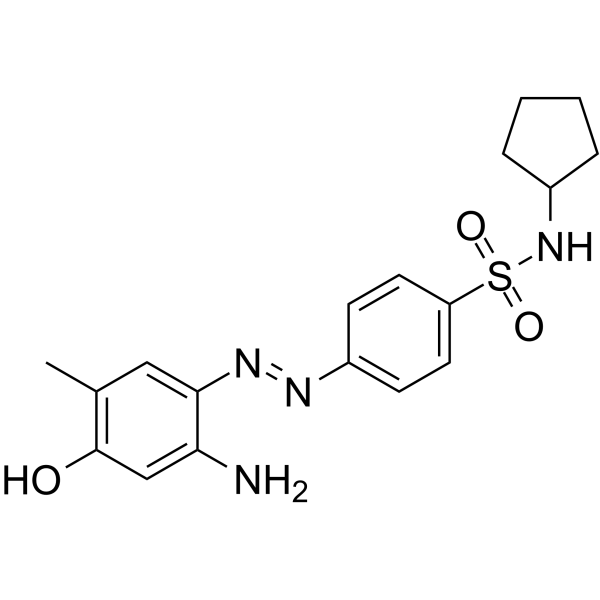
    BD750, an effective immunosuppressant and a JAK3/STAT5 inhibitor, inhibits IL-2-induced JAK3/STAT5-dependent T cell proliferation, with IC50 values of 1.5 μM and 1.1 μM in mouse and human T cells, respectively .
    BD750
  • HY-107424
    BAY-299
    4 Publications Verification

    Epigenetic Reader Domain Cancer
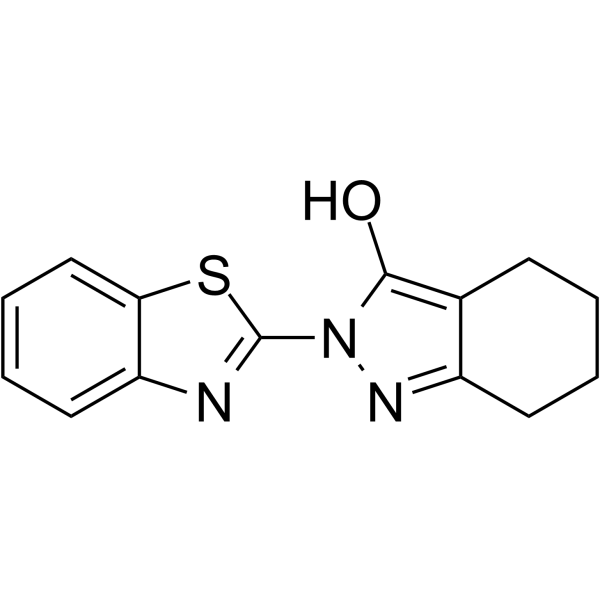
    BAY-299, a chemical probe, is a very potent, dual inhibitor with IC50s of 67 nM for BRPF2 bromodomains (BD), 8 nM for TAF1 BD2, and 106 nM for TAF1L BD2.
    BAY-299
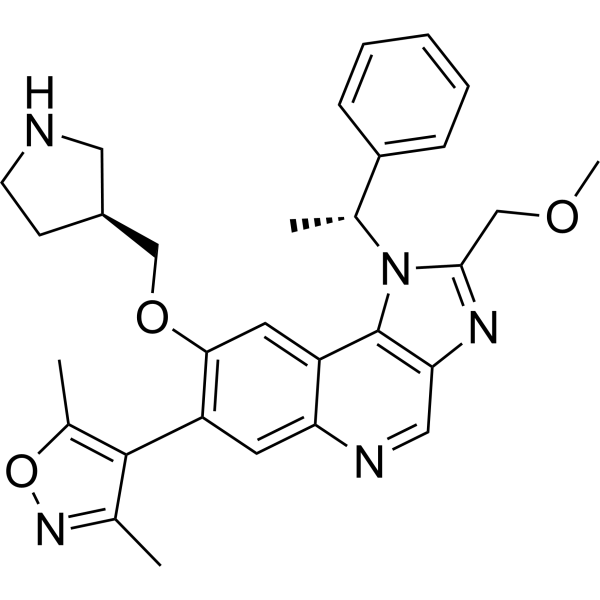
  • HY-145550

    BI894999

    Epigenetic Reader Domain Cancer
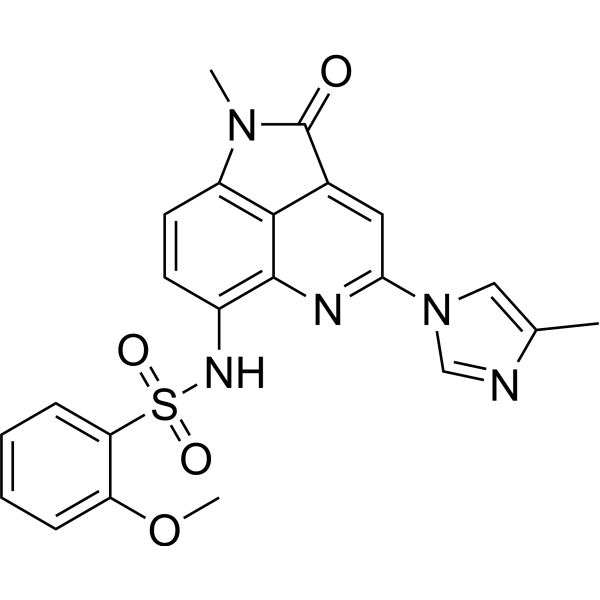
    Amredobresib (BI894999) is an orally active BET inhibitor. Amredobresib inhibits the binding of BRD4-BD1 and BRD4-BD2 bromodomains to acetylated histones with IC50 values of 5 nM and 41 nM, respectively. Amredobresib exhibits anticancer activity against acute myeloid leukemia (AML) and NUT cancer .
    Amredobresib
  • HY-136857

    Epigenetic Reader Domain Cancer
    BRD4 degrader-3 is a potent bromodomain BRD4 degrader extracted from patent WO2020055976A1, example 1a, has IC50s of 15.5 and 12.3 nM for BRD4-BD1 and BRD4-BD2, respectively . PROTAC BRD4 Degrader-7 is a click chemistry reagent, it contains an Alkyne group and can undergo copper-catalyzed azide-alkyne cycloaddition (CuAAc) with molecules containing Azide groups.
    BRD4 degrader-3
  • HY-135608

    Sigma Receptor Neurological Disease
    BD-1008 is a nonselective σ receptor antagonist with Kis against σ1 receptor and σ2 receptor of 2 nM and 8 nM. The BD-1008 has an extremely low affinity for the D2 receptor (Ki = 1112 nM) and dopamine transporter (DAT) (Ki > 10,000 nM). BD-1008 significantly antagonizes dopamine release in the shell region of the nucleus accumbens via the σ₂ receptor. BD-1008 blocks the self-administration behavior of σ agonists.BD-1008 can be used for the study of addiction therapy that target the σ receptor .
    BD-1008
  • HY-149878

    PROTACs Epigenetic Reader Domain Cancer
    BD-9136 is a potent and highly selective BRD4 PROTAC depressant. BD-9136 has low-nanomolar degradation potencies against BRD4 , and its degradation selectivity for BRD4 is 1000 times that of BRD2 and BRD3 proteins. BD-9136 has antitumor activity .(Pink: Desmethyl-QCA276 (HY-44103); Black: 3-(2-(4-Methylpiperazin-1-yl)ethyl)azetidin-3-ol; Blue: Thalidomide-4-OH (HY-103596))
    BD-9136
  • HY-120000
    MS402
    2 Publications Verification

    Epigenetic Reader Domain Inflammation/Immunology Cancer
    MS402 is a BD1-selective BET BrD inhibitor with Kis of 77 nM, 718 nM, 110 nM, 200 nM, 83 nM, and 240 nM for BRD4(BD1), BRD4(BD2), BRD3(BD1), BRD3(BD2), BRD2(BD1) and BRD2(BD2), respectively. MS402 blocks Th17 cell differentiation and ameliorates colitis in mice .
    MS402
  • HY-112429
    HJB97
    2 Publications Verification

    Ligands for Target Protein for PROTAC Epigenetic Reader Domain Cancer
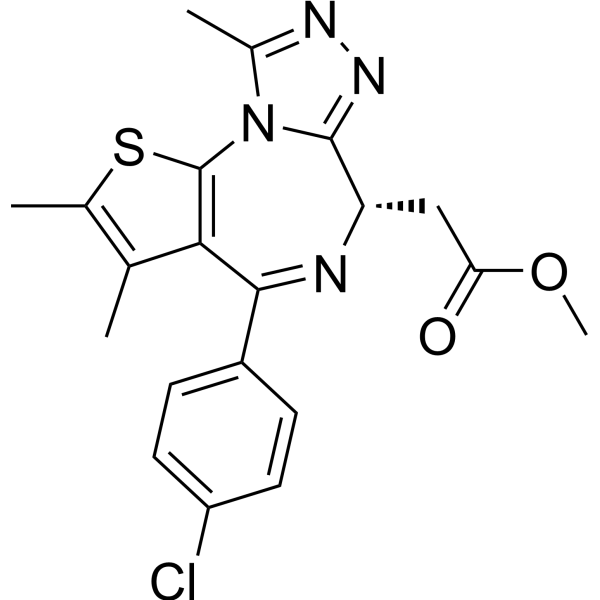
    HJB97 is a high-affinity BET inhibitor with Ki values of 0.9 nM (BRD2 BD1), 0.27 nM (BRD2 BD2), 0.18 nM (BRD3 BD1), 0.21 nM (BRD3 BD2), 0.5 nM (BRD4 BD1), and 1.0 nM (BRD4 BD2) . HJB97 can serve as a ligand for target protein (Ligands for Target Protein for PROTAC) for the development of PROTAC BET degraders with antitumor activity . HJB97 can be used for the synthesis of BETd-260 (HY-101519).
    HJB97
  • HY-151593

    PROTACs Epigenetic Reader Domain Cancer
    dBRD4-BD1 is a selective and durable BRD4 degrader with an DC50 value of 280 nM (Dmax=77%). dBRD4-BD1 upregulates BRD2/3 protein level and shows low cytotoxicity than iBRD4-BD1 .
    dBRD4-BD1
  • HY-151538

    Epigenetic Reader Domain Cancer
    PBRM1-BD2-IN-8 (compound 34) is a potent PBRM1 Bromodomain inhibitor (PBRM1-BD2 Kd=4.4 μM, PBRM1-BD2 IC50=0.16 μM; PBRM1-BD5 Kd=25 μM). PBRM1-BD2-IN-8 shows anti-cancer activity .
    PBRM1-BD2-IN-8
  • HY-44012A

    Ligands for Target Protein for PROTAC SWI/SNF Complex Cancer
    SMARCA-BD ligand 1 for PROTAC dihydrochloride is a compound that binds to the BAF ATPase subunits SMARCA2, and used for degrading SMARCA2, based on PROTAC .
    SMARCA-BD ligand 1 for PROTAC dihydrochloride
  • HY-44012
    SMARCA-BD ligand 1 for PROTAC
    1 Publications Verification

    Ligands for Target Protein for PROTAC SWI/SNF Complex Cancer
    SMARCA-BD ligand 1 for PROTAC is a compound that binds to the BAF ATPase subunits SMARCA2, and used for degrading SMARCA2, based on PROTAC .
    SMARCA-BD ligand 1 for PROTAC
  • HY-19760

    Epigenetic Reader Domain Inflammation/Immunology
    I-BET282 is a pan-inhibitor of all eight BET bromodomains, and selectivity over other representative bromodomain-containing proteins. I-BET282 shows pIC50s ranging 6.4-7.7 for BRD2 (BD1/BD2), BRD2 (BD1/BD), BRD3 (BD1/BD), and BRD4 (BD1/BD) .
    I-BET282
  • HY-125232
    MS645
    1 Publications Verification

    Epigenetic Reader Domain Cancer
    MS645 is a bivalent BET bromodomains (BrD) inhibitor with a Ki of 18.4 nM for BRD4-BD1/BD2. MS645 spatially constrains bivalent inhibition of BRD4 BrDs resulting in a sustained repression of BRD4 transcriptional activity in solid-tumor cells .
    MS645
  • HY-151532

    Epigenetic Reader Domain Cancer
    PBRM1-BD2-IN-5 is a potent PBRM1 Bromodomain inhibitor with Kd values of 1.5 μM and 3.9 μM for PBRM1-BD2 and PBRM1-BD5, respectively, and an IC50 value of 0.26 μM for PBRM1-BD2. PBRM1-BD2-IN-5 reduces the binding of full-length PBRM1 within the PBAF complex in cell lysates to acetylated histone peptide. PBRM1-BD2-IN-5 can be used to research anticancer .
    PBRM1-BD2-IN-5
  • HY-171179

    Fluorescent Dye Neurological Disease
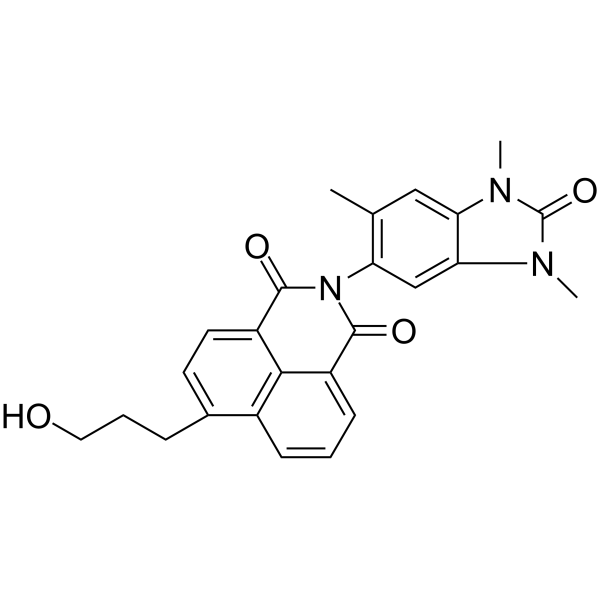
    BD-Oligo is an oligomer-specific fluorescent chemical probe. BD-Oligo preferentially identifies Aβ oligomer assemblies over monomers or fibrils by using diversity-directed fluorescent library (DOFL) screening and computational techniques. BD-Oligo exhibits dynamic oligomer monitoring capabilities during Aβ peptide fibril formation as Aβ is induced to form oligomers and ultimately fibrils over time. BD-Oligo also exhibits blood-brain barrier permeability with the ability to stain Aβ oligomers in vivo .
    BD-Oligo
  • HY-114504

    Epigenetic Reader Domain Inflammation/Immunology
    RVX-297 is a potent, orally active BET bromodomain inhibitor with selectivity for BD2. RVX-297 shows IC50s of 0.08, 0.05, and 0.02 μM for BRD2(BD2), BRD3(BD2), and BRD4(BD2), respectively. RVX-297 suppresses inflammatory gene expression in multiple immune cell types. RVX-297 is effective in acute inflammation and autoimmunity models .
    RVX-297
  • HY-138563

    Epigenetic Reader Domain Cancer
    GSK973, a chemical probe, is a highly selective, orally bioavailable inhibitor of the BD2s (second bromodomains) of the BET family, with a pIC50 of 7.8 and a pKd of 8.7 for BRD4 BD2. GSK973 displays a 1600-fold selectivity for BRD4 BD2 over BRD4 BD1. GSK973 shows good potency against BRD2 BD2, BRD3 BD2, and BRDT BD2 (pIC50=7.4~7.8; pKd=8.3~8.5) .
    GSK973
  • HY-112150
    ZL0454
    2 Publications Verification

    Epigenetic Reader Domain Inflammation/Immunology
    ZL0454 is a potent and selective Bromodomain-containing protein 4 (BRD4) inhibitor with an IC50 of 49 and 32 nM for BD1 and BD2.
    ZL0454
  • HY-178041

    Epigenetic Reader Domain Interleukin Related c-Fms NF-κB TNF Receptor Inflammation/Immunology
    BRD4-BD1/2-IN-3 (Compound B6) is a selective BRD4 BD2 inhibitor with an IC50 of 0.41  nM for BRD4 BD2 over BRD4 BD1. BRD4-BD1/2-IN-3 significantly inhibits the LPS (HY-D1056)-induced expression of IL-6. BRD4-BD1/2-IN-3 shows anti-inflammatory activities by modulating the TNF and NF-κB signaling pathway. BRD4-BD1/2-IN-3 can be used for inflammatory diseases research .
    BRD4-BD1/2-IN-3
  • HY-112149

    Epigenetic Reader Domain Inflammation/Immunology
    ZL0420 is a potent and selective bromodomain-containing protein 4 (BRD4) inhibitor with IC50 values of 27 nM against BRD4 BD1 and 32 nM against BRD4 BD2.
    ZL0420
  • HY-175678

    PROTACs Epigenetic Reader Domain Cancer
    PROTAC BRD2 BD1 Degrader-1 (compound 21-1) is a potent and selective BRD2 BD1 PROTAC degrader. PROTAC BRD2 BD1 Degrader-1 induces the association of BRD2 BD1 and von Hippel–Lindau-elongin C-elongin B (VCB). (Pink: BRD2-BD1 Ligand (HY-175679); Blue: E3 ligase ligand (HY-125845); Black: Linker (HY-W069332)) .
    PROTAC BRD2 BD1 Degrader-1
  • HY-44012B

    Ligands for Target Protein for PROTAC SWI/SNF Complex Cancer
    SMARCA-BD ligand 1 hydrochloride for PROTAC is a compound that binds to the BAF ATPase subunits SMARCA2, and used for degrading SMARCA2, based on PROTAC .
    SMARCA-BD ligand 1 for PROTAC hydrochloride
  • HY-151531

    Epigenetic Reader Domain Cancer
    PBRM1-BD2-IN-4 (compound 15) is a potent PBRM1 Bromodomain inhibitor with Kd values of 5.5 μM and 11.1 μM for PBRM1-BD2 and PBRM1-BD5, respectively, and an IC50 value of 0.2 μM for PBRM1-BD2. PBRM1-BD2-IN-4 can be used to research anticancer .
    PBRM1-BD2-IN-4
  • HY-151528

    Epigenetic Reader Domain Cancer
    PBRM1-BD2-IN-1 is a selective and cell-active polybromo-1 (PBRM1) bromodomain inhibitor. PBRM1-BD2-IN-1 has binding affinity and inhibitory activity for PBRM1-BD2 with Kd and IC50 values of 0.7 μM and 0.2 μM, respectively. PBRM1-BD2-IN-1 can be used for the research of cancer .
    PBRM1-BD2-IN-1
  • HY-151549

    Bacterial Infection
    Mtb-cyt-bd oxidase-IN-2 is an inhibitor of Mycobacterium tuberculosis cytochrome bd oxidase (Mtb cyt-bd oxidase) with an IC50 value of 0.67 μM. Mtb-cyt-bd oxidase-IN-2 inhibits the growth of Mycobacterium tuberculosis with a MIC value of 256 μM. Mtb-cyt-bd oxidase-IN-2 can be used for the research of infection .
    Mtb-cyt-bd oxidase-IN-2
  • HY-159007

    R,S-1,3-Butanediol acetoacetate diester

    Pyroptosis Cardiovascular Disease Metabolic Disease
    BD-AcAc2 is an orally active antiepileptic. BD-AcAc2 results in body weight loss or maintenance with moderate increases in circulating ketones .
    BD-AcAc2
  • HY-111977

    Epigenetic Reader Domain Cancer
    ZEN-3219 is a BET inhibitor with IC50s of 0.48, 0.16 and 0.47 μM for BRD4(BD1), BRD4(BD2) and BRD4(BD1BD2), respectively. ZEN-3219 can be used to form PROTACs to induce degradation of BRD4 .
    ZEN-3219
  • HY-111979

    Epigenetic Reader Domain Cancer
    ZEN-3411 is a BET inhibitor with IC50s of 0.05, 0.05 and 0.06 μM for BRD4(BD1), BRD4(BD2) and BRD4(BD1BD2), respectively. ZEN-3411 can be used to form PROTACs to induce degradation of BRD4 .
    ZEN-3411
  • HY-111978

    Epigenetic Reader Domain Cancer
    ZEN-3862 is a BET inhibitor with IC50s of 0.16 and 0.13 μM for BRD4(BD1) and BRD4(BD2) , respectively. ZEN-3862 can be used to form PROTACs to induce degradation of BRD4 .
    ZEN-3862
  • HY-P991000

    AU-007; Bd-8; BdG8

    Interleukin Related Cardiovascular Disease Inflammation/Immunology Cancer
    Imneskibart (AU-007) is a human monoclonal antibody that binds to the CD25-binding epitope of interleukin-2 (IL-2), blocking the binding of IL-2 to the trimeric IL-2 receptor while retaining the ability to bind to the dimeric IL-2 receptor. Imneskibart expands effector T cell and NK cell populations, reduces regulatory T cells, increases the effector T cell/regulatory T cell ratio, and alleviates vascular leakage. Imneskibart can be used in research related to melanoma and non-small cell lung cancer. The corresponding isotype control is: Human IgG1 kappa, Isotype Control (HY-P99001) .
    Imneskibart
  • HY-148750

    Bd10-2

    Trk Receptor Neurological Disease
    PTX-BD10-2 (BD10-2) is an orally active TrkB/C modulator. PTX-BD10-2 ameliorates BFCN degeneration. PTX-BD10-2 restores cholinergic neurite integrity, alleviates cholinergic neurite atrophy. PTX-BD10-2 can be used in the research of Alzheimer's disease .
    PTX-BD10-2
  • HY-100966

    Sigma Receptor Neurological Disease
    BD-1008 dihydrobromide is a nonselective σ receptor antagonist with Kis against σ1 receptor and σ2 receptor of 2 nM and 8 nM. The BD-1008 dihydrobromide has an extremely low affinity for the D2 receptor (Ki = 1112 nM) and dopamine transporter (DAT) (Ki > 10,000 nM). BD-1008 dihydrobromide significantly antagonizes dopamine release in the shell region of the nucleus accumbens via the σ₂ receptor. BD-1008 dihydrobromide blocks the self-administration behavior of σ agonists.BD-1008 dihydrobromide can be used for the study of addiction therapy that target the σ receptor .
    BD-1008 dihydrobromide
  • HY-136570A

    iBET-Bd1 hydrochloride

    Apoptosis Epigenetic Reader Domain Inflammation/Immunology Cancer
    GSK778 (iBET-BD1) hydrochloride is a potent and selective BD1 bromodomain inhibitor of the BET proteins, with IC50s of 75 nM (BRD2 BD1), 41 nM (BRD3 BD1), 41 nM (BRD4 BD1), and 143 nM (BRDT BD1), respectively .
    GSK778 hydrochloride
  • HY-143300

    Epigenetic Reader Domain Cardiovascular Disease Cancer
    BRD4-BD1-IN-2 is a selective BRD4-BD1 inhibitor, with an IC50 of 2.51 µM (20-times greater than that of BD2). BRD4-BD1-IN-2 can be used in studies of cancer and cardiovascular diseases .
    BRD4-BD1-IN-2
  • HY-151529

    Epigenetic Reader Domain Cancer
    PBRM1-BD2-IN-2 is a selective and cell-active polybromo-1 (PBRM1) bromodomain inhibitor. PBRM1-BD2-IN-2 has binding affinity and inhibitory activity for PBRM1-BD2 with Kd and IC50 values of 9.3 μM and 1.0 μM, respectively. PBRM1-BD2-IN-2 can be used for the research of cancer .
    PBRM1-BD2-IN-2
  • HY-151956

    Bacterial Infection
    Mtb-cyt-bd oxidase-IN-7 is a cytochrome bd terminal oxidase (Cyt-bd) inhibitor with a Kd value of 4.17 μM. Mtb-cyt-bd oxidase-IN-7 shows anti-tuberculosis activities .
    Mtb-cyt-bd oxidase-IN-7
  • HY-151533

    Epigenetic Reader Domain Cancer
    PBRM1-BD2-IN-6 is a potent PBRM1 bromodomain inhibitor with an IC50 value of 0.22 μM. PBRM1-BD2-IN-6 shows antiproliferation activity. PBRM1-BD2-IN-6 has the potential for the research of PBRM1-dependent cancer .
    PBRM1-BD2-IN-6
  • HY-142675

    Epigenetic Reader Domain Cancer
    BRD4-BD1/2-IN-2 is a potent BRD4 BD2 inhibitor with IC50s of <0.5 nM and <300 nM for BRD4 BD2 and BRD4 BD1, respectively (WO2021233371A1, compound 2) .
    BRD4-BD1/2-IN-2
  • HY-129201

    Epigenetic Reader Domain Cancer
    ZEN-2759 is a potent BET (Bromodomain and Extra-Terminal Domain) inhibitor, with IC50 values of 0.23, 0.08 and 0.28 μM for BRD4(BD1), BRD4(BD2), and BRD4(BD1BD2), respectively .
    ZEN-2759
  • HY-147573

    Epigenetic Reader Domain Cancer
    BRD4 Inhibitor-23 is a potent and orally active BRD4 inhibitor with IC50s of 6.21 nM and 1.44 nM for BRD4 BD-1 and BRD4 BD-2, respectively (WO2022033542A1; Example 1) .
    BRD4 Inhibitor-23

Inquiry Online

Your information is safe with us. * Required Fields.

Salutation


Country or Region *

Applicant Name *


Organization Name *

Department *


Email Address *


Product Name *

Cat. No.


Requested quantity *

Phone Number *


Remarks

Inquiry Online

Inquiry Information

Product Name:
Cat. No.:
Quantity:
MCE Japan Authorized Agent:

