

1. Search Result
Search Result
Results for "

Brain-penetrant

" in MedChemExpress (MCE) Product Catalog:

612

Inhibitors & Agonists

2

Biochemical Assay Reagents

14

Peptides

3

Inhibitory Antibodies

40

Natural
Products

33

Isotope-Labeled Compounds

2

Click Chemistry

Cat. No. Product Name Target Research Areas Chemical Structure
  • HY-17363
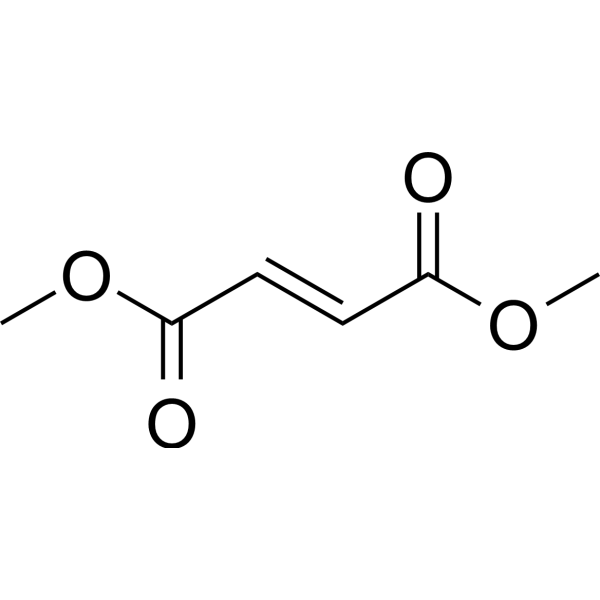
    Dimethyl fumarate
    Maximum Cited Publications
    56 Publications Verification

    Keap1-Nrf2 Reactive Oxygen Species (ROS) HIV Autophagy Endogenous Metabolite Infection Neurological Disease Inflammation/Immunology Cancer
    Dimethyl fumarate (DMF) is an orally active and brain-penetrant Nrf2 activator and induces upregulation of antioxidant gene expression. Dimethyl fumarate induces necroptosis in colon cancer cells through GSH depletion/ROS increase/MAPKs activation pathway, and also induces cell autophagy. Dimethyl fumarate can be used for multiple sclerosis research .
    Dimethyl fumarate
  • HY-P9999

    RG6102; RO-7126209

    Amyloid-β Neurological Disease
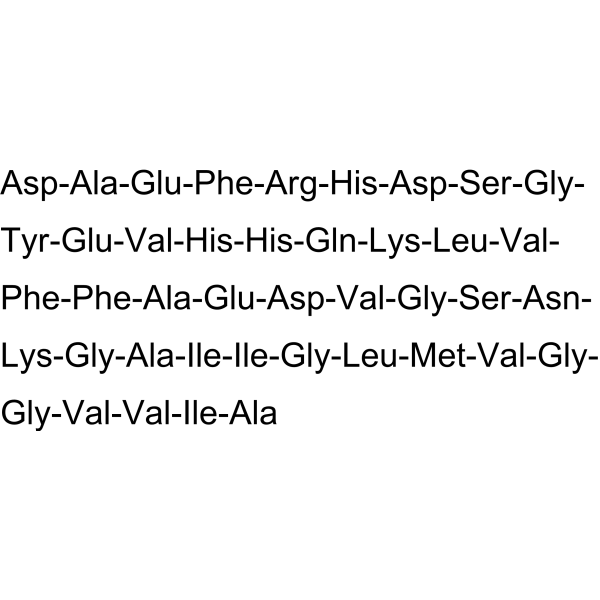
    Trontinemab (RG6102) is a brain-penetrant, anti-amyloid, bispecific and humanizedized IgG1-κ antibody, targeting to plaques and transferrin receptor 1 (TFR1). Trontinemab binds to fibrillar as well as plaques triggering plaque clearance by engaging immune cells on Alzheimer disease (AD) brain sections. Trontinemab also shows specific affinity to cynomolgus and human TFR1 .
    Trontinemab
  • HY-109566
    AZD1390
    5+ Cited Publications

    ATM/ATR Inflammation/Immunology Cancer
    AZD1390 is a potent, highly selective, orally bioavailable, brain-penetrant ATM inhibitor with an IC50 of 0.78 nM in cell .
    AZD1390
  • HY-10629
    LXR-623
    10+ Cited Publications

    WAY 252623

    LXR Metabolic Disease Cancer
    LXR-623 is a brain-penetrant partial LXRα and full LXRβ agonist, with IC50s of 24 nM and 179 nM, respectively.
    LXR-623
  • HY-N0037
    Albiflorin
    5+ Cited Publications

    Reactive Oxygen Species (ROS) Neurological Disease Inflammation/Immunology Cancer
    Albiflorin, a major constituent contained in peony root, is a brain-penetrant monoterpene glycoside with neuroprotective effects. Albiflorin also has anti-inflammatory, antioxidant and antinociceptive effects .
    Albiflorin
  • HY-14781
    Levomefolic acid
    3 Publications Verification

    L-5-MTHF

    Endogenous Metabolite Reactive Oxygen Species (ROS) DNA/RNA Synthesis Infection Cancer
    Levomefolic acid (L-5-MTHF) is an orally active, brain-penetrant natural active form of folic acid and is one of the most widely used folic acid food supplements .
    Levomefolic acid
  • HY-14557
    Pimavanserin
    10+ Cited Publications

    ACP-103

    5-HT Receptor Neurological Disease
    Pimavanserin is a selective, brain-penetrant, inverse agonist of the 5-HT2A receptor with pIC50 and pKd of 8.73 and 9.3, respectively.
    Pimavanserin
  • HY-W015309
    Decanoic acid
    4 Publications Verification

    Environmental Pollutants Endogenous Metabolite iGluR Glutaminase c-Met/HGFR Tyrosinase Neurological Disease Metabolic Disease Cancer
    Decanoic acid is a key component of the medium-chain triglyceride (MCT) found in coconut oil. Decanoic acid is a brain-penetrant and non-competitive inhibitor of AMPA receptor showing antiseizure activity in rats. Decanoic acid reduces tyrosinase activity and inhibits melanosome maturation. Decanoic acid suppresses the phosphorylation of c-Met and induced apoptosis in hepatocellular carcinoma (HCC) cells by inhibiting the expression of various oncogenic proteins, which is promising for research in the field of mTORC1 signaling, HCC and epilepsy .
    Decanoic acid
  • HY-15796
    GNE0877
    2 Publications Verification

    LRRK2 Neurological Disease
    GNE0877 is a highly selective, orally active and brain-penetrant LRRK2 inhibitor with an IC50 of 3 nM and a Ki of 0.7 nM. GNE0877 can be used for the research of neuroscience .
    GNE0877
  • HY-10985
    Marizomib
    15+ Cited Publications

    Salinosporamide A; NPI-0052

    Proteasome Cancer
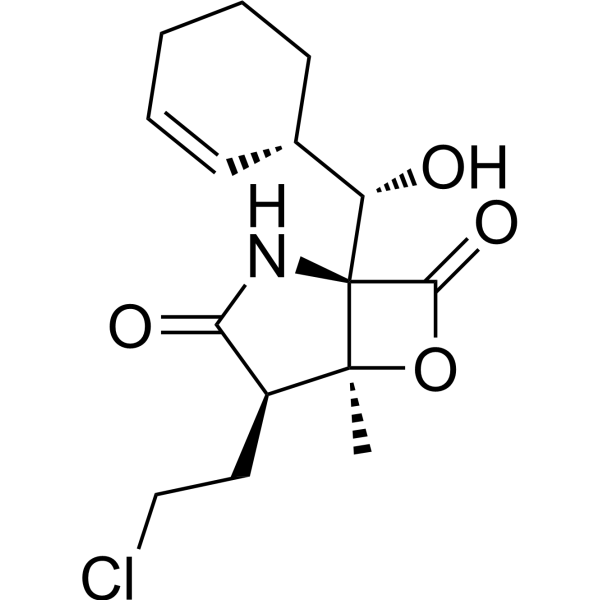
    Marizomib (Salinosporamide A) is a second-generation, irreversible, brain-penetrant, pan-proteasome inhibitor. Marizomib inhibits the CT-L (β5), CT-T-laspase-like (C-L, β1) and trypsin-like (T-L, β2) activities of the 20S proteasome (IC50=3.5, 28, and 430 nM, respectively) .
    Marizomib
  • HY-12947
    GNE-3511
    5+ Cited Publications

    MAP3K Neurological Disease
    GNE-3511 is an orally active bioavailable and brain-penetrant dual leucine zipper kinase (DLK) inhibitor with a Ki of 0.5 nM. GNE-3511 can cross the blood-brain-barrier and can be used for the research of neurodegenerative diseases .
    GNE-3511
  • HY-50098
    Mardepodect
    3 Publications Verification

    PF-2545920

    Phosphodiesterase (PDE) Neurological Disease Cancer
    Mardepodect is a potent, selective orally active, and brain-penetrant PDE10A inhibitor with an IC50 of 0.37 nM, with >1000-fold selectivity over other PDEs .
    Mardepodect
  • HY-134661A
    Solangepras
    1 Publications Verification

    CVN424

    GPR6 Neurological Disease
    CVN424 is an orally active and selective GPR6 inverse agonist with a Ki of 9.4 nM and an EC50 of 38 nM. CVN424 is brain-penetrant and has the potential for Parkinson disease research .
    Solangepras
  • HY-123857
    JNJ-55308942
    2 Publications Verification

    P2X Receptor Neurological Disease Inflammation/Immunology
    JNJ-55308942 is a high-affinity, selective, brain-penetrant P2X7 functional antagonist (hP2X7: IC50=10 nM, Ki=7.1 nM; rP2X7: IC50=15 nM, Ki=2.9 nM). JNJ-55308942 is orally bioavailable, binds to brain P2X7 and blocks IL-1β release from adult rodent brain .
    JNJ-55308942
  • HY-P5971

    Mifomelatide

    Melanocortin Receptor Neurological Disease Metabolic Disease
    TCMCB07, a cyclic nonapeptide peptide, is an orally active and brain-penetrant melanocortin receptor 4 (MC4R) antagonist. TCMCB07 plays an important role in cachexia. TCMCB07 has potential transport capabilities .
    TCMCB07
  • HY-131031
    KCC-07
    1 Publications Verification

    DNA Alkylator/Crosslinker Cancer
    KCC-07 is a potent and brain-penetrant MBD2 (methyl-CpG-binding domain protein 2) inhibitor. KCC-07 prevents binding of MBD2 to methylated DNA and activates brain specific angiogenesis inhibitor 1 (BAI1) inducing anti-proliferative BAI1/p53/p21 signaling. Anticancer activity .
    KCC-07
  • HY-14557A
    Pimavanserin hemitartrate
    10+ Cited Publications

    ACP-103 hemitartrate

    5-HT Receptor Neurological Disease
    Pimavanserin (ACP-103) hemitartrate is a potent and brain-penetrant5-HT 2A receptor inverse agonist with pIC50 and pKi of 8.73 and 9.3, respectively.
    Pimavanserin hemitartrate
  • HY-138639
    PW0787
    1 Publications Verification

    GPR52 Neurological Disease
    PW0787 is a potent, selective, orally active, and brain-penetrant GPR52 agonist (EC50=135 nM). PW0787 suppresses psychostimulant behavior .
    PW0787
  • HY-136660

    mTOR Neurological Disease
    PQR626, a rapamycin derivative, is a potent, selective, orally active, and brain-penetrant mTOR inhibitor, with an IC50 and Ki of 5 nM and 3.6 nM, respectively. PQR626 can be can be used for the research of neurological disorders .
    PQR626
  • HY-114379
    AS2717638
    2 Publications Verification

    LPL Receptor Neurological Disease Inflammation/Immunology
    AS2717638 is a highly selective, brain-penetrant and orally active lysophosphatidic acid receptor 5 (LPA5) antagonist with an IC50 value of 38 nM. AS2717638 is highly selective and shows no significant antagonistic activity against other LPA receptors (LPA1, LPA2, and LPA3). AS2717638 can be used in the research of pain and neuroinflammation-related diseases .
    AS2717638
  • HY-18163
    GNE-7915
    5+ Cited Publications

    LRRK2 Neurological Disease
    GNE-7915 is a potent, selective and brain-penetrant inhibitor of LRRK2 with an IC50 of 9 nM.
    GNE-7915
  • HY-134968
    TTBK1-IN-1
    1 Publications Verification

    Tau Protein Neurological Disease
    TTBK1-IN-1 is a potent, selective and brain-penetrant tau tubulin kinase 1 (TTBK1) inhibitor with an IC50 of 2.7 nM. TTBK1-IN-1 can be used for the research of alzheimer’s disease and related tauopathies . TTBK1-IN-1 is a click chemistry reagent, it contains an Alkyne group and can undergo copper-catalyzed azide-alkyne cycloaddition (CuAAc) with molecules containing Azide groups.
    TTBK1-IN-1
  • HY-155482
    NA-184
    1 Publications Verification

    Proteasome Neurological Disease
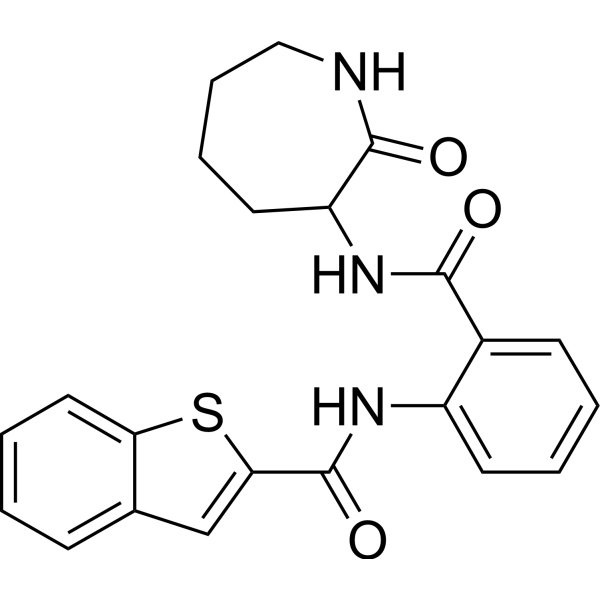
    NA-184 is a selective and brain-penetrant calpain-2 inhibitor with an IC50 of 134 nM for mouse calpain-2. NA-184 has weak inhibitory activity on calpain-1 (IC50 of 2826 nM). NA-184 does not exhibit significant inhibition on a variety of other cysteine-, serine- or metallo-proteases. NA-184 shows significant neuroprotection and can be used for the study of traumatic brain injury (TBI) .
    NA-184
  • HY-122138
    VU6010572
    1 Publications Verification

    mGluR Neurological Disease
    VU6010572 is a potent, selective and brain-penetrant mGlu3 negative allosteric modulator with IC50 of 245 nM. VU6010572 is highly CNS penetrant .
    VU6010572
  • HY-145339

    Ceramidase Neurological Disease Inflammation/Immunology
    ARN19702 is a selective, orally active, reversible, and brain-penetrant N-acylethanolamine acid amidase (NAAA) inhibitor with an IC50 of 230 nM for human NAAA. ARN19702 has pain relief effects .
    ARN19702
  • HY-B1216

    Sigma Receptor Cardiovascular Disease Others Neurological Disease
    Oxeladin citrate is an orally active and brain-penetrant cough suppressant as well as a selective sigma 1 receptor agonist (Ki = 25 nM). Oxeladin can be used for pulmonary diseases and stroke research .
    Oxeladin citrate
  • HY-12129

    CFTR Neurological Disease
    CP 154526 hydrochloride is a potent, brain-penetrant and selective corticotropin-releasing factor receptor 1 (CRF1) antagonist with a Ki of 2.7 nM. CP 154526 hydrochloride shows selective for CRF1 over CRF2 (Ki = >10 μM). CP 154526 hydrochloride has anxiolytic activities .
    CP 154526 hydrochloride
  • HY-147519

    Wnt Cancer
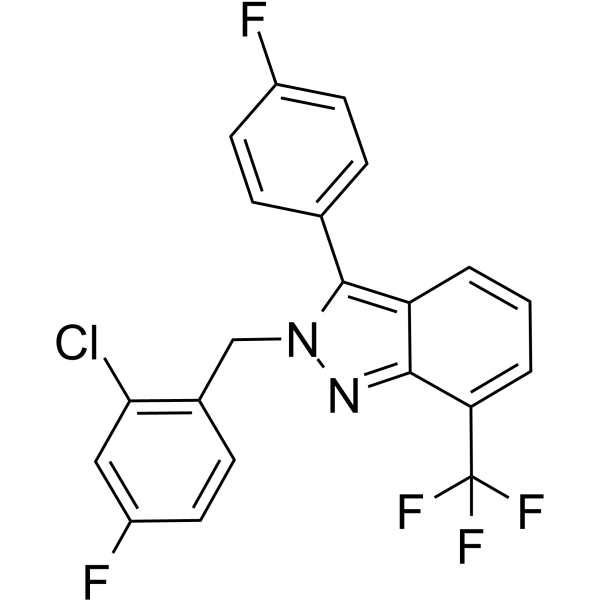
    ARUK3001185 is a potent, selective, orally active and brain-penetrant inhibitor of Notum (IC50 = 6.7 nM). ARUK3001185 can restore Wnt signaling in the presence of Notum in vitro. ARUK3001185 is selective against serine hydrolases, kinases, and drug targets. ARUK3001185 can be used to research the role of Notum plays in diseases .
    ARUK3001185
  • HY-132846

    TAS0953/HM06

    RET Apoptosis Cancer
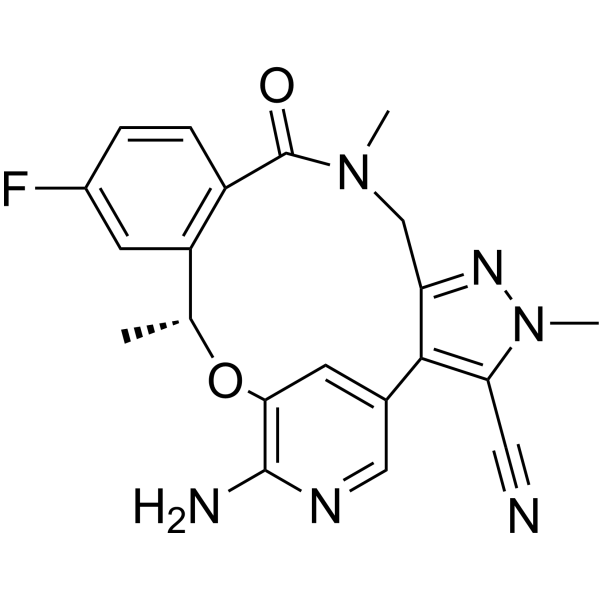
    Vepafestinib (TAS0953/HM06) is a next-generation brain-penetrant, selective and orally active RET inhibitor with an IC50 value of 0.33 nM. Vepafestinib inhibits the phosphorylation of RET and its downstream signaling pathways, thus blocking the growth and signal transduction of tumor cells and inducing cell cycle arrest and apoptosis. Vepafestinib can be used in the research of various RET-driven cancers, such as non-small cell lung cancer, thyroid cancer and other disease areas .
    Vepafestinib
  • HY-110274

    Nuclear Hormone Receptor 4A/NR4A Neurological Disease Inflammation/Immunology
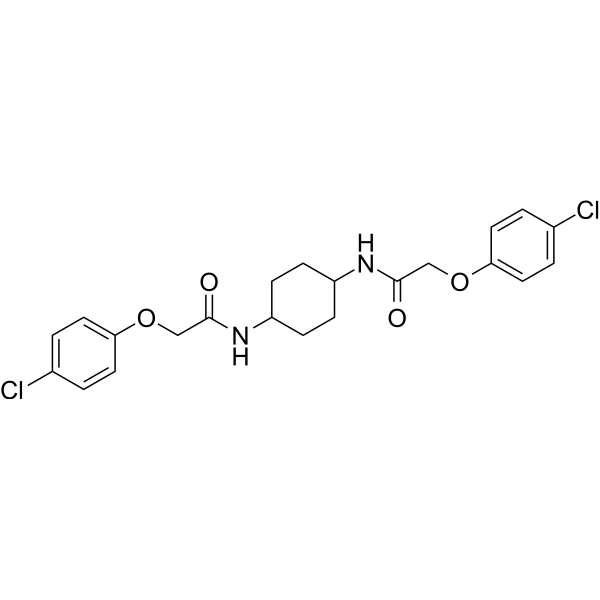
    IP7e is a potent, brain-penetrant and orally active Nurr1 activator with an EC50 value of 3.9 nM .
    IP7e
  • HY-110130

    Histone Demethylase Cardiovascular Disease Cancer
    RN-1 dihydrochloride is a potent, brain-penetrant, irreversible and selective lysine-specific demethylase 1 (LSD1) inhibitor with an IC50 of 70 nM. RN-1 dihydrochloride exhibits selectivity for LSD1 over MAO-A and MAO-B with IC50 values of 0.51 μM and 2.785 μM respectively .
    RN-1 dihydrochloride
  • HY-100366

    mGluR Neurological Disease
    Lu AF21934 is a selective and brain-penetrant mGlu4 receptor positive allosteric modulator with an EC50 of 500 nM for mGlu4 receptor .
    Lu AF21934
  • HY-18081

    FAAH Autophagy Neurological Disease Metabolic Disease
    PF 750 is a selective, covalent and brain-penetrant fatty acid amide hydrolase (FAAH) inhibitor. PF 750 covalently carbamylates FAAH's catalytic serine nucleophile to inactivate the enzyme .
    PF 750
  • HY-110278

    mGluR Neurological Disease
    ADX71743 is a highly selective, noncompetitive and brain-penetrant metabotropic glutamate receptor 7 negative allosteric modulator (mGlu7 NAM). ADX71743 can cross the blood-brain barrier (BBB) and possesses anxiolytic activity. .
    ADX71743
  • HY-12567

    VU0483253

    mAChR Neurological Disease
    ML375 (VU0483253) is a potent, highly selective, brain-penetrant and orally active M5 mAChR negative allosteric modulator (NAM) with IC50s of 300 nM and 790 nM for human and rat M5, respectively. ML375 is inactive at human and rat M1-M4 .
    ML375
  • HY-110184

    Potassium Channel Neurological Disease
    PK-THPP is a potent and brain-penetrant TWIK-related acid-sensitive K + ion channel (K2P9.1 or TASK-3) blocker with IC50s of 35 nM and 300 nM for TASK-3 and TASK-1, respectively. PK-THPP shows no or less activity against other K + channels. PK-THPP is an effective breathing stimulant and can be used for the study of breathing disorders .
    PK-THPP
  • HY-117764

    mGluR Neurological Disease
    LSP4-2022 is a potent and brain-penetrant mGlu4-selective orthosteric agonist, with an EC50 of 0.11 μM. LSP4-2022 inhibits neurotransmission in cerebellar slices from wild-type but not mGlu4 receptor-knockout mice. LSP4-2022 shows pro-depressant activity .
    LSP4-2022
  • HY-12959A

    BAY x 3702

    5-HT Receptor Neurological Disease
    Repinotan hydrochloride (BAY x 3702) is a potent, selective, brain-penetrant and orally active 5-HT1A receptor agonist, with Ki values of 0.19 nM (calf hippocampus), 0.25 nM (rat and human cortex), and 0.59 nM (rat hippocampus Repinotan hydrochloride has a weak affinity for other related receptors. Repinotan hydrochloride has pronounced neuroprotective effects .
    Repinotan hydrochloride
  • HY-106770

    Monoamine Oxidase Neurological Disease
    Esuprone is a brain-penetrant, orally active and selective MAO A inhibitor with an IC50 of 7.3 nM. Esuprone can be used for neurological research .
    Esuprone
  • HY-111520

    DNA/RNA Synthesis Neurological Disease
    NVS-SM2 is a potent, orally active and brain-penetrant SMN2 splicing enhancer with an EC50 of 2 nM for SMN. NVS-SM2 enhances U1-pre-mRNA association. NVS-SM2 promotes exon 7 inclusion and restores normal survival motor neuron (SMN) protein expression. NVS-SM2 can be used for spinal muscular atrophy (SMA) research .
    NVS-SM2
  • HY-161903

    Neurotensin Receptor Neurological Disease
    Progranulin modulator-3 (compd C40) is a brain-penetrant and orally active progranulin (PGRN) inducer. Progranulin modulator-3 can be used for neurological research .
    Progranulin modulator-3
  • HY-116480

    mAChR Neurological Disease
    LY593093 is a selective, orally active, and brain-penetrant muscarinic M1 receptor agonist with an EC50 of 22.8 nM. LY593093 can be utilized in Alzheimer’s disease research .
    LY593093
  • HY-144266

    Glucosylceramide synthase-IN-1

    Glucosylceramide Synthase (GCS) Neurological Disease Metabolic Disease
    Glucosylceramide synthase-IN-1 (T-036), a chemical probe, a potent, brain-penetrant and orally active glucosylceramide synthase (GCS) inhibitor with IC50s of 31 nM and 51 nM for human GCS and mouse GCS, respectively. Glucosylceramide synthase-IN-1 can be used for Gaucher's disease research .
    TP-060
  • HY-W709856

    Influenza Virus Infection
    Dodeca-2E,4E,8Z,10Z/E-N-tetraenoic acid isobutylamide is a brain-penetrant substance and the main alkamide in Echinacea preparations, which might be used for research of common cold and various upper respiratory infections .
    Dodeca-2E,4E,8Z,10Z/E-N-tetraenoic acid isobutylamide
  • HY-174066

    mTOR Autophagy Interleukin Related Neurological Disease Inflammation/Immunology
    SI-W052 is an orally active, brain-penetrant and selective small-molecule inhibitor targeting mTOR and TEX264. SI-W052 activates autophagy by inhibiting mTOR phosphorylation and enhances TEX264 expression to promote ER turnover, suppressing LPS-induced release of inflammatory factors (TNF-α, IL-6). SI-W052 is promising for research of Alzheimer’s disease (AD)-associated neuroinflammation .
    SI-W052
  • HY-133813A

    Drug Metabolite Neurological Disease
    Apovincaminic acid hydrochloride salt is an orally active and brain-penetrant main active metabolite of Vinpocetine (VP). Apovincaminic acid hydrochloride salt exerts a neuroprotective type of action .
    Apovincaminic acid hydrochloride salt
  • HY-144267

    Glucosylceramide Synthase (GCS) Neurological Disease Metabolic Disease
    Glucosylceramide synthase-IN-2 (compound T-690) is a potent, brain-penetrant and orally active glucosylceramide synthase (GCS) inhibitor with IC50s of 15 nM and 190 nM for human GCS and mouse GCS, respectively.Glucosylceramide synthase-IN-2 exhibits noncompetitive type inhibition with C8-ceramide and UDP-glucose.Glucosylceramide synthase-IN-2 can be used for Gaucher's disease research .
    Glucosylceramide synthase-IN-2
  • HY-12981
    RG7713
    2 Publications Verification

    RO5028442

    Vasopressin Receptor Cardiovascular Disease Neurological Disease Metabolic Disease
    RG7713 (RO5028442) is a highly potent, selective and brain-penetrant Vasopressin 1a (V1a) receptor antagonist with Kis of 1 nM (hV1a) and 39 nM (mV1a).
    RG7713
  • HY-34222

    DYRK Cancer
    7-Deazaguanine (Compound 1) is a highly selective, well-tolerated, brain-penetrant DYRK1A inhibitor. 7-Deazaguanine is promising for research of cancers and Down’s syndrome .
    7-Deazaguanine
  • HY-139144

    Sirtuin HSP Neurological Disease Cancer
    YM-08 (Compounds 7a) is a brain-penetrant inhibitors of SIRT2,with the IC50 of 19.9 μM. YM-08 also is inhibitor of Hsp70 .
    YM-08

Inquiry Online

Your information is safe with us. * Required Fields.

Salutation


Country or Region *

Applicant Name *


Organization Name *

Department *


Email Address *


Product Name *

Cat. No.


Requested quantity *

Phone Number *


Remarks

Inquiry Online

Inquiry Information

Product Name:
Cat. No.:
Quantity:
MCE Japan Authorized Agent:

