1. Search Result
Search Result
Results for "

CIP

" in MedChemExpress (MCE) Product Catalog:

31

Inhibitors & Agonists

2

Peptides

6

Natural
Products

3

Recombinant Proteins

3

Isotope-Labeled Compounds

18

Antibodies

3

Click Chemistry

5

Oligonucleotides

Cat. No. Product Name Target Research Areas Chemical Structure
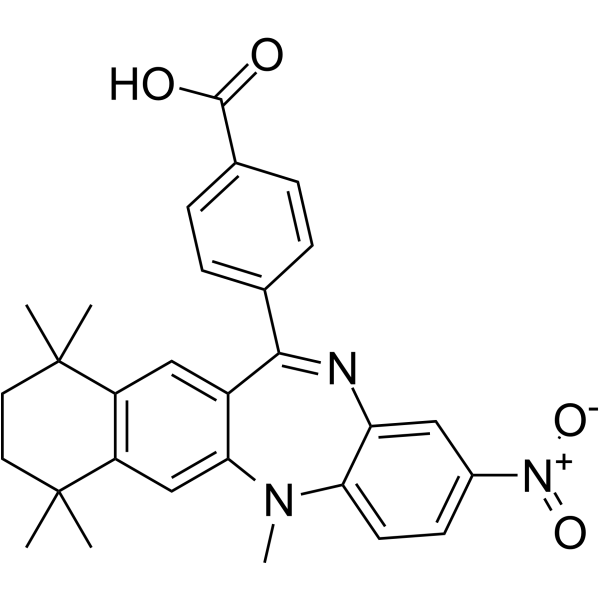
  • HY-108521

    RAR/RXR Apoptosis MDM-2/p53 Metabolic Disease Cancer
    HX531 is an orally active RXR antagonist with an IC50 of 18 nM. HX531 upregulates the p53-p21Cip1 pathway. HX531 abrogates the anti-apoptotic effect of t-RA. HX531 exerts anti-obesity, anti-diabetic and anti-melanoma activities .
    HX531
  • HY-N0068
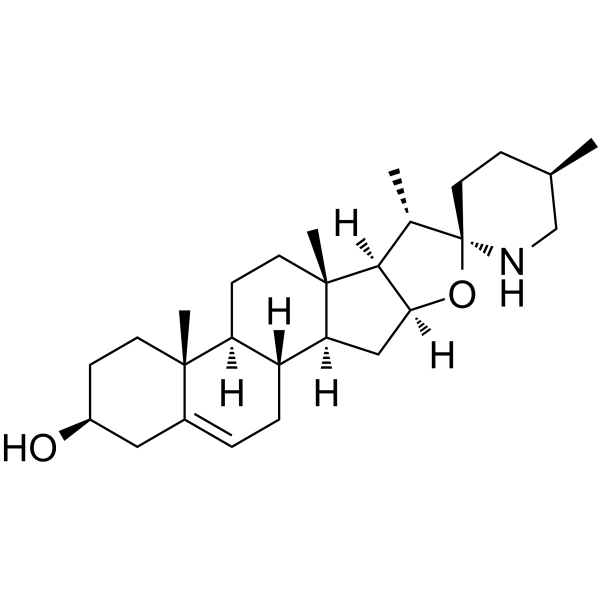
    Solasodine
    5 Publications Verification

    Purapuridine; Solancarpidine; Solasodin

    MDM-2/p53 Fungal E1/E2/E3 Enzyme Apoptosis Infection Cardiovascular Disease Neurological Disease Inflammation/Immunology Cancer
    Solasodine (Purapuridine) is a steroidal alkaloid that occurs in plants of the Solanaceae family. Solasodine induces apoptosis by inhibiting the p53-MDM2 complex, p21Waf1/Cip1, and Bcl-2 proteins. Solasodine has neuroprotective, antifungal, hypotensive, anticancer, antiatherosclerotic, antiandrogenic and anti-inflammatory activities .
    Solasodine
  • HY-135699
    TD52
    2 Publications Verification

    Apoptosis Phosphatase Akt Cancer
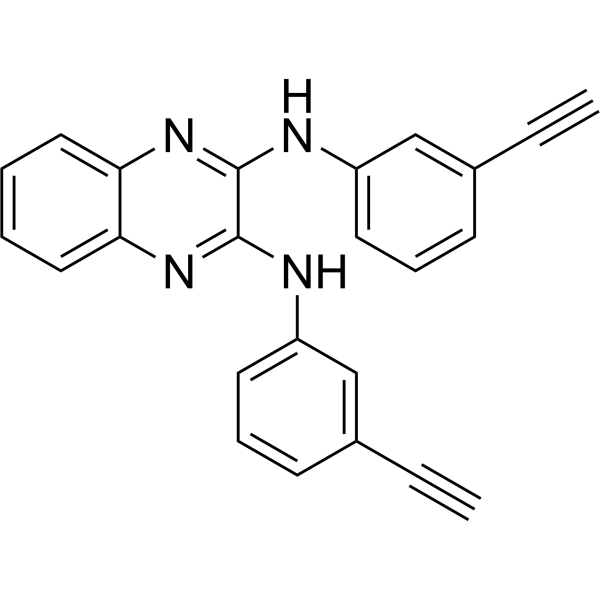
    TD52, an Erlotinib (HY-50896) derivative, is an orally active, potent cancerous inhibitor of protein phosphatase 2A (CIP2A) inhibitor. TD52 mediates the apoptotic effect in triple-negative breast cancer (TNBC) cells via regulating the CIP2A/PP2A/p-Akt signalling pathway. TD52 indirectly reduced CIP2A by disturbing Elk1 binding to the CIP2A promoter. TD52 has less p-EGFR inhibition and has potent anti-cancer activity . TD52 is a click chemistry reagent, it contains an Alkyne group and can undergo copper-catalyzed azide-alkyne cycloaddition (CuAAc) with molecules containing Azide groups.
    TD52
  • HY-N4317
    Ethoxysanguinarine
    1 Publications Verification

    Apoptosis Cancer
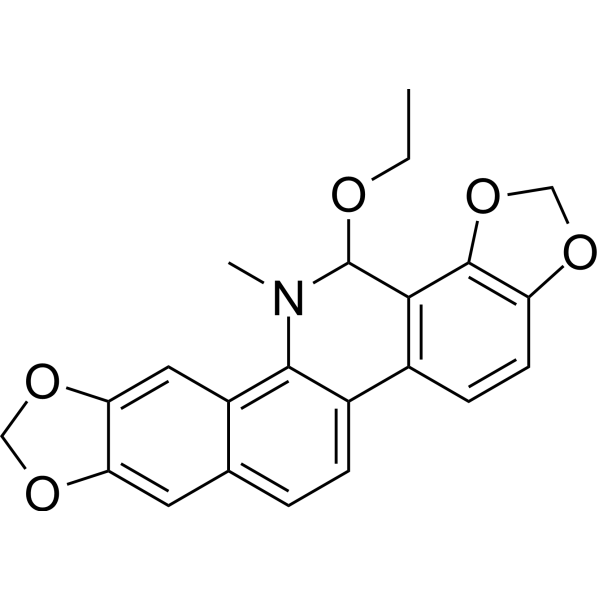
    Ethoxysanguinarine is a benzophenanthridine alkaloid natural product that is mainly found in Macleaya cordata. Ethoxysanguinarine is an inhibitor of protein phosphatase 2A (CIP2A). Ethoxysanguinarine induces cell apoptosis and inhibits colorectal cancer cells growth .
    Ethoxysanguinarine
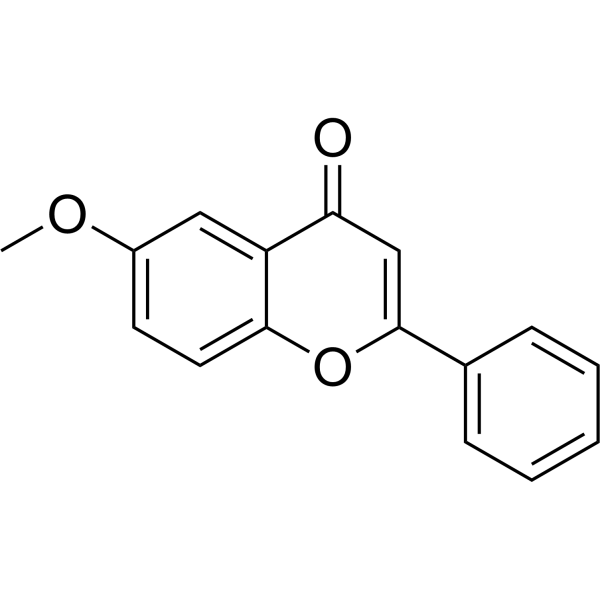
  • HY-W097625

    Toll-like Receptor (TLR) MyD88 p38 MAPK NF-κB Heme Oxygenase (HO) Neurological Disease Inflammation/Immunology Cancer
    6-Methoxyflavone is an orally active methoxyflavone. 6-Methoxyflavone suppresses neuroinflammation in microglia through the inhibition of TLR4/MyD88/p38 MAPK/NF-κB dependent pathways and the activation of HO-1/NQO-1 signaling. 6-Methoxyflavone induces S-phase arrest through the CCNA2/CDK2/p21CIP1 signaling pathway in HeLa cells. 6-Methoxyflavone inhibits NFAT Translocation into the nucleus and suppresses T cell activation. 6-Methoxyflavone partially restores chronic ethanol-induced behavioral deficits in mice. 6-Methoxyflavone antagonizes chronic constriction injury and diabetes associated neuropathic nociception expression. 6-Methoxyflavone can be used for the study of cancer, inflammation and neurological diseases .
    6-Methoxyflavone
  • HY-135699A
    TD52 dihydrochloride
    2 Publications Verification

    Akt Phosphatase Apoptosis Cancer
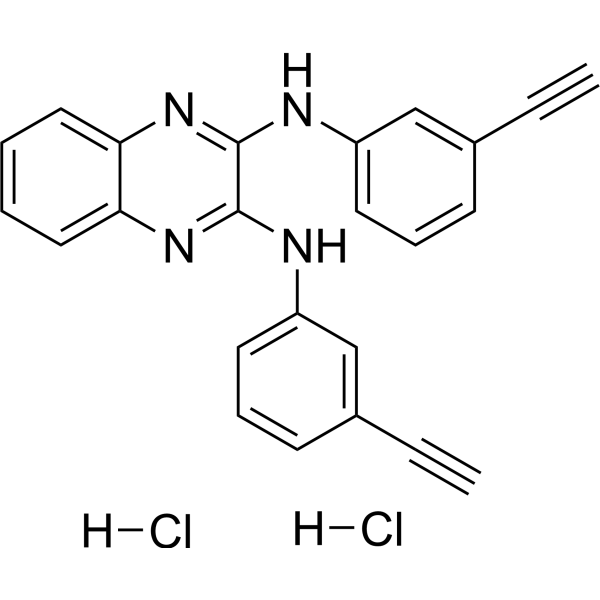
    TD52 dihydrochloride, an Erlotinib (HY-50896) derivative, is an orally active, potent cancerous inhibitor of protein phosphatase 2A (CIP2A) inhibitor. TD52 dihydrochloride mediates the apoptotic effect in triple-negative breast cancer (TNBC) cells via regulating the CIP2A/PP2A/p-Akt signalling pathway. TD52 dihydrochloride indirectly reduced CIP2A by disturbing Elk1 binding to the CIP2A promoter. TD52 dihydrochloride has less p-EGFR inhibition and has potent anti-cancer activity . TD52 (dihydrochloride) is a click chemistry reagent, it contains an Alkyne group and can undergo copper-catalyzed azide-alkyne cycloaddition (CuAAc) with molecules containing Azide groups.
    TD52 dihydrochloride
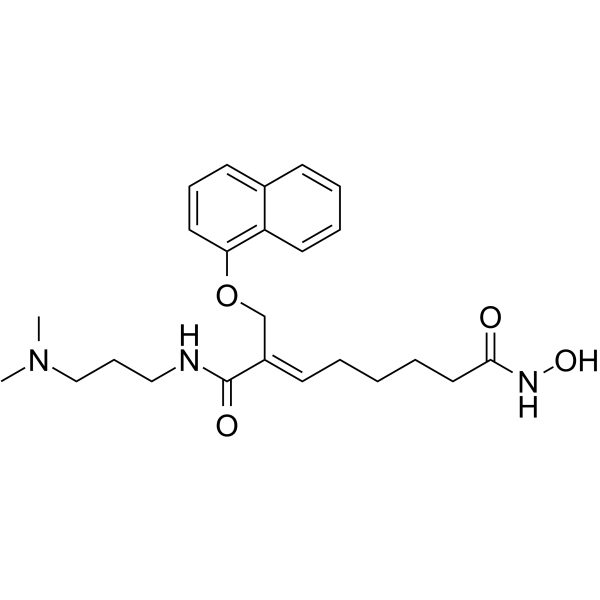
  • HY-16138

    CG-200745

    HDAC MDM-2/p53 Apoptosis Cancer
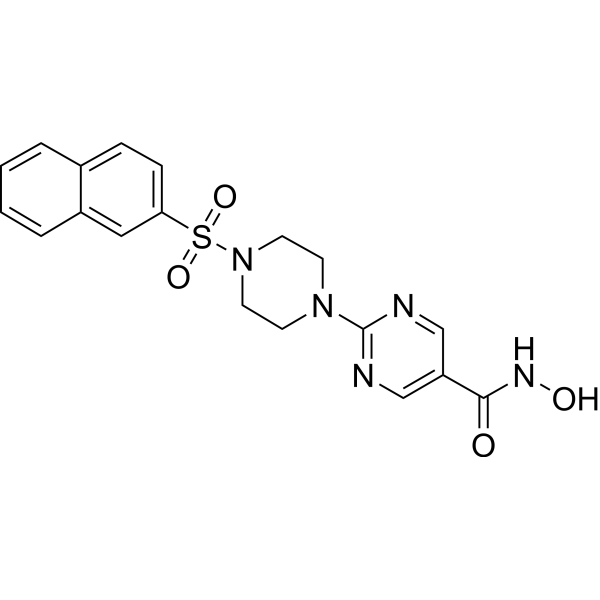
    Ivaltinostat (CG-200745) is an orally active, potent pan-HDAC inhibitor which has the hydroxamic acid moiety to bind zinc at the bottom of catalytic pocket. Ivaltinostat inhibits deacetylation of histone H3 and tubulin. Ivaltinostat induces the accumulation of p53, promotes p53-dependent transactivation, and enhances the expression of MDM2 and p21 (Waf1/Cip1) proteins. Ivaltinostat enhances the sensitivity of Gemcitabine-resistant cells to Gemcitabine (HY-16138) and 5-Fluorouracil (5-FU; HY-90006). Ivaltinostat induces apoptosis and has anti-tumour effects .
    Ivaltinostat
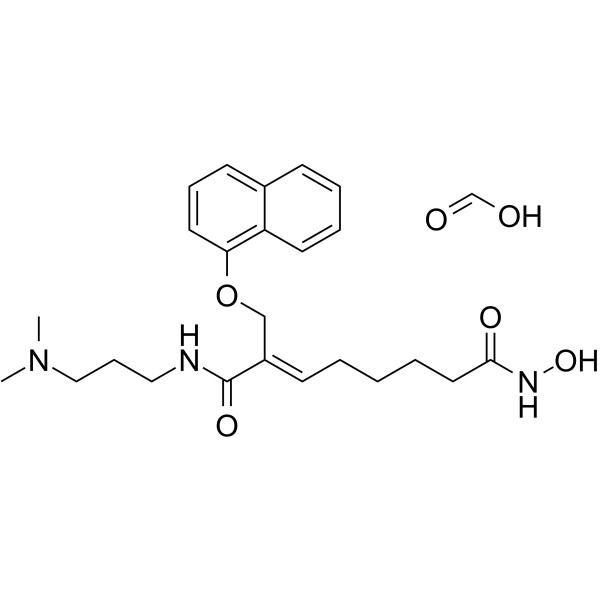
  • HY-16138A

    CG-200745 formic

    HDAC MDM-2/p53 Apoptosis Inflammation/Immunology Endocrinology Cancer
    Ivaltinostat (CG-200745) formic is an orally active, potent pan-HDAC inhibitor which has the hydroxamic acid moiety to bind zinc at the bottom of catalytic pocket. Ivaltinostat formic inhibits deacetylation of histone H3 and tubulin. Ivaltinostat formic induces the accumulation of p53, promotes p53-dependent transactivation, and enhances the expression of MDM2 and p21 (Waf1/Cip1) proteins. Ivaltinostat formic enhances the sensitivity of Gemcitabine-resistant cells to Gemcitabine (HY-16138) and 5-Fluorouracil (5-FU; HY-90006). Ivaltinostat formic induces apoptosis and has anti-tumour effects .
    Ivaltinostat formic
  • HY-W010708S1

    Isotope-Labeled Compounds Endogenous Metabolite Inflammation/Immunology
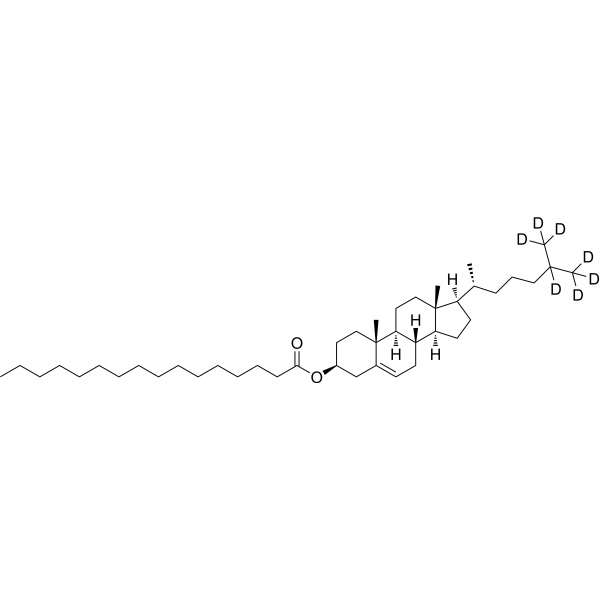
    Cholesteryl palmitate-d7 is deuterium labeled Cholesteryl palmitate. Cholesteryl palmitate is a useful prognostic biomarker for chronic interstitial pneumonia (CIP) .
    Cholesteryl palmitate-d7
  • HY-18343

    MDM-2/p53 Apoptosis Cancer
    CP-31398 can stabilize the active conformation of p53 and promote p53 activity in cancer cells with either mutant or wild-type p53. In addition, CP-31398 can upregulate p53 target genes, such as p21WAF1/Cip1 and KILLER/DR5. CP-31398 exerts an inhibitory effect on tumor growth .
    CP-31398
  • HY-10226

    R306465

    Apoptosis HDAC Cancer
    JNJ-16241199 (R306465) is an orally active, selectivehydroxamate-based histone deacetylase (HDAC) inhibitor, with theIC50of 3.3 nM and 23 nM for HDAC1and HDAC8, respectively.JNJ-16241199induces histone 3 acetylation and strongly increases the expression of p21 waf1, cip1 in A2780 ovarian carcinoma cells.JNJ-16241199 inducescell apoptosisand shows anticancer activityin a broad spectrum of human malignancies. JNJ-16241199 can be used for cancer study .
    JNJ-16241199
  • HY-RS24865

    Small Interfering RNA (siRNA) Others

    Cip2a Rat Pre-designed siRNA Set A contains three designed siRNAs for Cip2a gene (Rat), as well as a negative control, a positive control, and a FAM-labeled negative control.

    Cip2a Rat Pre-designed siRNA Set A
    Cip2a Rat Pre-designed siRNA Set A
  • HY-RS02718

    Small Interfering RNA (siRNA) Others

    CIP2A Human Pre-designed siRNA Set A contains three designed siRNAs for CIP2A gene (Human), as well as a negative control, a positive control, and a FAM-labeled negative control.

    CIP2A Human Pre-designed siRNA Set A
    CIP2A Human Pre-designed siRNA Set A
  • HY-P4874

    Melanocortin Receptor Metabolic Disease
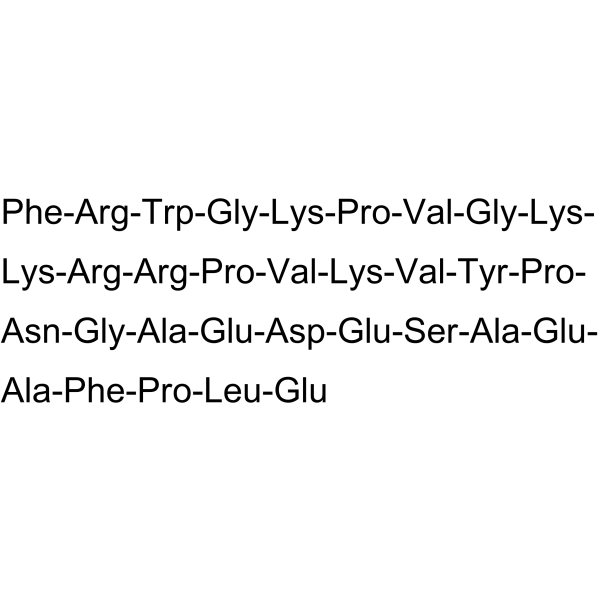
    ACTH (7-38) (human) is the 7-38 fragment of human ACTH (1-39). human ACTH (1-39), known as a corticotropin inhibitory peptide (CIP), is an antagonist of the ACTH receptor and has no any corticosteroid activity .
    ACTH (7-38) (human)
  • HY-RS08491

    Small Interfering RNA (siRNA) Others

    MLIP Human Pre-designed siRNA Set A contains three designed siRNAs for MLIP gene (Human), as well as a negative control, a positive control, and a FAM-labeled negative control.

    MLIP Human Pre-designed siRNA Set A
    MLIP Human Pre-designed siRNA Set A
  • HY-168405

    Drug Derivative Neurological Disease
    2C-iP is classified as a phenethylamine.
    2C-iP
  • HY-W751400

    Purapuridine hydrochloride; Solancarpidine hydrochloride; Solasodin hydrochloride

    MDM-2/p53 E1/E2/E3 Enzyme Fungal Apoptosis Infection Cardiovascular Disease Neurological Disease Inflammation/Immunology Cancer
    Solasodine (Purapuridine) hydrochloride is a steroidal alkaloid that occurs in plants of the Solanaceae family. Solasodine hydrochloride induces apoptosis by inhibiting the p53-MDM2 complex, p21Waf1/Cip1, and Bcl-2 proteins. Solasodine hydrochloride has neuroprotective, antifungal, hypotensive, anticancer, antiatherosclerotic, antiandrogenic and anti-inflammatory activities .
    Solasodine hydrochloride
  • HY-W010708S

    Endogenous Metabolite Inflammation/Immunology
    Cholesteryl palmitate-d9 is the deuterium labeled Cholesteryl palmitate. Cholesteryl palmitate is a useful prognostic biomarker for chronic interstitial pneumonia (CIP).
    Cholesteryl palmitate-d9
  • HY-W010708S2

    Isotope-Labeled Compounds Endogenous Metabolite Inflammation/Immunology
    Cholesteryl palmitate-d31 is deuterium labeled Cholesteryl palmitate. Cholesteryl palmitate is a useful prognostic biomarker for chronic interstitial pneumonia (CIP) .
    Cholesteryl palmitate-d31
  • HY-159110

    Drug Derivative Others
    ABA-DMNB is a photo-caged chemically induced proximity (CIP) inducer. ABA-DMNB is a photo-caged ABA (Abscisic acid (HY-100560)). ABA-DMNB can be uncaged under light irradiation and generate active ABA .
    ABA-DMNB
  • HY-126787

    YP-02259L-C

    Bacterial Infection Inflammation/Immunology
    17-Hydroxyventuricidin A (YP-02259L-C) is an antimicrobial compound.17-Hydroxyventuricidin A inhibits the growth of the two tested filamentous fungi (Verticillium dahlia and Fusarium sp.) and of Candida tropicalis R2 CIP203 .
    17-Hydroxyventuricidin A
  • HY-121989

    (Z)-3,5,4'-Trimethoxystilbene

    Microtubule/Tubulin HCV CDK Akt PAK Infection Metabolic Disease Cancer
    cis-Trismethoxy resveratrol ((Z)-3,5,4'-Trimethoxystilbene) is an anti-HCV agent and Tubulin inhibitor, with an IC50 of 4 μM against Tubulin. cis-Trismethoxy resveratrol induces G2/M phase cell cycle arrest, reduces DCLK1, decreases CDK1 levels, blocks phosphorylation of Akt Ser 473, and induces the expression of p21 Cip1/Waf1. cis-Trismethoxy resveratrol exhibits anti-tumor and hepatoprotective activities. cis-Trismethoxy resveratrol can be used in studies related to colon adenocarcinoma, hepatocellular carcinoma, hepatitis C, and liver injury .
    cis-Trismethoxy resveratrol
  • HY-P10914

    MDM-2/p53 Autophagy Inflammation/Immunology Cancer
    D-CopA3 is the inhibitor for MDM2 and the activator for p53 signaling pathway. D-CopA3 exhibits cytotoxicity in colorectal cancer cells HCT-116, LoVo, and RKO (IC50=15-18 μM), induces JNK/Beclin-1 mediated autophagy. D-CopA3 downregulates the expression of cell cycle inhibitory protein p21Cip1/Waf1, enhances the mucosal barrier function and reduces penetration of inflammatory mediators. D-CopA3 exhibits anti-inflammtory activity in mouse C. difficile toxin A-induced acute enteritis models and DSS (HY-116282)-induced chronic colitis models. D-CopA3 exhibits antitumor efficacy in mouse HCT-116 xenograft models .
    D-CopA3
  • HY-139296

    Akt Cancer
    PP2A Cancerous-IN-1 is a strong and potent CIP2A (Cancerous inhibitor of PP2A) and p-Akt inhibitor. PP2A Cancerous-IN-1 shows the most potent antiproliferative activities . PP2A Cancerous-IN-1 is a click chemistry reagent, it contains an Alkyne group and can undergo copper-catalyzed azide-alkyne cycloaddition (CuAAc) with molecules containing Azide groups.
    PP2A Cancerous-IN-1
  • HY-179585

    Apoptosis Cancer
    DD-CIP2 is a DNA damage and apoptosis inducer. DD-CIP2 demonstrates effective anti-proliferative activity against multiple cancer cell. DD-CIP2 modulates the DNA damage response pathway, triggering robust DNA damage, cell cycle arrest, and apoptosis in vitro. DD-CIP2 demonstrates significant anti-tumor efficacy in vivo at well-tolerated doses, without substantial toxicity. DD-CIP2 exhibits superior cytotoxic potency against a broad panel of blood-and solid-tumor-derived cancer cell lines independent of their BRCA1/2 status. DD-CIP2 can be used for small-cell lung cancer (SCLC) and non small-cell lung cancer (NSCLC) research .
    DD-CIP2
  • HY-RS18384

    Small Interfering RNA (siRNA) Others

    Cip2a Mouse Pre-designed siRNA Set A contains three designed siRNAs for Cip2a gene (Mouse), as well as a negative control, a positive control, and a FAM-labeled negative control.

    Cip2a Mouse Pre-designed siRNA Set A
    Cip2a Mouse Pre-designed siRNA Set A
  • HY-RS16448

    Small Interfering RNA (siRNA) Others

    AK6 Human Pre-designed siRNA Set A contains three designed siRNAs for AK6 gene (Human), as well as a negative control, a positive control, and a FAM-labeled negative control.

    AK6 Human Pre-designed siRNA Set A
    AK6 Human Pre-designed siRNA Set A
  • HY-N13944

    Apoptosis Cancer
    Argyrin F a cyclic peptide with antitumoral activities. Argyrin F inhibits cell proliferation, migration, invasion and colony formation by partial induction of apoptosis and epithelial-mesenchymal transition (EMT). Argyrin F stabilizes p27 kip, up-regulated p21 waf1/cip1 and depletes COX2. Argyrin F can be used for the study of pancreatic ductal adenocarcinoma (PDAC) .
    Argyrin F
  • HY-108521R

    Reference Standards RAR/RXR Apoptosis MDM-2/p53 Metabolic Disease Cancer
    HX531 (Standard) is the analytical standard of HX531 (HY-108521). This product is intended for research and analytical applications. HX531 is an orally active RXR antagonist with an IC50 of 18 nM. HX531 upregulates the p53-p21Cip1 pathway. HX531 abrogates the anti-apoptotic effect of t-RA. HX531 exerts anti-obesity, anti-diabetic and anti-melanoma activities .
    HX531 (Standard)
  • HY-W097625R

    Toll-like Receptor (TLR) MyD88 p38 MAPK NF-κB Heme Oxygenase (HO) Reference Standards PERK Neurological Disease Metabolic Disease Inflammation/Immunology Cancer
    6-Methoxyflavone (Standard) is the analytical standard of 6-Methoxyflavone (HY-W097625). This product is intended for research and analytical applications. 6-Methoxyflavone is an orally active methoxyflavone. 6-Methoxyflavone suppresses neuroinflammation in microglia through the inhibition of TLR4/MyD88/p38 MAPK/NF-κB dependent pathways and the activation of HO-1/NQO-1 signaling. 6-Methoxyflavone induces S-phase arrest through the CCNA2/CDK2/p21CIP1 signaling pathway and activates the PERK/EIF2a/ATF4/CHOP pathway in HeLa cells. 6-Methoxyflavone acts as a Flumazenil (HY-B0009)-insensitive positive allosteric modulator at human recombinant α1β2γ2L and α2β2γ2L GABAα receptors. 6-Methoxyflavone inhibits NFAT Translocation into the nucleus and suppresses T cell activation. 6-Methoxyflavone partially restores chronic ethanol-induced behavioral deficits in mice. 6-Methoxyflavone antagonizes chronic constriction injury and diabetes associated neuropathic nociception expression. 6-Methoxyflavone can be used for the study of cancer, inflammation and neurological diseases .
    6-Methoxyflavone (Standard)
  • HY-10226R

    R306465 (Standard)

    Reference Standards Apoptosis HDAC Cancer
    JNJ-16241199 (Standard) is the analytical standard of JNJ-16241199 (HY-10226). This product is intended for research and analytical applications. JNJ-16241199 (R306465) is an orally active, selectivehydroxamate-based histone deacetylase (HDAC) inhibitor, with theIC50of 3.3 nM and 23 nM for HDAC1and HDAC8, respectively.JNJ-16241199induces histone 3 acetylation and strongly increases the expression of p21waf1, cip1 in A2780 ovarian carcinoma cells.JNJ-16241199 inducescell apoptosisand shows anticancer activityin a broad spectrum of human malignancies. JNJ-16241199 can be used for cancer study .
    JNJ-16241199 (Standard)

Inquiry Online

Your information is safe with us. * Required Fields.

Salutation


Country or Region *

Applicant Name *


Organization Name *

Department *


Email Address *


Product Name *

Cat. No.


Requested quantity *

Phone Number *


Remarks

Inquiry Online

Inquiry Information

Product Name:
Cat. No.:
Quantity:
MCE Japan Authorized Agent:

