34 Results for "

Complex IV

" in MedChemExpress (MCE) Product Catalog:
Products (34)

34 Results for "Complex IV" in MCE Product Catalog:

59
59 Publications Verification
Cat. No.: HY-N6716
CAS No.: 11078-21-0
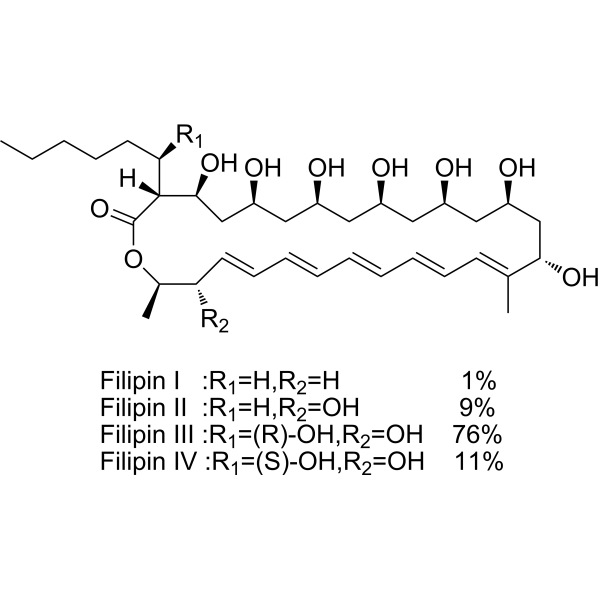
Filipin complex is a potent polyene macrolide antifungal antibiotic. Filipin complex inserts into membranes and sequester cholesterol into complexes and inhibits PRRSV entry. The Filipin complex consists of about 75.8% Filipin III (HY-N6718), 10.8% Filipin IV, 9.1% Filipin II, and 1.2% Filipin I (Ex/Em = 380/430 nm) .
loading...
    loading...
19
19 Cited Publications
Cat. No.: HY-13650
CAS No.: 165668-41-7
Purity:  99.80%
Synonyms: E 7070
Research Areas:  

Cancer

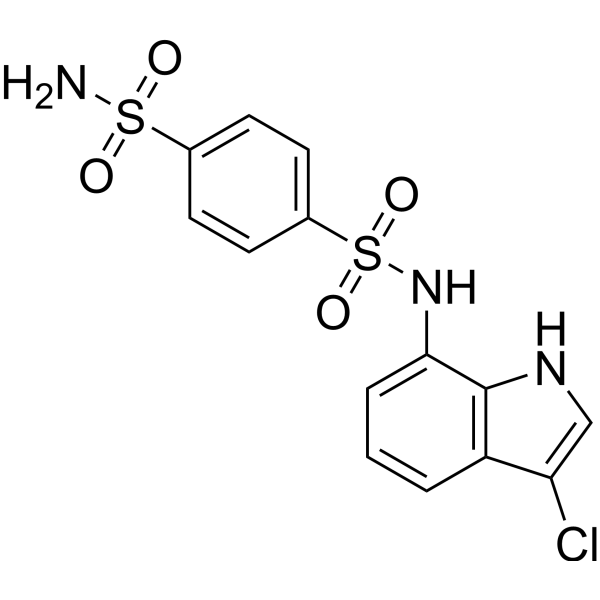
Indisulam (E 7070) is a carbonic anhydrase inhibitor and RBM39 molecular glue degrader, with Ki values of 31, 15, and 24 nM against human carbonic anhydrase I, II, and IX, respectively, and a Ki value of 65 nM against bovine carbonic anhydrase IV. Indisulam promotes the recruitment of RBM39 to the CUL4-DCAF15 E3 ubiquitin ligase complex, triggering polyubiquitination and proteasomal degradation of RBM39. Indisulam induces aberrant pre-mRNA splicing, G1 cell cycle arrest, and cell death in cancer cells. As an anticancer agent, Indisulam drives tumor regression and growth inhibition in xenograft models. Indisulam can be used in research related to solid tumors, hematologic and lymphoid malignancies, colorectal cancer, and non-small cell lung cancer .
loading...
    loading...
1
1 Cited Publications
Cat. No.: HY-W007712
CAS No.: 3430-17-9
Synonyms: 2-Bromo-3-picoline
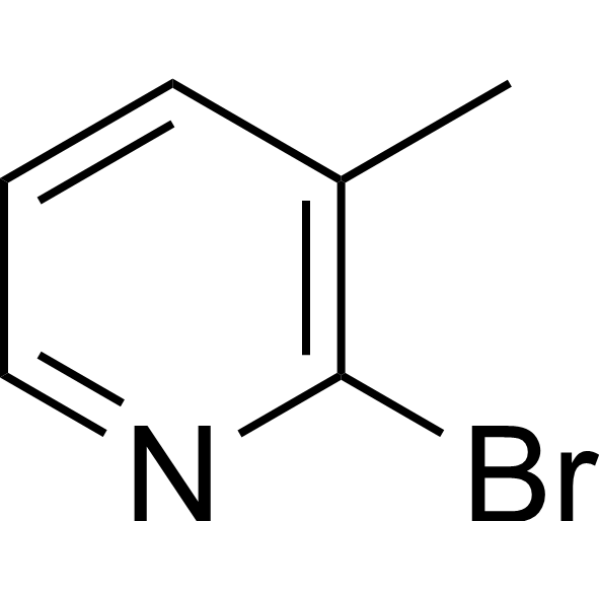
2-Bromo-3-methylpyridine (2-Bromo-3-picoline) is a heterocyclic intermediate of the halomethylpyridine family. 2-Bromo-3-methylpyridine can be used in the synthesis of platinum(IV) diazide complexes .
loading...
    loading...
Cat. No.: HY-W012145
CAS No.: 637-01-4
Target:  

Others

Research Areas:  

Metabolic Disease

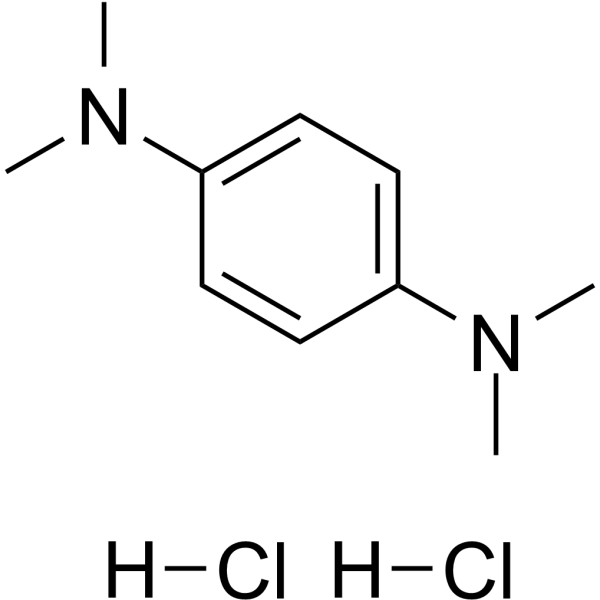
TMPD dihydrochloride, a readily oxidizable compound, is an enzymatically convert redox active substrate molecule. TMPD dihydrochloride is also an electron donor and serves as a reducing cosubstrate for heme peroxidases . TMPD dihydrochloride is also a complex IV substrate .
loading...
    loading...
Cat. No.: HY-114220
CAS No.: 873546-31-7
Purity:  98.41%
Research Areas:  

Infection

T-2307 is an antifungal agent with blood-brain barrier penetration. T-2307 exhibits broad-spectrum antifungal activity against Candida species, including echinocandin-resistant strains, Cryptococcus neoformans, Cryptococcus gattii, and some Aspergillus species. T-2307 selectively targets fungal mitochondrial respiratory chain complexes III and IV, causing collapse of the fungal mitochondrial membrane potential and exerting fungicidal or fungistatic effects. T-2307 can be used in research related to fungal infections such as invasive candidiasis, cryptococcosis, and aspergillosis .
loading...
    loading...
Cat. No.: HY-DY1017
CAS No.: 11078-21-0
Filipin complex (solution) is a potent polyene macrolide antifungal antibiotic. Filipin complex inserts into membranes and sequester cholesterol into complexes and inhibits PRRSV entry. The Filipin complex consists of about 75.8% Filipin III (HY-N6718) , 10.8% Filipin IV, 9.1% Filipin II, and 1.2% Filipin I (Ex/Em = 380/430 nm) .
Solvent and concentration: DMSO: 5 mg/mL
loading...
    loading...
Cat. No.: HY-W017831
CAS No.: 25021-08-3
Research Areas:  

Others

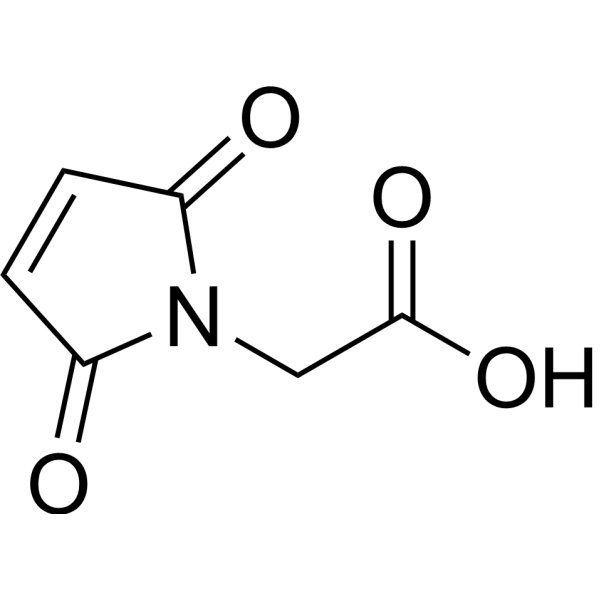
2-Maleimido acetic acid is a maleimide-containing carboxylic acid ligand used to prepare Pt(IV) complexes capable of undergoing Diels-Alder reaction with furan derivatives for drug targeting and delivery applications .
loading...
    loading...
Cat. No.: HY-U00035
CAS No.: 1000277-08-6
Research Areas:  

Infection

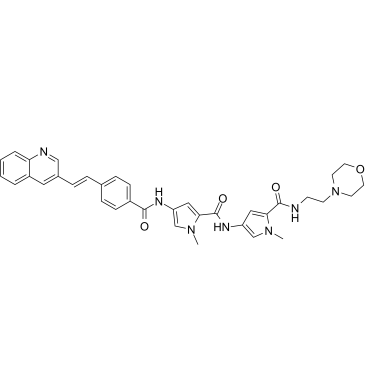
MGB-BP-3 is an orally aective Gram-positive bactericide and DNA-binding agent. MGB-BP-3 blocks transcription initiation by binding to AT-rich bacterial DNA regions, and interferes with the functions of DNA gyrase and topoisomerase IV, but does not stabilize cleavage complexes or induce the SOS response. MGB-BP-3 induces energy depletion in *Staphylococcus aureus* and inhibits spore formation in *Clostridioides difficile*, exhibiting intrinsic resistance resilience. MGB-BP-3 can be used in the research of *Clostridioides difficile*-associated diseases .
loading...
    loading...
Cat. No.: HY-125857B
CAS No.: 9007-43-6
Cytochrome C (Saccharomyces cerevisiae) is a type C cytochrome located in the intermembrane space of the mitochondria. As an electron carrier, Cytochrome C (Saccharomyces cerevisiae) transfers electrons between complex III (cytochrome c reductase) and complex IV (cytochrome c oxidase, CIV) of the respiratory chain. Cytochrome C (Saccharomyces cerevisiae) can play a crucial role in triggering apoptosis by being released from the mitochondria into the cytosol .
loading...
    loading...
Cat. No.: HY-118075
CAS No.: 606-06-4
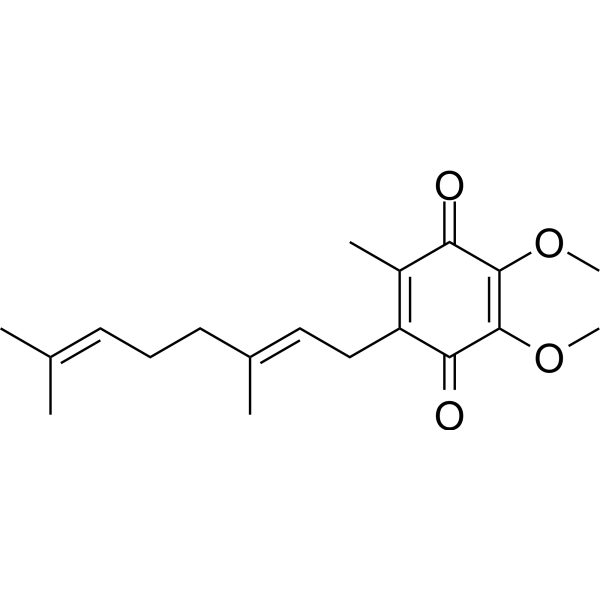
Coenzyme Q2 is a benzoquinone electron carrier in the mitochondrial electron transport chain and a p53-dependent apoptosis inducer. Coenzyme Q2 induces p53 phosphorylation at Ser15, promoting p53 accumulation and functional activation. Coenzyme Q2 induces ROS generation, caspase-3 activation, DNA fragmentation, phosphatidylserine externalization, mitochondrial permeability transition pore opening, and oxidative phosphorylation uncoupling. Coenzyme Q2 inhibits Complex I, Complex III, and Complex IV activities, disrupting electron transport and membrane potential generation. Coenzyme Q2 induces excessive mitochondrial proton leak in forebrain mitochondria. Coenzyme Q2 causes loss of righting reflex in mice, accompanied by slow-wave delta EEG activity and reversible loss of wakefulness. Coenzyme Q2 inhibits lipid peroxidation and scavenges superoxide radicals. Coenzyme Q2 is used in research on leukemia, myocardial ischemia-reperfusion injury, and mitochondrial encephalomyopathy .
loading...
    loading...
Cat. No.: HY-132178B
Research Areas:  

Metabolic Disease

Cytochrome C oxidase (complex IV) (EC 7.1.1.9) is the unique terminal oxidase of the mitochondrial respiratory chain (RC) in mammals. Cytochrome C oxidase is made up of thirteen subunits that catalyze the transfer of electrons from ferro-cytochrome c to molecular oxygen .
loading...
    loading...
Cat. No.: HY-W004588
CAS No.: 72914-19-3
Research Areas:  

Others Cancer

tBu2bpy is a bidentate nitrogen ligand that coordinates with Pt (II) and Pt (IV) to form functional complexes. The tBu2bpy Pt (II) bis-crown ether complex selectively recognizes Mg 2+ and Zn 2+; both ions significantly enhance the fluorescence of the complex and cause a blue shift of the absorption peak. Its six-coordinate Pt (IV) complex [Pt (X)2Me2 ( tBu2bpy)] inhibits the proliferation of tumor cells. tBu2bpy Pt (IV) complexes bind to DNA through multiple interactions including partial intercalation, groove binding, and electrostatic interaction, and can competitively displace ethidium bromide and covalently bind to purine nucleotides. tBu2bpy can be used in relevant research in fields such as organic synthesis .
loading...
    loading...
Cat. No.: HY-179392
Research Areas:  

Cancer

Sunitinib-platinum(IV) prodrug-1 (Complex A) is a Pt(IV) prodrug based on Cisplatin (HY-17394), and this design aims to enable Pt(IV) to be reduced to active Pt(II) under intracellular reducing conditions, while simultaneously releasing a derivative of Sunitinib (HY-10255A) with tyrosine kinase inhibitor (TKI) activity. Sunitinib-platinum(IV) prodrug-1 exhibits excellent cytotoxicity against renal cell carcinoma (RCC), causing DNA crosslinking and apoptosis. Sunitinib-platinum(IV) prodrug-1 inhibits the VEGFR/PDGFR signaling pathway, suppressing tumor growth and angiogenesis. Sunitinib-platinum(IV) prodrug-1 can be used for research on renal cell carcinoma .
loading...
    loading...
Cat. No.: HY-136952
CAS No.: 1822331-55-4
p-SCN-Bn-HOPO is a bifunctional chelator that forms stable octadentate complexes with Zr (IV) and 89Zr 4+ via four 1,2-hydroxypyridone groups. p-SCN-Bn-HOPO conjugates with antibodies through the formation of thiourea bonds with lysine residues, and enables efficient 89Zr radiolabeling under mild conditions. p-SCN-Bn-HOPO inhibits bone uptake of free radiometals, stabilizes radiometal-antibody conjugates, and achieves PET imaging with low background and enhanced tumor-to-organ contrast. p-SCN-Bn-HOPO can be used in breast cancer-related research .
loading...
    loading...
Cat. No.: HY-179418
Target:  

Apoptosis

Research Areas:  

Cancer

Ceritinib-platinum(IV)-4-phenylbutyrate (complex 7) is a Ceritinib (HY-15656)-conjugated Platinum(IV) prodrug with anticancer activity. Ceritinib-platinum(IV)-4-phenylbutyrate induces S-phase arrest, DNA damage responses, and apoptosis. Ceritinib-platinum(IV)-4-phenylbutyrate combines cytotoxicity with immune and anti-invasive activation in cancer cell models. Ceritinib-platinum(IV)-4-phenylbutyrate can be used for cancer research, such as non-small cell lung cancer (NSCLC) .
loading...
    loading...
Cat. No.: HY-W009022
CAS No.: 1251-85-0
Diantipyrylmethane is a chromogenic reagent commonly used for the determination of the contents of metals such as Au (III), Ti (IV), Ir, Fe (III), molybdenum, neodymium, U (IV), iridium, platinum and rhenium via spectrophotometry and extraction photometry. Diantipyrylmethane can also form a fluorescent complex with Er (III) ions, which is applied to the determination of erbium .
loading...
    loading...
Cat. No.: HY-178152
RuOPt is a photoactivatable Ru(II)-Pt(IV) complex with reduced dark toxicity. Under irradiation, RuOPt induces apoptosis, generates ROS, and inhibits tumor spheroid growth, demonstrating comparable phototoxicity .
loading...
    loading...
Cat. No.: HY-N8693
CAS No.: 362472-81-9
Withanoside IV is an orally active, blood-brain barrier-permeable withanolide derivative. Withanoside IV specifically binds to the Sudlow I site of HSA, induces secondary structural changes in HSA, and forms stable HSA complexes. Withanoside IV inhibits the enzymatic activity of COX-2. Withanoside IV induces axonal regeneration, peripheral nervous system myelination and increased axonal density in spinal cord tissue, reduces reactive gliosis-related changes, and improves hindlimb motor function. Withanoside IV binds to amyloid-β 1-42 to inhibit its aggregation, induces neurite outgrowth and synapse reconstruction, repairs damaged axons and dendrites, enhances mitochondrial biogenesis, exerts neuroprotective effects via the BDNF and SIRT1 signaling pathways, reduces ROS production and neuronal apoptosis, and ameliorates memory deficits. Withanoside IV inhibits the activity of the SARS-CoV-2 main protease. Withanoside IV can be used in research related to spinal cord injury, Alzheimer's disease, and coronavirus disease 2019 (COVID-19) .
loading...
    loading...
Cat. No.: HY-13650R
CAS No.: 165668-41-7
Synonyms: E 7070 (Standard)
Indisulam (Standard) (E 7070 (Standard)) is the analytical standard of Indisulam (HY-13650). This product is intended for research and analytical applications. Indisulam (E 7070) is a carbonic anhydrase inhibitor and RBM39 molecular glue degrader, with Ki values of 31, 15, and 24 nM against human carbonic anhydrase I, II, and IX, respectively, and a Ki value of 65 nM against bovine carbonic anhydrase IV. Indisulam promotes the recruitment of RBM39 to the CUL4-DCAF15 E3 ubiquitin ligase complex, triggering polyubiquitination and proteasomal degradation of RBM39. Indisulam induces aberrant pre-mRNA splicing, G1 cell cycle arrest, and cell death in cancer cells. As an anticancer agent, Indisulam drives tumor regression and growth inhibition in xenograft models. Indisulam can be used in research related to solid tumors, hematologic and lymphoid malignancies, colorectal cancer, and non-small cell lung cancer .
loading...
    loading...
Cat. No.: HY-114627
CAS No.: 83-28-3
Target:  

Drug Intermediate

Research Areas:  

Others

Valone is an intermediate in the preparation of diorganotin(IV) complexes.
loading...
    loading...

