263 Results for "

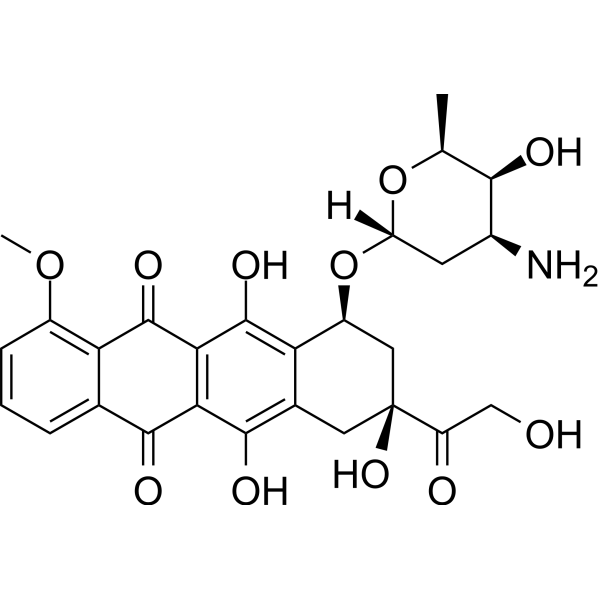
Doxorubicin

" in MedChemExpress (MCE) Product Catalog:
Products (263)

263 Results for "Doxorubicin" in MCE Product Catalog:

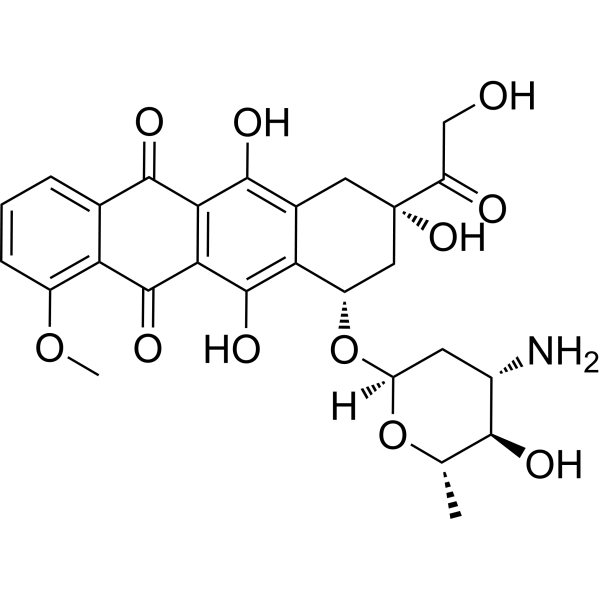
Cat. No.: HY-15142A
CAS No.: 23214-92-8
Synonyms: Hydroxydaunorubicin
Doxorubicin (Hydroxydaunorubicin), a cytotoxic anthracycline antibiotic, is an anti-cancer chemotherapy agent. Doxorubicin is a potent human DNA topoisomerase I and topoisomerase II inhibitor with IC50s of 0.8 μM and 2.67 μM, respectively. Doxorubicin reduces basal phosphorylation of AMPK and its downstream target acetyl-CoA carboxylase. Doxorubicin induces apoptosis and autophagy .
loading...
    loading...
698
698 Publications Verification
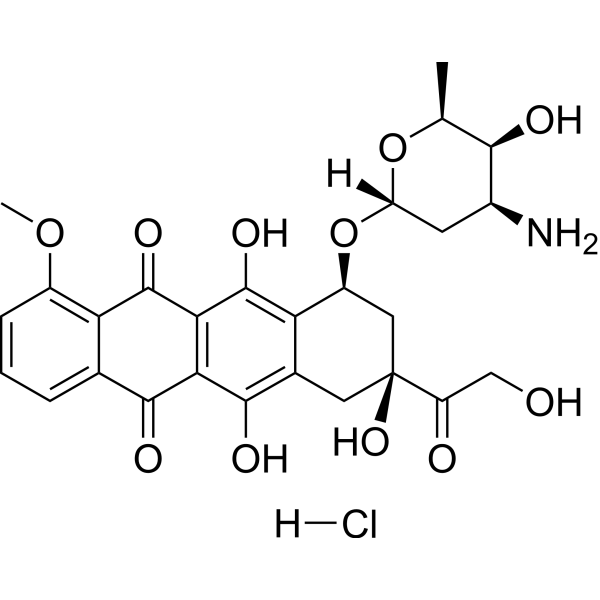
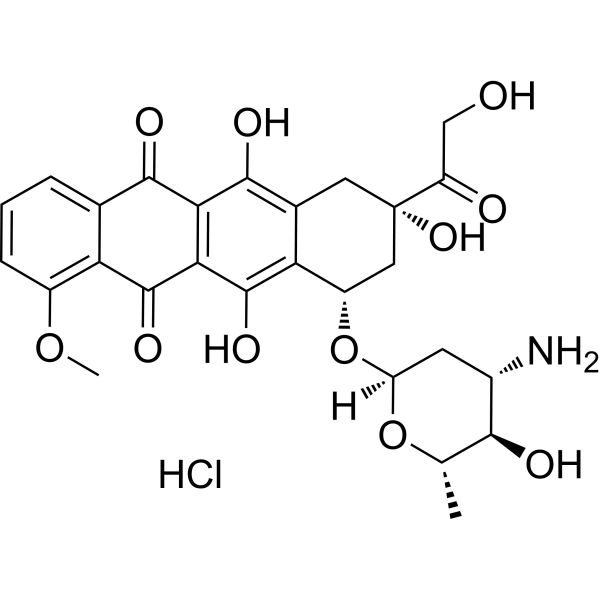
Cat. No.: HY-15142
CAS No.: 25316-40-9
Purity:  99.90%
Synonyms: Hydroxydaunorubicin hydrochloride; ADR
Doxorubicin hydrochloride (Hydroxydaunorubicin hydrochloride; ADR), a cytotoxic anthracycline antibiotic, is an anti-cancer chemotherapy agent. Doxorubicin hydrochloride is a potent human DNA topoisomerase I and topoisomerase II inhibitor with IC50s of 0.8 μM and 2.67 μM, respectively. Doxorubicin hydrochloride reduces basal phosphorylation of AMPK and its downstream target acetyl-CoA carboxylase. Doxorubicin hydrochloride induces apoptosis and autophagy .
loading...
    loading...
129
129 Cited Publications
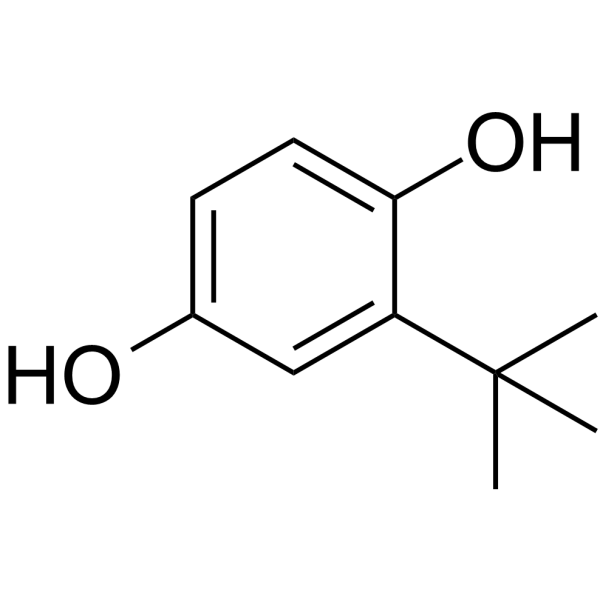
Cat. No.: HY-100489
CAS No.: 1948-33-0
Purity:  99.89%
Synonyms: tert-Butylhydroquinone
TBHQ (tert-Butylhydroquinone) is a widely used Nrf2 activator, protects against Doxorubicin (DOX)-induced cardiotoxicity through activation of Nrf2 . TBHQ (tert-Butylhydroquinone) is also an ERK activator; rescues Dehydrocorydaline (DHC)-induced cell proliferation inhibitionin melanoma .
loading...
    loading...
77
77 Cited Publications
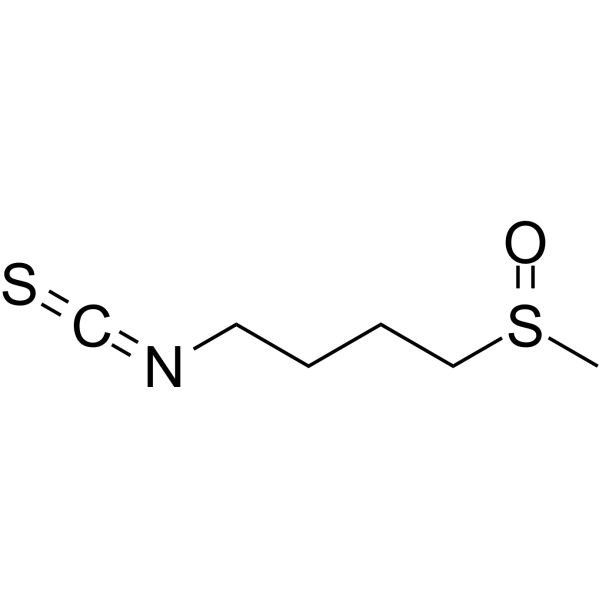
Cat. No.: HY-13755
CAS No.: 4478-93-7
Purity:  98.87%
Sulforaphane is an orally active inducer of the Keap1/Nrf2/ARE pathway. Sulforaphane promotes the transcription of tumor-suppressing proteins and effectively inhibits the activity of HDACs. Through the activation of the Keap1/Nrf2/ARE pathway and further induction of HO-1 expression, Sulforaphane protects the heart. Sulforaphane suppresses high glucose-induced pancreatic cancer through AMPK-dependent signal transmission. Sulforaphane exhibits both anticancer and anti-inflammatory properties .
loading...
    loading...
38
38 Cited Publications
Cat. No.: HY-13624
CAS No.: 56420-45-2
Synonyms: 4'-EpiDoxorubicin
Epirubicin (4'-Epidoxorubicin), a semisynthetic L-arabino derivative of doxorubicin, has an antineoplastic agent by inhibiting Topoisomerase . Epirubicin inhibits DNA and RNA synthesis. Epirubicin is a Forkhead box protein p3 (Foxp3) inhibitor and inhibits regulatory T cell activity .
loading...
    loading...
38
38 Cited Publications
Cat. No.: HY-13624A
CAS No.: 56390-09-1
Purity:  99.15%
Synonyms: 4'-EpiDoxorubicin hydrochloride
Epirubicin hydrochloride (4'-Epidoxorubicin hydrochloride), a semisynthetic L-arabino derivative of doxorubicin, has an antineoplastic agent by inhibiting Topoisomerase . Epirubicin hydrochloride inhibits DNA and RNA synthesis. Epirubicin hydrochloride is a Forkhead box protein p3 (Foxp3) inhibitor and inhibits regulatory T cell activity .
loading...
    loading...
22
22 Cited Publications
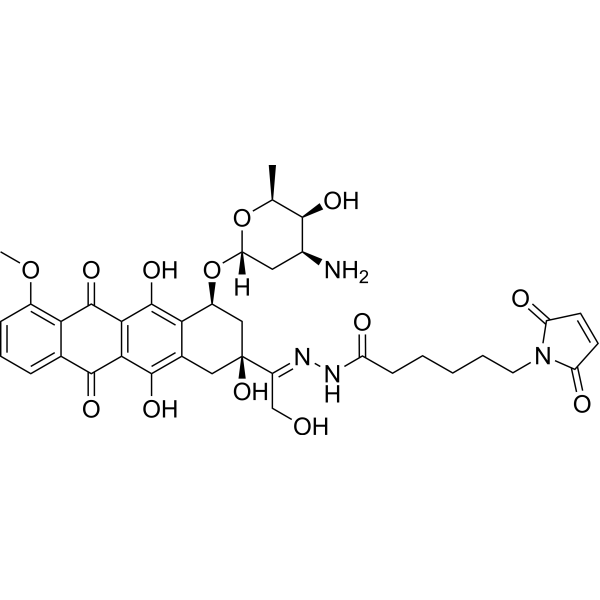
Cat. No.: HY-16261
CAS No.: 1361644-26-9
Synonyms: INNO-206; DOXO-EMCH
Research Areas:  

Cancer

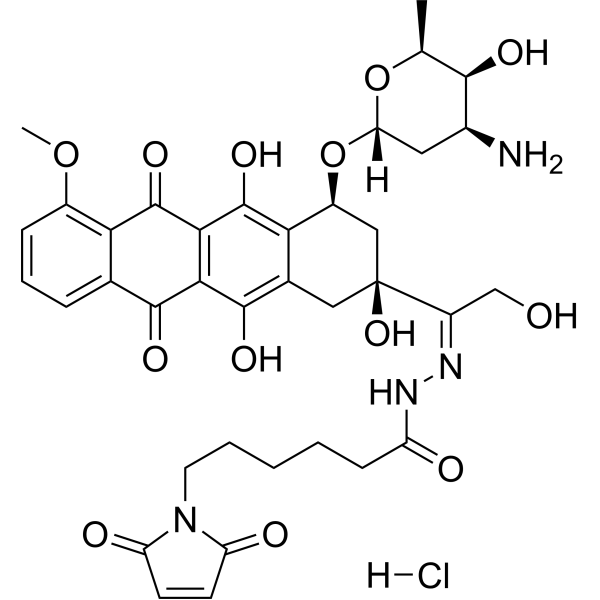
Aldoxorubicin (INNO-206) is an albumin-binding proagent of Doxorubicin (DNA topoisomerase II inhibitor), which is released from albumin under acidic conditions. Aldoxorubicin (INNO-206) has potent antitumor activities in various cancer cell lines and in murine tumor models.
loading...
    loading...
12
12 Cited Publications
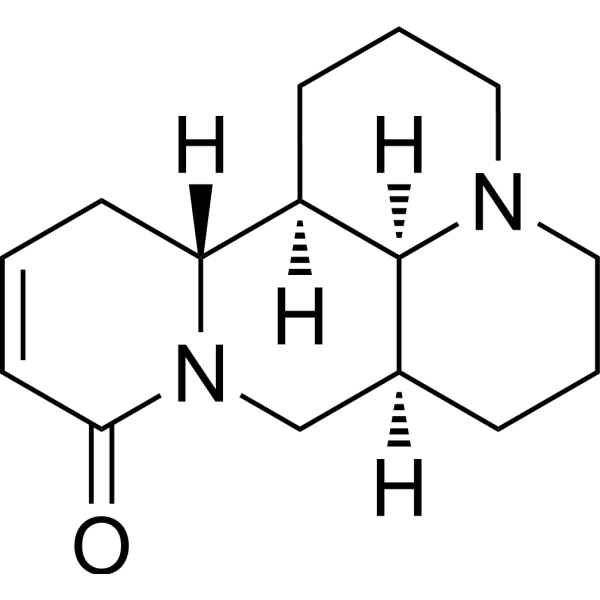
Cat. No.: HY-N0103
CAS No.: 6483-15-4
Sophocarpine is a PTEN activator and an inhibitor of PI3K/Akt, MEK/ERK, and NF-κB signaling pathways. Sophocarpine upregulates PTEN expression and inhibits PI3K/Akt phosphorylation, arrests tumor cell cycle and induces apoptosis. Sophocarpine inhibits MEK/ERK phosphorylation and VEGF secretion, reducing tumor cell migration. Sophocarpine can also inhibit NF-κB activation and p38 and JNK phosphorylation, reduce the expression of inflammatory factors such as iNOS and COX-2, and activate the Nrf2/HO-1 pathway to reduce oxidative stress. Sophocarpine has anti-tumor, anti-inflammatory, antioxidant and anti-apoptotic effects, and can be used in the research of cancers such as glioblastoma and colorectal cancer, inflammation-related diseases, and Doxorubicin (HY-15142A)-induced cardiac damage .
loading...
    loading...
12
12 Cited Publications
Cat. No.: HY-N0103A
CAS No.: 145572-44-7
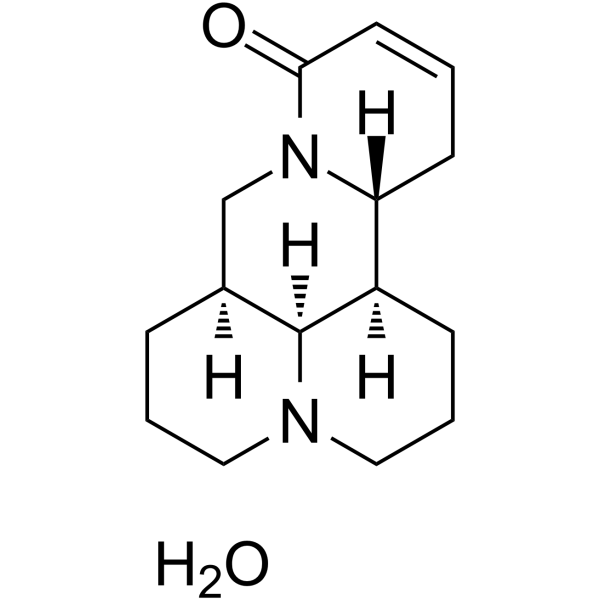
Sophocarpine monohydrate is a PTEN activator and an inhibitor of PI3K/Akt, MEK/ERK, and NF-κB signaling pathways. Sophocarpine monohydrate upregulates PTEN expression and inhibits PI3K/Akt phosphorylation, arrests tumor cell cycle and induces apoptosis. Sophocarpine monohydrate inhibits MEK/ERK phosphorylation and VEGF secretion, reducing tumor cell migration. Sophocarpine monohydrate can also inhibit NF-κB activation and p38 and JNK phosphorylation, reduce the expression of inflammatory factors such as iNOS and COX-2, and activate the Nrf2/HO-1 pathway to reduce oxidative stress. Sophocarpine monohydrate has anti-tumor, anti-inflammatory, antioxidant and anti-apoptotic effects, and can be used in the research of cancers such as glioblastoma and colorectal cancer, inflammation-related diseases, and Doxorubicin (HY-15142A)-induced cardiac damage .
loading...
    loading...
10
10 Cited Publications
Cat. No.: HY-B1041
CAS No.: 1937-19-5
Synonyms: Pimagedine hydrochloride; GER-11; Aminoguanidinium hydrochloride
Target:  

NO Synthase Apoptosis ERK

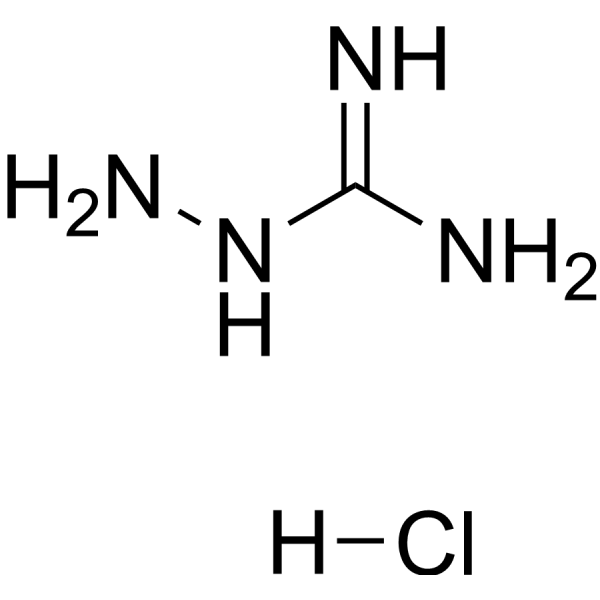
Aminoguanidine (Pimagedine) hydrochloride is an inhibitor of diamine oxidase (DAO) and nitric oxide synthase (NOS). Aminoguanidine hydrochloride can reduce the formation of advanced glycation end products (AGEs). Aminoguanidine hydrochloride has a dose-dependent inhibitory effect on Doxorubicin (HY-15142)-induced cell apoptosis. Aminoguanidine hydrochloride has antioxidant properties. Aminoguanidine hydrochloride can be used in the research of diabetic nephropathy .
loading...
    loading...
10
10 Cited Publications
Cat. No.: HY-W020772
CAS No.: 996-19-0
Synonyms: Pimagedine hemisulfate; GER-11 hemisulfate; Aminoguanidinium hemisulfate
Target:  

NO Synthase Apoptosis ERK

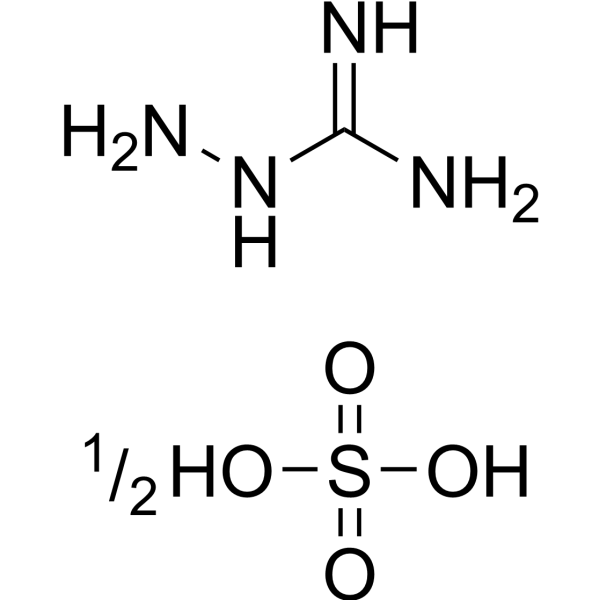
Aminoguanidine (Pimagedine) hemisulfate is an inhibitor of diamine oxidase (DAO) and nitric oxide synthase (NOS). Aminoguanidine hemisulfate can reduce the formation of advanced glycation end products (AGEs). Aminoguanidine hemisulfate has a dose-dependent inhibitory effect on Doxorubicin (HY-15142)-induced cell apoptosis. Aminoguanidine hemisulfate has antioxidant properties. Aminoguanidine hemisulfate can be used in the research of diabetic nephropathy .
loading...
    loading...
8
8 Cited Publications
Cat. No.: HY-N1441
CAS No.: 482-39-3
Synonyms: Kaempferol-3-O-rhamnoside
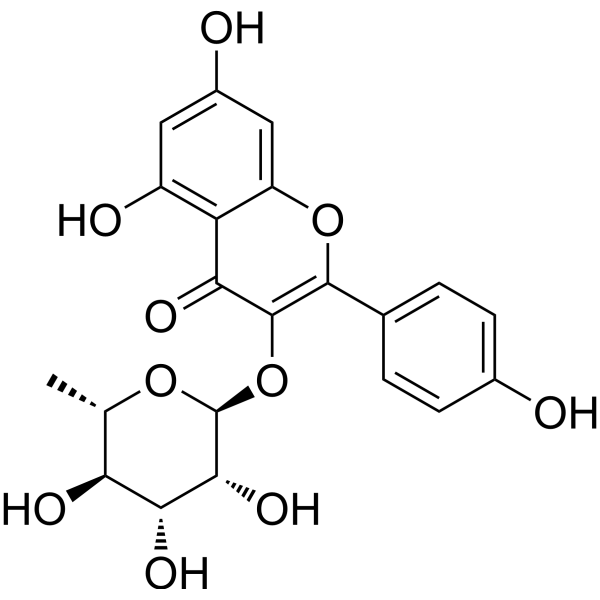
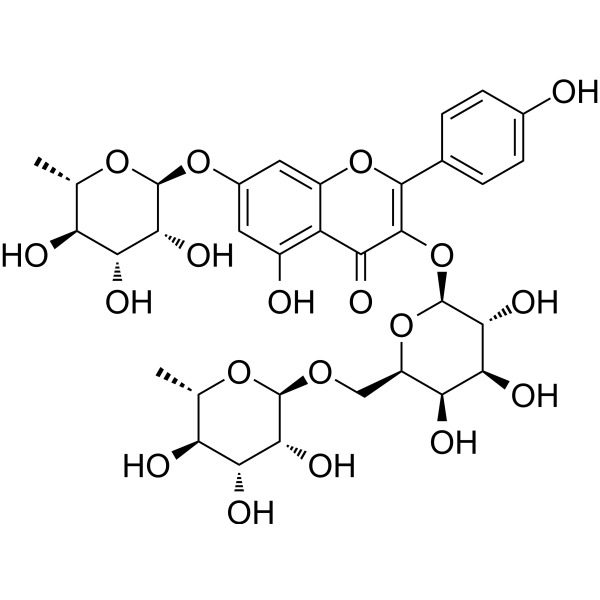
Afzelin (Kaempferol-3-O-rhamnoside)It is a flavonol glycoside that has anti-inflammatory, anti-oxidative stress response, anti-apoptotic, and anti-cardiac cytotoxic effects. AfzelinIt can reduce mitochondrial damage, enhance mitochondrial biosynthesis, and reduce mitochondria-related proteins. Parkinand PTENinduced putative kinase 1 (putative kinase 1)s level. AfzelinCan be improved D-galactosamine(GalN)/LPSSurvival rate of mice treated with doxorubicin prophylaxis (HY-15142A)Induced cardiotoxicity and scopolamine (HY-N0296)-induced neurological injury. AfzelinAlso inhibits asthma and allergies caused by ovalbumin .
loading...
    loading...
7
7 Cited Publications
Cat. No.: HY-N1346
CAS No.: 301-19-9
Robinin is a flavonoid that can be extracted from the leaves of purple cowpea, inhibiting TGF-β, TLR4/NF-κB and TLR2-PI3k-AKT signaling pathways. Robinin exerts anti-inflammatory and anti-tumor effects. The combination of Robinin and Methotrexate (HY-14519) reduces inflammation in experimental arthritis, Robinin can decrease the Doxorubicin (HY-15142A) induced cardiac toxicity effect .
loading...
    loading...
6
6 Cited Publications
Cat. No.: HY-P5321
CAS No.: 152051-61-1
Target:  

FGFR

Research Areas:  

Cancer

bFGF (119-126) is a ligand of bFGF. The complex formed by bFGF (119-126) and bFGF can bind to FGFR1, while inhibiting the bFGF-FGFR1 interaction, FGFR1 phosphorylation and downstream signaling pathways. Therefore, bFGF (119-126) induces cell apoptosis and inhibits cell proliferation, migration, angiogenesis and metastasis. When conjugated with a carrier, bFGF (119-126) enhances cellular uptake via FGFR-mediated endocytosis and serves as an effective FGFR-targeted ligand. When used in combination with ultrasound and Doxorubicin (HY-15142A), bFGF (119-126) significantly enhances the inhibitory effect on tumors. bFGF (119-126) is applicable to research related to lung cancer, breast cancer, glioblastoma and ovarian cancer .
loading...
    loading...
5
5 Cited Publications
Cat. No.: HY-15142R
CAS No.: 25316-40-9
Synonyms: Hydroxydaunorubicin hydrochloride (Standard); ADR (Standard)
Doxorubicin hydrochloride (Standard) is the analytical standard of Doxorubicin hydrochloride. This product is intended for research and analytical applications. Doxorubicin (Hydroxydaunorubicin) hydrochloride, a cytotoxic anthracycline antibiotic, is an anti-cancer chemotherapy agent. Doxorubicin hydrochloride is a potent human DNA topoisomerase I and topoisomerase II inhibitor with IC50s of 0.8 μM and 2.67 μM, respectively. Doxorubicin hydrochloride reduces basal phosphorylation of AMPK and its downstream target acetyl-CoA carboxylase. Doxorubicin hydrochloride induces apoptosis and autophagy .
loading...
    loading...
5
5 Cited Publications
Cat. No.: HY-16261B
CAS No.: 480998-12-7
Synonyms: (E/Z)-AlDoxorubicin hydrochloride; Doxorubicin(6-maleimidocaproyl)hydrazone hydrochloride
Research Areas:  

Cancer

MC-DOXHZN ((E/Z)-Aldoxorubicin; Doxorubicin(6-maleimidocaproyl)hydrazone) hydrochloride is an albumin-binding proagent of Doxorubicin (HY-15142A) (DNA topoisomerase II inhibitor), with acid-sensitive properties. MC-DOXHZN hydrochloride can be used to synthesize ADC .
loading...
    loading...
5
5 Cited Publications
Cat. No.: HY-W009203
CAS No.: 30925-07-6
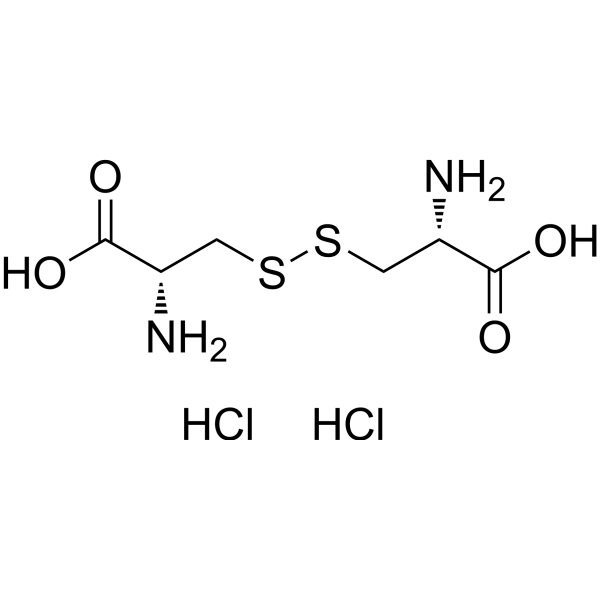
L-Cystine dihydrochloride is the dihydrochloride salt form of L-Cystine (HY-N0394). L-Cystine dihydrochloride elevates Nrf2 protein expression and activates Nrf2 transcription factor. L-cystine dihydrochloride reduces ROS generation and protects against oxidant- or Doxorubicin (HY-15142A)-induced apoptosis. L-Cystine dihydrochloride combined with L-theanine (HY-15121) enhances the production of antigen-specific IgG by increasing glutathione (GSH) levels and T helper 2 (Th2) mediated responses in mice. L-Cystine dihydrochloride is promising for research of cystinuria and kidney stones
loading...
    loading...
5
5 Cited Publications
Cat. No.: HY-N0394
CAS No.: 56-89-3
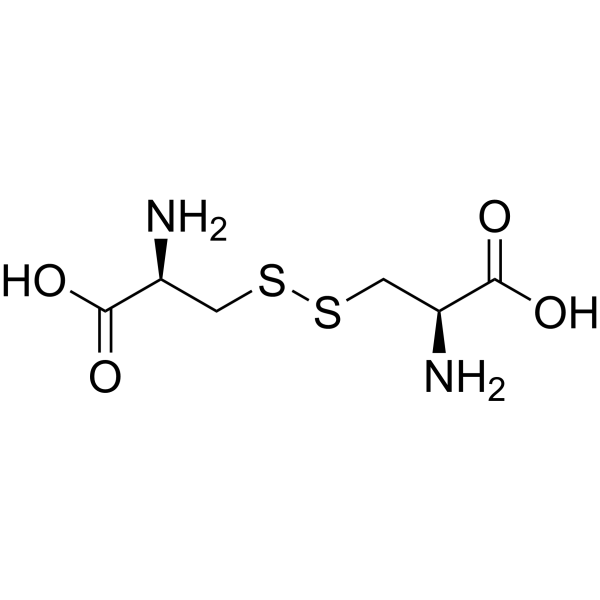
L-Cystine is an orally active extracellular form of L-Cysteine (HY-Y0337), occurring in proteins of plants and animals. L-Cystine elevates Nrf2 protein expression and activates Nrf2 transcription factor. L-cystine reduces ROS generation and protects against oxidant- or Doxorubicin (HY-15142A)-induced apoptosis. L-Cystine combined with L-theanine (HY-15121) enhances the production of antigen-specific IgG by increasing glutathione (GSH) levels and T helper 2 (Th2) mediated responses in mice. L-Cystine is promising for research of cystinuria and kidney stones
loading...
    loading...
4
4 Cited Publications
Cat. No.: HY-17507
CAS No.: 102625-70-7
Synonyms: BY1023; SKF96022
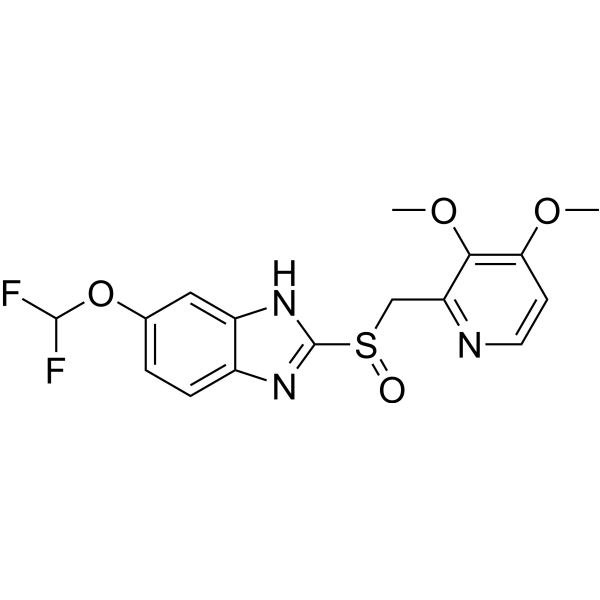
Pantoprazole (BY10232) is an orally active and potent proton pump inhibitor (PPI) . Pantoprazole, a substituted benzimidazole, is a potent H +/K +-ATPase inhibitor with an IC50 of 6.8 μM. Pantoprazole improves pH stability and has anti-secretory, anti-ulcer activities. Pantoprazole significantly increased tumor growth delay combined with Doxorubicin (HY-15142) .
loading...
    loading...
4
4 Cited Publications
Cat. No.: HY-N6712
CAS No.: 87-11-6
Synonyms: Acetopyrrothin
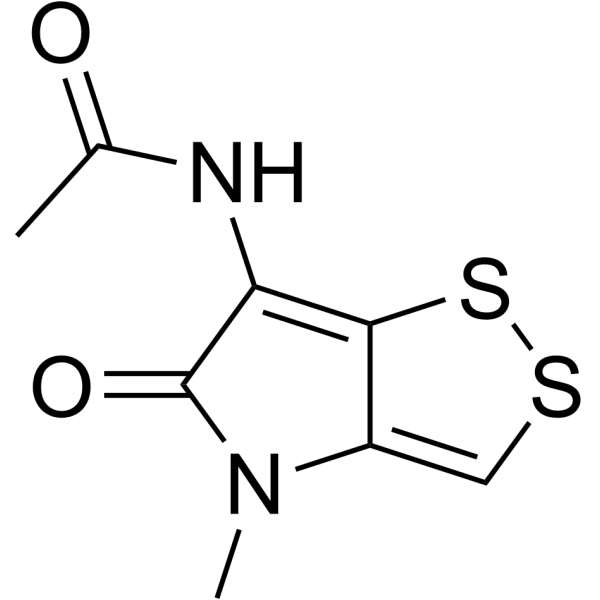
Thiolutin (Acetopyrrothin) is a sulfur-containing antibiotic, which is a potent inhibitor of bacterial and yeast RNA polymerases. Thiolutin can be produced by Streptomyces. Thiolutin inhibits AMSH (IC50 = 4 μM) and Rpn11 (IC50 = 0.53 μM). Thiolutin is a dual inhibitor of BRCC36 and the NLRP3 inflammasome, exhibiting anti-inflammatory effects. Thiolutin effectively suppresses the interaction between BRCC36 and HMGCR, leading to the inhibition of HCC growth. Thiolutin attenuates pyroptosis and NLRP3 inflammasome activation. Thiolutin markedly alleviates renal injury and inflammatory process in IgAN. Thiolutin is an anti-angiogenic compound which can ease Doxorubicin-induced cardiotoxicity (DOXIC) [1][2][3][4][5].
loading...
    loading...

