213 Results for "

ETC inhibitor

" in MedChemExpress (MCE) Product Catalog:
Products (213)

213 Results for "ETC inhibitor" in MCE Product Catalog:

42
42 Publications Verification
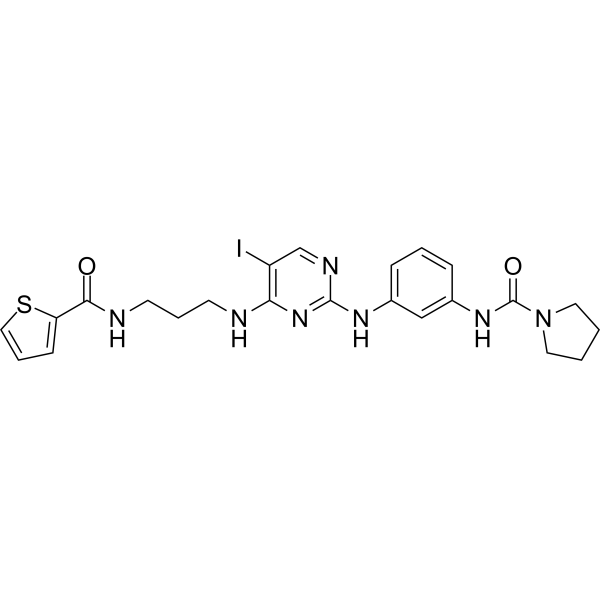
Cat. No.: HY-10514
CAS No.: 702675-74-9
Purity:  99.84%
Target:  

PDK-1 IKK Autophagy

Research Areas:  

Cancer

BX795 is a potent and selective inhibitor of PDK1, with an IC50 of 6 nM. BX795 is also a potent and relatively specific inhibitor of TBK1 and IKKε, with an IC50 of 6 and 41 nM, respectively. BX795 blocks phosphorylation of S6K1, Akt, PKCδ, and GSK3β, and has lower selectivity over PKA, PKC, c-Kit, GSK3β etc. BX795 modulates autophagy .
loading...
    loading...
25
25 Cited Publications
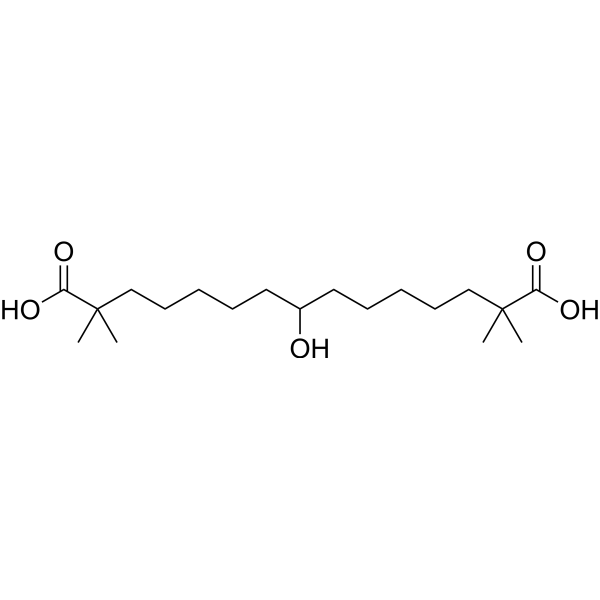
Cat. No.: HY-12357
CAS No.: 738606-46-7
Purity:  99.97%
Synonyms: ETC-1002; ESP-55016
Target:  

ATP Citrate Lyase AMPK

Research Areas:  

Metabolic Disease

Bempedoic acid (ETC-1002) is an ATP-citrate lyase (ACL) inhibitor . Bempedoic acid (ETC-1002) activates AMPK .
loading...
    loading...
24
24 Cited Publications
Cat. No.: HY-164388
CAS No.: 162852-62-2
Z-VAD is an irreversible, broad-spectrum pan-caspase inhibitor that can inhibit a variety of caspases including caspase-3, -6, -7, -8, -9, etc. (with a weaker inhibitory effect on caspase-2). Z-VAD can block apoptosis signaling pathways, induce autophagy and necrosis in tumor cells, and has anti-angiogenic activity. Z-VAD can enhance the sensitivity of breast cancer and lung cancer cells to radiotherapy in vitro and in vivo, and prolong the growth delay of tumor xenograft models. Z-VAD is well tolerated and is mainly used in research related to cancer radiosensitization and cell death pathway regulation .
loading...
    loading...
24
24 Cited Publications
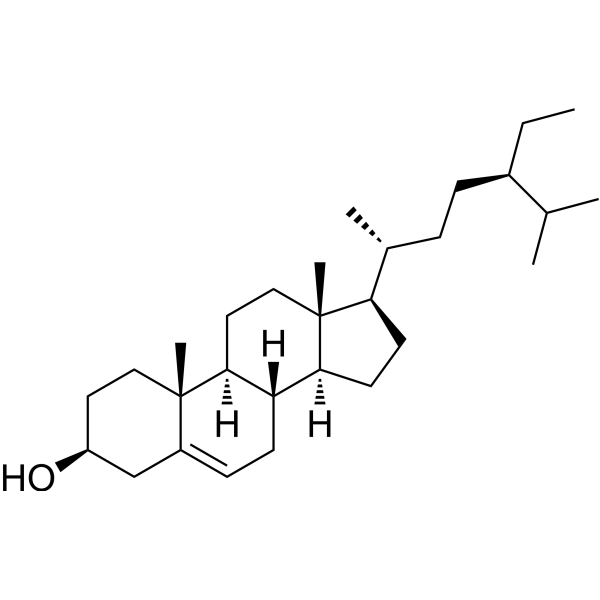
Cat. No.: HY-N0171
CAS No.: 83-46-5
Beta-Sitosterol (purity≥80%) is orally active. Beta-Sitosterol exhibits multiple activities, including anti-inflammatory, anticancer, antioxidant, antimicrobial, antidiabetic, antioxidant enzyme, and analgesic. Beta-Sitosterol inhibits inflammation and impaired adipogenesis in bovine mammary epithelial cells by reducing levels of ROS, TNF-α, IL-1β, and NF-κB p65 and restoring the activity of the HIF-1α/mTOR signaling pathway. Beta-Sitosterol induces apoptosis in cancer cells through ROS-mediated mitochondrial dysregulation and p53 activation. Beta-Sitosterol exerts its anticancer effects in cancer cells by activating caspase-3, caspase-8, and caspase-9, mediating PARP inactivation, MMP loss, altered Bcl-2-Bax ratio, and cytochrome c release. Beta-Sitosterol modulates macrophage polarization and reduces rheumatoid inflammation in mice. Beta-Sitosterol inhibits tumor growth in multiple mouse cancer models. Beta-Sitosterol can be used in the research of arthritis, lung cancer, breast cancer and other cancers, diabetes, etc .
loading...
    loading...
24
24 Cited Publications
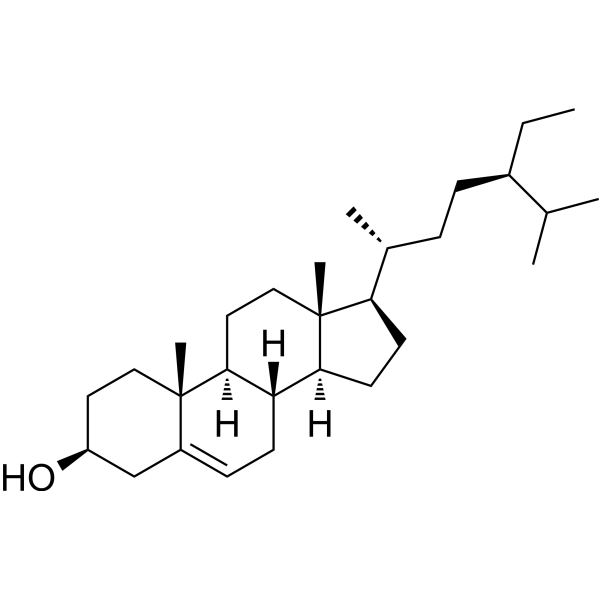
Cat. No.: HY-N0171A
CAS No.: 83-46-5
Synonyms: β-Sitosterol (purity>98%); 22,23-Dihydrostigmasterol (purity>98%)
Beta-Sitosterol (purity>98%) is orally active. Beta-Sitosterol exhibits multiple activities, including anti-inflammatory, anticancer, antioxidant, antimicrobial, antidiabetic, antioxidant enzyme, and analgesic. Beta-Sitosterol inhibits inflammation and impaired adipogenesis in bovine mammary epithelial cells by reducing levels of ROS, TNF-α, IL-1β, and NF-κB p65 and restoring the activity of the HIF-1α/mTOR signaling pathway. Beta-Sitosterol induces apoptosis in cancer cells through ROS-mediated mitochondrial dysregulation and p53 activation. Beta-Sitosterol exerts its anticancer effects in cancer cells by activating caspase-3, caspase-8, and caspase-9, mediating PARP inactivation, MMP loss, altered Bcl-2-Bax ratio, and cytochrome c release. Beta-Sitosterol modulates macrophage polarization and reduces rheumatoid inflammation in mice. Beta-Sitosterol inhibits tumor growth in multiple mouse cancer models. Beta-Sitosterol can be used in the research of arthritis, lung cancer, breast cancer and other cancers, diabetes, etc .
loading...
    loading...
22
22 Cited Publications
Cat. No.: HY-N0485
CAS No.: 5088-90-4
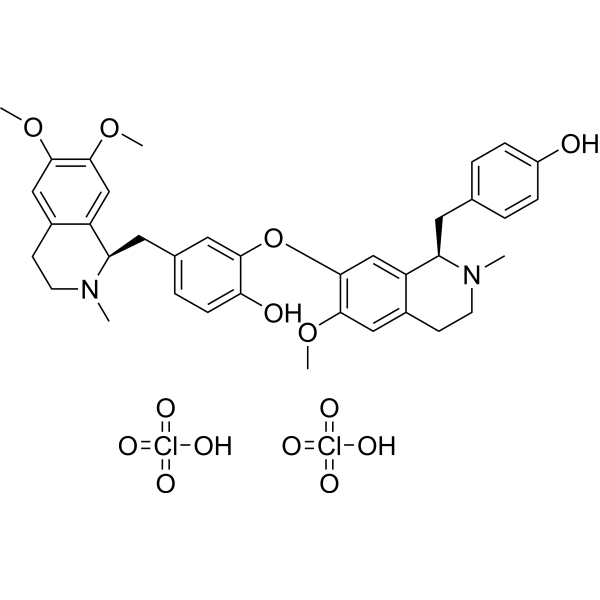
Liensinine Diperchlor​ate is a major isoquinoline alkaloid, extracted from the seed embryo of Nelumbo nucifera Gaertn. Liensinine Diperchlor​ate inhibits late-stage autophagy/mitophagy through blocking autophagosome-lysosome fusion. Liensinine Diperchlor​ate has a wide range of biological activities, including anti-arrhythmias, anti-hypertension, anti-pulmonary fibrosis, relaxation on vascular smooth muscle, etc .
loading...
    loading...
17
17 Cited Publications
Cat. No.: HY-N0315
CAS No.: 539-86-6
Synonyms: Diallyl thiosulfinate
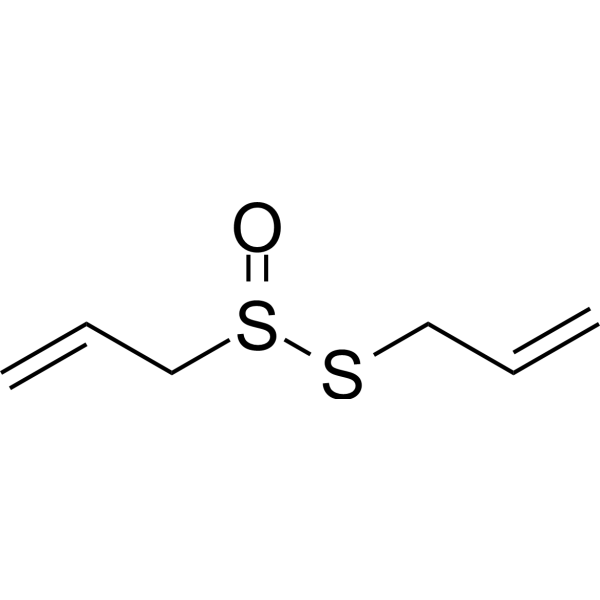
Allicin (diallyl thiosulfinate) is isolated from garlic including Diallyl monosulfide, Diallyl disulfide, Diallyl trisulfide, Diallyl tetrasulfide, and Methyl allyl disulphide etc. They accounts for 98% of the extract. Allicin (diallyl thiosulfinate) has highly potent antimicrobial activity, and inhibits growth of a variety of microorganisms, among them antibiotic-resistant strains .
loading...
    loading...
11
11 Cited Publications
Cat. No.: HY-D1005
CAS No.: 9003-11-6
Synonyms: PEG-PPG-PEG, 12600 (Average Mn)
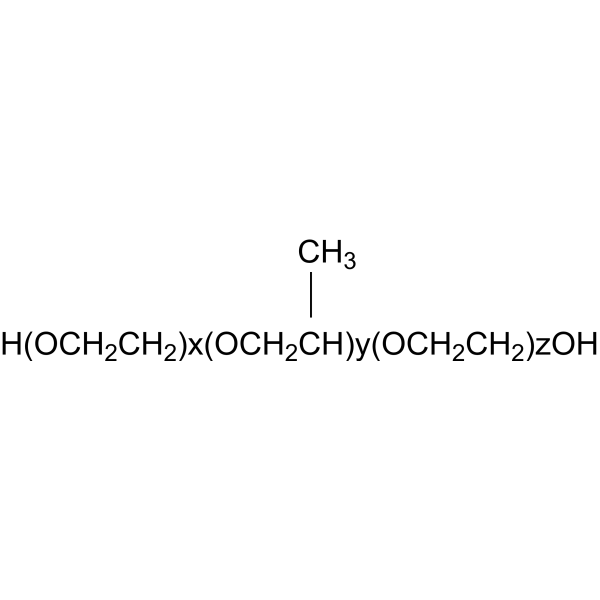
Poloxamer 407 (F127) is a nonionic surfactant that is 100% active and relatively non-toxic to cells at low concentrations, and frequently used with dye AM esters such as Indo-1 AM, Fura-2 AM, Calcein AM, Fluo-3 AM, Fluo-4 AM, Quest Fluo-8 AM and Quest Rhod-4 AM, etc. to improve their water solubility. Poloxamer 407 is also a lipoprotein lipase inhibitor .
loading...
    loading...
10
10 Cited Publications
Cat. No.: HY-128586
CAS No.: 1848959-10-3
Purity:  99.52%
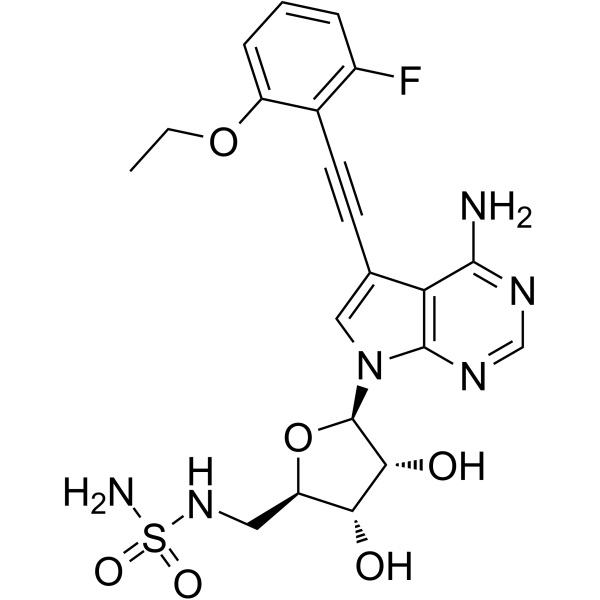
TAS4464 is a long-acting, highly selective covalent inhibitor targeting NEDD8-activating enzyme (NAE) (IC50=0.955 nM), and also inhibits CAII with an IC50 of 0.73 μM, which is less potent than MLN4924 (HY-70062). The IC50 values of TAS4464 against other E1 enzymes UAE and SAE are 449 nM and 1280 nM, respectively. TAS4464 targets NEDD8 in an ATP-dependent manner to inhibit NAE, blocks the neddylation pathway, causes accumulation of CRL ubiquitin ligase substrates (such as CDT1, p27, phosphorylated IκBα), and further induces tumor cell apoptosis. TAS4464 exhibits antiproliferative and cytotoxic effects, and has broad-spectrum antitumor activity against various hematologic and solid tumor cell lines as well as patient-derived tumor cells. TAS4464 has a wide selcetive window, without obvious toxicity. TAS4464 can be used in the research of hematologic malignancies (leukemia, lymphoma, multiple myeloma, etc.) and solid tumors (small cell lung cancer, colorectal cancer, sarcoma, endometrial cancer, ovarian cancer, etc.) .
loading...
    loading...
10
10 Cited Publications
Cat. No.: HY-128586A
CAS No.: 1848959-11-4
Purity:  98.91%
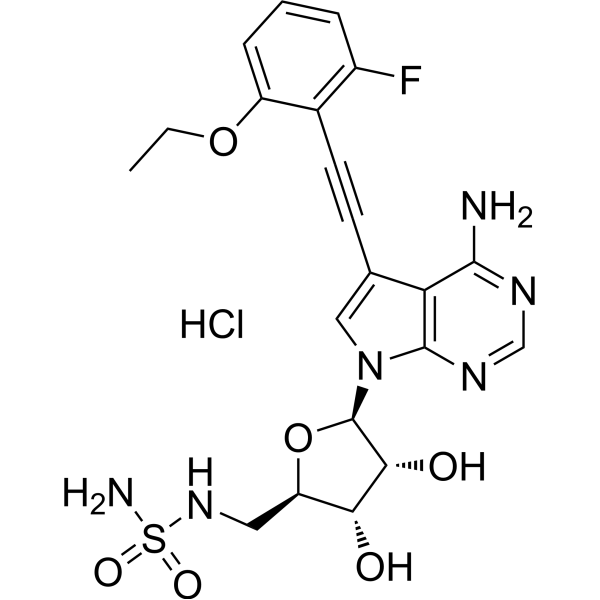
TAS4464 hydrochloride is a long-acting, highly selective covalent inhibitor targeting NEDD8-activating enzyme (NAE) (IC50=0.955 nM), and also inhibits CAII with an IC50 of 0.73 μM, which is less potent than MLN4924 (HY-70062). The IC50 values of TAS4464 hydrochloride against other E1 enzymes UAE and SAE are 449 nM and 1280 nM, respectively. TAS4464 hydrochloride targets NEDD8 in an ATP-dependent manner to inhibit NAE, blocks the neddylation pathway, causes accumulation of CRL ubiquitin ligase substrates (such as CDT1, p27, phosphorylated IκBα), and further induces tumor cell apoptosis. TAS4464 hydrochloride exhibits antiproliferative and cytotoxic effects, and has broad-spectrum antitumor activity against various hematologic and solid tumor cell lines as well as patient-derived tumor cells. TAS4464 hydrochloride has a wide therapeutic window, without obvious toxicity. TAS4464 hydrochloride can be used in the research of hematologic malignancies (leukemia, lymphoma, multiple myeloma, etc.) and solid tumors (small cell lung cancer, colorectal cancer, sarcoma, endometrial cancer, ovarian cancer, etc.) .
loading...
    loading...
9
9 Cited Publications
Cat. No.: HY-B0527
CAS No.: 50-48-6
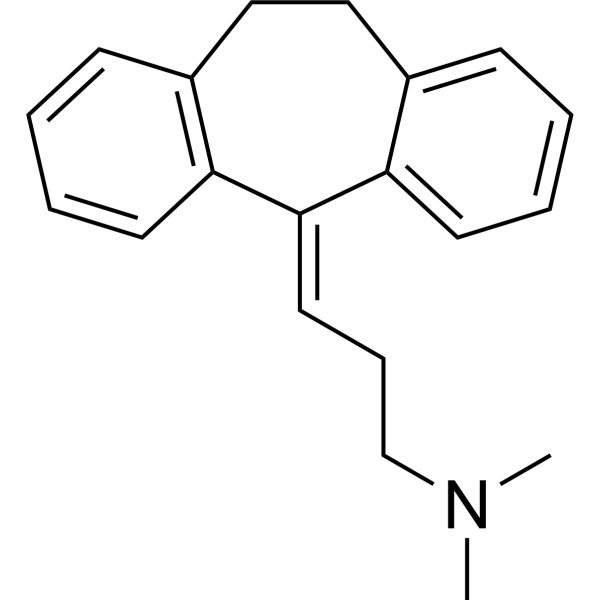
Amitriptyline is an orally active tricyclic antidepressant (TCA). Amitriptyline mainly exerts its antidepressant effect by blocking SERT (Ki = 3.45 nM) and NET (Ki = 13.3 nM), thereby increasing the concentrations of 5-hydroxytryptamine (5-HT) and norepinephrine (NE) in the synaptic cleft. Amitriptyline is also an agonist at α2A and TrkA/TrkB receptors, thereby exerting analgesic and neurotrophic activities (inhibiting cell apoptosis). Amitriptyline can reduce inflammation, angiogenesis and fibrosis. Amitriptyline binds to DAT (with Ki = 2.58 μM). Amitriptyline has high affinity for a series of receptors and can antagonize muscarinic cholinergic receptors (M1/M2/M3/M4/M5 receptors) (Ki = 11-24 nM), H1 receptors (Ki = 0.5-1.1 nM), adrenergic α1 receptors (Ki = 4.4 nM), etc., resulting in a series of side effects. Amitriptyline can block sodium channels and hERG potassium channel (IC50 = 4.78 μM) and it has cardiotoxicity .
loading...
    loading...
9
9 Cited Publications
Cat. No.: HY-B0527A
CAS No.: 549-18-8
Amitriptyline hydrochloride is an orally active tricyclic antidepressant (TCA). Amitriptyline hydrochloride mainly exerts its antidepressant effect by blocking SERT (Ki = 3.45 nM) and NET (Ki = 13.3 nM), thereby increasing the concentrations of 5-hydroxytryptamine (5-HT) and norepinephrine (NE) in the synaptic cleft. Amitriptyline hydrochloride is also an agonist at α2A and TrkA/TrkB receptors, thereby exerting analgesic and neurotrophic activities (inhibiting cell apoptosis). Amitriptyline hydrochloride can reduce inflammation, angiogenesis and fibrosis. Amitriptyline hydrochloride binds to DAT (with Ki = 2.58 μM). Amitriptyline hydrochloride has high affinity for a series of receptors and can antagonize muscarinic cholinergic receptors (M1/M2/M3/M4/M5 receptors) (Ki = 11-24 nM), H1 receptors (Ki = 0.5-1.1 nM), adrenergic α1 receptors (Ki = 4.4 nM), etc., resulting in a series of side effects. Amitriptyline hydrochloride can block sodium channels and hERG potassium channel (IC50 = 4.78 μM) and it has cardiotoxicity .
loading...
    loading...
8
8 Cited Publications
Cat. No.: HY-18988
CAS No.: 1638250-96-0
Synonyms: ETC-1922159
Target:  

Porcupine Wnt

Research Areas:  

Cancer

ETC-159 (ETC-1922159) is a potent, orally available PORCN inhibitor. ETC-159 inhibits β-catenin reporter activity with an IC50 of 2.9 nM.
loading...
    loading...
7
7 Cited Publications
Cat. No.: HY-18750
CAS No.: 1626387-80-1
Synonyms: AZD3759
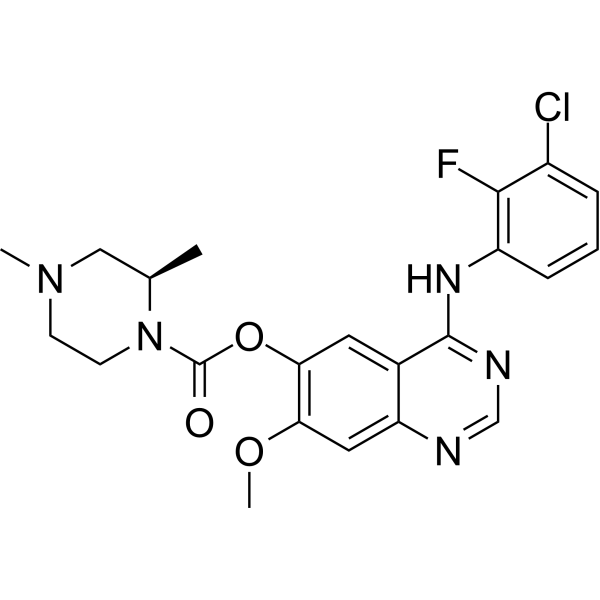
Zorifertinib (AZD3759) is a potent, orally active, BBB-penetrant, EGFR inhibitor. At Km ATP concentrations, the IC50s are 0.3, 0.2, and 0.2 nM for EGFR wt, EGFR L858R, and EGFR exon 19Del, respectively. Zorifertinib induces cancer cell apoptosis. Zorifertinib has antitumor activity, and can be used for NSCLC, HCC etc. research .
loading...
    loading...
5
5 Cited Publications
Cat. No.: HY-N2389
CAS No.: 50773-42-7
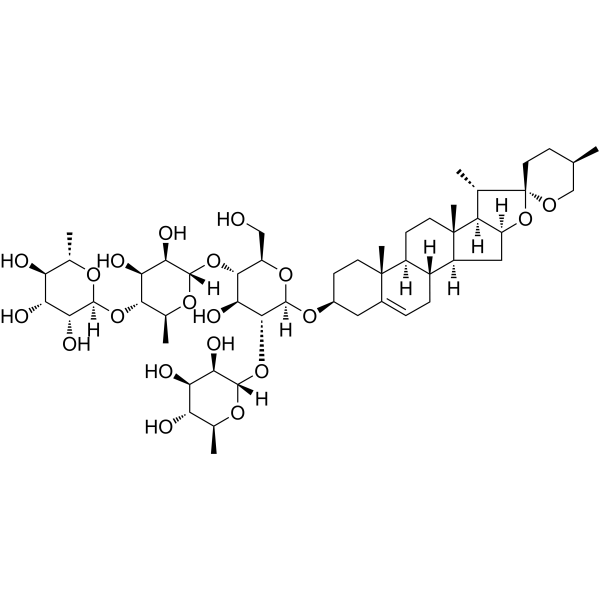
Formosanin C is a diosgenin saponin with multiple biological activities. Formosanin C possesses multiple anti-tumor mechanisms, including inducing apoptosis and autophagy, blocking the cell cycle, inhibiting metastasis and inducing ferroptosis. Formosanin C can inhibit the NF-κB signaling pathway to exert anti-inflammatory effects, and enhance the activity of immune cells. Formosanin C exhibits the inhibiting effect against C. albicans. Formosanin C can be used for the study of anti-inflammation, antifungal anti and anti-cancer (including lung cancer, liver cancer, breast cancer and colorectal cancer, etc.) .
loading...
    loading...
4
4 Cited Publications
Cat. No.: HY-113416
CAS No.: 651-48-9
Purity:  99.93%
Synonyms: DHEA sulfate; Prasterone sulfate
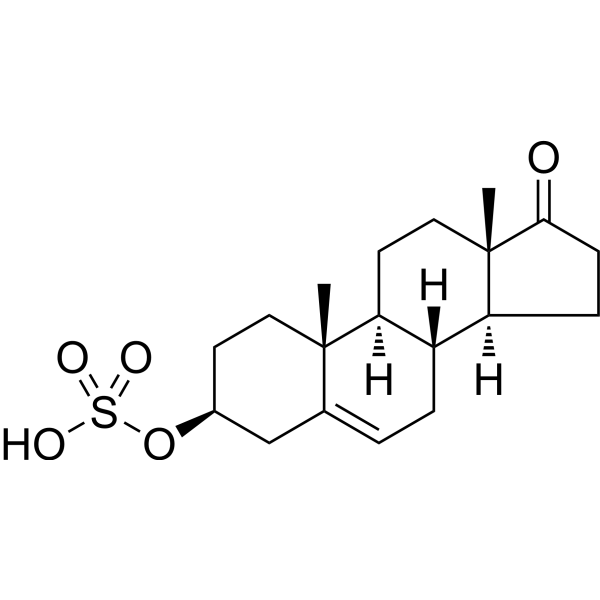
Dehydroepiandrosterone sulfate (DHEA sulfate; Prasterone sulfate) is a neurosteroid and the main secretion product of the adrenal gland. Dehydroepiandrosterone sulfate has both non-competitive antagonist activity of GABAA receptor and agonist activity of σ1 receptor. Dehydroepiandrosterone sulfate can partially penetrate the blood-brain barrier, inhibit GABAA receptor-mediated chloride influx, enhance NMDA receptor activity through σ1 receptors, exert anti-inflammatory, anti-glucocorticoid and antidepressant effects, and increase convulsive sensitivity. Dehydroepiandrosterone sulfate participates in neuroprotection, neurite growth regulation and catecholamine secretion regulation, and can be used in the study of depression, post-traumatic stress disorder (PTSD), Alzheimer's disease, etc. Dehydroepiandrosterone sulfate may also be a biomarker for cardiovascular disease mortality, and its concentration is independently and negatively correlated with mortality .
loading...
    loading...
4
4 Cited Publications
Cat. No.: HY-B0765
CAS No.: 1099-87-2
Synonyms: DHEA sulfate sodium; Prasterone sulfate sodium
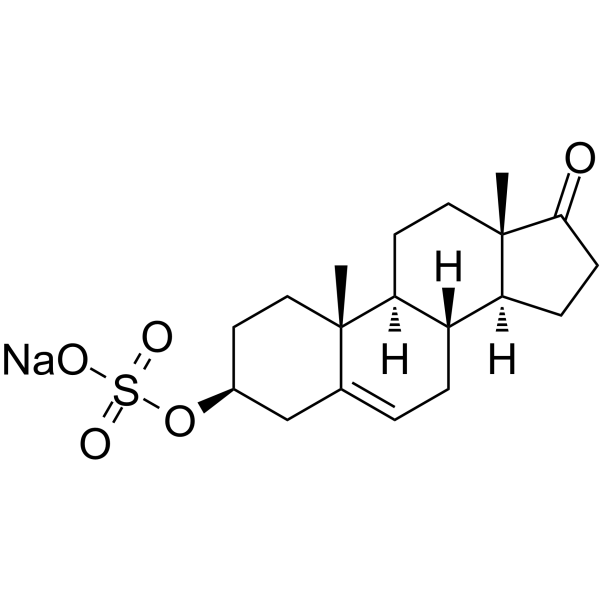
Dehydroepiandrosterone sulfate (DHEA sulfate; Prasterone sulfate) sodium salt is a neurosteroid and the main secretion product of the adrenal gland. Dehydroepiandrosterone sulfate sodium salt has both non-competitive antagonist activity of GABAA receptor and agonist activity of σ1 receptor. Dehydroepiandrosterone sulfate sodium salt can partially penetrate the blood-brain barrier, inhibit GABAA receptor-mediated chloride influx, enhance NMDA receptor activity through σ1 receptors, exert anti-inflammatory, anti-glucocorticoid and antidepressant effects, and increase convulsive sensitivity. Dehydroepiandrosterone sulfate sodium salt participates in neuroprotection, neurite growth regulation and catecholamine secretion regulation, and can be used in the study of depression, post-traumatic stress disorder (PTSD), Alzheimer's disease, etc. Dehydroepiandrosterone sulfate sodium salt may also be a biomarker for cardiovascular disease mortality, and its concentration is independently and negatively correlated with mortality .
loading...
    loading...
3
3 Cited Publications
Cat. No.: HY-15196
CAS No.: 871026-44-7
Purity:  99.70%
Target:  

EGFR

Research Areas:  

Cancer

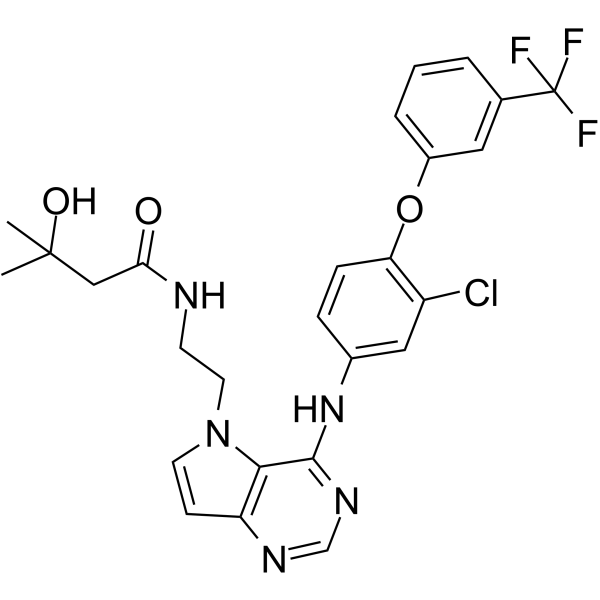
TAK-285 is a potent, selective, ATP-competitive and orally active HER2 and EGFR(HER1) inhibitor with IC50 of 17 nM and 23 nM, respectively. TAK-285 is >10-fold selectivity for HER1/2 than HER4, and less potent to MEK1/5, c-Met, Aurora B, Lck, CSK etc. TAK-285 has effective antitumor activity . TAK-285 can cross the blood-brain barrier (BBB) .
loading...
    loading...
3
3 Cited Publications
Cat. No.: HY-N0385
CAS No.: 66280-25-9
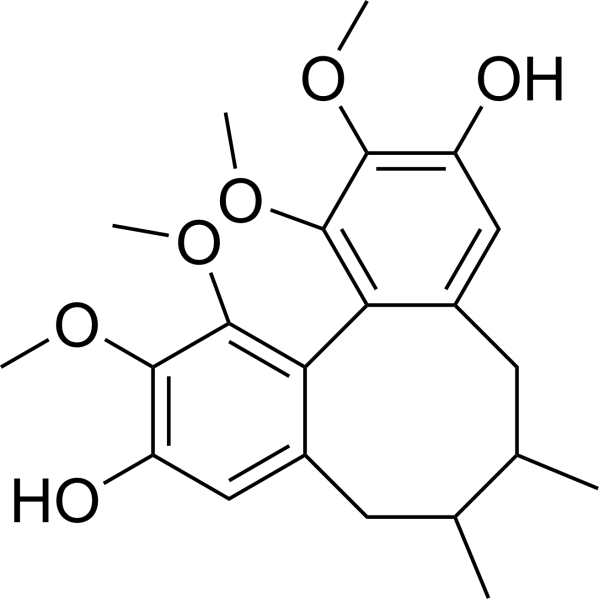
Gomisin J is a Schisandra chinensis-derived lignan that can inhibit multiple targets such as eNOS, AMPK (LKB1, CaMKIIβ), fetuin-A, NF-κB, Nrf2/HO-1, and can pass through the blood-brain barrier. Gomisin J increases NO bioavailability by activating eNOS, regulates lipid metabolism by activating the AMPK pathway, inhibits fetuin-A and NF-κB to exert anti-inflammatory effects, and activates Nrf2/HO-1 to enhance antioxidant capacity. Gomisin J has the activities of anti-hypertension, regulating liver lipid metabolism, and reducing cerebral ischemia-reperfusion injury, and can be used for research on hypertension, non-alcoholic fatty liver disease, cerebral ischemia-reperfusion injury, etc .
loading...
    loading...
2
2 Cited Publications
Cat. No.: HY-116815
CAS No.: 501104-16-1
Purity:  99.75%
Research Areas:  

Infection Neurological Disease

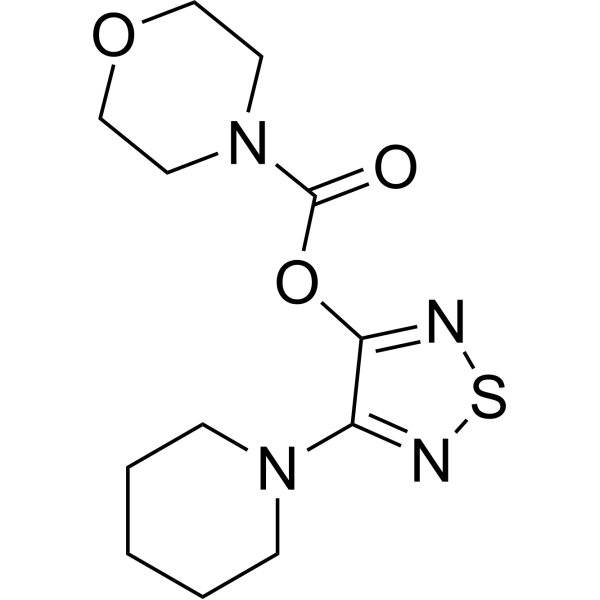
Lalistat 1 is a potent, selective, and competitive inhibitor of lysosomal acid lipase (LAL) and against purified human LAL (phLAL) with an IC50 of 68 nM. Lalistat 1 is a inhibitor of immunoglobulin A1 protease (IgA1P) proteases for H. influenzae, has less effects on other serine hydrolases (trypsin or β-lactamase, etc.). Lalistat 1 can be used for the research of niemann-pick type C (NPC) disease .
loading...
    loading...

