


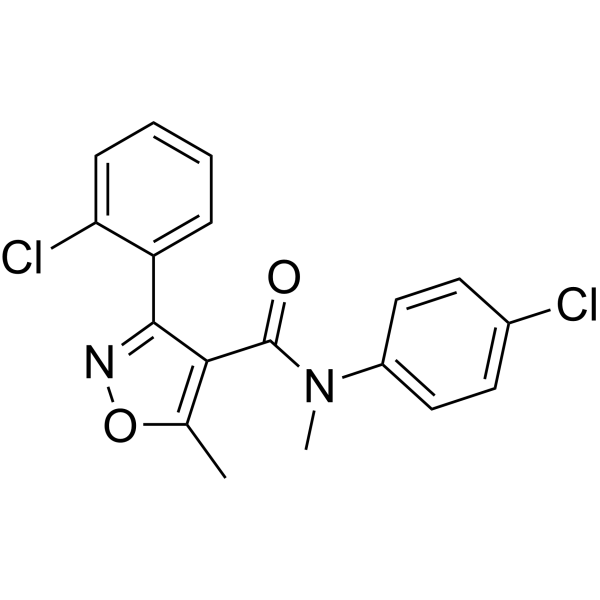

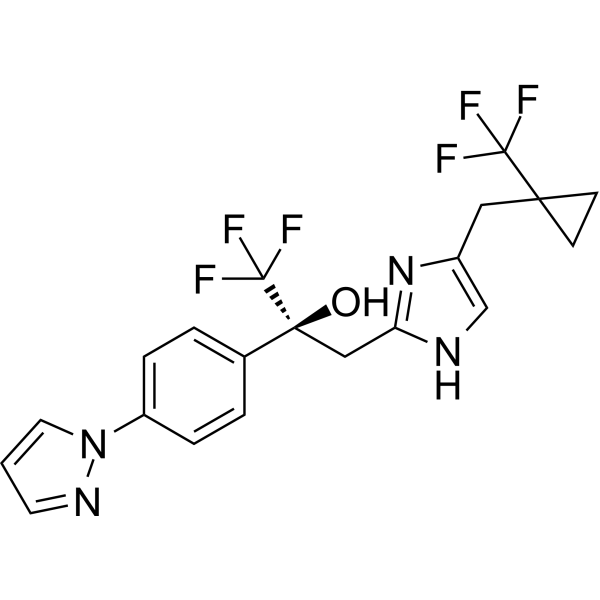
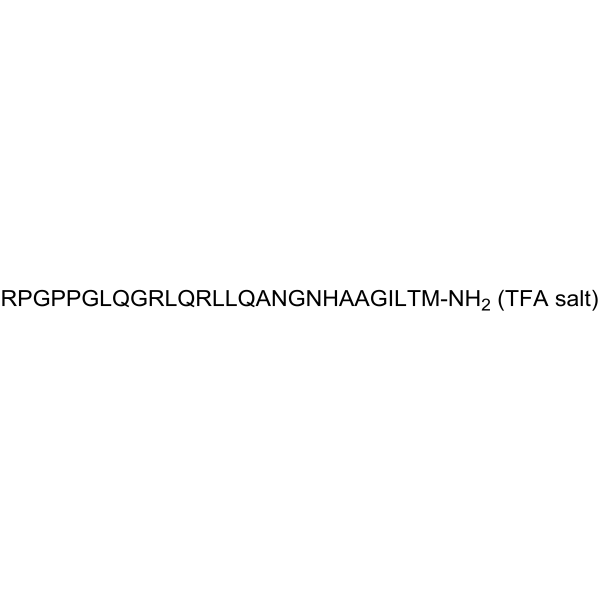
1. Search Result
Search Result
Results for "

Food intake

" in MedChemExpress (MCE) Product Catalog:

173

Inhibitors & Agonists

3

Screening Libraries

2

Biochemical Assay Reagents

74

Peptides

1

Inhibitory Antibodies

8

Natural
Products

5

Isotope-Labeled Compounds

Cat. No. Product Name Target Research Areas Chemical Structure
  • HY-P3462
    Cagrilintide
    3 Publications Verification

    CGRP Receptor Metabolic Disease
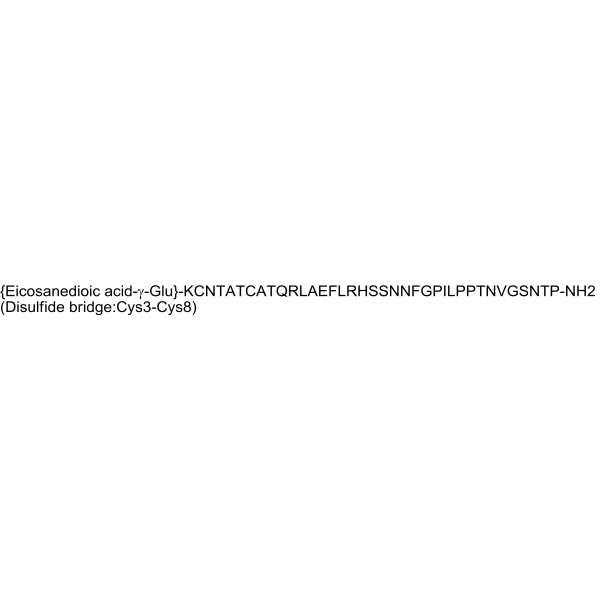
    Cagrilintide is an investigational novel long-acting acylated amylin analogue, acts as nonselective amylin receptors (AMYR) and calcitonin G protein-coupled receptor (CTR) agonist. Cagrilintide induces significant weight loss and reduces food intake. Cagrilintide has the potential for the research of obesity .
    Cagrilintide
  • HY-P3462A
    Cagrilintide acetate
    3 Publications Verification

    CGRP Receptor Metabolic Disease
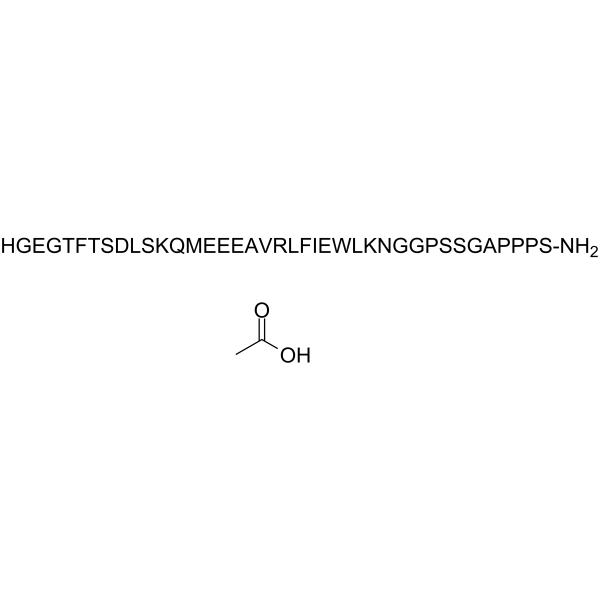
    Cagrilintide acetate is a non-selective AMYR/CTR agonist and long-acting acylated amylase analogue. Cagrilintide acetate causes a reduction in food intake and significant weight loss in a dose-dependent manner. Cagrilintide acetate can be used in obesity studies .
    Cagrilintide acetate
  • HY-P4146

    BI 456906

    GLP Receptor GCGR Metabolic Disease
    Survodutide (BI 456906) is a potent, selective glucagon receptor/GLP-1 receptor (GCGR/GLP-1R) dual agonist with EC50s of 0.52 nM and 0.33 nM in CHO-K1 cells, respectively. Survodutide, a 29-amino-acid peptide, is a potent acylated peptide containing a C18 fatty acid. Survodutide has robust anti-obesity efficacy achieved by increasing energy expenditure and decreasing food intake .
    Survodutide
  • HY-P99388
    Trevogrumab
    1 Publications Verification

    REGN-1033; SAR391786

    TGF-beta/Smad Metabolic Disease
    Trevogrumab (REGN-1033) is a monoclonal antibody targeting GDF8 (growth differentiation factor 8, also known as myostatin). Trevogrumab is used in research on muscle wasting conditions, including disuse atrophy, chronic diseases, and changes in food and nutrient intake .
    Trevogrumab
  • HY-P3463
    Beinaglutide
    1 Publications Verification

    GLP-1 (human)

    GCGR Metabolic Disease Inflammation/Immunology
    Beinaglutide is a human GLP-1 polypeptide that shares almost 100% homology with human GLP-1 (7–36). Beinaglutide displays does-dependent effects in glycemic control, inhibiting food intake and gastric empty and promoting weight loss. Beinaglutide has the potential for the research of overweight/obesity and nonalcoholic steatohepatitis (NASH) .
    Beinaglutide
  • HY-160734

    GSBR-1290

    GLP Receptor Metabolic Disease
    Aleniglipron (GSBR-1290) is an orally active glucagon-like peptide-1 receptor (GLP-1R) agonist, with an EC50 value of less than 0.1 nM in HDB cell lines in cAMP stimulation assays. Aleniglipron selectively activates the Gαs-cAMP signaling pathway of GLP-1R without β-arrestin recruitment. Aleniglipron induces insulin release, promotes glucose clearance, reduces food intake and decreases body weight. Aleniglipron is applicable to research related to type 2 diabetes and obesity .
    Aleniglipron
  • HY-W010042
    L-Glucose
    1 Publications Verification

    L-(-)-Glucose

    Fluorescent Dye Metabolic Disease Cancer
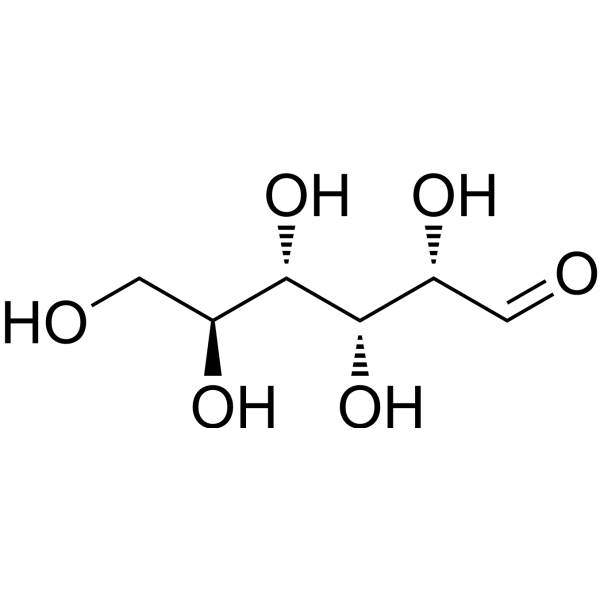
    L-Glucose (L-(-)-Glucose) is a stereoisomer of D-Glucose (HY-B0389), which does not readily enter the brain. L-Glucose can promote food intake. L-glucose is combined with a fluorescence detector to produce a fluorescent probe that can be used to visualize and characterize cancer cells. L-Glucose also can be used in the research to enhance memory in mice .
    L-Glucose
  • HY-116797

    MS0015203

    GPR171 Metabolic Disease
    MS15203 is a potent and selective GPR171 agonist. MS15203 increases food intake and body weight. MS15203 increases neuronal activity. MS15203 significantly increases the abundance of the mRNAs encoding proSAAS, NPY, AgRP .
    MS15203
  • HY-14342
    MK-5046
    2 Publications Verification

    Bombesin Receptor Metabolic Disease
    MK-5046 is a potent, selective and orally active Bombesin receptor subtype-3 (BRS-3) allosteric agonist with an IC50 and an EC50 value of 27 and 25 nM for hBRS-3, respectively. MK-5046 inhibits food intake and reduces body weight of diet-induced obese (DIO) mouse models. MK-5046 can be used for the research of obesity .
    MK-5046
  • HY-W002116

    TRP Channel COX Phosphatase Bacterial Infection Metabolic Disease Inflammation/Immunology Cancer
    Methyl syringate is a selective TRPA1 agonist. Methyl syringate regulates food intake and gastric emptying through a TRPA1-mediated pathway. Methyl syringate is an efficient phenolic mediator for bacterial and fungal laccases. Methyl syringate is a chemical marker of Asphodel monofloral honey. Methyl syringate contributes to the antibacterial activity of honey. Methyl syringate inhibits aflatoxin production. Methyl syringate can contribute to weight suppression. Methyl syringate can be studies for cancer prevention (e.g. lung cancer), suppression of hypoxia-induced inflammatory response and tumorigenesis .
    Methyl syringate
  • HY-P1096

    Cholecystokinin Receptor Metabolic Disease
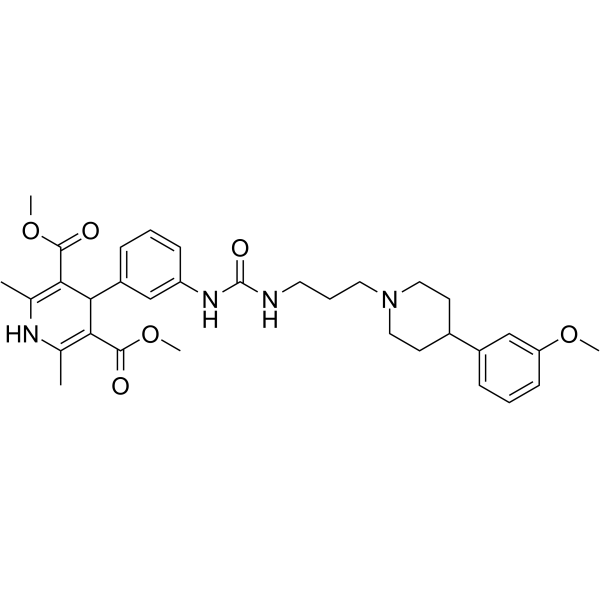
    A71623, a CCK-4-based peptide, is a potent and highly selective CCK-A full agonist. The IC50s for A-71623 are 3.7 nM in guinea pig pancreas (CCK-A) and 4500 nM in cerebral cortex (CCK-B) in radioligand binding assays, respectively .
    A71623
  • HY-107734

    Neuropeptide Y Receptor Metabolic Disease Endocrinology
    L 152804 is an orally active and selective neuropeptide Y Y5 receptor (NPY5-R) antagonist, with a Ki of 26 nM for hY5. L 152804 causes weight loss in diet-induced obese mice by modulating food intake and energy expenditure .
    L 152804
  • HY-P2210

    GPR171 Metabolic Disease
    BigLEN(mouse) is a potent and selective agonist of orphan G protein-coupled receptor 171 (GPR171), with a Kd of ∼0.5 nM. BigLEN(mouse) can be used to regulate responses associated with food intake and metabolism .
    BigLEN(mouse)
  • HY-P2932
    Cholecystokinin
    1 Publications Verification

    Cholecystokinin-33(human); CCK-33(human)

    Cholecystokinin Receptor Metabolic Disease
    Cholecystokinin is a peptide hormone. Cholecystokinin, as a hunger suppressant, inhibits food intake and stimulates the digestion of fat and protein. Cholecystokinin can be used for the research of gastrointestinal system .
    Cholecystokinin
  • HY-P3561A

    Melanocortin Receptor Neurological Disease
    Agouti-related Protein (AGRP) (83-132) Amide (human) TFA is a fragment of agouti-related protein (AGRP) which is a protein found in abundance in the arcuate nucleus of the hypothalamus. AgRP primarily acts as an inverse agonist for the melanocortin-4 receptor (MC4R) to increase food intake .
    Agouti-related Protein (AGRP) (83-132) Amide (human) TFA
  • HY-110206

    Cannabinoid Receptor Metabolic Disease
    AM6545 is a highly selective, brain-free (peripherally active) CB1 receptor antagonist (Ki=1.7 nM). AM6545 inhibits endocannabinoid signaling by competitively antagonizing CB1 receptors, inhibiting CB1-mediated appetite stimulation and inflammatory responses without affecting cAMP levels. AM6545 significantly reduces food intake and body weight in mice, while improving metabolic syndrome-related renal impairment (such as proteinuria, fibrosis) and insulin resistance. AM6545 can be used in the study of obesity and its complications .
    AM6545
  • HY-P1215A
    HS024 TFA
    1 Publications Verification

    Melanocortin Receptor Metabolic Disease
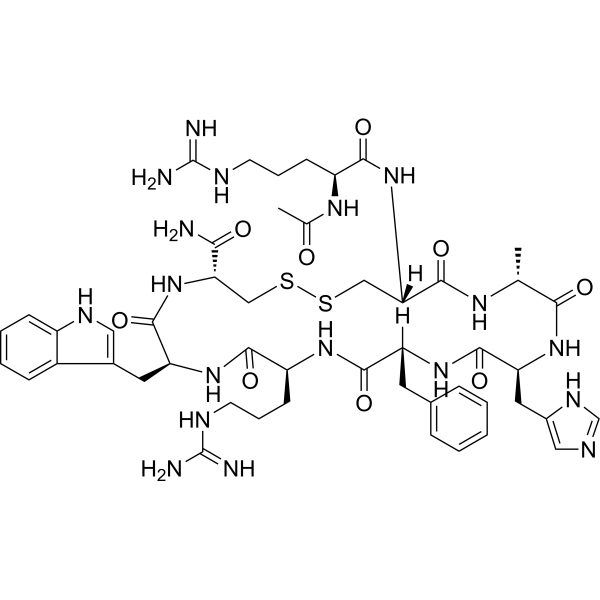
    HS024 is a selective MC4 receptor antagonist, with Kis of 0.29, 3.29, 5.45, 18.6 nM for MC4, MC5, MC3, and MC1, respectively. HS024 increase food intake .
    HS024 TFA
  • HY-W010042S
    L-Glucose-13C
    1 Publications Verification

    L-(-)-Glucose-13C

    Isotope-Labeled Compounds Metabolic Disease
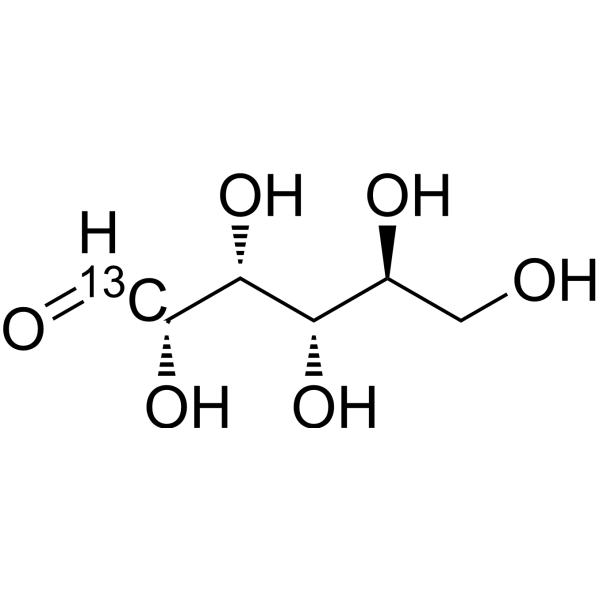
    L-Glucose- 13C is the 13C labeled L-Glucose. L-Glucose (L-(-)-Glucose) is an enantiomer of D-glucose. L-Glucose can promote food intake .
    L-Glucose-13C
  • HY-124821

    5-HT Receptor Neurological Disease Metabolic Disease
    VA012 (compound 11) is a positive allosteric modulator (PAM) of the serotonin 5-HT2C receptor. VA012 reduces food intake and body weight gain without causing CNS-related malaise during subchronic administration. VA012 can be utilized in obesity research .
    VA012
  • HY-P1322

    Neuropeptide Y Receptor Neurological Disease
    [D-Trp34]-Neuropeptide Y is a potent and selective neuropeptide Y (NPY) Y5 receptor agonist. [D-Trp34]-Neuropeptide Y is a significantly less potent agonist at the NPY Y1, Y2, Y4, and y6 receptors. [D-Trp34]-Neuropeptide Y markedly increases food intake in rats .
    [D-Trp34]-Neuropeptide Y
  • HY-P1323A

    Neuropeptide Y Receptor Cardiovascular Disease Neurological Disease
    [Leu31,Pro34]-Neuropeptide Y(human,rat) TFA is a specific neuropeptide Y Y1 receptor agonist. [Leu31,Pro34]-Neuropeptide Y(human,rat) TFA slao activates Y4, Y5. [Leu31,Pro34]-Neuropeptide Y(human,rat) TFA can increase blood pressure in anesthetized rats and increases food intake .
    [Leu31,Pro34]-Neuropeptide Y(human,rat,mouse) TFA
  • HY-101764

    SR 27897

    Cholecystokinin Receptor Metabolic Disease
    Lintitript (SR 27897) is a highly potent, selective, orally active, competitive and non-peptide cholecystokinin (CCK1) receptor antagonist with an EC50 of 6 nM and a Ki of 0.2 nM. Lintitript displays > 33-fold selectivity more selective for CCK1 than CCK2 receptors (EC50 value of 200 nM). Lintitript increases plasma concentration of leptin and food intake as well as plasma concentration of insulin .
    Lintitript
  • HY-P11320

    Amylin Receptor CGRP Receptor Metabolic Disease
    Davalintide is an Amylin (HY-P1464)-mimetic peptide with greater potency and longer-lasting effects. Davalintide is a potent agonist of amylin receptor (IC50 = 0.04 nM), calcitonin receptor (IC50 = 0.06 nM) and calcitonin related peptide receptor (CGRP receptor) (IC50 = 3.1 nM). Davalintide shows stronger potency to Amylin to activate cyclic AMP production through the calcitonin receptor (EC50 = 1.4 nM). Davalintide regulates blood sugar and weight through various mechanisms such as delaying gastric emptying, inhibiting glucagon secretion, and reducing food intake. Davalintide can be used for the studies of anti-obesity and anti-diabetes .
    Davalintide
  • HY-163996

    GLP Receptor Potassium Channel Cytochrome P450 Metabolic Disease
    DD202-114 is a potent and selective GLP1R agonist. DD202-114 inhibits hERG with an IC50 of 15.9 μM. DD202-114 exhibits strong CYP2C8 inhibition with an IC50 of 0.22 μM. DD202-114 promotes cAMP accumulation. DD202-114 reduces blood glucose levels and food intake. DD202-114 has the potential to be used in the study of type 2 diabetes mellitus (T2DM) and obesity .
    DD202-114
  • HY-P11291A

    Neuropeptide Y Receptor Metabolic Disease
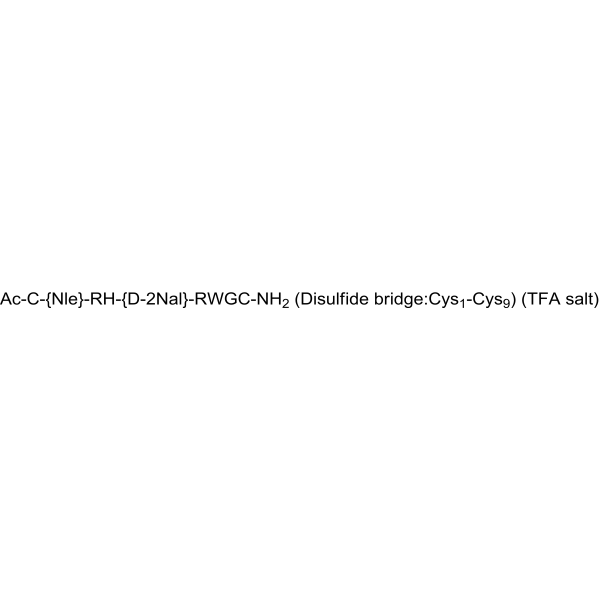
    NNC0165-1273 (TFA) is the trifluoroacetic acid of NNC0165-1273 (HY-P11291). NNC0165-1273 is an analog of gut hormone peptide YY (PYY3-36). NNC0165-1273 has a superior affinity for Y2 receptor over Y1, Y4, and Y5 receptor. NNC0165-1273 has a potent anorectic effect and significantly reduces nighttime and ghrelin-induced food intake by producing early satiety. NNC0165-1273 inhibits ghrelin-induced cFos expression in NPY/AgRP neurons. NNC0165-1273 can be used for antiobesity therapies research .
    NNC0165-1273 TFA
  • HY-P0259

    Endogenous Metabolite Neurological Disease Metabolic Disease
    Xenin is a 25-amino acid peptide initially isolated from human gastric mucosa. Xenin is a gut hormone that can reduce food intake.
    Xenin
  • HY-W010042S3

    L-(-)-Glucose-13C6

    Isotope-Labeled Compounds Metabolic Disease
    L-Glucose- 13C6 (L-(-)-Glucose- 13C6) is C13-labeled L-Glucose. L-Glucose is an enantiomer of D-glucose. L-Glucose enhances food intake .
    L-Glucose-13C6
  • HY-103416
    A-77636 hydrochloride
    1 Publications Verification

    Dopamine Receptor Neurological Disease
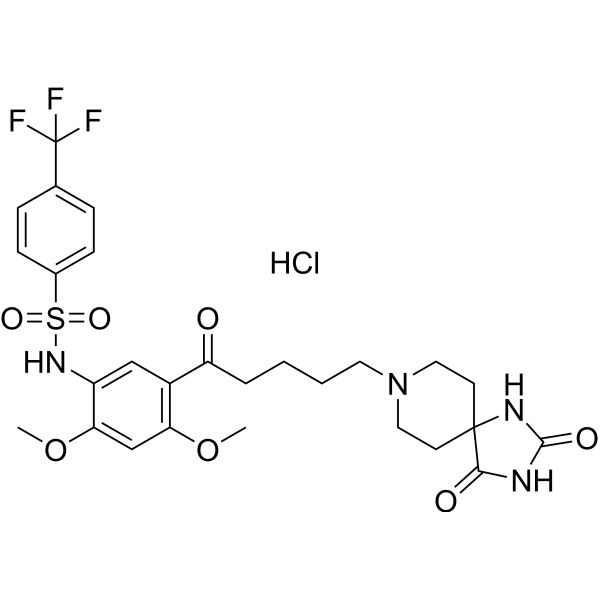
    A-77636 hydrochloride is a potent, orally active, selective and long acting dopamine D1 receptor agonist (pKi=7.40; Ki=39.8 nM) with antiparkinsonian activity. A-77636 hydrochloride is functionally inactive at dopamine D2 receptor .
    A-77636 hydrochloride
  • HY-P1296

    Urocortin (Rattus norvegicus); Rat urocortin

    CRFR Neurological Disease Endocrinology
    Urocortin, rat (Urocortin (Rattus norvegicus)) is a neuropeptide and a potent endogenous CRFR agonist with Kis of 13 nM, 1.5 nM, and 0.97 nM for human CRF1, rat CRF and mouse CRF, respectively .
    Urocortin, rat
  • HY-P1215

    Melanocortin Receptor Metabolic Disease
    HS024 is a selective MC4 receptor antagonist, with Kis of 0.29, 3.29, 5.45, and 18.6 nM for MC4, MC5, MC3, and MC1, respectively. HS024 increase food intake .
    HS024
  • HY-P1323

    Neuropeptide Y Receptor Cardiovascular Disease Neurological Disease
    [Leu31,Pro34]-Neuropeptide Y(human,rat) is a specific neuropeptide Y Y1 receptor agonist. [Leu31,Pro34]-Neuropeptide Y(human,rat) slao activates Y4, Y5. [Leu31,Pro34]-Neuropeptide Y(human,rat) can increase blood pressure in anesthetized rats and increases food intake .
    [Leu31,Pro34]-Neuropeptide Y (human,rat)
  • HY-101480

    5-HT Receptor Neurological Disease
    Xylamidine is a peripheral 5-HT receptor antagonist used to investigate possible peripheral appetite suppressant effects of 5-hydroxytryptophan (5-HTP) and fenfluramine. In a 1-hour food intake test, xylamidine attenuated the decrease in food intake induced by 5-HT and 5-HTP, but had no effect on fenfluramine, suggesting that the appetite suppressant effect of 5-HTP is mediated in part through peripheral 5-HT receptors. Microstructural analysis revealed that 5-HTP and fenfluramine induced a decrease in food intake rate and a reduction in feeding batch size. Xylamidine reversed the effects of 5-HTP on food intake rate and induced a slight increase in feeding batch size itself, thus, the peripheral effect of 5-HTP appears to be to slow food intake rate. No effect of xylamidine on fenfluramine-induced changes in feeding was observed. The results suggest that the appetite suppressant effects of 5-HTP and fenfluramine are differentiated based on the peripheral effects of 5-HTP. The peripheral effects of 5-HTP are distinct from the previously reported 5-HT-induced decreases in feeding batch size and duration. Possible mechanisms underlying the differences in peripheral effects of 5-HT and 5-HTP are discussed.
    Xylamidine
  • HY-14788

    AVE1625

    Cannabinoid Receptor Metabolic Disease
    Drinabant (AVE1625) is an orally active CB1 receptor antagonist. Drinabant (AVE1625) inhibits the agonist-stimulated calcium signal with IC50 values of 25 nM and 10 nM for the hCB1-R and rCB1-R, respectively, and is ineffective for the hCB2-R .
    Drinabant
  • HY-P3652

    Cholecystokinin Receptor Metabolic Disease
    Cholecystokinin-33 (swine) is a cholecystokinin (CCK) fragment. Cholecystokinin-33 (swine) can reduce food intake and gallbladder contraction .
    Cholecystokinin-33 (swine)
  • HY-P3561

    Melanocortin Receptor Neurological Disease
    Agouti-related Protein (AGRP) (83-132) Amide (human) is a fragment of agouti-related protein (AGRP) which is a protein found in abundance in the arcuate nucleus of the hypothalamus. AgRP primarily acts as an inverse agonist for the melanocortin-4 receptor (MC4R) to increase food intake .
    Agouti-related Protein (AGRP) (83-132) Amide (human)
  • HY-P3130

    CRFR Neurological Disease Inflammation/Immunology
    Stresscopin-related peptide (human) is a specific ligand for the type 2 CRH receptor. Stresscopin-related peptide (human) suppresses food intake, delayed gastric emptying and decreases heat-induced edema. Stresscopin-related peptide (human) maintains homeostasis after stress, and can be used in the research of stress-related diseases .
    Stresscopin-related peptide (human)
  • HY-P1216

    Melanocortin Receptor Neurological Disease
    HS014 is a potent and selective melanocortin-4 (MC4) receptor antagonist, with Kis of 3.16, 108, 54.4 and 694 nM for human MC4, MC1, MC3 and MC5 receptors, respectively. HS014 modulates the behavioral effects of morphine in mice. HS014 increases food intake in free-feeding rats .
    HS014
  • HY-19848

    LBM-642

    PPAR Metabolic Disease
    Cevoglitazar (LBM-642) is an orally active and highly potent PPARα and PPARγ dual agonist. Cevoglitazar can reduce food intake, body weight, and fasting plasma insulin in obese mice and cynomolgus monkeys. Cevoglitazar has the potential for diabetes and obesity-related disorders research .
    Cevoglitazar
  • HY-14342A

    Bombesin Receptor Metabolic Disease
    (R)-MK-5046 is the isomer of MK-5046 (HY-14342), and can be used as an experimental control. MK-5046 is a potent, selective and orally active Bombesin receptor subtype-3 (BRS-3) allosteric agonist with an IC50 and an EC50 value of 27 and 25 nM for hBRS-3, respectively. MK-5046 inhibits food intake and reduces body weight of diet-induced obese (DIO) mouse models. MK-5046 can be used for the research of obesity .
    (R)-MK-5046
  • HY-P4146A

    BI 456906 TFA

    GLP Receptor GCGR Metabolic Disease
    Survodutide (BI 456906) TFA is a potent, selective glucagon receptor/GLP-1 receptor (GCGR/GLP-1R) dual agonist with EC50s of 0.52 nM and 0.33 nM in CHO-K1 cells, respectively. Survodutide TFA, a 29-amino-acid peptide, is a potent acylated peptide containing a C18 fatty acid. Survodutide TFA has robust anti-obesity efficacy achieved by increasing energy expenditure and decreasing food intake .
    Survodutide TFA
  • HY-W002116S

    TRP Channel COX Phosphatase Bacterial Infection Metabolic Disease Inflammation/Immunology Cancer
    Methyl syringate-d6 is the deuterium labeled Methyl syringate. Methyl syringate is a selective TRPA1 agonist. Methyl syringate regulates food intake and gastric emptying through a TRPA1-mediated pathway. Methyl syringate is an efficient phenolic mediator for bacterial and fungal laccases. Methyl syringate is a chemical marker of Asphodel monofloral honey. Methyl syringate contributes to the antibacterial activity of honey. Methyl syringate inhibits aflatoxin production. Methyl syringate can contribute to weight suppression. Methyl syringate can be studies for cancer prevention (e.g. lung cancer), suppression of hypoxia-induced inflammatory response and tumorigenesis .
    Methyl syringate-d6
  • HY-P2210A

    GPR171 Neurological Disease
    BigLEN(mouse) TFA is a GPR171 agonist. BigLEN(mouse) TFA is a proSAAS-derived neuropeptide. BigLEN(mouse) TFA regulates food intake in mice. BigLEN(mouse) inhibits the release of glutamate onto parvocellular neurons of the paraventricular nucleus in a process dependent upon activation of postsynaptic G proteins.
    BigLEN(mouse) TFA
  • HY-P1216A
    HS014 TFA
    1 Publications Verification

    Melanocortin Receptor Neurological Disease
    HS014 TFA is a potent and selective melanocortin-4 (MC4) receptor antagonist, with Kis of 3.16, 108, 54.4 and 694 nM for human MC4, MC1, MC3 and MC5 receptors respectively. HS014 TFA increases food intake in free-feeding rats .
    HS014 TFA
  • HY-121827
    LH21
    1 Publications Verification

    Cannabinoid Receptor Metabolic Disease
    LH-21 is a potent in vivo neutral cannabinoid CB1 receptor antagonist. LH-21 reduces food intake and body weight gain in obese Zucker rats. , and displays efficacy as a feeding inhibitor .
    LH21
  • HY-P2046

    Opioid Receptor Neurological Disease
    β-Endorphin (rat) is an endogenous opioid neuropeptide and peptide hormone. β-Endorphin (rat) has analgesic activity and also contributes to food intake in satiated rats. β-Endorphin (rat) can be used in the research of neurological diseases such as analgesia and drug addiction .
    β-Endorphin (rat)
  • HY-120096

    Neuropeptide Y Receptor Neurological Disease
    BIBO3304 free base is a nonpeptide neuropeptide Y Y1 receptor antagonist. BIBO3304 free base displays subnanomolar affinity for both the human and the rat Y1 receptor, with IC50 values of 0.38 nM and 0.72 nM, respectively. BIBO3304 free base significantly inhibits food intake induced by application of NPY or by fasting .
    BIBO3304 free base
  • HY-P1306

    GHSR Cardiovascular Disease Inflammation/Immunology
    Obestatin(rat), encoded by the Ghrelin gene, is a cpeptide, comprised of 23 amino acids. Obestatin(rat) suppresses food intake, inhibits jejunal contraction, and decreases body-weight gain. Obestatin is an endogenous ligand of G-protein coupled receptor 39 (GPR39). Obestatin(rat) has anti-inflammatory, anti-myocardial infarction and antioxidant activities .
    Obestatin(rat)
  • HY-14495

    EX-1314

    GHSR Metabolic Disease
    BMS-604992 (EX-1314) is a selective, orally active small-molecule growth hormone secretagogue receptor (GHSR) agonist. BMS-604992 demonstrates high-affinity binding (Ki=2.3 nM) and potent functional activity (EC50=0.4 nM). BMS-604992 can stimulate food intake in rodents .
    BMS-604992
  • HY-P4146B

    BI 456906 sodium

    GLP Receptor GCGR Metabolic Disease
    Survodutide (BI 456906) sodium is a potent, selective glucagon receptor/GLP-1 receptor (GCGR/GLP-1R) dual agonist with EC50s of 0.52 nM and 0.33 nM in CHO-K1 cells, respectively. Survodutide sodium, a 29-amino-acid peptide, is a potent acylated peptide containing a C18 fatty acid. Survodutide sodium has robust anti-obesity efficacy achieved by increasing energy expenditure and decreasing food intake .
    Survodutide sodium
  • HY-125088

    Apoptosis Metabolic Disease
    Oleoylestrone, an adipose tissue-derived hormonal signal, is a slimming agent that decreases food intake and maintains energy expenditure .
    Oleoylestrone

Inquiry Online

Your information is safe with us. * Required Fields.

Salutation


Country or Region *

Applicant Name *


Organization Name *

Department *


Email Address *


Product Name *

Cat. No.


Requested quantity *

Phone Number *


Remarks

Inquiry Online

Inquiry Information

Product Name:
Cat. No.:
Quantity:
MCE Japan Authorized Agent: