1. Search Result
Search Result
Pathways Recommended: Stem Cell/Wnt Cell Cycle/DNA Damage
Results for "

HL-60 cells

" in MedChemExpress (MCE) Product Catalog:

246

Inhibitors & Agonists

1

Fluorescent Dyes

2

Biochemical Assay Reagents

3

Peptides

2

Inhibitory Antibodies

116

Natural
Products

7

Isotope-Labeled Compounds

3

Oligonucleotides

Cat. No. Product Name Target Research Areas Chemical Structure
  • HY-B1490
    Imipramine hydrochloride
    5+ Cited Publications

    Serotonin Transporter Apoptosis Autophagy Neurological Disease Inflammation/Immunology Cancer
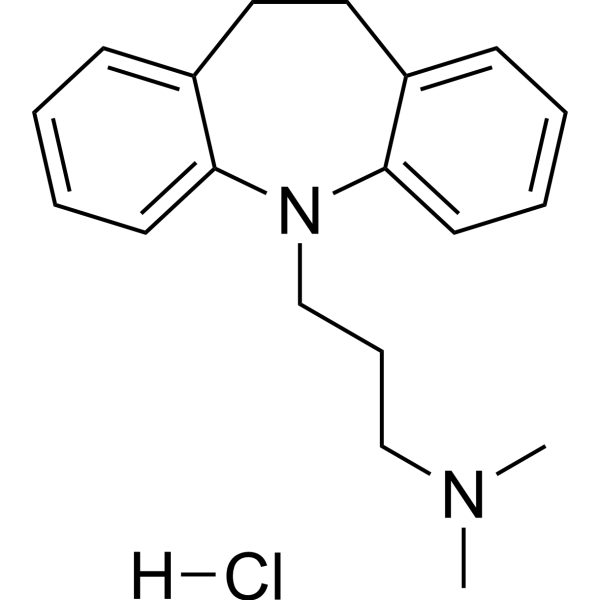
    Imipramine hydrochloride is an orally active tertiary amine tricyclic antidepressant. Imipramine hydrochloride is a Fascin1 inhibitor with antitumor activities. Imipramine hydrochloride also inhibits serotonin transporter with an IC50 value of 32 nM. Imipramine hydrochloride stimulates U-87MG glioma cells autophagy and induces HL-60 cell apoptosis. Imipramine hydrochloride shows neuroprotective and immunomodulatory effects .
    Imipramine hydrochloride
  • HY-B1490A
    Imipramine
    5+ Cited Publications

    Serotonin Transporter Autophagy Apoptosis Neurological Disease Inflammation/Immunology Cancer
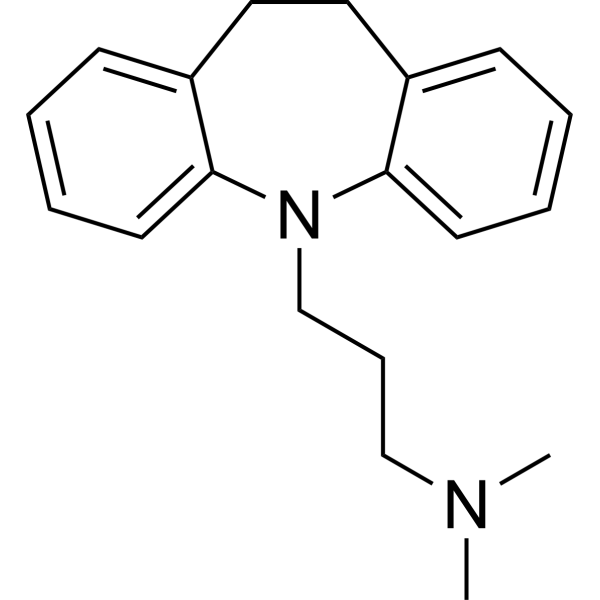
    Imipramine is an orally active tertiary amine tricyclic antidepressant. Imipramine is a Fascin1 inhibitor with antitumor activities. Imipramine also inhibits serotonin transporter with an IC50 value of 32 nM. Imipramine stimulates U-87MG glioma cells autophagy and induces HL-60 cell apoptosis. Imipramine shows neuroprotective and immunomodulatory effects .
    Imipramine
  • HY-13516
    Aloperine
    Maximum Cited Publications
    6 Publications Verification

    Apoptosis Autophagy Filovirus HIV Infection Inflammation/Immunology Cancer
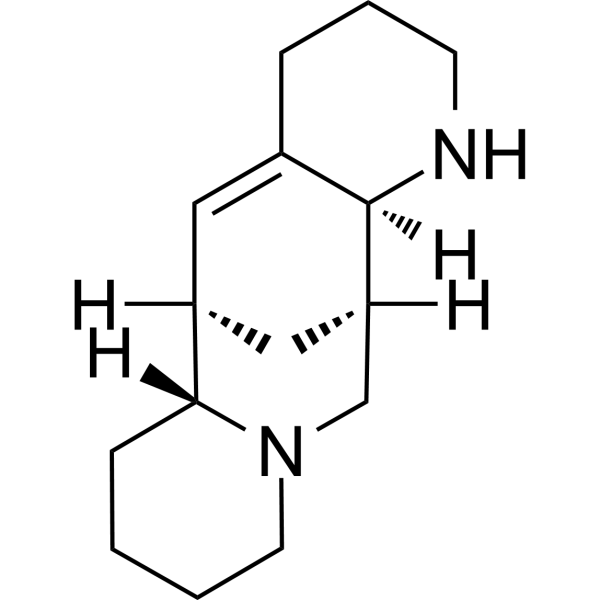
    Aloperine is an alkaloid in sophora plants such as Sophora alopecuroides L, which has shown anti-cancer, anti-inflammatory and anti-virus properties . Aloperine is widely used to treat patients with allergic contact dermatitis eczema and other skin inflammation in China . Aloperine induces apoptosis and autophagy in HL-60 cells .
    Aloperine
  • HY-N1231
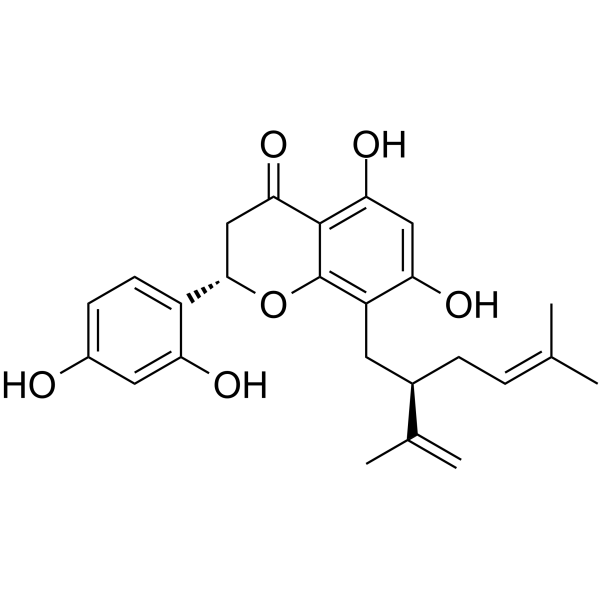
    Sophoraflavanone G
    3 Publications Verification

    Kushenol F

    Apoptosis Cancer
    Sophoraflavanone G (Kushenol F) is iaolated from Sophora flavescens and shows anti-tumor and anti-inflammatory properties.? Sophoraflavanone G (Kushenol F) induces MDA-MB-231 and HL-60 cells apoptosis through suppression of MAPK-related pathways .
    Sophoraflavanone G
  • HY-N2513
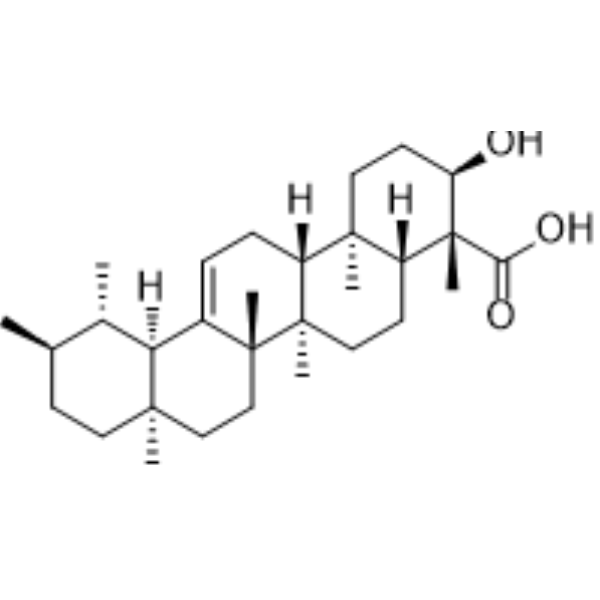
    β-Boswellic acid
    2 Publications Verification

    Lipoxygenase DNA/RNA Synthesis Cancer
    β-Boswellic acid is isolated from the gum resin of Boswellia serrata with anticancer, antioxidant activity, anti-inflammatory activity and anti-arthritic pain.β-Boswellic acid is an orally active nonreducing-type inhibitor of the 5-lipoxygenase (5-LO) product formation either interacting directly with the 5-LO or blocking its translocation. β-Boswellic acid inhibits the synthesis of DNA, RNA and protein in human leukemia HL-60 cells with IC50 values ranging from 0.6 to 7.1 μM. β-Boswellic acid is promising for research of diabetes, inflammatory and arthritic diseases .
    β-Boswellic acid
  • HY-136684
    BrBzGCp2
    4 Publications Verification

    S-p-Bromobenzylglutathione cyclopentyl diester

    Glyoxalase (GLO) Neurological Disease Cancer
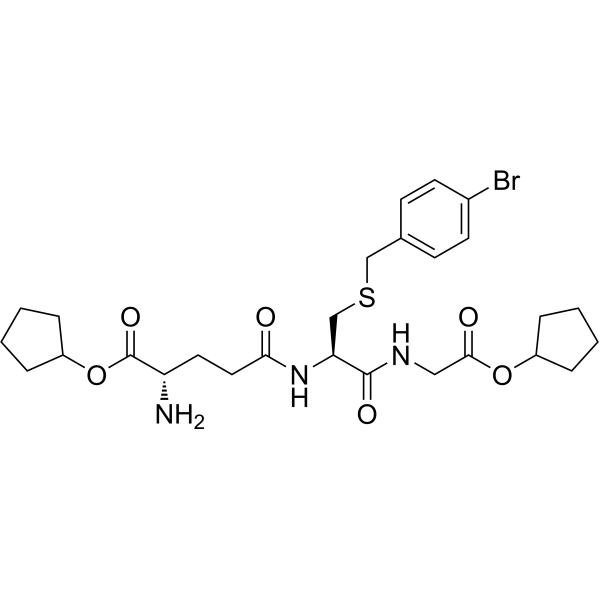
    BrBzGCp2 is a Glyoxalase 1 (GLO1) inhibitor, with a GC50 of 4.23 μM in HL-60 cells. BrBzGCp2 possesses antitumor and neuroprotective activity .
    BrBzGCp2
  • HY-W588250

    Integrin Inflammation/Immunology
    Surfactin C1 is an amphiphilic biosurfactants. Surfactin C1 inhibits leukemic cell (HL-60) adhesion to human umbilical vein endothelial cells (HUVEC). Surfactin C1 inhibits adhesion melecules expression, such as ICAM-1 and VCAM-1 .
    Surfactin C1
  • HY-33350
    Clofilium tosylate
    1 Publications Verification

    Potassium Channel Apoptosis Cardiovascular Disease Cancer
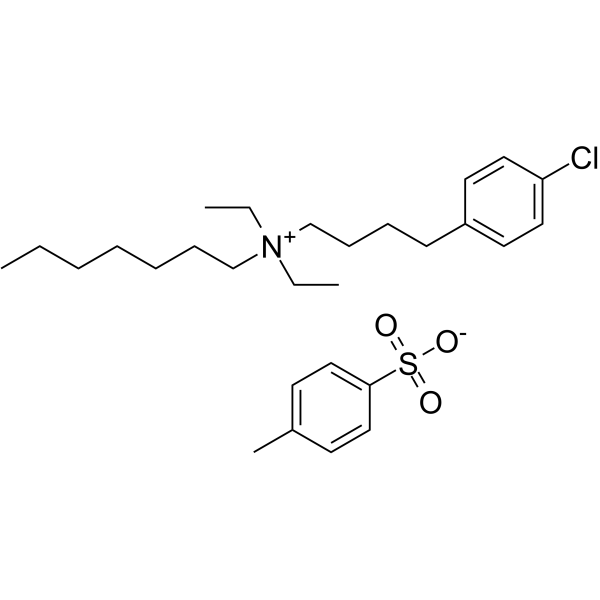
    Clofilium tosylate, a potassium channel blocker, induces apoptosis of human promyelocytic leukemia (HL-60) cells via Bcl-2-insensitive activation of caspase-3. Antiarrhythmic agent .
    Clofilium tosylate
  • HY-101413
    Iberin
    2 Publications Verification

    NSC 321801

    Apoptosis Endogenous Metabolite Bacterial Cancer
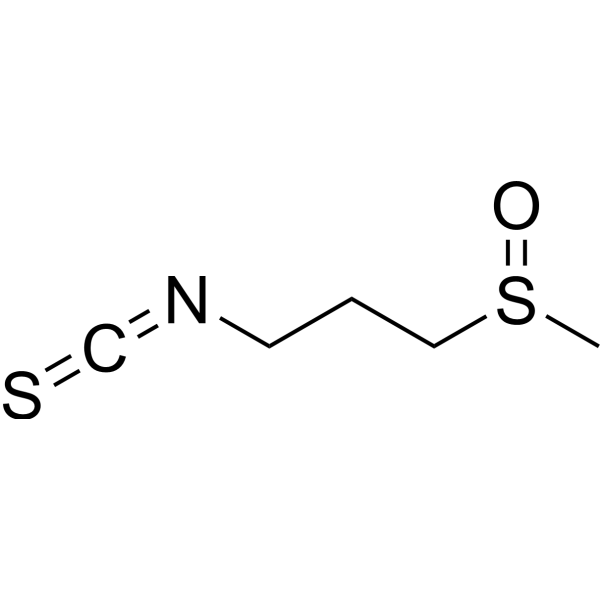
    Iberin (NSC 321801), a sulfoxide analogue of sulforaphane, is a naturally occurring member of isothiocyanate family. Iberin inhibits cell survival with an IC50 of 2.3 μM in HL60 cell. Iberin induces apoptosis.
    Iberin
  • HY-113978

    Xanthine Oxidase Apoptosis Reactive Oxygen Species (ROS) Metabolic Disease
    6-Formylpterin is an inhibitor of Xanthine Oxidase. 6-Formylpterin induces intracellular ROS generation and apoptosis in HL-60 cells. 6-Formylpterin suppresses cell proliferation in PanC-1 cells .
    6-Formylpterin
  • HY-112328

    Apoptosis Autophagy Reactive Oxygen Species (ROS) CDK Infection Cancer
    Fascaplysin is an antimicrobial and cytotoxic red pigment, that can come from the marine sponge (Fascaplysinopsis sp.). Fascaplysin has been synthesized in seven steps from indole (65% yield). Fascaplysin can induces apoptosis and autophagy in human leukemia HL-60 cells. Fascaplysin shows anti-tumor activity .
    Fascaplysin
  • HY-N10765

    Bacterial Inflammation/Immunology Cancer
    Salvinolone is active against methicillin-resistant Staphylococcus aureus (MRSA) and vancomycin-resistant Enterococcus (VRE). Salvinolone shows cytotoxic activity with an IC50 of 47.6 μM against the HL-60 tumor cell line for 72 h .
    Salvinolone
  • HY-129578

    Autophagy Cathepsin Infection Inflammation/Immunology Cancer
    Asperphenamate, a fungal metabolite of Aspergillus flatiipes with anti-cancer effect, exhibits IC50 values of 92.3 μM, 96.5 μM and 97.9 μM in T47D, MDA-MB-231 and HL-60 cells, respectively .
    Asperphenamate
  • HY-126066

    Drug Isomer NO Synthase NF-κB TNF Receptor Interleukin Related IFNAR COX CD20 CDK Bcl-2 Family Apoptosis Akt p38 MAPK GSK-3 Neurological Disease Inflammation/Immunology Cancer
    (-)-Syringaresinol is an orally active isomer of syringaresinol (HY-N8307) found in Annona Montana. (-)-Syringaresinol exhibits antioxidant, anti-inflammatory, and anticancer activities. (-)-Syringaresinol can alleviate ulcerative colitis via the PI3K-Akt/MAPK/Wnt signaling pathway. (-)-Syringaresinol inhibits HL-60 cell proliferation by arresting the G1 phase and inducing apoptosis. (-)-Syringaresinol inhibits LPS (HY-D1056)-induced microglial activation by downregulating the NF-κB p65 signaling pathway and its interaction with ERβ, exerting anti-neuroinflammatory effects .
    (-)-Syringaresinol
  • HY-149470

    Histone Acetyltransferase Cancer
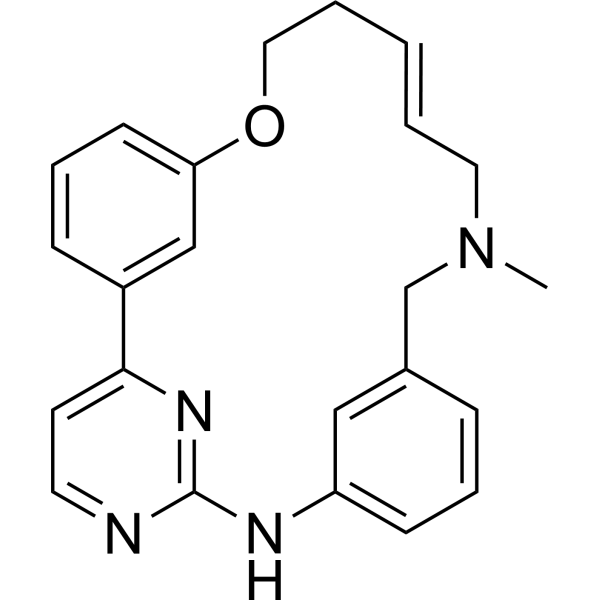
    MOZ-IN-3 (Compound 6j) is a KAT6A (MOZ) acetyltransferase inhibitor (IC50: 30 nM). MOZ-IN-3 has antitumor activity against four different myeloid leukemia cell lines (HL-60, U937, SKNO-1, K562). MOZ-IN-3 has favorable metabolic stability and pharmacokinetics .
    MOZ-IN-3
  • HY-N10127

    Others Cancer
    Lepidiline C shows cytotoxic activity against HL-60 cells with an IC50 of 27.7 μM.
    Lepidiline C
  • HY-N6694

    Calcium Channel Bacterial Apoptosis Antibiotic Infection Cancer
    4-Bromo A23187 is a halogenated analog of the highly selective calcium ionophore A-23187. 4-Bromo A23187, a calcium modulator, induces apoptosis in different cells, including HL-60 cells .
    4-Bromo A23187
  • HY-N2113
    Glaucocalyxin B
    1 Publications Verification

    Autophagy Cancer
    Glaucocalyxin B is an ent kaurane diterpenoid isolated from the Chinese traditional medicine Rabdosia japonica with anticancer and antitumor activity; decreases the growth of HL-60 cells with an IC50 of approximately 5.86 μM at 24 h.
    Glaucocalyxin B
  • HY-147222
    SAE-14
    1 Publications Verification

    GPR183 antagonist-1

    EBI2/GPR183 Neurological Disease Inflammation/Immunology
    SAE-14 (compound SAE-14) is a potent, specific GPR183 antagonist with an IC50 value of 28.5 nM, can antagonize 7α, 25-OHC–induced calcium mobilization with IC50 value below 50 nM in HL-60 cells. GPR183 antagonist-1 can reverse allodynia in mice .
    SAE-14
  • HY-17563R

    Deoxyguanosine (Standard); Guanine deoxyriboside (Standard)

    Reference Standards Endogenous Metabolite Cancer
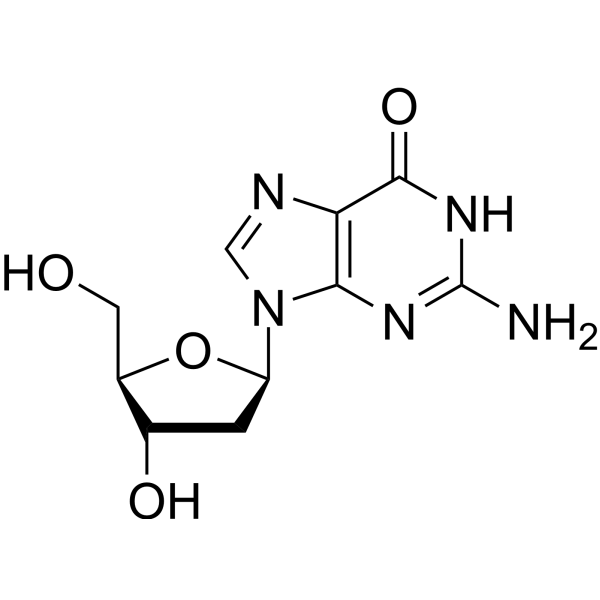
    2'-Deoxyguanosine (Standard) is the analytical standard of 2'-Deoxyguanosine. This product is intended for research and analytical applications. 2’-Deoxyguanosine (Deoxyguanosine) is a purine nucleoside with a variety of biological activities. 2’-Deoxyguanosine can induce DNA division in mouse thymus cells. 2’-Deoxyguanosine is a potent cell division inhibitor in plant cells . In Vitro: 2'-Deoxyguanosine inhibits the clonal growth of HL-60 and K562 leukemia cells with IC50 values of 50 and 80 μM, respectively .
    2'-Deoxyguanosine (Standard)
  • HY-108277

    Apoptosis Cancer
    Ginsenoside F5, from crude extracts of flower buds of Panax ginseng, remarkably inhibits the growth of HL-60 cells by the apoptosis pathway .
    Ginsenoside F5
  • HY-106784

    Fungal Apoptosis Infection Cancer
    Ajoene, a garlic-derived compound, is an antithrombotic and antifungal agent. Ajoene inhibits proliferation and induces apoptosis of human leukaemia CD34-negative cells including HL-60, U937, HEL and OCIM-I. Anticancer activities .
    Ajoene
  • HY-N7450

    Angiotensin-converting Enzyme (ACE) Apoptosis HIV Infection Inflammation/Immunology Cancer
    Icariside D2, isolated from Annona glabra fruit, inhibits angiotensin-converting enzyme. Icariside D2 shows significant cytotoxic activity on the HL-60 cell line with the IC50 value of 9.0 ± 1.0 μM. Icariside D2 induces apoptosis .
    Icariside D2
  • HY-129583
    Lepidiline A
    1 Publications Verification

    17β-HSD Cancer
    Lepidiline A exhibits cytotoxic activity against HL-60 cells with an IC50 value of 32.3 μM. Lepidiline A targets HSD17B1 activity, increases the bioconversion efficiency of sex hormones (including the conversion of estrogen into 17β-estradiol and 4-androsten-3,7-dione into testosterone), thereby improving the reproductive capacity of fruit flies. .
    Lepidiline A
  • HY-N10531

    Lewis a

    Others Others
    Lewis a trisaccharide (Lewis a) is a trisaccharide that has been found to be present in the glycan structures of spermatozoa. Lewis a trisaccharide also is a major component of the glycan structures on the surface of HL-60 cells .
    Lewis a trisaccharide
  • HY-155066

    PI3K mTOR Apoptosis Cancer
    FD274 is a highly potent PI3K/mTOR dual inhibitor with IC50s of 0.65 nM, 1.57 nM, 0.65 nM, 0.42 nM, and 2.03 nM against PI3Kα/β/γ/δ and mTOR, respectively. FD274 exhibits significant anti-proliferation of AML cell lines (HL-60 and MOLM-16). FD274 arrests HL-60 cell cycle at G1 phase and increases apoptosis. FD274 demonstrates dose-dependent inhibition of tumor growth in the HL-60 xenograft model. FD274 has the potential for acute myeloid leukemia research .
    FD274
  • HY-N15387

    Drug Derivative Cancer
    Hericenone J (Compound 6) is an aromatic compound with anticancer activity, which is found in Hericium erinaceum. Hericenone J is cytotoxic and can significantly reduce the viability of HL-60 human acute promyelocytic leukemia cells with an IC50 value of 4.13 μM. Hericenone J is promising for research of leukemia .
    Hericenone J
  • HY-N12153

    Others Cancer
    Theasaponin E2 shows cytotoxicity against K562 and HL60 cells (IC50: 14.7 μg/mL). Theasaponin E2 can be isolated from Camellia sinensis .
    Theasaponin E2
  • HY-123554

    Apoptosis Cancer
    Flavagline FL3 is a flavagline with potent and selective cytotoxicity in cancer cells.Flavagline FL3 induces apoptosis of HL60 and Hela cells by triggering the translocation of Apoptosis Inducing Factor (AIF) and caspase-12 to the nucleus .
    Flavagline FL3
  • HY-171334

    PROTACs PIN1 Cancer
    PROTAC PIN1 degrader-2 (1) is a PROTAC-based PIN1 degrader (Pink: PIN1 ligand HY-171442, Blue: cereblon ligand Thalidomide (HY-14658), Black: linker HY-W014883). PROTAC PIN1 degrader-2 (1) possesses anti-cancer activity, with IC50 values of 2248 nM (MV-4-11 cells), 3984 nM (MOLM-13), 3925 nM (HL-60), 3925 nM (HL-60), 3925 nM (HL-60), 3925 nM (HL-60) and 3925 nM (HL-60) respectively .
    (Rac)-P1D-34
  • HY-N10208

    Endogenous Metabolite Cancer
    Aspericin C is a pyran derivative found in the marine-derived fungus Rhizopus sp. 2-PDA-61. Aspericin C shows cytotoxic activities against P388, A549, HL-60, and BEL-7420 cell lines (IC50=14.6, 7.1, 61.4, and 24.2 μM, respectively) .
    Aspericin C
  • HY-111008A

    VF-233 hydrocHLoride

    DNA/RNA Synthesis Cancer
    Trimidox hydrochloride (VF-233) is a ribonucleotide reductase inhibitor with antileukemic activities. Trimidox hydrochloride inhibits the growth of human promyelocytic leukemia HL-60 cells with an IC50 of 35 μM .
    Trimidox hydrochloride
  • HY-N9339

    (+)-Norglaucine

    Others Cancer
    Norglaucine ((+)-Norglaucine), a cytotoxic alkaloid, exhibits cytotoxicity towards the tumor cell lines B16-F10, HepG2, K562 and HL-60 cells .
    Norglaucine
  • HY-N11928

    Others Cancer
    Changnanic acid (schisandrin) is a triterpene compound with potential anti-tumor effects. Changnanic acid exhibits moderate cytotoxic activity against human tumor cell lines Bel-7402, MCF-7 and HL-60, with IC50s of 100 μM, 100 μM and 50.51 μM respectively .
    Changnanic acid
  • HY-146565

    DNA-PK Cancer
    DNA-PK-IN-8 is a highly potent, selective and orally active DNA-dependent protein kinase (DNA-PK) inhibitor with an IC50 value of 0.8 nM. DNA-PK-IN-8 exhibits synergistic antiproliferative activity against a series of cancer cell lines and significantly suppresses HL-60 tumor growth, when using in combination with Doxorubicin .
    DNA-PK-IN-8
  • HY-175261

    CDK Wee1 Checkpoint Kinase (Chk) Cancer
    DHI1 is an anti-leukemia agent with high selectivity for Jurkat (IC50 = 21.83 μM) and HL-60 (IC50 = 19.14 μM) leukemia cells and has low toxicity to non-cancerous cells. DHI1 can induce G2/M phase cell arrest in Jurkat and HL-60 leukemia cells, as well as S phase arrest in HL-60 cells, and has significant effects on cell cycle signaling molecules Wee1, cyclin B1, cdc2 on Tyr15, and Chk1. DHI1 inhibits the migration and invasion of Jurkat and HL-60 cells by disrupting cytoskeletal actin filaments. DHI1 can be used to study hematological malignancies .
    DHI1
  • HY-155390

    Caspase Apoptosis Cancer
    Caspase-3 activator 3 (compound 2h) induces apoptosis in HL-60 and K562 cells via significant caspase 3 activation. Caspase-3 activator 3 shows antileukemic acticity against HL-60 and K562 cells, with IC50 values of 42.89 and 33.61 μM, respectively .
    Caspase-3 activator 3
  • HY-N8658

    Others Infection Inflammation/Immunology
    Epinodosin is a diterpenoid. Epinodosin has moderate cytotoxicity against HL-60 cells with IC50 value of 10.4 μM. Epinodosin can be used for the research of inflammatory diseases .
    Epinodosin
  • HY-113978R

    Xanthine Oxidase Apoptosis Reference Standards Reactive Oxygen Species (ROS) Metabolic Disease
    6-Formylpterin (Standard) is the analytical standard of 6-Formylpterin. This product is intended for research and analytical applications. 6-Formylpterin is an inhibitor of Xanthine Oxidase. 6-Formylpterin induces intracellular ROS generation and apoptosis in HL-60 cells. 6-Formylpterin suppresses cell proliferation in PanC-1 cells .
    6-Formylpterin (Standard)
  • HY-N7338

    Others Cancer
    Yadanziolide C is a quassinoid with antiproliferative and differentiation-inducing properties in promyelocytic HL-60 cells .
    Yadanziolide C
  • HY-N8477

    NO Synthase Inflammation/Immunology
    Isolupalbigenin is an inhibitor of NO. Isolupalbigenin has anti-proliferative activity on HL-60 cells with an IC50 of 5.1 μM .
    Isolupalbigenin
  • HY-124122

    VEGFR Checkpoint Kinase (Chk) Apoptosis Caspase Bcl-2 Family Cancer
    BPTQ is a potent inhibitor against VEGFR1 and CHK2 with IC50 values of 0.54 and 1.70 µmol/L, respectively. BPTQ is also an intercalator of DNA with anticancer activities. BPTQ inhibits the proliferation of HL-60 cells by arresting cells at S and G2/M phase with an IC50 value of 12 µmol/L. BPTQ also activates the mitochondria-mediated Apoptosis pathway by a decrease in mitochondrial membrane potential, increase in the Bax:Bcl-2 ratio and activation of caspases .
    BPTQ
  • HY-159610

    Molecular Glues Cancer
    GSPT1 degrader-10 (compound A) is a cereblon-based molecular glue degrader of GSPT1 with more than 95% degradation. GSPT1 degrader-8 inhibits cell viability in HL-60 cells with an IC50 of 10 nM .
    GSPT1 degrader-10
  • HY-P1121

    Formyl Peptide Receptor (FPR) Inflammation/Immunology
    WKYMVM-NH2 is a hexapeptide that activates neutrophils and myeloid cells via the FPRL1 and FPRL2 receptors. It exhibits EC50 values of 2 nM and 80 nM in HL-60-FPRL1 and HL-60-FPRL2 cells, respectively. In HL-60 cells stably expressing FPRL2, WKYMVM-NH₂ induces chemotaxis, with optimal migration observed at concentrations ranging from 10 to 50 nM. It also stimulates superoxide production in neutrophils, with an EC50 of 75 nM. WKYMVM-NH₂ is a useful tool for research in the field of inflammatory diseases .
    WKYMVM-NH2
  • HY-135122

    ADC Payload DNA Alkylator/Crosslinker Cancer
    DC10SMe is a DNA alkylator, can be used in the synthesis of antibody-drug conjugate (ADC). DC10SMe exhibits IC50s of 15 pM, 12 pM, and 12 pM for Ramos, Namalwa, and HL60/s cancer cells, respectively .
    DC10SMe
  • HY-112900

    ADC Payload Cancer
    DC41SMe, a DC1 derivative, shows cytotoxicity in Ramos, Namalwa, and HL60/s cells with IC50s ranging from 18-25 pM. DC1, a simplified analogue of CC-1065, is an antibody conjugate of cytotoxic DNA alkylators for the targeted treatment of cancer .
    DC41SMe
  • HY-159609

    Molecular Glues Cancer
    GSPT1 degrader-9 (Compound F) is a cereblon-based molecular glue degrader for G1 to S phase transition protein 1 (GSPT1) that degrades GSPT1 with a rate of 95% (1 μM) GSPT1 and 86% (0.1 μM). GSPT1 degrader-9 inhibits the cell viability of HL-60 with an IC50 of 9.2 nM .
    GSPT1 degrader-9
  • HY-B1490AS

    Isotope-Labeled Compounds Serotonin Transporter Neurological Disease Inflammation/Immunology Cancer
    Imipramine-d6 is the deuterium labeled Imipramine hydrochloride. Imipramine is an orally active tertiary amine tricyclic antidepressant. Imipramine is a Fascin1 inhibitor with antitumor activities. Imipramine also inhibits serotonin transporter with an IC50 value of 32 nM. Imipramine stimulates U-87MG glioma cells autophagy and induces HL-60 cell apoptosis. Imipramine shows neuroprotective and immunomodulatory effects .
    Imipramine-d6
  • HY-B1490S1

    Isotope-Labeled Compounds Serotonin Transporter Autophagy Apoptosis Neurological Disease Inflammation/Immunology Cancer
    Imipramine-d3 (hydrochloride) is deuterium labeled Imipramine (hydrochloride). Imipramine is an orally active tertiary amine tricyclic antidepressant. Imipramine is a Fascin1 inhibitor with antitumor activities. Imipramine also inhibits serotonin transporter with an IC50 value of 32 nM. Imipramine stimulates U-87MG glioma cells autophagy and induces HL-60 cell apoptosis. Imipramine shows neuroprotective and immunomodulatory effects .
    Imipramine-d3 hydrochloride
  • HY-158019

    DNA/RNA Synthesis Cancer
    Anticancer agent 196 (compound 1) shows cell cytotoxicity with IC50  values of  7.69 µM and  54.2 µM for HL-60 cells and A549 cells, respectively. Anticancer agent 196 can induce DNA damage .
    Anticancer agent 196

Inquiry Online

Your information is safe with us. * Required Fields.

Salutation


Country or Region *

Applicant Name *


Organization Name *

Department *


Email Address *


Product Name *

Cat. No.


Requested quantity *

Phone Number *


Remarks

Inquiry Online

Inquiry Information

Product Name:
Cat. No.:
Quantity:
MCE Japan Authorized Agent:

