

1. Search Result
Search Result
Results for "

Homocysteine

" in MedChemExpress (MCE) Product Catalog:

72

Inhibitors & Agonists

3

Fluorescent Dye

2

Biochemical Assay Reagents

4

Peptides

22

Natural
Products

1

Recombinant Proteins

16

Isotope-Labeled Compounds

3

Antibodies

1

Click Chemistry

5

Oligonucleotides

Cat. No. Product Name Target Research Areas Chemical Structure
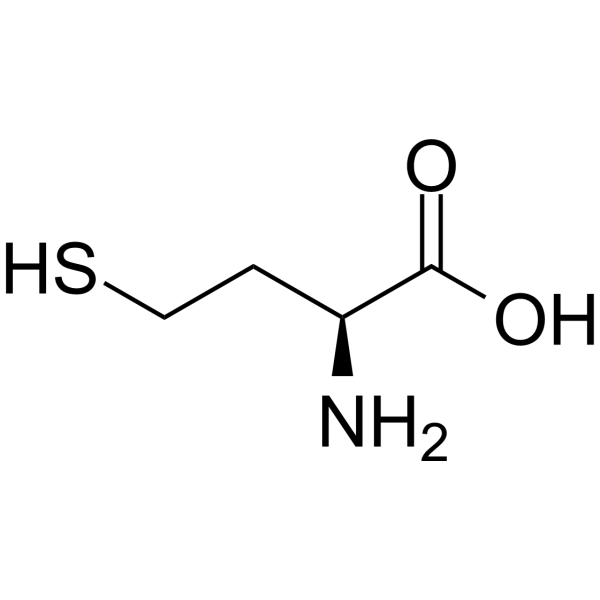
  • HY-W010347
    L-Homocysteine
    Maximum Cited Publications
    7 Publications Verification

    Endogenous Metabolite Cathepsin Cardiovascular Disease Inflammation/Immunology
    L-Homocysteine, an amino acid, is a homocysteine that has L configuration. Homocysteine is an essential intermediate in normal mammalian metabolism of methionine. L-Homocysteine induces upregulation of Cathepsin V that mediates vascular endothelial inflammation in hyperhomocysteinaemia .
    L-Homocysteine
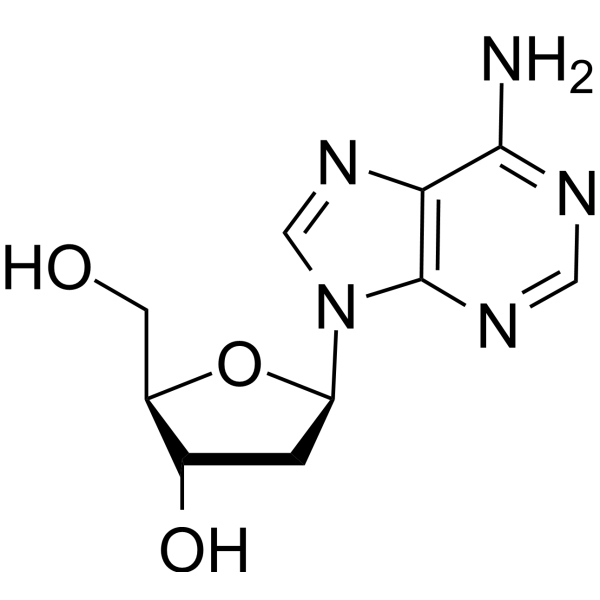
  • HY-W040329

    Endogenous Metabolite Nucleoside Antimetabolite/Analog Caspase Apoptosis Metabolic Disease Endocrinology Cancer
    2′-Deoxyadenosine is an adenine nucleoside that inhibits glucose-stimulated insulin release. 2′-Deoxyadenosine inhibits glucose-stimulated increases seen in islet cyclic AMP (cAMP) accumulation. 2'-Deoxyadenosine activates caspase-3 and promotes apoptosis. 2'-Deoxyadenosine inhibits the activity of S-adenosyl-L-homocysteine hydrolase (SAHH). 2'-Deoxyadenosine inhibits the growth of various cells. 2'-Deoxyadenosine has an anticancer effect on colon cancer .
    2'-Deoxyadenosine
  • HY-W009749
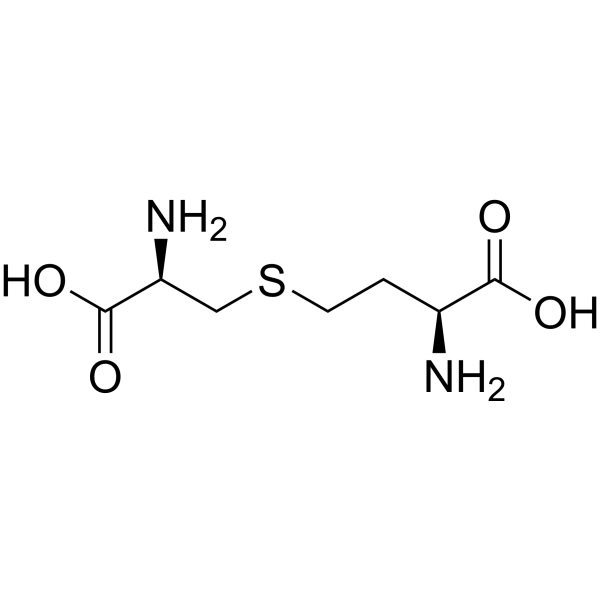
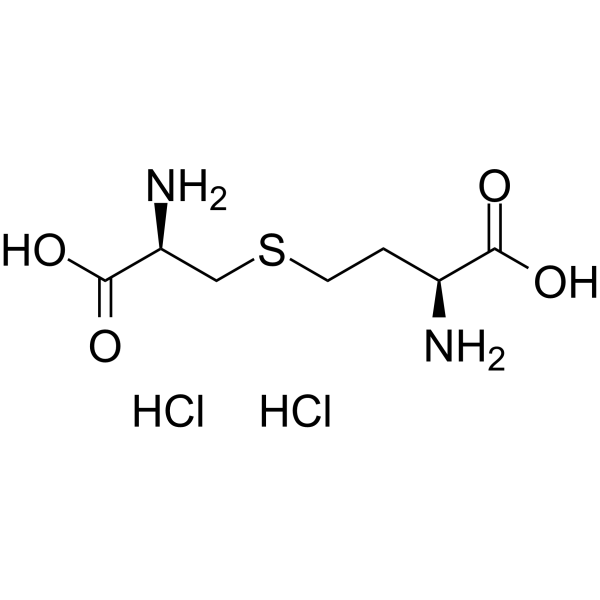
    L-Cystathionine
    1 Publications Verification

    Endogenous Metabolite Apoptosis Cardiovascular Disease
    L-Cystathionine is a nonprotein thioether and is a key amino acid associated with the metabolic state of sulfur-containing amino acids. L-Cystathionine protects against Homocysteine-induced mitochondria-dependent apoptosis of vascular endothelial cells (HUVECs). L-Cystathionine plays an important role in cardiovascular protection .
    L-Cystathionine
  • HY-W010347S

    Endogenous Metabolite Inflammation/Immunology
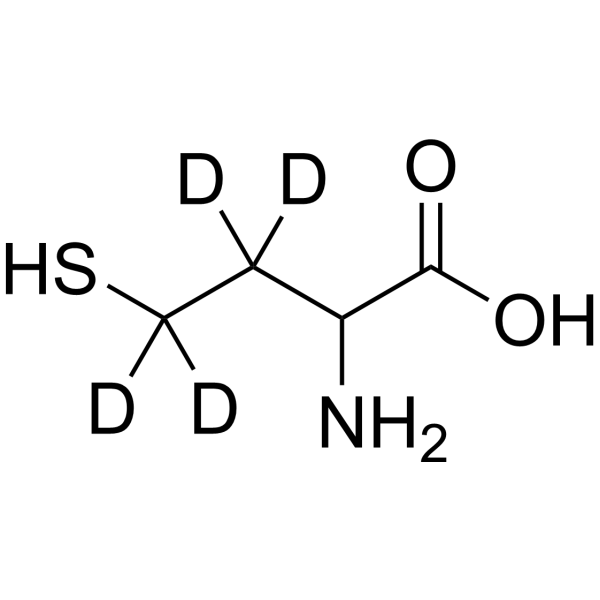
    DL-Homocysteine-d4 is the deuterium labeled DL-Homocysteine. DL-Homocysteine is a weak neurotoxin, and can affect the production of kynurenic acid in the brain .
    DL-Homocysteine-d4
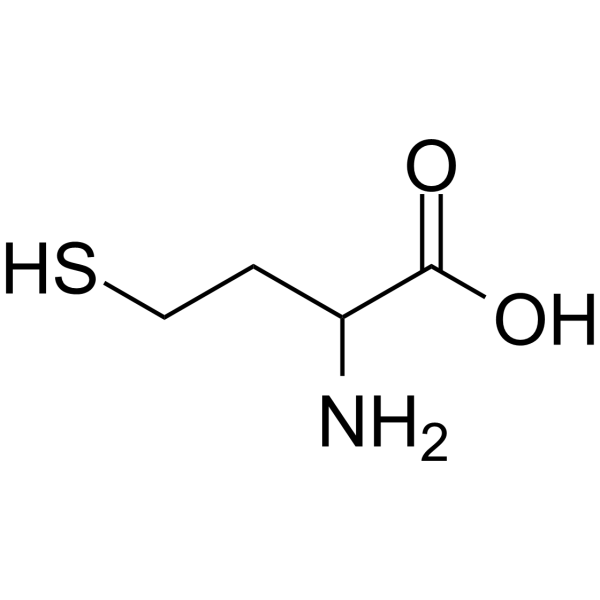
  • HY-W040821
    DL-Homocysteine
    4 Publications Verification

    Endogenous Metabolite Neurological Disease
    DL-Homocysteine is a weak neurotoxin, and can affect the production of kynurenic acid in the brain. DL-Homocysteine is correlated with Vitamin B12, renal functions and folate levels, affects the cross-sectional cognition indirectly through white matter microstructural integrity .
    DL-Homocysteine
  • HY-150097

    Biochemical Assay Reagents Metabolic Disease Inflammation/Immunology Cancer
    Recombinant Human Serum Albumin (rHSA) is a non-glycosylated monomeric plasma protein that acts as a core factor for maintaining plasma colloid osmotic pressure. Recombinant Human Serum Albumin (rHSA) possesses multiple physiological functions including carrier, metabolic regulation, detoxification, antioxidation and enzyme mimicking. Recombinant Human Serum Albumin (rHSA) not only scavenges reactive oxygen and nitrogen species via specific residues and binds a variety of endogenous and exogenous compounds to maintain redox homeostasis, but also serves as a biomarker for multiple diseases such as cancer and inflammation. Recombinant Human Serum Albumin (rHSA) broadly supports the development of implantable materials, surgical adhesives and ligand capture, and can be used for research on critical illnesses including hypovolemia, liver failure, severe sepsis and various types of trauma resuscitation .
    Recombinant Human Serum Albumin(rHSA)
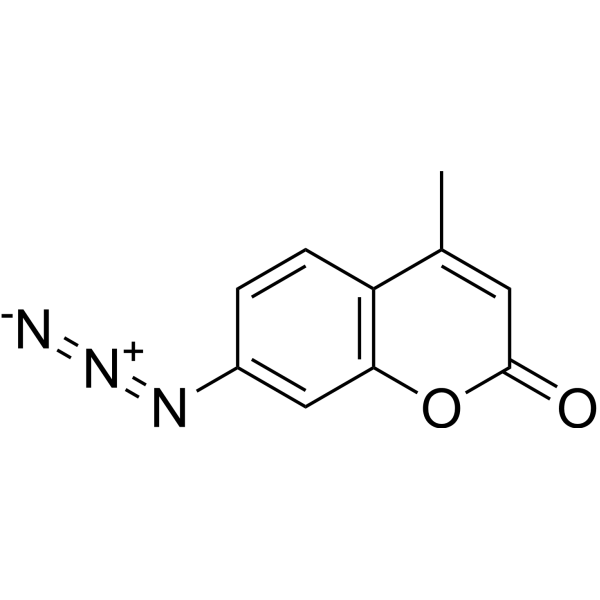
  • HY-119323
    7-Azido-4-methylcoumarin
    1 Publications Verification

    Fluorescent Dye Others
    7-Azido-4-methylcoumarin is a selective coumarin-based fluorescent probe for hydrogen sulfide (H2S). In the presence of H2S, the aromatic azido group of 7-Azido-4-methylcoumarin is selectively reduced to produce the fluorescently active 7-amino-4-methylcoumarin (AMC). 7-Azido-4-methylcoumarin binds to the coumarin/phenol-binding site of BSA, the aglycone-binding site of UGT1A6, and the substrate-binding site of SULT1A1, respectively. 7-Azido-4-methylcoumarin retains its fluorescent properties after covalent binding, acts as a fluorescent H2S probe, and does not react with cysteine, homocysteine or glutathione (Ex/Em = 340/445 nm) .
    7-Azido-4-methylcoumarin
  • HY-W011683

    Endogenous Metabolite Nucleoside Antimetabolite/Analog Caspase Apoptosis Metabolic Disease Endocrinology Cancer
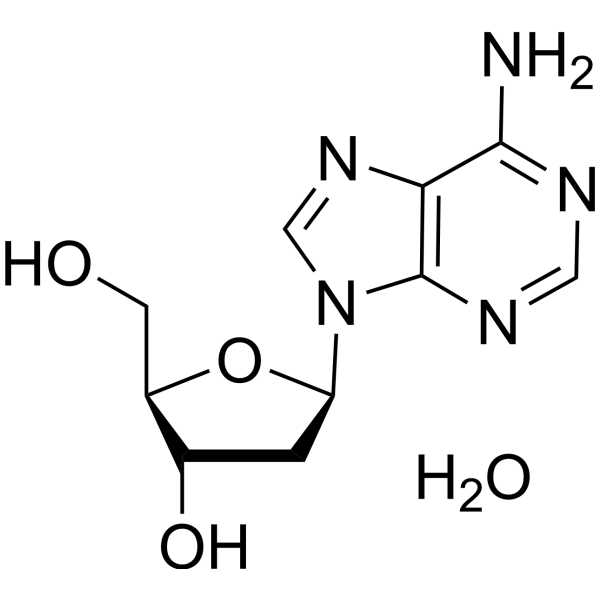
    2′-Deoxyadenosine monohydrate is an adenine nucleoside that inhibits glucose-stimulated insulin release. 2′-Deoxyadenosine monohydrate inhibits glucose-stimulated increases seen in islet cyclic AMP (cAMP) accumulation. 2'-Deoxyadenosine monohydrate activates caspase-3 and promotes apoptosis. 2'-Deoxyadenosine monohydrate inhibits the activity of S-adenosyl-L-homocysteine hydrolase (SAHH). 2'-Deoxyadenosine monohydrate inhibits the growth of various cells. 2'-Deoxyadenosine monohydrate has an anticancer effect on colon cancer .
    2'-Deoxyadenosine monohydrate
  • HY-120380

    MOFs PARP Neurological Disease
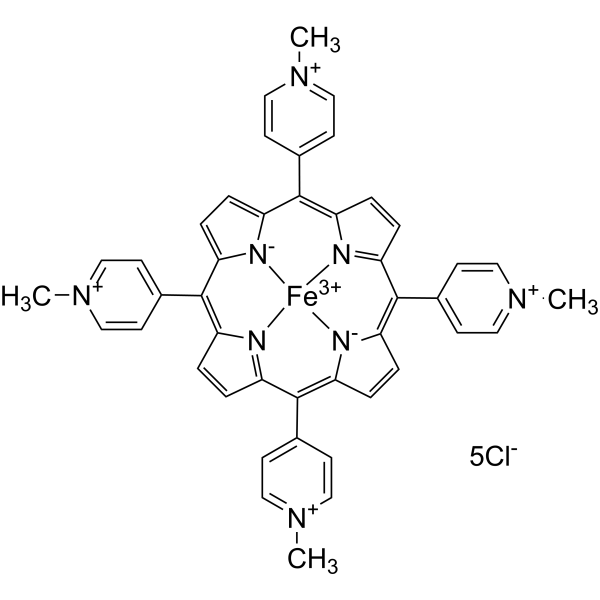
    FeTMPyP is an orally active poly (ADP-ribose) polymerase (PARP) inhibitor. FeTMPyP inhibits cell death, nitrotyrosine formation, and depolarization of mitochondrial transmembrane potential. FeTMPyP reduces homocysteine-induced nitrosative stress and partially restores TFEB protein and mRNA levels. FeTMPyP improves functional and behavioral deficits caused by chronic constriction injury in rats. FeTMPyP alleviates acute cerebral infarction in a rat model of middle cerebral artery occlusion with mild hyperglycemia. FeTMPyP can be used in studies related to neuropathic pain, renal aging, ischemic penumbra, and hyperglycemic stroke .
    FeTMPyP
  • HY-101404A

    Amino Acid Derivatives Cardiovascular Disease Inflammation/Immunology
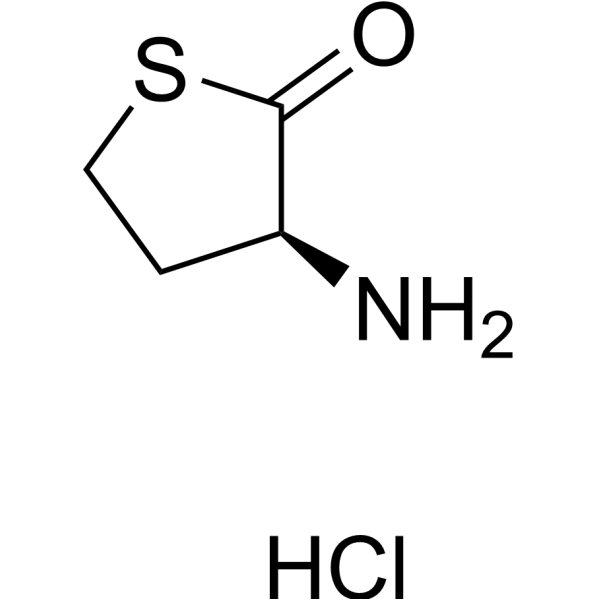
    L-Homocysteine thiolactone hydrochloride is an intramolecular thioester of Homocysteine. Homocysteine thiolactone hydrochloride prevents translational incorporation of homocysteine into proteins. L-Homocysteine thiolactone hydrochloride can induce elevated HHcy (hyperhomocysteinemia) in mice .
    L-Homocysteine thiolactone hydrochloride
  • HY-W653733
    L-Homocysteine-d4
    1 Publications Verification

    Isotope-Labeled Compounds Endogenous Metabolite Cathepsin Cardiovascular Disease Inflammation/Immunology
    L-Homocysteine-d4 is deuterium labeled L-Homocysteine (HY-W010347) . L-Homocysteine, an amino acid, is a homocysteine that has L configuration. Homocysteine is an essential intermediate in normal mammalian metabolism of methionine. L-Homocysteine induces upregulation of Cathepsin V that mediates vascular endothelial inflammation in hyperhomocysteinaemia
    L-Homocysteine-d4
  • HY-W048918

    Amino Acid Derivatives Others
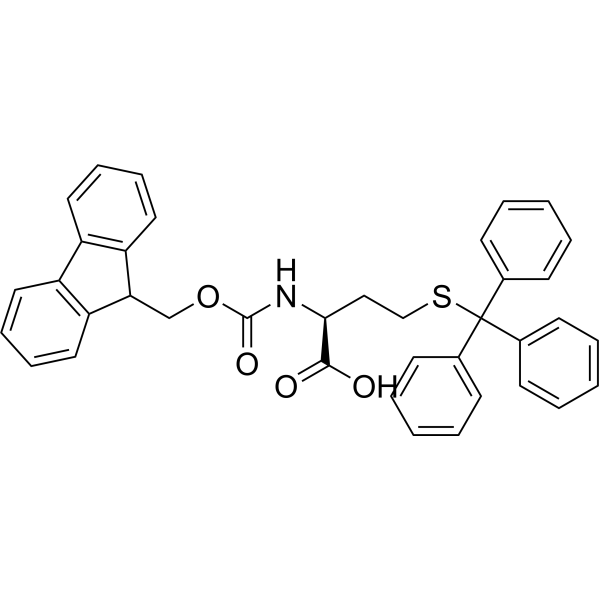
    N-(((9H-Fluoren-9-yl)methoxy)carbonyl)-S-trityl-L-homocysteine is a cysteine derivative .
    N-(((9H-Fluoren-9-yl)methoxy)carbonyl)-S-trityl-L-homocysteine
  • HY-P5381
    gp91 ds-tat
    1 Publications Verification

    NADPH Oxidase Ferroptosis Reactive Oxygen Species (ROS) Glutathione Peroxidase TRP Channel Cardiovascular Disease Neurological Disease Inflammation/Immunology
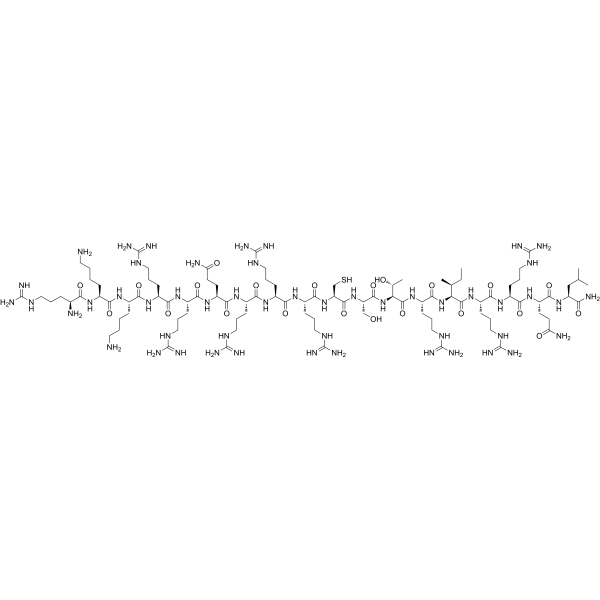
    gp91 ds-tat, a biological active peptide, is a NADPH oxidase 2 (Nox2) inhibitor. gp91 ds-tat blocks NADPH oxidase-dependent superoxide production. gp91 ds-tat ameliorates high glucose-induced increase in total ROS, LPOs and iron levels. gp91 ds-tat inhibits homocysteine (Hcy)-induced activation of NLRP3 inflammasomes and restores Hcy-inhibited lysosomal TRPML1 channel activity. gp91 ds-tat improves cerebrovascular and cognitive function in APP/PS1 mice. gp91 ds-tat can be used for the study of Alzheimer’s disease (AD), glomerular inflammation and cardiovascular disease .
    gp91 ds-tat
  • HY-W011690

    Endogenous Metabolite Cardiovascular Disease Metabolic Disease Inflammation/Immunology
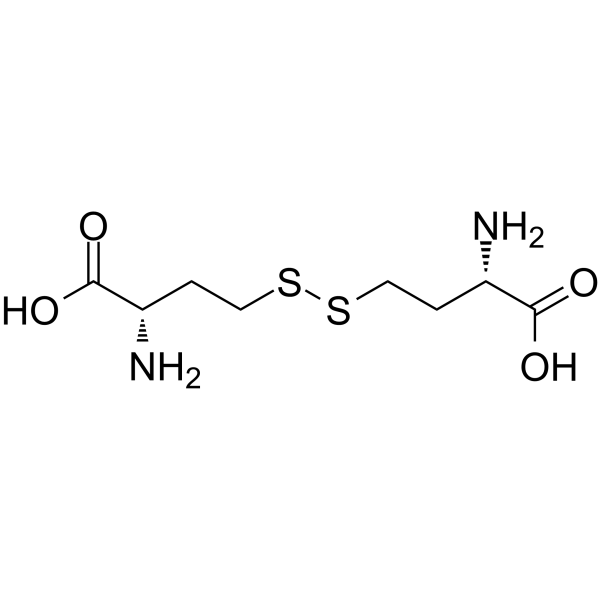
    L-Homocystine is the oxidized member of the L-homocysteine. Homocysteine is a pro-thrombotic factor, vasodilation impairing agent, pro-inflammatory factor and endoplasmatic reticulum-stress inducer used to study cardiovascular disease mechanisms.
    L-Homocystine
  • HY-17557
    Calcium N5-methyltetrahydrofolate
    Maximum Cited Publications
    9 Publications Verification

    NSC173328; 5-Methyl THF calcium

    Drug Derivative Cardiovascular Disease Neurological Disease Metabolic Disease Cancer
    Calcium N5-methyltetrahydrofolate (NSC173328; 5-Methyl THF (calcium)), Levomefolic acid (HY-14781) derivative, is a folic acid supplement. Calcium N5-methyltetrahydrofolate can be used for the research of neural tube defects, infertility, non-hodgkin's lymphoma, endometriosis .
    Calcium N5-methyltetrahydrofolate
  • HY-W009390

    Endogenous Metabolite Metabolic Disease
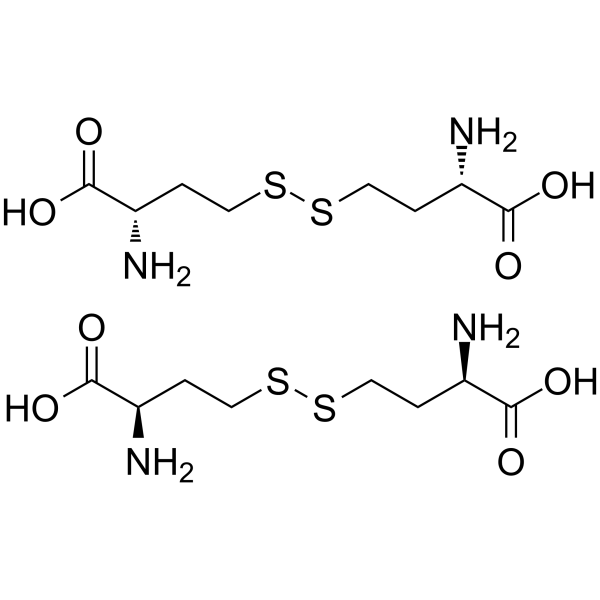
    DL-Homocystine is the double-bonded form of homocysteine and homocysteine is recognized as an important substance in the pathogenesis and pathophysiology of schizophrenia.
    DL-Homocystine
  • HY-149048

    SAHH; AHCY

    Exosomes Endogenous Metabolite HBV Infection Metabolic Disease
    Adenosylhomocysteinase (SAHH; AHCY) is a highly conserved enzyme. Adenosylhomocysteinase reversible catalyzes S-adenosylhomocysteine (SAH) to adenosine and L-homocysteine. The serum exosomal Adenosylhomocysteinase level can be used as a prognostic biomarker in HBV-LC patients .
    Adenosylhomocysteinase
  • HY-101404

    Endogenous Metabolite Others
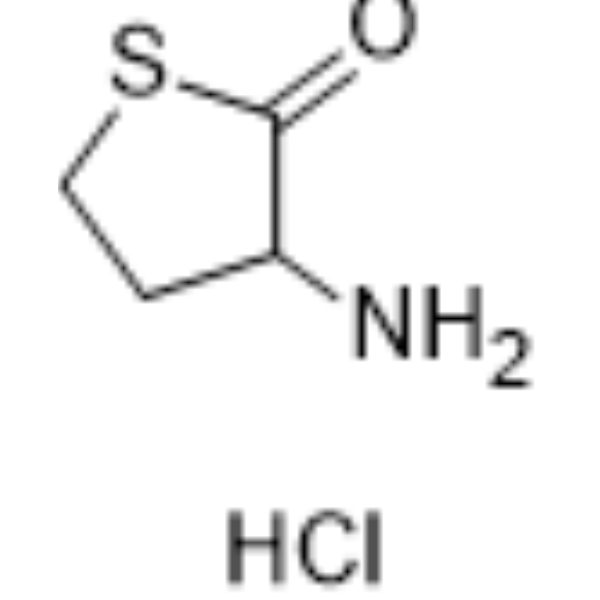
    DL-Homocysteine thiolactone hydrochloride is a cyclic amino acid derivative that exhibits root-growth inhibitory activity.
    DL-Homocysteine thiolactone hydrochloride
  • HY-126426

    DNA Methyltransferase Cardiovascular Disease
    CBHcy is an inhibitor for betaine-homocysteine S-methyltransferase (BGMT), with an IC50 of 0.09 μM. CBHcy upregulates the plasma total homocysteine and causes transient hyperhomocysteinemia in mice model .
    CBHcy
  • HY-W105506

    s,s-Dimethyl-β-propionic acid thetine

    Drug Intermediate Others
    Dimethylpropiothetin hydrochloride is a dimethylsulfide precursor. Dimethylpropiothetin hydrochloride can be isolated from the marine coccolithophore Hymenomonas carterae. Dimethylpropiothetin hydrochloride participates in the maintenance of cellular osmotic pressure .
    Dimethylpropiothetin hydrochloride
  • HY-P1341

    Orexin A (17-33) (human, mouse, rat, bovine)

    Orexin Receptor (OX Receptor) Sigma Receptor Phospholipase Neurological Disease
    OXA (17-33) (Orexin A (17-33) (human, mouse, rat, bovine)) is the shortest active orexin peptide that selectively targets OX1 (EC50=8.29 nM), with 23-fold selectivity for the OX1 receptor over the OX2 receptor. The activity of OXA (17-33) depends on the Tyr17, Leu20, Asn25, His26 residues and the spatial conformation of the α-helix. OXA (17-33) activates signaling pathways involving inositol-1,4,5-trisphosphate receptor (IP3R), phospholipase D (PL-D) and choline-Sigma-1R, thereby increasing the cytoplasmic Ca 2+ level in nucleus accumbens neurons, an effect that is blocked by Sigma-1R antagonists. OXA (17-33) serves as an important biological probe for investigating the function of the OX1 receptor. OXA (17-33) can be modified via incorporation of mixed disulfide bonds of homocysteine and cysteamine, and is widely used in studies related to insomnia and narcolepsy .
    OXA(17-33)
  • HY-W010347R

    Reference Standards Endogenous Metabolite Cathepsin Cardiovascular Disease Inflammation/Immunology
    L-Homocysteine (Standard) is the analytical standard of L-Homocysteine. This product is intended for research and analytical applications. L-Homocysteine, an amino acid, is a homocysteine that has L configuration. Homocysteine is an essential intermediate in normal mammalian metabolism of methionine. L-Homocysteine induces upregulation of Cathepsin V that mediates vascular endothelial inflammation in hyperhomocysteinaemia[1][2].
    L-Homocysteine (Standard)
  • HY-W009749C
    L-Cystathionine dihydrochloride
    1 Publications Verification

    Endogenous Metabolite Apoptosis Cardiovascular Disease
    L-Cystathionine (dihydrochloride) is a nonprotein thioether and is a key amino acid associated with the metabolic state of sulfur-containing amino acids. L-Cystathionine (dihydrochloride) protects against Homocysteine-induced mitochondria-dependent apoptosis of vascular endothelial cells (HUVECs). L-Cystathionine (dihydrochloride) plays an important role in cardiovascular protection .
    L-Cystathionine dihydrochloride
  • HY-158779

    SSP4

    Fluorescent Dye Others
    Sulfane sulfur probe 4 (SSP4) is a fluorescent probe used to detect sulfane sulfur species (Ex/Em=494/515 nm). Sulfane sulfur probe 4 exhibits high sensitivity in detecting sulfane sulfur, even in the presence of other substances such as homocysteine, methionine, cysteine, glutathione, N-acetyl-L-cysteine, glycine, tyrosine, tryptophan, arginine, and metal ions (Fe 2+, Fe 3+, Mg 2+, Ca 2+, and Zn 2+) .
    Sulfane sulfur probe 4
  • HY-D2315

    Fluorescent Dye Cancer
    Probe-Cys is a water-soluble and selective near-infrared fluorescent probe for Cysteine (Cys) (λex= 680 nm, λem=710 nm) that is not interfered by Hcy, GSH, and HS-. Probe-Cys can react with the stimulant DTT (HY-15917) and the NEM (HY-D0843) in HepG2 cells and zebrafish for the detection of endogenous Cys. Probe-Cys can also be used for imaging Cys in Arabidopsis thaliana. Probe-Cys provides a method for cancer diagnosis and exploration of plant sulfur metabolism .
    Probe-Cys
  • HY-W040329R

    Reference Standards Endogenous Metabolite Nucleoside Antimetabolite/Analog Caspase Apoptosis Metabolic Disease Endocrinology Cancer
    2'-Deoxyadenosine (Standard) is the analytical standard of 2'-Deoxyadenosine (HY-W040329). This product is intended for research and analytical applications. 2′-Deoxyadenosine is an adenine nucleoside that inhibits glucose-stimulated insulin release. 2′-Deoxyadenosine inhibits glucose-stimulated increases seen in islet cyclic AMP (cAMP) accumulation. 2'-Deoxyadenosine activates caspase-3 and promotes apoptosis. 2'-Deoxyadenosine inhibits the activity of S-adenosyl-L-homocysteine hydrolase (SAHH). 2'-Deoxyadenosine inhibits the growth of various cells. 2'-Deoxyadenosine has an anticancer effect on colon cancer .
    2'-Deoxyadenosine (Standard)
  • HY-W011690S

    Endogenous Metabolite Metabolic Disease
    L-Homocystine-d8 is the deuterium labeled L-Homocystine. L-Homocystine is the oxidized member of the L-homocysteine. Homocysteine is a pro-thrombotic factor, vasodilation impairing agent, pro-inflammatory factor and endoplasmatic reticulum-stress inducer used to study cardiovascular disease mechanisms.
    L-Homocystine-d8
  • HY-D1423

    Fluorescent Dye Others
    Dibromobimane is a thiol-selective fluorescent imaging agent. Dibromobimane is used to crosslink cysteine- and homocysteine-containing peptides .
    Dibromobimane
  • HY-E70079

    CBL

    Biochemical Assay Reagents Infection
    Cystathionine β-lyase, Recombinant Microorganisms (CBL) is an enzyme that catalyzes the breakdown of cystathionine to homocysteine, the penultimate step in methionine biosynthesis. Cystathionine β-lyase is important for bacterial virulence .
    Cystathionine β-lyase, Recombinant Microorganisms
  • HY-E70078

    Biochemical Assay Reagents Others
    Cystathionine β-synthase is an enzyme that catalyzes the condensation of serine and homocysteine to water and cystathionine. Cystathionine β-synthase is a prominent enzyme for the production of hydrogen sulfide (H2S) .
    Cystathionine β-synthase
  • HY-W040329S1

    Isotope-Labeled Compounds Endogenous Metabolite Nucleoside Antimetabolite/Analog Caspase Apoptosis Metabolic Disease Endocrinology Cancer
    2'-Deoxyadenosine- 13C10 is 13C-labeled 2'-Deoxyadenosine (HY-W040329) . 2′-Deoxyadenosine is an adenine nucleoside that inhibits glucose-stimulated insulin release. 2′-Deoxyadenosine inhibits glucose-stimulated increases seen in islet cyclic AMP (cAMP) accumulation. 2'-Deoxyadenosine activates caspase-3 and promotes apoptosis. 2'-Deoxyadenosine inhibits the activity of S-adenosyl-L-homocysteine hydrolase (SAHH). 2'-Deoxyadenosine inhibits the growth of various cells. 2'-Deoxyadenosine has an anticancer effect on colon cancer .
    2'-Deoxyadenosine-13C10
  • HY-W009390S

    Endogenous Metabolite Metabolic Disease
    DL-Homocystine-3,3,3’,3’,4,4,4’,4’-d8 is the deuterium labeled DL-Homocystine. DL-Homocystine is the double-bonded form of homocysteine and homocysteine is recognized as an important substance in the pathogenesis and pathophysiology of schizophrenia .
    DL-Homocystine-3,3,3’,3’,4,4,4’,4’-d8
  • HY-133135

    CHIKV Nucleoside Antimetabolite/Analog Infection
    CHIKV-IN-1 (Compound 3a) is a compound that inhibits the Chikungunya virus (CHIKV) with an EC50 of 0.12 μM. CHIKV-IN-1 is a potent inhibitor of the S-adenosyl-L-homocysteine hydrolase (SAH hydrolase), with an IC50 of 0.36 μM. CHIKV-IN-1 is only effective against CHIKV and some other alphaviruses, but has no activity against other RNA viruses such as SARS-CoV, MERS-CoV, and ZIKV. CHIKV-IN-1 has extremely low cytotoxicity (CC₅₀ > 250 μM), and it has an extremely high selectivity index (SI > 2083). CHIKV-IN-1 can be used in research on anti-Chikungunya virus .
    CHIKV-IN-1
  • HY-W011683S6

    Isotope-Labeled Compounds Endogenous Metabolite Nucleoside Antimetabolite/Analog Caspase Apoptosis Metabolic Disease Endocrinology Cancer
    2'-Deoxyadenosine monohydrate- 13C10, 15N5 is the 13C and 15N labeled 2'-Deoxyadenosine monohydrate (HY-W011683) . 2′-Deoxyadenosine monohydrate is an adenine nucleoside that inhibits glucose-stimulated insulin release. 2′-Deoxyadenosine monohydrate inhibits glucose-stimulated increases seen in islet cyclic AMP (cAMP) accumulation. 2'-Deoxyadenosine monohydrate activates caspase-3 and promotes apoptosis. 2'-Deoxyadenosine monohydrate inhibits the activity of S-adenosyl-L-homocysteine hydrolase (SAHH). 2'-Deoxyadenosine monohydrate inhibits the growth of various cells. 2'-Deoxyadenosine monohydrate has an anticancer effect on colon cancer .
    2'-Deoxyadenosine monohydrate-13C10,15N5 hydrate
  • HY-N10083

    Reactive Oxygen Species (ROS) Sirtuin Cancer
    Selaginellin is an inhibitor of Reactive Oxygen Species and an activator of SIRT1. Selaginellin protects endothelial cells against homocysteine-induced senescence by inhibitng reactive oxygen species and upregulating SIRT1 gene expression .
    Selaginellin
  • HY-106256

    Estrogen Receptor/ERR Metabolic Disease Endocrinology
    HMR-3339 is a new selective estrogen receptor modulator. HMR-3339 reduces total cholesterol, low-density lipoprotein cholesterol, and homocysteine. HMR-3339 corrects bone alterations induced by ovariectomy .
    HMR-3339
  • HY-W011683S3

    Isotope-Labeled Compounds Endogenous Metabolite Nucleoside Antimetabolite/Analog Caspase Apoptosis Metabolic Disease Endocrinology Cancer
    2'-Deoxyadenosine monohydrate-5′- 13C is the 13C labeled 2'-Deoxyadenosine monohydrate (HY-W011683) . 2′-Deoxyadenosine monohydrate is an adenine nucleoside that inhibits glucose-stimulated insulin release. 2′-Deoxyadenosine monohydrate inhibits glucose-stimulated increases seen in islet cyclic AMP (cAMP) accumulation. 2'-Deoxyadenosine monohydrate activates caspase-3 and promotes apoptosis. 2'-Deoxyadenosine monohydrate inhibits the activity of S-adenosyl-L-homocysteine hydrolase (SAHH). 2'-Deoxyadenosine monohydrate inhibits the growth of various cells. 2'-Deoxyadenosine monohydrate has an anticancer effect on colon cancer .
    2'-Deoxyadenosine monohydrate-5′-13C
  • HY-W011683S

    Isotope-Labeled Compounds Endogenous Metabolite Nucleoside Antimetabolite/Analog Caspase Apoptosis Metabolic Disease Endocrinology Cancer
    2'-Deoxyadenosine monohydrate-1′- 13C is the 13C labeled 2'-Deoxyadenosine monohydrate (HY-W011683) . 2′-Deoxyadenosine monohydrate is an adenine nucleoside that inhibits glucose-stimulated insulin release. 2′-Deoxyadenosine monohydrate inhibits glucose-stimulated increases seen in islet cyclic AMP (cAMP) accumulation. 2'-Deoxyadenosine monohydrate activates caspase-3 and promotes apoptosis. 2'-Deoxyadenosine monohydrate inhibits the activity of S-adenosyl-L-homocysteine hydrolase (SAHH). 2'-Deoxyadenosine monohydrate inhibits the growth of various cells. 2'-Deoxyadenosine monohydrate has an anticancer effect on colon cancer .
    2'-Deoxyadenosine monohydrate-1′-13C
  • HY-101404R

    Reference Standards Endogenous Metabolite Others
    DL-Homocysteine thiolactone (hydrochloride) (Standard) is the analytical standard of DL-Homocysteine thiolactone (hydrochloride). This product is intended for research and analytical applications. DL-Homocysteine thiolactone hydrochloride is a cyclic amino acid derivative that exhibits root-growth inhibitory activity.
    DL-Homocysteine thiolactone hydrochloride (Standard)
  • HY-101404S

    Isotope-Labeled Compounds Endogenous Metabolite Others
    DL-Homocysteine thiolactone-d4 hydrochloride is the deuterium labeled DL-Homocysteine thiolactone (hydrochloride). DL-Homocysteine thiolactone hydrochloride is a cyclic amino acid derivative that exhibits root-growth inhibitory activity.
    DL-Homocysteine thiolactone-d4 hydrochloride
  • HY-W141788

    Bacterial Infection
    N-Butyryl-DL-homocysteine thiolactone is an N-acyl homoserine lactone (AHL) analogue. AHLs are potent inhibitors of biofilm formation and virulence factors, and has been used for degrading microbial communities, reducing bacterial pathogenicity .
    N-Butyryl-DL-homocysteine thiolactone
  • HY-135043

    DNA Methyltransferase Others
    S-Aristeromycinyl-L-homocysteine is an S-adenosylmethionine-dependent methyltransferase inhibitor .
    S-Aristeromycinyl-L-homocysteine
  • HY-E70345

    Endogenous Metabolite Others
    Homocysteine methyltransferase is a biocatalyst and a key enzyme in new biocatalyst technology. Enzyme engineering focuses on enhancing enzyme reaction kinetics, substrate selectivity, and activity under harsh conditions such as low or high pH. By introducing stimulus responsiveness to these enzyme modifications, dynamic control of activity is also possible .
    Homocysteine methyltransferase
  • HY-126470A

    PHCPamHcy

    Biochemical Assay Reagents Others
    N-Palmitoyl homocysteine (PHC) ammonium is a pH sensitive lipid hat is cleaved under endosomal pH conditions (pH 5.5) .
    N-Palmitoyl homocysteine (PHC) ammonium
  • HY-116762

    Biochemical Assay Reagents Others
    Quorum sensing is a regulatory system used by bacteria to control gene expression in response to increased cell density. The control of bacterial infection by quenching the quorum sensing system of bacteria is a promising research area. The expression of specific target genes, such as transcriptional regulators belonging to the LuxIR protein family, is coordinated by the synthesis of diffusible acyl homoserine lactone (AHL) molecules. N-butyryl-L-Homocysteine thio-lactone is an analog of N-butyryl-L-homoserine lactone, a small, diffusible signaling molecule involved in quorum sensing, thereby controlling gene expression and cellular metabolism . N-butyryl-L-homocysteine thiolactone induces violacein expression in Viola viola mutants that normally fail to produce AHL.
    N-butyryl-L-Homocysteine thiolactone
  • HY-W009749R

    Reference Standards Endogenous Metabolite Apoptosis Cardiovascular Disease
    L-Cystathionine is a nonprotein thioether and is a key amino acid associated with the metabolic state of sulfur-containing amino acids. L-Cystathionine protects against Homocysteine-induced mitochondria-dependent apoptosis of vascular endothelial cells (HUVECs). L-Cystathionine plays an important role in cardiovascular protection .
    L-Cystathionine (Standard)
  • HY-W040821R

    Reference Standards Endogenous Metabolite Neurological Disease
    Metoprolol acid (Standard) is the analytical standard of Metoprolol acid. This product is intended for research and analytical applications. Metoprolol acid (Atenolol acid) is a urinary metabolite with no pharmacological activity. Metoprolol acid does not exert its pharmacological effects in vivo. Metoprolol acid can be detected by solid phase extraction and reversed phase high performance liquid chromatography. The analysis of metoprolol acid requires specific conditions, such as the use of fluorescence detection and specific eluents .
    DL-Homocysteine (Standard)
  • HY-W800720

    Biochemical Assay Reagents Others
    (S)-2-amino-4-(2-(pyridin-2-yl)disulfanyl)butanoic acid is a small molecule reagent with a 2-thiopyridine linked to a short amino acid. SPDP is a thiol-specific labeling reagent, commonly used in reversibly binding cysteine residues on proteins. The disulfide bond it forms with the cysteine is selectively cleaved in the reducing environment of the cell cytoplasm.
    S-(Pyridin-2-ylthio)-L-homocysteine
  • HY-137802

    S-Adenosyl-L-Homocysteine sulfone

    Amino Acid Derivatives Others
    SAHO2 is the sulfone form of the methyl donor S-(5'-adenosyl)-L-methionine chloride (SAM) and serves as a substrate for radical SAM enzymes .
    SAHO2
  • HY-W423489

    S-Adenosyl-DL-Homocysteine

    SARS-CoV Infection
    SARS-CoV-2-IN-76 (compound 1) is a nsp14-viral cap N7 methyltranferase and PLpro inhibitor of severe acute respiratory syndrome corona virus (SARS-CoV-2) .
    SARS-CoV-2-IN-76

Inquiry Online

Your information is safe with us. * Required Fields.

Salutation


Country or Region *

Applicant Name *


Organization Name *

Department *


Email Address *


Product Name *

Cat. No.


Requested quantity *

Phone Number *


Remarks

Inquiry Online

Inquiry Information

Product Name:
Cat. No.:
Quantity:
MCE Japan Authorized Agent:

