

1. Search Result
Search Result
Results for "

IR

" in MedChemExpress (MCE) Product Catalog:

180

Inhibitors & Agonists

30

Fluorescent Dye

6

Biochemical Assay Reagents

12

Peptides

8

Inhibitory Antibodies

33

Natural
Products

8

Recombinant Proteins

4

Isotope-Labeled Compounds

7

Antibodies

6

Click Chemistry

3

Oligonucleotides

Cat. No. Product Name Target Research Areas Chemical Structure
  • HY-10191
    Linsitinib
    50+ Cited Publications

    OSI-906

    IGF-1R Insulin Receptor Endocrinology Cancer
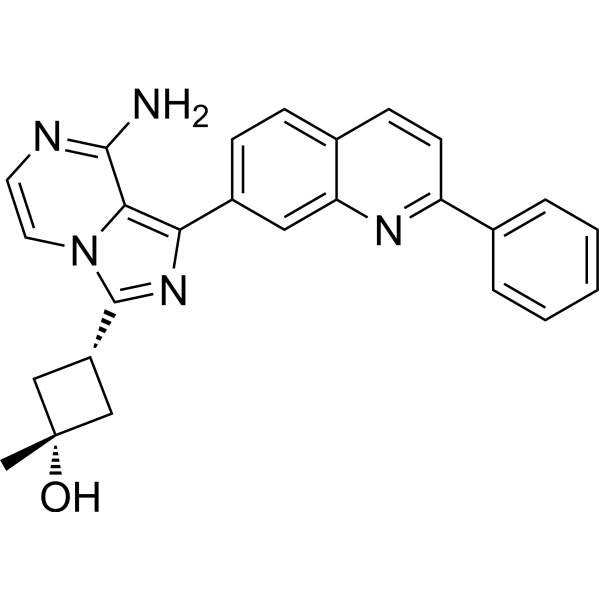
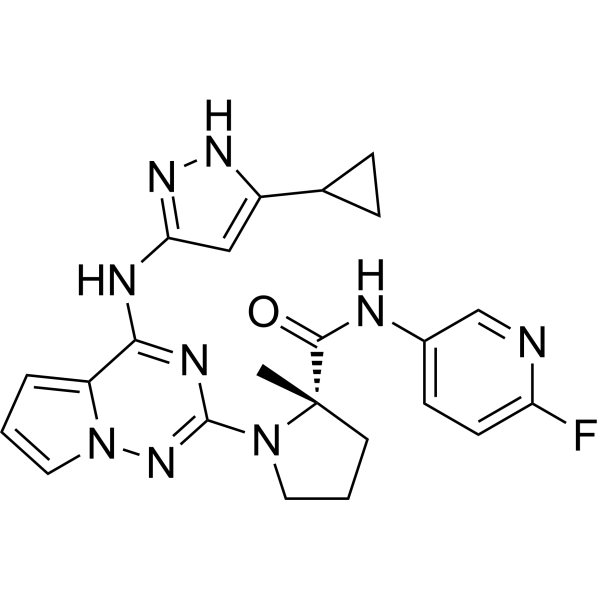
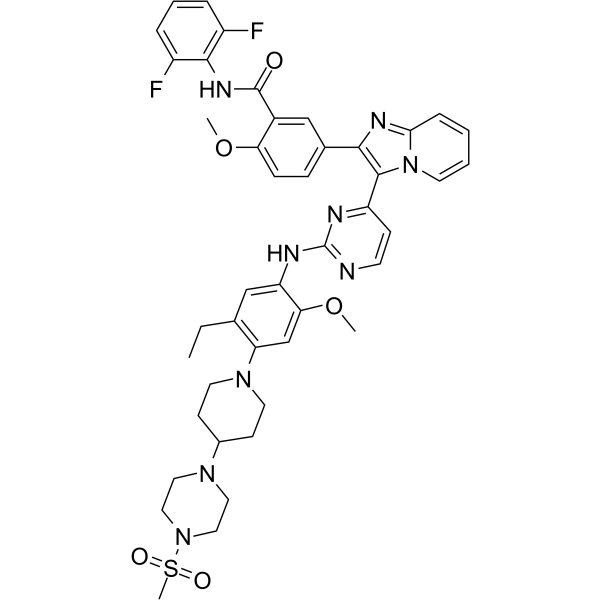
    Linsitinib (OSI-906) is a potent, selective and orally bioavailable dual inhibitor of the IGF-1 receptor and insulin receptor (IR) with IC50s of 35 and 75 nM, respectively .
    Linsitinib
  • HY-D1063
    IR-780
    5+ Cited Publications

    Fluorescent Dye Apoptosis Reactive Oxygen Species (ROS) Cancer
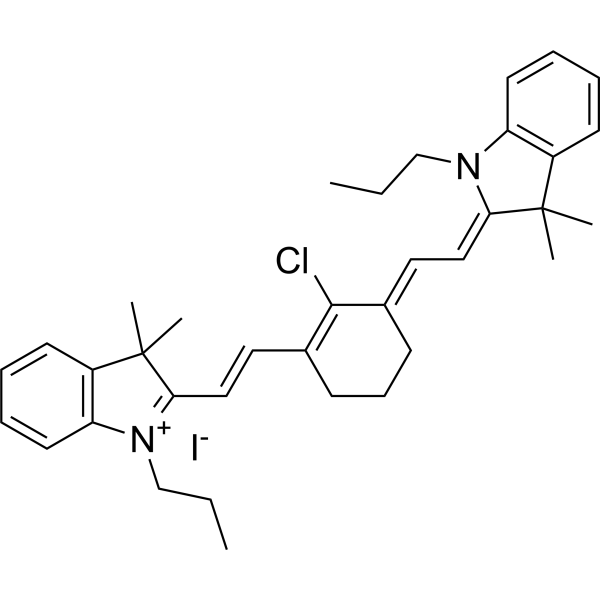
    IR-780 is a near-infrared fluorescent probe for in vivo imaging of tumor cells. IR-780 is transported into tumor cells via OATPs and ABCB10, with uptake dependent on glycolytic activity and plasma membrane potential. IR-780 preferentially accumulates in tumor cell mitochondria, including those of drug-resistant cancer cells, without chemical conjugation. IR-780 generates reactive oxygen species (ROS), induces hyperthermia and apoptosis, inhibits tumor growth and recurrence, and modulates HSP70 expression upon ultrasound or 808 nm laser exposure. IR-780 acts as a sonosensitizer, photodynamic and photothermal agent, and drug delivery carrier, with low acute imaging-dose toxicity and rapid vital organ clearance. IR-780 can be used for the research of cancer, such as breast cancer, lung cancer, and non-small cell lung cancer (NSCLC) .
    IR-780
  • HY-136886
    IR-820
    2 Publications Verification

    New Indocyanine Green

    Fluorescent Dye Cancer
    IR-820 (New Indocyanine Green) is an infrared blood pool contrast agent. IR-820 also is normally used as a laser and near-infrared dye to detect and quantify diseased tissue in live animals .
    IR-820
  • HY-W250113
    Zymosan A
    2 Publications Verification

    Zymosan A from Saccharomyces cerevisiae

    Toll-like Receptor (TLR) Inflammation/Immunology
    Zymosan A (Zymosan A from Saccharomyces cerevisiae) is a TLR2 agonist, that targeting TLRs can prevent and suppress IR-induced intestinal injury. Zymosan A exhibits a significant radioprotective effect, and protects IR-induced intestinal injury in mice. Zymosan A promotes the regeneration of intestinal stem cells (ISCs), after IR injury .
    Zymosan A
  • HY-D1711

    IR-808

    Fluorescent Dye Cancer
    MHI-148 is a near-infrared heptamethine cyanine dye with tumor-targeting properties for cancer detection, diagnosis and research. MHI-148 is immediately taken up and accumulated by lysosomes and mitochondria of tumor cells, but not in lysosomes and mitochondria of normal cells .
    MHI-148
  • HY-N0232
    Psoralidin
    5 Publications Verification

    COX Lipoxygenase Notch Reactive Oxygen Species (ROS) Bacterial Cancer
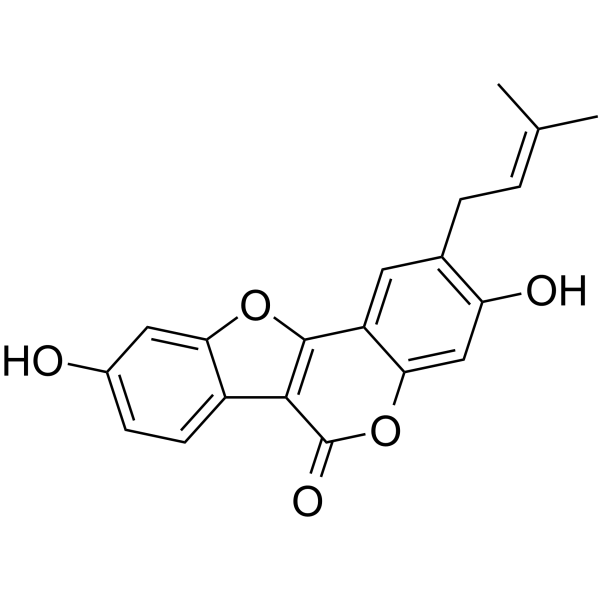
    Psoralidin is a dual inhibitor of COX-2 and 5-LOX, regulates ionizing radiation (IR)-induced pulmonary inflammation.Anti-cancer, anti-bacterial, and anti-inflammatory properties . Psoralidin significantly downregulates NOTCH1 signaling. Psoralidin also greatly induces ROS generation .
    Psoralidin
  • HY-160523

    Biochemical Assay Reagents Others
    DBCO Ir catalyst is an iridium catalyst labeled with DBCO. DBCO Ir catalyst can be used for in situ labeling and imaging of biomolecules (e.g., proteins, nucleic acids) in living organisms or for constructing targeted drug delivery systems .
    DBCO Ir catayst
  • HY-W008260

    Chloro-1,5-cyclooctadiene IRidium(I) dimer

    Biochemical Assay Reagents Others
    [Ir(cod)Cl]2 is a biochemical reagent that can be used as a biological material or organic compound for life science related research.
    [Ir(cod)Cl]2
  • HY-D2189

    IR 700DX NHS ester

    Fluorescent Dye Others
    IR 700DX (IR 700DX NHS ester) is a near-infrared (NIR) phthalocyanine dye with extremely high photostability and fluorescence intensity. IR 700DX binds to biomolecules. IR 700DX has excellent water solubility, large extinction coefficient, high fluorescence quantum yield, and does not aggregate in high ionic strength buffers. IR 700DX can be used as a highly flexible photosensitizer .
    IR 700DX
  • HY-10524
    GSK1904529A
    5+ Cited Publications

    IGF-1R Insulin Receptor Apoptosis Endocrinology Cancer
    GSK1904529A is a potent, selective, orally active, and ATP-competitive inhibitor of insulin-like growth factor-1 receptor (IGF-1R) and insulin receptor (IR), with IC50s of 27 and 25 nM, respectively. GSK1904529A shows poor activity (IC50>1 μM) in 45 other serine/threonine and tyrosine kinases. GSK1904529A exhibits anti-tumor activity .
    GSK1904529A
  • HY-P2093
    S961
    Maximum Cited Publications
    6 Publications Verification

    Insulin Receptor Metabolic Disease
    S961 is an high-affinity and selective insulin receptor (IR) antagonist with IC50s of 0.048, 0.027, and 630 nM for HIR-A, HIR-B, and human insulin-like growth factor I receptor (HIGF-IR) in SPA-assay, respectively .
    S961
  • HY-D1449
    IR-1061
    1 Publications Verification

    Fluorescent Dye Others
    IR-1061 is a near infrared fluorescent organic dye for in vivo bimodal imaging .
    IR-1061
  • HY-W018845

    PentamethylcyclopentadienylIRidium(III) chloride,dimer

    Biochemical Assay Reagents Others
    [Ir(Cp-)Cl2]2 is used as a precursor for the asymmetric transfer hydrogenation catalyst of ketones. It is a catalyst for greener amine synthesis .
    [Ir(Cp-)Cl2]2
  • HY-W018499
    (S)-2-Hydroxybutanoic acid
    1 Publications Verification

    Endogenous Metabolite Others
    (S)-2-Hydroxybutanoic acid is the S-enantiomer of 2-Hydroxybutanoic acid. 2-Hydroxybutanoic acid, a coproduct of protein metabolism, is an insulin resistance (IR) biomarker .
    (S)-2-Hydroxybutanoic acid
  • HY-N6869
    Dehydroabietic acid
    1 Publications Verification

    Antibiotic PPAR Bacterial Fungal Infection Metabolic Disease Inflammation/Immunology Cancer
    Dehydroabietic acid is a diterpene resin acid that can be isolated from Pinus and Picea. Dehydroabietic acid has anti-bacterial, anti-fungal, anti-inflammatory, and anticancer activities. Dehydroabietic acid is a dual PPAR-α/γ agonist and PPAR-γ partial agonist, which can attenuate insulin resistance (IR) and hepatic steatosis induced by HFD-consumption in mice .
    Dehydroabietic acid
  • HY-W007596

    IR(ppy)3; Tris[2-(pyridin-2-yl)phenyl]IRidium

    Biochemical Assay Reagents Others
    Tris(2-phenylpyridinato-C2,N)iridium(III) (Ir(ppy)3) is an iridium(III) containing organometallic complex, which is used as a phosphorescent light-emitting material. Tris(2-phenylpyridinato-C2,N)iridium(III) exhibits high luminous efficiency and good thermal stability, that can be used in organic optoelectronics, especially in improving the luminescence efficiency and stability of organic light-emitting diodes (OLEDs) .
    Tris(2-phenylpyridinato-C2,N)iridium(III)
  • HY-P2093B
    S961 acetate
    Maximum Cited Publications
    6 Publications Verification

    Insulin Receptor Metabolic Disease
    S961 acetate is an high-affinity and selective insulin receptor (IR) antagonist with IC50s of 0.048, 0.027, and 630 nM for HIR-A, HIR-B, and human insulin-like growth factor I receptor (HIGF-IR) in SPA-assay, respectively .
    S961 acetate
  • HY-P99665

    LY-3209590

    Insulin Receptor Metabolic Disease
    Insulin efsitora alfa (LY-3209590) is a selective agonist of insulin receptor (IR). Insulin efsitora alfa is a fusion protein composed of human IR agonists fused with the crystallizable (Fc) domain of human immunoglobulin G2 (IgG2) fragment, with a molecular weight of 64.1 kDa. Insulin efsitora alfa is well tolerated and has potential applications in diabetes .
    Insulin efsitora alfa
  • HY-139109
    IR-783
    2 Publications Verification

    ADS 780WS

    Fluorescent Dye Apoptosis Mitochondrial Metabolism ATP Synthase Cytochrome P450 Dynamin Cancer
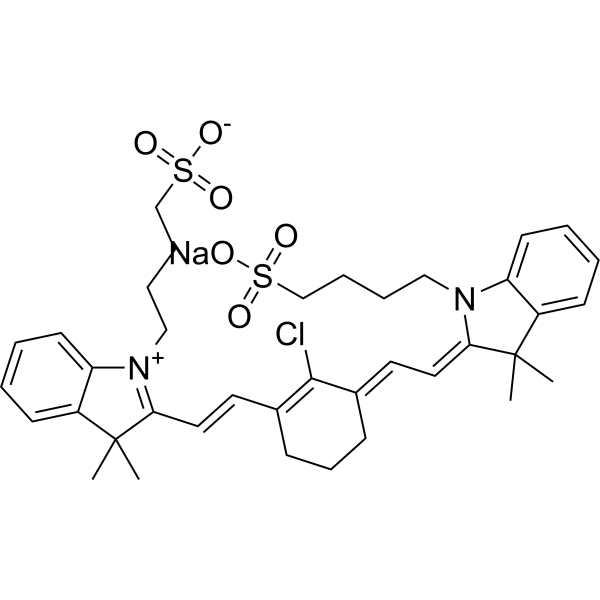
    IR-783 (ADS 780WS) is a heptamethine cyanine dye. IR-783 induces Mitochondrial membrane potential loss, ATP depletion, mitochondrial permeability transition pore opening, Cytochrome c release and Apoptosis in breast cancer cells. IR-783 promotes the translocation of Drp1 from the cytosol to mitochondria. IR-783 increases the expression of mitochondrial fission proteins such as MFF and Fission-1. IR-783 possesses imaging, cancer-targeting and anticancer properties. IR-783 exerts anticancer effects against breast cancer. IR-783 can be used in breast cancer-related research .
    IR-783
  • HY-125203
    PV-1019
    2 Publications Verification

    NSC 744039

    Checkpoint Kinase (Chk) Cancer
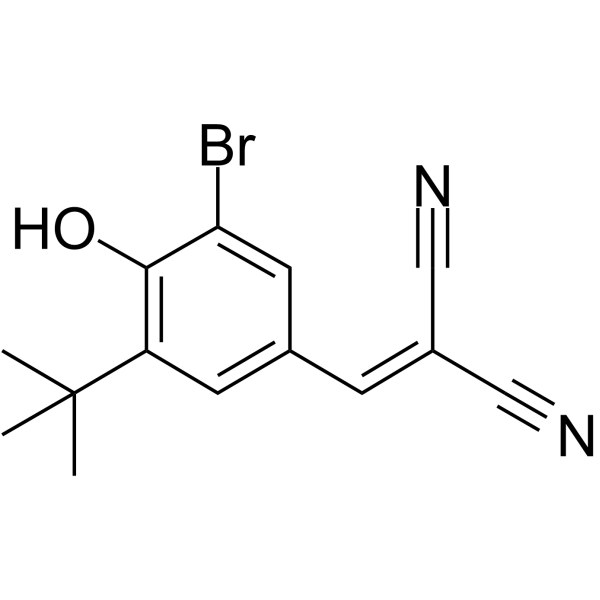
    PV-1019 (NSC 744039) is a potent, selective Chk2 inhibitor with an IC50 value of 24 nM. PV-1019 inhibits the Topotecan (HY-13768)-induced Chk2 autophosphorylation. PV-1019 inhibits IR-induced apoptosis .
    PV-1019
  • HY-13686
    PQ401
    2 Publications Verification

    IGF-1R Apoptosis Cancer
    PQ401 is a potent inhibitor of IGF-IR signaling. PQ401 inhibits IGF-I-stimulated IGF-IR autophosphorylation with an IC50 of 12.0 μM in a series of studies in MCF-7 cells. PQ401 is effective at inhibiting IGF-I-stimulated growth of MCF-7 cells (IC50, 6 μM). PQ401 is a potential agent for breast and other IGF-I-sensitive cancers. PQ401 induces caspase-mediated apoptosis .
    PQ401
  • HY-P2198

    Mas-related G-protein-coupled Receptor (MRGPR) Cardiovascular Disease
    PAMP-12(human, porcine) is a major component of immunoreactive (ir)-PAMP, is processed from the adrenomedullin precursor, is a potent hypotensive peptide and participates in cardiovascular control .
    PAMP-12(human, porcine)
  • HY-W099479

    Ethyl butylacetylaminopropionate; IR-3535

    Environmental Pollutants Apoptosis Reactive Oxygen Species (ROS) Parasite SOD Infection Inflammation/Immunology
    Insect repellent M 3535 (Ethyl butylacetylaminopropionate) is a broad-spectrum, mild insect repellent based on the structure of β-alanine. Insect repellent M 3535 exerts repellent effects by interfering with the olfaction of mosquitoes, but it poses risks of developmental and cardiac toxicity to aquatic organisms such as zebrafish embryos in aquatic environments, and can activate oxidative stress responses .
    Insect repellent M 3535
  • HY-13020
    GSK1838705A
    5+ Cited Publications

    Anaplastic lymphoma kinase (ALK) IGF-1R Insulin Receptor Endocrinology Cancer
    GSK1838705A is a potent and reversible IGF-IR and the insulin receptor inhibitor with IC50s of 2.0 and 1.6 nM, respectively. It also inhibits ALK with an IC50 of 0.5 nM.
    GSK1838705A
  • HY-118924

    Fluorescent Dye Cancer
    IR-825 is a near infrared fluorescent dye.the end of IR-825 has carboxyl COOH active group, and can participate in the reaction to connect other molecules. IR-825 can be widely used in tumor photothermal study. .
    IR-825
  • HY-W248594

    Fluorescent Dye Others
    IR 813 tosylate is a near-infrared (NIR) fluorescent dye and can be used for visualizing regional lymph nodes in mice .
    IR 813 tosylate
  • HY-161119

    Dynamin Reactive Oxygen Species (ROS) Cardiovascular Disease Cancer
    Drpitor1a is a potent Drp1 inhibitor. Drpitor1a inhibits mitochondrial ROS production, preventes mitochondrial fission, and improves right ventricular diastolic dysfunction during IR (ischemia reperfusion) injury. Drpitor1a has the potential for the research of lung cancer [1]
    Drpitor1a
  • HY-P991290

    Insulin Receptor Metabolic Disease Inflammation/Immunology Endocrinology
    IRAB-B is a human monoclonal antibody targeting INSR. IRAB-B is an insulin receptor (IR) antagonist and can be used in the study of insulin resistance and diabetes .
    IRAB-B
  • HY-D1724

    Fluorescent Dye Cancer
    IR-806 is a near-infrared cyanine liquid crystal dye. IR-806 can be used as a molecular antenna to synthesized nanoprobes (NPs). IR-806 can be used for in vivo imaging studies .
    IR-806
  • HY-E70008

    Sirtuin Inflammation/Immunology
    Lumbokinase attenuates myocardial ischemia-reperfusion (I-R) injury through the activation of Sirt1 signaling, and thus enhances autophagic flux and reduces I-R-induced oxidative damage, inflammation and apoptosis .
    Lumbokinase
  • HY-D1504

    Fluorescent Dye Others
    IR-797 chloride is a near-infrared (NIR) dye. IR 797 has absorption maxima near 700 nm. IR-797 shows some aggregation-induced-emission (AIE) properties. IR-797 shows shows cytotoxic .
    IR-797 chloride
  • HY-116999

    HBV Infection
    IR415 is a potent anti-HBV agent and inhibits HBV replication by blocking the HBx activity. IR415 selectively interacts with HBx (Kd=2 nM) and blocks HBV-mediated RNAi suppression, reverses the inhibitory effect of HBx protein on the activity of the dicer endoribonuclease . HBx: hepatitis B virus X protein.
    IR415
  • HY-17518

    IR5885; Valiphenal

    Environmental Pollutants Bacterial Fungal Infection
    Valifenalate (IR5885; Valiphenal) is an insecticide agent and fungicide, which is approved for application on high-value crops such as grapes, tomatoes and other vegetables. Valifenalate interferes with cell-wall synthesisValifenalate is effective against various types of mildew. Valifenalate can be used against crown rot of rose cuased by Phytophthora citrophthora. Valifenalate induces non-adverse thyroid changes via adaptive induction of uridine 5’-diphosphoglucuronosyltransferase (UGT) in the liver of dogs and rats .
    Valifenalate
  • HY-D1450

    S01448

    Fluorescent Dye Cancer
    IR-1048 is a nitroreductase (NTR)-responsive near-infrared fluorescence (NIR)/photoacoustic (PA) imaging probe and photothermal agent. IR-1048 is coupled with a nitroimidazole group to form IR-1048-MZ. IR-1048-MZ is catalytically reduced by NTR in a hypoxic environment, restoring strong near-infrared absorption and fluorescence emission (NIR II window), while activating the photothermal effect. IR-1048 relies on NTR-mediated electron transfer to relieve intramolecular fluorescence quenching, achieving specific imaging and photothermal ablation of tumor hypoxic areas. IR-1048 is mainly used for high-contrast NIR II/photoacoustic imaging and photothermal therapy research and tumor diagnosis of the tumor hypoxic microenvironment .
    IR-1048
  • HY-D1302

    Fluorescent Dye Others
    Near-IR fluorescent probe-1 is a multifunctional dye. Dyes are important tools in biological experiments. They can help researchers observe and analyze cell structures, track biomolecules, evaluate cell functions, distinguish cell types, detect biomolecules, study tissue pathology and monitor microorganisms. Their applications range from basic scientific research to clinical A wide range of diagnostics. Dyes are also widely used in traditional fields such as textile dyeing, as well as in emerging fields such as functional textile processing, food pigments and dye-sensitized solar cells.
    Near-IR fluorescent probe-1
  • HY-118282

    PGE synthase Endocrinology
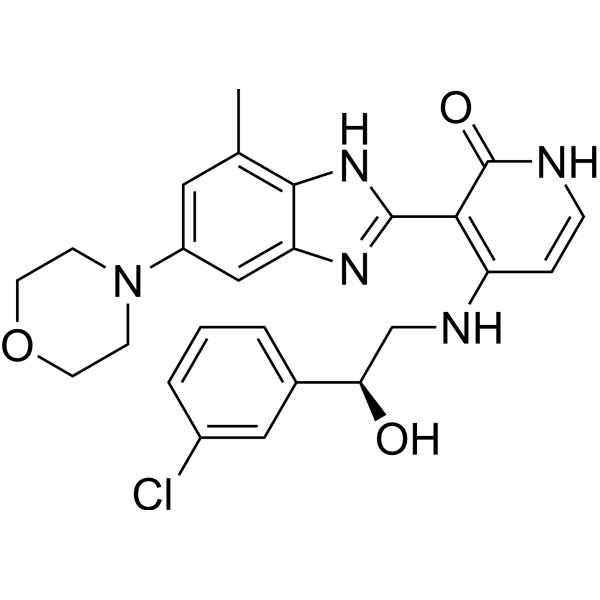
    mPGES-1-IN-2 (compound III) is a benzimidazole-based mPGES-1 inhibitor that also inhibits adipophysin PGD synthase (I-PGDS) (5 μM, IR=60 %). mPGES-1-IN-2 reduces PGE2 production and tends to reduce levels of other prostaglandins. mPGES-1-IN-2 effectively inhibits acute inflammation in an air sac model stimulated by Carrageenan (HY-125474) in mice .
    mPGES1-IN-7
  • HY-W099479R

    Ethyl butylacetylaminopropionate (Standard); IR-3535 (Standard)

    Reference Standards Reactive Oxygen Species (ROS) Apoptosis Infection Inflammation/Immunology
    Insect repellent M 3535 (Ethyl butylacetylaminopropionate) Standard is the analytical standard of Insect repellent M 3535 (HY-W099479). This product is intended for research and analytical applications. Insect repellent M 3535 (Ethyl butylacetylaminopropionate) is a broad-spectrum, mild insect repellent based on the structure of β-alanine. Insect repellent M 3535 exerts repellent effects by interfering with the olfaction of mosquitoes, but it poses risks of developmental and cardiac toxicity to aquatic organisms such as zebrafish embryos in aquatic environments, and can activate oxidative stress responses.
    Insect repellent M 3535 (Standard)
  • HY-W127704

    Biochemical Assay Reagents Others
    IR 754 Carboxylic Acid is a biochemical reagent that can be used as a biological material or organic compound for life science related research.
    IR 754 Carboxylic Acid
  • HY-159860

    A10-Lin

    Liposome Others
    IR-117-17 is an ionizable cationic amino lipid, targeting conducting airways of the lung. IR-117-17 could be degraded via esterase cleavage and thus be unlikely to accumulate upon repeated dosing . It can be used in research related to diseases that manifest outside alveolar spaces.
    IR-117-17
  • HY-177249

    Arp2/3 Complex Cardiovascular Disease
    Salvianolic acid A derivative-1 (Compound SAA-30) is a orally active derivative of Salvianolic acid A (HY-N0318). Salvianolic acid A derivative-1 binds to transgelin with a KD of 2.39 μM. Salvianolic acid A derivative-1 promotes cell contractions by facilitating the aggregation of actin. Salvianolic acid A derivative-1 can be used for prevention of myocardial ischemia or other diseases associated with IR tissue injuries .
    Salvianolic acid A derivative-1
  • HY-RS06847

    Small Interfering RNA (siRNA) Others

    Insr Mouse Pre-designed siRNA Set A contains three designed siRNAs for Insr gene (Mouse), as well as a negative control, a positive control, and a FAM-labeled negative control.

    Insr Mouse Pre-designed siRNA Set A
    Insr Mouse Pre-designed siRNA Set A
  • HY-157529

    Microtubule/Tubulin Fluorescent Dye Cancer
    IR820-PTX, an IR-820 (HY-136886)-Paclitaxel (HY-B0015) conjugate, is an amphipathic small molecule prodrug. IR820-PTX effectively inhibits tumor growth via combined photothermal therapy (PTT) and chemotherapy .
    IR820-PTX
  • HY-151109

    Fluorescent Dye Others
    IR-990 is an activatable NIR-II fluorescent probe with an acceptor-π-acceptor (A-π-A) skeleton for real-time detection of H2O2 in vivo. IR-990 is a powerful diagnosis of agent-induced liver injury (DILI) .
    IR-990
  • HY-D2227

    Autophagy Apoptosis Cancer
    IR-58, a mitochondria-targeting near-infrared (NIR) fluorophore, is an autophagy enhancer. IR-58 kills tumour cells and induces apoptosis via inducing excessive autophagy, which is mediated through the reactive oxygen species (ROS)-Akt-mTOR pathway .
    IR-58
  • HY-162344

    Apoptosis Autophagy Cancer
    Ir-CA is an antitumor agent. Ir-CA can accumulate in mitochondria and induces mitochondria dysfunction. Ir-CA induces apoptosis and autophagy. Ir-CA initiates mitophagy and cell cycle arrest to kill Cisplatin (HY-17394)-resistant A549R cells. Ir-CA can effectively inhibit metastasis by inhibiting MMP-2/MMP-9 .
    Ir-CA
  • HY-D1535

    Fluorescent Dye Others
    IR 813 perchlorate is a near-infrared (NIR) fluorescent dye (Ex=815 nm, Em=840 nm) and can be used for visualizing regional lymph nodes in mice .
    IR 813 perchlorate
  • HY-W034043

    Fluorescent Dye Others
    [Ir (dF (Me) ppy)2 (dtbbpy)]PF6 (Compound 3a) is a blue-green luminescent material. [Ir (dF (Me) ppy)2 (dtbbpy)]PF6 exhibits unstructured emission, with its emission peak maxima located at 498, 512 and 519 nM, respectively. [Ir (dF (Me) ppy)2 (dtbbpy)]PF6 can serve as an electrochemiluminescence-based biological probe .
    [Ir(dF(Me)ppy)2(dtbbpy)]PF6
  • HY-17518A

    (S,S)-IR5885; (S,S)-Valiphenal

    Fungal Infection
    (S,S)-Valifenalate ((S,S)-IR5885) is an acylamino acid fungicide and is used to control a wide range of fungi belonging to the class of Oomycetes. (S,S)-Valifenalate ((S,S)-IR5885) interferes with the cell-wall synthesis thus affecting the growth stages of the pathogens controlled, both outside (on the spores) or inside the plant (on the mycelium) .
    (S,S)-Valifenalate
  • HY-W034041

    Tris(2-(4-fluorophenyl)pyridine)IRidium; Tris[5-fluoro-2-(2-pyridinyl-kN)phenyl-kC]IRidium(III)

    Endogenous Metabolite
    Ir(pF-ppy)3 (Tris(2-(4-fluorophenyl)pyridine)iridium) is a compound that catalyzes photoreactions and has excellent photocatalytic activity. Ir(pF-ppy)3 can be used as a catalyst in organic reactions, especially in photocatalytic synthesis. Ir(pF-ppy)3 shows its unique advantages in promoting electron transfer and improving reaction selectivity. Ir(pF-ppy)3 is also used to improve the efficiency of displays and solar cells.
    Ir(p-F-ppy)3
  • HY-P99886

    h5G1. 1-SC

    Complement System Apoptosis Cardiovascular Disease Neurological Disease
    Pexelizumab (h5G1. 1-SC) is a humanized scFv monoclonal antibody directed against the C5 complement component. Pexelizumab inhibits apoptosis and leukocyte infiltration. Pexelizumab can be used for the research of cerebral IR injury and myocardial infarction .
    Pexelizumab

Inquiry Online

Your information is safe with us. * Required Fields.

Salutation


Country or Region *

Applicant Name *


Organization Name *

Department *


Email Address *


Product Name *

Cat. No.


Requested quantity *

Phone Number *


Remarks

Inquiry Online

Inquiry Information

Product Name:
Cat. No.:
Quantity:
MCE Japan Authorized Agent:

