1. Search Result
Search Result
Results for "

Major compounds

" in MedChemExpress (MCE) Product Catalog:

90

Inhibitors & Agonists

24

Screening Libraries

2

Biochemical Assay Reagents

37

Natural
Products

9

Isotope-Labeled Compounds

Cat. No. Product Name Target Research Areas Chemical Structure
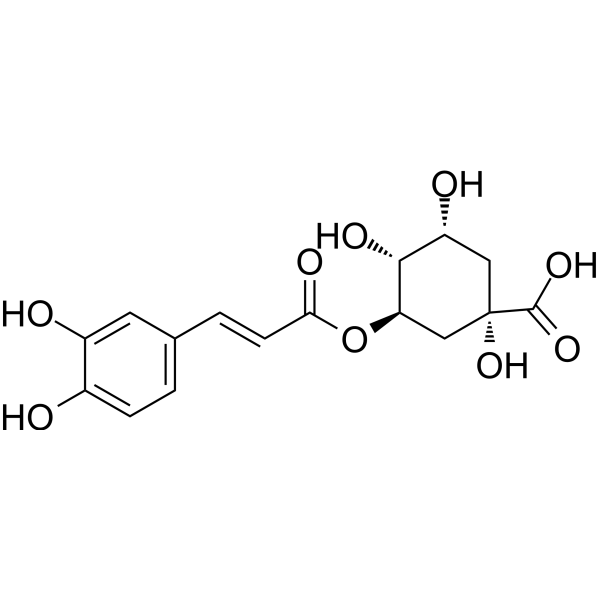
  • HY-N0055
    Chlorogenic acid
    Maximum Cited Publications
    30 Publications Verification

    3-O-Caffeoylquinic acid; Heriguard; NSC-407296

    HIF/HIF Prolyl-Hydroxylase Reactive Oxygen Species (ROS) Bacterial Influenza Virus Endogenous Metabolite Infection Cardiovascular Disease Inflammation/Immunology Cancer
    Chlorogenic acid is a major phenolic compound in Lonicera japonica Thunb. It is an orally active antioxidant activity, antibacterial, hepatoprotective, cardioprotective, anti-inflammatory, antipyretic, neuroprotective, anti-obesity, antiviral, anti-microbial, anti-hypertension compound .
    Chlorogenic acid
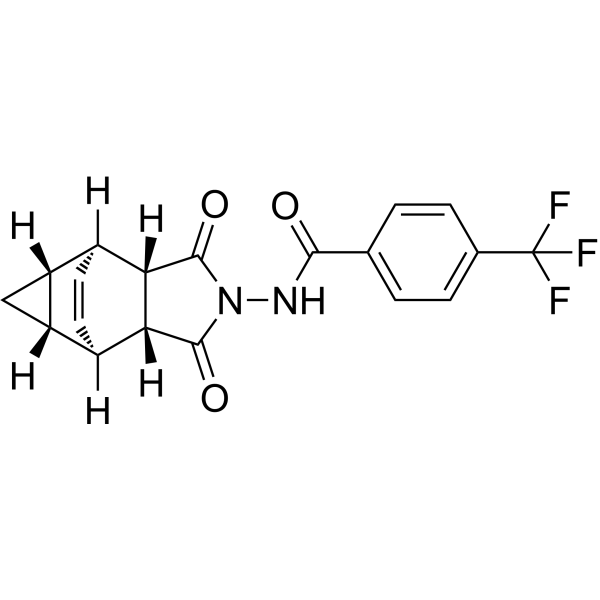
  • HY-14805
    Tecovirimat
    1 Publications Verification

    ST-246

    Orthopoxvirus Arenavirus Infection
    Tecovirimat (ST-246) is an orally bioavailable and selective compound against orthopoxviruses including vaccinia, monkeypox, camelpox, cowpox, ectromelia (mousepox), smallpox and variola viruses. Tecovirimat is evaluated against vaccinia, cowpox virus, ectromelia virus with EC50 values of 0.01 μM, 0.48 μM and 0.05 μM, respectively. Tecovirimat targets the orthopoxvirus protein VP37 which is necessary for membrane envelopment of intracellular mature virus particles to form enveloped virus. Tecovirimat exerts antiviral activity on the target of the cowpox virus V061 gene, which is homologous to vaccinia virus F13L, encoding a major envelope protein (p37) required for production of extracellular virus .
    Tecovirimat
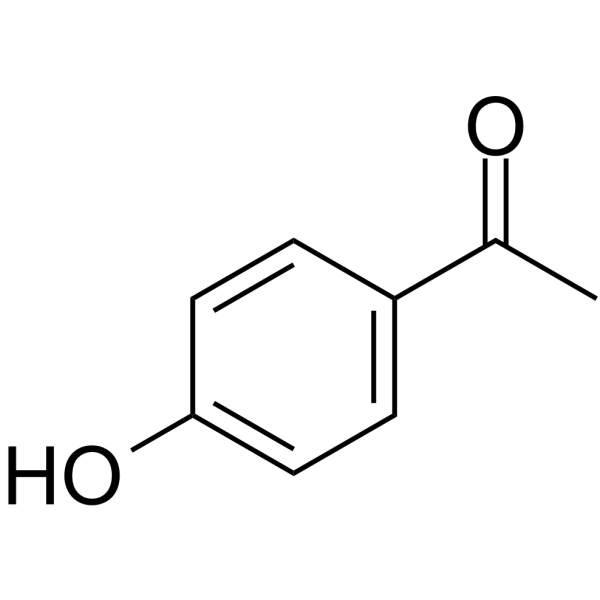
  • HY-Y0073
    4-Hydroxyacetophenone
    1 Publications Verification

    P-hydroxyacetophenone

    HBV Myosin Infection Inflammation/Immunology Cancer
    4-Hydroxyacetophenone (P-hydroxyacetophenone) is a major hepatoprotective and choleretic compound found in Artemisia and Illicium plants, exhibiting antiviral and anti-inflammatory effects against hepatitis B virus. Additionally, 4-Hydroxyacetophenone inhibits cancer cell adhesion, invasion, and migration by remodeling actin. 4-Hydroxyacetophenone holds promise for research in the fields of inflammatory diseases and cancer .
    4-Hydroxyacetophenone
  • HY-Y1088

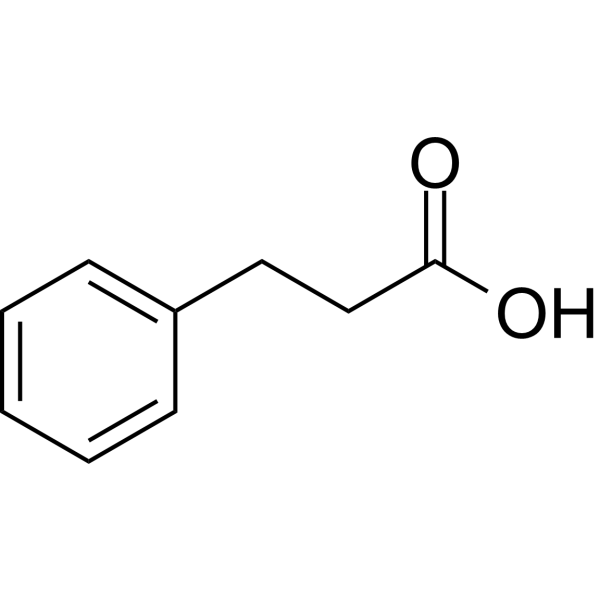
    3-Phenylpropionic acid; 3-Phenylpropanoic acid; 3-Phenyl-n-propionic acid

    Environmental Pollutants Endogenous Metabolite Others
    Hydrocinnamic acid is the major rhizospheric compound with known growth regulatory activities.
    Hydrocinnamic acid
  • HY-W016388

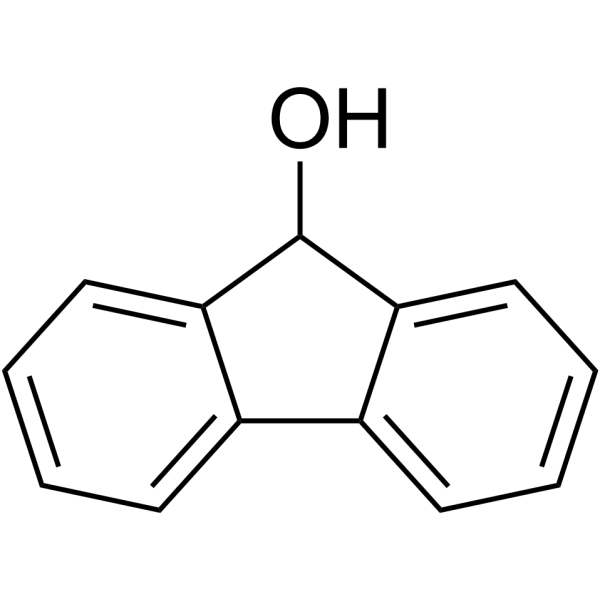
    9-Hydroxyfluorene

    Dopamine Receptor Drug Metabolite Neurological Disease
    9-Fluorenol (9-Hydroxyfluorene; compound 3) is a dopamine (DAT) inhibitor with IC50 value of 9 µM. 9-Fluorenol is a major metabolite of compound developed as a wake promoting agent. 9-Fluorenol shows wake promotion activity in vivo .
    9-Fluorenol
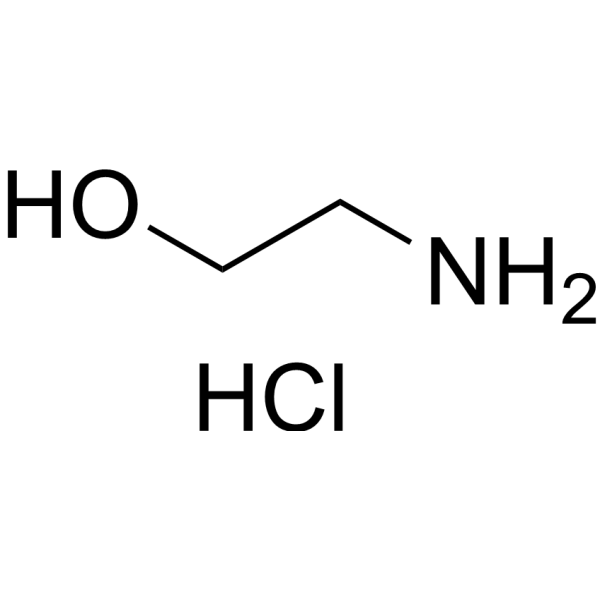
  • HY-W035903
    Ethanolamine hydrochloride
    1 Publications Verification

    2-Aminoethanol hydrochloride

    Biochemical Assay Reagents Others
    Ethanolamine hydrochloride, is an organic compound used in various industrial applications. It is a white or colorless solid that is soluble in water and has a faint odor. One of the major uses of Ethanolamine hydrochloride is in the production of detergents and surfactants. Used as a raw material in the manufacture of compounds such as ethylenediaminetetraacetic acid (EDTA) and diethanolamine, which are commonly used in household and industrial cleaning products. Ethanolamine hydrochloride is also used in the synthesis of pharmaceuticals, agrochemicals and rubber processing agents. It acts as a buffer in certain chemical reactions, helping to adjust pH and maintain stability. Ethanolamine hydrochloride can be used for gas purification and metal corrosion inhibitor. Its ability to react with acid gases such as carbon dioxide and sulfur dioxide makes it useful for removing impurities from natural gas and other industrial gases. Overall, Ethanolamine hydrochloride is a multifunctional compound with many potential industrial applications. Its ability to act as a buffer, chelating agent, and corrosion inhibitor makes it an important tool in a variety of industries.
    Ethanolamine hydrochloride
  • HY-B0633D

    CD44 Endogenous Metabolite Bacterial Akt PI3K Neurological Disease Metabolic Disease Inflammation/Immunology Cancer
    Hyaluronic acid sodium (MW 200-1560) is a biopolymer composed of repeating disaccharide units, with a molecular weight of 200-1560. Hyaluronic acid sodium is a major component of the extracellular matrix (ECM). It is synthesized on the plasma membrane. Hyaluronic acid sodium exerts its effects by binding to receptors CD44 and RHAMM. Hyaluronic acid sodium activates PI3K-Akt signaling. Hyaluronic acid sodium also enhances cell invasion and angiogenesis by promoting or stimulating the binding of proteolytic MMP-9 to the cell surface. Elevated hyaluronic acid levels are associated with tumor cell growth, adhesion, migration, invasion, and angiogenesis in digestive system cancers. Hyaluronic acid sodium is involved in tissue remodeling and rapid cell proliferation in several physiological processes, including embryonic morphogenesis and wound healing. Hyaluronic acid sodium can be used as a regulator of cancer-associated lymphangiogenesis. Hyaluronic acid sodium can be used as a drug delivery carrier for sodium butyrate, enhancing its anti-proliferative activity against breast cancer cell lines. Hyaluronic acid sodium can lubricate the corneal endothelium. Hyaluronic acid sodium can improve tissue hydration and enhance the resistance of cells to mechanical damage. Hyaluronic acid sodium has been conjugated with antibodies to ensure that the active compound continues to exert its effects at the site of inflammation. Hyaluronic acid sodium can be used in research in the fields of osteoarthritis, ophthalmology, cosmetic dermatology, oncology, and liver diseases .
    Hyaluronic acid sodium (MW 200-1560)
  • HY-B0633E

    Hyaluronan, low endotoxin; Hyaluronate, low endotoxin

    Endogenous Metabolite CD44 Bacterial Akt PI3K Neurological Disease Metabolic Disease Inflammation/Immunology Cancer
    Hyaluronic acid, low endotoxin (Hyaluronan, low endotoxin) is a biopolymer composed of repeating disaccharide units containing low levels of endotoxin. Hyaluronic acid is a major component of the extracellular matrix (ECM). It is synthesized on the plasma membrane. Hyaluronic acid exerts its effects by binding to receptors CD44 and RHAMM. Hyaluronic acid activates PI3K-Akt signaling. Hyaluronic acid also enhances cell invasion and angiogenesis by promoting or stimulating the binding of proteolytic MMP-9 to the cell surface. Elevated hyaluronic acid levels are associated with tumor cell growth, adhesion, migration, invasion, and angiogenesis in digestive system cancers. Hyaluronic acid is involved in tissue remodeling and rapid cell proliferation in several physiological processes, including embryonic morphogenesis and wound healing. Hyaluronic acid can be used as a regulator of cancer-associated lymphangiogenesis. Hyaluronic acid can be used as a drug delivery carrier for sodium butyrate, enhancing its anti-proliferative activity against breast cancer cell lines. Hyaluronic acid can lubricate the corneal endothelium. Hyaluronic acid can improve tissue hydration and enhance the resistance of cells to mechanical damage. Hyaluronic acid has been conjugated with antibodies to ensure that the active compound continues to exert its effects at the site of inflammation. Hyaluronic acid can be used in research in the fields of osteoarthritis, ophthalmology, cosmetic dermatology, oncology, and liver diseases .
    Hyaluronic acid, low endotoxin
  • HY-N1481

    Environmental Pollutants Tyrosinase Metabolic Disease
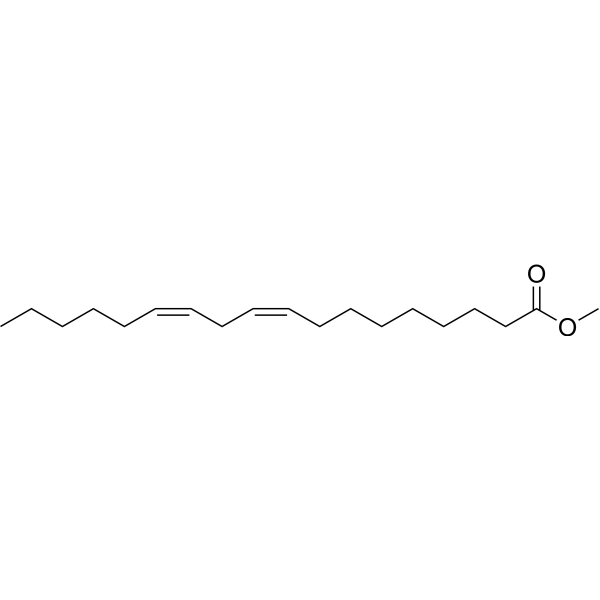
    Methyl linoleate, a major active constituent of Sageretia thea fruit (HFSF), is a major anti-melanogenic compound. Methyl linoleate downregulates microphthalmia-associated transcription factor (MITF) and tyrosinase-related proteins .
    Methyl linoleate
  • HY-N1426
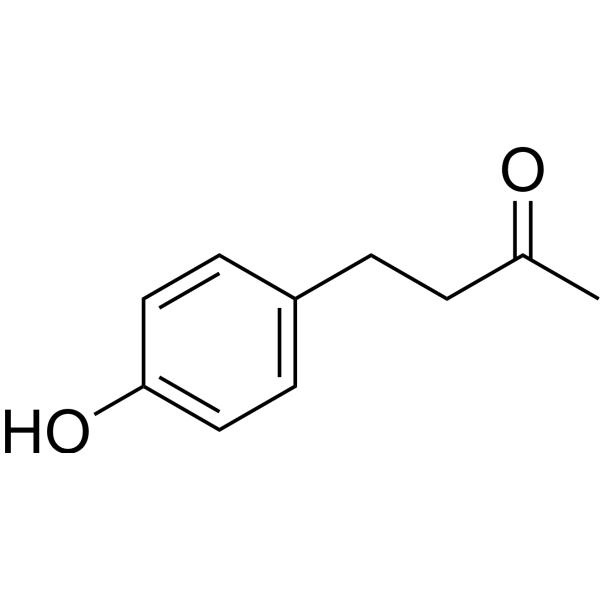
    Raspberry ketone
    1 Publications Verification

    Frambione; 4-(4-Hydroxyphenyl)-2-butanone

    Environmental Pollutants PPAR Cardiovascular Disease Metabolic Disease
    Raspberry ketone is a major aromatic compound of red raspberry, widely used as a fragrance in cosmetics and as a flavoring agent in foodstuff; also shows PPAR-α agonistic activity.
    Raspberry ketone
  • HY-N6703

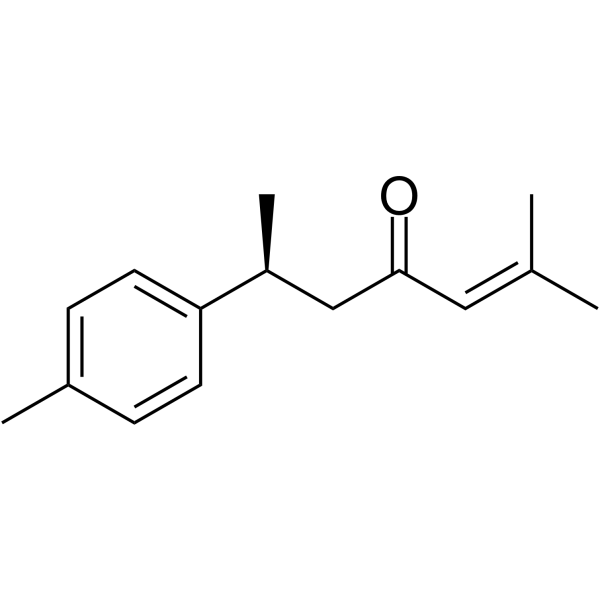
    (+)-ar-Turmerone

    Apoptosis Neurological Disease Inflammation/Immunology Cancer
    ar-Turmerone ((+)-ar-Turmerone) is an orally active and major bioactive compound of the herb Curcuma longa with anti-tumorigenesis and anti-inflammatory activities. ar-Turmerone induces apoptosis in U937 cells. ar-Turmerone exerts positive modulation on murine DCs. ar-Turmerone induces NSC proliferation in vitro and in vivo, and can be used for various neurologic disorders study .
    ar-Turmerone
  • HY-W015788

    Styrene Glycol

    Environmental Pollutants Drug Metabolite Biochemical Assay Reagents Neurological Disease
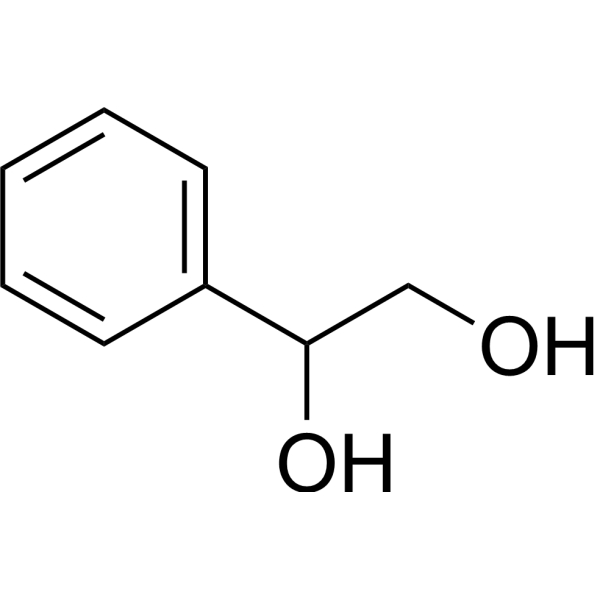
    1-Phenylethane-1,2-diol (Styrene Glycol) is a benzyl diol compound, which is the major metabolite of Styrene. 1-Phenylethane-1,2-diol can be oxidized to hydroxyl ketone (2-hydroxy-1-phenylethan-1-one) selectively with variety of catalysts, including organocatalysts, metal complexes, non-noble metal oxides, bimetallics .
    1-Phenylethane-1,2-diol
  • HY-124481

    COX Reactive Oxygen Species (ROS) NO Synthase Keap1-Nrf2 Heme Oxygenase (HO) Amyloid-β Parasite Infection Neurological Disease Inflammation/Immunology Cancer
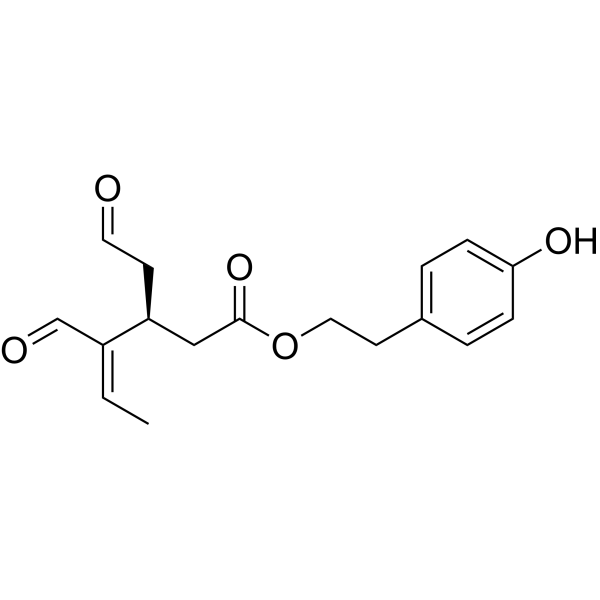
    Oleocanthal is an orally active phenolic seciridoid compound. Oleocanthal can be extracted from olive oil. Oleocanthal inhibits COX-1 and COX-2, reduces ROS and NO, and upregulates Nrf-2 and HO-1. Oleocanthal reduces deposition. Oleocanthal exhibits anti-Leishmania activity against promastigotes and amastigotes of L. major, with IC50 values of 18.7 and 87 μg/mL, respectively. Oleocanthal exhibits anticancer activity against colon, breast, liver, and melanoma cancers. Oleocanthal also exhibits anti-inflammatory and neuroprotective properties. Oleocanthal can be used in Alzheimer's disease research .
    Oleocanthal
  • HY-113573

    PTA

    Interleukin Related JAK STAT Inflammation/Immunology
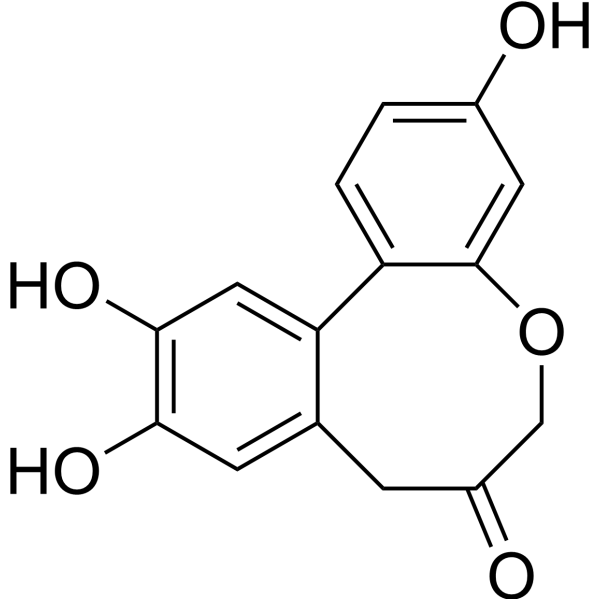
    Protosappanin A (PTA), an immunosuppressive ingredient and major biphenyl compound isolated from Caesalpinia sappan L, suppresses JAK2/STAT3-dependent inflammation pathway through down-regulating the phosphorylation of JAK2 and STAT3 .
    Protosappanin A
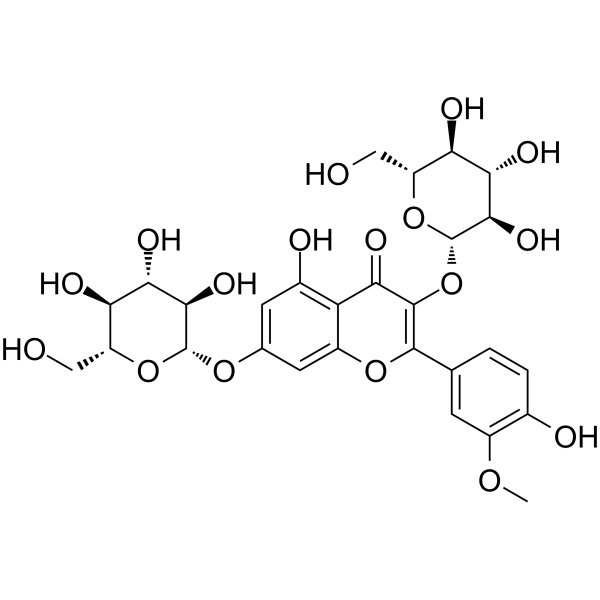
  • HY-N8196

    Isorhamnetin-3,7-diglucoside; Isorhamnetin diglucoside

    Mitochondrial Metabolism Metabolic Disease
    Isorhamnetin 3,7-di-O-β-D-glucopyranoside, a major flavonoid compound, is metabolized in vivo by intestinal bacteria to isorhamnetin and that isorhamnetin plays an important role as an antioxidant .
    Isorhamnetin 3,7-di-O-β-D-glucopyranoside
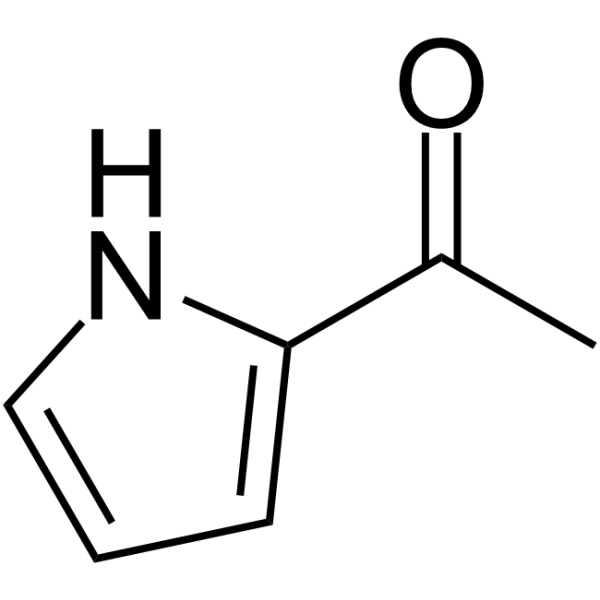
  • HY-W012956

    Drug Intermediate Others
    2-Acetylpyrrole is an organic compound containing a pyrrole ring. 2-Acetylpyrrole is one of the products of the Maillard browning reaction and can serve as a major flavor component in many foods. As an intermediate, 2-acetylpyrrole can also be used in the synthesis of other active compounds, such as the flavor compound 2-acetyl-1-pyrroline .
    2-Acetylpyrrole
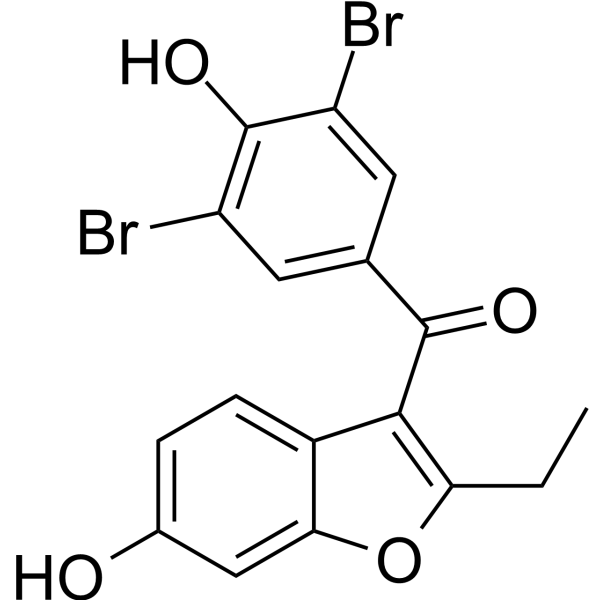
  • HY-135774

    Drug Metabolite Phosphatase Cardiovascular Disease
    6-Hydroxybenzbromarone is the major metabolite of Benzbromarone with a longer half-life and greater pharmacological potency than the parent compound. 6-Hydroxybenzbromarone is a protein Eyes Absent 3 (EYA3) inhibitor with an IC50 value of 21.5 μM. 6-Hydroxybenzbromarone is an anti-angiogenic agent, has strong inhibitory effects on cell migration, tubulogenesis, and angiogenic sprouting .
    6-Hydroxybenzbromarone
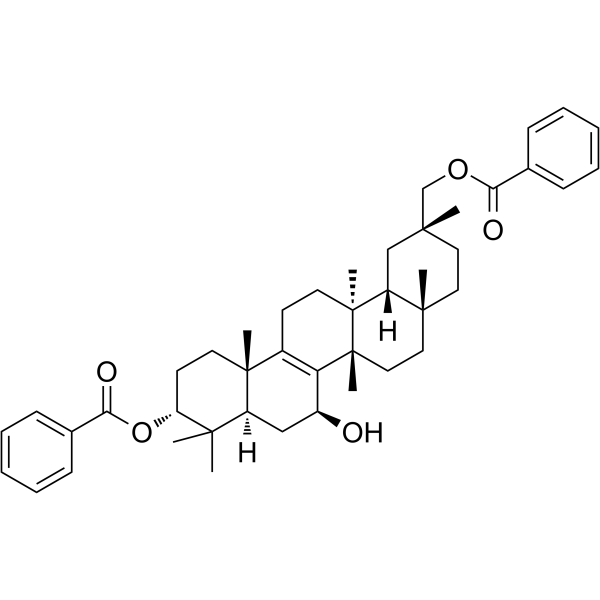
  • HY-N0357

    Others Others
    3,29-Dibenzoyl rarounitriol is one major bioactive compound of multiflorane triterpene esters Trichosanthes kirilowii, can be chosen as the marker for quantitation of Trichosanthes kirilowii .
    3,29-Dibenzoyl rarounitriol
  • HY-N0055R

    3-O-Caffeoylquinic acid (Standard); Heriguard (Standard); NSC-407296 (Standard)

    Reference Standards HIF/HIF Prolyl-Hydroxylase Reactive Oxygen Species (ROS) Bacterial Influenza Virus Endogenous Metabolite Infection Inflammation/Immunology Cancer
    Chlorogenic acid (Standard) is the analytical standard of Chlorogenic acid. This product is intended for research and analytical applications. Chlorogenic acid is a major phenolic compound in Lonicera japonica Thunb. It is an orally active antioxidant activity, antibacterial, hepatoprotective, cardioprotective, anti-inflammatory, antipyretic, neuroprotective, anti-obesity, antiviral, anti-microbial, anti-hypertension compound .
    Chlorogenic acid (Standard)
  • HY-N8796

    Endogenous Metabolite Cancer
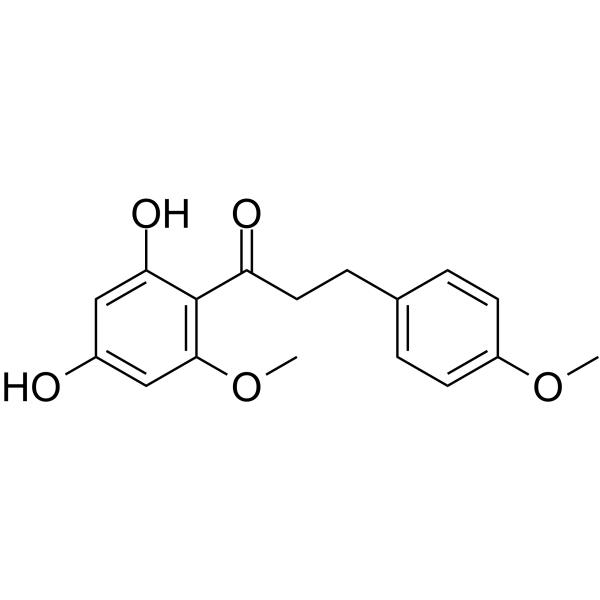
    2',4'-Dihydroxy-4,6'-diMethoxydihydrochalcone is a dihydrochalcone compound isolated from Iryanthera juruensis Warb. 2',4'-Dihydroxy-4,6'-diMethoxydihydrochalcone is a major cytotoxic metabolite when tested against a panel of cancer cell lines .
    2',4'-Dihydroxy-4,6'-diMethoxydihydrochalcone
  • HY-160869

    Fluorescent Dye Others
    Firefly luciferase-IN-2 (compound 5j) is an inhibitor of ATP-dependent luciferase (Firefly luciferase), the major light-emitting enzyme in fireflies and kowtow bugs. Firefly luciferase-IN-2 inhibits P. pyralis luciferase with an IC50 of 0.15 μM, while the inhibitory potency against R. reniformis is not significant .
    Firefly luciferase-IN-2
  • HY-14805A
    Tecovirimat monohydrate
    1 Publications Verification

    ST-246 monohydrate

    Orthopoxvirus Arenavirus Infection
    Tecovirimat (ST-246) monohydrate is the monohydrate form of Tecovirimat (HY-14805). Tecovirimat monohydrate is an orally bioavailable and selective compound against orthopoxviruses [including vaccinia, monkeypox, camelpox, cowpox, ectromelia (mousepox), smallpox and variola viruses]. Tecovirimat monohydrate is evaluated against vaccinia, cowpox virus, ectromelia virus with EC50 values of 0.01 μM, 0.48 μM and 0.05 μM, respectively. Tecovirimat monohydrate targets the orthopoxvirus protein VP37 which is necessary for membrane envelopment of intracellular mature virus particles to form enveloped virus. Tecovirimat monohydrate exerts antiviral activity on the target of the cowpox virus V061 gene, which is homologous to vaccinia virus F13L, encoding a major envelope protein (p37) required for production of extracellular virus. Tecovirimat monohydrate could be used in the study for orthopoxvirus-induced diseases .
    Tecovirimat monohydrate
  • HY-121002

    Parasite Infection Neurological Disease Cancer
    Alstonine is a major indole alkaloid compound of a plant-based remedy. Alstonine has antipsychotic, anxiolytic, anticancer and antimalarial properties .
    Alstonine
  • HY-N3955

    Glutinone; Glutinone

    Others Others
    Alnusenone (Glutinone) is a stabilised intermediate int he biogenesis of friedelin (XV) from squalene. Alnusenone is the major natural compound in fractions .
    Alnusenone
  • HY-Y1088S2

    3-Phenylpropionic acid-d9; 3-Phenylpropanoic acid-d9; 3-Phenyl-n-propionic acid-d9

    Endogenous Metabolite Others
    Hydrocinnamic acid-d9 is the deuterium labeled Hydrocinnamic acid . Hydrocinnamic acid is the major rhizospheric compound with known growth regulatory activitie s.
    Hydrocinnamic acid-d9
  • HY-13714

    AG 337 free base

    Antifolate Others
    Nolatrexed (AG 337 free base) is a compound with antifolate activity, high oral bioavailability, and major toxicity at inhibitory doses is gastrointestinal reactions. It can be safely taken orally at specific doses for inhibition, with effects on platelets and neutrophils.
    Nolatrexed
  • HY-134922

    Influenza Virus Infection
    NS1-IN-1 (compound 3) is a potent NS1 inhibitor. NS1 is a major influenza A virus virulence factor that inhibits host gene expression. NS1-IN-1 decreases viral protein levels, contributing to the reduction of virus replication. NS1-IN-1 shows antiviral activity by repressing the activity of mTORC1 in a TSC1-TSC2-dependent manner .
    NS1-IN-1
  • HY-Y1088S3

    3-Phenylpropionic acid-d5; 3-Phenylpropanoic acid-d5; 3-Phenyl-n-propionic acid-d5

    Endogenous Metabolite Others
    Hydrocinnamic acid-d5 is the deuterium labeled Hydrocinnamic acid . Hydrocinnamic acid is the major rhizospheric compound with known growth regulatory activities .
    Hydrocinnamic acid-d5
  • HY-142075

    Bacterial Infection
    Antibacterial agent 134 (compound 1) is an diketopiperazine alkaloid with antimicrobial activity. Antibacterial agent 134 is the major metabolite in the culture of Hymeniacidon perleve associated bioactive bacterium Pseudomonas sp. NJ6-3-1 .
    Antibacterial agent 134
  • HY-N1426R

    Frambione (Standard); 4-(4-Hydroxyphenyl)-2-butanone (Standard)

    Reference Standards PPAR Cardiovascular Disease Metabolic Disease
    Raspberry ketone (Standard) is the analytical standard of Raspberry ketone. This product is intended for research and analytical applications. Raspberry ketone is a major aromatic compound of red raspberry, widely used as a fragrance in cosmetics and as a flavoring agent in foodstuff; also shows PPAR-α agonistic activity.
    Raspberry ketone (Standard)
  • HY-177085

    Orexin Receptor (OX Receptor) Neurological Disease
    Fumiporexant (Compound Example 93) is an orally active, brain-penetrant and selective Orexin receptor 2 (OX2R) antagonist. Fumiporexant regulates the sleep-wake cycle and emotion-related pathways in the central nervous system. Fumiporexant is promising for research of nervous system diseases such as insomnia and major depressive disorder .
    Fumiporexant
  • HY-158256

    Fluorescent Dye Others
    Luciferase-IN-3 (compound 5h) is an inhibitor of ATP-dependent luciferase (Firefly luciferase), the major light-emitting enzyme in fireflies and kowtow bugs. Firefly luciferase-IN-2 inhibits P. pyralis luciferase with an IC50 of 3.2 μM, while the inhibitory potency against R. reniformis is not significant .
    Luciferase-IN-3
  • HY-14805S

    ST-246-d4

    Isotope-Labeled Compounds Orthopoxvirus Arenavirus Infection
    Tecovirimat-d4 (ST-246-d4) is a deuterium-labelled Tecovirimat (HY-14805). Tecovirimat is an orally bioavailable and selective compound against orthopoxviruses [including vaccinia, monkeypox, camelpox, cowpox, ectromelia (mousepox), smallpox and variola viruses]. Tecovirimat is evaluated against vaccinia, cowpox virus, ectromelia virus with EC50 values of 0.01 μM, 0.48 μM and 0.05 μM, respectively. Tecovirimat targets the orthopoxvirus protein VP37 which is necessary for membrane envelopment of intracellular mature virus particles to form enveloped virus. Tecovirimat exerts antiviral activity on the target of the cowpox virus V061 gene, which is homologous to vaccinia virus F13L, encoding a major envelope protein (p37) required for production of extracellular virus. Tecovirimat could be used in the study for orthopoxvirus-induced diseases .
    Tecovirimat-d4
  • HY-N10004

    Fru-Pro

    Others Others
    Fructose-proline (Fru-Pro) is a major amino acid-sugar compound in tobacco leaves .
    Fructose-proline
  • HY-Y1088R

    3-Phenylpropionic acid (Standard); 3-Phenylpropanoic acid (Standard); 3-Phenyl-n-propionic acid (Standard)

    Reference Standards Endogenous Metabolite Others
    Hydrocinnamic acid (Standard) is the analytical standard of Hydrocinnamic acid. This product is intended for research and analytical applications. Hydrocinnamic acid is the major rhizospheric compound with known growth regulatory activities.
    Hydrocinnamic acid (Standard)
  • HY-122423

    N-Deethylamiodarone; LB 33020

    Apoptosis Drug Metabolite Cardiovascular Disease Cancer
    Desethylamiodarone (N-Deethylamiodarone) is the major metabolite of antiarrhythmic compound Amiodarone (HY-14187). Desethylamiodarone has antiarrhythmic activity. Desethylamiodaron also induces cancer cell apoptosis .
    Desethylamiodarone
  • HY-132271

    Endogenous Metabolite Others
    Chloramphenicol 1-acetate (Compound Ⅲ) is a microbial transformation product of Chloramphenicol (HY-B0239) by Streptomyces coelicolor. Chloramphenicol 1-acetate is the major product of Chloramphenicol acetyltransferase I (CATI) by regioselective acetylation of C21 hydroxy groups in steroids .
    Chloramphenicol 1-acetate
  • HY-175345

    Parasite Infection
    CYP3A4-IN-5 (Compound 5p) is a potent Leishmania major pteridine reductase 1 (Lm PTR1) inhibitor (IC50=12.77 µM). CYP3A4-IN-5 is promising for research of parasite infection .
    CYP3A4-IN-5
  • HY-167825

    MMP Apoptosis Bcl-2 Family Reactive Oxygen Species (ROS) Neurological Disease Inflammation/Immunology Cancer
    Barakol is a major compound found in Cassia siamea. Barakol inhibits MMP-3 activity. Barakol potentiates the anti-metastatic effect of Doxorubicin (HY-15142). Barakol induces apoptosis, with ROS generation, increase in expression ratio of Bax/Bcl-2, and caspase-9 activation. Barakol has laxative, anxiolytic, CNS depressant, and antioxidant, anticancer effects .
    Barakol
  • HY-N0055S

    3-O-Caffeoylquinic acid-13C3; Heriguard-13C3; NSC-407296-13C3

    Isotope-Labeled Compounds Cancer
    Chlorogenic acid- 13C3 (Heriguard- 13C3; NSC-407296- 13C3) is 13C- and 15N-labeled Chlorogenic acid (HY-N0055). Chlorogenic acid is a major phenolic compound in Lonicera japonica Thunb.. It plays several important and therapeutic roles such as antioxidant activity, antibacterial, hepatoprotective, cardioprotective, anti-inflammatory, antipyretic, neuroprotective, anti-obesity, antiviral, anti-microbial, anti-hypertension .
    Chlorogenic acid-13C3
  • HY-Y0073R

    P-hydroxyacetophenone (Standard)

    Reference Standards HBV Myosin Infection Inflammation/Immunology Cancer
    4-Hydroxyacetophenone (Standard) is the analytical standard of 4-Hydroxyacetophenone. This product is intended for research and analytical applications. 4-Hydroxyacetophenone (P-hydroxyacetophenone) is a major hepatoprotective and choleretic compound found in Artemisia and Illicium plants, exhibiting antiviral and anti-inflammatory effects against hepatitis B virus. Additionally, 4-Hydroxyacetophenone inhibits cancer cell adhesion, invasion, and migration by remodeling actin. 4-Hydroxyacetophenone holds promise for research in the fields of inflammatory diseases and cancer .
    4-Hydroxyacetophenone (Standard)
  • HY-118431

    Biochemical Assay Reagents Others
    DMABA NHS ester can chemically react with the primary amine groups of the major phospholipid component of the cell membrane, Phosphatidylethanolamine (PE). Through precursor ion scanning, all PE subclasses labeled with DMABA can be detected. DMABA NHS ester can be used in combination with isotope-labeled compounds such as DMABA-d6 NHS ester, DMABA-d10 NHS ester, and DMABA-d4 NHS ester to observe changes in the distribution of PE lipids and the formation of novel PE lipid products .
    DMABA NHS ester
  • HY-168088

    HDAC DNA Methyltransferase Cancer
    DNMT1/HDAC-IN-1 (compound (R)-23a) is a DNMT1/HDAC dual inhibitor (HDAC1:IC50=0.05 μM), HDAC1 is a major HDAC isoform that interacts with DNMT1 in multiple protein complexes for transcriptional silencing of TSGs. DNMT1/HDAC-IN-1 can reshape the tumor immune microenvironment and induce tumor regression, and effectively reverse cancer-specific epigenetic abnormalities .
    DNMT1/HDAC-IN-1
  • HY-179063

    5-HT Receptor Dopamine Receptor Serotonin Transporter Neurological Disease
    5-HT2A receptor agonist-13 (Compound 28c) is a partial agonist of the 5-HT2A receptor, with an EC50 value of 416.9 nM and a Ki value of 113.9 nM. 5-HT2A receptor agonist-13 exhibits very weak agonistic activity towards the 5-HT2B receptor (EC50 = 120.2 nM), D2 receptor (Ki = 1298 nM), and has no activity towards the 5-HT2C receptor. 5-HT2A receptor agonist-13 exhibits weak inhibitory activity on the serotonin transporter (SERT) (EC50 = 977.2 nM). 5-HT2A receptor agonist-13 has antidepressant activity in mouse models and does not induce hallucinogenic behavior. 5-HT2A receptor agonist-13 can be used for the study of major depressive disorder (MDD) and treatment-resistant depression (TRD) .
    5-HT2A receptor agonist-13
  • HY-144700

    Parasite Infection
    Antileishmanial agent-3 (Compound 13) is a promising growth inhibitor of Leishmania major .
    Antileishmanial agent-3
  • HY-N16654

    Others Others
    Panaxjapyne B is a polyacetylene compound. Panaxjapyne B can be isolated from roots of P. japonicus var. major .
    Panaxjapyne B
  • HY-N1481R

    Tyrosinase Reference Standards Metabolic Disease
    Methyl linoleate (Standard) is the analytical standard of Methyl linoleate. This product is intended for research and analytical applications. Methyl linoleate, a major active constituent of Sageretia thea fruit (HFSF), is a major anti-melanogenic compound. Methyl linoleate downregulates microphthalmia-associated transcription factor (MITF) and tyrosinase-related proteins .
    Methyl linoleate (Standard)
  • HY-131616

    Reactive Oxygen Species (ROS) Inflammation/Immunology
    Ethyl α-eleostearate is isolated from the ethanolic extract of Pseudo-nitzschia australis (PAEE). The PAEE of Pseudomonas australis has anti-neuroinflammatory effects, inhibiting intracellular ROS as well as pro-inflammatory mediators and cytokines .
    Ethyl α-eleostearate
  • HY-W559929

    Drug Intermediate Others
    3,3-Dimethylcyclohexanol is a major odor-active compound. 3,3-Dimethylcyclohexanol can be isolated from the volatile extracts of Mayapan and Jaguar .
    3,3-Dimethylcyclohexanol
  • HY-Y1088S

    3-Phenylpropionic acid-2,3-13C2; 3-Phenylpropanoic acid-2,3-13C2; 3-Phenyl-n-propionic acid-2,3-13C2

    Isotope-Labeled Compounds Endogenous Metabolite Others
    Hydrocinnamic acid-2,3- 13C2 is the 13C-labeled Hydrocinnamic acid. Hydrocinnamic acid is the major rhizospheric compound with known growth regulatory activities.
    Hydrocinnamic acid-2,3-13C2

Inquiry Online

Your information is safe with us. * Required Fields.

Salutation


Country or Region *

Applicant Name *


Organization Name *

Department *


Email Address *


Product Name *

Cat. No.


Requested quantity *

Phone Number *


Remarks

Inquiry Online

Inquiry Information

Product Name:
Cat. No.:
Quantity:
MCE Japan Authorized Agent:

