
271 Results for "

Microtubule/Tubulin

" in MedChemExpress (MCE) Product Catalog:
Products (271)

271 Results for "Microtubule/Tubulin" in MCE Product Catalog:

130
130 Publications Verification
Cat. No.: HY-13520
CAS No.: 31430-18-9
Purity:  99.59%
Synonyms: Oncodazole; R17934
Research Areas:  

Cancer

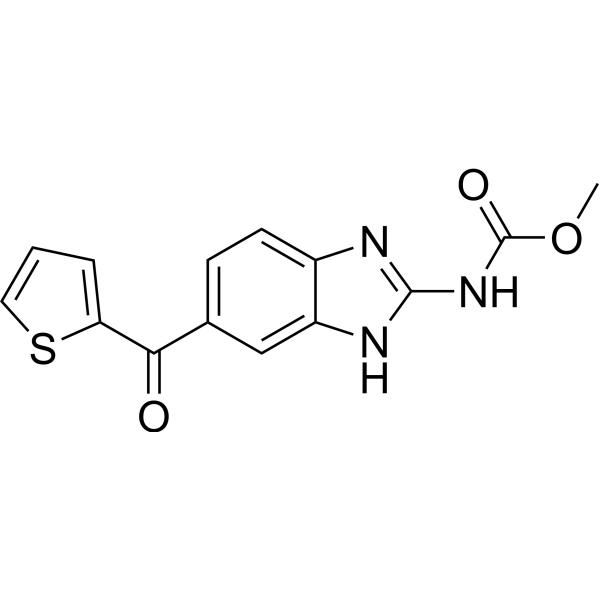
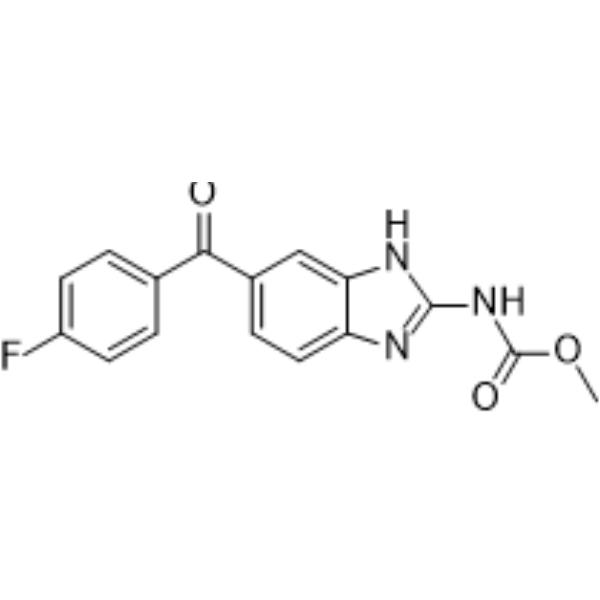
Nocodazole (Oncodazole) is a rapidly-reversible inhibitor of microtubule. Nocodazole binds to β-tubulin and disrupts microtubule assembly/disassembly dynamics, which prevents mitosis and induces apoptosis in tumor cells. Nocodazole inhibits Bcr-Abl.
loading...
    loading...
79
79 Cited Publications
Cat. No.: HY-N0488A
CAS No.: 57-22-7
Synonyms: Leurocristine; NSC-67574; 22-Oxovincaleukoblastine
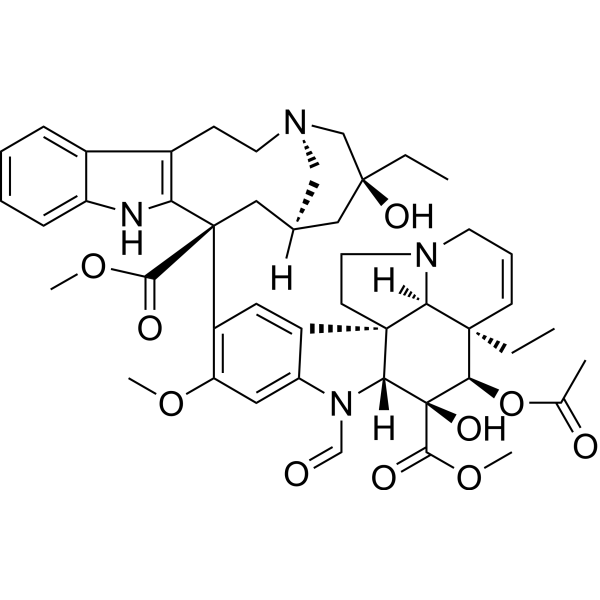
Vincristine (Leurocristine; NSC-67574; 22-Oxovincaleukoblastine) is a microtubule inhibitor that disrupts microtubule polymerization by binding to β-tubulin (with a Ki of 85 nM in bovine), arrests the cell cycle and induces apoptosis. Vincristine inhibits cell replication, tumor blood flow and the proliferation of various cancer cells, while triggering effects such as oxidative stress, inflammation, calcium overload, epithelial-mesenchymal transition and peripheral neuropathic pain. Vincristine upregulates the expression of various transporters and nuclear receptors, and enriches gastric cancer stem-like cells. Vincristine is used in research related to various tumors including acute lymphoblastic leukemia, lymphoma, melanoma, gastric cancer, solid tumors and sarcomas .
loading...
    loading...
79
79 Cited Publications
Cat. No.: HY-N0488
CAS No.: 2068-78-2
Synonyms: Leurocristine sulfate; NSC-67574 sulfate; 22-Oxovincaleukoblastine sulfate
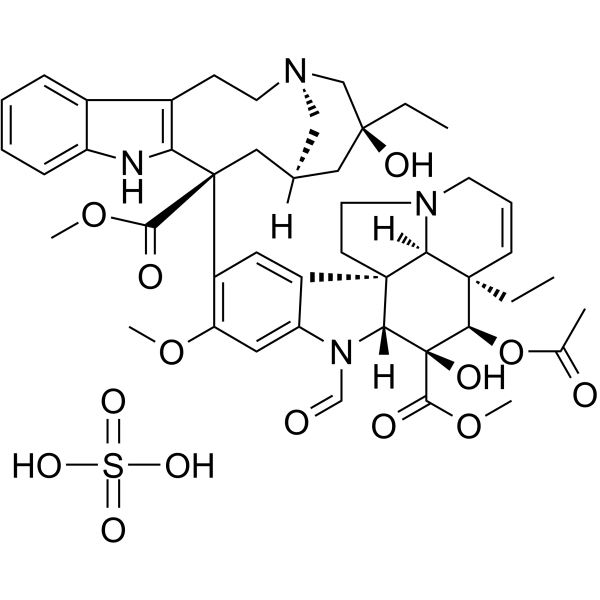
Vincristine (Leurocristine; NSC-67574; 22-Oxovincaleukoblastine) sulfate is a microtubule inhibitor that disrupts microtubule polymerization by binding to β-tubulin (with a Ki of 85 nM in bovine), arrests the cell cycle and induces apoptosis. Vincristine sulfate inhibits cell replication, tumor blood flow and the proliferation of various cancer cells, while triggering effects such as oxidative stress, inflammation, calcium overload, epithelial-mesenchymal transition and peripheral neuropathic pain. Vincristine sulfate upregulates the expression of various transporters and nuclear receptors, and enriches gastric cancer stem-like cells. Vincristine sulfate is used in research related to various tumors including acute lymphoblastic leukemia, lymphoma, melanoma, gastric cancer, solid tumors and sarcomas .
loading...
    loading...
77
77 Cited Publications
Cat. No.: HY-16569
CAS No.: 64-86-8
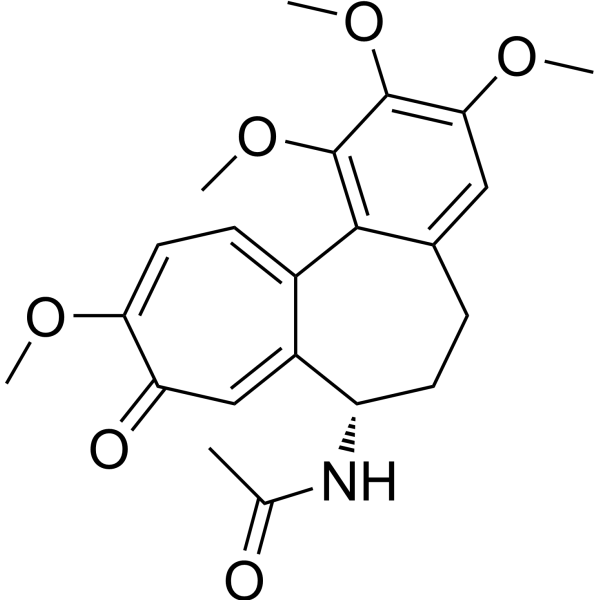
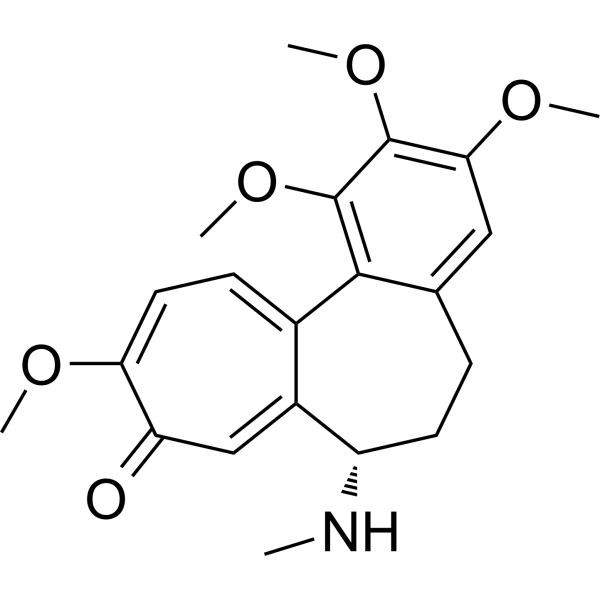
Colchicine, an orally active alkaloid, is a potent tubulin inhibitor and a microtubule disrupting agent. Colchicine inhibits microtubule polymerization with an IC50 of 3 nM. Colchicine is also a competitive antagonist of the α3 glycine receptors (GlyRs). Colchicine prevents non-steroidal anti-inflammatory drug (NSAID)-induced small intestinal injury by inhibiting activation of the NLRP3 inflammasome. Colchicine has extensive anti-inflammatory, immunosuppressive and strong anti-fibrosis effects and has the potential for gouty arthritis research .
loading...
    loading...
10
10 Cited Publications
Cat. No.: HY-17029
CAS No.: 152044-54-7
Synonyms: EPO 906; Patupilone
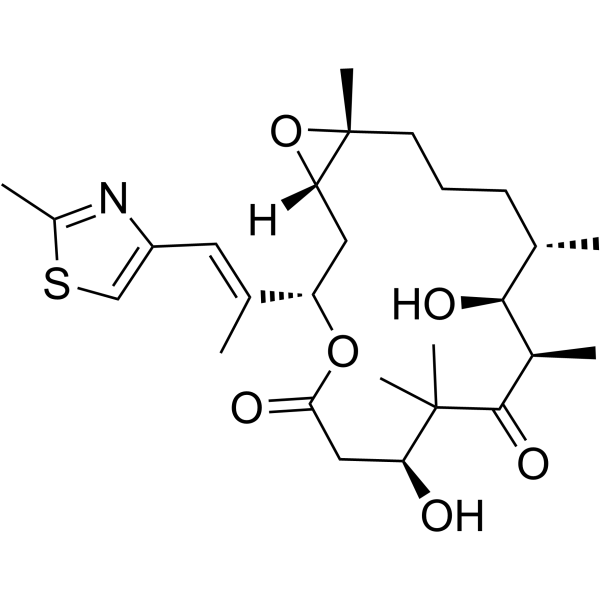
Epothilone B is a microtubule stabilizer (MSA) with a Ki of 0.71μM, and is a MSA with blood-brain barrier permeability. Epothilone B acts by binding to the αβ-tubulin heterodimer subunit which causes decreasing of αβ-tubulin dissociation .
loading...
    loading...
9
9 Cited Publications
Cat. No.: HY-10222
CAS No.: 219989-84-1
Purity:  99.84%
Synonyms: BMS-247550; Aza-epothilone B
Research Areas:  

Cancer

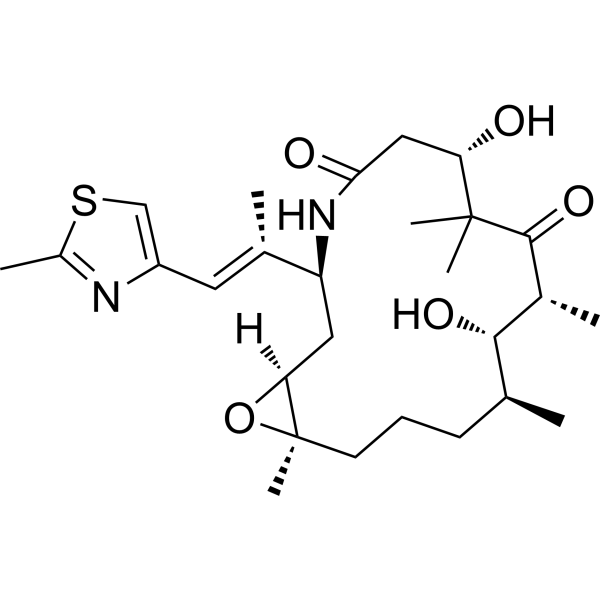
Ixabepilone (BMS-247550) is an orally bioavailable microtubule inhibitor, which binds to tubulin and promotes tubulin polymerization and microtubule stabilization, thereby arrests cells in the G2-M phase of the cell cycle and induces tumor cell apoptosis.
loading...
    loading...
8
8 Cited Publications
Cat. No.: HY-B0413
CAS No.: 43210-67-9
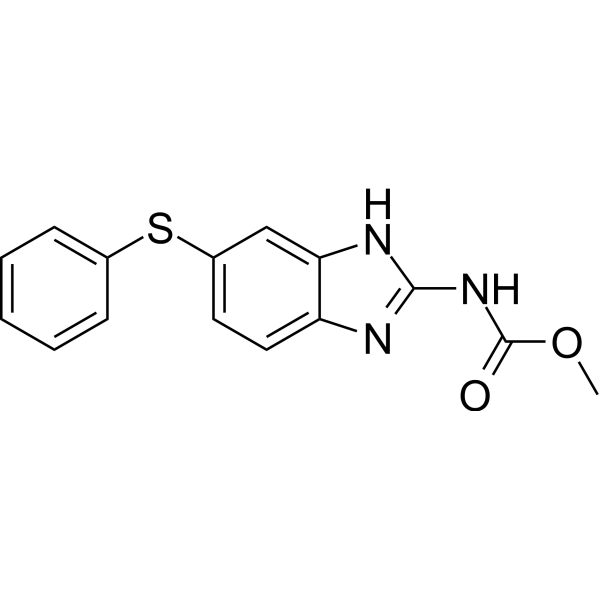
Fenbendazole is an orally active benzimidazole anthelmintic agent, with a broad antiparasitic range. Fenbendazole is a microtubule destabilizing agent and acts on helminthes primarily by binding to tubulin and disrupting the tubulin microtubule equilibrium. Fenbendazole stabilizes the transcriptional activator HIF-1α. Fenbendazole possesses an efficient anti-proliferative activity and induces apoptosis. Fenbendazole causes cell-cycle arrest and mitotic cell death, and has antitumor activity in mice xenografted with wild-type p53 .
loading...
    loading...
8
8 Cited Publications
Cat. No.: HY-115364
CAS No.: 14255-87-9
Purity:  99.87%
Synonyms: SKF 29044
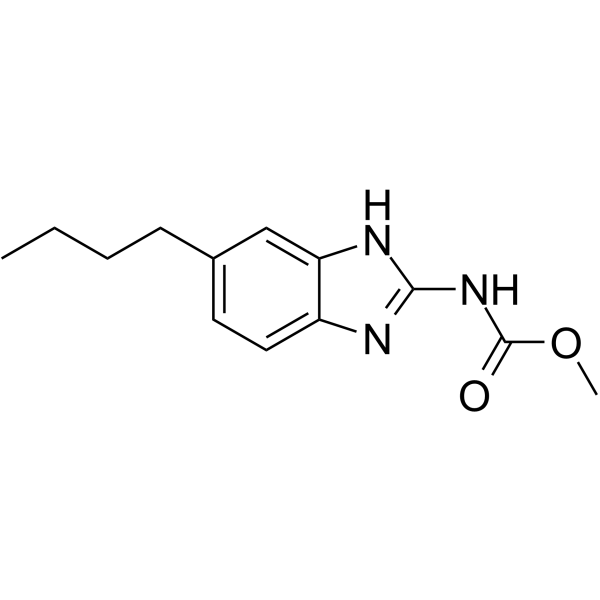
Parbendazole (SKF‑29044) is an orally active benzimidazole carbamate compound with multiple biological activities. Parbendazole binds to free tubulin and inhibits microtubule polymerization; it also activates the JNK/c‑Jun signaling axis and upregulates the expression of the downstream axonal repulsion factor Sema3A. Parbendazole upregulates KAL-1 mRNA expression, reduces nerve growth factor levels, and promotes the terminal differentiation of normal human epidermal keratinocytes. Parbendazole induces apoptosis in differentiated acute myeloid leukemia monocytes and exerts antileukemic activity in a mouse xenograft model of acute myeloid leukemia. Parbendazole exhibits broad-spectrum anthelmintic activity against various animal nematodes. Parbendazole is used in research related to acute myeloid leukemia and parasitic infections .
loading...
    loading...
7
7 Cited Publications
Cat. No.: HY-B0294
CAS No.: 31430-15-6
Flubendazole is an anthelmintic drug based on altering microtubule structure, inhibition of tubulin polymerization and disruption of microtubule function. Flubendazole induces apoptosis in human colorectal cancer (CRC) by blocking the STAT3 signaling axis and activation of autophagy. Flubendazole induces P53 expression and reduced Cyclin B1 and p-cdc2 expression. Flubendazole is an antitumor agent. Flubendazole can be used for worm and intestinal parasites .
loading...
    loading...
7
7 Cited Publications
Cat. No.: HY-N0282
CAS No.: 477-30-5
Synonyms: Colcemid
Demecolcine is a potent mitotic inhibitor with an IC50 value of 2.4 μM for inhibition of tubulin polymerization. Colcemid (Demecolcine) can interact with tubulin dimers to induce anti-mitotic action and inhibit microtubule growth. Colcemid (Demecolcine) can be used for inflammatory disorders and cancer research .
loading...
    loading...
6
6 Cited Publications
Cat. No.: HY-B0413S
CAS No.: 1228182-47-5
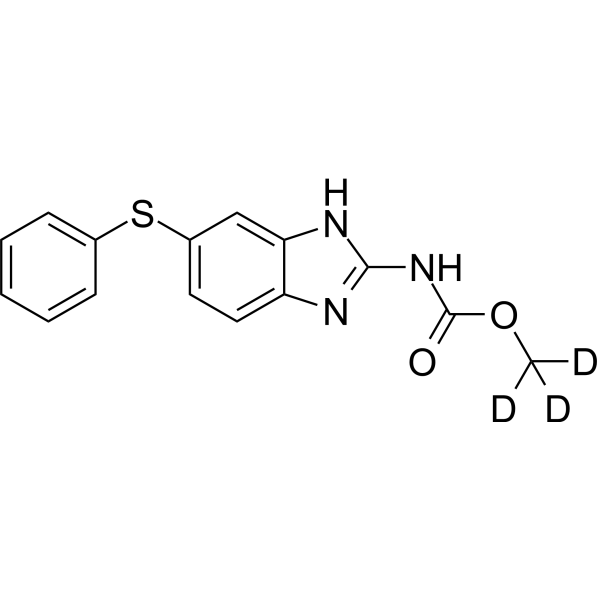
Fenbendazole-d3 is a deuterium labeled Fenbendazole. Fenbendazole-d3 is a HIF-1α agonist and activates the HIF-1α-related GLUT1 pathway. Fenbendazole is an orally active benzimidazole anthelmintic agent, with a broad antiparasitic range. Fenbendazole is a microtubule destabilizing agent. Fenbendazole causes cell-cycle arrest and mitotic cell death, and has antitumor activity in mice xenografted with wild-type p53 .
loading...
    loading...
4
4 Cited Publications
Cat. No.: HY-N2146
CAS No.: 117048-59-6
Synonyms: CRC 87-09
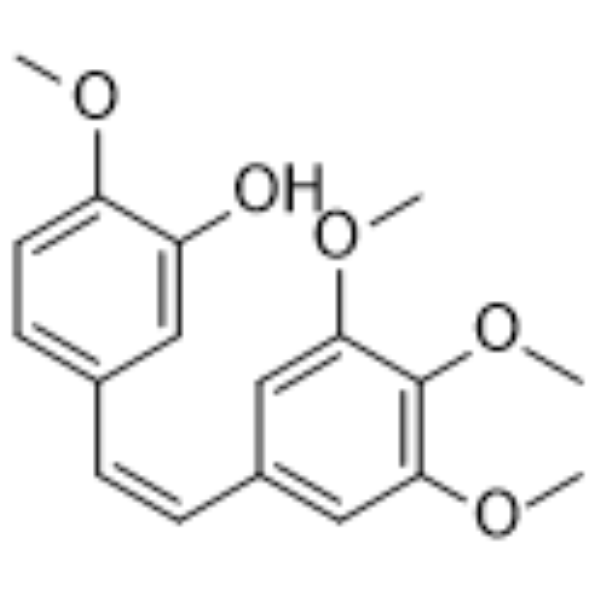
Combretastatin A4 is a microtubule-targeting agent that binds β-tubulin with Kd of 0.4 μM.
loading...
    loading...
3
3 Cited Publications
Cat. No.: HY-15584
CAS No.: 228266-40-8
Purity:  99.82%
Synonyms: HTI-286; SPA-110
Research Areas:  

Cancer

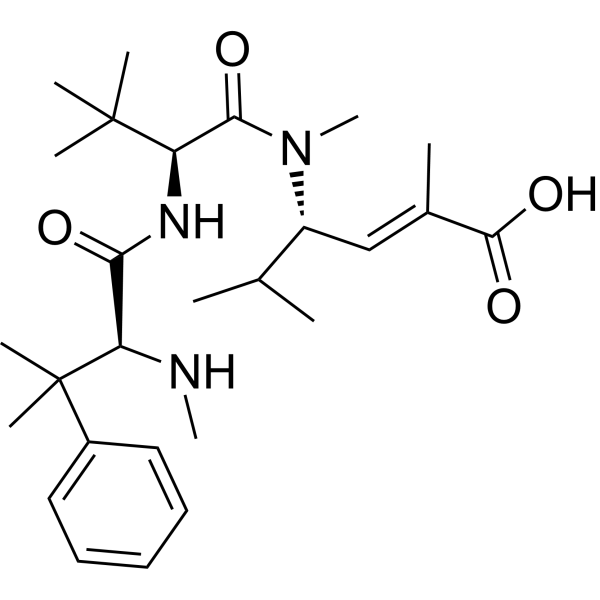
Taltobulin (HTI-286), a synthetic analogue of the tripeptide hemiasterlin, is a potent antimicrotubule agent that circumvents P-glycoprotein-mediated resistance in vitro and in vivo. Taltobulin inhibits the polymerization of purified tubulin, disrupts microtubule organization in cells, and induces mitotic arrest, as well as apoptosis .
loading...
    loading...
3
3 Cited Publications
Cat. No.: HY-15584A
CAS No.: 228266-41-9
Synonyms: HTI-286 trifluoroacetate; SPA-110 trifluoroacetate
Research Areas:  

Cancer

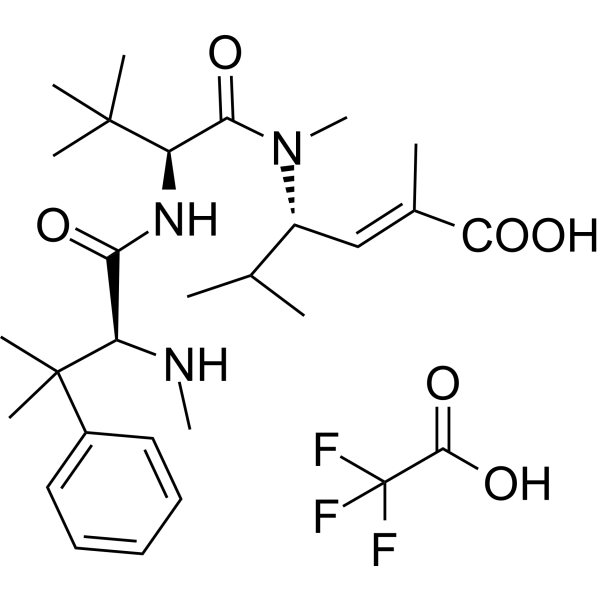
Taltobulin trifluoroacetate (HTI-286 trifluoroacetate), a synthetic analogue of the tripeptide hemiasterlin, is a potent antimicrotubule agent that circumvents P-glycoprotein-mediated resistance in vitro and in vivo. Taltobulin trifluoroacetate inhibits the polymerization of purified tubulin, disrupts microtubule organization in cells, and induces mitotic arrest, as well as apoptosis .
loading...
    loading...
3
3 Cited Publications
Cat. No.: HY-15584B
Purity:  99.34%
Synonyms: HTI-286 hydrochloride; SPA-110 hydrochloride
Research Areas:  

Cancer

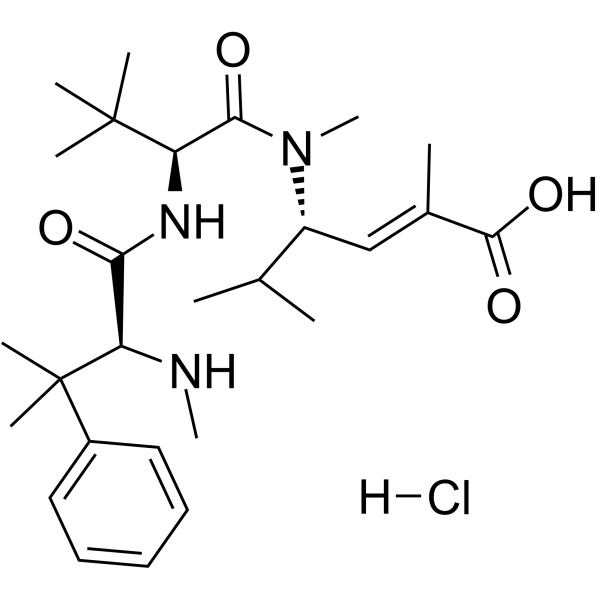
Taltobulin hydrochloride (HTI-286 hydrochloride), a synthetic analogue of the tripeptide hemiasterlin, is a potent antimicrotubule agent that circumvents P-glycoprotein-mediated resistance in vitro and in vivo. Taltobulin hydrochloride inhibits the polymerization of purified tubulin, disrupts microtubule organization in cells, and induces mitotic arrest, as well as apoptosis .
loading...
    loading...
3
3 Cited Publications
Cat. No.: HY-P99151
CAS No.: 2088770-90-3
Synonyms: CAC-10

Research Areas:  

Cancer

Brentuximab (CAC-10) is a chimeric antibody targeting CD30. Brentuximab is conjugated with Monomethyl auristatin E (MMAE) (HY-15162) to form the antibody-drug conjugate Brentuximab vedotin (HY-P99107A). Brentuximab can be used for the research of cancer, such as lymphoma .
loading...
    loading...
2
2 Cited Publications
Cat. No.: HY-14949
CAS No.: 849550-05-6
Purity:  99.86%
Synonyms: TTI-237
Target:  

Microtubule/Tubulin

Research Areas:  

Cancer

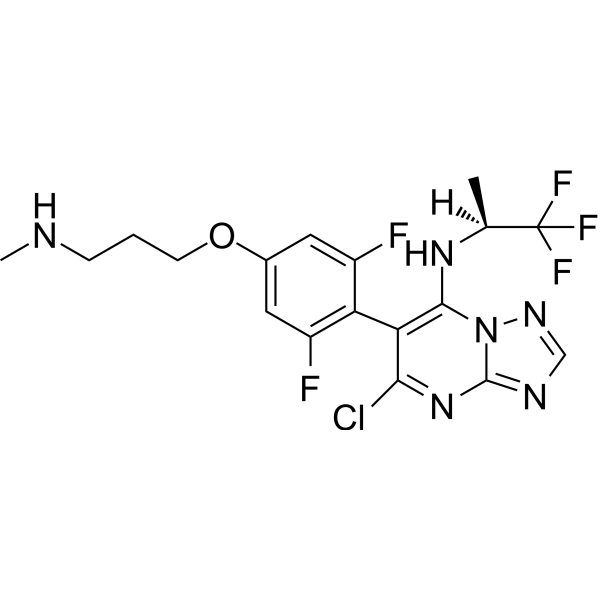
Cevipabulin (TTI-237) is an oral, microtubule-active antitumor compound and inhibits the binding of [ 3H] vinblastine to tubulin, with an IC50 of 18-40 nM for cytotoxicity in human tumor cell line .
loading...
    loading...
2
2 Cited Publications
Cat. No.: HY-136610
CAS No.: 5598-15-2
Purity:  99.39%
Target:  

Cholinesterase (ChE)

Research Areas:  

Neurological Disease

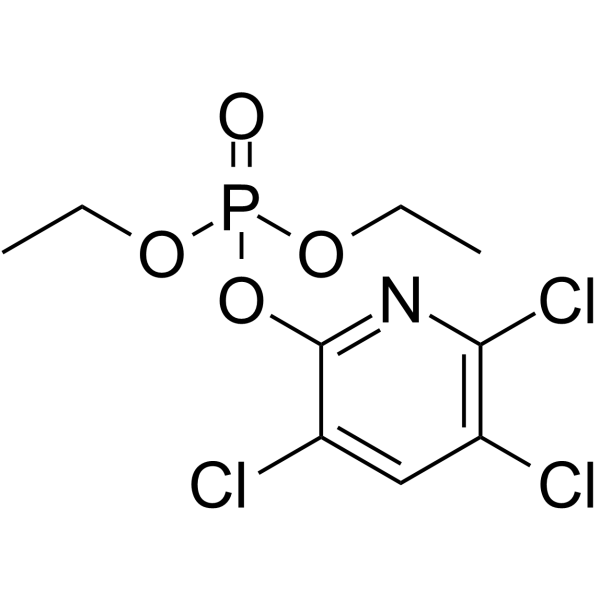
Chlorpyrifos-oxon, an active metabolite of Chlorpyrifos, is a potent phosphorylating agent that potently inhibits AChE. Chlorpyrifos-oxon can induce cross-linking between subunits of tubulin and disrupt microtubule function .
loading...
    loading...
2
2 Cited Publications
Cat. No.: HY-14949C
CAS No.: 849550-67-0
Purity:  99.87%
Synonyms: TTI-237 fumarate
Target:  

Microtubule/Tubulin

Research Areas:  

Cancer

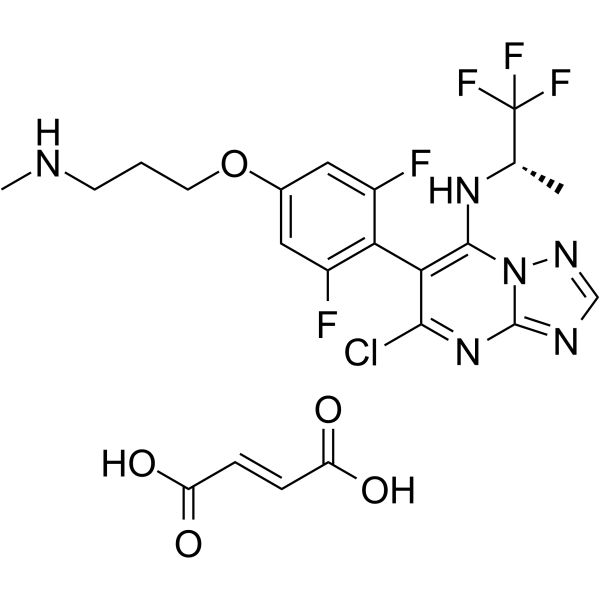
Cevipabulin fumarate (TTI-237 fumarate) is an oral, microtubule-active, antitumor compound and inhibits the binding of [ 3H]NSC 49842 to tubulin, with an IC50 of 18-40 nM for cytotoxicity in human tumor cell line .
loading...
    loading...
2
2 Cited Publications
Cat. No.: HY-N2438
CAS No.: 74805-91-7
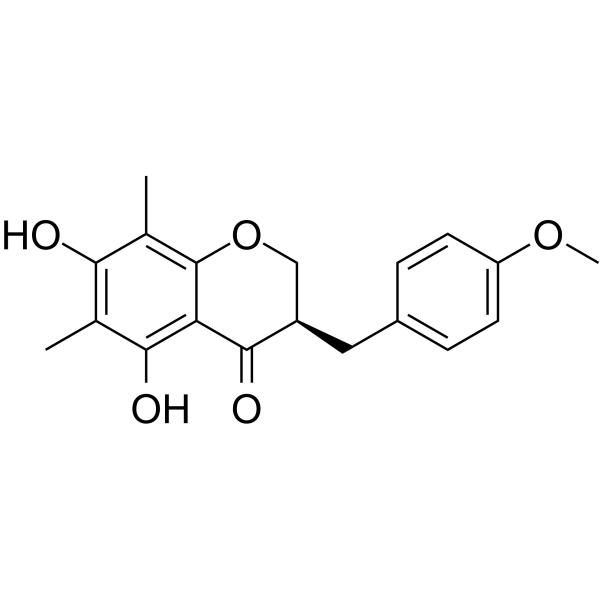
Methylophiopogonanone B is a homoisoflavonoid compound. Methylophiopogonanone B can be isolated from O. japonicus root. Methylophiopogonanone B promotes Rho activation and Tubulin depolymerization. Methylophiopogonanone B significantly increases GTP-Rho, but not GTP-Rac or GTP-CDC42. Methylophiopogonanone B induces cell morphological change via melanocyte dendrite retraction and stress fiber formation. Methylophiopogonanone B exhibits strong antioxidant activity. Methylophiopogonanone B can be used in the research of cervical cancer .
loading...
    loading...

