1. Search Result
Search Result
Pathways Recommended: NF-κB MAPK/ERK Pathway
Results for "

NF-κB pathway inhibitor

" in MedChemExpress (MCE) Product Catalog:

673

Inhibitors & Agonists

3

Screening Libraries

3

Fluorescent Dyes

16

Biochemical Assay Reagents

28

Peptides

9

Inhibitory Antibodies

309

Natural
Products

32

Isotope-Labeled Compounds

3

Click Chemistry

3

Oligonucleotides

3

GMP Molecules

Cat. No. 상품명 Target 연구분야 Chemical Structure
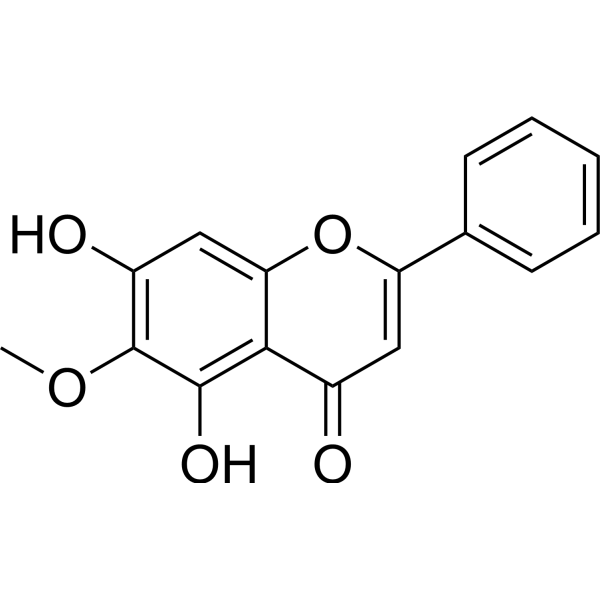
  • HY-N0560
    Oroxylin A
    15+ Cited Publications

    Baicalein 6-methyl ether; 6-Methoxybaicalein

    HIF/HIF Prolyl-Hydroxylase Autophagy Virus Protease Cancer
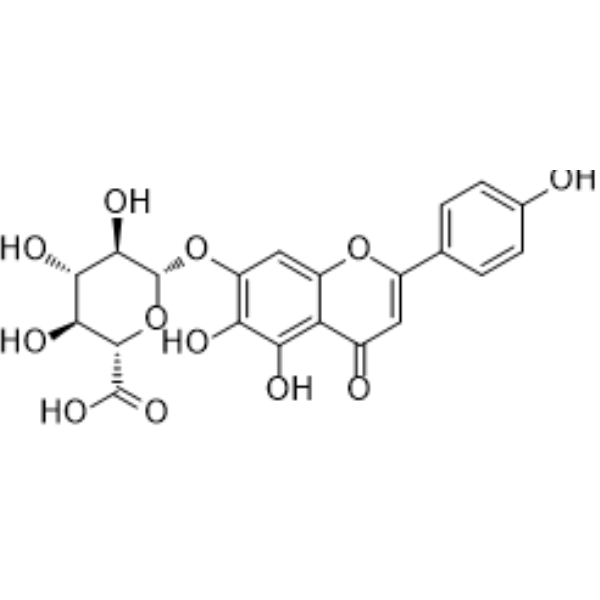
    Oroxylin A is an active flavonoid compound with strong anti-cancer effects. Oroxylin A inhibits the IL-6/STAT3 pathway and NF-κB signaling, inhibits cell proliferation and induces apoptosis. Oroxylin A inhibits colitis-related carcinogenesis .
    Oroxylin A
  • HY-N0131
    Stigmasterol
    10+ Cited Publications

    MMP Endogenous Metabolite Neurological Disease Inflammation/Immunology
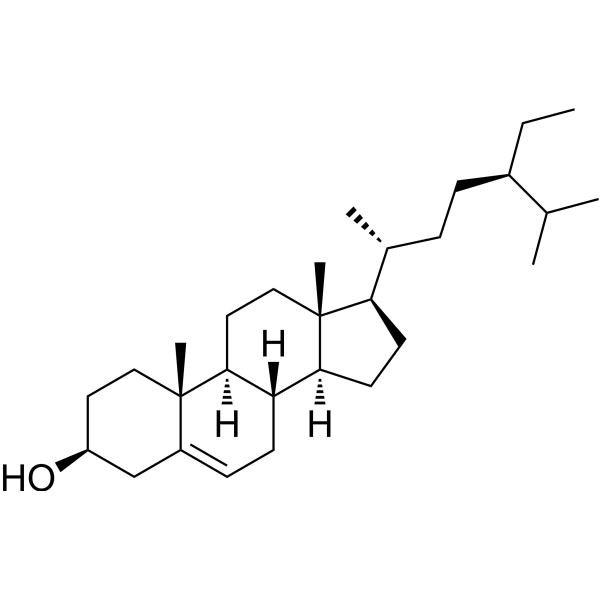
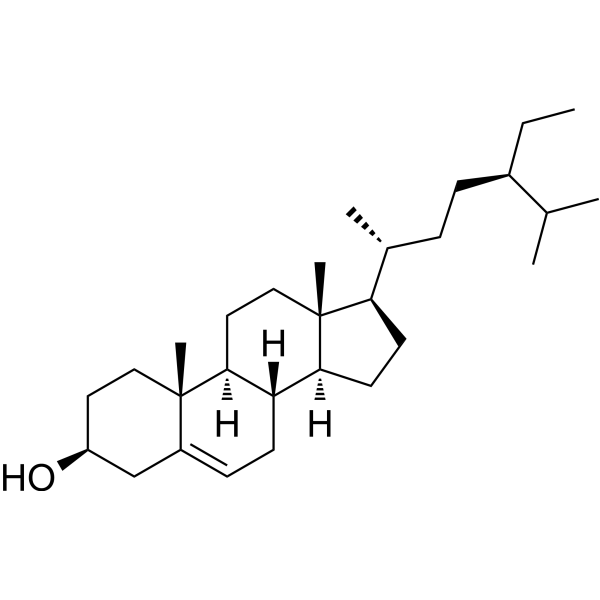
    Stigmasterol is an orally acitve, immunomodulatory agent with anti-inflammatory and neuroprotective effect, as well as able to cross the blood-brain barrier. Stigmasterol activates AMPK, which in turn inhibits NF-κB and NLRP3 signaling pathways, reduces microglia-mediated neuroinflammation, and alleviates cognitive impairment and Alzheimer's disease. Stigmasterol regulates M1/M2 polarization of microglia through the TLR4/ NF-κB pathway, thereby reducing neuropathic pain. Stigmasterol can be used for neurodegenerative diseases, inflammatory diseases, and pain management, among others .
    Stigmasterol
  • HY-N0298
    Stachydrine
    5+ Cited Publications

    NF-κB Endogenous Metabolite Cardiovascular Disease Cancer
    Stachydrine is a major constituent of Chinese herb leonurus heterophyllus sweet used to promote blood circulation and dispel blood stasis. Stachydrine can inhibit the NF-κB signal pathway.
    Stachydrine
  • HY-N0436
    Engeletin
    5+ Cited Publications

    NF-κB Infection Inflammation/Immunology
    Engeletin is a flavanonol glycoside isolated from Smilax glabra Roxb. , inhibits NF-κB signaling-pathway activation, and possesses anti-inflammatory, analgesic, diuresis, detumescence, and antibiosis effects.
    Engeletin
  • HY-N0738
    Stachydrine hydrochloride
    5+ Cited Publications

    NF-κB Endogenous Metabolite Cardiovascular Disease Cancer
    Stachydrine hydrochloride is the major active constituent of Leonurus artemisia, which is a potential therapy for cardiovascular diseases . Stachydrine can inhibit the NF-κB signal pathway. Anti-hypertrophic activities .
    Stachydrine hydrochloride
  • HY-N0535
    (+)-Magnoflorine chloride
    1 Publications Verification

    Magnoflorine chloride; α-Magnoflorine chloride; Thalictrine chloride

    Fungal Autophagy Apoptosis PINK1/Parkin NOD-like Receptor (NLR) Caspase JNK NF-κB Sirtuin AMPK Reactive Oxygen Species (ROS) Infection Metabolic Disease
    (+)-Magnoflorine (α-Magnoflorine) chloride is an orally active aporphine alkaloid with multiple biological activities. (+)-Magnoflorine chloride promotes Parkin/PINK1-mediated mitochondrial autophagy, inhibits the activation of NLRP3/Caspase-1 pathway, regulates the intestinal microbiota, and exhibits significant anti-inflammatory and immunomodulatory activities. (+)-Magnoflorine chloride inhibits JNK and TLR4/NF-κB signaling pathways, activates Sirt1/AMPK pathway, alleviates neuronal oxidative stress and apoptosis. Magnoflorine chloride upregulates miR-410-3p, inhibits HMGB1/NF-κB pathway, and has anti-tumor activity. (+)-Magnoflorine chloride also has significant antifungal activity .
    (+)-Magnoflorine chloride
  • HY-112108
    Chitosan oligosaccharide
    5 Publications Verification

    COS

    AMPK Endogenous Metabolite Metabolic Disease Cancer
    Chitosan oligosaccharide (COS) is an oligomer of β-(1→4)-linked D-glucosamine. Chitosan oligosaccharide (COS) activates AMPK and inhibits inflammatory signaling pathways including NF-κB and MAPK pathways.
    Chitosan oligosaccharide
  • HY-N1404
    Sodium aescinate
    2 Publications Verification

    NF-κB Inflammation/Immunology Cancer
    Sodium aescinate is a triterpene saponin derived from Aesculus hippocastanum seeds, with anti-inflammatory and antioxidant activities . Sodium aescinate inhibits hepatocellular carcinoma growth by targeting CARMA3/NF-κB pathway .
    Sodium aescinate
  • HY-N7088
    Raffinose
    1 Publications Verification

    Melitose

    NF-κB Autophagy Keap1-Nrf2 Toll-like Receptor (TLR) MyD88 Metabolic Disease Inflammation/Immunology
    Raffinose (Melitose) regulates intestinal flora, inhibits TLR4-MyD88-NF-κB signaling pathway, and activates Nrf2 signaling pathway. Raffinose exhibits anti-inflammatory, antioxidant, and immunomodulatory activities. Raffinose is orally active .
    Raffinose
  • HY-N0481
    Roburic acid
    1 Publications Verification

    COX TNF Receptor NO Synthase Interleukin Related NF-κB Apoptosis p38 MAPK JNK ERK Keap1-Nrf2 RANKL/RANK Neurological Disease Inflammation/Immunology Cancer
    Roburic acid acts as an anti-inflammatory, anti-tumor and osteoclastogenesis inhibitor, with a Ki of 7.066 μM against human TNF, an IC50 of 9 μM against human COX-2, and an IC50 of 5 μM against ovine COX-1. Roburic acid reduces the production of inflammatory mediators such as NO and IL-6 in macrophages by inhibiting the NF-κB and MAPK (p38/JNK) pathways. By competitively inhibiting the TNF-TNF-R1 interaction, Roburic acid blocks the downstream NF-κB signaling pathway, thereby inducing cell cycle arrest and apoptosis in cancer cells. Roburic acid specifically inhibits osteoclastogenesis and bone resorption by suppressing the RANKL/TRAF6/NF-κB/NFATc1 axis. Roburic acid can be used in research related to osteolytic diseases such as osteoporosis, colorectal cancer and inflammatory diseases .
    Roburic acid
  • HY-B0808

    Oxaprozinum; Wy21743

    COX NF-κB Akt IKK Apoptosis Inflammation/Immunology Cancer
    Oxaprozin is an orally active and potent COX inhibitor, with IC50 values of 2.2 μM for human platelet COX-1 and and 36 μM for IL-1-stimulated human synovial cell COX-2, respectively. Oxaprozin also inhibits the activation of NF-κB. Oxaprozin induces cell apoptosis. Oxaprozin shows anti-inflammatory activity. Oxaprozin-mediated inhibition of the Akt/IKK/NF-κB pathway contributes to its anti-inflammatory properties .
    Oxaprozin
  • HY-N7128
    Flavanone
    1 Publications Verification

    Cytochrome P450 ERK p38 MAPK NF-κB MMP PAI-1 Cancer
    Flavanone is a naturally occurring flavone. Flavanone has inhibitory activity for human estrogen synthetase (aromatase). Flavanone is the inhibitor for ERK/p38/NF-κB signaling pathway. Flavanone exhibits oral activity and antitumor efficacy .
    Flavanone
  • HY-N0334

    Magnoflorine; α-Magnoflorine; Thalictrine

    Fungal Autophagy Apoptosis PINK1/Parkin NOD-like Receptor (NLR) Caspase JNK NF-κB Sirtuin AMPK Reactive Oxygen Species (ROS) Cardiovascular Disease Infection Neurological Disease Metabolic Disease Inflammation/Immunology Cancer
    (+)-Magnoflorine (α-Magnoflorine) is an orally active aporphine alkaloid with multiple biological activities. (+)-Magnoflorine promotes Parkin/PINK1 -mediated mitochondrial autophagy, inhibits the activation of NLRP3/Caspase-1 pathway, regulates the intestinal microbiota, and exhibits significant anti-inflammatory and immunomodulatory activities. (+)-Magnoflorine inhibits JNK and TLR4/NF-κB signaling pathways, activates Sirt1/AMPK pathway, alleviates neuronal oxidative stress and apoptosis. Magnoflorine upregulates miR-410-3p, inhibits HMGB1/NF-κB pathway, and has anti-tumor activity. (+)-Magnoflorine also has significant antifungal activity .
    (+)-Magnoflorine
  • HY-112671

    RTA dh404

    Keap1-Nrf2 NF-κB Apoptosis Cardiovascular Disease Inflammation/Immunology
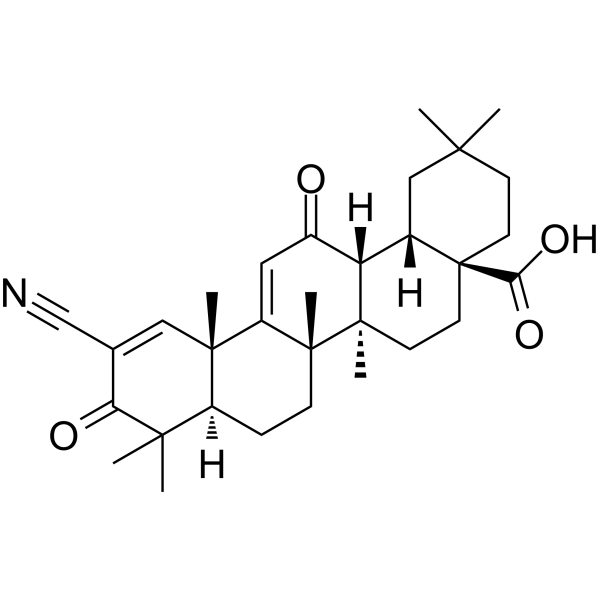
    CDDO-dhTFEA (RTA dh404) is a synthetic oleanane triterpenoid compound which potently activates Nrf2 and inhibits the pro-inflammatory transcription factor NF-κB . CDDO-dhTFEA restores hypertension (MAP), increases Nrf2 and expression of its target genes, attenuates activation of NF-κB and transforming growth factor-β pathways, and reduces glomerulosclerosis, interstitial fibrosis and inflammation in the chronic kidney disease (CKD) rats .
    CDDO-dhTFEA
  • HY-12875

    Ras Cancer
    BQU57 is a selective inhibitor of RalA/RalB small GTPases, with a binding potency (Kb) of 7.7 μM for RalB-GDP. BQU57 can block its interaction with effector proteins (such as SEC5 and EXO84), inhibiting tumor cell migration, invasion and non-adherent growth. BQU57 downregulates the NF-κB signaling pathway, reduces the expression of IL-6, IL-8 and MMP-13, and inhibits apoptosis by regulating the Bcl-2/Bax balance. BQU57 also protects the extracellular matrix by inhibiting the Ral/NF-κB pathway and can be used for the study of degenerative diseases. BQU57 exhibits significant antitumor activity in triple-negative breast cancer (TNBC) models, inhibiting orthotopic tumor growth and lung metastasis and enhancing paclitaxel chemotherapy sensitivity .
    BQU57
  • HY-N11004
    Erinacine C
    1 Publications Verification

    NF-κB Keap1-Nrf2 Heme Oxygenase (HO) Neurological Disease Inflammation/Immunology
    Erinacine C is the inhibitor for NF-κB signaling pathway and the activator for Nrf2 signaling pathway. Erinacine C exhibits antioxidant, neuroprotective and anti-inflammatory effects .
    Erinacine C
  • HY-B1104

    (±)-Indoprofe

    Akt AMPK NF-κB p38 MAPK Inflammation/Immunology
    Indoprofen ((±)-Indoprofe) activates AKT-AMPK signaling pathway, inhibits NF-κB/MAPK signaling pathway. Indoprofen exhibits anti-inflammatory and immunomodulatory activities. Indoprofen is orally active .
    Indoprofen
  • HY-105935
    Keracyanin chloride
    1 Publications Verification

    Cyanidin 3-rutinoside chloride; Cyanidin 3-O-rutinoside chloride; Sambucin chloride

    NF-κB PPAR Reactive Oxygen Species (ROS) FAK p38 MAPK ERK JNK Metabolic Disease Inflammation/Immunology
    Keracyanin chloride inhibits NF-κB/FAK/MAPK signaling pathway. Keracyanin chloride exhibits antioxidant, anti-inflammatory and hypoglycemic effects, and is orally active .
    Keracyanin chloride
  • HY-N1382
    Asperuloside
    2 Publications Verification

    NO Synthase Metabolic Disease Inflammation/Immunology
    Asperuloside is an iridoid isolated from Hedyotis diffusa, with anti-inflammatory activity. Asperuloside inhibits inducible nitric oxide synthase (iNOS), suppresses NF-κB and MAPK signaling pathways .
    Asperuloside
  • HY-N0334A
    (+)-Magnoflorine iodide
    1 Publications Verification

    Magnoflorine iodide; α-Magnoflorine iodide; Thalictrine iodide

    Fungal Autophagy Apoptosis PINK1/Parkin NOD-like Receptor (NLR) Caspase JNK NF-κB Sirtuin AMPK Reactive Oxygen Species (ROS) Cardiovascular Disease Infection Neurological Disease Metabolic Disease Inflammation/Immunology Cancer
    (+)-Magnoflorine (α-Magnoflorine) iodide is an orally active aporphine alkaloid with multiple biological activities. (+)-Magnoflorine iodide promotes Parkin/PINK1 -mediated mitochondrial autophagy, inhibits the activation of NLRP3/Caspase-1 pathway, regulates the intestinal microbiota, and exhibits significant anti-inflammatory and immunomodulatory activities. (+)-Magnoflorine iodide inhibits JNK and TLR4/NF-κB signaling pathways, activates Sirt1/AMPK pathway, alleviates neuronal oxidative stress and apoptosis. Magnoflorine upregulates miR-410-3p, inhibits HMGB1/NF-κB pathway, and has anti-tumor activity. (+)-Magnoflorine iodide also has significant antifungal activity .
    (+)-Magnoflorine iodide
  • HY-176426

    Deubiquitinase NF-κB IFNAR Cancer
    Subquinocin is a tumor suppressor CYLD inhibitor that inhibits USP family deubiquitinases (DUBs) activity of CYLD with an IC50 of 30 μM. Subquinocin enhances the activation of NF-κB and IFN pathways by inhibiting CYLD. Subquinocin promotes RIG-I-mediated activation of IRF3/IRF7 in the interferon pathway. Subquinocin can be used for the research of cancer and neurodegenerative diseases .
    Subquinocin
  • HY-N0237
    Atractyloside A
    3 Publications Verification

    Toll-like Receptor (TLR) MyD88 NF-κB Mitochondrial Metabolism Interleukin Related Aquaporin Cardiovascular Disease Metabolic Disease Inflammation/Immunology
    Atractyloside A is an orally active inhibitor of the TLR4/MyD88/NF-κB signaling pathway and also an opener of the mitochondrial permeability transition pore (MPTP). Atractyloside A interferes with the activation of the TLR4/MyD88/NF-κB pathway, thereby inhibiting intestinal inflammatory responses. Atractyloside A reverses mucin synthesis impairment, improves intestinal barrier integrity, and restores homeostasis by altering the composition of the gut microbiota. Atractyloside A can be used in studies related to spleen deficiency diarrhea and myocardial injury .
    Atractyloside A
  • HY-N10303
    Withangulatin A
    1 Publications Verification

    COX Parasite Reactive Oxygen Species (ROS) Apoptosis p38 MAPK NF-κB Akt mTOR TGF-beta/Smad Inflammation/Immunology Cancer
    Withangulatin A is the inhibitor for COX-2. Withangulatin A inhibits MAPK, NF-κB, Akt/mTOR/p70S6K pathway, exhibits antitumor, anti-inflammatory and trypanocidal activities .
    Withangulatin A
  • HY-N0592

    NF-κB AMPK Reactive Oxygen Species (ROS) p38 MAPK Infection Metabolic Disease Inflammation/Immunology Cancer
    Demethyleneberberine is a blood-brain barrier-permeable antioxidant. Demethyleneberberine exerts antioxidant effects by targeting mitochondria, activates the AMPK signaling pathway to regulate lipid metabolism, and inhibits inflammation-related pathways such as NF-κB and MAPK. Demethyleneberberine can be used in the research of inflammatory and other diseases .
    Demethyleneberberine
  • HY-100538
    DTP3
    1 Publications Verification

    DNA/RNA Synthesis JAK Cancer
    DTP3 TFA is a potent and selective GADD45β/MKK7 inhibitor. DTP3 TFA targets an essential, cancer-selective cell-survival module downstream of the NF-κB pathway .
    DTP3
  • HY-N0442

    4'-O-β-D-Glucosyl-5-O-methylvisamminol

    NF-κB p38 MAPK JNK Src TNF Receptor NOD-like Receptor (NLR) Amyloid-β MEK ERK Ferroptosis VEGFR Anaplastic lymphoma kinase (ALK) Reactive Oxygen Species (ROS) Neurological Disease Metabolic Disease Inflammation/Immunology Cancer
    5-O-Methylvisammioside (4'-O-β-D-Glucosyl-5-O-methylvisamminol) is an orally active natural chromone glycoside and multiple biological activities. 5-O-Methylvisammioside inhibits ferroptosis by activating the Nrf2/HO-1 signaling axis. 5-O-Methylvisammioside alleviates intestinal barrier damage by inhibiting the ROS/NF-κB/NLRP3 pathway. 5-O-Methylvisammioside exerts a protective effect against acute liver injury by reducing ALT/AST, decreasing inflammatory infiltration, and inhibiting IκB-α phosphorylation and NF-κB nuclear translocation. 5-O-Methylvisammioside blocks the HMGB1/RAGE/MEK/ERK signaling axis to exert anti-tumor and anti-angiogenic effects. 5-O-Methylvisammioside improves depression-like behaviors by inhibiting Src kinase and the NF-κB pathway .
    5-O-Methylvisammioside
  • HY-N0167
    Gynostemma Extract
    1 Publications Verification

    Ginsenoside C-Mx1; Gypenoside IX

    p38 MAPK Akt NF-κB COX Interleukin Related NO Synthase Metabolic Disease Inflammation/Immunology
    Gynostemma Extract (Gypenoside IX) is a triterpenoid saponin. Gynostemma Extract can be isolated from Panax notoginseng. Gynostemma Extract reduces NFκB nuclear translocation and transcriptional activity by inhibiting the p38 MAPK/Akt/NFκB signaling pathway. Gynostemma Extract reduces the expression of cytokines (COX-2, IL-6) and the production of NO. Gynostemma Extract has anti-inflammatory activity. Gynostemma Extract can be used in the study of liver injury and neuroinflammation .
    Gynostemma Extract
  • HY-N1193

    NF-κB Inflammation/Immunology
    Sulfuretin inhibits the inflammatory response by suppressing the NF-κB pathway. Sulfuretin can be used for the research of allergic airway inflammation. Sulfuretin reduces oxidative stress, platelet aggregation, and mutagenesis . Sulfuretin is a competitive and potent inhibitor of monophenolase and diphenolase activities with the IC50 of 13.64 μM .
    Sulfuretin
  • HY-N0894
    Octahydrocurcumin
    1 Publications Verification

    Hexahydrobisdemethoxycurcumin

    Apoptosis MAP4K NF-κB COX Inflammation/Immunology Cancer
    Octahydrocurcumin (Hexahydrobisdemethoxycurcumin) is an orally active anticancer and anti-inflammatory agent, and is the final hydrogenated metabolite of Curcumin (HY-N0005) in vivo. Octahydrocurcumin exerts its anti-tumor and anti-inflammatory effects by inducing the mitochondrial apoptosis pathway and inhibiting the TAK1-NF-κB-COX-2 pathway, respectively .
    Octahydrocurcumin
  • HY-138537
    NF-κB-IN-1
    3 Publications Verification

    IKK Cancer
    NF-κB-IN-1, a 4-arylidene crucumin analogue, is a potent NF-κB signaling pathway inhibitor. NF-κB-IN-1 directly inhibits IKK to block NF-κB activation. NF-κB-IN-1 effectively inhibits the viability of lung cancer cells and attenuates the clonogenic activity of A549 cells .
    NF-κB-IN-1
  • HY-155998
    NF-κB-IN-11
    1 Publications Verification

    NF-κB Inflammation/Immunology
    NF-κB-IN-11 (Compound 3i) is a NF-κB inhibitor. NF-κB-IN-11 inhibits TNF-α induced activation of NF-κB pathway, and inhibits nuclear translocation of NF-κB. NF-κB-IN-11 down-regulates the expression levels of phosphor-IKK, IκBα, and NF-κB p65. NF-κB-IN-11 has anti-inflammatory activity, and alleviates dextran sulfate sodium-induced colitis in mice. NF-κB-IN-11 (p.o.) shows a MTD more than 1852 mg/kg in mice acute toxicity assay .
    NF-κB-IN-11
  • HY-119720

    NF-κB NO Synthase Inflammation/Immunology
    Neocryptotanshinone, a fatty diterpenoids from Salvia Miltiorrhiza, inhibits lipopolysaccharide-induced inflammation by suppression of NF-κB and iNOS signaling pathways .
    Neocryptotanshinone
  • HY-N0208

    p38 MAPK NF-κB Inflammation/Immunology
    Kaempferol-3-O-glucorhamnoside, a flavonoid derived from plant Thesium chinense Turcz, inhibits inflammatory responses via MAPK and NF-κB pathways in vitro and in vivo .
    Kaempferol-3-O-glucorhamnoside
  • HY-147972

    NF-κB p38 MAPK NO Synthase COX Inflammation/Immunology
    NF-κB/MAPK-IN-1 (compound 11a) is a potent inhibitor of NF-κB and MAPK pathway. NF-κB/MAPK-IN-1 shows inhibitory activity against NO production, with an IC50 of 6.96 µM. NF-κB/MAPK-IN-1 suppresses LPS-induced iNOS, COX-2, ERΚ and P38 signaling activation. NF-κB/MAPK-IN-1 can prevent LPS induced inflammatory response in macrophages. NF-κB/MAPK-IN-1 can be used for rheumatoid arthritis (RA) research .
    NF-κB/MAPK-IN-1
  • HY-W001174

    ERK NF-κB Inflammation/Immunology
    2,5-Dihydroxyacetophenone, isolated from Rehmannia glutinosa, inhibits the production of inflammatory mediators in activated macrophages by blocking the ERK1/2 and NF-κB signaling pathways .
    2,5-Dihydroxyacetophenone
  • HY-N8884

    PTEN Akt NF-κB Interleukin Related TNF Receptor Inflammation/Immunology
    Coelonin is a dihydrophenanthrene with anti-inflammation activity. Coelonin inhibits LPS-induced PTEN phosphorylation. Coelonin inhibits NF-κB activation and p27Kip1 degradation by regulating the PI3K/AKT pathway negatively. Coelonin can inhibit IκBα phosphorylation and degradation and increases the expression of IκBα protein .
    Coelonin
  • HY-N0592A
    Demethyleneberberine chloride
    3 Publications Verification

    NF-κB AMPK Reactive Oxygen Species (ROS) p38 MAPK Infection Neurological Disease Metabolic Disease Inflammation/Immunology Cancer
    Demethyleneberberine chloride is a blood-brain barrier-permeable antioxidant. Demethyleneberberine chloride exerts antioxidant effects by targeting mitochondria, activates the AMPK signaling pathway to regulate lipid metabolism, and inhibits inflammation-related pathways such as NF-κB and MAPK. Demethyleneberberine chloride can be used in the research of inflammatory and other diseases .
    Demethyleneberberine chloride
  • HY-144765
    NF-κB-IN-4
    1 Publications Verification

    NF-κB Apoptosis Neurological Disease Metabolic Disease Inflammation/Immunology Cancer
    NF-κB-IN-4 (compound 17) is a potent NF-κB pathway inhibitor with blood brain barrier (BBB) permeability. NF-κB-IN-4 exhibits potential anti-neuroinflammatory activity with low toxicity. NF-κB-IN-4 can block the activation and phosphorylation of IκBα, reduce expression of NLRP3, and thus inhibit NF-κB activation. NF-κB-IN-4 can be used for neuroinflammation related diseases research .
    NF-κB-IN-4
  • HY-168710

    Toll-like Receptor (TLR) NF-κB IKK Inflammation/Immunology
    TLR4/NF-κB-IN-1 (Compound 7x) is an orally available inhibitor that specifically targets the TLR4/NF-κB signaling pathway, offering anti-inflammatory effects and the ability to cross the blood-brain barrier. TLR4/NF-κB-IN-1 can reduce acute neuroinflammation in mice caused by LPS (HY-D1056) and downregulate the expression of TLR4, P-NF-κB and P-IκB-α proteins .
    TLR4/NF-κB-IN-1
  • HY-N9971

    NF-κB Bacterial Infection Inflammation/Immunology Cancer
    Hentriacontane is a long-chain alkane. Hentriacontane exerts anti-inflammatory effects by inhibiting the NF-κB pathway. Hentriacontane has anti-inflammatory, antitumor and antibacterial activities .
    Hentriacontane
  • HY-N3188

    Akt NF-κB Infection
    Niloticin, tetracyclic triterpenoid compound, is a osteoclastogenesis inhibitor. Niloticin shows anti-viral, antioxidative, and mosquitocidal activities. Niloticin inhibits osteoclastogenesis by blocking RANKL-RANK interaction and suppressing the AKT, MAPK, and NF-κB signaling pathways .
    Niloticin
  • HY-P1259A

    Proteasome Bacterial Inflammation/Immunology
    PR-39 TFA, a natural proline- and arginine-rich antibacterial peptide, is a noncompetitive, reversible and allosteric proteasome inhibitor. PR-39 TFAreversibly binds to the α7 subunit of the proteasome and blocks degradation of NF-κB inhibitor IκBα by the ubiquitin-proteasome pathway. PR-39 TFA stimulates angiogenesis, inhibits inflammatory responses and significant reduces myocardial infarct size in mice .
    PR-39 TFA
  • HY-N4231

    NF-κB Inflammation/Immunology
    Lucyoside B inhibits the production of inflammatory mediators via both NF-κB and activator protein-1 pathways in activated macrophages .
    Lucyoside B
  • HY-W028127

    IKK Inflammation/Immunology
    IKKβ-IN-4 (compound 14) is an IkappaB kinase-β ( IKKβ ) inhibitor with IC50 value of 1.9 μM. IKKβ is a key enzyme in the NF-κB signaling pathway and is involved in the development of many diseases .
    IKKβ-IN-4
  • HY-173063

    Toll-like Receptor (TLR) NF-κB MyD88 Inflammation/Immunology
    TLR8 antagonist-1 (Compound 10) is a selective TLR8 antagonist. TLR8 antagonist-1 can inhibit TLR8-mediated inflammation and signaling pathways, reduce the recruitment of MyD88, and inhibit the NF-κB and IRF pathways. TLR8 antagonist-1 has anti-inflammatory activity .
    TLR8 antagonist-1
  • HY-122961

    1,2-Didehydromiltirone

    NF-κB p38 MAPK Inflammation/Immunology
    Dehydromiltirone (1,2-Didehydromiltirone) is a diterpenoid quinone with an anti-inflammatory effect. Dehydromiltirone prevents liver injury by modifying the MAPK and NF-κB signaling pathways, reducing neuroinflammatory responses, and inhibiting platelet aggregation. Dehydromiltirone can be used for osteoporosis research .
    Dehydromiltirone
  • HY-149331

    TNF Receptor Caspase NF-κB Inflammation/Immunology
    TNF-α-IN-11 (Compound 10) is a TNF-α inhibitor with a KD value of 12.06 μM. TNF-α-IN-11 binds to TNF-α and blocks the activation of TNF-α-trigged caspase and NF-κB signaling pathway. TNF-α-IN-11 inhibits the phosphorylation of IκBα, as well as the nuclear translocation of NF κB p65. TNF-α-IN-11 can be used for research of TNF-α-mediated autoimmune diseases .
    TNF-α-IN-11
  • HY-120515

    PKC Cancer
    7-Oxostaurosporine is a potent protein kinase C (PKC) inhibitor that effectively inhibits tumor growth by inducing apoptosis and inhibiting the nuclear factor (NF)-κB/p-p65 pathway .
    7-Oxostaurosporine
  • HY-117726

    Estrogen Receptor/ERR NF-κB Inflammation/Immunology
    WAY-169916 is a pathway-selective ligand of ER (estrogen receptor) that acts by inhibiting NF-kB transcriptional activity. WAY-169916 has potent anti-inflammatory effect .
    WAY-169916
  • HY-P1259

    Proteasome Bacterial Inflammation/Immunology
    PR-39, a natural proline- and arginine-rich antibacterial peptide, is a noncompetitive, reversible and allosteric proteasome inhibitor. PR-39 reversibly binds to the α7 subunit of the proteasome and blocks degradation of NF-κB inhibitor IκBα by the ubiquitin-proteasome pathway. PR-39 stimulates angiogenesis, inhibits inflammatory responses and significant reduces myocardial infarct size in mice .
    PR-39

온라인 문의

Your information is safe with us. * Required Fields.

호칭


Country or Region *

고객명 *


회사명 *

Department *


메일주소 *


상품명 *

Cat. No.


Requested quantity *

전화번호 *


비고

온라인 문의

Inquiry Information

상품명:
Cat. No.:
수량:
MCE Japan Authorized Agent:

