


1. Search Result
Search Result
Results for "

NK

" in MedChemExpress (MCE) Product Catalog:

383

Inhibitors & Agonists

1

Fluorescent Dye

1

Biochemical Assay Reagents

93

Peptides

67

Inhibitory Antibodies

27

Natural
Products

60

Recombinant Proteins

18

Isotope-Labeled Compounds

38

Antibodies

1

Click Chemistry

10

Oligonucleotides

Targets Recommended:
Cat. No. Product Name Target Research Areas Chemical Structure
  • HY-P0201
    Substance P
    Maximum Cited Publications
    31 Publications Verification

    Neurokinin P

    Neurokinin Receptor Endogenous Metabolite Infection Neurological Disease Metabolic Disease Cancer
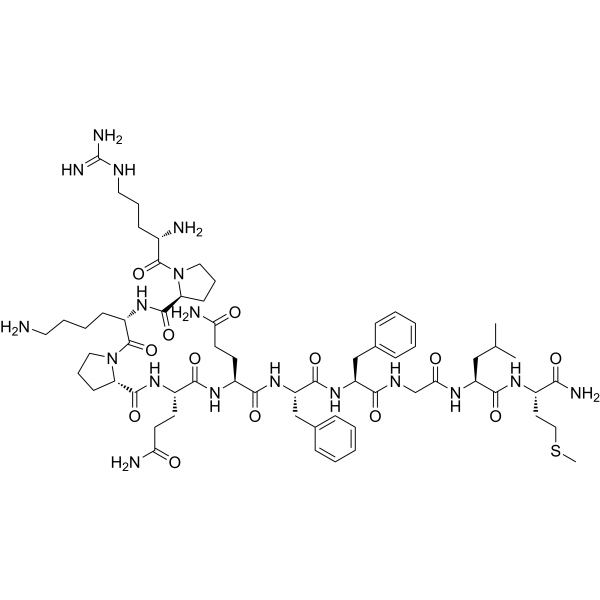
    Substance P (Neurokinin P) is a CNS-penetrant neuropeptide, acting as a neurotransmitter and as a neuromodulator in the CNS. The endogenous receptor for substance P is neurokinin 1 receptor (NK1-receptor, NK1R).
    Substance P
  • HY-B0144A
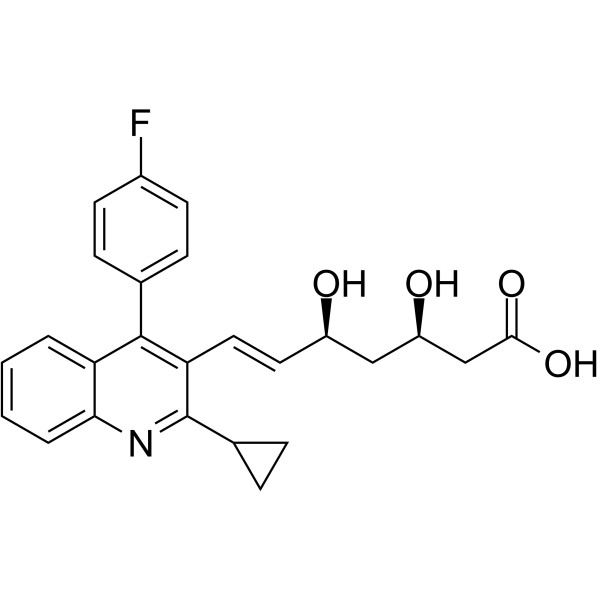
    Pitavastatin
    10+ Cited Publications

    NK-104

    HMG-CoA Reductase (HMGCR) Autophagy Mitophagy Apoptosis Cardiovascular Disease Neurological Disease Metabolic Disease Cancer
    Pitavastatin (NK-104) is a potent hydroxymethylglutaryl-CoA (HMG-CoA) reductase inhibitor. Pitavastatin inhibits cholesterol synthesis from acetic acid with an IC50 of 5.8 nM in HepG2 cells. Pitavastatin is an efficient hepatocyte low-density lipoprotein-cholesterol (LDL-C) receptor inducer. Pitavastatin also possesses anti-atherosclerotic, anti-asthmatic, anti-osteoarthritis, antineoplastic, neuroprotective, hepatoprotective and reno-protective effects .
    Pitavastatin
  • HY-B0144
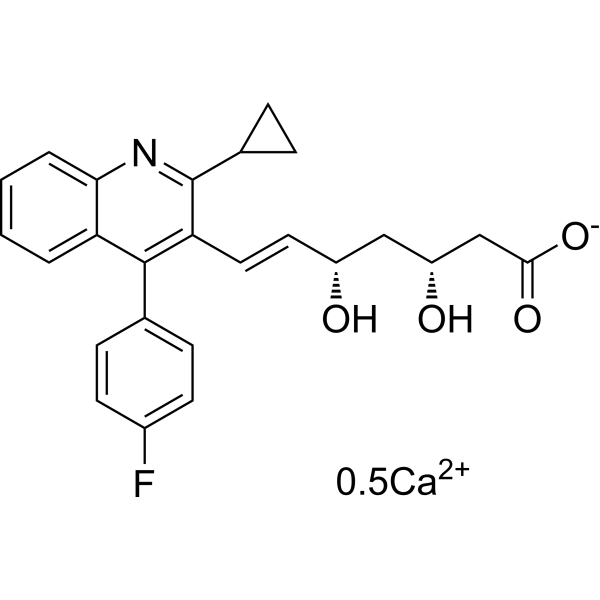
    Pitavastatin Calcium
    10+ Cited Publications

    NK-104 hemicalcium; Pitavastatin hemicalcium

    HMG-CoA Reductase (HMGCR) Autophagy Mitophagy Apoptosis Cardiovascular Disease Neurological Disease Metabolic Disease Cancer
    Pitavastatin Calcium (NK-104 hemicalcium) is a potent hydroxymethylglutaryl-CoA (HMG-CoA) reductase inhibitor. Pitavastatin Calcium (NK-104 hemicalcium) inhibits cholesterol synthesis from acetic acid with an IC50 of 5.8 nM in HepG2 cells. Pitavastatin Calcium is an efficient hepatocyte low-density lipoprotein-cholesterol (LDL-C) receptor inducer. Pitavastatin Calcium also possesses anti-atherosclerotic, anti-asthmatic, anti-osteoarthritis, antineoplastic, neuroprotective, hepatoprotective and reno-protective effects .
    Pitavastatin Calcium
  • HY-113008B

    (E)-Urocanic acid; trans-UCA

    Endogenous Metabolite Inflammation/Immunology
    trans-urocanic acid (trans-UCA), a natural epidermal constituent, inhibits human natural killer cell (NK) activity in vitro. trans-urocanic acid is active in regulating an immune function .
    trans-Urocanic acid
  • HY-109171

    NT-814; BAY3427080

    Neurokinin Receptor Cardiovascular Disease Neurological Disease
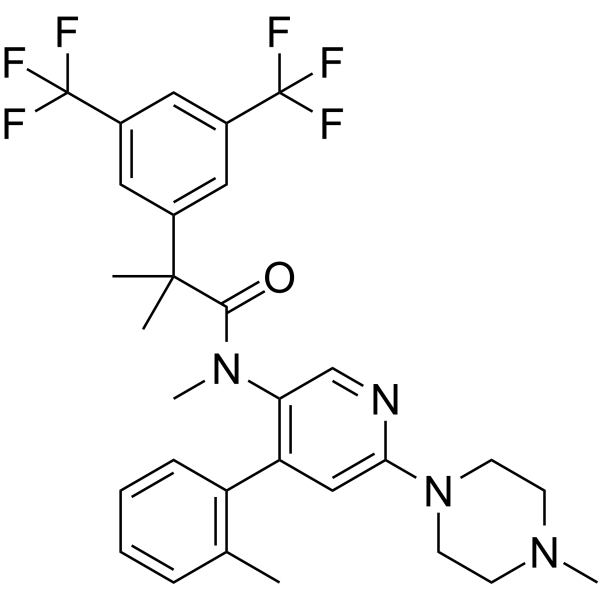
    Elinzanetant is an orally active and selective NK-1 and NK-3 receptor antagonist. Elinzanetant alleviates menopause-associated vasomotor symptoms, including hot flashes and night sweats. Elinzanetant reduces estradiol and progesterone levels. Elinzanetant can be used for the research of moderate to severe vasomotor and sleep disorders associated with menopause .
    Elinzanetant
  • HY-P0197
    Neurokinin A
    3 Publications Verification

    Substance K; Neurokinin α; Neuromedin L; NKA

    Neurokinin Receptor Neurological Disease Endocrinology
    Neurokinin A (Substance K), a peptide neurotransmitter of the tachykinin family, acts via the NK-2 receptor. Neurokinin A acts as a major mediator in human airway and gastrointestinal tissues .
    Neurokinin A
  • HY-B0005A
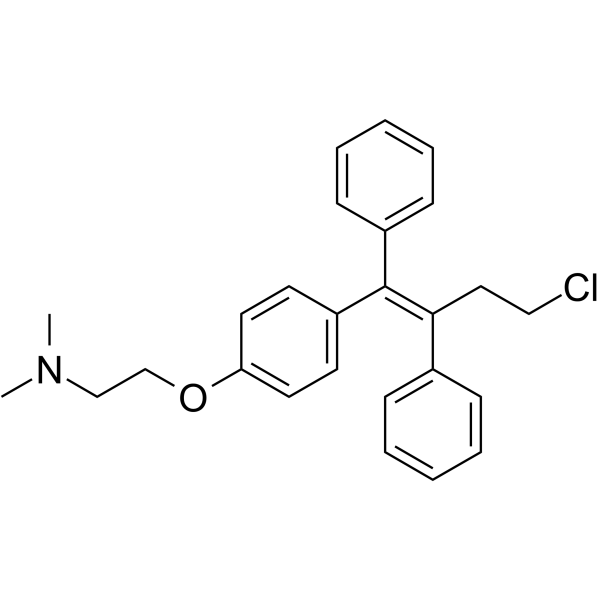
    Toremifene
    5+ Cited Publications

    Z-Toremifene; NK 622 free base; FC-1157a free base

    Estrogen Receptor/ERR Infection Cancer
    Toremifene (Z-Toremifene) is a second-generation selective estrogen-receptor modulator (SERM) in development for the prevention of osteoporosis. Toremifene also potent inhibits infectious EBOV Zaire and Marburg (MARV) with IC50 of 0.07 µM and 2.6 µM, respectively .
    Toremifene
  • HY-13704S

    NK012-d3

    Topoisomerase ADC Payload Autophagy Cancer
    SN-38-d3 is the deuterium labeled SN-38. SN-38 (NK012) is an active metabolite of the Topoisomerase I inhibitor Irinotecan. SN-38 (NK012) inhibits DNA and RNA synthesis with IC50s of 0.077 and 1.3 μM, respectively .
    SN-38-d3
  • HY-B0005
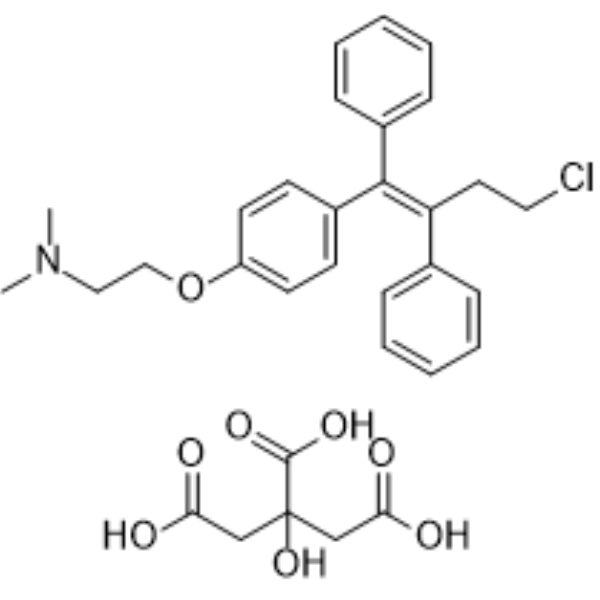
    Toremifene citrate
    5+ Cited Publications

    Z-Toremifene citrate; NK 622; FC-1157a

    Estrogen Receptor/ERR Apoptosis Infection Cancer
    Toremifene citrate (Z-Toremifene citrate) is a second-generation selective estrogen-receptor modulator (SERM) in development for the prevention of osteoporosis. Toremifene citrate also potent inhibits infectious EBOV Zaire and Marburg (MARV) with IC50 of 0.07 μM and 2.6 μM, respectively .
    Toremifene citrate
  • HY-19734
    NK-252
    20+ Cited Publications

    Quinone Reductase Keap1-Nrf2 Cancer
    NK-252 is a potential Nrf2 activator, which exhibits a great Nrf2-activating potential.
    NK-252
  • HY-P5307

    INF7-A5K-TAT

    Biochemical Assay Reagents Others
    Peptide A5K (INF7-A5K-TAT) is an amphiphilic peptide derived from the HA2-TAT fusion scaffold. Peptide A5K can non-covalently bind to CRISPR ribonucleoproteins and efficiently deliver them to cells, such as primary human T cells, B cells, and NK cells. Peptide A5K enables low-toxicity, precise, and multiplex genome editing, holding great application potential in the field of cell therapy .
    Peptide A5K
  • HY-P99143

    Neurokinin Receptor NF-κB STAT Inflammation/Immunology
    Anti-Mouse NK1.1 Antibody (PK136) is an anti-mouse NK1.1 IgG2a monoclonal antibody. Anti-Mouse NK1.1 Antibody (PK136) can deplete natural killer (NK) cells. Anti-Mouse NK1.1 Antibody (PK136) inhibits the JAK-STAT and NF-κB signaling pathways. Anti-Mouse NK1.1 Antibody (PK136) can be used for research on inflammation conditions such as non-alcoholic steatohepatitis (NASH) .
    Anti-Mouse NK1.1 Antibody (PK136)
  • HY-Y0493

    HOOBt

    STAT HIV Infection Cancer
    HODHBt (HOOBt) inhibits STAT5-SUMO interaction by blocking SUMOylation of phosphorylated STAT5. HODHBt enhances the magnitude of IL-15 signaling and significantly increases the natural killer (NK) cell cytotoxicity phenotype and function and the generation of cytokine-induced memory-like (CIML) natural killer (NK) cells. HODHBt can be used for research of HIV-infection and cancer .
    HODHBt
  • HY-P99752

    ALKS 4230; RDB-1450

    Interleukin Related Inflammation/Immunology Cancer
    Nemvaleukin alfa (ALKS 4230) is a IL-2 fusion protein that selectively binds to intermediate-affinity IL-2R. Nemvaleukin alfa is an activator of NK and effector T cells. Nemvaleukin alfa can be used for research of cancer .
    Nemvaleukin alfa
  • HY-101249

    Neurokinin Receptor Neurological Disease Cancer
    L-732138 is a selective, potent and competitive neurokinin-1 (NK-1) receptor antagonist with an IC50 of 2.3 nM. L-732138 has 200-fold more potent in cloned human NK-1 receptors than cloned rat NK-1 receptors, and has > 1000-fold more potent than human NK-2 and NK-3 receptors. L-732138 can reduce hyperalgesia and has antitumor action .
    L-732138
  • HY-P0242

    Neurokinin Receptor Neurological Disease Endocrinology
    Neurokinin B belongs to the tachykinin family of peptides. Neurokinin B binds a family of GPCRs-including neurokinin receptor 1 (NK1R), NK2R, and NK3R-to mediate their biological effect .
    Neurokinin B
  • HY-P0242A

    Neurokinin Receptor Neurological Disease Endocrinology
    Neurokinin B TFA belongs to the tachykinin family of peptides. Neurokinin B binds a family of GPCRs-including neurokinin receptor 1 (NK1R), NK2R, and NK3R-to mediate their biological effect .
    Neurokinin B TFA
  • HY-16732

    VLY-686; LY686017

    Neurokinin Receptor Infection Neurological Disease Metabolic Disease
    Tradipitant (VLY-686) is a neurokinin-1 (NK-1) antagonist.
    Tradipitant
  • HY-14406A
    L-733060 hydrochloride
    1 Publications Verification

    Neurokinin Receptor Neurological Disease Cancer
    L-733060 hydrochloride is a selective neurokinin-1 (NK-1) receptor antagonist. L-733060 hydrochloride mainly regulates pain transmission and neural plasticity by blocking the binding of Substance P (P substance) to the NK-1 receptor. L-733060 hydrochloride blocks the promoting effect of Substance P on long-term potentiation (LTP) in the hippocampus. L-733060 hydrochloride reverses the orofacial hyperalgesia induced by experimental occlusal interference (EOI) in rats. L-733060 hydrochloride hydrochloride inhibits neurogenic plasma extravasation at a dose that does not cause adverse cardiovascular effects in rodents, and also acts as an anti-tumor agent. L-733060 hydrochloride can be used for the study of chronic orofacial pain .
    L-733060 hydrochloride
  • HY-P990017

    CD19-4-1BBL; RO7227166; RG6076

    CD19 Cancer
    Englumafusp alfa (CD19-4-1BBL; RO7227166) is a fusion construct comprised of a CD19-specific antibody domain fused to a trimerized extracellular domains of human 41BBL. Englumafusp alfa promotes CD19-specific 4-1BB cross-linking on the surface of T and NK cells .
    Englumafusp alfa
  • HY-173154B

    Molecular Glues NEKs NOD-like Receptor (NLR) Interleukin Related Inflammation/Immunology
    NK7-902 diTFA is a selective and orally active CRBN-dependent NEK7 molecular glue degrader with Kd values of 1.5 and 2.6 μM for hNEK7 and mNEK7. NK7-902 diTFA fully degrades NEK7 in human primary monocytes and whole blood but only partially inhibits NLRP3-dependent IL-1β production. NK7-902 diTFA shows activity in murine systems and induces a profound and long-lasting NEK7 degradation but only transiently blocks NLRP3 inflammasome activation. NK7-902 diTFA can be used for the research of inflammation, such as cryopyrin-associated periodic syndromes .
    NK7-902 diTFA
  • HY-137295

    PKC Apoptosis Inflammation/Immunology
    Ingenol 3,20-dibenzoate is a potent protein kinase C (PKC) isoform-selective agonist. Ingenol 3,20-dibenzoate induces selective translocation of nPKC-delta, -epsilon, and -theta and PKC-mu from the cytosolic fraction to the particulate fraction and induces morphologically typical apoptosis through de novo synthesis of macromolecules. Ingenol 3,20-dibenzoate increases the IFN-γ production and degranulation by NK cells, especially when NK cells are stimulated by NSCLC cells .
    Ingenol 3,20-dibenzoate
  • HY-P0201A
    Substance P TFA
    Maximum Cited Publications
    31 Publications Verification

    Neurokinin P TFA

    Neurokinin Receptor Endogenous Metabolite Neurological Disease Metabolic Disease Cancer
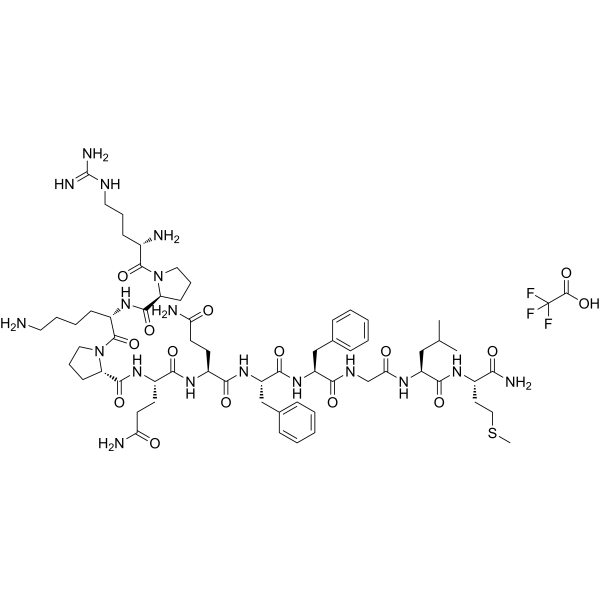
    Substance P TFA (Neurokinin P TFA) is a CNS-penetrant neuropeptide, acting as a neurotransmitter and as a neuromodulator in the CNS. The endogenous receptor for substance P is neurokinin 1 receptor (NK1-receptor, NK1R) .
    Substance P TFA
  • HY-147020

    NK01-63

    SARS-CoV Infection
    Coronastat is a potent inhibitor of the SARS-CoV-2 3CL protease. The SARS-CoV-2 3CL protease is a critical agent target for small molecule COVID-19, given its likely agentgability and essentiality in the viral maturation and replication cycle .
    Coronastat
  • HY-133206A
    Fosnetupitant chloride monohydrochloride
    1 Publications Verification

    Pronetupitant chloride monohydrochloride

    Neurokinin Receptor Cancer
    Fosnetupitant chloride monohydrochloride (Pronetupitant chloride monohydrochloride) is an NK1 antagonist with pKi values of 9.5, 6.1 for human NK1 and NK3 receptor, respectively. Fosnetupitant chloride monohydrochloride is a methylene phosphate prodrug of Netupitant .
    Fosnetupitant chloride monohydrochloride
  • HY-P0006

    Eledone peptide

    Neurokinin Receptor Others
    Eledoisin (Eledone peptide) is a specific agonist of NK2 and NK3 receptors.
    Eledoisin
  • HY-P1722
    Spantide II
    1 Publications Verification

    Neurokinin Receptor Inflammation/Immunology
    Spantide II, an undecapeptide substance P (SP) analog, is a potent neurokinin-1 receptor (NK-1R) antagonist. Spantide II binds with NK-1R and blocks proinflammatory activities associated with SP. Spantide II can be used in the research of inflammatory skin disorders, such as psoriasis and contact dermatitis .
    Spantide II
  • HY-P0197A
    Neurokinin A TFA
    3 Publications Verification

    Substance K TFA; Neurokinin α TFA; Neuromedin L TFA; NKA TFA

    Neurokinin Receptor Neurological Disease Endocrinology
    Neurokinin A TFA (Substance K TFA), a peptide neurotransmitter of the tachykinin family, acts via the NK-2 receptor. Neurokinin A acts as a major mediator in human airway and gastrointestinal tissues .
    Neurokinin A TFA
  • HY-18006
    NKP608
    1 Publications Verification

    Neurokinin Receptor Wnt Bcl-2 Family β-catenin Cyclin G-associated Kinase (GAK) VEGFR Caspase Cadherin Apoptosis Neurological Disease Metabolic Disease Inflammation/Immunology Cancer
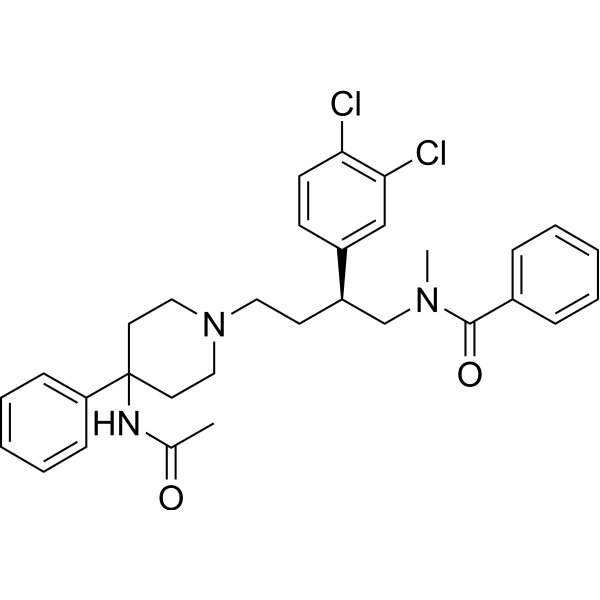
    NKP608 is a non-peptidic derivative of 4-aminopiperidine, a highly selective, orally active, neurokinin-1 (NK1) receptor antagonist with IC50 of 2.6 nM. NKP608 is active both in vitro and in vivo, showing extremely low affinity for NK2, NK3 receptors. NKP608 exerts its effects by blocking the NK₁ receptor, regulate cell proliferation and apoptosis, affect neurotransmitter functions and gastric mucosal repair mechanisms, and suppress the Wnt/β-catenin pathway in antitumor research. NKP608 is applicable to research related to various diseases, including cough, anxiety disorders, depression, gastric mucosal injury, and colorectal cancer .
    NKP608
  • HY-145250

    Neurokinin Receptor Neurological Disease
    NK1 receptor antagonist 2 is a NK1 receptor antagonist. NK1 receptor antagonist 2 can be used for the research of tinnitus and hearing loss .
    NK1 receptor antagonist 2
  • HY-B0144B

    NK-104 sodium

    HMG-CoA Reductase (HMGCR) Autophagy Mitophagy Apoptosis Cardiovascular Disease Neurological Disease Metabolic Disease Cancer
    Pitavastatin (NK-104) sodium is a potent hydroxymethylglutaryl-CoA (HMG-CoA) reductase inhibitor. Pitavastatin sodium inhibits cholesterol synthesis from acetic acid with an IC50 of 5.8 nM in HepG2 cells. Pitavastatin sodium is an efficient hepatocyte low-density lipoprotein-cholesterol (LDL-C) receptor inducer. Pitavastatin sodium also possesses anti-atherosclerotic, anti-asthmatic, anti-osteoarthritis, antineoplastic, neuroprotective, hepatoprotective and reno-protective effects .
    Pitavastatin sodium
  • HY-B0144AS1

    NK-104-d5 sodium

    Apoptosis HMG-CoA Reductase (HMGCR) Mitophagy Autophagy Metabolic Disease Cancer
    Pitavastatin-d5 (sodium) is the deuterium labeled Pitavastatin sodium. Pitavastatin (NK-104) is a potent hydroxymethylglutaryl-CoA (HMG-CoA) reductase inhibitor. Pitavastatin inhibits cholesterol synthesis from acetic acid with an IC50 of 5.8 nM in HepG2 cells. Pitavastatin is an efficient hepatocyte low-density lipoprotein-cholesterol (LDL-C) receptor inducer. Anti-cancer activity.
    Pitavastatin-d5 sodium
  • HY-P10563

    BHV-1100

    CD38 Cancer
    Noraramtide (BHV-1100) is an antibody recruitment molecule. Noraramtide can specifically bind to CD38 molecules to recruit natural killer (NK) cells. Noraramtide enhances the ability of NK cells to kill tumor cells through antibody-dependent cellular cytotoxicity (ADCC). This mechanism allows NK cells to more effectively recognize and eliminate tumor cells while avoiding mutual killing between NK cells. Noraramtide can be used for the study of autologous cancer immunity .
    Noraramtide
  • HY-P991309

    C-type Lectin-like Receptors (CTLRs) Cancer
    ZM-008 is an anti-LLT1 monoclonal antibody. ZM-008 blocks the interaction between LLT1 and CD161 on the surface of NK cells and T cells. ZM-008 restores anti-tumor immune activity, shifts the tumor microenvironment to an immune-responsive state, and recovers NK cell-mediated cytotoxicity against tumor cells, thereby reversing immunosuppression in immune-resistant "cold" tumors. ZM-008 is applicable to the research of immune-resistant solid tumors .
    ZM-008
  • HY-P3854

    Neurokinin Receptor Neurological Disease
    GR 83074 is a potent and selective NK-2 (Neurokinin Receptor) antagonist with a pKB of 8.23. GR 83074 is inactive as an NK-3 antagonist and exhibits a 340-fold NK-2/NK-1 selectivity .
    GR 83074
  • HY-151413
    MEN 10207
    1 Publications Verification

    Neurokinin Receptor Neurological Disease
    MEN 10207 is a selective NK-2 tachykinin receptor (Neurokinin Receptor) antagonist. MEN 10207 has pA2 values of 5.2, 7.9 and 4.9 in three monoreceptor in vitro assays for NK-1, NK-2 and NK-3 tachykinin receptors, respectively.
    MEN 10207
  • HY-P1276A
    Men 10376 TFA
    1 Publications Verification

    Neurokinin-2 receptor antagonist TFA

    Neurokinin Receptor Endocrinology
    Men 10376 TFA is a selective tachykinin NK-2 receptor antagonist, with a Ki of 4.4 μM for rat small intestine NK-2 receptor .
    Men 10376 TFA
  • HY-150749A

    IFNAR Cancer
    ODN D-SL03 sodium is a C class CpG oligonucleotides, and can induce stimulate PBMCs to produce high level of IFN-α. ODN D-SL03 sodium can activate human B cells, NK cells and mononuclear cells and up-regulate expression of CD80, CD86 and HLA-DR on the surface of subsets in human PBMCs. ODN D-SL03 sodium also can inhibit the growth of the tumor. ODN D-SL03 sequence: 5'-tcgcgaacgttcgccgcgttcgaacgcgg-3' .
    ODN D-SL03 sodium
  • HY-P3862

    Neurokinin Receptor Neurological Disease Endocrinology
    [MePhe7]-Neurokinin B is an neurokinin NK-3 receptor (NK3R) agonist with an IC50 value of 3 nM. [MePhe7]-Neurokinin B is a potential regulator of pulsatile gonadotropin-releasing hormone (GnRH) secretion via activation of the neurokinin-3 receptor (NK3R) .
    [MePhe7]-Neurokinin B
  • HY-P10978

    PD-1/PD-L1 Cancer
    NK224 is a peptide-based radiotracer targeting human PD-L1, with dual-radionuclide ( 68Ga and 18F) labeling compatibility enabled by the NOTA chelator. NK224 exhibits high binding affinity to PD-L1, with an IC50 value of 2.45 nM. NK224 visualizes intrapatient tumor heterogeneity and dynamically monitors PD-L1 target occupancy during immunotherapy. NK224 can be used for the study of non-small cell lung cancer (NSCLC) .
    NK224
  • HY-B0144AR

    NK-104 (Standard)

    HMG-CoA Reductase (HMGCR) Autophagy Mitophagy Apoptosis Reference Standards Cardiovascular Disease Neurological Disease Metabolic Disease Cancer
    Pitavastatin (Standard) is the analytical standard of Pitavastatin. This product is intended for research and analytical applications. Pitavastatin (NK-104) is a potent hydroxymethylglutaryl-CoA (HMG-CoA) reductase inhibitor. Pitavastatin inhibits cholesterol synthesis from acetic acid with an IC50 of 5.8 nM in HepG2 cells. Pitavastatin is an efficient hepatocyte low-density lipoprotein-cholesterol (LDL-C) receptor inducer. Pitavastatin also possesses anti-atherosclerotic, anti-asthmatic, anti-osteoarthritis, antineoplastic, neuroprotective, hepatoprotective and reno-protective effects .
    Pitavastatin (Standard)
  • HY-P991382

    TGF-β Receptor Cancer
    SAR-439459 is a human monoclonal antibody (mAb) targeting TGFB1/TGFβ-1. SAR-439459 blocks TGFβ-mediated pSMAD signaling, and suppression of T cells and NK cells. SAR-439459 has anti-tumor activity .
    SAR-439459
  • HY-N13614

    Bacterial IFNAR Nuclear Factor of activated T Cells (NFAT) NF-κB Infection Inflammation/Immunology
    Centaurein, a flavonoid, is an IFN-γ promoter enhancer. Centaurein up-regulates the activity of NFAT and NF-κB enhancers. Centaurein increases the IFN-γ expression in T and NK cells and the serum IFN-γ level in mice. Centaureidin completely relaxes the contractions in intact rat aortic rings. Centaurein effectively protects mice against Listeria infection [1][2][3][4].
    Centaurein
  • HY-P991610

    Sym025

    C-type Lectin-like Receptors (CTLRs) Cancer
    S-095029 is a humanized IgG1 monoclonal antibody inhibitor targeting NKG2A. S-095029 significantly attenuates Fc-effector functions, inhibits the interaction with its ligand HLA-E, and increases the antibody-dependent cellular cytotoxicity mediated by other Fc-competent mAbs. S-095029 has a potent antitumor activity with enhancement of killing activity and cytokine secretion (IFNγ, TNF-α and CXCL9) of NK and γδ T-cells in co-culture with cancer cells .
    S-095029
  • HY-P990180

    C-type Lectin-like Receptors (CTLRs) Inflammation/Immunology Cancer
    Anti-Mouse NKG2A/C/E Antibody (20D5) is an anti-mouse NKG2A/C/E IgG2a monoclonal antibody. Anti-Mouse NKG2A/C/E Antibody (20D5) can activate natural killer (NK) and CD8 + T cells. Anti-Mouse NKG2A/C/E Antibody (20D5) can exacerbate liver pathological damage by enhancing the activation of iNKT cells. Anti-Mouse NKG2A/C/E Antibody (20D5) can be used for researches on cancer and immunology such as lymphoma .
    Anti-Mouse NKG2A/C/E Antibody (20D5)
  • HY-P1277

    Neurokinin Receptor Neurological Disease
    GR 94800 is a potent and selective NK2 receptor peptide antagonist, with pKB values of 9.6, 6.4 and 6.0 for NK2, NK1 and NK3 receptors, respectively .
    GR 94800
  • HY-19665

    LY303870

    Neurokinin Receptor Neurological Disease Inflammation/Immunology
    Lanepitant (LY303870) is a selective neurokinin-1 (NK-1) receptor antagonist. Lanepitant blocks neurogenic inflammation and pain transmission by preventing the binding of substance P to NK-1 receptors on both neuronal and non-neuronal tissues. Lanepitant can be used to study osteoarthritis .
    Lanepitant
  • HY-P1738

    Neurokinin Receptor Neurological Disease Endocrinology
    [Sar9] Substance P is a potent and selective neurokinin (NK)-1 receptor agonist .
    [Sar9] Substance P
  • HY-18626

    Topoisomerase Cancer
    NK 314 is an inhibitor for topoisomerase IIα, which generates the break of DNA double-strand. NK 314 arrests the cell cycle at G2 phase in human acute myeloid leukemia cells, inhibits the proliferation of CEM with IC90 of 55 nM .
    NK 314
  • HY-B0144AS3

    NK-104-d4-1 sodium

    Isotope-Labeled Compounds HMG-CoA Reductase (HMGCR) Autophagy Mitophagy Apoptosis Cardiovascular Disease Neurological Disease Metabolic Disease
    Pitavastatin-d4-1 (NK-104-d4-1) sodium is the deuterium labeled Pitavastatin sodium (HY-B0144B). Pitavastatin (NK-104) is a potent hydroxymethylglutaryl-CoA (HMG-CoA) reductase inhibitor. Pitavastatin inhibits cholesterol synthesis from acetic acid with an IC50 of 5.8 nM in HepG2 cells. Pitavastatin is an efficient hepatocyte low-density lipoprotein-cholesterol (LDL-C) receptor inducer. Pitavastatin also possesses anti-atherosclerotic, anti-asthmatic, anti-osteoarthritis, antineoplastic, neuroprotective, hepatoprotective and reno-protective effects .
    Pitavastatin-d4-1 sodium

Inquiry Online

Your information is safe with us. * Required Fields.

Salutation


Country or Region *

Applicant Name *


Organization Name *

Department *


Email Address *


Product Name *

Cat. No.


Requested quantity *

Phone Number *


Remarks

Inquiry Online

Inquiry Information

Product Name:
Cat. No.:
Quantity:
MCE Japan Authorized Agent:

