1. Search Result
Search Result
Results for "

PPARγ phosphorylation inhibitor

" in MedChemExpress (MCE) Product Catalog:

22

Inhibitors & Agonists

1

Peptides

8

Natural
Products

Cat. No. Product Name Target Research Areas Chemical Structure
  • HY-125848

    Apoptosis AMPK PPAR p38 MAPK PI3K Akt GSK-3 Reactive Oxygen Species (ROS) SOD Caspase Neurological Disease Metabolic Disease Inflammation/Immunology Cancer
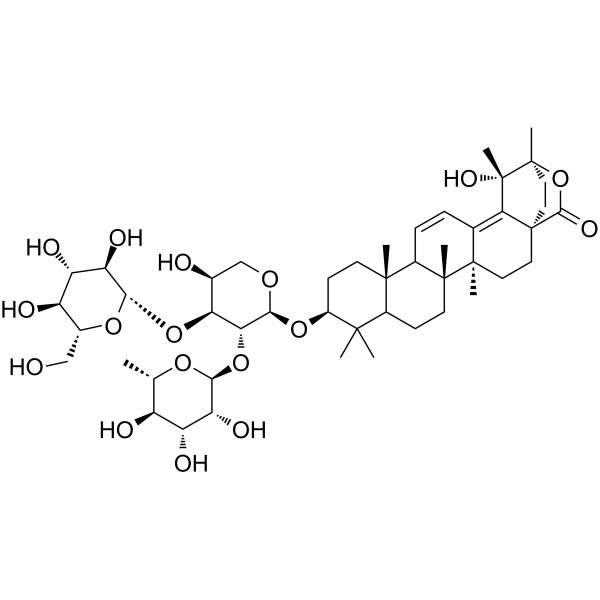
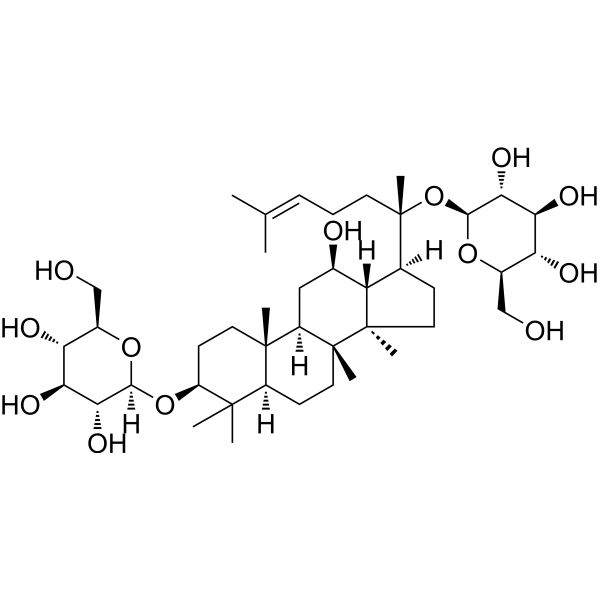
    Ginsenoside F2 is an orally active bioactive compound that participates in the regulation of metabolism and inflammation. Ginsenoside F2 promotes the phosphorylation of AMPK and ACC, binds to PPARγ, inhibits the phosphorylation of MAPK, activates the PI3K/AKT/GSK-3β pathway, reduces GLRX expression, and regulates lipid metabolism. Ginsenoside F2 reduces ROS production and MDA levels, restores SOD activity in cells, and alleviates oxidative stress. Ginsenoside F2 induces cell apoptosis (Apoptosis) and increases the number of cleaved caspase-3-positive cells. Ginsenoside F2 reduces body weight gain, adipose tissue weight and serum lipid levels in obese mice, and activates the hepatic AMPK signaling pathway and the expression of antioxidant enzymes. Ginsenoside F2 alleviates atopic dermatitis in mice by inhibiting inflammation and reshaping the gut microbiota . Ginsenoside F2 is applicable to research related to insulin resistance, obesity, atopic dermatitis, liver cancer, glioblastoma and glioma .
    Ginsenoside F2
  • HY-165126

    SPG

    Endogenous Metabolite Sirtuin JNK p38 MAPK PPAR AP-1 Infection Metabolic Disease Inflammation/Immunology Cancer
    Schizophyllan (SPG) is an orally active extracellular β-glucan produced by the fungus Schizophyllum commune. Schizophyllan improves mitochondrial function and protects against metabolic liver injury by activating the SIRT3 pathway. Schizophyllan inhibits osteoclastogenesis and promotes osteoblast differentiation by suppressing the phosphorylation of JNK/p38, as well as downregulating PGC1β/PPARγ, c-Fos and NFATc1. Recognized via Dectin-1, schizophyllan enables precise delivery of oligonucleotide drugs and antigens to antigen-presenting cells, thus holding great potential in the treatment of inflammatory diseases and vaccine development .
    Schizophyllan
  • HY-12483

    PPAR Metabolic Disease
    SR1664 is a PPARγ antagonist. SR1664 binds to PPARγ and potently inhibits Cdk5-mediated PPARγ phosphorylation (IC50=80 nM; Ki= 28.67 nM) .
    SR1664
  • HY-W040055
    Neopterin
    1 Publications Verification

    D-(+)-Neopterin; D-erythro-Neopterin

    NF-κB PPAR ERK Raf Src Cardiovascular Disease Inflammation/Immunology
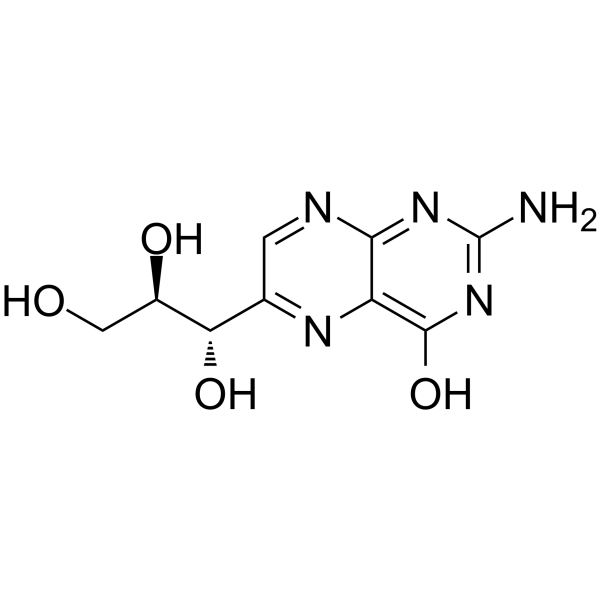
    Neopterin is an immune system activator metabolized by GTP and can be produced by activated macrophages. Neopterin has the potential to resist vascular inflammation and atherosclerosis. Neopterin inhibits the phosphorylation of NF-κB and promotes the expression of PPAR-γ, thereby suppressing the inflammatory response of vascular endothelial cells, reducing the formation of macrophage foam cells, and regulating the migration and proliferation of vascular smooth muscle cells. Neopterin can be used in research fields such as cardiovascular diseases (such as atherosclerosis), inflammation-related diseases and tumor immunomonitoring .
    Neopterin
  • HY-N1472
    Levistolide A
    5 Publications Verification

    Apoptosis Reactive Oxygen Species (ROS) PPAR GSK-3 Tau Protein Ras TGF-β Receptor Infection Neurological Disease Inflammation/Immunology
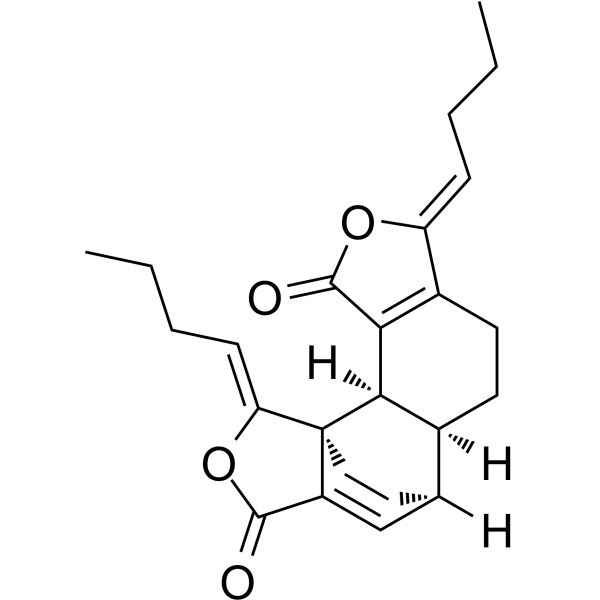
    Levistolide A is an apoptosis inducer and a PEDV virus inhibitor. Levistolide A can induce apoptosis in colon cancer cells and suppress the replication of porcine epidemic diarrhea virus (PEDV) by promoting ROS generation. Levistolide A activates peroxisome proliferator-activated receptor γ (PPARγ) in N2a/APP695swe cells and reduces excessive phosphorylation of tau through the GSK3α/β pathway, improving symptoms in Alzheimer’s mice. Levistolide A improves kidney damage in 5/6 nephrectomy (Nx) mice by inhibiting the RAS,TGF-β1/Smad, and MAPK pathways .
    Levistolide A
  • HY-N2110

    Akt Sirtuin Integrin STAT PI3K Apoptosis ERK PPAR PKC Toll-like Receptor (TLR) HIV Inflammation/Immunology
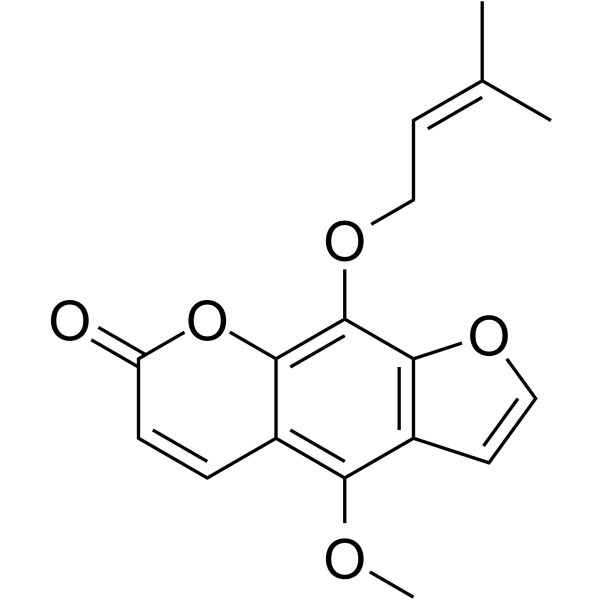
    Phellopterin, an orally active furocoumarin with multiple biological activities. Phellopterin is a partial agonist of the central benzodiazepine receptors. Phellopterin exerts anti-inflammatory effects by upregulating SIRT1, downregulating ICAM-1 (reducing chronic inflammation, aiding diabetic ulcer healing), inhibiting STAT3 phosphorylation (easing atopic dermatitis inflammation), regulating Akt/PKC pathways (lowering TNF-α-induced VCAM-1 to block monocyte adhesion), and inhibiting TLR4/NF-κB pathway and macrophage M2 polarization (alleviating colitis-related cancers). Phellopterin suppresses ovarian cancer progression via inhibiting the PU.1/CLEC5A/PI3K-AKT loop (inducing cell cycle arrest, apoptosis, DNA damage). Phellopterin alleviates murine diabetes by promoting adipocyte differentiation and increasing PPARγ. Phellopterin also has anti-HSV-1 activity. Phellopterin can be used for studying anti-inflammation, anti-cancer (e.g., ovarian cancer, colitis cancer), blood glucose lowering, anti-diabetes, and anti-virus .
    Phellopterin
  • HY-111254

    PPAR NF-κB JNK Inflammation/Immunology
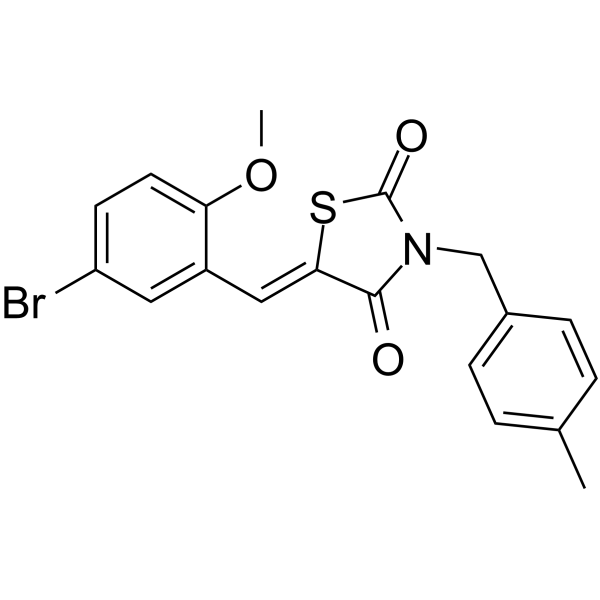
    GQ-16 is an orally active PPARγ partial agonist with an IC50 of 1.84 μM and a Ki of 160 nM against human PPARγ. GQ-16 inhibits Cdk5-mediated Ser-273 phosphorylation. GQ-16 improves insulin sensitivity and glucose tolerance in obese and diabetic mice. GQ-16 also exhibits certain cytotoxicity against tumor cells. GQ-16 can be used in research related to obesity, diabetes and cancer .
    GQ-16
  • HY-W010983
    SC-236
    2 Publications Verification

    COX PPAR Apoptosis Cardiovascular Disease Inflammation/Immunology Cancer
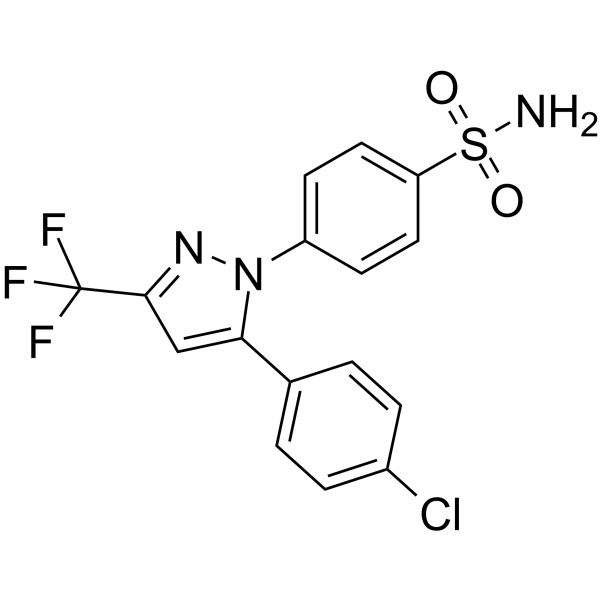
    SC-236 is an orally active COX-2 specific inhibitor (IC50 = 10 nM) and a PPARγ agonist. SC-236 suppresses activator protein-1 (AP-1) through c-Jun NH2-terminal kinase. SC-236 exerts anti-inflammatory effects by suppressing phosphorylation of ERK in a murine model .
    SC-236
  • HY-12557

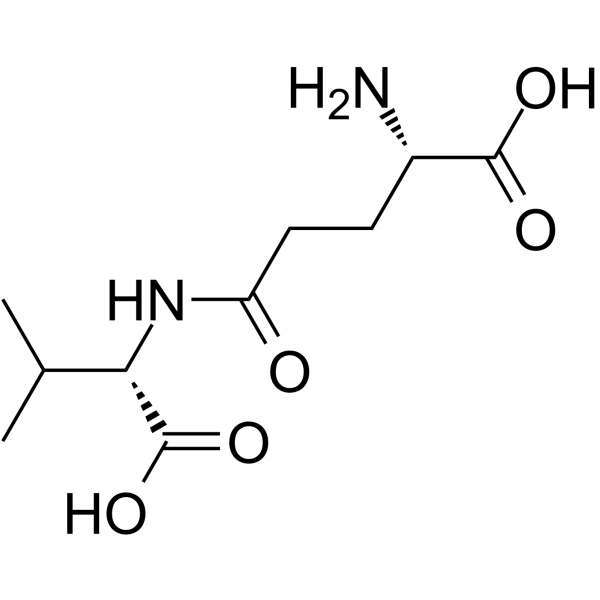
    γ-Glu-Val

    Endogenous Metabolite CaSR Wnt TNF Receptor Interleukin Related PPAR β-catenin Inflammation/Immunology
    γ‑Glutamylvaline (γ-Glu-Val) is a calcium‑sensing receptor (CaSR) agonist. γ‑Glutamylvaline activates CaSR and facilitates its binding to β‑arrestin 2 to modulate inflammatory and metabolic homeostasis signaling. γ‑Glutamylvaline inhibits TNF‑α‑induced IL‑6/MCP‑1 and enhances adiponectin/PPARγ in adipocytes. γ‑Glutamylvaline upregulates Wnt5a, restores β‑catenin phosphorylation, and reduces serine‑phosphorylated IRS‑1 in adipocytes. γ-Glutamylvaline can be used for the research of low-grade chronic inflammation .
    γ-Glutamylvaline
  • HY-N1280

    Amyloid-β Neurological Disease
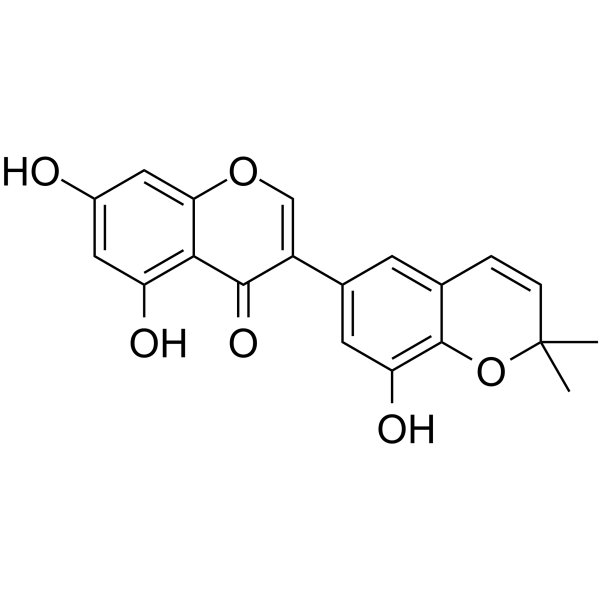
    Semilicoisoflavone B, an isoflavone, mainly derived from Glycyrrhiza uralensis Fisch.. Semilicoisoflavone B reduces amyloid β () secretion by inhibiting β-secretase-1 (BACE1) expression and activity. Semilicoisoflavone B decreases BACE1 expression mainly through increasing PPARγ expression and inhibiting STAT3 phosphorylation .
    Semilicoisoflavone B
  • HY-N4177

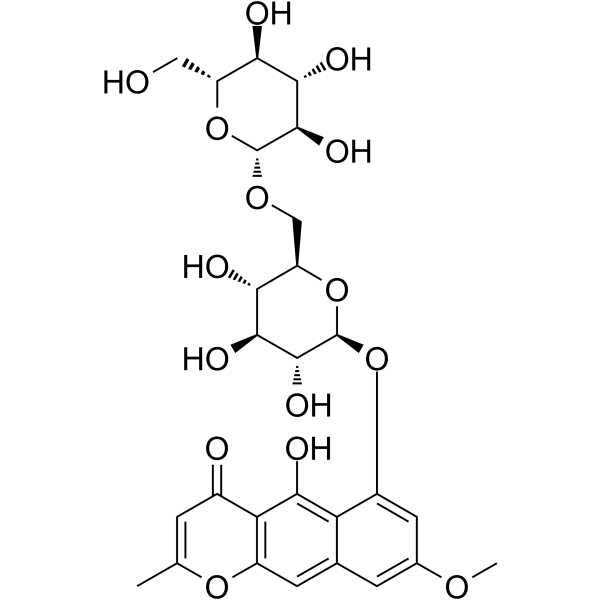
    Rubrofusarin-6-β-gentiobioside

    Phosphatase Monoamine Oxidase PPAR mTOR AMPK Metabolic Disease
    Rubrofusarin gentiobioside (Rrubrofusarin-6-β-gentiobioside) is an orally active weak inhibitor of PTP1B and MAO-A (IC50 >100 μM), and its glycosylation modification results in lower biological activity than its aglycone Rubrofusarin (HY-130307). Rubrofusarin gentiobioside promotes AMPK phosphorylation in an LKB1-independent manner and inhibits the mTOR signaling pathway, thereby downregulating the expressions of PPARγ, C/EBPα, as well as FAS, LPL and aP2. Rubrofusarin gentiobioside inhibits lipid accumulation, reduces body weight and epididymal white adipose tissue volume, improves fatty liver, and shows no cytotoxicity to hepatocytes. Rubrofusarin gentiobioside is widely used in obesity-related studies .
    Rubrofusarin gentiobioside
  • HY-168049

    PPAR Akt Metabolic Disease
    ZLY06 is an orally active dual agonist of peroxisome proliferator-activated receptor (PPAR) δ and γ (PPAR δ: EC50=341 nM; PPAR γ: EC50=237 nM). ZLY06 induces hepatic lipid accumulation by inhibiting the phosphorylation of AKT1, mediating the upregulation of CD36. In addition, ZLY06 significantly improves glucose and lipid metabolism without increasing body weight, and alleviates fatty liver by promoting β-oxidation of fatty acids and inhibiting hepatic lipogenesis .
    ZLY06
  • HY-168376

    9(10)-Nitrated oleic acid

    PPAR ERK Akt NO Synthase Metabolic Disease Inflammation/Immunology
    9 (10)-Nitrooleate (9(10)-Nitrated oleic acid) is an endogenous lipid signaling mediator with vasoprotective effects. 9 (10)-Nitrooleate enhances enzymatic activity and improves nitric oxide bioavailability by inducing phosphorylation of Akt and ERK1/2, regulating the multi-site phosphorylation status of eNOS and optimizing its interaction with Hsp90. 9 (10)-Nitrooleate also activates PPARα, PPARδ and PPARγ receptors, thereby regulating adipogenesis, glucose uptake and inflammation-related gene expression, and exhibits immunosuppressive effects by inhibiting neutrophil migration and cytokine secretion. 9 (10)-Nitrooleate is widely used in studies of sepsis and related inflammatory diseases .
    9(10)-Nitrooleate
  • HY-147705

    PPAR Metabolic Disease
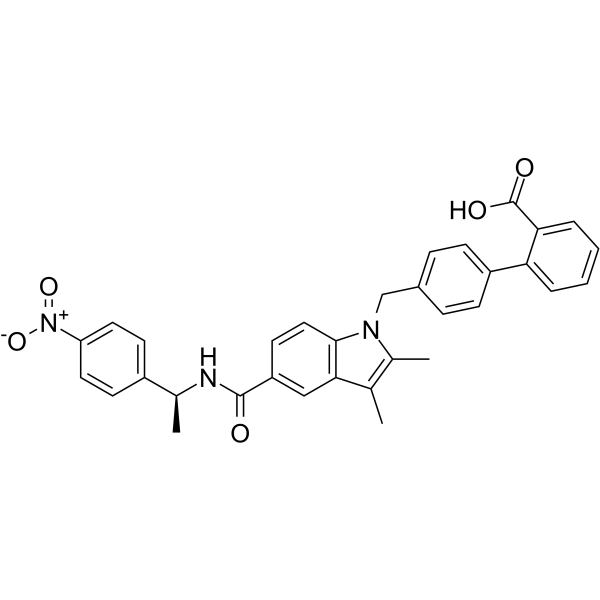
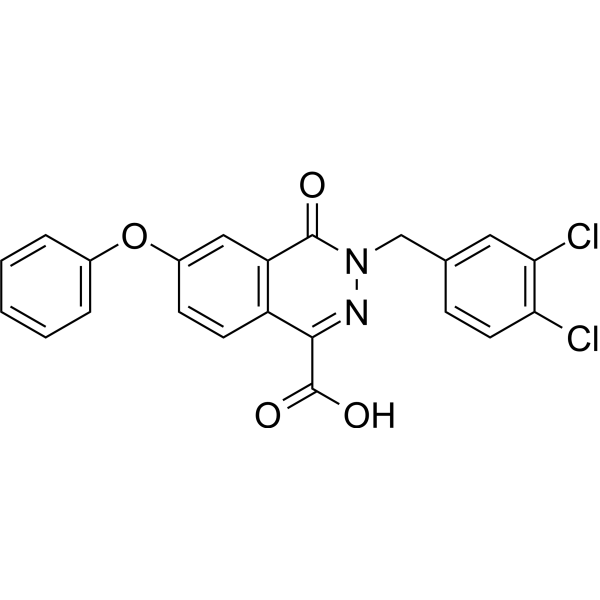
    PPARγ phosphorylation inhibitor 1 (Compound 10) is a potent PPARγ binder with the IC50 of 24 nM. PPARγ phosphorylation inhibitor 1 inhibits CDK5-mediated phosphorylation of PPARγ Ser273 with the IC50 of 160 nM. PPARγ phosphorylation inhibitor 1 displays negligible PPARγ agonism in a reporter gene assay. Antidiabetic effects .
    PPARγ phosphorylation inhibitor 1
  • HY-N10047

    NF-κB PPAR Cardiovascular Disease
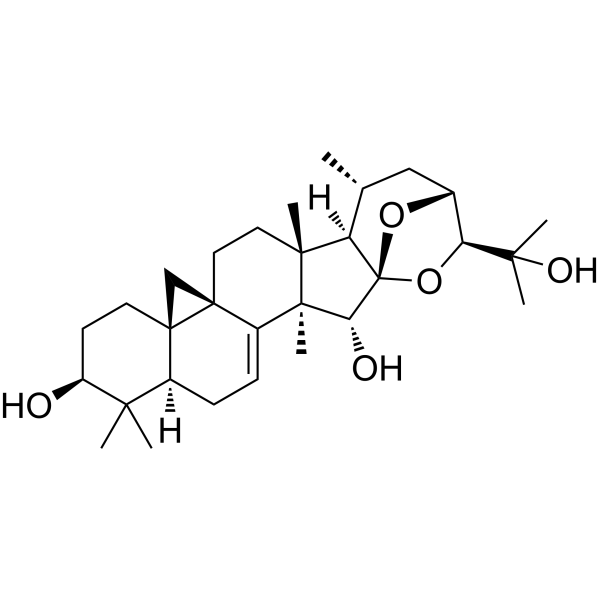
    7,8-Didehydrocimigenol is an active triterpenoid that can be isolated from Cimicifugae rhizoma. 7,8-Didehydrocimigenol inhibits TNF-α-induced VCAM-1 expression, inhibits NF-kB activity and phosphorylation of ERK1/2 and Akt, increases PPAR-γ expression. 7,8-Didehydrocimigenol can be used for the research of cardiovascular disorders such as atherosclerosis .
    7,8-Didehydrocimigenol
  • HY-173443

    PPAR Epoxide Hydrolase Metabolic Disease Inflammation/Immunology
    SP-C01 is an orally active soluble epoxide hydrolase (sEH) inhibitor and partial PPARγ agonist. SP-C01 can inhibit Ser273 phosphorylation .
    SP-C01
  • HY-N2110R

    Reference Standards Akt Sirtuin Integrin STAT PI3K Apoptosis ERK PPAR PKC Toll-like Receptor (TLR) HIV Infection Cardiovascular Disease Neurological Disease Metabolic Disease Inflammation/Immunology Cancer
    Phellopterin (Standard) is the analytical standard of Phellopterin. Phellopterin, an orally active furocoumarin with multiple biological activities. Phellopterin is a partial agonist of the central benzodiazepine receptors. Phellopterin exerts anti-inflammatory effects by upregulating SIRT1, downregulating ICAM-1 (reducing chronic inflammation, aiding diabetic ulcer healing), inhibiting STAT3 phosphorylation (easing atopic dermatitis inflammation), regulating Akt/PKC pathways (lowering TNF-α-induced VCAM-1 to block monocyte adhesion), and inhibiting TLR4/NF-κB pathway and macrophage M2 polarization (alleviating colitis-related cancers). Phellopterin suppresses ovarian cancer progression via inhibiting the PU.1/CLEC5A/PI3K-AKT loop (inducing cell cycle arrest, apoptosis, DNA damage). Phellopterin alleviates murine diabetes by promoting adipocyte differentiation and increasing PPARγ. Phellopterin also has anti-HSV-1 activity. Phellopterin can be used for studying anti-inflammation, anti-cancer (e.g., ovarian cancer, colitis cancer), blood glucose lowering, anti-diabetes, and anti-virus.
    Phellopterin (Standard)
  • HY-173622

    PPAR Metabolic Disease Endocrinology
    PPARγ modulator-4 (Compound (I)) is a PPARγ inhibitor (KD: 3.75 μM). PPARγ modulator-4 can inhibit CDK5-mediated phosphorylation of PPARγ at Ser245. PPARγ modulator-4 can be used in insulin resistance research .
    PPARγ modulator-4
  • HY-133559

    PPAR Metabolic Disease
    VSP-77 is an orally active PPARγ agonist. VSP-77 selectively upregulates the expression of insulin sensitivity-related genes (Glut4 and Adiponectin) by inhibiting CDK5-mediated phosphorylation of PPARγ at Ser-273. VSP-77 significantly improves glucose tolerance, reduces fasting blood glucose and insulin levels in high-fat diet (HFD)-induced diabetic mouse models. VSP-77 can be used for the study of diabetes .
    VSP-77
  • HY-126969

    PPAR Metabolic Disease
    C333H is a selective PPARγ modulator with insulin-sensitizing and hypoglycemic activities. C333H exhibits similar insulin-sensitizing effects to thiazolidinediones (TZDs) in diabetic mouse models without significantly increasing body weight or adipose tissue weight. C333H increases circulating high molecular weight adiponectin isoform levels in diabetic db/db mice, reduces serine phosphorylation of PPARγ 273 in brown adipose tissue, and selectively modulates the expression of specific PPARγ target genes in adipose tissue. Express. C333H exhibits weak recruitment of co-activators and weak dissociation of co-repressors in vitro. These properties suggest that C333H may be a potential inhibitor of type 2 diabetes .
    C333H
  • HY-160159

    PPAR Metabolic Disease
    Anticancer agent 183 (example 48) is a non-agonistic PPARG modulator. Anticancer agent 183 has a high affinity to PPARG (PPARγ). Anticancer agent 183 inhibits kinase-mediated phosphorylation of PPARG. Anticancer agent 183 can used for research on metabolic diseases to avoid side effects .
    PPARγ modulator-1
  • HY-W010983R

    Reference Standards COX PPAR Apoptosis Cardiovascular Disease Inflammation/Immunology Cancer
    SC-236 is an orally active COX-2 specific inhibitor (IC50 = 10 nM) and a PPARγ agonist. SC-236 suppresses activator protein-1 (AP-1) through c-Jun NH2-terminal kinase. SC-236 exerts anti-inflammatory effects by suppressing phosphorylation of ERK in a murine model .
    SC-236 (Standard)

Inquiry Online

Your information is safe with us. * Required Fields.

Salutation


Country or Region *

Applicant Name *


Organization Name *

Department *


Email Address *


Product Name *

Cat. No.


Requested quantity *

Phone Number *


Remarks

Inquiry Online

Inquiry Information

Product Name:
Cat. No.:
Quantity:
MCE Japan Authorized Agent:

