1. Search Result
Search Result
Results for "

RAW264.7 murine macrophages

" in MedChemExpress (MCE) Product Catalog:

23

Inhibitors & Agonists

1

Fluorescent Dyes

5

Peptides

12

Natural
Products

Targets Recommended:
Cat. No. Product Name Target Research Areas Chemical Structure
  • HY-113402
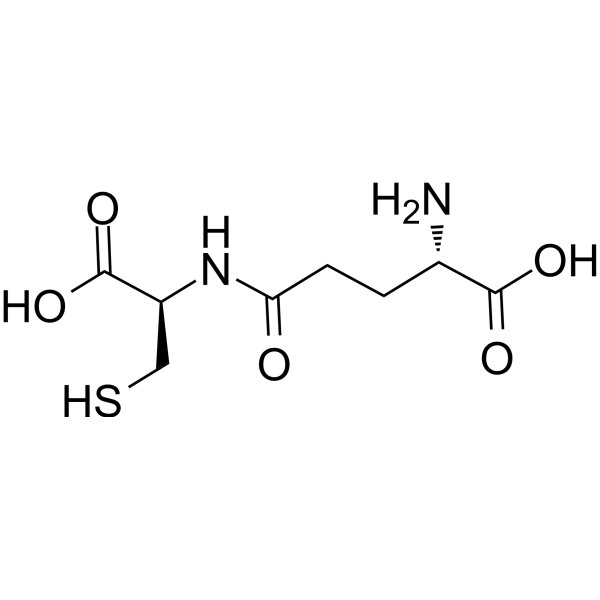
    Gamma-glutamylcysteine
    4 Publications Verification

    γ-Glu-Cys

    Endogenous Metabolite Interleukin Related TNF Receptor AMPK Sirtuin STAT PI3K NF-κB JAK p38 MAPK JNK Akt Apoptosis Ferroptosis Cardiovascular Disease Neurological Disease Inflammation/Immunology
    Gamma-glutamylcysteine (γ-Glu-Cys) is an orally active, blood-brain barrier permeable dipeptide . Gamma-glutamylcysteine activates AMPK, SIRT1, IL-4/STAT6, AC/cAMP/PI3K, IGF-1R/IRS1/PI3K, and Nrf2 signaling pathways; it inhibits NF-κB, JAK1/STAT1/3, MAPKs, cadmium-induced p38 MAPK, JNK, and PI3K/Akt signaling pathways. Gamma-glutamylcysteine regulates macrophage polarization, modulates the trafficking of CD36 and GLUT4, induces glutathione synthesis, improves metabolic dysfunction, reduces lipid deposition, ameliorates glucose homeostasis, inhibits apoptosis (Apoptosis), stabilizes mitochondria, suppresses lipid peroxidation, iron accumulation and ferroptosis (Ferroptosis), reduces ds-HMGB1 levels, reverses mechanical hyperalgesia, and alleviates hepatic lipid droplet formation. Gamma-glutamylcysteine is applicable to research related to inflammatory bowel disease, type 2 diabetes, cadmium-induced neurotoxicity, Alzheimer's disease, cerebral ischemia/reperfusion injury, neuropathy, and alcoholic liver disease .
    Gamma-glutamylcysteine
  • HY-113402A
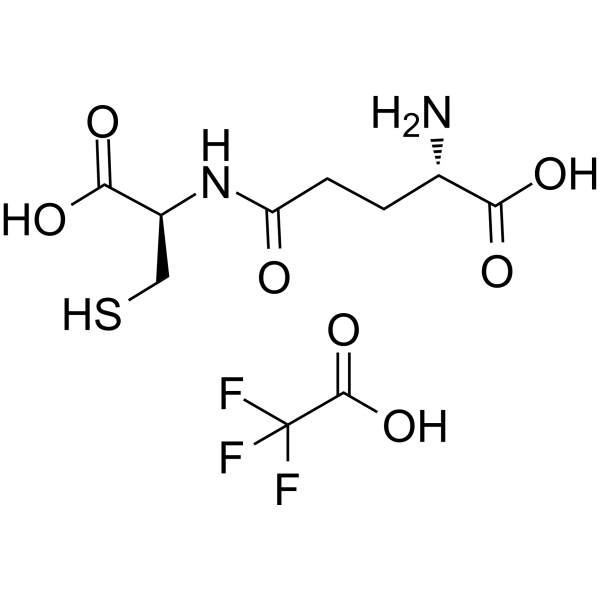
    Gamma-glutamylcysteine TFA
    4 Publications Verification

    γ-Glu-Cys TFA

    Interleukin Related TNF Receptor Endogenous Metabolite AMPK Sirtuin STAT PI3K NF-κB JAK p38 MAPK JNK Akt Apoptosis Ferroptosis Cardiovascular Disease Neurological Disease Inflammation/Immunology
    Gamma-glutamylcysteine TFA (γ-Glu-Cys TFA) is an orally active, blood-brain barrier permeable dipeptide . Gamma-glutamylcysteine TFA activates AMPK, SIRT1, IL-4/STAT6, AC/cAMP/PI3K, IGF-1R/IRS1/PI3K, and Nrf2 signaling pathways; it inhibits NF-κB, JAK1/STAT1/3, MAPKs, cadmium-induced p38 MAPK, JNK, and PI3K/Akt signaling pathways. Gamma-glutamylcysteine TFA regulates macrophage polarization, modulates the trafficking of CD36 and GLUT4, induces glutathione synthesis, improves metabolic dysfunction, reduces lipid deposition, ameliorates glucose homeostasis, inhibits apoptosis (Apoptosis), stabilizes mitochondria, suppresses lipid peroxidation, iron accumulation and ferroptosis (Ferroptosis), reduces ds-HMGB1 levels, reverses mechanical hyperalgesia, and alleviates hepatic lipid droplet formation. Gamma-glutamylcysteine TFA is applicable to research related to inflammatory bowel disease, type 2 diabetes, cadmium-induced neurotoxicity, Alzheimer's disease, cerebral ischemia/reperfusion injury, neuropathy, and alcoholic liver disease .
    Gamma-glutamylcysteine TFA
  • HY-P4855
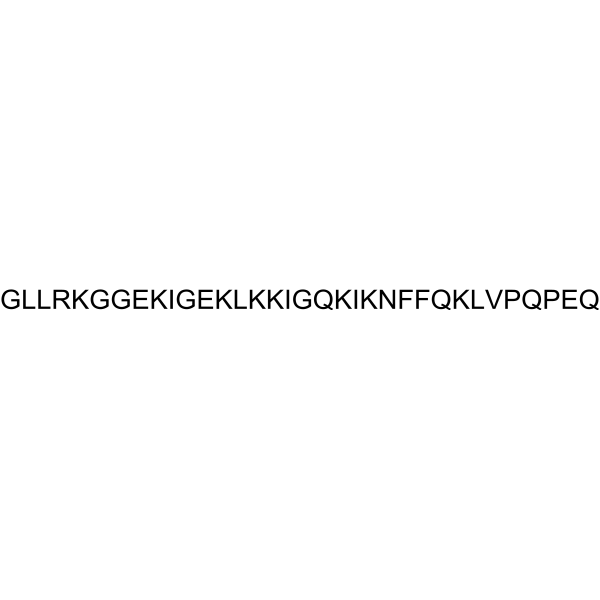
    CRAMP (mouse)
    1 Publications Verification

    Bacterial TNF Receptor Infection Inflammation/Immunology
    CRAMP (mouse) is an antibacterial peptide and a functional homolog of LL-37 . CRAMP (mouse) exhibits potent antibacterial activity against Gram-negative bacteria . The complex formed by CRAMP (mouse) and CpG can activate macrophages to secrete TNF-α . CRAMP (mouse) plays a key role in wound healing, immune regulation and maintenance of intestinal homeostasis .
    CRAMP (mouse)
  • HY-N2217

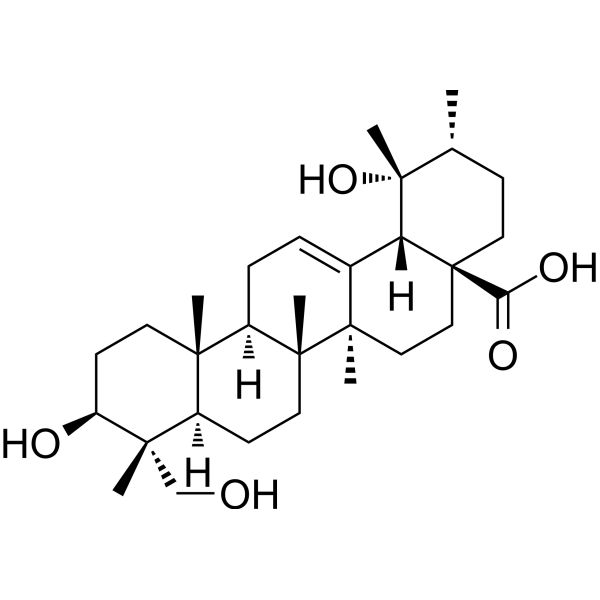
    Akt mTOR p38 MAPK Apoptosis Phosphatase Interleukin Related NF-κB PI3K Keap1-Nrf2 Heme Oxygenase (HO) Toll-like Receptor (TLR) Reactive Oxygen Species (ROS) Metabolic Disease Inflammation/Immunology Cancer
    Rotundic acid is an orally effective triterpenoid with a Kd value of 51.3 µM for PTP1B. Rotundic acid downregulates the AKT/mTOR pro-survival pathway and modulates the MAPK pathway. Rotundic acid induces cell cycle S-phase arrest, DNA damage and apoptosis; it inhibits migration, invasion, angiogenesis and proliferation of cancer cells. Rotundic acid improves leptin sensitivity, regulates gut microbiota and reduces cellular senescence. Rotundic acid can be used in research related to hepatocellular carcinoma, obesity, aging, acute lung injury and type 2 diabetes .
    Rotundic acid
  • HY-146066

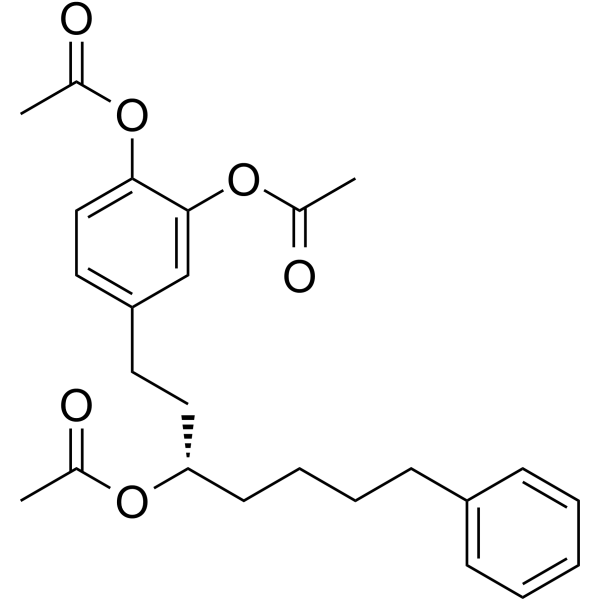
    nAChR JAK STAT NO Synthase Interleukin Related Inflammation/Immunology
    α7 nAchR-JAK2-STAT3 agonist 1 is a potent α7 nAchR-JAK2-STAT3 agonist, with an IC50 value of 0.32 μM for nitric oxide (NO). α7 nAchR-JAK2-STAT3 agonist 1 effectively suppresses the expression of iNOS, IL-1β, and IL-6 in murine RAW264.7 macrophages. α7 nAchR-JAK2-STAT3 agonist 1 can inhibit LPS-induced NO release, NF-κB activation and cytokine production. α7 nAchR-JAK2-STAT3 can be used for researching sepsis .
    α7 nAchR-JAK2-STAT3 agonist 1
  • HY-P11060

    Adpgk peptide

    MHC Cancer
    MC38 SLP Adpgk (Adpgk peptide) is an H-2 K b-restricted colorectal cancer neoantigen peptide. MC38 SLP Adpgk is formulated into PCNP nanocomplexes together with CpG ODN. PCNP vaccines significantly enhance the co-delivery efficiency of neoantigens and adjuvants to lymphoid organs, and activate cytotoxic T cells. PCNP vaccines not only protect mice from MC-38 colorectal tumor invasion, but also exhibit anti-tumor efficacy in established colorectal tumor models and significantly prolong the survival of tumor-bearing mice .
    MC38 SLP Adpgk
  • HY-N6065
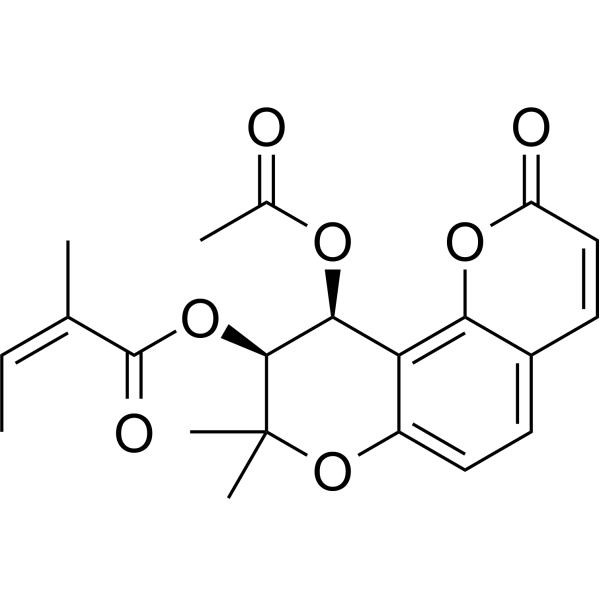
    Praeruptorin A
    3 Publications Verification

    (+)-Praeruptorin A

    Calcium Channel Drug Isomer Cytochrome P450 iGluR Apoptosis Cardiovascular Disease Neurological Disease
    Praeruptorin A ((+)-Praeruptorin A) is an orally active isomer of (±)-Praeruptorin A (HY-N0081). Praeruptorin A also acts as a Calcium channel blocker. Praeruptorin A can be isolated from Peucedanum. Praeruptorin A serves as a substrate for CYP3A4. Praeruptorin A downregulates NMDA receptors containing GluN2B and inhibits neuronal Apoptosis. Praeruptorin A mediates vasodilation, inhibits vascular hypertrophy and reduces blood pressure. Praeruptorin A can be used in research related to neurological diseases, myocardial ischemia, heart failure, exertional angina, renovascular hypertension and spontaneous hypertension .
    Praeruptorin A
  • HY-N2838

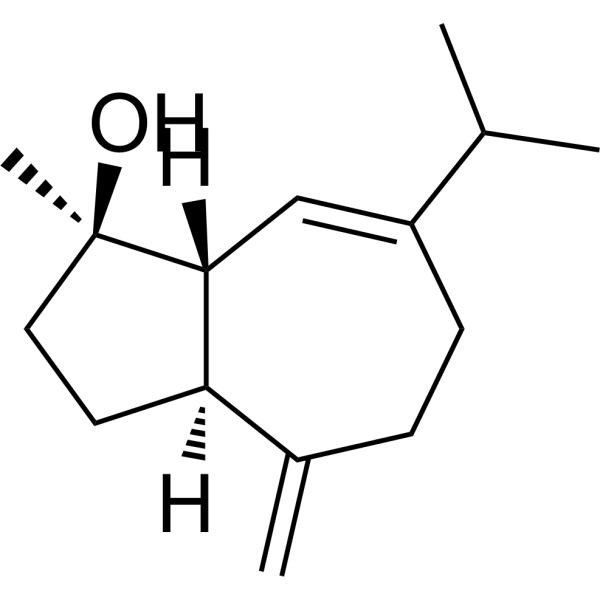
    NO Synthase Inflammation/Immunology
    Alismol is a natural sesquiterpene. Alismol shows promising inhibitory effects on INF-γ-induced nitric oxide production in murine macrophage RAW264.7 cells .
    Alismol
  • HY-146066A

    nAChR JAK STAT NO Synthase Others
    (R)-α7 nAchR-JAK2-STAT3 agonist 1 is the R-enantiomer of α7 nAchR-JAK2-STAT3 agonist 1 (HY-146066). α7 nAchR-JAK2-STAT3 agonist 1 is a potent α7 nAchR-JAK2-STAT3 agonist, with an IC50 value of 0.32 μM for nitric oxide (NO). α7 nAchR-JAK2-STAT3 agonist 1 effectively suppresses the expression of iNOS, IL-1β, and IL-6 in murine RAW264.7 macrophages. α7 nAchR-JAK2-STAT3 agonist 1 can inhibit LPS-induced NO release, NF-κB activation and cytokine production. α7 nAchR-JAK2-STAT3 can be used for researching sepsis .
    (R)-α7 nAchR-JAK2-STAT3 agonist 1
  • HY-169859

    Prostaglandin Receptor Interleukin Related Inflammation/Immunology Cancer
    EP4 receptor antagonist 7 (Compound 14) is an antagonist of the prostaglandin E2 (PGE2) receptor subtype EP4 with an IC50 value of 1.1 nM. EP4 receptor antagonist 7 inhibits PGE2-induced β-arrestin recruitment in HEK293 cells with an IC50 value of 0.9 nM. EP4 receptor antagonist 7 decreases PGE2-induced expression of mRNA encoding IL-4, macrophage mannose receptor 1 (Mrc1), chitinase-like protein 3 (Chil3), chemokine (C-X-C) motif ligand 1 (Cxcl1), triggering receptor expressed on myeloid cells 2 (Trem2), and arginase-1 (Arg1), in RAW 264.7 macrophages. EP4 receptor antagonist 7 combined with an anti-PD-1 antibody inhibits tumor growth and increases infiltration of CD 8+ T cells into tumors in a CT26 murine colon cancer model .
    EP4 receptor antagonist 7
  • HY-129151

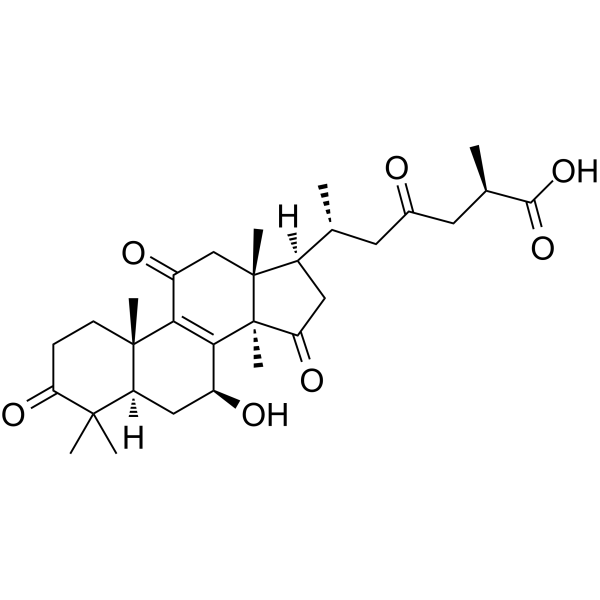
    TNF Receptor Inflammation/Immunology
    Ganoderic acid C1, a natural compound that could be isolated from G. lucidum, suppresses TNF-α production by murine macrophages (RAW 264.7 cells) .
    Ganoderic acid C1
  • HY-W573700

    Others Others
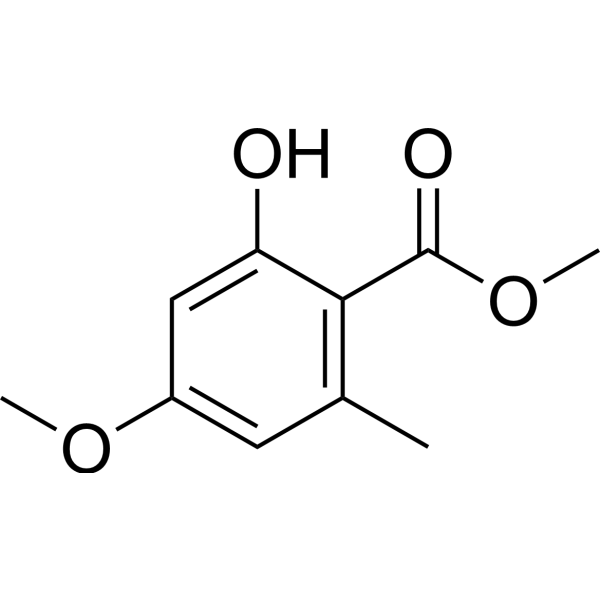
    Methyl everninate is the major constituent of the deuterochloroform. Methyl everninate, rhodomollosides A and B are the derivatives of Methyl everninate, with cytotoxicity against RAW264.7 cells. Both of they shows inhibitory effects with a lipopolysaccharide (LPS)-stimulated murine macrophages RAW 264.7 cells model .
    Methyl everninate
  • HY-126211

    HDAC Inflammation/Immunology
    KBH-A42 is a novel histone deacetylase (HDAC) inhibitor with significant anti-inflammatory properties. KBH-A42 against TNF-α and NO production with IC50 values of 1.10 and 2.71 µM, respectively, in the LPS-induced murine macrophage RAW 264.7 cells .
    KBH-A42
  • HY-N2939

    Others Others
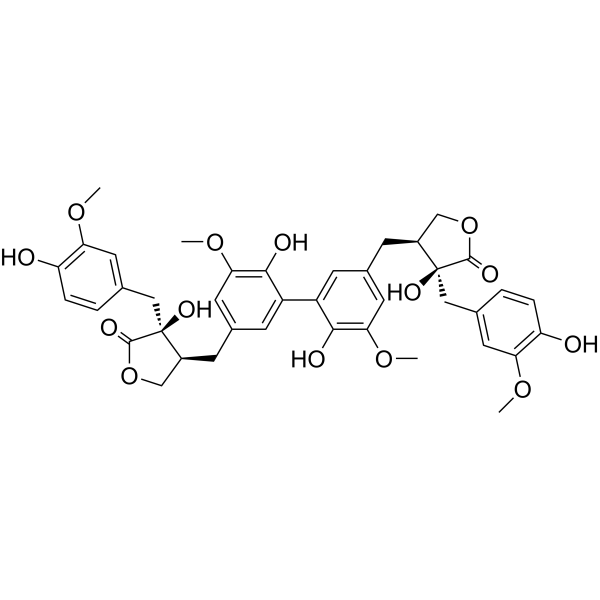
    Bis-5,5-Nortrachelogenin is isolated from active extract of root of Wikstroemia indica. Bis-5,5-Nortrachelogenin inhibits nitric oxide (NO) production in a lipopolysaccharide (LPS) and recombinant mouse interferon-γ(IFN-γ) activated murine macrophage-like cell line, RAW 264.7 with an IC50 value of 48.6 mM .
    Bis-5,5-Nortrachelogenin
  • HY-N16376

    MJ 286A

    NF-κB STAT Inflammation/Immunology
    Thienodolin (MJ 286A) is an alkaloid that has been found in S. albogriseolus. Thienodolin inhibits nitric oxide production in LPS (HY-D1056)-stimulated RAW 264.7 murine macrophage cells with an IC50 value of 17.2 μM. Thienodolin suppresses iNOS, blocks the degradation of IκBα, attenuates NF-κB p65 accumulation in the nucleus, and reduces the phosphorylation level of STAT1 at Tyr701. Thienodolin can be used for the study of inflammation .
    Thienodolin
  • HY-P10385A

    NO Synthase Infection
    SPSB2-iNOS inhibitory cyclic peptide-3 TFA is the TFA salt form of SPSB2-iNOS inhibitory cyclic peptide-3 (HY-P10385). SPSB2-iNOS inhibitory cyclic peptide-3 TFA is an inhibitor for the interaction of SPRY domain and SOCS-box protein 2 (SPSB2) and iNOS, through binding SPSB2 on iNOS site with KD of 7 nM .
    SPSB2-iNOS inhibitory cyclic peptide-3 TFA
  • HY-P10385

    NO Synthase Infection
    SPSB2-iNOS inhibitory cyclic peptide-3 (Compound CP3) is an inhibitor for the interaction of SPRY domain and SOCS-box protein 2 (SPSB2) and iNOS, through binding SPSB2 on iNOS site with KD of 7 nM .
    SPSB2-iNOS inhibitory cyclic peptide-3
  • HY-113402B

    γ-Glu-Cys ammonium

    Interleukin Related TNF Receptor Endogenous Metabolite AMPK Sirtuin STAT PI3K NF-κB JAK p38 MAPK JNK Akt Apoptosis Ferroptosis Cardiovascular Disease Neurological Disease Inflammation/Immunology
    Gamma-glutamylcysteine ammonium (γ-Glu-Cys ammonium) is an orally active, blood-brain barrier permeable dipeptide . Gamma-glutamylcysteine ammonium activates AMPK, SIRT1, IL-4/STAT6, AC/cAMP/PI3K, IGF-1R/IRS1/PI3K, and Nrf2 signaling pathways; it inhibits NF-κB, JAK1/STAT1/3, MAPKs, cadmium-induced p38 MAPK, JNK, and PI3K/Akt signaling pathways. Gamma-glutamylcysteine ammonium regulates macrophage polarization, modulates the trafficking of CD36 and GLUT4, induces glutathione synthesis, improves metabolic dysfunction, reduces lipid deposition, ameliorates glucose homeostasis, inhibits apoptosis (Apoptosis), stabilizes mitochondria, suppresses lipid peroxidation, iron accumulation and ferroptosis (Ferroptosis), reduces ds-HMGB1 levels, reverses mechanical hyperalgesia, and alleviates hepatic lipid droplet formation. Gamma-glutamylcysteine ammonium is applicable to research related to inflammatory bowel disease, type 2 diabetes, cadmium-induced neurotoxicity, Alzheimer's disease, cerebral ischemia/reperfusion injury, neuropathy, and alcoholic liver disease .
    Gamma-glutamylcysteine ammonium
  • HY-D3190

    Fluorescent Dye Apoptosis Inflammation/Immunology
    BODIPY-DOX is a conjugate composed of BODIPY and Doxorubicin (HY-15142A), as well as a pH-activated fluorescent probe for M1 macrophages and an apoptosis inducer. BODIPY-DOX undergoes pH-induced hydrazone bond cleavage in acidic M1 macrophage phagosomes, thereby releasing cytotoxic Doxorubicin (Dox) and inhibiting the function of pro-inflammatory M1 macrophages. BODIPY-DOX highly selectively inhibits the production of relevant pro-inflammatory cytokines by mouse and human monocyte-derived M1 macrophages, while exerting minimal effects on M2 or unactivated macrophages. Therefore, BODIPY-DOX enables simultaneous fluorescent tracing, differentiation and elimination of specific macrophage subsets, and exhibits the potential to regulate tissue regeneration in zebrafish models .
    BODIPY−DOX
  • HY-182034

    Toll-like Receptor (TLR) Interleukin Related TNF Receptor Inflammation/Immunology
    GAP214 is a monosaccharide lipid A analogue and TLR4/MD-2 complex modulator.GAP214 binds to the TLR4/MD-2 complex via hydrophobic interactions, salt bridges, and hydrogen bonds, induces dimerization of the complex to initiate intracellular signaling cascades.GAP214 functions as an immunostimulant and vaccine adjuvant, enhances antigen-specific IgG antibody production in a mouse model .
    GAP214
  • HY-N3691

    Drug Derivative Others
    Daturataturin A aglycone is a natural steroid.
    Daturataturin A aglycone
  • HY-182569

    VEGFR Inflammation/Immunology Cancer
    FR 111142 is an angiogenesis inhibitor (IC50 = 18.4 μM) and has anti-inflammatory activity (IC50 = 20.6 μM). FR 111142 inhibits capillary-like tube formation as well as nitric oxide production in LPS (HY-D1056)-activated murine macrophages. FR 111142 enhances catabolism of low-density lipoprotein (LDL). FR 111142 does not induce significant cytotoxicity in human endothelial progenitor cells, nor affect cell viability of murine macrophages. FR 111142 can be used for the research of cancer, inflammatory diseases .
    FR 111142
  • HY-N20628

    Drug Intermediate Inflammation/Immunology
    Woorenoside VIII is a sesquiterpenoid compound with potential anti-inflammatory activity, which exists in Coptis japonica var. dissecta and its rhizomes .
    Woorenoside VIII

Inquiry Online

Your information is safe with us. * Required Fields.

Salutation


Country or Region *

Applicant Name *


Organization Name *

Department *


Email Address *


Product Name *

Cat. No.


Requested quantity *

Phone Number *


Remarks

Inquiry Online

Inquiry Information

Product Name:
Cat. No.:
Quantity:
MCE Japan Authorized Agent:

