
1. Search Result
Search Result
Results for "

Reactivation inducer

" in MedChemExpress (MCE) Product Catalog:

31

Inhibitors & Agonists

1

Peptides

1

Inhibitory Antibodies

1

Natural
Products

3

Isotope-Labeled Compounds

Cat. No. Product Name Target Research Areas Chemical Structure
  • HY-145928
    Divarasib
    Maximum Cited Publications
    6 Publications Verification

    GDC-6036

    Ras Cancer
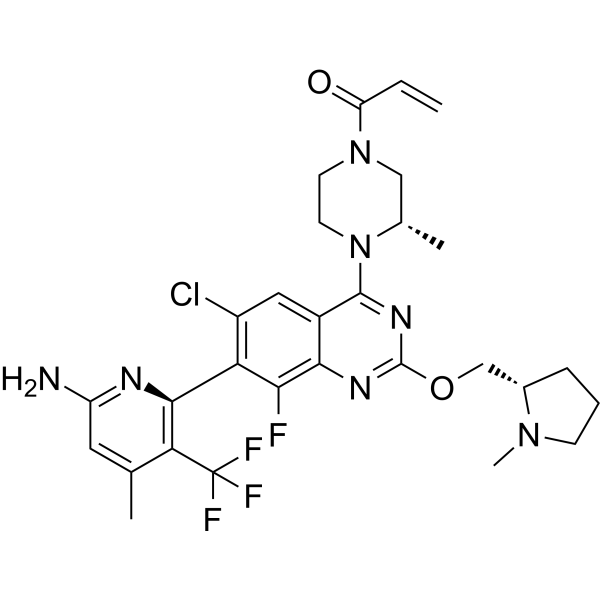
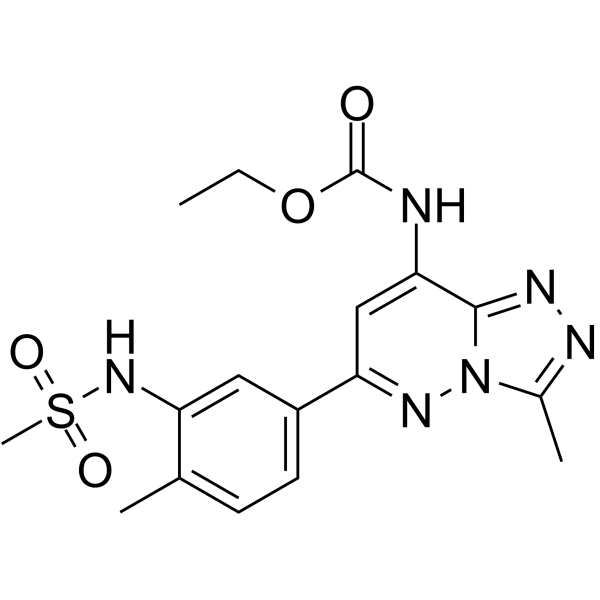
    Divarasib (GDC-6036) is an orally active, selective KRAS G12C inhibitor with an IC50 of <0.01 μM. Divarasib covalently binds Cys12 in GDP-bound KRAS G12C, occupies the switch II pocket, blocks GTP binding and SOS-mediated reactivation, and inhibits oncogenic KRAS signaling. Divarasib induces tumor shrinkage and robust tumor growth inhibition in KRAS G12C-positive models and cancer cells. Divarasib can be used for the research of non-small cell lung cancer, colorectal adenocarcinoma, pancreatic ductal adenocarcinoma, and other KRAS G12C-mutated solid tumors .
    Divarasib
  • HY-B0464
    Hydralazine hydrochloride
    3 Publications Verification

    PGE synthase NO Synthase Reactive Oxygen Species (ROS) DNA Methyltransferase COX Cardiovascular Disease Inflammation/Immunology Cancer
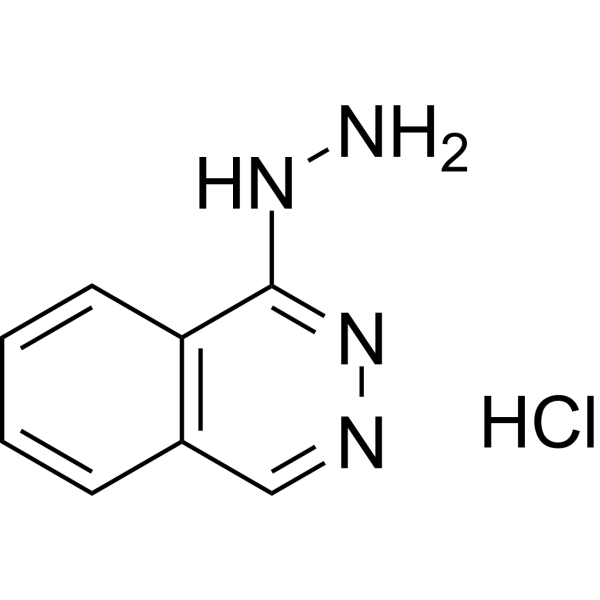
    Hydralazine hydrochloride is an orally active, blood-brain barrier-permeable DNA methyltransferase inhibitor with vasodilatory, arterial smooth muscle relaxant and hypotensive activities. Hydralazine hydrochloride reactivates silenced tumor suppressor genes via mediating DNA demethylation, while exerting neuroprotective and anti-inflammatory properties. Hydralazine hydrochloride inhibits NOS-2 (iNOS) and COX-2, and reduces the production of NO and PGEE2; meanwhile, Hydralazine hydrochloride scavenges reactive oxygen species and inhibits macrophage activation. Hydralazine hydrochloride alleviates motor dysfunction, neuropathic inflammatory pain, and formalin-induced somatic and emotional pain responses. In addition, Hydralazine hydrochloride directly induces DNA strand breaks and sister chromatid exchange, exhibiting certain mutagenic characteristics. Hydralazine hydrochloride has been widely used in studies on hypertension, various cancers (such as cervical cancer, leukemia), spinal cord injury and the mechanisms of inflammatory pain .
    Hydralazine hydrochloride
  • HY-19896
    COTI-2
    4 Publications Verification

    MDM-2/p53 Apoptosis Cancer
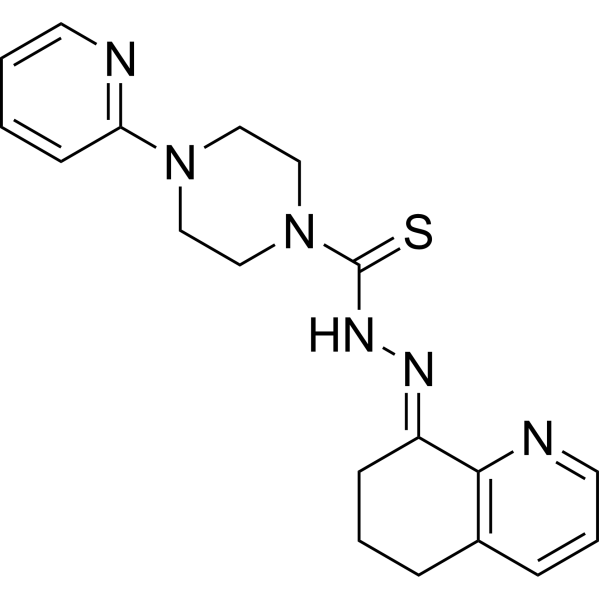
    COTI-2, an anti-cancer agent with low toxicity, is an orally available third generation activator of p53 mutant forms. COTI-2 acts both by reactivating mutant p53 and inhibiting the PI3K/AKT/mTOR pathway. COTI-2 induces apoptosis in multiple human tumor cell lines. COTI-2 exhibits antitumor activity in HNSCC through p53-dependent and -independent mechanisms. COTI-2 converts mutant p53 to wild-type conformation .
    COTI-2
  • HY-A0084A
    Procainamide
    Maximum Cited Publications
    6 Publications Verification

    Procaine amide; SP 100

    DNA Methyltransferase Potassium Channel Cardiovascular Disease Cancer
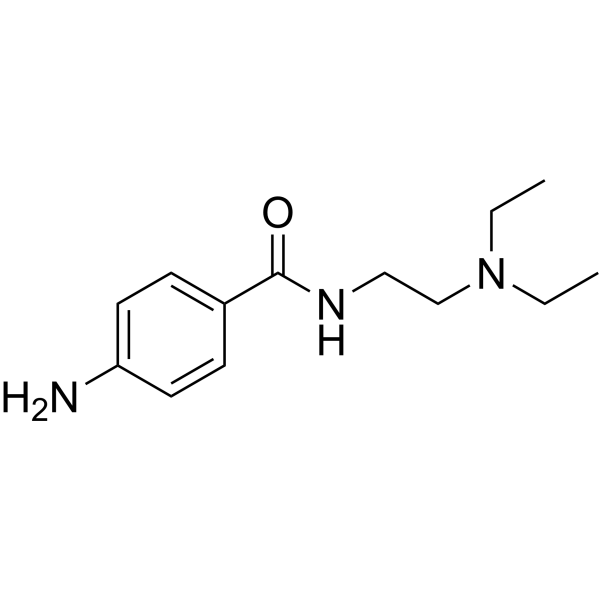
    Procainamide (Procaine amide) is a specific and potent inhibitor of DNA methyltransferase 1 (DNMT1), which reactivates the expression of tumor suppressor factors by demethylating tumor suppressor genes. Procainamide induces vacuolization in various cell types and reduces cell proliferation and migration. Procainamide relaxes airway smooth muscle by activating potassium channels. Procainamide can be used in cancer and arrhythmia research .
    Procainamide
  • HY-A0084
    Procainamide hydrochloride
    Maximum Cited Publications
    6 Publications Verification

    Procaine amide hydrochloride; SP 100 hydrochloride

    DNA Methyltransferase Potassium Channel Cancer
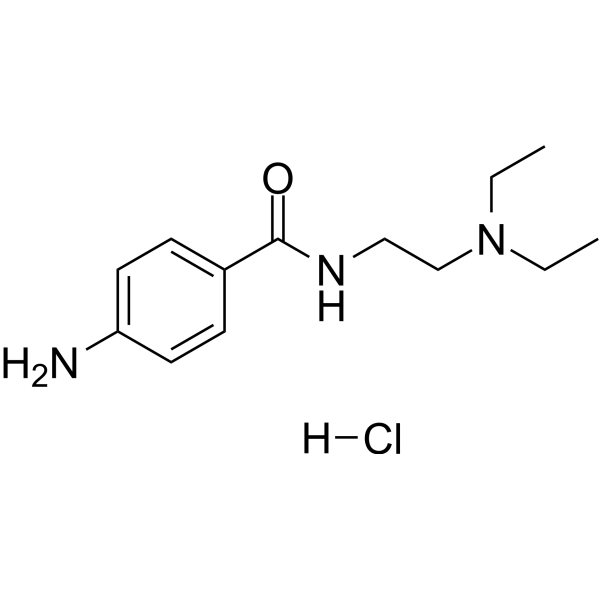
    Procainamide hydrochloride (Procaine amide hydrochloride) is a specific and potent inhibitor of DNA methyltransferase 1 (DNMT1), which reactivates the expression of tumor suppressor factors by demethylating tumor suppressor genes. Procainamide hydrochloride induces vacuolization in various cell types and reduces cell proliferation and migration. Procainamide hydrochloride relaxes airway smooth muscle by activating potassium channels. Procainamide hydrochloride can be used in cancer and arrhythmia research .
    Procainamide hydrochloride
  • HY-15815
    Bromosporine
    5 Publications Verification

    Epigenetic Reader Domain Apoptosis CDK HIV Cancer
    Bromosporine, a chemical probe, is a potent BET inhibitor with an IC50 value of 2.1 μM for PCAF. Bromosporine can arrest cell cycle and induce apoptosis in cancer cells. Bromosporine exhibits excellent antitumor activity in xenograft mice model when combined with 5-Fluorouracil (HY-90006). Bromosporine can increase CDK9 T-loop phosphorylation in HIV-1 latency models, resulting the protection of reactivate HIV-1 replication from latency. Bromosporine can be used to research colorectal cancer, acute myeloid leukemia (AML) and AIDS .
    Bromosporine
  • HY-B0464A
    Hydralazine
    3 Publications Verification

    DNA Methyltransferase Reactive Oxygen Species (ROS) COX NO Synthase PGE synthase Cardiovascular Disease Neurological Disease Inflammation/Immunology Cancer
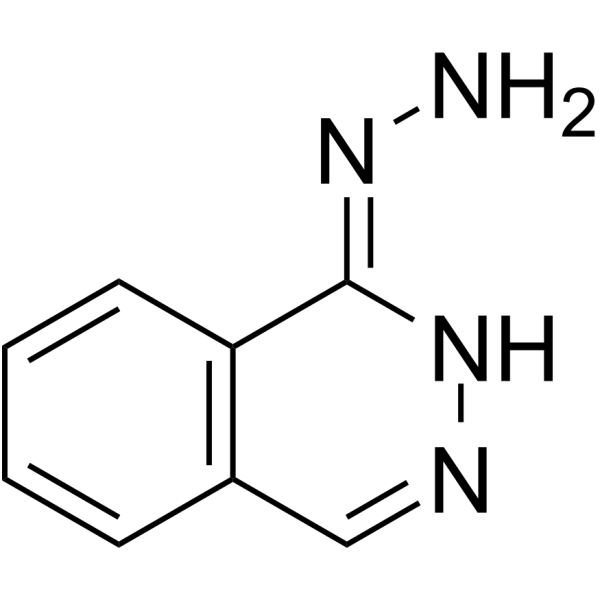
    Hydralazine is an orally active, blood-brain barrier-permeable DNA methyltransferase inhibitor with vasodilatory, arterial smooth muscle relaxant and hypotensive activities. Hydralazine reactivates silenced tumor suppressor genes via mediating DNA demethylation, while exerting neuroprotective and anti-inflammatory properties. Hydralazine inhibits NOS-2 (iNOS) and COX-2, and reduces the production of NO and PGEE2; meanwhile, Hydralazine scavenges reactive oxygen species and inhibits macrophage activation. Hydralazine alleviates motor dysfunction, neuropathic inflammatory pain, and formalin-induced somatic and emotional pain responses. In addition, Hydralazine directly induces DNA strand breaks and sister chromatid exchange, exhibiting certain mutagenic characteristics. Hydralazine has been widely used in studies on hypertension, various cancers (such as cervical cancer, leukemia), spinal cord injury and the mechanisms of inflammatory pain .
    Hydralazine
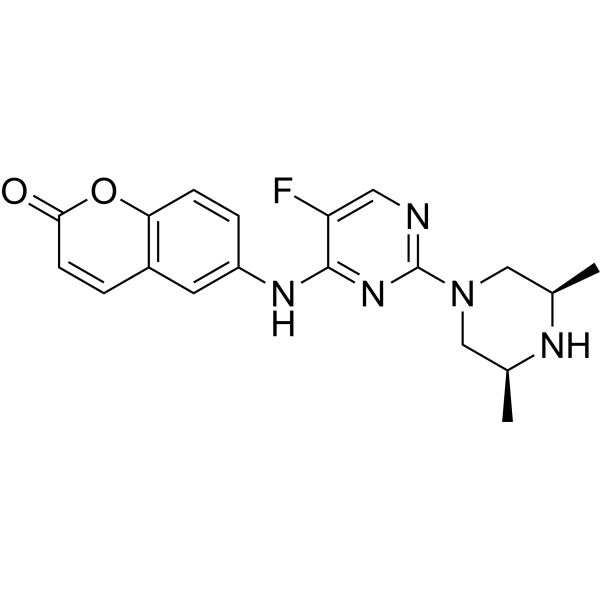
  • HY-130514

    HIV CDK Infection
    SMAPP1 is an activator of protein phosphatase-1 (PP1). SMAPP1 increases phosphorylation of CDK9’s Ser90 and Thr186 residues, but not Ser175. SMAPP1 induces HIV-1 replication, upregulates HIV-1 transcription that led to the reactivation of latent HIV-1 provirus .
    SMAPP1
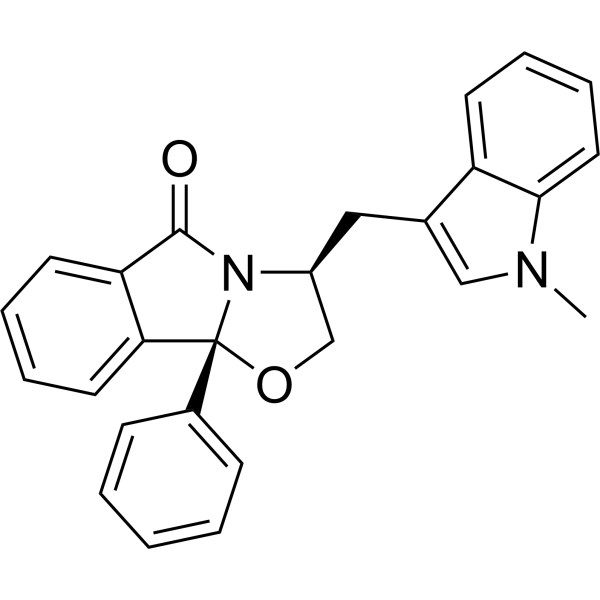
  • HY-161138

    BCL6 Apoptosis Cancer
    WK369 is a novel BCL6 small molecule inhibitor, which exhibits excellent anti-ovarian cancer bioactivity, induces cell cycle arrest and causes apoptosis. WK369 can directly bind to the BCL6-BTB domain and block the interaction between BCL6 and SMRT, leading to the reactivation of p53, ATR and CDKN1A .
    WK369
  • HY-153202

    MDM-2/p53 Apoptosis Cancer
    SLMP53-2 is a mutant p53 reactivator. SLMP53-2 restores wild-type-like conformation and DNA-binding ability of mutp53-Y220C by enhancing its interaction with the Hsp70, leading to the reestablishment of p53 transcriptional activity. SLMP53-2 can induce cell cycle arrest, apoptosis and endoplasmic reticulum (ER) stress. SLMP53-2 exhibits antitumor activity .
    SLMP53-2
  • HY-122578

    MDM-2/p53 Cancer
    P53R3 is a potent p53 reactivator and restores sequence-specific DNA binding of p53 hot spot mutants, including p53 R175H, p53 R248W and p53 R273H. P53R3 induces p53-dependent antiproliferative effects with much higher specificity than PRIMA-1. P53R3 enhances the recruitment of wild-type p53 and p53 M237I to several target gene promoters. P53R3 strongly enhances the mRNA, total protein and cell surface expression of the death receptor death receptor 5 (DR5). P53R3 is used for cancer research .
    P53R3
  • HY-149132

    DDA

    LXR Cancer
    Dendrogenin A (DDA) is a ligand for liver X receptor (LXR), that induces the expression of sodium/iodine symporter, and increases iodine uptake. Dendrogenin A induces cell differentiation of MCF-7, and reactivates the function of lactating cells. Dendrogenin A induces the expressions of the TSH receptor, thyroid peroxidase, and thyroglobulin, and affects thyroid hormone generation. Dendrogenin A exhibits cytotoxicity in cancer cell B-CPAP and 8505c with IC50 of 4.1 and 6.2 µM. Dendrogenin A arrests the cell cycle at G0/G1 phase .
    Dendrogenin A
  • HY-148833

    MDM-2/p53 Cancer
    MDM2-p53-IN-16 is a MDM2-p53 complex inhibitor with an IC50 value of 4.3 nM to dissociate human p53/MDM2 complex. MDM2-p53-IN-16 reactivates p53, and induces Glioblastoma Multiforme (GBM) cell apoptosis and cell-cycle arrest. MDM2-p53-IN-16 can be used for the cancer research .
    MDM2-p53-IN-16
  • HY-145928B
    Divarasib adipate
    Maximum Cited Publications
    6 Publications Verification

    GDC-6036 adipate

    Ras Cancer
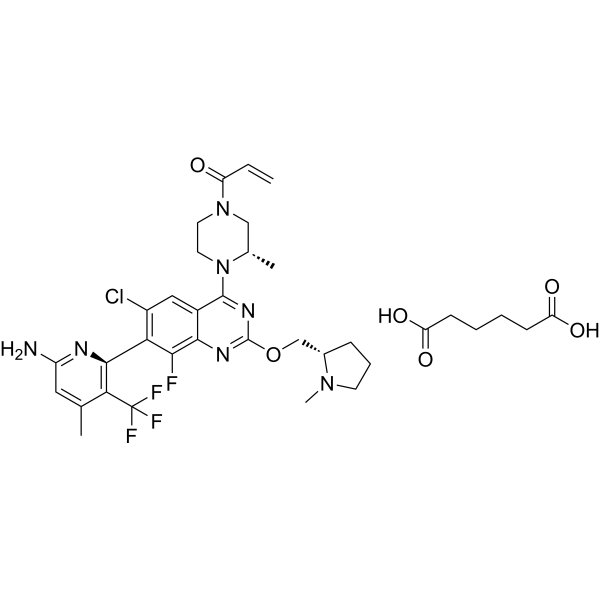
    Divarasib (GDC-6036) adipate is an orally active, selective KRASG12C inhibitor with an IC50 of <0.01 μM. Divarasib adipate covalently binds Cys12 in GDP-bound KRASG12C, occupies the switch II pocket, blocks GTP binding and SOS-mediated reactivation, and inhibits oncogenic KRAS signaling. Divarasib adipate induces tumor shrinkage and robust tumor growth inhibition in KRASG12C-positive models and cancer cells. Divarasib adipate can be used for the research of non-small cell lung cancer, colorectal adenocarcinoma, pancreatic ductal adenocarcinoma, and other KRASG12C-mutated solid tumors .
    Divarasib adipate
  • HY-B0464S1

    Isotope-Labeled Compounds PGE synthase NO Synthase Reactive Oxygen Species (ROS) DNA Methyltransferase COX Cancer
    Hydralazine-d5 (hydrochloride) is deuterium-labeled Hydralazine (hydrochloride) (HY-B0464). Hydralazine hydrochloride is an orally active, blood-brain barrier-permeable DNA methyltransferase inhibitor with vasodilatory, arterial smooth muscle relaxant and hypotensive activities. Hydralazine hydrochloride reactivates silenced tumor suppressor genes via mediating DNA demethylation, while exerting neuroprotective and anti-inflammatory properties. Hydralazine hydrochloride inhibits NOS-2 (iNOS) and COX-2, and reduces the production of NO and PGEE2; meanwhile, Hydralazine hydrochloride scavenges reactive oxygen species and inhibits macrophage activation. Hydralazine hydrochloride alleviates motor dysfunction, neuropathic inflammatory pain, and formalin-induced somatic and emotional pain responses. In addition, Hydralazine hydrochloride directly induces DNA strand breaks and sister chromatid exchange, exhibiting certain mutagenic characteristics. Hydralazine hydrochloride has been widely used in studies on hypertension, various cancers (such as cervical cancer, leukemia), spinal cord injury and the mechanisms of inflammatory pain .
    Hydralazine-d5 hydrochloride
  • HY-B0464S

    Isotope-Labeled Compounds PGE synthase NO Synthase Reactive Oxygen Species (ROS) DNA Methyltransferase COX Cardiovascular Disease
    Hydralazine-d4 hydrochloride is the deuterium labeled Hydralazine hydrochloride. Hydralazine hydrochloride is an orally active, blood-brain barrier-permeable DNA methyltransferase inhibitor with vasodilatory, arterial smooth muscle relaxant and hypotensive activities. Hydralazine hydrochloride reactivates silenced tumor suppressor genes via mediating DNA demethylation, while exerting neuroprotective and anti-inflammatory properties. Hydralazine hydrochloride inhibits NOS-2 (iNOS) and COX-2, and reduces the production of NO and PGEE2; meanwhile, Hydralazine hydrochloride scavenges reactive oxygen species and inhibits macrophage activation. Hydralazine hydrochloride alleviates motor dysfunction, neuropathic inflammatory pain, and formalin-induced somatic and emotional pain responses. In addition, Hydralazine hydrochloride directly induces DNA strand breaks and sister chromatid exchange, exhibiting certain mutagenic characteristics. Hydralazine hydrochloride has been widely used in studies on hypertension, various cancers (such as cervical cancer, leukemia), spinal cord injury and the mechanisms of inflammatory pain .
    Hydralazine-d4 hydrochloride
  • HY-12926

    HIV HDAC DNA/RNA Synthesis Infection
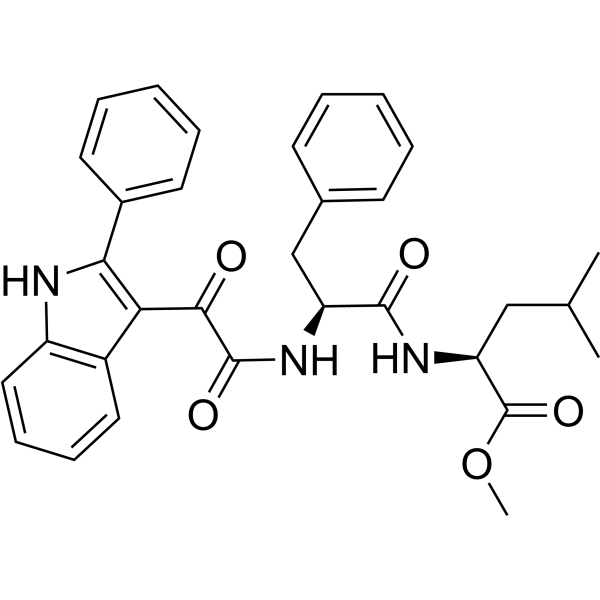
    ST7612AA1 is a histone deacetylase (HDAC) inhibitor that controls chromatin condensation and DNA transcription by removing acetyl groups from histones. ST7612AA1 is also a potent HIV reactivation inducer, and its reactivation activity is exerted without activating or proliferating CD4+T cells, and can be used in the study of HIV reactivation strategies and elimination of viral reservoirs .
    ST7612AA1
  • HY-149577

    EBV Cancer
    Epstein-Barr virus (EBV) lytic cycle inducer-1 Dp44mT (compound C7) is an iron-chelatoe-like compound. Dp44mT cooperates with HDAC inhibitor Romidespin (HY-15149) and SAHA to induce EBV lytic cycle. Dp44mT reactivates EBV lytic cycle by activating the ERK1/2-autophagy axis in epithelial cancers .
    EBV lytic cycle inducer-1
  • HY-100601

    MDM-2/p53
    PK7242 is an inducer of reactivation of mutant p53 in cancer cells. In cancer cells carrying the Y220C mutant, PK7242 binds to the p53-Y220C core domain and induces growth inhibition, cell-cycle arrest, and apoptosis.
    PK7242
  • HY-A0084AR

    Procaine amide (Standard); SP 100 (Standard)

    Reference Standards DNA Methyltransferase Potassium Channel Cardiovascular Disease Cancer
    Procainamide (Standard) is the analytical standard of Procainamide. This product is intended for research and analytical applications. Procainamide (Procaine amide) is a specific and potent inhibitor of DNA methyltransferase 1 (DNMT1), which reactivates the expression of tumor suppressor factors by demethylating tumor suppressor genes. Procainamide induces vacuolization in various cell types and reduces cell proliferation and migration. Procainamide relaxes airway smooth muscle by activating potassium channels. Procainamide can be used in cancer and arrhythmia research .
    Procainamide (Standard)
  • HY-B0464R

    Reference Standards PGE synthase NO Synthase Reactive Oxygen Species (ROS) DNA Methyltransferase COX Cardiovascular Disease Inflammation/Immunology Cancer
    Hydralazine (hydrochloride) (Standard) is the analytical standard of Hydralazine (hydrochloride). This product is intended for research and analytical applications. Hydralazine hydrochloride is an orally active, blood-brain barrier-permeable DNA methyltransferase inhibitor with vasodilatory, arterial smooth muscle relaxant and hypotensive activities. Hydralazine hydrochloride reactivates silenced tumor suppressor genes via mediating DNA demethylation, while exerting neuroprotective and anti-inflammatory properties. Hydralazine hydrochloride inhibits NOS-2 (iNOS) and COX-2, and reduces the production of NO and PGEE2; meanwhile, Hydralazine hydrochloride scavenges reactive oxygen species and inhibits macrophage activation. Hydralazine hydrochloride alleviates motor dysfunction, neuropathic inflammatory pain, and formalin-induced somatic and emotional pain responses. In addition, Hydralazine hydrochloride directly induces DNA strand breaks and sister chromatid exchange, exhibiting certain mutagenic characteristics. Hydralazine hydrochloride has been widely used in studies on hypertension, various cancers (such as cervical cancer, leukemia), spinal cord injury and the mechanisms of inflammatory pain .
    Hydralazine hydrochloride (Standard)
  • HY-181289

    PROTACs FKBP Glucocorticoid Receptor Neurological Disease Metabolic Disease
    SelDeg51 is a selective FKBP51 PROTAC degrader with a Kd value of 18 nM and a Dmax of 90%. SelDeg51 induces proteasomal degradation of FKBP51 via the FKBP51:SelDeg51:VCB ternary complex and reactivates the glucocorticoid receptor signaling pathway. SelDeg51 can be used for research on stress-related mental disorders, chronic pain, and obesity .
    SelDeg51
  • HY-183552

    HIF/HIF Prolyl-Hydroxylase EBV Drug Intermediate Infection Cancer
    mCPX is a prodrug of the antifungal agent Ciclopirox olamine (CPX) (HY-B0450A). CPX exhibits bacteriostatic and iron-chelating activities, while mCPX enhances the iron stability of CPX. mCPX inherits the core mechanism pathway of CPX and can induce EBV lytic reactivation in EBV + gastric cancer cells via the hypoxia pathway (HIF‑1α). mCPX is applicable to research related to EBV-positive gastric cancer .
    mCPX
  • HY-P992434

    PD-1/PD-L1 SHP1 Interleukin Related Cancer
    OSE-279 is a high-affinity humanized monoclonal bivalent antibody targeting PD-1, the recommended isotype control is HY-P99003. OSE-279 blocks PD-1 ligand binding, inhibits PDL1-induced SHP1 phosphorylation, restores T cell activation, and promotes reactivation of primary T cell effector functions. OSE-279 binds hFcRn receptor, predicts long half-life, induces CD4 and CD8 T cell proliferation, and promotes interleukin 2 and interferon gamma secretion. OSE-279 can be used for the research of advanced malignancies, colon cancer, hepatocarcinoma, mesothelioma .
    OSE-279
  • HY-A0084AS

    Procaine amide-d4; SP 100-d4

    Isotope-Labeled Compounds Potassium Channel DNA Methyltransferase Cardiovascular Disease Cancer
    Procainamide-d4 (Procaine amide-d4) is the deuterium labeled Procainamide (HY-A0084A). Procainamide (Procaine amide) is a specific and potent inhibitor of DNA methyltransferase 1 (DNMT1), which reactivates the expression of tumor suppressor factors by demethylating tumor suppressor genes. Procainamide induces vacuolization in various cell types and reduces cell proliferation and migration. Procainamide relaxes airway smooth muscle by activating potassium channels. Procainamide can be used in cancer and arrhythmia research .
    Procainamide-d4
  • HY-181606

    MDM-2/p53 Integrin Apoptosis Neurological Disease Cancer
    Cyclo (phg-isoDGR-k)-PEG4-non-cleavable-SAR405838 is a dual MDM2 and α5β1 integrin modulator. Cyclo (phg-isoDGR-k)-PEG4-non-cleavable-SAR405838 acts as an antiproliferative agent, apoptosis inducer and cell cycle regulator, induces reactivation of p53 and upregulation of p21, redistributes glioblastoma cells from the G0/G1 phase to the G2/M phase, and enhances apoptosis. Cyclo (phg-isoDGR-k)-PEG4-non-cleavable-SAR405838 is applicable to the research of glioblastoma .
    Cyclo(phg-isoDGR-k)-PEG4-non-cleavable-SAR405838
  • HY-180618

    MDM-2/p53 Apoptosis Bcl-2 Family Wnt Cancer
    p53 DUBTAC modulator-1 (Compound A1) is a p53 Y220C DUBTAC modulator (Kd = 12.09 µM). p53 DUBTAC modulator-1 effectively reactivates and deubiquitinates mutant p53 Y220C. p53 DUBTAC modulator-1 upregulates p53 Y220C protein levels. p53 DUBTAC modulator-1 induces Apoptosis, reduces Bcl-2, inhibits Wnt signaling. p53 DUBTAC modulator-1 has anti-cancer activity against liver cancer .
    p53 DUBTAC modulator-1
  • HY-186151

    MDM-2/p53 Apoptosis Cancer
    UCI-LC0019 is a mutant p53 reactivator. UCI-LC0019 binds to mutant p53, induces wild-type-like conformational change, restores sequence-specific DNA binding activity, activates p53-dependent transcription programs, and does not act via thiol reactivity or glutathione depletion. UCI-LC0019 inhibits proliferation and induces apoptosis in cancer cells harboring mutant p53, with no significant effect on p53 null or wild-type p53 tumors cells. UCI-LC0019 exhibits anti-tumor activity in xenograft mouse models carrying p53R175H mutant tumors. UCI-LC0019 can be used for the research of cancer, such as ovarian cancer .
    UCI-LC0019
  • HY-183622

    MDM-2/p53 Cancer
    UCI-1014 is a mutant p53 (p53 R175H) corrector/reactivator. UCI-1014 restores the wild-type-like DNA-binding activity of p53 R175H, promotes the redistribution of the mutant protein to chromatin, and induces the expression of p53-dependent target genes. UCI-1014 inhibits the proliferation of p53 R175H-mutant cancer cells through an SLC7A11-independent mechanism. UCI-1014 can be used for research related to p53-mutant cancers .
    UCI-1014
  • HY-148640

    BCL6 MDM-2/p53 Histone Methyltransferase CXCR Apoptosis Cancer
    WK500B is a potent and orally active BCL6 inhibitor with a KD of 1.61 μM. WK500B engages intracellular BCL6 and disrupts BCL6‑corepressor interactions to reactivate BCL6 target genes. WK500B exerts cytotoxicity against diffuse large B‑cell lymphoma cells and induces apoptosis and cell cycle arrest. WK500B suppresses germinal center formation in C57BL/6 mice and DLBCL tumor growth in SCID xenograft models without observable toxicity. WK500B can be used for the study of diffuse large B‑cell lymphoma (DLBCL) .
    WK500B
  • HY-P11490

    MDM-2/p53 Inflammation/Immunology Cancer
    DPMI-ω is a dual-specificity d-peptide antagonist of oncogenic proteins MDM2 and MDMX. DPMI-ω, upon fabrication on gold nanoparticles, efficiently traverses tumor cells and kills them by reactivating the p53 signaling pathway. DPMI-ω can disrupte the p53-MDM2/MDMX complex. DPMI-ω can inhibit B16 melanoma growth and induce cells G0/G1 phase arrest. DPMI-ω can augment the efficacy of immunotherapy by expanding CD3 +/CD8 + cytotoxic T cells and suppressing CD4 +/CD25 + regulatory T cells companied with anti-PD1 antibody. DPMI-ω can be used for research of melanoma .
    DPMI-ω

Inquiry Online

Your information is safe with us. * Required Fields.

Salutation


Country or Region *

Applicant Name *


Organization Name *

Department *


Email Address *


Product Name *

Cat. No.


Requested quantity *

Phone Number *


Remarks

Inquiry Online

Inquiry Information

Product Name:
Cat. No.:
Quantity:
MCE Japan Authorized Agent:

