1. Search Result
Search Result
Results for "

Salvia miltiorrhiza

" in MedChemExpress (MCE) Product Catalog:

36

Inhibitors & Agonists

1

Screening Libraries

36

Natural
Products

Cat. No. Product Name Target Research Areas Chemical Structure
  • HY-N0135
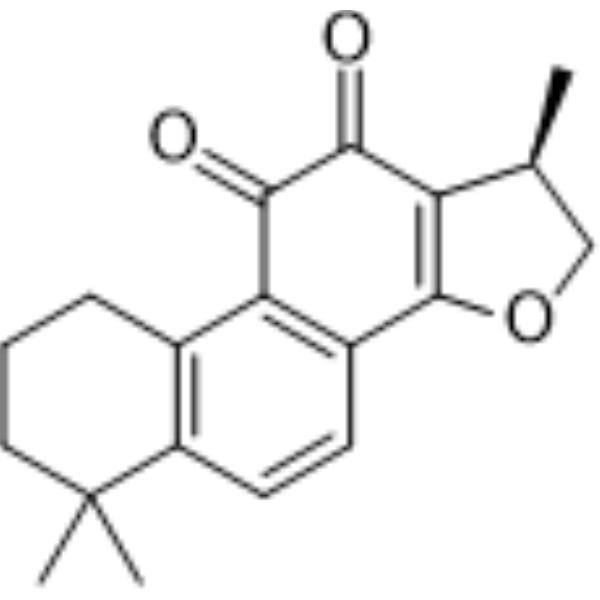
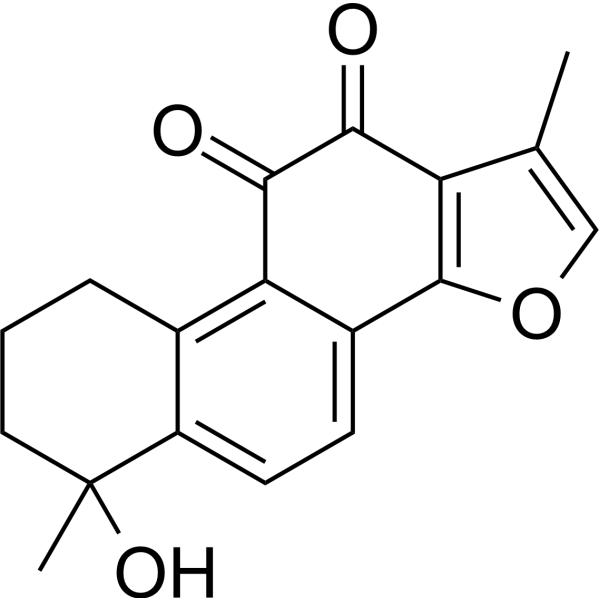
    Tanshinone IIA
    35+ Cited Publications

    Dan Shen ketone

    VEGFR Cardiovascular Disease Cancer
    Tanshinone IIA (Tan IIA) is one of the main compositions in the root of Salvia miltiorrhiza Bunge. Tanshinone IIA may suppress angiogenesis by targeting the protein kinase domains of VEGF/VEGFR2.
    Tanshinone IIA
  • HY-N1362
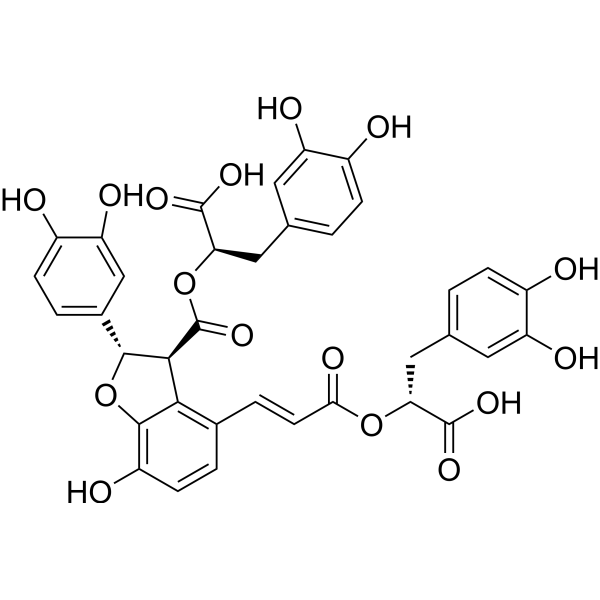
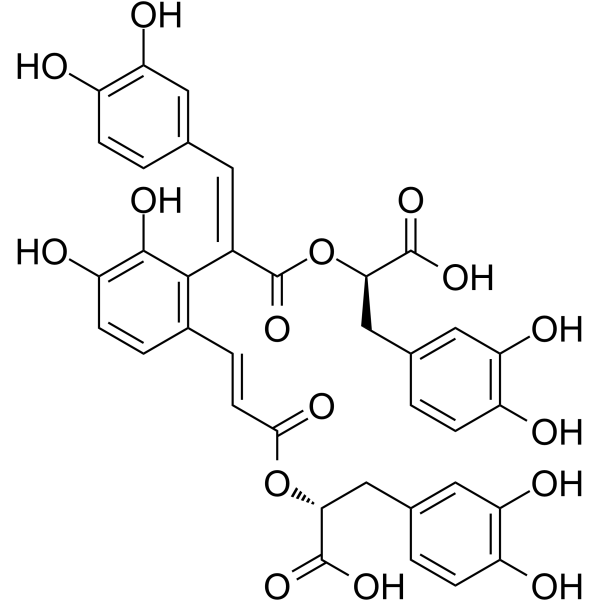
    Salvianolic acid B
    15+ Cited Publications

    Lithospermic acid B

    Autophagy Cardiovascular Disease
    Salvianolic acid B is an active ingredient of Salvia miltiorrhiza, which has been widely applied in China for the management of various microcirculation-related disorders, such as cardiovascular disease, cerebrovascular disease, and diabetic vascular complication.
    Salvianolic acid B
  • HY-N0174
    Cryptotanshinone
    Maximum Cited Publications
    46 Publications Verification

    Cryptotanshinon; Tanshinone c

    STAT Autophagy Cancer
    Cryptotanshinone is a natural compound extracted from the root of Salvia miltiorrhiza Bunge that shows antitumor activities. Cryptotanshinone inhibits STAT3 with an IC50 of 4.6 μM.
    Cryptotanshinone
  • HY-N0823
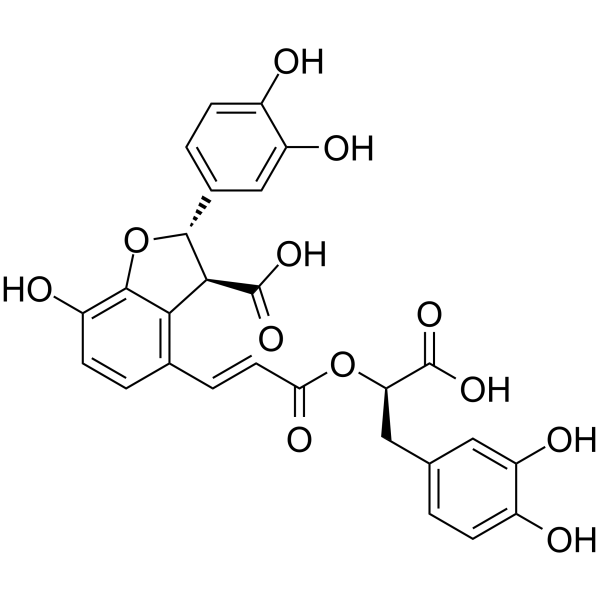
    Lithospermic acid
    5+ Cited Publications

    (+)-Lithospermic acid

    NO Synthase AMPK Keap1-Nrf2 Xanthine Oxidase Apoptosis Cardiovascular Disease Inflammation/Immunology
    Lithospermic acid ((+)-Lithospermic acid) is a plant-derived polycyclic phenolic carboxylic acid isolated from Salvia miltiorrhiza, and has the anti-oxidative and hepatoprotective activity on carbon tetrachloride (CCl4)-induced acute liver damage in vitro and in vivo .
    Lithospermic acid
  • HY-N0360
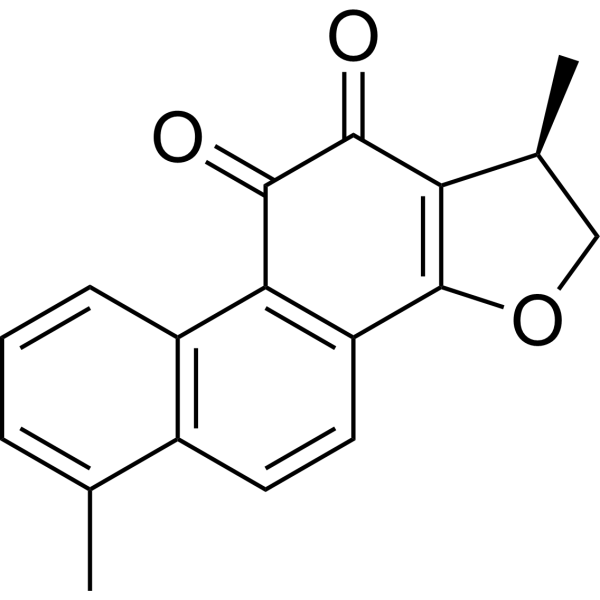
    Dihydrotanshinone I
    10+ Cited Publications

    SARS-CoV Cardiovascular Disease
    Dihydrotanshinone I is a natural compound extracted from Salvia miltiorrhiza Bunge which has been widely used for treating cardiovascular diseases. Dihydrotanshinone I exhibits entry-blocking effect for MERS-CoV.
    Dihydrotanshinone I
  • HY-N1951
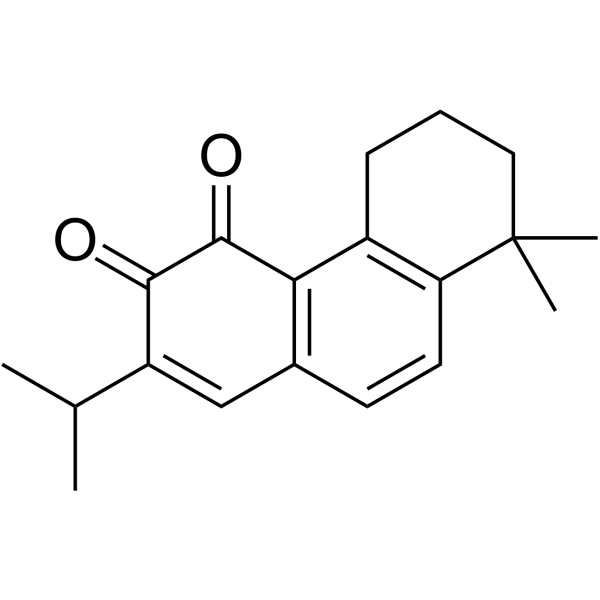
    Miltirone
    2 Publications Verification

    Rosmariquinone

    GABA Receptor Apoptosis Carboxylesterase (CES) SARS-CoV Neurological Disease Cancer
    Miltirone is an orally active natural compound found in the root of Salvia miltiorrhiza. Miltirone is a central benzodiazepine receptor partial agonist, with an IC50 of 0.3 μM. Miltirone induces ROS - and-p53 dependent apoptosis. Miltirone inhibits carboxylesterase 2 (CES2; Ki = 0.04 μM) and SARS-CoV main protease (Mpro) .
    Miltirone
  • HY-B0923
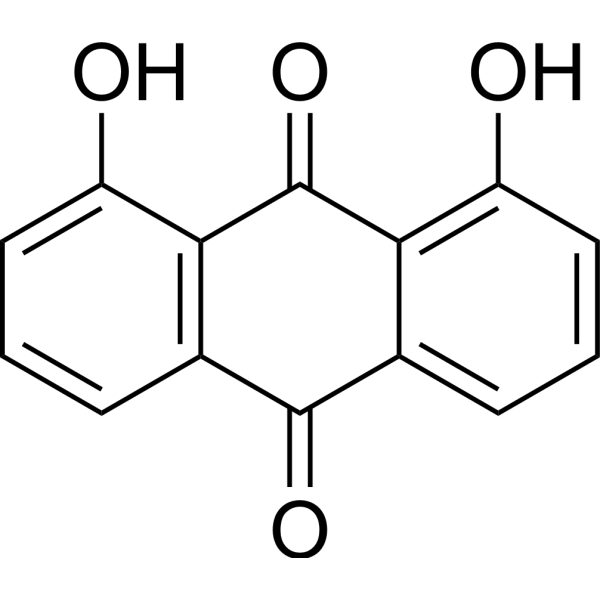
    Danthron
    4 Publications Verification

    Dantron; Chrysazin; 1,8-Dihydroxyanthraquinone

    AMPK Autophagy Bacterial Virus Protease Cancer
    Danthron is a natural product extracted from the traditional Chinese medicine Salvia miltiorrhiza Bunge. Danthron functions in regulating glucose and lipid metabolism by activating AMPK.
    Danthron
  • HY-119720

    NF-κB NO Synthase Inflammation/Immunology
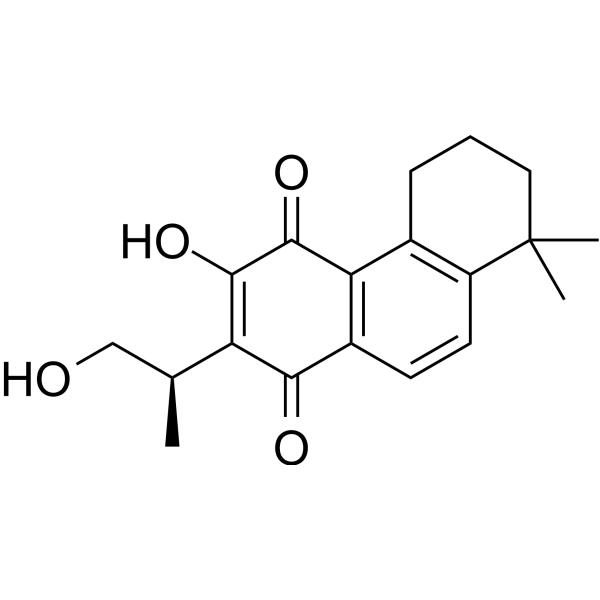
    Neocryptotanshinone, a fatty diterpenoids from Salvia Miltiorrhiza, inhibits lipopolysaccharide-induced inflammation by suppression of NF-κB and iNOS signaling pathways .
    Neocryptotanshinone
  • HY-N3201

    Others Others
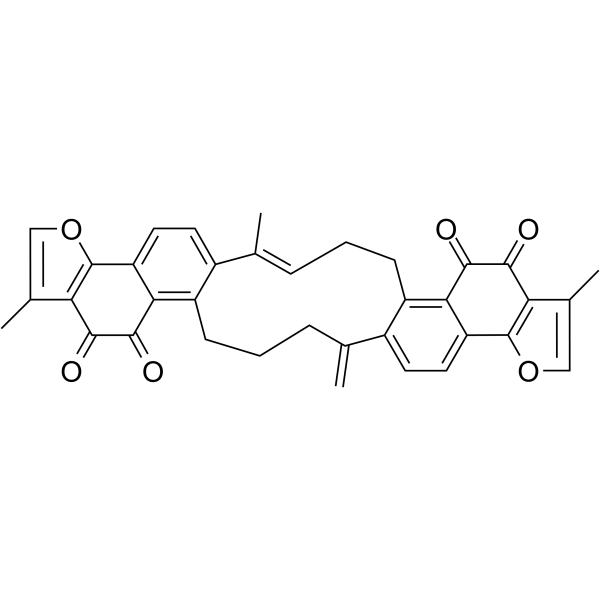
    Neoprzewaquinone A is isolated from the roots of Salvia miltiorrhiza .
    Neoprzewaquinone A
  • HY-N1179

    Apoptosis Cardiovascular Disease Neurological Disease
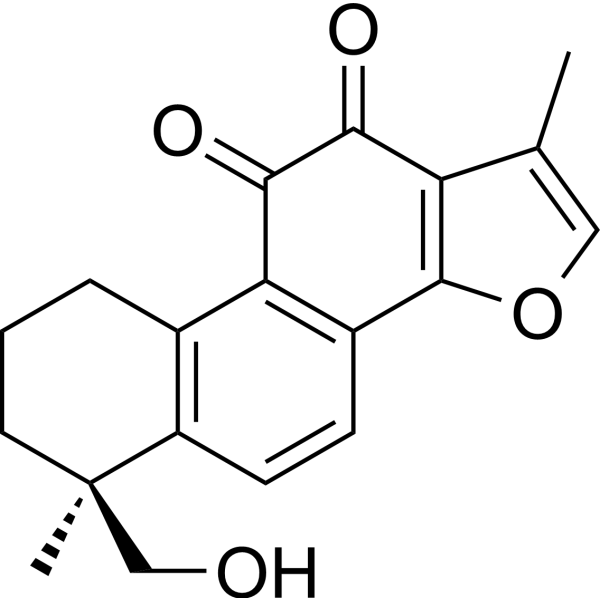
    Tanshinone IIB is a major active constituent of the roots of Salvia miltiorrhiza (Danshen) widely used for the research of stroke and coronary heart disease in Asian countries. Tanshinone IIB has a neuroprotective effect via inhibition of apoptosis .
    Tanshinone IIB
  • HY-N10686

    Carboxylesterase (CES) Cancer
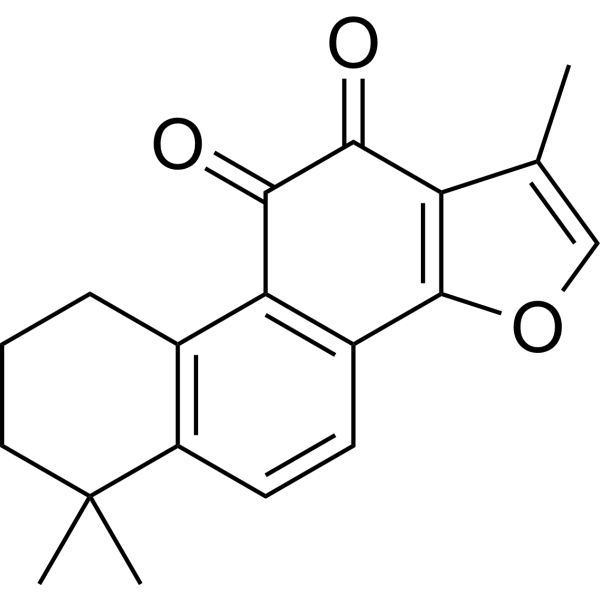
    Tanshinone IIA anhydride, present in root extracts of Salvia miltiorrhiza, acts as an inhibitor of human carboxylesterase (CE). Tanshinone IIA anhydride has a Ki value of 1.9 nM against hCE1 and a Ki value of 1.4 nM against hiCE. Tanshinone IIA anhydride forms a stable covalent complex with serine Ser221 at the active site of hCE1, blocking the catalytic cycle of carboxylesterase, and the activity of the inactivated enzyme cannot recover spontaneously. Tanshinone IIA anhydride is applicable in metabolism-related studies .
    Tanshinone IIA anhydride
  • HY-N1180

    SARS-CoV Keap1-Nrf2 Infection
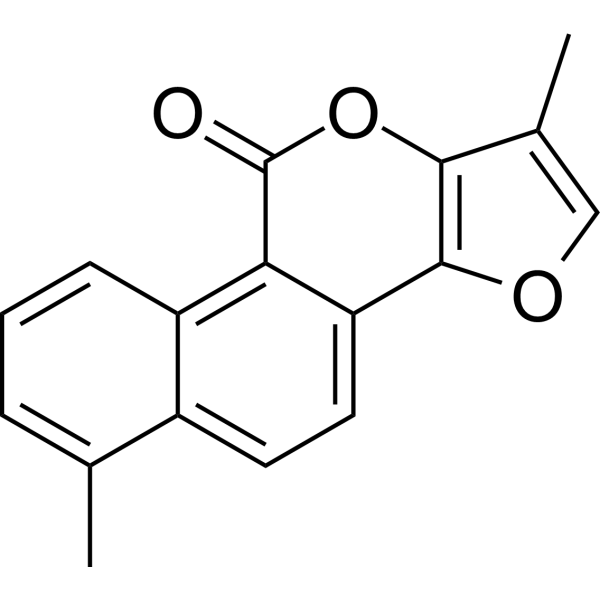
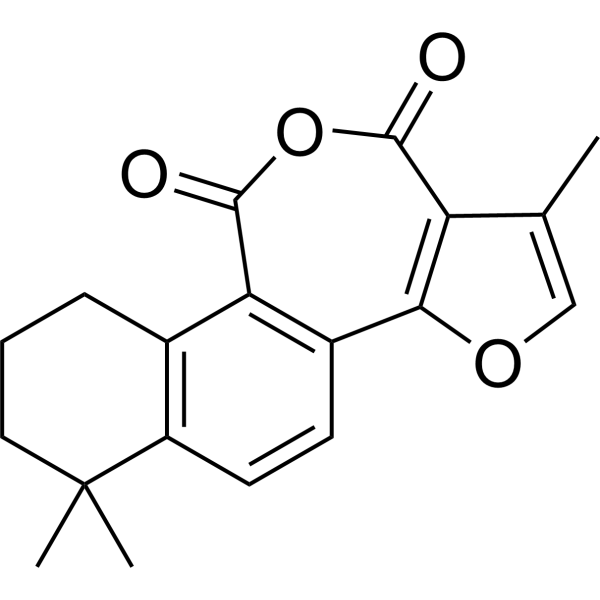
    Tanshinlactone is a compound found in Salvia miltiorrhiza with anti-coronavirus (CoV) and anti-tumor activities. Tanshinlactone induces methuocytic cell death (methuosis) by activating the NRF2 pathway, and selectively kills ER +, HER2 +/EGFR + breast cancer cells. Tanshinlactone is applicable to research related to breast cancer and coronavirus infections .
    Tanshinlactone
  • HY-N7522

    Others Others
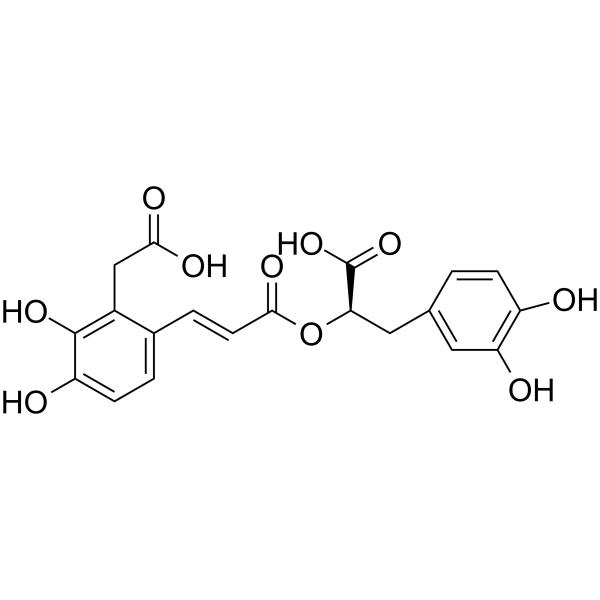
    Salvianolic acid E is a natural compound isolated from Salvia miltiorrhiza .
    Salvianolic acid E
  • HY-N0320

    Bcl-2 Family Caspase Toll-like Receptor (TLR) MyD88 NF-κB Cardiovascular Disease Neurological Disease Inflammation/Immunology
    Salvianolic acid D is a depside. Salvianolic acid D can be isolated from Salvia miltiorrhiza (Danshen). Salvianolic acid D promotes the expression of Bcl-2, and inhibits the expressions of Bax, Cleaved caspase-3 and -9. Salvianolic acid D reduces the expression levels of TLR4, MyD88 and TRAF6 proteins both in vitro and in vivo, and significantly inhibits the nuclear translocation of NF-κB. Salvianolic acid D inhibits the cytoplasmic translocation of HMGB1. Salvianolic acid D suppresses inflammatory responses and alleviates cerebral ischemia-reperfusion injury. Salvianolic acid D serves as a potential antiplatelet active component .
    Salvianolic acid D
  • HY-123080

    Others Others
    Tanshinol B is a bioactive component of Salvia miltiorrhiza, which can be isolated from the 50% ethanol extract of the roots and rhizomes of Seaweed prowazekii .
    Tanshinol B
  • HY-N1362R

    Lithospermic acid B (Standard)

    Reference Standards Autophagy Cardiovascular Disease
    Salvianolic acid B (Standard) is the analytical standard of Salvianolic acid B. This product is intended for research and analytical applications. Salvianolic acid B is an active ingredient of Salvia miltiorrhiza, which has been widely applied in China for the management of various microcirculation-related disorders, such as cardiovascular disease, cerebrovascular disease, and diabetic vascular complication.
    Salvianolic acid B (Standard)
  • HY-N1951R

    Rosmariquinone (Standard)

    Reference Standards GABA Receptor Apoptosis Carboxylesterase (CES) SARS-CoV Neurological Disease Cancer
    Miltirone is an orally active natural compound found in the root of Salvia miltiorrhiza. Miltirone is a central benzodiazepine receptor partial agonist, with an IC50 of 0.3 μM. Miltirone induces ROS - and-p53 dependent apoptosis. Miltirone inhibits carboxylesterase 2 (CES2; Ki = 0.04 μM) and SARS-CoV main protease (Mpro) .
    Miltirone (Standard)
  • HY-N10800

    Others Cancer
    1,2,6,7,8,9-Hexahydro-1,6,6-trimethyl-3,11-dioxanaphth[2,1-e]azulene-10,12-dione is a kind of chemical constituents of Salvia miltiorrhiza f. alba. The dihydroisotanshinone with a para-quinone moiety shows cytotoxicity and anti-tumor activity .
    1,2,6,7,8,9-Hexahydro-1,6,6-trimethyl-3,11-dioxanaphth[2,1-e]azulene-10,12-dione
  • HY-N0135R

    Dan Shen ketone (Standard)

    Reference Standards VEGFR Cardiovascular Disease Cancer
    Tanshinone IIA (Standard) is the analytical standard of Tanshinone IIA. This product is intended for research and analytical applications. Tanshinone IIA (Tan IIA) is one of the main compositions in the root of Salvia miltiorrhiza Bunge. Tanshinone IIA may suppress angiogenesis by targeting the protein kinase domains of VEGF/VEGFR2.
    Tanshinone IIA (Standard)
  • HY-120451

    Others Inflammation/Immunology
    Salvinone (Compound 49) is a compound that can be isolated from Salvia miltiorrhiza .
    Salvinone
  • HY-N8674

    Others Others
    Dihydroisotanshinone II is a Diterpenoids product that can be isolated from the roots of Salvia miltiorrhiza .
    Dihydroisotanshinone II
  • HY-126416

    SARS-CoV Infection Metabolic Disease
    Methyl tanshinonate is a tanshinone, that can be isolated from Salvia miltiorrhiza (S. miltiorrhiza) Bunge (Lamiaceae). Methyl tanshinonate is a potent inhibitor of M pro enzyme in SARS-CoV (IC50 = 21.1 µM). Methyl tanshinonate can be used for diabetes and SARS-CoV research .
    Methyl tanshinonate
  • HY-N0320R

    Reference Standards Others Cardiovascular Disease
    Salvianolic acid D (Standard) is the analytical standard of Salvianolic acid D. This product is intended for research and analytical applications. Salvianolic acid D, isolated from Salvia miltiorrhiza, is a potential antiplatelet activity compound .
    Salvianolic acid D (Standard)
  • HY-B0923R

    Dantron (Standard); Chrysazin (Standard); 1,8-Dihydroxyanthraquinone (Standard)

    Reference Standards AMPK Autophagy Bacterial Virus Protease Cancer
    Danthron (Standard) is the analytical standard of Danthron. This product is intended for research and analytical applications. Danthron is a natural product extracted from the traditional Chinese medicine Salvia miltiorrhiza Bunge. Danthron functions in regulating glucose and lipid metabolism by activating AMPK.
    Danthron (Standard)
  • HY-N0174R

    Cryptotanshinon (Standard); Tanshinone c (Standard)

    Reference Standards STAT Autophagy Cancer
    Cryptotanshinone (Standard) is the analytical standard of Cryptotanshinone. This product is intended for research and analytical applications. Cryptotanshinone is a natural compound extracted from the root of Salvia miltiorrhiza Bunge that shows antitumor activities. Cryptotanshinone inhibits STAT3 with an IC50 of 4.6 μM.
    Cryptotanshinone (Standard)
  • HY-N0360R

    Reference Standards SARS-CoV Cardiovascular Disease
    Dihydrotanshinone I (Standard) is the analytical standard of Dihydrotanshinone I. This product is intended for research and analytical applications. Dihydrotanshinone I is a natural compound extracted from Salvia miltiorrhiza Bunge which has been widely used for treating cardiovascular diseases. Dihydrotanshinone I exhibits entry-blocking effect for MERS-CoV.
    Dihydrotanshinone I (Standard)
  • HY-N0823R

    (+)-Lithospermic acid (Standard)

    Reference Standards NO Synthase AMPK Keap1-Nrf2 Xanthine Oxidase Apoptosis Cardiovascular Disease Inflammation/Immunology
    Lithospermic acid (Standard) is the analytical standard of Lithospermic acid. This product is intended for research and analytical applications. Lithospermic acid ((+)-Lithospermic acid) is a plant-derived polycyclic phenolic carboxylic acid isolated from Salvia miltiorrhiza, and has the anti-oxidative and hepatoprotective activity on carbon tetrachloride (CCl4)-induced acute liver damage in vitro and in vivo .
    Lithospermic acid (Standard)
  • HY-N8617

    DNA/RNA Synthesis Caspase PARP Bcl-2 Family Mitochondrial Metabolism Apoptosis Cancer
    Trijuganone C is a tanshinone-type diterpenoid compound. Trijuganone C can be isolated from the roots of Salvia miltiorrhiza Bunge. Trijuganone C induces chromatin condensation, DNA fragmentation, activation of Caspase-3, -8 and -9, as well as cleavage of PARP. Trijuganone C activates Bid and Bax, leading to loss of mitochondrial membrane potential and inducing the release of cytochrome c from mitochondria into the cytosol. Trijuganone C exerts antiproliferative effects through Apoptosis induction mediated by Mitochondrial dysfunction and Caspase activation. Trijuganone C exhibits significant antiproliferative activity against leukemia cells and colon cancer cells .
    Trijuganone C
  • HY-W420454

    Others Inflammation/Immunology Cancer
    Danshenspiroketallactone is a lactone found in the roots of Salvia miltiorrhiza. Danshenspiroketallactone shows no anti-inflammatory and anticancer activity .
    Danshenspiroketallactone
  • HY-N10922

    Others Cancer
    (3S,4aS,10aS)-3-(Acetyloxy)-2,3,4,4a,10,10a-hexahydro-6-hydroxy-1,1,4a-trimethyl-7-(1-methylethyl)-9(1H)-phenanthrenone (compound 3), a Palmitate, can be isolated from the root tissue of Salvia miltiorrhiza. (3S,4aS,10aS)-3-(Acetyloxy)-2,3,4,4a,10,10a-hexahydro-6-hydroxy-1,1,4a-trimethyl-7-(1-methylethyl)-9(1H)-phenanthrenone (compound 3) shows anti-cancer activity against human cancer cell lines with DC50s of 25.5 μg/mL (HeLa), 37.5 μg/mL (HepG2), 30.2 μg/mL (OVCAR-3), respectively .
    (3S,4aS,10aS)-3-(Acetyloxy)-2,3,4,4a,10,10a-hexahydro-6-hydroxy-1,1,4a-trimethyl-7-(1-methylethyl)-9(1H)-phenanthrenone
  • HY-125127

    Others Others
    Danshenxinkun C is a Diterpenoids product that can be isolated from the roots of Salvia miltiorrhiza Bge. .
    Danshenxinkun C
  • HY-N16737

    Others Others
    Trijugin A is a gemmane-type sesquiterpenoid compound that can be isolated from the whole plant of Salvia miltiorrhiza with three pairs of leaves .
    Trijugin A
  • HY-N16743

    Others Others
    Trijugin B is a gemmane-type sesquiterpenoid that can be isolated from the whole plant of Salvia miltiorrhiza with three pairs of leaves .
    Trijugin B
  • HY-N16744

    Others Others
    Trijugin C is a gemmane-type sesquiterpenoid that can be isolated from the whole plant of Salvia miltiorrhiza with three pairs of leaves .
    Trijugin C
  • HY-N17650

    TGF-β Receptor Collagen Cadherin Inflammation/Immunology
    Salviamarinic acid A is a water-soluble phenolic acid that can be extracted from Salvia miltiorrhiza with potent anti-pulmonary fibrosis activity. Salviamarinic acid A significantly increases cell viability, cell index, cell motility and E-cadherin expression, and reduces TGF-β1, α-SMA and Collagen I levels. Salviamarinic acid A can be used for pulmonary fibrosis research .
    Salviamarinic acid A
  • HY-134028

    TNF Receptor Interleukin Related Cardiovascular Disease
    Arucadiol is a rosane-type diterpenoid anti-inflammatory agent. 5 μM Arucadiol significantly inhibits LPS-induced TNF-α, IL-1β, and IL-8 production (inhibition rates of 39.8%, 44.4%, and 34.5%, respectively). Arucadiol exerts its anti-inflammatory activity by inhibiting the mRNA and protein expression of inflammatory cytokines and can be used in research on inflammation-related cardiovascular diseases such as atherosclerosis. Arucadiol can be naturally extracted from the roots of Salvia miltiorrhiza var. alba .
    Arucadiol

Inquiry Online

Your information is safe with us. * Required Fields.

Salutation


Country or Region *

Applicant Name *


Organization Name *

Department *


Email Address *


Product Name *

Cat. No.


Requested quantity *

Phone Number *


Remarks

Inquiry Online

Inquiry Information

Product Name:
Cat. No.:
Quantity:
MCE Japan Authorized Agent:

