

1. Search Result
Search Result
Results for "

St

" in MedChemExpress (MCE) Product Catalog:

202

Inhibitors & Agonists

23

Biochemical Assay Reagents

9

Peptides

10

Inhibitory Antibodies

6

Natural
Products

56

Recombinant Proteins

3

Isotope-Labeled Compounds

30

Antibodies

1

Click Chemistry

64

Oligonucleotides

Cat. No. Product Name Target Research Areas Chemical Structure
  • HY-50937
    ST 2825
    Maximum Cited Publications
    70 Publications Verification

    MyD88 Inflammation/Immunology
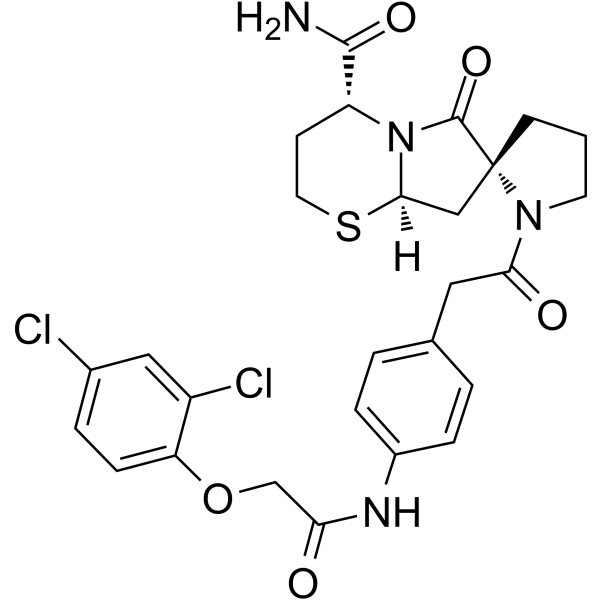
    ST 2825 is a specific MyD88 dimerization inhibitor. ST2825 interferes with recruitment of IRAK1 and IRAK4 by MyD88, causing inhibition of IL-1β-mediated activation of NF-κB transcriptional activity .
    ST 2825
  • HY-101279
    ST034307
    4 Publications Verification

    Adenylate Cyclase Neurological Disease
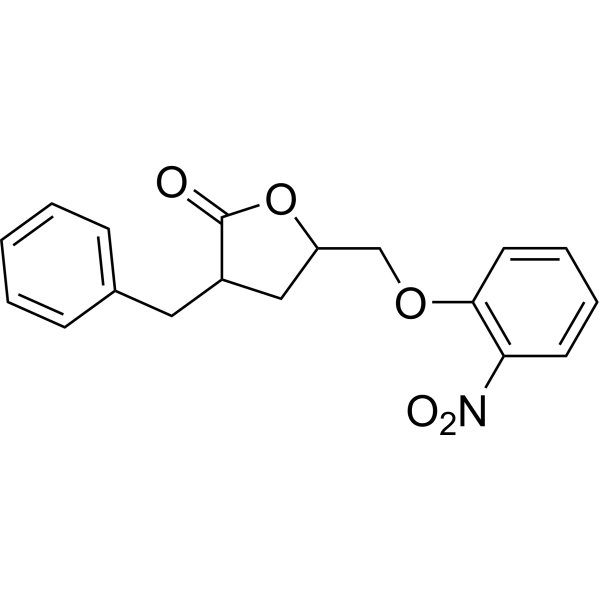
    ST034307 is a potent and selective adenylyl cyclase 1 (AC1) inhibitor, with IC50 of 2.3 μM.
    ST034307
  • HY-B0063

    St1481

    Topoisomerase Cancer
    Gimatecan (ST1481) is a potent topoisomerase I inhibitor. Gimatecan is an orally bioavailable camptothecin analogue with antitumor activity .
    Gimatecan
  • HY-136282

    OGT-IN-2

    Acyltransferase OGT Metabolic Disease
    ST045849 (OGT-IN-2) is a small-molecule OGT inhibitor with an IC50 of 30 μM against sOGT and 53 μM against ncOGT. ST045849 is applicable to research on metabolism-related diseases .
    ST045849
  • HY-173496

    Sialyltransferase Integrin VEGFR Akt Cancer
    ST6GAL1-IN-1 is an orally active selective ST6GAL1 inhibitor (IC50 = 20 μM). ST6GAL1-IN-1 exhibits high antimetastatic potential, effectively inhibiting the migration of MDA-MB-231 cells at noncytotoxic concentrations. ST6GAL1-IN-1 can disrupt integrin sialylation in MDA-MB-231 cells. ST6GAL1-IN-1 inhibits tumor angiogenesis and cancer metastasis via the Integrin/VEGFR2-mediated signaling pathway. ST6GAL1-IN-1 effectively suppresses both tumor growth and cancer metastasis on the MDA-MB-231 xenograft model. ST6GAL1-IN-1 can be used for the study of Triple-negative breast cancer (TNBC) .
    ST6GAL1-IN-1
  • HY-13071
    Nestoron
    1 Publications Verification

    St-1435; Elcometrine

    Progesterone Receptor Endocrinology
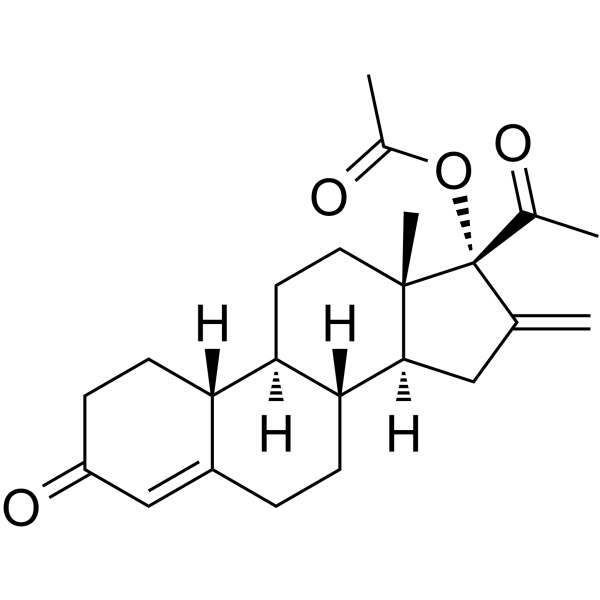
    Nestoron (ST-1435) is a 19-norprogesterone derivative with high affinity and selectivity for progesterone receptors. Nestoron is a highly selective and potent progestogen that can be used as a hormonal contraceptive .
    Nestoron
  • HY-114794

    St 1059

    Adrenergic Receptor Drug Metabolite Cardiovascular Disease
    Desglymidodrine (ST 1059), the active metabolite of Midodrine(HY-12749), is a selective α1-adrenoceptor agonist. Desglymidodrine is an effective arterial and venous vasoconstrictor and can be used to regulate blood pressure .
    Desglymidodrine
  • HY-168532

    Interleukin Related Inflammation/Immunology
    ST2-IN-1 is a ST2 inhibitor. ST2-IN-1 blocks the binding interaction between ST2 and IL-33, thereby attenuating the downstream ST2/IL-33 signaling pathway. ST2-IN-1 reduces IL-1β release from mast cells and alleviates ST2 upregulation in cells. ST2-IN-1 can be used for research on inflammatory and immune-related diseases .
    ST2-IN-1
  • HY-101441
    ST-193
    4 Publications Verification

    Arenavirus Infection
    ST-193 is a potent broad-spectrum arenavirus inhibitor; inhibits Guanarito, Junin, Lassa and Machupo virus with IC50 values of 0.44, 0.62, 1.4 and 3.1 nM, respectively.
    ST-193
  • HY-P10904

    St-100

    Collagen Others
    Vezocolmitide (ST-100) is a collagen mimetic peptide. Vezocolmitide can rapidly repair damaged collagen triple helix structures, thereby quickly reversing damage to the ocular surface and extracellular matrix, and restoring corneal nerve function while repairing the epithelium. Vezocolmitide can be used for research of dry eye disease (DED) .
    Vezocolmitide
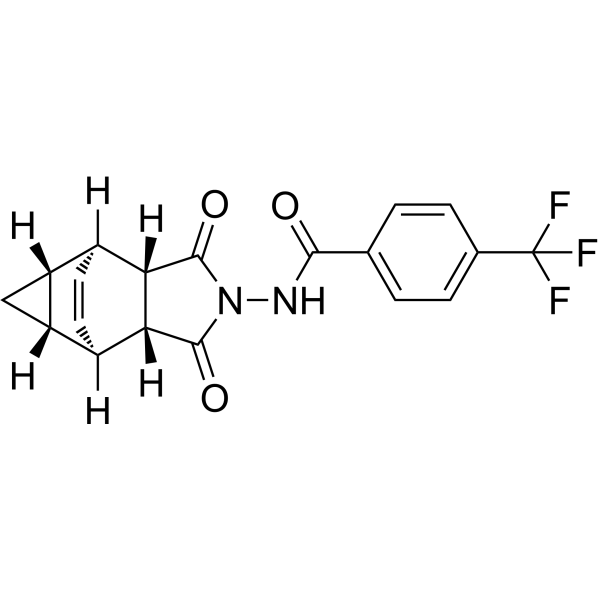
  • HY-136782

    Flavivirus Dengue Virus Infection
    ST-148 maleate is a potent and orally active DENV inhibitor. ST-148 maleate shows antiviral efficacy and low cell toxicity. ST-148 alters the interaction between lipid droplets and the C protein, thereby inhibiting viral replication. .
    ST-148 maleate
  • HY-133490A

    Apoptosis Cancer
    ST1074 is a dual CerS2/CerS4 inhibitor that induces apoptosis. ST1074 can be used in cancer research .
    ST1074
  • HY-116247

    PPAR Metabolic Disease Inflammation/Immunology
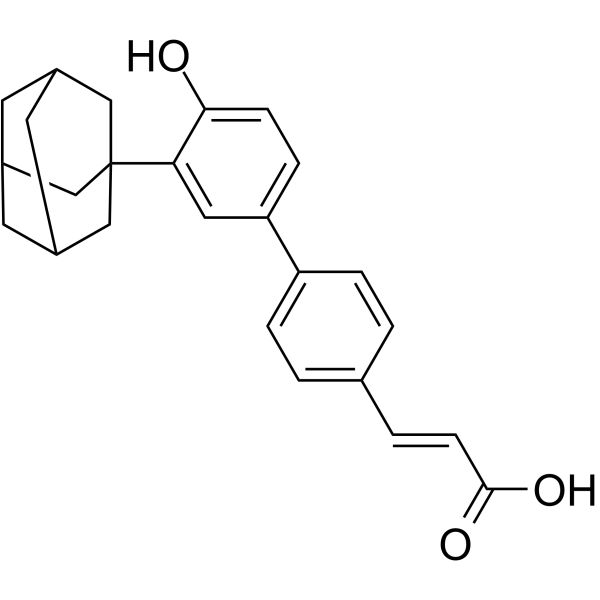
    ST247 a potent PPARβ/δ inverse agonist. ST247 has a higher affinity to PPARβ/δ. ST247 modulates expression of the activation marker CCL2 in the opposite direction. ST247 efficiently induces the interaction with corepressors. ST247 inhibits the agonist-induced transcriptional activity of PPARβ/δ .
    ST247
  • HY-103203

    Adrenergic Receptor Neurological Disease
    ST91 is a α2-adrenoceptor (α2AR) agonist. ST91 activates both α2AAR and non-α2AAR subtypes to produce spinal antinociception .
    ST91
  • HY-114383

    Deubiquitinase Autophagy Neurological Disease
    ST-539 is the inhibitor for deubiquitinase USP30 with IC50 of 0.37 μM. ST-539 promotes the ubiquitination of mitochondrial proteins, and induces mitochondrial autophagy, thereby regulating mitochondrial homeostasis. ST-539 can be used in research of neurodegenerative diseases .
    ST-539
  • HY-105003

    Adenosine Receptor Neurological Disease
    ST 1535 is a potent and orally active A2A adenosine receptor antagonist. ST 1535 shows antiparkinsonian activity and antitremorigenic effects. ST 1535 has the potential for the research of Parkinson’s disease .
    ST 1535
  • HY-121663

    Dengue Virus Infection
    ST-148 is a novel small molecule compound that has potent inhibitory effects against all four dengue virus serotypes. In the nonlethal AG129 mouse dengue virus infection model, ST-148 significantly reduced viremia and viral load in vital organs and tended to reduce plasma cytokine levels. Compound resistance was associated with the dengue virus capsid (C) gene, and the direct interaction of ST-148 with the C protein was presumed to be achieved through the protein's built-in fluorescence change in the presence of the compound. Therefore, ST-148 appears to interact with the dengue virus C protein and inhibit one or more unique steps of the viral replication cycle.
    ST-148
  • HY-175231

    5-HT Receptor Neurological Disease
    ST171 is a bitopic 5-HT1AR agonist with an Ki of 0.41  nM. ST171 selectively activates Gi/o signaling pathway and inhibits 5-HT1AR-mediated cAMP accumulation without Gs activation and marginal β-arrestin recruitment. T171 reduces hypersensitivity in chronic neuropathic and inflammatory pain mice model. ST171 can be used for pain research .
    ST171
  • HY-P2624A

    PAK Metabolic Disease
    st-Ht31 ammonium is a membrane-permeable peptide inhibitor of?protein kinase A (PKA) anchoring. st-Ht31 ammonium induces robust cholesterol/phospholipid efflux. st-Ht31 ammonium completely reverses foam cell formation and restores the metabolic health of macrophage .
    st-Ht31 ammonium
  • HY-103110
    ST1936
    1 Publications Verification

    5-HT Receptor Adrenergic Receptor Neurological Disease
    ST1936 is a selective, nanomolar affinity 5-HT6 receptor agonist with Ki values of 13 nM, 168 nM and 245 nM for human 5-HT6, 5-HT7 and 5-HT2B receptors, respectively. ST1936 also shows moderate affinity (Ki of 300 nM) for human and rat α2 adrenergic receptor .
    ST1936
  • HY-103097

    Phospholipase Others
    ST271 is a potent inhibitor of protein tyrosine kinase (PTK), inhibits phospholipase D activation stimulated by fMet-Leu-Phe and PAF, with IC50s of 6.7 and 9 μM, respectively.
    ST271
  • HY-15668

    MMP Bcl-2 Family Caspase Apoptosis Drug Derivative Cancer
    ST09 is an efficient and low toxicity Curcumin (HY-N0005) derivative. ST09 significantly inhibits cell migration and downregulates the expression of MMP1, MMP2, and Vimentin. ST09 has strong cytotoxicity to breast cancer cells, such as MDA-MB-231, MCF7 and T47D cells. ST09 induces cell apoptosis by upregulating Bax and cleaved caspase-3/9. ST09 can be used in the research of cancer such as breast cancer .
    ST09
  • HY-138693

    FAAH Neurological Disease
    ST4070 is a potent, orally active, and selective reversible fatty acid amide hydrolase (FAAH) inhibitor. ST4070 increases endocannabinoid (eCB) brain levels and counteracts neuropathic pain in animal models. ST4070 enhances the endogenous eCB tone in specific brain regions engaged in emotional control, and induces remarkable anxiolytic-like behaviours in rodents. ST4070 can be used for neuropathic pain and anxiety disorders research .
    ST4070
  • HY-P2624

    PAK Metabolic Disease
    st-Ht31 is a membrane-permeable peptide inhibitor of protein kinase A (PKA) anchoring. st-Ht31 induces robust cholesterol/phospholipid efflux. st-Ht31 completely reverses foam cell formation and restores the metabolic health of macrophage .
    st-Ht31
  • HY-112806

    Drug-Linker Conjugates for ADC HDAC EGFR Microtubule/Tubulin Cancer
    ST8155AA1 is a part of antibody agent conjugates (ADCs) charged with HDAC inhibitor. ST8155AA1 induces α-tubulin, histone H3/H4 acetylation via direct enzymatic inhibition. ST8155AA1 recognizes and binds EGFR, undergoes internalization into EGFR-expressing tumor cells. ST8155AA1 inhibits cancer cell proliferation and exerts activity in mouse tumor models. ST8155AA1 can be used for the research of non-small cell lung cancer .
    ST8155AA1
  • HY-RS17968

    Small Interfering RNA (siRNA) Others

    St14 Mouse Pre-designed siRNA Set A contains three designed siRNAs for St14 gene (Mouse), as well as a negative control, a positive control, and a FAM-labeled negative control.

    St14 Mouse Pre-designed siRNA Set A
    St14 Mouse Pre-designed siRNA Set A
  • HY-124615

    p38 MAPK PI3K Cancer
    ST-162 is a MAPK/PI3K dual antagonist. ST-162 exhibits antitumor activity and can increase the efficacy of immune checkpoint blockers. ST-162 can be used for the research of cancer, such as melanoma .
    ST-162
  • HY-120541

    Histamine Receptor Inflammation/Immunology
    ST-1006 is a potent histamine H4 receptor agonist with a pKi value of 7.94. ST-1006 has anti-inflammatory effect .
    ST-1006
  • HY-163737

    Microtubule/Tubulin Cancer
    ST-401, a microtubule-targeting agent (MTA), is a brain-penetrant microtubule (MT) assembly inhibitor. ST-401 disrupts microtubule (MT) function through gentle and reverisible reduction in MT assembly that triggers mitotic delay and cell death in interphase. ST-401 shows a potent antitumor activity .
    ST-401
  • HY-P991618

    Transmembrane Glycoprotein Cancer
    ST2485 is a monoclonal antitenascin antibody. ST2485 shows additivity in tenascin C binding in vitro as well as in a xenograft model. ST2485 binds human tenascin at an epitope partially shared with BC2. ST2485 cross-reacts with murine tenascin. ST2485 can be studied in antitumor research .
    ST2485
  • HY-120281

    MEK PI3K Akt Apoptosis Caspase Cancer
    ST-168 is an orally active MEK/PI3K inhibitor with an IC50 of 182 nM against MEK1 and IC50 values ​​of 69.2, 41.7, 1482 and 2293 nM against PI3Kα, PI3Kδ, PI3Kβ and PI3Kγ respectively. ST-168 completely inhibits the phosphorylation of ERK1/2 and AKT and induces cancer cell death in a 3D tumor sphere model. ST-168 demonstrates significant antitumor effects in the A375 melanoma mouse model. ST-168 improves the ocular toxicity profile of MEK inhibitors, showing lower caspase activation levels, indicating reduced apoptosis induction. ST-168 can be used in melanoma research .
    ST-168
  • HY-E70287

    St6GALNAC5

    Glycosyltransferase Metabolic Disease
    ST6 Sialyltransferase 5 (EC:2.4.3.3, ST6GALNAC5, SIAT7E, ST6 N-acetylgalactosaminide alpha-2,6-sialyltransferase 5) transfers a sialic acid to N-acetylgalactosamine (GalNAc) residues. ST6 Sialyltransferase 5 is a bio-marker in cervical screening samples .
    ST6 Sialyltransferase 5
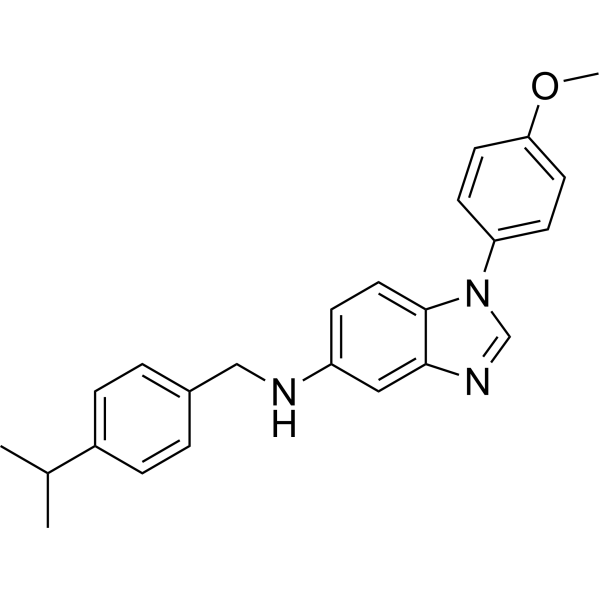
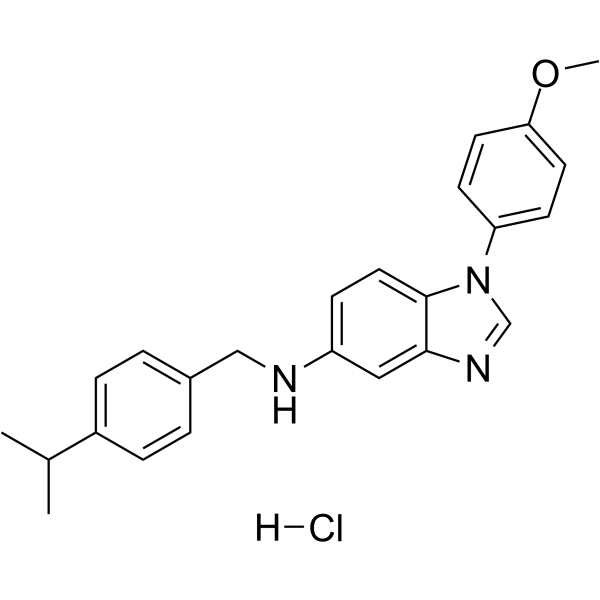
  • HY-101441A
    ST-193 hydrochloride
    4 Publications Verification

    Arenavirus Infection
    ST-193 hydrochloride is a potent broad-spectrum arenavirus inhibitor; inhibits Guanarito, Junin, Lassa and Machupo virus with IC50 values of 0.44, 0.62, 1.4 and 3.1 nM, respectively.
    ST-193 hydrochloride
  • HY-161774

    CD73 Cancer
    ST80 is an inhibitor for interaction of OTUD4 and CD73. ST80 decreases CD73 protein level, increases CD73 protein turnover, reduces immune evasion of tumor cells, and thus exhibits antitumor efficacy against immunosuppressive triple-negative breast cancer (TNBC) .
    ST80
  • HY-12926

    HIV HDAC DNA/RNA Synthesis Infection
    ST7612AA1 is a histone deacetylase (HDAC) inhibitor that controls chromatin condensation and DNA transcription by removing acetyl groups from histones. ST7612AA1 is also a potent HIV reactivation inducer, and its reactivation activity is exerted without activating or proliferating CD4+T cells, and can be used in the study of HIV reactivation strategies and elimination of viral reservoirs .
    ST7612AA1
  • HY-176466

    Platelet-activating Factor Receptor (PAFR) TNF Receptor Inflammation/Immunology
    ST-899 is a novel platelet-activating factor (PAF) receptor antagonist. ST-899 can significantly reduce the mortality of mice with endotoxin (LPS)-induced shock. ST-899 can significantly inhibit the increase in serum tumor necrosis factor (TNF) levels induced by LPS, but has no effect on interleukin-6 (IL-6). The regulatory mechanism of ST-899 is to block the positive feedback loop between PAF and TNF, thereby reducing the inflammatory response. ST-899 can be used to study inflammatory diseases such as septic shock .
    ST-899
  • HY-111280

    Dopamine Receptor Neurological Disease
    ST 198 is an orally active D3R antagonist. ST 198 can block the expression of nicotine-induced CPP at doses selective for D3R. ST 198 can be used for the research of neurological disease .
    ST 198
  • HY-120541A

    Histamine Receptor Inflammation/Immunology
    ST-1006 maleate is a potent histamine H4 receptor agonist with a pKi value of 7.94. ST-1006 maleate has anti-inflammatory effect .
    ST-1006 Maleate
  • HY-15238A

    Dopamine Receptor Neurological Disease
    ST-836 hydrochloride (compound 34) is a potent dopamine receptor ligand with Ki values of 4.5 nM, 132 nM for D3 and D2, respectively. ST-836 hydrochloride has the potential for Parkinson’s disease .
    ST-836 hydrochloride
  • HY-15238

    Dopamine Receptor Neurological Disease
    ST-836 is a dopamine receptor ligand; Antiparkinsonian agent.
    ST-836
  • HY-169084

    Glycosyltransferase Cancer
    ST-IN-1 (compound (R)-1) is a selective ST inhibitor (Ki=70 nM, rat a-2,6-ST; Ki=19 nM, hST6GAL1) with antitumor activity. ST-IN-1 inhibits tumor growth and metastasis by delipidating the surface of tumor cells .
    ST-IN-1
  • HY-116543

    Apoptosis Cancer
    ST362 is a anti-cancer agent. ST362 induces cell apoptosis and inhibits cancer cell growth .
    ST362
  • HY-112840

    Adenosine Receptor Neurological Disease
    ST3932 is a metabolite of ST1535, acts as an antagonist of adenosine A2A receptor, with Kis of 8 nM and 33 nM for A2A and A1 receptors, respectively.
    ST3932
  • HY-N13228

    Others Others
    St John's Wort Extract is the extract of St John's Wort, with content of 0.3% Hypercins.
    St John's Wort Extract
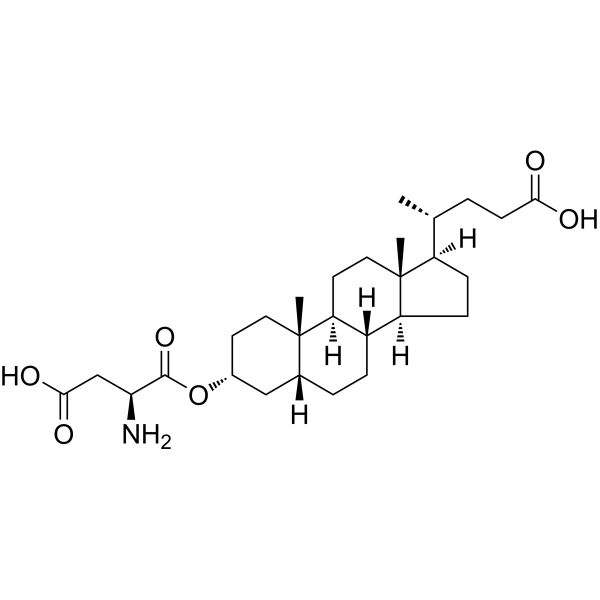
  • HY-117918

    FXR Metabolic Disease Inflammation/Immunology
    ST-1892 (compound 14) is a highly potent FXR agonist (EC50=7.2 nM) that can be used to study diseases or disorders caused by metabolic inflammation .
    ST-1892
  • HY-112446

    Others Inflammation/Immunology
    ST638 is a potent tyrosine kinase inhibitor (IC50=370 nM). ST638 also targets the CSF-1 receptor and inhibits PGE2 production .
    ST638
  • HY-E70288

    St6GALNAC6

    Others Inflammation/Immunology
    ST6 Sialyltransferase 6 (ST6GALNAC6) belongs to the salivary transferase family, which modifies proteins and ceramides on the cell surface, thereby altering intercellular or extracellular matrix interactions. ST6 Sialyltransferase 6 can be used in the study of inflammatory bowel disease (IBD) .
    ST6 Sialyltransferase 6
  • HY-117423

    PARP Cancer
    ST7710AA1 (compound 1l) is a potent PARP-1 inhibitor with an IC50 value of 0.07 µM. ST7710AA1 shows an antiproliferative activity. ST7710AA1 shows anticancer activity .
    ST7710AA1
  • HY-U00341

    Adenosine Receptor Neurological Disease
    ST4206 is a potent and orally active adenosine A2A receptor antagonist, with Kis of 12 nM and 197 nM for adenosine A2A receptor and adenosine A1 receptor, respectively. ST4206 has the potential for Parkinson׳s disease research .
    ST4206
  • HY-162503

    Bacterial Infection
    ST166 free acid is a inhibitor of formation of the PhoP-DNA complex with the IC50 values of 18 and 24 μM against PhoP and MtrAC binding with DNA, respectively. ST166 free acid shows antibacterial activity against Macrobacterium marinum .
    ST166 free acid

Inquiry Online

Your information is safe with us. * Required Fields.

Salutation


Country or Region *

Applicant Name *


Organization Name *

Department *


Email Address *


Product Name *

Cat. No.


Requested quantity *

Phone Number *


Remarks

Inquiry Online

Inquiry Information

Product Name:
Cat. No.:
Quantity:
MCE Japan Authorized Agent:

