

From 11:00 pm to 12:00 pm EST ( 8:00 pm to 9:00 pm PST ) on January 6th, the website will be under maintenance. We are sorry for the inconvenience. Please arrange your schedule properly.
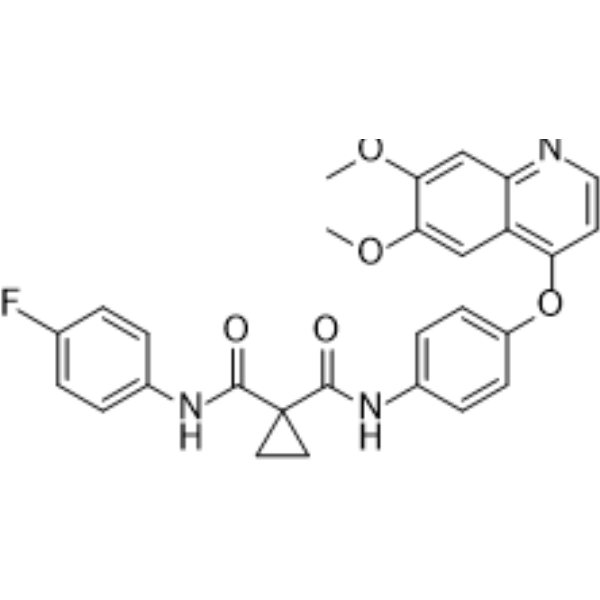
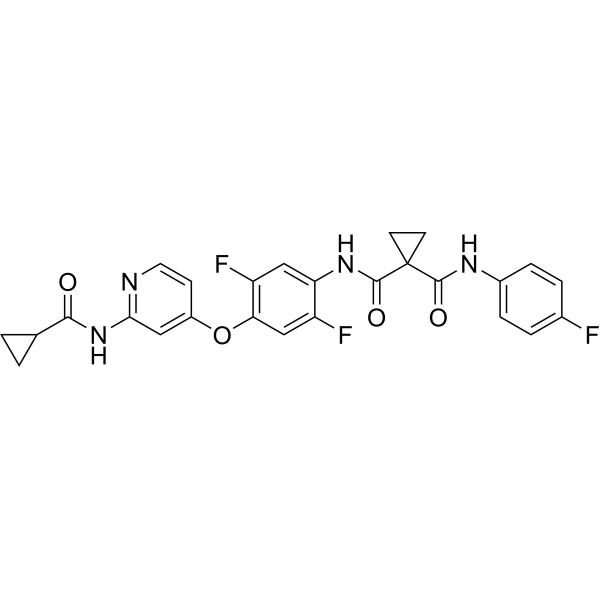
Cabozantinib is a potent and orally active inhibitor of VEGFR2 and MET, with IC50 values of 0.035, and 1.3 nM, respectively. Cabozantinib displays strong inhibition of KIT, RET, AXL, TIE2, and FLT3 (IC50=4.6, 5.2, 7, 14.3, and 11.3 nM, respectively). Cabozantinib shows antiangiogenic activity. Cabozantinib disrupts tumor vasculature and promotes tumor and endothelial cell apoptosis[2].
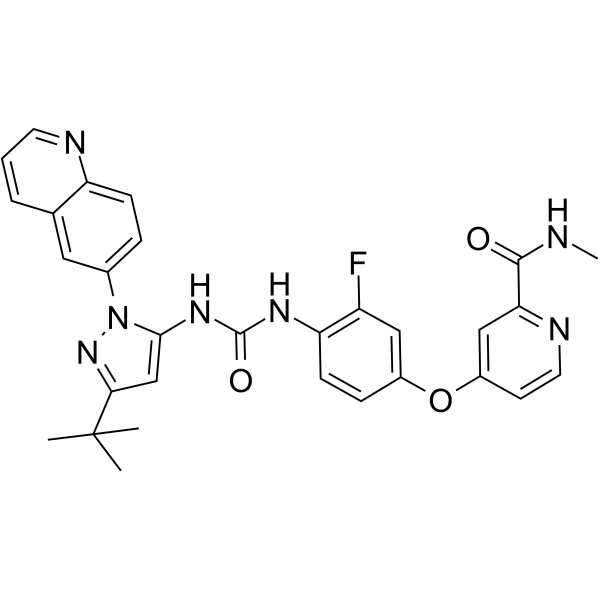
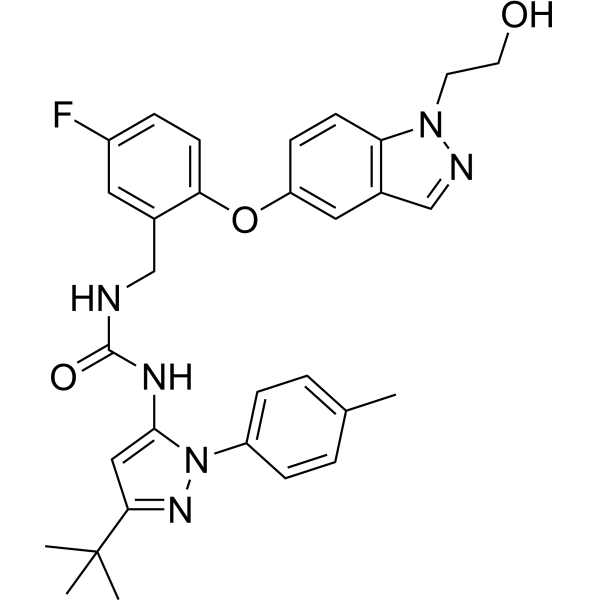
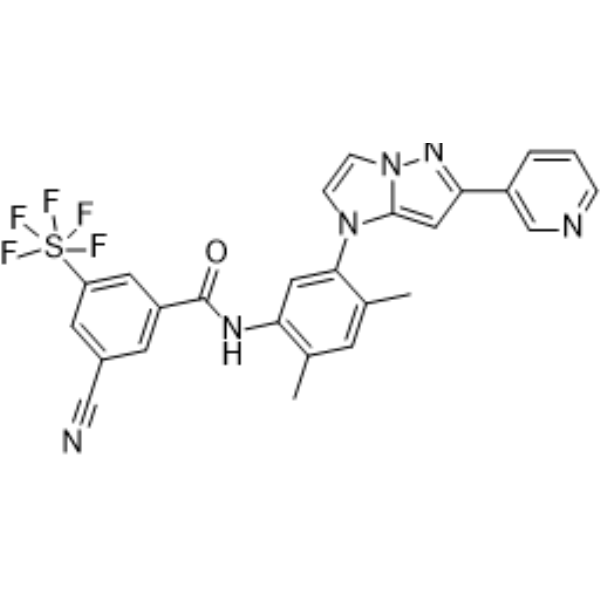
Rebastinib (DCC-2036) is an orally active, non-ATP-competitive Bcr-Abl inhibitor for Abl1 WT and Abl1 T315I with IC50s of 0.8 nM and 4 nM, respectively. Rebastinib also inhibits SRC, KDR, FLT3, and Tie-2, and has low activity to seen towards c-Kit.
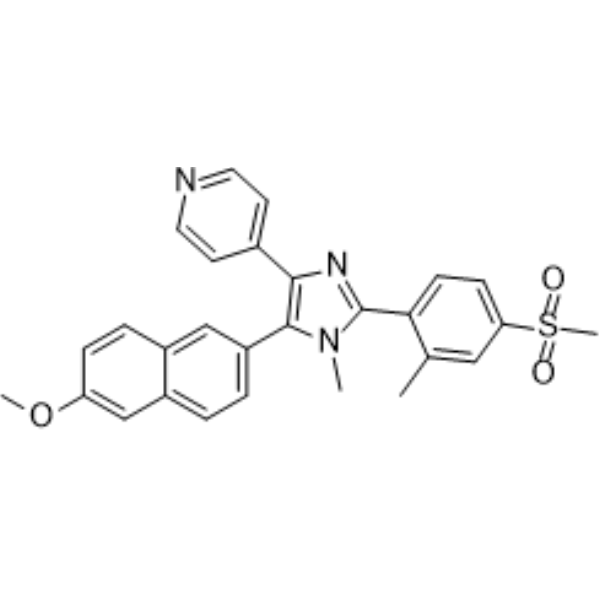
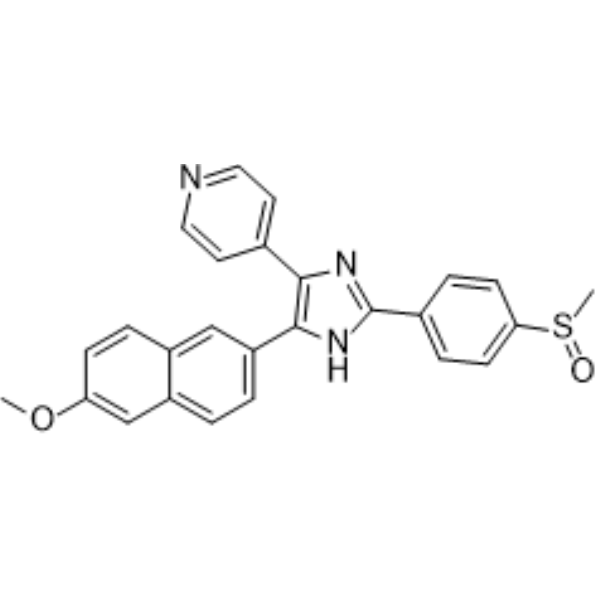
Pexmetinib is a potent Tie-2 and p38 MAPK dual inhibitor, with IC50s of 1 nM, 35 nM and 26 nM for Tie-2, p38α and p38β, respectively, and can be used in the research of acute myeloid leukemia.
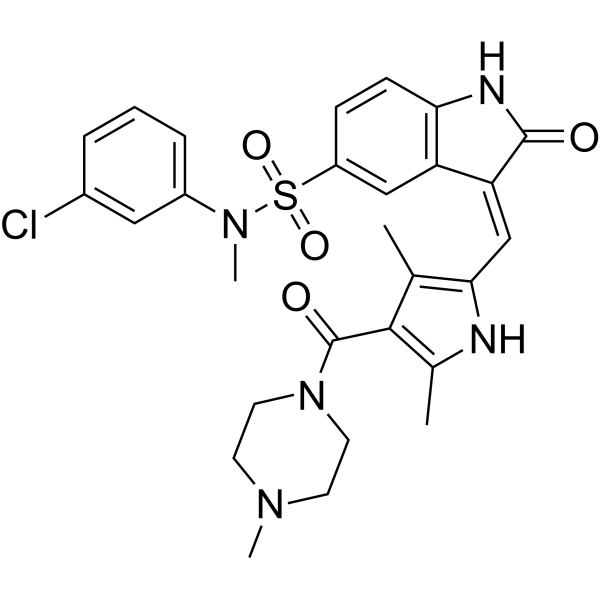
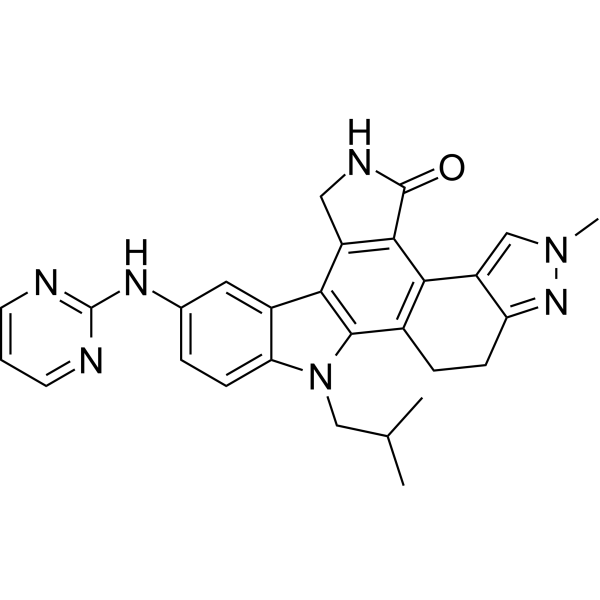
CEP-11981(ESK981; BOL 303213X) is an orally active tyrosine kinase inhibitor (TKI), which can target TIE2, VEGFR1-3 and FGFR1, and has potential anti-tumor and anti-angiogenic effects .
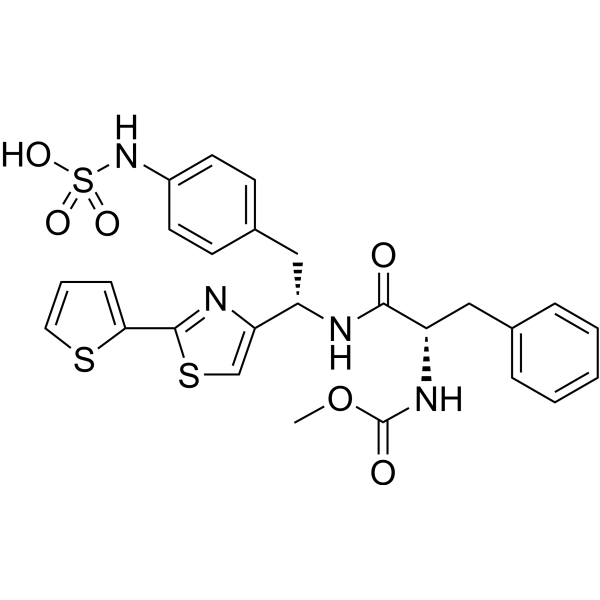
Razuprotafib (AKB-9778) is a potent and selective inhibitor of the catalytic activity of VE-PTP (vascular endothelial protein tyrosine phosphatase) with an IC50of 17 pM. Razuprotafib promotes TIE2 activation, enhances ANG1-induced TIE2 activation, and stimulates phosphorylation of signaling molecules in the TIE2 pathway, including AKT, eNOS, and ERK. Razuprotafib inhibits the structurally related phosphatase PTP1B with an IC50 of 780 nM. Razuprotafib shows excellent selectivity for VE-PTP versus a variety of phosphatases, with the exception of HPTPη (IC50=36 pM) and HPTPγ (100 pM) .
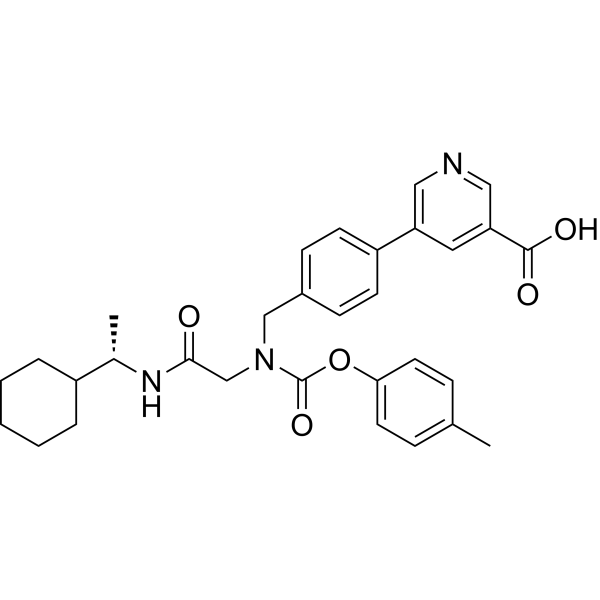
Tie2 kinase inhibitor 1 (compound 5) is a potent, selective Tie2 kinase inhibitor with an IC50 of 250 nM . Tie2 kinase inhibitor 1 has anti-cancer activity [2].
Nesvacumab is a fully human immunoglobulin G1 (IgG1) monoclonal antibody that specifically binds and inactivates the Tie2 receptor ligand Angiopoietin-2(Ang2) with high affinity, but shows no binding to Ang1. Nesvacumab can be used in vascular researches [2].
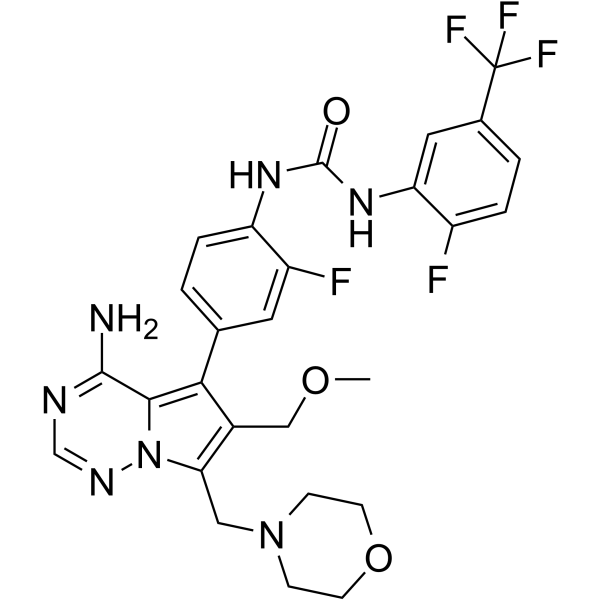
Altiratinib (DCC-2701) is a multi-targeted kinase inhibitor with IC50s of 2.7, 8, 9.2, 9.3, 0.85, 4.6, 0.83 nM for MET, TIE2, VEGFR2, FLT3, Trk1, Trk2, and Trk3 respectively.
Tie2 kinase inhibitor 2 (compound 7) is a selective Tie2 kinase inhibitor with an IC50 value of 1 μM. Tie2 kinase inhibitor 2 inhibits endothelial cell tube formation, and can be used for Tie2-mediated angiogenic disorders research .
Trebananib (2xCon4C) is an Fc fusion peptibody. Trebananib exerts its effects by blocking the binding of angiopoietin 1 (Ang1) and angiopoietin 2(Ang2) to the TIE2 receptor. Trebananib has anti-angiogenic and anti-tumor activities [2] .
Vasculotide is a blood-brain barrier (BBB)-penetrant Tie2 agonist. Vasculotide binds to a unique domain of Tie2, induces receptor clustering to drive phosphorylation, activates downstream PI3K/Akt and eNOS pathways, enhances inter-endothelial cell junctions (such as VE-cadherin and claudin-5), and inhibits inflammatory adhesion molecules, ultimately stabilizing the vascular endothelial barrier and reducing its permeability . Vasculotide alleviates pulmonary microvascular leakage and microcirculatory dysfunction caused by cardiopulmonary bypass, acts as an adjuvant radioprotective agent to reduce acute radiation dermatitis, and promotes BBB recovery after focused ultrasound (FUS). Combination of Vasculotide with antibiotics reduces lung injury [2] .
Gersizangitide (AXT107) is an anti-angiogenic peptide consisting of 20 amino acids, derived from collagen IV. Gersizangitide is an inhibitor of VEGF-A and VEGF-C and an activator of Tie2. Gersizangitide can block VEGF receptor signaling, inhibit vascular leakage, neovascularization and inflammation. Gersizangitide can be used in the research of diseases related to ocular neovascularization and angiogenesis [2].
SB-633825 is a potent and ATP-competitive inhibitor of TIE2, LOK (STK10) and BRK with IC50s of 3.5 nM, 66 nM, 150 nM, respectively. SB-633825 can inhibit cancer cell growth and angiogenesis .
Srctide is a biological active peptide. (This is a peptide substrate for many protein kinases, such as Blk, BTK, cKit, EPHA1, EPHB2, EPHB3, ERBB4, FAK, Flt3, IGF-1R, ITK, Lck, MET, MUSK, Ret, Src, TIE2, TrkB, VEGF-R1 (Flt-1) and VEGF-R2 (KDR).)
S116836, a potent, orally active BCR-ABL tyrosine kinase inhibitor, blocks both wild-type as well as T315I Bcr-Abl. S116836 arrests the cells in the G0/G1 phase of cell cycle, induces apoptosis, increases ROS production, and decreases GSH production in BaF3/WT and BaF3/T315I cells. S116836 also inhibits SRC, LYN, HCK, LCK and BLK, and receptor tyrosine kinases such as FLT3, TIE2, KIT, PDGFR-β. Antitumor activies [2] . S116836 is a click chemistry reagent, it contains an Alkyne group and can undergo copper-catalyzed azide-alkyne cycloaddition (CuAAc) with molecules containing Azide groups.
5α-Hydroxycostic acid, a eudesmane-type sesquiterpene, is isolated from the herb Laggera alata. 5α-Hydroxycostic acid inhibits angiogenesis and suppresses breast cancer cell migration through regulating VEGF/VEGFR2 and Ang2/Tie2 pathways .
Vasculotide TFA is a blood-brain barrier (BBB)-penetrant Tie2 agonist. Vasculotide TFA binds to a unique domain of Tie2, induces receptor clustering to drive phosphorylation, activates downstream PI3K/Akt and eNOS pathways, enhances inter-endothelial cell junctions (such as VE-cadherin and claudin-5), and inhibits inflammatory adhesion molecules, ultimately stabilizing the vascular endothelial barrier and reducing its permeability . Vasculotide TFA alleviates pulmonary microvascular leakage and microcirculatory dysfunction caused by cardiopulmonary bypass, acts as an adjuvant radioprotective agent to reduce acute radiation dermatitis, and promotes BBB recovery after focused ultrasound (FUS). Combination of Vasculotide TFA with antibiotics reduces lung injury [2] .
Cabozantinib (Standard) is the analytical standard of Cabozantinib. This product is intended for research and analytical applications. Cabozantinib is a potent and orally active inhibitor of VEGFR2 and MET, with IC50 values of 0.035, and 1.3 nM, respectively. Cabozantinib displays strong inhibition of KIT, RET, AXL, TIE2, and FLT3 (IC50=4.6, 5.2, 7, 14.3, and 11.3 nM, respectively). Cabozantinib shows antiangiogenic activity. Cabozantinib disrupts tumor vasculature and promotes tumor and endothelial cell apoptosis[2].
Tie2 kinase inhibitor 3 (compound 63) is a potent Tie-2 kinase inhibitor with good oral activity (IC50=30 nM). Tie2 kinase inhibitor 3 inhibits phosphorylation and signaling of Tie-2 by competing with the ATP binding site of Tie-2 kinase. This inhibition affects the stability and maturity of blood vessels, which has an impact on tumor angiogenesis. Tie2 kinase inhibitor 3 can be used to restrict tumor growth and regulate angiogenesis .
TIE2 plays an important role in vascular formation and maintenance. Mutations in TIE2 lead to vascular malformations, which are painful vascular lesions that cause disfigurement, bleeding, and thrombosis. TIE2 Y1108F is the most mutation of TIE2. TIE2 Y1108F Recombinant Human Active Protein Kinase is a recombinant TIE2 Y1108F protein that can be used to study TIE2 Y1108F-related functions .
TIE2 plays an important role in vascular formation and maintenance. Mutations in TIE2 lead to vascular malformations, which are painful vascular lesions that cause disfigurement, bleeding, and thrombosis. TIE2 Y897S is the most mutation of TIE2. TIE2 Y897S Recombinant Human Active Protein Kinase is a recombinant TIE2 Y897S protein that can be used to study TIE2 Y897S-related functions .
TIE2 plays an important role in vascular formation and maintenance. Mutations in TIE2 lead to vascular malformations, which are painful vascular lesions that cause disfigurement, bleeding, and thrombosis. TIE2 R849W is the most common mutation implicated in an inherited form of vascular malformations. TIE2 R849W Recombinant Human Active Protein Kinase is a recombinant TIE2 R849W protein that can be used to study TIE2 R849W-related functions .
AMG-Tie2-1 is an inhibitor of tunica interna endothelial cell kinase 2(Tie2) with an IC50 of 1 nM. AMG-Tie2-1 is a VEGFR2 inhibitor with an IC50 of 3 nM .
SYN1143 is a potent, selective and orally active dual inhibitor of c-Met/RON, with IC50s of 4 and 9 nM, respectively. SYN1143 has weak inhibitory activity on Lck, Tie2, Src, and BTK with IC50s ranging from 160 to 710 nM. SYN1143 can be used for the research of cancers that RON and c-Met are activated .
Tie2 kinase inhibitor 1 (Standard) is the analytical standard of Tie2 kinase inhibitor 1 (HY-100556). This product is intended for research and analytical applications. Tie2 kinase inhibitor 1 (compound 5) is a potent, selective Tie2 kinase inhibitor with an IC50 of 250 nM . Tie2 kinase inhibitor 1 has anti-cancer activity [2].
Cabozantinib hydrochloride is a potent and orally active inhibitor of VEGFR2 and MET, with IC50 values of 0.035 and 1.3 nM, respectively. Cabozantinib hydrochloride displays strong inhibition of KIT, RET, AXL, TIE2, and FLT3 (IC50=4.6, 5.2, 7, 14.3, and 11.3 nM, respectively). Cabozantinib hydrochloride shows antiangiogenic activity. Cabozantinib hydrochloride disrupts tumor vasculature and promotes tumor and endothelial cell apoptosis .
LY2457546 is a potent and orally active multi-targeted anti-angiogenic tyrosine kinases inhibitor. LY2457546 demonstrates potent activity against targets that include VEGFR2, PDGFRβ, FLT-3, Tie-2 and members of the Eph family of receptors. LY2457546 can be used for the research of cancer, such as leukemia .
RK-20448 is an ATP-competitive inhibitor of Lck, Src, KDR/VEGF2R and Tie-2 with IC50 values of 0.24, 1.19, 10.74 and 5.85 µM, respectively. RK-20448 also inhibits BLK, Csk, Fyn and Lyn with IC50 values of 0.37, 4.27, 2.03 and 0.43 µM, respectively. RK-20448 is the cis isomer of A-419259 (HY-15764) [2].
Corylifol C is a potent protein kinase inhibitor with IC50 valueS of 8.7, 3.0, 2.1, 6.4, 4.5, 6.2, 2.3, 1.2, 5.1 μg/ml for ARK5, Aurora-A, Aurora-B, AXL, B-RAF-VE, CDK4/CycD1, TIE2, EGF-R, EPHB4, respectively .
TIE-2/VEGFR-2kinase-IN-2 is a potent dual VEGFR2 and Tie-2 inhibitor with pIC50 values of 8.61 and 8.56, respectively . TIE-2/VEGFR-2kinase-IN-2 is an anti-angiogenic agent and can be used for cancer research [2].
TIE-2/VEGFR-2 kinase-IN-1 is used for the synthesis of TIE-2 and/or VEGFR-2 inhibitors, extracted from patent WO2003022852, example 14. TIE-2/VEGFR-2 kinase-IN-1 is used for the study of diseases associated with inappropriate angiogenesis .
TIE-2/VEGFR-2 kinase-IN-3, benzimidazole, is a potent TIE-2 and VEGFR-2 tyrosine kinase receptors inhibitors with IC50 values of 6.9 nM and 3.5 nM, respectively. TIE-2/VEGFR-2 kinase-IN-3 can be used for the research of angiogenesis .
TIE-2/VEGFR-2 kinase-IN-4, benzimidazole, is a potent TIE-2 and VEGFR-2 tyrosine kinase receptors inhibitors with IC50 values of 5.2 nM and 5.1 nM, respectively. TIE-2/VEGFR-2 kinase-IN-4 can be used for the research of angiogenesis .
TIE-2/VEGFR-2 kinase-IN-5 is an anti-angiogenic agent. TIE-2/VEGFR-2 kinase-IN-5 also is a potent TIE-2 and VEGFR-2 tyrosine kinase inhibitor with pIC50 values of 7.78 nM and 8.11 nM, respectively. TIE-2/VEGFR-2 kinase-IN-5 can be used for the research of angiogenesis .
Pexmetinib (Standard) is the analytical standard of Pexmetinib. This product is intended for research and analytical applications. Pexmetinib is a potent Tie-2 and p38 MAPK dual inhibitor, with IC50s of 1 nM, 35 nM and 26 nM for Tie-2, p38α and p38β, respectively, and can be used in the research of acute myeloid leukemia.
CEP-11981 (tosylate) (ESK981 (tosylate), BOL 303213X (tosylate)) is an orally active tyrosine kinase inhibitor (TKI), which can target TIE2, VEGFR1-3 and FGFR1, and has potential anti-tumor and anti-angiogenic effects .
GW768505A free base is a potent dual inhibitor of VEGFR2 (KDR) and Tie-2, with a pIC50 of 7.81 for VEGFR2. GW768505A free base has anti-angiogenic activity .
PP2 Analog (compound 3) is a ATP-competitive Src family kinases inhibitor with the IC50 values of 0.22, 0.15, 2.68, and 7 aganist of lck (64-509), src , kdr, and tie-2 .
UBX2050 is a human monoclonal antibody (mAb) targeting TIE2. UBX2050 can be used in Age-related macular degeneration, Diabetic macular oedema and Diabetic retinopathy research .
CEP-14083 is a ATP-competitive ALK kinase inhibitor with an IC50 value in enzymatic assays of 2 nM. CEP-14083 also inhibits other kinases, such as insulin receptor (IR), vascular endothelial growth factor receptor 2(VEGFR2), angiopoietin-1 receptor (TIE2) and dual leucine zipper kinase (DLK). CEP-14083 suppresses CD274 mRNA expression and the NPM/ALK function in the NPM/ALK-carrying T cell lymphoma (ALK+TCL) cells. CEP-14083 is promising for research of lymphoma [2].
SJ-C1044 is an orally available pan-RAF inhibitor with immunomodulatory and anti-tumor activities. SJ-C1044 inhibits wild-type BRAF, wild-type CRAF, and BRAF (V600E) with IC50 values ??of 331, 257, and 187 nM, respectively. SJ-C1044 inhibits tumor cell proliferation by inhibiting kras activation and MEK-ERK phosphorylation. In addition, SJ-C1044 also has a certain inhibitory effect on VEGFR2, TIE2, and CSF1R, with IC50 values ??of 100, 23, and 235 nM, respectively. SJ-C1044 improves the tumor immune microenvironment by inhibiting angiogenesis and regulating macrophage function. SJ-C1044 can be used in the study of colorectal cancer .
TP-S1-68 (Compound 10) is a TIE-2 inhibitor with an IC50 of 3.65 μM. TP-S1-68 exhibits antibacterial activity against a variety of fungal and bacteria. TP-S1-68 serves as a starting compound for the further development of TIE-2 inhibitors. TP-S1-68 can be used in research related to solid tumors, bacterial infections and fungal infections [2].
Razuprotafib (AKB-9778) sodium is a potent and selective inhibitor of the catalytic activity of VE-PTP (vascular endothelial protein tyrosine phosphatase) with an IC50of 17 pM. Razuprotafib sodium promotes TIE2 activation, enhances ANG1-induced TIE2 activation, and stimulates phosphorylation of signaling molecules in the TIE2 pathway, including AKT, eNOS, and ERK. Razuprotafib sodium inhibits the structurally related phosphatase PTP1B with an IC50 of 780 nM. Razuprotafib sodium shows excellent selectivity for VE-PTP versus a variety of phosphatases, with the exception of HPTPη (IC50=36 pM) and HPTPγ (100 pM) .
Razuprotafib (Standard) is the analytical standard of Razuprotafib (HY-109041). This product is intended for research and analytical applications. Razuprotafib (AKB-9778) is a potent and selective inhibitor of the catalytic activity of VE-PTP (vascular endothelial protein tyrosine phosphatase) with an IC50of 17 pM. Razuprotafib promotes TIE2 activation, enhances ANG1-induced TIE2 activation, and stimulates phosphorylation of signaling molecules in the TIE2 pathway, including AKT, eNOS, and ERK. Razuprotafib inhibits the structurally related phosphatase PTP1B with an IC50 of 780 nM. Razuprotafib shows excellent selectivity for VE-PTP versus a variety of phosphatases, with the exception of HPTPη (IC50=36 pM) and HPTPγ (100 pM) .
SB-633825 (Standard) is the analytical standard of SB-633825 (HY-108333). This product is intended for research and analytical applications. SB-633825 is a potent and ATP-competitive inhibitor of TIE2, LOK (STK10) and BRK with IC50s of 3.5 nM, 66 nM, 150 nM, respectively. SB-633825 can inhibit cancer cell growth and angiogenesis .
6-Hydroxy-2,2′,4,4′-tetrabromodiphenyl ether is a selective inhibitor of Tie2 kinase, with an IC50 value of 2.1 μM. 6-Hydroxy-2,2′,4,4′-tetrabromodiphenyl ether interacts with the ATP binding site of Tie2 kinase, inhibiting kinase activity and subsequently blocking tumor angiogenesis. 6-Hydroxy-2,2′,4,4′-tetrabromodiphenyl ether can be isolated from sponges of the genus Dysidea .
TEK Human Pre-designed siRNA Set A contains three designed siRNAs for TEK gene (Human), as well as a negative control, a positive control, and a FAM-labeled negative control.
Zerumin A is an anti-angiogenic agent that acts on multiple molecular targets related to angiogenesis (including kdr/VEGFR2, angpt1, angpt2, tie1, and tie2). Zerumin A specifically inhibits the proliferation and migration of human umbilical vein endothelial cells (HUVECs) by regulating the VEGF-VEGFR and ANGPT-TIE signaling pathways, and dose-dependently inhibits angiogenesis (10-20 μM significantly inhibits zebrafish embryo angiogenesis). Zerumin A can be used in the research of cancer and angiogenesis-related inflammatory diseases. Zerumin A can be naturally extracted from the 95% ethanol extract of the fruits, seeds, and pericarp of Alpinia caerulea (R.Br.) Bentham (a plant of the Alpinia genus in the Zingiberaceae family) .
Tek Rat Pre-designed siRNA Set A contains three designed siRNAs for Tek gene (Rat), as well as a negative control, a positive control, and a FAM-labeled negative control.
Tek Mouse Pre-designed siRNA Set A contains three designed siRNAs for Tek gene (Mouse), as well as a negative control, a positive control, and a FAM-labeled negative control.
BPyO-34 is a selective inhibitor of apoptosis signal-regulating kinase 1 (ASK1), with an IC50 of 0.52 μM against human targets. BPyO-34 inhibits the activity of ASK1 in in vitro kinase assays. BPyO-34 can be used in research related to various diseases such as diabetes and cancer .
Vasculotide is a blood-brain barrier (BBB)-penetrant Tie2 agonist. Vasculotide binds to a unique domain of Tie2, induces receptor clustering to drive phosphorylation, activates downstream PI3K/Akt and eNOS pathways, enhances inter-endothelial cell junctions (such as VE-cadherin and claudin-5), and inhibits inflammatory adhesion molecules, ultimately stabilizing the vascular endothelial barrier and reducing its permeability . Vasculotide alleviates pulmonary microvascular leakage and microcirculatory dysfunction caused by cardiopulmonary bypass, acts as an adjuvant radioprotective agent to reduce acute radiation dermatitis, and promotes BBB recovery after focused ultrasound (FUS). Combination of Vasculotide with antibiotics reduces lung injury [2] .
Gersizangitide (AXT107) is an anti-angiogenic peptide consisting of 20 amino acids, derived from collagen IV. Gersizangitide is an inhibitor of VEGF-A and VEGF-C and an activator of Tie2. Gersizangitide can block VEGF receptor signaling, inhibit vascular leakage, neovascularization and inflammation. Gersizangitide can be used in the research of diseases related to ocular neovascularization and angiogenesis [2].
Srctide is a biological active peptide. (This is a peptide substrate for many protein kinases, such as Blk, BTK, cKit, EPHA1, EPHB2, EPHB3, ERBB4, FAK, Flt3, IGF-1R, ITK, Lck, MET, MUSK, Ret, Src, TIE2, TrkB, VEGF-R1 (Flt-1) and VEGF-R2 (KDR).)
Vasculotide TFA is a blood-brain barrier (BBB)-penetrant Tie2 agonist. Vasculotide TFA binds to a unique domain of Tie2, induces receptor clustering to drive phosphorylation, activates downstream PI3K/Akt and eNOS pathways, enhances inter-endothelial cell junctions (such as VE-cadherin and claudin-5), and inhibits inflammatory adhesion molecules, ultimately stabilizing the vascular endothelial barrier and reducing its permeability . Vasculotide TFA alleviates pulmonary microvascular leakage and microcirculatory dysfunction caused by cardiopulmonary bypass, acts as an adjuvant radioprotective agent to reduce acute radiation dermatitis, and promotes BBB recovery after focused ultrasound (FUS). Combination of Vasculotide TFA with antibiotics reduces lung injury [2] .
FAM-CSKtide is a biological active peptide. (This is a FAM labeled peptide substrate (Abs/Em = 494/521 nm) for C-terminal Src kinase (Csk) and many other kinases such as Axl, cKit, ERBB4, Fes, Flt3, IGF-1 R, MET, MUSK, PYK2, Ret, TIE2, TrkA, VEGF-R1 and VEGF-R2.)
Nesvacumab is a fully human immunoglobulin G1 (IgG1) monoclonal antibody that specifically binds and inactivates the Tie2 receptor ligand Angiopoietin-2(Ang2) with high affinity, but shows no binding to Ang1. Nesvacumab can be used in vascular researches [2].
Trebananib (2xCon4C) is an Fc fusion peptibody. Trebananib exerts its effects by blocking the binding of angiopoietin 1 (Ang1) and angiopoietin 2(Ang2) to the TIE2 receptor. Trebananib has anti-angiogenic and anti-tumor activities [2] .
UBX2050 is a human monoclonal antibody (mAb) targeting TIE2. UBX2050 can be used in Age-related macular degeneration, Diabetic macular oedema and Diabetic retinopathy research .
Anti-TIE2/CD202b Antibody is a CHO-expressed human antibody that targets TIE2/CD202b. Anti-TIE2/CD202b Antibody has a huIgG4SP type heavy chain and a huκ type light chain, with a predicted molecular weight (MW) of 150 kDa. The isotype control for Anti-TIE2/CD202b Antibody can be referenced as Human IgG4 kappa, Isotype Control (HY-P99003).
5α-Hydroxycostic acid, a eudesmane-type sesquiterpene, is isolated from the herb Laggera alata. 5α-Hydroxycostic acid inhibits angiogenesis and suppresses breast cancer cell migration through regulating VEGF/VEGFR2 and Ang2/Tie2 pathways .
Corylifol C is a potent protein kinase inhibitor with IC50 valueS of 8.7, 3.0, 2.1, 6.4, 4.5, 6.2, 2.3, 1.2, 5.1 μg/ml for ARK5, Aurora-A, Aurora-B, AXL, B-RAF-VE, CDK4/CycD1, TIE2, EGF-R, EPHB4, respectively .
6-Hydroxy-2,2′,4,4′-tetrabromodiphenyl ether is a selective inhibitor of Tie2 kinase, with an IC50 value of 2.1 μM. 6-Hydroxy-2,2′,4,4′-tetrabromodiphenyl ether interacts with the ATP binding site of Tie2 kinase, inhibiting kinase activity and subsequently blocking tumor angiogenesis. 6-Hydroxy-2,2′,4,4′-tetrabromodiphenyl ether can be isolated from sponges of the genus Dysidea .
Zerumin A is an anti-angiogenic agent that acts on multiple molecular targets related to angiogenesis (including kdr/VEGFR2, angpt1, angpt2, tie1, and tie2). Zerumin A specifically inhibits the proliferation and migration of human umbilical vein endothelial cells (HUVECs) by regulating the VEGF-VEGFR and ANGPT-TIE signaling pathways, and dose-dependently inhibits angiogenesis (10-20 μM significantly inhibits zebrafish embryo angiogenesis). Zerumin A can be used in the research of cancer and angiogenesis-related inflammatory diseases. Zerumin A can be naturally extracted from the 95% ethanol extract of the fruits, seeds, and pericarp of Alpinia caerulea (R.Br.) Bentham (a plant of the Alpinia genus in the Zingiberaceae family) .
TIE-2 is a tyrosine protein kinase that serves as a cell surface receptor for ANGPT1, ANGPT2, and ANGPT4 and is critical for angiogenesis, endothelial cell processes, and vascular stability. In addition to embryonic vasculogenesis, TIE-2 also affects postnatal hematopoiesis, regulating angiogenesis depending on the situation. TIE-2 Protein, Cynomolgus (HEK293, His) is the recombinant cynomolgus-derived TIE-2 protein, expressed by HEK293 , with C-His labeled tag.
TIE-2 is a tyrosine protein kinase that serves as a cell surface receptor for ANGPT1, ANGPT2, and ANGPT4 and exerts a global control over angiogenesis and vascular stability. It regulates endothelial cell survival, proliferation, migration, adhesion, and actin cytoskeletal reorganization. TIE-2 Protein, Human (Biotinylated, sf9, Avi) is the recombinant human-derived TIE-2, expressed by Sf9 insect cells, with Avi labeled tag.
TIE-2 is a tyrosine protein kinase that serves as a cell surface receptor for ANGPT1, ANGPT2, and ANGPT4 and is critical for angiogenesis, endothelial cell processes, and vascular stability. In addition to embryonic vasculogenesis, TIE-2 also affects postnatal hematopoiesis, regulating angiogenesis depending on the situation. TIE-2 Protein, Human (HEK293, His) is the recombinant human-derived TIE-2 protein, expressed by HEK293 , with C-6*His labeled tag.
TIE-2 protein has growth factor binding activity and is involved in ossification, cAMP response, and estrogen response. It is predicted to be present in a variety of cellular components, as a component of the plasma membrane, and as part of receptor complexes. TIE-2 Protein, Rat (HEK293, Fc) is the recombinant rat-derived TIE-2 protein, expressed by HEK293 , with C-hFc labeled tag.
TIE-2 Protein, Mouse (HEK293, His) belongs to the receptor tyrosine kinase family and functions as a receptor for Angiopoietin-1 (Ang1). Ang1 bridges TIE-2 at cell-cell contacts, resulting in trans-association of TIE-2 in the presence of cell-cell contacts. TIE-2 activation promotes vessel assembly and maturation by mediating survival signals for EC and regulating the recruitment of pericytes. TIE-2 maintains the vascular integrity of mature vessels by enhancing endothelial barrier function and inhibiting apoptosis of endothelial cells. TIE-2 Protein, Mouse (HEK293, His) is the recombinant mouse-derived TIE-2 protein, expressed by HEK293 , with C-His labeled tag.
TIE-2 is a tyrosine protein kinase that serves as a cell surface receptor for ANGPT1, ANGPT2, and ANGPT4 and is critical for angiogenesis, endothelial cell processes, and vascular stability. In addition to embryonic vasculogenesis, TIE-2 also affects postnatal hematopoiesis, regulating angiogenesis depending on the situation. TIE-2 Protein, Mouse (HEK293, Fc) is the recombinant mouse-derived TIE-2 protein, expressed by HEK293 , with C-hFc labeled tag.
TIE-2 is a tyrosine protein kinase that serves as a cell surface receptor for ANGPT1, ANGPT2, and ANGPT4 and exerts a global control over angiogenesis and vascular stability. It regulates endothelial cell survival, proliferation, migration, adhesion, and actin cytoskeletal reorganization. TIE-2 Protein, Human (Biotinylated, HEK293, His) is the recombinant human-derived TIE-2 protein, expressed by HEK293 , with C-His labeled tag.
TIE2 Protein is a cell surface receptor for ANGPT1, ANGPT2, and ANGPT4, belonging to the protein tyrosine kinase Tie2 family. TIE2 Protein is an angiogenic factor that regulates angiogenesis, endothelial cell survival, proliferation, migration, adhesion, cell spreading, and actin cytoskeleton reorganization, and has anti-inflammatory effects. TIE2 Protein consists of 1124 amino acids (M1-A1124), with two immunoglobulin-like domains, three N-terminal fibronectin type III domains (447-541 a.a, 545-636 a.a, 641-735 a.a), and three epidermal growth factor (EGF)-like domains (210-252 a.a, 254-299 a.a, 301-341 a.a). TIE-2 Protein, Human (HEK293, His-Fc) is the recombinant human-derived TIE-2 protein, expressed by HEK293 , with C-hFc, C-His labeled tag.
TIE-2 is a tyrosine protein kinase that serves as a cell surface receptor for ANGPT1, ANGPT2, and ANGPT4 and exerts a global control over angiogenesis and vascular stability. It regulates endothelial cell survival, proliferation, migration, adhesion, and actin cytoskeletal reorganization. TIE-2 Protein, Human (sf9, His-GST) is the recombinant human-derived TIE-2 protein, expressed by Sf9 insect cells , with N-His, N-GST labeled tag.
TIE-2 is a tyrosine protein kinase that serves as a cell surface receptor for ANGPT1, ANGPT2, and ANGPT4 and is critical for angiogenesis, endothelial cell processes, and vascular stability.In addition to embryonic vasculogenesis, TIE-2 also affects postnatal hematopoiesis, regulating angiogenesis depending on the situation.TIE-2 Protein, Mouse (sf9, His-GST) is the recombinant mouse-derived TIE-2 protein, expressed by Sf9 insect cells , with N-His, N-GST labeled tag.
TIE-2 belongs to the RTPK family of proteins and is a type I transmembrane protein. TIE-2 can serve as a receptor for growth factors, differentiation factors, and metabolic response stimulators. TIE-2 Protein, Cynomolgus (HEK293, Fc) is the recombinant cynomolgus-derived TIE-2 protein, expressed by HEK293 , with C-hFc labeled tag.
TIE-2 Protein, a tyrosine-protein kinase, acts as a cell-surface receptor for ANGPT1, ANGPT2, and ANGPT4, exerting comprehensive control over angiogenesis, endothelial cell behavior, and vascular stability. It regulates diverse processes, including endothelial cell survival, proliferation, migration, adhesion, and actin cytoskeleton reorganization, while also playing a crucial role in maintaining vascular quiescence and preventing the leakage of pro-inflammatory plasma proteins and leukocytes from blood vessels. TIE-2 Protein, Rhesus Macaque (HEK293, His) is the recombinant Rhesus Macaque-derived TIE-2 protein, expressed by HEK293 , with C-His labeled tag.
ANGPT2/Angiopoietin-2 (dog) complexly regulates angiogenesis by binding to TEK/TIE2, competitively affecting ANGPT1 signaling. It independently induces TEK/TIE2 phosphorylation and, in the absence of VEGF, may cause endothelial cell apoptosis, thereby promoting vascular regression. ANGPT2/Angiopoietin-2 Protein, Dog (HEK293, His) is the recombinant dog-derived ANGPT2/Angiopoietin-2, Dog, expressed by HEK293 , with C-6*His labeled tag.
Angiopoietin-2 (ANGPT2) protein competes with ANGPT1 for TEK/TIE2 binding, modulates ANGPT1 signaling and induces TEK/TIE2 phosphorylation even in the absence of ANGPT1. In the absence of angiogenic stimulation, ANGPT2 disrupts cell-matrix contacts, potentially triggering endothelial cell apoptosis and vessel regression. Angiopoietin-2 Protein, Human (HEK293, His-Avi) is the recombinant human-derived Angiopoietin-2 protein, expressed by HEK293 , with N-His, N-Avi labeled tag.
Angiopoietin-2 (ANGPT2) protein competes with ANGPT1 for TEK/TIE2 binding, modulates ANGPT1 signaling and induces TEK/TIE2 phosphorylation even in the absence of ANGPT1. In the absence of angiogenic stimulation, ANGPT2 disrupts cell-matrix contacts, potentially triggering endothelial cell apoptosis and vessel regression. Angiopoietin-2 Protein, Human (Biotinylated, HEK293, His-Avi) is the recombinant human-derived Angiopoietin-2 protein, expressed by HEK293 , with N-His, N-Avi labeled tag.
Angiopoietin-2 (ANGPT2) protein competes with ANGPT1 for TEK/TIE2 binding, modulates ANGPT1 signaling and induces TEK/TIE2 phosphorylation even in the absence of ANGPT1. In the absence of angiogenic stimulation, ANGPT2 disrupts cell-matrix contacts, potentially triggering endothelial cell apoptosis and vessel regression. FITC-Labeled Angiopoietin-2 Protein, Human (HEK293, His) is the recombinant human-derived FITC-Labeled Angiopoietin-2 protein, expressed by HEK293, with N-His labeled tag.
Angiopoietin 2 protein (ANGPT2) binds to TEK/TIE2, competes with ANGPT1, and modulates its signaling. Even in the absence of ANGPT1, ANGPT2 induces TEK/TIE2 phosphorylation. Angiopoietin-2 Protein, Mouse (HEK293, Fc) is the recombinant mouse-derived Angiopoietin-2 protein, expressed by HEK293 , with C-hFc labeled tag.
ANGPT2 is a secreted factor on the angiopoietin/Tie (tyrosine kinase with Ig and EGF homology domains) signaling pathway and is involved in tumor angiogenesis. In the presence of ANGPT1, ANGPT2 antagonizes ANGPT1-mediated Tie2 phosphorylation, leading to vessel sprouting or degeneration depending on the level of VEGF-A. Overexpression or inhibition of ANGPT2 increases or decreases angiogenic capacity, respectively. Angiopoietin-2 Protein, Cynomolgus/Rhesus Macaque (HEK293, hFc) is the recombinant Rhesus Macaque-derived Angiopoietin-2 protein, expressed by HEK293 , with C-hFc labeled tag.
TEK Human Pre-designed siRNA Set A contains three designed siRNAs for TEK gene (Human), as well as a negative control, a positive control, and a FAM-labeled negative control.
Tek Rat Pre-designed siRNA Set A contains three designed siRNAs for Tek gene (Rat), as well as a negative control, a positive control, and a FAM-labeled negative control.
Tek Mouse Pre-designed siRNA Set A contains three designed siRNAs for Tek gene (Mouse), as well as a negative control, a positive control, and a FAM-labeled negative control.
Inquiry Online
Your information is safe with us. * Required Fields.
Western blot analysis of extracts from THP-1(lane 2(20μg), Jurkat (lane 3(20μg) and NIH3T3(lane 4(20μg) using FOXO1A (HY-P80132) Rabbit mAb. Proteins were transferred
to a PVDF membrane and blocked with 5% non-fat milk in TBST for 2 hour at room temperature. The primary antibody (1/1000) and Loading control antibody (Beta Actin, HY-P80438, 1/10000) was
used in 5% non-fat milk in TBST at 4°C overnight. Goat Anti-Mouse/Rabbit IgG-HRP Secondary Antibody (1/10000) was used for 1 hour at room temperature.
Western blot analysis of extracts from THP-1(lane 2(20μg), Jurkat (lane 3(20μg) and NIH3T3(lane 4(20μg) using FOXO1A (HY-P80132) Rabbit mAb. Proteins were transferred
to a PVDF membrane and blocked with 5% non-fat milk in TBST for 2 hour at room temperature. The primary antibody (1/1000) and Loading control antibody (Beta Actin, HY-P80438, 1/10000) was
used in 5% non-fat milk in TBST at 4°C overnight. Goat Anti-Mouse/Rabbit IgG-HRP Secondary Antibody (1/10000) was used for 1 hour at room temperature.
Western blot analysis of extracts from THP-1(lane 2(20μg), Jurkat (lane 3(20μg) and NIH3T3(lane 4(20μg) using FOXO1A (HY-P80132) Rabbit mAb. Proteins were transferred
to a PVDF membrane and blocked with 5% non-fat milk in TBST for 2 hour at room temperature. The primary antibody (1/1000) and Loading control antibody (Beta Actin, HY-P80438, 1/10000) was
used in 5% non-fat milk in TBST at 4°C overnight. Goat Anti-Mouse/Rabbit IgG-HRP Secondary Antibody (1/10000) was used for 1 hour at room temperature.
Western blot analysis of extracts from THP-1(lane 2(20μg), Jurkat (lane 3(20μg) and NIH3T3(lane 4(20μg) using FOXO1A (HY-P80132) Rabbit mAb. Proteins were transferred
to a PVDF membrane and blocked with 5% non-fat milk in TBST for 2 hour at room temperature. The primary antibody (1/1000) and Loading control antibody (Beta Actin, HY-P80438, 1/10000) was
MedchemExpress Validation 03
Western blot analysis of extracts from THP-1(lane 2(20μg), Jurkat (lane 3(20μg) and NIH3T3(lane 4(20μg) using FOXO1A (HY-P80132) Rabbit mAb. Proteins were transferred
MedchemExpress Validation 04
Western blot analysis of extracts from THP-1(lane 2(20μg), Jurkat (lane 3(20μg) and NIH3T3(lane 4(20μg) using FOXO1A (HY-P80132) Rabbit mAb. Proteins were transferred
to a PVDF membrane and blocked with 5% non-fat milk in TBST for 2 hour at room temperature. The primary antibody (1/1000) and Loading control antibody (Beta Actin, HY-P80438, 1/10000) was
used in 5% non-fat milk in TBST at 4°C overnight. Goat Anti-Mouse/Rabbit IgG-HRP Secondary Antibody (1/10000) was used for 1 hour at room temperature.
MedchemExpress Validation
Western blot analysis of extracts from THP-1(lane 2(20μg), Jurkat (lane 3(20μg) and NIH3T3(lane 4(20μg) using FOXO1A (HY-P80132) Rabbit mAb. Proteins were transferred
to a PVDF membrane and blocked with 5% non-fat milk in TBST for 2 hour at room temperature. The primary antibody (1/1000) and Loading control antibody (Beta Actin, HY-P80438, 1/10000) was
used in 5% non-fat milk in TBST at 4°C overnight. Goat Anti-Mouse/Rabbit IgG-HRP Secondary Antibody (1/10000) was used for 1 hour at room temperature.
Western blot analysis of extracts from THP-1(lane 2(20μg), Jurkat (lane 3(20μg) and NIH3T3(lane 4(20μg) using FOXO1A (HY-P80132) Rabbit mAb. Proteins were transferred
to a PVDF membrane and blocked with 5% non-fat milk in TBST for 2 hour at room temperature. The primary antibody (1/1000) and Loading control antibody (Beta Actin, HY-P80438, 1/10000) was
used in 5% non-fat milk in TBST at 4°C overnight. Goat Anti-Mouse/Rabbit IgG-HRP Secondary Antibody (1/10000) was used for 1 hour at room temperature.
MedchemExpress Validation
Western blot analysis of extracts from THP-1(lane 2(20μg), Jurkat (lane 3(20μg) and NIH3T3(lane 4(20μg) using FOXO1A (HY-P80132) Rabbit mAb. Proteins were transferred
to a PVDF membrane and blocked with 5% non-fat milk in TBST for 2 hour at room temperature. The primary antibody (1/1000) and Loading control antibody (Beta Actin, HY-P80438, 1/10000) was
used in 5% non-fat milk in TBST at 4°C overnight. Goat Anti-Mouse/Rabbit IgG-HRP Secondary Antibody (1/10000) was used for 1 hour at room temperature.
MedchemExpress Validation
Western blot analysis of extracts from THP-1(lane 2(20μg), Jurkat (lane 3(20μg) and NIH3T3(lane 4(20μg) using FOXO1A (HY-P80132) Rabbit mAb. Proteins were transferred
to a PVDF membrane and blocked with 5% non-fat milk in TBST for 2 hour at room temperature. The primary antibody (1/1000) and Loading control antibody (Beta Actin, HY-P80438, 1/10000) was
used in 5% non-fat milk in TBST at 4°C overnight. Goat Anti-Mouse/Rabbit IgG-HRP Secondary Antibody (1/10000) was used for 1 hour at room temperature.
MedchemExpress Validation
Western blot analysis of extracts from THP-1(lane 2(20μg), Jurkat (lane 3(20μg) and NIH3T3(lane 4(20μg) using FOXO1A (HY-P80132) Rabbit mAb. Proteins were transferred
to a PVDF membrane and blocked with 5% non-fat milk in TBST for 2 hour at room temperature. The primary antibody (1/1000) and Loading control antibody (Beta Actin, HY-P80438, 1/10000) was
used in 5% non-fat milk in TBST at 4°C overnight. Goat Anti-Mouse/Rabbit IgG-HRP Secondary Antibody (1/10000) was used for 1 hour at room temperature.
MedchemExpress Validation
Western blot analysis of extracts from THP-1(lane 2(20μg), Jurkat (lane 3(20μg) and NIH3T3(lane 4(20μg) using FOXO1A (HY-P80132) Rabbit mAb. Proteins were transferred
to a PVDF membrane and blocked with 5% non-fat milk in TBST for 2 hour at room temperature. The primary antibody (1/1000) and Loading control antibody (Beta Actin, HY-P80438, 1/10000) was
used in 5% non-fat milk in TBST at 4°C overnight. Goat Anti-Mouse/Rabbit IgG-HRP Secondary Antibody (1/10000) was used for 1 hour at room temperature.
MedchemExpress Validation
Western blot analysis of extracts from THP-1(lane 2(20μg), Jurkat (lane 3(20μg) and NIH3T3(lane 4(20μg) using FOXO1A (HY-P80132) Rabbit mAb. Proteins were transferred
to a PVDF membrane and blocked with 5% non-fat milk in TBST for 2 hour at room temperature. The primary antibody (1/1000) and Loading control antibody (Beta Actin, HY-P80438, 1/10000) was
used in 5% non-fat milk in TBST at 4°C overnight. Goat Anti-Mouse/Rabbit IgG-HRP Secondary Antibody (1/10000) was used for 1 hour at room temperature.
MedchemExpress Validation
Western blot analysis of extracts from THP-1(lane 2(20μg), Jurkat (lane 3(20μg) and NIH3T3(lane 4(20μg) using FOXO1A (HY-P80132) Rabbit mAb. Proteins were transferred
to a PVDF membrane and blocked with 5% non-fat milk in TBST for 2 hour at room temperature. The primary antibody (1/1000) and Loading control antibody (Beta Actin, HY-P80438, 1/10000) was
used in 5% non-fat milk in TBST at 4°C overnight. Goat Anti-Mouse/Rabbit IgG-HRP Secondary Antibody (1/10000) was used for 1 hour at room temperature.
MedChemExpress values your privacy and your trust is important to us. We use cookies to enhance your website experience. Some cookies are necessary to run the website.
Privacy and Cookie Policy

