1. Search Result
Search Result
Results for "

TNF-α-IN-6

" in MedChemExpress (MCE) Product Catalog:

78

Inhibitors & Agonists

2

Biochemical Assay Reagents

36

Natural
Products

1

Isotope-Labeled Compounds

1

Oligonucleotides

Cat. No. Product Name Target Research Areas Chemical Structure
  • HY-13740
    Resiquimod
    Maximum Cited Publications
    110 Publications Verification

    R848; S28463

    Toll-like Receptor (TLR) HCV Inflammation/Immunology Cancer
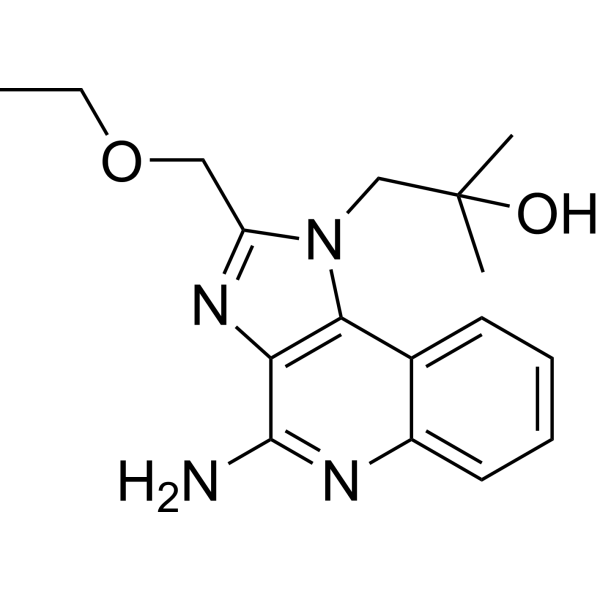
    Resiquimod is a Toll-like receptor 7 and 8 (TLR7/TLR8) agonist that induces the upregulation of cytokines such as TNF-α, IL-6 and IFN-α.
    Resiquimod
  • HY-N0029
    Forsythoside B
    Maximum Cited Publications
    8 Publications Verification

    TNF Receptor NF-κB Inflammation/Immunology
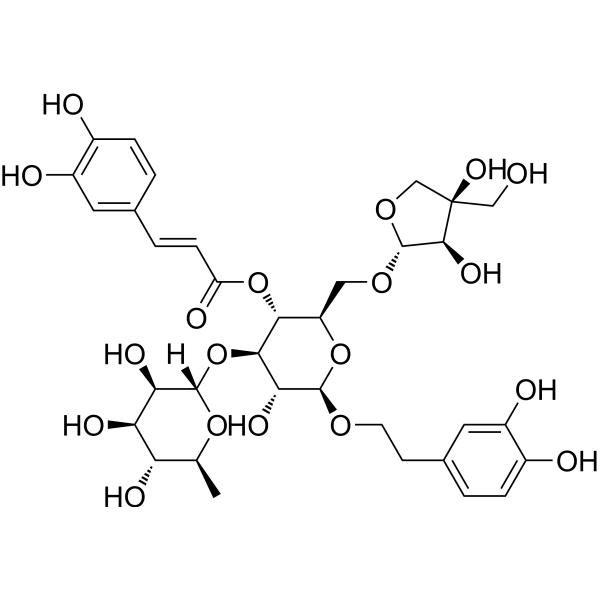
    Forsythoside B is a phenylethanoid glycoside isolated from Forsythia suspensa (Thunb.) Vahl, a Chinese folk medicinal plant for treating inflammatory diseases and promoting blood circulation. Forsythoside B could inhibit TNF-alpha, IL-6, IκB and modulate NF-κB.
    Forsythoside B
  • HY-142618

    TNF Receptor Inflammation/Immunology
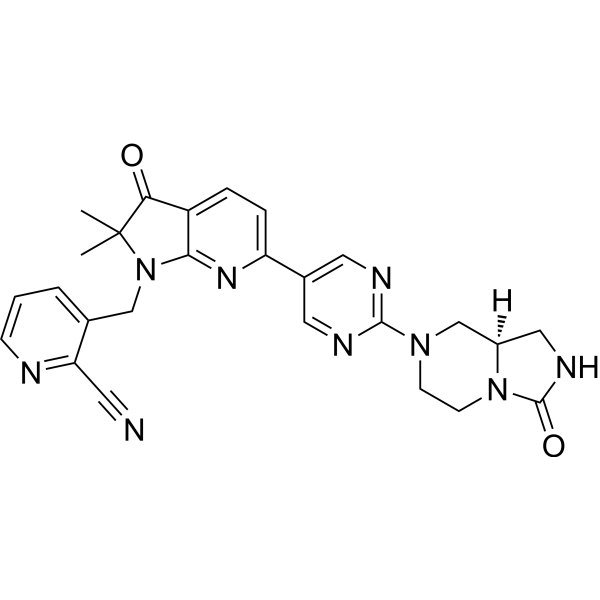
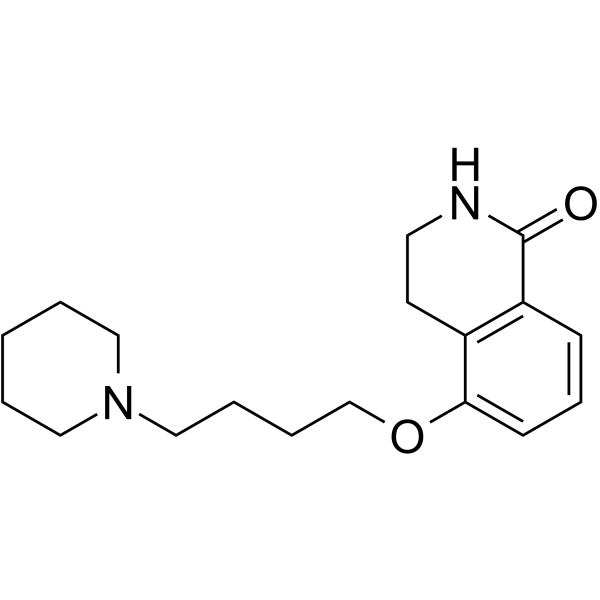
    TNF-α-IN-6 (compound 12) is an orally effective allosteric inhibitor of TNFα (KD = 6.8 nM). TNF-α-IN-6 has anti-inflammatory effects .
    TNF-α-IN-6
  • HY-A0103

    Environmental Pollutants Biochemical Assay Reagents Inflammation/Immunology
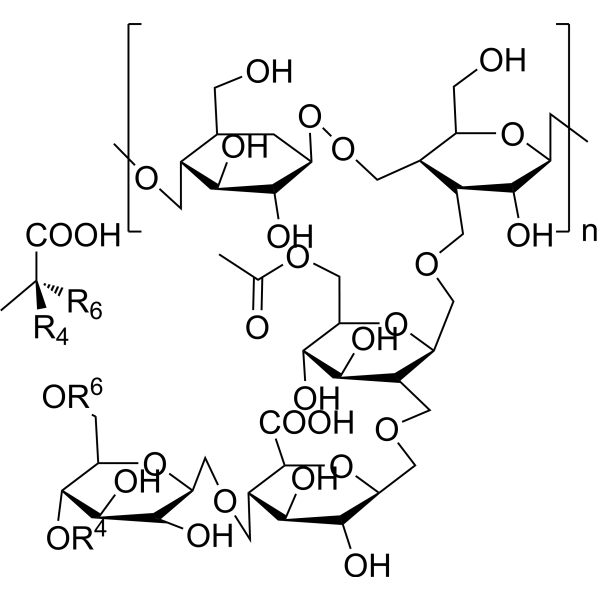
    Xanthan gum interacts with gelatin (HY-Y1365) via hydrogen bonds, thereby increasing the viscosity and stability of the hydrogel while promoting cell growth and creating a microenvironment conducive to cell differentiation [1][2]. Xanthan gum induces pro-inflammatory responses by increasing the levels of TNF-α, IL-6, and IL-10. Xanthan gum can be used for inflammation and immunology research .
    Xanthan gum
  • HY-N0604
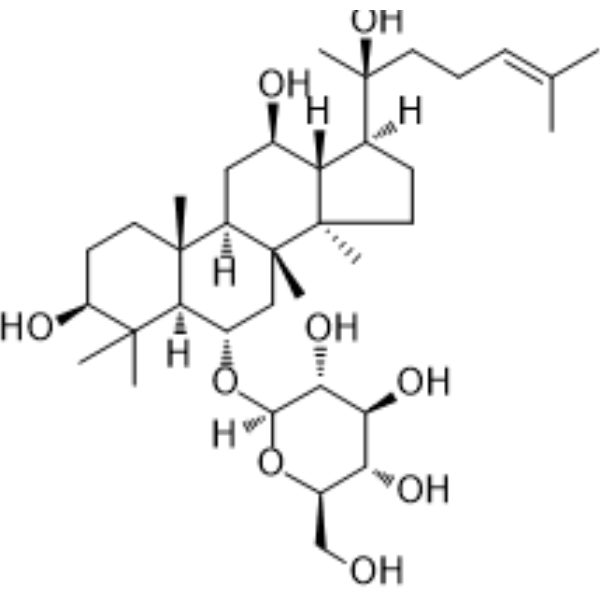
    Ginsenoside Rh1
    5 Publications Verification

    ProsapogenIN A2; SanchINoside B2; SanchINoside Rh1

    Interleukin Related PPAR TNF Receptor Endogenous Metabolite Inflammation/Immunology
    Ginsenoside Rh1 (Prosapogenin A2) inhibits the expression of PPAR-γ, TNF-α, IL-6, and IL-1β.
    Ginsenoside Rh1
  • HY-N6246

    NF-κB ERK Inflammation/Immunology Cancer
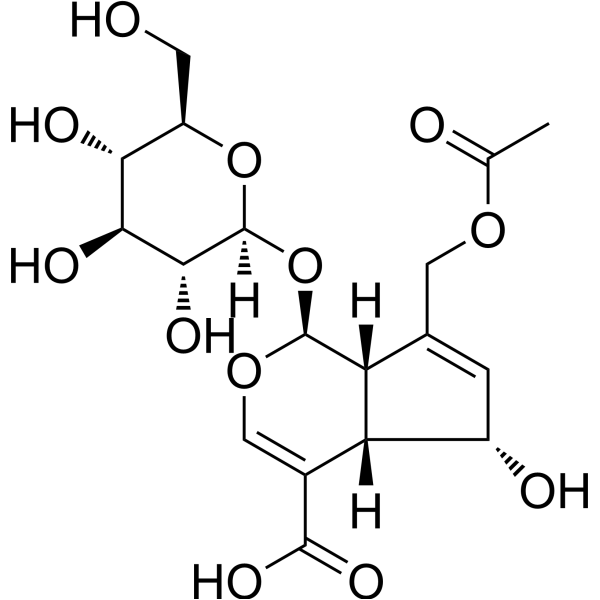
    Asperulosidic Acid (ASPA), a bioactive iridoid glycoside, is extracted from the herbs of Hedyotis diffusa Willd. Asperulosidic Acid (ASPA) has anti-tumor, anti-oxidant, and anti-inflammatory activities . ASPA is related to the inhibition of inflammatory cytokines (TNF-α, IL-6) and mediators via suppression of the NF-κB and mitogen-activated protein kinase (MAPK) signaling pathways .
    Asperulosidic Acid
  • HY-N0936
    Coixol
    1 Publications Verification

    6-Methoxy-2-benzoxazolINone; 6-MBOA

    Others Inflammation/Immunology
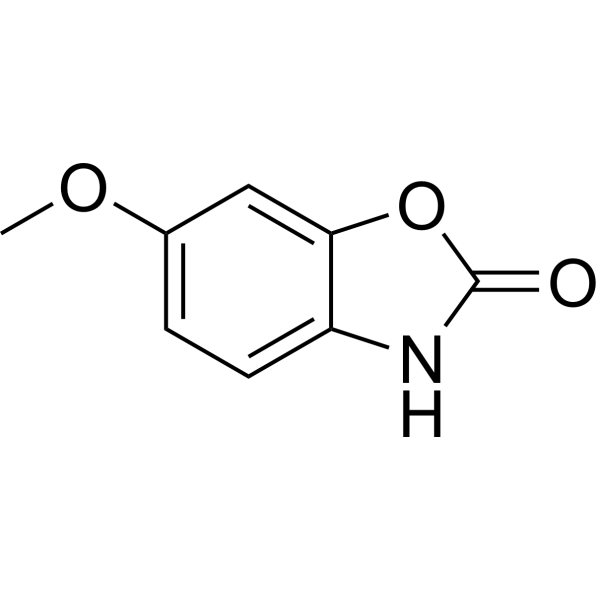
    Coixol (6-Methoxy-2-benzoxazolinone; 6-MBOA) is a potent and orally active anti-inflammatory agent. Coixol decreases the iNOS protein expression. Coixol inhibits the production of TNF-α, IL-6, and IL-1β. Coixol improves glucose tolerance and plasma insulin. Coixol decreases the blood glucose level .
    Coixol
  • HY-12642
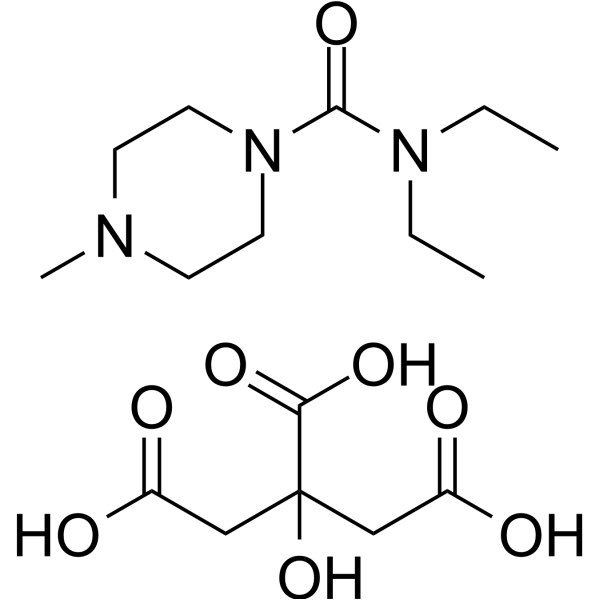
    Diethylcarbamazine citrate
    1 Publications Verification

    Parasite Bacterial TNF Receptor Interleukin Related Infection Metabolic Disease Inflammation/Immunology
    Diethylcarbamazine citrate is an orally active microfilaricidal agent used originally in onchocerciasis and lymphatic filiariasis. Diethylcarbamazine citrate reduces eosinophil trafficking to the lung tissue and exerts anti-allergic effects. Diethylcarbamazine citrate reduces serum levels of leptin, TNF-α, IL-6, MCP-1, glucose, insulin, and triglycerides, and ameliorates insulin resistance without altering body, liver, or adipose tissue weights. Diethylcarbamazine citrate enhances reactive oxygen intermediate expression by polymorphonuclear neutrophils, increases lymphocyte proliferation, and inhibits actinomycetoma lesion development. Diethylcarbamazine citrate can be used for the researches of bronchial asthma, insulin resistance and infection .
    Diethylcarbamazine citrate
  • HY-N0631
    Cornuside
    5+ Cited Publications

    p38 MAPK NF-κB JNK Cholinesterase (ChE) Acyltransferase NO Synthase Interleukin Related TNF Receptor Prostaglandin Receptor ERK COX Neurological Disease Inflammation/Immunology
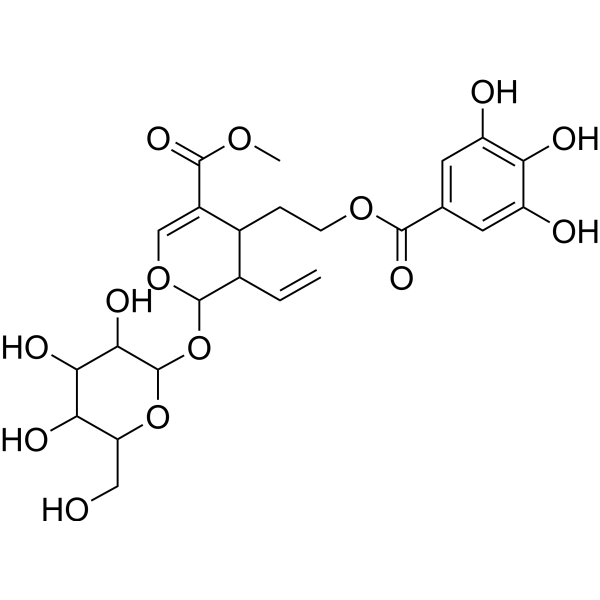
    Cornuside is an iridoid glycoside with anti-allergic, anti-inflammatory, and neuroprotective activities. Cornuside exerts anti-allergic activity by downregulating the p38 MAPK, JNK, and NF-κB signaling pathways, and inhibits IgE-mediated histamine release from mast cells. Cornuside improves cognitive impairment in mice by inhibiting BACE1 activity (IC50 = 55.84 μg/mL) and enhancing ChAT activity. Cornuside inhibits LPS (HY-D1056)-induced inflammatory mediators, including iNOS, COX-2, PGE2, TNF-α, IL-6, and IL-1β, by suppressing NF-κB activation .
    Cornuside
  • HY-N2086
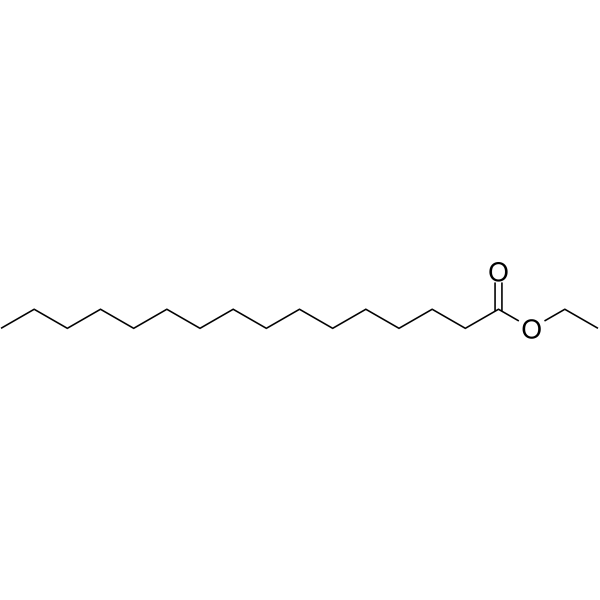
    Ethyl palmitate
    2 Publications Verification

    Ethyl hexadecanoate

    Environmental Pollutants TNF Receptor Interleukin Related NF-κB CHIKV Infection Inflammation/Immunology
    Ethyl palmitate (Ethyl hexadecanoate) is a CHIKV virus inhibitor with an EC50 value of 0.0068 μM. Ethyl palmitate can reduce levels of TNF-α, IL-6, and NF-κB in endotoxemic rats, showing anti-inflammatory activity .
    Ethyl palmitate
  • HY-114360
    Taurohyodeoxycholic acid
    2 Publications Verification

    Endogenous Metabolite COX Interleukin Related Glutathione Peroxidase TNF Receptor Neurological Disease Metabolic Disease Inflammation/Immunology Cancer
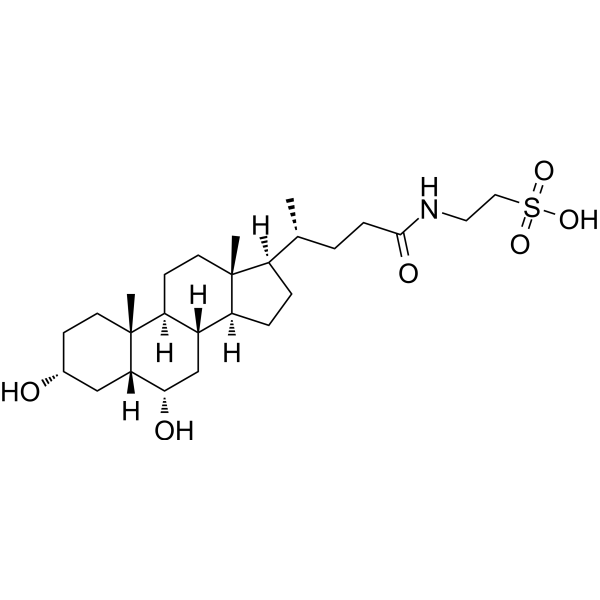
    Taurohyodeoxycholic acid is an orally active 6 alpha-hydroxylated bile acid. Taurohyodeoxycholic acid decreases colonic MPO activity, TNF-α, lL-6 serum levels and the expression of COX-2. Taurohyodeoxycholic acid alleviates trinitrobenzene sulfonic acid induced ulcerative colitis via regulating Th1/Th2 and Th17/Treg cells balance. Taurohyodeoxycholic acid ameliorates high-fat diet-induced nonalcoholic fatty liver disease in mice. Taurohyodeoxycholic acid prevents Taurochenodeoxycholic acid (HY-N2027)-induced hepatotoxicity in bile fistula rats. Taurohyodeoxycholic acid can be used for the study of nonalcoholic fatty liver disease (NAFLD), colitis and biliary fistula .
    Taurohyodeoxycholic acid
  • HY-N2263
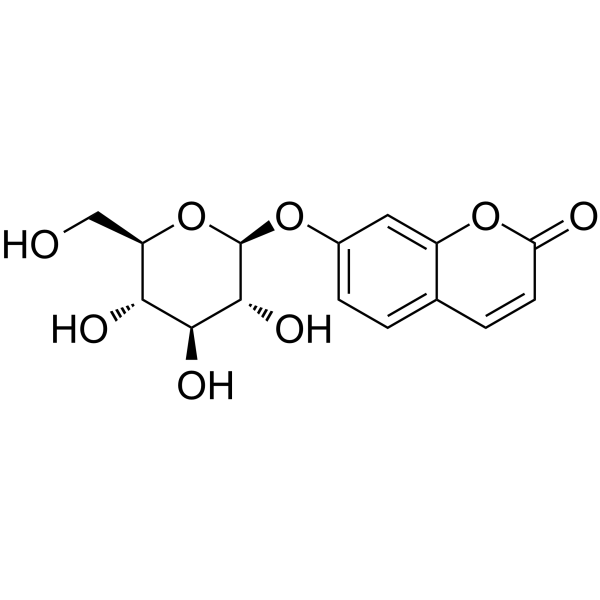
    Skimmin
    1 Publications Verification

    Umbelliferone glucoside

    Interleukin Related TGF-β Receptor TNF Receptor Parasite Inflammation/Immunology
    Skimmin (Umbelliferone glucoside) is a major pharmacologically active and orally active molecule present in Hydrangea paniculata, a medical herb used in traditional Chinese medicine as an anti-inflammatory agent. Skimmin has renal protective activity. Skimmin can improve creatinine clearance, and reduce plasma creatinine, and kidney injuries. Skimmin has good anti-amoebic activity against the HM1:IMMS strain of Entamoeba histolytica. Skimmin has anti-cancer and neuroprotective activities. Skimmin reduces cardiac fibrosis as well as decreasing TNF-α, IL-6, IL1β, and TGFβ1 in cardiac tissues. Skimmin can be studied in research for diabetes and diabetes-related diseases .
    Skimmin
  • HY-114869
    DPQ
    3 Publications Verification

    PARP Neurological Disease Cancer
    DPQ is a selective PARP-1 inhibitor that blocks PARP-1-mediated DNA damage repair and NAD +/ATP consumption, thereby inhibiting excessive inflammatory responses. DPQ inhibits NF-κB pathway activation, reduces the expression of pro-inflammatory factors (such as TNF-α, IL-6) and oxidative stress. DPQ can be used in inflammation-related studies of acute lung injury, myocardial infarction, and neurodegenerative diseases .
    DPQ
  • HY-N0924
    (±)-Stylopine
    1 Publications Verification

    TetrahydrocoptisINe

    Interleukin Related NO Synthase p38 MAPK PERK NF-κB Neurological Disease Inflammation/Immunology
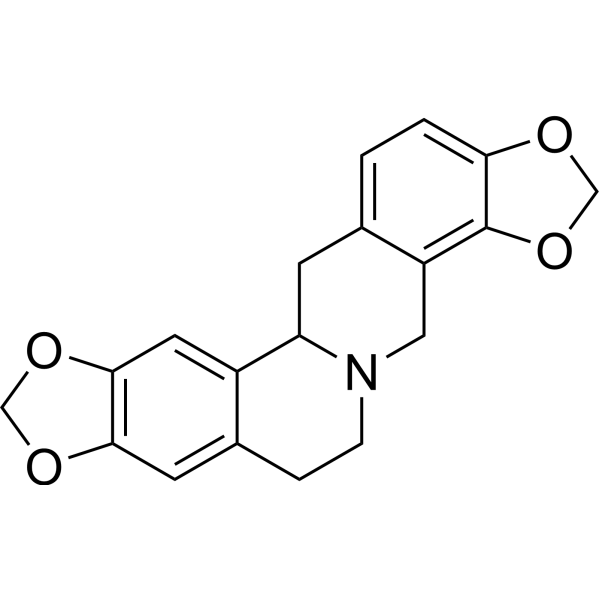
    (±)-Stylopine (Tetrahydrocoptisine) is an alkaloid compound. (±)-Stylopine can be isolated from the tubers of the plant Corydalis. (±)-Stylopine inhibits TNF-α, IL-6, and NO production, and attenuates phosphorylation of p38 MAPK, ERK1/2. (±)-Stylopine inhibits NF-κB expression. (±)-Stylopine exhibits anti-inflammatory activity. (±)-Stylopine has protective effects against foot edema, gastric ulcers, anxiety, depression, and acute lung injury .
    (±)-Stylopine
  • HY-N0412

    PERK JNK TNF Receptor Interleukin Related Neurological Disease Inflammation/Immunology
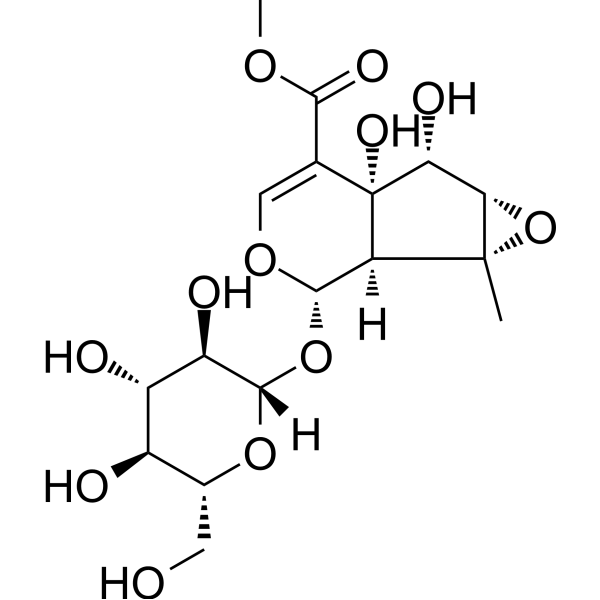
    Sesamoside is an orally active anti-inflammatory, anti-hypoxic and analgesic agent. Sesamoside inhibits the phosphorylation of ERK and JNK, downregulates NLRP3 expression, restricts the nuclear localization of P65, regulates AKR1B1 expression, and reduces the expression of TRPV1 gene in the spinal cord. Sesamoside reduces the production of TNF-α, IL-6, IL-1β, iNOS and NO, restores cellular metabolism and organ function, and alleviates cold and mechanical hyperalgesia. Sesamoside can be used in research related to septic shock, high-altitude pulmonary edema and neuropathic pain .
    Sesamoside
  • HY-W041608

    NF-κB Toll-like Receptor (TLR) Bacterial Infection Inflammation/Immunology
    Methylchloroisothiazolinone is a widely used fungicide and also an aquatic pollutant with pro-inflammatory activity and neurotoxicity. Methylchloroisothiazolinone induces the production of pro-inflammatory cytokines (such as IL-1β, TNF-α, IL-6) by activating the NF-κB signaling pathway and upregulating TLR4 expression, thereby triggering allergic contact dermatitis. Methylchloroisothiazolinone reduces cholinesterase activity and exacerbates oxidative stress by impairing catalase activity and disrupting redox balance. Methylchloroisothiazolinone poses significant harm to Mediterranean mussels, reducing the viability of hemocytes and digestive gland cells, inhibiting immune phagocytic function, and disrupting osmoregulatory capacity. Methylchloroisothiazolinone is used in studies on allergic contact dermatitis and related immunotoxicity mechanisms .
    Methylchloroisothiazolinone
  • HY-160406

    STING IFNAR Interleukin Related Inflammation/Immunology Cancer
    SNX281 is a selective STING agonist, with IC50 values of 4.1, 4.5, 10.7, and 3.7 μM against human, mouse, rat, and monkey STING, respectively. SNX281 undergoes homodimerization at the STING binding site, triggering a conformational shift of STING from an inactive open state to an active closed state, thereby driving downstream STING-dependent signaling pathways. SNX281 induces type I interferons, IFN-β, TNF-α, IL-6, cytokine release, T cell responses, and long-lasting immune memory. SNX281 exhibits anti-tumor activity and is applicable to research related to colorectal cancer, melanoma, advanced solid tumors, lymphoma, and ovarian cancer .
    SNX281
  • HY-113953

    Caspase Apoptosis Inflammation/Immunology
    Z-Asp-CH2-DCB is an irreversible broad spectrum caspase inhibitor. Z-Asp-CH2-DCB also inhibits proteases with caspase-like activity. Z-D-CH2-DCB blocks the production of IL-1β, TNF-α, IL-6, and IFN-γ in staphylococcal enterotoxin B (SEB)-stimulated peripheral blood mononuclear cells (PBMC), and reduces SEB-1-stimulated T-cell proliferation in a dose-dependent manner. Z-Asp-CH2-DCB prevents SU5416-induced septal cell apoptosis and emphysema development .
    Z-Asp-CH2-DCB
  • HY-N1921
    Edpetiline
    2 Publications Verification

    NF-κB p38 MAPK TNF Receptor Reactive Oxygen Species (ROS) COX Interleukin Related Inflammation/Immunology
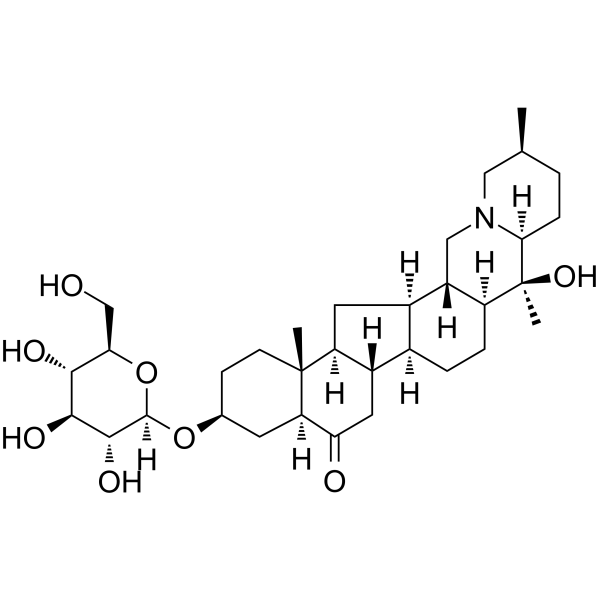
    Edpetiline is an anti-inflammatory agent. Edpetiline inhibits the phosphorylation of IκB, nuclear transcription/translocation of NF-κB p65, as well as the phosphorylation of p38 MAPK and ERK MAPK. Edpetiline reduces intracellular ROS levels, inhibits the expression of TNF-α, IL-6, iNOS, COX-2, and promotes the expression of IL-4. Edpetiline is applicable to the research of diseases associated with inflammation and oxidative stress .
    Edpetiline
  • HY-N6066

    Calcium Channel NF-κB Pregnane X Receptor (PXR) Cytochrome P450 Interleukin Related Cardiovascular Disease Inflammation/Immunology
    Praeruptorin E is an orally active pyranocoumarin compound. Praeruptorin E can be isolated from the dried roots of Peucedanum praeruptorum Dunn. Praeruptorin E reduces the expression of NF-κB. Praeruptorin E upregulates the expression of PXR and CYP3A4. Praeruptorin E inhibits Th2 cytokines, TNF-α, IL6, MPO, and blocks the Ca 2+ slow channel. Praeruptorin E promotes pulmonary tissue repair and relaxes porcine coronary artery strips. Praeruptorin E protects mice from lipopolysaccharide- and hydrochloric acid-induced acute lung injury. Praeruptorin E can be used in studies related to asthma and acute lung injury .
    Praeruptorin E
  • HY-N4205

    Cytochrome P450 Cancer
    Tetrahydropiperine is an orally effective, selective inhibitor of NF-κB and MAPKs<、b>, and an activator of the PI3K/Akt/mTOR<、b> pathway. Tetrahydropiperine reduces the production of pro-inflammatory cytokines such as TNF-α, IL-6, and nitric oxide (NO) by inhibiting the nuclear translocation of NF-κB and the phosphorylation of MAPKs such as ERK, JNK, and p38. At the same time, Tetrahydropiperine inhibits excessive autophagy by activating the PI3K/Akt/mTOR pathway, protecting neurons from oxidative damage. Tetrahydropiperine has anti-inflammatory, anti-apoptotic, and neuroprotective effects, and is mainly used in the study of inflammatory diseases (such as endotoxemia, arthritis) and neurological diseases such as ischemic stroke .
    Tetrahydropiperine
  • HY-14562

    mAChR Amyloid-β Neurological Disease Inflammation/Immunology
    TBPB (tert-butyl peroxybenzoate) is a highly selective, blood-brain-permeable M1 mAChR allosteric agonist (EC50=289 nM) with anti-schizophrenia and anti-inflammatory activities. TBPB can enhance the sensitivity of M1 receptors to acetylcholine, activate downstream signaling pathways, and inhibit the release of pro-inflammatory cytokines (TNF-α, IL-6). TBPB can regulate the processing of amyloid and can be used in the study of neurodegenerative diseases (such as Alzheimer's disease) and inflammation-related diseases (such as sepsis) .
    TBPB
  • HY-12642A
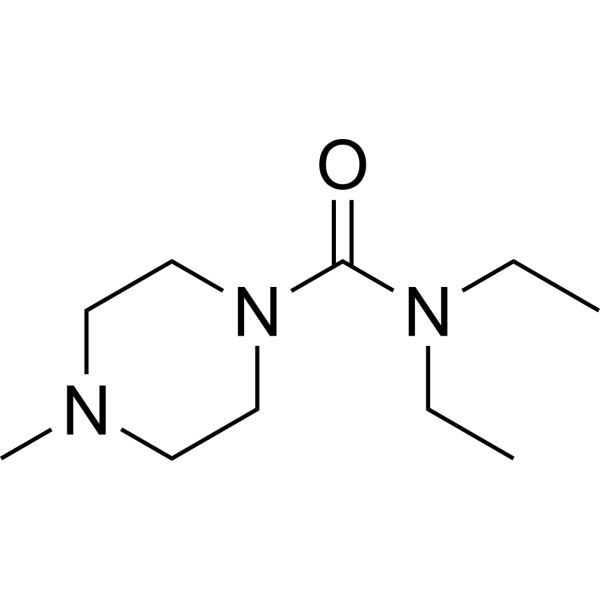
    Diethylcarbamazine
    1 Publications Verification

    Parasite Bacterial TNF Receptor Interleukin Related Infection Metabolic Disease Inflammation/Immunology
    Diethylcarbamazine is an orally active microfilaricidal agent used originally in onchocerciasis and lymphatic filiariasis. Diethylcarbamazine reduces eosinophil trafficking to the lung tissue and exerts anti-allergic effects. Diethylcarbamazine reduces serum levels of leptin, TNF-α, IL-6, MCP-1, glucose, insulin, and triglycerides, and ameliorates insulin resistance without altering body, liver, or adipose tissue weights. Diethylcarbamazine enhances reactive oxygen intermediate expression by polymorphonuclear neutrophils, increases lymphocyte proliferation, and inhibits actinomycetoma lesion development. Diethylcarbamazine can be used for the researches of bronchial asthma, insulin resistance and infection .
    Diethylcarbamazine
  • HY-13740S
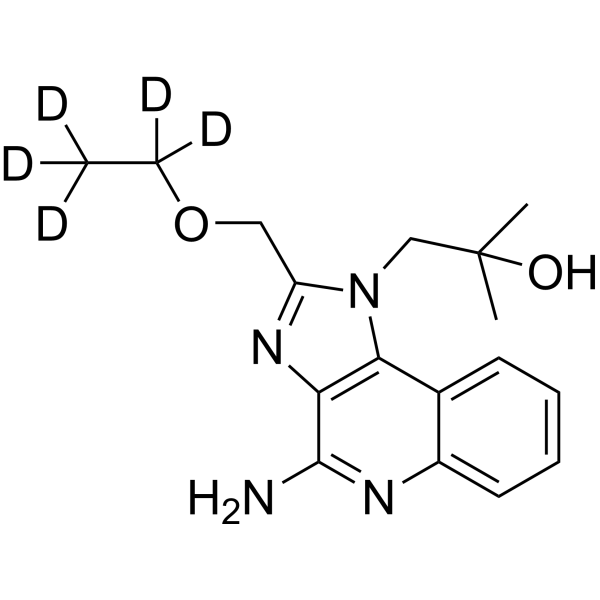
    Resiquimod-d5
    1 Publications Verification

    R848-d5; S28463-d5

    Isotope-Labeled Compounds Toll-like Receptor (TLR) HCV Infection Inflammation/Immunology
    Resiquimod-d5 is deuterium labeled Resiquimod. Resiquimod is a Toll-like receptor 7 and 8 (TLR7/TLR8) agonist that induces the upregulation of cytokines such as TNF-α, IL-6 and IFN-α .
    Resiquimod-d5
  • HY-174066

    mTOR Autophagy Interleukin Related Neurological Disease Inflammation/Immunology
    SI-W052 is an orally active, brain-penetrant and selective small-molecule inhibitor targeting mTOR and TEX264. SI-W052 activates autophagy by inhibiting mTOR phosphorylation and enhances TEX264 expression to promote ER turnover, suppressing LPS-induced release of inflammatory factors (TNF-α, IL-6). SI-W052 is promising for research of Alzheimer’s disease (AD)-associated neuroinflammation .
    SI-W052
  • HY-162359

    IRAK Neurological Disease Inflammation/Immunology
    BIO-7488 is an orally active, selective and blood-brain barrier permeable IRAK4 inhibitor, with an IC50 value of 0.5 nM. BIO-7488 inhibits the production of pro-inflammatory cytokines (IL-1β, TNFα, IL-6) and demonstrates anti-inflammatory effects in both LPS (HY-D1056) and distal hypoxic-middle cerebral artery occlusion (DH-MCAO) ischemic stroke model. BIO-7488 can be used for the study of neuroinflammatory-related diseases, particularly ischemic stroke .
    BIO-7488
  • HY-N8712

    p38 MAPK JNK ERK TNF Receptor Interleukin Related PI3K Akt Inflammation/Immunology
    Umckalin is Coumarin (HY-N0709) derivative that exhibits anti-inflammatory properties. Umckalin reduces phosphorylation of p38 MAPK, JNK, and ERK, lowers TNF-α, IL-6, IL-1β, NO, and PGE2 production. Umckalin can be used for the research of chronic inflammatory diseases .
    Umckalin
  • HY-N4267

    Calcium Channel Platelet-activating Factor Receptor (PAFR) UGT Leukotriene Receptor TNF Receptor PGE synthase Interleukin Related Cardiovascular Disease Infection Inflammation/Immunology
    Yangambin is a PAF receptor antagonist and UGT1A1/UGT1A3 inhibitor, with an IC50 of 29.7 μM and a Ki of 17.1 μM against human UGT1A1, and an IC50 of 56.5 μM and a Ki of 66.8 μM against human UGT1A3. Yangambin blocks PAF-mediated responses, inhibits LTB4-mediated neutrophil infiltration, and suppresses inflammatory events and anaphylactic contraction. Yangambin acts as a central nervous system inhibitor to reduce spontaneous activity, and also exhibits analgesic, anticonvulsant, antileishmanial, vasodilatory and hypotensive effects. Yangambin blocks voltage-gated Ca 2+ channels, reduces the production of NO, TNF-α, IL-6 and PGE2 in cells, increases the production of IL-10, and exerts a protective effect against cardiovascular injury. Yangambin can be used in research related to allergies, cutaneous leishmaniasis, central nervous system diseases and cardiovascular diseases [6].
    Yangambin
  • HY-N0604R

    ProsapogenIN A2 (Standard); SanchINoside B2 (Standard); SanchINoside Rh1 (Standard)

    Interleukin Related Reference Standards PPAR TNF Receptor Endogenous Metabolite Inflammation/Immunology
    Ginsenoside Rh1 (Standard) is the analytical standard of Ginsenoside Rh1. This product is intended for research and analytical applications. Ginsenoside Rh1 (Prosapogenin A2) inhibits the expression of PPAR-γ, TNF-α, IL-6, and IL-1β.
    Ginsenoside Rh1 (Standard)
  • HY-N9164

    TREM receptor Toll-like Receptor (TLR) MyD88 NF-κB Keap1-Nrf2 Heme Oxygenase (HO) TNF Receptor Interleukin Related p38 MAPK PI3K Akt Reactive Oxygen Species (ROS) Neurological Disease Inflammation/Immunology
    Hecubine is a monoterpene indole alkaloid found in Ervatamia ocinalis. Hecubine activates TREM2 expression, reduces LPS (HY-D1056)-stimulated inammatory cytokines (TNF-αIL-6IL-1β) overexpression, as well as suppresses the levels of TLR4-, MyD88-, MAPK/PI3K/AKT- and NF-κB-related proteins. Hecubin also exhibits antioxidative effect, reduces ROS production and activates of the Nrf2/HO-1 pathway. Hecubine rescues LPS-induced behavioral deficits in zebrash larvae. Hecubine can be used for the research of neural inflammation-associated central nervous system diseases .
    Hecubine
  • HY-13740R

    R848 (Standard); S28463 (Standard)

    Toll-like Receptor (TLR) HCV Reference Standards Inflammation/Immunology Cancer
    Resiquimod (Standard) is the analytical standard of Resiquimod. This product is intended for research and analytical applications. Resiquimod is a Toll-like receptor 7 and 8 (TLR7/TLR8) agonist that induces the upregulation of cytokines such as TNF-α, IL-6 and IFN-α.
    Resiquimod (Standard)
  • HY-173404

    STING Interleukin Related IFNAR TNF Receptor CXCR Inflammation/Immunology Cancer
    VB-85247 is a STING agonist. VB-85247 induces upregulation of inflammatory cytokines IFNα/β, TNFα, IL6, and CXCL10, as well as maturation and activation of dendritic cells by activating the STING pathway. VB-85247 can achieve regression of intrabladder tumors and can be used in bladder cancer research .
    VB-85247
  • HY-W995241

    COX NF-κB Inflammation/Immunology
    BPD is a COX-2 and TAK1-NF-κB inhibitor, with an IC50 of 18.5 μM for COX-2. BPD inhibits the expression of iNOS, TNF-α, IL-6 and IL-1β at the transcriptional level. BPD has anti-inflammatory activity. BPD can inhibit Carrageenan-induced paw oedema and LPS-induced septic death .
    BPD
  • HY-N17239

    TNF Receptor Interleukin Related NO Synthase Inflammation/Immunology
    Oleracone is a type of alkaloid that can be found in Portulaca oleracea L.. Oleracone exhibits a significant anti-inflammatory effect in the RAW 264.7 macrophage model induced by LPS (HY-D1056), capable of inhibiting NO production and significantly suppressing the secretion of pro-inflammatory cytokines TNF-α, IL-6, and prostaglandin E₂ (PGE₂). Oleracone can be used for the study of inflammatory diseases .
    Oleracone
  • HY-174825

    TRP Channel Cannabinoid Receptor Interleukin Related TNF Receptor Inflammation/Immunology
    TRPM8 antagonist 4 is a CB2R partial agonist (EC50=54.2 nM, Ki=3.2 μM) and TRPM8 antagonists (IC50=42.3 nM) with high functional selectivity and good physicochemical properties. TRPM8 antagonist 4 has significant anti-inflammatory and analgesic effects and good safety, reduces the mRNA expression of TNF-α, IL-6, and IL-1β .
    TRPM8 antagonist 4
  • HY-179429

    NOD-like Receptor (NLR) TNF Receptor Interleukin Related Inflammation/Immunology
    NLRP3-IN-85 (compound 5d) is a potent NLRP3 inhibitor that targets mitochondria in a ΔΨm-independent manner. NLRP3-IN-85 protects mitochondria from oxidative stress and inflammation damage and suppresses key inflammatory factors (NO, TNF-α, IL-6). NLRP3-IN-85 relives acute lung injury in mice and inhibits paw edema in rats. NLRP3-IN-85 can be used for acute lung injury (ALI) research .
    NLRP3-IN-85
  • HY-155027

    Dipeptidyl Peptidase TNF Receptor Interleukin Related Inflammation/Immunology Cancer
    DPP-4-IN-8 (compound 27) is a potent and selective DPP4 (dipeptidyl peptidase 4) inhibitor, with a Ki of 0.96 μM. DPP-4-IN-8 blocks the dipeptidase activity of DPP4 in both Caco-2 and HepG-2 cells. DPP-4-IN-8 also dose-dependently suppresses the expression levels of the chemokines tumor necrosis factor-α (TNF-α), interleukin-6 (IL-6), and interleukin-1β (IL-1β) .
    DPP-4-IN-8
  • HY-178447

    PPAR Glutathione Peroxidase SOD TNF Receptor Interleukin Related NF-κB Infection Metabolic Disease Endocrinology
    PPARγ agonist 20 is a potent, orally active PPAR-γ agonist. PPARγ agonist 20 effectively increases antioxidant defenses (SOD, GSH) and reduces lipid peroxidation. PPARγ agonist 20 can upregulate of Pparg, Glut4, and AdipoQ, suppresses of TNF-α, IL-6, and NF-κB p65. PPARγ agonist 20 significantly lowers fasting blood glucose, improving glucose tolerance, and restoring metabolic balance in Streptozotocin (HY-13753)-Nicotinamide (HY-B0150)-induced diabetic rats. PPARγ agonist 20 can be used for the study of type 2 diabetes .
    PPARγ agonist 20
  • HY-N0976

    11b-Hydroxy-11b,1-dihydromedicarpIN

    Interleukin Related Wnt Inflammation/Immunology
    1,11b-Dihydro-11b-hydroxymedicarpin (11b-Hydroxy-11b,1-dihydromedicarpin) is a pterocarpan from Ononis viscosa subsp. breviflora is a Medicarpin derivative . Medicarpin, a natural pterocarpan, heals cortical bone defect by activation of Notch and Wnt canonical signaling pathways . Medicarpin prevents arthritis in post-menopausal conditions by arresting the expansion of TH17 cells and pro-inflammatory cytokines. Medicarpin down-regulates pro-inflammatory cytokines like TNF-α, IL-6 and IL-17A, while up-regulates anti-inflammatory cytokine IL-10 in arthritis (CIA) model of mice .
    1,11b-Dihydro-11b-hydroxymedicarpin
  • HY-N16527

    TNF Receptor Interleukin Related NADPH Oxidase Reactive Oxygen Species (ROS) NF-κB COX NO Synthase JNK AP-1 TGF-β Receptor Metabolic Disease
    7-O-Galloyl-D-sedoheptulose is an orally effective polyphenolic compound. 7-O-Galloyl-D-sedoheptulose lowers the serum levels of glucose, leptin, insulin, C-peptide, resistin, TNF-α, IL-6, and increases the serum level of adiponectin. 7-O-Galloyl-D-sedoheptulose significantly reduces the levels of ROS and lipid peroxidation products (TBARS) by down-regulating the protein expression of NADPH oxidase subunit Nox-4 and p22phox. 7-O-Galloyl-D-sedoheptulose down-regulates NF-κB and related pro-inflammatory factors (COX-2, iNOS), inhibits the phosphorylation of JNK and the activity of its downstream AP-1. 7-O-Galloyl-D-sedoheptulose reduces the expression of TGF-β1 and fibronectin, indicating its potential in anti-tissue fibrosis. 7-O-Galloyl-D-sedoheptulose can be used for the study of type 2 diabetes and its hepatic and pancreatic complications .
    7-O-Galloyl-D-sedoheptulose
  • HY-N15566

    Drug Derivative Neurological Disease Inflammation/Immunology
    Theleganbanin D is a p-terphenyl derivative found in the Thelephora ganbajun. Theleganbanin D inhibits TNF-α, IL-6, and IL-1β production in LPS-induced BV-2 microglial cells. Theleganbanin D is promising for research of neurodegenerative diseases .
    Theleganbanin D
  • HY-N0029R

    Reference Standards TNF Receptor NF-κB Inflammation/Immunology
    Forsythoside B (Standard) is the analytical standard of Forsythoside B. This product is intended for research and analytical applications. Forsythoside B is a phenylethanoid glycoside isolated from Forsythia suspensa (Thunb.) Vahl, a Chinese folk medicinal plant for treating inflammatory diseases and promoting blood circulation. Forsythoside B could inhibit TNF-alpha, IL-6, IκB and modulate NF-κB.
    Forsythoside B (Standard)
  • HY-N0936R

    6-Methoxy-2-benzoxazolINone (Standard); 6-MBOA (Standard)

    Reference Standards Others Inflammation/Immunology
    Coixol (6-Methoxy-2-benzoxazolinone; 6-MBOA) is a potent and orally active anti-inflammatory agent. Coixol decreases the iNOS protein expression. Coixol inhibits the production of TNF-α, IL-6, and IL-1β. Coixol improves glucose tolerance and plasma insulin. Coixol decreases the blood glucose level .
    Coixol (Standard)
  • HY-N8712R

    Reference Standards p38 MAPK JNK ERK TNF Receptor Interleukin Related PI3K Akt Others
    Umckalin (Standard) is the analytical standard of Umckalin (HY-N8712). Umckalin is Coumarin (HY-N0709) derivative that exhibits anti-inflammatory properties. Umckalin reduces phosphorylation of p38 MAPK, JNK, and ERK, lowers TNF-α, IL-6, IL-1β, NO, and PGE2 production. Umckalin can be used for the research of chronic inflammatory diseases .
    Umckalin (Standard)
  • HY-N15570

    Interleukin Related TNF Receptor Neurological Disease Inflammation/Immunology
    2-O-Methylatromentin is an anti-neuroinflammatory agent. 2-O-Methylatromentin shows inhibitory activity on the production of pro-inflammatory cytokines TNF-α, IL-6 and IL-1β in Lipopolysaccharides (HY-D1056) (LPS) -induced BV-2 microglial cells. 2-O-Methylatromentin can be used for the study of neuroinflammatory related diseases .
    2-O-Methylatromentin
  • HY-N6246R

    Reference Standards NF-κB ERK Inflammation/Immunology Cancer
    Asperulosidic Acid (Standard) is the analytical standard of Asperulosidic Acid. This product is intended for research and analytical applications. Asperulosidic Acid (ASPA), a bioactive iridoid glycoside, is extracted from the herbs of Hedyotis diffusa Willd. Asperulosidic Acid (ASPA) has anti-tumor, anti-oxidant, and anti-inflammatory activities . ASPA is related to the inhibition of inflammatory cytokines (TNF-α, IL-6) and mediators via suppression of the NF-κB and mitogen-activated protein kinase (MAPK) signaling pathways .
    Asperulosidic Acid (Standard)
  • HY-161240

    Monoamine Oxidase Neurological Disease Inflammation/Immunology
    MAO-B-IN-30 (compound IS7) is a potent, selective and cross the blood-brain barrier MAO-B inhibitor with IC50 values of 19.176, 0.082 µM for MAO-A and MAO-B, respectively. MAO-B-IN-30 shows antiproliferative activity and non-cytotoxic. MAO-B-IN-30 reduces TNF-alpha, IL-6, NF-kB levels. MAO-B-IN-30 has the potential for the research of Parkinson's disease .
    MAO-B-IN-30
  • HY-168340

    COX Lipoxygenase Inflammation/Immunology
    COX-2/15-LOX-IN-6 (Compound 5l) is the dual inhibitor for COX-2 and 15-LOX, with IC50 of 0.201 μM and 11.723 μM. COX-2/15-LOX-IN-6 inhibits the expression of PGE, TNF-α, IL-6 and iNOS in serum, and exhibits anti-inflammatory effect in Carrageenan (HY-125474)-induced rats edema model .
    COX-2/15-LOX-IN-6
  • HY-W424851

    6,7-Dimethoxy-2-(1-piperazINyl)-4-quINazolINamINe hydrochloride

    PARP Infection Inflammation/Immunology
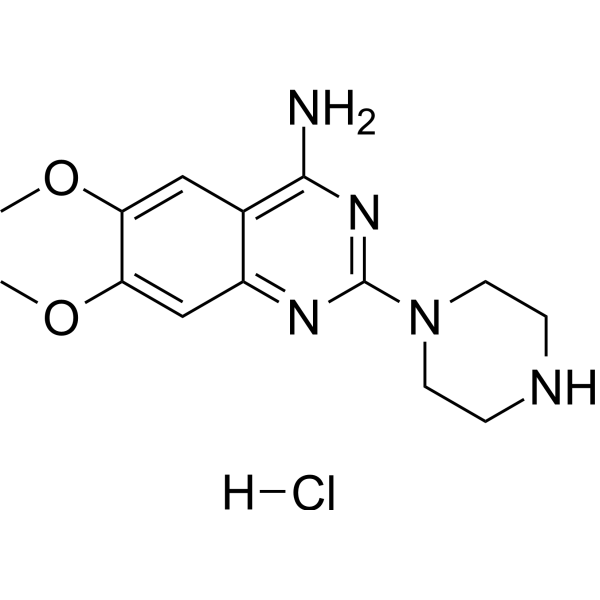
    DPQ hydrochloride is a blood-brain barrier permeable and selective PARP-1 inhibitor that blocks PARP-1-mediated DNA damage repair and NAD +/ATP consumption, thereby inhibiting excessive inflammatory responses. DPQ hydrochloride inhibits NF-κB pathway activation, reduces the expression of pro-inflammatory factors (such as TNF-α, IL-6) and oxidative stress. DPQ hydrochloride can be used in inflammation-related studies of acute lung injury, myocardial infarction, and neurodegenerative diseases .
    DPQ hydrochloride
  • HY-174842

    Macrophage migration inhibitory factor (MIF) Inflammation/Immunology
    HTS05585 (Compound Hit-1) is a selective macrophage migration inhibitory factor (MIF) inhibitor with a Kd value of 0.29 μM measured by microscale thermophoresis (MST) and 0.32±0.01 μM verified by isothermal titration calorimetry (ITC). HTS05585 inhibits the release of pro-inflammatory factors (TNF-α, IL-6, IL-1β) from LPS-induced macrophages. HTS05585 is promising for research of inflammation-related diseases such as sepsis .
    HTS05585

Inquiry Online

Your information is safe with us. * Required Fields.

Salutation


Country or Region *

Applicant Name *


Organization Name *

Department *


Email Address *


Product Name *

Cat. No.


Requested quantity *

Phone Number *


Remarks

Inquiry Online

Inquiry Information

Product Name:
Cat. No.:
Quantity:
MCE Japan Authorized Agent:

