1. Search Result
Search Result
Results for "

Tubulin inhibitors

" in MedChemExpress (MCE) Product Catalog:

694

Inhibitors & Agonists

14

Fluorescent Dyes

11

Biochemical Assay Reagents

7

Peptides

6

Inhibitory Antibodies

45

Natural
Products

15

Isotope-Labeled Compounds

14

Click Chemistry

9

GMP Molecules

Targets Recommended:
Cat. No. Product Name Target Research Areas Chemical Structure
  • HY-19474

    Ansamitocin P-0

    Microtubule/Tubulin ADC Payload Apoptosis Cancer
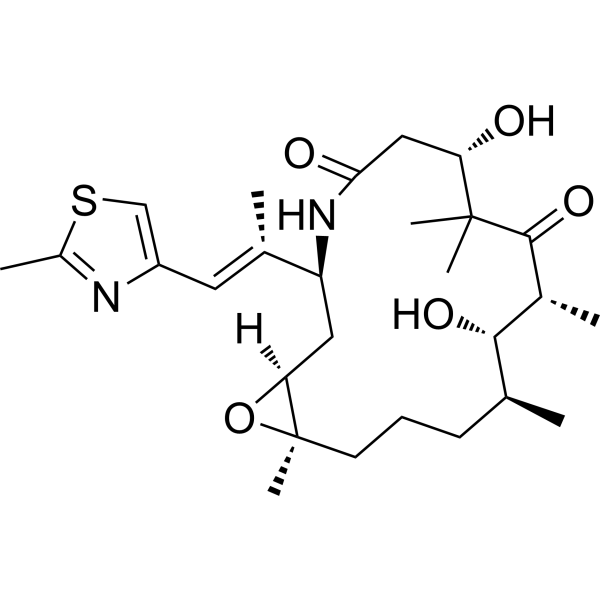
    Maytansinol (Ansamitocin P-0) is a derivative of Maytansine. Maytansinol can inhibit tubulin polymerization and induce apoptosis. Maytansinol has antitumor activity. Maytansinol can be used in cancer drug research .
    Maytansinol
  • HY-157544

    Drug-Linker Conjugates for ADC Microtubule/Tubulin Cancer
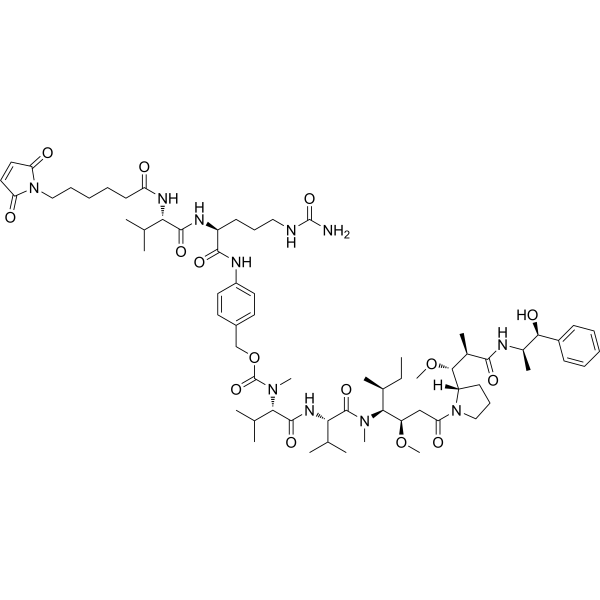
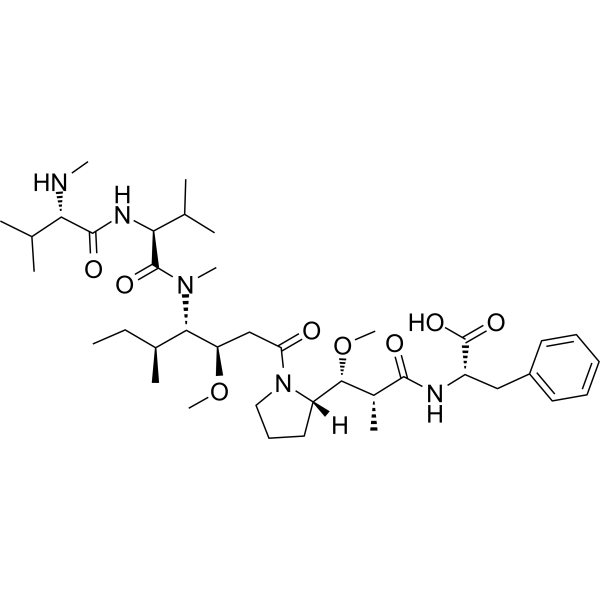
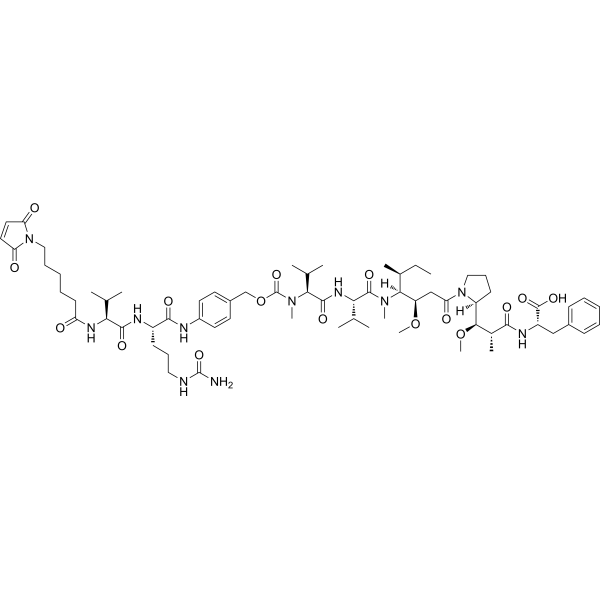
    PC5-VC-PAB-MMAE consists the ADCs linker (PC5-VC-PAB) and potent tubulin inhibitor (MMAE). PC5-VC-PAB-MMAE is a agent-linker conjugate for ADC .
    PC5-VC-PAB-MMAE
  • HY-112607

    Microtubule/Tubulin Apoptosis Cancer
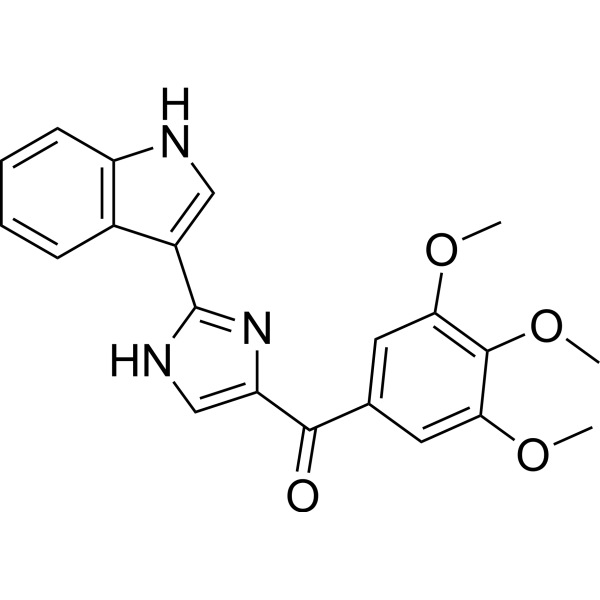
    Tubulin inhibitor 1 is a tubulin inhibitor, inhibits tubulin polymerization. Tubulin inhibitor 1 shows potent anti-tumor activity, casues cellular mitotic arrest in the G2/M phase, and induces cellular apoptosis .
    Tubulin inhibitor 1
  • HY-145951

    Drug-Linker Conjugates for ADC Cancer
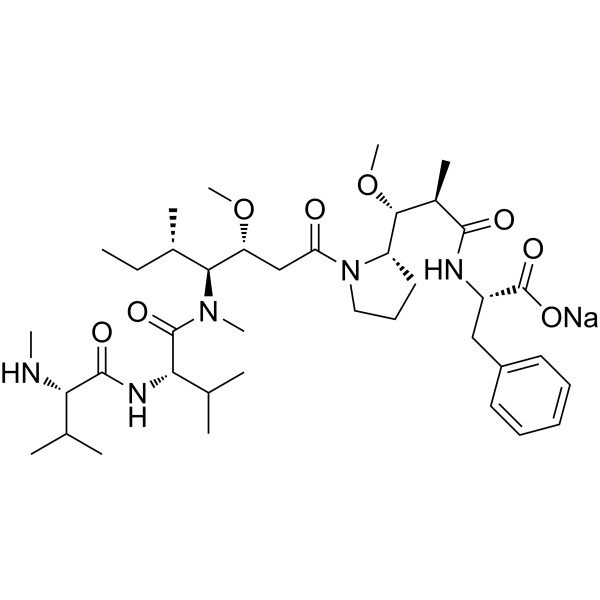
    Amidate-VC-PAB-MMAF consists a cleavable ADC linker (Amidate-VC-PAB) and a potent tubulin polymerization inhibitor (MMAF). Amidate-VC-PAB-MMAF can be used in the synthesis of antibody-drug conjugates (ADCs). Amidate-VC-PAB-MMAF reduces off-target cytotoxicity of ADCs .
    Amidate-VC-PAB-MMAF
  • HY-136121

    Microtubule/Tubulin Cancer
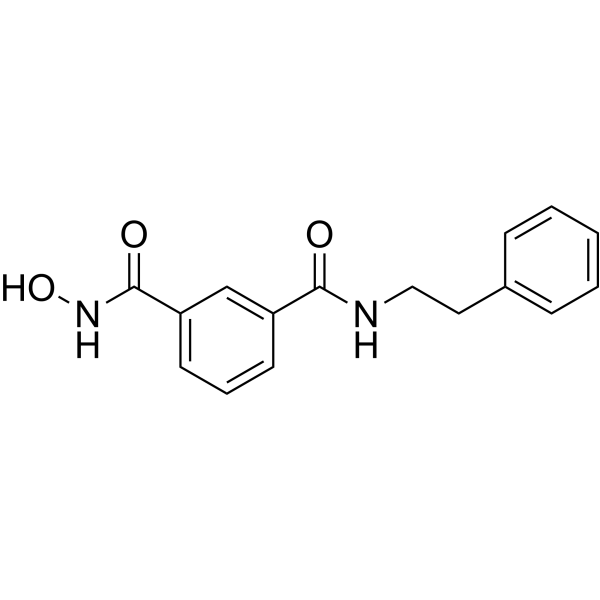
    Tubulin inhibitor 6 (Compound 14b) is a tubulin inhibitor and a potent inhibitor of multiple cancer cell lines. Tubulin inhibitor 6 inhibits tubulin polymerization with an IC50 of 0.87 μM. Tubulin inhibitor 6 inhibits K562 cell growth with an IC50 of 840 nM .
    Tubulin inhibitor 6
  • HY-143251

    Microtubule/Tubulin Apoptosis Cancer
    Tubulin inhibitor 13 (E27) is a potent tubulin inhibitor with an IC50 value of 16.1 μM for the tubulin polymerization inhibition. Tubulin inhibitor 13 inhibits migration and invasion of cancer cells, induces apoptosis and has anticancer activity .
    Tubulin inhibitor 13
  • HY-151879

    Microtubule/Tubulin Ferroptosis Cancer
    Tubulin inhibitor 30 (Compound 15) is a tubulin assembly inhibitor with an IC50 of 0.52 μM. Tubulin inhibitor 30 can induce ferroptosis .
    Tubulin inhibitor 30
  • HY-178357

    Microtubule/Tubulin Cancer
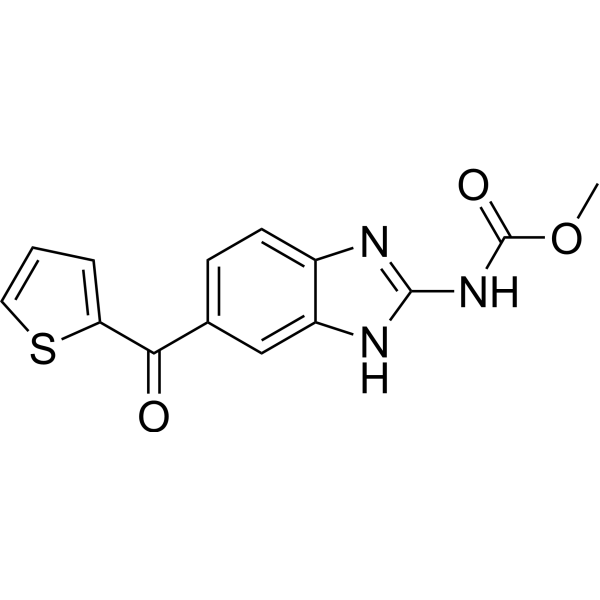
    Tubulin-IN-58 (Compound 26) is a tubulin inhibitor. Tubulin-IN-58 can be used for the study of cancer .
    Tubulin-IN-58
  • HY-152156

    Microtubule/Tubulin Apoptosis Cancer
    Tubulin inhibitor 11 is a potent and orally active tubulin inhibitor. Tubulin inhibitor 11 targets the Colchicine binding site on tubulin, inhibits tubulin polymerization, promotes mitotic blockade and apoptosis .
    Tubulin inhibitor 11
  • HY-157165

    Microtubule/Tubulin PARP Cancer
    Tubulin/PARP-IN-1 (compound 14) is a dual PARP-tubulin inhibitor with activity against endometrial cancer. Tubulin/PARP-IN-1 inhibits PARP and tubulin with IC50s of 74 nM (PARP1), 109 nM (PARP2), and 1.4 μM (Microtubule/Tubulin), respectively. Tubulin/PARP-IN-1 can induce apoptosis and autophagy and cause cell cycle arrest in the G2/M phase .
    Tubulin/PARP-IN-1
  • HY-149016

    Microtubule/Tubulin Farnesyl Transferase Cancer
    Tubulin polymerization-IN-25 (compound 17f) is a dual inhibitor of tubulin polymerization and farnesyl transferase (FTase) with IC50s of 1.11 μM and 0.39 μM, respectively. Tubulin polymerization-IN-25 displays cytotoxicity and excellent antitumor activity .
    Tubulin polymerization-IN-25
  • HY-177021

    Microtubule/Tubulin Apoptosis Cancer
    Tubulin-IN-51 is an orally available, potent tubulin inhibitor (IC50 = 31 nM). Tubulin-IN-51 promotes tubulin polymerization in vitro and does not compete with Paclitaxel (HY-B0015) for binding. Tubulin-IN-51 inhibits the binding of Vinblastine (HY-13780) to tubulin. Tubulin-IN-51 downregulates the proportion of cells in the G1 phase and induces apoptosis. Tubulin-IN-51 inhibits tumor growth in multiple nude mouse xenograft models .
    Tubulin-IN-51
  • HY-145820

    Apoptosis Microtubule/Tubulin Cancer
    Tubulin inhibitor 14 is a potent NQO2 (quinone oxidoreductase 2) inhibitor with an IC50 of 1.0 μM. Tubulin inhibitor 14 also inhibits tubulin polymerization and the formation of endothelial cell capillary-like tubes. Tubulin inhibitor 14 is a microtubule-destabilizing agent with potential tumor-selectivity and antiangiogenic and vascular disrupting features .
    Tubulin inhibitor 14
  • HY-175555

    Microtubule/Tubulin Apoptosis Cancer
    Tubulin-IN-54 is a tubulin inhibitor. Tubulin-IN-54 exhibits anti-proliferative activity against various cancer cells. Tubulin-IN-54 inhibits tubulin polymerization, disrupts microtubule networks, induces G2/M cell cycle arrest, and promotes cancer cell apoptosis. Tubulin-IN-54 demonstrates significant anti-tumor efficacy in mice bearing PC-3/TxR xenografts. Tubulin-IN-54 can be used for the study of taxane-resistant cancers (prostate cancer, melanoma) .
    Tubulin-IN-54
  • HY-152030

    Microtubule/Tubulin MMP Apoptosis Cancer
    Tubulin/MMP-IN-2 is dual inhibitor of tubulin and matrix metalloproteinases. Tubulin/MMP-IN-2 can strongly inhibit tubulin polymerization and induces cell apoptosis. Tubulin/MMP-IN-2 has inhibitory activities against MMP-2, MMP-3 and MMP-9 with IC50 values of 24.95 μM, 31.60 μM and 22.37 μM, respectively. Tubulin/MMP-IN-2 can be used for the research of cancer .
    Tubulin/MMP-IN-2
  • HY-178466

    Microtubule/Tubulin P-glycoprotein Apoptosis Cancer
    Tubulin polymerization/P-gp-IN-1 is a Tubulin polymerization/P-gp dual inhibitor. Tubulin polymerization/P-gp-IN-1 inhibits tubulin polymerization and induces G2/M arrest and apoptosis. Tubulin polymerization/P-gp-IN-1 reverses MDR by inhibiting P-gp efflux function. Tubulin polymerization/P-gp-IN-1 has dual functions: direct antitumor activity and reversal of P-gp-mediated Cisplatin (HY-17394) resistance. Tubulin polymerization/P-gp-IN-1 stable binds to the tubulin CBS (ΔG = −12.4 kcal/mol) and the P-gp hydrophobic lumen (ΔG = −10.8 kcal/mol). Tubulin polymerization/P-gp-IN-1 can be used for the study of drug-resistant cervical cancer .
    Tubulin polymerization/P-gp-IN-1
  • HY-152088

    Microtubule/Tubulin Neurological Disease Inflammation/Immunology Cancer
    Neuroinflammatory-IN-3, a tubulin inhibitor, is an anti-neuroinflammatory agent. Neuroinflammatory-IN-3 is a potent antitumor agent that functions by the inhibition of tubulin polymerization[1] .
    Neuroinflammatory-IN-3
  • HY-162126

    Microtubule/Tubulin YAP Cancer
    Tubulin polymerization-IN-58 (Compound K18) is a tubulin polymerization inhibitor with an IC50 of 0.446 μM. Tubulin polymerization-IN-58 also induces the degradation of oncogenic protein YAP via the UPS pathway, thus can be used for cancer research .
    Tubulin polymerization-IN-58
  • HY-178325

    Microtubule/Tubulin Apoptosis Cancer
    Tubulin-IN-57 is a Tubulin inhibitor. Tubulin-IN-57 is a potent antiproliferative agent that inhibits clonogenic formation, migration, and invasion of ovarian cancer cells. Tubulin-IN-57 inhibits tubulin polymerization, which in turn induces G2/M arrest and apoptosis in SKOV3 cells. Tubulin-IN-57 demonstrates potent antitumor activity without observable toxicity in an SKOV3 xenograft model. Y60S can be used for the study of ovarian cancer .
    Tubulin-IN-57
  • HY-155139

    Microtubule/Tubulin Apoptosis Cancer
    Tubulin polymerization-IN-45, a tubulin-targeting agent, is a tubulin polymerization inhibitor. Tubulin polymerization-IN-45 binds to the colchicine site of tubulin. Tubulin polymerization-IN-45 induces apoptotic cell death in hepatocellular cancer (HCC) cells .
    Tubulin polymerization-IN-45
  • HY-155841

    Microtubule/Tubulin Mitosis Cancer
    Tubulin polymerization-IN-46 (compound 9q) is a microtubule/Tubulin inhibitor that inhibits tubulin polymerization and induces apoptosis. Tubulin polymerization-IN-46 inhibits mitosis and arrests MCF-7 cells in the G2/M phase. Tubulin polymerization-IN-46 has anti-proliferative activity against MCF-7 breast cancer cells with an IC50 of 10 nM .
    Tubulin polymerization-IN-46
  • HY-168111

    Microtubule/Tubulin Cancer
    BNZ-111 is an orally active inhibitor of tubulin. BNZ-111 has antitumor activity .
    BNZ-111
  • HY-149856

    Microtubule/Tubulin Apoptosis Cancer
    Tubulin inhibitor 33, a tubulin polymerization inhibitor, inhibits tubulin polymerization in a dose-dependent manner with an IC50 of 9.05 μM. Tubulin inhibitor 33 has antitumor effects and induces cell apoptosis that can be used for antitumor research .
    Tubulin inhibitor 33
  • HY-16036A

    12'-Methylthiovinblastine hydrochloride

    Microtubule/Tubulin Mitosis Cancer
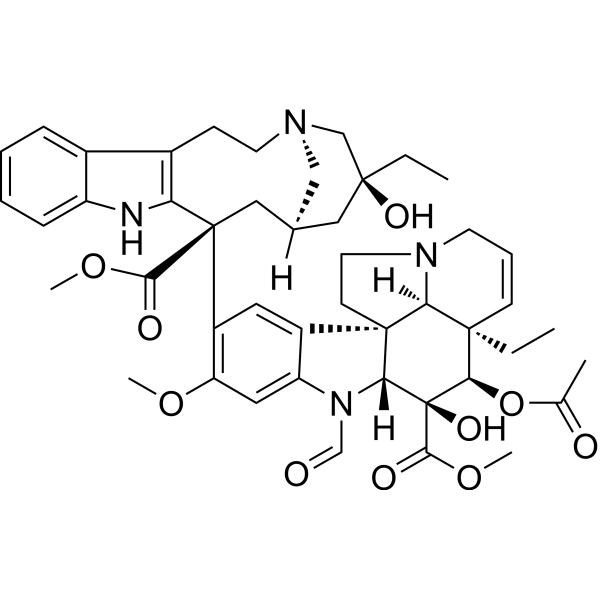
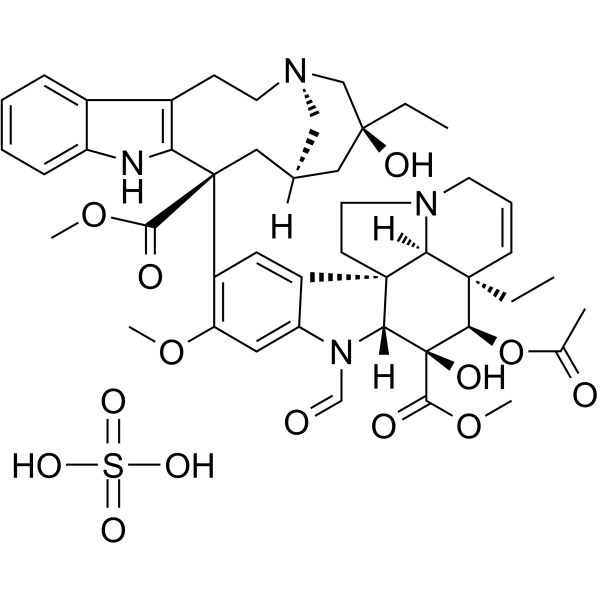
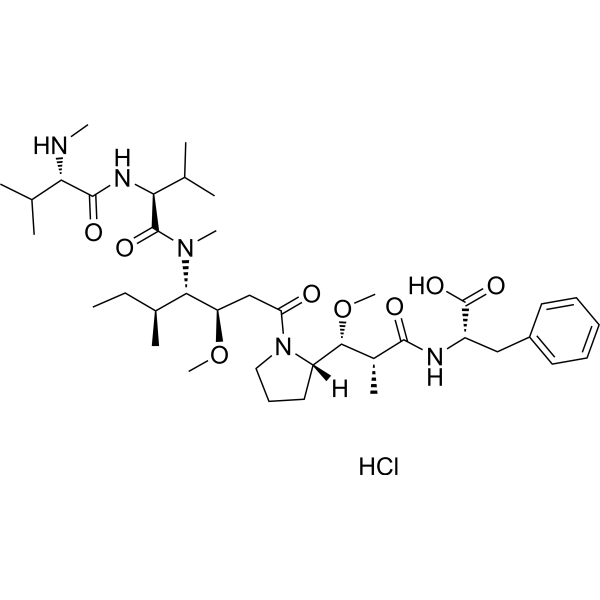
    ALB-109564 (12'-Methylthiovinblastine) hydrochloride, a tubulin inhibitor, is a cytotoxic agent designed to kill cancer cells by disrupting mitosis .
    ALB-109564 hydrochloride
  • HY-155359

    Microtubule/Tubulin Cancer
    Tubulin polymerization-IN-55 is a potent inhibitor of Tubulin Polymerization. Tubulin polymerization-IN-55 has antiproliferative activity against A549, K562, HepG2, MDA-MB-231 and HFL-1 with IC50 s of 8, 3, 9, 24 and 62 nM, respectively .
    Tubulin polymerization-IN-55
  • HY-174411

    Microtubule/Tubulin MMP Bcl-2 Family Reactive Oxygen Species (ROS) Caspase Cancer
    Tubulin polymerization-IN-82 is a tubulin inhibitor. Tubulin polymerization-IN-82 inhibits cell migration and invasion, and triggers cell apoptosis through the mitochondria and ER stress mediated pathway. Tubulin polymerization-IN-82 exhibits antitumor activity against drug resistance cancer cells, and inhibits tumor growth, can be used for liver cancer research .
    Tubulin polymerization-IN-82
  • HY-19474R

    Ansamitocin P-0 (Standard)

    Reference Standards Microtubule/Tubulin ADC Payload Apoptosis Cancer
    Maytansinol (Standard) is the analytical standard of Maytansinol. This product is intended for research and analytical applications. Maytansinol (Ansamitocin P-0) is a derivative of Maytansine. Maytansinol can inhibit tubulin polymerization and induce apoptosis. Maytansinol has antitumor activity. Maytansinol can be used in cancer drug research[1][2].
    Maytansinol (Standard)
  • HY-122151

    Microtubule/Tubulin Apoptosis Cancer
    MPT0B002 is a potent microtubule inhibitor with anticancer activities. MPT0B002 disrupts tubulin polymerization, induces apoptosis, and arrests cell cycle at the G2/M phase .
    MPT0B002
  • HY-171165

    Microtubule/Tubulin Cancer
    JC168 is a phenyl analog of peloruside and serves as a microtubule inhibitor, demonstrating antiproliferative and anticancer activities. JC168 promotes tubulin polymerization, thereby interfering with microtubule dynamics, and can be utilized in research related to microtubule-associated disorders .
    JC168
  • HY-155686

    Microtubule/Tubulin Cancer
    Tubulinpolymer-in-44 (compound 7w) is a strong and effective Tubulin inhibitor, with an IC50 value of 0.21 μM. Tubulinpolymer-in-44 induces apoptosis by arresting G2/M phase, which can be used for cancer research.
    Tubulin polymerization-IN-44
  • HY-175292

    EGFR Microtubule/Tubulin Cancer
    EGFR WT/T790M-IN-3 is an irreversible covalent EGFR WT and EGFR T790M inhibitor with IC50s value of 28.1 and 24.6 nM. EGFR WT/T790M-IN-3 hampers tubulin polymerization through IC50 value of 5.1 μM. EGFR WT/T790M-IN-3 shows significant anti-proliferative effects on HCT116 and T47D cells, with IC50 values of 3.12 and 4.12 μM, respectively. EGFR WT/T790M-IN-3 can be used for the study of cancers such as non-small cell lung cancer, colon cancer and breast cancer .
    EGFR WT/T790M-IN-3
  • HY-148265

    Microtubule/Tubulin Cancer
    Antiproliferative agent-14 (compound 3b) a potent tubulin polymerization inhibitor, with an IC50 of 3.41 μM. Antiproliferative agent-14 has excellent antiproliferative activity. Antiproliferative agent-14 possess the ability to arrest cells at G2/M phases of the cell cycle .
    Antiproliferative agent-14
  • HY-155249

    Microtubule/Tubulin Cancer
    KGP591 is a tubulin polymerization inhibitor (IC50 0.57 µM). KGP591 induces significant G2/M stagnation, inhibits cell migration, disrupts microtubule structure and cell morphology in MDA-MB-231 cells. KGP591 shows antitumor activity in orthotopic model of kidney cancer (RENCA) .
    KGP591
  • HY-159510

    Apoptosis VEGFR Microtubule/Tubulin Reactive Oxygen Species (ROS) Cancer
    VEGFR-2-IN-51 (compound 19) is an orally active dual-target inhibitor of VEGFR-2 (IC50=15.33 μM) and tubulin (IC50=0.76 μM) with anti-tumor activity. VEGFR-2-IN-51 induces tumor cell apoptosis by reducing mitochondrial membrane potential and increasing reactive oxygen species (ROS) levels. VEGFR-2-IN-51 exerts anti-angiogenic effects by blocking the VEGFR-2/PI3K/AKT signaling pathway. In addition, VEGFR-2-IN-51 has significant anti-proliferative activity against the gastric cancer cell line MGC-803 (IC50=0.005 μM) .
    VEGFR-2-IN-51
  • HY-146711

    Microtubule/Tubulin Cancer
    Tubulin inhibitor 24 is a potent tubulin inhibitor. Tubulin inhibitor 24 inhibits tubulin polymerization. Tubulin inhibitor 24 induces cell cycle arrest at the G2/M phase in a concentration-dependent manner. Tubulin inhibitor 24 shows antitumor activity with no obvious toxicity .
    Tubulin inhibitor 24
  • HY-145821

    Microtubule/Tubulin Cancer
    Tubulin inhibitor 15 is a potent tubulin inhibitor. Tubulin inhibitor 15 shows antiproliferative activity. Tubulin inhibitor 15 shows cytotoxicity in HepG2 cells .
    Tubulin inhibitor 15
  • HY-145822

    Microtubule/Tubulin Cancer
    Tubulin inhibitor 16 is a potent tubulin inhibitor. Tubulin inhibitor 16 shows antiproliferative activity. Tubulin inhibitor 16 shows cytotoxicity in HepG2 cells .
    Tubulin inhibitor 16
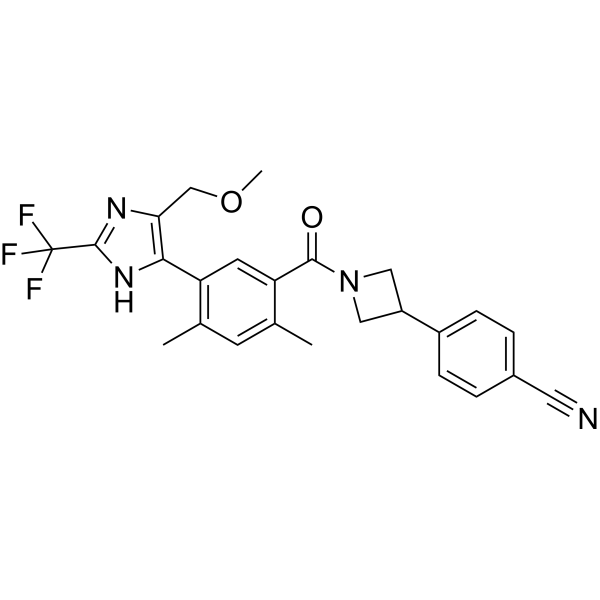
  • HY-151996

    Microtubule/Tubulin Cardiovascular Disease
    Tubulin inhibitor 31 is a potent tubulin inhibitor with an IC50 value of 4 μM. Tubulin inhibitor 31 shows anti-proliferative activity. Tubulin inhibitor 31 inhibits the HUVEC migration .
    Tubulin inhibitor 31
  • HY-115956

    Microtubule/Tubulin Cancer
    Tubulin inhibitor 18 (compound 5j) is a potent inhibitor of tubulin. Tubulin inhibitor 18 is a chalcone compound. Tubulin inhibitor 18 has the potential for the research of cancer diseases .
    Tubulin inhibitor 18
  • HY-136123

    Microtubule/Tubulin Cancer
    Tubulin inhibitor 8 (Compound 33b) is a tubulin inhibitor and a potent inhibitor of multiple cancer cell lines. Tubulin inhibitor 8 inhibits tubulin polymerization with an IC50 of 0.73 μM. Tubulin inhibitor 8 inhibits K562 cell growth with an IC50 of 14 nM .
    Tubulin inhibitor 8
  • HY-136122

    Microtubule/Tubulin Cancer
    Tubulin inhibitor 7 (Compound 33c) is a tubulin inhibitor and a potent inhibitor of multiple cancer cell lines. Tubulin inhibitor 7 inhibits tubulin polymerization with an IC50 of 0.52 μM. Tubulin inhibitor 7 inhibits K562 cell growth with an IC50 of 11 nM .
    Tubulin inhibitor 7
  • HY-144818

    Apoptosis Microtubule/Tubulin Cancer
    Tubulin inhibitor 23 is a potent Tubulin inhibitor with an IC50 of 4.8 µM. Tubulin inhibitor 23 induces cell apoptosis. Tubulin inhibitor 23 shows antiangiogenic activity in a dose-dependent manner. Tubulin inhibitor 23 has the potential for the research of leukaemia .
    Tubulin inhibitor 23
  • HY-115957

    Microtubule/Tubulin Cancer
    Tubulin inhibitor 19 (compound 9b) is a potent inhibitor of tubulin. Tubulin inhibitor 19 is an indole chalcone compound. Tubulin inhibitor 19 has the potential for the research of cancer diseases .
    Tubulin inhibitor 19
  • HY-162625

    Microtubule/Tubulin Apoptosis Cancer
    Tubulin inhibitor 47 (compound C11) is a potent tubulin inhibitor. Tubulin inhibitor 47 induces apoptosis and cell cycle arrest at the M phase. Tubulin inhibitor 47 shows anti-tumor activity .
    Tubulin inhibitor 47
  • HY-163195

    Microtubule/Tubulin Cancer
    Tubulin inhibitor 40 (compound 45) is a tubulin inhibitor with IC50 of 1.2 μM. Tubulin inhibitor 40 shows selective cytotoxicity towards cancer cells. Tubulin inhibitor 40 processes antitumor activity .
    Tubulin inhibitor 40
  • HY-115958

    Microtubule/Tubulin Cancer
    Tubulin inhibitor 20 (compound 1) is a potent inhibitor of tubulin. Tubulin inhibitor 20 has the potential for the research of cancer diseases .
    Tubulin inhibitor 20
  • HY-149252

    Apoptosis Microtubule/Tubulin Cancer
    Tubulin inhibitor 32 is a potent and orally active tubulin inhibitor. Tubulin inhibitor 32 shows anti-proliferative activity and inhibits microtubule polymerization. Tubulin inhibitor 32 induces Apoptosis and cell cycle arrest at G2/M phase. Tubulin inhibitor 32 shows anti-tumor activity .
    Tubulin inhibitor 32
  • HY-147888

    Microtubule/Tubulin Cancer
    Tubulin inhibitor 29 (compound 3c) is a potent tubulin inhibitor with an IC50 value of 1.2 µM. Tubulin inhibitor 29 shows antiproliferative effects with an IC50 value of 7.5 µM for MCF-7 cells. Tubulin inhibitor 29 inhibits tubulin assembly and bounds in the colchicine site .
    Tubulin inhibitor 29
  • HY-151398

    Microtubule/Tubulin Cancer
    Tubulin polymerization-IN-37 is a tubulin polymerization inhibitor (IC50: 2.3 μΜ). Tubulin polymerization-IN-37 binds to the colchicine site of tubulin and inhibits colchicine binding. Tubulin polymerization-IN-37 can be used in the research of cancers, such as lymphomas .
    Tubulin polymerization-IN-37
  • HY-151397

    Microtubule/Tubulin Cancer
    Tubulin polymerization-IN-36 is a tubulin polymerization inhibitor (IC50: 2.8 μΜ). Tubulin polymerization-IN-36 binds to the colchicine site of tubulin and inhibits colchicine binding. Tubulin polymerization-IN-36 can be used in the research of cancers, such as lymphomas .
    Tubulin polymerization-IN-36

Inquiry Online

Your information is safe with us. * Required Fields.

Salutation


Country or Region *

Applicant Name *


Organization Name *

Department *


Email Address *


Product Name *

Cat. No.


Requested quantity *

Phone Number *


Remarks

Inquiry Online

Inquiry Information

Product Name:
Cat. No.:
Quantity:
MCE Japan Authorized Agent:

