
Search Result
Results for "
U-2 OS
" in MedChemExpress (MCE) Product Catalog:
| Cat. No. |
Product Name |
Target |
Research Areas |
Chemical Structure |
-
- HY-14229
-
|
CCDC
|
G protein-coupled Bile Acid Receptor 1
Calcium Channel
|
Metabolic Disease
|
|
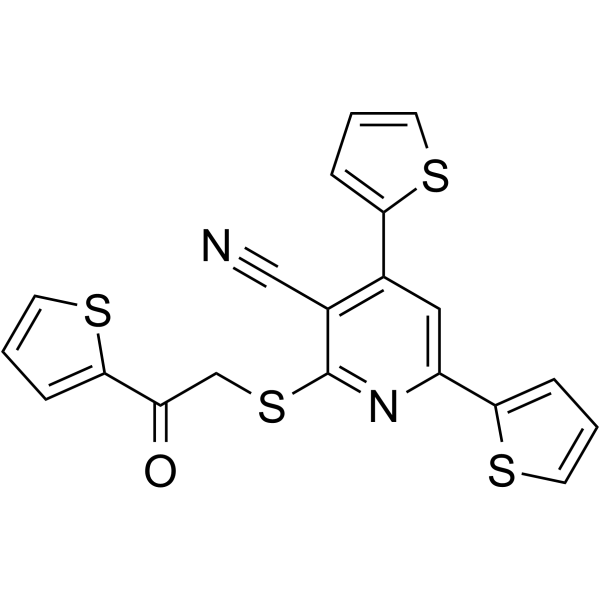
TGR5 Receptor Agonist (CCDC), a potent Takeda G protein-coupled receptor 5 (TGR5; GPCR19) agonist, shows improved potency in the U2-OS cells and melanophore cells with pEC50s of 6.8 and 7.5, respectively. TGR5 Receptor Agonist can induce peripheral and central hypersensitivity to bladder distension in mice, and increase intracellular Ca 2+ concentration. TGR5 Receptor Agonist can also reduces food intake and improves insulin responsiveness, in diet-induced obese mice. TGR5 Receptor Agonist can be used to research diabetes, bladder hypersensitivity and anti-obesity .
|
-
-
- HY-19979
-
|
|
DNA/RNA Synthesis
|
Cancer
|
|
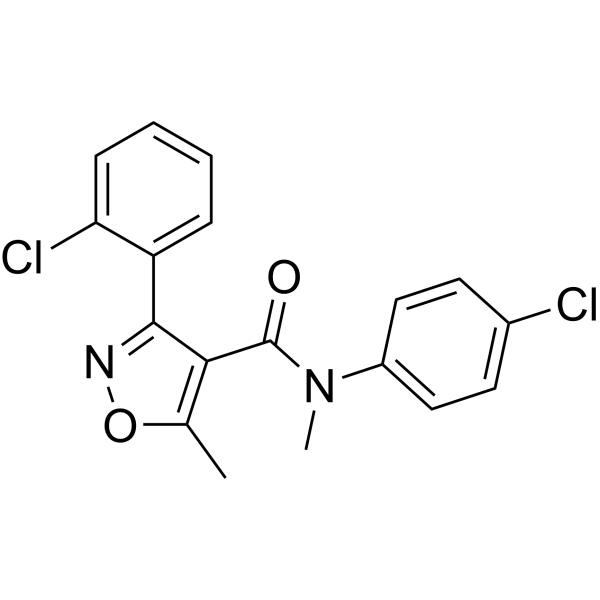
RCM-1 is a forkhead box M1 (FOXM1) inhibitor with an EC50 of 0.72 μM in U2OS cells. RCM-1 blocks the nuclear localization and increased the proteasomal degradation of FOXM1. RCM-1 can be used for asthma and other chronic airway diseases research .
|
-
-
- HY-151500
-
|
|
Amine N-methyltransferase
|
Metabolic Disease
|
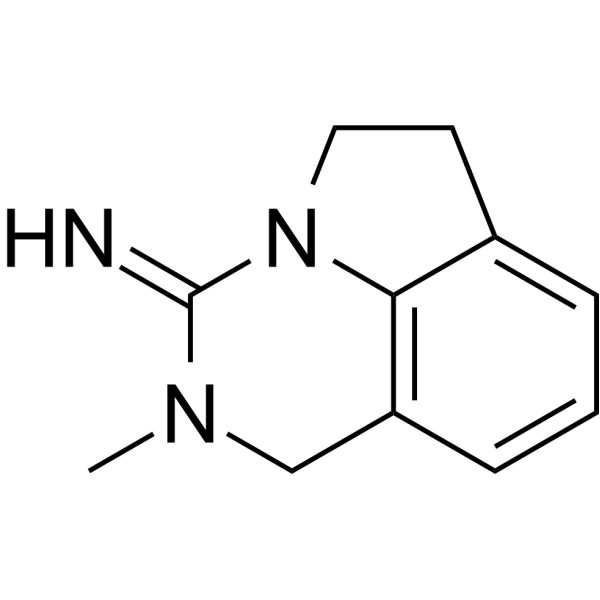
JBSNF-00002 free base is an orally active small molecule inhibitor of the tricyclic nicotinamide N-methyltransferase (NNMT) with IC50 values for human, mouse and monkey sources of NNMT of 33, 210 and 190 nM respectively. JBSNF-00002 free base can reduce endogenous MNA levels in U2OS osteosarcoma cells, with its EC50 being 2.5 μM. JBSNF-00002 free base exhibits significant anti-obesity and anti-diabetic activities in the diet-induced obesity (DIO) model. JBSNF-00002 free base can be used for the study of metabolic diseases such as obesity, type 2 diabetes and non-alcoholic fatty liver disease .
|
-
-
- HY-108708
-
|
|
PARP
|
Cancer
|
|
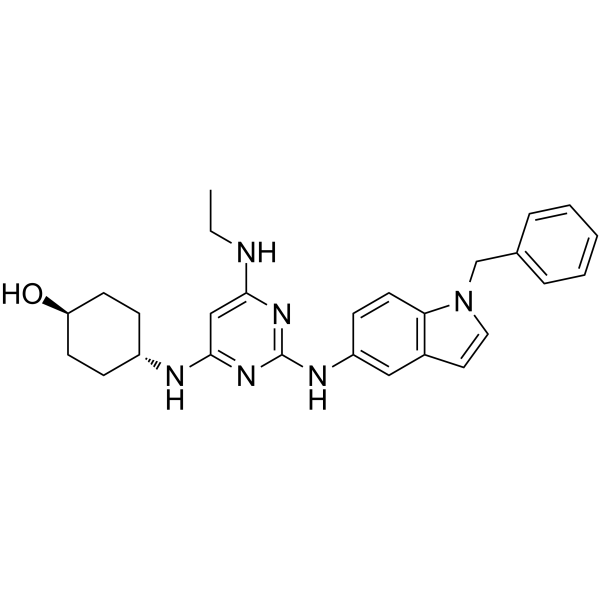
GeA-69 is a selective, allosteric inhibitor of poly-adenosine-diphosphate-ribose polymerase 14 (PARP14) targeting macrodomain 2 (MD2), with a Kd value of 2.1 μM. GeA-69 involves in DNA damage repair mechanisms and prevents recruitment of PARP14 MD2 to sites of laser-induced DNA damage .
|
-
-
- HY-100887
-
|
|
Ferroptosis
|
Cancer
|
|
Piperazine erastin is an analog of erastin which induces an iron-dependent form of non-apoptotic cell death, termed ferroptosis. Piperazine erastin can be used in cancer research .
|
-
-
- HY-169053
-
|
|
IKK
NF-κB
|
Cancer
|
SU1261 is an IKK inhibitor with Ki values of 10 nM and 680 nM for IKKα and IKKβ, respectively. SU1261 can inhibit non-canonical NF-κB signaling in U2OS osteosarcoma cells .
|
-
-
- HY-111083
-
|
CID23612552
|
GPR55
|
Others
|
|
ML-191 is an antagonist of GPR55. It inhibits GPR55 signaling induced by lysophosphatidylinositol (EC50=1.076 µM in U2OS cells overexpressing GPR55). ML-191 inhibits LPI-induced phosphorylation of ERK1/2 (IC50=328 nM) and receptor-dependent translocation of PKCβII when used at a concentration of 30 µM .
|
-
-
- HY-157251
-
|
|
Histone Methyltransferase
|
Cancer
|
|
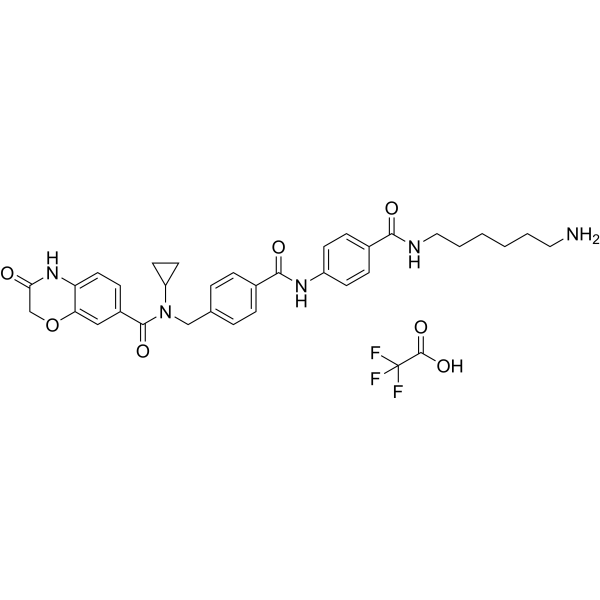
UNC8153 TFA is a potent and selective nuclear receptor-binding SET domain-containing 2 (NSD2)-targeted degrader with a Kd of 24 nM. UNC8153 TFA reduces the cellular levels of both NSD2 protein (DC50 in cell U2OS is 0.35 μM) and the H3K36me2 chromatin mark. UNC8153 TFA contains a simple warhead that confers proteasome-dependent degradation of NSD2 .
|
-
-
- HY-136726
-
|
CINK4
|
CDK
|
Cancer
|
|
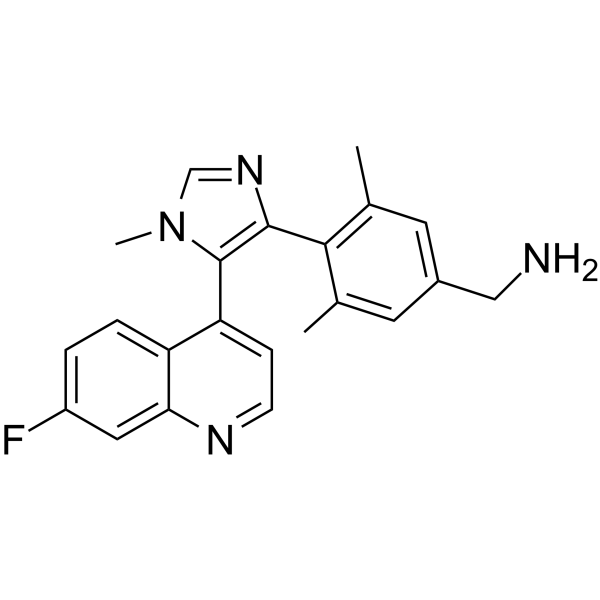
GP-82996 (CINK4) is a pharmacological inhibitor of CDK4/6. GP-82996 has IC50s of 1.5, 5.6 and 25 μM for CDK4/cyclin D1, CDK6/cyclin D1 and Cdk5/p35, respectively. GP-82996 induces the apoptosis of cancer cells U2OS. GP-82996 can be used in the research of cancer .
|
-
-
- HY-147066
-
|
|
DYRK
|
Cancer
|
|
Dyrk1A-IN-4 is a potent and orally active Dyrk1A inhibitor. Dyrk1A-IN-4 exhibits IC50s against DYRK1A and DYRK2 of 2 nM and 6 nM. Dyrk1A-IN-4 exhibits the inhibition of the DYRK1A pSer520 autophosphorylation in U2OS cells with an IC50 of 28 nM. Dyrk1A-IN-4 can be used for the studies of ovarian adenocarcinoma, neuroblastoma and cervical squamous cell carcinoma .
|
-
-
- HY-151500B
-
|
|
Amine N-methyltransferase
|
Metabolic Disease
|
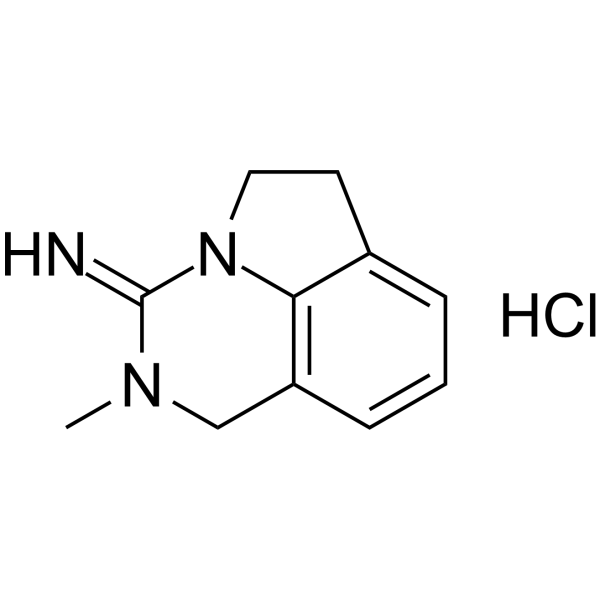
JBSNF-00002 hydrochloride is an orally active small molecule inhibitor of the tricyclic nicotinamide N-methyltransferase (NNMT) with IC50 values for human, mouse and monkey sources of NNMT of 33, 210 and 190 nM respectively. JBSNF-00002 hydrochloride can reduce endogenous MNA levels in U2OS osteosarcoma cells, with its EC50 being 2.5 μM. JBSNF-00002 hydrochloride exhibits significant anti-obesity and anti-diabetic activities in the diet-induced obesity (DIO) model. JBSNF-00002 hydrochloride can be used for the study of metabolic diseases such as obesity, type 2 diabetes and non-alcoholic fatty liver disease .
|
-
-
- HY-P10426
-
|
|
HIF/HIF Prolyl-Hydroxylase
VEGFR
|
Cancer
|
|
cyclo(CLLFVY) is an inhibitor for hypoxia inducible factor-1 (HIF-1), with IC50 of 19 μM (in U2OS) and 16 μM (in MCF-7). cyclo(CLLFVY) binds to the PAS-B domain of HIF-1α, inhibits HIF-1 dimerization and transcriptional activity. cyclo(CLLFVY) downregulates the expression of hypoxia response genes, such as VEGF and CAIX, exhibits antitumor against the HIF-1 associated cancers .
|
-
-
- HY-114208A
-
|
|
Histone Methyltransferase
|
Cancer
|
|
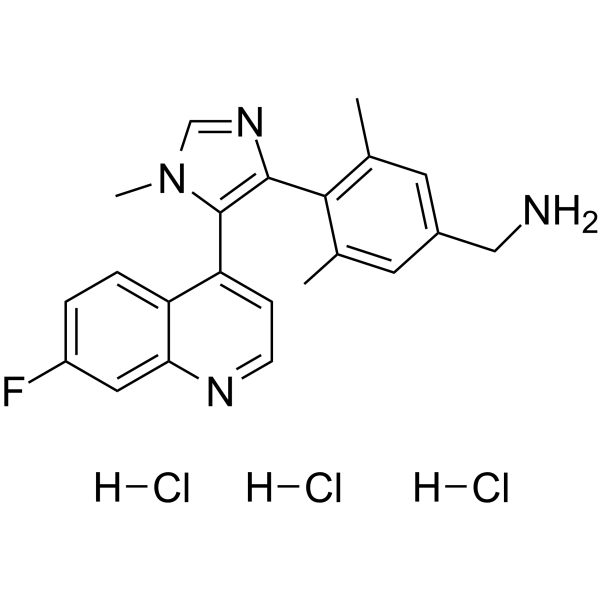
BI-9321 trihydrochloride is a potent, selective and cellular active nuclear receptor-binding SET domain 3 (NSD3)-PWWP1 domain antagonist with a Kd value of 166 nM. BI-9321 trihydrochloride is inactive against NSD2-PWWP1 and NSD3-PWWP2. BI-9321 trihydrochloride specifically disrupts histone interactions of the NSD3-PWWP1 domain with an IC50 of 1.2 μM in U2OS cells .
|
-
-
- HY-174996
-
|
|
PROTACs
Epigenetic Reader Domain
Apoptosis
|
Cancer
|
|
NEP162 is a BRD4 PROTAC degrader with DC50s of 1.2 and 1.6 μM in SW480 and U2OS cells. NEP162 exhibits antiproliferative activity, effectively inhibits tumor growth and induces apoptosis. NEP162 can be used for the study of osteosarcoma, colorectal cancer and non-small cell lung cancer, etc. (Pink: BRD4 ligand : (HY-78695), Blue: E3 ligase Ligand (HY-D2259), BLACK: Linker, E3 ligase ligand-linker conjugate (HY-174997)) .
|
-
-
- HY-157251A
-
|
|
Histone Methyltransferase
|
Cancer
|
|
UNC8153 is a potent and selective nuclear receptor-binding SET domain-containing 2 (NSD2)-targeted degrader with a Kd of 24 nM. UNC8153 reduces the cellular levels of both NSD2 protein (DC50 in cell U2OS is 0.35 μM) and the H3K36me2 chromatin mark. UNC8153 contains a simple warhead that confers proteasome-dependent degradation of NSD2 .
|
-
-
- HY-P3730
-
|
|
CDK
|
Cancer
|
|
Cdk2/Cyclin Inhibitory Peptide I (Tat-LFG), a CDK2 inhibitor, kills U2OS osteosarcoma cells in a dose-dependent manner .
|
-
-
- HY-163499
-
|
|
NAMPT
|
Cancer
|
|
NAMPT activator-7 (Compound 232) is an activator for nicotinamide phosphoribosyltransferase (NAMPT), with EC50 < 0.5 μM. NAMPT activator-7 activates NAMPT in cells U2OS with cellular EC50 of < 0.5 μM .
|
-
-
- HY-163500
-
|
|
NAMPT
|
Cancer
|
|
NAMPT activator-8 (Compound 278) is an activator for nicotinamide phosphoribosyltransferase (NAMPT), with EC50 < 0.5 μM. NAMPT activator-8 activates NAMPT in cells U2OS with cellular EC50 of < 0.5 μM .
|
-
-
- HY-I0450
-
|
|
Drug Derivative
|
Cancer
|
|
Anticancer agent 265 (compound 1) is an anticancer compound. Anticancer agent 265 exhibits in vitro anticancer activity against three human bone cancer lines, U2OS, Saos-2, and GC9811, with IC50 values of 13.1, 11.7, and 14.6 μM, respectively .
|
-
-
- HY-128221
-
|
|
SGK
|
Inflammation/Immunology
|
|
SGK1-IN-5 (Compound 1) is an inhibitor for serum and glucocorticoid regulated kinase SGK 1 with an IC50 of 3 nM. SGK1-IN-5 inhibits SGK-1 dependent phosphorylation of GSK3β in U2OS cells with an IC50 of 1.4 μM. SGK1-IN-5 can be used in research about osteoarthritis or rheumatism .
|
-
-
- HY-114208
-
|
|
Histone Methyltransferase
|
Cancer
|
|
BI-9321, a chemical probe, is a potent, selective and cellular active nuclear receptor-binding SET domain 3 (NSD3)-PWWP1 domain antagonist with a Kd value of 166 nM. BI-9321 is inactive against NSD2-PWWP1 and NSD3-PWWP2. BI-9321 specifically disrupts histone interactions of the NSD3-PWWP1 domain with an IC50 of 1.2 μM in U2OS cells .
|
-
-
- HY-151500A
-
|
|
Amine N-methyltransferase
|
Metabolic Disease
|
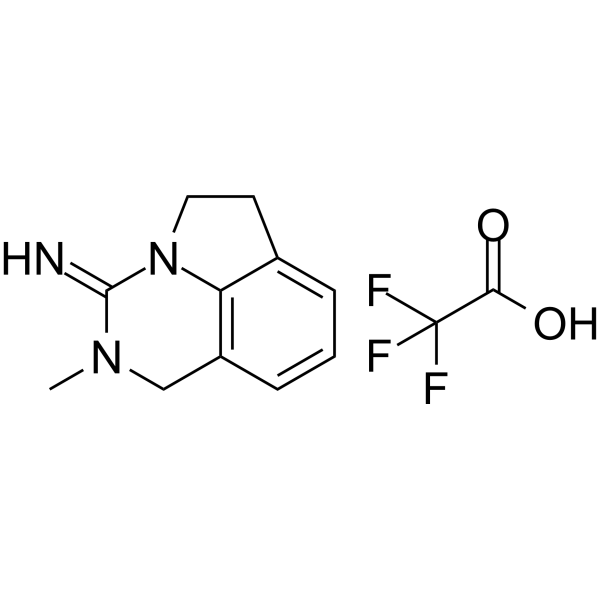
JBSNF-00002 TFA is an orally active small molecule inhibitor of the tricyclic nicotinamide N-methyltransferase (NNMT) with IC50 values for human, mouse and monkey sources of NNMT of 33, 210 and 190 nM respectively. JBSNF-00002 TFA can reduce endogenous MNA levels in U2OS osteosarcoma cells, with its EC50 being 2.5 μM. JBSNF-00002 TFA exhibits significant anti-obesity and anti-diabetic activities in the diet-induced obesity (DIO) model. JBSNF-00002 TFA can be used for the study of metabolic diseases such as obesity, type 2 diabetes and non-alcoholic fatty liver disease .
|
-
-
- HY-N10073
-
|
|
Others
|
Cancer
|
|
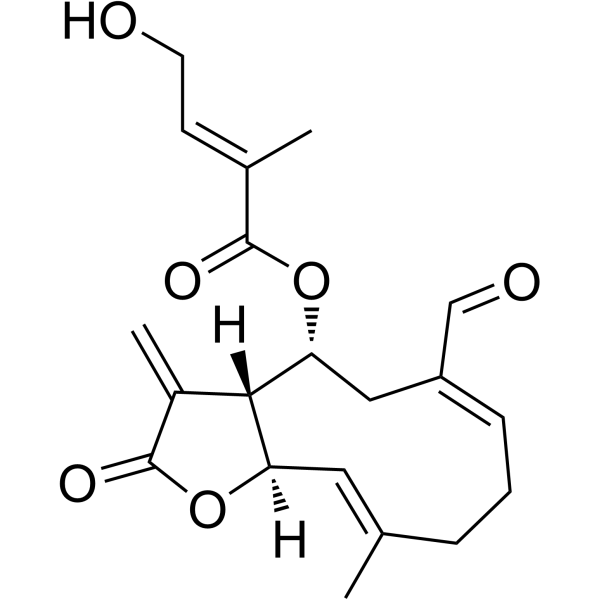
Eupahualin C is a sesquiterpene lactone that can be isolated from Eupatorium hualienense. Eupahualin C shows cytotoxicity to K562 and U2OS cancer cells .
|
-
-
- HY-151500C
-
|
|
Amine N-methyltransferase
|
Metabolic Disease
|
JBSNF-00002 is an orally active small molecule inhibitor of the tricyclic nicotinamide N-methyltransferase (NNMT) with IC50 values for human, mouse and monkey sources of NNMT of 33, 210 and 190 nM respectively. JBSNF-00002 can reduce endogenous MNA levels in U2OS osteosarcoma cells, with its EC50 being 2.5 μM. JBSNF-00002 exhibits significant anti-obesity and anti-diabetic activities in the diet-induced obesity (DIO) model. JBSNF-00002 can be used for the study of metabolic diseases such as obesity, type 2 diabetes and non-alcoholic fatty liver disease .
|
-
-
- HY-14229R
-
|
CCDC (Standard)
|
G protein-coupled Bile Acid Receptor 1
Calcium Channel
Reference Standards
|
Metabolic Disease
|
|
TGR5 Receptor Agonist (Standard) is the analytical standard of TGR5 Receptor Agonist. This product is intended for research and analytical applications. TGR5 Receptor Agonist (CCDC), a potent Takeda G protein-coupled receptor 5 (TGR5; GPCR19) agonist, shows improved potency in the U2-OS cells and melanophore cells with pEC50s of 6.8 and 7.5, respectively. TGR5 Receptor Agonist can induce peripheral and central hypersensitivity to bladder distension in mice, and increase intracellular Ca2+ concentration. TGR5 Receptor Agonist can also reduces food intake and improves insulin responsiveness, in diet-induced obese mice. TGR5 Receptor Agonist can be used to research diabetes, bladder hypersensitivity and anti-obesity .
|
-
-
- HY-123369
-
|
|
CDK
Apoptosis
|
Cancer
|
|
BMI-1026 is a cyclin-dependent kinase 1 (Cdk1) inhibitor with IC50 of 2.3 nM. BMI-1026 induces apoptosis by arresting the G2-M phase .
|
-
-
- HY-150048
-
|
|
CD73
Apoptosis
|
Cancer
|
|
BK50164 is a potent CD73 inhibitor with an IC50 value of 13.089 μM. BK50164 binds to CD99 with a KD value of 1.5 μM. BK50164 shows antiproliferative activity. BK50164 induced Apoptosis and cell cycle arrest at Sub-G1 phase .
|
-
-
- HY-161628
-
|
|
Topoisomerase
|
Cancer
|
|
Tapcin is a dual inhibitor for topoisomerase I and topoisomerase II, with IC50 of 203 and 71 nM. Tapcin inhibits proliferations of cancer cells A-375, HeLa, Huh7.5, U2-OS, A549, Caco-2 and HT29, with IC50s of 441, 1.04, 40.5, 0.002, 0.006, 0.287 and 0.842 nM, respectively. Tapcin exhibits antitumor activity in HT29 xenograft model .
|
-
-
- HY-124132
-
|
|
Autophagy
|
Cancer
|
|
Autophagy-IN-4 (Compound 34) is an autophagy inhibitor, with an EC50 of 0.5 μM and a LD50 of 27 μM for U2OS cells .
|
-
-
- HY-P3731
-
|
|
CDK
|
Cancer
|
|
Cdk2/Cyclin Inhibitory Peptide II (Tat-LDL), a CDK2 inhibitor, kills U2OS osteosarcoma cells in a dose-dependent manner .
|
-
-
- HY-161417
-
|
|
LIM Kinase (LIMK)
|
Cancer
|
|
LIMK-IN-2 (Compound 52) is an LIMK inhibitor. LIMK-IN-2 can suppress the cell migration of osteosarcoma and cervical cancer cells, demonstrating potential anti-angiogenic activity .
|
-
-
- HY-161863
-
|
|
Microtubule/Tubulin
Reactive Oxygen Species (ROS)
Apoptosis
|
Cancer
|
|
Tubulin polymerization-IN-67 (Compound 5h) is an inhibitor for tubulin polymerization on colchicine binding site with an IC50 of 2.92 μM. Tubulin polymerization-IN-67 inhibits the proliferation of cancer cells HT29, A549, U2OS, MG-63 and HeLa with IC50s of 0.12-4.13 μM. Tubulin polymerization-IN-67 arrests the cell cycle at G2/M phase, induces apoptosis in cell U2OS, inhibits the cell migration of A549. Tubulin polymerization-IN-67 reduces the mitochondrial membrane potential (MMP) and increase intracellular ROS, inhibits the angiogenesis in HUVECs. Tubulin polymerization-IN-67 exhibits antitumor efficacy in mice
|
-
-
- HY-163518
-
|
|
E1/E2/E3 Enzyme
|
Cancer
|
|
Antitumor agent-153 (compound 11b) is an optimized H2A histone ubiquitination inhibitor based on PRT4165 (HY-19817). Antitumor agent-153 inhibits the viability of human osteosarcoma U2OS cells and reduces histone H2A monoubiquitination, exhibiting anticancer activity .
|
-
-
- HY-103453
-
|
|
Estrogen Receptor/ERR
|
Endocrinology
|
|
(R)-DPN (compound 3) is a selective ERβ ligand with EC50s of 2.9, 0.8 nM for ERα and ERβ, respectively. (R)-DPN shows a very high affinity and potency preference for ERβ over ERα. (R)-DPN shows cytoxicity for HEC-1 and U2OS cells with EC50s of 286, 205 nM, respectively .
|
-
-
- HY-169418
-
|
|
Microtubule/Tubulin
Apoptosis
|
Cancer
|
|
Tubulin polymerization-IN-71 (Compound 4k) is an inhibitor for tubulin polymerization with an IC50 of 3.06 μM. Tubulin polymerization-IN-71 inhibits the proliferation of cancer cell MG-63 and U2OS with IC50 of 0.08-0.14 μM. Tubulin polymerization-IN-71 arrests the cell cycle at G2/M phase, and induces apoptosis in MG-63 .
|
-
-
- HY-170301
-
|
|
Quinone Reductase
Keap1-Nrf2
|
Others
|
|
Keap1-IN-1 (Compound 27) is the inhibitor for Keap1, that covalently modifys the Cys151 site in the BTB domain of KEAP1, and interfers with the interaction between Keap-Nrf. Keap1-IN-1 upregulates the mRNA expression of the antioxidant stress element (ARE)-dependent gene NQO1 with an EC50 of 160 nM. Keap1-IN-1 exhibits cytotoxicity in cell U2OS with an EC50 of 527 nM .
|
-
-
- HY-161860
-
|
|
Bacterial
|
Cancer
|
|
Antibacterial agent 233 (Compound 7c) exhibits inhibitory efficacy against Helicobacter pylori with MIC of 0.4-1.6 μg/mL. Antibacterial agent 233 inhibits jack bean urease (IC50 is 0.27 μg/mL), changes the permeability of H. pylori cell membrane, causes the leakage of cellular contents. Antibacterial agent 233 exhibits metabolic stability in whole blood and artificial gastric fluid. Antibacterial agent 233 exhibits antitumor efficacy against U2OS in mice .
|
-
-
- HY-146080
-
|
|
Apoptosis
|
Cancer
|
|
Antitumor agent-61 (Compound 9b), Irinotecan (Ir) derivative, is a potential antitumor agent. Antitumor agent-61 displays potent activity with IC50s of 0.92, 1.39, 1.75, 2.20, 3.05 and 3.23 μM against five human cancer cells SK-OV-3, SK-OV-3/CDDP, U2OS, MCF-7, A549 and MG-63, respectively. Antitumor agent-61 induces SK-OV-3 cells apoptosis through mitochondrion pathways .
|
-
-
- HY-178334
-
|
|
CHIKV
|
Infection
|
|
GAP-1173149 is a Chikungunya Virus polymerase inhibitor targeting the CHIKV nsP4 RNA-dependent RNA polymerase .
|
-
-
- HY-100887R
-
|
|
Ferroptosis
Reference Standards
|
Cancer
|
|
Piperazine Erastin (Standard) is the analytical standard of Piperazine Erastin (HY-100887). This product is intended for research and analytical applications. Piperazine erastin is an analog of erastin which induces an iron-dependent form of non-apoptotic cell death, termed ferroptosis. Piperazine erastin can be used in cancer research .
|
-
-
- HY-P3730A
-
|
|
CDK
|
Cancer
|
|
Cdk2/Cyclin Inhibitory Peptide I (Tat-LFG) acetate, a CDK2 inhibitor, kills U2OS osteosarcoma cells in a dose-dependent manner .
|
-
-
- HY-103455
-
|
|
Estrogen Receptor/ERR
|
Others
|
|
ZK164015 is an estrogen-glucocorticoid receptor chimera that can be used as a compound screening tool to evaluate tissue-selective estrogen activity. ZK164015 was used to evaluate its effects on ER function in osteoblasts in studies based on green fluorescent protein (GFP)-receptor chimeras. In osteoblast-like (ROS and U2OS) and breast cancer (MCF7) cells, ZK164015 showed different effects in response to ER agonists, including modulation of ERE-luc activity and effects on nuclear mobility.
|
-
-
- HY-D3446
-
|
|
Fluorescent Dye
|
Others
|
|
PA-SiR-Halo is a photoactivatable fluorophore targeting HaloTag. When bound to HaloTag, PA-SiR-Halo stabilizes its fluorescent form under physiological pH. After conjugation and photoactivation, it exhibits enhanced resistance to nucleophiles, and enables live-cell confocal imaging, fixed-cell single-molecule localization microscopy imaging, live-cell single-particle tracking, as well as live-cell single-molecule localization microscopy imaging of dynamic mitochondrial structures without the need for washing .
|
-
-
- HY-183802
-
|
|
PROTACs
Histone Acetyltransferase
|
Cancer
|
|
PROTAC CBP/P300 Degrader-4 is a p300/CBP PROTAC degrader with DC50 of 17.4 nM and 10.2 nM against p300 and CBP in U2OS cells, respectively. PROTAC CBP/P300 Degrader-4 forms ternary complexes with p300 or CBP and an E3 ligase, drives ubiquitination, and mediates proteasomal degradation. PROTAC CBP/P300 Degrader-4 can be used for the research of hematological malignancies .
|
-
-
- HY-123599
-
|
|
DNA/RNA Synthesis
|
Cancer
|
|
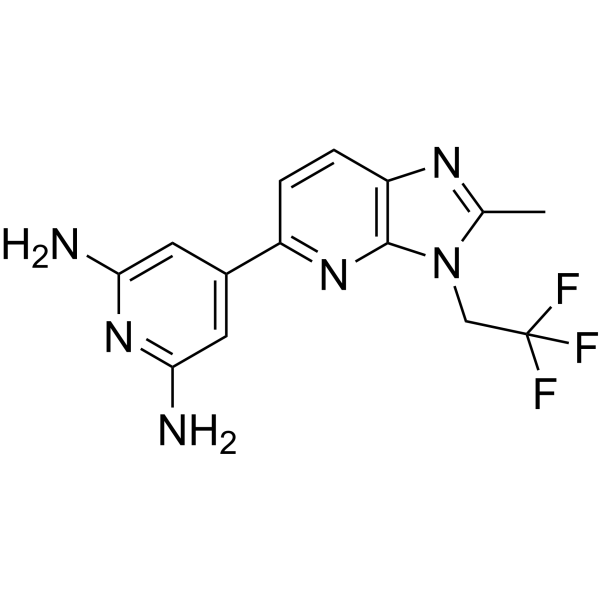
IACS-4619 (compound 4) is a highly selective 2-aminopyrimidine-based MTH1 (MutT homolog 1) inhibitor (IC50=0.2 nM). IACS-4619 inhibits MTH1 by blocking its hydrolysis of oxidized purine nucleotides such as 8-oxo-dGTP, thereby preventing MTH1 from inhibiting the incorporation of oxidized nucleotides into DNA. IACS-4619 significantly inhibits endogenous MTH1 activity in MTH1-overexpressing U2OS cells, but without antiproliferative or cytotoxic effects on various human cancer and normal cell lines. IACS-4619 can be used in oncology research related to the MTH1 target .
|
-
-
- HY-179650
-
|
|
Histone Methyltransferase
Apoptosis
|
Cancer
|
|
NSD2-PWWP1-IN-5 (Compound 13) is an effective NSD2-PWWP1 inhibitor with a Kd value of 78 nM. NSD2-PWWP1-IN-5 competitively blocks the recognition of H3K36me2 and DNA by NSD2-PWWP1, thereby weakening its binding ability to nucleosomes. NSD2-PWWP1-IN-5 inhibits the proliferation of U2OS osteosarcoma cells and induces cell cycle arrest and apoptosis. NSD2-PWWP1-IN-5 can be used for the study of osteosarcoma .
|
-
-
- HY-183703
-
-
-
- HY-179588
-
|
|
PROTACs
Epigenetic Reader Domain
c-Myc
|
Cancer
|
|
PROTAC BET Degrader-14 is a highly efficient PROTAC targeting BET (bromodomain and extra-terminal domain). PROTAC BET Degrader-14 can degrade all BET (BRD2, BRD3, BRD4) family proteins. PROTAC BET Degrader-14 potently degrades BET proteins in U2OS osteosarcoma cell lines (BRD4 DC50 = 130 nM) and KYSE180 esophageal squamous cell carcinoma cell lines (DC50 = 40 nM). PROTAC BET Degrader-14’s dependence on the ubiquitin-proteasome system. PROTAC BET Degrader-14 decreases levels of BET-regulated gene products c-Myc, RUNX2, and KRT14. PROTAC BET Degrader-14 can be used for the study of osteosarcoma .
|
-
| Cat. No. |
Product Name |
Type |
-
- HY-D3446
-
|
|
Fluorescent Dye
|
|
PA-SiR-Halo is a photoactivatable fluorophore targeting HaloTag. When bound to HaloTag, PA-SiR-Halo stabilizes its fluorescent form under physiological pH. After conjugation and photoactivation, it exhibits enhanced resistance to nucleophiles, and enables live-cell confocal imaging, fixed-cell single-molecule localization microscopy imaging, live-cell single-particle tracking, as well as live-cell single-molecule localization microscopy imaging of dynamic mitochondrial structures without the need for washing .
|
| Cat. No. |
Product Name |
Target |
Research Area |
-
- HY-P10426
-
|
|
HIF/HIF Prolyl-Hydroxylase
VEGFR
|
Cancer
|
|
cyclo(CLLFVY) is an inhibitor for hypoxia inducible factor-1 (HIF-1), with IC50 of 19 μM (in U2OS) and 16 μM (in MCF-7). cyclo(CLLFVY) binds to the PAS-B domain of HIF-1α, inhibits HIF-1 dimerization and transcriptional activity. cyclo(CLLFVY) downregulates the expression of hypoxia response genes, such as VEGF and CAIX, exhibits antitumor against the HIF-1 associated cancers .
|
-
- HY-P3730
-
|
|
CDK
|
Cancer
|
|
Cdk2/Cyclin Inhibitory Peptide I (Tat-LFG), a CDK2 inhibitor, kills U2OS osteosarcoma cells in a dose-dependent manner .
|
-
- HY-P3730A
-
|
|
CDK
|
Cancer
|
|
Cdk2/Cyclin Inhibitory Peptide I (Tat-LFG) acetate, a CDK2 inhibitor, kills U2OS osteosarcoma cells in a dose-dependent manner .
|
| Cat. No. |
Product Name |
Category |
Target |
Chemical Structure |
Your information is safe with us. * Required Fields.
Inquiry Information
- Product Name:
- Cat. No.:
- Quantity:
- MCE Japan Authorized Agent:

