1. Search Result
Search Result
Results for "

YAP

" in MedChemExpress (MCE) Product Catalog:

124

Inhibitors & Agonists

2

Biochemical Assay Reagents

12

Peptides

16

Natural
Products

1

Recombinant Proteins

4

Isotope-Labeled Compounds

8

Antibodies

1

Click Chemistry

4

Oligonucleotides

Targets Recommended:
Cat. No. Product Name Target Research Areas Chemical Structure
  • HY-B0146
    Verteporfin
    265+ Cited Publications

    CL 318952

    YAP Apoptosis Autophagy Photosensitizer Cancer
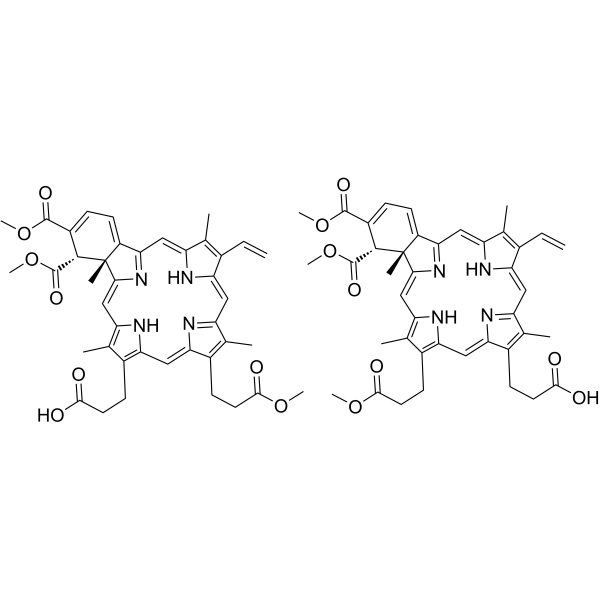
    Verteporfin (CL 318952) is a photosensitizer for photodynamic therapy to eliminate the abnormal blood vessels in the eye associated with conditions such as age-related macular degeneration. Verteporfin is a YAP inhibitor which disrupts YAP-TEAD interactions. Verteporfin induces cell apoptosis . Verteporfinis an autophagy inhibitor that blocks autophagy at an early stage by inhibiting autophagosome formation .
    Verteporfin
  • HY-13417
    AICAR
    Maximum Cited Publications
    215 Publications Verification

    Acadesine; AICA Riboside

    AMPK Autophagy YAP Mitophagy Endogenous Metabolite Cancer
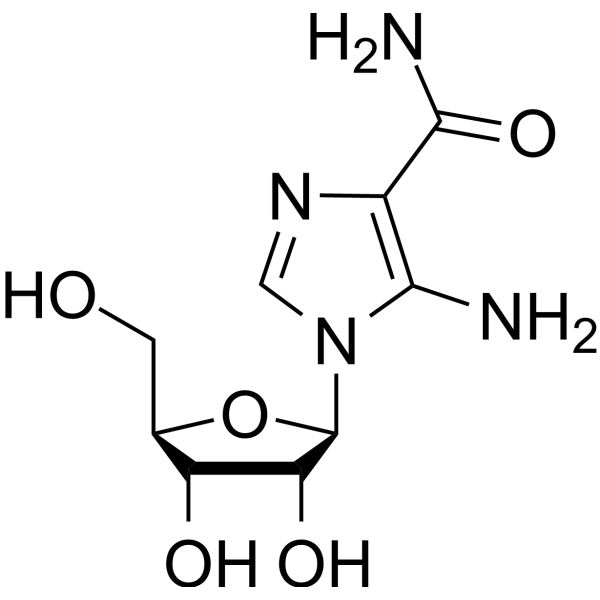
    AICAR (Acadesine) is an adenosine analog and a AMPK activator. AICAR is also an autophagy, YAP and mitophagy inhibitor. AICAR regulates the glucose and lipid metabolism, and inhibits proinflammatory cytokines and iNOS production. AICAR inhibits autophagy through a mechanism independent of AMPK activity .
    AICAR
  • HY-141644
    PY-60
    15+ Cited Publications

    Annexin A YAP Inflammation/Immunology
    PY-60 is a robust and specific activator of YAP transcriptional activity that targets annexin A2 (ANXA2) with a Kd of 1.4 µM. PY-60 directly binds to ANXA2 and antagonizes its normal cellular function of repressing YAP activity .
    PY-60
  • HY-153811
    IAG933
    3 Publications Verification

    YAP-TEAD-IN-3

    YAP Apoptosis Cancer
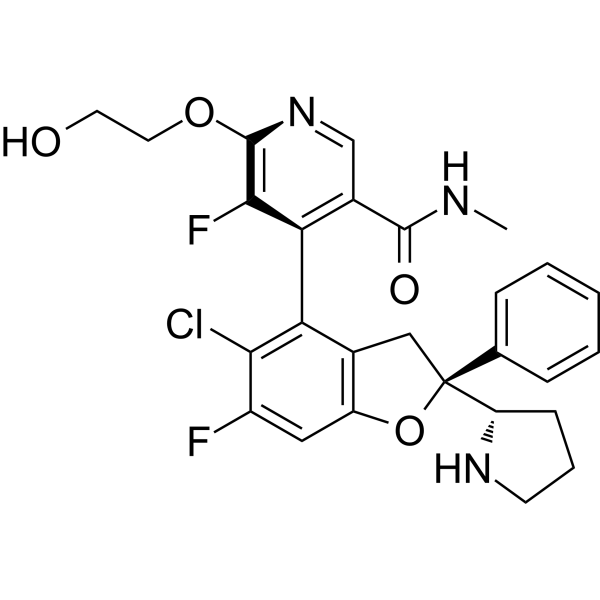
    IAG933 (YAP-TEAD-IN-3) is an orally available YAP/TAZ-TEAD inhibitor that has anti-tumor effects and promotes apoptosis. IAG933 YAP-TEAD-IN-3 inhibits Avi-human TEAD 4217-434, with an IC50 value of 9 nM .
    IAG933
  • HY-138489
    TRULI
    25+ Cited Publications

    Lats-IN-1

    Ser/Thr Kinase Large Tumor Suppressor (LATS) Others
    TRULI (Lats-IN-1) is a potent and ATP-competitive inhibitor of Lats1 and Lats2 kinases. TRULI promotes Yap-dependent proliferation in postmitotic mammalian tissues .
    TRULI
  • HY-150042
    TDI-011536
    3 Publications Verification

    Large Tumor Suppressor (LATS) YAP Cardiovascular Disease Others
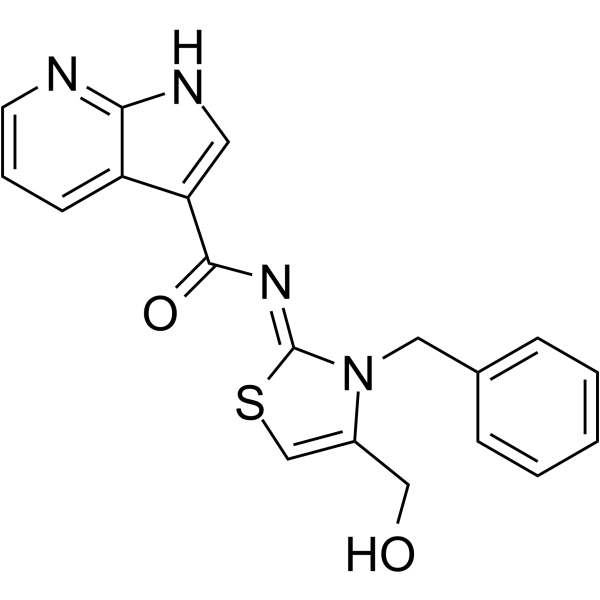
    TDI-011536 is a potent Lats kinase inhibitor, interrupts Hippo-Yap signaling and initiates the proliferation of lesioned heartmuscle cells. TDI-011536 can be used in studies of organ conservation and regeneration .
    TDI-011536
  • HY-134956
    VT104
    3 Publications Verification

    YAP Cancer
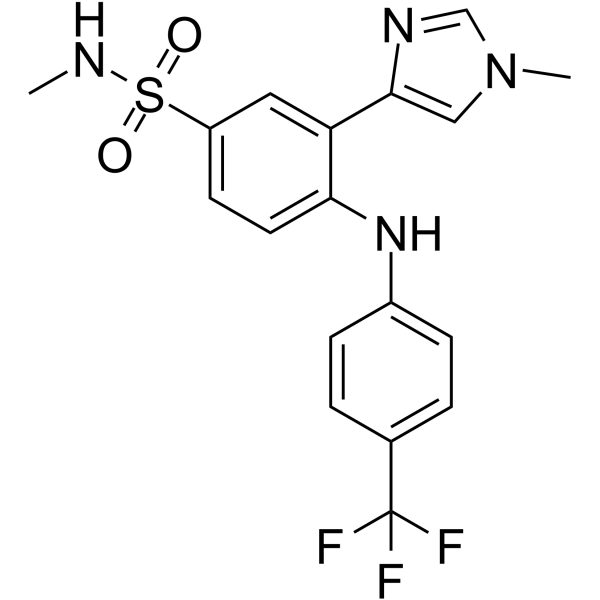
    VT104 is a potent and orally active YAP/TAZ inhibitor. VT104 prevents palmitoylation of endogenous TEAD1 and TEAD3 proteins. VT104 can be used in research of cancer .
    VT104
  • HY-B0990
    Thiostrepton
    Maximum Cited Publications
    24 Publications Verification

    Bacterial Antibiotic YAP Infection
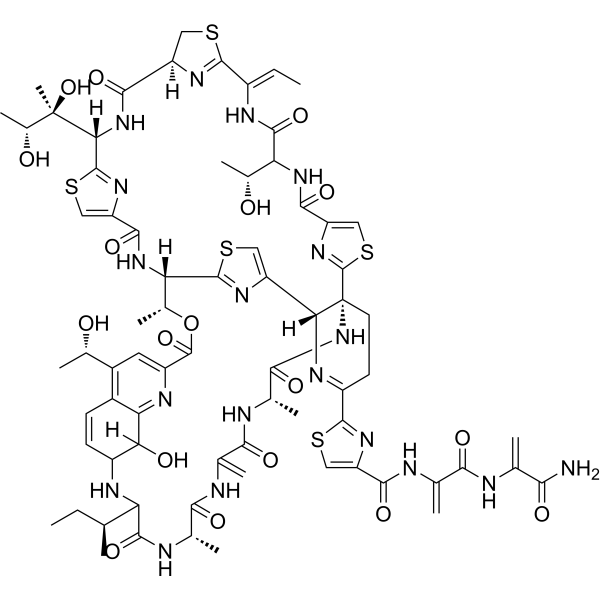
    Thiostrepton is a thiazole antibiotic which selectively inhibits FOXM1. FOXM1 binds to YAP/TEAD complex. YAP/TEAD/FOXM1 complex binding at regulatory regions of genes governing cell cycle may impact cell proliferation .
    Thiostrepton
  • HY-138565
    K-975
    30+ Cited Publications

    YAP Cancer
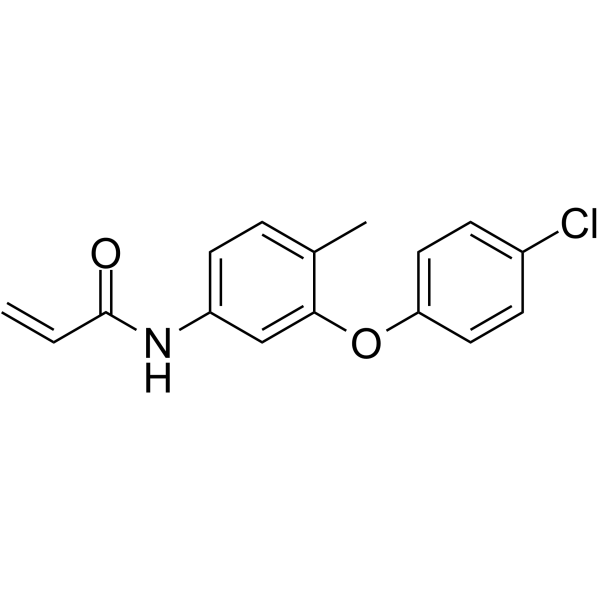
    K-975 is a potent, selective and orally active TEAD inhibitor, with a strong inhibitory effect against protein-protein interactions between YAP1/TAZ and TEAD. K-975 covalently binds to Cys359 located in the palmitate-binding pocket of TEAD via an acrylamide structure. K-975 exhibits antitumor activity on malignant pleural mesothelioma .
    K-975
  • HY-15417
    ML-7 hydrochloride
    20+ Cited Publications

    Myosin YAP Cancer
    ML-7 hydrochloride is a naphthalene sulphonamide derivative, potently inhibits MLCK (IC50=300 nM). ML-7 hydrochloride also inhibits YAP/TAZ.
    ML-7 hydrochloride
  • HY-160769
    NIBR-LTSi
    1 Publications Verification

    Large Tumor Suppressor (LATS) YAP Others
    NIBR-LTSi is an orally active and selective LATS kinase inhibitor. NIBR-LTSi can activate YAP signaling. NIBR-LTSi promotes stem cell proliferation, maintains stemness and blocks differentiation. NIBR-LTSi accelerates liver regeneration following extended hepatectomy in mice .
    NIBR-LTSi
  • HY-147214
    GNE-7883
    5 Publications Verification

    YAP Cancer
    GNE-7883 is a pan-TEAD inhibitor that blocks the association of YAP/TAZ with TEAD. GNE-7883 effectively reduces chromatin accessibility at TEAD motifs, inhibits cell proliferation in multiple cell line models, and achieves strong anti-tumor efficacy in vivo. In addition, GNE-7883 effectively overcomes intrinsic and acquired resistance to KRAS (Kirsten rat sarcoma viral oncogene homolog) G12C inhibitors in multiple preclinical models by inhibiting YAP/TAZ activation .
    GNE-7883
  • HY-13417A
    AICAR phosphate
    Maximum Cited Publications
    215 Publications Verification

    Acadesine phosphate; AICA Riboside phosphate

    AMPK Autophagy YAP Mitophagy Endogenous Metabolite Cancer
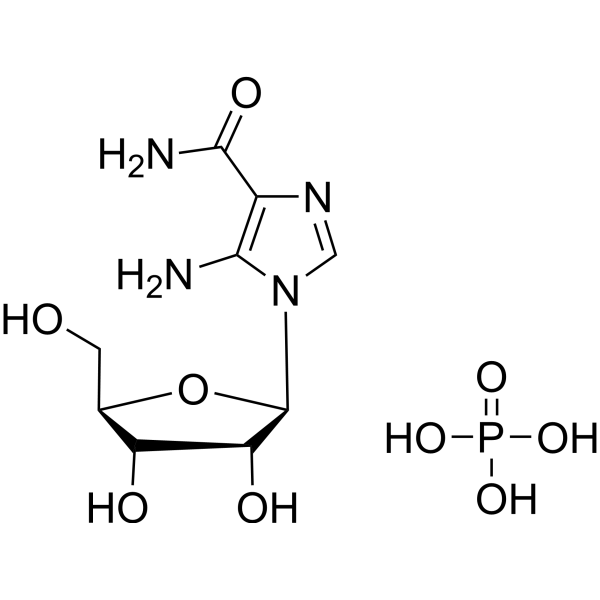
    AICAR phosphate (Acadesine phosphate) is an adenosine analog and a AMPK activator. AICAR phosphate regulates the glucose and lipid metabolism, and inhibits proinflammatory cytokines and iNOS production. AICAR phosphate is also an autophagy, YAP and mitophagy inhibitor .
    AICAR phosphate
  • HY-Y0669
    Pipecolic acid
    2 Publications Verification

    Endogenous Metabolite YAP Glutathione Peroxidase Ferroptosis Neurological Disease Metabolic Disease Inflammation/Immunology
    Pipecolic acid is an orally bioavailable, blood-brain barrier-permeable metabolite of lysine with antioxidant, inhibitor, and inducer activity. Pipecolic acid modulates the YAP-GPX4 signaling pathway, reduces retinal vascular tube formation, and mitigates ferroptosis. Pipecolic acid potentiates voltage-sensitive Ca 2+ channel currents and induces neuronal apoptosis. Pipecolic acid can be used for the research of diabetic retinopathy .
    Pipecolic acid
  • HY-B1221
    Flufenamic acid
    5+ Cited Publications

    COX AMPK Potassium Channel Chloride Channel Calcium Channel Parasite Inflammation/Immunology
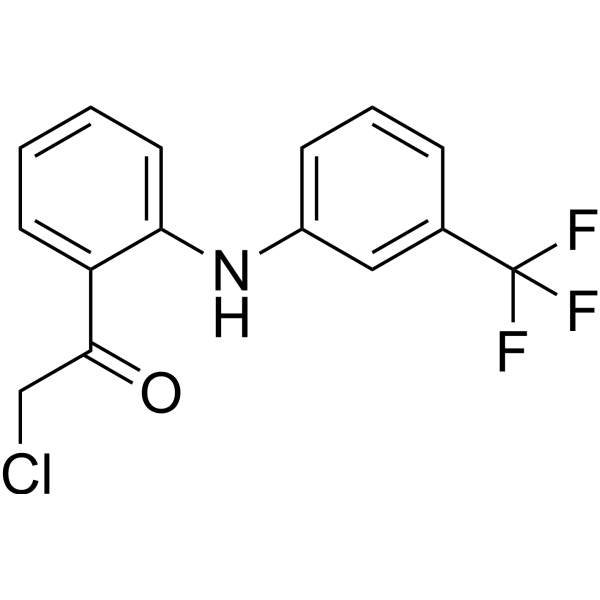
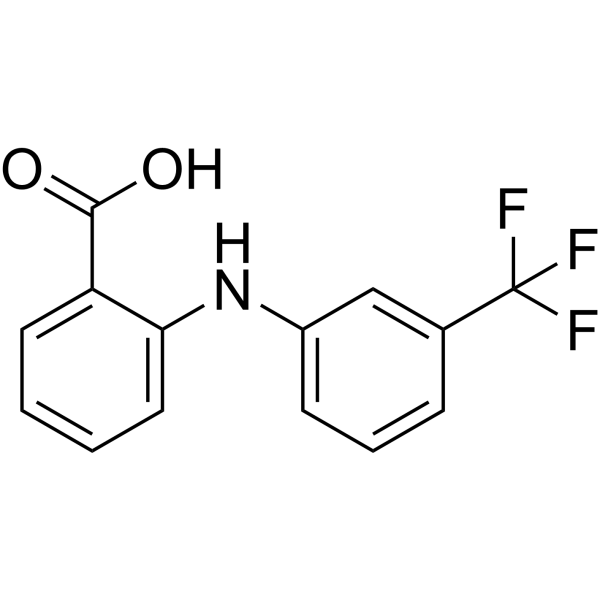
    Flufenamic acid is a non-steroidal anti-inflammatory agent, inhibits cyclooxygenase (COX), activates AMPK, and also modulates ion channels, blocking chloride channels and L-type Ca 2+ channels, modulating non-selective cation channels (NSC), activating K + channels. Flufenamic acid binds to the central pocket of TEAD2 YBD and inhibits both TEAD function and TEAD-YAP-dependent processes, such as cell migration and proliferation.
    Flufenamic acid
  • HY-155338

    YAP Cancer
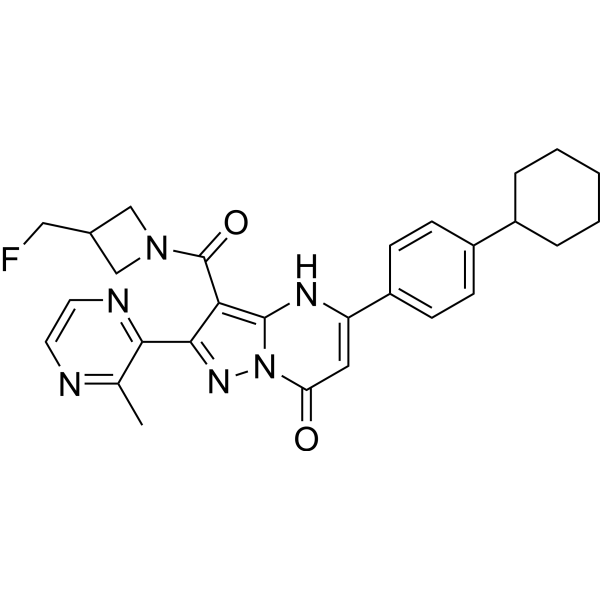
    SWTX-143 is an orally active YAP/TAZ-TEAD inhibitor that binds to the palmitoylation pocket of all four TEAD isoforms. SWTX-143 causes irreversible and specific inhibition of the transcriptional activity of YAP/TAZ-TEAD and shows antitumor activity .
    SWTX-143
  • HY-125016
    TT-10
    2 Publications Verification

    TAZ-K

    YAP Cardiovascular Disease Cancer
    TT-10 (TAZ-K) is an activator of YES-associated protein (YAP)-transcriptional enhancer factor domain (TEAD) activity. TT-10 can be used for the research of heart diseases accompanied by cardiomyocyte loss .
    TT-10
  • HY-147165
    VT02956
    1 Publications Verification

    Ser/Thr Kinase Large Tumor Suppressor (LATS) Cancer
    VT02956 is a LATS inhibitor (IC50: 0.76 nM for LATS1, 0.52 nM for LATS2). VT02956 targets the Hippo pathway. VT02956 inhibits ESR1 expression and growth of ER+ breast cancer cell lines and patient-derived tumor organoids . VT02956 is a click chemistry reagent, it contains an Alkyne group and can undergo copper-catalyzed azide-alkyne cycloaddition (CuAAc) with molecules containing Azide groups.
    VT02956
  • HY-125269
    TED-347
    10+ Cited Publications

    YAP Cancer
    TED-347 is a potent, irreversible, covalent and allosteric inhibitor at YAP-TEAD protein-protein interaction with an EC50 of 5.9 μM for TEAD4⋅Yap1 protein-protein interaction. TED-347 specifically and covalently bonds with Cys-367 within the central pocket of TEAD4 with a Ki of 10.3 μM. TED-347 blocks TEAD transcriptional activity and has antitumor activity .
    TED-347
  • HY-134955
    VT103
    5 Publications Verification

    YAP Cancer
    VT103, an analog of VT101, is an orally active and selective TEAD1 protein palmitoylation inhibitor. VT103 inhibits YAP/TAZ-TEAD promoted gene transcription, blocks TEAD auto-palmitoylation, and disrupts interaction between YAP/TAZ and TEAD. VT103 can be used for the research of cancer .
    VT103
  • HY-111429
    YAP/TAZ inhibitor-1
    5+ Cited Publications

    YAP Cancer
    YAP/TAZ inhibitor-1 is a YAP/TAZ inhibitor extracted from patent WO2017058716A1, Compound 1, has an IC50 of <0.100 μΜ in firefly luciferase assay .
    YAP/TAZ inhibitor-1
  • HY-164254

    (E/Z)-GA-002

    Large Tumor Suppressor (LATS) YAP Cardiovascular Disease Inflammation/Immunology Cancer
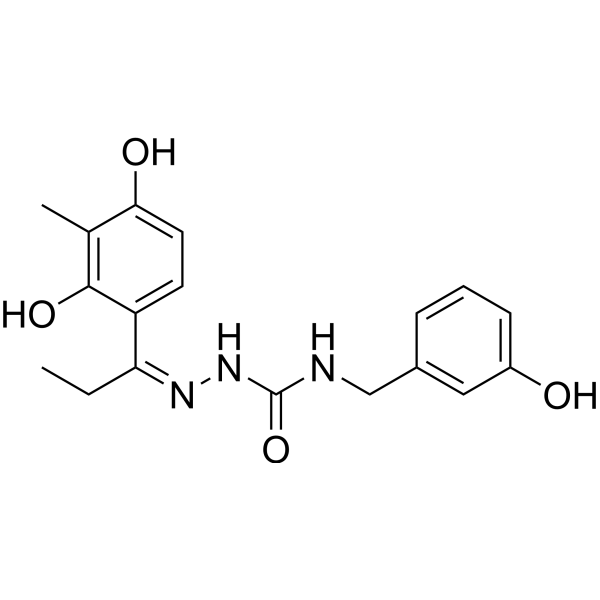
    Cardiomyocyte proliferation promoting agent-1 ((E/Z)-GA-002), which is an E/Z mixture, is a cardiomyocyte proliferation promoter. GA-002 (single E configuration) is a kinase inhibitor for LATS1 and LATS2, with its IC50 values being 3.93 nM and 3.87 nM respectively. GA-002 can induce the expression of genes regulated by the Hippo pathway, inhibit the phosphorylation of YAP/TAZ, and induce the nuclear translocation of YAP .
    Cardiomyocyte proliferation promoting agent-1
  • HY-168016

    PROTACs YAP Cancer
    PROTAC YAP degrader-1 is a VHL-recruiting PROTAC degrader (DC50=8.2 μM) and antiproliferative agent that targets YAP. PROTAC YAP degrader-1 recruits the E3 ligase VHL and binds to VHL to form a ternary complex containing YAP. PROTAC YAP degrader-1 inhibits the nuclear localization of YAP in cancer cells, reduces YAP/TEAD-mediated transcription, and induces TAZ protein degradation. PROTAC YAP degrader-1 reduces the oncogenic activity of YAP and exerts antiproliferative effects in the Huh7 xenograft mouse model. PROTAC YAP degrader-1 can be used for the research of hepatocellular carcinoma and mesothelioma .
    PROTAC YAP degrader-1
  • HY-13417R

    Acadesine (Standard); AICA Riboside (Standard)

    Reference Standards AMPK Autophagy YAP Mitophagy Endogenous Metabolite Cancer
    AICAR (Standard) is the analytical standard of AICAR. This product is intended for research and analytical applications. AICAR (Acadesine) is an adenosine analog and a AMPK activator. AICAR regulates the glucose and lipid metabolism, and inhibits proinflammatory cytokines and iNOS production. AICAR is also an autophagy, YAP and mitophagy inhibitor .
    AICAR (Standard)
  • HY-175357

    YAP Cancer
    YAP/TEAD-IN-2 (Compound T-1) is a YAP/TEAD inhibitor. YAP/TEAD-IN-2 inhibits the luciferase activity driven by YAP/TEAD in 293T cells. YAP/TEAD-IN-2 exhibits strong anti-proliferative activity against human pleural mesothelioma NCI-H226 cells. YAP/TEAD-IN-2 can be used for the study of diseases associated with Hippo pathway dysregulation, particularly cancers .
    YAP/TEAD-IN-2
  • HY-147322
    YAP/TAZ inhibitor-2
    1 Publications Verification

    YAP Cancer
    YAP/TAZ inhibitor-2 is a potent and orally active TEAD-YAP/TAZ inhibitor with an EC50 value of 3 nM. YAP/TAZ inhibitor-2 shows anti-proliferative activity. YAP/TAZ inhibitor-2 shows antitumor activity .
    YAP/TAZ inhibitor-2
  • HY-P1636

    Thrombin YAP Calcium Channel Metabolic Disease
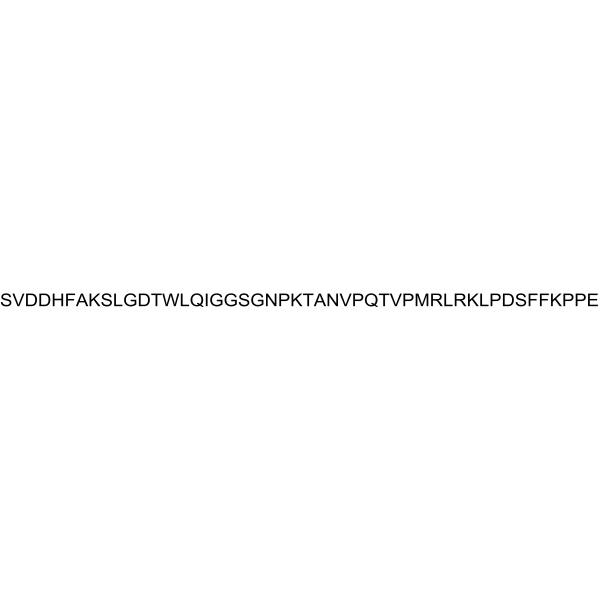
    Hirudin (54-65) is a thrombin antagonist and YAP suppressor with anticoagulatory properties.Hirudin (54-65) blocks thrombin's anion binding site, acts on soluble and thrombus-bound thrombin.Hirudin (54-65) suppresses thrombin-induced profibrotic YAP activity, reduces YAP expression, nuclear translocation, and downstream effector signaling in vascular endothelial cells.Hirudin (54-65) ameliorates obstructive cholestasis, attenuates liver fibrosis symptoms, fibrosis-associated angiogenesis, and endothelial-to-mesenchymal transition.Hirudin (54-65) reduces liver inflammation and tissue hypoxia.Hirudin (54-65) promotes extracellular calcium influx through L-type calcium channels in canine coronary artery smooth muscle, mediates contraction.Hirudin (54-65) induces endothelium-independent contraction of canine coronary arterial segments; this response is not affected by indomethacin pretreatment.Hirudin (54-65) can be used for the research of liver obstructive cholestasis, liver fibrosis .
    Hirudin (54-65)
  • HY-P1727
    Super-TDU
    5+ Cited Publications

    YAP Cancer
    Super-TDU is a specific YAP antagonist targeting YAP-TEADs interaction. Super-TDU suppresses tumor growth in gastric cancer mouse model .
    Super-TDU
  • HY-N8847

    alpha-Ionone

    Environmental Pollutants Hippo (MST) YAP Apoptosis Olfactory Receptor Large Tumor Suppressor (LATS) Cancer
    α-Ionone (alpha-Ionone) is an activator of the olfactory receptor OR10A6. α-Ionone induces apoptosis by activating OR10A6 and increasing the phosphorylation of the LATS-YAP-TAZ signaling axis in the Hippo pathway. α-Ionone can inhibit tumor formation both in vivo and in vitro .
    α-Ionone
  • HY-101299B
    Dihydrexidine hydrochloride
    5 Publications Verification

    DAR-0100 hydrochloride

    Dopamine Receptor Neurological Disease
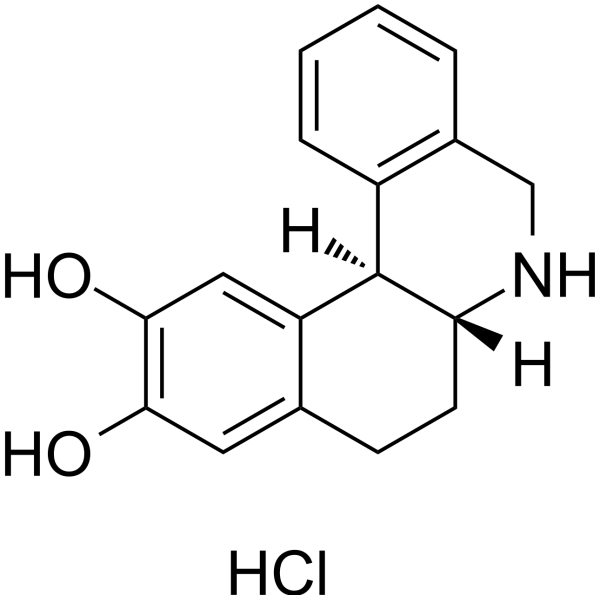
    Dihydrexidine hydrochloride (DAR-0100 hydrochloride) is a high potent, selective and full efficacy D1-like dopamine receptor (D1/D5) agonist, with an IC50 of 10 nM for D1 receptor. Dihydrexidine hydrochloride exhibits potent antiparkinsonian activity . Dihydrexidine hydrochloride can stimulate YAP phosphorylation .
    Dihydrexidine hydrochloride
  • HY-P2244
    YAP-TEAD-IN-1
    2 Publications Verification

    YAP Cancer
    YAP-TEAD-IN-1 is a potent and competitive inhibitor of?YAP–TEAD interaction (IC50=25 nM). YAP-TEAD-IN-1 is a 17mer peptide and shows a higher the binding affinity to TEAD1 (Kd=15 nM) than YAP (50-171) (Kd=40 nM) .
    YAP-TEAD-IN-1
  • HY-P2244A
    YAP-TEAD-IN-1 TFA
    2 Publications Verification

    YAP Cancer
    YAP-TEAD-IN-1 TFA is a potent and competitive peptide inhibitor of YAP-TEAD interaction (IC50=25 nM). YAP-TEAD-IN-1 TFA is a 17mer peptide and shows a higher the binding affinity to TEAD1 (Kd=15 nM) than YAP (50-171) (Kd= 40 nM) .
    YAP-TEAD-IN-1 TFA
  • HY-161573

    YAP GGTase Cancer
    BAY-593 is an orally active GGTase-I inhibitor. BAY-593 can block YAP1/TAZ signaling in animals and has antitumor activity .
    BAY-593
  • HY-158342

    PROTACs YAP Cancer
    PROTAC TEAD degrader-1 is a TEAD2 degrader and antiproliferative agent with selective activity toward TEAD2 relative to other TEAD family members. PROTAC TEAD degrader-1 relies on CRBN and the proteasome system for TEAD2 degradation; disruption of CRBN binding attenuates this activity. PROTAC TEAD degrader-1 decreases expression of YAP target genes CYR61 and CTGF. PROTAC TEAD degrader-1 can be used for the research of NF2-deficient cancer .
    PROTAC TEAD degrader-1
  • HY-139603
    MYF-01-37
    1 Publications Verification

    YAP Cancer
    MYF-01-37 is a covalent TEAD inhibitor targeting Cys380. MYF-01-37 has a reversible inhibition on YAP/TEAD interaction .
    MYF-01-37
  • HY-176542

    HDAC YAP Cancer
    TD034 is a selective, reversible and noncovalent HDAC11 inhibitor with an IC50 of 5.1 nM and a Ki of 1.5 nM. TD034 does not inhibit other HDACs or sirtuins. TD034 inhibits the defatty acylation of SHMT2 (HDAC11 substrate). TD034 decreases the YAP1 level via HDAC11 inhibition. TD034 can be used for the study of lung cancer .
    TD034
  • HY-137479

    YAP Cancer
    TEAD-IN-1 (Compound 2) is potent TEAD autopalmitoylation inhibitor, with an IC50 of 603 nM. TEAD-IN-1 increases the interaction of TEAD and VGLL4. TEAD-IN-1 decreases the interaction of YAP and TEAD. TEAD-IN-1 can be used for the research of cancer .
    TEAD-IN-1
  • HY-156397

    AMPK YAP Cancer
    HTH-02-006 is a NUAK2 inhibitor, with an IC50 value of 126 nM. HTH-02-006 inhibits NUAK2-mediated signaling by reducing phosphorylation of its substrate MYPT1 at S445 and downstream MLC. HTH-02-006 shows growth inhibitory efficacy in YAP-high cancer cells (HuCCT-1, SNU475). HTH-02-006 significantly suppresses YAP-induced hepatomegaly (reduced liver/body weight ratio) in TetO-YAP S127A transgenic mice and demonstrates significant anti-tumor efficacy in mice bearing HMVP2 prostate cancer allografts. HTH-02-006 can be used for the study of liver cancer and prostate cancer .
    HTH-02-006
  • HY-176886

    Large Tumor Suppressor (LATS) YAP Others
    LATS-IN-2 is an efficiently acting LATS (large tumor suppressor kinase) inhibitor. LATS-IN-2 shows potent inhibitory activity against LATS1 with an IC50 value of 1.3 nM. LATS-IN-2 suppresses the phosphorylation of YAP by inhibiting LATS kinase activity. LATS-IN-2 increases the thickness of the epidermis in mice. LATS-IN-2 can be used for the study of ocular diseases such as limbal stem cell deficiency and corneal endothelial dysfunction .
    LATS-IN-2
  • HY-147208

    YAP Cancer
    MSC-4106 is an orally active and potent inhibitor of YAP/TAZ-TEAD. MSC-4106 inhibits TEAD1 or TEAD3 auto-palmitoylation and shows inhibitory effect on NCI-H226 tumor xenograft model .
    MSC-4106
  • HY-Y0669S

    Isotope-Labeled Compounds Endogenous Metabolite Ferroptosis YAP Glutathione Peroxidase Infection
    Pipecolic acid-d9 is the deuterium labeled Pipecolic acid. Pipecolic acid is a metabolite of lysine and an important precursor for many useful microbial secondary metabolites. Pipecolic acid slows ferroptosis in diabetic retinopathy by inhibiting the YAP-GPX4 signaling pathway. In addition, Pipecolic acid can be used as a diagnostic marker for pyridoxine-dependent epilepsy .
    Pipecolic acid-d9
  • HY-155360
    MY-1076
    1 Publications Verification

    YAP Apoptosis Cancer
    MY-1076 is an inhibitor of YAP. MY-1076 induces YAP degradation and cell apoptosis. MY-1076 inhibits MGC-803, SGC-7901, HCT-116 and KYSE450 cells proliferation with IC50 s of 0.019, 0.017, 0.020 and 0.044 μM, respectively .
    MY-1076
  • HY-RS15912

    Small Interfering RNA (siRNA) Others

    Yap1 Mouse Pre-designed siRNA Set A contains three designed siRNAs for Yap1 gene (Mouse), as well as a negative control, a positive control, and a FAM-labeled negative control.

    Yap1 Mouse Pre-designed siRNA Set A
    Yap1 Mouse Pre-designed siRNA Set A
  • HY-163173

    YAP Cancer
    TEAD-IN-8 is a novel TEAD inhibitor, which potently and specifically inhibits TEAD-YAP transcriptional activities. TM2, alone or in combination with MEK inhibitors, exhibits potent antiproliferative effects in YAP-dependent cancer cells .
    TEAD-IN-8
  • HY-RS15911

    Small Interfering RNA (siRNA) Others

    YAP1 Human Pre-designed siRNA Set A contains three designed siRNAs for YAP1 gene (Human), as well as a negative control, a positive control, and a FAM-labeled negative control.

    YAP1 Human Pre-designed siRNA Set A
    YAP1 Human Pre-designed siRNA Set A
  • HY-162709

    Apoptosis YAP Cancer
    KHKI-01215 is an inhibitor for NUAK2 with an IC50 of 0.052 μM. KHKI-01215 inhibits the proliferation of cancer cell SW480 with an IC50 of 3.16 μM, induces apoptosis in SW480. KHKI-01215 inhibits the YAP signaling pathway .
    KHKI-01215
  • HY-W1005067

    Molecular Glues Hippo (MST) Estrogen Receptor/ERR Others
    EN171 is a covalent ligand that covalently targets both C38 and C96 on 14-3-3 to enhance 14-3-3 interactions with ERα, YAP and TAZ, leading to impaired estrogen receptor and Hippo pathway transcriptional activity. EN171 can not only be used as a molecular glue to enhance native protein interactions but can also be used as a covalent 14-3-3 recruiter in heterobifunctional molecules to sequester nuclear neo-substrates such as BRD4 and BLC6 into the cytosol .
    EN171
  • HY-161573A

    YAP GGTase Cancer
    (7S)-BAY-593 is the S-enantiomer of BAY-593 (HY-161573). BAY-593 is an orally active GGTase-I inhibitor. BAY-593 can block YAP1/TAZ signaling in animals and has antitumor activity .
    (7S)-BAY-593
  • HY-173076A

    HDAC YAP Inflammation/Immunology
    HDAC11-IN-1 (Compound 14-N C6OH) TFA is a selective macrocyclic inhibitor of HDAC11 with a Ki of 40 nM. HDAC11-IN-1 TFA exhibits good cell permeability and can inhibit the expression of YAP1 and SOX2 .
    HDAC11-IN-1 TFA
  • HY-Y0669R

    Reference Standards Endogenous Metabolite YAP Glutathione Peroxidase Ferroptosis Neurological Disease Metabolic Disease Inflammation/Immunology
    Pipecolic acid (Standard) is the analytical standard of Pipecolic acid. This product is intended for research and analytical applications. Pipecolic acid is a metabolite of lysine and an important precursor for many useful microbial secondary metabolites. Pipecolic acid slows ferroptosis in diabetic retinopathy by inhibiting the YAP-GPX4 signaling pathway. In addition, Pipecolic acid can be used as a diagnostic marker for pyridoxine-dependent epilepsy .
    Pipecolic acid (Standard)

Inquiry Online

Your information is safe with us. * Required Fields.

Salutation


Country or Region *

Applicant Name *


Organization Name *

Department *


Email Address *


Product Name *

Cat. No.


Requested quantity *

Phone Number *


Remarks

Inquiry Online

Inquiry Information

Product Name:
Cat. No.:
Quantity:
MCE Japan Authorized Agent:

