
Search Result
Results for "
acute pulmonary diseases
" in MedChemExpress (MCE) Product Catalog:
| Cat. No. |
Product Name |
Target |
Research Areas |
Chemical Structure |
-
- HY-150298
-
|
CPI-818
|
Itk
|
Inflammation/Immunology
Cancer
|
|
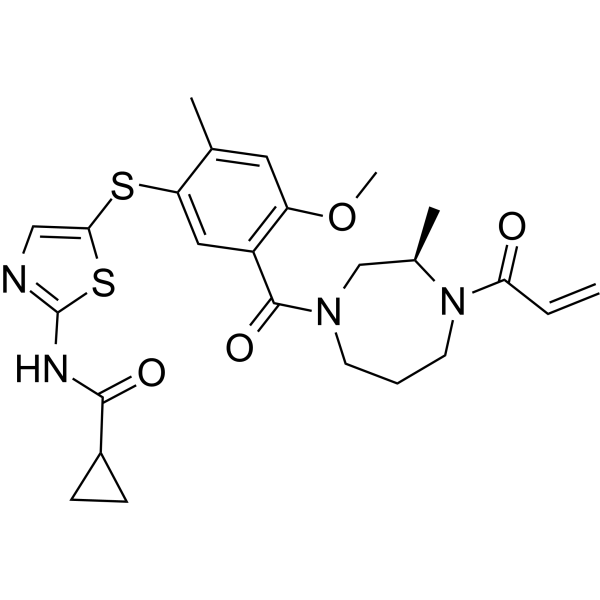
Soquelitinib (CPI-818) is an orally active and highly selective covalent interleukin-2-inducible kinase (ITK) inhibitor. Soquelitinib is active in six different models of T cell-mediated inflammatory and immune disease, including acute and chronic asthma, pulmonary fibrosis, systemic sclerosis (scleroderma), psoriasis, and acute graft versus host disease with Th2 cytokine product inhibition. Soquelitinib increases tumor infiltration of normal CD8 + cells that possess enhanced T effector function .
|
-
-
- HY-101283
-
HCH6-1
5 Publications Verification
|
Formyl Peptide Receptor (FPR)
|
Inflammation/Immunology
|
|
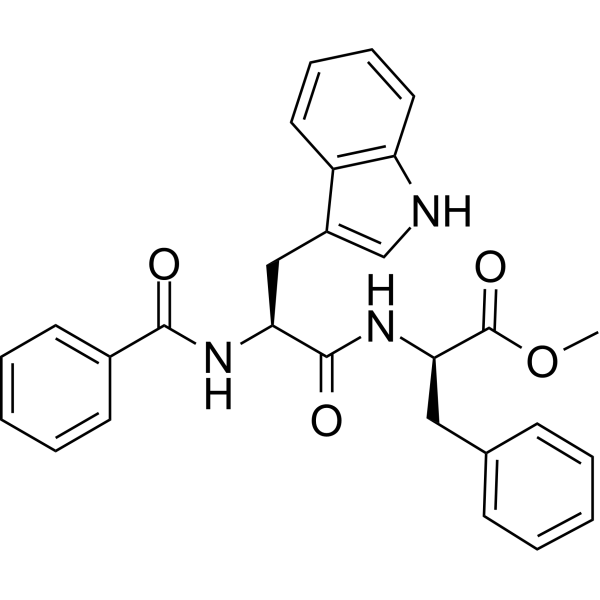
HCH6-1 is a potent and competitive dipeptide antagonist of Formyl peptide receptor 1 (FPR1). HCH6-1 inhibits chemotaxis, superoxide anion generation, and elastase release in human neutrophils specifically activated by fMLF (an FPR1 agonist). HCH6-1 has protective effects against acute lung injury (ALI) in vivo and can be used for the research of FPR1-involved inflammatory lung diseases .
|
-
-
- HY-N2593
-
|
|
Carnitine Palmitoyltransferase (CPT)
Reactive Oxygen Species (ROS)
Autophagy
Apoptosis
NF-κB
PI3K
Akt
MMP
Keap1-Nrf2
|
Metabolic Disease
Inflammation/Immunology
Cancer
|
|
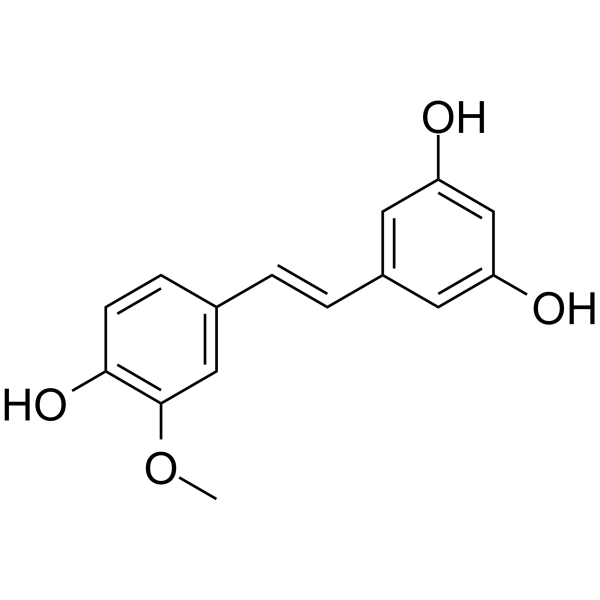
Isorhapontigenin is an orally active dietary polyphenol. Isorhapontigenin acts as a potent antioxidant that reduces the production of reactive oxygen species (ROS). Isorhapontigenin promotes the binding of JUN to the AP-1 site on the SESN2 promoter, induces SESN2 transcription, triggers MAPK8-dependent JUN activation, and upregulates the expression of PPAR-α, PGC-1α and CPT-1A to facilitate fatty acid oxidation. Isorhapontigenin induces autophagy, apoptosis and preadipocyte differentiation; it inhibits tumor growth, cell invasion, NF-κB transcriptional activity, the PI3K/Akt signaling pathway, STAT1 phosphorylation and MMP-2 expression. Isorhapontigenin alleviates oxidative stress, inflammatory cytokine release and triglyceride accumulation; it increases intracellular ATP levels and promotes Nrf2 nuclear translocation. Isorhapontigenin improves insulin sensitivity in adipose tissue and glucose tolerance, and reduces postprandial blood glucose, insulin and free fatty acid levels. Isorhapontigenin is applicable to research on bladder cancer, liver injury, chronic obstructive pulmonary disease, acute lung injury and type 2 diabetes .
|
-
-
- HY-103363
-
|
|
CCR
Thymidylate Synthase
|
Inflammation/Immunology
Cancer
|
|
SB-328437 is a potent, selective non-peptide CCR3 antagonist with an IC50 of 4.5 nM. SB-328437 can inhibit eosinophil migration induced by eotaxin, eotaxin-2, and monocyte chemotactic protein-4. In addition, SB-328437 can sensitize 5-FU (HY-90006)-resistant gastric cancer cells. SB-328437 can also reduce the recruitment of neutrophils to the lungs and pulmonary inflammation during acute inflammation. SB-328437 can be used in the research of inflammation-related diseases .
|
-
-
- HY-P990094
-
|
CSL311
|
c-Fms
|
Inflammation/Immunology
|
|
Trabikibart (CSL311) is a specific inhibitor targeting the βc receptor (CSF2RB) that inhibits signal transduction mediated by GM-CSF, IL-5, and IL-3. Trabikibart exhibits significant anti-inflammatory and anti-edema effects, reduces myeloid cell infiltration, and inhibits inflammatory cell survival. Trabikibart also possesses antiviral immune functions, which alleviate pulmonary inflammation, reverse airway dysfunction and fibrosis, and thereby restore impaired pulmonary function. Trabikibart can be used in research on related diseases such as acute respiratory distress syndrome, viral pneumonia, asthma, and chronic rhinosinusitis with nasal polyps .
|
-
-
- HY-123936
-
|
|
NF-κB
IKK
COX
Interleukin Related
|
Neurological Disease
Inflammation/Immunology
|
|
SR12343 is a IKK/NF-κB inhibitor and a mimetic of the NF-κB essential modulator (NEMO)-binding domain (NBD). SR12343 inhibits TNF-α- and LPS-induced NF-κB activation by blocking the interaction between IKKβ and NEMO. SR12343 suppresses LPS-induced acute pulmonary inflammation in mice. SR12343 extends the healthspan of naturally aged and accelerated aging mice. SR12343 can be used for research on inflammatory and degenerative diseases .
|
-
-
- HY-118177
-
|
|
Elastase
Thrombin
Ser/Thr Protease
|
Inflammation/Immunology
|
|
Neutrophil elastase inhibitor 1 is a competitive, pseudo-reversible inhibitor of human neutrophil elastase (HNE) with an IC50 of 7 nM. Neutrophil elastase inhibitor 1 also exhibits inhibitory activity against thrombin, chymotrypsin and urokinase, with IC50 values of 1.9 μM, 66 nM and 6.6 μM, respectively. Neutrophil elastase inhibitor 1 can be used in research related to acute respiratory distress syndrome, chronic obstructive pulmonary disease and other conditions .
|
-
-
- HY-N1956
-
|
|
NF-κB
RANKL/RANK
Autophagy
TGF-β Receptor
|
Metabolic Disease
Inflammation/Immunology
|
|
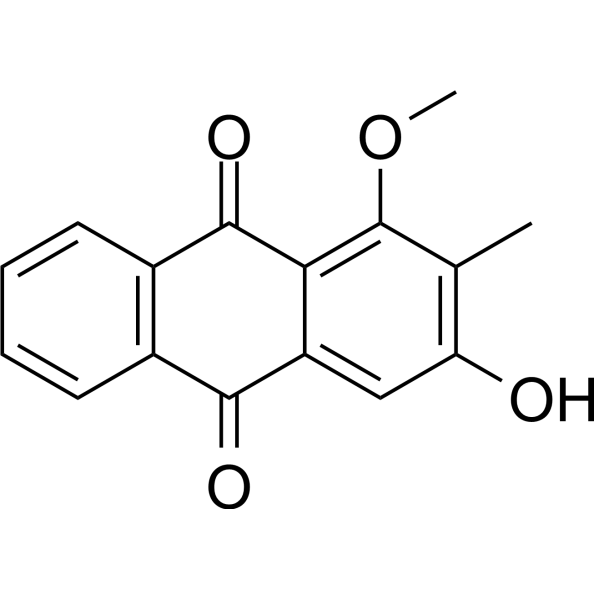
Rubiadin-1-methyl ether is an orally potent NF-κB p65 inhibitor and autophagy inhibitor. Rubiadin-1-methyl ether inhibits RANKL-induced phosphorylation and nuclear translocation of p65, suppresses BECN1 transcription, blocks LC3 conversion and autophagosome formation, thereby reducing the levels of BECN1 mRNA and Beclin1 protein. Rubiadin-1-methyl ether inhibits osteoclastogenesis, cell proliferation, macrophage M2 polarization and the TGF-β1 signaling pathway, and effectively alleviates pulmonary inflammation. Rubiadin-1-methyl ether is widely used in research on osteoporosis, pulmonary fibrosis, idiopathic pulmonary fibrosis, acute lung injury and other related diseases .
|
-
-
- HY-P10868
-
|
RLS-0071
|
Reactive Oxygen Species (ROS)
|
Infection
Inflammation/Immunology
|
|
Pegtarazimod (RLS-0071) is a dual-target anti-inflammatory peptide that exerts its effects by simultaneously regulating the complement system and neutrophil-associated inflammatory pathways. Pegtarazimod reduces ROS production both in vitro and in vivo, and decreases the level of neutrophil elastase, a marker of neutrophil extracellular traps (NETs), in vivo, thereby alleviating inflammatory responses. Pegtarazimod significantly improves the survival rate of mice in multiple in vivo models of acute graft-versus-host disease (aGVHD). Pegtarazimod inhibits the activation of the C1 complex, reduces the herpes zoster-like spread of herpes simplex virus type 1 skin infection, and improves the survival rate of infected mice . Pegtarazimod can be used in research related to acute graft-versus-host disease, acute pulmonary diseases, and skin herpes simplex virus type 1 infection .
|
-
-
- HY-145390A
-
|
|
Keap1-Nrf2
|
Inflammation/Immunology
|
|
(R,R)-Nrf2 activator-1 is the enantiomer of Nrf2 activator-1. Nrf2 activator-1 is a potent activator of NF-E2 related factor 2 (Nrf2). Nrf2 activator-1 has the potential for the research of COPD and other respiratory diseases, including asthma, Acute Lung Injury (ALI), Acute Respiratory Distress Syndrome (ARDS) and pulmonary fibrosis .
|
-
-
- HY-W075176
-
|
|
Insecticide
|
Infection
|
|
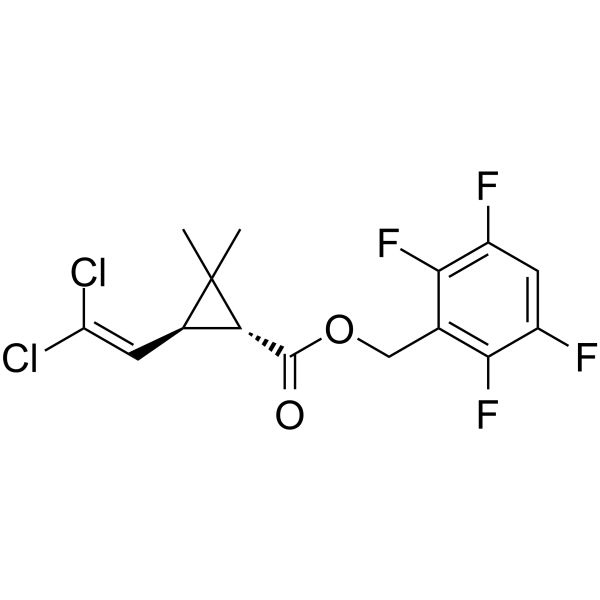
Transfluthrin is an insecticide with extremely low acute toxicity to vertebrates. Transfluthrin acts as a mosquito repellent, exerts mosquito control effects via electric heating fumigators, and is widely used in studies related to malaria, bancroftian filariasis and mosquito-borne infectious diseases. Transfluthrin may also induce adverse reactions such as pulmonary sensory irritation, sensitization, genotoxicity and respiratory depression, and can increase the concentrations and activities of CYP2E1 and CYP3A2 in rat brains. Transfluthrin can be removed from wastewater through biodegradation and activated sludge adsorption, and can be degraded by microorganisms such as Azovibrio and Tauera .
|
-
-
- HY-145390
-
|
|
Keap1-Nrf2
|
Inflammation/Immunology
|
|
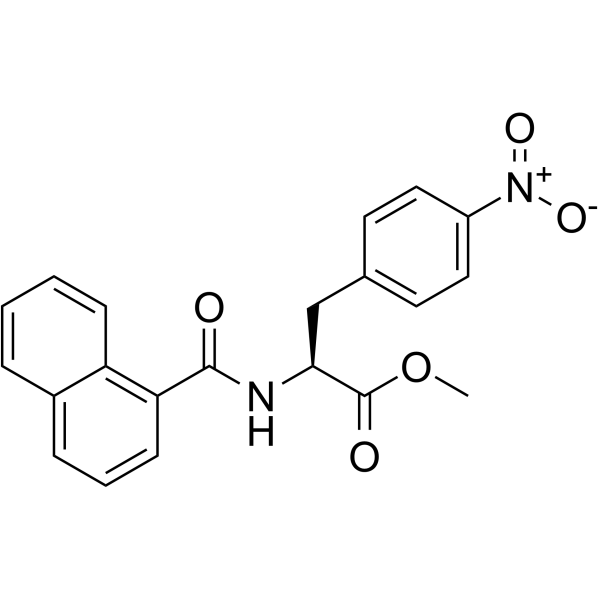
Nrf2 activator-1 is a potent activator of NF-E2 related factor 2 (Nrf2). Nrf2 activator-1 has the potential for the research of COPD and other respiratory diseases, including asthma, Acute Lung Injury (ALI), Acute Respiratory Distress Syndrome (ARDS) and pulmonary fibrosis (extracted from patent WO2018109647A1) .
|
-
-
- HY-110169
-
|
|
Phosphatase
|
Cardiovascular Disease
Cancer
|
|
(E/Z)-3PO is a potent PFKFB3 inhibitor. (E/Z)-3PO can inhibit the glycolysis process, reduce the extracellular acidification rate, and inhibit the capillary tube formation, migration of endothelial cells, and the formation of aortic sprouts, thereby suppressing angiogenesis. (E/Z)-3PO is promising for research of diseases such as cancer, acute lung injury, pulmonary fibrosis, and atherosclerosis .
|
-
-
- HY-W075176R
-
|
|
Insecticide
Reference Standards
|
Others
|
|
Transfluthrin (Standard) is the analytical standard of Transfluthrin (HY-W075176). This product is intended for research and analytical applications. Transfluthrin is an insecticide with extremely low acute toxicity to vertebrates. Transfluthrin acts as a mosquito repellent, exerts mosquito control effects via electric heating fumigators, and is widely used in studies related to malaria, bancroftian filariasis and mosquito-borne infectious diseases. Transfluthrin may also induce adverse reactions such as pulmonary sensory irritation, sensitization, genotoxicity and respiratory depression, and can increase the concentrations and activities of CYP2E1 and CYP3A2 in rat brains. Transfluthrin can be removed from wastewater through biodegradation and activated sludge adsorption, and can be degraded by microorganisms such as Azovibrio and Tauera .
|
-
-
- HY-167891
-
|
|
Phosphodiesterase (PDE)
Apoptosis
|
Inflammation/Immunology
|
|
GPD-1116 is an orally active Phosphodiesterase (PDE) 4 and PDE1 inhibitor. GPD-1116 can reduce smoke-induced apoptosis of lung cells. GPD-1116 is effective in several disease models in animals, including emphysema, acute lung injury, chronic obstructive pulmonary disease (COPD), asthma and pulmonary hypertension .
|
-
-
- HY-172135
-
|
|
p38 MAPK
Phosphodiesterase (PDE)
|
Inflammation/Immunology
|
|
PDE4-IN-26 (Compound A5) is an orally active and highly selective PDE4 inhibitor. PDE4-IN-26 has anti-inflammatory activity and can inhibit the phosphorylation of p38 MAPK. In mouse models of acute lung injury and chronic obstructive pulmonary disease, PDE4-IN-26 can improve pulmonary inflammation, injury and fibrosis, promote sputum secretion and relieve cough in mice. PDE4-IN-26 can be used for the research of lung injury-related diseases .
|
-
-
- HY-P10854
-
|
|
NF-κB
Interleukin Related
STAT
Akt
|
Neurological Disease
Inflammation/Immunology
|
|
TAT-N15 is a p55PIK inhibitor with remarkable anti-inflammatory activity and neuroprotective effects. TAT-N15 can significantly inhibit the activation of IL-6, IL-8, Akt, and NF-κB pathways, as well as suppress the protein expression of phosphorylated STAT3 and NF-κB. By inhibiting the activation of Akt, STAT3, and NF-κB pathways, TAT-N15 is used in research on acute conjunctivitis, allergic rhinitis, chronic obstructive pulmonary disease (COPD), and stroke .
|
-
-
- HY-14915
-
|
|
Adrenergic Receptor
|
Endocrinology
|
|
Bedoradrine is a highly selective β2-adrenergic agonist with activity in suppressing asthma and chronic obstructive pulmonary disease (COPD). Bedoradrine is administered by intravenous infusion and is specifically indicated for the suppression of acute asthma attacks. Bedoradrine has shown good safety and preliminary efficacy in clinical trials, especially in patients with stable moderate to severe asthma. The results of Bedoradrine studies have shown that it can provide clinical benefits without increasing clinical risks, especially for patients who are unable to use inhalation or nebulization suppression .
|
-
-
- HY-N2593R
-
|
|
Reference Standards
Carnitine Palmitoyltransferase (CPT)
Reactive Oxygen Species (ROS)
Autophagy
Apoptosis
NF-κB
PI3K
Akt
MMP
Keap1-Nrf2
|
Inflammation/Immunology
Cancer
|
|
Isorhapontigenin (Standard) is the analytical standard of Isorhapontigenin (HY-N2593). This product is intended for research and analytical applications. Isorhapontigenin is an orally active dietary polyphenol. Isorhapontigenin acts as a potent antioxidant that reduces the production of reactive oxygen species (ROS). Isorhapontigenin promotes the binding of JUN to the AP-1 site on the SESN2 promoter, induces SESN2 transcription, triggers MAPK8-dependent JUN activation, and upregulates the expression of PPAR-α, PGC-1α and CPT-1A to facilitate fatty acid oxidation. Isorhapontigenin induces autophagy, apoptosis and preadipocyte differentiation; it inhibits tumor growth, cell invasion, NF-κB transcriptional activity, the PI3K/Akt signaling pathway, STAT1 phosphorylation and MMP-2 expression. Isorhapontigenin alleviates oxidative stress, inflammatory cytokine release and triglyceride accumulation; it increases intracellular ATP levels and promotes Nrf2 nuclear translocation. Isorhapontigenin improves insulin sensitivity in adipose tissue and glucose tolerance, and reduces postprandial blood glucose, insulin and free fatty acid levels. Isorhapontigenin is applicable to research on bladder cancer, liver injury, chronic obstructive pulmonary disease, acute lung injury and type 2 diabetes.
|
-
-
- HY-183337
-
|
|
NOD-like Receptor (NLR)
Interleukin Related
|
Inflammation/Immunology
|
|
ZM734 is an orally active and selective NLRP3 inflammasome inhibitor. ZM734 inhibits the secretion of IL-1β. ZM734 alleviates pulmonary inflammation in a mouse model of acute lung injury. ZM734 can be used for the research of inflammatory diseases such as acute lung injury .
|
-
-
- HY-113769
-
|
|
PAI-1
|
Cardiovascular Disease
|
|
WB 3559 A is a fibrinolytic plasminogen activator. WB 3559 A accelerates the conversion of plasminogen to plasmin and directly degrades fibrin in thrombi. WB 3559 A is promising for research of acute thrombotic diseases (e.g., myocardial infarction, pulmonary embolism) .
|
-
-
- HY-101283R
-
|
|
Formyl Peptide Receptor (FPR)
Reference Standards
|
Inflammation/Immunology
|
|
HCH6-1 (Standard) is the analytical standard of HCH6-1 (HY-101283). This product is intended for research and analytical applications. HCH6-1 is a potent and competitive dipeptide antagonist of Formyl peptide receptor 1 (FPR1). HCH6-1 inhibits chemotaxis, superoxide anion generation, and elastase release in human neutrophils specifically activated by fMLF (an FPR1 agonist). HCH6-1 has protective effects against acute lung injury (ALI) in vivo and can be used for the research of FPR1-involved inflammatory lung diseases .
|
-
-
- HY-103363R
-
|
|
Reference Standards
CCR
Thymidylate Synthase
|
Inflammation/Immunology
Cancer
|
|
SB-328437 (Standard) is the analytical standard of SB-328437 (HY-103363). This product is intended for research and analytical applications. SB-328437 is a potent, selective non-peptide CCR3 antagonist with an IC50 of 4.5 nM. SB-328437 can inhibit eosinophil migration induced by eotaxin, eotaxin-2, and monocyte chemotactic protein-4. In addition, SB-328437 can sensitize 5-FU (HY-90006)-resistant gastric cancer cells. SB-328437 can also reduce the recruitment of neutrophils to the lungs and pulmonary inflammation during acute inflammation. SB-328437 can be used in the research of inflammation-related diseases .
|
-
| Cat. No. |
Product Name |
Target |
Research Area |
-
- HY-P10868
-
|
RLS-0071
|
Reactive Oxygen Species (ROS)
|
Infection
Inflammation/Immunology
|
|
Pegtarazimod (RLS-0071) is a dual-target anti-inflammatory peptide that exerts its effects by simultaneously regulating the complement system and neutrophil-associated inflammatory pathways. Pegtarazimod reduces ROS production both in vitro and in vivo, and decreases the level of neutrophil elastase, a marker of neutrophil extracellular traps (NETs), in vivo, thereby alleviating inflammatory responses. Pegtarazimod significantly improves the survival rate of mice in multiple in vivo models of acute graft-versus-host disease (aGVHD). Pegtarazimod inhibits the activation of the C1 complex, reduces the herpes zoster-like spread of herpes simplex virus type 1 skin infection, and improves the survival rate of infected mice . Pegtarazimod can be used in research related to acute graft-versus-host disease, acute pulmonary diseases, and skin herpes simplex virus type 1 infection .
|
-
- HY-P10854
-
|
|
NF-κB
Interleukin Related
STAT
Akt
|
Neurological Disease
Inflammation/Immunology
|
|
TAT-N15 is a p55PIK inhibitor with remarkable anti-inflammatory activity and neuroprotective effects. TAT-N15 can significantly inhibit the activation of IL-6, IL-8, Akt, and NF-κB pathways, as well as suppress the protein expression of phosphorylated STAT3 and NF-κB. By inhibiting the activation of Akt, STAT3, and NF-κB pathways, TAT-N15 is used in research on acute conjunctivitis, allergic rhinitis, chronic obstructive pulmonary disease (COPD), and stroke .
|
| Cat. No. |
Product Name |
Target |
Research Area |
Image |
-
- HY-P990094
-
|
CSL311
|
c-Fms
|
Inflammation/Immunology
|
|
Trabikibart (CSL311) is a specific inhibitor targeting the βc receptor (CSF2RB) that inhibits signal transduction mediated by GM-CSF, IL-5, and IL-3. Trabikibart exhibits significant anti-inflammatory and anti-edema effects, reduces myeloid cell infiltration, and inhibits inflammatory cell survival. Trabikibart also possesses antiviral immune functions, which alleviate pulmonary inflammation, reverse airway dysfunction and fibrosis, and thereby restore impaired pulmonary function. Trabikibart can be used in research on related diseases such as acute respiratory distress syndrome, viral pneumonia, asthma, and chronic rhinosinusitis with nasal polyps .
|
-
(5)
| Cat. No. |
Product Name |
Category |
Target |
Chemical Structure |
-
- HY-N2593
-
|
|
Structural Classification
Stilbenes
Classification of Application Fields
Gnetum cleistostachyum C. Y. Cheng
Phenols
Polyphenols
Gnetaceae
Plants
Inflammation/Immunology
Disease Research Fields
Source Classification
|
Carnitine Palmitoyltransferase (CPT)
Reactive Oxygen Species (ROS)
Autophagy
Apoptosis
NF-κB
PI3K
Akt
MMP
Keap1-Nrf2
|
|
Isorhapontigenin is an orally active dietary polyphenol. Isorhapontigenin acts as a potent antioxidant that reduces the production of reactive oxygen species (ROS). Isorhapontigenin promotes the binding of JUN to the AP-1 site on the SESN2 promoter, induces SESN2 transcription, triggers MAPK8-dependent JUN activation, and upregulates the expression of PPAR-α, PGC-1α and CPT-1A to facilitate fatty acid oxidation. Isorhapontigenin induces autophagy, apoptosis and preadipocyte differentiation; it inhibits tumor growth, cell invasion, NF-κB transcriptional activity, the PI3K/Akt signaling pathway, STAT1 phosphorylation and MMP-2 expression. Isorhapontigenin alleviates oxidative stress, inflammatory cytokine release and triglyceride accumulation; it increases intracellular ATP levels and promotes Nrf2 nuclear translocation. Isorhapontigenin improves insulin sensitivity in adipose tissue and glucose tolerance, and reduces postprandial blood glucose, insulin and free fatty acid levels. Isorhapontigenin is applicable to research on bladder cancer, liver injury, chronic obstructive pulmonary disease, acute lung injury and type 2 diabetes .
|
-
-
- HY-N1956
-
-
-
- HY-N2593R
-
|
|
Structural Classification
Stilbenes
Gnetum cleistostachyum C. Y. Cheng
Phenols
Polyphenols
Gnetaceae
Plants
Source Classification
|
Reference Standards
Carnitine Palmitoyltransferase (CPT)
Reactive Oxygen Species (ROS)
Autophagy
Apoptosis
NF-κB
PI3K
Akt
MMP
Keap1-Nrf2
|
|
Isorhapontigenin (Standard) is the analytical standard of Isorhapontigenin (HY-N2593). This product is intended for research and analytical applications. Isorhapontigenin is an orally active dietary polyphenol. Isorhapontigenin acts as a potent antioxidant that reduces the production of reactive oxygen species (ROS). Isorhapontigenin promotes the binding of JUN to the AP-1 site on the SESN2 promoter, induces SESN2 transcription, triggers MAPK8-dependent JUN activation, and upregulates the expression of PPAR-α, PGC-1α and CPT-1A to facilitate fatty acid oxidation. Isorhapontigenin induces autophagy, apoptosis and preadipocyte differentiation; it inhibits tumor growth, cell invasion, NF-κB transcriptional activity, the PI3K/Akt signaling pathway, STAT1 phosphorylation and MMP-2 expression. Isorhapontigenin alleviates oxidative stress, inflammatory cytokine release and triglyceride accumulation; it increases intracellular ATP levels and promotes Nrf2 nuclear translocation. Isorhapontigenin improves insulin sensitivity in adipose tissue and glucose tolerance, and reduces postprandial blood glucose, insulin and free fatty acid levels. Isorhapontigenin is applicable to research on bladder cancer, liver injury, chronic obstructive pulmonary disease, acute lung injury and type 2 diabetes.
|
-
Your information is safe with us. * Required Fields.
Inquiry Information
- Product Name:
- Cat. No.:
- Quantity:
- MCE Japan Authorized Agent:

