




86 Results for "

amides

" in MedChemExpress (MCE) Product Catalog:
Products (86)

86 Results for "amides" in MCE Product Catalog:

14
14 Publications Verification
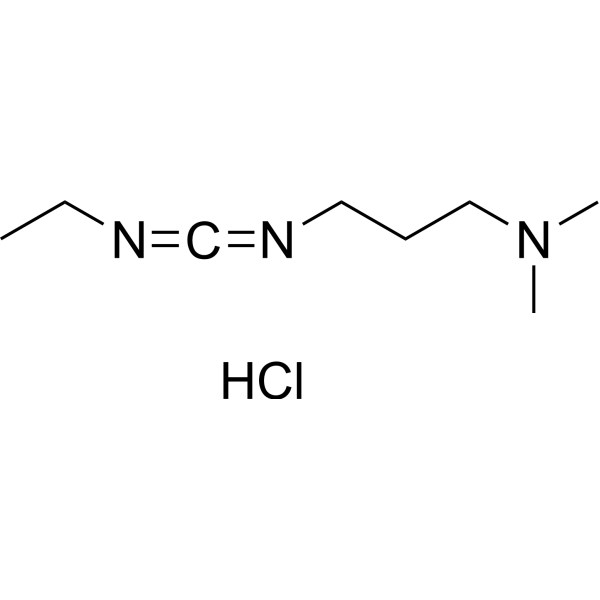
Cat. No.: HY-D0178
CAS No.: 25952-53-8
1-Ethyl-(3-dimethylaminopropyl)carbodiimide hydrochloride is a carbodiimide reagent that can form nucleic acid and compounds with amide bonds. 1-(3-Dimethylaminopropyl)-3-ethylcarbodiimide hydrochloride accelerates the formation reaction of esters, amides, and peptides, as a condensing and dehydrating agent, which are often used for polynucleotide synthesis, anhydroxydation, lactonization and esterification .
loading...
    loading...
10
10 Cited Publications
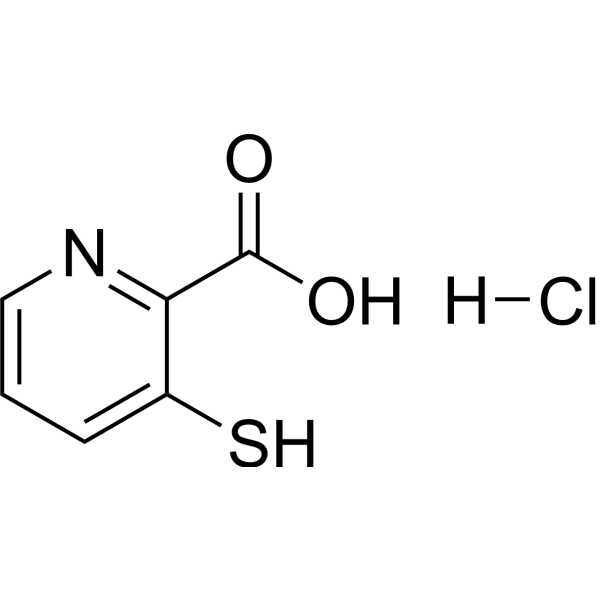
Cat. No.: HY-128923
CAS No.: 320386-54-7
Purity:  96.35%
Synonyms: 3-Mercaptopicolinic acid hydrochloride; 3-MPA hydrochloride
Target:  

PEPCK

Research Areas:  

Metabolic Disease

SKF-34288 (3-Mercaptopicolinic acid) hydrochloride is an orally active phosphoenolpyruvate carboxykinase (PEPCK) inhibitor (Ki: 2-9 μM). SKF-34288 hydrochloride is a potent hypoglycemic agent by inhibiting glucose synthesis. SKF-34288 hydrochloride also inhibits Asn metabolism and increases amino acids and amides .
loading...
    loading...
2
2 Cited Publications
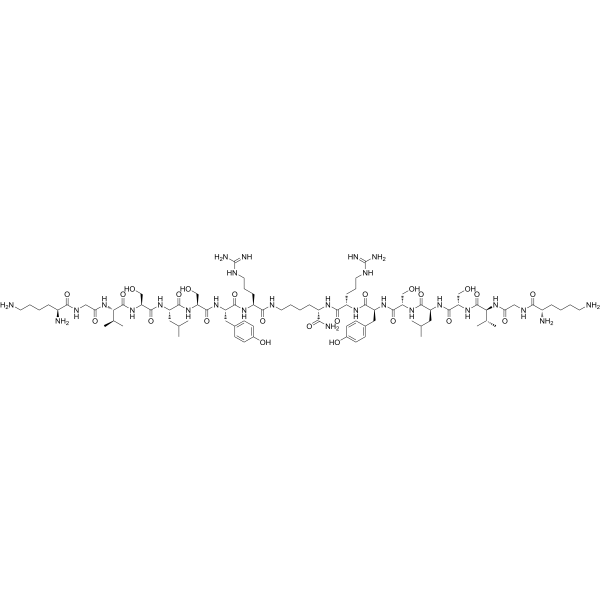
Cat. No.: HY-P4744
CAS No.: 597562-32-8
Research Areas:  

Infection Cancer

LL-37 amide is a selective agonist of formyl peptide receptor-like FPRL1, effectively inhibiting periodontal pathogens (ED99=8.5-8.7 μg/mL). LL-37 amide exerts its bactericidal effect by activating FPRL1-mediated immune cell chemotaxis and disrupting bacterial cell membrane integrity. It can also regulate inflammatory responses (inhibiting the release of factors such as TNF-α) and promote angiogenesis. Amidation modification reduces its sensitivity to serum inhibition and improves its stability. LL-37 amide possesses key activities in bactericidal action, immunomodulation, and wound healing, and is mainly used in research on infection-related diseases such as periodontal disease and deep tissue injuries (pressure ulcers), and wound healing .
loading...
    loading...
2
2 Cited Publications
Cat. No.: HY-P2831
CAS No.: 9016-18-6
Synonyms: CESs
Target:  

Endogenous Metabolite

Research Areas:  

Metabolic Disease

Esterase, pig liver (CESs), namely carboxylate hydrolases, are widely distributed in nature, commonly found in mammalian liver, and often used in biochemical research. Esterase catalyzes the hydrolysis of a variety of endogenous and exogenous substrates, including esters, thioesters, carbamates, and amides, hydrolyzing carboxylic acid esters to the corresponding alcohols and carboxylic acids .
loading...
    loading...
2
2 Cited Publications
Cat. No.: HY-P4744A
Research Areas:  

Infection Cancer

LL-37 amide TFA is a selective agonist of formyl peptide receptor-like FPRL1, effectively inhibiting periodontal pathogens (ED99=8.5-8.7 μg/mL). LL-37 amide TFA exerts its bactericidal effect by activating FPRL1-mediated immune cell chemotaxis and disrupting bacterial cell membrane integrity. It can also regulate inflammatory responses (inhibiting the release of factors such as TNF-α) and promote angiogenesis. Amidation modification reduces its sensitivity to serum inhibition and improves its stability. LL-37 amide TFA possesses key activities in bactericidal action, immunomodulation, and wound healing, and is mainly used in research on infection-related diseases such as periodontal disease and deep tissue injuries (pressure ulcers), and wound healing .
loading...
    loading...
1
1 Cited Publications
Cat. No.: HY-P3719
CAS No.: 2022956-48-3
Target:  

CCR

Research Areas:  

Inflammation/Immunology

MOG (35-55) amide, mouse, rat the terminal amidation form of the 35-55 fragment of the myelin oligodendrocyte glycoprotein (MOG) immunogenic peptide (MOG (35-55) (HY-P1240)). MOG(35-55) amide, mouse, rat can be used for experimental autoimmune encephalomyelitis (EAE) modeling .
loading...
    loading...
1
1 Cited Publications
Cat. No.: HY-P1103
CAS No.: 1030384-98-5
Target:  

CXCR

Research Areas:  

Cancer

CTCE-9908 is a potent and selective CXCR4 antagonist. CTCE-9908 induces mitotic catastrophe, cytotoxicity and inhibits migration in CXCR4-expressing ovarian cancer cells .
loading...
    loading...
1
1 Cited Publications
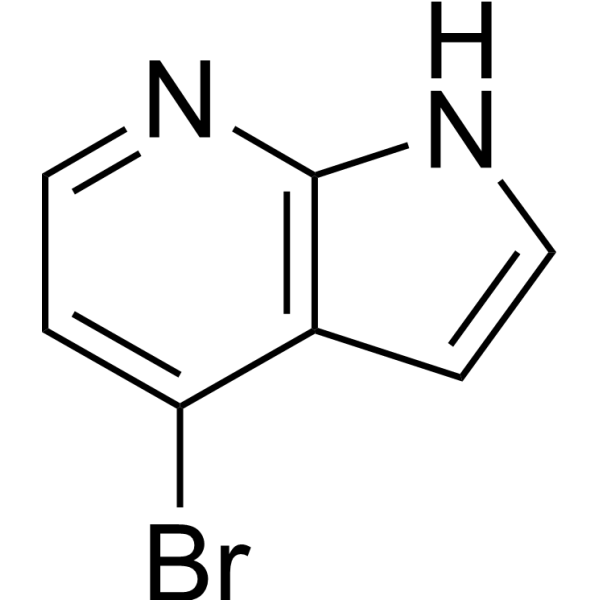
Cat. No.: HY-30014
CAS No.: 348640-06-2
4-Bromo-7-azaindole is a brominated derivative of 7-azaindole. 4-Bromo-7-azaindole serves as a substrate for palladium-catalyzed C-N and C-O cross-coupling reactions, reacting with amides, amines, amino acid esters and phenols .
loading...
    loading...
Cat. No.: HY-Z0275
CAS No.: 39968-33-7
Research Areas:  

Infection

HOAT is a peptide bond-forming reagent. HOAT is utilized to affect formation of peptide bonds by coupling carboxylic acids with amines. HOAt is not mutagenic in the bacterial reverse mutation test .
loading...
    loading...
Cat. No.: HY-P4070
CAS No.: 1188379-43-2
Target:  

Insulin Receptor

Research Areas:  

Metabolic Disease

Insulin icodec is an Insulin (HY-P0035) analog that strongly but reversibly binds to albumin. Insulin icodec has long plasma half-life. Insulin icodec modulates insulin receptor activity, controls blood glucose levels, reduces HbA1c levels, and binds reversibly to human serum albumin. Insulin icodec can be used for the research of type 2 diabetes mellitus .
loading...
    loading...
Cat. No.: HY-59156
CAS No.: 5807-14-7
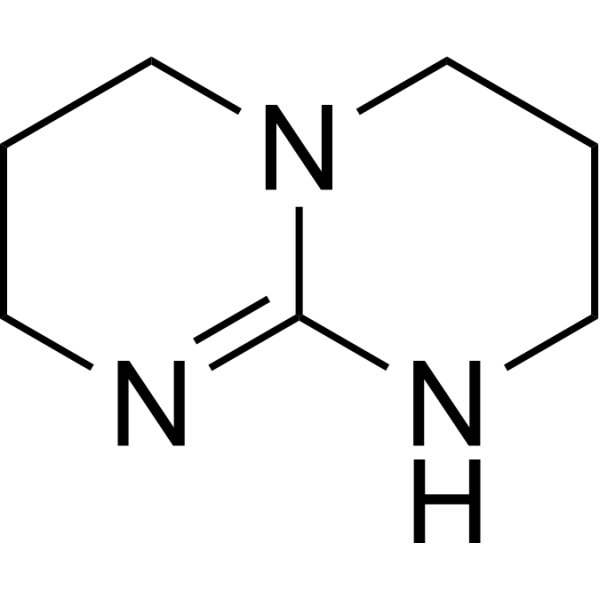
Triazabicyclodecene is a bicyclic guanidine compound that can serve as a pharmaceutical intermediate for the formation of amides or esters .
loading...
    loading...
Cat. No.: HY-69142
CAS No.: 374068-01-6
Research Areas:  

Others

2-Chloropyrimidine-5-carboxylic acid is a synthetic intermediate of Vanin-1 inhibitor 2 .
loading...
    loading...
Cat. No.: HY-W588704
CAS No.: 54447-68-6
Research Areas:  

Others

4-Azidobutyric acid is a click chemistry reagent featuring azide and carboxylic acid moieties. The carboxylic acid group can conjugate with alcohols or amides, while the azide group serves as a click chemistry handle to react with terminal alkynes or strained cyclooctynes. 4-Azidobutyric acid also acts as a PROTAC linker for the synthesis of PROTACs .
loading...
    loading...
Cat. No.: HY-120957
CAS No.: 862913-13-1
Synonyms: AMC-AA; 7-Amino-4-methyl coumarin-arachidonamide
Target:  

Endogenous Metabolite

Research Areas:  

Metabolic Disease

AMC arachidonoyl amide (AMC-AA) is one of several fatty acid amides which can be used to measure fatty acid amide hydrolase (FAAH) activity.1 FAAH is a relatively unselective enzyme in that it accepts a variety of amide head groups other than the ethanolamine of its nominal endogenous substrate anandamide.2 Exposure of AMC-AA to FAAH activity results in the release of the fluorescent aminomethyl coumarin that absorbs at 360 nm and emits at 465 nm. This allows the fast and convenient measurement of FAAH activity using a simple cuvette or microplate fluorometer.
loading...
    loading...
Cat. No.: HY-W015464
CAS No.: 16284-60-9
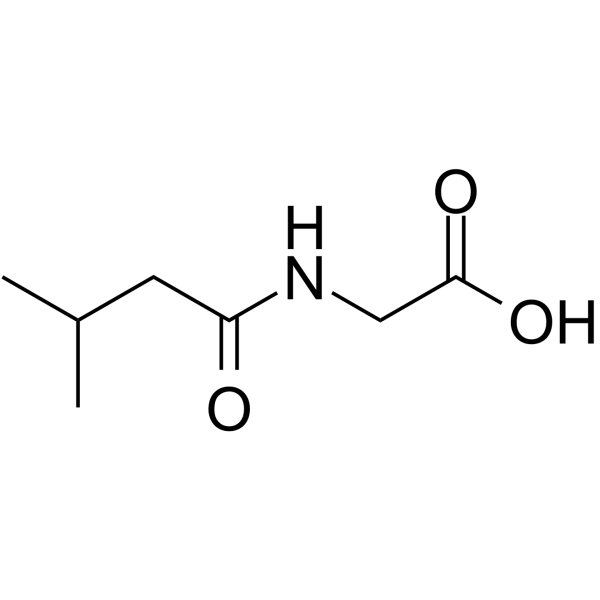
N-Isovaleroylglycine is a peptidylglycine α-amidating monooxygenase (PAM) inhibitor with a Ki value of 2.0 mM against human hsPAM. N-Isovaleroylglycine undergoes oxidative cleavage by purified rat PAM to produce fatty acid amide and glyoxylic acid. N-Isovaleroylglycine exerts competitive inhibition by binding to hsPAM, blocking the amidation of dansyl-Tyr-Val-Gly. N-Isovaleroylglycine exhibits lowered urinary abundance in MRSA-infected mice, which qualifies it as a non-invasive biomarker. N-Isovaleroylglycine can be used in studies related to Staphylococcus aureus pneumonia and diabetic foot .
loading...
    loading...
Cat. No.: HY-W015987
CAS No.: 84418-43-9
Synonyms: Fmoc-NH2
Research Areas:  

Others

9-Fluorenylmethyl carbamate (Fmoc-NH2) is an amide compound with an Fmoc protecting group, which can be used as a photobase initiator to prepare organosilane-based proton exchange membranes .
loading...
    loading...
Cat. No.: HY-120963
CAS No.: 52514-04-2
Purity:  98%
Target:  

Endogenous Metabolite

Research Areas:  

Metabolic Disease

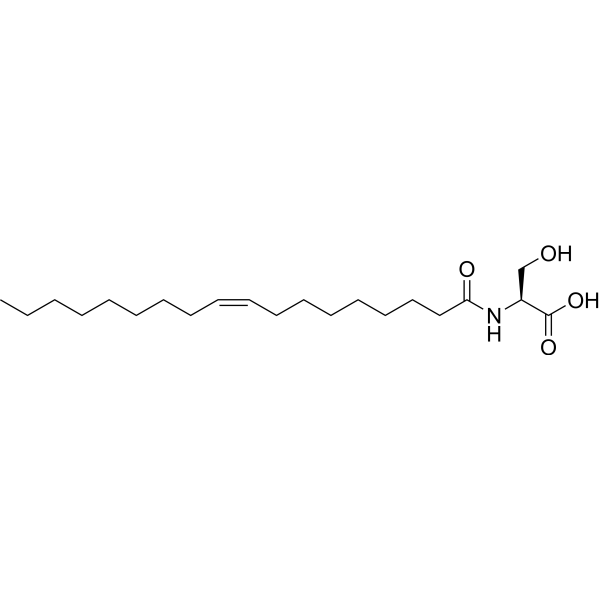
Several different arachidonoyl amino acids, including N-arachidonoyl dopamine and N-arachidonoyl serine, have been isolated and characterized from bovine brain.1 During mass spectral lipidomics analysis of rat brain, a series of fatty acyl amides of a third amino acid, taurine, were discovered.2 This novel class of compounds is present in kidney and activates members of the transient receptor potential (TRP) family of calcium channels.3 N-Oleoyl taurine is an amino-acyl endocannabinoid isolated from rat brain that may activate TRPV1 and TRPV4.
loading...
    loading...
Cat. No.: HY-P2958
CAS No.: 37289-07-9
Synonyms: Bile salt hydrolase
Target:  

Acyltransferase

Research Areas:  

Inflammation/Immunology

Choloylglycine hydrolase (Bile salt hydrolase) is an important intestinal hydrolase. Choloylglycine hydrolase not only catalyzes the decomposition of conjugated bile acids into free bile acids and amino acids, but also exhibits amine N-acyltransferase activity, which re-links amino acids/amines to free bile acids (even conjugated bile acids) to produce bacterial bile acid amides. Choloylglycine hydrolase regulates the composition of the bile acid pool, intestinal mucosal barrier integrity, intestinal inflammatory responses, intestinal flora composition, host weight gain, circadian rhythm, and colonization resistance to Clostridioides difficile. Choloylglycine hydrolase can be used in the research of inflammatory bowel diseases, including ulcerative colitis and Crohn's disease .
loading...
    loading...
Cat. No.: HY-W074953
CAS No.: 234082-00-9
Research Areas:  

Others

tert-Butyl Hydrogen Tetradecanedioate is a short linker featuring a carboxylic acid and a tert-butyl ester. Carboxylic acids can be reacted with alcohols or amines, while the tert-butyl ester can be selectively deprotected to allow for reactivity as a carboxylic acid to form esters or amides.
loading...
    loading...
Cat. No.: HY-W039458
CAS No.: 234081-96-0
Research Areas:  

Others

10-(tert-Butoxy)-10-oxodecanoic acid is a short linker featuring a carboxylic acid and a tert-butyl ester. Carboxylic acids can be linked with alcohols or amines, while the tert-butyl ester can be selectively deprotected to allow for reactivity as a carboxylic acid to form esters or amides.
loading...
    loading...

