1. Search Result
Search Result
Results for "

anti-proliferative effects

" in MedChemExpress (MCE) Product Catalog:

343

Inhibitors & Agonists

5

Biochemical Assay Reagents

7

Peptides

3

Inhibitory Antibodies

55

Natural
Products

17

Isotope-Labeled Compounds

2

Click Chemistry

5

Oligonucleotides

Cat. No. Product Name Target Research Areas Chemical Structure
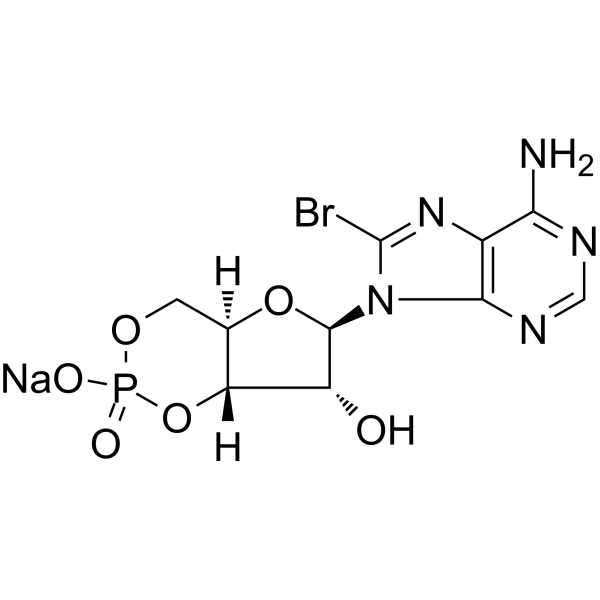
  • HY-12306
    8-Bromo-cAMP sodium salt
    35+ Cited Publications

    8-Br-Camp sodium salt

    PKA Apoptosis Cancer
    8-Bromo-cAMP sodium (8-Br-Camp) sodium salt, a cyclic AMP analog, is an activator of cyclic AMP-dependent protein kinase (PKA). 8-Bromo-cAMP sodium salt has anti-proliferative and apoptotic effects against cancer cells .
    8-Bromo-cAMP sodium salt
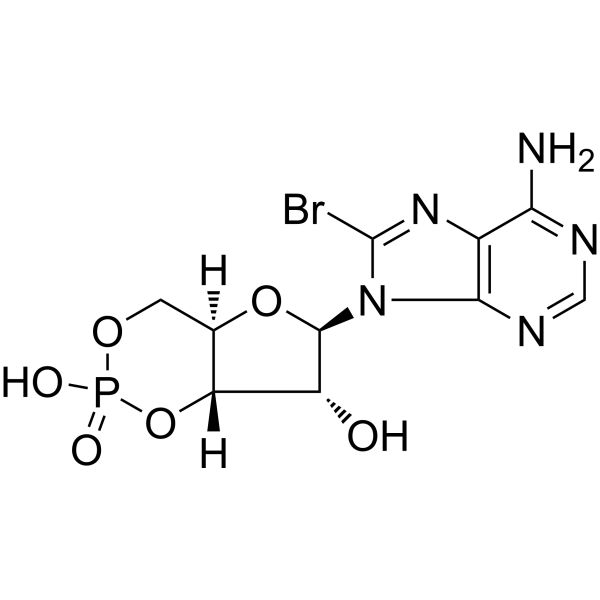
  • HY-12306A
    8-Bromo-cAMP
    35+ Cited Publications

    8-Br-Camp

    PKA Apoptosis Cancer
    8-Bromo-cAMP (8-Br-Camp), a cyclic AMP analog, is an activator of cyclic AMP-dependent protein kinase (PKA). 8-Bromo-cAMP has anti-proliferative and apoptotic effects against cancer cells .
    8-Bromo-cAMP
  • HY-B0617
    S-Adenosyl-L-methionine
    20+ Cited Publications

    S-Adenosyl methionine; Ademetionine; AdoMet

    Endogenous Metabolite Apoptosis Neurological Disease Inflammation/Immunology Cancer
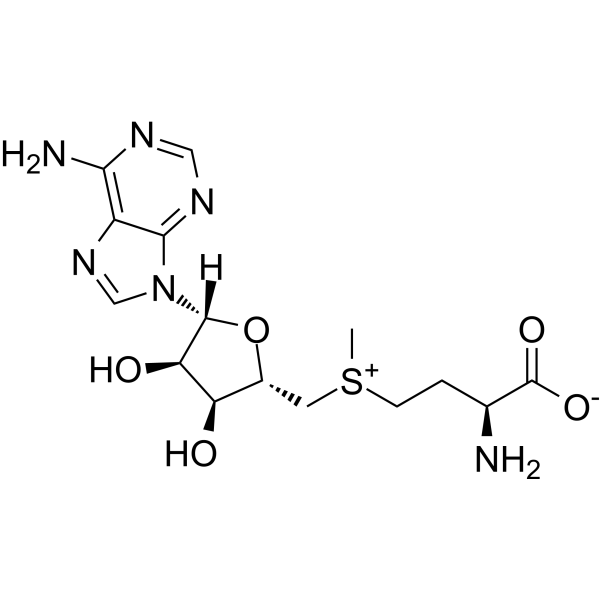
    S-Adenosyl-L-methionine (S-Adenosyl methionine) is an orally active methyl group donor. S-Adenosyl-L-methionine is a dietary supplement with potent antidepressant effects. S-Adenosyl-L-methionine also has anti‑proliferative, pro‑apoptotic and anti‑metastatic roles in cancers. S-Adenosyl-L-methionine has the potential for, cancer, liver disease and osteoarthritis research .
    S-Adenosyl-L-methionine
  • HY-N0181
    Ergosterol
    3 Publications Verification

    Endogenous Metabolite Inflammation/Immunology
    Ergosterol is the primary sterol found in fungi, with antioxidative, anti-proliferative, and anti-inflammatory effects.
    Ergosterol
  • HY-W017770

    Ademetionine disulfate tosylate; S-Adenosyl methionine disulfate tosylate; AdoMet disulfate tosylate

    Endogenous Metabolite Apoptosis Neurological Disease Inflammation/Immunology Cancer
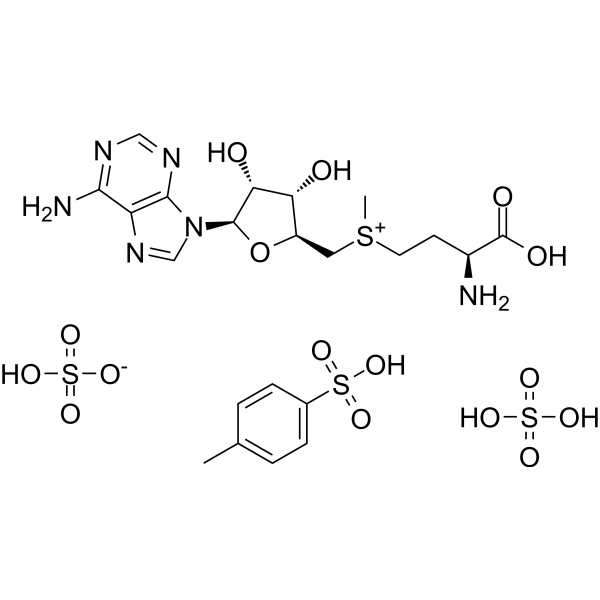
    S-Adenosyl-L-methionine (Ademetionine) disulfate tosylate is the disulfate tosylate form of S-Adenosyl-L-methionine (HY-B0617). S-Adenosyl-L-methionine disulfate tosylate is an orally active methyl group donor. S-Adenosyl-L-methionine disulfate tosylate is a dietary supplement with potent antidepressant effects. S-Adenosyl-L-methionine disulfate tosylate also has anti‑proliferative, pro‑apoptotic and anti‑metastatic roles in cancers. S-Adenosyl-L-methionine disulfate tosylate has the potential for, cancer, liver disease and osteoarthritis research .
    S-Adenosyl-L-methionine disulfate tosylate
  • HY-B0617A
    S-Adenosyl-L-methionine tosylate
    15+ Cited Publications

    S-Adenosyl methionine tosylate; Ademetionine tosylate; AdoMet tosylate

    Endogenous Metabolite Apoptosis Neurological Disease Inflammation/Immunology Cancer
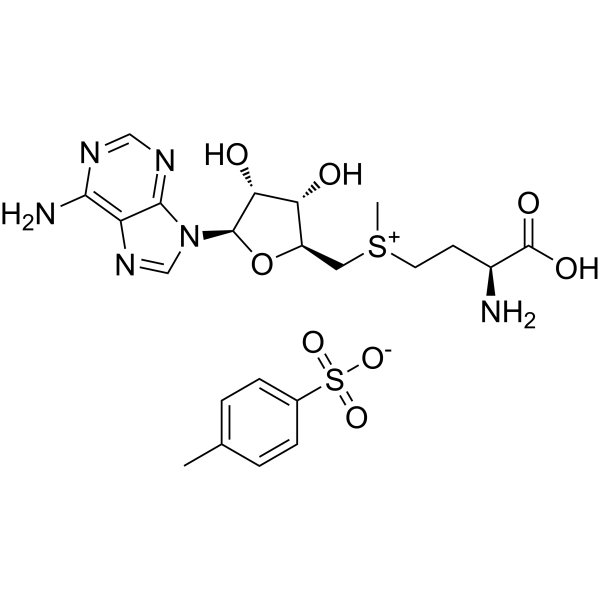
    S-Adenosyl-L-methionine (S-Adenosyl methionine) tosylate is an orally active methyl group donor. S-Adenosyl-L-methionine tosylate is a dietary supplement with potent antidepressant effects. S-Adenosyl-L-methionine tosylate also has anti‑proliferative, pro‑apoptotic and anti‑metastatic roles in cancers. S-Adenosyl-L-methionine tosylate has the potential for, cancer, liver disease and osteoarthritis research .
    S-Adenosyl-L-methionine tosylate
  • HY-14614A

    S-Adenosyl methionine chloride dihydrochloride; Ademetionine chloride dihydrochloride; AdoMet chloride dihydrochloride

    Endogenous Metabolite Apoptosis Neurological Disease Inflammation/Immunology Cancer
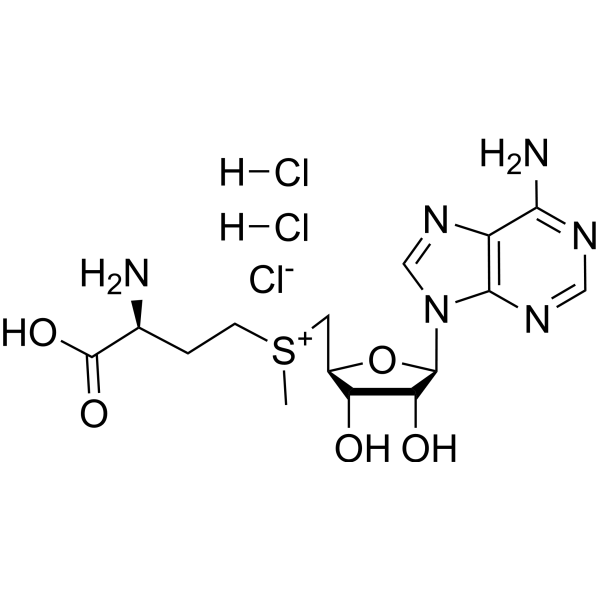
    S-Adenosyl-L-methionine (S-Adenosyl methionine) chloride dihydrochloride is an orally active methyl group donor. S-Adenosyl-L-methionine chloride dihydrochloride is a dietary supplement with potent antidepressant effects. S-Adenosyl-L-methionine chloride dihydrochloride also has anti‑proliferative, pro‑apoptotic and anti‑metastatic roles in cancers. S-Adenosyl-L-methionine chloride dihydrochloride has the potential for, cancer, liver disease and osteoarthritis research .
    S-Adenosyl-L-methionine chloride dihydrochloride
  • HY-B0617S

    S-Adenosyl methionine-d3; Ademetionine-d3; AdoMet-d3

    Isotope-Labeled Compounds Endogenous Metabolite Apoptosis Neurological Disease Inflammation/Immunology Cancer
    S-Adenosyl-L-methionine-d3 (S-Adenosyl methionine-d3) is the deuterated product of S-Adenosyl-L-methionine (HY-B0617). S-Adenosyl-L-methionine (S-Adenosyl methionine) is an orally active methyl group donor. S-Adenosyl-L-methionine is a dietary supplement with potent antidepressant effects. S-Adenosyl-L-methionine also has anti‑proliferative, pro‑apoptotic and anti‑metastatic roles in cancers. S-Adenosyl-L-methionine has the potential for, cancer, liver disease and osteoarthritis research .
    S-Adenosyl-L-methionine-d3
  • HY-104048
    QC6352
    10+ Cited Publications

    Histone Demethylase Cancer
    QC6352 is an orally active KDM4 inhibitor with anti-tumor and anti-proliferative activity. QC6352 has in vivo inhibitory effects on PDX models of breast and colon cancer and reduces the number of chemoresistant cell populations. QC6352 inhibits KDM4 different isoforms with IC50s of 104 nM (KDM4A), 56 nM (KDM4B), 35 nM (KDM4C), and 104 nM (KDM4D), respectively. QC6352 has moderate inhibitory activity against KDM5 with an IC50 of 750 nM (KDM5B) .
    QC6352
  • HY-112724

    SHR0302

    JAK Apoptosis Inflammation/Immunology Cancer
    Ivarmacitinib (SHR0302) is a potent and orally active all members of the JAK family inhibitor, particularly JAK1. The selectivity of Ivarmacitinib for JAK1 is >10-fold for JAK2, 77-fold for JAK3, 420-fold for Tyk2. Ivarmacitinib inhibits JAK1-STAT3 phosphorylation and induces the apoptosis of hepatic stellate cells. Ivarmacitinib has anti-proliferative and anti-inflammatory effects .
    Ivarmacitinib
  • HY-B1153
    Glafenine
    4 Publications Verification

    Glafenin

    COX CFTR Apoptosis Endoplasmic Reticulum Oxidoreductase 1 (ERO1) Metabolic Disease Inflammation/Immunology
    Glafenine (Glafenin) is a non-selective, non-steroidal anti-inflammatory drug-based COX-1/COX-2 inhibitor. Glafenine exerts anti-inflammatory, anti-proliferative and anti-cell migration effects by inhibiting the arachidonic acid metabolic pathway and reducing prostaglandin synthesis. Glafenine can induce cell cycle arrest in vascular smooth muscle cells and endothelial cells and reduce the synthesis of the extracellular matrix protein Tenascin. Glafenine can be used in the research of inflammatory-related diseases, vascular restenosis and cystic fibrosis (CF) .
    Glafenine
  • HY-B0328
    Triamcinolone
    2 Publications Verification

    Glucocorticoid Receptor Interleukin Related Cardiovascular Disease Inflammation/Immunology Endocrinology Cancer
    Triamcinolone is a long-acting corticosteroid with anti-inflammatory, anti-oedematous, anti-proliferative, anti-angiogenetic, immunomodulatory and neuroprotective effects through binding to glucocorticoid receptors. Triamcinolone can relieve several dermatitis, immune diseases and ocular diseases .
    Triamcinolone
  • HY-N7072
    Grape seed extract
    2 Publications Verification

    Apoptosis Metabolic Disease Inflammation/Immunology Cancer
    Grape seed extract is a natural product, with anti-inflammatory and anti-proliferative effects. Grape seed extract shows inhibitory activity on the fat-metabolizing enzymes pancreatic lipase and lipoprotein lipase. Grape seed extract induces apoptotic in human colorectal cancer cells .
    Grape seed extract
  • HY-B1452
    Licofelone
    1 Publications Verification

    ML-3000

    COX Lipoxygenase Apoptosis Inflammation/Immunology Cancer
    Licofelone (ML-3000) is a dual COX/5-lipoxygenase (5-LOX) inhibitor (IC50=0.21/0.18 μM, respectively) for the treatment of osteoarthritis. Licofelone exerts anti-inflammatory and anti-proliferative effects. Licofelone induces apoptosis, and decreases the production of proinflammatory leukotrienes and prostaglandins .
    Licofelone
  • HY-10447

    EM-1421

    Survivin COX TNF Receptor Apoptosis Infection Inflammation/Immunology Cancer
    Terameprocol is an inhibitor targeting the Sp1 transcription factor, which can selectively inhibit the transcription of Sp1-dependent genes. Terameprocol exerts its effects by inhibiting Sp1-mediated gene transcription, such as reducing the expression of genes like CDC2, survivin and HMGB1, thereby arresting the cell cycle, inducing apoptosis, and suppressing the inflammatory response. Terameprocol exhibits anti-proliferative, pro-apoptotic, and anti-inflammatory activities and is currently mainly used in the research of diseases such as cancer and pulmonary arterial hypertension[1][2][3].
    Terameprocol
  • HY-103019A

    (±)-BAY-1251152; (±)-VIP152

    CDK Apoptosis DNA/RNA Synthesis Cancer
    (±)-Enitociclib ((±)-BAY-1251152) is the racemic mixture of Enitociclib (HY-103019E). Enitociclib is a selective CDK9 inhibitor and apoptosis inducer. Enitociclib inhibits CDK9 activity and reduces the phosphorylation of Ser2 in the carboxyl-terminal domain (CTD) of RNA polymerase Pol II, thereby downregulating the transcription of key oncogenes such as MYC and MCL1. Enitociclib has anti-proliferative activity targeting MYC + lymphoma and multiple myeloma (MM) cells, and has synergistic effects with Bortezomib (HY-10227) and Lenalidomide (HY-A0003), and can be used in the research of hematological malignancies .
    (±)-Enitociclib
  • HY-168660
    CPD-10
    1 Publications Verification

    PROTACs Apoptosis CDK Cancer
    CPD-10 is a potent CCND1 and CDK4 PROTAC degrader. CPD-10 exhibits anti-proliferative effects on tumor cells and can also induce apoptosis. CPD-10 can be used for the study of breast cancer and lung cancer .
    CPD-10
  • HY-N2510

    Myristicine

    5-HT Receptor EGFR ERK Apoptosis Bacterial Infection Neurological Disease Inflammation/Immunology Cancer
    Myristicine is an orally bioavailable serotonin receptor antagonist and weak monoamine oxidase (MAO) inhibitor. Myristicine also exerts anti-cancer effects on gastric cancer cells by inhibiting the EGFR/ERK signaling pathway. Myristicine is the main component of nutmeg essential oil and has anti-cancer, anti-proliferative, antibacterial, anti-inflammatory and apoptosis-inducing effects. Myristicine abuse can produce hallucinogenic effects, organ damage, etc .
    Myristicin
  • HY-N7085

    5,7-Dimethoxycoumarin; Limettin

    Environmental Pollutants ERK p38 MAPK JNK Neurological Disease Inflammation/Immunology Cancer
    Citropten (5, 7-dimethoxycoumarin) is one of the coumarin derivatives. Citropten is an effective oral anticancer agent. Citropten has anti-proliferative activity against A2058 and B16 melanoma cells. Citropten exerts anti-inflammatory effects through the NFκB and MAPK signaling pathways. Citropten acts as an antidepressant through heat shock protein-70, monoamine oxidase-A and inhibition of apoptosis .
    Citropten
  • HY-B0617S2

    S-Adenosyl methionine-13C dihydrochloride; Ademetionine-13C dihydrochloride; AdoMet-13C dihydrochloride

    Isotope-Labeled Compounds Endogenous Metabolite Apoptosis Neurological Disease Inflammation/Immunology Cancer
    S-Adenosyl-L-methionine- 13C (S-Adenosyl methionine- 13C) dihydrochloride is the 13C labeled S-Adenosyl-L-methionine (HY-B0617). S-Adenosyl-L-methionine (S-Adenosyl methionine) is an orally active methyl group donor. S-Adenosyl-L-methionine is a dietary supplement with potent antidepressant effects. S-Adenosyl-L-methionine also has anti‑proliferative, pro‑apoptotic and anti‑metastatic roles in cancers. S-Adenosyl-L-methionine has the potential for, cancer, liver disease and osteoarthritis research .
    S-Adenosyl-L-methionine-13C dihydrochloride
  • HY-N3980
    Guaiol
    1 Publications Verification

    Champacol; Guaiac alcohol

    Autophagy RAD51 Infection Cardiovascular Disease Inflammation/Immunology Cancer
    Guaiol is a sesquiterpenoid alcohol with oral activity found in various traditional Chinese medicines, exhibiting biological activities such as anti-proliferative, autophagy-promoting, insecticidal, anti-anxiety, anti-inflammatory, diuretic, and blood pressure-lowering effects. Guaiol induces apoptosis in non-small cell lung cancer cells by regulating the stability of RAD51 through autophagy modulation. Guaiol can also act directly on parasites, inhibiting their growth by affecting the kinetoplast, mitochondrial matrix and plasma membrane of the promastigotes. Guaiol kills amastigotes at an IC50 of 0.01 µg/mL. Guaiol can be used in research related to cancer, infections, cardiovascular diseases, and inflammatory conditions [4]
    Guaiol
  • HY-128587
    Mevociclib
    5+ Cited Publications

    SY-1365

    CDK Cancer
    Mevociclib (SY-1365) is a potent and first-in-class selective CDK7 inhibitor, with a Ki of 17.4 nM. Mevociclib exhibits anti-proliferative and apoptotic effects in solid tumor cell lines. Mevociclib possesses anti-tumor activity in hematological and multiple aggressive solid tumors .
    Mevociclib
  • HY-49444

    NF-κB Molecular Glues E1/E2/E3 Enzyme Cancer
    EN450 is a cysteine-reactive covalent molecular glue degrader targeting NF-κB. EN450 interacts with allosteric C111 in the E2 ubiquitin ligase UBE2D. EN450 induces the ternary complex formation between UBE2D and NFKB1. EN450 exerts its anti-proliferative effects through a Cullin E3 ligase and proteasome-dependent mechanism .
    EN450
  • HY-B1394
    Khellin
    2 Publications Verification

    EGFR Cardiovascular Disease Cancer
    Khellin is a furochromone that can be isolated from Ammi visnuga L.. Khellin is an EGFR inhibitor with an IC50 of 0.15 µM. Khelline has anti-proliferative activity in vitro. Khellin has antispasmodic and coronary vasodilator effects .
    Khellin
  • HY-N4286

    Apoptosis Cancer
    4-Methyldaphnetin is a precursor in the synthesis of derivatives of 4-methyl coumarin. 4-Methyldaphnetin has potent, selective anti-proliferative and apoptosis-inducing effects on several cancer cell lines. 4-Methyldaphnetin possesses radical scavenging property and strongly inhibits membrane lipid peroxidation .
    4-Methyldaphnetin
  • HY-14614D
    S-Adenosyl-L-methionine iodide
    15+ Cited Publications

    S-Adenosyl methionine iodide; Ademetionine iodide; AdoMet iodide

    Endogenous Metabolite Apoptosis Neurological Disease Inflammation/Immunology Cancer
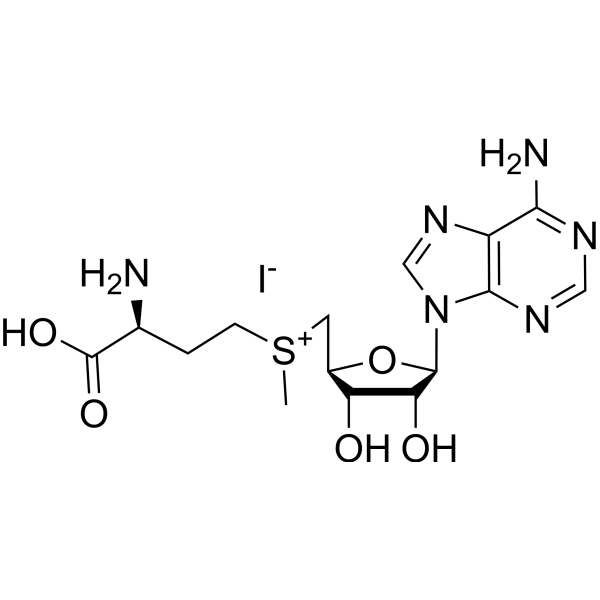
    S-Adenosyl-L-methionine (S-Adenosyl methionine) iodide is an orally active methyl group donor. S-Adenosyl-L-methionine iodide is a dietary supplement with potent antidepressant effects. S-Adenosyl-L-methionine iodide also has anti‑proliferative, pro‑apoptotic and anti‑metastatic roles in cancers. S-Adenosyl-L-methionine iodide has the potential for, cancer, liver disease and osteoarthritis research .
    S-Adenosyl-L-methionine iodide
  • HY-148561

    CDK GSK-3 PKC Cancer
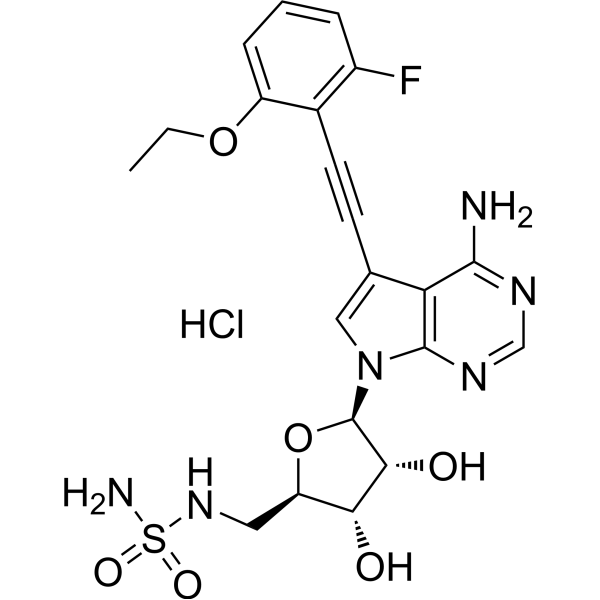
    CDK8-IN-12 is an orally active, potent CDK8 inhibitor with a Ki of 14 nM. CDK8-IN-12 has off-target kinase inhibition on GSK-3α, GSK-3β, PCK-θ with Kis of 13 nM, 4 nM, 109 nM, respectively. CDK8-IN-12 shows potent anti-proliferative effects selectively on MV4-11 cell. CDK8-IN-12 is an anti-cancer agent .
    CDK8-IN-12
  • HY-103019B
    (-)-Enitociclib
    2 Publications Verification

    (R)-Enitociclib; (-)-BAY-1251152; (-)-VIP152

    Drug Isomer CDK Apoptosis DNA/RNA Synthesis Cancer
    (-)-Enitociclib ((R)-Enitociclib) is an enantiomer of Enitociclib (HY-103019E) with an optical rotation of (-). Enitociclib is a selective CDK9 inhibitor and apoptosis inducer. Enitociclib inhibits CDK9 activity and reduces the phosphorylation of Ser2 in the carboxyl-terminal domain (CTD) of RNA polymerase Pol II, thereby downregulating the transcription of key oncogenes such as MYC and MCL1. Enitociclib has anti-proliferative activity targeting MYC + lymphoma and multiple myeloma (MM) cells, and has synergistic effects with Bortezomib (HY-10227) and Lenalidomide (HY-A0003), and can be used in the research of hematological malignancies .
    (-)-Enitociclib
  • HY-146243

    Ras Apoptosis Cancer
    TH-Z835 is a mutant selective KRAS (G12D) inhibitor with an IC50 of 1.6 μM. TH-Z835 inhibits both mantGMPPNP/GPPNP exchange and GPPNP/mantGMPPNP exchange .
    TH-Z835
  • HY-153663

    Ras Cancer
    TH-Z827 is a mutant selective KRAS(G12D) inhibitor with an IC50 of 2.4 μM. TH-Z827 does not bind KRAS(WT) or KRAS(G12C). TH-Z827 blocked the KRAS(G12D)-CRAF interaction with an IC50 value of 42 μM .
    TH-Z827
  • HY-N0181R
    Ergosterol (Standard)
    3 Publications Verification

    Ergosterin(Standard); Provitamin D(Standard); Provitamin D2 (Standard)

    Reference Standards Endogenous Metabolite Inflammation/Immunology
    Ergosterol (Standard) is the analytical standard of Ergosterol. This product is intended for research and analytical applications. Ergosterol is the primary sterol found in fungi, with antioxidative, anti-proliferative, and anti-inflammatory effects.
    Ergosterol (Standard)
  • HY-114803

    Cholinesterase (ChE) Apoptosis Microtubule/Tubulin Neurological Disease Cancer
    Kokusaginine is a furoquinoline alkaloids, which exhibits inhibitory efficacy for acetylcholinesterase (AChE) with an IC50 of 28.2 μM. Kokusaginine exhibits anti-proliferative and apoptotic inducing effects in MCF-7/ADR cells .
    Kokusaginine
  • HY-133121

    Apoptosis WDR5 Cancer
    WDR5-IN-1 is a potent and selective WD repeat domain 5 (WDR5) inhibitor, with a Kd of <0.02 nM. WDR5-IN-1 inhibits MLL1 histone methyltransferase (HMT) activity with an IC50 of 2.2 nM. WDR5-IN-1 diminishes MYC recruitment at WDR5-displaced genes and exhibits potent anti-proliferative effects in CHP-134 (neuroblastoma) and Ramos (Burkitt’s lymphoma) lines .
    WDR5-IN-1
  • HY-B1153A
    Glafenine hydrochloride
    4 Publications Verification

    Glafenin hydrochloride

    COX CFTR Apoptosis Endoplasmic Reticulum Oxidoreductase 1 (ERO1) Metabolic Disease Inflammation/Immunology
    Glafenine (Glafenin) hydrochloride is a non-selective, non-steroidal anti-inflammatory drug-based COX-1/COX-2 inhibitor. Glafenine hydrochloride exerts anti-inflammatory, anti-proliferative and anti-cell migration effects by inhibiting the arachidonic acid metabolic pathway and reducing prostaglandin synthesis. Glafenine hydrochloride can induce cell cycle arrest in vascular smooth muscle cells and endothelial cells and reduce the synthesis of the extracellular matrix protein Tenascin. Glafenine hydrochloride can be used in the research of inflammatory-related diseases, vascular restenosis and cystic fibrosis (CF) .
    Glafenine hydrochloride
  • HY-150603
    STAT3-IN-13
    1 Publications Verification

    STAT Apoptosis Bcl-2 Family Cancer
    STAT3-IN-13 (compound 6f) is a potent STAT3 inhibitor. STAT3-IN-13 has anti-proliferative effects and binds to the STAT3 SH2 domain with a KD of 0.46 μM. STAT3-IN-13 inhibits the phosphorylation of STAT3 Y705 and downstream target gene expression. STAT3-IN-13 induces apoptosis in vitro and suppresses the growth and metastasis of tumor in vivo. STAT3-IN-13 can be used for cancer research .
    STAT3-IN-13
  • HY-170669

    PROTACs CRM1 Apoptosis NF-κB Cancer
    PROTAC XPO1 degrader-1 (Compound 2c) is an XPO1 degrader. PROTAC XPO1 degrader-1 exhibits anti-proliferative effects, can induce cell apoptosis, inhibit NF-κB activity, and cause cell cycle arrest in the G1 phase. PROTAC XPO1 degrader-1 can be used in research on hematological malignancies (Pink: Target Protein Ligand (HY-170672); Black: Linker (HY-W010525); Blue: E3 Ligase Ligand (HY-170671); E3 Ligase Ligand-Linker Conjugate (HY-170673)) .
    PROTAC XPO1 degrader-1
  • HY-117548
    UNC1062
    2 Publications Verification

    TAM Receptor Apoptosis p38 MAPK ERK PI3K Akt JAK STAT Cardiovascular Disease Cancer
    UNC1062 is a highly selective tyrosine kinase (MERTK) inhibitor with an IC50 of 1.1 nM (Morrison Ki = 0.33 nM). UNC1062 exhibits good selectivity for the TAM family (TYRO3 IC50 = 60 nM, AXL IC50 = 85 nM). UNC1062 exhibits significant anti-proliferative effects and induces apoptosis in various cancer models (such as melanoma, gastric cancer, and acute myeloid leukemia). UNC1062 inhibits multiple pathways, including MAPK/ERK, PI3K/AKT and JAK/STAT and affects the motility of head and neck squamous cell carcinoma (HNSCC) cells through the RhoA signaling pathway. UNC1062 inhibits macrophage efferocytosis, and it suitable for research on atherosclerosis .
    UNC1062
  • HY-111538
    MAGL-IN-1
    1 Publications Verification

    MAGL Cancer
    MAGL-IN-1 is a potent, selective, reversible and competitive inhibitor of MAGL, with an IC50 of 80 nM. MAGL-IN-1 exhibits anti-proliferative effects against human breast, colorectal, and ovarian cancer cells. MAGL-IN-1 blocks MAGL in cell-based as well as in vivo assays .
    MAGL-IN-1
  • HY-P99662

    MLN0264; TAK-264

    Antibody-Drug Conjugates (ADCs) Guanylate Cyclase Apoptosis Cancer
    Indusatumab vedotin (MLN-0264; AKT-264) is an antibody-drug conjugate (ADC) consisting of the human anti-guanylate cyclase C (GCC) antibody linked to a microtubule-disruptor Monomethyl auristatin (HY-15162). Indusatumab vedotin has anti-proliferative effects on pancreas cancer cell lines. Indusatumab vedotin arrests cell cycle at G2/M phase, and induces apoptosis .
    Indusatumab vedotin
  • HY-B0617AR

    S-Adenosyl methionine tosylate (Standard); Ademetionine tosylate (Standard); AdoMet tosylate (Standard)

    Reference Standards Endogenous Metabolite Apoptosis Neurological Disease Inflammation/Immunology Cancer
    S-Adenosyl-L-methionine tosylate (Standard) (S-Adenosyl methionine tosylate (Standard)) is the analytical standard of S-Adenosyl-L-methionine tosylate (HY-B0617A). This product is intended for research and analytical applications. S-Adenosyl-L-methionine (S-Adenosyl methionine) tosylate is an orally active methyl group donor. S-Adenosyl-L-methionine tosylate is a dietary supplement with potent antidepressant effects. S-Adenosyl-L-methionine tosylate also has anti‑proliferative, pro‑apoptotic and anti‑metastatic roles in cancers. S-Adenosyl-L-methionine tosylate has the potential for, cancer, liver disease and osteoarthritis research .
    S-Adenosyl-L-methionine tosylate (Standard)
  • HY-B1153R

    Glafenin (Standard)

    COX CFTR Apoptosis Endoplasmic Reticulum Oxidoreductase 1 (ERO1) Reference Standards Metabolic Disease Inflammation/Immunology
    Glafenine (Standard) is the analytical standard of Glafenine. This product is intended for research and analytical applications. Glafenine (Glafenin) is a non-selective, non-steroidal anti-inflammatory drug-based COX-1/COX-2 inhibitor. Glafenine exerts anti-inflammatory, anti-proliferative and anti-cell migration effects by inhibiting the arachidonic acid metabolic pathway and reducing prostaglandin synthesis. Glafenine can induce cell cycle arrest in vascular smooth muscle cells and endothelial cells and reduce the synthesis of the extracellular matrix protein Tenascin. Glafenine can be used in the research of inflammatory-related diseases, vascular restenosis and cystic fibrosis (CF) .
    Glafenine (Standard)
  • HY-125612

    5'-Hydroxymorusin

    Apoptosis Cancer
    Artonin E (5'-Hydroxymorusin) is a known prenylated flavonoid that induces apoptosis and arrests the cell cycle in S phase. Artonin E can induce anti-proliferative effects through mitochondrial pathway dysregulation and can be used in cancer research .
    Artonin E
  • HY-N0108R

    Parietin (Standard); Rheochrysidin (Standard)

    Reference Standards Bacterial Infection Inflammation/Immunology Cancer
    Physcion (Standard) is the analytical standard of Physcion. This product is intended for research and analytical applications. Physcion (Parietin) is an anthraquinone isolated from traditional Chinese medicine Radix et Rhizoma Rhei, acts as an inhibitor of 6-phosphogluconate dehydrogenase, with an IC50 and a Kd of 38.5 μM and 26.0 μM, respectively . Physcion (Parietin) exhibits laxative, hepatoprotective, anti-inflammatory, anti-microbial, anti-proliferative and anti-tumor effects .
    Physcion (Standard)
  • HY-N7085R

    5,7-Dimethoxycoumarin (Standard); Limettin (Standard)

    ERK JNK p38 MAPK Reference Standards Neurological Disease Inflammation/Immunology Cancer
    Citropten (Standard) is the analytical standard of Citropten. This product is intended for research and analytical applications. Citropten (5, 7-dimethoxycoumarin) is one of the coumarin derivatives. Citropten is an effective oral anticancer agent. Citropten has anti-proliferative activity against A2058 and B16 melanoma cells. Citropten exerts anti-inflammatory effects through the NFκB and MAPK signaling pathways. Citropten acts as an antidepressant through heat shock protein-70, monoamine oxidase-A and inhibition of apoptosis .
    Citropten (Standard)
  • HY-N0181S

    Isotope-Labeled Compounds Endogenous Metabolite Inflammation/Immunology
    Ergosterol-d3 is the deuterium labeled Ergosterol (HY-N0181). Ergosterol is the primary sterol found in fungi, with antioxidative, anti-proliferative, and anti-inflammatory effects.
    Ergosterol-d3
  • HY-116588

    Epigenetic Reader Domain Cancer
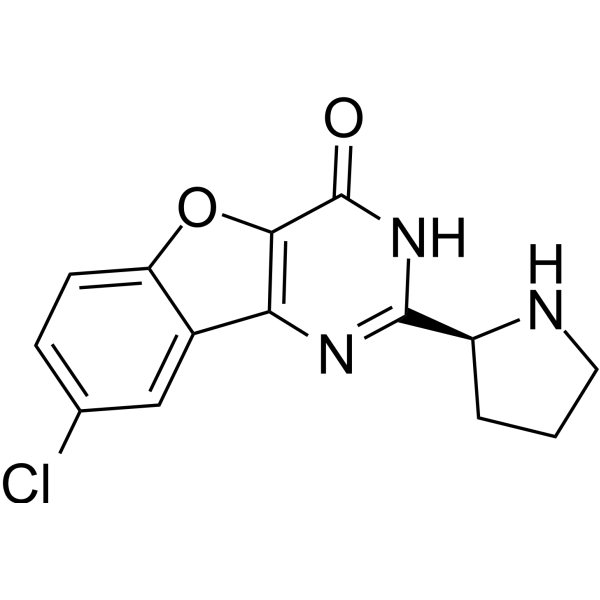
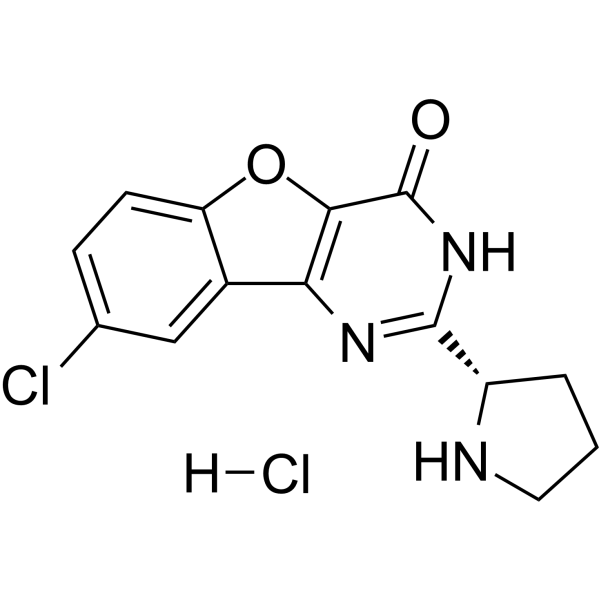
    FT001 is an orally active and selective BET inhibitor. FT001 has potent anti-proliferative effects against MV-4-11. FT001 can be used for research of cancer .
    FT001
  • HY-119340

    Flavoneacetic acid

    Reactive Oxygen Species (ROS) Cancer
    Mitoflaxone (flavoneacetic acid) is a synthetic flavonoid compound with vascular targeting properties. Mitoflaxone exerts anti-proliferative effects on endothelial cells through a superoxide-dependent mechanism, this effect leads to changes in the permeability of tumor blood vessels, thereby exerting anti-tumor effects [1] [2] .
    Mitoflaxone
  • HY-177750

    Molecular Glues Apoptosis Cancer
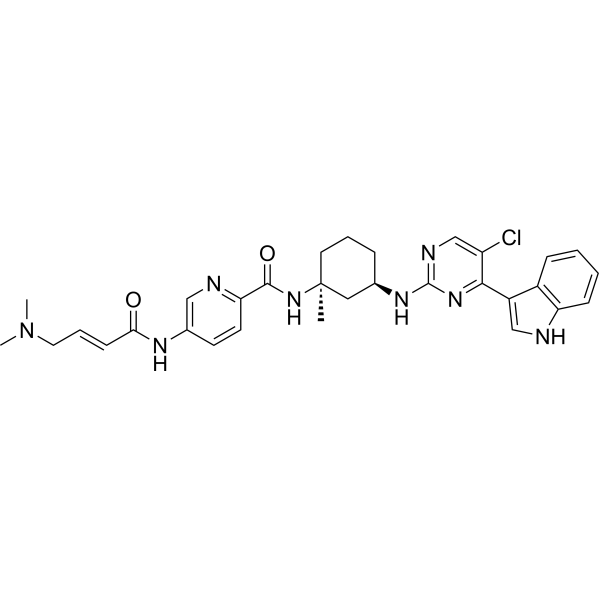
    TD-522 is a potent and selective molecular glue GSPT1 degrader, with a DC50 of 0.269 nM. TD-522 exhibits strong anti-proliferative effects and induces apoptosis in acute myeloid leukemia (AML) and diffuse large B-cell lymphoma (DLBCL) cells. TD-522 suppresses tumor growth in a TMD-8 xenograft model. TD-522 can be used for AML and DLBCL research .
    TD-522
  • HY-112724A

    SHR0302 sulfate

    JAK Apoptosis Inflammation/Immunology Cancer
    Ivarmacitinib (SHR0302) sulfate is a potent and orally active all members of the JAK family inhibitor, particularly JAK1. The selectivity of Ivarmacitinib for JAK1 is >10-fold for JAK2, 77-fold for JAK3, 420-fold for Tyk2. Ivarmacitinib inhibits JAK1-STAT3 phosphorylation and induces the apoptosis of hepatic stellate cells. Ivarmacitinib has anti-proliferative and anti-inflammatory effects .
    Ivarmacitinib sulfate
  • HY-B0617B

    S-Adenosyl methionine 1,4-butanedisulfonate; Ademetionine 1,4-butanedisulfonate; AdoMet 1,4-butanedisulfonate

    Endogenous Metabolite Apoptosis Neurological Disease Inflammation/Immunology Cancer
    S-Adenosyl-L-methionine (S-Adenosyl methionine) 1,4-butanedisulfonate is an orally active methyl group donor. S-Adenosyl-L-methionine 1,4-butanedisulfonate is a dietary supplement with potent antidepressant effects. S-Adenosyl-L-methionine 1,4-butanedisulfonate also has anti‑proliferative, pro‑apoptotic and anti‑metastatic roles in cancers. S-Adenosyl-L-methionine 1,4-butanedisulfonate has the potential for, cancer, liver disease and osteoarthritis research .
    S-Adenosyl-L-methionine 1,4-butanedisulfonate

Inquiry Online

Your information is safe with us. * Required Fields.

Salutation


Country or Region *

Applicant Name *


Organization Name *

Department *


Email Address *


Product Name *

Cat. No.


Requested quantity *

Phone Number *


Remarks

Inquiry Online

Inquiry Information

Product Name:
Cat. No.:
Quantity:
MCE Japan Authorized Agent:

