Search Result
Results for "
aortic smooth muscle cells
" in MedChemExpress (MCE) Product Catalog:
1
Biochemical Assay Reagents
2
Isotope-Labeled Compounds
| Cat. No. |
Product Name |
Target |
Research Areas |
Chemical Structure |
-
- HY-P0049
-
Argipressin
Maximum Cited Publications
10 Publications Verification
Arg8-vasopressin; AVP
|
Vasopressin Receptor
|
Neurological Disease
Cancer
|
|
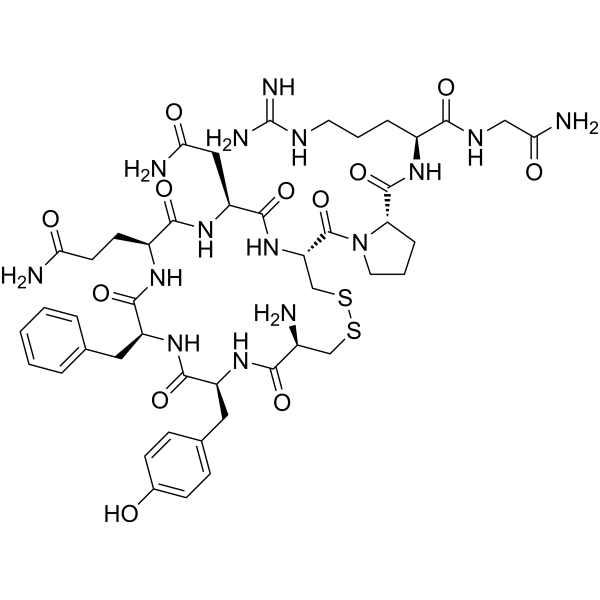
Argipressin (Arg8-vasopressin) binds to the V1, V2, V3-vascular arginine vasopressin receptor, with a Kd value of 1.31 nM in A7r5 rat aortic smooth muscle cells for V1.
|
-
-
- HY-P990688
-
|
AMG-509
|
CD3
|
Cancer
|
|
Xaluritamig (AMG-509) is a bispecific T cell engager and cytolytic agent with a Kd of 27.6 nM for human CD3ε. Xaluritamig binds to CD3ε via an anti-CD3 single-chain variable fragment (scFv) domain, and to STEAP1 via a bispecific anti-STEAP1 antigen-binding fragment (Fab) domain, thereby recruiting and activating T cells and forming a bridge between T cells and STEAP1-expressing cancer cells. Xaluritamig induces T cell-mediated redirected cytotoxicity, tumor cell lysis, cytokine release, CD8 + T cell activation and expansion, as well as tumor stasis or regression. Xaluritamig contains an Fc domain with no effector function, which prolongs serum half-life, exhibits only minimal activity against cells with low STEAP1 expression and normal cells, and shows extremely low target-related off-tumor toxicity in cynomolgus monkeys. Xaluritamig is used in STEAP1×CD3 XmAb 2+1 immunotherapy and in research on metastatic castration-resistant prostate cancer and Ewing sarcoma .
|
-
-
- HY-B0199A
-
|
RS 61443 hydrochloride; TM-MMF hydrochloride
|
Interleukin Related
|
Inflammation/Immunology
|
|
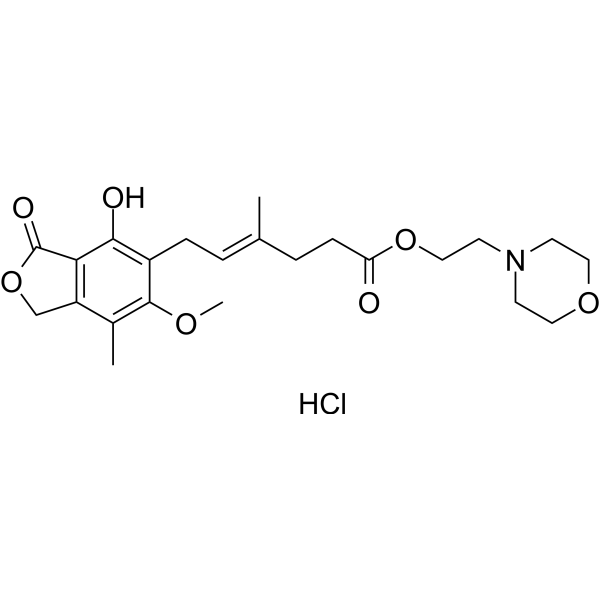
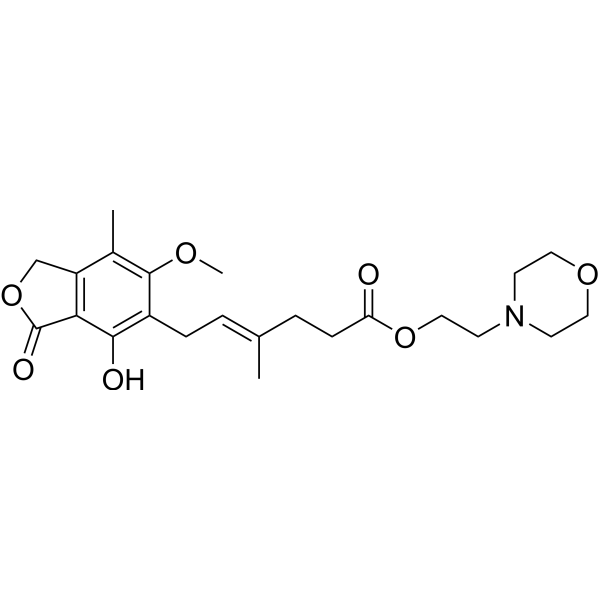
Mycophenolate mofetil (RS 61443; TM-MMF) hydrochloride is an orally active antimetabolic immunosuppressant with antiproliferative and anti-inflammatory properties. Mycophenolate mofetil hydrochloride significantly inhibits the production of B, T lymphocytes and the proliferation of smooth muscle cells by selectively blocking the de novo purine synthesis pathway. Mycophenolate mofetil hydrochloride effectively reduces adventitial inflammation, medial necrosis and intimal thickening in rat aortic allografts, and decreases the number of lymphocytes expressing the IL-2 receptor, thereby delaying xenograft rejection. Mycophenolate mofetil hydrochloride shows certain toxicity in a hamster-to-rat limb xenotransplantation model when used in combination with FK506 (HY-13756). Mycophenolate mofetil hydrochloride is widely used in studies related to allograft arteriosclerosis (chronic rejection) .
|
-
-
- HY-P1856
-
|
|
Insulin Receptor
PDGFR
MAPKAPK2 (MK2)
|
Cardiovascular Disease
Metabolic Disease
Inflammation/Immunology
|
|
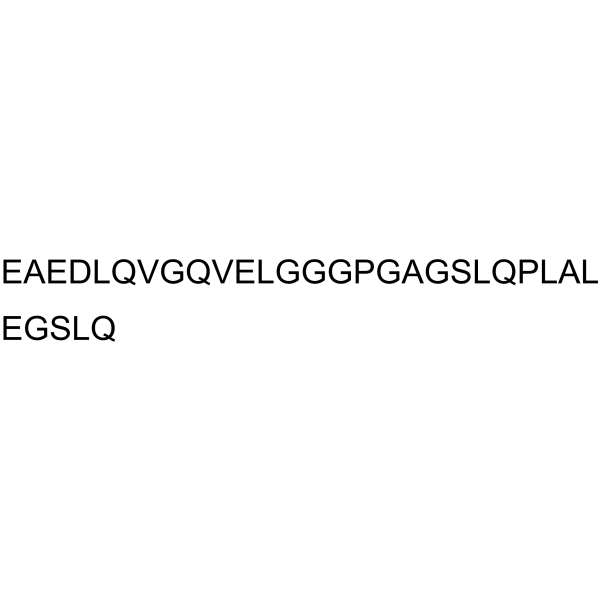
Proinsulin C-peptide (human) is a peptide consisting of 31 amino acids that links the A and B chains of proinsulin to ensure its correct folding. Proinsulin C-peptide (human) inhibits the high glucose-induced increase in PDGF-β receptor protein expression and the phosphorylation of p42/p44 MAP kinase. Proinsulin C-peptide (human) increases the deformability of erythrocytes derived from type 1 diabetes, inhibits insulin-induced neointimal thickening, and suppresses the proliferation of rat aortic smooth muscle cells cultured under high-glucose conditions .
|
-
-
- HY-N6031
-
-
-
- HY-W539944
-
|
Arg8-vasopressin acetate; AVP acetate
|
Vasopressin Receptor
Apoptosis
|
Neurological Disease
Cancer
|
|
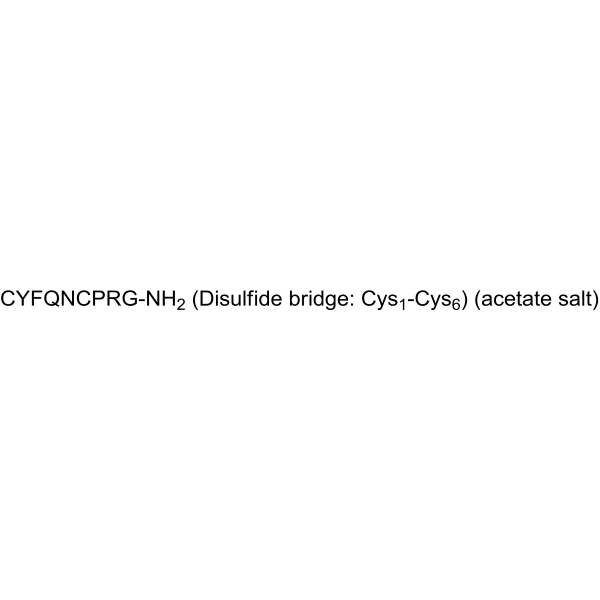
Argipressin (Arg8-vasopressin) (acetate) binds to the V1, V2, V3-vascular arginine vasopressin receptor, with a Kd value of 1.31 nM in A7r5 rat aortic smooth muscle cells for V1 .
|
-
-
- HY-W587488
-
|
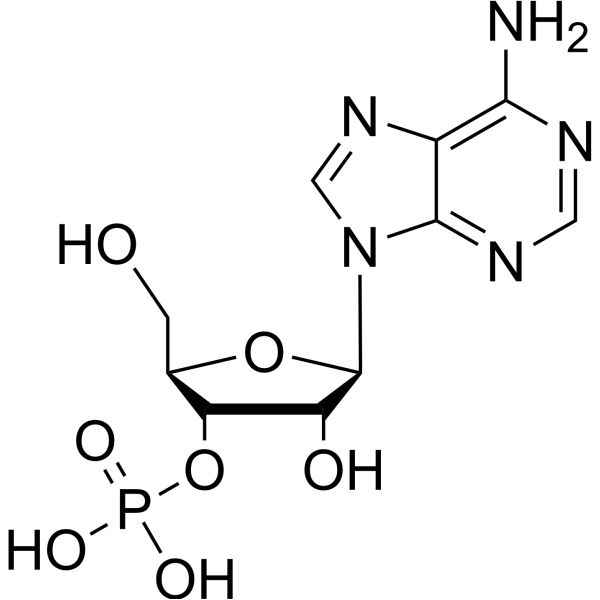
3′-AMP
|
Nucleoside Antimetabolite/Analog
Cyclic GMP-AMP Synthase
|
Cancer
|
|
Adenosine 3’-monophosphate (3’-AMP) is a nucleotide. Adenosine 3’-monophosphate is a cyclic AMP production agonist. Adenosine 3’-monophosphate increases cyclic AMP levels concentration-dependently in NG108-15 cells. Adenosine 3’-monophosphate can be used in the determination of acid phosphatase activity of human serum, which is estabilished as a laboratory procedure in the diagnosis of prostate cancer, metastatic mammary cancer and Gaucher’s disease. Adenosine 3’-monophosphate inhibits human aortic and coronary vascular smooth muscle cell proliferation via A2B receptors .
|
-
-
- HY-N6660
-
|
Tricaprin; Glyceryl tridecanoate
|
Endogenous Metabolite
Androgen Receptor
|
Cardiovascular Disease
Metabolic Disease
|
|
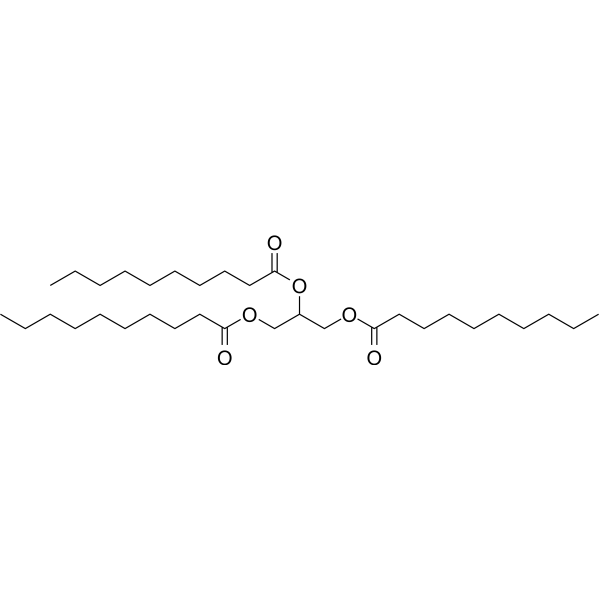
Trisdecanoin (Tricaprin; Glyceryl tridecanoate) is an orally available precursor of decanoic acid (DA precursor) that can be hydrolyzed to decanoic acid. Trisdecanoin and its metabolite capric acid not only provide the body with a quick source of energy, but can also affect lipid metabolism. Trisdecanoin is a major component of medium chain triglycerides (MCT), which has preventive or inhibitory properties for abdominal aortic aneurysms (AAA), inhibition of cardiovascular disease, and anti-androgen (NSAA) and anti-hyperglycemic properties. Trisdecanoin can be used as an additive in food, medicine and cosmetics .
|
-
-
- HY-112487
-
|
|
Acyltransferase
|
Metabolic Disease
|
|
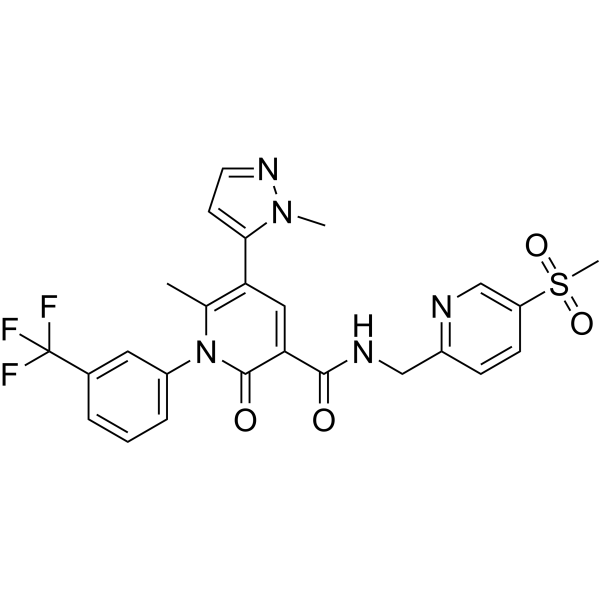
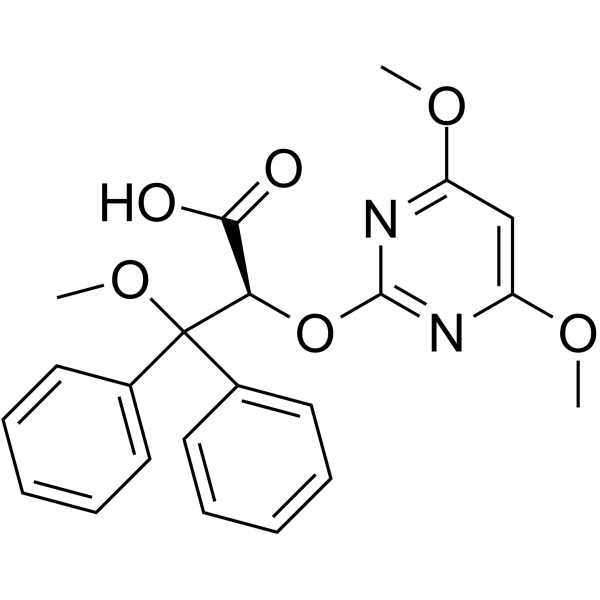
Sandoz 58-035 is a selective acyl-CoA:cholesterol acyltransferase (ACAT) inhibitor. Sandoz 58-035 inhibits this enzyme in intact cells and isolated microsomal fractions. Sandoz 58-035 blocks the esterification of exogenous vesicle-derived cholesterol and the incorporation of oleic acid into cellular cholesterol esters, reducing the formation and accumulation of cholesterol esters. Sandoz 58-035 causes a slight increase in cellular free cholesterol, and at high concentrations, it also causes a slight reduction in overall cellular protein synthesis. Sandoz 58-035 can be used in studies related to cellular cholesterol regulation .
|
-
-
- HY-126410
-
|
|
FAK
|
Metabolic Disease
|
|
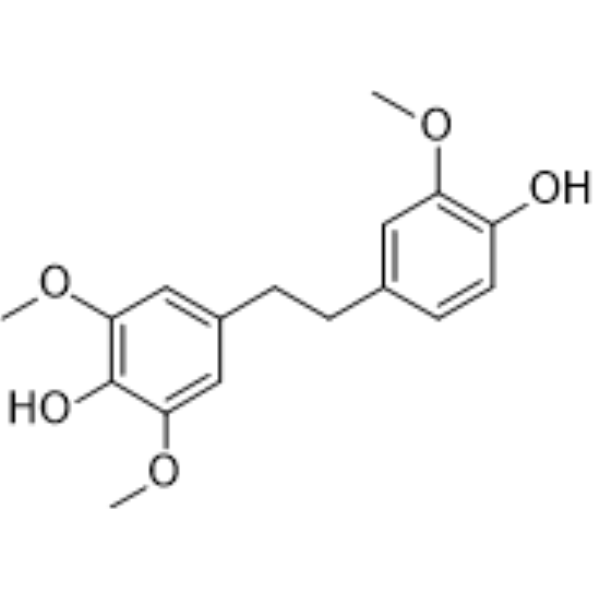
Petunidin chloride is an O-methylated anthocyanidin derived from delphinidin. Petunidin chloride binds with and suppresses the activity of focal adhesion kinase and to inhibit platelet-derived growth factor-induced aortic smooth muscle cell migration, which may confer a protective effect against atherosclerosis.
|
-
-
- HY-120986
-
|
(S)-BEL; (S,E)-Bromoenol lactone
|
Phospholipase
|
Inflammation/Immunology
|
|
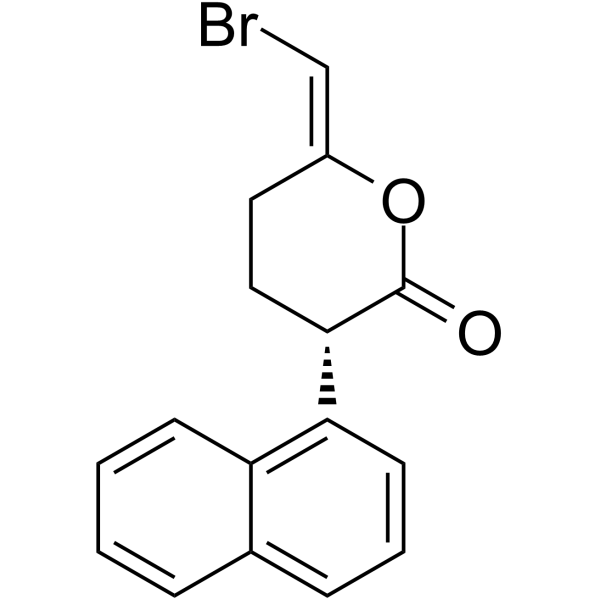
(S)-Bromoenol lactone ((S)-BEL) is an irreversible, chiral, mechanism-based inhibitor of calcium-independent phospholipase A2β (iPLA2β) that inhibits the vasopressin-induced release of arachidonate from cultured rat aortic smooth muscle (A10) cells with an IC50 of 2 µM .
|
-
-
- HY-B1035
-
|
l-Bunolol hydrochloride
|
Adrenergic Receptor
Calcium Channel
Casein Kinase
|
Cardiovascular Disease
|
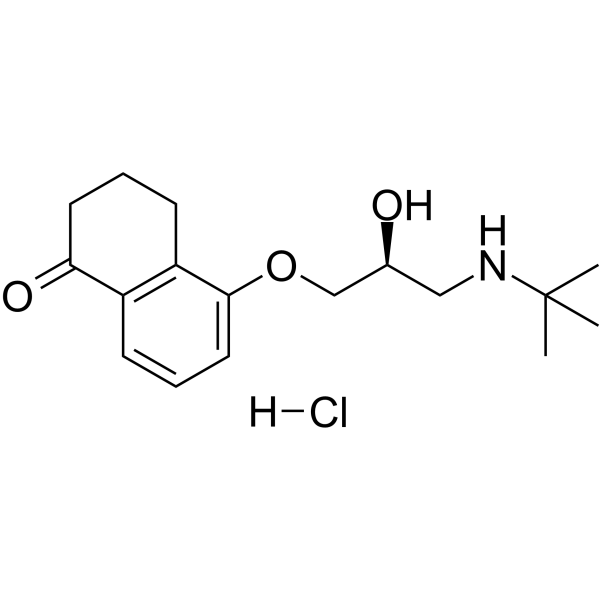
Levobunolol (l-Bunolol) hydrochloride is a non-selective β-adrenergic antagonist and vasodilator. By blocking calcium ion influx and reducing the sensitivity of vascular smooth muscle to calcium, Levobunolol hydrochloride effectively dilates the ciliary arteries and increases ocular blood flow, so it is widely used in research on glaucoma and ocular hypertension. Levobunolol hydrochloride inhibits the β-receptor signaling pathway and the expression of related proliferation markers (such as CK3, CK14, CK19, Ki67) in corneal cells. In rabbit models, Levobunolol hydrochloride not only does not inhibit corneal epithelial regeneration, but also accelerates the healing of mechanical injury without adverse effects. Levobunolol hydrochloride also inhibits histamine-induced vasoconstriction and intracellular calcium elevation, exhibiting unique vascular regulatory activity. Levobunolol hydrochloride protects ocular blood flow and promotes corneal repair .
|
-
-
- HY-W040255
-
|
PGPC
|
Ferroptosis
FABP
Caspase
Interleukin Related
Apoptosis
|
Inflammation/Immunology
|
|
1-Palmitoyl-2-glutaryl-sn-glycero-3-phosphocholine is an oxidized phospholipid. 1-Palmitoyl-2-glutaryl-sn-glycero-3-phosphocholine reduces the viability of HUVECs, increases the levels of ferrous ions and lipid peroxidation, promotes the production of superoxide anions, and decreases the levels of glutathione and GPX4 in cells. 1-Palmitoyl-2-glutaryl-sn-glycero-3-phosphocholine upregulates the mRNA and protein levels of FABP3 in HUVECs, impairs mitochondrial membrane potential, and induces ferroptosis-related changes as well as mitochondrial dysfunction and damage. 1-Palmitoyl-2-glutaryl-sn-glycero-3-phosphocholine activates caspase-11 and promotes the continuous release of IL-1β from macrophages and dendritic cells. 1-Palmitoyl-2-glutaryl-sn-glycero-3-phosphocholine inhibits the proliferation of aortic smooth muscle cells and induces apoptosis in these cells. 1-Palmitoyl-2-glutaryl-sn-glycero-3-phosphocholine is applicable to relevant research on atherosclerosis .
|
-
-
- HY-15404
-
|
Lu-135252
|
Endothelin Receptor
|
Cardiovascular Disease
Endocrinology
|
|
Darusentan (Lu-135252) is a selective endothelin receptor A (ET-A) receptor antagonist, which binds with a Ki of 1.4 nM to the ET-A receptor and a Ki of 184 nM to ET-B receptor, respectively with a 100-fold selectivity for ETA rather than ETB receptors . Darusentan competes for radiolabeled endothelin binding in rat aortic vascular smooth muscle cells (RAVSMs) membranes with single-site kinetics, exhibiting a Ki of 13 nM .
|
-
-
- HY-B0199S
-
|
|
Isotope-Labeled Compounds
Interleukin Related
|
Cancer
|
|
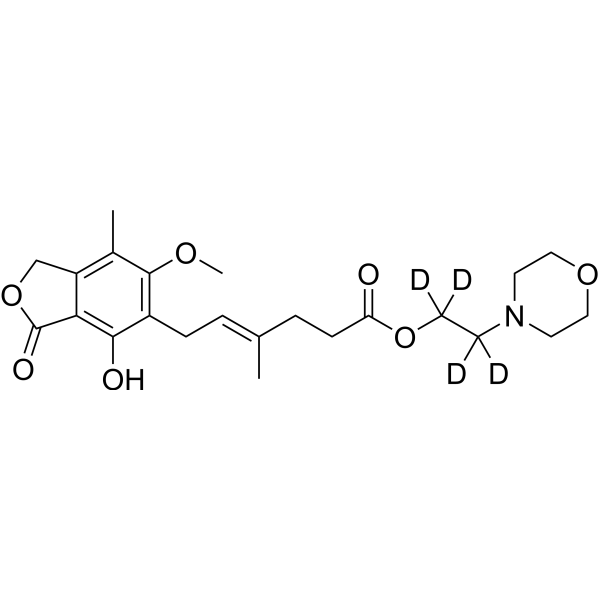
Mycophenolate Mofetil-d4 is the deuterium labeled Mycophenolate Mofetil. Mycophenolate mofetil (RS 61443; TM-MMF) hydrochloride is an orally active antimetabolic immunosuppressant with antiproliferative and anti-inflammatory properties. Mycophenolate mofetil hydrochloride significantly inhibits the production of B, T lymphocytes and the proliferation of smooth muscle cells by selectively blocking the de novo purine synthesis pathway. Mycophenolate mofetil hydrochloride effectively reduces adventitial inflammation, medial necrosis and intimal thickening in rat aortic allografts, and decreases the number of lymphocytes expressing the IL-2 receptor, thereby delaying xenograft rejection. Mycophenolate mofetil hydrochloride shows certain toxicity in a hamster-to-rat limb xenotransplantation model when used in combination with FK506 (HY-13756). Mycophenolate mofetil hydrochloride is widely used in studies related to allograft arteriosclerosis (chronic rejection) .
|
-
-
- HY-19664
-
|
OPC-13340
|
Calcium Channel
NO Synthase
|
Cardiovascular Disease
|
|
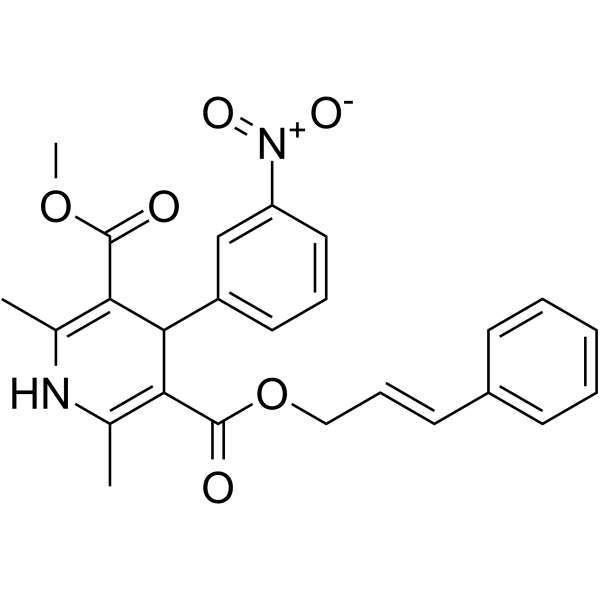
Pranidipine (OPC-13340) is an orally active L-type voltage-dependent calcium channel (L-VDCC) blocker with a Ki value of 0.16 nM. Pranidipine inhibits calcium-induced contraction, suppresses slow-response action potentials, shortens action potential duration, reduces systolic and diastolic blood pressure, and exerts vasodilatory effects. Pranidipine enhances its vasodilatory effect by blocking NO decomposition. Pranidipine can be used in research related to essential hypertension, angina pectoris, myocardial infarction, and dilated cardiomyopathy .
|
-
-
- HY-16191
-
|
|
Microtubule/Tubulin
Apoptosis
HIF/HIF Prolyl-Hydroxylase
Mitosis
|
Cancer
|
|
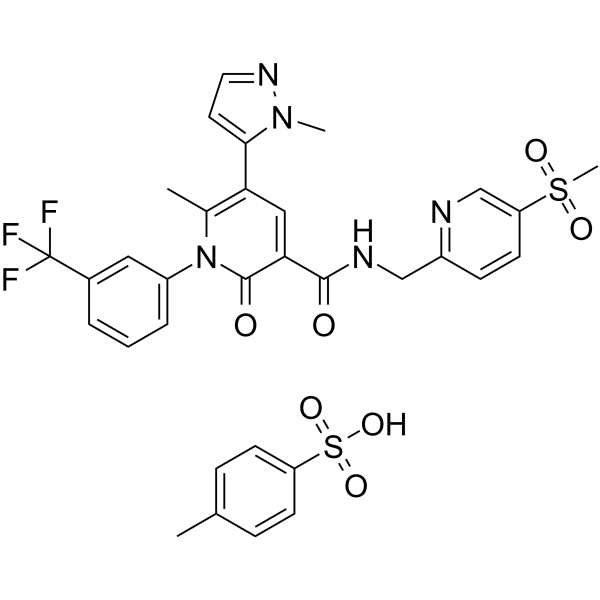
ELR510444 is an orally active tubulin inhibitor with an IC50 of 10 μM. ELR510444 binds to the colchicine-binding site on β-tubulin, inhibits tubulin assembly, depolymerizes microtubules and blocks HIF activity. ELR510444 induces cellular microtubule loss, abnormal mitotic spindle, mitotic arrest, apoptosis, morphological changes in tumor endothelial cells, and inhibits cancer cell proliferation, angiogenesis and tumor growth. ELR510444 can be used in research related to various cancers such as renal cell carcinoma .
|
-
-
- HY-B0199R
-
|
RS 61443 (Standard); TM-MMF (Standard)
|
Reference Standards
Interleukin Related
|
Cancer
|
|
Mycophenolate Mofetil (Standard) is the analytical standard of Mycophenolate Mofetil. This product is intended for research and analytical applications. Mycophenolate mofetil (RS 61443; TM-MMF) hydrochloride is an orally active antimetabolic immunosuppressant with antiproliferative and anti-inflammatory properties. Mycophenolate mofetil hydrochloride significantly inhibits the production of B, T lymphocytes and the proliferation of smooth muscle cells by selectively blocking the de novo purine synthesis pathway. Mycophenolate mofetil hydrochloride effectively reduces adventitial inflammation, medial necrosis and intimal thickening in rat aortic allografts, and decreases the number of lymphocytes expressing the IL-2 receptor, thereby delaying xenograft rejection. Mycophenolate mofetil hydrochloride shows certain toxicity in a hamster-to-rat limb xenotransplantation model when used in combination with FK506 (HY-13756). Mycophenolate mofetil hydrochloride is widely used in studies related to allograft arteriosclerosis (chronic rejection) .
|
-
-
- HY-N9097
-
|
|
Reactive Oxygen Species (ROS)
SOD
Glutathione Peroxidase
PKC
NADPH Oxidase
|
Metabolic Disease
Inflammation/Immunology
|
|
Niazirin is an orally active antioxidant. Niazirin can be isolated from Moringa oleifera Lam. Niazirin reduces the production levels of ROS and MDA, while increasing the levels of superoxide dismutase SOD and glutathione peroxidase GPx. Niazirin also abolishes high glucose-induced PKCζ activation and inhibits Nox4 protein expression. Niazirin exhibits excellent free radical scavenging activity. Niazirin significantly inhibits high glucose-induced proliferation of vascular smooth muscle cells. Niazirin can be used in the research of diabetic atherosclerosis .
|
-
-
- HY-B0199AS
-
|
RS 61443-d4 hydrochloride; TM-MMF-d4 hydrochloride
|
Isotope-Labeled Compounds
Interleukin Related
|
Cancer
|
|
Mycophenolate Mofetil-d4 hydrochloride is deuterated labeled Mycophenolate mofetil hydrochloride (HY-B0199A). Mycophenolate mofetil (RS 61443; TM-MMF) hydrochloride is an orally active antimetabolic immunosuppressant with antiproliferative and anti-inflammatory properties. Mycophenolate mofetil hydrochloride significantly inhibits the production of B, T lymphocytes and the proliferation of smooth muscle cells by selectively blocking the de novo purine synthesis pathway. Mycophenolate mofetil hydrochloride effectively reduces adventitial inflammation, medial necrosis and intimal thickening in rat aortic allografts, and decreases the number of lymphocytes expressing the IL-2 receptor, thereby delaying xenograft rejection. Mycophenolate mofetil hydrochloride shows certain toxicity in a hamster-to-rat limb xenotransplantation model when used in combination with FK506 (HY-13756). Mycophenolate mofetil hydrochloride is widely used in studies related to allograft arteriosclerosis (chronic rejection) .
|
-
-
- HY-116392A
-
|
|
Glucosylceramide Synthase (GCS)
|
Cancer
|
|
(−)-L-threo-PDMP hydrochloride is the hydrochloride form of (−)-L-threo-PDMP. L-threo-PDMP is a glucosylceramide synthase (GCS) inhibitor. L-threo-PDMP stimulates the proliferation of cultured aortic smooth muscle cells, and that increases the level of LacCer in B16 melanoma cells .
|
-
-
- HY-126410R
-
|
|
Reference Standards
FAK
|
Metabolic Disease
|
|
Petunidin (chloride) (Standard) is the analytical standard of Petunidin (chloride). This product is intended for research and analytical applications. Petunidin chloride is an O-methylated anthocyanidin derived from delphinidin. Petunidin chloride binds with and suppresses the activity of focal adhesion kinase and to inhibit platelet-derived growth factor-induced aortic smooth muscle cell migration, which may confer a protective effect against atherosclerosis.
|
-
-
- HY-181121
-
|
|
Interleukin Related
|
Inflammation/Immunology
|
|
MK175 is an IL-1β inhibitor. MK175 reduces LPS (HY-D1056)-induced IL-1β release in human aortic smooth muscle cells. MK175 is applicable to the research of cardiovascular inflammatory diseases such as atherosclerosis .
|
-
-
- HY-115381
-
|
|
Endogenous Metabolite
|
Cardiovascular Disease
|
|
Lipoxin A5 is an eicosapentaenoic acid derived from pig white blood cells. Lipoxin A5 slowly contracted the guinea pig lung parenchymal strips with a contractile force similar to that of LXA4 and LXB4.2, but LXA5 did not have the vasodilating effect on the aortic smooth muscle shown by LXA4 and LXB4.2 .
|
-
-
- HY-120485
-
|
IRFI-016
|
p38 MAPK
ERK
PKC
|
Cardiovascular Disease
|
|
Raxofelast (IRFI-016) is an antioxidant agent in various models of ischemia-reperfusion injury. Raxofelast has antiproliferative activity in H2O2-stimulated rat aortic smooth muscle cells. Raxofelast attenuates the activation of mitogen-activating protein kinase (MAPK), ERK kinase 1, 2 (MEK1,2) and protein kinase C (PKC) without affecting Ras expression .
|
-
-
- HY-181122
-
|
|
Interleukin Related
|
Cardiovascular Disease
|
|
MK169 is an IL-1β inhibitor. MK169 reduces LPS (HY-D1056)-induced IL-1β release in human aortic smooth muscle cells. MK169 is applicable to the research of cardiovascular inflammatory diseases such as atherosclerosis .
|
-
-
- HY-182616
-
|
|
β-glucuronidase
Glycosidase
Phosphatase
|
Inflammation/Immunology
|
|
CH-123 is an orally active lipid-lowering agent. CH-123 inhibits the elevated activities of β-glucuronidase, β-galactosidase, N-acetyl-β-glucosaminidase and acid phosphatase in aortic smooth muscle cells and hepatocytes. CH-123 reduces serum total lipid and cholesterol levels, as well as intracellular cholesterol content in aortic smooth muscle cells. CH-123 significantly inhibits lysosomal enzyme activity. CH-123 can be used in the research of atherosclerosis .
|
-
-
- HY-180188
-
|
|
Autophagy
|
Cardiovascular Disease
Cancer
|
|
F1-ispinesib is a heterobifunctional F1-autophagy degrader, composed of an RNA-binding fragment (F1) and the LC3B ligand Ispinesib (HY-50759). F1-ispinesib induces degradation of COL15A1 mRNA via an LC3B-dependent macroautophagy mechanism. F1-ispinesib inhibits cell proliferation and enhances migration of human aortic smooth muscle cells .
|
-
-
- HY-N6660R
-
|
Tricaprin (Standard); Glyceryl tridecanoate (Standard)
|
Reference Standards
Endogenous Metabolite
Androgen Receptor
|
Metabolic Disease
|
|
Trisdecanoin (Standard) is the analytical standard of Trisdecanoin. This product is intended for research and analytical applications. Trisdecanoin (Tricaprin; Glyceryl tridecanoate) is an orally available precursor of decanoic acid (DA precursor) that can be hydrolyzed to decanoic acid. Trisdecanoin and its metabolite capric acid not only provide the body with a quick source of energy, but can also affect lipid metabolism. Trisdecanoin is a major component of medium chain triglycerides (MCT), which has preventive or inhibitory properties for abdominal aortic aneurysms (AAA), inhibition of cardiovascular disease, and anti-androgen (NSAA) and anti-hyperglycemic properties. Trisdecanoin can be used as an additive in food, medicine and cosmetics .
|
-
-
- HY-180796
-
|
|
Pyruvate Kinase
|
Cardiovascular Disease
|
|
PKM2 agonist-1 (Compound D16) is a highly effective, allosteric PKM2 agonist with an AC50 value of 77 nM. PKM2 agonist-1 inhibits Ang II-induced smooth muscle cell phenotypic switching. PKM2 agonist-1 effectively prevents aortic dissection and results in reduced mortality .
|
-
-
- HY-182573
-
|
|
Protease Activated Receptor (PAR)
|
Cardiovascular Disease
|
|
RWJ-58259 is a selective PAR-1 inhibitor with an IC50 value of 0.15 μM. RWJ-58259 binds selectively to PAR-1, blocks the binding of tethered ligands, interferes with calcium mobilization and PAR-1-related cellular functions, and exhibits no PAR-1 agonist activity or thrombin proteolytic inhibitory activity. RWJ-58259 inhibits thrombin-induced platelet aggregation, calcium signaling and vascular smooth muscle cell proliferation, reduces neointimal thickness and arterial stenosis, and alleviates vascular occlusion and platelet deposition. RWJ-58259 can be used in the research of thrombotic diseases and vascular injury associated with acute coronary intervention .
|
-
-
- HY-183206
-
|
|
Potassium Channel
Calcium Channel
|
Cardiovascular Disease
Inflammation/Immunology
|
|
UR 8225 is an orally active ATP-sensitive K + channel activator with vasodilator, smooth muscle relaxant, antihypertensive, and bronchodilator activities. UR 8225 induces membrane hyperpolarization by increasing outward K + conductance and reduces Ca 2+ influx through voltage-gated L-type Ca 2+ channels. UR 8225 reduces total peripheral vascular resistance, shortens cardiac action potential duration, inhibits agonist-induced Ca 2+ influx, and stimulates renin release. UR 8225 induces reflex tachycardia but lacks β-adrenergic receptor blocking activity. UR 8225 is widely applicable to research in fields related to hypertension, myocardial ischemia, ventricular fibrillation, and other conditions .
|
-
-
- HY-136785
-
|
|
Endothelin Receptor
Radionuclide-Drug Conjugates (RDCs)
|
Cardiovascular Disease
|
|
PD151242 is a selective competitive antagonist of the endothelin ETA receptor, with KD values of 0.65 nM, 0.64 nM and 1.92 nM for human, rat and porcine receptors, respectively, and a KD value of 104 μM for the human ETβ receptor. When radiolabeled as [ 125I]-PD151242, PD151242 can be used to visualize and localize renal vascular ETA receptors .
|
-
| Cat. No. |
Product Name |
Type |
-
- HY-W040255
-
|
PGPC
|
Biochemical Assay Reagents
|
|
1-Palmitoyl-2-glutaryl-sn-glycero-3-phosphocholine is an oxidized phospholipid. 1-Palmitoyl-2-glutaryl-sn-glycero-3-phosphocholine reduces the viability of HUVECs, increases the levels of ferrous ions and lipid peroxidation, promotes the production of superoxide anions, and decreases the levels of glutathione and GPX4 in cells. 1-Palmitoyl-2-glutaryl-sn-glycero-3-phosphocholine upregulates the mRNA and protein levels of FABP3 in HUVECs, impairs mitochondrial membrane potential, and induces ferroptosis-related changes as well as mitochondrial dysfunction and damage. 1-Palmitoyl-2-glutaryl-sn-glycero-3-phosphocholine activates caspase-11 and promotes the continuous release of IL-1β from macrophages and dendritic cells. 1-Palmitoyl-2-glutaryl-sn-glycero-3-phosphocholine inhibits the proliferation of aortic smooth muscle cells and induces apoptosis in these cells. 1-Palmitoyl-2-glutaryl-sn-glycero-3-phosphocholine is applicable to relevant research on atherosclerosis .
|
| Cat. No. |
Product Name |
Target |
Research Area |
-
- HY-P0049
-
Argipressin
Maximum Cited Publications
10 Publications Verification
Arg8-vasopressin; AVP
|
Vasopressin Receptor
|
Neurological Disease
Cancer
|
|
Argipressin (Arg8-vasopressin) binds to the V1, V2, V3-vascular arginine vasopressin receptor, with a Kd value of 1.31 nM in A7r5 rat aortic smooth muscle cells for V1.
|
-
- HY-P1856
-
|
|
Insulin Receptor
PDGFR
MAPKAPK2 (MK2)
|
Cardiovascular Disease
Metabolic Disease
Inflammation/Immunology
|
|
Proinsulin C-peptide (human) is a peptide consisting of 31 amino acids that links the A and B chains of proinsulin to ensure its correct folding. Proinsulin C-peptide (human) inhibits the high glucose-induced increase in PDGF-β receptor protein expression and the phosphorylation of p42/p44 MAP kinase. Proinsulin C-peptide (human) increases the deformability of erythrocytes derived from type 1 diabetes, inhibits insulin-induced neointimal thickening, and suppresses the proliferation of rat aortic smooth muscle cells cultured under high-glucose conditions .
|
-
- HY-W539944
-
|
Arg8-vasopressin acetate; AVP acetate
|
Vasopressin Receptor
Apoptosis
|
Neurological Disease
Cancer
|
|
Argipressin (Arg8-vasopressin) (acetate) binds to the V1, V2, V3-vascular arginine vasopressin receptor, with a Kd value of 1.31 nM in A7r5 rat aortic smooth muscle cells for V1 .
|
| Cat. No. |
Product Name |
Target |
Research Area |
Image |
-
- HY-P990688
-
|
AMG-509
|
CD3
|
Cancer
|
|
Xaluritamig (AMG-509) is a bispecific T cell engager and cytolytic agent with a Kd of 27.6 nM for human CD3ε. Xaluritamig binds to CD3ε via an anti-CD3 single-chain variable fragment (scFv) domain, and to STEAP1 via a bispecific anti-STEAP1 antigen-binding fragment (Fab) domain, thereby recruiting and activating T cells and forming a bridge between T cells and STEAP1-expressing cancer cells. Xaluritamig induces T cell-mediated redirected cytotoxicity, tumor cell lysis, cytokine release, CD8 + T cell activation and expansion, as well as tumor stasis or regression. Xaluritamig contains an Fc domain with no effector function, which prolongs serum half-life, exhibits only minimal activity against cells with low STEAP1 expression and normal cells, and shows extremely low target-related off-tumor toxicity in cynomolgus monkeys. Xaluritamig is used in STEAP1×CD3 XmAb 2+1 immunotherapy and in research on metastatic castration-resistant prostate cancer and Ewing sarcoma .
|
-
(5)
| Cat. No. |
Product Name |
Category |
Target |
Chemical Structure |
-
- HY-B0199A
-
|
RS 61443 hydrochloride; TM-MMF hydrochloride
|
Structural Classification
Monophenols
Classification of Application Fields
Phenols
Endogenous metabolite
Disease Research Fields
Source Classification
Cancer
|
Interleukin Related
|
|
Mycophenolate mofetil (RS 61443; TM-MMF) hydrochloride is an orally active antimetabolic immunosuppressant with antiproliferative and anti-inflammatory properties. Mycophenolate mofetil hydrochloride significantly inhibits the production of B, T lymphocytes and the proliferation of smooth muscle cells by selectively blocking the de novo purine synthesis pathway. Mycophenolate mofetil hydrochloride effectively reduces adventitial inflammation, medial necrosis and intimal thickening in rat aortic allografts, and decreases the number of lymphocytes expressing the IL-2 receptor, thereby delaying xenograft rejection. Mycophenolate mofetil hydrochloride shows certain toxicity in a hamster-to-rat limb xenotransplantation model when used in combination with FK506 (HY-13756). Mycophenolate mofetil hydrochloride is widely used in studies related to allograft arteriosclerosis (chronic rejection) .
|
-
-
- HY-N6031
-
-
-
- HY-N6660
-
|
Tricaprin; Glyceryl tridecanoate
|
Ketones, Aldehydes, Acids
umbellularia californica
Metabolic Disease
Plants
Lauraceae
Disease Research Fields
Source Classification
|
Endogenous Metabolite
Androgen Receptor
|
|
Trisdecanoin (Tricaprin; Glyceryl tridecanoate) is an orally available precursor of decanoic acid (DA precursor) that can be hydrolyzed to decanoic acid. Trisdecanoin and its metabolite capric acid not only provide the body with a quick source of energy, but can also affect lipid metabolism. Trisdecanoin is a major component of medium chain triglycerides (MCT), which has preventive or inhibitory properties for abdominal aortic aneurysms (AAA), inhibition of cardiovascular disease, and anti-androgen (NSAA) and anti-hyperglycemic properties. Trisdecanoin can be used as an additive in food, medicine and cosmetics .
|
-
-
- HY-126410
-
-
-
- HY-B0199R
-
|
RS 61443 (Standard); TM-MMF (Standard)
|
Structural Classification
Monophenols
Phenols
Endogenous metabolite
Source Classification
|
Reference Standards
Interleukin Related
|
|
Mycophenolate Mofetil (Standard) is the analytical standard of Mycophenolate Mofetil. This product is intended for research and analytical applications. Mycophenolate mofetil (RS 61443; TM-MMF) hydrochloride is an orally active antimetabolic immunosuppressant with antiproliferative and anti-inflammatory properties. Mycophenolate mofetil hydrochloride significantly inhibits the production of B, T lymphocytes and the proliferation of smooth muscle cells by selectively blocking the de novo purine synthesis pathway. Mycophenolate mofetil hydrochloride effectively reduces adventitial inflammation, medial necrosis and intimal thickening in rat aortic allografts, and decreases the number of lymphocytes expressing the IL-2 receptor, thereby delaying xenograft rejection. Mycophenolate mofetil hydrochloride shows certain toxicity in a hamster-to-rat limb xenotransplantation model when used in combination with FK506 (HY-13756). Mycophenolate mofetil hydrochloride is widely used in studies related to allograft arteriosclerosis (chronic rejection) .
|
-
-
- HY-N9097
-
-
-
- HY-126410R
-
-
-
- HY-N6660R
-
|
Tricaprin (Standard); Glyceryl tridecanoate (Standard)
|
Ketones, Aldehydes, Acids
umbellularia californica
Plants
Lauraceae
Source Classification
|
Reference Standards
Endogenous Metabolite
Androgen Receptor
|
|
Trisdecanoin (Standard) is the analytical standard of Trisdecanoin. This product is intended for research and analytical applications. Trisdecanoin (Tricaprin; Glyceryl tridecanoate) is an orally available precursor of decanoic acid (DA precursor) that can be hydrolyzed to decanoic acid. Trisdecanoin and its metabolite capric acid not only provide the body with a quick source of energy, but can also affect lipid metabolism. Trisdecanoin is a major component of medium chain triglycerides (MCT), which has preventive or inhibitory properties for abdominal aortic aneurysms (AAA), inhibition of cardiovascular disease, and anti-androgen (NSAA) and anti-hyperglycemic properties. Trisdecanoin can be used as an additive in food, medicine and cosmetics .
|
-
| Cat. No. |
Product Name |
Chemical Structure |
-
- HY-B0199S
-
|
|
|
Mycophenolate Mofetil-d4 is the deuterium labeled Mycophenolate Mofetil. Mycophenolate mofetil (RS 61443; TM-MMF) hydrochloride is an orally active antimetabolic immunosuppressant with antiproliferative and anti-inflammatory properties. Mycophenolate mofetil hydrochloride significantly inhibits the production of B, T lymphocytes and the proliferation of smooth muscle cells by selectively blocking the de novo purine synthesis pathway. Mycophenolate mofetil hydrochloride effectively reduces adventitial inflammation, medial necrosis and intimal thickening in rat aortic allografts, and decreases the number of lymphocytes expressing the IL-2 receptor, thereby delaying xenograft rejection. Mycophenolate mofetil hydrochloride shows certain toxicity in a hamster-to-rat limb xenotransplantation model when used in combination with FK506 (HY-13756). Mycophenolate mofetil hydrochloride is widely used in studies related to allograft arteriosclerosis (chronic rejection) .
|
-
-
- HY-B0199AS
-
|
|
|
Mycophenolate Mofetil-d4 hydrochloride is deuterated labeled Mycophenolate mofetil hydrochloride (HY-B0199A). Mycophenolate mofetil (RS 61443; TM-MMF) hydrochloride is an orally active antimetabolic immunosuppressant with antiproliferative and anti-inflammatory properties. Mycophenolate mofetil hydrochloride significantly inhibits the production of B, T lymphocytes and the proliferation of smooth muscle cells by selectively blocking the de novo purine synthesis pathway. Mycophenolate mofetil hydrochloride effectively reduces adventitial inflammation, medial necrosis and intimal thickening in rat aortic allografts, and decreases the number of lymphocytes expressing the IL-2 receptor, thereby delaying xenograft rejection. Mycophenolate mofetil hydrochloride shows certain toxicity in a hamster-to-rat limb xenotransplantation model when used in combination with FK506 (HY-13756). Mycophenolate mofetil hydrochloride is widely used in studies related to allograft arteriosclerosis (chronic rejection) .
|
-
| Cat. No. |
Product Name |
|
Classification |
-
- HY-W587488
-
|
3′-AMP
|
|
Nucleotide Analogs
Adenine Nucleotide
|
|
Adenosine 3’-monophosphate (3’-AMP) is a nucleotide. Adenosine 3’-monophosphate is a cyclic AMP production agonist. Adenosine 3’-monophosphate increases cyclic AMP levels concentration-dependently in NG108-15 cells. Adenosine 3’-monophosphate can be used in the determination of acid phosphatase activity of human serum, which is estabilished as a laboratory procedure in the diagnosis of prostate cancer, metastatic mammary cancer and Gaucher’s disease. Adenosine 3’-monophosphate inhibits human aortic and coronary vascular smooth muscle cell proliferation via A2B receptors .
|
Your information is safe with us. * Required Fields.
Inquiry Information
- Product Name:
- Cat. No.:
- Quantity:
- MCE Japan Authorized Agent:

