

1. Search Result
Search Result
Results for "

biodegradable polymers

" in MedChemExpress (MCE) Product Catalog:

54

Inhibitors & Agonists

36

Biochemical Assay Reagents

1

Peptides

4

Natural
Products

5

Oligonucleotides

Cat. No. Product Name Target Research Areas Chemical Structure
  • HY-112624P
    Dextran T500 (MW 500,000)
    1 Publications Verification

    Dextran 500; Dextran D500; Dextran T500(MW 440000-560000)

    Biochemical Assay Reagents Others
    Dextran T500 MW 500,000 (Dextran 500; Dextran D500; Dextran T500 MW 440000-560000) is a polymer of anhydroglucose with the average molecular weight of 500,000. Dextran T500 MW 500,000 exhibits good biodegradability and good biocompatibility, that is utilized in food, pharmaceutics, cosmetics, and research area .
    Dextran T500 (MW 500,000)
  • HY-Y1365

    Environmental Pollutants Biochemical Assay Reagents Metabolic Disease Cancer
    Gelatins is a non-toxic, non carcinogenic, biodegradable, and non irritating natural polymer derived from partial hydrolysis of collagen. Due to its strong liquid absorption and swelling ability, Gelatins has excellent hemostatic properties and can be used as a matrix material for the reduction, growth, and stability of metal nanoparticles. Gelatins can also be used for tumor cell culture and tumor therapy .
    Gelatins
  • HY-Y0335

    Dihydroxyacetone

    Bacterial Antibiotic Drug Intermediate Infection
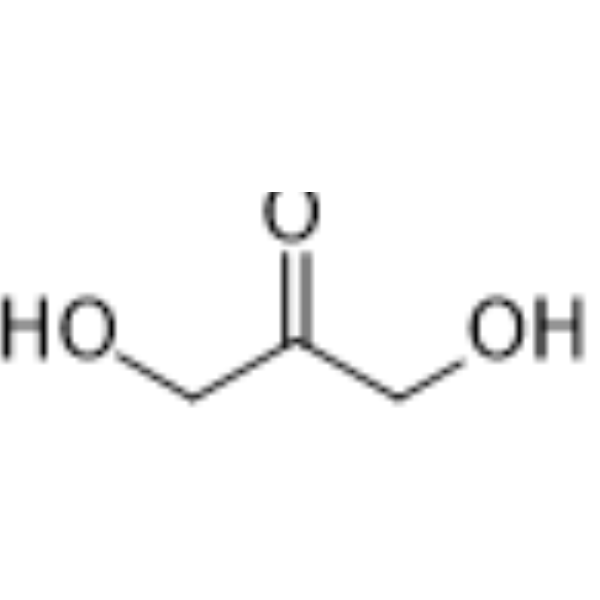
    1,3-Dihydroxyacetone (DHA), the main active ingredient in sunless tanning skin-care preparations and an important precursor for the synthesis of various fine chemicals, is produced on an industrial scale by microbial fermentation of glycerol (HY-B1659) in Gluconobacter oxydans. 1,3-Dihydroxyacetone is also used for synthesis of new biodegradable polymers by combining with lactic acid (HY-B2227) .
    1,3-Dihydroxyacetone
  • HY-Y0850

    Environmental Pollutants Biochemical Assay Reagents Neurological Disease
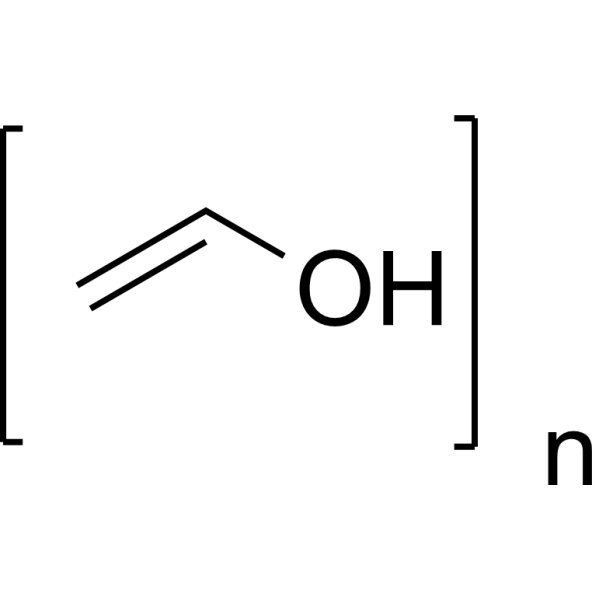
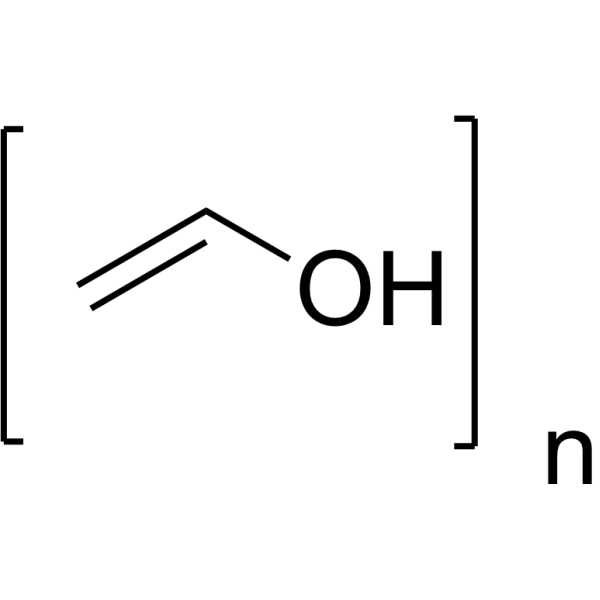
    Polyvinyl alcohol (Mw 146000-186000, 99+% hydrolyzed) is a non-biodegradable, hydrophilic, odorless biomedical polymer with cell adhesion/proliferation inhibition, peripheral nerve regeneration induction, dissolution enhancement, and non-toxic, biocompatible properties .
    Polyvinyl alcohol (Mw 146000-186000, 99+% hydrolyzed)
  • HY-W723152

    Drug Intermediate Inflammation/Immunology
    Poly(D,L-lactide-co-glycolide) is a biodegradable polymer copolymer. Poly(D,L-lactide-co-glycolide) undergoes degradation through ester bond hydrolysis into lactic acid and glycolic acid. These two products can be naturally eliminated through metabolism in the body (such as the tricarboxylic acid cycle), without the risk of long-term accumulation. Poly(D,L-lactide-co-glycolide) can be used in medical sutures, implants, and drug delivery systems .
    Poly(D,L-lactide-co-glycolide)
  • HY-Y0850H

    PVA (Mw 89000-98000, 99+% hydrolyzed); Poly(Ethenol) (Mw 89000-98000, 99+% hydrolyzed)

    Environmental Pollutants Biochemical Assay Reagents Others
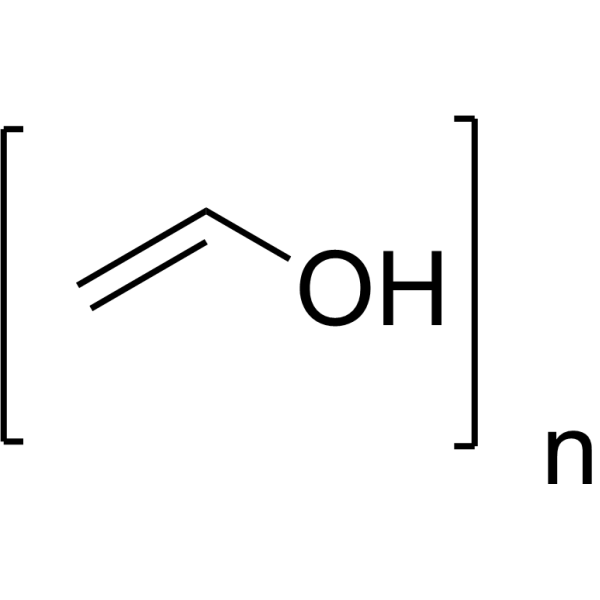
    Polyvinyl alcohol (Mw 89000-98000, 99+% hydrolyzed) also known as PVA, is a vinyl water-soluble polymer that can be used as a non-ionic surfactant. It can also be used as a biodegradable polymer and can be used in adhesives, coatings, textiles, ceramics and cosmetics .
    Polyvinyl alcohol (Mw 89000-98000, 99+% hydrolyzed)
  • HY-111830
    Lignin
    1 Publications Verification

    Lignine

    Environmental Pollutants Others
    Lignin (Lignine) is a natural complex biopolymer with biodegradable and biocompatible. Lignin is the main component of plant cell walls and is a renewable aromatic polymer. Lignin has strongly antioxidant activity .
    Lignin
  • HY-W250313

    PLA

    Biochemical Assay Reagents Others Cancer
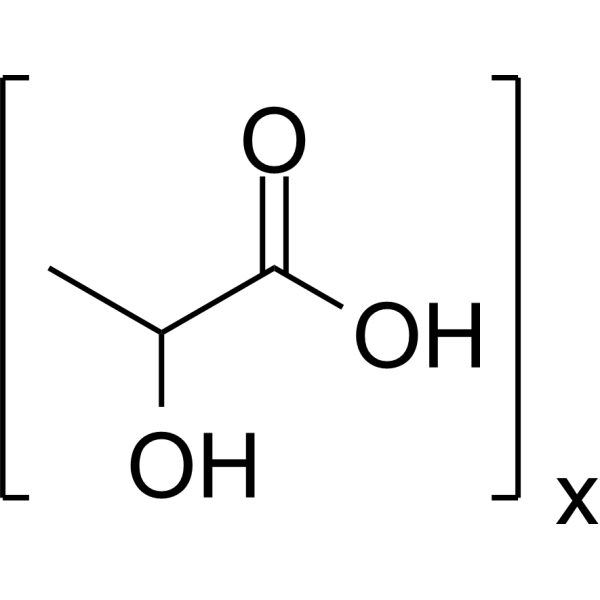
    Polylactic acid (PLA) is a biodegradable and biocompatible polymer widely used as a carrier for drug delivery systems and a structural material for tissue engineering and medical implants. Polylactic acid acts as a controlled release matrix through the hydrolysis mechanism of ester bonds, gradually releasing the encapsulated drug and metabolizing to non-toxic lactic acid. Polylactic acid has adjustable degradation rate, mechanical properties and the ability to composite with other polymers, and can be used in local or systemic drug delivery, orthopedic fixation devices and 3D printed bone regeneration scaffolds .
    Polylactic acid
  • HY-112624A

    Dextran 1; Dextran D1; Dextran T1(MW 800-1200)

    Biochemical Assay Reagents Others
    Dextran T1 (Dextran 1; Dextran D1) (with a molecular weight of 1,000) is a dehydrated glucose polymer with an average molecular weight of 1,000. Dextran T1 (MW 1,000) has excellent biodegradability and biocompatibility, and can be used as a nanobody carrier scaffold and a freeze-drying protectant. Dextran T1 (MW 1,000) promotes the retention of circulating tumor cells in the capillary bed .
    Dextran T1 (MW 1,000)
  • HY-Y0873A1

    Polyethylene glycol 100000

    Environmental Pollutants Biochemical Assay Reagents Others
    PEG100000 (Polyethylene glycol 100000) is a polymer compound with good biocompatibility and biodegradability, and is widely used in drug controlled release systems and bioadhesive materials .
    PEG100000
  • HY-Y0850I

    PVA (Mw 9000-10000, 80% hydrolyzed); Poly(Ethenol) (Mw 9000-10000, 80% hydrolyzed)

    Environmental Pollutants Biochemical Assay Reagents Cancer
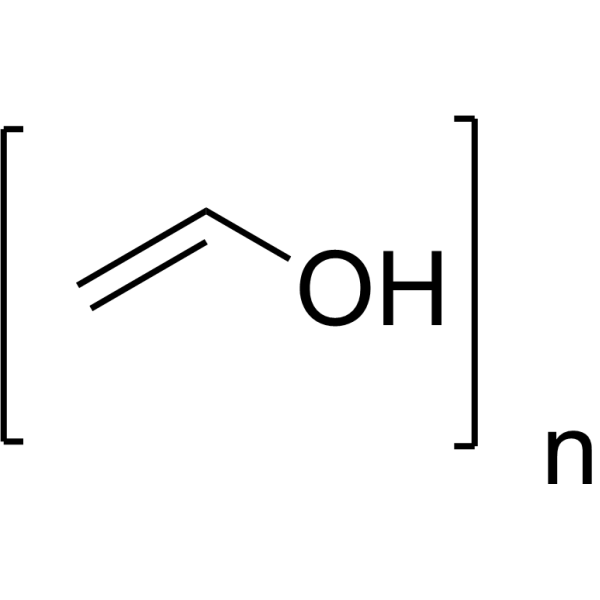
    Polyvinyl alcohol (Mw 9000-10000, 80% hydrolyzed) also known as PVA, is a vinyl water-soluble polymer that can be used as a non-ionic surfactant. Polyvinyl alcohol (Mw 9000-10000, 80% hydrolyzed) can be used as a biodegradable polymer and can be used in adhesives, coatings, textiles, ceramics, and cosmetics. Polyvinyl alcohol can be used in tissue engineering by electrospinning. Polyvinyl alcohol can achieve high cellular density, infiltration, and uniform distribution, facilitating functional connections between cells. Polyvinyl alcohol can improve cell vitality through in vitro cultivation. Polyvinyl alcohol demonstrates promising inhibition of ostersarcoma cancer cells with Doxorubicin (HY-15142A) .
    Polyvinyl alcohol (Mw 9000-10000, 80% hydrolyzed)
  • HY-E70313

    Candida antarctica lipase B

    Biochemical Assay Reagents Others
    Lipase,Candida antarctica (Immobilized on hydrophilic carrier) (Candida antarctica lipase B) is a lipase derived from Candida antarctica and immobilized on a hydrophilic carrier. Lipase,Candida antarctica (Immobilized on hydrophilic carrier) is a green catalyst that can be used to catalyze polymer synthesis .
    Lipase,Candida antarctica (Immobilized on hydrophilic carrier)
  • HY-112624D

    Dextran 60; Dextran D60; Dextran T60(MW 54000-66000)

    Biochemical Assay Reagents Others
    Dextran T60 MW 60,000 (Dextran 60; Dextran D60; Dextran T60 MW 54000-66000) is a polymer of anhydroglucose with the average molecular weight of 60,000. Dextran T60 MW 60,000 exhibits good biodegradability and good biocompatibility, that is utilized in food, pharmaceutics, cosmetics, and research area .
    Dextran T60 (MW 60,000)
  • HY-W115746

    Ethyl cellulose N-200

    Environmental Pollutants Biochemical Assay Reagents Infection Cancer
    Ethyl cellulose is a derivative of cellulose. Ethyl cellulose is a non-toxic, biodegradable polymer. Ethyl cellulose has unique properties such as oil gel formation, active ingredient delivery and film formation. Ethyl cellulose can be used as a pharmaceutical excipient, such as a coating agent, flavoring agent, tablet filler, etc. Ethyl cellulose can be used to prepare nanoparticles for active compound delivery .
    Ethyl cellulose
  • HY-Y0850K

    PVA (Mw 31000-50000, 98-99% hydrolyzed); Poly(Ethenol) (Mw 31000-50000, 98-99% hydrolyzed)

    Environmental Pollutants Biochemical Assay Reagents Cancer
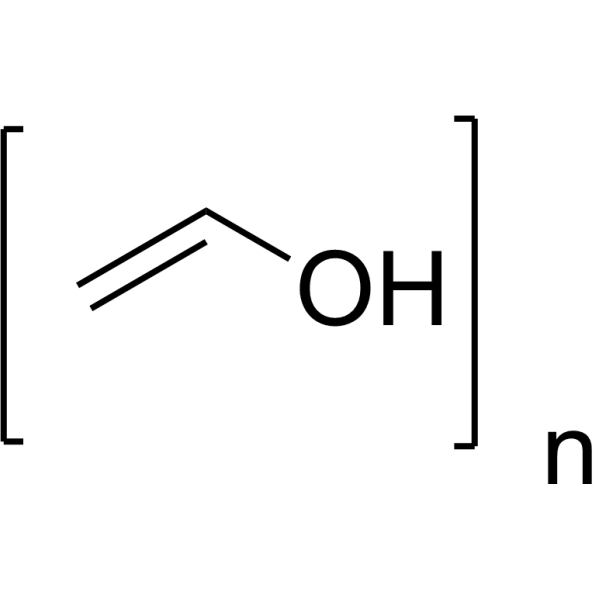
    Polyvinyl alcohol (Mw 31000-50000, 98-99% hydrolyzed), also known as PVA, is a vinyl water-soluble polymer that can be used as a non-ionic surfactant. It can also be used as a biodegradable polymer and can be used in adhesives, coatings, textiles, ceramics and cosmetics. Polyvinyl alcohol can be used in tissue engineering by electrospinning. Polyvinyl alcohol can achieve high cellular density, infiltration, and uniform distribution, facilitating functional connections between cells. Polyvinyl alcohol can improve cell vitality through in vitro cultivation. Polyvinyl alcohol demonstrates promising inhibition of ostersarcoma cancer cells with Doxorubicin (HY-15142A) .
    Polyvinyl alcohol (Mw 31000-50000, 98-99% hydrolyzed)
  • HY-Y0873B1

    Polyethylene glycol 8000000

    Biochemical Assay Reagents Others
    PEG8000000 (Polyethylene glycol 8000000) is a polymer compound with good biocompatibility and biodegradability, and is widely used in drug controlled release systems and bioadhesive materials .
    PEG8000000
  • HY-Y0873A3

    Polyethylene glycol 1000000

    Biochemical Assay Reagents Others
    PEG1000000 (Polyethylene glycol 1000000) is a polymer compound with good biocompatibility and biodegradability, and is widely used in drug controlled release systems and bioadhesive materials .
    PEG1000000
  • HY-160429

    Ac-PSAR18-COOH

    Drug Derivative Others
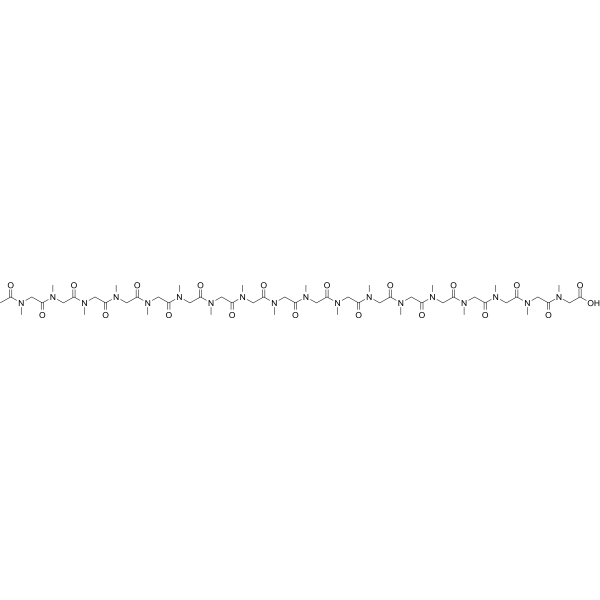
    PSAR18-COOH is a derivative of PSAR extracted from patent WO2009064913A1. PSAR is a highly hydrophilic, biodegradable, non-immunogenic and water-soluble polymer that has been employed in several delivery systems for drugs or diagnostics.
    PSAR18-COOH
  • HY-112624T

    Dextran 7; Dextran D7; Dextran T7(MW 5600-8400)

    Biochemical Assay Reagents Others
    Dextran T7 (Dextran 7; Dextran D7) (MW 7,000) is a polymer of anhydroglucose with the average molecular weight of 7000. Dextran T7 (MW 7,000) exhibits good biodegradability and good biocompatibility, that is utilized in food, pharmaceutics, cosmetics, and research area .
    Dextran T7 (MW 7,000)
  • HY-112624N

    Dextran 200; Dextran D200; Dextran T200(MW 180000-220000)

    Biochemical Assay Reagents Others
    Dextran T200 (Dextran 200; Dextran D200) (MW 200,000) is a dehydrated glucose polymer with an average molecular weight of 200,000. Dextran T200 (MW 200,000) has excellent biodegradability and good biocompatibility, and can be used as a high-molecular-weight tracer and optical clearing agent .
    Dextran T200 (MW 200,000)
  • HY-112624M

    Dextran 150; Dextran D150; Dextran T150(MW 130000-170000)

    Biochemical Assay Reagents Others
    Dextran T150 (Dextran 150; Dextran D150) (MW 150,000) is a dehydrated glucose polymer with an average molecular weight of 150,000. Dextran T150 (MW 150,000) has excellent biodegradability and good biocompatibility, and can be used as a fluorescent labeling tracer and a high-molecular cross-linking agent .
    Dextran T150 (MW 150,000)
  • HY-112624Q

    Dextran 800; Dextran D800; Dextran T800(MW 750000-850000)

    Biochemical Assay Reagents Others
    Dextran T800 MW 800,000 (Dextran 800; Dextran D800; Dextran T800 MW 750000-850000) is a polymer of anhydroglucose with the average molecular weight of 800,000. Dextran T800 MW 800,000 exhibits good biodegradability and good biocompatibility, that is utilized in food, pharmaceutics, cosmetics, and research area .
    Dextran T800 (MW 800,000)
  • HY-112624U

    Dextran 20; Dextran D20; Dextran T20(MW 16000-24000)

    Biochemical Assay Reagents Others
    Dextran T20 (Dextran 20; Dextran D20) (MW 20,000) is a dehydrated glucose polymer with an average molecular weight of 20,000. Dextran T20 (MW 20,000) has excellent biodegradability and good biocompatibility, and can be used as a gene delivery vector, an immune adjuvant carrier, and a hemoglobin stabilizer .
    Dextran T20 (MW 20,000)
  • HY-Y0850U3

    Polyvinyl alcohol (Mw 125000, 98-99% hydrolyzed, ~2800 polymerization); Poly(Ethenol) (Mw 125000, 98-99% hydrolyzed, ~2800 polymerization)

    Biochemical Assay Reagents Others
    PVA (Polyvinyl alcohol) (Mw 125000, 98-99% hydrolyzed, ~2800 polymerization) is a water-soluble, biodegradable, biocompatible and non-immunogenic polymer. PVA (Mw 125000, 98-99% hydrolyzed, ~2800 polymerization) causes no irritation to rabbit eyes, no skin sensitization in guinea pigs, promotes the proliferation of human skin keratinocytes, and reduces the loss of corneal endothelial cells. The LD50 of PVA (Mw 125000, 98-99% hydrolyzed, ~2800 polymerization) in rats and dogs is greater than 10 g/kg. PVA (Mw 125000, 98-99% hydrolyzed, ~2800 polymerization) is hardly absorbed by the digestive system, causes no adverse effects upon long-term oral administration, and shows no mutagenicity or carcinogenicity. However, repeated intravenous or portal vein injection of PVA (Mw 125000, 98-99% hydrolyzed, ~2800 polymerization) may induce pathological changes such as glomerular lesions, anemia, hypertension or liver fibrosis in rats or dogs. Crosslinked nanofibers prepared by modifying PVA (Mw 125000, 98-99% hydrolyzed, ~2800 polymerization) can be used in studies related to wound dressings and other applications .
    PVA (Mw 125000, 98-99% hydrolyzed, ~2800 polymerization)
  • HY-Y0850N

    PVA (Mw 13000-23000, 98% hydrolyzed); Poly(Ethenol) (Mw 13000-23000, 98% hydrolyzed)

    Environmental Pollutants Biochemical Assay Reagents Cancer
    Polyvinyl alcohol (PVA; Poly(Ethenol)) (Mw 13000-23000, 98% hydrolyzed) , also known as PVA, is a vinyl water-soluble polymer that can be used as a non-ionic surfactant. Polyvinyl alcohol (Mw 13000-23000, 98% hydrolyzed) can also be used as a biodegradable polymer and can be used in adhesives, coatings, textiles, ceramics and cosmetics. Polyvinyl alcohol (Mw 13,000–23,000, 98% hydrolyzed) can be used in studies involving breast cancer as well as cisplatin (HY-17394)-induced sensorineural hearing loss .
    Polyvinyl alcohol (Mw 13000-23000, 98% hydrolyzed)
  • HY-112624O

    Dextran 100; Dextran D100; Dextran T100(MW 90000-110000)

    Biochemical Assay Reagents Others
    Dextran T100 (MW 100,000) (Dextran 100; Dextran D100) is a dehydrated glucose polymer with an average molecular weight of 100,000. Dextran T100 (MW 100,000) has an α-(1→6)-linked D-glucose backbone and α-(1→4)-, α-(1→3)- or α-(1→2)-linked D-glucose side chains, and it is synthesized by lactic acid bacteria or their enzymes. Dextran T100 (MW 100,000) possesses favorable biodegradability and biocompatibility, and it can be used in the fields of food, pharmaceuticals, cosmetics and research .
    Dextran T100 (MW 100,000)
  • HY-148775A

    Biochemical Assay Reagents Others
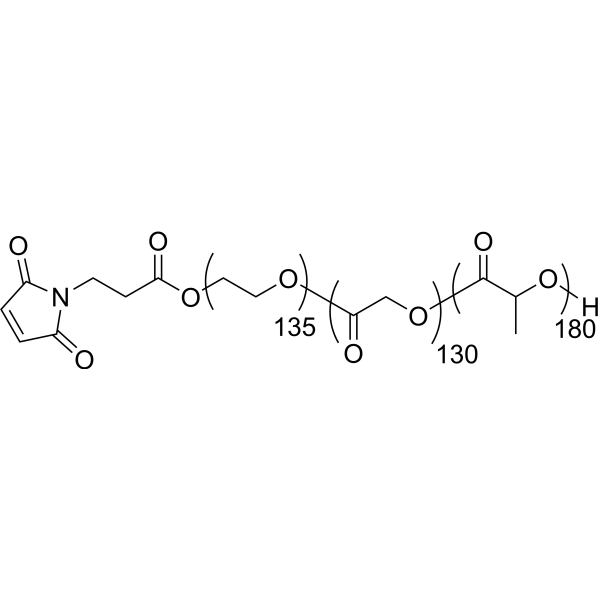
    mPEG-PLGA (21500-26500) is a biodegradable polymer composed of methoxypolyethylene glycol (mPEG) and poly (lactic-co-glycolic acid) (PLGA). mPEG-PLGA (21500-26500) is applicable for drug delivery systems .
    mPEG-PLGA (21500-26500)
  • HY-W110542O

    PEGDA (MW 575),MEHQ as inhibitor

    Biochemical Assay Reagents Others
    Poly(ethylene glycol) diacrylate (PEGDA) (MW 575), MEHQ as inhibitor is a versatile polymer material that is widely used as a building material for hydrogel scaffolds, especially in the fields of tissue engineering and regenerative medicine. Poly(ethylene glycol) diacrylate (MW 575), MEHQ as inhibitor can be used for the synthesis of a class of biodegradable polymers .
    Poly(ethylene glycol) diacrylate (MW 575),MEHQ as inhibitor
  • HY-Y0873A5

    Polyethylene glycol 200000

    Biochemical Assay Reagents Others
    PEG200000 (Polyethylene glycol 200000) is a polymer compound with good biocompatibility and biodegradability, and is widely used in drug controlled release systems and bioadhesive materials .
    PEG200000
  • HY-Y0873A8

    Polyethylene glycol 5000000

    Biochemical Assay Reagents Others
    PEG5000000 (Polyethylene glycol 5000000) is a polymer compound with good biocompatibility and biodegradability, and is widely used in drug controlled release systems and bioadhesive materials .
    PEG5000000
  • HY-Y0873A6

    Polyethylene glycol 400000

    Biochemical Assay Reagents Others
    PEG400000 (Polyethylene glycol 400000) is a polymer compound with good biocompatibility and biodegradability, and is widely used in drug controlled release systems and bioadhesive materials .
    PEG400000
  • HY-Y0850U2

    Polyvinyl alcohol (Mw 130000, 87-89% hydrolyzed, ~2700 polymerization); Poly(Ethenol) (Mw 130000, 87-89% hydrolyzed, ~2700 polymerization)

    Biochemical Assay Reagents Others
    PVA (Mw 130000, 87-89% hydrolyzed, ~2700 polymerization) (Polyvinyl alcohol (Mw 130000, 87-89% hydrolyzed, ~2700 polymerization); Poly(Ethenol) (Mw 130000, 87-89% hydrolyzed, ~2700 polymerization)) is a biodegradable of polymer. PVA (Mw 130000, 87-89% hydrolyzed, ~2700 polymerization) can be used to blend with various biopolymers and hydrophilic synthetic polymers to improve mechanical properties of films .
    PVA (Mw 130000, 87-89% hydrolyzed, ~2700 polymerization)
  • HY-Y0850U1

    Polyvinyl alcohol (Mw 61000, 98-99% hydrolyzed, ~1400 polymerization); Poly(Ethenol) (Mw 61000, 98-99% hydrolyzed, ~1400 polymerization)

    Biochemical Assay Reagents Others
    PVA (Mw 61000, 98-99% hydrolyzed, ~1400 polymerization) (Polyvinyl alcohol (Mw 61000, 98-99% hydrolyzed, ~1400 polymerization); Poly(Ethenol) (Mw 61000, 98-99% hydrolyzed, ~1400 polymerization)) is a biodegradable of polymer. PVA (Mw 61000, 98-99% hydrolyzed, ~1400 polymerization) can be used to produce bio-composite films .
    PVA (Mw 61000, 98-99% hydrolyzed, ~1400 polymerization)
  • HY-Y0850U5

    Polyvinyl alcohol (Mw 27000, 98-99% hydrolyzed, ~600 polymerization); Poly(Ethenol) (Mw 27000, 98-99% hydrolyzed, ~600 polymerization)

    Biochemical Assay Reagents Fungal Infection
    PVA (Polyvinyl alcohol) (Mw 27000, 98-99% hydrolyzed, ~600 polymerization) is a nonionic ethanol homopolymer with hydrophilicity, water solubility and biodegradability. PVA (Mw 27000, 98-99% hydrolyzed, ~600 polymerization) exhibits biocompatibility, non-toxicity and non-carcinogenicity, as well as antibacterial activity against Gram-positive bacteria, Gram-negative bacteria and fungal strains. PVA (Mw 27000, 98-99% hydrolyzed, ~600 polymerization) can serve as a solubilizer, stabilizer, mucoadhesive agent and sustained-release agent, and has a synergistic solubilizing effect on voriconazole/sulfobutyl ether β-cyclodextrin complexes. By stabilizing such complexes, PVA (Mw 27000, 98-99% hydrolyzed, ~600 polymerization) forms freeze-thaw hydrogels with high mucoadhesion, sustained drug release and ex vivo corneal permeability. When compounded with hyaluronic acid hydrogels, PVA (Mw 27000, 98-99% hydrolyzed, ~600 polymerization) supports chondrocyte growth in vitro, and also forms complexes with Cu 2+, Co 2+, Ni 2+ and Zn 2+ ions. PVA (Mw 27000, 98-99% hydrolyzed, ~600 polymerization) can be used in studies related to fungal keratitis, bacterial infections and fungal infections .
    PVA (Mw 27000, 98-99% hydrolyzed, ~600 polymerization)
  • HY-Y0850U

    Polyvinyl alcohol (Mw 31000, 87-89% hydrolyzed, ~630 polymerization); Poly(Ethenol) (Mw 31000, 87-89% hydrolyzed, ~630 polymerization)

    Biochemical Assay Reagents Others
    PVA (Mw 31000, 87-89% hydrolyzed, ~630 polymerization) (Polyvinyl alcohol (Mw 31000, 87-89% hydrolyzed, ~630 polymerization); Poly(Ethenol) (Mw 31000, 87-89% hydrolyzed, ~630 polymerization)) is a biocompatible, biodegradable, nontoxic and hydrophilic synthetic polymer. PVA (Mw 31000, 87-89% hydrolyzed, ~630 polymerization) can be used to produce bone tissue engineering scaffold [1]
    PVA (Mw 31000, 87-89% hydrolyzed, ~630 polymerization)
  • HY-Y0873A9

    Polyethylene glycol 2000000

    Biochemical Assay Reagents Others
    PEG2000000 (Polyethylene glycol 2000000) is a polymer compound with good biocompatibility and biodegradability, and is widely used in drug controlled release systems and bioadhesive materials .
    PEG2000000
  • HY-Y0873A2

    Polyethylene glycol 600000

    Biochemical Assay Reagents Others
    PEG600000 (Polyethylene glycol 600000) is a polymer compound with good biocompatibility and biodegradability, and is widely used in drug controlled release systems and bioadhesive materials .
    PEG600000
  • HY-Y0873A7

    Polyethylene glycol 900000

    Biochemical Assay Reagents Others
    PEG900000 (Polyethylene glycol 900000) is a polymer compound with good biocompatibility and biodegradability, and is widely used in drug controlled release systems and bioadhesive materials .
    PEG900000
  • HY-Y0873A4

    Polyethylene glycol 4000000

    Biochemical Assay Reagents Others
    PEG4000000 (Polyethylene glycol 4000000) is a polymer compound with good biocompatibility and biodegradability, and is widely used in drug controlled release systems and bioadhesive materials .
    PEG4000000
  • HY-116282H

    DSS (MW 9000-20000); DXS (MW 9000-20000)

    Biochemical Assay Reagents Inflammation/Immunology
    Dextran sulfate sodium salt (DSS) (MW 9000-20000) is a polymer of dehydrated glucose with a molecular weight of approximately 9000-20000. Dextran sulfate sodium salt with different molecular weights exhibits different biological activities. Dextran sulfate sodium salt (MW 9000-20000) is a biocompatible and biodegradable biochemical reagent and can be used for pharmaceutical and biomedical applications .
    Dextran sulfate sodium salt (MW 9000-20000)
  • HY-W115746B

    Biochemical Assay Reagents Others
    Ethyl cellulose (viscosity 300 cP) serves as a non-toxic and biodegradable polymer, with unique properties such as oleogel formation, delivery of active component, and film-forming ability in the food and pharmaceutical sectors. Ethyl cellulose (viscosity 300 cP) can be used as an excipient, such as coating agent, flavoring agent, tablet filler .
    Ethyl cellulose (viscosity 300 cP)
  • HY-W115746A

    Biochemical Assay Reagents Others
    Ethyl cellulose (viscosity 10 cP) serves as a non-toxic and biodegradable polymer, with unique properties such as oleogel formation, delivery of active component, and film-forming ability in the food and pharmaceutical sectors. Ethyl cellulose (viscosity 10 cP) can be used as an excipient, such as coating agent, flavoring agent, tablet filler .
    Ethyl cellulose (viscosity 10 cP)
  • HY-W250312

    Environmental Pollutants Biochemical Assay Reagents Others
    Polycaprolactone is a biodegradable polyester commonly used in various biomedical and industrial applications. It is a white waxy polymer that can be molded into various shapes and forms. Polycaprolactone has various properties suitable for these applications, including low melting point, high flexibility and slow biodegradation rate. It can be used as a raw material for the production of tissue engineering scaffolds, drug delivery systems, and medical implants. In addition, it is used as a binder in the production of adhesives, coatings and paints.
    Polycaprolactone
  • HY-W100434

    Drug Intermediate Others
    1-(4-Methylphenyl)ethanol is an aromatic secondary alcohol that can be synthesized into optically active, biodegradable polymers through chemical enzymatic methods .
    1-(4-Methylphenyl)ethanol
  • HY-172357

    Biochemical Assay Reagents Others
    Poly (3-hydroxybutyric acid-co-3-hydroxyvaleric acid) is a biodegradable polymer that can be used to construct nanoparticles for drug delivery .
    Poly(3-hydroxybutyric acid-co-3-hydroxyvaleric acid)
  • HY-158255A

    Biochemical Assay Reagents Others
    mPEG-PLGA (22500-26500) is a biodegradable polymer composed of methyl polyethylene glycol (mPEG) and poly(lactic-co-glycolic acid) (PLGA). mPEG-PLGA (22500-26500) can be used in drug delivery systems .
    mPEG-PLGA (22500-26500)
  • HY-Y0335R

    Dihydroxyacetone (Standard)

    Reference Standards Drug Intermediate Bacterial Antibiotic Infection
    1,3-Dihydroxyacetone (Standard) is the analytical standard of 1,3-Dihydroxyacetone. This product is intended for research and analytical applications. 1,3-Dihydroxyacetone (DHA), the main active ingredient in sunless tanning skin-care preparations and an important precursor for the synthesis of various fine chemicals, is produced on an industrial scale by microbial fermentation of glycerol (HY-B1659) in Gluconobacter oxydans. 1,3-Dihydroxyacetone is also used for synthesis of new biodegradable polymers by combining with lactic acid (HY-B2227) .
    1,3-Dihydroxyacetone (Standard)
  • HY-149505

    12(Z),15(Z)-10-HODE; (±)-10-Hydroxy-12(Z),15(Z)-ODE

    Biochemical Assay Reagents Others
    (±)-10-Hydroxy-12(Z),15(Z)-octadecadienoic acid is a fatty acid derivative. (±)-10-Hydroxy-12(Z),15(Z)-octadecadienoic acid can be used in the food, cosmetic and pharmaceutical industries, such as starting materials for biodegradable polymers, lubricants, emulsifiers, drugs and fragrances .
    (±)-10-Hydroxy-12(Z),15(Z)-octadecadienoic acid
  • HY-B0746

    dl-Flurbiprofen sodium

    Endogenous Metabolite Inflammation/Immunology
    Flurbiprofen sodium (dl-Flurbiprofen sodium) is a nonsteroidal anti-inflammatory agent (NSAID) with anti-inflammatory and analgesic activities. Flurbiprofen sodium is used to reduce bone resorption in periodontal disease, and it works by inhibiting carbonic anhydrase. Flurbiprofen sodium is formulated as biodegradable microspheres for use as a compound delivery system, particularly within the periodontal pocket. The release rate of flurbiprofen sodium is related to the concentration of polymer and polyvinyl alcohol used in its preparation .
    Flurbiprofen sodium
  • HY-164036R

    Reference Standards Antibiotic Bacterial Infection
    Flurbiprofen (sodium) (Standard) is the analytical standard of Flurbiprofen (sodium). This product is intended for research and analytical applications. Flurbiprofen sodium (dl-Flurbiprofen sodium) is a nonsteroidal anti-inflammatory agent (NSAID) with anti-inflammatory and analgesic activities. Flurbiprofen sodium is used to reduce bone resorption in periodontal disease, and it works by inhibiting carbonic anhydrase. Flurbiprofen sodium is formulated as biodegradable microspheres for use as a compound delivery system, particularly within the periodontal pocket. The release rate of flurbiprofen sodium is related to the concentration of polymer and polyvinyl alcohol used in its preparation .
    Lolamicin (Standard)

Inquiry Online

Your information is safe with us. * Required Fields.

Salutation


Country or Region *

Applicant Name *


Organization Name *

Department *


Email Address *


Product Name *

Cat. No.


Requested quantity *

Phone Number *


Remarks

Inquiry Online

Inquiry Information

Product Name:
Cat. No.:
Quantity:
MCE Japan Authorized Agent:

