54 Results for "

brain development

" in MedChemExpress (MCE) Product Catalog:
Products (54)

54 Results for "brain development" in MCE Product Catalog:

104
104 Publications Verification
Art. -Nr.: HY-114153
CAS. Nr.: 1303420-67-8
Reinheit:  99.79%
Target:  

c-Fms

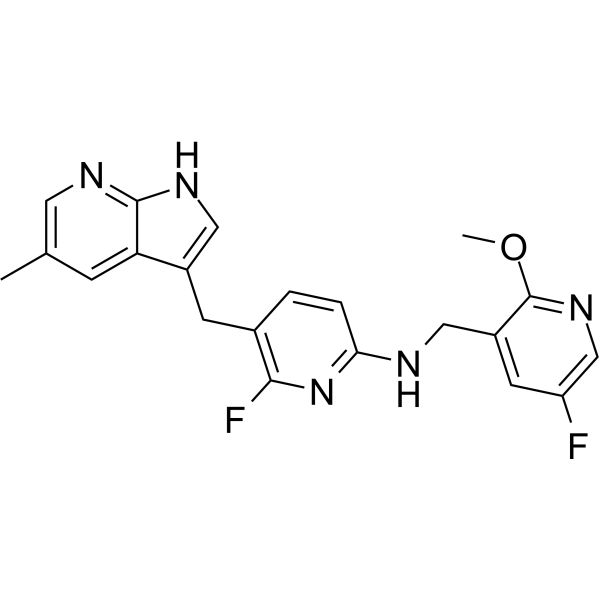
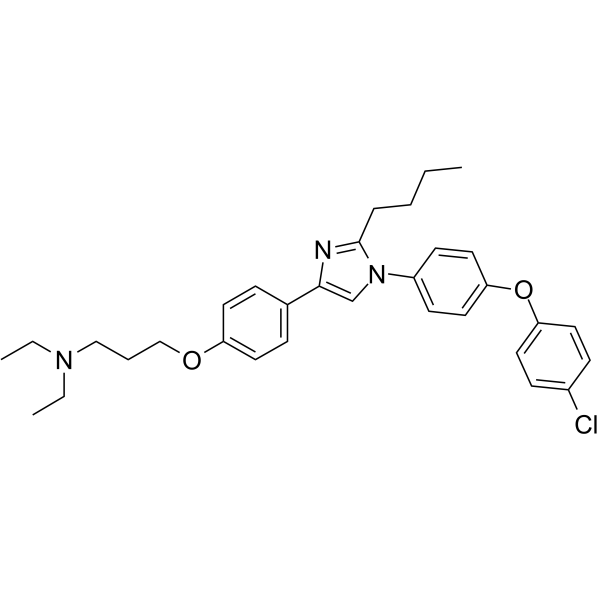
PLX5622 is a highly selective brain penetrant and orally active CSF1R inhibitor (IC50=0.016 μM; Ki=5.9 nM). PLX5622 allows for extended and specific microglial cells elimination, preceding and during pathology development. PLX5622 is an ideal choose for microglia function research in healthy or diseased states. PLX5622 has been verified by MedChemExpress, which demonstrates desirable microglia depletion efficiency in mice. PLX5622 is predominantly administered via ad libitum diets with a dose of 1200 ppm .
loading...
    loading...
104
104 Publications Verification
Art. -Nr.: HY-114153A
Reinheit:  99.88%
Target:  

c-Fms

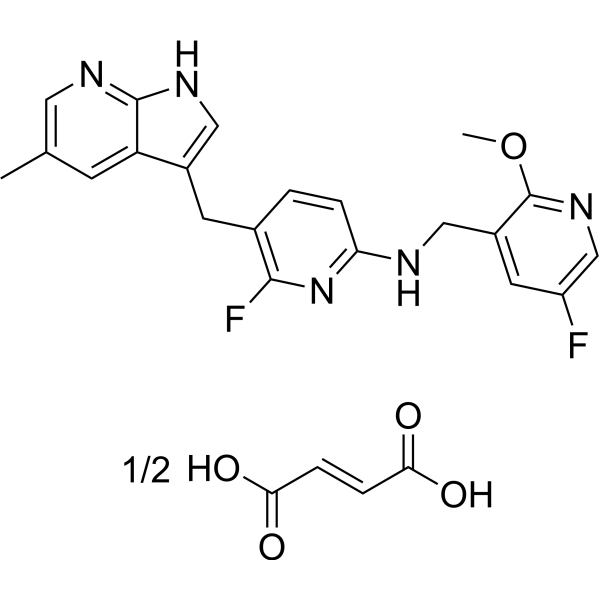
PLX5622 hemifumarate is a highly selective brain penetrant and orally active CSF1R inhibitor (IC50=0.016 μM; Ki=5.9 nM). PLX5622 hemifumarate allows for extended and specific microglial elimination, preceding and during pathology development. PLX5622 hemifumarate demonstrates desirable PK properties in varies animals .
loading...
    loading...
43
43 Cited Publications
Art. -Nr.: HY-12495A
CAS. Nr.: 548470-11-7
Reinheit:  98.58%
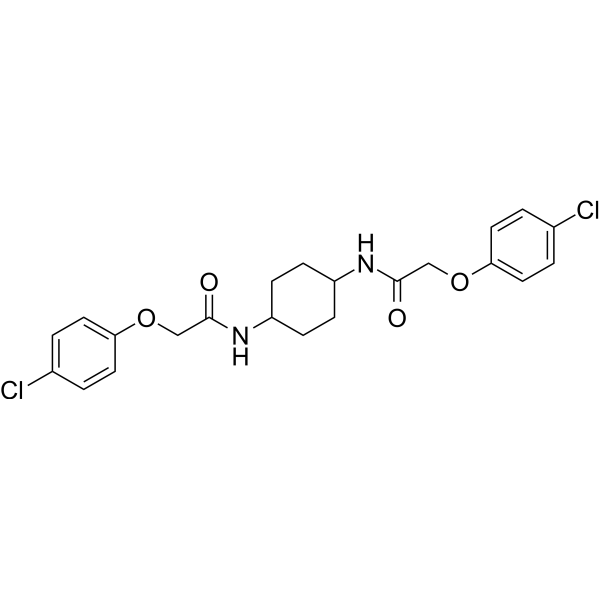
ISRIB is a brain-penetrant inhibitor of integrated stress response (ISR). Persistent activation of the ISR has been linked to the development of several neurological disorders as ISR represses translation through inhibiting eIF2B. ISRIB inhibits the ISR by promoting the nucleotide exchange activity of eIF2B and recovering the translation, and thus can be used for neurological disorders research .
loading...
    loading...
31
31 Cited Publications
Art. -Nr.: HY-16637D
CAS. Nr.: 29704-76-5
Synonyms: Vitamin B9 disodium; Vitamin M disodium
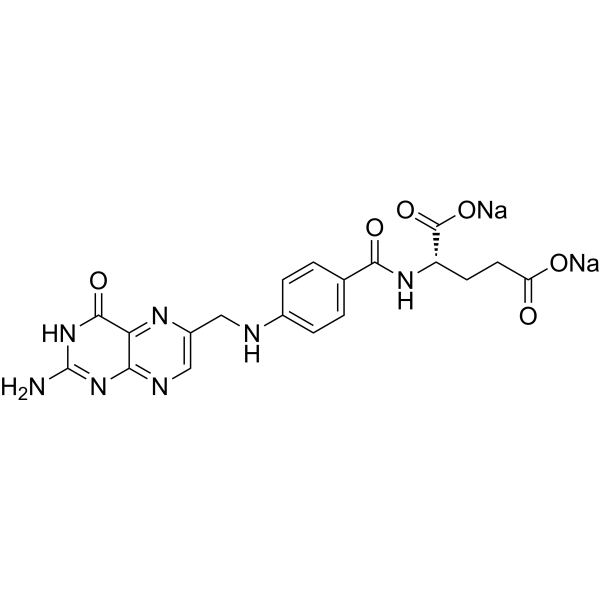
Folic acid disodium (Vitamin B9 disodium; Vitamin M disodium) is an orally active disodium salt form of Folic acid (HY-16637) with an intrinsic dissolution rate (IDR) of 4.96·10 5 g/s . Folic acid disodium serves as cofactor in single-carbon transfer reactions and exhibits protective effects against neural tube defects, ischemic events, and cancer. Folate acid disodium overload leads to impaired brain development in embryogenesis and promotes growth of precancerous altered cells. Folic acid deficiency leads to megaloblastic anemia .
loading...
    loading...
18
18 Cited Publications
Art. -Nr.: HY-50682
CAS. Nr.: 603148-36-3
Synonyms: TTP488; PF-04494700
Target:  

Amyloid-β

Forschungsgebiete:  

Neurological Disease Cancer

Azeliragon (TTP488) is an orally bioavailable inhibitor of the receptor for advanced glycation end products (RAGE) in development as a potential treatment to slow disease progression with mild Alzheimer’s disease (AD) . Azeliragon also can cross the blood-brain barrier (BBB) .
loading...
    loading...
18
18 Cited Publications
Art. -Nr.: HY-P0299
CAS. Nr.: 283609-79-0
Target:  

TGF-β Receptor

Forschungsgebiete:  

Cancer

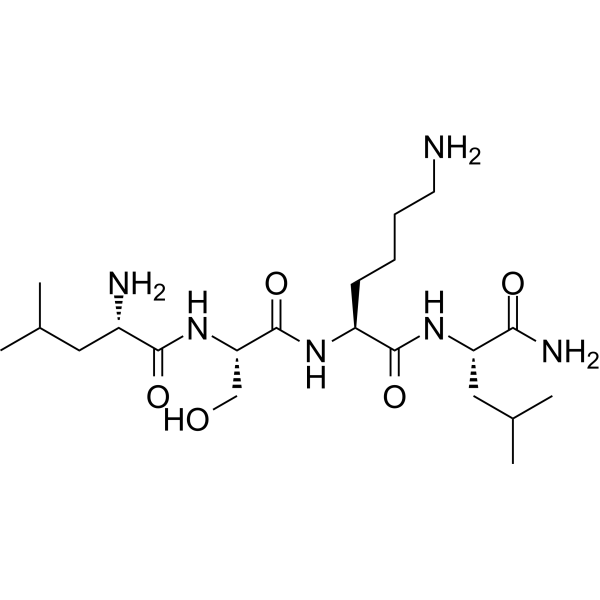
LSKL, Inhibitor of Thrombospondin (TSP-1) is a latency-associated protein (LAP)-TGFβ derived tetrapeptide and a competitive TGF-β1 antagonist. LSKL, Inhibitor of Thrombospondin (TSP-1) inhibits the binding of TSP-1 to LAP and alleviates renal interstitial fibrosis and hepatic fibrosis. LSKL, Inhibitor of Thrombospondin (TSP-1) suppresses subarachnoid fibrosis via inhibition of TSP-1-mediated TGF-β1 activity, prevents the development of chronic hydrocephalus and improves long-term neurocognitive defects following subarachnoid hemorrhage (SAH). LSKL, Inhibitor of Thrombospondin (TSP-1) can readily crosse the blood-brain barrier .
loading...
    loading...
18
18 Cited Publications
Art. -Nr.: HY-P0299A
CAS. Nr.: 2828433-17-4
Target:  

TGF-β Receptor

Forschungsgebiete:  

Cancer

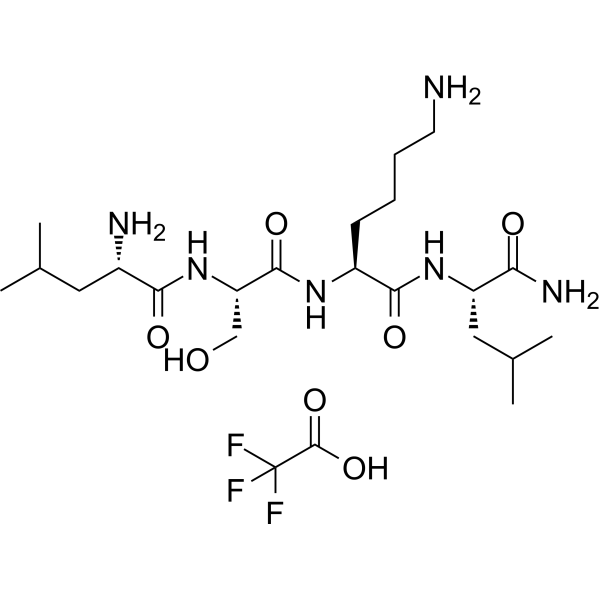
LSKL, Inhibitor of Thrombospondin (TSP-1) TFA is a latency-associated protein (LAP)-TGFβ derived tetrapeptide and a competitive TGF-β1 antagonist. LSKL, Inhibitor of Thrombospondin (TSP-1) TFA inhibits the binding of TSP-1 to LAP and alleviates renal interstitial fibrosis and hepatic fibrosis. LSKL, Inhibitor of Thrombospondin (TSP-1) TFA suppresses subarachnoid fibrosis via inhibition of TSP-1-mediated TGF-β1 activity, prevents the development of chronic hydrocephalus and improves long-term neurocognitive defects following subarachnoid hemorrhage (SAH). LSKL, Inhibitor of Thrombospondin (TSP-1) TFA can readily crosse the blood-brain barrier .
loading...
    loading...
5
5 Cited Publications
Art. -Nr.: HY-B1066
CAS. Nr.: 25013-16-5
Synonyms: Butylated hydroxyanisole; E320
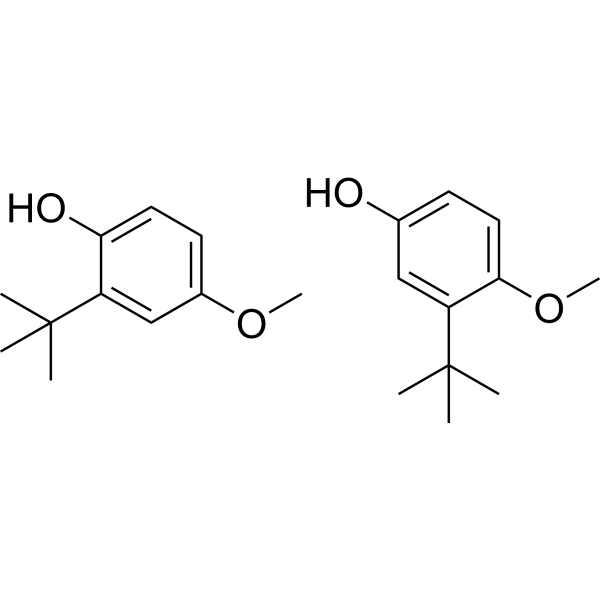
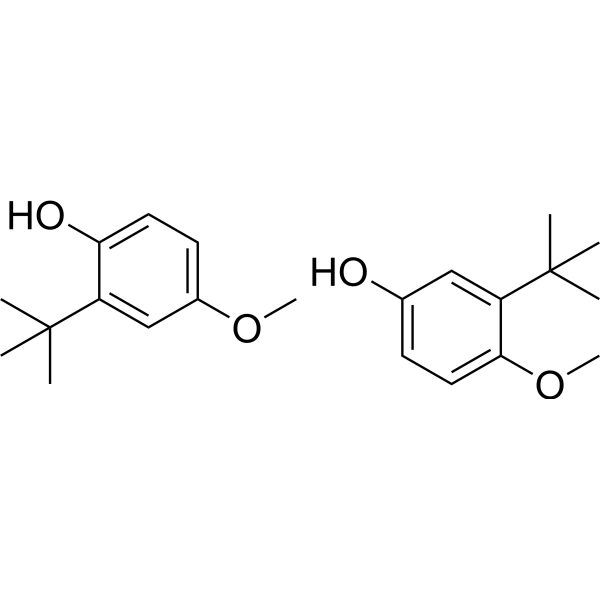
Butylhydroxyanisole (Butylated hydroxyanisole) is an antioxidant used as a food additive preservative. Butylhydroxyanisole mediates liver toxicity, retardation in reproductive organ development and learning, and sleep deficit. Butylhydroxyanisole exerts neurotoxic effects and leads to disruption of the brain and nerve development . Butylhydroxyanisole is a ferroptosis inducer .
loading...
    loading...
4
4 Cited Publications
Art. -Nr.: HY-P1291
CAS. Nr.: 201422-03-9
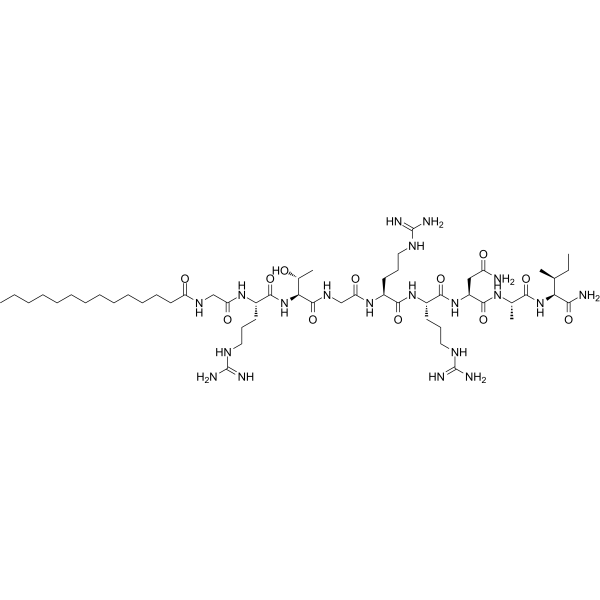
PKI 14-22 amide, myristoylated is a selective, cAMP-dependent, competitive PKA inhibitor with Ki=~36 nM. The myristoylation modification of PKI 14-22 amide, myristoylated makes it more permeable to cell membranes and blood-brain barriers than the precursor molecule. PKI 14-22 amide, myristoylated can block the phosphorylation of cAMP-dependent downstream targets (such as CREB). PKI 14-22 amide, myristoylated can prevent the development of morphine analgesic tolerance in mice, and also inhibits protein translation and negative-strand RNA synthesis of Zika virus. PKI 14-22 amide, myristoylated can be used in research fields such as opioid tolerance mechanisms and antiviral drugs .
loading...
    loading...
4
4 Cited Publications
Art. -Nr.: HY-P1291A
PKI 14-22 amide, myristoylated TFA is a selective, cAMP-dependent, competitive PKA inhibitor with Ki=~36 nM. The myristoylation modification of PKI 14-22 amide, myristoylated TFA makes it more permeable to cell membranes and blood-brain barriers than the precursor molecule. PKI 14-22 amide, myristoylated TFA can block the phosphorylation of cAMP-dependent downstream targets (such as CREB). PKI 14-22 amide, myristoylated TFA can prevent the development of analgesic tolerance in mice, and also inhibits protein translation and negative-strand RNA synthesis of Zika virus. PKI 14-22 amide, myristoylated TFA can be used in research fields such as opioid tolerance mechanisms and antiviral drugs .
loading...
    loading...
2
2 Cited Publications
Art. -Nr.: HY-B1941
CAS. Nr.: 140-66-9
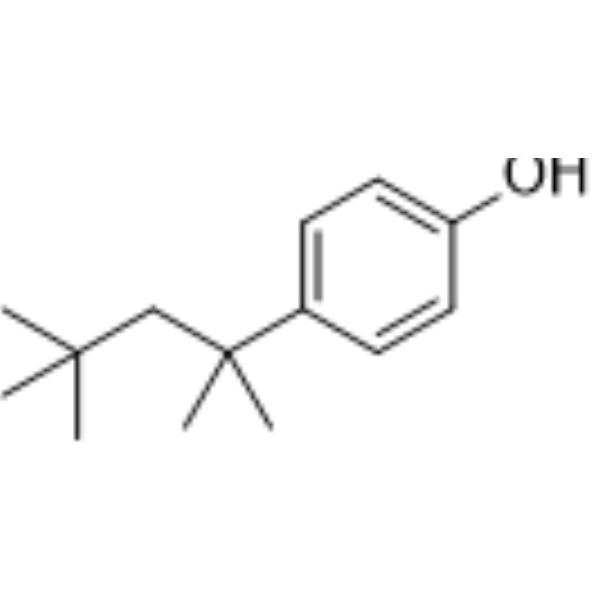
4-tert-Octylphenol, a endocrine-disrupting chemical, is an estrogenic agent. 4-tert-Octylphenol is also a biodegradation product of non-ionic surfactants alkylphenol polyethoxylates. 4-tert-Octylphenol induces apoptosis in neuronal progenitor cells in offspring mouse brain. 4-tert-Octylphenol reduces bromodeoxyuridine (BrdU), mitotic marker Ki67, and phospho-histone H3 (p-Histone-H3), resulting in a reduction of neuronal progenitor proliferation. 4-tert-Octylphenol disrupts brain development and behavior in mice, which is promising for reserch of immune response, neuro-related diseases and ethology .
loading...
    loading...
2
2 Cited Publications
Art. -Nr.: HY-B1120
CAS. Nr.: 3383-96-8
Synonyms: Temefos
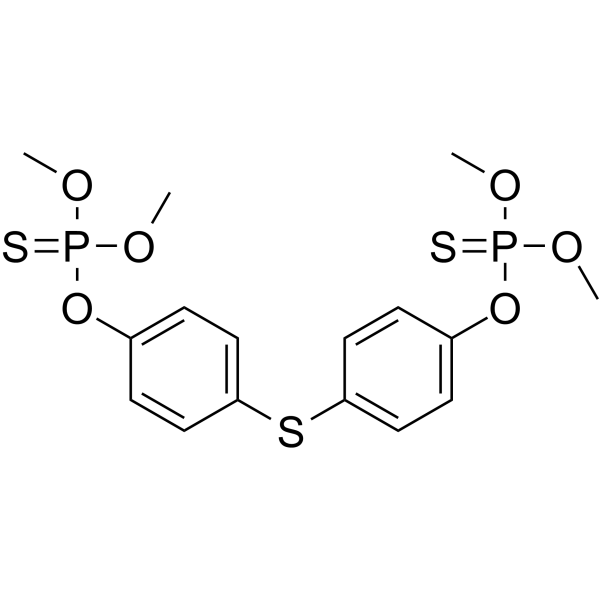
Temephos (Temefos) is an orally active, blood-brain barrier-permeable organophosphate insecticide and AChE inhibitor. By irreversibly inhibiting AChE to induce cholinergic overactivation, Temephos effectively blocks larval development of Aedes aegypti (yellow fever mosquito) and Aedes albopictus (Asian tiger mosquito), and is commonly used in studies related to Dengue Virus, Zika Virus and other relevant pathogens. Temephos exhibits genotoxicity and neurodevelopmental toxicity, and may also cause liver injury, reproductive system abnormalities and cholinergic poisoning symptoms in mammals. Temephos tends to accumulate in adipose tissues and aquatic organisms, and is excreted via feces after metabolism through oxidation and hydrolysis. Note that CYP-mediated metabolic detoxification may reduce the actual larvicidal efficacy of Temephos against some mosquito species. Temephos can be used in research related to dengue fever, Zika virus disease, chikungunya and dracunculiasis .
loading...
    loading...
1
1 Cited Publications
Art. -Nr.: HY-N10528
CAS. Nr.: 41312-47-4
Synonyms: 3-Fucosyl-D-lactose
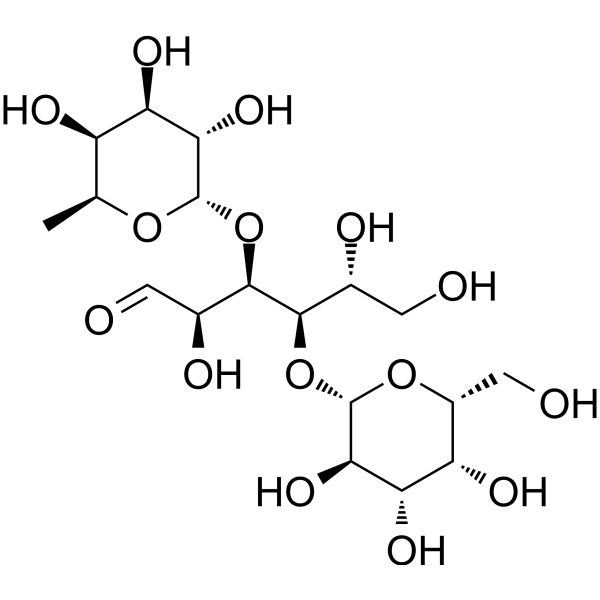
3-Fucosyllactose (3-Fucosyl-D-lactose) is one of the major fucosylated oligosaccharides found in human breast milk. 3-Fucosyllactose shows prebiotic, immunomodulator, neonatal brain development, and antimicrobial function .
loading...
    loading...
Art. -Nr.: HY-N6784
CAS. Nr.: 11050-94-5
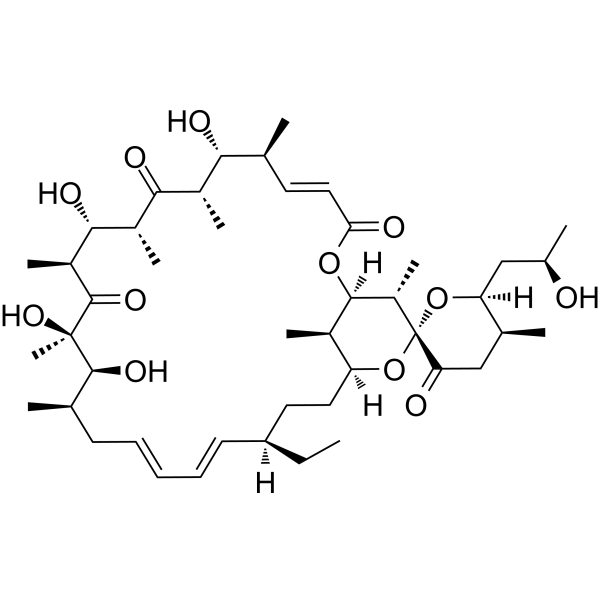
Oligomycin B is an antibiotic that acts as a non-selective inhibitor of ATP Synthase. Oligomycin B increases mitochondrial membrane potential. Oligomycin B induces apoptosis and necrosis. Oligomycin B impairs the motility of Plasmopara viticola zoospores and induces their lysis. Oligomycin B inhibits Magnaporthe oryzae (wheat blast fungus) and suppresses the development of wheat blast. Oligomycin B reduces hyphal growth and spore germination of Botrytis cinerea, and protects Arabidopsis thaliana against Botrytis cinerea infection. Oligomycin B exacerbates cytotoxic brain edema in rats with cerebral cortical contusion, increases intracranial pressure and brain water content, and aggravates mitochondrial damage in these rats. Oligomycin B is used in studies related to grape downy mildew, traumatic brain injury, wheat blast, and gray mold .
loading...
    loading...
Art. -Nr.: HY-125139
CAS. Nr.: 123940-93-2
Reinheit:  ≥98.0%
Synonyms: ω-3 Arachidonic acid ethyl ester, in ethanol, 98%; (all-Z)-8,11,14,17-Eicosatetraenoic acid ethyl ester, in ethanol, 98%
Forschungsgebiete:  

Cardiovascular Disease Others

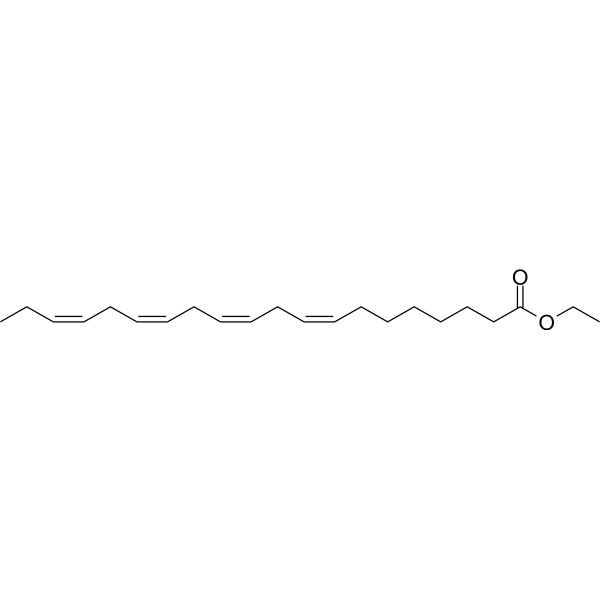
omega-3 Arachidonic acid ethyl ester, in ethanol, 98% is a rare polyunsaturated fatty acid found in very small amounts in dietary sources. Omega-3 fatty acids are known to be essential for the growth and development of infants, and they protect against heart disease, blood clots, high blood pressure, and inflammatory and autoimmune diseases. In human platelet membranes, omega-3 arachidonic acid inhibits arachidonyl-CoA synthetase with a Ki of 14 μM. It also inhibits arachidonoyl-CoA synthetase in calf brain extract with an IC50 of approximately 5 μM. Omega-3 ethyl arachidonate is the more lipophilic form of the free acid.
The product specifications provided below refer solely to the active content of omega-3 Arachidonic acid ethyl ester.
loading...
    loading...
Art. -Nr.: HY-125140
CAS. Nr.: 24880-40-8
Target:  

Endogenous Metabolite

Forschungsgebiete:  

Others

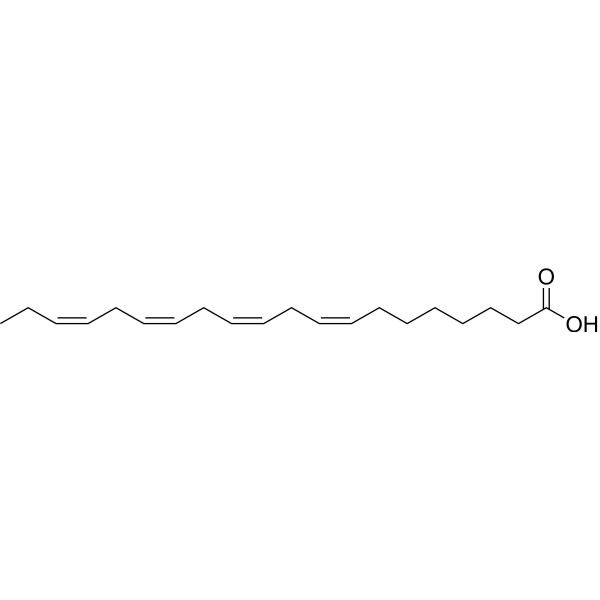
ω-3 Arachidonic acid is a poly fatty acid that is essential for growth and development in infants. ω-3 Arachidonic acid inhibits arachidenol-CoA synthetase with Ki values of 14 μM. It also inhibited arachidenol-CoA synthetase of calf brain extract with IC50 values of about 5 μM .
The product specifications provided below refer solely to the active content of ω-3 Arachidonic acid.
loading...
    loading...
Art. -Nr.: HY-B1066R
CAS. Nr.: 25013-16-5
Synonyms: Butylated hydroxyanisole (Standard); E320 (Standard)
Butylhydroxyanisole (Standard) is the analytical standard of Butylhydroxyanisole. This product is intended for research and analytical applications. Butylhydroxyanisole (Butylated hydroxyanisole) is an antioxidant used as a food additive preservative. Butylhydroxyanisole mediates liver toxicity, retardation in reproductive organ development and learning, and sleep deficit. Butylhydroxyanisole exerts neurotoxic effects and leads to disruption of the brain and nerve development . Butylhydroxyanisole is a ferroptosis inducer .
loading...
    loading...
Art. -Nr.: HY-13570B
CAS. Nr.: 987-24-6
Reinheit:  99.38%
Forschungsgebiete:  

Others

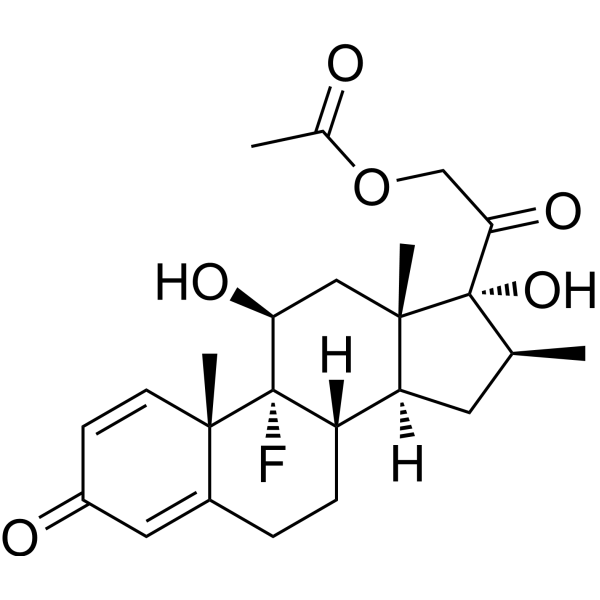
Betamethasone acetate is a glucocorticoid with prenatal application for preventing respiratory distress syndrome (RDS) in premature infants. Betamethasone acetate exhibits dose-dependent effects on somatic and brain development in offspring when administered prenatally to pregnant rats. Betamethasone acetate can be used for the study of antenatal intervention .
loading...
    loading...
Art. -Nr.: HY-P2713
CAS. Nr.: 314266-76-7
Target:  

Beta-secretase

Forschungsgebiete:  

Neurological Disease

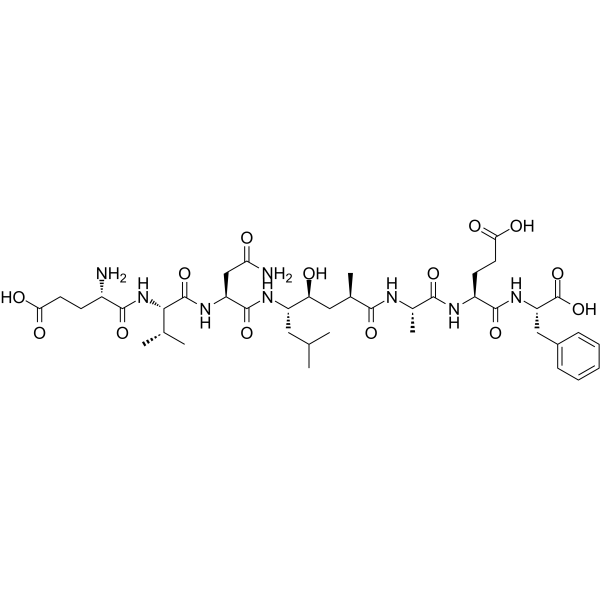
OM99-2, an eight residue peptidomimetic, tight-binding inhibitor of human brain memapsin 2 with a Ki value of 9.58 nM . OM99-2 is significantly advanced the development of BACE1 inhibitor . OM99-2 has the potential for the research of the Alzheimer's disease .
loading...
    loading...
Art. -Nr.: HY-W585856
CAS. Nr.: 13836-48-1
Target:  

Drug Intermediate

Forschungsgebiete:  

Others

Bisphenol A (3-chloro-2-hydroxypropyl) glycidyl ether is a chlorinated derivative that is released during heat treatment of food cans, bulk storage containers, and food containers. Bisphenol A (3-chloro-2-hydroxypropyl) glycidyl ether is an endocrine disruptor that affects reproductive organs and brain development.
loading...
    loading...

