
1. Search Result
Search Result
Results for "

brown

" in MedChemExpress (MCE) Product Catalog:

162

Inhibitors & Agonists

24

Fluorescent Dye

3

Biochemical Assay Reagents

3

Peptides

1

MCE Kits

1

Inhibitory Antibodies

44

Natural
Products

23

Isotope-Labeled Compounds

2

Oligonucleotides

2

GMP Molecules

Cat. No. Product Name Target Research Areas Chemical Structure
  • HY-N0378
    D-Mannitol
    Maximum Cited Publications
    13 Publications Verification

    Mannitol; Mannite

    Environmental Pollutants Endogenous Metabolite Apoptosis PGC-1α PKA Adrenergic Receptor Cardiovascular Disease Metabolic Disease Cancer
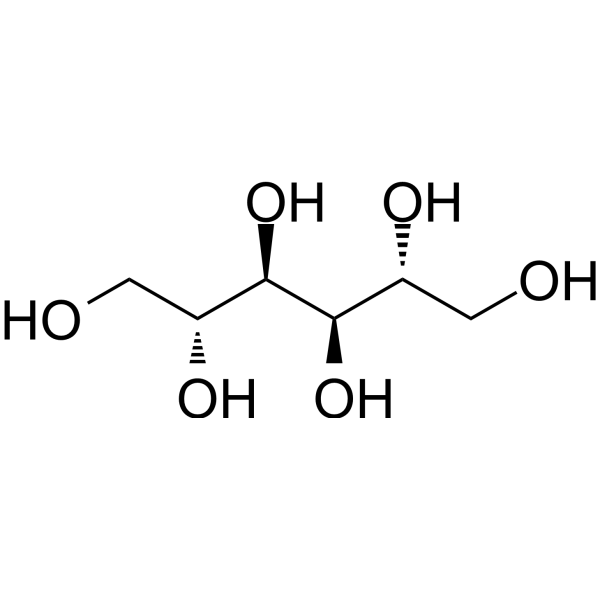
    D-Mannitol (Mannitol) is an oral, resistant sugar widely used in the food and pharmaceutical industries to promote the absorption and retention of calcium and magnesium through cecal fermentation, while acting as a osmotic diuretic to reduce tissue edema. D-Mannitol can enhance brown fat formation, improve insulin effect, reduce blood sugar levels, And through the start the β3-adrenergic receptor (β3-AR), PGC1α and PKA induced by means of white fat cells into brown fat cells . D-Mannitol is commonly used to maintain osmotic pressure between the plant cytoplasm and the culture medium and protect cells when the cell wall is weakened or even removed .
    D-Mannitol
  • HY-Y1310
    Sodium alginate
    1 Publications Verification

    Environmental Pollutants Others Cancer
    Sodium alginate is the sodium salt of alginic acid. Sodium alginate can be extracted and purified from brown seaweed Laminaria japonica. Sodium alginate can be used in food additives and pharmaceuticals, adsorb heavy metal ions, and has mucosal-protective and hemostatic effects .
    Sodium alginate
  • HY-147059

    Bacterial Infection Neurological Disease Metabolic Disease Cancer
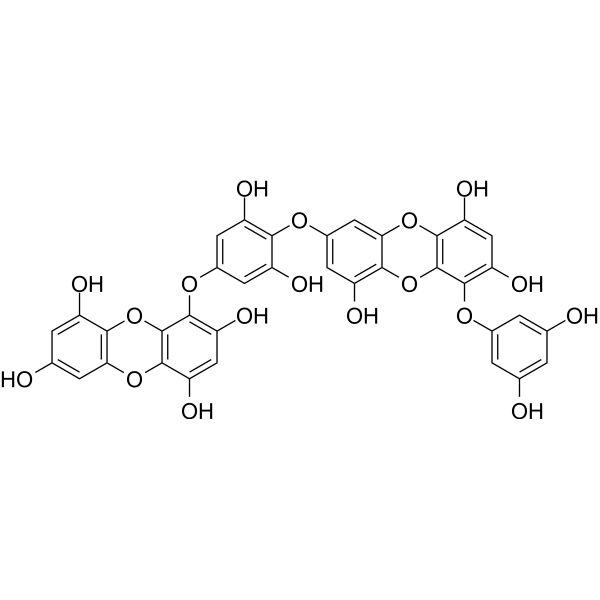
    Dieckol, is a naturally occurring phlorotannin found in some brown algal species. Dieckol has anti-bacterial, anti-cancer, anti-oxidant, anti-aging, anti-diabetic, neuroprotective actions .
    Dieckol
  • HY-N0593S
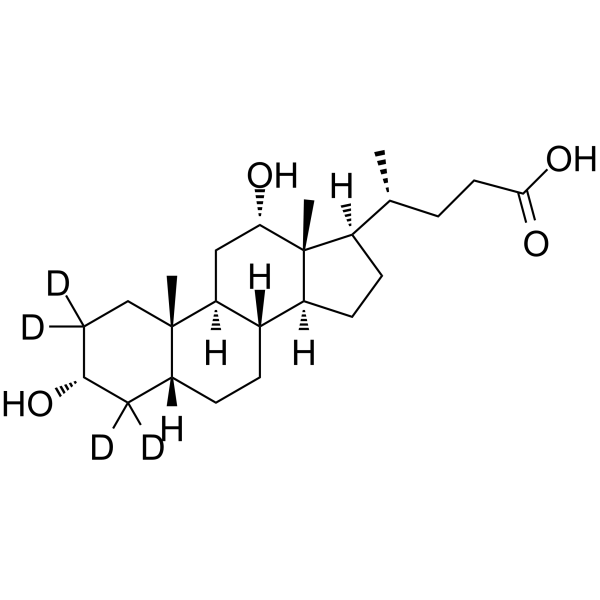
    Deoxycholic acid-d4
    1 Publications Verification

    Isotope-Labeled Compounds G protein-coupled Bile Acid Receptor 1 Endogenous Metabolite Metabolic Disease
    Deoxycholic acid-d4 is the deuterium labeled Deoxycholic acid. Deoxycholic acid is specifically responsible for activating the G protein-coupled bile acid receptor TGR5 that stimulates brown adipose tissue (BAT) thermogenic activity.
    Deoxycholic acid-d4
  • HY-139338
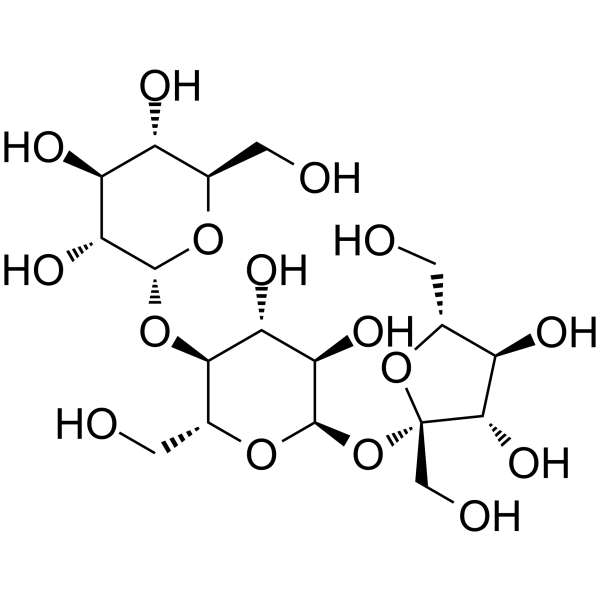
    Erlose
    1 Publications Verification

    Glycosidase Others
    Erlose is a trisaccharide sucrose derivative and low-calorie sweetener synthesized from glucose and sucrose via an α-glucosidase-mediated transglycosylation reaction. Erlose is often used as a marker to identify whether honey is adulterated with artificial sucrose. Erlose has approximately half the sweetness of sucrose but a similar taste, and it effectively inhibits crystal formation and browning reactions during food heat treatment .
    Erlose
  • HY-N0378R
    D-Mannitol (Standard)
    Maximum Cited Publications
    13 Publications Verification

    Mannitol(Standard); Mannite (Standard)

    Reference Standards Endogenous Metabolite Apoptosis PGC-1α Adrenergic Receptor PKA Cardiovascular Disease Metabolic Disease Cancer
    D-Mannitol (Standard) is the analytical standard of D-Mannitol (HY-N0378). This product is intended for research and analytical applications. D-Mannitol (Mannitol) is an oral, resistant sugar widely used in the food and pharmaceutical industries to promote the absorption and retention of calcium and magnesium through cecal fermentation, while acting as a osmotic diuretic to reduce tissue edema. D-Mannitol can enhance brown fat formation, improve insulin effect, reduce blood sugar levels, And through the start the β3-adrenergic receptor (β3-AR), PGC1α and PKA induced by means of white fat cells into brown fat cells . D-Mannitol is commonly used to maintain osmotic pressure between the plant cytoplasm and the culture medium and protect cells when the cell wall is weakened or even removed .
    D-Mannitol (Standard)
  • HY-116003

    Endogenous Metabolite Metabolic Disease
    12,13-DiHOME is a stimulator of Brown adipose tissue (BAT), as well as a thermogenic lipokine that activates BAT in response to cold. (±)12,13-DiHOME activates BAT fuel uptake and enhances cold tolerance, via promoting the translocation of the FA transporters FATP1 and CD36 to the cell membrane. (±)12,13-DiHOME can be used for research of metabolic disorders .
    12,13-DiHOME
  • HY-112624E

    Dextran 0.8; Dextran D0.8; Dextran T0.8(MW 640-960)

    Biochemical Assay Reagents Others
    Dextran T0.8 (Dextran 0.8; Dextran T0.8(MW 640-960)) is a food additive with a porous network structure that exhibits strong hydration capacity and low browning activity. Dextran T0.8 (MW 800) can improve the coagulation of dairy products and is used as a prebiotic in baked goods. Dextran T0.8 (MW 800) is non-toxic to HeLa cells at a concentration of ~500 μg/mL and has a low relative browning rate in the Maillard reaction. The Dextran series of compounds are also natural polysaccharide drug carriers that can be connected to drugs through covalent bonding methods such as ester bonds, amide bonds or click chemistry, or self-assembled to form carriers such as nanoparticles and hydrogels. Dextran is biodegradable and biocompatible, and can achieve targeted delivery and controlled release of drugs. Dextran derivatives can prolong the half-life of drugs, increase local concentrations, and reduce the activity of immune clearance .
    Dextran T0.8 (MW 800)
  • HY-N3733
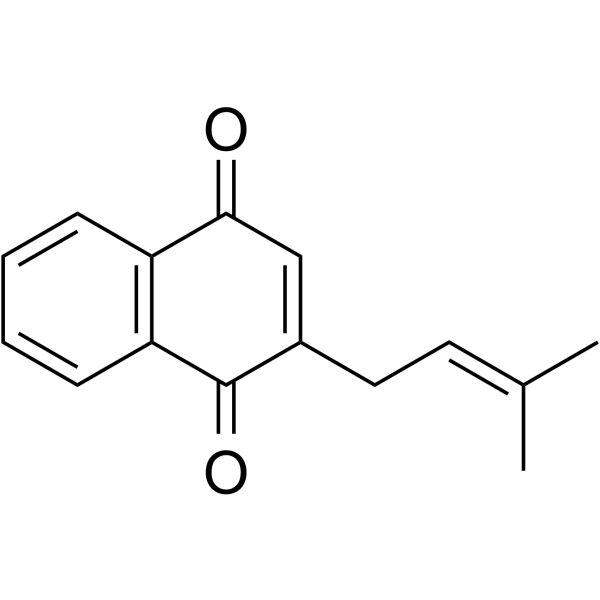
    Deoxylapachol
    1 Publications Verification

    Fungal Infection Cancer
    Deoxylapachol is a major cytotoxic component of New Zealand brown alga, Landsburgia quercifolia. Deoxylapachol has antifungal and anti-cancer activity .
    Deoxylapachol
  • HY-120657

    CGRP Receptor NF-κB Neurological Disease Metabolic Disease Inflammation/Immunology
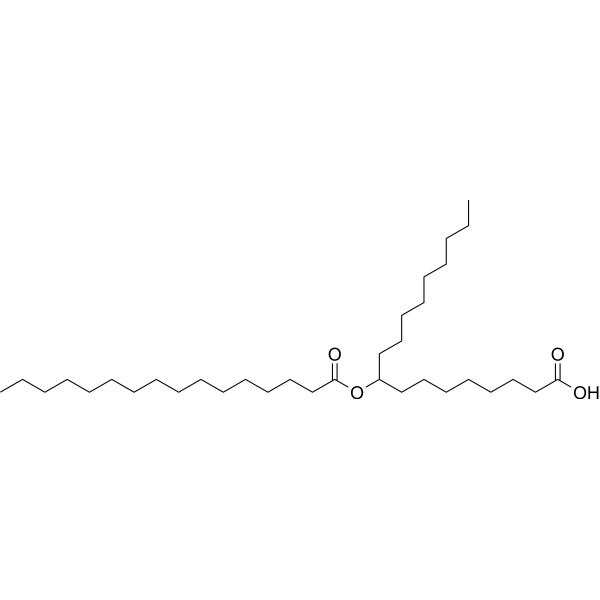
    9-PAHSA is an orally active endogenous GPR120 agonist (EC50=18 μM). 9-PAHSA significantly inhibits LPS-induced inflammatory responses by blocking the NF-κB pathway. 9-PAHSA induces adipocyte browning, enhances glucose uptake and reduces lipid accumulation, while improving mitochondrial function and the survival rate of steatotic hepatocytes. In terms of neuroprotection, 9-PAHSA regulates the expression of REST and BDNF in the prefrontal cortex of diabetic mice, and effectively prevents spatial working memory deficits and abnormal social behaviors. 9-PAHSA does not directly regulate insulin secretion or improve systemic insulin sensitivity, and possesses specific anti-inflammatory, metabolic regulatory and neuroprotective properties. 9-PAHSA can be used in the research of diabetes-related cognitive impairment, obesity and non-alcoholic fatty liver disease .
    9-PAHSA
  • HY-N6711

    HIV Integrase Bacterial Antibiotic Reactive Oxygen Species (ROS) STAT AMPK 11β-HSD Infection Metabolic Disease
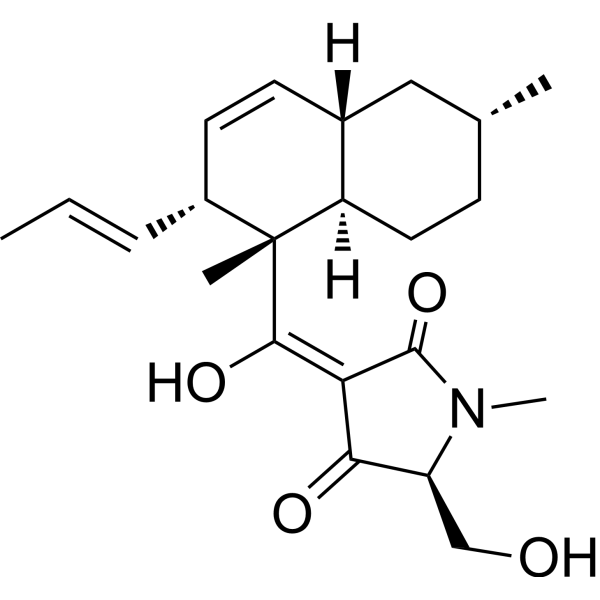
    Equisetin is an N-methylserine-derived acyl tetramic acid, quorum sensing inhibitor (QSI), herbicides and antibiotics. Equisetin specifically inhibits the anionic carriers of substrates in the inner mitochondrial membrane. Equisetin inhibits the activity of HIV-1 integrase, 11β-HSD1, and 2,4-dinitrophenol (Dnp)-stimulated ATPase (IC50 = ~8 nmol per mg of protein). Equisetin exhibits growth inhibition of bacteria, anti-inflammatory, amelioration of lipid-associated disorders, and cytotoxic effects .
    Equisetin
  • HY-W012956

    Drug Intermediate Others
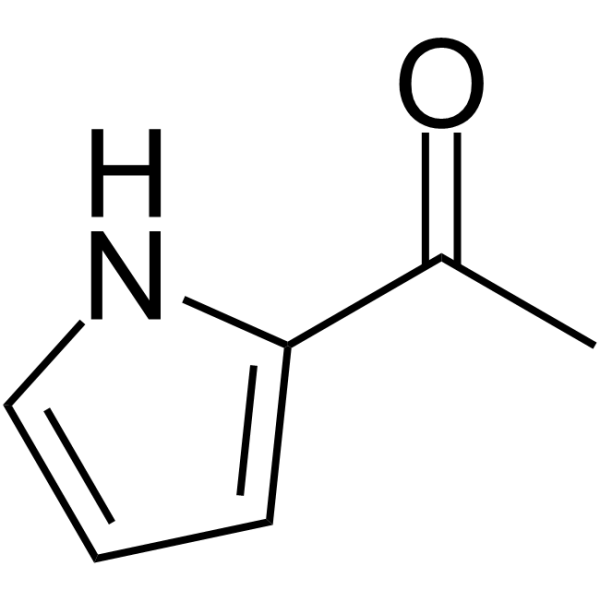
    2-Acetylpyrrole is an organic compound containing a pyrrole ring. 2-Acetylpyrrole is one of the products of the Maillard browning reaction and can serve as a major flavor component in many foods. As an intermediate, 2-acetylpyrrole can also be used in the synthesis of other active compounds, such as the flavor compound 2-acetyl-1-pyrroline .
    2-Acetylpyrrole
  • HY-W088037

    Environmental Pollutants Others
    Tridecane is a short chain aliphatic hydrocarbon containing 13 carbon atoms. Tridecane is an volatile oil component isolated from essential oil of Piper aduncum L. Tridecane is a stress compound released by the brown marmorated stink bugs stress compound .
    Tridecane
  • HY-113033

    Others Biochemical Assay Reagents Neurological Disease Metabolic Disease Inflammation/Immunology
    Pentosidine is a fluorescent advanced glycation end product (AGE) and cross-linker. Pentosidine is a fluorescent cross-linked structure formed by lysine and arginine in sugar oxidation reactions, and it is commonly found in collagen, skin, bone, lens and plasma proteins . Pentosidine is used in research related to type 1 diabetes, brown cataracts, rheumatoid arthritis, atherosclerosis and neurodegenerative diseases .
    Pentosidine
  • HY-N7699C

    Bacterial Neurological Disease
    D-Pentamannuronic acid, an alginate oligomer, is produced by marine brown algae and by a limited range of Gram negative bacteria. D-Pentamannuronic acid can be used for the research of pain and vascular dementia .
    D-Pentamannuronic acid
  • HY-N6243

    Fungal Cardiovascular Disease Others
    Veratrosine is a Trihydroxynapthalene reductase (THR) inhibitor and fungal plant pathogen inhibitor with activity against Curvularia lunata THR. Veratrosine interacts with THR, an enzyme in the DHN melanin biosynthesis pathway of Curvularia lunata. Veratrosine can be used for the research of leaf blight of rice, brown spot of rice, and blast disease of foxtail millet .
    Veratrosine
  • HY-129137

    Cy 3-soph

    Tyrosinase Others
    Cyanidin 3-sophoroside chloride is a potent non-competitive reversible polyphenol oxidase (PPO)/Tyrosinase inhibitor. Also, Cyanidin 3-sophoroside chloride can be used as an anti-browning agent to inhibit the degree of PPO browning, enhance the antioxidant damage capacity of fruits and prolong the storage period .
    Cyanidin 3-sophoroside chloride
  • HY-153813

    p38 MAPK Mitochondrial Metabolism Others
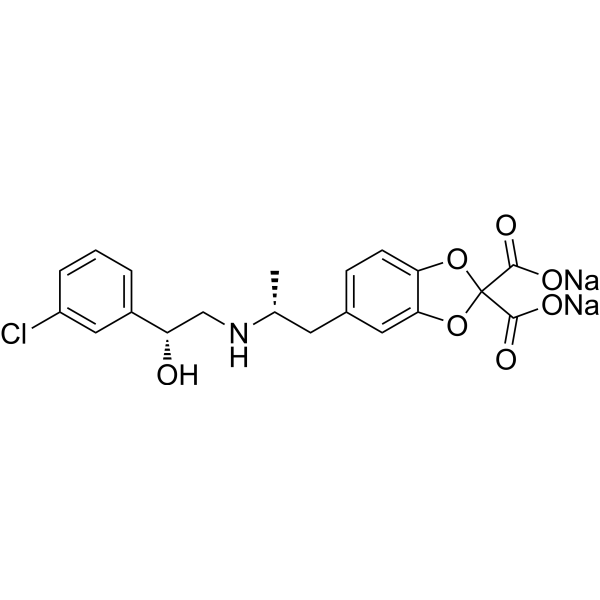
    Z16078526 induces endogenous Ucp1 expression, promotes p38 MAPK phosphorylation and lipolysis in primary mouse brown adipocytes. Z16078526 activates thermogenic gene expression and mitochondrial activity (uncoupled respiration) in mouse brown adipocytes. Z16078526 also stimulates thermogenesis in the mouse .
    Z16078526
  • HY-W088037S

    Isotope-Labeled Compounds Others
    Tridecane-d28 is the deuterium labeled Tridecane . Tridecane is a short chain aliphatic hydrocarbon containing 13 carbon atoms. Tridecane is an volatile oil component isolated from essential oil of Piper aduncum L. Tridecane is a stress compound released by the brown marmorated stink bugs stress compound .
    Tridecane-d28
  • HY-W044525

    Phosphodiesterase (PDE) Metabolic Disease Inflammation/Immunology
    Phyllodulcin is an orally active sweetener found in Hydrangea macrophylla var. thunbergii. Phyllodulcin acts as a non-selective phosphodiesterase inhibitor and exerts anti-allergic effects by suppressing lymphocyte activation. Phyllodulcin can be used to combat obesity by regulating levels of leptin, fat browning-related genes, and hypothalamic BDNF-TrkB signaling .
    Phyllodulcin
  • HY-N0378S1

    Mannitol-13C; Mannite-13C

    Isotope-Labeled Compounds Endogenous Metabolite Apoptosis PGC-1α Adrenergic Receptor PKA Cardiovascular Disease Metabolic Disease Cancer
    D-Mannitol- 13C is the 13C labeled D-Mannitol (HY-N0378). D-Mannitol (Mannitol) is an oral, resistant sugar widely used in the food and pharmaceutical industries to promote the absorption and retention of calcium and magnesium through cecal fermentation, while acting as a osmotic diuretic to reduce tissue edema. D-Mannitol can enhance brown fat formation, improve insulin effect, reduce blood sugar levels, And through the start the β3-adrenergic receptor (β3-AR), PGC1α and PKA induced by means of white fat cells into brown fat cells . D-Mannitol is commonly used to maintain osmotic pressure between the plant cytoplasm and the culture medium and protect cells when the cell wall is weakened or even removed .
    D-Mannitol-13C
  • HY-N7699H

    Drug Intermediate Infection
    D-Dimannuronic acid is an alginate extract from brown algae which can be used to synthesize sulfated polymannuronate (SPMG)-derived oligosaccharides .
    D-Dimannuronic acid sodium
  • HY-119790

    PPAR Metabolic Disease
    Palmitoyllactic acid is a long-chain fatty acid with lipogenic activity. Palmitoyllactic acid can induce a brown fat-like phenotype in 3T3-L1 cells. Palmitoyllactic acid enhances the expression of a variety of brown/beige cell-specific genes, such as Prdm16 and Pgc1a. Palmitoyllactic acid acts similarly to PPARγ agonists, significantly enhancing adipogenesis in the presence of dexamethasone. Palmitoyllactic acid can be used in obesity research .
    Palmitoyllactic acid
  • HY-N0593S1

    Isotope-Labeled Compounds G protein-coupled Bile Acid Receptor 1 Endogenous Metabolite Metabolic Disease
    Deoxycholic acid-d5 is the deuterium labeled Deoxycholic acid. Deoxycholic acid is specifically responsible for activating the G protein-coupled bile acid receptor TGR5 that stimulates brown adipose tissue (BAT) thermogenic activity.
    Deoxycholic acid-d5
  • HY-N0593S3

    Cholanoic Acid-13C; Desoxycholic acid-13C

    G protein-coupled Bile Acid Receptor 1 Endogenous Metabolite Metabolic Disease
    Deoxycholic acid- 13C is the 13C-labeled Deoxycholic acid. Deoxycholic acid is specifically responsible for activating the G protein-coupled bile acid receptor TGR5 that stimulates brown adipose tissue (BAT) thermogenic activity.
    Deoxycholic acid-13C
  • HY-117451

    Bacterial Infection
    Dodine is a fungicide with plant disease suppressive activity. Dodine is used to control black spot on apples, pears and pecans, brown rot on peaches, and a variety of foliar diseases of peaches, strawberries, cherries, jacaranda and black walnuts. Dodine is also used as an industrial biocide and preservative .
    Dodine
  • HY-N0378S2

    Mannitol-13C6; Mannite-13C6

    Isotope-Labeled Compounds Endogenous Metabolite Apoptosis PGC-1α Adrenergic Receptor PKA Cardiovascular Disease Metabolic Disease Cancer
    D-Mannitol- 13C6 is the 13C labeled D-Mannitol (HY-N0378). D-Mannitol (Mannitol) is an oral, resistant sugar widely used in the food and pharmaceutical industries to promote the absorption and retention of calcium and magnesium through cecal fermentation, while acting as a osmotic diuretic to reduce tissue edema. D-Mannitol can enhance brown fat formation, improve insulin effect, reduce blood sugar levels, And through the start the β3-adrenergic receptor (β3-AR), PGC1α and PKA induced by means of white fat cells into brown fat cells . D-Mannitol is commonly used to maintain osmotic pressure between the plant cytoplasm and the culture medium and protect cells when the cell wall is weakened or even removed .
    D-Mannitol-13C6
  • HY-D0468

    Fluorescent Dye Others
    Basic Brown 1 is a diazo dyes .
    Basic Brown 1
  • HY-N7699B

    Bacterial Neurological Disease
    D-Tetramannuronic acid, an alginate oligomer, is produced by marine brown algae and by a limited range of Gram negative bacteria. D-Tetramannuronic acid can be used for the research of pain and vascular dementia .
    D-Tetramannuronic acid
  • HY-N7699F

    Bacterial Neurological Disease
    D-Octamannuronic acid, an alginate oligomer, is produced by marine brown algae and by a limited range of Gram negative bacteria. D-Octamannuronic acid can be used for the research of pain and vascular dementia .
    D-Octamannuronic acid
  • HY-W112021

    2,5-Dimethoxybenzoquinone

    Biochemical Assay Reagents Others
    2,5-DMBQ (2,5-Dimethoxybenzoquinone) serves as an extracellular reductant. 2,5-DMBQ is involved in a crucial redox cycle, namely the extracellular hydroquinone-quinone redox cycle. In this cycle, 2,5-DMBQ is capable of reducing extracellular Fe ³⁺ and generating H2O2. 2,5-DMBQ plays a pivotal role in the biodegradation mechanism of brown rot fungal, assisting the fungi in decomposing and utilizing organic matter .
    2,5-DMBQ
  • HY-N0593S2

    Cholanoic acid-d6; Desoxycholic acid-d6

    Isotope-Labeled Compounds G protein-coupled Bile Acid Receptor 1 Endogenous Metabolite Metabolic Disease
    Deoxycholic acid-d6 is the deuterium labeled Deoxycholic acid. Deoxycholic acid is specifically responsible for activating the G protein-coupled bile acid receptor TGR5 that stimulates brown adipose tissue (BAT) thermogenic activity.
    Deoxycholic acid-d6
  • HY-D0326

    Fluorescent Dye
    Vat Brown 1 is a brown dye.
    Vat Brown 1
  • HY-D0495

    Fluorescent Dye
    C.I. Acid brown 83 is an acidic brown dye that can be adsorbed and removed by bentone clay.
    C.I. Acid brown 83
  • HY-D0452

    Fluorescent Dye
    C.I. Acid brown 75 is an acidic brown dye that can be adsorbed and removed by bentone clay.
    C.I. Acid brown 75
  • HY-D0386

    Fluorescent Dye Others
    Bismarck Brown R is a basic dyes .
    Bismarck Brown R
  • HY-D0459

    Fluorescent Dye
    C.I. Pigment brown 25 is the most important colorant used to add color or change the color of something and is chemically essentially unaffected by the carrier or medium into which it is incorporated. It can be widely used in textile, medicine, food, cosmetics, plastics, paint, ink, photography and paper industries.
    C.I. Pigment brown 25
  • HY-D1123

    CI 70801

    Fluorescent Dye
    Indigosol brown IBR is a dye commonly used for dyeing textiles.
    Indigosol brown IBR
  • HY-D0311

    Fluorescent Dye Others
    Brown Y is a multifunctional dye. Dyes are important tools in biological experiments. They can help researchers observe and analyze cell structures, track biomolecules, evaluate cell functions, distinguish cell types, detect biomolecules, study tissue pathology and monitor microorganisms. Their applications range from basic scientific research to clinical A wide range of diagnostics. Dyes are also widely used in traditional fields such as textile dyeing, as well as in emerging fields such as functional textile processing, food pigments and dye-sensitized solar cells.
    Brown Y
  • HY-W038985

    Drug Intermediate Metabolic Disease
    1,3-Oxazolidine-2-thione, a free oxazolidinethione, increases thyroid size and severely depresses hepatic trimethylamine oxidase activity in the brown-egg layers .
    1,3-Oxazolidine-2-thione
  • HY-148973

    ATP Synthase Metabolic Disease
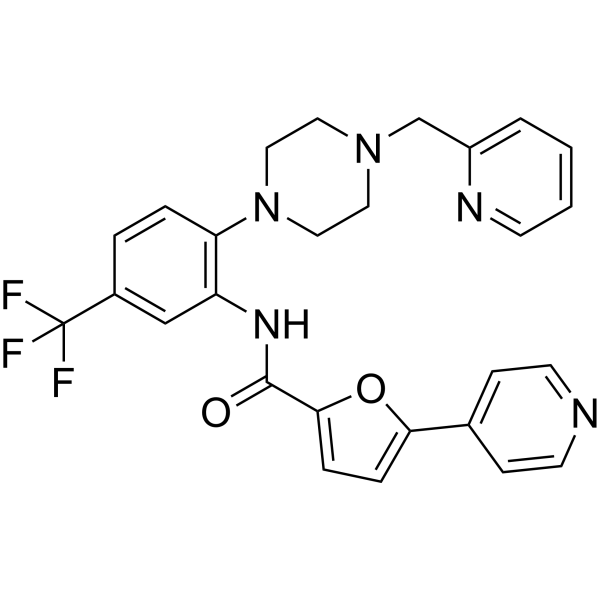
    ZW290 is a compound to activate brown adipose tissue (BAT) thermogenic function. ZW290 increases the expression of uncoupling Protein 1 (UCP1) protein and inhibits ATP synthesis in BAT .
    ZW290
  • HY-N12179

    Bacterial Others
    Brevianamide M (compound 4) is a metabolite of Aspergillus versicolor. This is an endophytic fungus isolated from the marine brown alga Sargassum. Brevianamide M has antimicrobial activity against Escherichia coli and Staphylococcus aureus .
    Brevianamide M
  • HY-171796

    Fungal Infection
    Bromomonilicin is a selective fungal cell membrane inhibitor. Bromomonilicin exerts antifungal activity by disrupting fungal cell membrane integrity. Bromomonilicin is promising for research of plant pathogenic fungal infections (e.g., Monilinia fructicola-induced brown rot) and superficial mycoses (e.g., dermatophyte infections) .
    Bromomonilicin
  • HY-N0378AGL

    Mannitol, M200 (GMP Like); Mannite, M200 (GMP Like)

    Endogenous Metabolite Apoptosis Adrenergic Receptor PGC-1α PKA Cardiovascular Disease Metabolic Disease Cancer
    D-Mannitol, M200 (GMP Like) (Mannitol, M200 (GMP Like)) is the GMP Like class D-Mannitol that can be used as pharmaceutical excipients. D-Mannitol (Mannitol) is an oral, resistant sugar widely used in the food and pharmaceutical industries to promote the absorption and retention of calcium and magnesium through cecal fermentation, while acting as a osmotic diuretic to reduce tissue edema. D-Mannitol can enhance brown fat formation, improve insulin effect, reduce blood sugar levels, And through the start the β3-adrenergic receptor (β3-AR), PGC1α and PKA induced by means of white fat cells into brown fat cells .
    D-Mannitol, M200 (GMP Like)
  • HY-N0378S4

    Mannitol-d2; Mannite-d2

    Isotope-Labeled Compounds Endogenous Metabolite Apoptosis PGC-1α Adrenergic Receptor PKA Cardiovascular Disease Metabolic Disease Cancer
    D-Mannitol-d2 is the deuterium labeled D-Mannitol (HY-N0378). D-Mannitol (Mannitol) is an oral, resistant sugar widely used in the food and pharmaceutical industries to promote the absorption and retention of calcium and magnesium through cecal fermentation, while acting as a osmotic diuretic to reduce tissue edema. D-Mannitol can enhance brown fat formation, improve insulin effect, reduce blood sugar levels, And through the start the β3-adrenergic receptor (β3-AR), PGC1α and PKA induced by means of white fat cells into brown fat cells . D-Mannitol is commonly used to maintain osmotic pressure between the plant cytoplasm and the culture medium and protect cells when the cell wall is weakened or even removed .
    D-Mannitol-d2
  • HY-W017212R

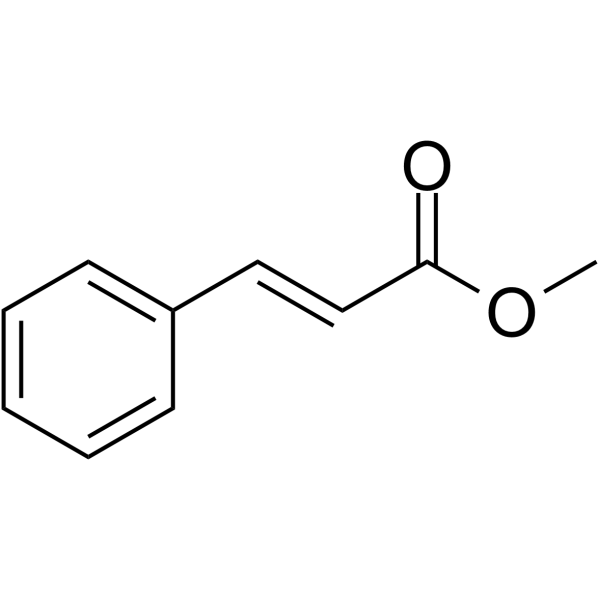
    Methyl 3-phenylpropenoate (Standard)

    Reference Standards Tyrosinase Bacterial AMPK Infection Metabolic Disease
    Methyl cinnamate (Methyl 3-phenylpropenoate), an active component of Zanthoxylum armatum, is a widely used natural flavor compound. Methyl cinnamate (Methyl 3-phenylpropenoate) possesses antimicrobial activity and is a tyrosinase inhibitor that can prevent food browning. Methyl cinnamate (Methyl 3-phenylpropenoate) has antiadipogenic activity through mechanisms mediated, in part, by the CaMKK2-AMPK signaling pathway .
    Methyl cinnamate (Standard)
  • HY-D1203

    Fluorescent Dye
    Acid Brown 4 is a brown dye whose staining effects can be removed by the electrocoagulation (EC) process.
    Acid Brown 4
  • HY-D0659

    Fluorescent Dye
    Acid brown 58 is a brown dye whose staining effects can be removed by the electrocoagulation (EC) process.
    Acid brown 58
  • HY-D0388

    Fluorescent Dye
    Acid Brown 5 is a brown dye whose staining effects can be removed by the electrocoagulation (EC) process.
    Acid Brown 5
  • HY-D0528

    Fluorescent Dye
    Disperse brown 1 is a brown dye commonly used for fiber dyeing.
    Disperse brown 1

Inquiry Online

Your information is safe with us. * Required Fields.

Salutation


Country or Region *

Applicant Name *


Organization Name *

Department *


Email Address *


Product Name *

Cat. No.


Requested quantity *

Phone Number *


Remarks

Inquiry Online

Inquiry Information

Product Name:
Cat. No.:
Quantity:
MCE Japan Authorized Agent:

