


Search Result
Results for "
cAMP-signaling
" in MedChemExpress (MCE) Product Catalog:
1
Isotope-Labeled Compounds
| Cat. No. |
상품명 |
Target |
연구분야 |
Chemical Structure |
-
- HY-108742
-
|
BA 058; BIM 44058
|
PTHR
Arrestin
|
Metabolic Disease
Cancer
|
|
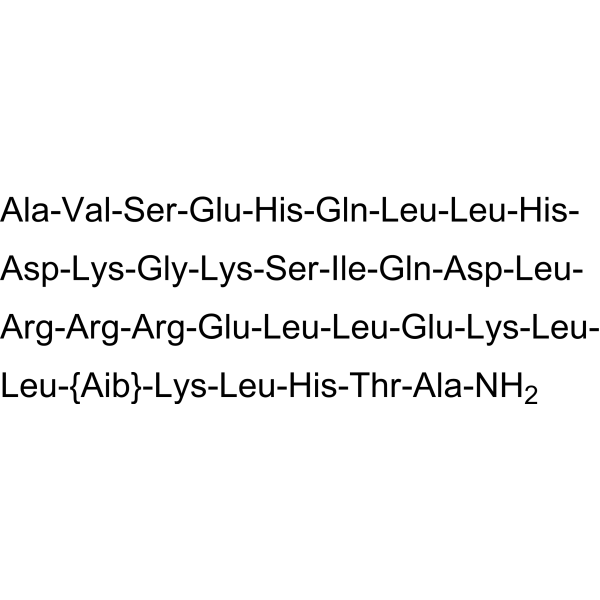
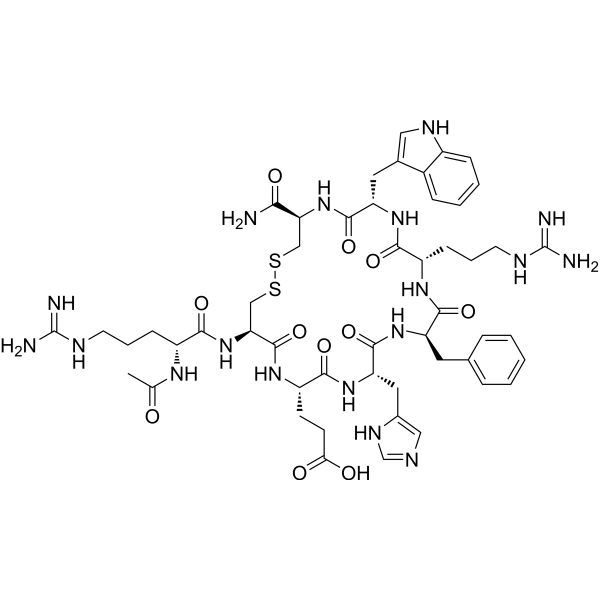
Abaloparatide (BA 058) is a parathyroid hormone receptor 1 (PTHR1) analog. Abaloparatide also is a selective PTHR1 activator. Abaloparatide enhances Gs/cAMP signaling and β-arrestin recruitment. Abaloparatide enhances bone formation and cortical structure in mice. Abaloparatide has the potential for the research of osteoporosis .
|
-
-
- HY-160734
-
|
GSBR-1290
|
GLP Receptor
|
Metabolic Disease
|
|
Aleniglipron (GSBR-1290) is an orally active glucagon-like peptide-1 receptor (GLP-1R) agonist, with an EC50 value of less than 0.1 nM in HDB cell lines in cAMP stimulation assays. Aleniglipron selectively activates the Gαs-cAMP signaling pathway of GLP-1R without β-arrestin recruitment. Aleniglipron induces insulin release, promotes glucose clearance, reduces food intake and decreases body weight. Aleniglipron is applicable to research related to type 2 diabetes and obesity .
|
-
-
- HY-122197
-
ML339
4 Publications Verification
|
CXCR
Apelin Receptor (APJ)
Arrestin
|
Cancer
|
|
ML339 is a selective CXCR6 antagonist with an IC50 of 140 nM. ML339 antagonizes β-arrestin recruitment and cAMP signaling pathway of human CXCR6 receptor induced by CXCL16, with IC50 of 0.3 μM and 1.4 μM, respectively. ML339 shows weaker activity against the recruitment of β-arrestin in mouse CXCR6 receptors, with an IC50 of 18 μM. ML339 has no inhibitory effect on CXCR5,CXCR4,CXCR6 and apelin receptor (APJ), with IC50 >79 μM. ML339 has the potential to promote the development of prostate cancer research .
|
-
-
- HY-B0679
-
|
RU-0211; SPI-0211
|
Chloride Channel
CFTR
Glutathione Peroxidase
NO Synthase
TNF Receptor
|
Metabolic Disease
|
|
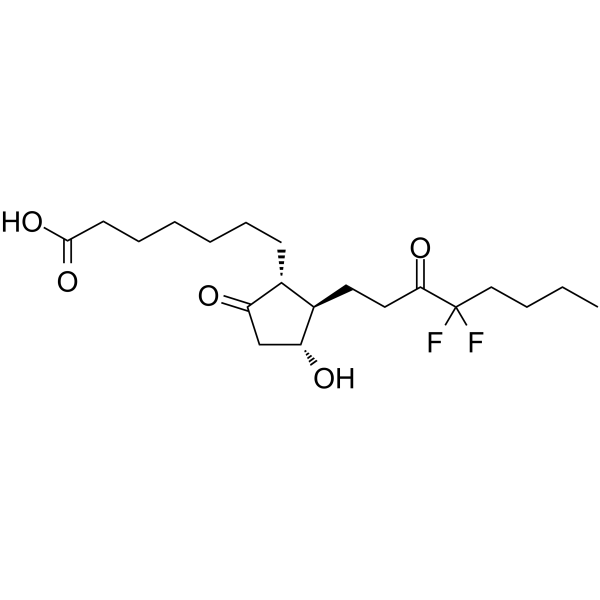
Lubiprostone (SPI-0211) increases intestinal fluid secretion through generation of CIC-2/CFTR and activation of cAMP signaling pathway. Lubiprostone inhibits myeloperoxidase (MPO) activity, downregulates Indomethacin (HY-14397)-induced iNOS and TNFα expression. Lubiprostone can be used for chronic constipation research .
|
-
-
- HY-P10728
-
|
|
RXFP Receptor
ERK
|
Cardiovascular Disease
Inflammation/Immunology
|
|
B7-33 is a single-chain relaxin mimetic and a selective relaxin receptor 1 (RXFP1) agonist. B7-33 phosphorylates ERK1/2 without inducing activation of the cAMP signaling pathway. B7-33 exhibits anti-fibrotic and cardioprotective activities. B7-33 can be used in the research of vascular diseases such as cardiomyopathy, myocardial infarction and fibrosis .
|
-
-
- HY-106539
-
|
|
FXR
G protein-coupled Bile Acid Receptor 1
GLP Receptor
|
Metabolic Disease
Cancer
|
|
Colesevelam hydrochloride is an orally active bile acid sequestrant, lipid-lowering agent, and glycemic control agent. Colesevelam hydrochloride binds bile acids in the gastrointestinal tract to form nonabsorbable complexes, interrupts enterohepatic recirculation and increases fecal bile acid elimination. Colesevelam hydrochloride modulates FXR, TGR5, and Cyp7a1 activity and triggers cAMP signaling and GLP-1 release. Colesevelam hydrochloride alters hepatic lipid and glucose metabolism, suppresses hepatic glycogenolysis, reduces hepatic triglyceride and cholesterol levels, and increases LDL-C (low-density lipoprotein cholesterol) clearance. Colesevelam hydrochloride can be used for the research of type 2 diabetes mellitus, hypercholesterolemia, and alcohol-related liver disease .
|
-
-
- HY-121615
-
|
alpha-Phellandrene
|
Environmental Pollutants
Insecticide
NO Synthase
Apoptosis
Autophagy
|
Infection
Neurological Disease
Inflammation/Immunology
Cancer
|
|
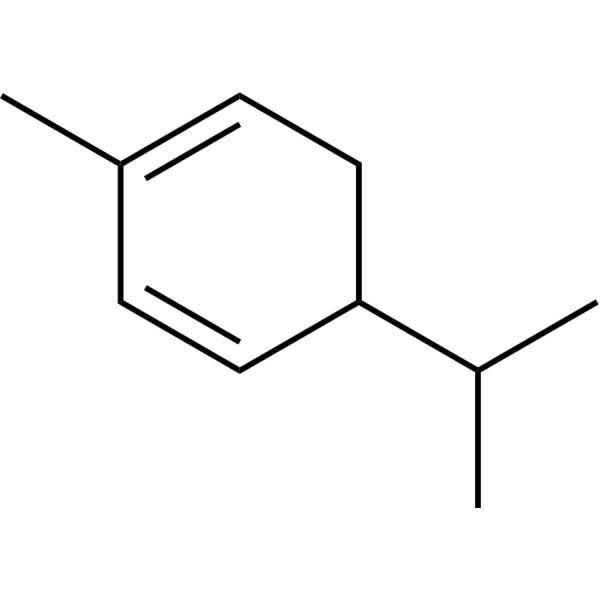
α-Phellandrene (alpha-Phellandrene) is an orally active monoterpenoid and insecticide. α-Phellandrene can be isolated from plant essential oils. α-Phellandrene induces Apoptosis and Autophagy. α-Phellandrene promotes cAMP signaling pathway and increases NO production. α-Phellandrene has anti-inflammatory and anticancer (sarcoma) activities. α-Phellandrene shows insecticidal activity against Lucilia cuprina L3. α-Phellandrene reduces mechanical hyperalgesia .
|
-
-
- HY-19867A
-
|
TG-0054 hydrobromide
|
CXCR
|
Cardiovascular Disease
Cancer
|
|
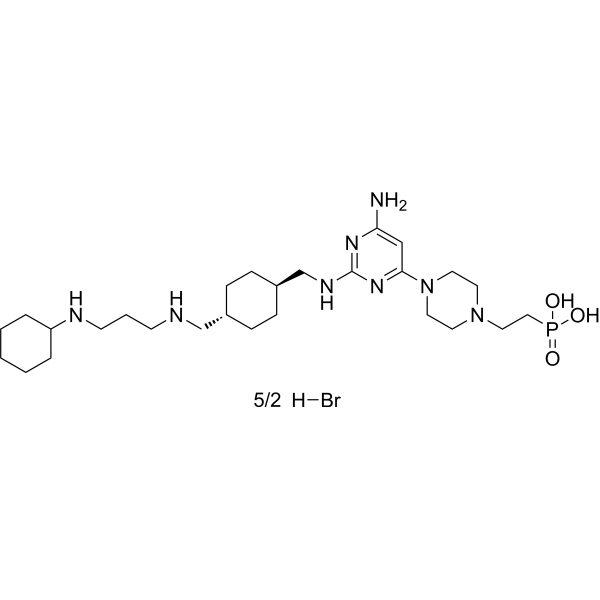
Burixafor (TG-0054) hydrobromide is a potent CXCR4 antagonist with a pIC50 of 7.4. Burixafor hydrobromide inhibits the binding of CXCL12 to CXCR4, antagonizes CXCL12-induced recruitment of Gαᵢ and β-arrestin2, and blocks the downstream Gαᵢ-mediated inhibitory effect on cAMP signal transduction. Burixafor hydrobromide mobilizes CD34 + hematopoietic stem/progenitor cells (HSPC) from the bone marrow to the peripheral blood. Burixafor hydrobromide can be used for research on autologous hematopoietic stem cell transplantation (ASCT) .
|
-
-
- HY-107580
-
|
|
GPR109A
|
Cardiovascular Disease
Metabolic Disease
Inflammation/Immunology
|
|
GPR109 receptor agonist-1 is a highly selective agonist of the human orphan G protein-coupled receptor GPR109b, and does not activate the mouse homologous receptor PUMA-G. GPR109 receptor agonist-1 functionally modulates the human GPR109b receptor via the cAMP signaling pathway, with an EC50 of 400 nM. GPR109 receptor agonist-1 inhibits isoproterenol (HY-B0468)-stimulated lipolysis in human subcutaneous adipocytes, with efficacy comparable to that of Niacin (HY-B0143), and does not act on β-adrenergic receptors. GPR109 receptor agonist-1 can be used in studies related to dyslipidemia and atherosclerosis .
|
-
-
- HY-167856
-
|
|
GPR88
|
Neurological Disease
|
|
RTI-122 is a selective, blood-brain barrier-permeable GPR88 agonist (cAMP EC50=11 nM), with EC50 values of 11.5 nM and 155 nM for human and mouse GPR88, respectively ([ 35S]GTPγS assay). By activating the GPR88 receptor to regulate the cAMP signaling pathway and G protein activity, RTI-122 significantly attenuates Binge-like drinking, reduces alcohol intake, and decreases alcohol-seeking motivation. RTI-122 blocks the reinstatement of alcohol-seeking behavior without affecting water or sucrose intake. RTI-122 exhibits metabolic stability in mice (T1/2=5.8 h) and can be used to investigate alcohol use disorder .
|
-
-
- HY-117958
-
HJC0197
1 Publications Verification
|
Ras
|
Cardiovascular Disease
Metabolic Disease
Cancer
|
|
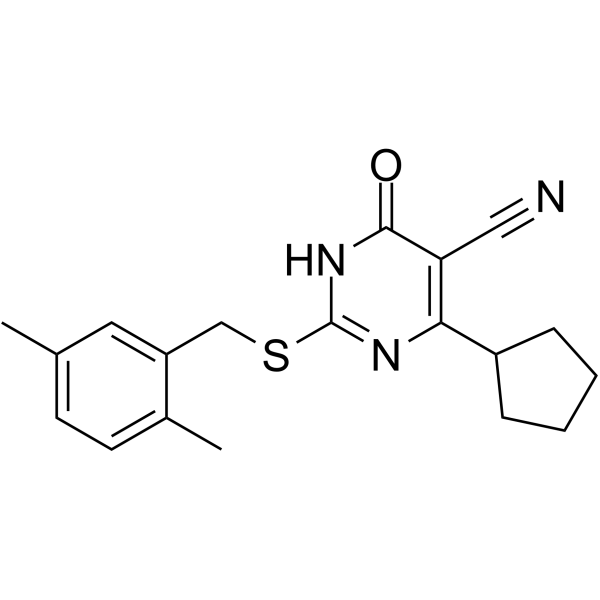
HJC0197 is a potent Epac1 (exchange protein directly activated by cAMP 1) and Epac2 (IC50=5.9 μM for Epac2) antagonist. HJC0197 selectively blocks cAMP-induced Epac activation. HJC0197 inhibits Epac1-mediated Rap1-GDP exchange activity at 25 μM in the presence of equal concentration of cAMP .
|
-
-
- HY-121793
-
|
(-)-Roemerine
|
Endogenous Metabolite
5-HT Receptor
mGluR
iGluR
Bacterial
Antibiotic
|
Infection
Neurological Disease
Cancer
|
|
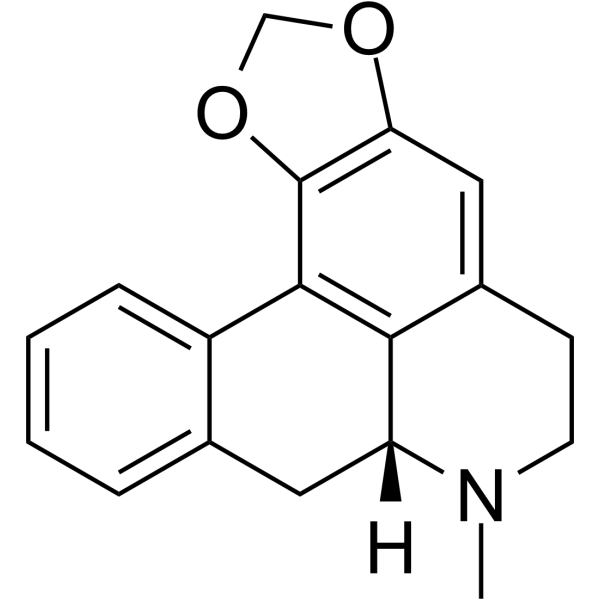
Roemerine is an alkaloid that has been identified from the leaves of Fibraurea recisa Pierre. Roemerine exhibits antibacterial, anticancer, and antidepressant activities, can reverse the multidrug resistance phenotype in cultured cells, and exerts antibacterial effects by regulating the cAMP signaling pathway. Additionally, Roemerine influences neuronal activity by increasing BDNF protein expression and modulating the serotonergic and glutamatergic systems. Roemerine holds promise for research in the fields of cancer, infections, and neurological diseases .
|
-
-
- HY-120511
-
KNT-127
1 Publications Verification
|
Opioid Receptor
|
Neurological Disease
|
|
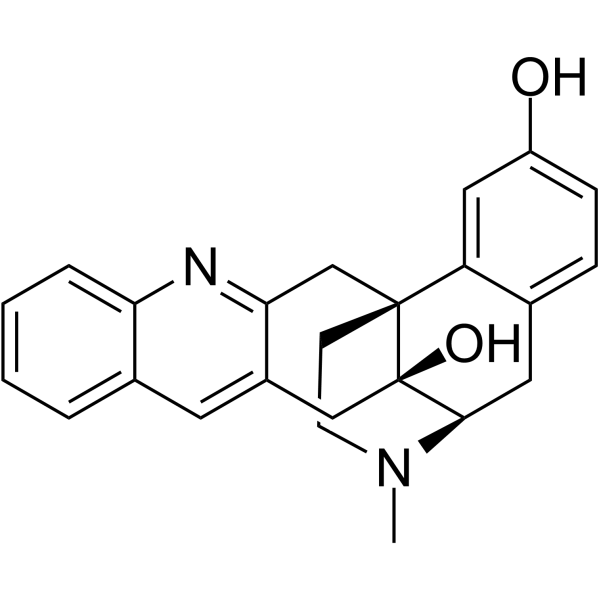
KNT-127 is a selective and BBB-penetrant δ-opioid receptor (DOR) agonist (Ki = 0.16 nM). KNT-127 is highly selective to the δ receptor, with Ki values of 0.16, 21.3 and 153 nM for δ, μ and κ receptors, respectively. KNT-127 acts as a biased ligand that mainly activates cyclic adenosine monophosphate (cAMP) signaling with lower beta-arrestin signaling activation. KNT-127 increases the release of dopamine and L-glutamate in the striatum, nucleus accumbens, and prefrontal cortex. KNT-127 exhibits antidepressant- and anxiolytic-like effects. KNT-127 can be studied in research on neurological diseases .
|
-
-
- HY-108742A
-
|
BA 058 TFA; BIM 44058 TFA
|
Arrestin
PTHR
|
Metabolic Disease
Endocrinology
Cancer
|
|
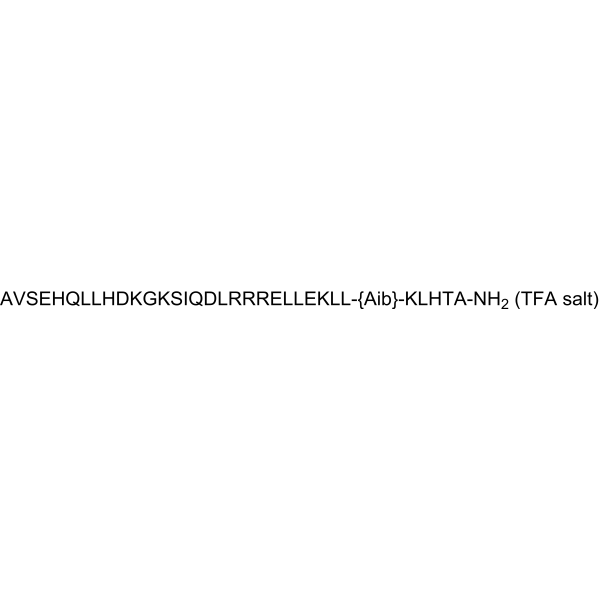
Abaloparatide TFA (BA 058 TFA) is a parathyroid hormone receptor 1 (PTHR1) analogue. Abaloparatide TFA also is a selective PTHR1 activator. Abaloparatide TFA enhances Gs/cAMP signaling and β-arrestin recruitment. Abaloparatide TFA enhances bone formation and cortical structure in mice. Abaloparatide TFA has the potential for the research of osteoporosis .
|
-
-
- HY-163671
-
|
|
GPR52
Arrestin
|
Neurological Disease
|
|
PW0729 is a selective GPR52 agonist. PW0729 activates G protein/cAMP signaling pathway, with bias toward this pathway over β-arrestin recruitment, and induces GPR52 desensitization. PW0729 can be used for the research of neuropsychiatric and neurological diseases .
|
-
-
- HY-153213A
-
|
|
TSH Receptor
|
Endocrinology
|
|
Org 274178-0 is a selective thyroid-stimulating hormone receptor (TSHR) antagonist with a pIC50 value for TSHR is 5.03. Org 274178-0 inhibits the activation of cAMP signaling pathway and phospholipase C (PLC) signaling pathway mediated by thyroid-stimulating hormone (TSH) and TSH receptor-stimulating immunoglobulins (TSIs). Org 274178-0 is promising for research of Graves’ disease and Graves’ ophthalmopathy .
|
-
-
- HY-162735
-
|
|
GPR65
|
Inflammation/Immunology
|
|
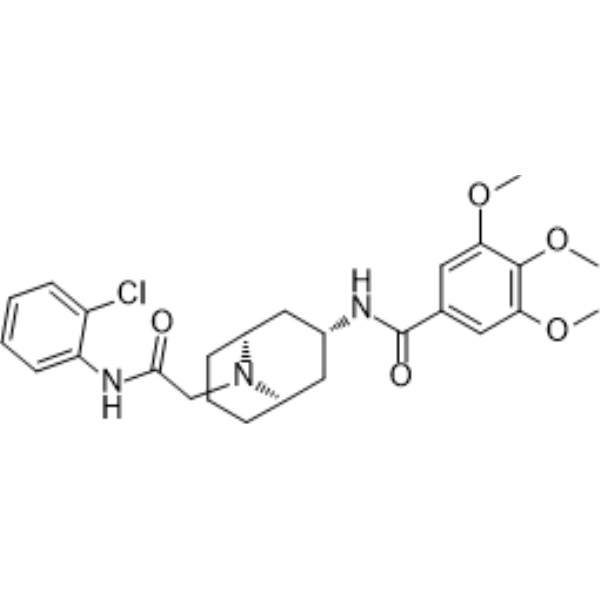
BRD5080 is a GPR65 agonist. BRD5080 activates GPR65 to enhance the cAMP signaling pathway, reduce the expression of inflammatory cytokines and chemokines in dendritic cells, enhance the activity of human wild-type, mouse wild-type, and human GPR65 I231L variant receptors in a pH-dependent manner, and mediate the recruitment of Gαs protein. BRD5080 can be used in the research of inflammatory bowel disease .
|
-
-
- HY-108991
-
|
(-)-T-0509
|
Adrenergic Receptor
|
Cardiovascular Disease
|
|
T-0509 ((-)-T-0509) is a selective full agonist of the β1 receptor. T-0509 activates the cAMP signaling pathway through the β1 receptor and enhances myocardial contractility .
|
-
-
- HY-162401
-
|
|
RXFP Receptor
|
Cardiovascular Disease
|
|
AZ7976 (Compound 42) is a highly selective agonist for the Relaxin Family Peptide Receptor 1 (RXFP1) (pEC50 > 10.5). AZ7976 enhances RXFP1's cAMP signaling through an allosteric mechanism, thereby physiologically increasing heart rate. AZ7976 can be used in the field of cardiovascular disease research .
|
-
-
- HY-175982
-
|
|
Aurora Kinase
|
Cancer
|
|
AURKA-IN-3 (Compound AL8) is an irreversible covalent Aurora kinase A (AURKA) inhibitor with an IC50 value of 23.0 nM. AURKA-IN-3 inhibits the activation of cAMP signaling pathway and phospholipase C (PLC) signaling pathway mediated by AURKA, and reduces the autophosphorylation level of AURKA. AURKA-IN-3 is promising for research of malignant tumors associated with high AURKA expression (e.g., leukemia, lymphoma) .
|
-
-
- HY-12520
-
|
|
Dopamine Receptor
|
Neurological Disease
Cancer
|
|
SKF 38393 is a selective dopamine D1 receptor agonist. SKF 38393 activates the cAMP signaling pathway and promotes dopamine release in the developing rat striatum. SKF 38393 inhibits MCF-7 breast cancer cell proliferation (IC50=0.1 μM). SKF 38393 is promising for research of neurodevelopmental disorders, dopamine-related diseases (e.g., Parkinson’s, dopamine deficiency), and cancers .
|
-
-
- HY-153542
-
|
|
PKG
|
Others
|
|
AP-C6 is a potent inhibitor of guanosine 3′,5′-cyclic monophosphate (cGMP)-dependent protein kinase II (cGKII) with a pIC50 of 6.5. AP-C6 concentration-dependently inhibits human cGKII activity in vitro. AP-C6 potentiate cAMP signaling by PDE inhibition .
|
-
-
- HY-B0679R
-
|
RU-0211 (Standard); SPI-0211 (Standard)
|
Reference Standards
Chloride Channel
CFTR
Glutathione Peroxidase
NO Synthase
TNF Receptor
|
Metabolic Disease
|
|
Lubiprostone (Standard) is the analytical standard of Lubiprostone. This product is intended for research and analytical applications. Lubiprostone (SPI-0211) increases intestinal fluid secretion through generation of CIC-2/CFTR and activation of cAMP signaling pathway. Lubiprostone inhibits myeloperoxidase (MPO) activity, downregulates Indomethacin (HY-14397)-induced iNOS and TNFα expression. Lubiprostone can be used for chronic constipation research .
|
-
-
- HY-B0679S
-
-
-
- HY-P11279
-
|
|
GLP Receptor
GCGR
Neuropeptide Y Receptor
|
Metabolic Disease
|
TC2 is an efficient GIPR-preferring monomeric quadruple agonist that can respectively activate GIPR, GLP-1R, GcgR, and Y2R with IC50 values of 0.47, 2.1, 30, and 55 nM respectively. TC2 exhibits a significant GLP-1R preference, with a significant reduction in β-inhibitory protein 2 (βArr2) recruitment, while maintaining a strong cAMP signal. TC2 can be used for research on obesity and diabetes .
|
-
-
- HY-170948
-
|
|
Adenosine Receptor
|
Cancer
|
|
A2AR modulator-1 (Compound 45) is a selective negative allosteric adenosine A2a receptor (A2aR) modulator with an IC50 value of 9 nM. A2AR modulator-1 reduces the affinity of endogenous adenosine for the receptor and inhibits cAMP signaling pathway activation. A2AR modulator-1 potently restores pCREB phosphorylation in CD4 + T cells, reversing immunosuppression in the tumor microenvironment, and shows potential to suppress tumor growth and metastasis in triple-negative breast cancer models .
|
-
-
- HY-148032
-
|
5-BT
|
5-HT Receptor
|
Neurological Disease
|
|
5-Benzyloxytryptamine (5-BT) is a selective partial agonist for 5-hydroxytryptamine 1D/1B (5-HT1D/1B) receptors with an IC50 value of 40 nM for bovine caudate 5-HT1D and reduced affinity for other receptors (5-HT2 IC50>470 nM). 5-Benzyloxytryptamine inhibits adenylate cyclase to decrease neurotransmitter release and downregulate cAMP signaling. 5-Benzyloxytryptamine is promising for research of neurotransmitter imbalance-related disorders like migraine .
|
-
-
- HY-183181
-
|
|
CGRP Receptor
|
Neurological Disease
|
|
CGRP antagonist-9 is a CGRP receptor antagonist with an IC50 of 25 nM. It regulates the cAMP signaling pathway and can be used in migraine-related studies .
|
-
-
- HY-P11586
-
|
|
Amylin Receptor
|
Metabolic Disease
|
|
San45 is a nonselective dual amylin and calcitonin receptor agonist (DACRA) with nonselective potency relative to calcitonin receptor (CTR) and amylin 1 receptor (AMY₁R), and acts as a stabilizer of receptor-ligand complex and prolonged activator of cAMP signaling. San45 carries a conjugated lipid modification that can be used for the research of obesity .
|
-
-
- HY-181485
-
|
|
GPR68
TNF Receptor
Interleukin Related
|
Inflammation/Immunology
|
|
GPR68 antagonist 1 is a GPR68 antagonist with an IC50 of 81 nM. GPR68 antagonist 1 inhibits the mouse GPR68-mediated cAMP signaling pathway with an IC50 of 179 nM. GPR68 antagonist 1 alleviates disease symptoms in a dextran sulfate sodium (DSS) (HY-116282C)-induced mouse model of inflammatory bowel disease. GPR68 antagonist 1 is applicable to research related to inflammatory bowel disease .
|
-
-
- HY-14341
-
|
|
5-HT Receptor
|
Metabolic Disease
|
|
E-6837 is a selective and orally active 5-HT6 receptor ligand. E-6837 demonstrates partial agonism at a presumably silent rat 5-HT6 receptor and full agonism at a constitutively active human 5-HT6 receptor by monitoring the cAMP signaling pathway. E-6837 induces hypophagia, reduces fat mass and body weight, and improves glycemic control. E-6837 can be used for the research of obesity .
|
-
-
- HY-19867
-
|
TG-0054
|
CXCR
|
Cancer
|
|
Burixafor (TG-0054) is a potent CXCR4 antagonist with a pIC50 of 7.4. Burixafor inhibits the binding of CXCL12 to CXCR4, antagonizes CXCL12-induced recruitment of Gαᵢ and β-arrestin2, and blocks the downstream Gαᵢ-mediated inhibitory effect on cAMP signal transduction. Burixafor mobilizes CD34 + hematopoietic stem/progenitor cells (HSPC) from the bone marrow to the peripheral blood. Burixafor can be used for research on autologous hematopoietic stem cell transplantation (ASCT) .
|
-
-
- HY-182850
-
|
|
CXCR
|
Metabolic Disease
|
|
UCUF-965 is a CXCR4 positive allosteric modulator. UCUF-965 potentiates CXCL12-induced β-arrestin recruitment and cAMP signaling, activates lymphoblast migration, induces calcium flux, and does not bind CXCR4’s orthosteric CXCL12 site. UCUF-965 reduces miR-15b and miR-29a levels, increases miR-146a levels in fibroblasts. UCUF-965 enhances angiogenesis and reduces wound healing time in diabetic mice. UCUF-965 can be used for the research of diabetic wound healing impairment .
|
-
-
- HY-167856A
-
|
|
GPR88
|
Neurological Disease
|
|
RTI-122 dihydrochloride is a selective, blood-brain barrier-permeable GPR88 agonist (cAMP EC50=11 nM), with EC50 values of 11.5 nM and 155 nM for human and mouse GPR88, respectively ([ 35S]GTPγS assay). By activating the GPR88 receptor to regulate the cAMP signaling pathway and G protein activity, RTI-122 dihydrochloride significantly attenuates Binge-like drinking, reduces alcohol intake, and decreases alcohol-seeking motivation. RTI-122 dihydrochloride blocks the reinstatement of alcohol-seeking behavior without affecting water or sucrose intake. RTI-122 dihydrochloride exhibits metabolic stability in mice (T1/2=5.8 h) and can be used to investigate alcohol use disorder .
|
-
| Cat. No. |
상품명 |
Target |
Research Area |
-
- HY-108742
-
|
BA 058; BIM 44058
|
PTHR
Arrestin
|
Metabolic Disease
Cancer
|
|
Abaloparatide (BA 058) is a parathyroid hormone receptor 1 (PTHR1) analog. Abaloparatide also is a selective PTHR1 activator. Abaloparatide enhances Gs/cAMP signaling and β-arrestin recruitment. Abaloparatide enhances bone formation and cortical structure in mice. Abaloparatide has the potential for the research of osteoporosis .
|
-
- HY-P10728
-
|
|
RXFP Receptor
ERK
|
Cardiovascular Disease
Inflammation/Immunology
|
|
B7-33 is a single-chain relaxin mimetic and a selective relaxin receptor 1 (RXFP1) agonist. B7-33 phosphorylates ERK1/2 without inducing activation of the cAMP signaling pathway. B7-33 exhibits anti-fibrotic and cardioprotective activities. B7-33 can be used in the research of vascular diseases such as cardiomyopathy, myocardial infarction and fibrosis .
|
-
- HY-108742A
-
|
BA 058 TFA; BIM 44058 TFA
|
Arrestin
PTHR
|
Metabolic Disease
Endocrinology
Cancer
|
|
Abaloparatide TFA (BA 058 TFA) is a parathyroid hormone receptor 1 (PTHR1) analogue. Abaloparatide TFA also is a selective PTHR1 activator. Abaloparatide TFA enhances Gs/cAMP signaling and β-arrestin recruitment. Abaloparatide TFA enhances bone formation and cortical structure in mice. Abaloparatide TFA has the potential for the research of osteoporosis .
|
-
- HY-P11279
-
|
|
GLP Receptor
GCGR
Neuropeptide Y Receptor
|
Metabolic Disease
|
TC2 is an efficient GIPR-preferring monomeric quadruple agonist that can respectively activate GIPR, GLP-1R, GcgR, and Y2R with IC50 values of 0.47, 2.1, 30, and 55 nM respectively. TC2 exhibits a significant GLP-1R preference, with a significant reduction in β-inhibitory protein 2 (βArr2) recruitment, while maintaining a strong cAMP signal. TC2 can be used for research on obesity and diabetes .
|
-
- HY-P11586
-
|
|
Amylin Receptor
|
Metabolic Disease
|
|
San45 is a nonselective dual amylin and calcitonin receptor agonist (DACRA) with nonselective potency relative to calcitonin receptor (CTR) and amylin 1 receptor (AMY₁R), and acts as a stabilizer of receptor-ligand complex and prolonged activator of cAMP signaling. San45 carries a conjugated lipid modification that can be used for the research of obesity .
|
| Cat. No. |
상품명 |
Category |
Target |
Chemical Structure |
| Cat. No. |
상품명 |
Chemical Structure |
-
- HY-B0679S
-
|
|
|
Lubiprostone-d7 (RU-0211-d7) is the deuterium labeled Lubiprostone. Lubiprostone (SPI-0211) increases intestinal fluid secretion through generation of CIC-2/CFTR and activation of cAMP signaling pathway. Lubiprostone inhibits myeloperoxidase (MPO) activity, downregulates Indomethacin (HY-14397)-induced iNOS and TNFα expression. Lubiprostone can be used for chronic constipation research .
|
-
Your information is safe with us. * Required Fields.
Inquiry Information
- 상품명:
- Cat. No.:
- 수량:
- MCE Japan Authorized Agent:

