

1. Search Result
Search Result
Results for "

chemical additive

" in MedChemExpress (MCE) Product Catalog:

46

Inhibitors & Agonists

1

Screening Libraries

1

Fluorescent Dyes

12

Biochemical Assay Reagents

1

Peptides

1

MCE Kits

18

Natural
Products

10

Isotope-Labeled Compounds

3

Oligonucleotides

Cat. No. Product Name Target Research Areas Chemical Structure
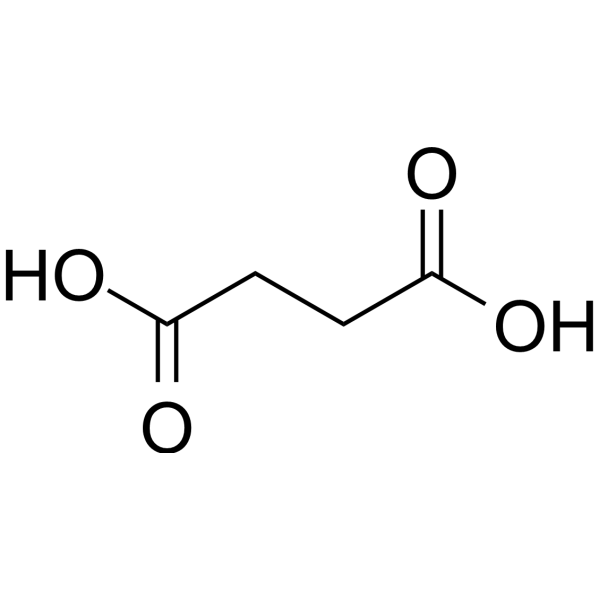
  • HY-N0420
    Succinic acid
    5+ Cited Publications

    Wormwood acid

    Environmental Pollutants Endogenous Metabolite Neurological Disease
    Succinic acid is an anti-anxiety agent with oral activity. Disodium succinate is the salt form of Succinic acid. Succinic acid is an intermediate product of the tricarboxylic acid cycle. Succinic acid is an important platform chemical. Succinic acid can be used as surfactant, additive, ion chelating agent, flavoring agent and other applications in chemical, pharmaceutical and food fields .
    Succinic acid
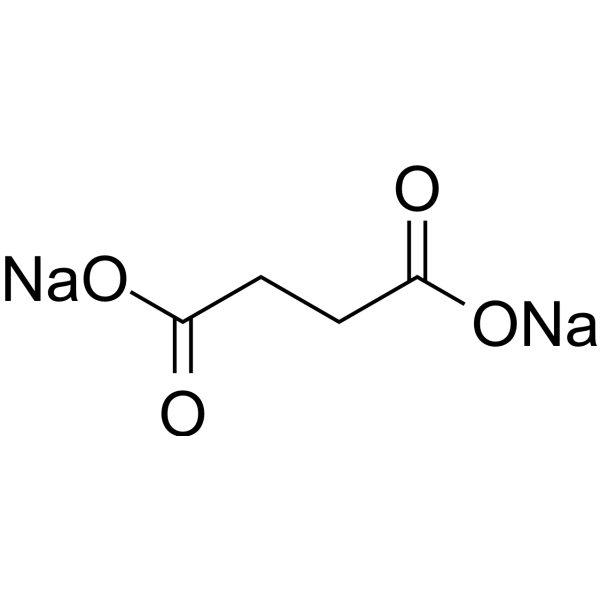
  • HY-W015410
    Disodium succinate
    Maximum Cited Publications
    10 Publications Verification

    Endogenous Metabolite Inflammation/Immunology
    Disodium succinate is an anti-anxiety agent with oral activity. Disodium succinate is the salt form of Succinic acid. Disodium succinate is an intermediate product of the tricarboxylic acid cycle. Disodium succinate is an important platform chemical. Disodium succinate can be used as surfactant, additive, ion chelating agent, flavoring agent and other applications in chemical, pharmaceutical and food fields .
    Disodium succinate
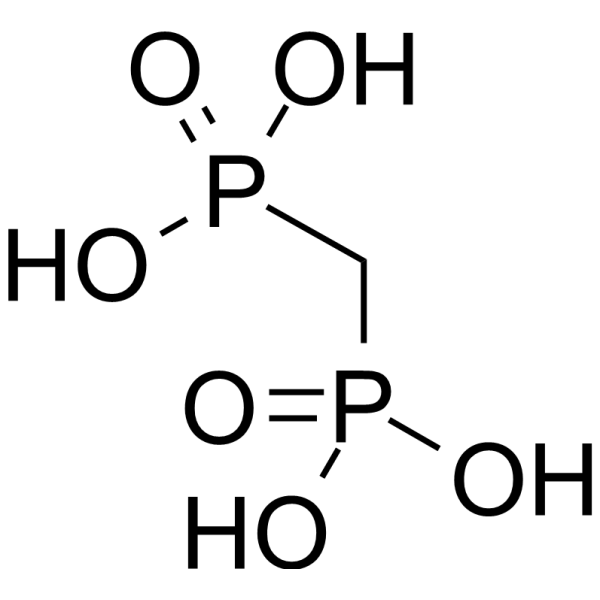
  • HY-108309
    Medronic acid
    1 Publications Verification

    Methylenediphosphonic acid

    Biochemical Assay Reagents Others
    Medronic acid (Methylenediphosphonic acid) is a methylene-substituted bisphosphonate. Medronic acid has an affinity for the surface of hydroxyapatite crystals in the bone matrix and adheres to them. Medronic acid can be used in complex with radioisotopes in bone imaging. Due to its strong metal chelating ability, medronic acid is also used as a water treatment chemical. In addition, medronic acid is used as a solvent additive to improve peak shape and signal of metal-sensitive metabolites in LC/MS analysis .
    Medronic acid
  • HY-Y0308

    Environmental Pollutants Biochemical Assay Reagents Others
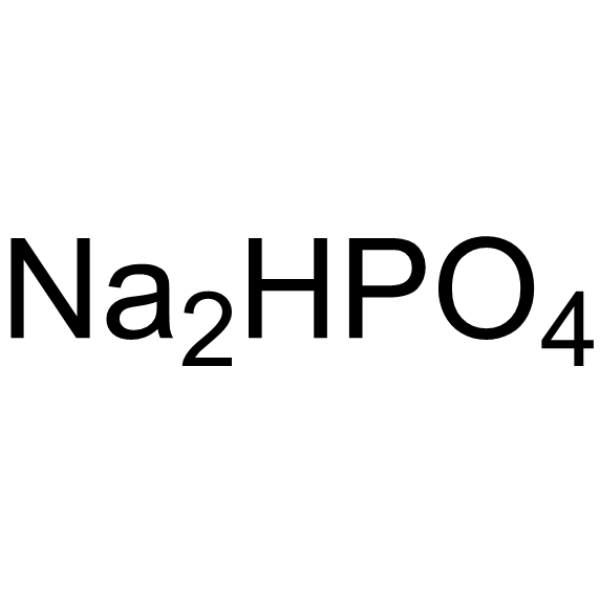
    Disodium phosphate is commonly used as a food additive, buffer and laboratory reagent. Disodium phosphate has unique chemical properties that make it an important ingredient in the manufacture of fertilizers, detergents and water treatment products. Additionally, it is used in various medical applications such as osmotic laxatives and electrolyte replacement solutions.
    Disodium phosphate
  • HY-Y0546
    Benzophenone
    1 Publications Verification

    Environmental Pollutants Endogenous Metabolite Photosensitizer Cancer
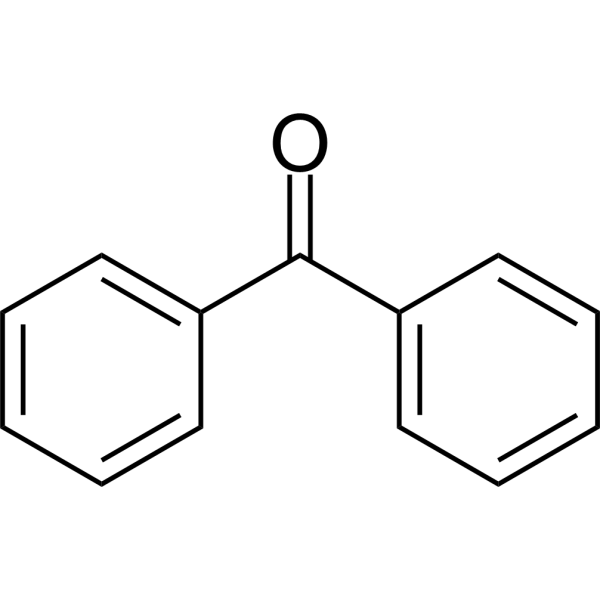
    Benzophenone is an endogenous metabolite. Benzophenone is a photosensitizer, that absorbs UV light, transfers its energy to DNA, and triggers DNA damage. Benzophenone can be used as the fragrance enhancer, ultraviolet curing agent, additive in plastics, or the flavor ingredient. Benzophenone can also be used in the manufacturing of insecticides, agricultural chemicals, hypnotics, antihistamines, and other pharmaceuticals. Benzophenone exhibits certain carcinogenicity in mouse/rat models under long term exposure. Benzophenone exhibits estrogenic activity .
    Benzophenone
  • HY-W133982

    Environmental Pollutants Biochemical Assay Reagents Infection
    Corn steep liquor, a food industrial by-product, is a nutritional additive in the liquid culture medium of fungus. Corn steep liquor can increase the production of fairy chemicals and mycelia .
    Corn steep liquor
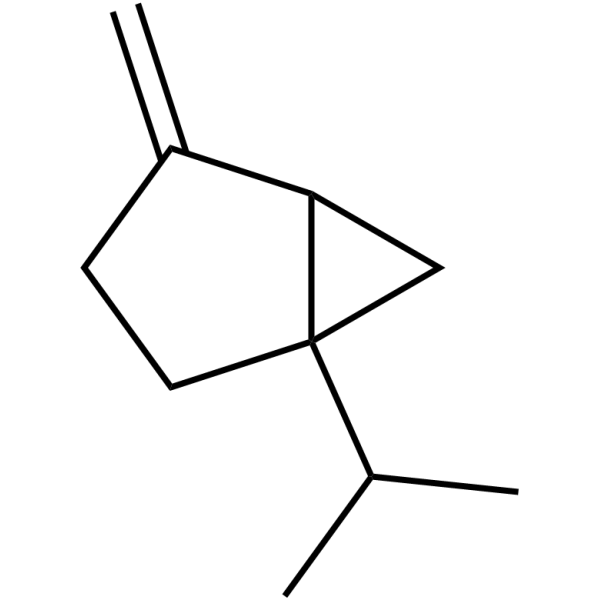
  • HY-108943
    Sabinene
    2 Publications Verification

    Others Others
    Sabinene is an naturally occurring bicyclic monoterpene which can be used as flavorings, perfume additives, fine chemicals, and advanced biofuels. Sabinene is also an orally active compound to attenuates skeletal muscle atrophy and regulates ROS-mediated MAPK/MuRF-1 pathways .
    Sabinene
  • HY-B2221
    Cellulose
    1 Publications Verification

    Pectin glycosidase

    Environmental Pollutants Endogenous Metabolite Others Cancer
    Cellulose (Pectin glycosidase) is a natural high molecular weight polysaccharide found in many plants and organisms. It is widely used in manufacturing industries, such as in paper making, textiles, food and medicine, etc. As a renewable resource, Cellulose is biodegradable and sustainable, and can also be used to manufacture chemicals such as Cellulose Esters, Cellulose Acetate and Cellulose Nitrate. In addition, Cellulose is often used as a food additive to increase the stability and quality of food.
    Cellulose
  • HY-Y0850U6

    Polyvinyl alcohol (Mw 205000); Poly(Ethenol) (Mw 205000)

    Biochemical Assay Reagents Infection Inflammation/Immunology
    PVA (Polyvinyl alcohol) (Mw 205000) is a polyvinyl alcohol with a molecular weight of 205000, which is used as a biological additive. PVA (Mw 205000) can be cross-linked through physical or chemical methods to form hydrogels, and is widely applied in fields such as biomedicine, food packaging, textiles, papermaking, sensing, and electronic devices. After PVA enema, it has an improving effect on acute colitis induced by DSS (HY-116282C) in mice .
    PVA (Mw 205000)
  • HY-Y1131

    Ethyl (R)-3-hydroxybutanoate

    Biochemical Assay Reagents Others
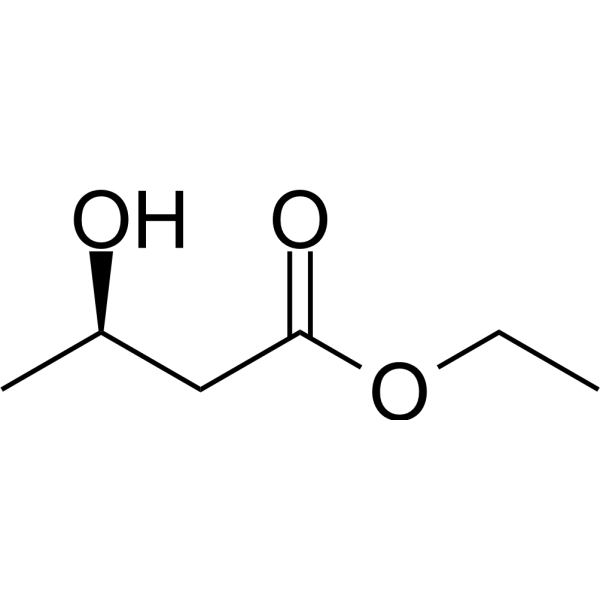
    Ethyl (R)-3-hydroxybutyrate is an organic compound commonly used as a starting material for chiral chemical synthesis. It can be used in the preparation of medicines, spices, fine chemicals and food additives, etc., and is widely used in medicine, cosmetics and food industries. In addition, this compound is also used as a substrate or intermediate in some biochemical reactions
    Ethyl (R)-3-hydroxybutyrate
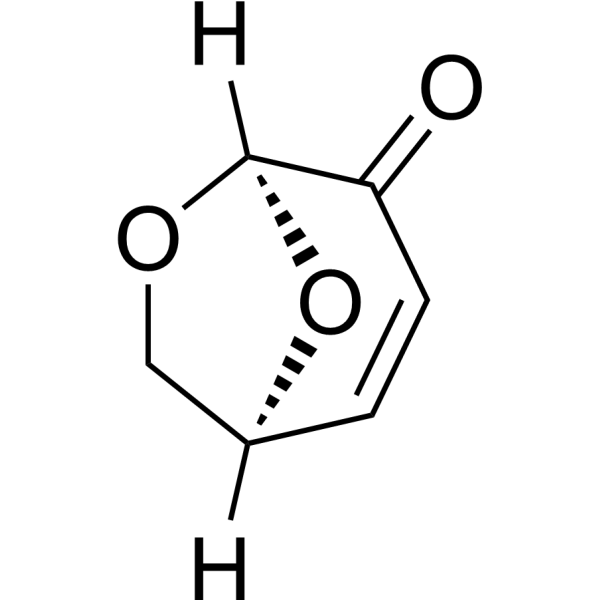
  • HY-21226

    Biochemical Assay Reagents Others
    Levoglucosenone Levoglucosenone has unique chemical properties that make it an important intermediate in the production of a wide variety of chemicals, including pharmaceuticals, fragrances and flavorings. Due to its ability to dissolve polar and non-polar compounds, it can also be used as a solvent or fuel additive.
    Levoglucosenone
  • HY-W012595

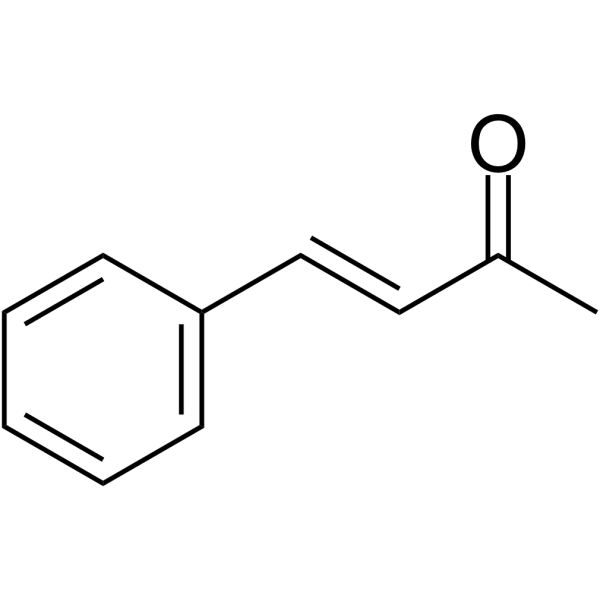
    Benzalacetone

    Environmental Pollutants Antibiotic Endogenous Metabolite Phospholipase Bacterial Tyrosinase Infection Metabolic Disease Inflammation/Immunology
    Benzylideneacetone (Benzalacetone) is an orally active antibiotic, tyrosinase inhibitor, phospholipase A2 inhibitor, and immunosuppressant. Benzylideneacetone has antibacterial activity against some gram-negative plant-pathogenic bacteria. Benzylideneacetone can also be used in the synthesis of chemicals and drugs, and as a flavoring additive for some foods .
    Benzylideneacetone
  • HY-Y0121

    Environmental Pollutants Apoptosis Parasite VEGFR Cardiovascular Disease Cancer
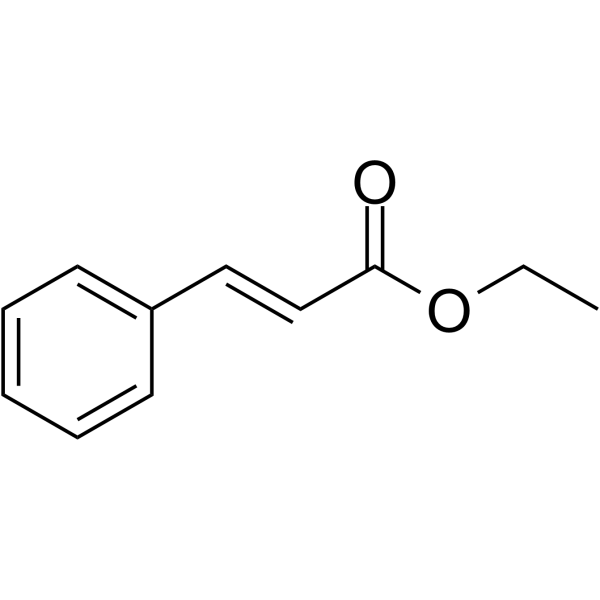
    Ethyl cinnamate, an orally active chemical constituent of the rhizome of Kaempferia galanga, exhibits anti-cancer, nematocidal, sedative and vasorelaxant activities. Ethyl cinnamate is a fragrance ingredient used as a food flavor and additive for cosmetic products. Ethyl cinnamate is also an excellent clearing reagent for mammalian tissues. Ethyl cinnamate suppresses tumor growth through anti-angiogenesis by attenuating VEGFR2 signal pathway in colorectal cancer. Ethyl cinnamate inhibits the tonic contractions induced by high K+ and phenylephrine (PE) with respective IC50 values of 0.30 mM and 0.38 mM in rat aorta .
    Ethyl cinnamate
  • HY-W094516
    Disodium succinate hexahydrate
    4 Publications Verification

    Wormwood acid disodium hexahydrate

    Endogenous Metabolite Neurological Disease Inflammation/Immunology
    Disodium succinate hexahydrate (Wormwood acid disodium hexahydrate) is an anti-anxiety agent with oral activity. Disodium succinate hexahydrate is an intermediate product of the tricarboxylic acid cycle. Disodium succinate hexahydrate is an important platform chemical. Disodium succinate hexahydrate can be used as surfactant, additive, ion chelating agent, flavoring agent and other applications in chemical, pharmaceutical and food fields .
    Disodium succinate hexahydrate
  • HY-N0420R
    Succinic acid (Standard)
    5+ Cited Publications

    Wormwood acid (Standard)

    Reference Standards Endogenous Metabolite Neurological Disease
    Succinic acid (Standard) is the analytical standard of Succinic acid. This product is intended for research and analytical applications. Succinic acid is an anti-anxiety agent with oral activity. Disodium succinate is the salt form of Succinic acid. Succinic acid is an intermediate product of the tricarboxylic acid cycle. Succinic acid is an important platform chemical. Succinic acid can be used as surfactant, additive, ion chelating agent, flavoring agent and other applications in chemical, pharmaceutical and food fields .
    Succinic acid (Standard)
  • HY-113027

    Endogenous Metabolite Others
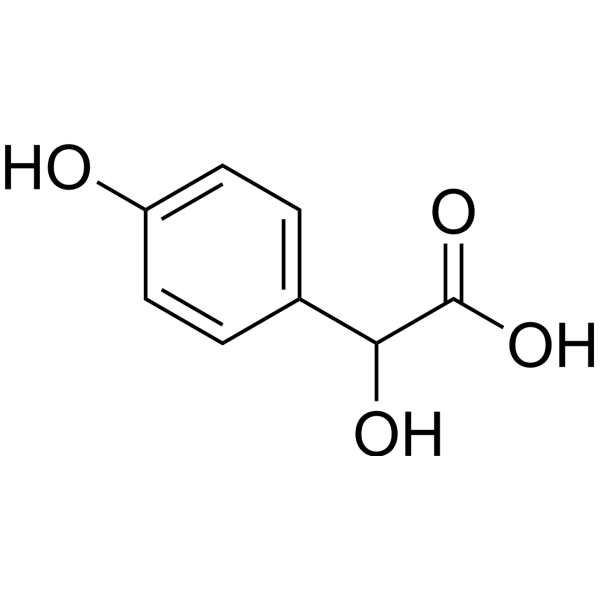
    p-Hydroxymandelic acid is a valuable aromatic fine chemical and widely used for production of pharmaceuticals and food additives.
    p-Hydroxymandelic acid
  • HY-W133894

    Oils, cedarwood

    Environmental Pollutants Parasite Others
    Cedar oil is an essential oil that can be extracted from numerous types of conifers. Cedar oil possesses some pesticidal properties. As a food additive and preservative, cedarwood oil is a blend of organic chemicals classified as safe compounds by the FDA.
    Cedar oil
  • HY-Y0546S

    Isotope-Labeled Compounds Endogenous Metabolite Photosensitizer Cancer
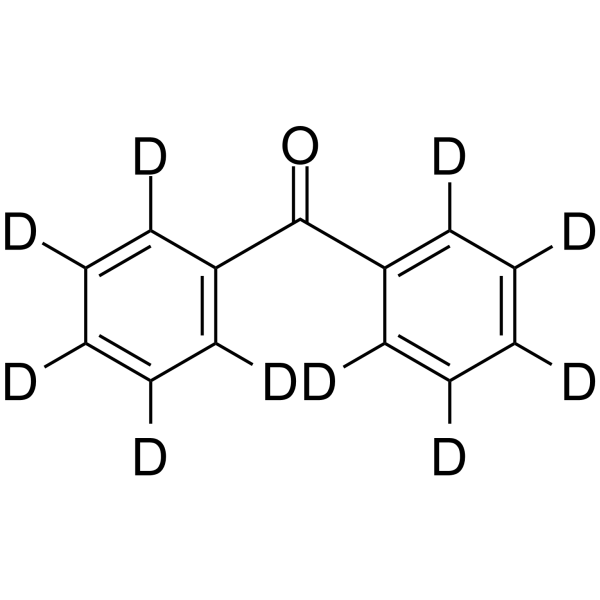
    Benzophenone-d10 is the deuterium labeled Benzophenone (HY-Y0546). Benzophenone is an endogenous metabolite. Benzophenone is a photosensitizer, that absorbs UV light, transfers its energy to DNA, and triggers DNA damage. Benzophenone can be used as the fragrance enhancer, ultraviolet curing agent, additive in plastics, or the flavor ingredient. Benzophenone can also be used in the manufacturing of insecticides, agricultural chemicals, hypnotics, antihistamines, and other pharmaceuticals. Benzophenone exhibits certain carcinogenicity in mouse/rat models under long term exposure. Benzophenone exhibits estrogenic activity .
    Benzophenone-d10
  • HY-Y0543
    5-Methylfurfural
    1 Publications Verification

    Biochemical Assay Reagents COX Inflammation/Immunology Cancer
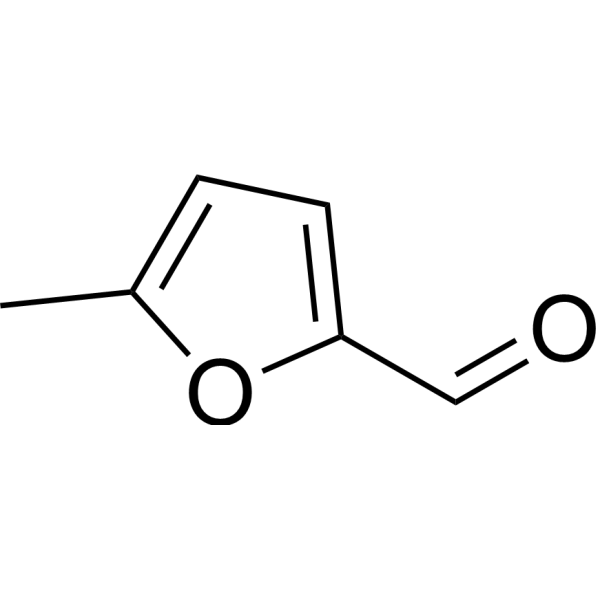
    5-Methylfurfural is a chemical that can be utilized as food additive, intermediate in the production of agrochemicals, and precursor of certain anti-cancer natural products. 5-Methylfurfural is formed during the photoexposition of ranitidine hydrochloride. 5-Methylfurfural is an organic compound. 5-Methylfurfural has a strong tendency to be further hydrogenated to 2,5-dimethylfuran (DMF). 5-Methylfurfural can predominantly evoke skin inflammation and barrier disintegration. 5-Methylfurfural degrades native DNA through the formation of single-strand breaks .
    5-Methylfurfural
  • HY-W099583

    Myristic acid amide

    Drug Intermediate Metabolic Disease
    Myristic amide (Myristic acid amide) is an ester product. Myristic amide can be used as a chemical additive, lubricant and pharmaceutical intermediate.
    Myristic amide
  • HY-W017077

    4-Phenyltoluene

    Drug Intermediate Inflammation/Immunology
    4-Methylbiphenyl (4-Phenyltoluene) is an organic compound. 4-Methylbiphenyl has excellent chemical stability and antioxidant properties, and is widely used in industry. 4-Methylbiphenyl can serve as a solvent, coating additive, plastic additive and dye intermediate .
    4-Methylbiphenyl
  • HY-W250123

    Environmental Pollutants Biochemical Assay Reagents Others
    Dibutyl sulfide is an oily liquid commonly used as a solvent, extractant and flavoring agent in various industrial processes, especially in the production of petroleum products, polymers and food additives. Dibutyl sulfide has unique chemical properties that make it an active ingredient in many applications requiring high solvency and low volatility.
    Dibutyl sulfide
  • HY-W040184

    TMAHS

    Biochemical Assay Reagents Others
    Tetramethylammonium hydrogensulfate, sometimes abbreviated as TMAHS, is a quaternary ammonium salt commonly used as a catalyst and phase transfer agent in chemical reactions, especially in organic synthesis. In addition, it is used as an electrolyte additive in electrochemical and rechargeable batteries. TMAHSs have also been investigated for their potential use in various applications such as wastewater treatment, gas separation, and fuel cells.
    Tetramethylammonium hydrogensulfate
  • HY-B2221S1

    Isotope-Labeled Compounds Endogenous Metabolite Others
    U- 13C Cellulose from chicory is the 13C labeled Cellulose (HY-B2221). Cellulose (Pectin glycosidase) is a natural high molecular weight polysaccharide found in many plants and organisms. It is widely used in manufacturing industries, such as in paper making, textiles, food and medicine, etc. As a renewable resource, Cellulose is biodegradable and sustainable, and can also be used to manufacture chemicals such as Cellulose Esters, Cellulose Acetate and Cellulose Nitrate. In addition, Cellulose is often used as a food additive to increase the stability and quality of food .
    U-13C Cellulose from chicory
  • HY-Y0546S2

    Isotope-Labeled Compounds Endogenous Metabolite Photosensitizer Cancer
    Benzophenone- 13C is the 13C labeled Benzophenone (HY-Y0546). Benzophenone is an endogenous metabolite. Benzophenone is a photosensitizer, that absorbs UV light, transfers its energy to DNA, and triggers DNA damage. Benzophenone can be used as the fragrance enhancer, ultraviolet curing agent, additive in plastics, or the flavor ingredient. Benzophenone can also be used in the manufacturing of insecticides, agricultural chemicals, hypnotics, antihistamines, and other pharmaceuticals. Benzophenone exhibits certain carcinogenicity in mouse/rat models under long term exposure. Benzophenone exhibits estrogenic activity .
    Benzophenone-13C
  • HY-Y0121R

    Reference Standards Parasite VEGFR Apoptosis Cardiovascular Disease Cancer
    Ethyl cinnamate (Standard) is the analytical standard of Ethyl cinnamate. This product is intended for research and analytical applications. Ethyl cinnamate, an orally active chemical constituent of the rhizome of Kaempferia galanga, exhibits anti-cancer, nematocidal, sedative and vasorelaxant activities. Ethyl cinnamate is a fragrance ingredient used as a food flavor and additive for cosmetic products. Ethyl cinnamate is also an excellent clearing reagent for mammalian tissues. Ethyl cinnamate suppresses tumor growth through anti-angiogenesis by attenuating VEGFR2 signal pathway in colorectal cancer. Ethyl cinnamate inhibits the tonic contractions induced by high K+ and phenylephrine (PE) with respective IC50 values of 0.30 mM and 0.38 mM in rat aorta .
    Ethyl cinnamate (Standard)
  • HY-W133982B

    Biochemical Assay Reagents Others
    Corn steep powder is a concentrated and dried powder of Corn steep liquor (HY-W133982). Corn steep powder is a byproduct of the food industry and a nutrient additive in fungal liquid culture media. Corn steep powder can increase the production of fine chemicals and mycelium .
    Corn steep powder
  • HY-B2221S

    Isotope-Labeled Compounds Endogenous Metabolite Others
    U- 13C Cellulose high DP from potato is the 13C labeled Cellulose (HY-B2221). Cellulose (Pectin glycosidase) is a natural high molecular weight polysaccharide found in many plants and organisms. It is widely used in manufacturing industries, such as in paper making, textiles, food and medicine, etc. As a renewable resource, Cellulose is biodegradable and sustainable, and can also be used to manufacture chemicals such as Cellulose Esters, Cellulose Acetate and Cellulose Nitrate. In addition, Cellulose is often used as a food additive to increase the stability and quality of food .
    U-13C Cellulose high DP from potato
  • HY-W015410R

    Reference Standards Endogenous Metabolite Inflammation/Immunology
    Disodium succinate (Standard) is the analytical standard of Disodium succinate. This product is intended for research and analytical applications. Disodium succinate is an anti-anxiety agent with oral activity. Disodium succinate is the salt form of Succinic acid. Disodium succinate is an intermediate product of the tricarboxylic acid cycle. Disodium succinate is an important platform chemical. Disodium succinate can be used as surfactant, additive, ion chelating agent, flavoring agent and other applications in chemical, pharmaceutical and food fields .
    Disodium succinate (Standard)
  • HY-W012595R

    Benzalacetone (Standard)

    Reference Standards Endogenous Metabolite Antibiotic Bacterial Tyrosinase Phospholipase Infection Metabolic Disease Inflammation/Immunology
    Benzylideneacetone (Standard) is the analytical standard of Benzylideneacetone. This product is intended for research and analytical applications. Benzylideneacetone (Benzalacetone) is an orally active antibiotic, tyrosinase inhibitor, phospholipase A2 inhibitor, and immunosuppressant. Benzylideneacetone has antibacterial activity against some gram-negative plant-pathogenic bacteria. Benzylideneacetone can also be used in the synthesis of chemicals and drugs, and as a flavoring additive for some foods .
    Benzylideneacetone (Standard)
  • HY-W250311

    Biochemical Assay Reagents Others
    DL-Aspartic acid (hemimagnesium salt is DL-aspartic acid salt. DL-aspartic acid hemimagnesium salt is a commonly used food supplement and food additive, because it can promote the synthesis of protein in the human body, and has a positive effect on the nervous system and The production of cardiovascular system has a certain protective effect. In addition, due to some chemical reactions in the industry, DL-aspartic acid semi-magnesium salt can also be obtained.
    DL-Aspartic acid hemimagnesium salt
  • HY-W250123R

    Biochemical Assay Reagents Reference Standards Others
    Dibutyl sulfide (Standard) is the analytical standard of Dibutyl sulfide. This product is intended for research and analytical applications. Dibutyl sulfide is an oily liquid commonly used as a solvent, extractant and flavoring agent in various industrial processes, especially in the production of petroleum products, polymers and food additives. Dibutyl sulfide has unique chemical properties that make it an active ingredient in many applications requiring high solvency and low volatility.
    Dibutyl sulfide (Standard)
  • HY-W127443

    Biochemical Assay Reagents Others
    3-Heptenoic acidIt is an organic compound belonging to the class of unsaturated fatty acids. It has a strong, unpleasant smell and is commonly found in a variety of foods, such as beer and dairy products. 3-Heptenoic acidIt has various applications in the fragrance and fragrance industry, especially as a fragrance and flavoring agent in products such as perfume, cologne and food additives. In addition, it can also be used as an intermediate in the synthesis of various chemicals and drugs.
    3-Heptenoic acid
  • HY-B2221S5

    Isotope-Labeled Compounds Endogenous Metabolite Others
    U- 13C Cellulose from broccoli is the 13C labeled Cellulose (HY-B2221). Cellulose is a natural high molecular weight polysaccharide found in many plants and organisms. It is widely used in manufacturing industries, such as in paper making, textiles, food and medicine, etc. As a renewable resource, Cellulose is biodegradable and sustainable, and can also be used to manufacture chemicals such as Cellulose Esters, Cellulose Acetate and Cellulose Nitrate. In addition, Cellulose is often used as a food additive to increase the stability and quality of food .
    U-13C Cellulose from broccoli
  • HY-Y0546S1

    Isotope-Labeled Compounds Endogenous Metabolite Photosensitizer Cancer
    Benzophenone-d5 is the deuterium labeled Benzophenone (HY-Y0546). Benzophenone is an endogenous metabolite. Benzophenone is a photosensitizer, that absorbs UV light, transfers its energy to DNA, and triggers DNA damage. Benzophenone can be used as the fragrance enhancer, ultraviolet curing agent, additive in plastics, or the flavor ingredient. Benzophenone can also be used in the manufacturing of insecticides, agricultural chemicals, hypnotics, antihistamines, and other pharmaceuticals. Benzophenone exhibits certain carcinogenicity in mouse/rat models under long term exposure. Benzophenone exhibits estrogenic activity .
    Benzophenone-d5
  • HY-B2221S3

    Isotope-Labeled Compounds Endogenous Metabolite Others
    U- 13C Cellulose high DP from maize is the 13C labeled Cellulose (HY-B2221). Cellulose (Pectin glycosidase) is a natural high molecular weight polysaccharide found in many plants and organisms. It is widely used in manufacturing industries, such as in paper making, textiles, food and medicine, etc. As a renewable resource, Cellulose is biodegradable and sustainable, and can also be used to manufacture chemicals such as Cellulose Esters, Cellulose Acetate and Cellulose Nitrate. In addition, Cellulose is often used as a food additive to increase the stability and quality of food .
    U-13C Cellulose high DP from maize
  • HY-Y0546R

    Reference Standards Endogenous Metabolite Photosensitizer Cancer
    Benzophenone (Standard) is the analytical standard of Benzophenone. This product is intended for research and analytical applications. Benzophenone standard is a photosensitizer, that absorbs UV light, transfers its energy to DNA, and triggers DNA damage. Benzophenone standard can be used as the fragrance enhancer, ultraviolet curing agent, additive in plastics, or the flavor ingredient. Benzophenone standard can also be used in the manufacturing of insecticides, agricultural chemicals, hypnotics, antihistamines, and other pharmaceuticals. Benzophenone standard exhibits certain carcinogenicity in mouse/rat models under long term exposure. Benzophenone standard exhibits estrogenic activity .
    Benzophenone (Standard)
  • HY-P1032S

    Isotope-Labeled Compounds Endogenous Metabolite Others
    Angiotensin I- 13C19, 15N3 (human, mouse, rat) is the 13C and 15N labeled Angiotensin I (human, mouse, rat) (HY-P1032). Cellulose (Pectin glycosidase) is a natural high molecular weight polysaccharide found in many plants and organisms. It is widely used in manufacturing industries, such as in paper making, textiles, food and medicine, etc. As a renewable resource, Cellulose is biodegradable and sustainable, and can also be used to manufacture chemicals such as Cellulose Esters, Cellulose Acetate and Cellulose Nitrate. In addition, Cellulose is often used as a food additive to increase the stability and quality of food .
    Angiotensin I-13C19,15N3 (human, mouse, rat)
  • HY-Y0543R

    Biochemical Assay Reagents Reference Standards COX Inflammation/Immunology Cancer
    5-Methylfurfural (Standard) is the analytical standard of 5-Methylfurfural. This product is intended for research and analytical applications. 5-Methylfurfural is a chemical that can be utilized as food additive, intermediate in the production of agrochemicals, and precursor of certain anti-cancer natural products. 5-Methylfurfural is formed during the photoexposition of ranitidine hydrochloride. 5-Methylfurfural is an organic compound. 5-Methylfurfural has a strong tendency to be further hydrogenated to 2,5-dimethylfuran (DMF). 5-Methylfurfural can predominantly evoke skin inflammation and barrier disintegration. 5-Methylfurfural degrades native DNA through the formation of single-strand breaks .
    5-Methylfurfural (Standard)
  • HY-Y0121S1

    Isotope-Labeled Compounds Others
    Ethyl cinnamate-d7 is deuterated labeled Ethyl cinnamate (HY-Y0121). Ethyl cinnamate, an orally active chemical constituent of the rhizome of Kaempferia galanga, exhibits anti-cancer, nematocidal, sedative and vasorelaxant activities. Ethyl cinnamate is a fragrance ingredient used as a food flavor and additive for cosmetic products. Ethyl cinnamate is also an excellent clearing reagent for mammalian tissues. Ethyl cinnamate suppresses tumor growth through anti-angiogenesis by attenuating VEGFR2 signal pathway in colorectal cancer. Ethyl cinnamate inhibits the tonic contractions induced by high K+ and phenylephrine (PE) with respective IC50 values of 0.30 mM and 0.38 mM in rat aorta .
    Ethyl cinnamate-d7
  • HY-W012952R

    trans,trans-2,4-Heptadienall (Standard)

    Biochemical Assay Reagents Reference Standards Others
    (2E,4E)-Hepta-2,4-dienal (Standard) is the analytical standard of (2E,4E)-Hepta-2,4-dienal. This product is intended for research and analytical applications. (2E,4E)-Hepta-2,4-dienal is a naturally occurring organic compound that belongs to the group of aldehydes. It is an unsaturated aldehyde with two conjugated double bonds, giving it unique chemical and physical properties. (2E,4E)-Hepta-2,4-dienal is commonly found in various plant sources, especially in spices such as parsley and coriander. It is used as a flavoring agent and food additive in the formulation of various foods such as baked goods, snacks and beverages. It is also used in the fragrance industry, especially in the production of perfume and cologne.
    (2E,4E)-Hepta-2,4-dienal (Standard)
  • HY-W585820

    Drug Intermediate Others
    4,4′-(Diazoamino) dibenzenesulfonic acid disodium is a chemical compound known for its presence in certain color additives.
    4,4′-(Diazoamino)dibenzenesulfonic acid disodium
  • HY-W017077S

    4-Phenyltoluene-d3

    Isotope-Labeled Compounds Drug Intermediate Inflammation/Immunology
    4-Methylbiphenyl (4-Phenyltoluene)-d3 is the deuterium labeled 4-Methylbiphenyl (HY-W017077). 4-Methylbiphenyl is an organic compound. 4-Methylbiphenyl has excellent chemical stability and antioxidant properties, and is widely used in industry. 4-Methylbiphenyl can serve as a solvent, coating additive, plastic additive and dye intermediate .
    4-Methylbiphenyl-d3
  • HY-W017077R

    4-Phenyltoluene (Standard)

    Reference Standards Drug Intermediate Inflammation/Immunology
    4-Methylbiphenyl (4-Phenyltoluene) (Standard) is an analytical standard of 4-Methylbiphenyl (HY-W017077). This product is intended for research and analytical applications. 4-Methylbiphenyl is an organic compound. 4-Methylbiphenyl has excellent chemical stability and antioxidant properties, and is widely used in industry. 4-Methylbiphenyl can serve as a solvent, coating additive, plastic additive and dye intermediate .
    4-Methylbiphenyl (Standard)
  • HY-W662724

    Biochemical Assay Reagents Others
    3-Ethyl-2-phenylmorpholine (Phenetrazine) hydrochloride is an organic compound with irritating properties. 3-Ethyl-2-phenylmorpholine hydrochloride can be used as an or feedstock in certain catalysts for the production of specific fine chemicals, such as lubricant additives, surfactants .
    3-Ethyl-2-phenylmorpholine hydrochloride
  • HY-129947

    Endogenous Metabolite Neurological Disease
    (-)-Carveol is a natural unsaturated monocyclic monoterpene alcohol with the activity of regulating neural excitability. (-)-Carveol can activate or inhibit neural excitability by changing its chemical structure, which has potential significance for the design of targeted compounds. (-)-Carveol can also be used as a fragrance in cosmetics and a flavor additive in the food industry .
    (-)-Carveol

Inquiry Online

Your information is safe with us. * Required Fields.

Salutation


Country or Region *

Applicant Name *


Organization Name *

Department *


Email Address *


Product Name *

Cat. No.


Requested quantity *

Phone Number *


Remarks

Inquiry Online

Inquiry Information

Product Name:
Cat. No.:
Quantity:
MCE Japan Authorized Agent:

