



1. Search Result
Search Result
Results for "

colonization

" in MedChemExpress (MCE) Product Catalog:

34

Inhibitors & Agonists

3

Biochemical Assay Reagents

5

Peptides

1

Inhibitory Antibodies

9

Natural
Products

3

Isotope-Labeled Compounds

1

Click Chemistry

Cat. No. Product Name Target Research Areas Chemical Structure
  • HY-123918
    JMS-17-2
    Maximum Cited Publications
    18 Publications Verification

    CX3CR1 Endocrinology Cancer
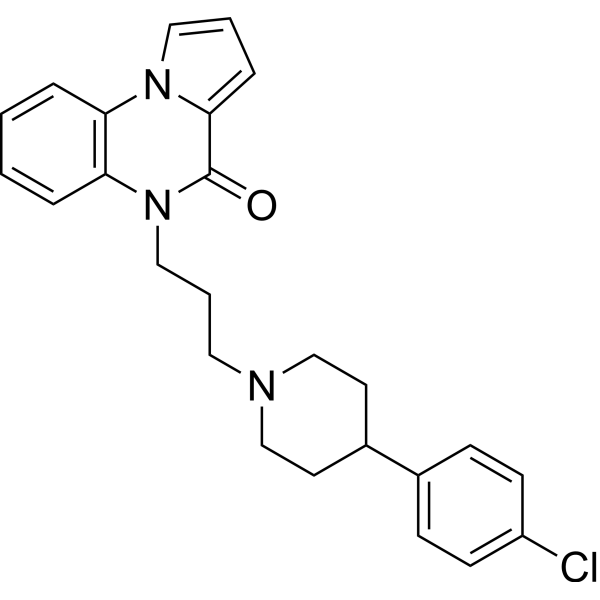
    JMS-17-2 is a potent and selective CX3CR1 antagonist with an IC50 of 0.32 nM. JMS-17-2 impairs metastatic seeding and colonization of breast cancer cells .
    JMS-17-2
  • HY-18569B

    IAA

    Endogenous Metabolite Infection
    3-Indoleacetic acid, suitable for plant cell culture (IAA), is a naturally occurring plant growth hormone that is widely present in plants, bacteria, and fungi. 3-Indoleacetic acid, suitable for plant cell culture, is a plant growth-promoting hormone that not only promotes plant growth but also protects bacteria from the toxic damage to cell membrane potential caused by other indole intermediate products (such as I3P) produced during their own metabolic processes. 3-Indoleacetic acid, suitable for plant cell culture, can be used in plant cell culture .
    3-Indoleacetic acid,suitable for plant cell culture
  • HY-N3018

    6-O-α-D-Glucopyranosyl-D-glucose; D-Isomaltose

    Endogenous Metabolite Parasite Infection Metabolic Disease
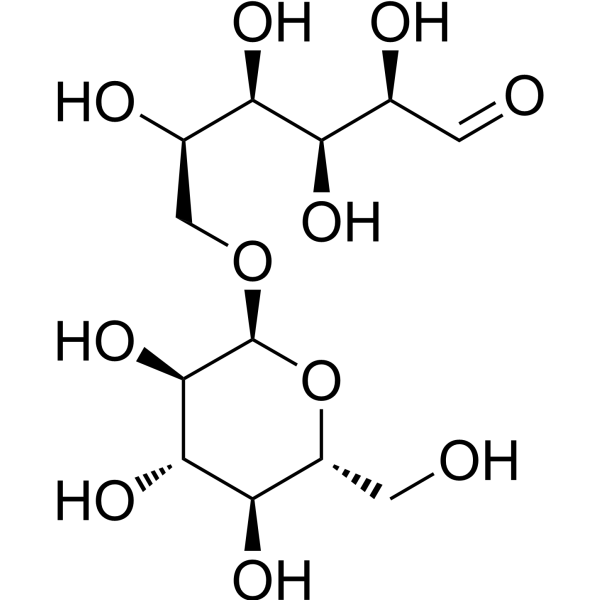
    Isomaltose (6-O-α-D-Glucopyranosyl-D-glucose) is a glucose disaccharide. Isomaltose induces G-CSF secretion via heat-induced oxidative polymerization of glucose groups into high-molecular-weight compounds. Isomaltose modulates cecal bacterial cluster structure in mice. Isomaltose exhibits low glycemic index, slow hydrolysis, and prebiotic properties. Isomaltose reduces in vivo Cryptosporidium parvum colonization in neonatal mice. Isomaltose can be used for the research of Cryptosporidium parvum infection .
    Isomaltose
  • HY-77641

    Endogenous Metabolite Metabolic Disease
    Cinnamoylglycine is a human urinary metabolite and PPG analog. Cinnamoylglycine is a conjugate of cinnamic acid and glycine. Cinnamoylglycine is used as a urine marker. Cinnamoylglycine can be used in adipogenic differentiation studies .
    Cinnamoylglycine
  • HY-N9497

    Galectin Fungal Infection
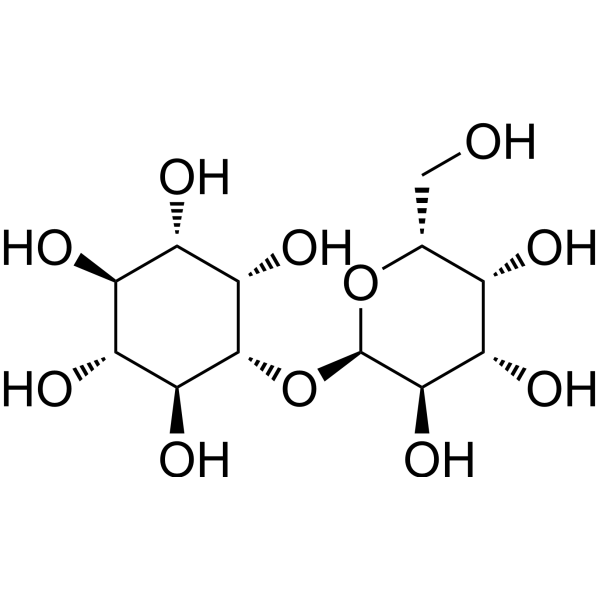
    Galactinol is a disaccharide carbohydrate serving as a galactosyl donor, which belongs to the raffinose family oligosaccharide pathway and acts as an important osmoprotectant. Galactinol not only induces disease resistance in plants against fungal and bacterial pathogens, but also significantly enhances plant tolerance to abiotic stresses such as drought, high salinity, low temperature and oxidative damage. In addition, Galactinol has the ability to scavenge hydroxyl radicals, can act as a signaling component for root colonization-induced systemic resistance, and is positively correlated with seed longevity in various crops, making it a potential biomarker for evaluating seed vigor. Therefore, Galactinol can be used in the research of various plant diseases including fungal leaf spot, bacterial angular leaf spot, gray mold and soft rot .
    Galactinol
  • HY-114169
    WRG-28
    2 Publications Verification

    Discoidin Domain Receptor Inflammation/Immunology Cancer
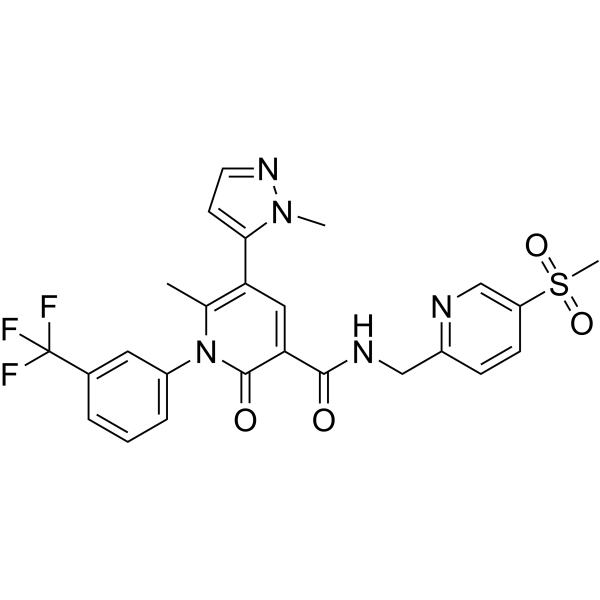
    WRG-28 is a selective, extracellularly acting DDR2 allosteric inhibitor, with an IC50 of 230 nM. WRG-28 inhibits tumor invasion, migration and tumor-supporting effects of cancer-associated fibroblasts (CAFs). WRG-28 inhibits metastatic breast tumor cell colonization in the lungs. WRG-28 also shows good activity of relieving rheumatoid arthritis in CAIA model of mice .
    WRG-28
  • HY-P0204A

    Endothelin 3 (Rat,Human) TFA

    Endothelin Receptor Integrin Neurological Disease
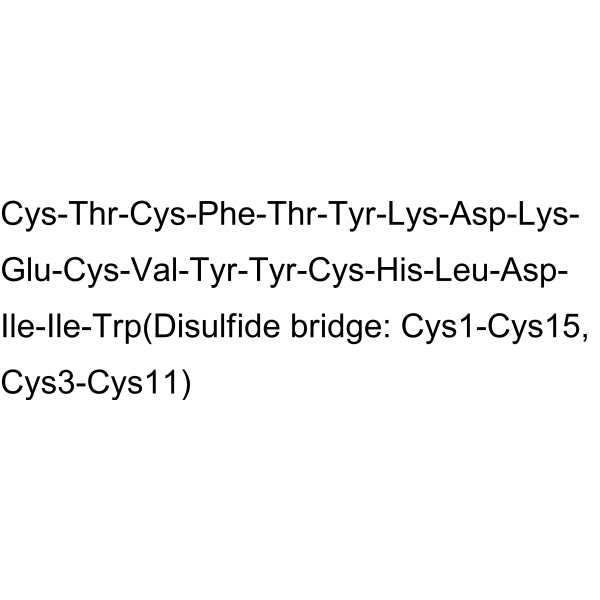
    Endothelin-3, human, mouse, rabbit, rat TFA (Endothelin 3 (Rat,Human) TFA) is an adhesion stimulant. Endothelin-3, human, mouse, rabbit, rat TFA stimulates the adhesion of enteric neural crest cells to various ECM components. Endothelin-3, human, mouse, rabbit, rat TFA plays an important role in the maintenance and self-renewal of intestinal progenitor cells, participates in the migration of enteric neural crest cells, and helps maintain a suitable environment for the colonization of enteric neural crest cells. Endothelin-3, human, mouse, rabbit, rat TFA acts synergistically with the β1-integrin signaling pathway during enteric nervous system development. Endothelin-3, human, mouse, rabbit, rat TFA can be used in studies related to distal aganglionosis .
    Endothelin-3, human, mouse, rabbit, rat TFA
  • HY-Y1885

    Biochemical Assay Reagents Bacterial SARS-CoV Infection
    Tetrasodium pyrophosphate is a water-soluble inorganic salt commonly used as a buffering agent, emulsifier, and sequestrant. Tetrasodium pyrophosphate is an antimicrobial agent that can reduce microbial colonization. Tetrasodium pyrophosphate blocks IPP translocation, enhances astaxanthin, phenol, flavonoid, and H2O2 levels, activates PAL and DPPH scavenging activity. Tetrasodium pyrophosphate can be used for the research of alleviating symptoms post COVID-19 .
    Tetrasodium pyrophosphate
  • HY-P2866

    Endogenous Metabolite Bacterial Infection Inflammation/Immunology
    β-N-Acetylhexosaminidase, Streptococcus pneumoniae is a cell surface virulence factor of Streptococcus pneumoniae, which contains two synergistically acting GH20 domains (with higher activity in GH20-2). β-N-Acetylhexosaminidase, Streptococcus pneumoniae specifically recognizes and hydrolyzes substrates with β(1,2) glycosidic bonds via Trp-443 and Tyr-482 residues. β-N-Acetylhexosaminidase, Streptococcus pneumoniae catalyzes the hydrolysis of β(1,2)-linked N-acetylglucosamine groups and related disaccharides, and promotes persistent colonization of bacteria in the airway by modifying host defense molecules and releasing monosaccharides for bacterial growth. β-N-Acetylhexosaminidase, Streptococcus pneumoniae can be used in studies related to Streptococcus pneumoniae infection, acute pneumonia, otitis media and meningitis .
    β-N-Acetylhexosaminidase, Streptococcus pneumoniae
  • HY-176497

    G297X

    Cytochrome P450 Metabolic Disease Cancer
    GW273297X is a selective CYP27A1 inhibitor. GW273297X blocks 27-hydroxycholesterol biosynthesis and sterol product formation in human macrophages. GW273297X reduces cancer cells colonization by inhibiting pro-metastatic effects of 27-hydroxycholesterol. GW273297X can be used for the researches of cancer and metabolic disease, such as breast cancer .
    GW273297X
  • HY-P10233A

    Bacterial Infection
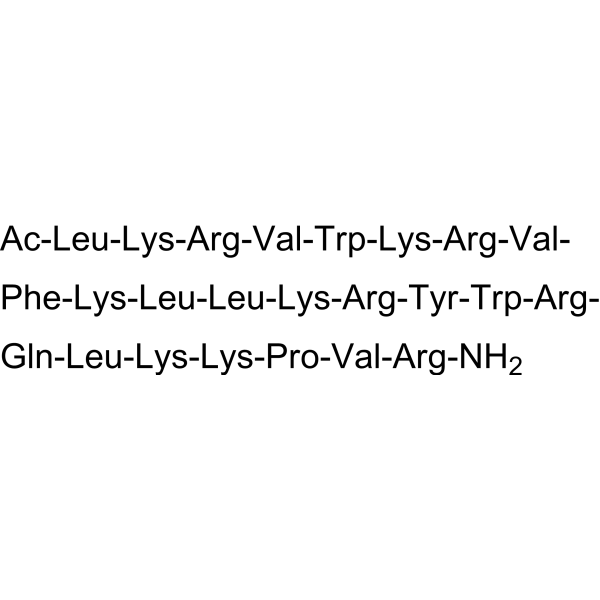
    SAAP 148 TFA is a synthetic antimicrobial peptide (bacteria) that interacts with and disrupts the lipid bilayer of bacterial cytoplasmic membranes, thereby inducing changes in membrane permeability and bacterial death. SAAP 148 TFA kills drug-resistant, multidrug-resistant and persister bacterial strains, inhibits biofilm formation, eliminates established biofilms, and blocks bacterial colonization on implant surfaces. SAAP 148 TFA retains its activity after modification or immobilization, exhibits variable cytotoxicity in different human cell models, and shows reduced efficacy in protein-rich environments. SAAP 148 TFA can be used in infection-related research .
    SAAP 148 TFA
  • HY-P0204
    Endothelin-3, human, mouse, rabbit, rat
    1 Publications Verification

    Endothelin 3 (Rat,Human)

    Endothelin Receptor Integrin Neurological Disease
    Endothelin-3, human, mouse, rabbit, rat (Endothelin 3 (Rat,Human)) is an adhesion stimulant. Endothelin-3, human, mouse, rabbit, rat stimulates the adhesion of enteric neural crest cells to various ECM components. Endothelin-3, human, mouse, rabbit, rat plays an important role in the maintenance and self-renewal of intestinal progenitor cells, participates in the migration of enteric neural crest cells, and helps maintain a suitable environment for the colonization of enteric neural crest cells. Endothelin-3, human, mouse, rabbit, rat acts synergistically with the β1-integrin signaling pathway during enteric nervous system development. Endothelin-3, human, mouse, rabbit, rat can be used in studies related to distal aganglionosis .
    Endothelin-3, human, mouse, rabbit, rat
  • HY-126899

    Microtubule/Tubulin Cancer
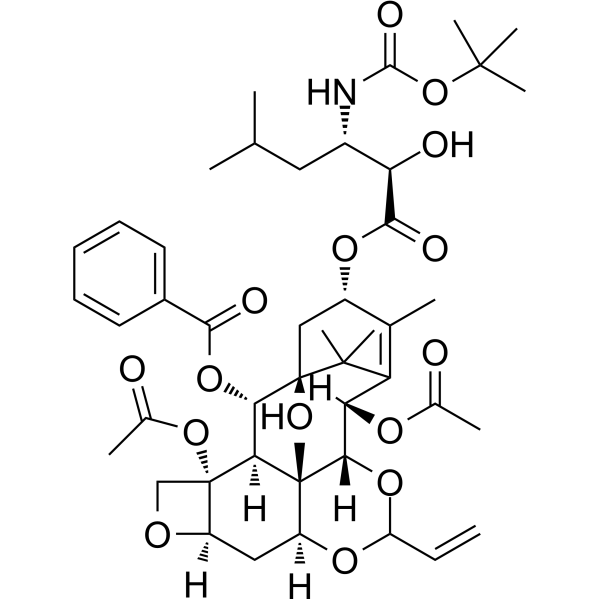
    TPI-287, a blood-brain barrier-permeable microtubule stabilizer, can significantly reduce metastatic colonization of breast cancer in the brain .
    TPI-287
  • HY-P990247

    E-Selectin Inflammation/Immunology Cancer
    Anti-Mouse E-selectin/CD62E Antibody (9A9) is an anti-mouse E-selectin/CD62E IgG2b monoclonal antibody. Anti-Mouse E-selectin/CD62E Antibody (9A9) has an inhibitory effect on cancer cell colonization. Anti-Mouse E-selectin/CD62E Antibody (9A9) can be used for researches on inflammation conditions and cancer such as acute microvascular inflammation and breast cancer .
    Anti-Mouse E-selectin/CD62E Antibody (9A9)
  • HY-N10311

    Fungal Infection
    Neosartoricin B is the secondary metabolite, which can be produced by Aspergillus nidulans. Neosartoricin B may regulate immunomodulatory effects with the host during infection and colonization by pathogenic fungi .
    Neosartoricin B
  • HY-P10233

    Bacterial Infection
    SAAP 148 is a synthetic antimicrobial peptide (bacteria) that interacts with and disrupts the lipid bilayer of bacterial cytoplasmic membranes, thereby inducing changes in membrane permeability and bacterial death. SAAP 148 kills drug-resistant, multidrug-resistant and persister bacterial strains, inhibits biofilm formation, eliminates established biofilms, and blocks bacterial colonization on implant surfaces. SAAP 148 retains its activity after modification or immobilization, exhibits variable cytotoxicity in different human cell models, and shows reduced efficacy in protein-rich environments. SAAP 148 can be used in infection-related research .
    SAAP 148
  • HY-135258

    Galectin Fungal Others
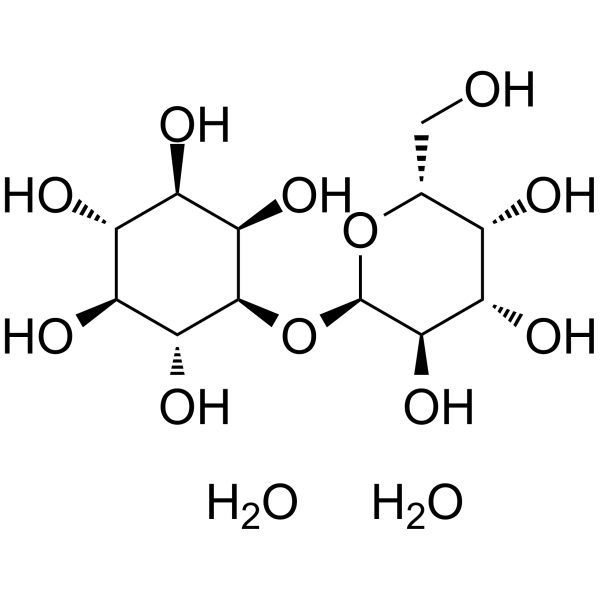
    Galactinol dihydrate is a disaccharide carbohydrate serving as a galactosyl donor, which belongs to the raffinose family oligosaccharide pathway and acts as an important osmoprotectant. Galactinol dihydrate not only induces disease resistance in plants against fungal and bacterial pathogens, but also significantly enhances plant tolerance to abiotic stresses such as drought, high salinity, low temperature and oxidative damage. In addition, Galactinol dihydrate has the ability to scavenge hydroxyl radicals, can act as a signaling component for root colonization-induced systemic resistance, and is positively correlated with seed longevity in various crops, making it a potential biomarker for evaluating seed vigor. Therefore, Galactinol dihydrate can be used in the research of various plant diseases including fungal leaf spot, bacterial angular leaf spot, gray mold and soft rot .
    Galactinol dihydrate
  • HY-77641S

    Isotope-Labeled Compounds Endogenous Metabolite Metabolic Disease
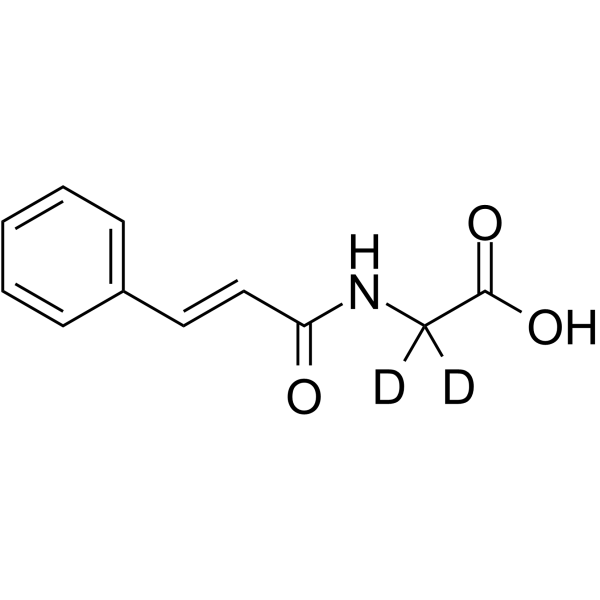
    Cinnamoylglycine-d2 is the deuterium labeled Cinnamoylglycine. Cinnamoylglycine is a glycine conjugate of cinnamic acid and a urinary metabolite in human. Cinnamoylglycine is used as a potential urinary biomarker indicating intact or disrupted colonization resistance during and after antibiotic treatment .
    Cinnamoylglycine-d2
  • HY-W436428

    Na+/K+ ATPase Bacterial Infection
    V-161 is the orally active inhibitor for Na +-V-ATPase with an IC50 of 144 nM. V-161 inhibits Enterococcus hirae and Vancomycin-resistant Enterococcus faecium (VRE) under alkaline condition with MIC of 4 µg/mL and 4 µg/mL. V-161 inhibits colonization of VRE in mouse small intestine .
    V-161
  • HY-P2858

    Glycosidase Metabolic Disease
    β-Mannosidase is a lysosomal exo‑acting enzyme. β-Mannosidase catalyzes hydrolysis of β‑1,4‑linked mannosides, non‑reducing terminal mannoses in N‑glycoproteins, and Man‑β‑1,4‑GlcNAc linkages to release mannose. β-Mannosidase contributes to glycoprotein catabolism and supports Bifidobacteria colonization via N‑glycan depolymerization. β-Mannosidase can be used for the research of β-mannosidosis and β-mannosidase deficiency .
    β-Mannosidase
  • HY-77641R

    Reference Standards Endogenous Metabolite Metabolic Disease
    Cinnamoylglycine (Standard) is the analytical standard of Cinnamoylglycine. This product is intended for research and analytical applications. Cinnamoylglycine is a glycine conjugate of cinnamic acid and a urinary metabolite in human. Cinnamoylglycine is used as a potential urinary biomarker indicating intact or disrupted colonization resistance during and after antibiotic treatment .
    Cinnamoylglycine (Standard)
  • HY-123918A

    CX3CR1 Endocrinology Cancer
    JMS-17-2 hydrochloride is a potent and selective CX3CR1 antagonist with an IC50 of 0.32 nM. JMS-17-2 hydrochloride impairs metastatic seeding and colonization of breast cancer cells .
    JMS-17-2 hydrochloride
  • HY-100279

    Antibiotic Infection Cancer
    RMI 10874 is a tilorone analogue. Tilorone is a small-molecule, orally bioavailable antiviral agent. RMI 10874 completely abolishes lung colonization of an H-2 negative (GR9.B9) MCA-induced fibrosarcoma clone.
    RMI 10874
  • HY-163509

    COX Apoptosis Cancer
    COX-2-IN-43 (Compound MYM4) is a COX-2 inhibitor (IC50: 0.983 and 0.247 μM for COX-1 and COX-2 respectively). COX-2-IN-43 inhibits cancer cell proliferation and colonization, induces apoptosis .
    COX-2-IN-43
  • HY-N6678S

    Isotope-Labeled Compounds Estrogen Receptor/ERR Endocrinology
    (Rac)-Zearalanone-d6 is the racemate of Zearalanone. Zearalenone is a nonsteroidal estrogenic mycotoxin produced by Fusarium species, which colonizes several grains. Zearalenone has low acute toxicity and carcinogenicity. Due to its agonistic effect on the estrogen receptor, Zearalenone exhibits distinct estrogenic and anabolic properties in several animal species, resulting in severe effects on the reproductive system .
    (Rac)-Zearalanone-d6
  • HY-N6678R

    Reference Standards Estrogen Receptor/ERR Endocrinology
    Zearalanone (Standard) is the analytical standard of Zearalanone. This product is intended for research and analytical applications. Zearalenone is a nonsteroidal estrogenic mycotoxin produced by Fusarium species, which colonizes several grains. Zearalenone has low acute toxicity and carcinogenicity. Due to its agonistic effect on the estrogen receptor, Zearalenone exhibits distinct estrogenic and anabolic properties in several animal species, resulting in severe effects on the reproductive system .
    Zearalanone (Standard)
  • HY-147722

    Carbonic Anhydrase Cancer
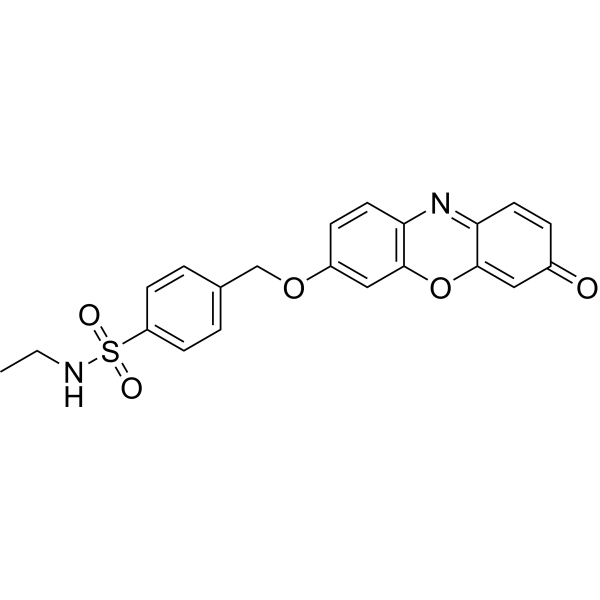
    hCAIX-IN-8 (compound 7i) is a potent and selective hCAIX inhibitor with IC50s of 1.99, 0.024, 1.10 μM for CAII, CAIX, CAVA respectively. hCAIX-IN-8 shows anti-proliferation activity with low toxicity. hCAIX-IN-8 decreases the epithelial to mesenchymal transitions and induces apoptosis. hCAIX-IN-8 inhibits cell migration and colonization potential .
    hCAIX-IN-8
  • HY-N3018R

    6-O-α-D-Glucopyranosyl-D-glucose (Standard); D-Isomaltose (Standard)

    Reference Standards Endogenous Metabolite Parasite Infection Metabolic Disease
    Isomaltose (Standard) is the analytical standard of Isomaltose (HY-N3018). This product is intended for research and analytical applications. Isomaltose induces G-CSF secretion via heat-induced oxidative polymerization of glucose groups into high-molecular-weight compounds. Isomaltose modulates cecal bacterial cluster structure in mice. Isomaltose exhibits low glycemic index, slow hydrolysis, and prebiotic properties. Isomaltose reduces in vivo Cryptosporidium parvum colonization in neonatal mice. Isomaltose can be used for the research of Cryptosporidium parvum infection .
    Isomaltose (Standard)
  • HY-N16429

    Endogenous Metabolite Others
    Neosartoricin D, a polyketide, is a microbial secondary metabolite. Neosartoricin D can be isolated from the cultural of Aspergillus nidulans. Neosartoricin D is an analog of Neosartoricin B (HY-N10311). Neosartoricin B is the secondary metabolite, which can be produced by Aspergillus nidulans. Neosartoricin B may regulate immunomodulatory effects with the host during infection and colonization by pathogenic fungi .
    Neosartoricin D
  • HY-N6678S1

    Isotope-Labeled Compounds Endocrinology
    Zearalanone- 13C18 is the 13C-labeled Zearalanone (HY-N6678). Zearalenone is a nonsteroidal estrogenic mycotoxin produced by Fusarium species, which colonizes several grains. Zearalenone has low acute toxicity and carcinogenicity. Due to its agonistic effect on the estrogen receptor, Zearalenone exhibits distinct estrogenic and anabolic properties in several animal species, resulting in severe effects on the reproductive system .
    Zearalanone-13C18
  • HY-183966

    Bacterial Fungal Infection
    Antibacterial agent 348 is an antimicrobial agent containing piperazine-isopropanolamine bifunctional groups. Antibacterial agent 348 suppresses virulence factor expression in plant pathogens. Antibacterial agent 348 compromises bacterial membrane integrity, leading to cytoplasmic leakage. Antibacterial agent 348 inhibits cellular proliferation of plant pathogens, diminishes colonization and infectivity of plant pathogens in host plants. Antibacterial agent 348 can be used for the research of rice bacterial leaf blight, pepper phytophthora blight .
    Antibacterial agent 348
  • HY-181019

    Microtubule/Tubulin Apoptosis Bcl-2 Family Caspase Neurological Disease Cancer
    iMPZ-8 is a β-tubulin polymerization inhibitor that inhibits β-tubulin protein expression, disrupts microtubule structure, impairs microtubule organization. iMPZ-8 inhibits proliferation and reduces cellular migration and colonization in cancer cells. iMPZ-8 induces G2/M phase arrestand induces apoptosis via the BAX-Caspase-3 intrinsic apoptotic signaling pathway. iMPZ-8 can be used for the research of cancer, suah as breast cancer, neuroblastoma and colon cancer .
    iMPZ-8
  • HY-182639

    Exosomes MAGL Interleukin Related VEGFR Cancer
    AM9928 is a monoacylglycerol lipase (MAGL) inhibitor with IC50 and Ki values of 8.9 nM and 7.3 nM, respectively. AM9928 blocks the adhesion and migration of triple-negative breast cancer (TNBC) cells, and inhibits the secretion of IL-6, IL-8 and VEGF-A by TNBC cells. AM9928 suppresses the activation of human brain microvascular endothelial cells (HBMECs) induced by TNBC-derived exosomes, and reduces the secretion of IL-8 and VEGF-A by HBMECs. AM9928 attenuates changes in blood-brain barrier permeability, inhibits tumor growth in the mammary fat pad, and reduces brain colonization of TNBC. AM9928 can be used in studies related to triple-negative breast cancer .
    AM9928
  • HY-N16818

    Herbicide Others
    9-epi-Blumenol C is a C13-norisoprenoid (carotenoid derivative) compound with allelopathic and antifungal activities, and can regulate plant growth. The IC50 values ??of 9-epi-Blumenol C for watercress roots and hypocotyls are 2780 μM and 2240 μM, respectively, and for perennial ryegrass roots and coleoptiles are 3290 μM and 2950 μM, respectively. 9-epi-Blumenol C exhibits allelopathic activity through a mechanism involving direct inhibition of plant growth and degradation of arbuscular mycorrhizal fungi (AMF) colonization, thereby weakening nutrient uptake and stress resistance in neighboring plants. 9-epi-Blumenol C can be used in herbicide development and research related to plant competition mechanisms. 9-epi-Blumenol C can be obtained from the dried fallen leaves of Metasequoia glyptostroboides (a plant of the cypress family, genus Metasequoia) through extraction with 70% methanol and purification by ethyl acetate extraction .
    9-epi-Blumenol C

Inquiry Online

Your information is safe with us. * Required Fields.

Salutation


Country or Region *

Applicant Name *


Organization Name *

Department *


Email Address *


Product Name *

Cat. No.


Requested quantity *

Phone Number *


Remarks

Inquiry Online

Inquiry Information

Product Name:
Cat. No.:
Quantity:
MCE Japan Authorized Agent:

