From 11:00 pm to 12:00 pm EST ( 8:00 pm to 9:00 pm PST ) on January 6th, the website will be under maintenance. We are sorry for the inconvenience. Please arrange your schedule properly.
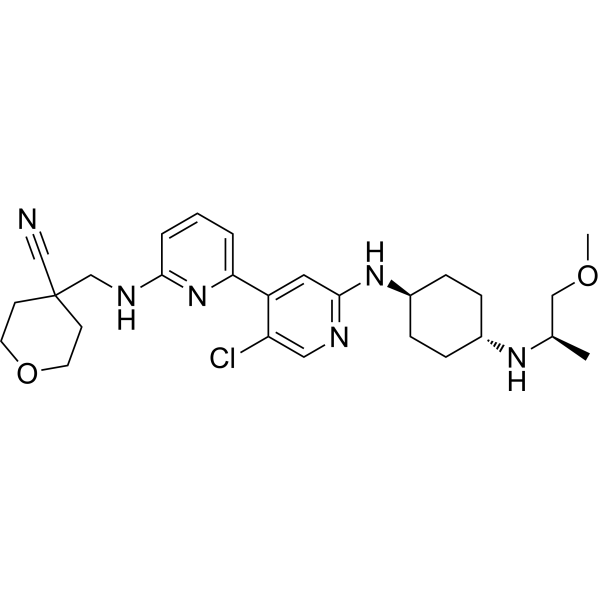
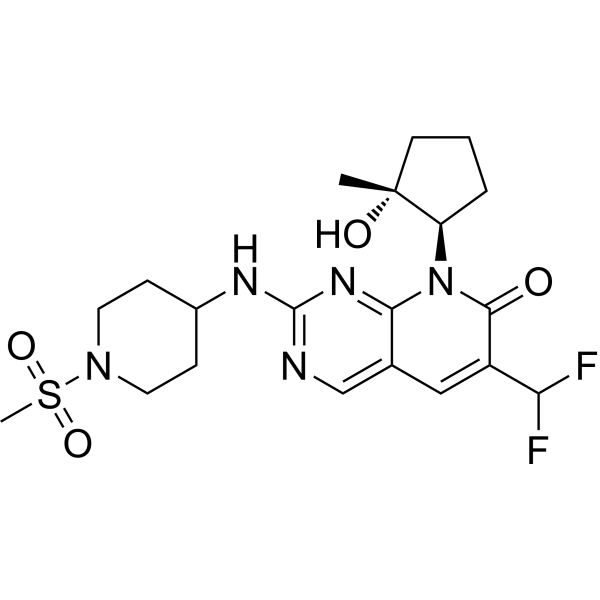
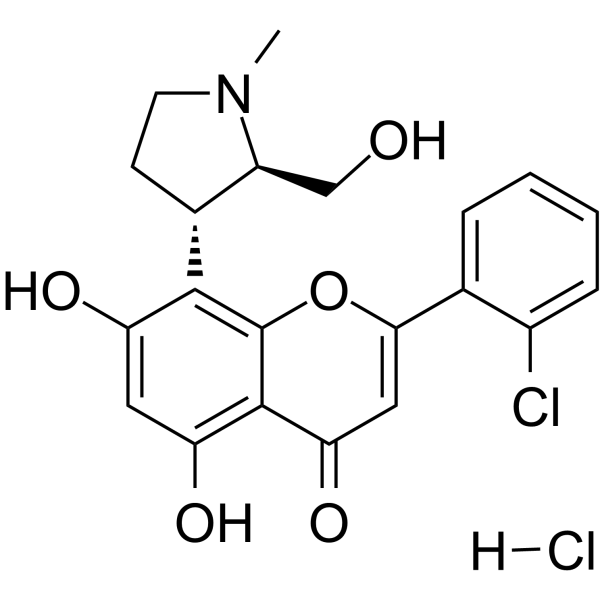
PF-06873600 is a selective and orally bioavailable inhibitor of cyclin-dependent kinase (CDK), with Ki values of 0.09 nM, 0.13 nM and 0.16 nM for CDK2, CDK4 and CDK6, respectively. PF-06873600 has potential antineoplastic activity .
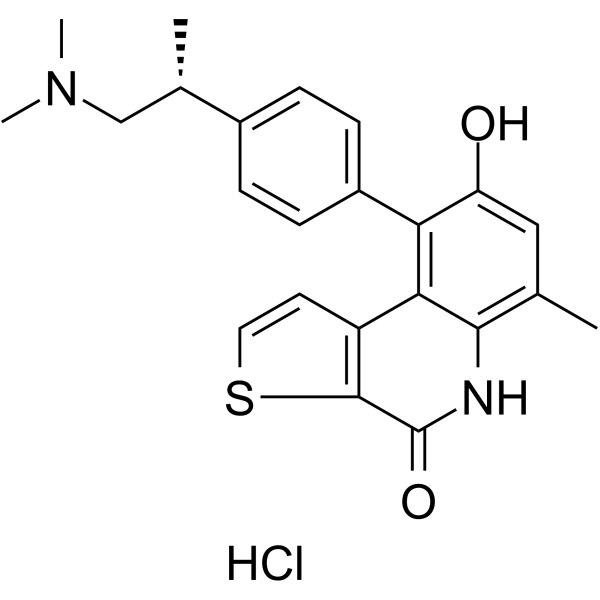
OTS964 hydrochloride is an orally active, high affinity and selective TOPK (T-lymphokine-activated killer cell-originated protein kinase) inhibitor with an IC50 of 28 nM . OTS964 hydrochloride is also a potent inhibitor of the cyclin-dependent kinase CDK11, which binds to CDK11B with a Kd of 40 nM .
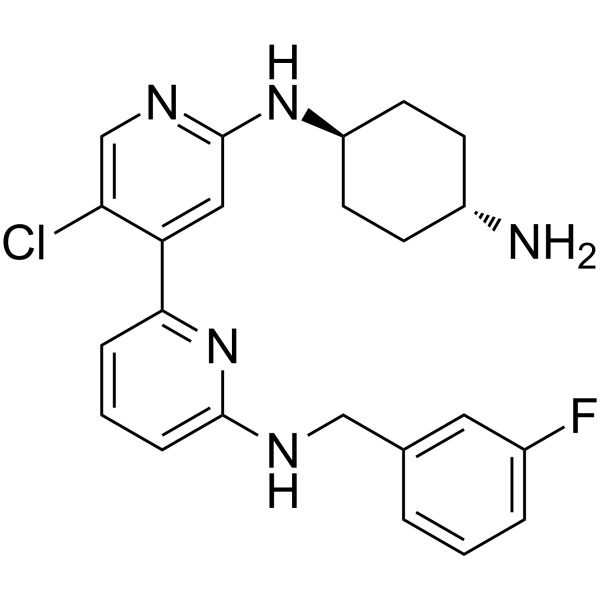
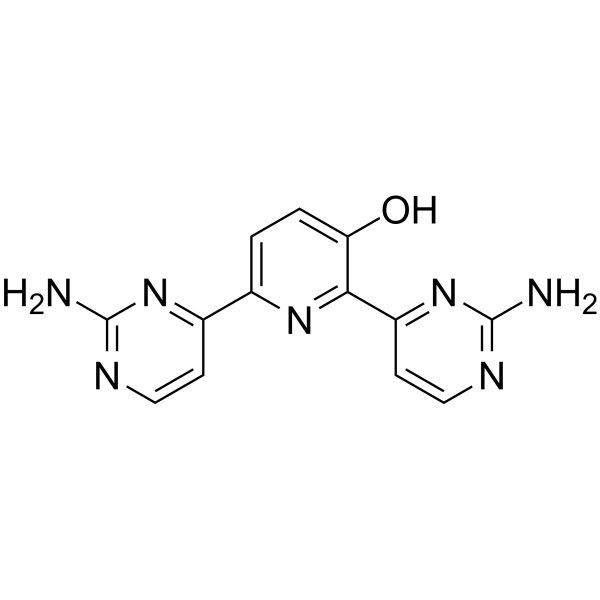
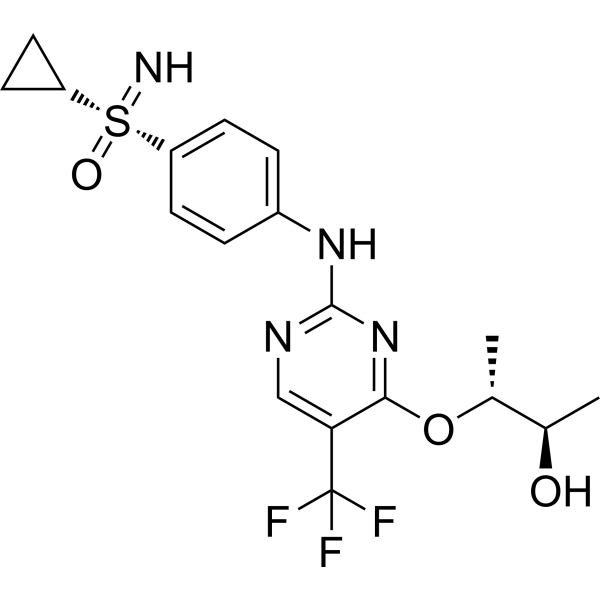
AS2863619 enables conversion of antigen-specific effector/memory T cells into Foxp3 + regulatory T (Treg) cells for the treatment of various immunological diseases. AS2863619 is a potent, orally active cyclin-dependent kinase 8 (CDK8) and CDK19 inhibitor with IC50s of 0.61 nM and 4.28 nM, respectively. STAT5 activation enhanced by AS2863619 inhibition of CDK8/19, which consequently activates the Foxp3 gene .
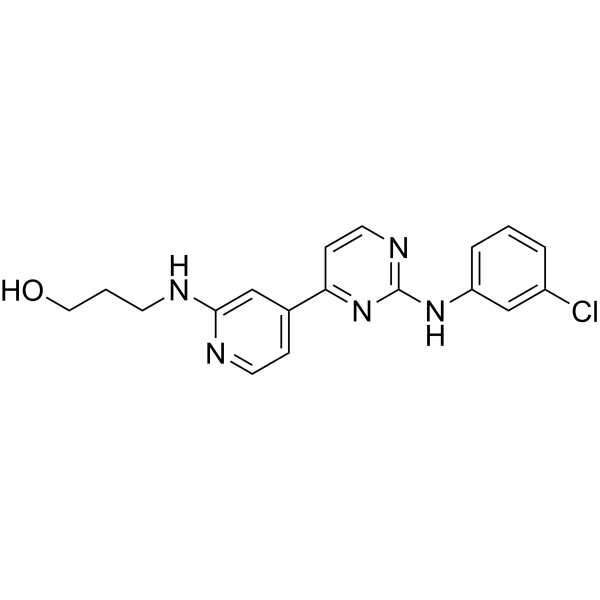
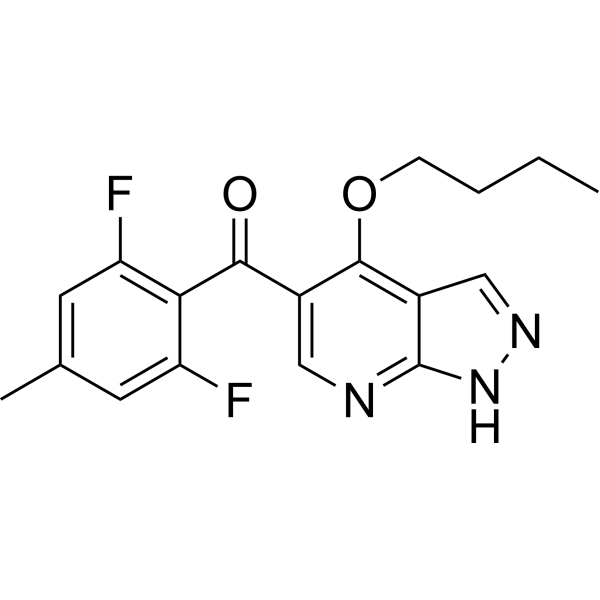
BMS-265246 is a potent and selective cyclin-dependent kinaseCDK1 and CDK2 inhibitor, with IC50 values of 6 and 9 nM, respectively. BMS-265246 inhibits CHI3L1 (chitinase 3-like-1) stimulation of ACE2 (angiotensin converting enzyme 2) and SPP (viral spike protein priming proteases). BMS-265246 can be used for ovarian cancer and COVID-19 research .
Avotaciclib (BEY1107) is an orally active cyclin-dependent kinase 1 (CDK1) inhibitor. Avotaciclib can inhibit the proliferation and induce apoptosis of tumor cells. Avotaciclib can be used in the research of cancer such as pancreatic cancer and lung cancer .
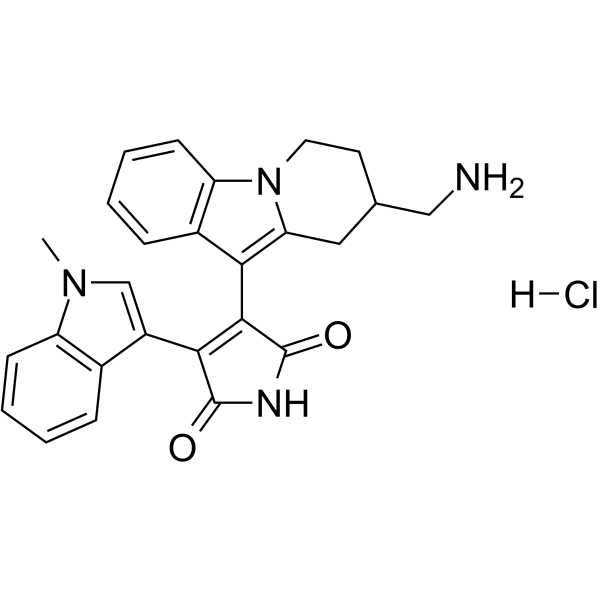
Bisindolylmaleimide X hydrochloride(Ro 31-8425 hydrochloride, BIM-X hydrochloride) is a cell-penetrating PKC inhibitor. Bisindolylmaleimide X hydrochloride is a potent cyclin-dependent kinase 2 (CDK2) antagonist with an IC50 of 200 nM. Bisindolylmaleimide X hydrochloride inhibits the proliferation of CD4 T cells in vitro. Bisindolylmaleimide X hydrochloride inhibits eNOS-Ser1177 phosphorylation in human embryonic vein endothelial cells. Bisindolylmaleimide X hydrochloride can be used for research on the immune system and cardiovascular diseases .
GW8510 is a potent cyclin-dependent kinase-2 (CDK2) inhibitor. GW8510 is also a ribonucleotide reductase M2 (RRM2) inhibitor. GW8510 exhibits neuroprotective and anticancer activities .
Riviciclib hydrochloride (P276-00) is a potent cyclin-dependent kinase (CDK) inhibitor, which inhibits CDK9-cyclinT1, CDK4-cyclin D1, and CDK1-cyclinB with IC50s of 20 nM, 63 nM, and 79 nM, respectively .
Riviciclib hydrochloride (P276-00) shows antitumor activity on cisplatin-resistant cells .
NSC 107512 is a potent inhibitor of cyclin-dependent kinase 9 (CDK9). NSC 107512 is a class of sangivamycin-like molecules (SLM). NSC 107512 inhibits growth and induces apoptosis of multiple myeloma tumors .
CGP-74514 (Compound 13) is a highly selective cyclin-dependent kinase 1 (CDK1) inhibitor (IC50=25 nM). CGP-74514 inhibits CDK1/cyclin B complex activity, arrests the cell cycle at G2/M phase and induces tumor cell apoptosis. CGP-74514 is promising for research of bladder cancer .
CDK4-IN-3 (Compound 389) is a potent irreversible cyclin-dependent kinase 4 (CDK4) inhibitor (IC50=25 nM, >10-fold selective over CDK6). CDK4-IN-3 arrests the cell cycle at G₁ phase, and induces tumor cell apoptosis. CDK4-IN-3 is promising for research of solid tumors such as breast and lung cancers .
AS2863619 free base enables conversion of antigen-specific effector/memory T cells into Foxp3 + regulatory T (Treg) cells for the treatment of various immunological diseases. AS2863619 free base is a potent, orally active cyclin-dependent kinase 8 (CDK8) and CDK19 inhibitor with IC50s of 0.61 nM and 4.28 nM, respectively. STAT5 activation enhanced by AS2863619 free base inhibition of CDK8/19, which consequently activates the Foxp3 gene .
CDK7-IN-4 (compound I) is a potent CDK7 (Cyclin-dependent kinase 7) inhibitor. CDK7-IN-4 shows anticancer activity. CDK7-IN-4 inhibits the in vitro growth of cancer cell lines from a variety of histologies including colon , breast , lung , ovary and stomach , in a dose dependent manner .
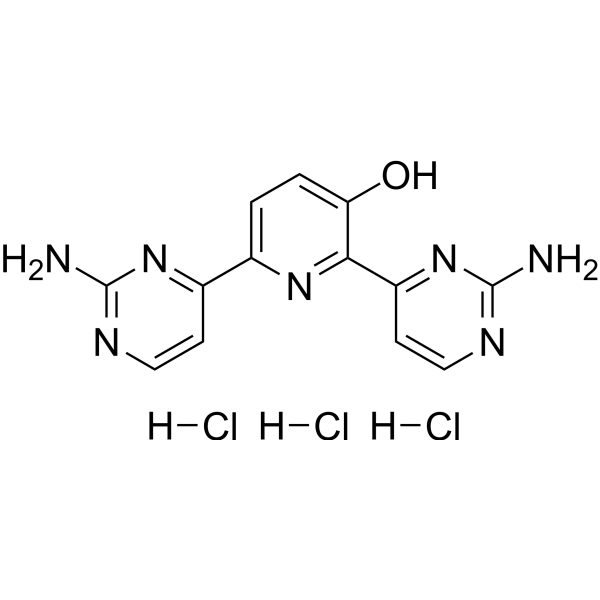
Avotaciclib (BEY1107) trihydrochloride is an orally active cyclin-dependent kinase 1 (CDK1) inhibitor. Avotaciclib trihydrochloride can inhibit the proliferation and induce apoptosis of tumor cells. Avotaciclib trihydrochloride can be used in the research of cancer such as pancreatic cancer and lung cancer .
CDK9-IN-2 is a special cyclin-dependent kinase 9 (CDK9) inhibitor, extracted from patent WO/2012131594A1, compound CDKI(8), has an IC50 of 5 nM and 7 nM in H929 multiple myeloma(MM) cell line (72 hours) and A2058 skin cell line (72 hours), respectively.
1-Stearoyl-2-Adrenoyl-sn-glycero-3-PC (PC(18:0/22:4)) is an inhibitor of cyclin-dependent kinases (CDKs). 1-Stearoyl-2-Adrenoyl-sn-glycero-3-PC induces apoptosis and inhibits the growth of various cancer cell lines .
Vanicoside B is a phenylpropanoyl sucrose derivative, can be isolated from the herb Persicaria dissitiflora. Vanicoside B targets cyclin-dependent kinase 8 (CDK8) and exhibits anti-tumor activity. The potential mechanism is Vanicoside B blocks CDK8-mediated signaling pathways and decreases the expression of epithelial-mesenchymal transition proteins, so that it leads to cell cycle arrest and apoptosis .
MFH290 is a potent and highly selective cyclin-dependent kinase 12/13 (CDK12/13) covalent inhibitor. MFH290 forms a covalent bond with Cys-1039 of CDK12 and exhibits excellent kinome selectivity and inhibits the phosphorylation of serine-2 in the C-terminal domain (CTD) of RNA-polymerase II (Pol II). MFH290 is used for cancer research .
CDK4/6-IN-12 is a potent cyclin-dependent kinase 4/6 (CDK4/6) inhibitor. CDK4/6-IN-12 has enzymatic inhibitory activity for CDK4 and CDK6 with IC50 of 592.3 nM and 3090 nM, respectively. CDK4/6-IN-12 can be used for the research of cancer .
Metralindole hydrochloride is an inhibitor of human cyclin-dependent kinase CDK2 and human protein kinase CK2 holoenzyme. Metralindole hydrochloride shows good potential as a non-small cell lung cancer inhibitor .
OTS964 is an orally active, high affinity and selective TOPK inhibitor with an IC50 of 28 nM . OTS964 is also a potent inhibitor of the cyclin-dependent kinase CDK11, which binds to CDK11B with a Kd of 40 nM .
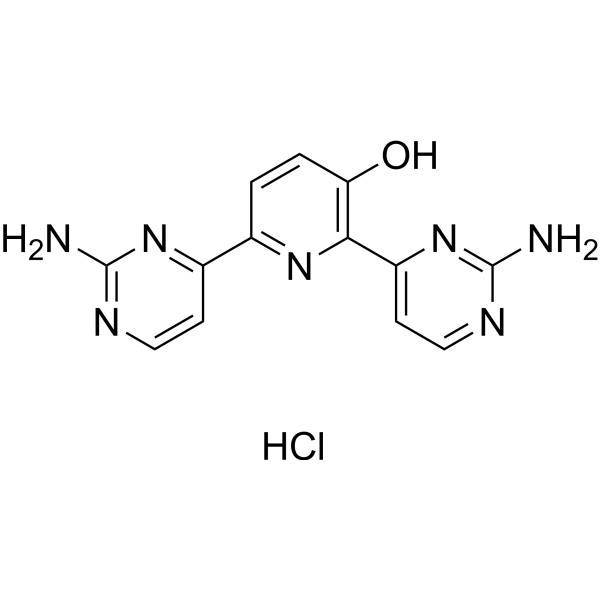
Avotaciclib (BEY1107) hydrochloride is an orally active cyclin-dependent kinase 1 (CDK1) inhibitor. Avotaciclib hydrochloride can inhibit the proliferation and induce apoptosis of tumor cells. Avotaciclib hydrochloride can be used in the research of cancer such as pancreatic cancer and lung cancer .
PPA-037 TFA is an orally active, highly potent and selective inhibitor of cyclin-dependent kinase 12 (CDK12). PPA-037 TFA induces the degradation of cyclin K (Cyclin K), enhancing antiproliferative effects on tumor cells. PPA-037 TFA is promising for research of cancers .
Ulecaciclib is an orally activitive inhibitor of cyclin-dependent kinase (CDK), with Ki values of 0.62 μM (CDK2/Cyclin A), 0.2 nM (CDK4/Cyclin D1), 3 nM (CDK6/Cyclin D3), and 0.63 μM (CDK7/Cyclin H), respectively. Ulecaciclib can cross blood brain barrier and has good pharmacokinetic characteristics .
CDK8/19-IN-2 (compound 12) is an orally active and potent cyclin-dependent kinase 8/19 (CDK8 and CDK19) inhibitor, with IC50 values of 2.08 and 2.49 nM, respectively. CDK8/19-IN-2 can be used for acute myeloid leukemia (AML), breast cancer, and lymphoma research .
CGP-74514 hydrochloride is a highly selective cyclin-dependent kinase 1 (CDK1) inhibitor (IC50: 25 nM). CGP-74514 hydrochloride inhibits CDK1/cyclin B complex activity, arrests the cell cycle at G2/M phase and induces tumor cell apoptosis. CGP-74514 hydrochloride is promising for research of bladder cancer .
Riviciclib (P276-00 free base) is a potent cyclin-dependent kinase (CDK) inhibitor, which inhibits CDK9-cyclinT1, CDK4-cyclin D1, and CDK1-cyclinB with IC50s of 20 nM, 63 nM, and 79 nM, respectively .
Riviciclib shows antitumor activity on cisplatin-resistant cells .
CDK1 is a cyclin-dependent kinase that functions as a serine/threonine protein kinase, and is a key player in cell cycle regulation. CDK1/CycB1 Recombinant Human Active Protein Kinase is an ortholog of CDK1. CDK1/cyclin B1 complexes initiates mitotic entry by phosphorylating a multitude of proteins to condense chromosomes, disrupt the nuclear envelope, and enable microtubules polymerization to attach and to segregate the chromosomes .
XC219 (compound 43) is a cyclin-dependent kinase CDK) inhibitor, that covalently binds to CDK active site Lys. XC219 can be used in antifungal research .
CDK2 is a cyclin-dependent kinase involved in the control of the cell cycle. CDK2/CycE1 Recombinant Human Active Protein Kinase is an ortholog of CDK2 .
CDK12 R722C/CycK Recombinant Human Active Protein Kinase is a cyclin-dependent kinase and regulates the expression of genes involved in DNA repair and is required for the maintenance of genomic stability .
CDK7-IN-1, an analog of YKL-5-124, is a cyclin-dependent kinase 7 (cdk7) inhibitor, with an IC50 of less than 100 nM, extracted from patent WO 2016105528 A2, Compound 215 .
CDK12/CycK Recombinant Human Active Protein Kinase is a cyclin-dependent kinase that phosphorylates the C-terminal domain (CTD) of RNA polymerase II (Pol II), thereby regulating different phases of the transcription cycle from transcription initiation to elongation and termination .
PPA-037 is an orally active, highly potent and selective inhibitor of cyclin-dependent kinase 12 (CDK12). PPA-037 induces the degradation of cyclin K (Cyclin K), enhancing antiproliferative effects on tumor cells. PPA-037 is promising for research of cancers .
PROTAC CDK2 Degrader-1 (Compound 41) is a PROTAC degrader for cyclin-dependent kinase 2 (CDK2). PROTAC CDK2 Degrader-1 inhibits the phosphorylation of RB protein in CDK2 dependent cell line OVCAR3 with an IC50 of 100-500 nM .
Akt1&PKA-IN-1 is a potent dual Akt/PKA inhibitor with IC50 values of 0.03 , 0.11 μM, and 9.8 μM for PKAa, Akt, and CDK2, respectively. Akt1&PKA-IN-1 is selective for cyclin-dependent kinase 2 (CDK2) .
CDK9-IN-39 (1-7a-B1) is an orally active cyclin-dependent kinase 9 (CDK9) inhibitor with an IC50 of 6.51 nM. CDK9-IN-39 induces cell apoptosis by inhibiting the phosphorylation of RNA polymerase II at Ser2 and can be used for study of colorectal cancer .
CGP-74514 dihydrochloride is a highly selective cyclin-dependent kinase 1 (CDK1) inhibitor (IC50=25 nM). CGP-74514 dihydrochloride inhibits CDK1/cyclin B complex activity, arrests the cell cycle at G2/M phase and induces tumor cell apoptosis. CGP-74514 dihydrochloride is promising for research of bladder cancer .
CDK20 is a major controller of cell cycle checkpoints, which regulate cell growth and proliferation and perform a role in the development of many malignancies. CDK20 is thought to have Cyclin-dependent activating kinase (CAK) activity for CDK2 when it is complexed with Cyclin H. CDK20/CycH Recombinant Human Active Protein Kinase can be used to study the function of CDK20/CycH .
CDK7-IN-6 is a potent and selective cyclin-dependent kinase (CDK7) inhibitor (IC50≤100 nM), extracted from patent WO2019197549 A1, compound 210. CDK7-IN-6 is > 200-fold selective for CDK7 over CDK1, CDK2, and CDK5. CDK7-IN-6 can be used for the research of cancer .
Indirubin-5-sulfonate is a cyclin-dependent kinase (CDK) inhibitor, with IC50 values of 55 nM, 35 nM, 150 nM, 300 nM and 65 nM for CDK1/cyclin B, CDK2/cyclin A, CDK2/cyclin E, CDK4/cyclin D1, and CDK5/p35, respectively . Indirubin-5-sulfonate also shows inhibitory activity against GSK-3β .
H1k, a Eudistomin Y derivative, is a lysosome-targeted antiproliferation agent. H1k increases the autophagy signal and downregulate the expression of cyclin-dependent kinase (CDK1) and cyclin B1. H1k can be used in research of cancer .
Cdc2 kinase substrate is a biological active peptide. (The native peptide HATPPKKKRK is a substrate for cyclin-dependent protein kinase 1 (CDC2; CDK1).)
CDK7/CycH/MAT1 Recombinant Human Active Protein Kinase acts as a cyclin-dependent kinase activating kinase. CDK7 exists in several forms including a core tri-partite CDK7/CycH/MAT1 complex known as CAK (cyclin-dependent kinase activating kinase), as a component in the general transcription factor TFIIH and as a component of larger complexes containing pol II and other transcription factors .
SNX7 is a Cyclin-Dependent Kinase Inhibitor (CDKI) pathway inhibitor. SNX7 can be used for research of senescence-related and other CDKI-related diseases .
CDKI-IN-1 (Compound SNX12) is a cyclin-dependent kinase inhibitor (CDKI) inhibitor that can be used for research into degenerative diseases of the central nervous system .
CDK10/CycQ Recombinant Human Active Protein Kinase is a cyclin-dependent kinase, which is important for neural development and can act as a tumour suppressor .
CDK2 is a cyclin-dependent kinase involved in the control of the cell cycle. CDK2/CycO Recombinant Human Active Protein Kinase is an ortholog of CDK2 .
CAIX/CDK-2-IN-1 is a dual-acting inhibitor of carbonic anhydrase IX (CA IX) and cyclin-dependent kinase-2 (CDK-2) with IC50 values of 0.29 μM and 0.32 μM. The zein nanoparticls of CAIX/CDK-2-IN-1 can induce cancer cells apoptosis. CAIX/CDK-2-IN-1 can be used for the research of cancer, such as lung cancer .
CDK2 is a cyclin-dependent kinase involved in the control of the cell cycle. CDK2/CycE2 Recombinant Human Active Protein Kinase is an ortholog of CDK2 .
CDK2 is a cyclin-dependent kinase involved in the control of the cell cycle. CDK2/CycD1 Recombinant Human Active Protein Kinase is an ortholog of CDK2 .
Metralindole is an inhibitor of human cyclin-dependent kinase CDK2 and human protein kinase CK2 holoenzyme. Metralindole shows good potential as a non-small cell lung cancer inhibitor .
CDK2 is a cyclin-dependent kinase involved in the control of the cell cycle. CDK2/CycA1 Recombinant Human Active Protein Kinase is an ortholog of CDK2 .
CDK2 is a cyclin-dependent kinase involved in the control of the cell cycle. CDK2/CycA2 Recombinant Human Active Protein Kinase is an ortholog of CDK2 .
Aloisine B (compound 9) is a cyclin-dependent kinase (CDK) inhibitor. Aloisine B inhibits cell proliferation by arresting cells in both G1 and G2 via competing with ATP-binding pocket .
CDK1 is a cyclin-dependent kinase that functions as a serine/threonine protein kinase, and is a key player in cell cycle regulation. CDK1/CycO Recombinant Human Active Protein Kinase is an ortholog of CDK1 .
CDK8-IN-10 (compound 2) is a potent, selective cyclin-dependent kinase (CDK8) inhibitor with an IC50 value of 8.25 nM. CDK8-IN-10 can be used for research of cancer .
CDK7-IN-31 (compound 13) is a potent and orally active cyclin-dependent kinase 7 (CDK7) inhibitor with a Kd value of 0.18 nM. CDK7-IN-31 shows anticancer activity .
CDK1 is a cyclin-dependent kinase that functions as a serine/threonine protein kinase, and is a key player in cell cycle regulation. CDK1/CycE2 Recombinant Human Active Protein Kinase is an ortholog of CDK1 .
CDK1 is a cyclin-dependent kinase that functions as a serine/threonine protein kinase, and is a key player in cell cycle regulation. CDK1/CycA1 Recombinant Human Active Protein Kinase is an ortholog of CDK1 .
CDK7-IN-27 (Compound 37) is a selective inhibitor for cyclin-dependent kinase 7 (CDK7), with Ki of 3 nM. CDK7-IN-27 arrests the cell cycle at G0/G1 phase .
HZ1 is an orally active first-in-class cyclin-dependent kinase like 3 (CDKL3)-specific inhibitor. HZ1 shows a strong tumor-suppressing effect, and has the potential to overcome the resistance of CDK4/6 inhibitor .
Avotaciclib (BEY1107) sulfate is an orally active cyclin-dependent kinase 1 (CDK1) inhibitor. Avotaciclib sulfate can inhibit the proliferation and induce apoptosis of tumor cells. Avotaciclib sulfate can be used in the research of cancer such as pancreatic cancer and lung cancer .
3-Methylthienyl-carbonyl-JNJ-7706621 is a potent and selective inhibitor of cyclin-dependent kinase (CDK), with IC50s of 6.4 nM and 2 nM for CDK1/cyclin B and CDK2/cyclin A, respectively. 3-Methylthienyl-carbonyl-JNJ-7706621 also shows potent inhibition of GSK-3 (IC50=0.041 μM) and modest potency against CDK4, VEGF-R2, and FGF-R2 (IC50=0.11, 0.13, 0.22 μM, respectively). 3-Methylthienyl-carbonyl-JNJ-7706621 can be used for the research of cancer .
3-ATA (NSC 680434) is a selective inhibitor of cyclin-dependent kinase 4 (CDK4) with neuroprotective and antitumor effects. 3-ATA can alleviate kainic acid (HY-N2309)-induced apoptosis in cerebellar granule neurons, which can be used in the study of neurodegenerative diseases .
SKLB70326 is a small molecule inhibitor of cell cycle progression that induces cell cycle arrest and apoptosis in human hepatocellular carcinoma cells. SKLB70326 is involved in downregulating cyclin-dependent kinase (CDK) 2, CDK4, and CDK6, while also activating PARP, caspase-3, caspase-9, and Bax, and downregulating Bcl-2.
(Rac)-Roscovitine ((Rac)-Seliciclib) is a selective cyclin-dependent kinases (CDKs) inhibitor. (Rac)-Roscovitine binds to the active sites of CDKs competitively with ATP, inhibiting the phosphorylation activity of CDKs. (Rac)-Roscovitine induces apoptosis in cancer cells. (Rac)-Roscovitine is promising for research of cancers or other diseases associated with CDK dysregulation, such as neurodegenerative diseases, cardiac disorders, viral and protozoan infections, glomerulonephritis, and chronic inflammation .
CDK20 is a major controller of cell cycle checkpoints, which regulate cell growth and proliferation and perform a role in the development of many malignancies. CDK20 is thought to have Cyclin-dependent activating kinase (CAK) activity for CDK2 when it is complexed with Cyclin H. CDK20/CycT1 Recombinant Human Active Protein Kinase is an ortholog of CDK20 .
Milciclib (PHA-848125) maleate is a cyclin-dependent kinase inhibitor that impairs melanoma cell growth and modulates gene expression involved in cell cycle regulation. Milciclib maleate has been shown to significantly affect the expression of various genes, including down-regulating PTTG1, contributing to its antiproliferative activity. Milciclib maleate enhances sensitivity to treatment in p53 mutated melanoma cells when combined with PTTG1 silencing.
CDK2-IN-44 (Compound 46) is an inhibitor of cyclin-dependent kinase 2 (CDK2). CDK2-IN-44 can effectively inhibit the proliferation of cancer cells and exert its activity in inhibiting cancer cell growth by arresting the cell cycle, promoting Apoptosis, and inducing cellular senescence. CDK2-IN-44 holds promise for use in the research of ovarian cancer and breast cancer .
Zotiraciclib hydrochloride is a novel small molecule multi-target enzyme inhibitor with activity in inhibiting tumor growth. Zotiraciclib hydrochloride exerts its anti-tumor effect by reducing the level of Myc through inhibiting cyclin-dependent kinase 9 (CDK9). Zotiraciclib hydrochloride may be useful for inhibiting cancers that cross the blood-brain barrier. The high protein level of MCL-1 of Zotiraciclib hydrochloride is associated with survival, suggesting that it may serve as a prognostic factor and inhibitory target in further studies .
Anticancer agent 199 (Compound G-4) induces apoptosis in triple negative breast cancer (TNBC) cells via the mitochondrial pathway through inhibiting EGFR, AKT and MAPK pathways. Anticancer agent 199 also induces Ferroptosis by down-regulating LCN2. Anticancer agent 199 inhibits TNBC cell viability and migration, and induces S phase cell cycle arrest. Anticancer agent 199 is a derivate of cyclin-dependent kinase inhibitor Rocovitine .
FLT3/CDKs ligand-1 (Compound 14) is a ligand for target protein, which promotes the degradation of cyclin-dependent kinase (CDK) and the FMS-like tyrosine kinase 3 (FLT3), inhibits FLT3/CDK related proliferations and survivals of leukemia cells. LT3/CDKs ligand-1 can be used for synthesis of PROTAC FLT3/CDKs degrader-1 (HY-161708) .
CDK8-IN-6 (compound 9) is a potent cyclin-dependent kinase 8 (CDK8) inhibitor with an Kd of 13 nM. CDK8-IN-6 shows cytotoxicity for MOLM-13, OCI-AML3, MV4-11, NRK and H9c2 cells with IC50s of 11.2, 7.5, 8.6, 20.5, 12.5-25 µM, respectively. CDK8-IN-6 has the potential for the research of AML-cancer .
P-gp/CDK2-IN-1 (Compound 4j) is an inhibitor for is inhibitor for P-glycoprotein (P-gp) and for cyclin-dependent kinase-2 (CDK2). P-gp/CDK2-IN-1 inhibits the proliferation of cancer cells SW-480 and MCF-7 wit IC50 of 38.6 μM and 26.6 μM. P-gp/CDK2-IN-1 exhibits antioxidant efficacy with EC50 of 580 μM in DPPH experiment .
CDK/HDAC-IN-4 is a high selective dual cyclin-dependent kinase (CDK)/histone deacetylase (HDAC) inhibitor with IC50 values of 88.4 and 168.9 nM, respectively. CDK/HDAC-IN-4 exhibits antiproliferative capacities against hematological and solid tumor cells. CDK/HDAC-IN-4 also induces MV-4-11 cell Apoptosis and S cell cycle arrests. CDK/HDAC-IN-4 possesses a significant antitumor potency in the MV-4-11 xenograft model .
CDK1 is a cyclin-dependent kinase that functions as a serine/threonine protein kinase, and is a key player in cell cycle regulation. CDK4/CycD2 Recombinant Human Active Protein Kinase is an ortholog of CDK1 .
Methoxyfenoterol is a β2-adrenergic receptor agonist. Methoxyfenoterol stimulates intracellular cAMP accumulation, inhibits tumor cell proliferation, induces G1 cell cycle arrest, upregulates cyclin-dependent kinase inhibitor p27, downregulates cyclin D1 and cyclin A, and inhibits Akt phosphorylation. Methoxyfenoterol crosses the blood-brain barrier and inhibits growth of astrocytoma xenografts. Methoxyfenoterol can be used for the research of astrocytoma, glioblastoma .
BML-259 (Standard) is the analytical standard of BML-259 (HY-108348). This product is intended for research and analytical applications. BML-259 is a potent cyclin-dependent Kinase 5 (Cdk5) inhibitor, with IC50s of 64 and 98 nM for Cdk5 and Cdk2, respectively .
CDK2-IN-52 (Compound Cpb No 39) is a selective cyclin-dependent kinase 2 (CDK2) inhibitor with a DC50 value of 1-10 nM. CDK2-IN-52 induces cell cycle arrest and suppresses tumor cell proliferation. CDK2-IN-52 is promising for research of CDK2-overexpressing malignancies such as breast and ovarian cancers .
Bisindolylmaleimide X (Ro 31-8425, BIM-X) is a cell-penetrating PKC inhibitor. Bisindolylmaleimide X is a potent cyclin-dependent kinase 2 (CDK2) antagonist with an IC50 of 200 nM. Bisindolylmaleimide X inhibits the proliferation of CD4 T cells in vitro. Bisindolylmaleimide X inhibits eNOS-Ser1177 phosphorylation in human embryonic vein endothelial cells. Bisindolylmaleimide X can be used for research on the immune system and cardiovascular diseases .
VMY-1-101 is a fluorescent cyclin-dependent kinase (CDK) inhibitor, with an excitation of 410 nm and emission of 512 nm. VMY-1-101 competitively inhibits ATP binding to CDKs. VMY-1-101 induces G2/M cell cycle arrest in human breast cancer cells. VMY-1-101 induces modest apoptosis in human breast cancer cells. VMY-1-101 blocks proliferation of human breast cancer cells, including multidrug resistance-positive cells, and is not a substrate for p-glycoprotein. VMY-1-101 localizes to the cytoplasm of human breast cancer cells. VMY-1-101 shows increased binding to human breast cancer tissue compared to fluorophore alone. VMY-1-101 can be used for the research of breast cancer .
7BIO (7-Bromoindirubin-3-Oxime) is the derivate of indirubin. 7BIO (7-Bromoindirubin-3-Oxime) has inhibitory effects against cyclin-dependent kinase-5 (CDK5) and glycogen synthase kinase-3β (GSK3β). 7BIO (7-Bromoindirubin-3-Oxime) inhibits Aβ oligomer-induced neuroinflammation, synaptic impairments, tau hyper-phosphorylation, activation of astrocytes and microglia, and attenuates Aβ oligomer-induced cognitive impairments in mice [1].
CDK8-IN-7 (compound 12) is a potent and selective cyclin-dependent kinase 8 (CDK8) inhibitor with an Kd of 3.5 nM. CDK8-IN-7 shows cytotoxicity for MOLM-13, OCI-AML3, MV4-11, NRK and H9c2 cells with IC50s of 5.9, 4.8, 5.4, 16.2, 12.5-25 µM, respectively. CDK8-IN-7 has the potential for the research of AML-cancer .
CDK12-IN-8 (Compound Cpd143) is an orally active and highly selective inhibitor of cyclin-dependent kinase 12 (CDK12). CDK12-IN-8 inhibits CDK12-mediated phosphorylation of the C-terminal domain (CTD) serine 2 of RNA polymerase II, interfering with gene transcription elongation and DNA damage repair pathways. CDK12-IN-8 is promising for research of cancers with high CDK12 expression such as small cell lung cancer and triple-negative breast cancer .
CGP60474, a highly potent anti-endotoxemic agent, is a potent cyclin-dependent kinase (CDK) inhibitor (IC50 values are 26, 3, 4, 216, 10, 200 and 13 nM for CDK1/B, CDK2/E, CDK2/A, CDK4/D, CDK5/p25, CDK7/H and CDK9/T, respectively). CGP60474 is a selective and ATP-competitive PKC inhibitor .
Indirubin-3′-oxime (IDR3O), a synthetic derivative of indirubin, is a potent inhibitor of cyclin-dependent kinases (CDKs) and glycogen synthase kinase 3β (GSK3β). Indirubin-3′-oxime directly inhibits the activity of all three isoforms of JNK (JNK1, JNK2, and JNK3), with IC50s of 0.8 μM, 1.4 μM, and 1.0 μM, respectively. Indirubin-3′-oxime can enhance height growth via activation of Wnt/β-catenin signaling in chondrocytes .
SGC-CDKL2/AAK1/BMP2K-1 (Compound 9) is a potent and selective CDKL2 (Cyclin-dependent kinase-like 2) inhibitor with an IC50 value of 460 nM. CDKL2 is involved in various biological processes such as tumorigenesis, development, and viral infections. SGC-CDKL2/AAK1/BMP2K-1 serves as a powerful tool for studying the biological functions of CDKL2 and holds promise for research in fields related to cancer, infections, and other diseases .
CDK7/9-IN-1 is a cyclin-dependent kinases 7/9 (CDK7/9) inhibitor. CDK7/9-IN-1 selectively inhibits CDK7 over CDK9. CDK7/9-IN-1 inhibits CDK7 with IC50s of 0.0656 μM and 0.00574 μM without pre-incubation and after 3 hours pre-incubation, respectively. CDK7/9-IN-1 inhibits CDK9 with an IC50 of 2.14 μM after 3 hours pre-incubation. CDK7/9-IN-1 can be used for the research of cancer .
SY-5102 is a potent, selective and orally active cyclin-dependent kinase (CDK7) inhibitor with a Kd of 0.03 nM. SY-5102 shows anti-proliferative activity against HCC70 cells with an EC50 of 9 nM. SY-5102 can inhibit CDK7-mediated CAK function (downregulate CDK2 Thr160 phosphorylation) and TFIIH transcription function (downregulate RNA polymerase II Ser5 phosphorylation). SY-5102 can induce G2/M cell cycle arrest, downregulate the expression of the oncogene c-Myc, and ultimately trigger cancer cell apoptosis. SY-5102 can be used for the research of triple-negative breast cancer (TNBC) .
N9-Isopropylolomoucine is a mitotic cyclin dependent kinase (CDK) inhibitor. N9-Isopropylolomoucine targets CCNB 1/CDK1 and can be used for cancer research .
Aloisine A (RP107) is a a potent cyclin-dependent kinase (CDK) inhibitor with IC50s of 0.15 μM, 0.12 μM, 0.4 μM, 0.16 μM for CDK1/cyclin B, CDK2/cyclin A, CDK2/cyclin E, CDK5/p35, respectively. Aloisine A ininhibits GSK-3α (IC50=0.5 μM) and GSK-3β (IC50=1.5 μM). Aloisine A stimulates wild-type CFTR and mutated CFTR, with submicromolar affinity by a cAMP-independent mechanism. Aloisine A has the potential for CFTR-related diseases, including cystic fibrosis research .
PROTAC FLT3/CDKs degrader-1 (Compound C3) is a degrader for cyclin-dependent kinases (DC50 is 18.73 nM for CDK2) and the FMS-like tyrosine kinase 3 (FLT3). PROTAC FLT3/CDKs degrader-1 induces differentation of HL-60 (72.77% differentation at 6.25 nM), inhibits proliferation of AML cells, with IC50s of 2.9-37 nM. PROTAC FLT3/CDKs degrader-1 is potential for ameliorating acute myeloid leukemia. (Pink: ligand for target protein FLT3/CDKs ligand-1 (HY-161709); Black: linker (HY-W012935); Black: ligand for E3 ligase Thalidomide 5-fluoride (HY-W087383))
[pSer2, pSer5, pSer7]-CTD (TFA), a substrate for CDK7 (cyclin dependent protein kinase), is a phosphorylated polypeptide at ser2, ser5 and ser7 sites of RNA polymerase II carboxy-terminal domain (CTD) .
CDK2-IN-40 is a CDK2 (Cyclin dependent kinase 2) inhibitor, extracted from patent WO 2024/254245 A1 (Example 1). CDK2-IN-40 inhibits CDK2/Cyclin E1 with an IC50 of ≤ 10 nM .
VCC972839:01 is an inhibitor for cyclin dependent kinase (CDK9), with IC50 of 7 nM. VCC972839:01 inhibits the cell viability of SCLC cells in nanomolar levels. VCC972839:01 induces apoptosis through an intrinsic pathway. VCC972839:01 exhibits antitumor activity in mouse model .
NVP-2 is a potent and selective ATP-competitive cyclin dependent kinase 9 (CDK9) probe, inhibits CDK9/CycT activity with an IC50 of 0.514 nM. NVP-2 displays inhibitory effcts on CDK1/CycB, CDK2/CycA and CDK16/CycY kinases with IC50 values of 0.584 μM, 0.706 μM, and 0.605 μM, respectively. NVP-2 induces cell apoptosis.
R547 (Standard) is the analytical standard of R547 (HY-10014). This product is intended for research and analytical applications. R547 is a potent, selective and orally active ATP-competitive CDK inhibitor, with Kis of 2 nM, 3 nM and 1 nM for CDK1/cyclin B, CDK2/cyclin E and CDK4/cyclin D1, respectively .
R547 is a potent, selective and orally active ATP-competitive CDK inhibitor, with Kis of 2 nM, 3 nM and 1 nM for CDK1/cyclin B, CDK2/cyclin E and CDK4/cyclin D1, respectively .
R547 mesylate is a potent, selective and orally active ATP-competitive CDK inhibitor, with Kis of 2 nM, 3 nM and 1 nM for CDK1/cyclin B, CDK2/cyclin E and CDK4/cyclin D1, respectively .
CDK9-IN-25 (compound 4a) is an imidazopyrazine CDK9 inhibitor (IC50: 0.24 μM). CDK9-IN-25 has good affinity to the main protease of COVID-19 and has antiviral activity against human coronavirus 229E (IC50: 63.28 μM) .
AG-12286 is a pan-CDK inhibitor with an IC50 value of 2 nM against cdk1/cyclin B, 6 nM against cdk2/cyclin E, and 12 nM against cdk4/cyclin D. AG-12286 is 1000-fold more selective for the CDK family than for PKC. AG-12286 can be used in cancer research .
CST651 (PROTAC CDK4/6 degrader 34) is a selective cyclin dependent kinase CDK4/6 PROTAC degrader. CST651 can degrade CDK4 and CDK6 in MM.1S cells with DC50 values of 20 and 5.1 nM. CST651 can inhibit cancer cells proliferation and migration. CST651 can be used for the research of cancer, such as acute lymphoblastic leukemia . (Structure Note: Pink: CDK4/6 ligand (HY-50767); Blue: VHL ligand (HY-125905); Black: linker (HY-W017440))
LL-K8-22 is a potent, selective and durable PROTAC CDK8-cyclin C dual degrader, with DC50 values of 2.52 and 2.64 μM, respectively. LL-K8-22 also suppresses STAT1 Ser 727 phosphorylation. LL-K8-22 inhibits E2F- and MYC-driven carcinogenic transcriptional programs. LL-K8-22 can be used for triplenegative breast cancer (TNBC) research. (Pink: Ligand for target protein (HY-168683); Black: Linker (HY-Y0340); Blue: Ligand for E3 ligase (HY-N2427)) .
MFDCH016 is a potent HDAC1/6 (IC50 = 38/59 nM) and CDK4/6 (IC50 = 680/720 nM) inhibitor. MFDCH016 induces apoptosis and cell cycle arrest in G2/M and G0/G1 phases in MCF-7 cells. MFDCH016 can modulate the HDAC-p21-CDK signaling pathway, increasing the levels of acetylated H3 and p21. MFDCH016 can be used for the study of breast cancer .
CDK2-IN-28 (compound 22) is a CDK2 inhibitor with good selectivity and cellular effects against other CDKs. CDK2-IN-28 has anti-proliferative effects on MKN1 cells (EC50: 0.31 μM) .
Anticancer agent 298 is a bi-nuclear Cu(II)-hydrazone complexe. Anticancer agent 298 can bind to the CDK-2 active site (PDB ID: 3IG7) via hydrogen bonds with key amino acid residues. Anticancer agent 298 exerts cytotoxic effects against hepatocellular carcinoma cells, and has lower cytotoxicity against normal human embryonic kidney cells. Anticancer agent 298 can be used for the research of hepatocellular carcinoma .
TMX-3013 is a CDK inhibitor capable of inhibiting the activity of CDK1, CDK2, CDK4, CDK5, and CDK6, with IC50 values of 0.9 nM, <0.5 nM, 24.5 nM, 0.5 nM, and 15.6 nM, respectively. TMX-3013 can be used as a target protein ligand, conjugated with the PROTAC linker and the CRBN ligand Thalidomide (HY-14658) for the synthesis of PROTAC TMX-2138 (HY-164906). TMX-3013 can also act as an effector ligand, binding to target proteins HaloTag or FKBP, and can be used in the synthesis of regulated induced proximity targeting chimeras (RIPTACs) .
SGK1-IN-3 hydrochloride (Compound 3a) is an ATP-competitive SGK1 inhibitor with an IC50 of <1 nM against hSGK1. SGK1-IN-3 hydrochloride blocks the activity of CDK family members. SGK1-IN-3 hydrochloride serves as a P-glycoprotein substrate. SGK1-IN-3 can be used for the research of osteoarthritis .
Epmedin C (Epimedin-C; Baohuoside-VI) is an orally active anti-inflammatory agent and immunomodulator that binds to multiple key proteins including UCP1, Caspase-1, CDK2 and Keap1. Epmedin C inhibits epithelial cell proliferation by disrupting the complex function of CDK2/Cyclin E. Epmedin C also upregulates Nrf2 expression, reduces ROS levels and inhibits pro-inflammatory cytokine secretion, thereby effectively restoring antibody production and alleviating tissue damage. Epmedin C has good safety with no hepatotoxicity or skin sensitization, and it has been used in studies on diseases such as obesity, Deoxynivalenol (HY-N6684)-induced immunotoxicity and mammary hyperplasia .
Enitociclib ((+)-BAY-1251152; (+)-VIP152) is a selective CDK9 inhibitor (IC50=3 nM) that inhibits transcriptional elongation by blocking Ser2/Ser5 phosphorylation of RNA polymerase II. Enitociclib specifically depletes key short-lived proteins such as c-MYC, MCL-1 and induces tumor cell apoptosis. Enitociclib also interferes with the production of enhancer RNAs (eRNA) and enhancer-promoter interactions, and downregulates oncogene expression at the epigenetic level. Enitociclib exerts synergistic effects with agents including Bortezomib (HY-10227), Lenalidomide (HY-A0003), Pomalidomide (HY-10984), Venetoclax (HY-15531) and Paclitaxel (HY-B0015), and even reverses paclitaxel resistance. Enitociclib serves as a vital research tool for various malignancies such as double-hit diffuse large B-cell lymphoma, multiple myeloma and pancreatic ductal adenocarcinoma .
SGK1-IN-3 (Compound 3a) is an ATP-competitive SGK1 inhibitor with an IC50 of <1 nM against hSGK1. SGK1-IN-3 blocks the activity of CDK family members. SGK1-IN-3 is a P-glycoprotein substrate. SGK1-IN-3 can be used for research on osteoarthritis .
Prostaglandin A2 (PGA2) is a Cyclopentenone prostaglandin. Prostaglandin A2 induces Caspase-dependent Apoptosis, activates p53. Prostaglandin A2 activates ERK2 and JNK1/SAPK. Prostaglandin A2 shows antiviral activity against HSV-1. Prostaglandin A2 has anti-tumor effects. Prostaglandin A2 can be used for the research of colorectal cancer, colorectal carcinoma, breast carcinoma, and herpetic keratitis .
IMP-Zn is a pyrazole-hydrazone Schiff base zinc (II) complex. IMP-Zn exhibits significant antiproliferative activity against human colorectal cancer cells and induces cell cycle arrest. IMP-Zn shows stronger binding affinity than its free ligand IMP towards three cancer-related protein targets: EGFR kinase 1M17, cytochrome P450 3RUK, and CDK inhibitor 6GUE. IMP-Zn can be used in studies related to colorectal cancer .
MG16 is a prodrug of 10-Methoxycamptothecin (HY-N0446). MG16 downregulates CDK6 and upregulates ASK1. MG16 induces cell cycle arrest and Apoptosis. MG16 exhibits anticancer activity against Lewis lung carcinoma, small cell lung cancer, and non-small cell lung cancer .
Cdc2 kinase substrate is a biological active peptide. (The native peptide HATPPKKKRK is a substrate for cyclin-dependent protein kinase 1 (CDC2; CDK1).)
[pSer2, pSer5, pSer7]-CTD, a substrate for CDK7 (cyclin dependent protein kinase), is a phosphorylated polypeptide at ser2, ser5 and ser7 sites of RNA polymerase II carboxy-terminal domain (CTD) .
[pSer2, pSer5, pSer7]-CTD (TFA), a substrate for CDK7 (cyclin dependent protein kinase), is a phosphorylated polypeptide at ser2, ser5 and ser7 sites of RNA polymerase II carboxy-terminal domain (CTD) .
Epmedin C (Epimedin-C; Baohuoside-VI) is an orally active anti-inflammatory agent and immunomodulator that binds to multiple key proteins including UCP1, Caspase-1, CDK2 and Keap1. Epmedin C inhibits epithelial cell proliferation by disrupting the complex function of CDK2/Cyclin E. Epmedin C also upregulates Nrf2 expression, reduces ROS levels and inhibits pro-inflammatory cytokine secretion, thereby effectively restoring antibody production and alleviating tissue damage. Epmedin C has good safety with no hepatotoxicity or skin sensitization, and it has been used in studies on diseases such as obesity, Deoxynivalenol (HY-N6684)-induced immunotoxicity and mammary hyperplasia .
1-Stearoyl-2-Adrenoyl-sn-glycero-3-PC (PC(18:0/22:4)) is an inhibitor of cyclin-dependent kinases (CDKs). 1-Stearoyl-2-Adrenoyl-sn-glycero-3-PC induces apoptosis and inhibits the growth of various cancer cell lines .
Vanicoside B is a phenylpropanoyl sucrose derivative, can be isolated from the herb Persicaria dissitiflora. Vanicoside B targets cyclin-dependent kinase 8 (CDK8) and exhibits anti-tumor activity. The potential mechanism is Vanicoside B blocks CDK8-mediated signaling pathways and decreases the expression of epithelial-mesenchymal transition proteins, so that it leads to cell cycle arrest and apoptosis .
CKS2 protein intricately binds to TEK/TIE2 to regulate ANGPT1 signaling. Its binding induces receptor tyrosine phosphorylation, affecting downstream cellular responses. CKS2 Protein, Human is the recombinant human-derived CKS2 protein, expressed by E. coli , with tag free.
The CDKN1B protein is a key cell cycle regulator that inhibits CDK2 when bound to cyclin A, thereby inhibiting G1 phase progression. It exhibits significant inhibitory effects on cyclin E- and cyclin A-CDK2 complexes. CDKN1B Protein, Human (His) is the recombinant human-derived CDKN1B protein, expressed by E. coli , with N-6*His labeled tag.
CKS1 Protein is vital, binding to the catalytic subunit of cyclin-dependent kinases and serving as an essential factor for their biological function. Forming a homohexamer, CKS1's potential to bind six kinase subunits underscores intricate regulatory mechanisms. This highlights CKS1's importance in modulating cyclin-dependent kinase activity, emphasizing its crucial role in facilitating the proper functioning of these key cellular regulators. CKS1 Protein, Human is the recombinant human-derived CKS1 protein, expressed by E. coli , with tag free.
The CDKN2C protein (also known as p18) interacts strongly with CDK6 and weakly with CDK4. Its functional effects inhibit cell growth and proliferation and are significantly related to the presence of endogenous retinoblastoma protein RB. CDKN2C Protein, Human (His) is the recombinant human-derived CDKN2C protein, expressed by E. coli , with N-6*His labeled tag.
CDKN2A Protein, a potent negative regulator of cell proliferation, forms strong interactions with CDK4 and CDK6, hindering their association with cyclins D and retinoblastoma protein phosphorylation. Acting in a heterodimeric manner, predominantly with CDK6, CDKN2A inhibits cyclin D-CDK4 kinase activity and interacts with ISCO2, contributing to its cell cycle regulatory role. CDKN2A Protein, Human is the recombinant human-derived CDKN2A protein, expressed by E. coli , with tag free.
CDK19 plays a key role in cellular homeostasis and developmental programming. CDK19 can interact with p53 to inhibit p53-mediated transcription of p21, and regulates the proliferation of hematopoietic stem cells and acute myeloid leukemia cells. Besides, CDK19 is the paralog of CDK8. CDK8 and CDK19 can cooperate with each other in stimulating NFκB-induced transcription and Dengue virus replication. CDK19-CCNC-MED12 Protein, Human (sf9, GST, Flag, His) is the recombinant human-derived CDK19-CCNC-MED12, expressed by Sf9 insect cells, with N-6*His, N-GST, N-Flag labeled tag.
Cyclin-dependent kinase-like 2 (CDKL2), is a member of the CDC2-related serine/threonine protein kinase family. CDKL2 is tightly associated with tumor progression and is a regulator of epithelial-mesenchymal transition (EMT). CDKL2 also plays a role in cognitive functions, emotion, and neurological disorders. CDKL2 Protein, Human (sf9, His) is the recombinant human-derived CDKL2 protein, expressed by Sf9 insect cells , with N-His labeled tag.
The p19INK4d protein, a potent inhibitor, strongly interacts with CDK4 and CDK6, effectively impeding their activity. Specifically interacting with CDK6, p19INK4d reinforces its role as a regulator of cyclin-dependent kinase activity. This crucial role in cell cycle regulation involves restraining CDK4 and CDK6 functions, contributing to the modulation of key cellular processes. p19INK4d Protein, Human (GST) is the recombinant human-derived p19INK4d protein, expressed by E. coli , with N-GST labeled tag.
PCTAIRE1 protein is a multifunctional kinase that plays a key role in vesicle-mediated transport and regulation of GH1 release, emphasizing neuroendocrine function. Its involvement includes NSF phosphorylation, influencing vesicle dynamics, and important contributions to spermatogenesis and reproductive processes. PCTAIRE1 Protein, Human (sf9, GST) is the recombinant human-derived PCTAIRE1 protein, expressed by Sf9 insect cells , with N-GST labeled tag.
The CDK6ic complex is an important serine/threonine protein kinase that regulates cell cycle progression and differentiation, promoting the G1/S transition by phosphorylating substrates such as pRB/RB1 and NPM1. It interacts with D-type G1 cyclins during interphase to form active pRB/RB1 kinase, which controls cell cycle entry. CDK6 Protein, Human (Sf9, His-Avi) is the recombinant human-derived CDK6, expressed by Sf9 insect cells, with N-His, N-Avi labeled tag. The total length of CDK6 Protein, Human (Sf9, His-Avi) is 326 a.a..
The CDK1/CDC2-cyclin-B complex is a key regulator in the cell cycle. It plays an important role in cell division and development and regulates a variety of cellular activities, including chromosome segregation, nuclear membrane rupture, cytokinesis, etc. The activity of CDK1 is regulated by a variety of phosphorylation and dephosphorylation, thereby controlling the progression of the cell cycle and the DNA repair process. CDK1 Protein, Human (sf9) is the recombinant human-derived CDK1, expressed by Sf9 insect cells, with tag-free. The total length of CDK1 Protein, Human (sf9) is 297 a.a..
The FGF-9 protein undergoes autoproteolysis and cholesterol attachment in the endoplasmic reticulum. It acts as a morphogen during development, inducing ventral cell fate, participating in limb bud patterning, and aiding in axon guidance. FGF-9 binds to the PTCH1 receptor and activates target gene transcription when in association with SMO, while PTCH1 represses SMO signaling in the absence of FGF-9. CDK1-CCNE1 Heterodimer Protein, Human (sf9, His-GST) is a recombinant protein dimer complex containing human-derived CDK1-CCNE1 Heterodimer protein, expressed by Sf9 insect cells , with N-10*His, N-GST labeled tag. CDK1-CCNE1 Heterodimer Protein, Human (sf9, His-GST), has molecular weight of ~109.7 (60.4+49.3) kDa.
The CDK1/CDC2-cyclin-B complex is a key regulator in the cell cycle. It plays an important role in cell division and development and regulates a variety of cellular activities, including chromosome segregation, nuclear membrane rupture, cytokinesis, etc. The activity of CDK1 is regulated by a variety of phosphorylation and dephosphorylation, thereby controlling the progression of the cell cycle and the DNA repair process. CDK1 Protein, Human (sf9, GST) is the recombinant human-derived CDK1 protein, expressed by Sf9 insect cells , with N-GST labeled tag.
The CDK1 protein centrally controls the eukaryotic cell cycle, coordinating the G2-M transition and mitotic events. It interacts with a variety of cell cycle proteins, phosphorylates a variety of substrates, and affects cell cycle regulation, DNA repair, and apoptosis. CDK1 Protein, Mouse (sf9, His-GST) is the recombinant mouse-derived CDK1 protein, expressed by Sf9 insect cells , with N-His, N-GST labeled tag.
CDK2 is an important serine/threonine protein kinase that plays a critical regulatory role in the cell cycle, especially during meiosis. It phosphorylates various substrates (CTNNB1, USP37, p53/TP53, NPM1, CDK7, RB1, BRCA2, MYC, NPAT, EZH2) and coordinates centrosome duplication and initiation of DNA synthesis at the G1-S transition. CDK2 Protein, Human (His) is the recombinant human-derived CDK2 protein, expressed by E. coli , with N-6*His labeled tag.
CDK3 protein is a serine/threonine protein kinase that plays a key role in regulating the eukaryotic cell cycle, especially affecting the G0-G1 and G1-S transitions. It interacts with CCNC/cyclin-C during interphase and phosphorylates substrates such as histone H1, ATF1, RB1, and CABLES1. CDK3-CCNE1 Heterodimer Protein, Human (sf9) is a recombinant protein dimer complex containing human-derived CDK3-CCNE1 Heterodimer protein, expressed by sf9 insect cells , with tag free.
CDK3 protein is a serine/threonine protein kinase that plays a key role in regulating the eukaryotic cell cycle, especially affecting the G0-G1 and G1-S transitions. It interacts with CCNC/cyclin-C during interphase and phosphorylates substrates such as histone H1, ATF1, RB1, and CABLES1. CDK3-CCNC Protein, Human (Active, sf9, GST, Flag, His) is the recombinant human-derived CDK3-CCNC, expressed by Sf9 insect cells, with N-Flag, N-His, N-GST labeled tag.
CDK3 protein is a serine/threonine protein kinase that plays a key role in regulating the eukaryotic cell cycle, especially affecting the G0-G1 and G1-S transitions. It interacts with CCNC/cyclin-C during interphase and phosphorylates substrates such as histone H1, ATF1, RB1, and CABLES1. CDK3-CCNE2 Protein, Human (sf9, GST, Flag, His) is the recombinant human-derived CDK3-CCNE2, expressed by Sf9 insect cells, with N-His, N-GST, N-Flag labeled tag.
CDK4 protein, acting as a Ser/Thr kinase in the cyclin D-CDK4 complex, critically regulates the G(1)/S transition by phosphorylating and inhibiting RB family members. This activity, specifically hypophosphorylation of RB1 during early G(1) phase, releases E2F and promotes transcription of genes that drive G(1) progression. CDK4-CCND3 Protein, Human (sf9, GST, His) is the recombinant human-derived CDK4-CCND3, expressed by Sf9 insect cells, with N-His, N-GST labeled tag.
CDK4 protein, acting as a Ser/Thr kinase in the cyclin D-CDK4 complex, critically regulates the G(1)/S transition by phosphorylating and inhibiting RB family members. This activity, specifically hypophosphorylation of RB1 during early G(1) phase, releases E2F and promotes transcription of genes that drive G(1) progression. CDK4-CCND1 Protein, Human (sf9, GST, Flag, His) is the recombinant human-derived CDK4-CCND1, expressed by Sf9 insect cells, with N-His, N-GST, N-Flag labeled tag.
CDK4 protein, acting as a Ser/Thr kinase in the cyclin D-CDK4 complex, critically regulates the G(1)/S transition by phosphorylating and inhibiting RB family members. This activity, specifically hypophosphorylation of RB1 during early G(1) phase, releases E2F and promotes transcription of genes that drive G(1) progression. CDK4-CCND2 Protein, Human (sf9, GST, Flag, His) is the recombinant human-derived CDK4-CCND2, expressed by Sf9 insect cells, with N-His, N-GST, N-Flag labeled tag.
CDK3 protein is a serine/threonine protein kinase that plays a key role in regulating the eukaryotic cell cycle, especially affecting the G0-G1 and G1-S transitions. It interacts with CCNC/cyclin-C during interphase and phosphorylates substrates such as histone H1, ATF1, RB1, and CABLES1. CDK3-CCNE1 Heterodimer Protein, Human (sf9, GST, FLAG, His) is a recombinant protein dimer complex containing human-derived CDK3-CCNE1 Heterodimer protein, expressed by sf9 insect cells , with N-6*His, N-Flag, N-GST labeled tag.
The CDK6ic complex is an important serine/threonine protein kinase that regulates cell cycle progression and differentiation, promoting the G1/S transition by phosphorylating substrates such as pRB/RB1 and NPM1. It interacts with D-type G1 cyclins during interphase to form active pRB/RB1 kinase, which controls cell cycle entry. CDK6-CCND3 Heterodimer Protein, Human (sf9) is a recombinant protein dimer complex containing human-derived CDK6-CCND3 Heterodimer protein, expressed by sf9 insect cells , with tag free.
The CDK6ic complex is an important serine/threonine protein kinase that regulates cell cycle progression and differentiation, promoting the G1/S transition by phosphorylating substrates such as pRB/RB1 and NPM1. It interacts with D-type G1 cyclins during interphase to form active pRB/RB1 kinase, which controls cell cycle entry. CDK6-CCND3 Heterodimer Protein, Human (sf9, GST, His) is a recombinant protein dimer complex containing human-derived CDK6-CCND3 Heterodimer protein, expressed by sf9 insect cells , with N-10*His, N-GST labeled tag.
The CDK6ic complex is an important serine/threonine protein kinase that regulates cell cycle progression and differentiation, promoting the G1/S transition by phosphorylating substrates such as pRB/RB1 and NPM1. It interacts with D-type G1 cyclins during interphase to form active pRB/RB1 kinase, which controls cell cycle entry. CDK6-CCND1 Heterodimer Protein, Human (sf9, GST, Flag, His) is the recombinant human-derived CDK6-CCND1 Heterodimer, expressed by Sf9 insect cells, with N-Flag, N-His, N-GST labeled tag.
The CDK6ic complex is an important serine/threonine protein kinase that regulates cell cycle progression and differentiation, promoting the G1/S transition by phosphorylating substrates such as pRB/RB1 and NPM1. It interacts with D-type G1 cyclins during interphase to form active pRB/RB1 kinase, which controls cell cycle entry. CDK6-CCND2 Heterodimer Protein, Human (sf9, GST, FLAG, His) is a recombinant protein dimer complex containing human-derived CDK6-CCND2 Heterodimer protein, expressed by sf9 insect cells , with N-Flag, N-8*His, N-GST labeled tag.
CDK2 is an important serine/threonine protein kinase that plays a critical regulatory role in the cell cycle, especially during meiosis. It phosphorylates various substrates (CTNNB1, USP37, p53/TP53, NPM1, CDK7, RB1, BRCA2, MYC, NPAT, EZH2) and coordinates centrosome duplication and initiation of DNA synthesis at the G1-S transition. CDK2-CCNA2 Protein, Human (sf9, GST, His) is the recombinant human-derived CDK2-CCNA2, expressed by Sf9 insect cells, with N-6*His, N-GST labeled tag.
CDK2 is an important serine/threonine protein kinase that plays a critical regulatory role in the cell cycle, especially during meiosis. It phosphorylates various substrates (CTNNB1, USP37, p53/TP53, NPM1, CDK7, RB1, BRCA2, MYC, NPAT, EZH2) and coordinates centrosome duplication and initiation of DNA synthesis at the G1-S transition. CDK2-CCNO Protein, Human (sf9, GST, Flag, His) is the recombinant human-derived CDK2-CCNO, expressed by Sf9 insect cells, with N-GST, N-Flag, N-His labeled tag.
CDK2 is an important serine/threonine protein kinase that plays a critical regulatory role in the cell cycle, especially during meiosis. It phosphorylates various substrates (CTNNB1, USP37, p53/TP53, NPM1, CDK7, RB1, BRCA2, MYC, NPAT, EZH2) and coordinates centrosome duplication and initiation of DNA synthesis at the G1-S transition. CDK2-CCND1 Protein, Human (sf9, GST, Flag, His) is the recombinant human-derived CDK2-CCND1, expressed by Sf9 insect cells, with N-His, N-GST, N-Flag labeled tag.
CDK2 is an important serine/threonine protein kinase that plays a critical regulatory role in the cell cycle, especially during meiosis. It phosphorylates various substrates (CTNNB1, USP37, p53/TP53, NPM1, CDK7, RB1, BRCA2, MYC, NPAT, EZH2) and coordinates centrosome duplication and initiation of DNA synthesis at the G1-S transition. CDK2-CCNE1 Protein, Human (sf9, GST, His, Flag) is the recombinant human-derived CDK2-CCNE1, expressed by Sf9 insect cells, with N-His, N-GST, N-Flag labeled tag.
CDK5 is a proline-directed serine/threonine protein kinase that critically regulates neuronal cell cycle, differentiation and potential apoptosis in neuronal diseases by preventing cell cycle re-entry. It interacts with numerous proteins involved in neuronal development and coordinates processes such as survival, migration, differentiation, axonal growth, synaptogenesis, and neurotransmission. CDK5-p25 Protein, Human (sf9, GST, His, Flag) is the recombinant human-derived CDK5-p25, expressed by Sf9 insect cells, with N-GST, N-His, N-Flag labeled tag.
CDK2 is an important serine/threonine protein kinase that plays a critical regulatory role in the cell cycle, especially during meiosis. It phosphorylates various substrates (CTNNB1, USP37, p53/TP53, NPM1, CDK7, RB1, BRCA2, MYC, NPAT, EZH2) and coordinates centrosome duplication and initiation of DNA synthesis at the G1-S transition. CDK2-CCNE2 Protein, Human (sf9, GST, Flag, His) is the recombinant human-derived CDK2-CCNE2, expressed by Sf9 insect cells, with N-His, N-GST, N-Flag labeled tag.
CDK5 is a proline-directed serine/threonine protein kinase that critically regulates neuronal cell cycle, differentiation and potential apoptosis in neuronal diseases by preventing cell cycle re-entry. It interacts with numerous proteins involved in neuronal development and coordinates processes such as survival, migration, differentiation, axonal growth, synaptogenesis, and neurotransmission. CDK5-p35 Protein, Human (sf9, GST, His, Flag) is the recombinant human-derived CDK5-p35, expressed by Sf9 insect cells, with N-His, N-GST, N-Flag labeled tag.
The CDK8-CCNC-MED12 protein is an important component of the mediator complex, acting as a bridge for gene transcription regulation, transmitting information from gene-specific regulatory factors to RNA polymerase II. It is recruited to the promoter, assembles a preinitiation complex, and promotes transcription. CDK8 Protein, Human ( Unactive, sf9, GST) is the recombinant human-derived CDK8, expressed by Sf9 insect cells, with GST labeled tag. The total length of CDK8 Protein, Human ( Unactive, sf9, GST) is 464 a.a..
The CDK2AP2 protein is an important component of the NuRD complex and actively participates in chromatin remodeling. It inhibits the G1/S phase transition by inhibiting CDK2 and preventing the interaction of CDK2 with cyclin E or A. CDK2AP2 Protein, Human (HEK293, His) is the recombinant human-derived CDK2AP2 protein, expressed by HEK293 , with C-6*His labeled tag.
The CDK9 protein plays a central role in transcriptional regulation, promoting the transition from ineffective to efficient elongation by phosphorylating POLR2A, SUPT5H, and RDBP. As part of the CDK9/cyclin-T complex, it participates in phosphorylation events affecting EP300, MYOD1, RPB1/POLR2A, AR, DSIF, and NELFE. CDK9-CCNK Heterodimer Protein, Human (sf9) is a recombinant protein dimer complex containing human-derived CDK9-CCNK Heterodimer protein, expressed by sf9 insect cells , with tag free.
The CDK8-CCNC-MED12 protein is an important component of the mediator complex, acting as a bridge for gene transcription regulation, transmitting information from gene-specific regulatory factors to RNA polymerase II. It is recruited to the promoter, assembles a preinitiation complex, and promotes transcription. CDK8-CCNC Protein, Human (Active, sf9, His-GST) is the recombinant human-derived CDK8-CCNK, expressed by Sf9 insect cells, with N-6*His and N-GST labeled tag.
The CDK6ic complex is an important serine/threonine protein kinase that regulates cell cycle progression and differentiation, promoting the G1/S transition by phosphorylating substrates such as pRB/RB1 and NPM1. It interacts with D-type G1 cyclins during interphase to form active pRB/RB1 kinase, which controls cell cycle entry. CDK6-CCND1 Heterodimer Protein, Human (sf9) is a recombinant protein dimer complex containing human-derived CDK6-CCND1 Heterodimer protein, expressed by sf9 insect cells , with tag free.
The CDK9 protein plays a central role in transcriptional regulation, promoting the transition from ineffective to efficient elongation by phosphorylating POLR2A, SUPT5H, and RDBP. As part of the CDK9/cyclin-T complex, it participates in phosphorylation events affecting EP300, MYOD1, RPB1/POLR2A, AR, DSIF, and NELFE. CDK9-CCNK Heterodimer Protein, Human (sf9, GST, FLAG) is a recombinant protein dimer complex containing human-derived CDK9-CCNK Heterodimer protein, expressed by sf9 insect cells , with N-Flag, N-GST labeled tag.
CDK19 plays a key role in cellular homeostasis and developmental programming. CDK19 can interact with p53 to inhibit p53-mediated transcription of p21, and regulates the proliferation of hematopoietic stem cells and acute myeloid leukemia cells. Besides, CDK19 is the paralog of CDK8. CDK8 and CDK19 can cooperate with each other in stimulating NFκB-induced transcription and Dengue virus replication. CDK19-CCNC-MED12 Protein, Human (sf9) is the recombinant human-derived CDK19-CCNC-MED12 protein, expressed by sf9 insect cells , with tag free. ,
The CDK12 protein is a cyclin-dependent kinase that critically phosphorylates the C-terminal domain of POLR2A, thereby regulating transcription elongation. It selectively targets "Ser-5" phosphorylated at "Ser-7" in the CTD repeat and can also target "Ser-2". CDK12-CCNK Heterodimer Protein, Human (sf9) is a recombinant protein dimer complex containing human-derived CDK12-CCNK Heterodimer protein, expressed by sf9 insect cells , with tag free.
The CDK9 protein plays a central role in transcriptional regulation, promoting the transition from ineffective to efficient elongation by phosphorylating POLR2A, SUPT5H, and RDBP. As part of the CDK9/cyclin-T complex, it participates in phosphorylation events affecting EP300, MYOD1, RPB1/POLR2A, AR, DSIF, and NELFE. CDK9-CCNT2 Heterodimer Protein, Human (sf9) is a recombinant protein dimer complex containing human-derived CDK9-CCNT2 Heterodimer protein, expressed by sf9 insect cells , with tag free.
The CDK9 protein plays a central role in transcriptional regulation, promoting the transition from ineffective to efficient elongation by phosphorylating POLR2A, SUPT5H, and RDBP. As part of the CDK9/cyclin-T complex, it participates in phosphorylation events affecting EP300, MYOD1, RPB1/POLR2A, AR, DSIF, and NELFE. CDK9-CCNT1 Heterodimer Protein, Human (sf9, GST, His) is the recombinant human-derived CDK9-CCNT1, expressed by Sf9 insect cells, with N-His, N-GST labeled tag.
The CDK9 protein plays a central role in transcriptional regulation, promoting the transition from ineffective to efficient elongation by phosphorylating POLR2A, SUPT5H, and RDBP. As part of the CDK9/cyclin-T complex, it participates in phosphorylation events affecting EP300, MYOD1, RPB1/POLR2A, AR, DSIF, and NELFE. CDK9-CCNT2 Heterodimer Protein, Human (sf9, GST, Flag, His) is the recombinant human-derived CDK9-CCNT2, expressed by Sf9 insect cells, with N-His, N-GST, N-Flag labeled tag.
The CDK8-CCNC-MED12 protein is an important component of the mediator complex, acting as a bridge for gene transcription regulation, transmitting information from gene-specific regulatory factors to RNA polymerase II. It is recruited to the promoter, assembles a preinitiation complex, and promotes transcription. CDK8 Protein, Human (Sf9) is the recombinant human-derived CDK8, expressed by Sf9 insect cells, with tag-free. The total length of CDK8 Protein, Human (Sf9) is 464 a.a..
Together with its regulatory partners CCNH and MNAT1, CDK7 functions as an important serine/threonine kinase in cell cycle regulation and RNA polymerase II-mediated transcription. As the catalytic subunit of the CDK-activated kinase (CAK) complex, CDK7 plays a key role in activating CDK1/cyclin-B and CDK2/cyclin during cell cycle transitions. CDK7-CCNH-MNAT1 Protein, Human (sf9, GST, His, Flag) is the recombinant human-derived CDK7-CCNH-MNAT1, expressed by Sf9 insect cells, with N-His, N-GST, N-Flag labeled tag.
The CDK12 protein is a cyclin-dependent kinase that critically phosphorylates the C-terminal domain of POLR2A, thereby regulating transcription elongation. It selectively targets "Ser-5" phosphorylated at "Ser-7" in the CTD repeat and can also target "Ser-2". CDK12-CCNK Heterodimer Protein, Human (sf9, GST, FLAG) is a recombinant protein dimer complex containing human-derived CDK12-CCNK Heterodimer protein, expressed by sf9 insect cells , with N-Flag, N-GST labeled tag.
The CDK9 protein plays a central role in transcriptional regulation, promoting the transition from ineffective to efficient elongation by phosphorylating POLR2A, SUPT5H, and RDBP. As part of the CDK9/cyclin-T complex, it participates in phosphorylation events affecting EP300, MYOD1, RPB1/POLR2A, AR, DSIF, and NELFE. CDK9-CCNT1 Heterodimer Protein, Human (sf9) is a recombinant protein dimer complex containing human-derived CDK9-CCNT1 Heterodimer protein, expressed by sf9 insect cells , with tag free.
PCTAIRE1 protein is a multifunctional kinase that plays a key role in vesicle-mediated transport and regulation of GH1 release, emphasizing neuroendocrine function. Its involvement includes NSF phosphorylation, influencing vesicle dynamics, and important contributions to spermatogenesis and reproductive processes. CDK16-CCNY Protein, Human (sf9, GST, Flag) is the recombinant human-derived CDK16-CCNY, expressed by Sf9 insect cells, with N-GST, N-Flag labeled tag.
The CDK12 protein is a cyclin-dependent kinase that critically phosphorylates the C-terminal domain of POLR2A, thereby regulating transcription elongation. It selectively targets "Ser-5" phosphorylated at "Ser-7" in the CTD repeat and can also target "Ser-2". CDK12-CCNT1 Protein, Human (sf9, GST, Flag, His) is the recombinant human-derived CDK12-CCNT1, expressed by Sf9 insect cells, with N-His, N-GST, N-Flag labeled tag.
CDK18-CCNY Protein, Human (Active, sf9, GST, Flag) is the recombinant human-derived CDK18-CCNY, expressed by Sf9 insect cells , with GST, Flag labeled tag.
The CDK15ic protein, functioning as an antiapoptotic kinase, counteracts TRAIL/TNFSF10-induced apoptosis by phosphorylating BIRC5 at 'Thr-34'. This regulatory role crucially inhibits programmed cell death triggered by TRAIL/TNFSF10, highlighting the heterodimer's active contribution to antiapoptotic signaling. CDK15-CCNY Heterodimer Protein, Human (sf9) is a recombinant protein dimer complex containing human-derived CDK15-CCNY Heterodimer protein, expressed by sf9 insect cells , with tag free.
CDK1; cyclin-dependent kinase 1; CDC2, cell division cycle 2, G1 to S and G2 to M; CDC28A; p34 protein kinase; cell cycle controller CDC2; cell division protein kinase 1; cell division control protein 2 homolog; cell division cycle 2, G1 to S and G2 to M; CDC2; P34CDC2; MGC111195; DKFZp686L20222
The CDK1/CDC2-cyclin-B complex is a key regulator in the cell cycle. It plays an important role in cell division and development and regulates a variety of cellular activities, including chromosome segregation, nuclear membrane rupture, cytokinesis, etc. The activity of CDK1 is regulated by a variety of phosphorylation and dephosphorylation, thereby controlling the progression of the cell cycle and the DNA repair process. CDK1-CCNB1 Protein, Human (sf9, GST, Flag, His) is the recombinant human-derived CDK1-CCNB1, expressed by Sf9 insect cells, with N-GST, N-Flag, N-His labeled tag.
CDK13-CCNK Protein, Human (sf9, GST, Flag) is the recombinant human-derived CDK13-CCNK, expressed by Sf9 insect cells , with N-GST, N-Flag labeled tag. ,
CDK1; cyclin-dependent kinase 1; CDC2, cell division cycle 2, G1 to S and G2 to M; CDC28A; p34 protein kinase; cell cycle controller CDC2; cell division protein kinase 1; cell division control protein 2 homolog; cell division cycle 2, G1 to S and G2 to M; CDC2; P34CDC2; MGC111195; DKFZp686L20222
The CDK1/CDC2-cyclin-B complex is a key regulator in the cell cycle. It plays an important role in cell division and development and regulates a variety of cellular activities, including chromosome segregation, nuclear membrane rupture, cytokinesis, etc. The activity of CDK1 is regulated by a variety of phosphorylation and dephosphorylation, thereby controlling the progression of the cell cycle and the DNA repair process. CDK1-CCNA2 Protein, Human (sf9, GST, His) is the recombinant human-derived CDK1-CCNA2, expressed by Sf9 insect cells, with N-His, N-GST labeled tag.
CDK1; cyclin-dependent kinase 1; CDC2, cell division cycle 2, G1 to S and G2 to M; CDC28A; p34 protein kinase; cell cycle controller CDC2; cell division protein kinase 1; cell division control protein 2 homolog; cell division cycle 2, G1 to S and G2 to M; CDC2; P34CDC2; MGC111195; DKFZp686L20222
The CDK1/CDC2-cyclin-B complex is a key regulator in the cell cycle. It plays an important role in cell division and development and regulates a variety of cellular activities, including chromosome segregation, nuclear membrane rupture, cytokinesis, etc. The activity of CDK1 is regulated by a variety of phosphorylation and dephosphorylation, thereby controlling the progression of the cell cycle and the DNA repair process. CDK1-CCNE2 Protein, Human (sf9, GST, His, Flag) is the recombinant human-derived CDK1-CCNE2, expressed by Sf9 insect cells, with N-His, N-GST, N-Flag labeled tag.
CDK1; cyclin-dependent kinase 1; CDC2, cell division cycle 2, G1 to S and G2 to M; CDC28A; p34 protein kinase; cell cycle controller CDC2; cell division protein kinase 1; cell division control protein 2 homolog; cell division cycle 2, G1 to S and G2 to M; CDC2; P34CDC2; MGC111195; DKFZp686L20222
The CDK1/CDC2-cyclin-B complex is a key regulator in the cell cycle. It plays an important role in cell division and development and regulates a variety of cellular activities, including chromosome segregation, nuclear membrane rupture, cytokinesis, etc. The activity of CDK1 is regulated by a variety of phosphorylation and dephosphorylation, thereby controlling the progression of the cell cycle and the DNA repair process. CDK1-CCNE1 Heterodimer Protein, Human (sf9, GST, His, Flag) is the recombinant human-derived CDK1-CCNE1, expressed by Sf9 insect cells, with N-GST, N-Flag, N-His labeled tag.
CDK13-CCNT1 Protein, Human (sf9, GST, Flag, His) is the recombinant human-derived CDK13-CCNT1, expressed by Sf9 insect cells , with N-His, N-Flag, N-GST labeled tag. ,
Together with its regulatory partners CCNH and MNAT1, CDK7 functions as an important serine/threonine kinase in cell cycle regulation and RNA polymerase II-mediated transcription. As the catalytic subunit of the CDK-activated kinase (CAK) complex, CDK7 plays a key role in activating CDK1/cyclin-B and CDK2/cyclin during cell cycle transitions. CDK7-CCNH-MNAT1 Protein, Human (sf9) is the recombinant human-derived CDK7-CCNH-MNAT1 protein, expressed by sf9 insect cells , with tag free.
The CDK8-CCNC-MED12 protein is an important component of the mediator complex, acting as a bridge for gene transcription regulation, transmitting information from gene-specific regulatory factors to RNA polymerase II. It is recruited to the promoter, assembles a preinitiation complex, and promotes transcription. CDK8-CCNC-MED12 Protein, Human (sf9, GST, FLAG, His) is the recombinant human-derived CDK8-CCNC-MED12 protein, expressed by sf9 insect cells , with N-6*His, N-Flag, N-GST labeled tag.
The CDK15ic protein, functioning as an antiapoptotic kinase, counteracts TRAIL/TNFSF10-induced apoptosis by phosphorylating BIRC5 at 'Thr-34'. This regulatory role crucially inhibits programmed cell death triggered by TRAIL/TNFSF10, highlighting the heterodimer's active contribution to antiapoptotic signaling. CDK15-CCNY Heterodimer Protein, Human (sf9, GST, Flag) is the recombinant human-derived CDK15-CCNY, expressed by Sf9 insect cells, with GST, Flag labeled tag.
cyclin-dependent kinase 5; Cell division protein kinase 5; Serine/threonine-protein kinase PSSALRE; Tau protein kinase II catalytic subunit; TPKII catalytic subunit;
IHC-P, WB
Human, Mouse, Rat
CDK5 Antibody (YA5385) is a Mouse-derived and non-conjugated monoclonal antibody, targeting to CDK5.
CDK1; CDC2; CDC28A; CDKN1; P34CDC2; cyclin-dependent kinase 1; CDK1; Cell division control protein 2 homolog; Cell division protein kinase 1; p34 protein kinase
WB, ICC/IF, IHC-P, FC
Human, Mouse, Rat
Phospho-CDK1 (Thr161) Antibody (YA9905) is a Rabbit-derived and non-conjugated IgG Recombinant, Monoclonal antibody, targeting to Phospho-CDK1 (Thr161).
CDK1; CDC2; CDC28A; CDKN1; P34CDC2; cyclin-dependent kinase 1; CDK1; Cell division control protein 2 homolog; Cell division protein kinase 1; p34 protein kinase
WB, IHC-P
Human, Mouse, Rat
Phospho-CDK/2/3 (Thr14) Antibody (YA9906) is a Rabbit-derived and non-conjugated IgG Recombinant, Monoclonal antibody, targeting to Phospho-Cdk1/2/3 (Thr14).
1-Stearoyl-2-Adrenoyl-sn-glycero-3-PC (PC(18:0/22:4)) is an inhibitor of cyclin-dependent kinases (CDKs). 1-Stearoyl-2-Adrenoyl-sn-glycero-3-PC induces apoptosis and inhibits the growth of various cancer cell lines .
Inquiry Online
Your information is safe with us. * Required Fields.
Western blot analysis of extracts from THP-1(lane 2(20μg), Jurkat (lane 3(20μg) and NIH3T3(lane 4(20μg) using FOXO1A (HY-P80132) Rabbit mAb. Proteins were transferred
to a PVDF membrane and blocked with 5% non-fat milk in TBST for 2 hour at room temperature. The primary antibody (1/1000) and Loading control antibody (Beta Actin, HY-P80438, 1/10000) was
used in 5% non-fat milk in TBST at 4°C overnight. Goat Anti-Mouse/Rabbit IgG-HRP Secondary Antibody (1/10000) was used for 1 hour at room temperature.
Western blot analysis of extracts from THP-1(lane 2(20μg), Jurkat (lane 3(20μg) and NIH3T3(lane 4(20μg) using FOXO1A (HY-P80132) Rabbit mAb. Proteins were transferred
to a PVDF membrane and blocked with 5% non-fat milk in TBST for 2 hour at room temperature. The primary antibody (1/1000) and Loading control antibody (Beta Actin, HY-P80438, 1/10000) was
used in 5% non-fat milk in TBST at 4°C overnight. Goat Anti-Mouse/Rabbit IgG-HRP Secondary Antibody (1/10000) was used for 1 hour at room temperature.
Western blot analysis of extracts from THP-1(lane 2(20μg), Jurkat (lane 3(20μg) and NIH3T3(lane 4(20μg) using FOXO1A (HY-P80132) Rabbit mAb. Proteins were transferred
to a PVDF membrane and blocked with 5% non-fat milk in TBST for 2 hour at room temperature. The primary antibody (1/1000) and Loading control antibody (Beta Actin, HY-P80438, 1/10000) was
used in 5% non-fat milk in TBST at 4°C overnight. Goat Anti-Mouse/Rabbit IgG-HRP Secondary Antibody (1/10000) was used for 1 hour at room temperature.
Western blot analysis of extracts from THP-1(lane 2(20μg), Jurkat (lane 3(20μg) and NIH3T3(lane 4(20μg) using FOXO1A (HY-P80132) Rabbit mAb. Proteins were transferred
to a PVDF membrane and blocked with 5% non-fat milk in TBST for 2 hour at room temperature. The primary antibody (1/1000) and Loading control antibody (Beta Actin, HY-P80438, 1/10000) was
MedchemExpress Validation 03
Western blot analysis of extracts from THP-1(lane 2(20μg), Jurkat (lane 3(20μg) and NIH3T3(lane 4(20μg) using FOXO1A (HY-P80132) Rabbit mAb. Proteins were transferred
MedchemExpress Validation 04
Western blot analysis of extracts from THP-1(lane 2(20μg), Jurkat (lane 3(20μg) and NIH3T3(lane 4(20μg) using FOXO1A (HY-P80132) Rabbit mAb. Proteins were transferred
to a PVDF membrane and blocked with 5% non-fat milk in TBST for 2 hour at room temperature. The primary antibody (1/1000) and Loading control antibody (Beta Actin, HY-P80438, 1/10000) was
used in 5% non-fat milk in TBST at 4°C overnight. Goat Anti-Mouse/Rabbit IgG-HRP Secondary Antibody (1/10000) was used for 1 hour at room temperature.
MedchemExpress Validation
Western blot analysis of extracts from THP-1(lane 2(20μg), Jurkat (lane 3(20μg) and NIH3T3(lane 4(20μg) using FOXO1A (HY-P80132) Rabbit mAb. Proteins were transferred
to a PVDF membrane and blocked with 5% non-fat milk in TBST for 2 hour at room temperature. The primary antibody (1/1000) and Loading control antibody (Beta Actin, HY-P80438, 1/10000) was
used in 5% non-fat milk in TBST at 4°C overnight. Goat Anti-Mouse/Rabbit IgG-HRP Secondary Antibody (1/10000) was used for 1 hour at room temperature.
Western blot analysis of extracts from THP-1(lane 2(20μg), Jurkat (lane 3(20μg) and NIH3T3(lane 4(20μg) using FOXO1A (HY-P80132) Rabbit mAb. Proteins were transferred
to a PVDF membrane and blocked with 5% non-fat milk in TBST for 2 hour at room temperature. The primary antibody (1/1000) and Loading control antibody (Beta Actin, HY-P80438, 1/10000) was
used in 5% non-fat milk in TBST at 4°C overnight. Goat Anti-Mouse/Rabbit IgG-HRP Secondary Antibody (1/10000) was used for 1 hour at room temperature.
MedchemExpress Validation
Western blot analysis of extracts from THP-1(lane 2(20μg), Jurkat (lane 3(20μg) and NIH3T3(lane 4(20μg) using FOXO1A (HY-P80132) Rabbit mAb. Proteins were transferred
to a PVDF membrane and blocked with 5% non-fat milk in TBST for 2 hour at room temperature. The primary antibody (1/1000) and Loading control antibody (Beta Actin, HY-P80438, 1/10000) was
used in 5% non-fat milk in TBST at 4°C overnight. Goat Anti-Mouse/Rabbit IgG-HRP Secondary Antibody (1/10000) was used for 1 hour at room temperature.
MedchemExpress Validation
Western blot analysis of extracts from THP-1(lane 2(20μg), Jurkat (lane 3(20μg) and NIH3T3(lane 4(20μg) using FOXO1A (HY-P80132) Rabbit mAb. Proteins were transferred
to a PVDF membrane and blocked with 5% non-fat milk in TBST for 2 hour at room temperature. The primary antibody (1/1000) and Loading control antibody (Beta Actin, HY-P80438, 1/10000) was
used in 5% non-fat milk in TBST at 4°C overnight. Goat Anti-Mouse/Rabbit IgG-HRP Secondary Antibody (1/10000) was used for 1 hour at room temperature.
MedchemExpress Validation
Western blot analysis of extracts from THP-1(lane 2(20μg), Jurkat (lane 3(20μg) and NIH3T3(lane 4(20μg) using FOXO1A (HY-P80132) Rabbit mAb. Proteins were transferred
to a PVDF membrane and blocked with 5% non-fat milk in TBST for 2 hour at room temperature. The primary antibody (1/1000) and Loading control antibody (Beta Actin, HY-P80438, 1/10000) was
used in 5% non-fat milk in TBST at 4°C overnight. Goat Anti-Mouse/Rabbit IgG-HRP Secondary Antibody (1/10000) was used for 1 hour at room temperature.
MedchemExpress Validation
Western blot analysis of extracts from THP-1(lane 2(20μg), Jurkat (lane 3(20μg) and NIH3T3(lane 4(20μg) using FOXO1A (HY-P80132) Rabbit mAb. Proteins were transferred
to a PVDF membrane and blocked with 5% non-fat milk in TBST for 2 hour at room temperature. The primary antibody (1/1000) and Loading control antibody (Beta Actin, HY-P80438, 1/10000) was
used in 5% non-fat milk in TBST at 4°C overnight. Goat Anti-Mouse/Rabbit IgG-HRP Secondary Antibody (1/10000) was used for 1 hour at room temperature.
MedchemExpress Validation
Western blot analysis of extracts from THP-1(lane 2(20μg), Jurkat (lane 3(20μg) and NIH3T3(lane 4(20μg) using FOXO1A (HY-P80132) Rabbit mAb. Proteins were transferred
to a PVDF membrane and blocked with 5% non-fat milk in TBST for 2 hour at room temperature. The primary antibody (1/1000) and Loading control antibody (Beta Actin, HY-P80438, 1/10000) was
used in 5% non-fat milk in TBST at 4°C overnight. Goat Anti-Mouse/Rabbit IgG-HRP Secondary Antibody (1/10000) was used for 1 hour at room temperature.
MedchemExpress Validation
Western blot analysis of extracts from THP-1(lane 2(20μg), Jurkat (lane 3(20μg) and NIH3T3(lane 4(20μg) using FOXO1A (HY-P80132) Rabbit mAb. Proteins were transferred
to a PVDF membrane and blocked with 5% non-fat milk in TBST for 2 hour at room temperature. The primary antibody (1/1000) and Loading control antibody (Beta Actin, HY-P80438, 1/10000) was
used in 5% non-fat milk in TBST at 4°C overnight. Goat Anti-Mouse/Rabbit IgG-HRP Secondary Antibody (1/10000) was used for 1 hour at room temperature.
MedChemExpress values your privacy and your trust is important to us. We use cookies to enhance your website experience. Some cookies are necessary to run the website.
Privacy and Cookie Policy

