497 Results for "

dried leukocyte-impregnated filter paper

" in MedChemExpress (MCE) Product Catalog:
Products (497)

497 Results for "dried leukocyte-impregnated filter paper" in MCE Product Catalog:

46
46 Publications Verification
Cat. No.: HY-108882C
CAS No.: 9003-98-9
Target:  

DNA/RNA Synthesis

Research Areas:  

Inflammation/Immunology

DNase I is an enzyme that degrades DNA. DNase I is mainly produced by digestive system organs, such as the pancreas and parotid gland. Three types of DNase I are known in mammals: pancreatic type, parotid type, and pancreatico-parotid type. DNase I plays a key role in the cleavage of extracellular DNA, and is critical for limiting inflammatory responses and maintaining homeostasis. DNase I is responsible for digesting extracellular nucleoproteins, which may be essential for preventing autoimmune reactions. Decreased DNase I activity may be associated with the occurrence and development of systemic lupus erythematosus (SLE). DNase I (filtered) is filtered through a 0.22 μM membrane and is not tested for pyrogenicity .
loading...
    loading...
46
46 Publications Verification
Cat. No.: HY-B0726
CAS No.: 54-71-7
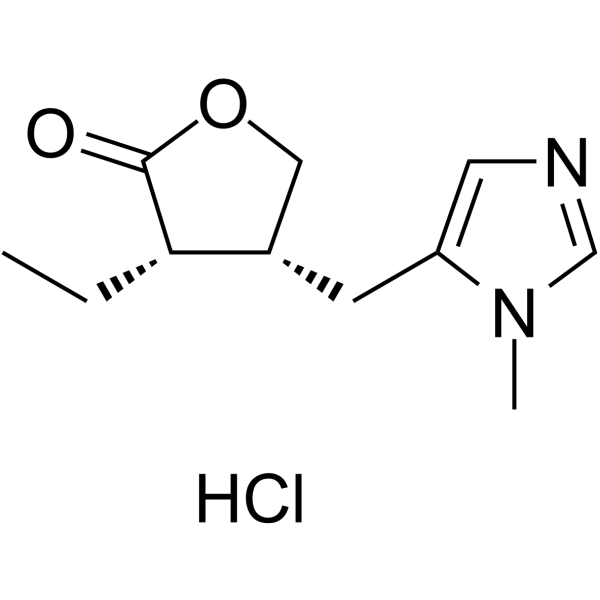
Pilocarpine Hydrochloride is an orally active, selective M3 muscarinic acetylcholine receptor agonist. Pilocarpine Hydrochloride can induce seizures and is used in research on conditions such as epilepsy, dry mouth (xerostomia), and elevated intraocular pressure .
loading...
    loading...
46
46 Publications Verification
Cat. No.: HY-B0726A
CAS No.: 92-13-7
Target:  

mAChR

Research Areas:  

Neurological Disease Cancer

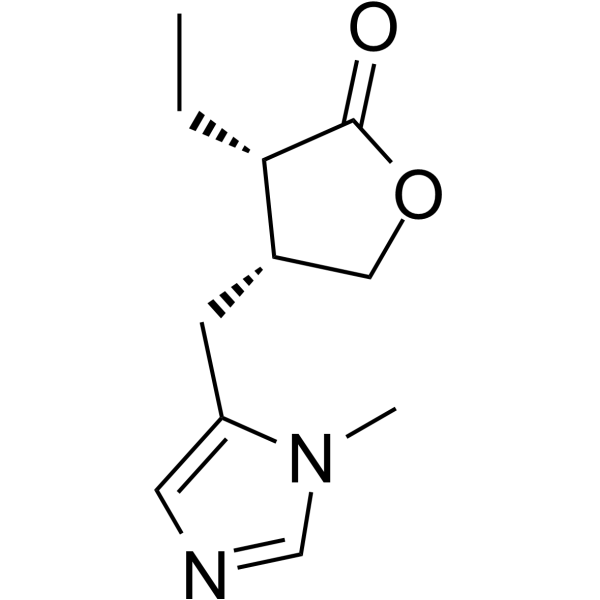
Pilocarpine is an orally active, selective M3 muscarinic acetylcholine receptor agonist. Pilocarpine can induce seizures. Pilocarpine is used in research on conditions such as epilepsy, dry mouth (xerostomia), and elevated intraocular pressure .
loading...
    loading...
46
46 Publications Verification
Cat. No.: HY-B1006
CAS No.: 148-72-1
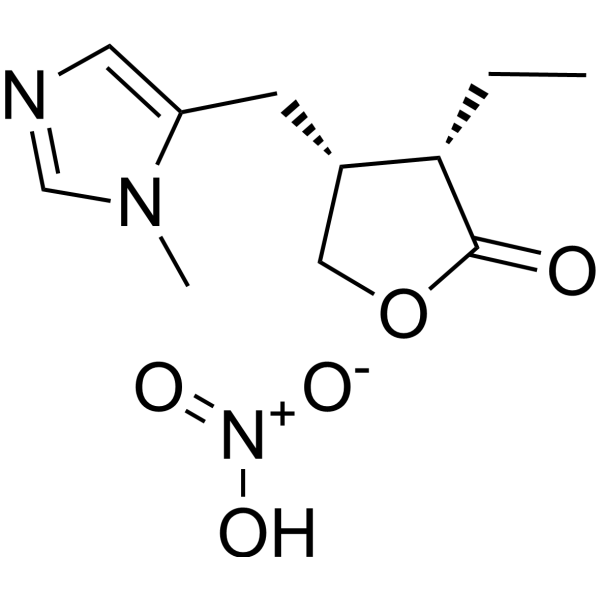
Pilocarpine nitrate is an orally active, selective M3 muscarinic acetylcholine receptor agonist. Pilocarpine nitrate can induce seizures and is used in research on conditions such as epilepsy, dry mouth (xerostomia), and elevated intraocular pressure .
loading...
    loading...
26
26 Cited Publications
Cat. No.: HY-Y0016
CAS No.: 81-88-9
Synonyms: Basic Violet 10; Brilliant Pink B; Rhodamine O; Tetraethylrhodamine
Target:  

Fluorescent Dye

Research Areas:  

Others

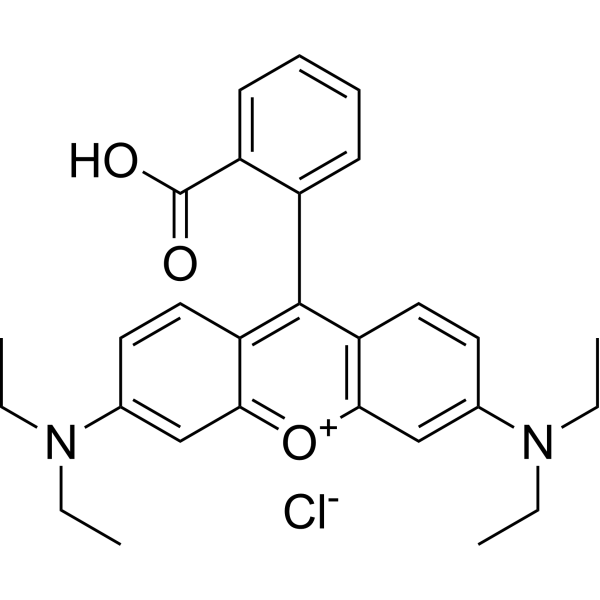
Rhodamine B is a staining fluorescent dye, commonly used for dyeing textiles, paper, soap, leather, and agents (Ex/Em = 546/610 nm).
loading...
    loading...
15
15 Cited Publications
Cat. No.: HY-128612
CAS No.: 70-25-7
Purity:  99.96%
Synonyms: MNNG
Research Areas:  

Cancer

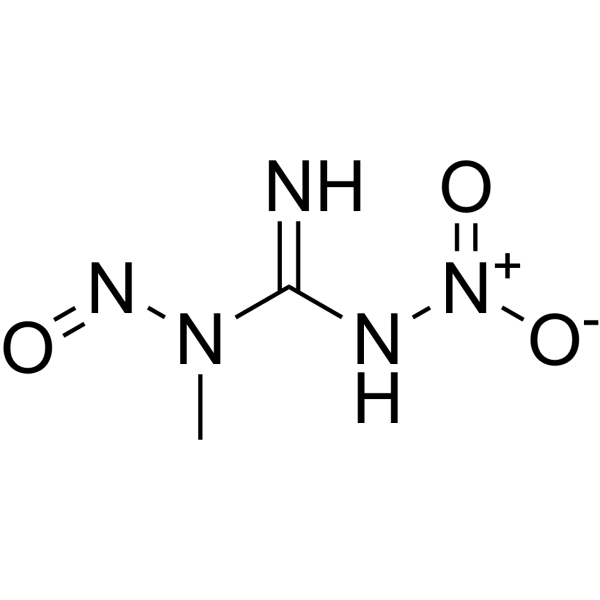
Methylnitronitrosoguanidine (MNNG) is an orally active alkylating agent with toxic and mutagenic effects. Methylnitronitrosoguanidine can as a carcinogen and mutagen . 50% water content, specifications are based on dry weight.
loading...
    loading...
12
12 Cited Publications
Cat. No.: HY-19344
CAS No.: 1025967-78-5
Synonyms: SAR 1118; SHP-606
Target:  

Integrin

Research Areas:  

Inflammation/Immunology

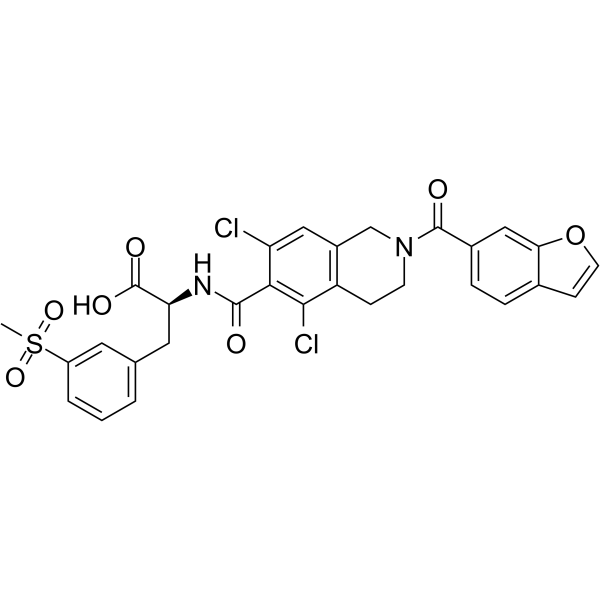
Lifitegrast (SAR 1118) is a potent integrin antagonist. Lifitegrast blocks the binding of intercellular adhesion molecule 1 (ICAM-1) to lymphocyte function-associated antigen 1 (LFA-1), interrupting the T cell-mediated inflammatory cycle. Lifitegrast inhibits Jurkat T cell attachment to ICAM-1 with an IC50 of 2.98 nM. Lifitegrast can be used for researching dry eye disease .
loading...
    loading...
12
12 Cited Publications
Cat. No.: HY-19344A
CAS No.: 1119276-80-0
Synonyms: SAR 1118 sodium; SHP-606 sodium
Target:  

Integrin

Research Areas:  

Inflammation/Immunology

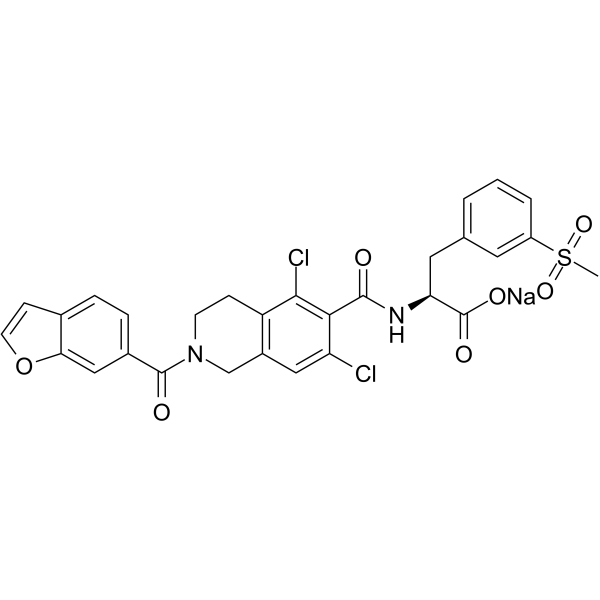
Lifitegrast (SAR 1118) sodium is a potent integrin antagonist. Lifitegrast sodium blocks the binding of intercellular adhesion molecule 1 (ICAM-1) to lymphocyte function-associated antigen 1 (LFA-1), interrupting the T cell-mediated inflammatory cycle. Lifitegrast sodium inhibits Jurkat T cell attachment to ICAM-1 with an IC50 of 2.98 nM. Lifitegrast sodium can be used for researching dry eye disease .
loading...
    loading...
10
10 Cited Publications
Cat. No.: HY-N0028
CAS No.: 79916-77-1
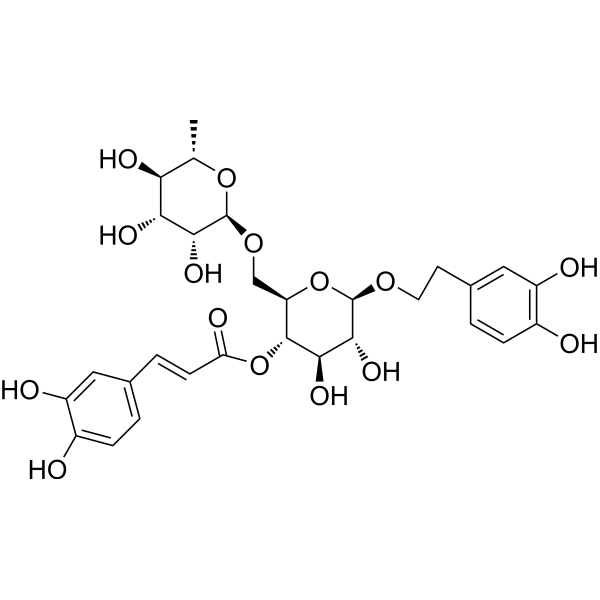
Forsythiaside A is an orally active phenylethanoid glycoside isolated from the dried fruits of Forsythia suspensa. Forsythiaside A is also an inhibitor of COX-2 and has anti-inflammatory, antioxidant and neuroprotective effects. Forsythiaside A prevents neuroinflammation and apoptosis caused by Aβ25-35 damage and may be used in Alzheimer's disease (AD) research. Forsythiaside A also activates the Nrf2/HO-1 signaling pathway and inhibits OVA-induced asthma in mice. Forsythiaside A inhibits the interaction between KLRB1 and CLEC2D .
loading...
    loading...
9
9 Cited Publications
Cat. No.: HY-114164H
CAS No.: 9002-04-4
Synonyms: EC 3.4.21.5 (Lyophilized); Human Alpha Thrombin (Lyophilized)
Human α-Thrombin (EC 3.4.21.5; Human Alpha Thrombin) (Lyophilized) is a terminal serine protease in the coagulation cascade, as well as a potent physiological platelet agonist and fibrin-generating enzyme in vivo. Human α-Thrombin catalyzes the conversion of fibrinogen to fibrin for blood clot formation, and activates platelet aggregation by cleaving the protease-activated receptors PAR1 (major) (Kd = 1 nM) and PAR4 (minor) on the platelet surface to expose tethered ligands. Human α-Thrombin also amplifies coagulation via positive feedback by activating coagulation factors V, VIII, XI (FV/FVIII/FXI), and switches to activate protein C to exert anticoagulant effects after binding to thrombomodulin .
This product is in a freeze-dried form.
loading...
    loading...
7
7 Cited Publications
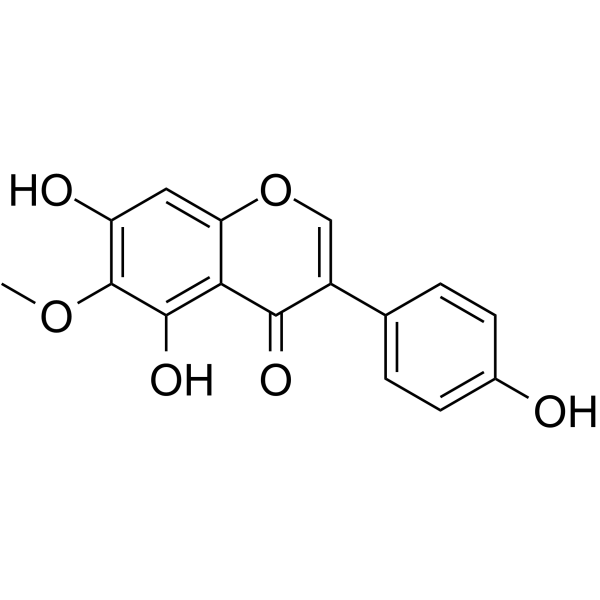
Cat. No.: HY-N0792
CAS No.: 548-77-6
Tectorigenin is a plant isoflavonoid originally isolated from the dried flower of Pueraria lobate Benth.
loading...
    loading...
7
7 Cited Publications
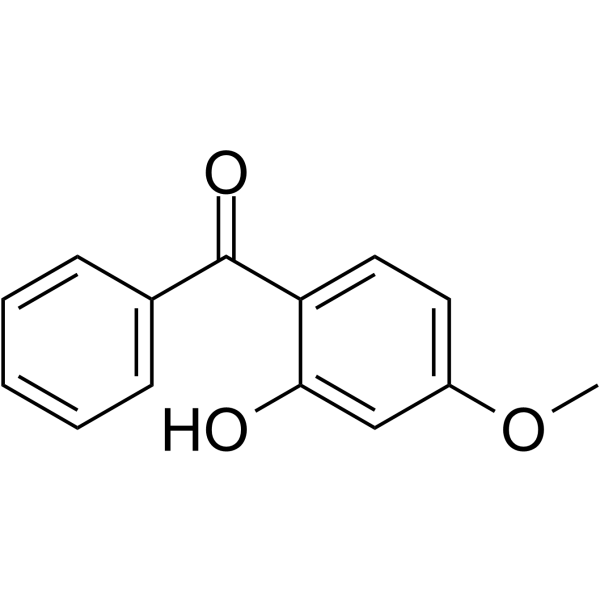
Cat. No.: HY-A0067
CAS No.: 131-57-7
Synonyms: Benzophenone 3
Oxybenzone (Benzophenone 3) is a commonly used UV filter in sun tans and skin protectants. Oxybenzone act as endocrine disrupting chemicals (EDCs) and can pass through the placental and blood-brain barriers. Benzophenone-3 impairs autophagy, alters epigenetic status, and disrupts retinoid X receptor signaling in apoptotic neuronal cells .
loading...
    loading...
6
6 Cited Publications
Cat. No.: HY-K3009

MCE 0.25% Trypsin-EDTA (1×), Phenol Red-Free, is prepared by dissolving trypsin powder (a mixture of proteases from porcine pancreas, irradiated and sterilized) and EDTA in a calcium- and magnesium-free balanced salt solution. It is filter-sterilized and can be directly used for the dissociation of cultured cells and tissues. The 100 mL is defined as the base specification. All larger sizes correspond to incremental volumes of this base.

loading...
    loading...
5
5 Cited Publications
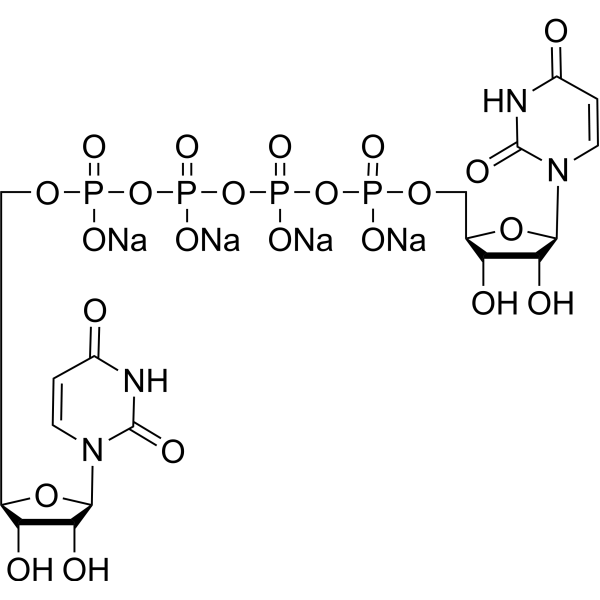
Cat. No.: HY-B0606
CAS No.: 211427-08-6
Synonyms: INS365
Target:  

P2Y Receptor

Research Areas:  

Inflammation/Immunology

Diquafosol tetrasodium is a P2Y2 receptor agonist that stimulates fluid and mucin secretion on the ocular surface, as a topical treatment of dry eye disease.
loading...
    loading...
5
5 Cited Publications
Cat. No.: HY-K1054

MCE Blasticidin S, Sterile (10 mg/mL) is a filtered and sterilized antibiotic solution that can be used directly in cell culture. Blasticidin S is a peptidyl nucleoside antibiotic isolated from Streptomyces griseochromogenes. It acts by blocking hydrolysis of peptidyl-tRNA induced by release factors and inhibits peptide bond formation.

loading...
    loading...
5
5 Cited Publications
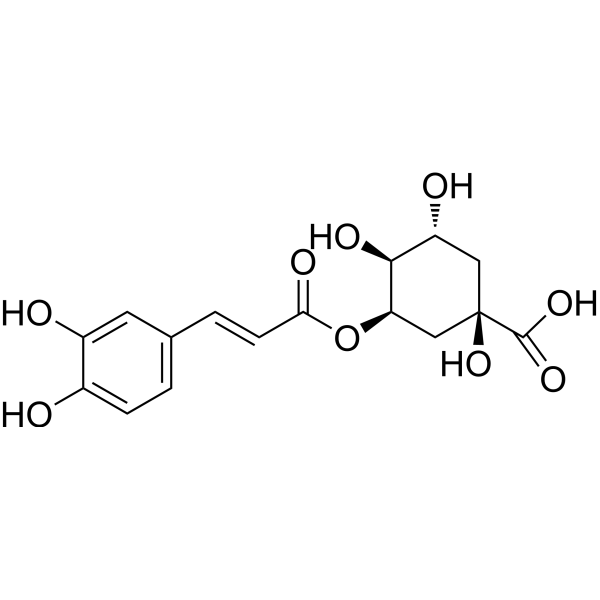
Cat. No.: HY-N0722
CAS No.: 906-33-2
Synonyms: trans-5-O-Caffeoylquinic acid
Neochlorogenic acid is a natural polyphenolic compound found in dried fruits and other plants. Neochlorogenic acid inhibits the production of TNF-α and IL-1β. Neochlorogenic acid suppresses iNOS and COX-2 protein expression. Neochlorogenic acid also inhibits phosphorylated NF-κB p65 and p38 MAPK activation.
loading...
    loading...
5
5 Cited Publications
Cat. No.: HY-K3007

MCE 0.25% Trypsin-EDTA (1x), phenol red consists of dried trypsin powder dissolved in EDTA. MCE Trypsin hydrolyzes intercellular proteins and disperses primary tissues or adherent cells into individual cells, and can be widely used for cell dissociation, cell culture passaging and primary tissue dissociation. The 100 mL is defined as the base specification. All larger sizes correspond to incremental volumes of this base.

loading...
    loading...
3
3 Cited Publications
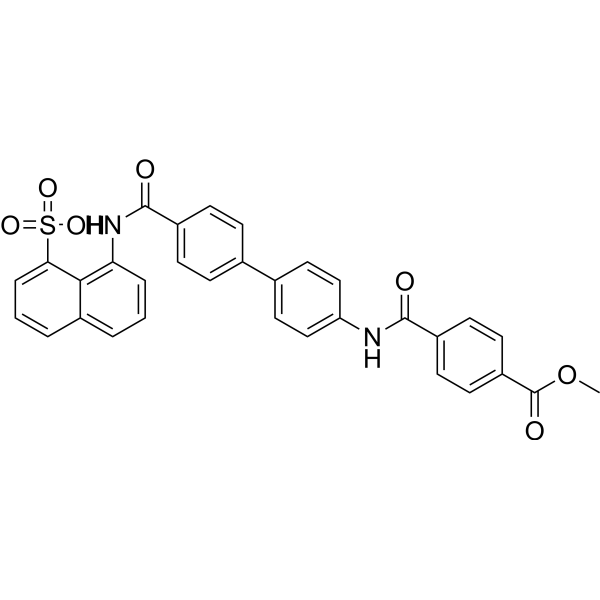
Cat. No.: HY-120323
CAS No.: 2101765-81-3
Purity:  98.11%
Target:  

TNF Receptor

Research Areas:  

Inflammation/Immunology

DRI-C21045 (compound 10) is a potent and selective inhibitor of the CD40-CD40L costimulatory protein-protein interaction (PPI) with an IC50 of 0.17 μM. DRI-C21045 shows concentration-dependent inhibition of the activation of NF-κB and B cell proliferation all induced by CD40L with IC50s of 17.1 μM and 4.5 μM, respectively .
loading...
    loading...
3
3 Cited Publications
Cat. No.: HY-K1050

MCE Gentamicin, Sterile (10 mg/mL) is a filtered and sterilized antibiotic solution that can be used directly in cell culture. Gentamicin acts by binding to the 30S subunit of the bacterial ribosome leading to inhibition of protein synthesis and death in susceptible bacteria, mainly for gram-negative and gram-positive bacteria.

loading...
    loading...
3
3 Cited Publications
Cat. No.: HY-B0149
CAS No.: 1197-18-8
Synonyms: cyclocapron
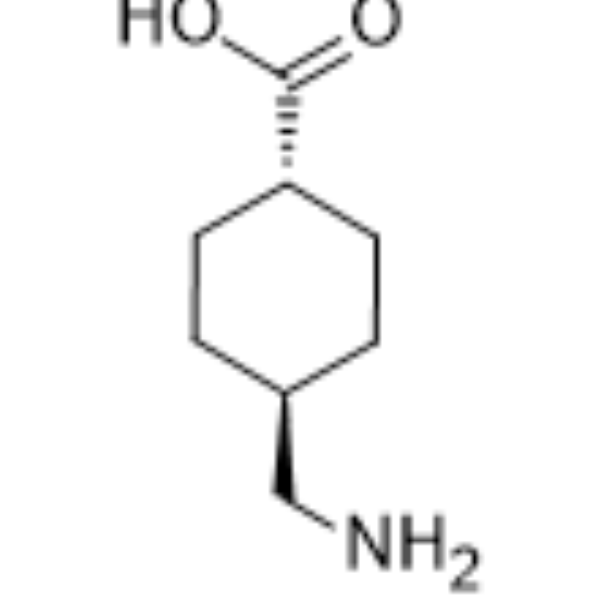
Tranexamic acid (cyclocapron), a cyclic analog of lysine, is an orally active antifibrinolytic agent. Tranexamic acid attenuates the effects of severe trauma, inhibits urokinase plasminogen activator and ameliorates dry wrinkles. Tranexamic acid can used for the research of hemostasis. Tranexamic acid is a PROTAC linker. Tranexamic acid is used to synthesize PROTACs (e.g. LZ-07 (HY-172590)) .
loading...
    loading...

