



1. Search Result
Search Result
Results for "

elastin production,glycosaminoglycans

" in MedChemExpress (MCE) Product Catalog:

44

Inhibitors & Agonists

4

Biochemical Assay Reagents

27

Peptides

1

MCE Kits

5

Natural
Products

2

Recombinant Proteins

2

Isotope-Labeled Compounds

5

Antibodies

1

Click Chemistry

1

Oligonucleotides

Cat. No. Product Name Target Research Areas Chemical Structure
  • HY-E70005D
    Collagenase IV, Clostridium histolytica
    Maximum Cited Publications
    15 Publications Verification

    Collagenase, Type IV

    MMP Others
    Collagenase, Type IV (EC 3.4.24.3) is a microbially derived matrix metalloproteinases (MMPs) and zinc peptidase. Collagenase, Type IV degrades type IV collagen and type VII collagen, the main components of the basement membrane, and can also decompose basement matrix and elastin.

    Collagenase IV, Clostridium histolytica
  • HY-P0063
    Copper tripeptide
    1 Publications Verification

    GHK-Cu

    Biochemical Assay Reagents Inflammation/Immunology
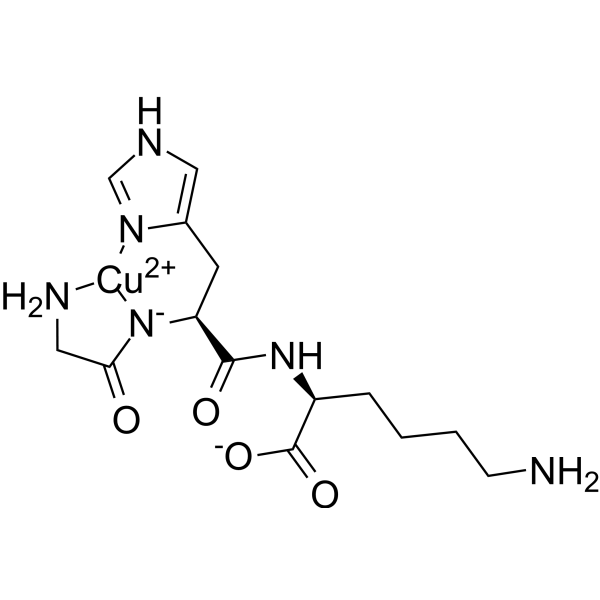
    Copper tripeptide (GHK-Cu) is a tripeptide. During wound healing, Copper tripeptide may be freed from existing extracellular proteins via proteolysis and serves as a chemoattractant for inflammatory and endothelial cells. Copper tripeptide has been shown to increase messenger RNA production for collagen, elastin, proteoglycans, and glycosaminoglycans in fibroblasts. Copper tripeptide is a natural modulator of multiple cllular pathways in skin regeneration .
    Copper tripeptide
  • HY-W035129

    Biochemical Assay Reagents Others
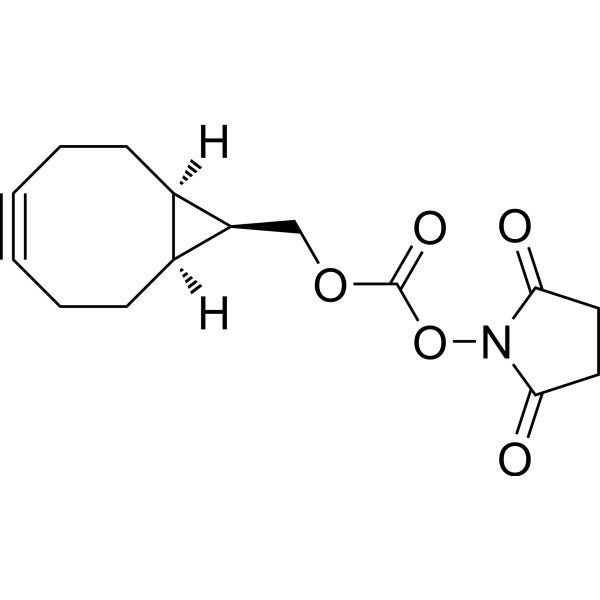
    endo-BCN-NHS carbonate is an elastin-like protein (ELP) modification reagent. endo-BCN-NHS carbonate can react with lysine residues in ELP to make ELP carry BCN groups, and then cross-link ELP through strain-promoted azide-alkyne cycloaddition (SPAAC) reaction. endo-BCN-NHS carbonate promotes hydrogel formation. endo-BCN-NHS carbonate is mainly used in cell encapsulation related research .
    endo-BCN-NHS carbonate
  • HY-P4070

    Insulin Receptor Metabolic Disease
    Insulin icodec is an Insulin (HY-P0035) analog that strongly but reversibly binds to albumin. Insulin icodec has long plasma half-life. Insulin icodec modulates insulin receptor activity, controls blood glucose levels, reduces HbA1c levels, and binds reversibly to human serum albumin. Insulin icodec can be used for the research of type 2 diabetes mellitus .
    Insulin icodec
  • HY-66015

    Interleukin Related Endocrinology
    Palmitoyl hexapeptide-12 is a bioactive peptide. Palmitoyl hexapeptide-12 reduces IL-6. Palmitoyl hexapeptide-12 has anti-aging effects. Palmitoyl hexapeptide-12 can be used in the research of photoaging and related aging skin problems .
    Palmitoyl hexapeptide-12
  • HY-126956

    Reactive Oxygen Species (ROS) MMP Collagen PPAR DNA/RNA Synthesis Apoptosis Caspase Metabolic Disease Inflammation/Immunology
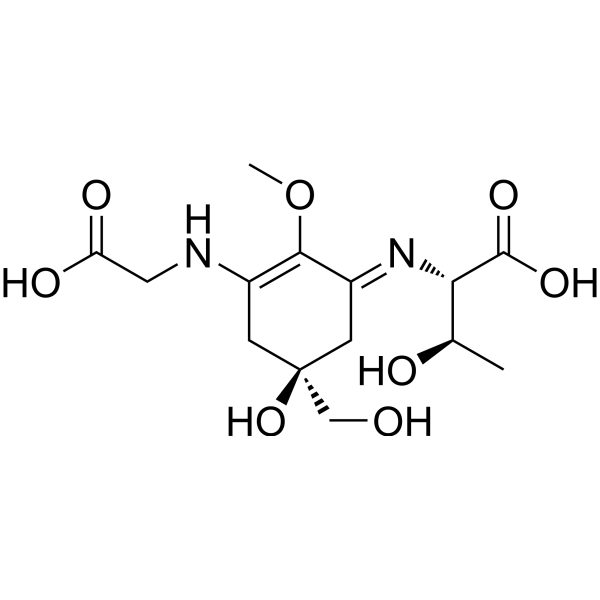
    Porphyra 334 is a carnosine-like amino acid and a natural photoprotective agent and antioxidant. Porphyra-334 exerts its photoprotective effects by scavenging ROS, inhibiting the expression and activity of MMP-1/8, and promoting the synthesis of collagen and elastin. Porphyra 334 effectively inhibits linoleic acid oxidation induced by alkyl radicals (AAPH) and singlet oxygen. Porphyra 334 has anti-obesity potential by inhibiting the expression of PPARγ2 and C/EBPα. Porphyra 334 protects cells against UV-induced DNA damage and apoptosis by inhibiting the activation of caspase-3 .
    Porphyra 334
  • HY-158226

    ElaMA

    Biochemical Assay Reagents Others
    Elastin Methacrylated (ElaMA) elastin recruits and modulates innate immune cells and accelerates angiogenesis at the wound site, thereby improving wound regeneration. Elastin Methacrylated attracts large numbers of neutrophils and primarily M2 macrophages to the wound and induces their penetration into the hydrogel. Elastin Methacrylated has excellent immunomodulatory effects, leading to superior angiogenesis, collagen deposition and dermal regeneration . Elastin Methacrylated needs to self-assemble into fibrous hydrogel under the action of photoinitiator LAP (HY-44076), and target bioactive adhesion sites, play an inherent supporting role for tissue cells and biodegradable activity.
    Application: cell culture, biological 3D printing, tissue engineering, etc.
    Elastin Methacrylated
  • HY-A0169A
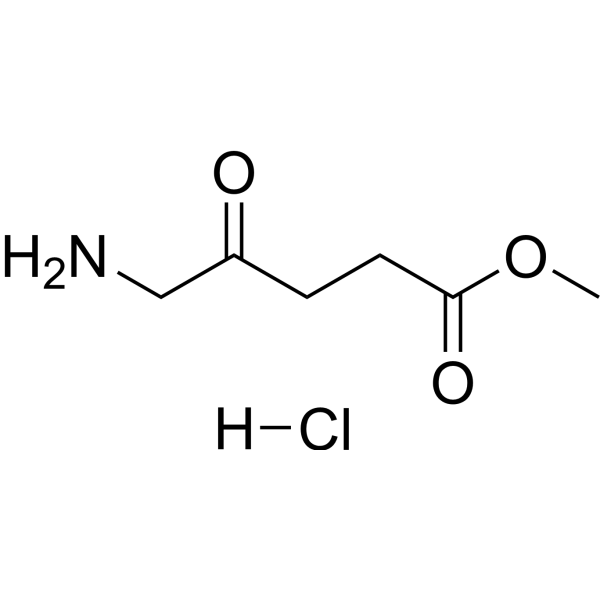
    Methyl aminolevulinate hydrochloride
    1 Publications Verification

    Reactive Oxygen Species (ROS) Photosensitizer Cancer
    Methyl aminolevulinate hydrochloride is a sensitizer used in photodynamic therapy (PDT). Methyl aminolevulinate hydrochloride penetrates the skin and induces the production of photoactive porphyrins including protoporphyrin IX in cells; upon exposure to appropriate light, it generates ROS, which triggers cellular oxidation and cell death. Methyl aminolevulinate hydrochloride acts as a photo-damage reversing agent through epidermal reconstruction, cytokine-mediated activation of dermal fibroblasts, elastin breakdown, new collagen formation, and compression of dilated capillaries. Methyl aminolevulinate hydrochloride reduces the expression of the proliferation marker Ki-67 and the early skin carcinogenesis marker TP53. Methyl aminolevulinate hydrochloride delays the onset of ultraviolet-induced skin tumors and reduces tumor burden in hairless mice. Methyl aminolevulinate hydrochloride is applicable to research related to actinic keratosis and basal cell carcinoma .
    Methyl aminolevulinate hydrochloride
  • HY-P5362

    Radionuclide-Drug Conjugates (RDCs) Somatostatin Receptor Neurological Disease Cancer
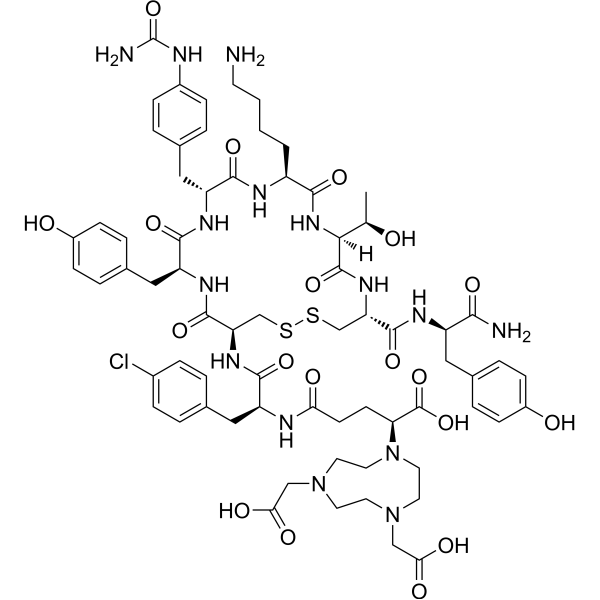
    NODAGA-LM3 is a ligand that can cross the blood-brain barrier and targets somatostatin receptor SSTR2 with high affinity (IC50 = 1.3 nM). NODAGA-LM3 does not trigger the internalization of SSTR2 and can inhibit agonist-induced internalization processes. NODAGA-LM3 shows low uptake in normal tissues such as the liver and spleen, but high uptake in the lungs and blood pool. 68Ga-labeled NODAGA-LM3 can serve as a PET imaging agent for well-differentiated neuroendocrine tumors, and is applied in studies related to small cell lung cancer and well-differentiated neuroendocrine tumors .
    NODAGA-LM3
  • HY-P2663

    TNF Receptor Metabolic Disease
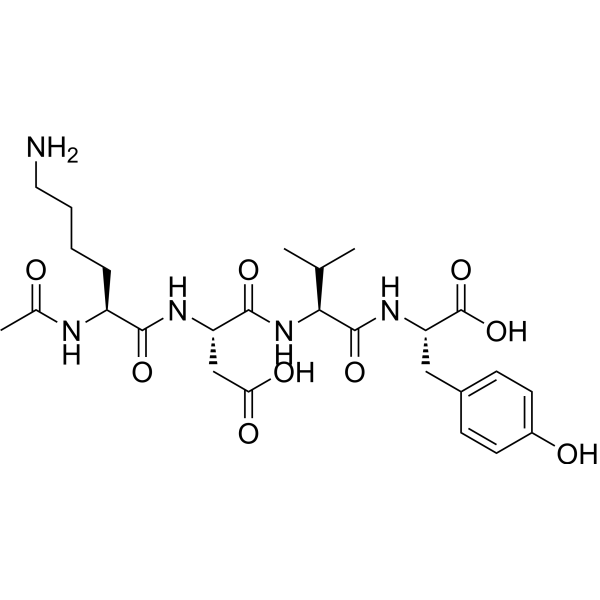
    Acetyl tetrapeptide-2 is a bio-active peptide that exhibits anti-aging activity. Acetyl tetrapeptide-2 can reduce loss of thymic factors. Acetyl tetrapeptide-2 can increase the stiffness of HaCaT cells. Acetyl tetrapeptide-2 is a stimulator of structural skin elements including collagen and elastin .
    Acetyl tetrapeptide-2
  • HY-P2336A
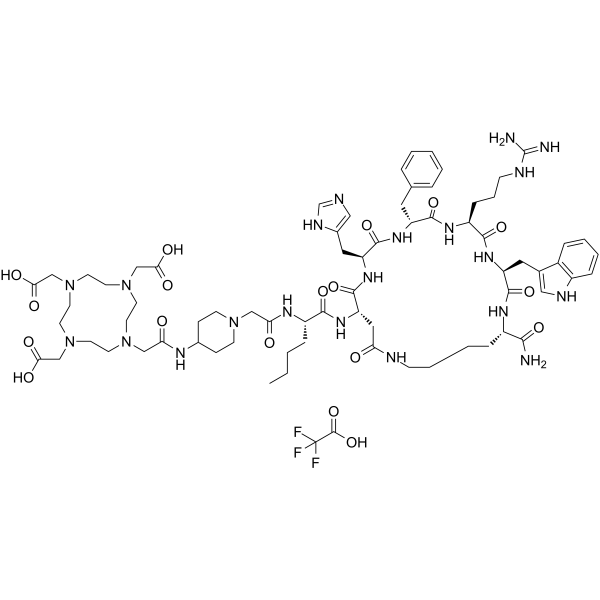
    CCZ01048 TFA
    3 Publications Verification

    Melanocortin Receptor Cancer
    CCZ01048 TFA, a α-MSH analogue, exhibits high binding affinity to melanocortin 1 receptor (MC1R) with a Ki of 0.31 nM. CCZ01048 TFA shows rapid internalization into B16F10 melanoma cells and high in vivo stability. CCZ01048 TFA is a promising candidate for PET imaging of malignant melanoma .
    CCZ01048 TFA
  • HY-P2841A

    Biochemical Assay Reagents Others
    Elastin from bovine is a biochemical reagent.
    Elastin from bovine
  • HY-W014125
    Undecanedioic acid
    1 Publications Verification

    Endogenous Metabolite Metabolic Disease
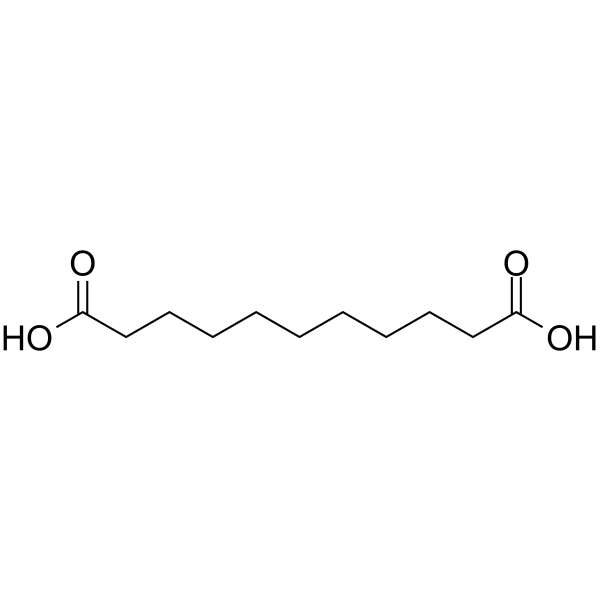
    Undecanedioic acid is an oral activie nndogenous metabolite. Undecanedioic acid is associated with intercellular matrix macromolecules and specifically with elastin .
    Undecanedioic acid
  • HY-P4998

    Biochemical Assay Reagents Cancer
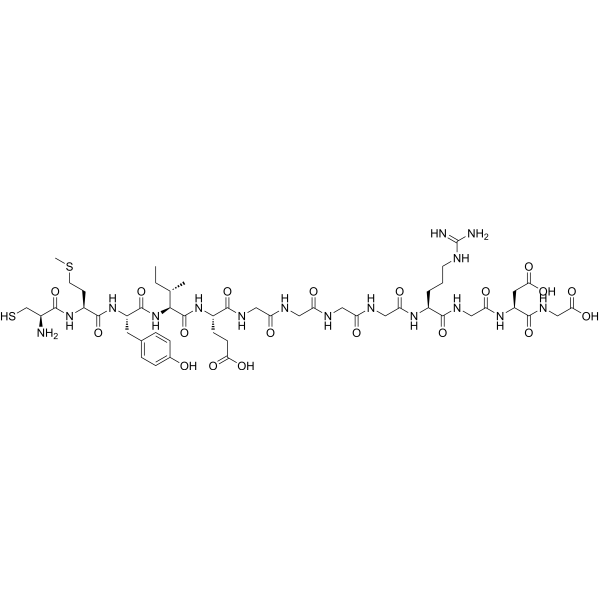
    Chemotactic Domain of Elastin is an elastin-derived peptide with chemotactic effects on certain tumor cells, such as M27 tumor cells. Chemotactic Domain of Elastin can be used in cancer research .
    Chemotactic Domain of Elastin
  • HY-W010989

    Biochemical Assay Reagents Bacterial Infection Neurological Disease Inflammation/Immunology Cancer
    Gly-His-Lys acetate is a natural, circulating regulatory and antimicrobial tripeptide derived from extracellular matrix proteins. Gly-His-Lys acetate binds Cu 2+ to support copper enzyme activation, antioxidant processes, cellular bioenergetics, and the synthesis of elastin, collagen and catecholamines. Gly-His-Lys acetate regulates cell growth, differentiation and tissue repair, and exerts regenerative, anxiolytic, anti-inflammatory, analgesic and immunosuppressive activities. Gly-His-Lys acetate induces liver degenerative changes. Gly-His-Lys acetate can be used for the research of infections, anxiety, pain-related behaviors and immune-associated liver diseases .
    Gly-His-Lys acetate
  • HY-P10341

    GCGR Metabolic Disease
    ZP3022 is a dual agonist of glucagon-like peptide-1 (GLP-1) and gastrin that has the ability to sustainably improve glycemic control. Additionally, ZP3022 can effectively increase β-cell mass, promote β-cell proliferation, and enhance the function of pancreatic islets. ZP3022 can be used in anti-diabetic research .
    ZP3022
  • HY-P2841

    Biochemical Assay Reagents Others
    Elastin from pig (Elastin) is a key matrix protein that imparts elasticity to organs and tissues. Elastin from pig is a stable, insoluble protein, and utilized in biomaterial for human tissue repairment .
    Elastin from pig
  • HY-P0063A

    GHK-Cu acetate

    Biochemical Assay Reagents Inflammation/Immunology
    Copper tripeptide (GHK-Cu) acetate is a tripeptide. During wound healing, Copper tripeptide acetate may be freed from existing extracellular proteins via proteolysis and serves as a chemoattractant for inflammatory and endothelial cells. Copper tripeptide acetate has been shown to increase messenger RNA production for collagen, elastin, proteoglycans, and glycosaminoglycans in fibroblasts. Copper tripeptide acetate is a natural modulator of multiple cllular pathways in skin regeneration .
    Copper tripeptide acetate
  • HY-B0166E

    L-Ascorbate magnesium; Vitamin C magnesium

    Reactive Oxygen Species (ROS) Calcium Channel Apoptosis Endogenous Metabolite Neurological Disease
    L-Ascorbic acid (L-Ascorbate) magnesium, an electron donor, is an endogenous antioxidant. L-Ascorbic acid selectively inhibits Cav3.2 channels with an IC50 of 6.5 μM. L-Ascorbic acid is also a collagen deposition promoter and elastin production inhibitor. L-Ascorbic acid exhibits anticancer effects by generating reactive oxygen species (ROS) and selectively damaging cancer cells .
    L-Ascorbic acid magnesium
  • HY-136705

    MSACK

    Elastase Inflammation/Immunology
    MeO-Suc-Ala-Ala-Pro-Ala-CMK (MSACK) is an inhibitor of human neutrophil elastase (HNE), with an IC50 of 20.3 μM. MeO-Suc-Ala-Ala-Pro-Ala-CMK can inhibit the hydrolysis of substrates such as elastin in lung tissue by HNE. MeO-Suc-Ala-Ala-Pro-Ala-CMK can be used in the research of related diseases such as chronic obstructive pulmonary disease (COPD) .
    MeO-Suc-Ala-Ala-Pro-Ala-CMK
  • HY-P11004

    Bacterial Antibiotic Infection
    A3-APO is an antimicrobial peptide. A3-APO has a significant antimicrobial activity by a dual mode of action with both membrane disintegration and intracellular target inhibition. A3-APO can deactivate bacterial toxins and increase the expression of anti-inflammatory cytokines (such as IL-4 and IL-10), without antimicrobial resistance. A3-APO accelerates burn wounds healing in mice infection model of Acinetobacter baumannii and Staphylococcus aureus .
    A3-APO
  • HY-171657

    Drug Derivative SOD Interleukin Related COX Collagen Inflammation/Immunology
    4'-Acetoxy resveratrol is a Resveratrol (HY-16561) derivative. 4'-Acetoxy resveratrol upregulates gene expression of elastin, collagen types III and IV, superoxide dismutase (SOD), and catalase (CAT), while downregulating interleukins (IL-1A, IL-1R2, IL-6, IL-8) and cyclooxygenase-2 (COX-2) in human skin models. 4'-Acetoxy resveratrol can be used for skin reasearch .
    4'-Acetoxy resveratrol
  • HY-P10472

    GnRH Receptor Endocrinology
    Azaline B is an antagonist for gonadotropin-releasing hormone (GnRH) with IC50 of 1.37 nM, Azaline B can be used in research of sex hormone-related pathological states, ovulation induction and male contraception .
    Azaline B
  • HY-P4757

    Parasite Others
    N1-Glutathionyl-spermidine disulfide is a substrate of trypanothione reductase .
    N1-Glutathionyl-spermidine disulfide
  • HY-P11243

    Ephrin Receptor Neurological Disease
    EphA4 agonist compound 23 is a novel EphA4 agonist peptide mimic. EphA4 agonist compound 23 exhibits high affinity, high selectivity, and significant receptor activation ability. EphA4 agonist compound 23 is commonly used in the study of neurodegenerative diseases .
    EphA4 agonist compound 23
  • HY-P2434

    Somatostatin Receptor Neurological Disease Metabolic Disease Cancer
    AP102 is a dual SSTR2/SSTR5-specific somatostatin analog (SSA). AP102 is a disulfide-bridged octapeptide SSA containing synthetic iodinated amino acids. AP102 binds with subnanomolar affinity to SSTR2 and SSTR5 (IC50: 0.63 and 0.65 nM, respectively). AP102 does not bind to SSTR1 or SSTR3. AP102 can be used for acromegaly and neuroendocrine tumors research .
    AP102
  • HY-P5362A

    Radionuclide-Drug Conjugates (RDCs) Somatostatin Receptor Cancer
    NODAGA-LM3 TFA is a ligand that can cross the blood-brain barrier and targets somatostatin receptor SSTR2 with high affinity (IC50 = 1.3 nM). NODAGA-LM3 TFA does not trigger the internalization of SSTR2 and can inhibit agonist-induced internalization processes. NODAGA-LM3 TFA shows low uptake in normal tissues such as the liver and spleen, but high uptake in the lungs and blood pool. 68Ga-labeled NODAGA-LM3 TFA can serve as a PET imaging agent for well-differentiated neuroendocrine tumors, and is applied in studies related to small cell lung cancer and well-differentiated neuroendocrine tumors .
    NODAGA-LM3 TFA
  • HY-105168

    Endothelin Receptor Cardiovascular Disease
    TAK 044 is an antagonist of Endothelin Receptor. TAK 044 strongly inhibits ET-induced deterioration in various animal models. TAK 044 can be used in study ET-related diseases such as acute myocardial infarction,acute renal failure, acute hepatic malfunction, and subarachnoid hemorrhage .
    TAK 044
  • HY-P11550

    Biochemical Assay Reagents Others
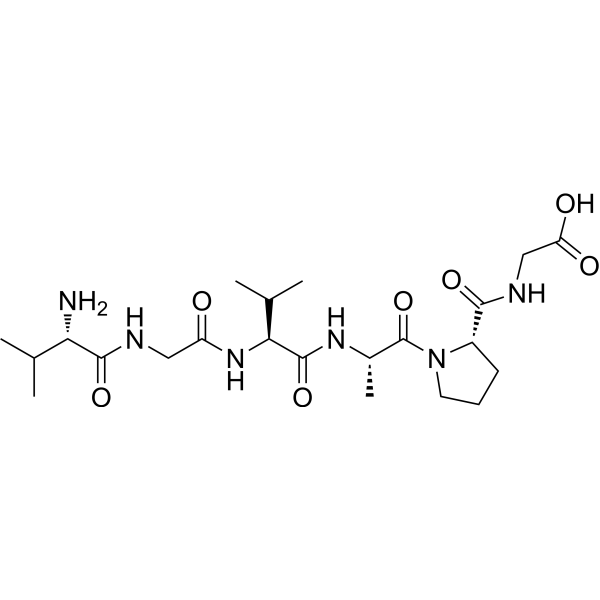
    VPGVG is a repeating sequence that constitutes elastin-like peptides. VPGVG is derived from sequences found in the hydrophobic regions of vertebrate elastin. Elastin-like peptides are temperature-responsive biomaterials .
    VPGVG
  • HY-174719

    mRNA Inflammation/Immunology
    Human ELANE mRNA encodes the human elastase (ELANE) protein, a member of serine proteases family. ELANE may play a role in degenerative and inflammatory diseases through proteolysis of collagen-IV and elastin.
    Human ELANE mRNA
  • HY-W014125R

    Reference Standards Endogenous Metabolite Metabolic Disease
    Undecanedioic acid (Standard) is the analytical standard of Undecanedioic acid (HY-W014125). Undecanedioic acid is an oral activie nndogenous metabolite. Undecanedioic acid is associated with intercellular matrix macromolecules and specifically with elastin .
    Undecanedioic acid (Standard)
  • HY-P6183

    MMP Cancer
    LXJ-02 is a potent inhibitor of EDPs/EBP peptide–protein interaction, with the KD of 117 μM for EDPs. LXJ-02 activates the macrophage-MMP-12 axis to increase MMP-12 expression and degrade ECM components like elastin .
    LXJ-02
  • HY-149205

    PI3K ERK Inflammation/Immunology
    CXJ-2 is a cyclic peptide, and exhibits moderate affinity toward elastin derived peptides (EDPs). CXJ-2 exhibits potent activities to inhibit the PI3K/ERK pathway and decrease hepatic stellate cell proliferation and migration. CXJ-2 possesses potent antifibrotic efficacy .
    CXJ-2
  • HY-B0130R

    S-9490 (Standard)

    Angiotensin-converting Enzyme (ACE) NF-κB STAT Sirtuin Reference Standards Cardiovascular Disease Neurological Disease Cancer
    Perindopril (Standard) is the analytical standard of Perindopril. This product is intended for research and analytical applications. Perindopril (S-9490) is an orally available, long-acting angiotensin-converting enzyme (ACE) inhibitor. Perindopril inhibits inflammatory cell influx and intimal thickening, preserving elastin on the inside of the aorta. Perindopril effectively inhibits experimental abdominal aortic aneurysm (AAA) formation in a rat model and reduces pulmonary vasoconstriction in rats with pulmonary hypertension .
    Perindopril (Standard)
  • HY-B0130S1

    S-9490-d5

    Isotope-Labeled Compounds Sirtuin Angiotensin-converting Enzyme (ACE) NF-κB STAT Cardiovascular Disease Neurological Disease Cancer
    Perindopril-d5 (S-9490-d5) is deuterium labeled Perindopril. Perindopril (S-9490) is an orally available, long-acting angiotensin-converting enzyme (ACE) inhibitor. Perindopril inhibits inflammatory cell influx and intimal thickening, preserving elastin on the inside of the aorta. Perindopril effectively inhibits experimental abdominal aortic aneurysm (AAA) formation in a rat model and reduces pulmonary vasoconstriction in rats with pulmonary hypertension .
    Perindopril-d5
  • HY-P2075

    Renin Endocrinology
    EMD 55068 is a renin antagonist. EMD 55068 inhibits the uptake of taurocholate .
    EMD 55068
  • HY-A0169

    Reactive Oxygen Species (ROS) Photosensitizer Cancer
    Methyl aminolevulinate is a sensitizer used in photodynamic therapy (PDT). Methyl aminolevulinate penetrates the skin and induces the production of photoactive porphyrins including protoporphyrin IX in cells; upon exposure to appropriate light, it generates ROS, which triggers cellular oxidation and cell death. Methyl aminolevulinate acts as a photo-damage reversing agent through epidermal reconstruction, cytokine-mediated activation of dermal fibroblasts, elastin breakdown, new collagen formation, and compression of dilated capillaries. Methyl aminolevulinate reduces the expression of the proliferation marker Ki-67 and the early skin carcinogenesis marker TP53. Methyl aminolevulinate delays the onset of ultraviolet-induced skin tumors and reduces tumor burden in hairless mice. Methyl aminolevulinate is applicable to research related to actinic keratosis and basal cell carcinoma .
    Methyl aminolevulinate
  • HY-P10876

    Amyloid-β Neurological Disease
    mcK6A1 is an inhibitor for the aggregation of amyloid-β (), that selectively binds to the 16KLVFFA21 segment of Aβ42, forms an extended β-folded structure, and inhibits the formation of Aβ42 oligomers. mcK6A1 can be used in research of Alzheimer's disease and other amyloid-related diseases .
    mcK6A1
  • HY-W014125S

    Isotope-Labeled Compounds Endogenous Metabolite Metabolic Disease
    Undecanedioic acid-d18 is the deuterium labeled Undecanedioic acid (HY-W014125). Undecanedioic acid is an oral activie nndogenous metabolite. Undecanedioic acid is associated with intercellular matrix macromolecules and specifically with elastin .
    Undecanedioic acid-d18
  • HY-P2974A

    Elastase Metabolic Disease
    Elastase, Rat (EC 3.4.21.35) is a form of elastase that is produced in the acinar cells of the pancreas, initially produced as an inactive zymogen and later activated in the duodenum by trypsin. Elastases form a subfamily of serine proteases, characterized by a distinctive structure consisting of two beta-barrel domains converging at the active site that hydrolyze amides and esters amongst many proteins in addition to elastin, a type of connective tissue that holds organs together.
    Elastase, Rat
  • HY-W133907

    Environmental Pollutants Biochemical Assay Reagents Others
    Tetrakis (hydroxymethyl) phosphonium sulfate is a protein crosslinker and hydrogel modifier. Tetrakis (hydroxymethyl) phosphonium sulfate covalently binds to primary and secondary amines of amino acids or proteins via a Mannich-type reaction, thereby constructing stable crosslinking bonds between protein molecules. Tetrakis (hydroxymethyl) phosphonium sulfate not only regulates the gelation time and storage modulus of recombinant elastin-like protein hydrogels, but also exhibits excellent cytocompatibility, and supports the differentiation and growth of embryonic stem cells and neural cells in a three-dimensional encapsulation environment. Tetrakis (hydroxymethyl) phosphonium sulfate is suitable for protein-based hydrogel systems, especially for applications related to cell encapsulation .
    Tetrakis(hydroxymethyl)phosphonium sulfate
  • HY-A0169AR

    Reactive Oxygen Species (ROS) Reference Standards Photosensitizer Inflammation/Immunology Cancer
    Methyl aminolevulinate hydrochloride (Standard) is the analytical standard of Methyl aminolevulinate hydrochloride. This product is intended for research and analytical applications. Methyl aminolevulinate hydrochloride is a sensitizer used in photodynamic therapy (PDT). Methyl aminolevulinate hydrochloride penetrates the skin and induces the production of photoactive porphyrins including protoporphyrin IX in cells; upon exposure to appropriate light, it generates ROS, which triggers cellular oxidation and cell death. Methyl aminolevulinate hydrochloride acts as a photo-damage reversing agent through epidermal reconstruction, cytokine-mediated activation of dermal fibroblasts, elastin breakdown, new collagen formation, and compression of dilated capillaries. Methyl aminolevulinate hydrochloride reduces the expression of the proliferation marker Ki-67 and the early skin carcinogenesis marker TP53. Methyl aminolevulinate hydrochloride delays the onset of ultraviolet-induced skin tumors and reduces tumor burden in hairless mice. Methyl aminolevulinate hydrochloride is applicable to research related to actinic keratosis and basal cell carcinoma .
    Methyl aminolevulinate hydrochloride (Standard)
  • HY-P11488

    Radionuclide-Drug Conjugates (RDCs) Somatostatin Receptor PSMA Cancer
    JR11-PEG3-DOTA-PSMA-03 (Compound 2) is an RDC-related compound containing the chelating agent DOTA (HY-W053583), the JR11 peptide (SSTR2 antagonist), and the PSMA ligand. JR11-PEG3-DOTA-PSMA-03 shows SSTR2-binding affinities and PSMA-binding affinities, with IC50 s of 94.0 nM, 81.8 nM, respectively. JR11-PEG3-DOTA-PSMA-03 can be radiolabeled with [ 68Ga]. [ 68Ga] radiolabeled JR11-PEG3-DOTA-PSMA-03 can be used in diagnostic studies of neuroendocrine differentiated prostate cancer .
    JR11-PEG3-DOTA-PSMA-03
  • HY-P11485

    Radionuclide-Drug Conjugates (RDCs) Somatostatin Receptor PSMA Cancer
    JR11-PEG3-HBED-CC-PSMA-03 (Compound 1) is an RDC-related compound containing the chelating agent HBED-CC, the JR11 peptide (SSTR2 antagonist), and the PSMA ligand. JR11-PEG3-HBED-CC-PSMA-03 shows SSTR2-binding affinities and PSMA-binding affinities, with IC50 s of 59.2 nM, 57.0 nM, respectively. JR11-PEG3-HBED-CC-PSMA-03 can be radiolabeled with [ 68Ga]. [ 68Ga] radiolabeled JR11-PEG3-HBED-CC-PSMA-03 can be used in diagnostic studies of neuroendocrine differentiated prostate cancer .
    JR11-PEG3-HBED-CC-PSMA-03

Inquiry Online

Your information is safe with us. * Required Fields.

Salutation


Country or Region *

Applicant Name *


Organization Name *

Department *


Email Address *


Product Name *

Cat. No.


Requested quantity *

Phone Number *


Remarks

Inquiry Online

Inquiry Information

Product Name:
Cat. No.:
Quantity:
MCE Japan Authorized Agent:

