




From 11:00 pm to 12:00 pm EST ( 8:00 pm to 9:00 pm PST ) on January 6th, the website will be under maintenance. We are sorry for the inconvenience. Please arrange your schedule properly.
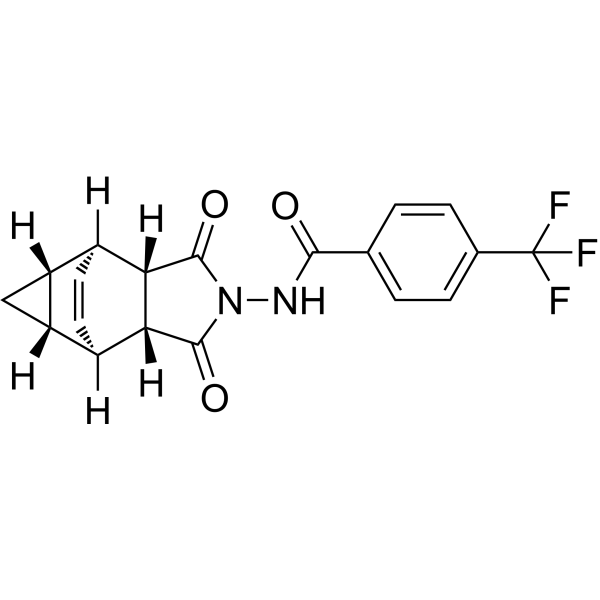
Tecovirimat (ST-246) is an orally bioavailable and selective compound against orthopoxviruses including vaccinia, monkeypox, camelpox, cowpox, ectromelia (mousepox), smallpox and variola viruses. Tecovirimat is evaluated against vaccinia, cowpox virus, ectromelia virus with EC50 values of 0.01 μM, 0.48 μM and 0.05 μM, respectively. Tecovirimat targets the orthopoxvirus protein VP37 which is necessary for membrane envelopment of intracellular mature virus particles to form enveloped virus. Tecovirimat exerts antiviral activity on the target of the cowpox virus V061 gene, which is homologous to vaccinia virus F13L, encoding a major envelope protein (p37) required for production of extracellular virus .
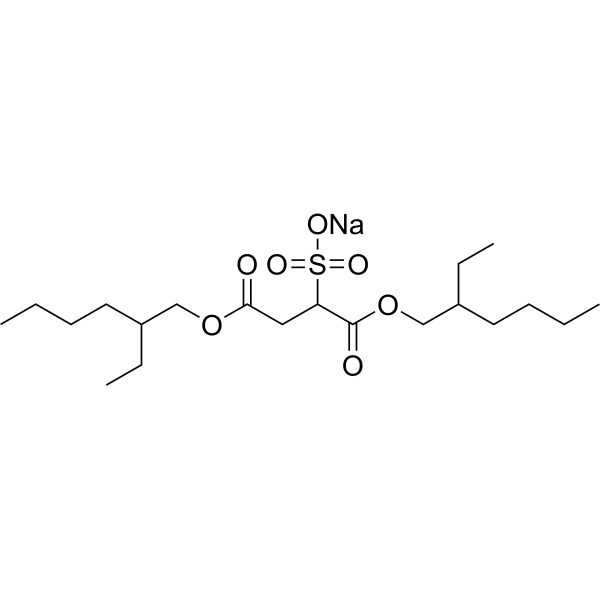
Docusate Sodium (Dioctyl sulfosuccinate sodium salt) is one of the main components in stool softeners. Docusate Sodium is a sulfated surfactant and may inactivate viral pathogens by disrupting viral envelopes and/or denaturing/disassociating proteins. Docusate Sodium is effective in vitro against wild type and drug-resistant strains of HSV type 1 and 2. Docusate Sodium is an obesogen. Docusate Sodium with developmental exposure leads to increased adult adiposity, inflammation, metabolic disorder and dyslipidemia in offspring fed a standard diet in mice .
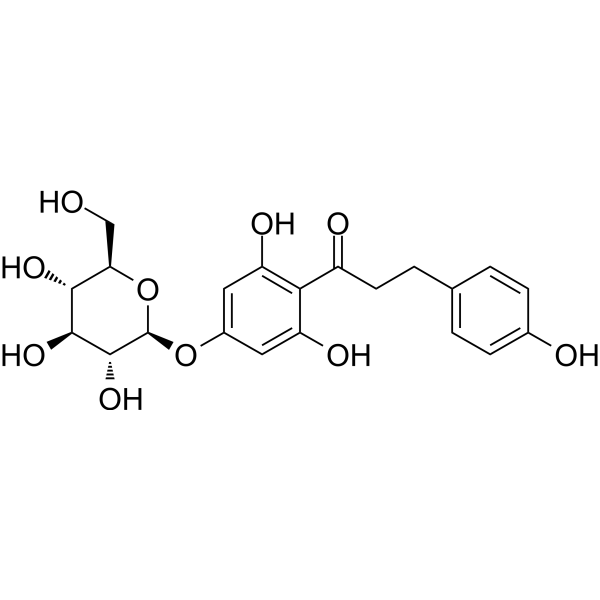
Trilobatin, a natural sweetener derived from Lithocarpus polystachyus Rehd , Trilobatin is an HIV-1 entry inhibitor targeting the HIV-1 Gp41 envelope . Neuroprotective effects . Trilobatin is also a SGLT1/2 inhibitor that selectively induces the proliferation of human hepatoblastoma cells .
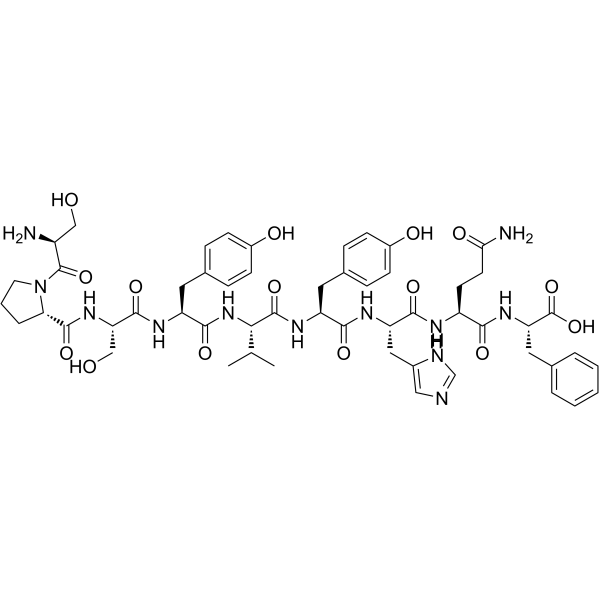
AH1 is an immunodominant MHC class I-restricted nonamer peptide recognized by CD8 + cytotoxic T lymphocytes. AH1 derives from the envelope protein (gp70) of an endogenous ecotropic murine leukemia virus and is presented by the MHC class I L d molecule. AH1 can be used for the research of colorectal carcinoma .
Fiztasovimab (NPC-21; EV2038) is a fully human IgG1λ mAb against human cytomegalovirus (hCMV). Fiztasovimab acts neutralizing activity by binding to the antigenic domain 1 of glycoprotein B on hCMVenvelope. Fiztasovimab inhibits cell-to-cell transmission of hCMV .
PARP11 inhibitor ITK7 (ITK7) is a potent and selective PARP11 inhibitor. PARP11 inhibitor ITK7 can potently inhibit PARP11 with an IC50 value of 14 nM. PARP11 inhibitor ITK7 can be used for the research of cellular localization .
VRC-01 is a broadly neutralizing IgG1 monoclonal antibody that targets HIV-1envelope glycoprotein gp120 Protein. VRC-01 blocks HIV-1 viral entry by mimicking CD4 receptor interaction with HIV-1 gp120 and neutralizes broad HIV-1 clades. VRC-01 can be used for the research of HIV-1 infection .
CKS-17 is a synthetic retroviral envelope peptide. CKS-17 has the highly conserved amino acid sequences occurring within the transmembrane envelope protein of many animal and human retroviruses. CKS-17 acts as an immunomodulatory epitope and exhibits suppressive properties for numerous immune functions .
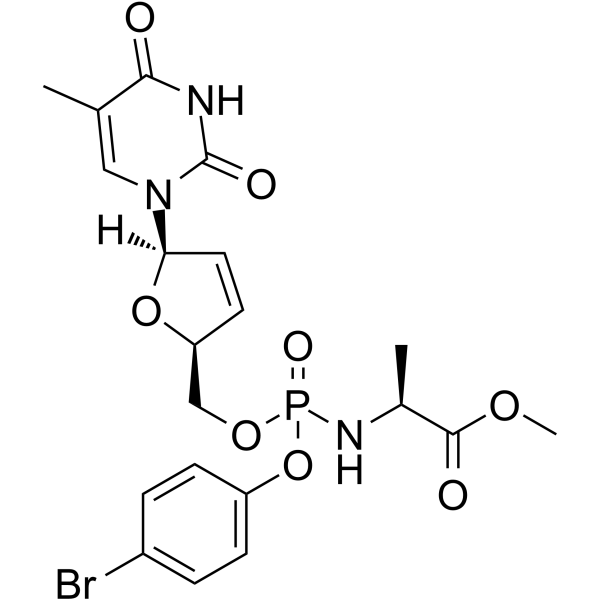
Stampidine is a nucleoside reverse transcriptase inhibitor (NRTI) with potent and broad-spectrum anti-HIV activity. Stampidine inhibits the laboratory HIV-1 strain HTLVIIIB (B-envelope subtype) and primary clinical isolates with IC50s of 1 nM and 2 nM, respectively. Stampidine also inhibits NRTI-resistant primary clinical isolates and NNRTI-resistant clinical isolates with IC50s of 8.7 nM and 11.2 nM, respectively .
Indoline is a derivative of Indole (HY-W001132). Indoline can use as the basic structure for CD4 mimetic compounds (CD4mcs), which triggers conformational changes of the HIV-1envelope glycoprotein (Env) in advance, and causes viral inactivation. Indoline binds to gp120. Indoline CD4mcs can inhibit HIV-1AD8 with an IC50 in the micromolar range .
1-Palmitoyl-2-oleoyl-sn-glycero-3-phosphate sodium (16:0-18:1 PA) is a phospholipid with activities in regulating biological membrane fluidity and participating in cell signal transduction. 1-Palmitoyl-2-oleoyl-sn-glycero-3-phosphate sodium can be used to study the effects on the activity of chloroplast envelope monogalactosyldiacylglycerol (MGDG) synthase. 1-Palmitoyl-2-oleoyl-sn-glycero-3-phosphate sodium plays an important role in cell membrane integrity and function.
YSK 12C4 is an ionizable cationic lipid primarily used to enhance siRNA cellular delivery via multifunctional envelope-type nanodevices (MEND). YSK 12C4 promotes siRNA uptake and endosomal escape, effectively silencing genes in human immune cell lines .
VRC01LS is a humanized monoclonal antibody inhibitor targeting the CD4-binding site of HIV-1 envelope glycoprotein (Env). VRC01LS blocks the binding of HIV-1 to host cell CD4 receptor, inhibiting viral entry. VRC01LS is promising for research of HIV-1 infection .
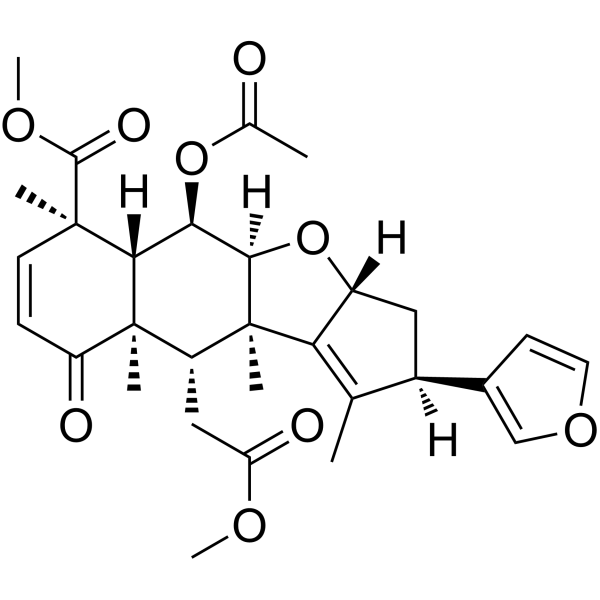
Nimbin is an orally active intermediate limonoid found in Azadirachta. Nimbin prevents tau aggregation and increases cell viability. Nimbin is effective inhibits the envelope protein of dengue virus. Nimbin has anti-inflammatory, antipyretic, antifungal, antihistamine, antiseptic, antioxidant, anti-cancer and anti-viral properties. Nimbin is promising for research of neurodegenerative diseases and viral infections .
Docusate (Sodium) (Standard) is the analytical standard of Docusate (Sodium). This product is intended for research and analytical applications. Docusate Sodium (Dioctyl sulfosuccinate sodium salt) is one of the main components in stool softeners. Docusate Sodium is a sulfated surfactant and may inactivate viral pathogens by disrupting viral envelopes and/or denaturing/disassociating proteins. Docusate Sodium is effective in vitro against wild type and drug-resistant strains of HSV type 1 and 2. Docusate Sodium is an obesogen. Docusate Sodium with developmental exposure leads to increased adult adiposity, inflammation, metabolic disorder and dyslipidemia in offspring fed a standard diet in mice .
Tecovirimat (ST-246) monohydrate is the monohydrate form of Tecovirimat (HY-14805). Tecovirimat monohydrate is an orally bioavailable and selective compound against orthopoxviruses [including vaccinia, monkeypox, camelpox, cowpox, ectromelia (mousepox), smallpox and variola viruses]. Tecovirimat monohydrate is evaluated against vaccinia, cowpox virus, ectromelia virus with EC50 values of 0.01 μM, 0.48 μM and 0.05 μM, respectively. Tecovirimat monohydrate targets the orthopoxvirus protein VP37 which is necessary for membrane envelopment of intracellular mature virus particles to form enveloped virus. Tecovirimat monohydrate exerts antiviral activity on the target of the cowpox virus V061 gene, which is homologous to vaccinia virus F13L, encoding a major envelope protein (p37) required for production of extracellular virus. Tecovirimat monohydrate could be used in the study for orthopoxvirus-induced diseases .
5-InoAz is an inositol analogue used as a metabolic probe for labeling the mycobacterial cell envelope. 5-InoAz integrates into cell envelope glycolipids [phosphatidylinositol mannoside (PIM), PIM-anchored lipomannan (LM), and lipoarabinomannan (LAM)] .
ADI-15878 is a human IgG monoclonal antibody (mAb) targeting Envelope glycoprotein, GP2. ADI-15878 can be used in Ebola virus infection research. Recommended isotype control: Human IgG1 kappa, Isotype Control (HY-P99001) .
HCV-1 e2 Protein (484-499) is a peptide consisting of 16 amino acids. HCV-1 e2 Protein (484-499) is derived from the envelope 2 protein of hepatitis C virus in the sera from individuals with antibodies to HCV .
ZK-806450 is a compound with antiviral activity. ZK-806450 has a high binding potential to the allosteric binding site of the SARS-CoV-2 3CL protease. ZK-806450 can also specifically and stably bind to the GAG site of the dengue virus envelope protein .
N-(3-Oxopentanoyl)-L-homoserine lactone is an autoinducer, a kind of chemical signal molecule which passively diffuses across the bacterial envelope and accumulates intracellularly at high bacterial densities. It may bind to a protein related to the LuxR protein of V. fischeri and causes cell density-dependent gene expression. N-(3-Oxopentanoyl)-L-homoserine can be used for research of quorum sensing .
CDK1 is a cyclin-dependent kinase that functions as a serine/threonine protein kinase, and is a key player in cell cycle regulation. CDK1/CycB1 Recombinant Human Active Protein Kinase is an ortholog of CDK1. CDK1/cyclin B1 complexes initiates mitotic entry by phosphorylating a multitude of proteins to condense chromosomes, disrupt the nuclear envelope, and enable microtubules polymerization to attach and to segregate the chromosomes .
Anti-West Nile/dengue virus E protein Antibody (E60) is mouse-derived IgG2a κ type antibody inhibitor, targeting to West Nile/dengue virus E protein. Anti-West Nile/dengue virus E protein Antibody (E60) can cross-neutralize West Nile virus (WNV) and dengue virus (DENV) envelope (E) protein. Anti-West Nile/dengue virus E protein Antibody (E60) can be used for the researches of WNV and DENV infection .
SCR007 is a synthetic carbohydrate receptor (SCR) with broad-spectrum antiviral activity. SCR007 inhibits the entry of enveloped viruses across multiple families (Coronaviridae: SARS-CoV-1, SARS-CoV-2, MERS-CoV; Filoviridae: EBOV, MARV; Paramyxoviridae: NiV, HeV) and the glycosylated nonenveloped rotavirus. SCR007 binds viral envelope N-glycans, blocking viral binding to host cells or both binding and membrane fusion. SCR007 exerts prophylactic effects in hACE2 mice infected with SARS-CoV-2. SCR007 can be used for the study and prevention of enveloped virus pandemics .
TLD-1433 is the fourth-generation ruthenium (II) based photodynamic compound (PDC). TLD-1433 is activated by green light (525 ± 25 nm) and efficiently generates ROS to achieve pathogen inactivation. After photoinactivation, TLD-1433 significantly induces lipid peroxidation of the cell membrane, which can directly damage the integrity of the viral envelope. TLD-1433 has ID50 for enveloped viruses (such as H1N1 influenza virus, coronavirus OC43, HSV-1, Zika virus) is as low as nanomolar level; for non-enveloped viruses (such as adenovirus Ad5, mammalian rotavirus MRV), a concentration of micro-molar level is required for inactivation. TLD-1433 has antigen retention property and can be used for the preparation of inactivated vaccines .
Tecovirimat-d4 (ST-246-d4) is a deuterium-labelled Tecovirimat (HY-14805). Tecovirimat is an orally bioavailable and selective compound against orthopoxviruses [including vaccinia, monkeypox, camelpox, cowpox, ectromelia (mousepox), smallpox and variola viruses]. Tecovirimat is evaluated against vaccinia, cowpox virus, ectromelia virus with EC50 values of 0.01 μM, 0.48 μM and 0.05 μM, respectively. Tecovirimat targets the orthopoxvirus protein VP37 which is necessary for membrane envelopment of intracellular mature virus particles to form enveloped virus. Tecovirimat exerts antiviral activity on the target of the cowpox virus V061 gene, which is homologous to vaccinia virus F13L, encoding a major envelope protein (p37) required for production of extracellular virus. Tecovirimat could be used in the study for orthopoxvirus-induced diseases .
FITC-εAhx-HHV-2 Envelope Glycoprotein G (561-578) is a FITC labeled HHV-2 Envelope Glycoprotein G (561-578). HHV-2 Envelope Glycoprotein G (561-578) is an immunodominant region of glycoprotein G (gG-2) reactive with all herpes simplex (HSV-2) sera .
Tifuvirtide (T-1249) is a peptide human immunodeficiency virus type-1 (HIV-1) fusion inhibitor. Tifuvirtide is a synthetically designed hybrid retroviral envelope polypeptide. Tifuvirtide has antiretroviral activity. Tifuvirtide can be used for the research of HIV infection .
Trilobatin (Standard) is the analytical standard of Trilobatin. This product is intended for research and analytical applications. Trilobatin, a natural sweetener derived from?Lithocarpus polystachyus?Rehd , Trilobatin?is an HIV-1 entry inhibitor targeting the HIV-1 Gp41 envelope . Neuroprotective effects . Trilobatin is also a SGLT1/2 inhibitor that selectively induces the proliferation of human hepatoblastoma cells .
Amtabafusp alfa (GS-8588) is an envelope-targeting bispecific T-cell engager for HIV treatment. Amtabafusp alfa redirects effector T cells by binding to CD3 via a humanized anti-CD3 Fab domain and to HIV envelope proteins via an engineered CD4 domain 1 variant. Amtabafusp alfa exhibits potent, broad-spectrum activity against a variety of HIV isolates and specifically kills HIV-infected cells. Amtabafusp alfa can be used for research on HIV infection .
Lafuvitug (3BNC-117) is a fully human IgG1 antibody that targets envelope glycoprotein gp120 protein. The isotype control for Lafuvitug can refer to Human IgG1 kappa, Isotype Control (HY-P99001) .
Indoline is a derivative of Indole (HY-W001132). Indoline can used as the basic structure for CD4 mimetic compounds (CD4mcs), which triggers conformational changes of the HIV-1 envelope glycoprotein (Env) in advance, and causes viral inactivation
COE-PNH2 exhibits antibacterial activity against Mycobacterium abscessus (Mab) with MIC90 of 26 μM. COE-PNH2 affects the integrity of the bacterial envelope and mycomembrane. COE-PNH2 reveals intracelluar penetration without mitochondrial toxicity .
SCR005 is a synthetic carbohydrate receptor (SCR) with broad-spectrum antiviral activity. SCR005 inhibits the entry of enveloped viruses across multiple families (Coronaviridae: SARS-CoV-1, SARS-CoV-2, MERS-CoV; Filoviridae: EBOV, MARV; Paramyxoviridae: NiV, HeV) and the glycosylated nonenveloped rotavirus. SCR005 binds viral envelope N-glycans, blocking viral binding to host cells or both binding and membrane fusion. SCR005 exerts prophylactic effects in hACE2 mice infected with SARS-CoV-2. SCR005 can be used for the study and prevention of enveloped virus pandemics .
GNF-2-deg is a PROTAC degrader for dengue virus envelope protein (DENV E protein) with DC50 of 0.83 μM. GNF-2-deg prevents viral entry by inhibiting E-mediated membrane fusion, prevents virion production by protein degradation, and thereby exhibits antiviral activity against DENV 2 with EC90 of 3.5 μM. GNF-2-deg exhibits antiviral activity against ZIKV, JEV, WNV and YFV with EC90 of 1.96-7.79 μM. (Pink: ligand for target protein (HY-161805); Black: linker (HY-42149); Blue: ligand for E3 ligase (HY-23095))
Wulfenioidin H (Compound 5) is a diterpenoid, exhibits activity against Zika virus (ZIKV) with an EC50 value 8.50 μM. Wulfenioidin H interferes with the replication of the ZIKV by inhibiting the expression of the ZIKV envelope (E) protein .
MLH40 is a peptide inhibitor with activity against Dengue virus (DENV) infection, which is found in the conserved ectodomain region of DENV membrane protein. MLH40 inhibits DENV through its N-terminal loop interaction with DENV envelope protein and altering the dimer conformation .
HIV-1 inhibitor-71 (compound 2a) blocks the transport of endocytosed HIV-1 particles into nuclear envelope invagination (NEIs) that can inhibit productive infection .
5M038 is an inhibitor of HIV envelope-mediated fusion with potent inhibitory activity against gp41-mediated membrane fusion. 5M038 prevents the formation of the gp41 post-fusion conformation and inhibits envelope-mediated membrane fusion in cell-cell fusion and viral infectivity assays. 5M038 has shown broad fusion inhibition in tests against multiple HIV-1 subtypes, including M and T strains. 5M038 targets a highly conserved hydrophobic pocket and binds to the gp41 trimer, thereby exerting its inhibitory effect .
Wulfenioidin F is a diterpenoid, that can be isolated from the whole plant of Orthosiphon wulfenioides. Wulfenioidin F exhibits activity against Zika virus (ZIKV) with an EC50 of 8.07 μM. Wulfenioidin F interferes with the replication of the ZIKV by inhibiting the expression of the ZIKV envelope (E) protein .
HCV-1 e2 Protein (554-569) is one of the main antigenic regions of HCV envelope 2 (e2) protein. The HCV-1 e2 Protein (554-569) contains a putative n-glycosylation site, which was previously thought to influence the immune recognition of e2 .
HCV-1 e2 Protein (554-569) TFA is one of the main antigenic regions of HCV envelope 2 (e2) protein. The HCV-1 e2 Protein (554-569) TFA contains a putative N-glycosylation site, which was previously thought to influence the immune recognition of e2 .
Peniterphenyl A is a natural product obtained from a deep-sea-derived Penicillium sp. Peniterphenyl A inhibits HSV-1/2 virus entry into cells and may block HSV-1/2 infection through direct interaction with virus envelope glycoprotein D to interfere with virus adsorption and membrane fusion. Peniterphenyl A is a promising lead compound against HSV-1/2 .
Anti-HIV gp120 Antibody (55-36) is a kind of mouse IgG1 κ chimeric antibody, targeting to human HIV gp120. Anti-HIV gp120 Antibody (55-36) reacts with human immunodeficiency virus (HIV) envelope glycoprotein 120 (gp120). Anti-HIV gp120 Antibody (55-36) can be used for the research of HIV infection .
HIV gp120 (318-327) is a short sequence of the HIV-1 strain IIIB envelope peptide (rgpgrafvti) that corresponds to the conserved C-terminal region of the glycoprotein. HIV gp120 (318-327) is part of the HIV vaccine V3 peptide epitope, also known as the I10 peptide. However, HIV gp120 (318-327) lacks the A2 anchor residues recognized by epitope-specific CTLs but has structural features that confer promiscuous A2 binding .
CTC 96 is an antiviral agent, showing inhibitory effects particularly on herpes viruses and adenoviruses. CTC 96 directly blocks the fusion process between the viral envelope and the cell membrane, preventing the entry of viral nucleic acids and proteins into the cells. CTC 96 can completely block the penetration and intercellular transmission of HSV-1, preventing the synthesis of viral proteins and mRNA. CTC 96 exhibits significant anti-adenovirus activity in rabbit eye models. CTC 96 is also effective against varicella-zoster virus (VZV) and vesicular stomatitis virus (VSV). CTC 96 can be used for broad-spectrum antiviral research .
CKS-17 (dimer) is the dimer of CKS-17 (HY-P3051). CKS-17 (dimer) can be prepared by introducing a naturally occurring cysteine at the carboxyl terminus and dimerizing via a cysteine-disulfide bond. CKS-17 is a synthetic retroviral envelope peptide. CKS-17 has a highly conserved amino acid sequence present in the transmembrane envelope proteins of numerous animal and human retroviruses. As an immunomodulatory epitope, CKS-17 exhibits inhibitory properties on a variety of immune functions .
Antitubercular agent-56, a Questiomycin A (HY-N8439) derivative, is a potent and orally active antitubercular agent. Antitubercular agent-56 disrupts mycobacterial envelope integrity by inhibiting FabD (Kd = 9.39 μM; IC50 = 49.60 μM). Antitubercular agent-56 exhibits good intracellular antimycobacterial activity against Mycobacterium tuberculosis (MTB) and drug-resistant MTB both in vitro and in vivo. Antitubercular agent-56 can be used for research on tuberculosis (TB) .
Circulin B is a macrocyclic plant cyclopeptide. Circulin B functions as a plant defense peptide and exhibits antibacterial and anti-HIV activities. Circulin B has high binding affinity for the envelope protein of dengue virus, showing potential anti-dengue virus activity. Circulin B can be used in studies related to dengue virus infection, human immunodeficiency virus infection and microbial infection .
Anti-H3L Antibody (NAL_A185) is a neutralizing antibody targeting the H3Lenvelope protein of vaccinia virus (CV) belonging to the genus Orthopoxvirus. By binding to the H3L protein of intracellular mature virions, Anti-H3L Antibody (NAL_A185) blocks the binding of the virus to host cells, thereby neutralizing viral infectivity. Anti-H3L Antibody (NAL_A185) not only protects BALB/c mice from intranasal challenge with the lethal vaccinia virus WR strain, reducing weight loss and mortality, but also exhibits complement-dependent neutralizing activity against monkeypox virus. Among these properties, NAL_A185 is an immune target induced by the smallpox vaccine Dryvax; it elicits a robust recall antibody response and induces high-titer neutralizing antibodies in mice. Anti-H3L Antibody (NAL_A185) can be used for studies related to vaccinia virus infection, monkeypox and monkeypox disease .
Human TNFRSF14 mRNA encodes the human TNF receptor superfamily member 14 (TNFRSF14) protein, a member of the TNF receptor superfamily. TNFRSF14 functions in signal transduction pathways that activate inflammatory and inhibitory T-cell immune response. It binds herpes simplex virus (HSV) viral envelope glycoprotein D (gD), mediating its entry into cells.
Anti-WNV E protein DI-DII Antibody (E53) reacts with an epitope in domain I and II of the envelope (E) protein. Anti-WNV E protein DI-DII Antibody (E53) blocks Vero cell infection with WNV in vitro. Recommend Isotype Controls: Mouse IgG2a kappa, Isotype Control (HY-P99978) .
Anti-Powassan virus E protein Antibody (POWV-63) reacts with the envelope (E) protein of Powassan virus (POWV). Anti-Powassan virus E protein Antibody (POWV-63) shows significant protection against POWV-SPO, TBFVs, and Langat virus (LGTV) in vivo. Recommend Isotype Controls: Mouse IgG2c kappa, Isotype Control (HY-P99981) .
Anti-WNV E protein DIII-LR Antibody (E16) reacts with the domain III lateral ridge (DIII-LR) of the envelope (E) protein of West Nile Virus (WNV). Anti-Mouse CD11b Antibody (5C6) protects mice from WNV infection. Recommend Isotype Controls: Mouse IgG2b kappa, Isotype Control (HY-P99982) .
Antiviral agent 83 is a boronic acid-modified Neocryptolepine (HY-E70250) derivative and is an anti-HPV agent. Antiviral agent 83 bind to the viral capsid protein and/or envelope protein, inducing conformational changes that effectively obstruct the interaction between the virus and host cell receptors. Antiviral agent 83 exhibits inhibitory activity against multiple high-risk HPV strains. Antiviral agent 83 inhibits HPV infection in vitro and in vaginal tract in vivo .
Anti-Zika virus E protein DIII-LR Antibody (ZV-67) reacts with Zika virus envelope (E) protein at the lateral ridge of domain III (DIII-LR). Anti-Zika virus E protein DIII-LR Antibody (ZV-67) specifically detects the recombinant ZIKV E protein DIII and ZIKV E protein reporter virus particles (RVPs) in transfected cells. Recommend Isotype Controls: Mouse IgG2c kappa, Isotype Control (HY-P99981) .
(E),(Z)-RNF5 agonist 1 (Compound Analog-1) is a RNF5 agonist that can enhance the ubiquitination and degradation of SARS-CoV-2 E protein by RNF5. (E),(Z)-RNF5 agonist 1 effectively inhibits the replication of SARS-CoV-2 and significantly alleviates pulmonary pathological damage and systemic inflammatory response in mouse infection models. (E),(Z)-RNF5 agonist 1 has a strong cytotoxic effect on neuroblastoma and melanoma. (E),(Z)-RNF5 agonist 1 can be used for research on anti-cancer and anti-viral purposes .
(KFF)3K-acpP is an antibacterial agent conjugating of cell penetrating peptide (KFF)3K (HY-P10556) and acpP peptide nucleic acid. (KFF)3K-acpP binds to the translation start site region of acpP mRNA, sterically blocking ribosome binding and inhibiting translation of the acyl carrier protein. (KFF)3K-acpP induces bacterial envelope stress response pathways, and triggers depletion of outer membrane protein F (ompF) transcript. (KFF)3K-acpP can be used for the research of infections .
ZIKV-IN-9 is a ZIKV inhibitor that blocks the early binding of viral particles to the cell surface. ZIKV-IN-9 inhibits ZIKV in various cell models. ZIKV-IN-9 is applicable to research related to Zika virus infection .
Indoline is a derivative of Indole (HY-W001132). Indoline can use as the basic structure for CD4 mimetic compounds (CD4mcs), which triggers conformational changes of the HIV-1envelope glycoprotein (Env) in advance, and causes viral inactivation. Indoline binds to gp120. Indoline CD4mcs can inhibit HIV-1AD8 with an IC50 in the micromolar range .
1-Palmitoyl-2-oleoyl-sn-glycero-3-phosphate sodium (16:0-18:1 PA) is a phospholipid with activities in regulating biological membrane fluidity and participating in cell signal transduction. 1-Palmitoyl-2-oleoyl-sn-glycero-3-phosphate sodium can be used to study the effects on the activity of chloroplast envelope monogalactosyldiacylglycerol (MGDG) synthase. 1-Palmitoyl-2-oleoyl-sn-glycero-3-phosphate sodium plays an important role in cell membrane integrity and function.
Indoline is a derivative of Indole (HY-W001132). Indoline can used as the basic structure for CD4 mimetic compounds (CD4mcs), which triggers conformational changes of the HIV-1 envelope glycoprotein (Env) in advance, and causes viral inactivation
AH1 is an immunodominant MHC class I-restricted nonamer peptide recognized by CD8 + cytotoxic T lymphocytes. AH1 derives from the envelope protein (gp70) of an endogenous ecotropic murine leukemia virus and is presented by the MHC class I L d molecule. AH1 can be used for the research of colorectal carcinoma .
CKS-17 is a synthetic retroviral envelope peptide. CKS-17 has the highly conserved amino acid sequences occurring within the transmembrane envelope protein of many animal and human retroviruses. CKS-17 acts as an immunomodulatory epitope and exhibits suppressive properties for numerous immune functions .
HCV-1 e2 Protein (484-499) is a peptide consisting of 16 amino acids. HCV-1 e2 Protein (484-499) is derived from the envelope 2 protein of hepatitis C virus in the sera from individuals with antibodies to HCV .
FITC-εAhx-HHV-2 Envelope Glycoprotein G (561-578) is a FITC labeled HHV-2 Envelope Glycoprotein G (561-578). HHV-2 Envelope Glycoprotein G (561-578) is an immunodominant region of glycoprotein G (gG-2) reactive with all herpes simplex (HSV-2) sera .
Tifuvirtide (T-1249) is a peptide human immunodeficiency virus type-1 (HIV-1) fusion inhibitor. Tifuvirtide is a synthetically designed hybrid retroviral envelope polypeptide. Tifuvirtide has antiretroviral activity. Tifuvirtide can be used for the research of HIV infection .
MLH40 is a peptide inhibitor with activity against Dengue virus (DENV) infection, which is found in the conserved ectodomain region of DENV membrane protein. MLH40 inhibits DENV through its N-terminal loop interaction with DENV envelope protein and altering the dimer conformation .
HCV-1 e2 Protein (554-569) is one of the main antigenic regions of HCV envelope 2 (e2) protein. The HCV-1 e2 Protein (554-569) contains a putative n-glycosylation site, which was previously thought to influence the immune recognition of e2 .
HCV-1 e2 Protein (554-569) TFA is one of the main antigenic regions of HCV envelope 2 (e2) protein. The HCV-1 e2 Protein (554-569) TFA contains a putative N-glycosylation site, which was previously thought to influence the immune recognition of e2 .
HIV gp120 (318-327) is a short sequence of the HIV-1 strain IIIB envelope peptide (rgpgrafvti) that corresponds to the conserved C-terminal region of the glycoprotein. HIV gp120 (318-327) is part of the HIV vaccine V3 peptide epitope, also known as the I10 peptide. However, HIV gp120 (318-327) lacks the A2 anchor residues recognized by epitope-specific CTLs but has structural features that confer promiscuous A2 binding .
CKS-17 (dimer) is the dimer of CKS-17 (HY-P3051). CKS-17 (dimer) can be prepared by introducing a naturally occurring cysteine at the carboxyl terminus and dimerizing via a cysteine-disulfide bond. CKS-17 is a synthetic retroviral envelope peptide. CKS-17 has a highly conserved amino acid sequence present in the transmembrane envelope proteins of numerous animal and human retroviruses. As an immunomodulatory epitope, CKS-17 exhibits inhibitory properties on a variety of immune functions .
(KFF)3K-acpP is an antibacterial agent conjugating of cell penetrating peptide (KFF)3K (HY-P10556) and acpP peptide nucleic acid. (KFF)3K-acpP binds to the translation start site region of acpP mRNA, sterically blocking ribosome binding and inhibiting translation of the acyl carrier protein. (KFF)3K-acpP induces bacterial envelope stress response pathways, and triggers depletion of outer membrane protein F (ompF) transcript. (KFF)3K-acpP can be used for the research of infections .
Fiztasovimab (NPC-21; EV2038) is a fully human IgG1λ mAb against human cytomegalovirus (hCMV). Fiztasovimab acts neutralizing activity by binding to the antigenic domain 1 of glycoprotein B on hCMVenvelope. Fiztasovimab inhibits cell-to-cell transmission of hCMV .
VRC-01 is a broadly neutralizing IgG1 monoclonal antibody that targets HIV-1envelope glycoprotein gp120 Protein. VRC-01 blocks HIV-1 viral entry by mimicking CD4 receptor interaction with HIV-1 gp120 and neutralizes broad HIV-1 clades. VRC-01 can be used for the research of HIV-1 infection .
VRC01LS is a humanized monoclonal antibody inhibitor targeting the CD4-binding site of HIV-1 envelope glycoprotein (Env). VRC01LS blocks the binding of HIV-1 to host cell CD4 receptor, inhibiting viral entry. VRC01LS is promising for research of HIV-1 infection .
ADI-15878 is a human IgG monoclonal antibody (mAb) targeting Envelope glycoprotein, GP2. ADI-15878 can be used in Ebola virus infection research. Recommended isotype control: Human IgG1 kappa, Isotype Control (HY-P99001) .
Anti-West Nile/dengue virus E protein Antibody (E60) is mouse-derived IgG2a κ type antibody inhibitor, targeting to West Nile/dengue virus E protein. Anti-West Nile/dengue virus E protein Antibody (E60) can cross-neutralize West Nile virus (WNV) and dengue virus (DENV) envelope (E) protein. Anti-West Nile/dengue virus E protein Antibody (E60) can be used for the researches of WNV and DENV infection .
Amtabafusp alfa (GS-8588) is an envelope-targeting bispecific T-cell engager for HIV treatment. Amtabafusp alfa redirects effector T cells by binding to CD3 via a humanized anti-CD3 Fab domain and to HIV envelope proteins via an engineered CD4 domain 1 variant. Amtabafusp alfa exhibits potent, broad-spectrum activity against a variety of HIV isolates and specifically kills HIV-infected cells. Amtabafusp alfa can be used for research on HIV infection .
Lafuvitug (3BNC-117) is a fully human IgG1 antibody that targets envelope glycoprotein gp120 protein. The isotype control for Lafuvitug can refer to Human IgG1 kappa, Isotype Control (HY-P99001) .
HY-P991007 is an gp120 envelope glycoprotein-targeting IgG1κ type human antibody, the recommed isotype control is Human IgG1 kappa, Isotype Control (HY-P99001) .
Anti-HIV gp120 Antibody (55-36) is a kind of mouse IgG1 κ chimeric antibody, targeting to human HIV gp120. Anti-HIV gp120 Antibody (55-36) reacts with human immunodeficiency virus (HIV) envelope glycoprotein 120 (gp120). Anti-HIV gp120 Antibody (55-36) can be used for the research of HIV infection .
Anti-H3L Antibody (NAL_A185) is a neutralizing antibody targeting the H3Lenvelope protein of vaccinia virus (CV) belonging to the genus Orthopoxvirus. By binding to the H3L protein of intracellular mature virions, Anti-H3L Antibody (NAL_A185) blocks the binding of the virus to host cells, thereby neutralizing viral infectivity. Anti-H3L Antibody (NAL_A185) not only protects BALB/c mice from intranasal challenge with the lethal vaccinia virus WR strain, reducing weight loss and mortality, but also exhibits complement-dependent neutralizing activity against monkeypox virus. Among these properties, NAL_A185 is an immune target induced by the smallpox vaccine Dryvax; it elicits a robust recall antibody response and induces high-titer neutralizing antibodies in mice. Anti-H3L Antibody (NAL_A185) can be used for studies related to vaccinia virus infection, monkeypox and monkeypox disease .
Anti-WNV E protein DI-DII Antibody (E53) reacts with an epitope in domain I and II of the envelope (E) protein. Anti-WNV E protein DI-DII Antibody (E53) blocks Vero cell infection with WNV in vitro. Recommend Isotype Controls: Mouse IgG2a kappa, Isotype Control (HY-P99978) .
Anti-Powassan virus E protein Antibody (POWV-63) reacts with the envelope (E) protein of Powassan virus (POWV). Anti-Powassan virus E protein Antibody (POWV-63) shows significant protection against POWV-SPO, TBFVs, and Langat virus (LGTV) in vivo. Recommend Isotype Controls: Mouse IgG2c kappa, Isotype Control (HY-P99981) .
Anti-WNV E protein DIII-LR Antibody (E16) reacts with the domain III lateral ridge (DIII-LR) of the envelope (E) protein of West Nile Virus (WNV). Anti-Mouse CD11b Antibody (5C6) protects mice from WNV infection. Recommend Isotype Controls: Mouse IgG2b kappa, Isotype Control (HY-P99982) .
Anti-Zika virus E protein DIII-LR Antibody (ZV-67) reacts with Zika virus envelope (E) protein at the lateral ridge of domain III (DIII-LR). Anti-Zika virus E protein DIII-LR Antibody (ZV-67) specifically detects the recombinant ZIKV E protein DIII and ZIKV E protein reporter virus particles (RVPs) in transfected cells. Recommend Isotype Controls: Mouse IgG2c kappa, Isotype Control (HY-P99981) .
Trilobatin, a natural sweetener derived from Lithocarpus polystachyus Rehd , Trilobatin is an HIV-1 entry inhibitor targeting the HIV-1 Gp41 envelope . Neuroprotective effects . Trilobatin is also a SGLT1/2 inhibitor that selectively induces the proliferation of human hepatoblastoma cells .
Nimbin is an orally active intermediate limonoid found in Azadirachta. Nimbin prevents tau aggregation and increases cell viability. Nimbin is effective inhibits the envelope protein of dengue virus. Nimbin has anti-inflammatory, antipyretic, antifungal, antihistamine, antiseptic, antioxidant, anti-cancer and anti-viral properties. Nimbin is promising for research of neurodegenerative diseases and viral infections .
Trilobatin (Standard) is the analytical standard of Trilobatin. This product is intended for research and analytical applications. Trilobatin, a natural sweetener derived from?Lithocarpus polystachyus?Rehd , Trilobatin?is an HIV-1 entry inhibitor targeting the HIV-1 Gp41 envelope . Neuroprotective effects . Trilobatin is also a SGLT1/2 inhibitor that selectively induces the proliferation of human hepatoblastoma cells .
Wulfenioidin H (Compound 5) is a diterpenoid, exhibits activity against Zika virus (ZIKV) with an EC50 value 8.50 μM. Wulfenioidin H interferes with the replication of the ZIKV by inhibiting the expression of the ZIKV envelope (E) protein .
Wulfenioidin F is a diterpenoid, that can be isolated from the whole plant of Orthosiphon wulfenioides. Wulfenioidin F exhibits activity against Zika virus (ZIKV) with an EC50 of 8.07 μM. Wulfenioidin F interferes with the replication of the ZIKV by inhibiting the expression of the ZIKV envelope (E) protein .
Peniterphenyl A is a natural product obtained from a deep-sea-derived Penicillium sp. Peniterphenyl A inhibits HSV-1/2 virus entry into cells and may block HSV-1/2 infection through direct interaction with virus envelope glycoprotein D to interfere with virus adsorption and membrane fusion. Peniterphenyl A is a promising lead compound against HSV-1/2 .
The NS1 protein plays a key role in viral budding, association with cell membranes, and facilitating the assembly of viral RNA into nucleocapsids to form mature viral particles.During entry, NS1 induces genome penetration into the host cytoplasm.E/Envelope Protein, Dengue virus 1 (101a.a, sf9, His) is the recombinant Virus-derived E/Envelope protein, expressed by Sf9 insect cells , with C-His labeled tag.
NS1 Protein, essential in virus budding, binds the cell membrane, forming a nucleocapsid that becomes the virus core. During entry, NS1 facilitates viral genome penetration post-hemifusion. NS1 migrates to the nucleus, influencing host functions, and counteracts host EXOC1's antiviral effects by sequestering and degrading EXOC1 via the proteasome pathway. Additionally, NS1 impedes RNA silencing by interfering with the host Dicer enzyme. DENV2 Envelope Protein (HEK293, His) is the recombinant DENV2 Envelope protein, expressed by HEK293, with N-His labeled tag.
Envelope glycoprotein gp64 is classified as a class III viral fusion protein. As an envelope phosphate glycoprotein, it promotes the fusion of virus and host endosomal membranes, thereby promoting virus entry into host cells. Following receptor-mediated viral internalization, gp64 undergoes a conformational change at low pH into a fusion-competent state, thereby releasing the nucleocapsid into the host cell cytoplasm upon cell fusion. envelope glycoprotein gp64 Protein, AcmNPV (HEK293, His) is the recombinant Virus-derived envelope glycoprotein gp64 protein, expressed by HEK293 , with C-His labeled tag.
Envelope glycoprotein gp64 is classified as a class III viral fusion protein. As an envelope phosphate glycoprotein, it promotes the fusion of virus and host endosomal membranes, thereby promoting virus entry into host cells. Following receptor-mediated viral internalization, gp64 undergoes a conformational change at low pH into a fusion-competent state, thereby releasing the nucleocapsid into the host cell cytoplasm upon cell fusion. envelope glycoprotein gp64 Protein, AcmNPV (sf9, His) is the recombinant Virus-derived envelope glycoprotein gp64 protein, expressed by Sf9 insect cells , with C-His labeled tag.
Genome polyprotein is a smaller protein chain of covalent linkages that is a key component of virus survival and replication. Zika virus E/Envelope Protein (HEK293, His) is the recombinant Virus-derived Zika virus E/Envelope protein, expressed by HEK293 , with C-His labeled tag.
Genome polyprotein is a smaller protein chain of covalent linkages that is a key component of virus survival and replication.Zika virus E/Envelope Protein (sf9, His) is the recombinant Virus-derived Zika virus E/Envelope protein, expressed by Sf9 insect cells , with C-His labeled tag.
envelope glycoprotein gp120 Protein is a glycoprotein exposed on the surface of the HIV envelope.Gp120 is essential for viral infection as it facilitates HIV entry into the host cell.gp120 may also be facilitating viral persistence and continuing HIV infection by influencing the T cell immune response to the virus.envelope glycoprotein gp120 Protein, HIV-1 (ACY40659, HEK293, His) is the recombinant Virus-derived envelope glycoprotein gp120 protein, expressed by HEK293 , with C-His labeled tag.
envelope glycoprotein gp120 Protein is a glycoprotein exposed on the surface of the HIV envelope.Gp120 is essential for viral infection as it facilitates HIV entry into the host cell.gp120 may also be facilitating viral persistence and continuing HIV infection by influencing the T cell immune response to the virus.envelope glycoprotein gp120 Protein, HIV-1 (AFM77980, HEK293, His) is the recombinant Virus-derived envelope glycoprotein gp120 protein, expressed by HEK293 , with C-His labeled tag.
envelope glycoprotein gp120 Protein is a glycoprotein exposed on the surface of the HIV envelope.Gp120 is essential for viral infection as it facilitates HIV entry into the host cell.gp120 may also be facilitating viral persistence and continuing HIV infection by influencing the T cell immune response to the virus.envelope glycoprotein gp120 Protein, SIV (CAA32487, HEK293, His) is the recombinant Virus-derived envelope glycoprotein gp120 protein, expressed by HEK293 , with C-His labeled tag.
Genome polyprotein is a smaller protein chain of covalent linkages that is a key component of virus survival and replication. Zika virus E/Envelope Protein (Domain III, P.pastoris, His) is the recombinant Virus-derived Zika virus E/Envelope protein, expressed by P. pastoris , with C-His labeled tag.
Genome polyprotein is a smaller protein chain of covalent linkages that is a key component of virus survival and replication. Zika virus E/Envelope Protein (Domain I, His-MBP) is the recombinant virus-derived Zika virus E/Envelope protein, expressed by E. coli, with a His-MBP, N-His and N-MBP labeled tag.
Genome polyprotein is a smaller protein chain of covalent linkages that is a key component of virus survival and replication.Zika virus E/Envelope Protein (HEK293, His) is the recombinant Virus-derived Zika virus E/Envelope protein, expressed by HEK293 , with C-His labeled tag.
Genome polyprotein is a smaller protein chain of covalent linkages that is a key component of virus survival and replication. Zika virus E/Envelope Protein (HEK293, His, Biotinylated) is the recombinant virus-derived Zika virus E/Envelope, expressed by HEK293, with C-His labeled tag.
envelope glycoprotein gp120 Protein is a glycoprotein exposed on the surface of the HIV envelope.Gp120 is essential for viral infection as it facilitates HIV entry into the host cell.gp120 may also be facilitating viral persistence and continuing HIV infection by influencing the T cell immune response to the virus.envelope glycoprotein gp120 Protein, HIV-1 (AAC57427, HEK293, His) is the recombinant Virus-derived envelope glycoprotein gp120 protein, expressed by HEK293 , with C-His labeled tag.
envelope glycoprotein gp120 Protein is a glycoprotein exposed on the surface of the HIV envelope.Gp120 is essential for viral infection as it facilitates HIV entry into the host cell.gp120 may also be facilitating viral persistence and continuing HIV infection by influencing the T cell immune response to the virus.envelope glycoprotein gp120 Protein, HIV-1 (AAA44191, HEK293, His) is the recombinant Virus-derived envelope glycoprotein gp120 protein, expressed by HEK293 , with C-10*His labeled tag.
The envelope glycoprotein gp120 protein facilitates viral capture and dissemination by dendritic cells and endothelial cells by attaching the virus to host lymphocytes through binding to the CD4 receptor. HIV exploits the migratory properties of dendritic cells to access CD4+ T cells, leading to infection. Envelope glycoprotein gp120 Protein, HIV (Q9DKG6, HEK293, His) is the recombinant Virus-derived Envelope glycoprotein gp120 protein, expressed by HEK293 , with C-8*His labeled tag.
The NS1 protein plays a key role in viral budding, association with cell membranes, and facilitating the assembly of viral RNA into nucleocapsids to form mature viral particles.During entry, NS1 induces genome penetration into the host cytoplasm.E/Envelope Protein, Dengue virus 1 (101a.a, HEK293, His) is the recombinant Virus-derived E/Envelope protein, expressed by HEK293 , with C-His labeled tag.
The large envelope protein has two conformations: “external” (Le-HBsAg) and “internal” (Li-HBsAg). In its external state, it mediates viral attachment, initiates infection, determines species specificity, and promotes viral particle internalization via caveolin-mediated endocytosis. Large envelope Protein, HBV-D (Cell-Free, His) is the recombinant Virus-derived Large envelope protein, expressed by E. coli Cell-free , with N-10*His labeled tag.
Genome polyprotein is a smaller protein chain of covalent linkages that is a key component of virus survival and replication.Zika virus E/Envelope Protein (sf9, His) is the recombinant Virus-derived Zika virus E/Envelope protein, expressed by Sf9 insect cells , with C-His labeled tag.
Genome polyprotein is a smaller protein chain of covalent linkages that is a key component of virus survival and replication.Zika virus E/Envelope Protein (107a.a, HEK293, Fc) is the recombinant Virus-derived Zika virus E/Envelope protein, expressed by HEK293 , with C-hFc labeled tag.
envelope glycoprotein gp120 Protein is a glycoprotein exposed on the surface of the HIV envelope.Gp120 is essential for viral infection as it facilitates HIV entry into the host cell.gp120 may also be facilitating viral persistence and continuing HIV infection by influencing the T cell immune response to the virus.envelope glycoprotein gp120 Protein, SIV (ADH04463, HEK293, His) is the recombinant Virus-derived envelope glycoprotein gp120 protein, expressed by HEK293 , with C-His labeled tag.
The large envelope protein is crucial in its two conformations, "outside" (Le-HBsAg) and "inside" (Li-HBsAg). Externally, it binds the virus to cellular receptors, initiates infection, determines species specificity, and promotes viral particle internalization via caveolin-mediated endocytosis. Large envelope Protein, HBV-C (P.pastoris, 180a.a, His) is the recombinant Virus-derived Large envelope protein, expressed by P. pastoris , with N-6*His labeled tag.
Glycoprotein B (gB) is a key envelope glycoprotein that forms unique spikes on the surface of viral particles and plays a crucial role in the initial attachment of the heparan sulfate moiety of the host cell surface proteoglycan. This interaction is a fundamental step in the viral entry process. glycoprotein B/gB Protein, HHV-2 (Cell-Free, His) is the recombinant Virus-derived glycoprotein B/gB protein, expressed by E. coli Cell-free , with N-10*His labeled tag.
Glycoprotein B (gB) is an important envelope glycoprotein that forms spikes on the viral envelope and facilitates initial attachment to the heparan sulfate moiety on the host cell surface. gB is essential for viral entry and is involved in mediating fusion between the viral and cell membranes. glycoprotein B/gB Protein, HHV-7 (Cell-Free, His) is the recombinant Virus-derived glycoprotein B/gB protein, expressed by E. coli Cell-free , with N-10*His labeled tag.
Glycoprotein C (gC protein) is an important attachment protein that promotes virus binding to the cell surface by interacting with heparan sulfate or chondroitin sulfate. This critical role emphasizes its importance during the initial stages of viral infection. glycoprotein C/gC Protein, HHV-2 (Cell-Free, His) is the recombinant Virus-derived glycoprotein C/gC protein, expressed by E. coli Cell-free , with N-10*His labeled tag.
Glycoprotein D/gD proteins bind to host cell receptors TNFRSF14/HVEM and NECTIN1, triggering fusion with the host membrane by recruiting gB and gH/gL. glycoprotein D/gD Protein, HHV-2 (Cell-Free, His) is the recombinant Virus-derived glycoprotein D/gD protein, expressed by E. coli Cell-free , with N-10*His labeled tag.
Genome polyprotein is a smaller protein chain of covalent linkages that is a key component of virus survival and replication.Zika virus E/Envelope Protein (HEK293, Fc) is the recombinant Virus-derived Zika virus E/Envelope protein, expressed by HEK293 , with C-hFc labeled tag.
gp160 is an envelope glycoprotein that oligomerizes into major trimers in the host endoplasmic reticulum.gp160 is transported in the host Golgi apparatus to complete the glycosylation process.The precursors are proteolytic cleaved in the trans-Golgi apparatus to produce gp120 and gp41.envelope glycoprotein gp160 Protein, HIV-1 (AAT67478, HEK293, His) is the recombinant Virus-derived envelope glycoprotein gp160 protein, expressed by HEK293 , with C-His labeled tag.
Genome polyprotein is a smaller protein chain of covalent linkages that is a key component of virus survival and replication. Zika virus E/Envelope Protein (T366A, Q367G, W391R, L397R, sf9, His) is the recombinant Virus-derived Zika virus E/Envelope protein, expressed by Sf9 insect cells , with C-His labeled tag.
Envelope Glycoprotein E1 Protein, one of two subunits of the envelope glycoprotein found in the hepatitis C virus, is a type 1 transmembrane protein.It associates with envelope glycoprotein E2 as a noncovalent heterodimer, which mediates virus attachment to the host cell, virion internalization through clathrin-dependent endocytosis and fusion with host membrane.E1/E2 heterodimer binds host apolipoproteins.And it also binds to CD81 and activates the epithelial growth factor receptor (EGFR) signaling pathway.Envelope Glycoprotein E1 Protein, HCV (HEK293, His) is the recombinant Virus-derived Envelope Glycoprotein E1 protein, expressed by HEK293 , with N-His labeled tag.
E2/Envelope Protein, Hepatitis C virus (AAC15723, HEK293, His) is the recombinant Virus-derived E2/Envelope protein, expressed by HEK293, with C-His labeled tag.
The glycoprotein G/gG protein, functioning as a chemokine-binding protein, critically modulates immune responses by inhibiting neutrophil chemotaxis. It prevents the migration of neutrophils in response to chemokine signals, contributing to the fine-tuned control of immune cell recruitment and positioning within tissues. This highlights the protein's significance in orchestrating the immune system and maintaining immune homeostasis. glycoprotein G/gG Protein, HHV-1 (Cell-Free, His) is the recombinant Virus-derived glycoprotein G/gG protein, expressed by E. coli Cell-free , with N-10*His labeled tag.
Glycoprotein E/gE proteins bind to gI and promote viral spread in epithelial cells by sorting viral particles to cell junctions. It is able to spread to neighboring cells through receptor interactions. glycoprotein E/gE Protein, HHV-2 (Cell-Free, His) is the recombinant Virus-derived glycoprotein E/gE protein, expressed by E. coli Cell-free , with N-10*His labeled tag.
Glycoprotein E/gE proteins bind to gI and promote viral spread in epithelial cells by sorting viral particles to cell junctions. It is able to spread to neighboring cells through receptor interactions. glycoprotein E/gE Protein, HHV-2 (HEK293, His) is the recombinant virus-derived glycoprotein E/gE protein, expressed by HEK293, with C-His labeled tag.
The NS1 protein plays a key role in viral budding, association with cell membranes, and facilitating the assembly of viral RNA into nucleocapsids to form mature viral particles.During entry, NS1 induces genome penetration into the host cytoplasm.E/Envelope Protein, Dengue virus 4 (395a.a, sf9, His) is the recombinant Virus-derived E/Envelope protein, expressed by Sf9 insect cells , with C-His labeled tag.
The NS1 protein plays a key role in viral budding, association with cell membranes, and facilitating the assembly of viral RNA into nucleocapsids to form mature viral particles.During entry, NS1 induces genome penetration into the host cytoplasm.E/Envelope Protein, Dengue virus 4 (101a.a, HEK293, His) is the recombinant Virus-derived E/Envelope protein, expressed by HEK293 , with C-His labeled tag.
E/Envelope Protein, Dengue virus 2 (102a.a, P.pastoris, His) is the recombinant Virus-derived E/Envelope protein, expressed by P. pastoris, with C-His labeled tag.
The NS1 protein plays a key role in viral budding, association with cell membranes, and facilitating the assembly of viral RNA into nucleocapsids to form mature viral particles. During entry, NS1 induces genome penetration into the host cytoplasm. E/Envelope Protein, Dengue virus 3 (429a.a, HEK293, His) is the recombinant Virus-derived E/Envelope protein, expressed by HEK293 , with C-His labeled tag.
E/Envelope Protein, Dengue virus 2 (103a.a, P.pastoris, His) is the recombinant Virus-derived E/Envelope protein, expressed by P. pastoris, with C-His labeled tag.
E/Envelope Protein, West Nile Virus Lineage 2 (120a.a, P.pastoris, His) is the recombinant Virus-derived E/Envelope protein, expressed by P. pastoris, with C-His labeled tag.
E/Envelope Protein, West Nile Virus Lineage 2 (109a.a, P.pastoris, His) is the recombinant Virus-derived E/Envelope protein, expressed by P. pastoris, with C-His labeled tag.
E/Envelope Protein, West Nile virus Lineage 1 (120a.a, P.pastoris, His) is the recombinant Virus-derived E/Envelope protein, expressed by P. pastoris, with C-His labeled tag.
E/Envelope Protein, West Nile Virus Lineage 1 (109a.a, P.pastoris, His) is the recombinant Virus-derived E/Envelope protein, expressed by P. pastoris, with C-His labeled tag.
The gB Protein is an envelope glycoprotein that plays a role in host cell entry, cell-to-cell viral transmission, and infected cell fusion. gB Protein interacts with heparin sulfate proteoglycan and forms an association with gH/gL heterodimer. HCMV Glycoprotein B/gB Protein (HEK293, Fc) is the recombinant virus-derived HCMV Glycoprotein B/gB protein, expressed by HEK293, with C-hFc labeled tag and cleavage site mutated RTKR to TTQT.
The Epstein-Barr viral glycoprotein gp350 (GP350) is critical for initiating attachment of viral particles to host B lymphocytes, a critical step in viral entry. By binding to host CR2 on B lymphocytes, GP350 promotes the subsequent binding of the viral glycoprotein gp42 to HLA class II molecules. Epstein-Barr virus Glycoprotein gp350/GP350 Protein (HEK293, His) is the recombinant Virus-derived Epstein-Barr virus Glycoprotein gp350/GP350 protein, expressed by HEK293 , with C-His labeled tag.
The Epstein-Barr viral glycoprotein gp350 (GP350) is critical for initiating attachment of viral particles to host B lymphocytes, a critical step in viral entry. By binding to host CR2 on B lymphocytes, GP350 promotes the subsequent binding of the viral glycoprotein gp42 to HLA class II molecules. Epstein-Barr virus Glycoprotein gp350/GP350 Protein (sf9, His) is the recombinant Virus-derived Epstein-Barr virus Glycoprotein gp350/GP350 protein, expressed by Sf9 insect cells , with C-His labeled tag.
envelope glycoprotein gp120 Protein is a glycoprotein exposed on the surface of the HIV envelope.Gp120 is essential for viral infection as it facilitates HIV entry into the host cell.gp120 may also be facilitating viral persistence and continuing HIV infection by influencing the T cell immune response to the virus.envelope glycoprotein gp120 Protein, SIV (ADN41251, HEK293, His) is the recombinant Virus-derived envelope glycoprotein gp120 protein, expressed by HEK293 , with C-His labeled tag.
Envelope glycoprotein gp160 Protein (HIV-1 gp160 Protein) is the sole antigenic protein on the surface of the HIV-1 virion and mediates HIV-1 entry into target cells. The endoproteolytic processing of HIV-1 gp160 membrane glycoprotein precursor into gp120 and gp41 is necessary for formation of infectious HIV particles. HIV-1 gp160 induces endothelial cell apoptosis, which is mediated by CXCR4 chemokine receptor. envelope glycoprotein gp160 Protein, HIV-1 (ADD25380, HEK293, His) is the recombinant Virus-derived envelope glycoprotein gp160 protein, expressed by HEK293 , with C-His labeled tag.
The ERVW-1 protein is an endogenous retroviral envelope protein that retains fusogenic properties critical for trophoblast fusion and syncytium formation during placental morphogenesis. Its fusion ability involves binding to SLC1A4 and SLC1A5. ERVW-1 Protein, Human (His-SUMO) is the recombinant human-derived ERVW-1 protein, expressed by E. coli , with N-His, N-SUMO labeled tag.
The envelope glycoprotein gp120 protein facilitates viral capture and dissemination by dendritic cells and endothelial cells by attaching the virus to host lymphocytes through binding to the CD4 receptor.HIV exploits the migratory properties of dendritic cells to access CD4+ T cells, leading to infection.envelope glycoprotein gp120 Protein, HIV-1 (AAC31819, HEK293, His) is the recombinant Virus-derived envelope glycoprotein gp120 protein, expressed by HEK293 , with C-His labeled tag.
E2/Envelope Protein, Hepatitis C virus (BAA03581, HEK293, His) is the recombinant Virus-derived E2/Envelope protein, expressed by HEK293, with C-His labeled tag.
E2/Envelope Protein, Hepatitis C virus (278a.a, HEK293, His) is the recombinant Virus-derived E2/Envelope protein, expressed by HEK293, with C-His labeled tag.
Tecovirimat-d4 (ST-246-d4) is a deuterium-labelled Tecovirimat (HY-14805). Tecovirimat is an orally bioavailable and selective compound against orthopoxviruses [including vaccinia, monkeypox, camelpox, cowpox, ectromelia (mousepox), smallpox and variola viruses]. Tecovirimat is evaluated against vaccinia, cowpox virus, ectromelia virus with EC50 values of 0.01 μM, 0.48 μM and 0.05 μM, respectively. Tecovirimat targets the orthopoxvirus protein VP37 which is necessary for membrane envelopment of intracellular mature virus particles to form enveloped virus. Tecovirimat exerts antiviral activity on the target of the cowpox virus V061 gene, which is homologous to vaccinia virus F13L, encoding a major envelope protein (p37) required for production of extracellular virus. Tecovirimat could be used in the study for orthopoxvirus-induced diseases .
HIV-1 inhibitor-71 (compound 2a) blocks the transport of endocytosed HIV-1 particles into nuclear envelope invagination (NEIs) that can inhibit productive infection .
1-Palmitoyl-2-oleoyl-sn-glycero-3-phosphate sodium (16:0-18:1 PA) is a phospholipid with activities in regulating biological membrane fluidity and participating in cell signal transduction. 1-Palmitoyl-2-oleoyl-sn-glycero-3-phosphate sodium can be used to study the effects on the activity of chloroplast envelope monogalactosyldiacylglycerol (MGDG) synthase. 1-Palmitoyl-2-oleoyl-sn-glycero-3-phosphate sodium plays an important role in cell membrane integrity and function.
YSK 12C4 is an ionizable cationic lipid primarily used to enhance siRNA cellular delivery via multifunctional envelope-type nanodevices (MEND). YSK 12C4 promotes siRNA uptake and endosomal escape, effectively silencing genes in human immune cell lines .
Human TNFRSF14 mRNA encodes the human TNF receptor superfamily member 14 (TNFRSF14) protein, a member of the TNF receptor superfamily. TNFRSF14 functions in signal transduction pathways that activate inflammatory and inhibitory T-cell immune response. It binds herpes simplex virus (HSV) viral envelope glycoprotein D (gD), mediating its entry into cells.
Inquiry Online
Your information is safe with us. * Required Fields.
Western blot analysis of extracts from THP-1(lane 2(20μg), Jurkat (lane 3(20μg) and NIH3T3(lane 4(20μg) using FOXO1A (HY-P80132) Rabbit mAb. Proteins were transferred
to a PVDF membrane and blocked with 5% non-fat milk in TBST for 2 hour at room temperature. The primary antibody (1/1000) and Loading control antibody (Beta Actin, HY-P80438, 1/10000) was
used in 5% non-fat milk in TBST at 4°C overnight. Goat Anti-Mouse/Rabbit IgG-HRP Secondary Antibody (1/10000) was used for 1 hour at room temperature.
Western blot analysis of extracts from THP-1(lane 2(20μg), Jurkat (lane 3(20μg) and NIH3T3(lane 4(20μg) using FOXO1A (HY-P80132) Rabbit mAb. Proteins were transferred
to a PVDF membrane and blocked with 5% non-fat milk in TBST for 2 hour at room temperature. The primary antibody (1/1000) and Loading control antibody (Beta Actin, HY-P80438, 1/10000) was
used in 5% non-fat milk in TBST at 4°C overnight. Goat Anti-Mouse/Rabbit IgG-HRP Secondary Antibody (1/10000) was used for 1 hour at room temperature.
Western blot analysis of extracts from THP-1(lane 2(20μg), Jurkat (lane 3(20μg) and NIH3T3(lane 4(20μg) using FOXO1A (HY-P80132) Rabbit mAb. Proteins were transferred
to a PVDF membrane and blocked with 5% non-fat milk in TBST for 2 hour at room temperature. The primary antibody (1/1000) and Loading control antibody (Beta Actin, HY-P80438, 1/10000) was
used in 5% non-fat milk in TBST at 4°C overnight. Goat Anti-Mouse/Rabbit IgG-HRP Secondary Antibody (1/10000) was used for 1 hour at room temperature.
Western blot analysis of extracts from THP-1(lane 2(20μg), Jurkat (lane 3(20μg) and NIH3T3(lane 4(20μg) using FOXO1A (HY-P80132) Rabbit mAb. Proteins were transferred
to a PVDF membrane and blocked with 5% non-fat milk in TBST for 2 hour at room temperature. The primary antibody (1/1000) and Loading control antibody (Beta Actin, HY-P80438, 1/10000) was
MedchemExpress Validation 03
Western blot analysis of extracts from THP-1(lane 2(20μg), Jurkat (lane 3(20μg) and NIH3T3(lane 4(20μg) using FOXO1A (HY-P80132) Rabbit mAb. Proteins were transferred
MedchemExpress Validation 04
Western blot analysis of extracts from THP-1(lane 2(20μg), Jurkat (lane 3(20μg) and NIH3T3(lane 4(20μg) using FOXO1A (HY-P80132) Rabbit mAb. Proteins were transferred
to a PVDF membrane and blocked with 5% non-fat milk in TBST for 2 hour at room temperature. The primary antibody (1/1000) and Loading control antibody (Beta Actin, HY-P80438, 1/10000) was
used in 5% non-fat milk in TBST at 4°C overnight. Goat Anti-Mouse/Rabbit IgG-HRP Secondary Antibody (1/10000) was used for 1 hour at room temperature.
MedchemExpress Validation
Western blot analysis of extracts from THP-1(lane 2(20μg), Jurkat (lane 3(20μg) and NIH3T3(lane 4(20μg) using FOXO1A (HY-P80132) Rabbit mAb. Proteins were transferred
to a PVDF membrane and blocked with 5% non-fat milk in TBST for 2 hour at room temperature. The primary antibody (1/1000) and Loading control antibody (Beta Actin, HY-P80438, 1/10000) was
used in 5% non-fat milk in TBST at 4°C overnight. Goat Anti-Mouse/Rabbit IgG-HRP Secondary Antibody (1/10000) was used for 1 hour at room temperature.
Western blot analysis of extracts from THP-1(lane 2(20μg), Jurkat (lane 3(20μg) and NIH3T3(lane 4(20μg) using FOXO1A (HY-P80132) Rabbit mAb. Proteins were transferred
to a PVDF membrane and blocked with 5% non-fat milk in TBST for 2 hour at room temperature. The primary antibody (1/1000) and Loading control antibody (Beta Actin, HY-P80438, 1/10000) was
used in 5% non-fat milk in TBST at 4°C overnight. Goat Anti-Mouse/Rabbit IgG-HRP Secondary Antibody (1/10000) was used for 1 hour at room temperature.
MedchemExpress Validation
Western blot analysis of extracts from THP-1(lane 2(20μg), Jurkat (lane 3(20μg) and NIH3T3(lane 4(20μg) using FOXO1A (HY-P80132) Rabbit mAb. Proteins were transferred
to a PVDF membrane and blocked with 5% non-fat milk in TBST for 2 hour at room temperature. The primary antibody (1/1000) and Loading control antibody (Beta Actin, HY-P80438, 1/10000) was
used in 5% non-fat milk in TBST at 4°C overnight. Goat Anti-Mouse/Rabbit IgG-HRP Secondary Antibody (1/10000) was used for 1 hour at room temperature.
MedchemExpress Validation
Western blot analysis of extracts from THP-1(lane 2(20μg), Jurkat (lane 3(20μg) and NIH3T3(lane 4(20μg) using FOXO1A (HY-P80132) Rabbit mAb. Proteins were transferred
to a PVDF membrane and blocked with 5% non-fat milk in TBST for 2 hour at room temperature. The primary antibody (1/1000) and Loading control antibody (Beta Actin, HY-P80438, 1/10000) was
used in 5% non-fat milk in TBST at 4°C overnight. Goat Anti-Mouse/Rabbit IgG-HRP Secondary Antibody (1/10000) was used for 1 hour at room temperature.
MedchemExpress Validation
Western blot analysis of extracts from THP-1(lane 2(20μg), Jurkat (lane 3(20μg) and NIH3T3(lane 4(20μg) using FOXO1A (HY-P80132) Rabbit mAb. Proteins were transferred
to a PVDF membrane and blocked with 5% non-fat milk in TBST for 2 hour at room temperature. The primary antibody (1/1000) and Loading control antibody (Beta Actin, HY-P80438, 1/10000) was
used in 5% non-fat milk in TBST at 4°C overnight. Goat Anti-Mouse/Rabbit IgG-HRP Secondary Antibody (1/10000) was used for 1 hour at room temperature.
MedchemExpress Validation
Western blot analysis of extracts from THP-1(lane 2(20μg), Jurkat (lane 3(20μg) and NIH3T3(lane 4(20μg) using FOXO1A (HY-P80132) Rabbit mAb. Proteins were transferred
to a PVDF membrane and blocked with 5% non-fat milk in TBST for 2 hour at room temperature. The primary antibody (1/1000) and Loading control antibody (Beta Actin, HY-P80438, 1/10000) was
used in 5% non-fat milk in TBST at 4°C overnight. Goat Anti-Mouse/Rabbit IgG-HRP Secondary Antibody (1/10000) was used for 1 hour at room temperature.
MedchemExpress Validation
Western blot analysis of extracts from THP-1(lane 2(20μg), Jurkat (lane 3(20μg) and NIH3T3(lane 4(20μg) using FOXO1A (HY-P80132) Rabbit mAb. Proteins were transferred
to a PVDF membrane and blocked with 5% non-fat milk in TBST for 2 hour at room temperature. The primary antibody (1/1000) and Loading control antibody (Beta Actin, HY-P80438, 1/10000) was
used in 5% non-fat milk in TBST at 4°C overnight. Goat Anti-Mouse/Rabbit IgG-HRP Secondary Antibody (1/10000) was used for 1 hour at room temperature.
MedchemExpress Validation
Western blot analysis of extracts from THP-1(lane 2(20μg), Jurkat (lane 3(20μg) and NIH3T3(lane 4(20μg) using FOXO1A (HY-P80132) Rabbit mAb. Proteins were transferred
to a PVDF membrane and blocked with 5% non-fat milk in TBST for 2 hour at room temperature. The primary antibody (1/1000) and Loading control antibody (Beta Actin, HY-P80438, 1/10000) was
used in 5% non-fat milk in TBST at 4°C overnight. Goat Anti-Mouse/Rabbit IgG-HRP Secondary Antibody (1/10000) was used for 1 hour at room temperature.
MedChemExpress values your privacy and your trust is important to us. We use cookies to enhance your website experience. Some cookies are necessary to run the website.
Privacy and Cookie Policy

