Search Result
Results for "
esterified
" in MedChemExpress (MCE) Product Catalog:
10
Biochemical Assay Reagents
6
Isotope-Labeled Compounds
| Cat. No. |
Product Name |
Target |
Research Areas |
Chemical Structure |
-
- HY-134124
-
|
|
Reactive Oxygen Species (ROS)
|
Metabolic Disease
|
|
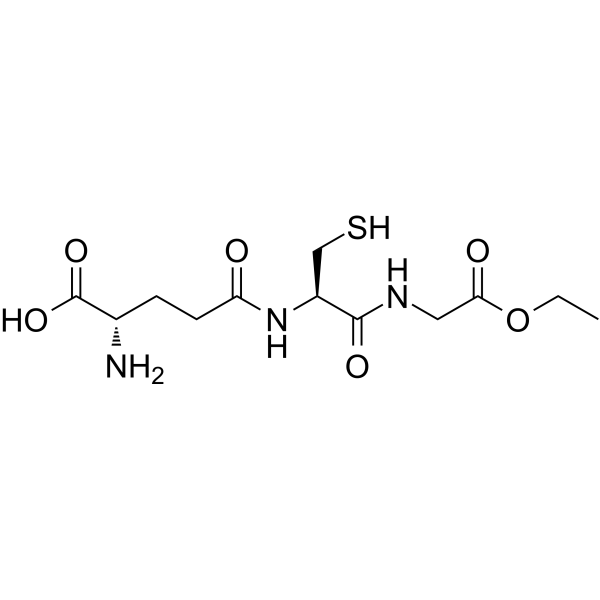
Glutathione ethyl ester is a cell-permeable GSH donor and provides an efficient supply of GSH to the oocyte. Glutathione ethyl ester shows positive effect on the in vitro production of embryos by enhancement of the antioxidative defense .
|
-
-
- HY-134495
-
|
N-Acetylcysteine ethyl ester; NACET
|
Reactive Oxygen Species (ROS)
|
Metabolic Disease
|
|
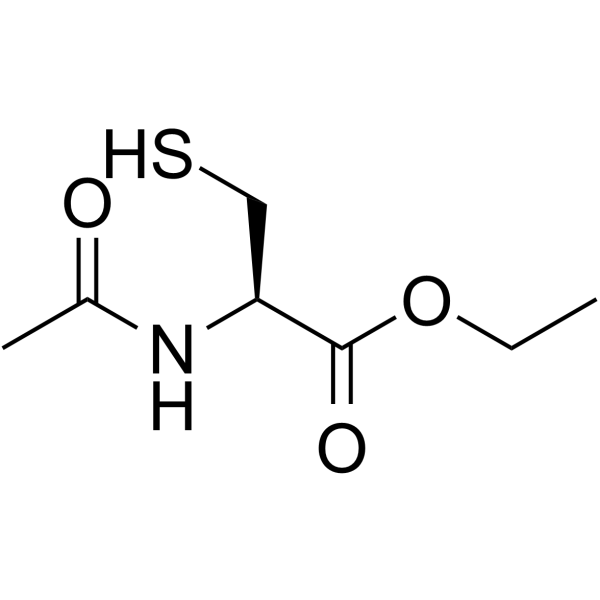
N-Acetyl-L-cysteine ethyl ester is an esterified form of N-acetyl-L-cysteine (NAC). N-Acetyl-L-cysteine ethyl ester exhibits enhanced cell permeability, and produce NAC and cysteine. N-Acetyl-L-cysteine ethyl ester increases circulating hydrogen sulfide (H2S) and can be used as an H2S producer. N-Acetyl-L-cysteine ethyl ester has the potential to substitute NAC as a mucolytic agent, and as a GSH-related antioxidant .
|
-
-
- HY-W014449
-
|
|
Biochemical Assay Reagents
|
Others
|
|
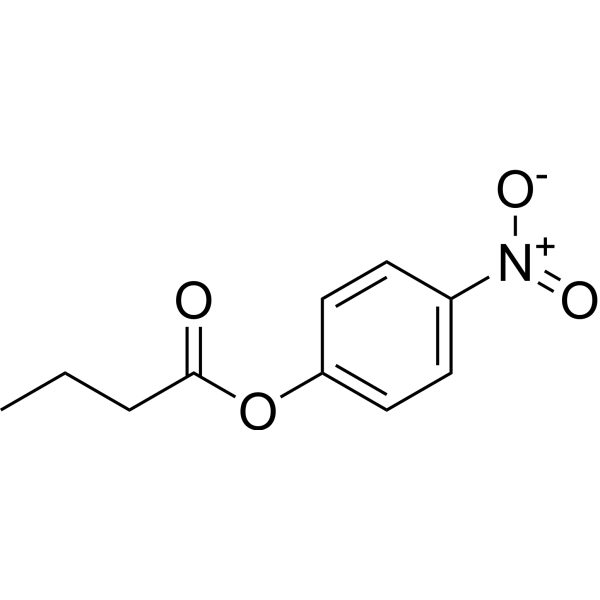
4-Nitrophenyl butyrate consists of butyric acid chains esterified with 4-nitrophenol groups, thus giving it a yellow color. This compound is commonly used as a substrate in enzyme assays to measure esterase and lipase activity. When these enzymes cleave the ester bond, the nitrophenol group is released and the color changes from yellow to orange. Thus, the rate of color change can be used to determine enzyme activity. In addition, 4-Nitrophenyl butyrate can also be used as organic synthesis reagent and dye intermediate.
|
-
-
- HY-W127534
-
|
Trihexanoin
|
Biochemical Assay Reagents
|
Others
|
|
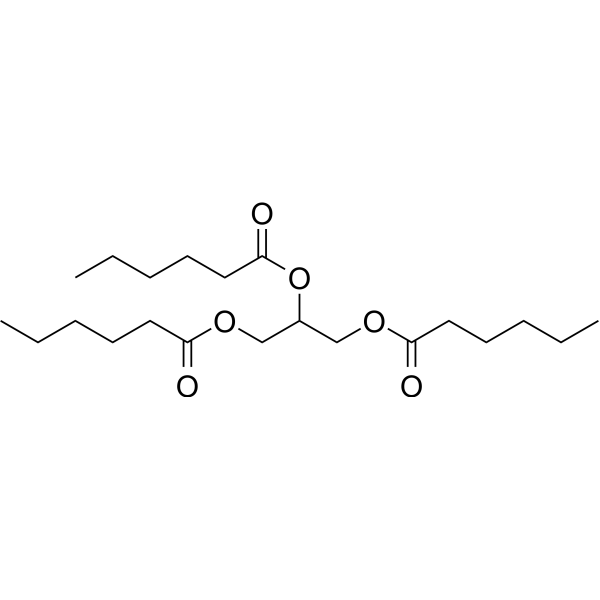
TricaproinIt is an organic compound belonging to the class of triacylglycerols. It consists of three molecules of caproic acid esterified to the glycerin backbone, with a mild fatty smell. TricaproinIt has a variety of applications in the cosmetic and personal care industries, especially as an emollient and conditioning agent in skin and hair care products. Additionally, it is used as a lubricant and surfactant in industrial settings.
|
-
-
- HY-126220
-
|
|
Fluorescent Dye
|
Others
|
|
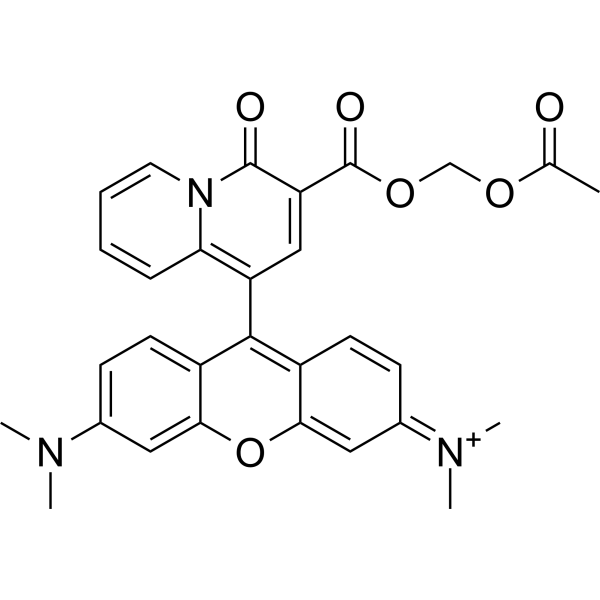
KMG-301AM is the acetoxy methyl esterified form of KMG-301. KMG-301AM successfully accumulates in mitochondria and then it is hydrolyzed to KMG-301. KMG-301 is an Mg 2+-selective fluorescent probe functional in mitochondria in intact cells. Since the mitochondrial membrane is impermeable to KMG-301, it is not released upon depolarization of the mitochondrial membrane potential. KMG-301 can indicate changes in mitochondrial Mg2+ concentration and shows Mg 2+ transport across the mitochondrial membrane in the early phases of a cellular model .
|
-
-
- HY-W009276
-
|
Methyl GLA
|
Apoptosis
|
Cancer
|
|
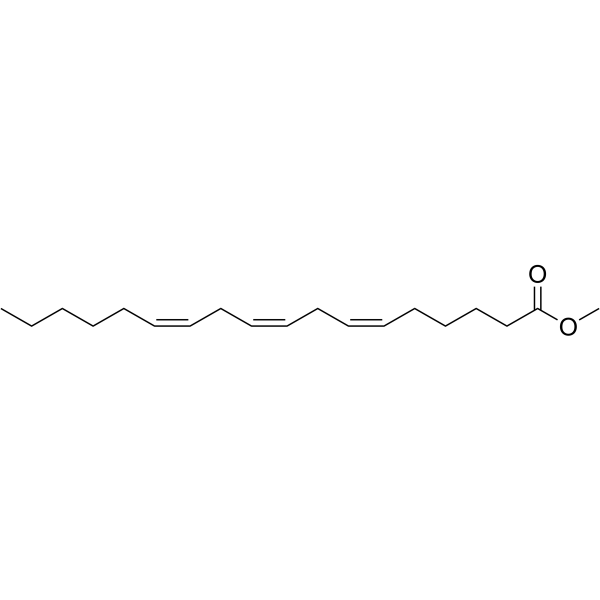
γ-Linolenic Acid methyl ester (Methyl GLA) is an esterified version of γ-Linolenic Acid (GLA), which is an ω-6 fatty acid, serves as melanoma cell proliferation inhibitors. γ-Linolenic Acid methyl ester inhibits ADP-induced blood platelet aggregation and induces apoptosis .
|
-
-
- HY-N1434
-
|
Methyl 4-hydroxycinnamate
|
Fungal
|
Infection
Cancer
|
|
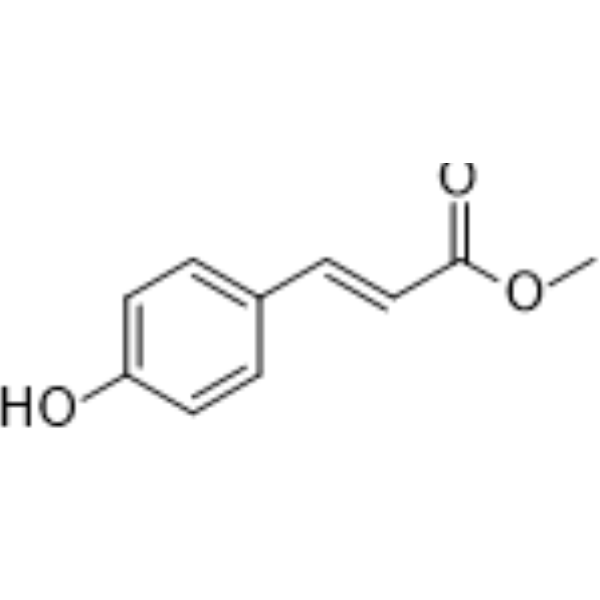
Methyl p-coumarate (Methyl 4-hydroxycinnamate), an orally active esterified derivative of p-Coumaric acid (pCA), can be isolated from the flower of Trixis michuacana var longifolia. Methyl p-coumarate could inhibit the melanin formation in B16 mouse melanoma cells. Methyl p-coumarate also has strong in vitro inhibitory effect on A. alternata and other pathogens .
|
-
-
- HY-126220A
-
|
|
Fluorescent Dye
|
Others
|
|
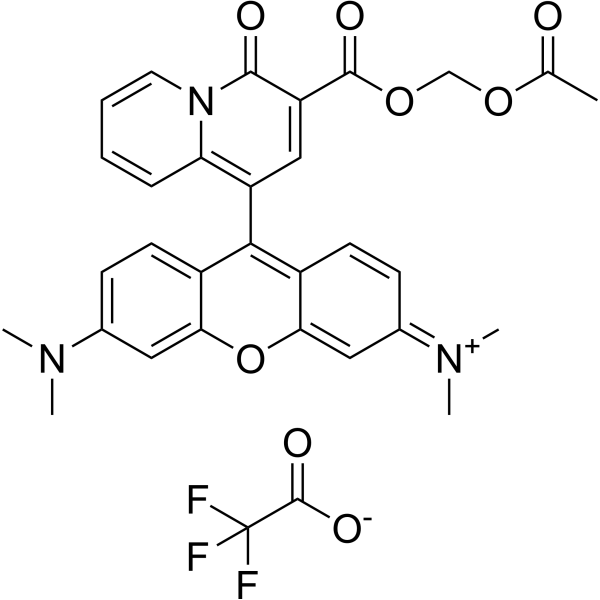
KMG-301AM TFA is the acetoxy methyl esterified form of KMG-301. KMG-301AM TFA successfully accumulates in mitochondria and then it is hydrolyzed to KMG-301. KMG-301 is an Mg 2+-selective fluorescent probe functional in mitochondria in intact cells. Since the mitochondrial membrane is impermeable to KMG-301, it is not released upon depolarization of the mitochondrial membrane potential. KMG-301 can indicate changes in mitochondrial Mg2+ concentration and shows Mg 2+ transport across the mitochondrial membrane in the early phases of a cellular model .
|
-
-
- HY-113209
-
|
8-iso-PGF2α
|
Endogenous Metabolite
|
Others
|
|
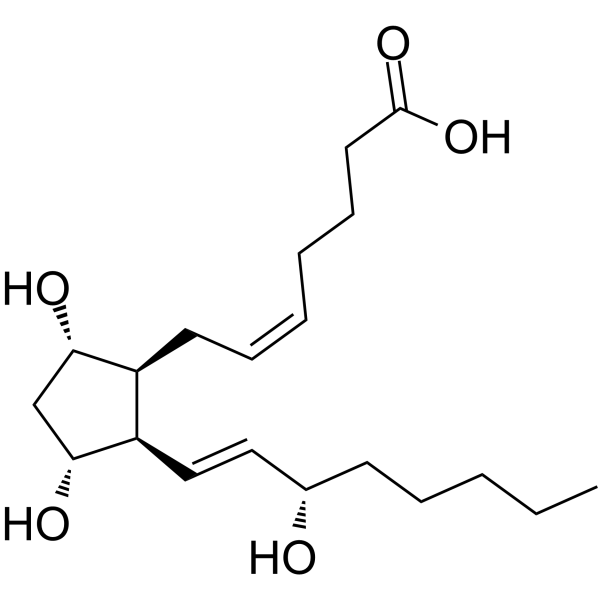
8-Isoprostaglandin F2α is an isoprostane produced by the non-enzymatic peroxidation of arachidonic acid in membrane phospholipids. 8-Isoprostaglandin F2α is present in human plasma in two distinct forms - esterified in phospholipids and as the free acid. 8-Isoprostaglandin F2α is a weak TP receptor agonist in vascular smooth muscle.
|
-
-
- HY-W016172
-
|
|
Environmental Pollutants
Biochemical Assay Reagents
|
Others
|
|
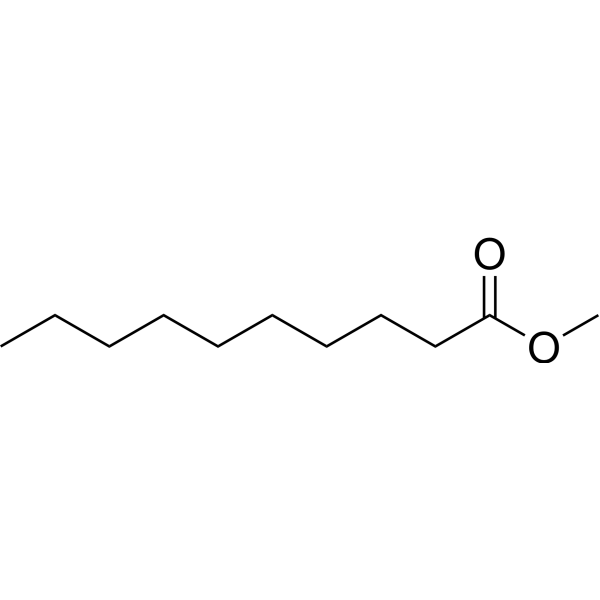
Methyl decanoate is a class of esters consisting of medium-chain fatty acids, capric acid, esterified with methanol. The compound has a fruity smell and is commonly used as a flavoring in foods such as baked goods, candy and beverages.
|
-
-
- HY-W015667
-
|
Ethyl 2-methylvalerate
|
Environmental Pollutants
Biochemical Assay Reagents
|
Others
|
|
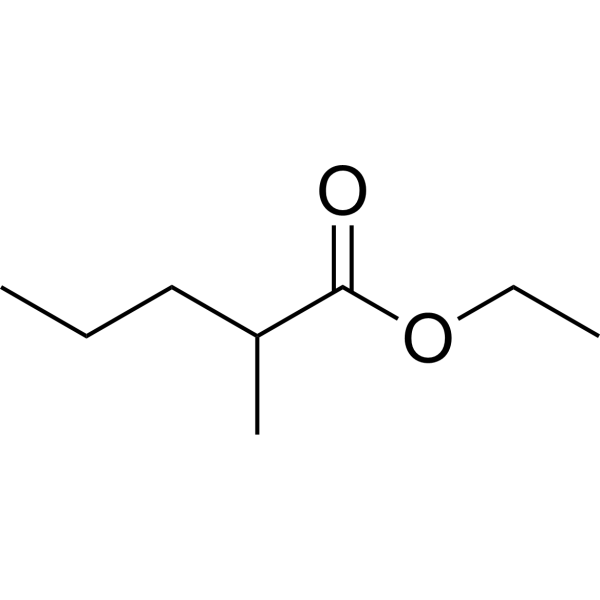
Ethyl 2-methylpentanoate is a class of esters consisting of branched-chain isovaleric acid esterified with ethanol. The compound has a fruity, pungent smell and is commonly used as a flavoring in foods such as baked goods, dairy products and beverages. It can also be used as a fragrance ingredient in personal care products, and as a solvent or plasticizer in various industrial applications. In addition, Ethyl 2-methylpentanoate can be used as a starting material for the synthesis of other organic compounds.
|
-
-
- HY-W127341
-
|
|
Biochemical Assay Reagents
|
Others
|
|
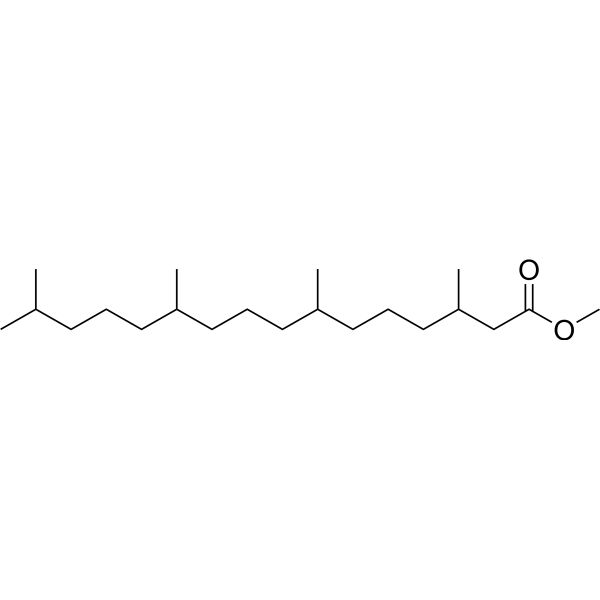
Phytanic acid methyl esteris an esterified form of long-chain fatty acid methyl esters and phytanic acid, which has been found in Greek tobacco.
|
-
-
- HY-W015305
-
|
Octanoic acid ethyl ester
|
Environmental Pollutants
Biochemical Assay Reagents
|
Others
|
|
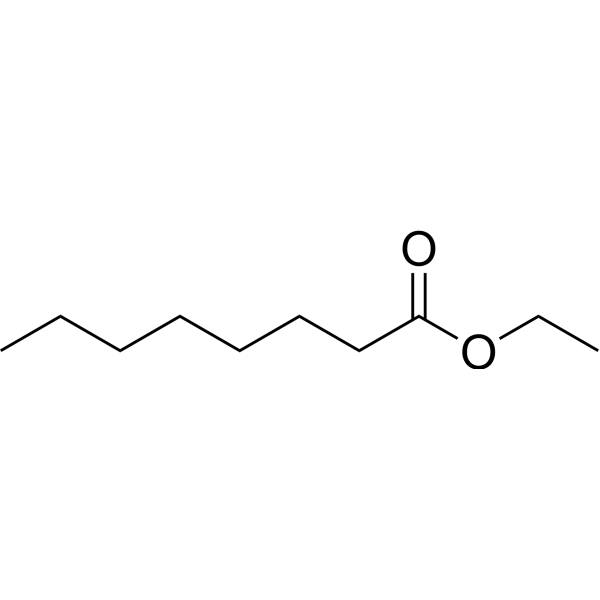
Ethyl octanoate is a class of esters consisting of the medium-chain fatty acid octanoic acid esterified with ethanol. The compound has a fruity smell and is commonly used as a flavoring in foods such as baked goods, candy and beverages. It can also be used as a fragrance ingredient in personal care products, and as a solvent or plasticizer in various industrial applications. In addition, Ethyl octanoate can be used as a starting material for the synthesis of other organic compounds.
|
-
-
- HY-W008294
-
|
Pentanedioic acid, 3-hydroxy-, dimethyl ester
|
Drug Derivative
|
Others
|
|
3-Hydroxyglutaric acid dimethyl ester (Pentanedioic acid, 3-hydroxy-, dimethyl ester) is a prochiral substrate and an esterified derivative of 3-Hydroxyglutaric acid (HY-113411).
|
-
-
- HY-131307
-
|
Actinotetraose hexatiglate
|
Endogenous Metabolite
|
Others
|
|
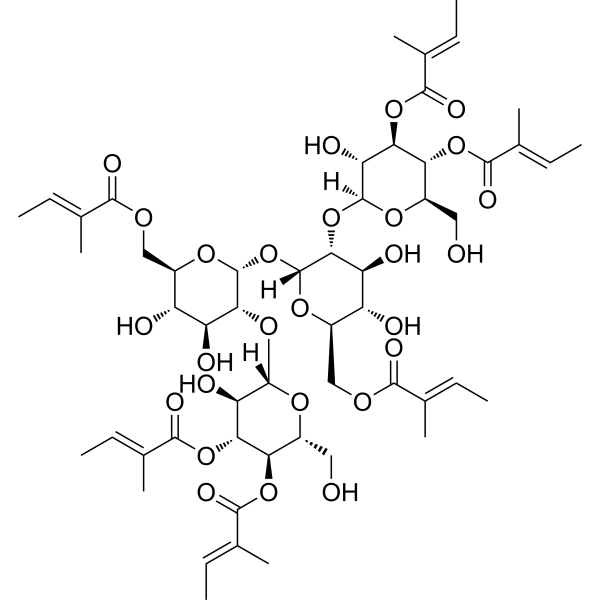
Tigloside (Actinotetraose hexatiglate) is a symmetrical tetrasaccharide esterified with Tiglic acids (HY-W012999), which is detected as a secondary metabolite of an actinomycete strain Amycolatopsis .
|
-
-
- HY-W013214
-
|
|
Endogenous Metabolite
|
Others
|
|
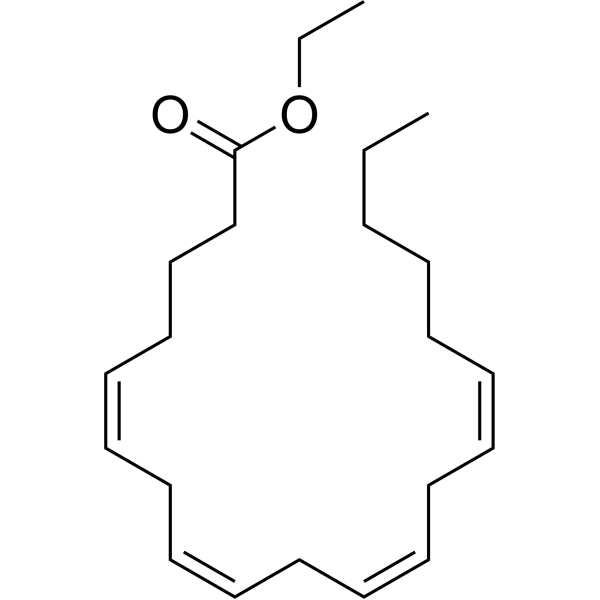
Ethyl arachidonate is a lipophilic esterified form of arachidonic acid (AA) and can be added into dietary regimens or fed to cultured cells as a source of exogenous arachidonate. Ethyl arachidonate is the main species of fatty acid ethyl esters (FAEE) in brain of alcohol-intoxicated subjects .
|
-
-
- HY-N13014
-
|
|
Others
|
Others
|
|
Indole-3-acetyl β-D-glucopyranose is a glucose esterified derivative of the plant hormone indole-3-acetic acid (IAA). Indole-3-acetyl β-D-glucopyranose is involved in regulating plant growth and can be used to study the metabolism and regulatory mechanisms of plant hormones .
|
-
-
- HY-W004286R
-
|
Methyl dodecanoate (Standard)
|
Biochemical Assay Reagents
Reference Standards
|
Others
|
|
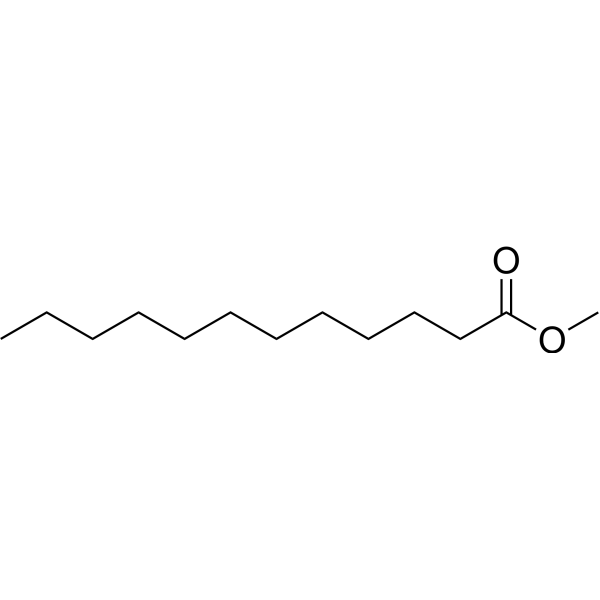
Methyl laurate (Standard) is the analytical standard of Methyl laurate. This product is intended for research and analytical applications. Methyl laurate, a 12-carbon saturated fatty acid, is an esterified version of lauric acid .
|
-
-
- HY-W016172R
-
|
|
Biochemical Assay Reagents
Reference Standards
|
Others
|
|
Methyl decanoate (Standard) is the analytical standard of Methyl decanoate. This product is intended for research and analytical applications. Methyl decanoate is a class of esters consisting of medium-chain fatty acids, capric acid, esterified with methanol. The compound has a fruity smell and is commonly used as a flavoring in foods such as baked goods, candy and beverages.
|
-
-
- HY-P2424
-
-
-
- HY-W013466
-
|
Sebacic acid dimethyl ester
|
Biochemical Assay Reagents
|
Others
|
|
Dimethyl decanedioate belongs to the class of diesters and consists of a sebacic acid backbone (also known as sebacic acid) esterified with two methyl groups. This compound has a fruity smell and is commonly used as a flavor and fragrance ingredient in a variety of products, including perfumes, soaps and cosmetics. It can also be used as a plasticizer in the production of polymers and as a neutralizer in the synthesis of certain drugs.
|
-
-
- HY-123341
-
|
9-KODE
|
Endogenous Metabolite
|
Metabolic Disease
|
|
9-OxoODE results from oxidation of the allylic hydroxyl of either 9(S)- or 9(R)-HODE. Rabbit reticulocyte plasma and mitochondrial membranes contain both 9- and 13-oxoODEs, representing about 2% of the total linoleate residues in the membranes. Most of these oxidized linoleate residues are esterified to membrane lipids.
|
-
-
- HY-W750675
-
|
Astaxanthin palmitate
|
Drug Derivative
|
Others
|
|
Astaxanthin monopalmitate (Astaxanthin palmitate) is an esterified form of Astaxanthin (HY-B2163) (a carotenoid). Astaxanthin monopalmitate degradation resulted in a mixture of free and palmitate apo-astaxanthins. Carotenoids are important biological active, and may regulate cellular differentiation, growth control, photooxidative protection, cell membrane stability, photosynthesis, vision process and nutrition .
|
-
-
- HY-W014207
-
|
|
Biochemical Assay Reagents
|
Others
|
|
Ethyl undecanoate is a class of esters consisting of long-chain straight-chain fatty acids, undecanoic acid, esterified with ethanol. The compound has a fruity smell and is commonly used as a flavoring in foods such as baked goods, candy and beverages. It is also used as a fragrance ingredient in personal care products and as a lubricant or plasticizer in various industrial applications. In addition, Ethyl undecanoate can be used as a starting material for the synthesis of other organic compounds.
|
-
-
- HY-135376
-
|
|
Drug Derivative
|
Metabolic Disease
|
|
Atorvastatin methyl ester (Compound 2a) is a methyl esterified derivative of Atorvastatin. Atorvastatin methyl ester inhibits the 9-cis-RA-induced Gal4 reporter activity more strongly than Atorvastatin .
|
-
-
- HY-N7623
-
|
|
Drug Derivative
|
Cancer
|
|
Ursonic acid methyl ester is an esterified derivative of Ursolic acid (HY-N0140). Ursonic acid methyl ester shows growth inhibitory activity against four tumor cell lines, HL-60, BGC, Bel-7402 and Hela with ED50 values of >100 µg/ml .
|
-
-
- HY-N1016
-
|
|
Drug Derivative
|
Others
|
|
3β-Hydroxy-11,12-epoxy–friedoolean-14-enyl palmitate is a fatty acids esterified with triterpenes .
|
-
-
- HY-170645
-
|
|
Drug Intermediate
|
Neurological Disease
|
|
Neuroprotectin D1 methyl ester is an esterified form of Protectin D1 (HY-130413). Neuroprotectin D1 methyl ester is an intermediate in the synthesis of Protectin D1.
|
-
-
- HY-163336
-
|
14,15-LTA4 methyl ester
|
Drug Derivative
|
Inflammation/Immunology
|
|
14,15-Leukotriene A4 methyl ester (14,15-LTA4 methyl ester) is the methyl esterified form of Leukotriene A4, which can be used for the study of biological effects of leukotrienes .
|
-
-
- HY-114942
-
|
Prostaglandin E1 Et ester; PGE1-EE
|
Prostaglandin Receptor
|
Cardiovascular Disease
|
|
Prostaglandin E1 ethyl ester (Prostaglandin E1 Et ester) is the esterified form of Prostaglandin E1 (PGE1; HY-B0131). Prostaglandin E1 (Alprostadil) is a prostaglandin receptor ligand that induces vasodilation and inhibits platelet aggregation .
|
-
-
- HY-W013214S
-
|
|
Isotope-Labeled Compounds
Endogenous Metabolite
|
Others
|
|
Ethyl arachidonate-d11 is deuterium labeled Ethyl arachidonate. Ethyl arachidonate is a lipophilic esterified form of arachidonic acid (AA) and can be added into dietary regimens or fed to cultured cells as a source of exogenous arachidonate. Ethyl arachidonate is the main species of fatty acid ethyl esters (FAEE) in brain of alcohol-intoxicated subjects .
|
-
-
- HY-124200
-
|
|
Prostaglandin Receptor
|
Endocrinology
|
|
AL 8810 (Item No. 16735) is an 11β-fluoro analog of prostaglandin F2α which acts as a potent and selective antagonist at the FP receptor. AL 8810 isopropyl ester is a lipid soluble, esterified prodrug form of AL 8810 analogous to the commonly used therapeutic intraocular prostaglandin compounds such as Latanoprost (HY-B0577) and Travoprost (HY-B0584).
|
-
-
- HY-139393
-
-
-
- HY-117459
-
|
|
PPAR
|
Metabolic Disease
|
|
E-3030 free acid is a potent dual activator of peroxisome proliferator-activated receptor (PPAR) alpha and PPARgamma, exhibiting significant antidiabetic and lipid-modulating effects. E-3030 decreases blood glucose, triglyceride, non-esterified fatty acids, and insulin levels, while increasing blood adiponectin levels. E-3030 improves glucose tolerance and shows remarkable triglyceride- and non-high-density lipoprotein cholesterol-lowering effects in animal models.
|
-
-
- HY-W009276R
-
|
Methyl GLA (Standard)
|
Reference Standards
Apoptosis
|
Cancer
|
|
γ-Linolenic Acid methyl ester (Standard) is the analytical standard of γ-Linolenic Acid methyl ester. This product is intended for research and analytical applications. γ-Linolenic Acid methyl ester (Methyl GLA) is an esterified version of γ-Linolenic Acid (GLA), which is an ω-6 fatty acid, serves as melanoma cell proliferation inhibitors. γ-Linolenic Acid methyl ester inhibits ADP-induced blood platelet aggregation and induces apoptosis .
|
-
-
- HY-113209R
-
|
8-iso-PGF2α (Standard)
|
Reference Standards
Endogenous Metabolite
|
Others
|
|
8-Isoprostaglandin F2α (Standard) is the analytical standard of 8-Isoprostaglandin F2α. This product is intended for research and analytical applications. 8-Isoprostaglandin F2α is an isoprostane produced by the non-enzymatic peroxidation of arachidonic acid in membrane phospholipids. 8-Isoprostaglandin F2α is present in human plasma in two distinct forms - esterified in phospholipids and as the free acid. 8-Isoprostaglandin F2α is a weak TP receptor agonist in vascular smooth muscle.
|
-
-
- HY-113209S2
-
|
8-iso-PGF2α-13C5
|
Endogenous Metabolite
Isotope-Labeled Compounds
|
Others
|
|
8-Isoprostaglandin F2α- 13C5 is 13C labeled 8-Isoprostaglandin F2α (HY-113209). 8-Isoprostaglandin F2α is an isoprostane produced by the non-enzymatic peroxidation of arachidonic acid in membrane phospholipids. 8-Isoprostaglandin F2α is present in human plasma in two distinct forms - esterified in phospholipids and as the free acid. 8-Isoprostaglandin F2α is a weak TP receptor agonist in vascular smooth muscle.
|
-
-
- HY-113209S1
-
|
8-iso-PGF2α-d9
|
Endogenous Metabolite
|
Others
|
|
8-iso Prostaglandin F2α-d9 is the deuterium labeled 8-Isoprostaglandin F2α. 8-Isoprostaglandin F2α is an isoprostane produced by the non-enzymatic peroxidation of arachidonic acid in membrane phospholipids. 8-Isoprostaglandin F2α is present in human plasma in two distinct forms - esterified in phospholipids and as the free acid. 8-Isoprostaglandin F2α is a weak TP receptor agonist in vascular smooth muscle.
|
-
-
- HY-123765
-
|
|
Acyltransferase
|
Metabolic Disease
|
|
JTT-553 is a DGAT1 inhibitor (IC50: 2.38 nM). JTT-553 reduces plasma concentrations of glucose, insulin, non-esterified fatty acids (NEFA), total cholesterol (TC), and hepatic triglycerides (TG). JTT-553 improves insulin-dependent glucose uptake and glucose intolerance in adipose tissue of DIO mice. JTT-553 reduces TNF-α mRNA levels and increases GLUT4 mRNA levels in adipose tissue of KK-Ay mice. JTT-553 improves adipose tissue insulin resistance and systemic glucose metabolism by reducing body weight. JTT-553 can be used in the study of obesity and type 2 diabetes mellitus (T2DM) .
|
-
-
- HY-N17464
-
|
|
Drug Derivative
|
Metabolic Disease
|
|
Methyl (9Z,12Z,14E)-16-hydroxy-9,12,14-octadecatrienoate is an esterified oxylipin and esterified hydroxy linolenic acid (HOT-Me) that can be found in potato tubers (Solanum tuberosum L. cv. Bintje) .
|
-
-
- HY-W004286S
-
|
Methyl dodecanoate-d3
|
Biochemical Assay Reagents
|
|
|
Methyl laurate-d3 is the deuterated Methyl laurate. Methyl laurate, a 12-carbon saturated fatty acid, is an esterified version of lauric acid.
|
-
-
- HY-N18287
-
|
|
Drug Derivative
|
Others
|
|
Tenuifoliose Q is an oligosaccharide ester esterified with acetic acid, benzoic acid and p-hydroxycinnamic acid, which can be isolated from the root bark of Polygala tenuifolia Willd .
|
-
-
- HY-33319A
-
|
|
Drug Derivative
|
Others
|
|
Methyl ester L-cysteine is a carboxyl-esterified derivative of L-cysteine (HY-Y0337). Methyl ester L-cysteine can be applied to explore the regulatory mechanism of polypeptides on smooth muscle contraction function .
|
-
-
- HY-116502
-
|
13,14-Dihydro-15-keto PGF2α isopropyl ester
|
Biochemical Assay Reagents
|
Others
|
|
13,14-Dihydro-15-keto prostaglandin F2α isopropyl ester is an esterified form of 13,14-dihydro-15-keto PGF2α.
|
-
-
- HY-W127534R
-
|
Trihexanoin (Standard)
|
Biochemical Assay Reagents
Reference Standards
|
Others
|
|
Tricaproin (Standard) is the analytical standard of Tricaproin. This product is intended for research and analytical applications. TricaproinIt is an organic compound belonging to the class of triacylglycerols. It consists of three molecules of caproic acid esterified to the glycerin backbone, with a mild fatty smell. TricaproinIt has a variety of applications in the cosmetic and personal care industries, especially as an emollient and conditioning agent in skin and hair care products. Additionally, it is used as a lubricant and surfactant in industrial settings.
|
-
-
- HY-W339816
-
|
|
Lipocalin Family
Endogenous Metabolite
|
Others
|
|
(S,R)-Bis(monomyristoylglycero)phosphate ammonium actively contributes to cargo sorting by promoting the degradation and sorting of lipids, and it plays a critical role in the sorting of polyunsaturated fatty acids (PUFAs) within acidic organelles. This phospholipid features two phosphate-linked glycerol molecules arranged in a unique sn-1 glycerophospho-sn-1′ glycerol stereoconformation, with each glycerol molecule esterified to a myristic acid. Typically, it is found in the intraluminal vesicles (ILVs) of late endosomes and lysosomes.
|
-
-
- HY-N13014S2
-
|
|
Isotope-Labeled Compounds
|
Others
|
|
Indole-3-acetyl β-D-glucopyranose-d4 is deuterium labeled Indole-3-acetyl β-D-glucopyranose. Indole-3-acetyl β-D-glucopyranose is a glucose esterified derivative of the plant hormone indole-3-acetic acid (IAA). Indole-3-acetyl β-D-glucopyranose is involved in regulating plant growth and can be used to study the metabolism and regulatory mechanisms of plant hormones .
|
-
-
- HY-145473S
-
|
15(S)-HETE-SAPE; 15(S)-Hydroxyeicosatetraenoic acid-SAPE-d11; 1-Stearoyl-2-15(S)-HETE-sn-glycero-3-Phosphatidylethanolamine-d11
|
Isotope-Labeled Compounds
Others
|
Metabolic Disease
|
|
1-Stearoyl-2-15(S)-HETE-sn-glycero-3-PE-d11 (15(S)-HETE-SAPE-d11) is deuterium labeled 1-Stearoyl-2-15(S)-HETE-sn-glycero-3-PE. 1-Stearoyl-2-15(S)-HETE-sn-glycero-3-PE is a phospholipid that contains stearic acid (HY-B2219) at the sn-1 position and 15(S)-HETE at the sn-2 position. It is formed in human peripheral monocytes activated by the calcium ionophore A23187 (HY-N6687) by direct oxidation of 1-stearoyl-2-arachidonoyl-sn-glycero-3-PE (SAPE) by 15-LO. Phosphoethanolamine (PE) HETEs (PE-HETEs), including 1-stearoyl-2-15(S)-HETE-sn-glycero-3-PE, are the main source of esterified HETE in ionophore-activated monocytes .
|
-
| Cat. No. |
Product Name |
Type |
-
- HY-W014449
-
|
|
Biochemical Assay Reagents
|
|
4-Nitrophenyl butyrate consists of butyric acid chains esterified with 4-nitrophenol groups, thus giving it a yellow color. This compound is commonly used as a substrate in enzyme assays to measure esterase and lipase activity. When these enzymes cleave the ester bond, the nitrophenol group is released and the color changes from yellow to orange. Thus, the rate of color change can be used to determine enzyme activity. In addition, 4-Nitrophenyl butyrate can also be used as organic synthesis reagent and dye intermediate.
|
-
- HY-W127534
-
|
Trihexanoin
|
Biochemical Assay Reagents
|
|
TricaproinIt is an organic compound belonging to the class of triacylglycerols. It consists of three molecules of caproic acid esterified to the glycerin backbone, with a mild fatty smell. TricaproinIt has a variety of applications in the cosmetic and personal care industries, especially as an emollient and conditioning agent in skin and hair care products. Additionally, it is used as a lubricant and surfactant in industrial settings.
|
-
- HY-W016172
-
|
|
Biochemical Assay Reagents
|
|
Methyl decanoate is a class of esters consisting of medium-chain fatty acids, capric acid, esterified with methanol. The compound has a fruity smell and is commonly used as a flavoring in foods such as baked goods, candy and beverages.
|
-
- HY-W015667
-
|
Ethyl 2-methylvalerate
|
Biochemical Assay Reagents
|
|
Ethyl 2-methylpentanoate is a class of esters consisting of branched-chain isovaleric acid esterified with ethanol. The compound has a fruity, pungent smell and is commonly used as a flavoring in foods such as baked goods, dairy products and beverages. It can also be used as a fragrance ingredient in personal care products, and as a solvent or plasticizer in various industrial applications. In addition, Ethyl 2-methylpentanoate can be used as a starting material for the synthesis of other organic compounds.
|
-
- HY-W127341
-
|
|
Biochemical Assay Reagents
|
|
Phytanic acid methyl esteris an esterified form of long-chain fatty acid methyl esters and phytanic acid, which has been found in Greek tobacco.
|
-
- HY-W015305
-
|
Octanoic acid ethyl ester
|
Biochemical Assay Reagents
|
|
Ethyl octanoate is a class of esters consisting of the medium-chain fatty acid octanoic acid esterified with ethanol. The compound has a fruity smell and is commonly used as a flavoring in foods such as baked goods, candy and beverages. It can also be used as a fragrance ingredient in personal care products, and as a solvent or plasticizer in various industrial applications. In addition, Ethyl octanoate can be used as a starting material for the synthesis of other organic compounds.
|
-
- HY-W016172R
-
|
|
Biochemical Assay Reagents
|
|
Methyl decanoate (Standard) is the analytical standard of Methyl decanoate. This product is intended for research and analytical applications. Methyl decanoate is a class of esters consisting of medium-chain fatty acids, capric acid, esterified with methanol. The compound has a fruity smell and is commonly used as a flavoring in foods such as baked goods, candy and beverages.
|
-
- HY-W013466
-
|
Sebacic acid dimethyl ester
|
Biochemical Assay Reagents
|
|
Dimethyl decanedioate belongs to the class of diesters and consists of a sebacic acid backbone (also known as sebacic acid) esterified with two methyl groups. This compound has a fruity smell and is commonly used as a flavor and fragrance ingredient in a variety of products, including perfumes, soaps and cosmetics. It can also be used as a plasticizer in the production of polymers and as a neutralizer in the synthesis of certain drugs.
|
-
- HY-W014207
-
|
|
Biochemical Assay Reagents
|
|
Ethyl undecanoate is a class of esters consisting of long-chain straight-chain fatty acids, undecanoic acid, esterified with ethanol. The compound has a fruity smell and is commonly used as a flavoring in foods such as baked goods, candy and beverages. It is also used as a fragrance ingredient in personal care products and as a lubricant or plasticizer in various industrial applications. In addition, Ethyl undecanoate can be used as a starting material for the synthesis of other organic compounds.
|
-
- HY-W127534R
-
|
Trihexanoin (Standard)
|
Biochemical Assay Reagents
|
|
Tricaproin (Standard) is the analytical standard of Tricaproin. This product is intended for research and analytical applications. TricaproinIt is an organic compound belonging to the class of triacylglycerols. It consists of three molecules of caproic acid esterified to the glycerin backbone, with a mild fatty smell. TricaproinIt has a variety of applications in the cosmetic and personal care industries, especially as an emollient and conditioning agent in skin and hair care products. Additionally, it is used as a lubricant and surfactant in industrial settings.
|
| Cat. No. |
Product Name |
Target |
Research Area |
| Cat. No. |
Product Name |
Category |
Target |
Chemical Structure |
| Cat. No. |
Product Name |
Chemical Structure |
-
- HY-W013214S
-
|
|
|
Ethyl arachidonate-d11 is deuterium labeled Ethyl arachidonate. Ethyl arachidonate is a lipophilic esterified form of arachidonic acid (AA) and can be added into dietary regimens or fed to cultured cells as a source of exogenous arachidonate. Ethyl arachidonate is the main species of fatty acid ethyl esters (FAEE) in brain of alcohol-intoxicated subjects .
|
-
-
- HY-113209S2
-
|
|
|
8-Isoprostaglandin F2α- 13C5 is 13C labeled 8-Isoprostaglandin F2α (HY-113209). 8-Isoprostaglandin F2α is an isoprostane produced by the non-enzymatic peroxidation of arachidonic acid in membrane phospholipids. 8-Isoprostaglandin F2α is present in human plasma in two distinct forms - esterified in phospholipids and as the free acid. 8-Isoprostaglandin F2α is a weak TP receptor agonist in vascular smooth muscle.
|
-
-
- HY-113209S1
-
|
|
|
8-iso Prostaglandin F2α-d9 is the deuterium labeled 8-Isoprostaglandin F2α. 8-Isoprostaglandin F2α is an isoprostane produced by the non-enzymatic peroxidation of arachidonic acid in membrane phospholipids. 8-Isoprostaglandin F2α is present in human plasma in two distinct forms - esterified in phospholipids and as the free acid. 8-Isoprostaglandin F2α is a weak TP receptor agonist in vascular smooth muscle.
|
-
-
- HY-W004286S
-
|
|
|
Methyl laurate-d3 is the deuterated Methyl laurate. Methyl laurate, a 12-carbon saturated fatty acid, is an esterified version of lauric acid.
|
-
-
- HY-N13014S2
-
|
|
|
Indole-3-acetyl β-D-glucopyranose-d4 is deuterium labeled Indole-3-acetyl β-D-glucopyranose. Indole-3-acetyl β-D-glucopyranose is a glucose esterified derivative of the plant hormone indole-3-acetic acid (IAA). Indole-3-acetyl β-D-glucopyranose is involved in regulating plant growth and can be used to study the metabolism and regulatory mechanisms of plant hormones .
|
-
-
- HY-145473S
-
|
|
|
1-Stearoyl-2-15(S)-HETE-sn-glycero-3-PE-d11 (15(S)-HETE-SAPE-d11) is deuterium labeled 1-Stearoyl-2-15(S)-HETE-sn-glycero-3-PE. 1-Stearoyl-2-15(S)-HETE-sn-glycero-3-PE is a phospholipid that contains stearic acid (HY-B2219) at the sn-1 position and 15(S)-HETE at the sn-2 position. It is formed in human peripheral monocytes activated by the calcium ionophore A23187 (HY-N6687) by direct oxidation of 1-stearoyl-2-arachidonoyl-sn-glycero-3-PE (SAPE) by 15-LO. Phosphoethanolamine (PE) HETEs (PE-HETEs), including 1-stearoyl-2-15(S)-HETE-sn-glycero-3-PE, are the main source of esterified HETE in ionophore-activated monocytes .
|
-
Your information is safe with us. * Required Fields.
Inquiry Information
- Product Name:
- Cat. No.:
- Quantity:
- MCE Japan Authorized Agent:

