


Search Result
Results for "
fish
" in MedChemExpress (MCE) Product Catalog:
11
Biochemical Assay Reagents
15
Isotope-Labeled Compounds
| Cat. No. |
Product Name |
Target |
Research Areas |
Chemical Structure |
-
- HY-B2167
-
-
-
- HY-W011777
-
-
-
- HY-P2962
-
|
TG
|
Biochemical Assay Reagents
|
Infection
Inflammation/Immunology
|
|
Transglutaminase, Streptoverticillium mobaraense (TG) is an enzyme that forms cross-links between protein molecules. Transglutaminase, Streptoverticillium mobaraense attaches proteins and peptides to small molecules, polymers, surfaces, DNA and other proteins. Transglutaminase, Streptoverticillium mobaraense is widely used in food applications in the meat, fish, dairy and baking industries .
|
-
-
- HY-113414
-
|
|
Endogenous Metabolite
Mineralocorticoid Receptor
|
Others
Inflammation/Immunology
|
|
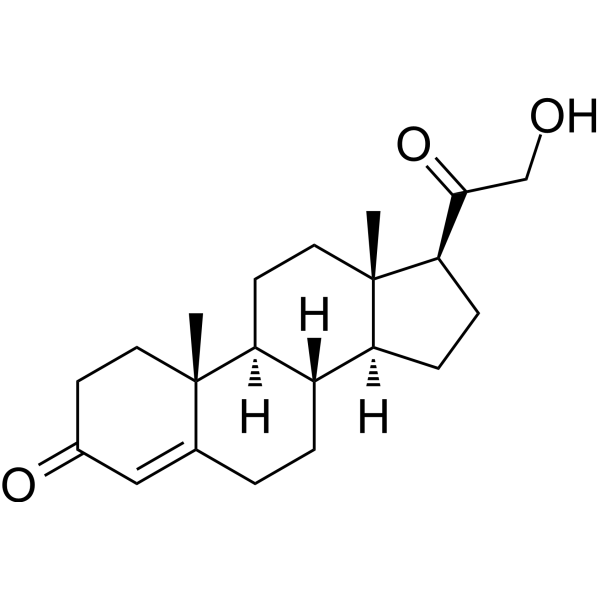
Deoxycorticosterone is a steroid hormone produced by the adrenal gland that possesses mineralocorticoid activity and acts as an aldosterone precursor. Deoxycorticosterone is an agonist for O. mykiss mineralocorticoid receptor (rtMR) transcription with EC50 of 0.16 nM . Deoxycorticosterone could acts as an immune stimulator in fish .
|
-
-
- HY-D1840
-
|
|
Biochemical Assay Reagents
|
Others
|
|
Tyramide Amplification Buffer is a ready-to-use buffer primarily intended for immunostaining of cells and tissues by the technique of tyramide signal amplification (TSA). Tyramide Amplification Buffer enables the reaction between tyramide-labeled antibodies and fluorescently labeled tyramide substitutes (tyramide) using peroxidase, resulting in a highly amplified fluorescent signal. Tyramide Amplification Buffer can be used for signal enhancement in detection methods such as immunofluorescence (IF), immunohistochemistry (IHC), or in situ hybridization (FISH) .
|
-
-
- HY-Y1683
-
|
Racementhol
|
Environmental Pollutants
GABA Receptor
|
Infection
Neurological Disease
|
|
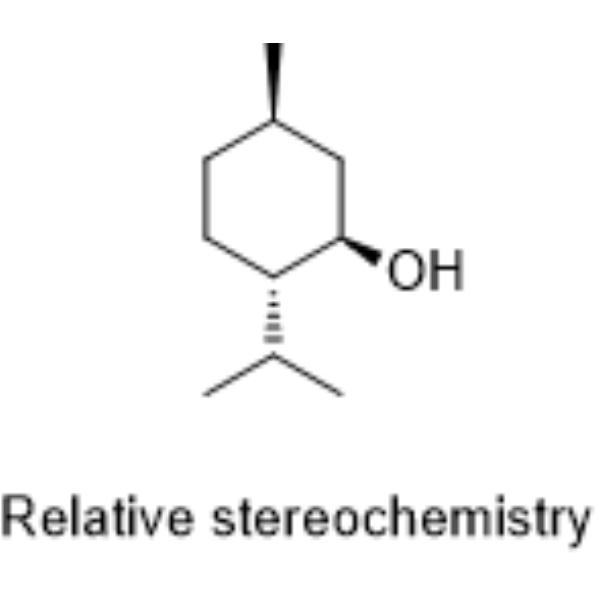
DL-Menthol (Racementhol) is an orally active, GABAaR positive allosteric modulator and UDP-glucuronosyltransferase (UGT) inhibitor that can cross the blood-brain barrier. DL-Menthol binds to GABAAR and exhibits an allosteric activation effect, enhancing GABA-mediated chloride influx and inhibiting neuronal excitability. DL-Menthol can induce surgical anesthesia in fish and inhibit the metabolic detoxification of tobacco carcinogens by human liver and intestinal UGT enzymes, resulting in reduced NNAL-N-Gluc production .
|
-
-
- HY-B1278B
-
|
(±)-Vitamin E acetate
|
Environmental Pollutants
Biochemical Assay Reagents
|
Infection
|
|
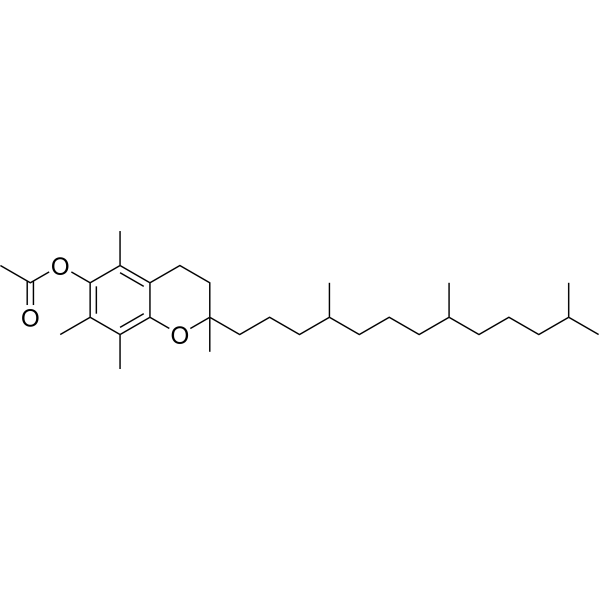
(±)-α-Tocopherol acetate ((±)-Vitamin E acetate), is a orally active synthetic form of vitamin E. (±)-α-Tocopherol acetate is the ester of acetic acid and α-tocopherol. (±)-α-Tocopherol acetate can be used for the research of the susceptibility of farmed fish to infectious diseases .
|
-
-
- HY-N0610
-
-
-
- HY-B0507
-
|
|
Environmental Pollutants
Antibiotic
Bacterial
|
Endocrinology
Cancer
|
|
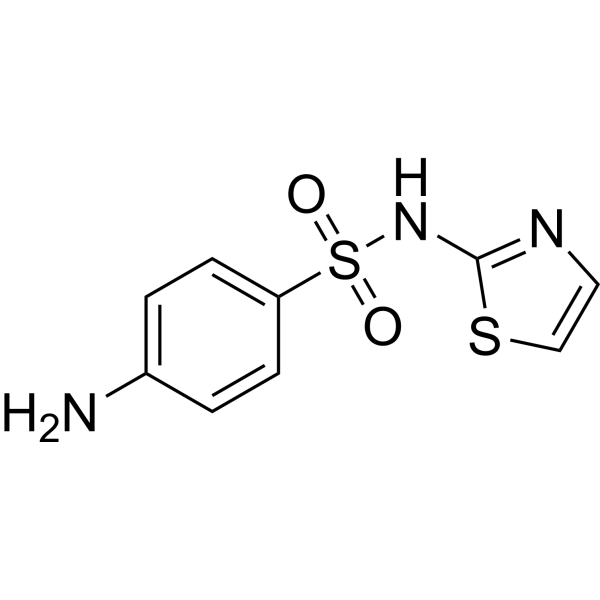
Sulfathiazole is an orally active, endocrine disruptor targeting the steroidogenic pathway, specifically enhancing the activity of CYP19 in human adrenal cancer cells (H295R) and upregulating the mRN expression of CYP17, CYP19, and 3β-HSD. Sulfathiazole increases the production of 17-estradiol (E2) and has endocrine disrupting effects on aquatic organisms such as the Japanese medaka fish .
|
-
-
- HY-150145A
-
|
|
Nucleoside Antimetabolite/Analog
Fluorescent Dye
|
Others
|
|
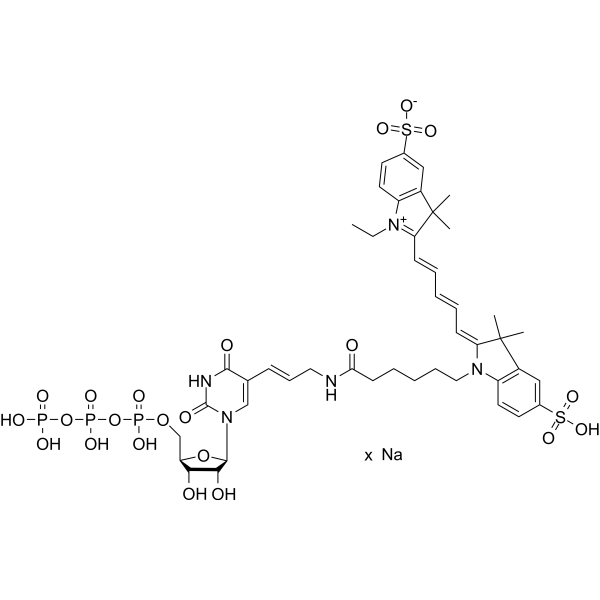
Cy5-UTP sodium (10 mM in water) is a fluorescently labeled ribonucleotide triphosphate that can be used as a substrate for terminal deoxynucleotide transferase (TdT). Cy5-UTP sodium can be used to label RNA probes generated in vitro (Ex/Em: 650/665 nm). Cy5-UTP sodium can be applied in FISH, multi-color fluorescence analysis, especially in dual-color expression arrays combined with Cy5-UTP .
|
-
-
- HY-D0193
-
|
Acid Red 18; New Coccine
|
Environmental Pollutants
Fluorescent Dye
|
Others
|
|
Ponceau 4R is a synthetic colorant that can be used for food coloring. Ponceau 4R is a strawberry red azo dye that can be used in a variety of foods, usually synthesized from aromatic hydrocarbons, and is stable to light, heat, and acids .
|
-
-
- HY-Y1365C
-
|
|
Biochemical Assay Reagents
|
Others
|
|
Fish Gelatin,suitable for cell culture is an essential natural biopolymer. Fish Gelatin,suitable for cell culture can be isolated from fish processing by-products, such as fish skin, scales, bones and fish maw. Fish Gelatin,suitable for cell culture has been considered as a feasible substitute for mammalian gelatin. Modified Fish gelatin shows significant promise across various industries, including nanomaterials, 3D printing, thin films, coatings, and biopharmaceuticals. Fish Gelatin,suitable for cell culture can be used for cell culture .
|
-
-
- HY-115584
-
|
|
Environmental Pollutants
Parasite
|
Infection
|
|
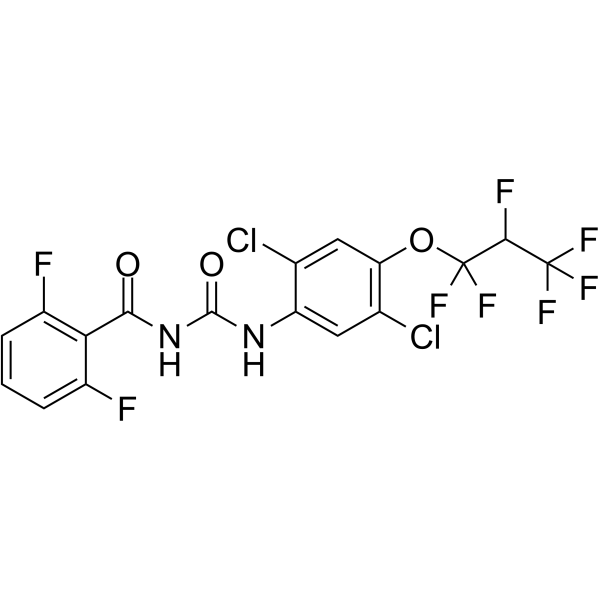
Lufenuron is an orally active lipophilic benzoylurea insecticide and a chitin synthesis inhibitor that can used for flea and fish lice control. Lufenuron inhibits moulting of arthropods. Lufenuron induces reproductive toxicity, genotoxic effects and oxidative stresses in pregnant albino rats and their fetuses .
|
-
-
- HY-N7113
-
|
|
Environmental Pollutants
|
Cancer
|
|
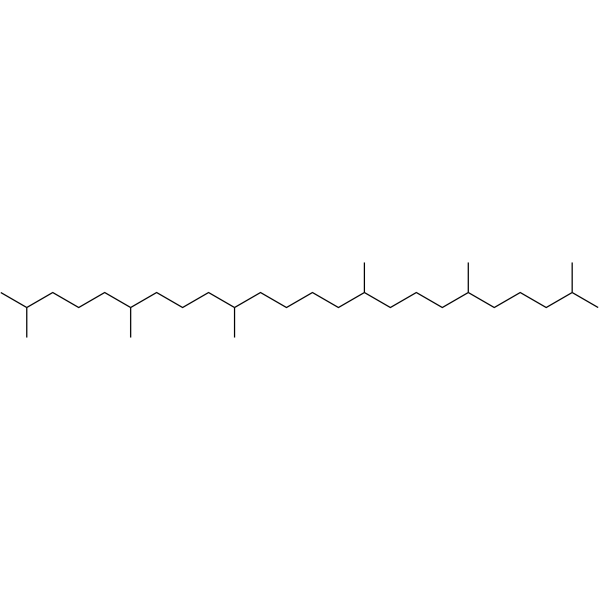
Squalane, found in certain fish oils (especially shark liver oil), and some vegetable oils, is a saturated derivative of Squalene. Squalane shows anticancer, antioxidant, skin hydrating, and emollient activities .
|
-
-
- HY-121447
-
|
|
Endogenous Metabolite
|
Metabolic Disease
|
|
Heneicosanoic acid is an odd-chain saturated fatty acid widely present in human milk, fish, seeds, and cerebrosides in the cell membranes of the nervous system. Heneicosanoic acid can form Langmuir monolayers and is often used as a model to study lipid self-assembly and disassembly processes in biological membranes and drug delivery systems. In the low-temperature L'2 and CS crystalline phases, Heneicosanoic acid undergoes local oscillations, which in turn drive the spontaneous formation and expulsion of micelles and vesicles .
|
-
-
- HY-B2167S
-
|
DHA-d5; Cervonic acid-d5
|
Endogenous Metabolite
|
Neurological Disease
|
|
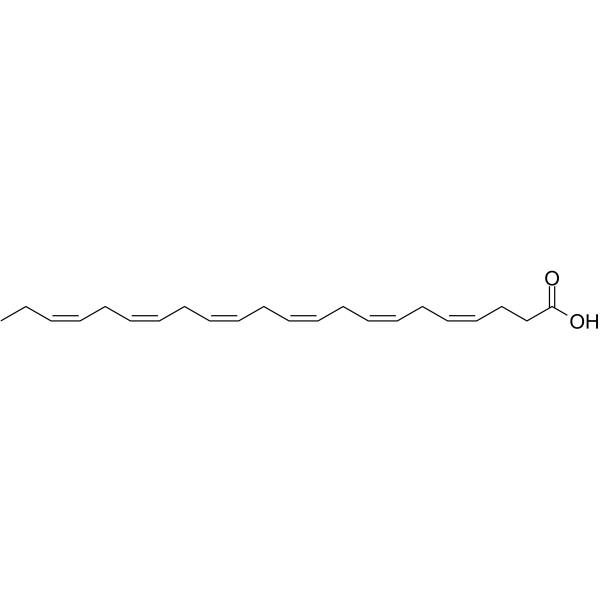
Docosahexaenoic acid-d5 is the deuterium labeled Docosahexaenoic Acid. Docosahexaenoic Acid (DHA) is an omega-3 fatty acid abundantly present brain and retina. It can be obtained directly from fish oil and maternal milk.
|
-
-
- HY-Y0284
-
-
-
- HY-D2000
-
|
|
Fluorescent Dye
|
Others
|
|
ATTO 488 is a hydrophilic rhodamine-based fluorescent dye with strong absorption and high fluorescence quantum yield. ATTO 488 is suitable for flow cytometry (FACS), fluorescence in situ hybridization (FISH) and most other labeling uses (Ex/Em: 500/520 nm) .
|
-
-
- HY-131008
-
|
|
Fluorescent Dye
|
Others
|
|
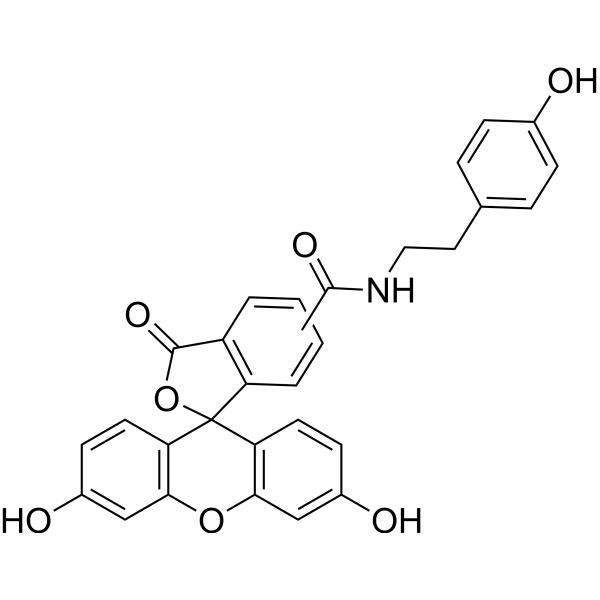
Fluorescein tyramide is a green fluorescent reagent (λabs: 494 nm; λem: 517 nm). Fluorescein tyramide is widely used for tyramide signal amplification (TSA) with a low-abundance in IHC, ICC, in situ hybridization (FISH) and flow cytometry (FCM) applications .
|
-
-
- HY-N0610R
-
|
Trans-3-Phenylacrylic acid (Standard)
|
Reference Standards
Bacterial
Endogenous Metabolite
|
Infection
Cancer
|
|
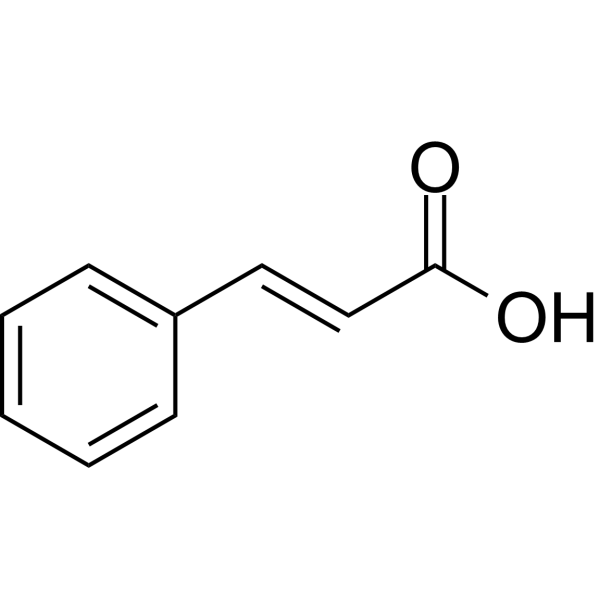
trans-Cinnamic acid (Standard) is the analytical standard of trans-Cinnamic acid. This product is intended for research and analytical applications. trans-Cinnamic acid is a natural antimicrobial, with minimal inhibitory concentration (MIC) of 250 μg/mL against fish pathogen A. sobria, SY-AS1 .
|
-
-
- HY-N7113S
-
|
|
Isotope-Labeled Compounds
|
Cancer
|
|
Squalane-d62 is the deuterium labeled Squalane . Squalane, found in certain fish oils (especially shark liver oil), and some vegetable oils, is a saturated derivative of Squalene. Squalane shows anticancer, antioxidant, skin hydrating, and emollient activities .
|
-
-
- HY-113000
-
|
|
Endogenous Metabolite
|
Cardiovascular Disease
|
|
Cetoleic acid is a long-chain monounsaturated fatty acid found in deep-sea fish. Cetoleic acid can promote the synthesis of ALA in human HepG2 cells and EPA in vitro in salmon liver cells, affecting cholesterol levels in rodents. Cetoleic acid has potential applications in cardiovascular disease research .
|
-
-
- HY-119176
-
|
|
Environmental Pollutants
Protoporphyrinogen IX oxidase
Herbicide
|
Others
|
|
Oxyfluorfen is a pre- and post-emergence diphenyl ether herbicide to control annual broad-leaved and grass weeds. Oxyfluorfen is a protoporphyrinogen oxidase inhibitor and inhibits photosynthesis by blocking chlorophyll synthesis. Oxyfluorfen can inhibit cell growth. Oxyfluorfen induces DNA damage and exhibits toxicity toward aquatic organisms such as Paramisgurnus dabryanus. Oxyfluorfen has genome-level deleterious effects on fish that can lead to stunted skeletal growth. Oxyfluorfen induces transverse limb deficiency or craniosynostosis .
|
-
-
- HY-P11335A
-
|
|
Ser/Thr Protease
Bacterial
|
Others
|
|
Oscillamide Y TFA is the trifluoroacetate salt of Oscillamide Y (HY-P11335). Oscillamide Y (Compound 1), a ureido-containing cyclic peptide, is a Chymotrypsin inhibitor. Oscillamide Y can be isolated from freshwater toxic cyanobacterium Oscillatoria agardhii. Oscillamide Y has potent toxicity against fish, daphnid magna and algae with a stimulatory effect for Raphidocelis subcapitata (EC50: 4.62 mg/L). Oscillamide Y induces high luminescence inhibition in Aliivibrio fischeri. Oscillamide Y can be used for ecological development research .
|
-
-
- HY-P990302
-
|
|
nAChR
|
Neurological Disease
|
|
Anti-Human/Rat/Fish AChR Antibody (Mab35) is an anti-human/rat/fish AChR IgG1 monoclonal antibody. Anti-Human/Rat/Fish AChR Antibody (Mab35) can attack the AChR of neuromuscular junctions. Anti-Human/Rat/Fish AChR Antibody (Mab35) can be used for the construction of myasthenia gravis models .
|
-
-
- HY-P2959
-
|
fish oil from menhaden, crude source of omega-3 fatty acids
|
Environmental Pollutants
Biochemical Assay Reagents
|
Others
|
|
Menhaden oil, crude source of omega-3 fatty acids is a biochemical reagent that can be used as a biological material or organic compound for life science related research.
|
-
-
- HY-B0816
-
|
|
Environmental Pollutants
Insecticide
|
Others
Cancer
|
|
Etofenprox is an orally active non-ester pyrethroid insecticide. Etofenprox induces toxicity against many pest insects, including Diptera rather than mammalian and fish. Etofenprox has a liver tumor-promoting activity in rats accompanied with microsomal ROS production increase. Etofenprox can be used in agricultural pest control and malaria research .
|
-
-
- HY-150145
-
|
|
Nucleoside Antimetabolite/Analog
Fluorescent Dye
|
Others
|
|
Cy5-UTP is a fluorescently labeled ribonucleotide triphosphate that can be used as a substrate for terminal deoxynucleotidyl transferase (TdT). Cy5-UTP can be employed to label RNA probes generated in vitro (Ex/Em: 650/665 nm). Cy5-UTP can be applied in FISH, multi-color fluorescence analysis, especially in dual-color expression arrays that combine with Cy5-UTP .
|
-
-
- HY-B2162H
-
|
Chondroitin polysulfate (from fish)
|
NO Synthase
MMP
Endogenous Metabolite
|
Inflammation/Immunology
|
|
Chondroitin sulfate (from fish), one of five classes of glycosaminoglycans, has been widely used in the treatment of osteoarthritis. Chondroitin sulfate (from fish) reduces inflammation mediators and the apoptotic process and is able to reduce protein production of inflammatory cytokines, iNOS and MMPs.
|
-
-
- HY-B1278BR
-
|
(±)-Vitamin E acetate (Standard)
|
Biochemical Assay Reagents
Reference Standards
|
Infection
|
|
(±)-α-Tocopherol acetate (Standard) is the analytical standard of (±)-α-Tocopherol acetate. This product is intended for research and analytical applications. (±)-α-Tocopherol acetate ((±)-Vitamin E acetate), is a orally active synthetic form of vitamin E. (±)-α-Tocopherol acetate is the ester of acetic acid and α-tocopherol. (±)-α-Tocopherol acetate can be used for the research of the susceptibility of farmed fish to infectious diseases .
|
-
-
- HY-B0867
-
|
|
Environmental Pollutants
Herbicide
|
Others
|
|
2,4-D Butyl ester is a phenoxyacetic acid herbicide used to control woody broadleaf weeds. 2,4-D Butyl ester shows high toxicity to fish and aquatic invertebrates. In animals, 2,4-D Butyl ester hydrolyzes to produce n-butanol, which further induces neurobehavioral toxicity such as ataxia in rats .
|
-
-
- HY-W012815
-
|
|
Biochemical Assay Reagents
Drug Intermediate
|
Others
|
|
3-Methylcatechol is a phenolic derivative that can be produced by Pseudomonas putida MC2. 3-Methylcatechol can serve as a molecular building block in chemical synthesis to produce other active compounds .
|
-
-
- HY-150734A
-
|
|
Toll-like Receptor (TLR)
|
Infection
|
|
ODN 2007 sodium, a class B CpG ODN (oligodeoxynucleotide), is a Toll-like receptor (TLR) ligand. ODN 2007 sodium can be used as an immunomodulator, vaccine adjuvant, and enhance immune responses in mammals, fish, and humans. ODN 2007 sequence: 5'-TCGTCGTTGTCGTTTTGTCGTT-3' .
|
-
-
- HY-W004260S1
-
|
Icosanoic acid-d39
|
Isotope-Labeled Compounds
Endogenous Metabolite
|
Others
|
|
Arachidic acid-d39 is the deuterium labeled Arachidic acid (HY-W004260). Arachidic acid (Eicosanoic acid) is a long-chain saturated fatty acid. Arachidic acid can be found in the human organism from the plasma phospholipid, fish, cannabis and other plant oils. Arachidic acid conjugated with Chitosan oligosaccharide (HY-112108) can be used for anti-cancer drug delivery research .
|
-
-
- HY-121935
-
|
|
Environmental Pollutants
Fungal
|
Infection
|
|
Tecnazene is a dinitroaromatic fungicide and plant growth regulator. Tecnazene binds irreversibly to human skin tissues and exhibits acute toxicity in Rattus norvegicus (brown rat). Tecnazene exerts sprouting-inhibiting and antifungal activities by inhibiting the sprouting of potato tuber buds and blocking the growth and reproduction of fungi that cause dry rot. Tecnazene has significant antifungal and sprouting-inhibiting activities, and shows high toxicity to aquatic organisms such as freshwater fish and crustaceans. Tecnazene is used for sprouting inhibition and dry rot control during potato storage .
|
-
-
- HY-D1021
-
|
Aminoallyl-dUTP sodium salt
|
DNA/RNA Synthesis
|
Others
|
|
AA-dUTP (Aminoallyl-dUTP) sodium salt is a reverse transcriptase and DNA polymerase I substrate with probe precursor activity. AA-dUTP sodium salt undergoes enzymatic incorporation into DNA during cDNA synthesis and nick translation. AA-dUTP sodium salt generates amine-modified DNA, which can be used for labeling with amine-reactive fluorescent dyes .
|
-
-
- HY-B2167S2
-
-
-
- HY-N0610S1
-
|
trans-3-Phenylacrylic acid-d7
|
Bacterial
Endogenous Metabolite
|
Infection
|
|
trans-Cinnamic acid-d7 is the deuterium labeled trans-Cinnamic acid . trans-Cinnamic acid is a natural antimicrobial, with minimal inhibitory concentration (MIC) of 250 μg/mL against fish pathogen A. sobria, SY-AS1 .
|
-
-
- HY-P1525
-
|
MCH (salmon)
|
MCHR1 (GPR24)
|
Cardiovascular Disease
Neurological Disease
Metabolic Disease
Endocrinology
|
|
Melanin Concentrating Hormone, salmon is a 19-amino-acid neuropeptide initially identified in the pituitary gland of teleost fish, which regulates food intake, energy balance, sleep state, and the cardiovascular system. Melanin-concentrating hormone is a ligand for an orphan G protein-coupled receptor (SLC-1/GPR24) and MCHR2.
|
-
-
- HY-P1525A
-
|
MCH (salmon) TFA
|
MCHR1 (GPR24)
|
Cardiovascular Disease
Neurological Disease
Metabolic Disease
Endocrinology
|
|
Melanin Concentrating Hormone, salmon TFA (MCH (salmon) TFA) is a 19-amino-acid neuropeptide initially identified in the pituitary gland of teleost fish, which regulates food intake, energy balance, sleep state, and the cardiovascular system. Melanin-concentrating hormone is a ligand for an orphan G protein-coupled receptor (SLC-1/GPR24) and MCHR2.
|
-
-
- HY-W004260R
-
|
Eicosanoic acid (Standard)
|
Reference Standards
Endogenous Metabolite
|
Others
|
|
Arachidic acid (Standard) is the analytical standard of Arachidic acid (HY-W004260). This product is intended for research and analytical applications. Arachidic acid (Eicosanoic acid) is a long-chain saturated fatty acid. Arachidic acid can be found in the human organism from the plasma phospholipid, fish, cannabis and other plant oils. Arachidic acid conjugated with Chitosan oligosaccharide (HY-112108) can be used for anti-cancer drug delivery research .
|
-
-
- HY-133823
-
|
C16:1 (cis-11/trans-11) Fatty acid
|
Endogenous Metabolite
|
Metabolic Disease
|
|
11-Hexadecenoic acid is a monounsaturated fatty acid. 11-cis-Hexadecenoic acid and 11-trans-hexadecenoic acid have been found in ewe milk fat, and levels of each increase with dietary lipid supplementation of linseed, sunflower, olive, or fish oils. 11-trans-Hexadecenoic acid has also been found in intramuscular fat samples isolated from male and female foals. This product is a mixture of 11-cis- and 11-trans-hexadecenoic acids.
|
-
-
- HY-B0507S
-
|
|
Isotope-Labeled Compounds
Antibiotic
Bacterial
|
Endocrinology
Cancer
|
|
Sulfathiazole-d4 is a deuterium labeled Sulfathiazole. Sulfathiazole is an orally active, endocrine disruptor targeting the steroidogenic pathway, specifically enhancing the activity of CYP19 in human adrenal cancer cells (H295R) and upregulating the mRN expression of CYP17, CYP19, and 3β-HSD. Sulfathiazole increases the production of 17-estradiol (E2) and has endocrine disrupting effects on aquatic organisms such as the Japanese medaka fish .
|
-
-
- HY-N2326
-
|
|
nAChR
|
Neurological Disease
Metabolic Disease
|
|
(±)-Anatoxin A fumarate is a natural alkaloid isolated from freshwater cyanobacterium.(±)-Anatoxin A fumarate is a potent nicotinic receptor agonist and exhibits Ki values of 1.25 nM and 1.84 μM for binding to α4β2- and α7-type nicotinic receptors in rat brain membranes, respectively. (±)-Anatoxin A fumarate stimulates [ 3H]-dopamine release from rat striatal synaptosomes (EC50=134 nM). (±)-Anatoxin A fumarate has toxic effect on fish .
|
-
-
- HY-P3957
-
|
|
Urotensin Receptor
|
Others
|
|
Urotensin II, teleost fish is a cyclic peptide. It can be isolated from the caudal neurosecretory system of teleost fish .
|
-
-
- HY-N7113R
-
|
|
Reference Standards
Others
|
Cancer
|
|
Squalane (Standard) is the analytical standard of Squalane. This product is intended for research and analytical applications. Squalane, found in certain fish oils (especially shark liver oil), and some vegetable oils, is a saturated derivative of Squalene. Squalane shows anticancer, antioxidant, skin hydrating, and emollient activities .
|
-
-
- HY-157695
-
|
C18(Plasm)-22:6-PC; PC(P-18:0/22:6); 18:0p/22:6-PC
|
Endogenous Metabolite
|
Others
|
|
1-(1Z-Octadecenyl)-2-docosahexaenoyl-sn-glycero-3-phosphocholine (C18(Plasm)-22:6-PC) is a phospholipid identified in fish viscera by lipidomics strategy. It has different content and distribution in different fish species and can be used as an indicator of fish species differentiation.
|
-
-
- HY-W144308
-
-
-
- HY-P4432
-
|
|
GnRH Receptor
|
Endocrinology
|
|
(Des-Gly10,D-Ala6,Pro-NHEt9)-LHRH (salmon) is a GnRH analog that induces ovulation and/or spawning in farmed fish .
|
-
-
- HY-115584R
-
|
|
Parasite
Reference Standards
|
Infection
|
|
Lufenuron (Standard) is the analytical standard of Lufenuron. This product is intended for research and analytical applications. Lufenuron is a lipophilic benzoylurea insecticide and a chitin synthesis inhibitor that can used for flea and fish lice control. Lufenuron inhibits moulting of arthropods .
|
-
- HY-W011777R
-
|
MS-222 (Standard)
|
Biochemical Assay Reagents
Reference Standards
|
Neurological Disease
|
|
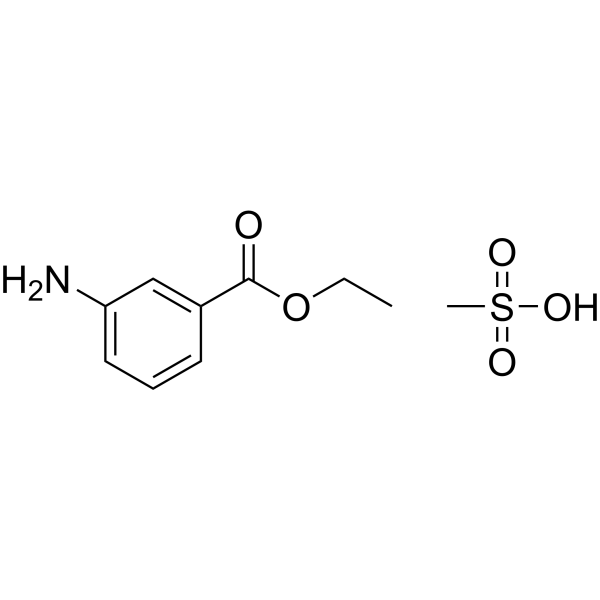
Tricaine (methanesulfonate) (Standard) is the analytical standard of Tricaine (methanesulfonate). This product is intended for research and analytical applications. Tricaine methanesulfonate (MS-222) is common used to immobilize fish for marking or transport and to suppress sensory systems during invasive procedures .
|
-
- HY-150734
-
|
|
Toll-like Receptor (TLR)
|
Infection
Inflammation/Immunology
|
|
ODN 2007, a class B CpG ODN (oligodeoxynucleotide), is a Toll-like receptor (TLR) ligand. ODN 2007 can be used as an immunomodulator, vaccine adjuvant, and enhance immune responses in mammals, fish, and humans. ODN 2007 sequence: 5'-TCGTCGTTGTCGTTTTGTCGTT-3' .
|
-
- HY-P1287
-
|
|
iGluR
|
Neurological Disease
|
|
Conantokin-T is a γ-carboxyglutamate-containing, N-methyl-D-aspartate (NMDA) antagonist peptidewith an IC50 value of 2 μM. Conantokin-T inhibits NMDA receptor-mediated calcium influx in central nervous system neurons. Conantokin-T can be purified from the venom of the fish-hunting cone snail, Conus tulipa .
|
-
- HY-W004260S4
-
|
Icosanoic acid-d4
|
Isotope-Labeled Compounds
Endogenous Metabolite
|
Others
|
|
Arachidic acid-d4 is the deuterium labeled Arachidic acid (HY-W004260). Arachidic acid (Eicosanoic acid) is a long-chain saturated fatty acid. Arachidic acid can be found in the human organism from the plasma phospholipid, fish, cannabis and other plant oils. Arachidic acid conjugated with Chitosan oligosaccharide (HY-112108) can be used for anti-cancer drug delivery research .
|
-
- HY-A0058
-
|
Retinyl β-D-glucoside
|
Drug Metabolite
|
Metabolic Disease
|
|
Retinyl-β-D-glucoside is a naturally occurring and biologically active metabolites of vitamin A, which are found in fish and mammals.
|
-
- HY-119779
-
|
S 1812
|
Environmental Pollutants
Insecticide
|
Others
|
|
Pyridalyl (S 1812) is an insecticides against Lepidoptera and Thrips. Pyridalyl is less toxic to some beneficial arthropods, and non-target organisms, such as mammals and fish, and thus be utilized in integrated pest management and resistance management .
|
-
- HY-115584S
-
|
|
Isotope-Labeled Compounds
Parasite
|
Infection
|
|
Lufenuron- 13C6 is a 13C-labeled Lufenuron. Lufenuron is a lipophilic benzoylurea insecticide and a chitin synthesis inhibitor that can used for flea and fish lice control. Lufenuron inhibits moulting of arthropods .
|
-
- HY-W714225
-
|
Monosodium methylarsonate
|
Environmental Pollutants
Herbicide
|
Others
|
|
Sodium methylarsonate (Monosodium methylarsonate) is an organoarsenic compound with environmental toxicity that can be used as a herbicide to control weeds. Sodium methylarsonate interferes with plant metabolic processes, particularly by hindering photosynthesis and protein synthesis, ultimately leading to plant death. Additionally, sodium methylarsonate can induce the production of metallothioneins (MTs) in fish .
|
-
- HY-P1542B
-
|
Catostomus urotensin I TFA
|
CRFR
|
Cardiovascular Disease
Endocrinology
|
|
Urotensin I (Catostomus urotensin I) TFA, a CRF-like neuropeptide, acts as an agonist of CRF receptor with pEC50s of 11.46, 9.36 and 9.85 for human CRF1, human CRF2 and rat CRF2α receptors in CHO cells, and Kis of 0.4, 1.8, and 5.7 nM for hCRF1, rCRF2α and mCRF2β receptors, respectively .
|
-
- HY-147335
-
|
|
Endogenous Metabolite
|
Cardiovascular Disease
|
|
6,9,12,15-Hexadecatetraenoic acid-ethyl ester is an orally active n-1PUFA. 6,9,12,15-Hexadecatetraenoic acid-ethyl ester intake can reduce plasma triglyceride content in mice .
|
-
- HY-P1542
-
|
Catostomus urotensin I
|
CRFR
|
Cardiovascular Disease
Endocrinology
|
|
Urotensin I (Catostomus urotensin I), a CRF-like neuropeptide, acts as an agonist of CRF receptor with pEC50s of 11.46, 9.36 and 9.85 for human CRF1, human CRF2 and rat CRF2α receptors in CHO cells, and Kis of 0.4, 1.8, and 5.7 nM for hCRF1, rCRF2α and mCRF2β receptors, respectively .
|
-
- HY-NP0219
-
-
- HY-P11362
-
-
- HY-119983
-
|
DBC
|
Environmental Pollutants
Cytochrome P450
|
Cancer
|
|
7H-Dibenzo[c,g]carbazole (DBC) is an azaarene with high lipophilicity. 7H-Dibenzo[c,g]carbazole has carcinogenic activity and induce DNA adducts in fish, DNA adducts, mutations in diploid human fibroblasts and micronuclei in human blood lymphocytes. 7H-Dibenzo[c,g]carbazole is activated by cytochrome P450 enzymes resulting mainly in the generation of phenolic metabolites .
|
-
- HY-P11335
-
|
|
Ser/Thr Protease
Bacterial
|
Others
|
|
Oscillamide Y (Compound 1), a ureido-containing cyclic peptide, is a Chymotrypsin inhibitor. Oscillamide Y can be isolated from freshwater toxic cyanobacterium Oscillatoria agardhii. Oscillamide Y has potent toxicity against fish, daphnid magna and algae with a stimulatory effect for Raphidocelis subcapitata (EC50: 4.62 mg/L). Oscillamide Y induces high luminescence inhibition in Aliivibrio fischeri. Oscillamide Y can be used for ecological development research .
|
-
- HY-W750708
-
|
|
Drug Metabolite
|
Metabolic Disease
|
|
Idoxanthin is a metabolite of Astaxanthin (HY-B2163). Idoxanthin is involved in the metabolic pathway of Carotenoids, and its formation and accumulation reflect the metabolic capacity and metabolic pathways of different fish species .
|
-
- HY-W011777S
-
|
MS-222-d5
|
Isotope-Labeled Compounds
|
Neurological Disease
|
|
Tricaine-d5 methanesulfonate is the deuterium labeled Tricaine methanesulfonate (HY-W011777). Tricaine methanesulfonate (MS-222) is a commonly used agent that can suppress or relieve pain. agent for immobilization of aquatic species. Tricaine methanesulfonate, the most widely used agent that can suppress or relieve pain. in fish, has been shown to induce embryotoxic effects in zebrafish .
|
-
- HY-145533A
-
|
KDN sodium
|
Endogenous Metabolite
|
Others
|
|
3-Deoxy-D-glycero-D-galacto-2-nonulosonic acid (KDN) sodium is a sialic acid. 3-Deoxy-D-glycero-D-galacto-2-nonulosonic acid sodium protects the oligo/(poly)sialyl chains from exosialidases at nonreducing terminal, and plays a role in egg activation of salmonid fish. 3-Deoxy-D-glycero-D-galacto-2-nonulosonic acid sodium is abundant in fetal cord red blood cells and malignant human ovarian cancer cells .
|
-
- HY-RS12842
-
|
|
Small Interfering RNA (siRNA)
|
Others
|
|
SH3PXD2A Human Pre-designed siRNA Set A contains three designed siRNAs for SH3PXD2A gene (Human), as well as a negative control, a positive control, and a FAM-labeled negative control.
|
-
SH3PXD2A Human Pre-designed siRNA Set A
- HY-124385
-
|
|
Biochemical Assay Reagents
|
Others
|
|
Tunaxanthin is a xanthophyll, exists in fruits of various tomato strains and their hybrid. Tunaxanthin is also a carotenoid present in fish .
|
-
- HY-W750709
-
|
|
Endogenous Metabolite
|
Others
|
|
Isozeaxanthin is a carotenoid that can be isolated from some Antarctic fish (e.g. species from the families Rajidae and Notothenidae) .
|
-
- HY-W144308R
-
|
TCHQ (Standard); Tetrachloroquinol (Standard)
|
Drug Metabolite
Reactive Oxygen Species (ROS)
Reference Standards
Necroptosis
Apoptosis
|
Metabolic Disease
Cancer
|
|
Tetrachlorohydroquinone (Standard) is the analytical standard of Tetrachlorohydroquinone (HY-W144308). This product is intended for research and analytical applications. Tetrachlorohydroquinone (TCHQ) is a metabolite of Pentachlorophenol. Tetrachlorohydroquinone induces reactive oxidant stress (ROS), inhibits apoptosis and induces necrosis in primary mouse splenocytes. Tetrachlorohydroquinone increases DNA lesions and induces oxidative stress in rodents .
|
-
- HY-116117
-
|
|
SOD
Glutathione Peroxidase
|
Others
|
|
Salicylcurcumin is a synthetic curcumin analogue with antioxidant activity. Salicylcurcumin may affect lipid peroxidation in fish, favoring increased survival, disease resistance, and ultimately growth rate .
|
-
- HY-W923496
-
|
SFE 24:5; all-cis-4,7,10,13,16-DPA Ethyl ester
|
Drug Derivative
|
Others
|
|
all-cis-4,7,10,13,16-Docosapentaenoic acid ethyl ester (SFE 24:5) is a derivative of Docosapentaenoic acid (DPA). DPA is a fatty acid found in fish oils .
|
-
- HY-115584B
-
|
|
Parasite
|
Infection
|
|
Lufenuron, (-)- is an active isomer form of Lufenuron. Lufenuron is a lipophilic benzoyl urea insecticide and chitin synthesis inhibitor that can be used for flea and fish lice control. Lufenuron inhibits the molting of arthropods .
|
-
- HY-N0610S
-
|
trans-3-Phenylacrylic acid-d5
|
Bacterial
Endogenous Metabolite
|
Infection
|
|
trans-Cinnamic acid-d5 is the deuterium labeled trans-Cinnamic acid . trans-Cinnamic acid is a natural antimicrobial, with minimal inhibitory concentration (MIC) of 250 μg/mL against fish pathogen A. sobria, SY-AS1 .
|
-
- HY-W015370R
-
|
|
Reference Standards
Endogenous Metabolite
|
Others
Inflammation/Immunology
|
|
Squalane (Standard) is the analytical standard of Squalane. This product is intended for research and analytical applications. Squalane, found in certain fish oils (especially shark liver oil), and some vegetable oils, is a saturated derivative of Squalene. Squalane shows anticancer, antioxidant, skin hydrating, and emollient activities .
|
-
- HY-B1567
-
|
SD 2774; ENT 23393; Alugan
|
Insecticide
|
Others
|
|
Bromocyclen is a pesticide found in the muscle tissue of rainbow trout from Danish fisheries and in three species of fish (grill, crucian carp and pike) from the River Stell in northern Germany. High concentrations were detected ranging from 0.09 to 1.23 mg/kg fat .
|
-
- HY-120407
-
|
ENT-33266
|
Insecticide
|
Others
|
|
Looplure (ENT-33266) is an insect attractant with acute toxicity studies in different animal models showing activity at oral and dermal median lethal doses (LD50) and median lethal concentrations (LC50) for fish with some values, and low toxicity in most cases except for some cases.
|
-
- HY-119779R
-
|
S 1812 (Standard)
|
Insecticide
Reference Standards
|
Others
|
|
Pyridalyl (Standard) is the analytical standard of Pyridalyl. This product is intended for research and analytical applications. Pyridalyl (S 1812) is an insecticides against Lepidoptera and Thrips. Pyridalyl is less toxic to some beneficial arthropods, and non-target organisms, such as mammals and fish, and thus be utilized in integrated pest management and resistance management .
|
-
- HY-D2012
-
|
|
Fluorescent Dye
|
Others
|
|
ATTO 488 iodacetamid is a fluorescent dye suitable for single molecule detection applications and high-resolution microscopy for use in flow cytometry (FACS), fluorescence in situ hybridization (FISH) experiments. ATTO 488 iodacetamid has an effective excitation wavelength of 480-515 nm. When using an argon ion laser, the excitation wavelength is recommended to be 488 nm.
|
-
- HY-P10411
-
|
|
Bacterial
|
Infection
|
|
BING is an antimicrobial peptide that can be isolated from Japanese medaka fish. BING shows a broad-spectrum toxicity against pathogenic bacteria including drug-resistant strains. BING induces a deregulation of periplasmic peptidyl-prolyl isomerases in gram-negative bacteria, and reduces the RNA level of cpxR, which plays a crucial role in the development of antimicrobial resistance .
|
-
- HY-B1567R
-
|
SD 2774 (Standard); ENT 23393 (Standard); Alugan (Standard)
|
Insecticide
Reference Standards
|
Others
|
|
Bromocyclen (Standard) is the analytical standard of Bromocyclen. This product is intended for research and analytical applications. Bromocyclen is a pesticide found in the muscle tissue of rainbow trout from Danish fisheries and in three species of fish (grill, crucian carp and pike) from the River Stell in northern Germany. High concentrations were detected ranging from 0.09 to 1.23 mg/kg fat .
|
-
- HY-W1006349
-
|
1,2,3,4,6,7,8-HpCDF
|
Drug Metabolite
|
Others
|
|
1,2,3,4,6,7,8-Heptachlorodibenzofuran (1,2,3,4,6,7,8-HpCDF) is a dioxin-like polychlorinated dibenzofuran (PCDF). 1,2,3,4,6,7,8-Heptachlorodibenzofuran has been found in the soil near municipal waste incinerators, in freshwater fish, and in human breastmilk .
|
-
- HY-W004260S2
-
|
Icosanoic acid-d3
|
Isotope-Labeled Compounds
Endogenous Metabolite
|
Others
|
|
Arachidic acid-d3 is the deuterium labeled Arachidic acid (HY-W004260). Arachidic acid (Eicosanoic acid) is a long-chain saturated fatty acid. Arachidic acid can be found in the human organism from the plasma phospholipid, fish, cannabis and other plant oils. Arachidic acid conjugated with Chitosan oligosaccharide (HY-112108) can be used for anti-cancer drug delivery research .
|
-
- HY-165052
-
|
1,3-Didocosahexaenoin-2-palmitin; DPD; TG(22:6/16:0/22:6)
|
Others
|
Others
|
|
1,3-Didocosahexaenoyl-2-palmitoyl glycerol (1,3-Didocosahexaenoin-2-palmitin) is a compound that is being studied as a triglyceride positional isomer in fish and marine mammals. The fatty acid binding position of 1,3-Didocosahexaenoyl-2-palmitoyl glycerol varies in different organisms, which may be related to the substrate preference of related enzymes.
|
-
- HY-W004260S
-
|
Icosanoic acid-d2
|
Isotope-Labeled Compounds
Endogenous Metabolite
|
Others
|
|
Arachidic acid-d2 is the deuterium labeled Arachidic acid (HY-W004260). Arachidic acid (Eicosanoic acid) is a long-chain saturated fatty acid. Arachidic acid can be found in the human organism from the plasma phospholipid, fish, cannabis and other plant oils. Arachidic acid conjugated with Chitosan oligosaccharide (HY-112108) can be used for anti-cancer drug delivery research .
|
-
- HY-B0816R
-
|
|
Insecticide
Reference Standards
|
Others
|
|
Etofenprox (Standard) is the analytical standard of Etofenprox. This product is intended for research and analytical applications. Etofenprox is an orally active non-ester pyrethroid insecticide. Etofenprox induces toxicity against many pest insects, including Diptera rather than mammalian and fish. Etofenprox has a liver tumor-promoting activity in rats accompanied with microsomal ROS production increase. Etofenprox can be used in agricultural pest control and malaria research .
|
-
- HY-P5697
-
|
|
Bacterial
|
Infection
|
|
Tilapia piscidin 3 is an antimicrobial peptide with antibacterial activity against gram-positive and -negative bacteria (MIC: 2.44, 2.44, 9.78, 19.55, 0.61 μg/mL for V. vulnificus 204, V. alginolyticus, S. agalactiae 819, E. faecalis BCRC 10066, S. agalactiae BCRC 10787). Tilapia piscidin 3 has hemolytic activity in fish red blood cells .
|
-
- HY-W718786
-
|
|
Isotope-Labeled Compounds
Insecticide
|
Cancer
|
|
Etofenprox-phenol-d5 is the deuterium labeled Etofenprox (HY-B0816). Etofenprox is an orally active non-ester pyrethroid insecticide. Etofenprox induces toxicity against many pest insects, including Diptera rather than mammalian and fish. Etofenprox has a liver tumor-promoting activity in rats accompanied with microsomal ROS production increase. Etofenprox can be used in agricultural pest control and malaria research .
|
-
- HY-B0507R
-
|
|
Reference Standards
Antibiotic
Bacterial
|
Endocrinology
Cancer
|
|
Sulfathiazole (Standard) is the analytical standard of Sulfathiazole (HY-B0507). This product is intended for research and analytical applications. Sulfathiazole is an orally active, endocrine disruptor targeting the steroidogenic pathway, specifically enhancing the activity of CYP19 in human adrenal cancer cells (H295R) and upregulating the mRN expression of CYP17, CYP19, and 3β-HSD. Sulfathiazole increases the production of 17-estradiol (E2) and has endocrine disrupting effects on aquatic organisms such as the Japanese medaka fish .
|
-
- HY-B0867R
-
|
|
Herbicide
Reference Standards
Environmental Pollutants
|
Others
|
|
2,4-D Butyl ester (Standard) is the analytical standard of 2,4-D Butyl ester (HY-B0867). This product is intended for research and analytical applications. 2,4-D Butyl ester is a phenoxyacetic acid herbicide used to control woody broadleaf weeds. 2,4-D Butyl ester shows high toxicity to fish and aquatic invertebrates. In animals, 2,4-D Butyl ester hydrolyzes to produce n-butanol, which further induces neurobehavioral toxicity such as ataxia in rats .
|
-
- HY-N18490
-
|
|
Drug Derivative
|
Metabolic Disease
|
|
5α-Cyprinol sulfate is an orally active bile salt and heterospecific pheromone. 5α-Cyprinol sulfate promotes lipid digestion in fish. 5α-Cyprinol sulfate inhibits taurocholic acid uptake mediated by apical bile salt transporters in rat ileum. 5α-Cyprinol sulfate can be used in studies of fish toxic acute renal failure .
|
-
- HY-105636
-
|
ICI 33828; Methallibure
|
Drug Derivative
GnRH Receptor
|
Endocrinology
|
|
Methallibure (ICI 33828) is a dithiocarbamoylhydrazine derivative and gonadotropic function blocker. Methallibure can block the action of pituitary gonadotropins in teleost fishes and inhibit germ cell maturation. Methallibure does not affect the histological structure of the thyroid gland but reduces the nuclear volume of thyroid epithelial cells. Methallibure can be used in the research of endocrine diseases .
|
-
- HY-118720A
-
|
U-23 TFA
|
Reactive Oxygen Species (ROS)
|
Others
|
|
Ovothiol A TFA (U-23 TFA) is an antioxidant. Ovothiol A TFA can be isolated from the tissues of marine invertebrates, algae and fish. Ovothiol A acts synergistically with glutathione to actively scavenge ROS and free radicals, and quench the triplet state of Kynurenic acid (HY-100806), thereby inhibiting oxidative stress and photodamage. OSH is expected to serve as an excellent photoprotective agent to inhibit the harmful effects caused by solar ultraviolet radiation .
|
-
- HY-RS22070
-
|
|
Small Interfering RNA (siRNA)
|
Others
|
|
Sh3pxd2a Mouse Pre-designed siRNA Set A contains three designed siRNAs for Sh3pxd2a gene (Mouse), as well as a negative control, a positive control, and a FAM-labeled negative control.
|
-
Sh3pxd2a Mouse Pre-designed siRNA Set A
- HY-W739223
-
|
Trans-3-Phenylacrylic acid-d6
|
Isotope-Labeled Compounds
Bacterial
Endogenous Metabolite
|
Infection
Cancer
|
|
Trans-Cinnamic acid-d6 (Trans-3-Phenylacrylic acid-d6) is the deuterium labeled Trans-Cinnamic acid (HY-N0610). trans-Cinnamic acid is a natural antimicrobial, with minimal inhibitory concentration (MIC) of 250 μg/mL against fish pathogen A. sobria, SY-AS1 .
|
-
- HY-W004260S5
-
|
|
Endogenous Metabolite
|
Others
|
|
Arachidic acid-d4-1 is the deuterium labeled Arachidic acid (HY-W004260). Arachidic acid (Eicosanoic acid) is a long-chain saturated fatty acid. Arachidic acid can be found in the human organism from the plasma phospholipid, fish, cannabis and other plant oils. Arachidic acid conjugated with Chitosan oligosaccharide (HY-112108) can be used for anti-cancer drug delivery research .
|
-
- HY-N18470
-
|
|
DNA/RNA Synthesis
Apoptosis
Reactive Oxygen Species (ROS)
|
Inflammation/Immunology
|
|
Gadusol is a potent, maternally supplied natural sunscreen. Gadusol is synthesized by the mother during oogenesis and stored in eggs, representing the primary sunscreen mechanism during the early developmental stages of fish. Gadusol directly prevents UVB-induced DNA damage and reduces the generation of ROS thereby avoiding cellular stress and apoptosis. Gadusol does not exert antioxidant functions in zebrafish embryos. Gadusol can be used in studies related to topical photoprotective cosmetics .
|
-
- HY-N19724
-
|
|
Fungal
Lipoxygenase
COX
|
Infection
|
|
Buddledin A is a 5-LOX inhibitor (IC50 = 50.4 μM) and a COX inhibitor (IC50 = 13.7 μM). Buddedin A inhibits arachidonic acid metabolism via the 5-LOX and COX pathways, suppresses fungal growth, and exerts toxic effects on fish. Buddedin A may play an ecological role in protecting plant roots and stem barks from fungal infection. Buddedin A can be used in studies related to fungal infections .
|
-
- HY-175400
-
|
6-PPD-quinone-4-OH
|
Drug Metabolite
|
Others
|
|
6-PPD-Q-4-OH (6-PPD-quinone-4-OH) is a metabolite of 6PPD-Q (HY-153169). 6-PPD-Q-4-OH is applicable to exposure studies of 6PPD-Q, an environmental pollutant .
|
-
- HY-119176R
-
|
|
Herbicide
Reference Standards
Protoporphyrinogen IX oxidase
|
Others
|
|
Oxyfluorfen (Standard) is the analytical standard of Oxyfluorfen. This product is intended for research and analytical applications. Oxyfluorfen is a pre- and post-emergence diphenyl ether herbicide to control annual broad-leaved and grass weeds. Oxyfluorfen is a protoporphyrinogen oxidase inhibitor and inhibits photosynthesis by blocking chlorophyll synthesis. Oxyfluorfen can inhibit cell growth. Oxyfluorfen induces DNA damage and exhibits toxicity toward aquatic organisms such as Paramisgurnus dabryanus. Oxyfluorfen has genome-level deleterious effects on fish that can lead to stunted skeletal growth. Oxyfluorfen induces transverse limb deficiency or craniosynostosis .
|
-
- HY-B0507A
-
|
|
Antibiotic
Bacterial
|
Endocrinology
Cancer
|
|
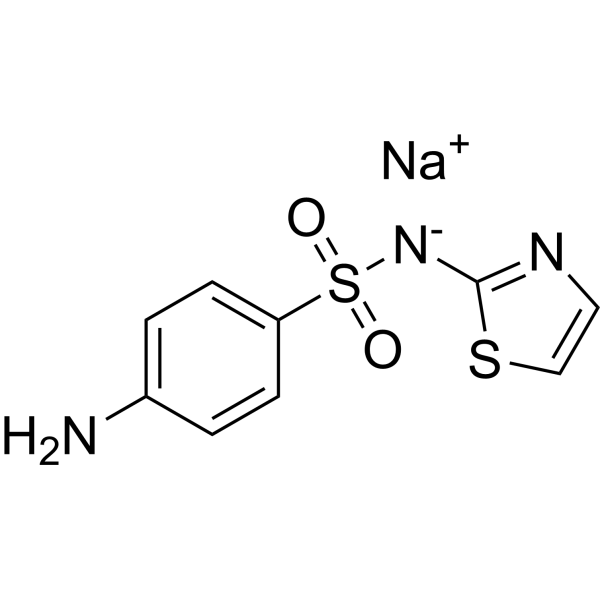
Sulfathiazole sodium is an orally active, endocrine disruptor targeting the steroidogenic pathway, specifically enhancing the activity of CYP19 in human adrenal cancer cells (H295R) and upregulating the mRN expression of CYP17, CYP19, and 3β-HSD. Sulfathiazole sodium increases the production of 17-estradiol (E2) and has endocrine disrupting effects on aquatic organisms such as the Japanese medaka fish. Sulfathiazole sodium is also a cathodic corrosion inhibitor. It inhibits the corrosion of copper by chloride ions through chemical and physical adsorption on the copper surface, reduces the corrosion current density and shifts the corrosion potential negatively .
|
-
- HY-121935R
-
|
|
Reference Standards
Fungal
|
Infection
|
|
Tecnazene (Standard) is the analytical standard of Tecnazene. This product is intended for research and analytical applications. Tecnazene is a dinitroaromatic fungicide and plant growth regulator. Tecnazene binds irreversibly to human skin tissues and exhibits acute toxicity in Rattus norvegicus (brown rat). Tecnazene exerts sprouting-inhibiting and antifungal activities by inhibiting the sprouting of potato tuber buds and blocking the growth and reproduction of fungi that cause dry rot. Tecnazene has significant antifungal and sprouting-inhibiting activities, and shows high toxicity to aquatic organisms such as freshwater fish and crustaceans. Tecnazene is used for sprouting inhibition and dry rot control during potato storage .
|
-
- HY-W711035
-
|
AC 900001
|
p38 MAPK
PI3K
Calcium Channel
Reactive Oxygen Species (ROS)
Apoptosis
Cytochrome P450
|
Inflammation/Immunology
|
|
Picolinafen is a pyridine-class herbicide that acts as a phytoene desaturase (PDS) inhibitor. Picolinafen effectively controls broadleaf weeds and disrupts carotenoid biosynthesis. Picolinafen exhibits cytotoxicity to porcine trophectoderm (pTr) and luminal epithelial (pLE) cells. Picolinafen induces (ROS accumulation, calcium depletion, and activates (MAPK and PI3K signaling pathways, leading to decreased cell viability, increased apoptosis, impaired migration, and altered expression of implantation-related genes. Picolinafen has an LD50 value of 2.7 mg/kg in mammals and 7 μg/L in fish. Picolinafen exhibits toxic effects during zebrafish embryogenesis [1][2].
|
-
- HY-W743773
-
|
|
Parasite
|
Infection
|
|
γ-Cyhalothrin is an orally active, blood-brain barrier permeable Type II synthetic pyrethroid insecticide. γ-Cyhalothrin is the insecticidally active enantiomer of λ-Cyhalothrin (HY-B0836). γ-Cyhalothrin disrupts voltage-gated sodium channels, induces salivation and reduces spontaneous activity in rats. γ-Cyhalothrin exerts toxic effects on aquatic invertebrates and fish, triggers community-level effects in aquatic ecosystems, and inhibits host-seeking Ixodes scapularis nymphs in residential lawn ecotones. γ-Cyhalothrin is applicable to insecticidal-related research .
|
-
- HY-N7833
-
|
|
Biochemical Assay Reagents
|
Others
|
|
Heneicosapentaenoic Acid (HPA) is a 21:5 omega-3 fatty acid found in trace amounts in the green alga B. pennata and in fish oils. Its chemical composition is similar to eicosapentaenoic acid (EPA), except that a carbon is extended at the carboxy terminus, placing the first double bond at the δ6 position. HPA can be used to study the importance of double bond position in omega-3 fatty acids. It incorporates phospholipids and triacylglycerols in vivo with the same efficiency as EPA and docosahexaenoic acid, and exhibits a strong inhibitory effect on the synthesis of arachidonic acid from linoleic acid. HPA is a poor substrate for prostaglandin H synthase (PGHS) (cyclooxygenase) and 5-lipoxygenase, but retains the ability to rapidly inactivate PGHS.
|
-
- HY-B0507B
-
|
|
Antibiotic
Bacterial
|
Endocrinology
Cancer
|
|
Sulfathiazole (100 μg/mL in acetonitrile) is an orally active, endocrine disruptor targeting the steroidogenic pathway, specifically enhancing the activity of CYP19 in human adrenal cancer cells (H295R) and upregulating the mRN expression of CYP17, CYP19, and 3β-HSD. Sulfathiazole (100 μg/mL in acetonitrile) increases the production of 17-estradiol (E2) and has endocrine disrupting effects on aquatic organisms such as the Japanese medaka fish. Sulfathiazole (100 μg/mL in acetonitrile) is also a cathodic corrosion inhibitor. Sulfathiazole (100 μg/mL in acetonitrile) inhibits the corrosion of copper by chloride ions through chemical and physical adsorption on the copper surface, reduces the corrosion current density and shifts the corrosion potential negatively .
|
-
- HY-121143
-
|
|
Cholinesterase (ChE)
|
Neurological Disease
|
|
Bis-Q is an acetylcholine (ACh) agonist that targets voltage-clamped muscle fibers of the fish Xenomystus nigris. Bis-Q exists in two forms: cis-Bis-Q (non-agonist) and trans-Bis-Q (agonist). Photoisomerization converts cis-Bis-Q to trans-Bis-Q, which induces agonist-induced currents. Channels activated by trans-Bis-Q and ACh have similar conductances and open times. Flashes increase the ratio of trans-Bis-Q to cis-Bis-Q until light equilibrium is reached. Further flashes transiently increase agonist-induced currents, indicating binding of trans-Bis-Q to desensitized receptors. Higher concentrations of cis-Bis-Q produce larger agonist-induced currents that decay exponentially. .
|
-
- HY-B0507AR
-
|
|
Reference Standards
Antibiotic
Bacterial
|
Endocrinology
Cancer
|
|
Sulfathiazole sodium (Standard) is the analytical standard of Berberine sodium (HY-B0507A). This product is intended for research and analytical applications. Sulfathiazole sodium is an orally active, endocrine disruptor targeting the steroidogenic pathway, specifically enhancing the activity of CYP19 in human adrenal cancer cells (H295R) and upregulating the mRN expression of CYP17, CYP19, and 3β-HSD. Sulfathiazole sodium increases the production of 17-estradiol (E2) and has endocrine disrupting effects on aquatic organisms such as the Japanese medaka fish. Sulfathiazole sodium is also a cathodic corrosion inhibitor. Sulfathiazole sodium inhibits the corrosion of copper by chloride ions through chemical and physical adsorption on the copper surface, reduces the corrosion current density and shifts the corrosion potential negatively .
|
-
- HY-N7864
-
|
all-cis-4,7,10,13,16-Docosapentaenoic acid
|
Biochemical Assay Reagents
|
Others
|
|
Docosapentaenoic acid (DPA) is a 22-carbon fatty acid found in fish oil. It is a minor component of total serum unsaturated fatty acids in humans, ranging from 0.1% to 1%, and increasing with dietary supplementation. all-cis-4,7,10,13,16-DPA, also known as Austrian acid, is an isomer of DPA. It is an omega-6 fatty acid formed by the extension and desaturation of arachidonic acid. During fatty acid desaturase syndrome, levels of this fatty acid may be reduced, which may affect development. Upregulated hepatic elongate expression of very long fatty acid protein 6 and elevated levels of very long chain fatty acids, including all-cis 4,7,10,13,16-DPA, are characteristic of nonalcoholic steatohepatitis, a precancerous disease of hepatocellular carcinoma.
|
-
- HY-W014566
-
|
3-(Trifluoromethyl)-4-Nitrophenol; TFM
|
Environmental Pollutants
Cytochrome P450
Insecticide
|
Infection
|
|
4-Nitro-3-(trifluoromethyl)phenol (TFM) is a piscicide that is toxic to lampreys (P. marinus) (LC50 values are 1.97-2.11 for cysts, 2.05-2.21 for fry, 1.6-2.45 for juveniles, and 1.6-1.63 for adults, respectively). 4-Nitro-3-(trifluoromethyl)phenol is also toxic to juvenile lake sturgeons (A. fulvescens) less than 100 mm, but is nontoxic to a variety of other fish species. 4-Nitro-3-(trifluoromethyl)phenol (50 μM) dissociates oxidative phosphorylation by 22% and 28% in isolated livers of lampreys and rainbow trout (O. mykiss), respectively. 4-Nitro-3-(trifluoromethyl)phenol can be used to control lamprey larval populations.
|
-
- HY-W130878
-
|
|
Complement System
Toll-like Receptor (TLR)
NF-κB
|
Inflammation/Immunology
|
|
4-Octylphenol is a hormone disruptor that has gender-specific effects on male reproductive cells, significantly reducing the mitotic index and the number of spermatogonia. 4-Octylphenol can cause inflammatory damage to fish gills by activating the complement system through the C3a/C3aR axis and the C5a/C5aR1 axis, this leads to complement activation and causes immune suppression due to the imbalance between Th1/Th2 cells and regulatory T cells (Treg)/Th17 cells, as well as inflammatory damage via the Toll-like receptor 7 (Toll-like Receptor (TLR))/IκBα/NF-κB pathway .
|
-
- HY-122480
-
|
SYP-1620
|
Fungal
ATP Synthase
Cytochrome P450
|
Infection
|
|
Fenaminstrobin (SYP-1620) is a strobilurin Fungicide. Fenaminstrobin binds to cytochrome bc1 in the mitochondrial respiratory chain, thereby inhibiting ATP production. Fenaminstrobin exhibits acute toxicity to Daphnia magna. Fenaminstrobin effectively controls diseases such as Fusarium ear rot, downy mildew, rice blast and pear scab .
|
-
- HY-122515
-
|
|
Others
|
Metabolic Disease
Inflammation/Immunology
|
|
Fulvic Acid is a natural product, which comes from humic substances produced by microorganisms in soil. Fulvic Acid can modulate the immune system, influence the oxidative state of cells, and improve gastrointestinal function. Fulvic Acid has the potential for researching chronic inflammatory diseases, including diabetes .
|
-
- HY-B2167R
-
|
DHA (Standard); Cervonic acid (Standard)
|
Reference Standards
Endogenous Metabolite
|
Neurological Disease
Cancer
|
|
Docosahexaenoic acid (Standard) is the analytical standard of Docosahexaenoic acid. This product is intended for research and analytical applications. Docosahexaenoic Acid (DHA) is an omega-3 fatty acid abundantly present brain and retina. It can be obtained directly from fish oil and maternal milk.
In Vitro: Docosahexaenoic acid (DHA) is essential for the growth and functional development of the brain in infants. DHA is also required for maintenance of normal brain function in adults. The inclusion of plentiful DHA in the diet improves learning ability and memory . DHA is an essential requirement in every step of brain development like neural cell proliferation, migration, differentiation, synaptogenesis. The multiple double bonds and unique structure allow DHA to impart special membrane characteristics for effective cell signaling. Many development disorders like dyslexia, autism spectrum disorder, attention deficit hyperactivity disorder, schizophrenia etc. are causally related to decreased level of DHA . DHA is a potent RXR ligand inducing robust RXR activation already at low micro molar concentrations. The EC50 for RXRα activation by DHA is about 5-10 μM fatty acid .
In Vivo: Docosahexaenoic acid administration over 10 weeks significantly reduces the number of reference memory errors, without affecting the number of working memory errors, and significantly increases the docosahexaenoic acid content and the docosahexaenoic acid/arachidonic acid ratio in both the hippocampus and the cerebral cortex . DHA treatment exerts neuroprotective actions on an experimental mouse model of PD. There is a decrease tendency in brain lipid oxidation of MPTP mice but it does not significantly .
|
-
- HY-D0193A
-
|
Acid Red 18 (85%); New Coccine (85%)
|
Environmental Pollutants
Drug Derivative
|
Neurological Disease
Inflammation/Immunology
|
|
Ponceau 4R (85%) (Acid Red 18 (85%); New Coccine (85%)) is an orally active synthetic food colorant and a HSA-binding aggregator. Ponceau 4R (85%) binds to HSA, inducing its partial unfolding, conformational changes and aggregation. Ponceau 4R (85%) serves as a food colorant and can be used in research on diseases including type Ⅱ diabetes, Parkinson's disease, Huntington's disease and spongiform encephalopathy .
|
-
| Cat. No. |
Product Name |
Type |
-
- HY-D1840
-
|
|
Fluorescent Dye
|
|
Tyramide Amplification Buffer is a ready-to-use buffer primarily intended for immunostaining of cells and tissues by the technique of tyramide signal amplification (TSA). Tyramide Amplification Buffer enables the reaction between tyramide-labeled antibodies and fluorescently labeled tyramide substitutes (tyramide) using peroxidase, resulting in a highly amplified fluorescent signal. Tyramide Amplification Buffer can be used for signal enhancement in detection methods such as immunofluorescence (IF), immunohistochemistry (IHC), or in situ hybridization (FISH) .
|
-
- HY-D0193
-
|
Acid Red 18; New Coccine
|
Fluorescent Dye
|
|
Ponceau 4R is a synthetic colorant that can be used for food coloring. Ponceau 4R is a strawberry red azo dye that can be used in a variety of foods, usually synthesized from aromatic hydrocarbons, and is stable to light, heat, and acids .
|
-
- HY-D2000
-
|
|
Fluorescent Dye
|
|
ATTO 488 is a hydrophilic rhodamine-based fluorescent dye with strong absorption and high fluorescence quantum yield. ATTO 488 is suitable for flow cytometry (FACS), fluorescence in situ hybridization (FISH) and most other labeling uses (Ex/Em: 500/520 nm) .
|
-
- HY-D0193A
-
|
Acid Red 18 (85%); New Coccine (85%)
|
Fluorescent Dye
|
|
Ponceau 4R (85%) (Acid Red 18 (85%); New Coccine (85%)) is an orally active synthetic food colorant and a HSA-binding aggregator. Ponceau 4R (85%) binds to HSA, inducing its partial unfolding, conformational changes and aggregation. Ponceau 4R (85%) serves as a food colorant and can be used in research on diseases including type Ⅱ diabetes, Parkinson's disease, Huntington's disease and spongiform encephalopathy .
|
-
- HY-D2012
-
|
|
Fluorescent Dye
|
|
ATTO 488 iodacetamid is a fluorescent dye suitable for single molecule detection applications and high-resolution microscopy for use in flow cytometry (FACS), fluorescence in situ hybridization (FISH) experiments. ATTO 488 iodacetamid has an effective excitation wavelength of 480-515 nm. When using an argon ion laser, the excitation wavelength is recommended to be 488 nm.
|
| Cat. No. |
Product Name |
Type |
-
- HY-B1278B
-
|
(±)-Vitamin E acetate
|
Biochemical Assay Reagents
|
|
(±)-α-Tocopherol acetate ((±)-Vitamin E acetate), is a orally active synthetic form of vitamin E. (±)-α-Tocopherol acetate is the ester of acetic acid and α-tocopherol. (±)-α-Tocopherol acetate can be used for the research of the susceptibility of farmed fish to infectious diseases .
|
-
- HY-150145A
-
|
|
Biochemical Assay Reagents
|
|
Cy5-UTP sodium (10 mM in water) is a fluorescently labeled ribonucleotide triphosphate that can be used as a substrate for terminal deoxynucleotide transferase (TdT). Cy5-UTP sodium can be used to label RNA probes generated in vitro (Ex/Em: 650/665 nm). Cy5-UTP sodium can be applied in FISH, multi-color fluorescence analysis, especially in dual-color expression arrays combined with Cy5-UTP .
|
-
- HY-Y1365C
-
|
|
Biochemical Assay Reagents
|
|
Fish Gelatin,suitable for cell culture is an essential natural biopolymer. Fish Gelatin,suitable for cell culture can be isolated from fish processing by-products, such as fish skin, scales, bones and fish maw. Fish Gelatin,suitable for cell culture has been considered as a feasible substitute for mammalian gelatin. Modified Fish gelatin shows significant promise across various industries, including nanomaterials, 3D printing, thin films, coatings, and biopharmaceuticals. Fish Gelatin,suitable for cell culture can be used for cell culture .
|
-
- HY-N7864
-
|
all-cis-4,7,10,13,16-Docosapentaenoic acid
|
Biochemical Assay Reagents
|
|
Docosapentaenoic acid (DPA) is a 22-carbon fatty acid found in fish oil. It is a minor component of total serum unsaturated fatty acids in humans, ranging from 0.1% to 1%, and increasing with dietary supplementation. all-cis-4,7,10,13,16-DPA, also known as Austrian acid, is an isomer of DPA. It is an omega-6 fatty acid formed by the extension and desaturation of arachidonic acid. During fatty acid desaturase syndrome, levels of this fatty acid may be reduced, which may affect development. Upregulated hepatic elongate expression of very long fatty acid protein 6 and elevated levels of very long chain fatty acids, including all-cis 4,7,10,13,16-DPA, are characteristic of nonalcoholic steatohepatitis, a precancerous disease of hepatocellular carcinoma.
|
-
- HY-P2959
-
|
fish oil from menhaden, crude source of omega-3 fatty acids
|
Biochemical Assay Reagents
|
|
Menhaden oil, crude source of omega-3 fatty acids is a biochemical reagent that can be used as a biological material or organic compound for life science related research.
|
-
- HY-150145
-
|
|
Biochemical Assay Reagents
|
|
Cy5-UTP is a fluorescently labeled ribonucleotide triphosphate that can be used as a substrate for terminal deoxynucleotidyl transferase (TdT). Cy5-UTP can be employed to label RNA probes generated in vitro (Ex/Em: 650/665 nm). Cy5-UTP can be applied in FISH, multi-color fluorescence analysis, especially in dual-color expression arrays that combine with Cy5-UTP .
|
-
- HY-B2162H
-
|
Chondroitin polysulfate (from fish)
|
Biochemical Assay Reagents
|
|
Chondroitin sulfate (from fish), one of five classes of glycosaminoglycans, has been widely used in the treatment of osteoarthritis. Chondroitin sulfate (from fish) reduces inflammation mediators and the apoptotic process and is able to reduce protein production of inflammatory cytokines, iNOS and MMPs.
|
-
- HY-B1278BR
-
|
(±)-Vitamin E acetate (Standard)
|
Biochemical Assay Reagents
|
|
(±)-α-Tocopherol acetate (Standard) is the analytical standard of (±)-α-Tocopherol acetate. This product is intended for research and analytical applications. (±)-α-Tocopherol acetate ((±)-Vitamin E acetate), is a orally active synthetic form of vitamin E. (±)-α-Tocopherol acetate is the ester of acetic acid and α-tocopherol. (±)-α-Tocopherol acetate can be used for the research of the susceptibility of farmed fish to infectious diseases .
|
-
- HY-D1021
-
|
Aminoallyl-dUTP sodium salt
|
Biochemical Assay Reagents
|
|
AA-dUTP (Aminoallyl-dUTP) sodium salt is a reverse transcriptase and DNA polymerase I substrate with probe precursor activity. AA-dUTP sodium salt undergoes enzymatic incorporation into DNA during cDNA synthesis and nick translation. AA-dUTP sodium salt generates amine-modified DNA, which can be used for labeling with amine-reactive fluorescent dyes .
|
-
- HY-N7833
-
|
|
Biochemical Assay Reagents
|
|
Heneicosapentaenoic Acid (HPA) is a 21:5 omega-3 fatty acid found in trace amounts in the green alga B. pennata and in fish oils. Its chemical composition is similar to eicosapentaenoic acid (EPA), except that a carbon is extended at the carboxy terminus, placing the first double bond at the δ6 position. HPA can be used to study the importance of double bond position in omega-3 fatty acids. It incorporates phospholipids and triacylglycerols in vivo with the same efficiency as EPA and docosahexaenoic acid, and exhibits a strong inhibitory effect on the synthesis of arachidonic acid from linoleic acid. HPA is a poor substrate for prostaglandin H synthase (PGHS) (cyclooxygenase) and 5-lipoxygenase, but retains the ability to rapidly inactivate PGHS.
|
-
- HY-NP0219
-
|
|
Biochemical Assay Reagents
|
|
Collagen petide (Fish) is a fish-derived peptide. Collagen petide (Fish) promotes the multidirectional differentiation of various stem cell types .
|
| Cat. No. |
Product Name |
Target |
Research Area |
-
- HY-P11335A
-
|
|
Ser/Thr Protease
Bacterial
|
Others
|
|
Oscillamide Y TFA is the trifluoroacetate salt of Oscillamide Y (HY-P11335). Oscillamide Y (Compound 1), a ureido-containing cyclic peptide, is a Chymotrypsin inhibitor. Oscillamide Y can be isolated from freshwater toxic cyanobacterium Oscillatoria agardhii. Oscillamide Y has potent toxicity against fish, daphnid magna and algae with a stimulatory effect for Raphidocelis subcapitata (EC50: 4.62 mg/L). Oscillamide Y induces high luminescence inhibition in Aliivibrio fischeri. Oscillamide Y can be used for ecological development research .
|
-
- HY-P1525
-
|
MCH (salmon)
|
MCHR1 (GPR24)
|
Cardiovascular Disease
Neurological Disease
Metabolic Disease
Endocrinology
|
|
Melanin Concentrating Hormone, salmon is a 19-amino-acid neuropeptide initially identified in the pituitary gland of teleost fish, which regulates food intake, energy balance, sleep state, and the cardiovascular system. Melanin-concentrating hormone is a ligand for an orphan G protein-coupled receptor (SLC-1/GPR24) and MCHR2.
|
-
- HY-P1525A
-
|
MCH (salmon) TFA
|
MCHR1 (GPR24)
|
Cardiovascular Disease
Neurological Disease
Metabolic Disease
Endocrinology
|
|
Melanin Concentrating Hormone, salmon TFA (MCH (salmon) TFA) is a 19-amino-acid neuropeptide initially identified in the pituitary gland of teleost fish, which regulates food intake, energy balance, sleep state, and the cardiovascular system. Melanin-concentrating hormone is a ligand for an orphan G protein-coupled receptor (SLC-1/GPR24) and MCHR2.
|
-
- HY-P3957
-
|
|
Urotensin Receptor
|
Others
|
|
Urotensin II, teleost fish is a cyclic peptide. It can be isolated from the caudal neurosecretory system of teleost fish .
|
-
- HY-P4432
-
|
|
GnRH Receptor
|
Endocrinology
|
|
(Des-Gly10,D-Ala6,Pro-NHEt9)-LHRH (salmon) is a GnRH analog that induces ovulation and/or spawning in farmed fish .
|
-
- HY-P1287
-
|
|
iGluR
|
Neurological Disease
|
|
Conantokin-T is a γ-carboxyglutamate-containing, N-methyl-D-aspartate (NMDA) antagonist peptidewith an IC50 value of 2 μM. Conantokin-T inhibits NMDA receptor-mediated calcium influx in central nervous system neurons. Conantokin-T can be purified from the venom of the fish-hunting cone snail, Conus tulipa .
|
-
- HY-P1542B
-
|
Catostomus urotensin I TFA
|
CRFR
|
Cardiovascular Disease
Endocrinology
|
|
Urotensin I (Catostomus urotensin I) TFA, a CRF-like neuropeptide, acts as an agonist of CRF receptor with pEC50s of 11.46, 9.36 and 9.85 for human CRF1, human CRF2 and rat CRF2α receptors in CHO cells, and Kis of 0.4, 1.8, and 5.7 nM for hCRF1, rCRF2α and mCRF2β receptors, respectively .
|
-
- HY-P1542
-
|
Catostomus urotensin I
|
CRFR
|
Cardiovascular Disease
Endocrinology
|
|
Urotensin I (Catostomus urotensin I), a CRF-like neuropeptide, acts as an agonist of CRF receptor with pEC50s of 11.46, 9.36 and 9.85 for human CRF1, human CRF2 and rat CRF2α receptors in CHO cells, and Kis of 0.4, 1.8, and 5.7 nM for hCRF1, rCRF2α and mCRF2β receptors, respectively .
|
-
- HY-P11362
-
-
- HY-P11335
-
|
|
Ser/Thr Protease
Bacterial
|
Others
|
|
Oscillamide Y (Compound 1), a ureido-containing cyclic peptide, is a Chymotrypsin inhibitor. Oscillamide Y can be isolated from freshwater toxic cyanobacterium Oscillatoria agardhii. Oscillamide Y has potent toxicity against fish, daphnid magna and algae with a stimulatory effect for Raphidocelis subcapitata (EC50: 4.62 mg/L). Oscillamide Y induces high luminescence inhibition in Aliivibrio fischeri. Oscillamide Y can be used for ecological development research .
|
-
- HY-P10411
-
|
|
Bacterial
|
Infection
|
|
BING is an antimicrobial peptide that can be isolated from Japanese medaka fish. BING shows a broad-spectrum toxicity against pathogenic bacteria including drug-resistant strains. BING induces a deregulation of periplasmic peptidyl-prolyl isomerases in gram-negative bacteria, and reduces the RNA level of cpxR, which plays a crucial role in the development of antimicrobial resistance .
|
-
- HY-P5697
-
|
|
Bacterial
|
Infection
|
|
Tilapia piscidin 3 is an antimicrobial peptide with antibacterial activity against gram-positive and -negative bacteria (MIC: 2.44, 2.44, 9.78, 19.55, 0.61 μg/mL for V. vulnificus 204, V. alginolyticus, S. agalactiae 819, E. faecalis BCRC 10066, S. agalactiae BCRC 10787). Tilapia piscidin 3 has hemolytic activity in fish red blood cells .
|
-
- HY-K1027
-
|
|
|
MCE Rapid Blocking Buffer (TBS-T) Powder (100 mL of 1×) mainly consists of fish gelatin protein, and is widely used for the antibody blocking step in Western Blot or ELISA within 15 minutes.
|
-
- HY-K1026
-
|
|
|
MCE TBS Powder (1 L of 1×) consists of NaCl, KCl and Tris, and is widely used as washing buffer in immunocytochemistry, FISH or ELISA, and can also be used for antibody dilution and preparation of blocking solution. The 20 pouches are defined as the base specification. All larger sizes correspond to incremental volumes of this base.
|
-
- HY-K1025
-
|
|
|
MCE TBS-T Powder (1 L of 1×) consists of NaCl, KCl, Tris and Tween 20, and is widely used as washing buffer in immunocytochemistry, FISH or ELISA, and can also be used for antibody dilution and preparation of blocking solution. The 20 pouches are defined as the base specification. All larger sizes correspond to incremental volumes of this base.
|
| Cat. No. |
Product Name |
Target |
Research Area |
Image |
-
- HY-P990302
-
|
|
nAChR
|
Neurological Disease
|
|
Anti-Human/Rat/Fish AChR Antibody (Mab35) is an anti-human/rat/fish AChR IgG1 monoclonal antibody. Anti-Human/Rat/Fish AChR Antibody (Mab35) can attack the AChR of neuromuscular junctions. Anti-Human/Rat/Fish AChR Antibody (Mab35) can be used for the construction of myasthenia gravis models .
|
-
(5)
| Cat. No. |
Product Name |
Category |
Target |
Chemical Structure |
-
- HY-B2167
-
-
-
- HY-113414
-
-
-
- HY-Y1683
-
-
-
- HY-N0610
-
-
-
- HY-122515
-
-
-
- HY-B2167R
-
|
DHA (Standard); Cervonic acid (Standard)
|
Structural Classification
Human Gut Microbiota Metabolites
Microorganisms
Ketones, Aldehydes, Acids
Disease markers
Endogenous metabolite
Cardiovascular System Disorder
Source Classification
|
Reference Standards
Endogenous Metabolite
|
|
Docosahexaenoic acid (Standard) is the analytical standard of Docosahexaenoic acid. This product is intended for research and analytical applications. Docosahexaenoic Acid (DHA) is an omega-3 fatty acid abundantly present brain and retina. It can be obtained directly from fish oil and maternal milk.
In Vitro: Docosahexaenoic acid (DHA) is essential for the growth and functional development of the brain in infants. DHA is also required for maintenance of normal brain function in adults. The inclusion of plentiful DHA in the diet improves learning ability and memory . DHA is an essential requirement in every step of brain development like neural cell proliferation, migration, differentiation, synaptogenesis. The multiple double bonds and unique structure allow DHA to impart special membrane characteristics for effective cell signaling. Many development disorders like dyslexia, autism spectrum disorder, attention deficit hyperactivity disorder, schizophrenia etc. are causally related to decreased level of DHA . DHA is a potent RXR ligand inducing robust RXR activation already at low micro molar concentrations. The EC50 for RXRα activation by DHA is about 5-10 μM fatty acid .
In Vivo: Docosahexaenoic acid administration over 10 weeks significantly reduces the number of reference memory errors, without affecting the number of working memory errors, and significantly increases the docosahexaenoic acid content and the docosahexaenoic acid/arachidonic acid ratio in both the hippocampus and the cerebral cortex . DHA treatment exerts neuroprotective actions on an experimental mouse model of PD. There is a decrease tendency in brain lipid oxidation of MPTP mice but it does not significantly .
|
-
-
- HY-N7113
-
-
-
- HY-121447
-
-
-
- HY-N0610R
-
-
-
- HY-W012815
-
-
-
- HY-W004260R
-
-
-
- HY-133823
-
|
C16:1 (cis-11/trans-11) Fatty acid
|
Microorganisms
Source Classification
|
Endogenous Metabolite
|
|
11-Hexadecenoic acid is a monounsaturated fatty acid. 11-cis-Hexadecenoic acid and 11-trans-hexadecenoic acid have been found in ewe milk fat, and levels of each increase with dietary lipid supplementation of linseed, sunflower, olive, or fish oils. 11-trans-Hexadecenoic acid has also been found in intramuscular fat samples isolated from male and female foals. This product is a mixture of 11-cis- and 11-trans-hexadecenoic acids.
|
-
-
- HY-N7113R
-
-
-
- HY-W750708
-
|
|
Natural Products
Animals
Source Classification
|
Drug Metabolite
|
|
Idoxanthin is a metabolite of Astaxanthin (HY-B2163). Idoxanthin is involved in the metabolic pathway of Carotenoids, and its formation and accumulation reflect the metabolic capacity and metabolic pathways of different fish species .
|
-
-
- HY-124385
-
-
-
- HY-W750709
-
-
-
- HY-116117
-
-
-
- HY-W015370R
-
-
-
- HY-N18490
-
|
|
Structural Classification
Animals
Steroids
Source Classification
|
Drug Derivative
|
|
5α-Cyprinol sulfate is an orally active bile salt and heterospecific pheromone. 5α-Cyprinol sulfate promotes lipid digestion in fish. 5α-Cyprinol sulfate inhibits taurocholic acid uptake mediated by apical bile salt transporters in rat ileum. 5α-Cyprinol sulfate can be used in studies of fish toxic acute renal failure .
|
-
-
- HY-N18470
-
|
|
Structural Classification
Natural Products
Animals
Source Classification
|
DNA/RNA Synthesis
Apoptosis
Reactive Oxygen Species (ROS)
|
|
Gadusol is a potent, maternally supplied natural sunscreen. Gadusol is synthesized by the mother during oogenesis and stored in eggs, representing the primary sunscreen mechanism during the early developmental stages of fish. Gadusol directly prevents UVB-induced DNA damage and reduces the generation of ROS thereby avoiding cellular stress and apoptosis. Gadusol does not exert antioxidant functions in zebrafish embryos. Gadusol can be used in studies related to topical photoprotective cosmetics .
|
-
-
- HY-N19724
-
-
| Cat. No. |
Product Name |
Chemical Structure |
-
- HY-B2167S
-
|
|
|
Docosahexaenoic acid-d5 is the deuterium labeled Docosahexaenoic Acid. Docosahexaenoic Acid (DHA) is an omega-3 fatty acid abundantly present brain and retina. It can be obtained directly from fish oil and maternal milk.
|
-
-
- HY-N7113S
-
|
|
|
Squalane-d62 is the deuterium labeled Squalane . Squalane, found in certain fish oils (especially shark liver oil), and some vegetable oils, is a saturated derivative of Squalene. Squalane shows anticancer, antioxidant, skin hydrating, and emollient activities .
|
-
-
- HY-W004260S1
-
|
|
|
Arachidic acid-d39 is the deuterium labeled Arachidic acid (HY-W004260). Arachidic acid (Eicosanoic acid) is a long-chain saturated fatty acid. Arachidic acid can be found in the human organism from the plasma phospholipid, fish, cannabis and other plant oils. Arachidic acid conjugated with Chitosan oligosaccharide (HY-112108) can be used for anti-cancer drug delivery research .
|
-
-
- HY-B2167S2
-
|
|
|
Docosahexaenoic acid- 13C4 is 13C labeled Docosahexaenoic acid. Docosahexaenoic Acid (DHA) is an omega-3 fatty acid abundantly present brain and retina. It can be obtained directly from fish oil and maternal milk .
|
-
-
- HY-N0610S1
-
|
|
|
trans-Cinnamic acid-d7 is the deuterium labeled trans-Cinnamic acid . trans-Cinnamic acid is a natural antimicrobial, with minimal inhibitory concentration (MIC) of 250 μg/mL against fish pathogen A. sobria, SY-AS1 .
|
-
-
- HY-B0507S
-
|
|
|
Sulfathiazole-d4 is a deuterium labeled Sulfathiazole. Sulfathiazole is an orally active, endocrine disruptor targeting the steroidogenic pathway, specifically enhancing the activity of CYP19 in human adrenal cancer cells (H295R) and upregulating the mRN expression of CYP17, CYP19, and 3β-HSD. Sulfathiazole increases the production of 17-estradiol (E2) and has endocrine disrupting effects on aquatic organisms such as the Japanese medaka fish .
|
-
-
- HY-W004260S4
-
|
|
|
Arachidic acid-d4 is the deuterium labeled Arachidic acid (HY-W004260). Arachidic acid (Eicosanoic acid) is a long-chain saturated fatty acid. Arachidic acid can be found in the human organism from the plasma phospholipid, fish, cannabis and other plant oils. Arachidic acid conjugated with Chitosan oligosaccharide (HY-112108) can be used for anti-cancer drug delivery research .
|
-
-
- HY-115584S
-
|
|
|
Lufenuron- 13C6 is a 13C-labeled Lufenuron. Lufenuron is a lipophilic benzoylurea insecticide and a chitin synthesis inhibitor that can used for flea and fish lice control. Lufenuron inhibits moulting of arthropods .
|
-
-
- HY-W011777S
-
|
|
|
Tricaine-d5 methanesulfonate is the deuterium labeled Tricaine methanesulfonate (HY-W011777). Tricaine methanesulfonate (MS-222) is a commonly used agent that can suppress or relieve pain. agent for immobilization of aquatic species. Tricaine methanesulfonate, the most widely used agent that can suppress or relieve pain. in fish, has been shown to induce embryotoxic effects in zebrafish .
|
-
-
- HY-N0610S
-
|
|
|
trans-Cinnamic acid-d5 is the deuterium labeled trans-Cinnamic acid . trans-Cinnamic acid is a natural antimicrobial, with minimal inhibitory concentration (MIC) of 250 μg/mL against fish pathogen A. sobria, SY-AS1 .
|
-
-
- HY-W004260S2
-
|
|
|
Arachidic acid-d3 is the deuterium labeled Arachidic acid (HY-W004260). Arachidic acid (Eicosanoic acid) is a long-chain saturated fatty acid. Arachidic acid can be found in the human organism from the plasma phospholipid, fish, cannabis and other plant oils. Arachidic acid conjugated with Chitosan oligosaccharide (HY-112108) can be used for anti-cancer drug delivery research .
|
-
-
- HY-W004260S
-
|
|
|
Arachidic acid-d2 is the deuterium labeled Arachidic acid (HY-W004260). Arachidic acid (Eicosanoic acid) is a long-chain saturated fatty acid. Arachidic acid can be found in the human organism from the plasma phospholipid, fish, cannabis and other plant oils. Arachidic acid conjugated with Chitosan oligosaccharide (HY-112108) can be used for anti-cancer drug delivery research .
|
-
-
- HY-W718786
-
|
|
|
Etofenprox-phenol-d5 is the deuterium labeled Etofenprox (HY-B0816). Etofenprox is an orally active non-ester pyrethroid insecticide. Etofenprox induces toxicity against many pest insects, including Diptera rather than mammalian and fish. Etofenprox has a liver tumor-promoting activity in rats accompanied with microsomal ROS production increase. Etofenprox can be used in agricultural pest control and malaria research .
|
-
-
- HY-W739223
-
|
|
|
Trans-Cinnamic acid-d6 (Trans-3-Phenylacrylic acid-d6) is the deuterium labeled Trans-Cinnamic acid (HY-N0610). trans-Cinnamic acid is a natural antimicrobial, with minimal inhibitory concentration (MIC) of 250 μg/mL against fish pathogen A. sobria, SY-AS1 .
|
-
-
- HY-W004260S5
-
|
|
|
Arachidic acid-d4-1 is the deuterium labeled Arachidic acid (HY-W004260). Arachidic acid (Eicosanoic acid) is a long-chain saturated fatty acid. Arachidic acid can be found in the human organism from the plasma phospholipid, fish, cannabis and other plant oils. Arachidic acid conjugated with Chitosan oligosaccharide (HY-112108) can be used for anti-cancer drug delivery research .
|
-
| Cat. No. |
Product Name |
|
Classification |
-
- HY-150734A
-
|
|
|
CpG ODNs
|
|
ODN 2007 sodium, a class B CpG ODN (oligodeoxynucleotide), is a Toll-like receptor (TLR) ligand. ODN 2007 sodium can be used as an immunomodulator, vaccine adjuvant, and enhance immune responses in mammals, fish, and humans. ODN 2007 sequence: 5'-TCGTCGTTGTCGTTTTGTCGTT-3' .
|
-
- HY-157695
-
|
C18(Plasm)-22:6-PC; PC(P-18:0/22:6); 18:0p/22:6-PC
|
|
Phospholipids
|
|
1-(1Z-Octadecenyl)-2-docosahexaenoyl-sn-glycero-3-phosphocholine (C18(Plasm)-22:6-PC) is a phospholipid identified in fish viscera by lipidomics strategy. It has different content and distribution in different fish species and can be used as an indicator of fish species differentiation.
|
-
- HY-150734
-
|
|
|
CpG ODNs
|
|
ODN 2007, a class B CpG ODN (oligodeoxynucleotide), is a Toll-like receptor (TLR) ligand. ODN 2007 can be used as an immunomodulator, vaccine adjuvant, and enhance immune responses in mammals, fish, and humans. ODN 2007 sequence: 5'-TCGTCGTTGTCGTTTTGTCGTT-3' .
|
-
- HY-RS12842
-
|
|
|
siRNAs
Human Pre-designed siRNA Sets
|
|
SH3PXD2A Human Pre-designed siRNA Set A contains three designed siRNAs for SH3PXD2A gene (Human), as well as a negative control, a positive control, and a FAM-labeled negative control.
|
-
- HY-RS22070
-
|
|
|
siRNAs
Mouse Pre-designed siRNA Sets
|
|
Sh3pxd2a Mouse Pre-designed siRNA Set A contains three designed siRNAs for Sh3pxd2a gene (Mouse), as well as a negative control, a positive control, and a FAM-labeled negative control.
|
Your information is safe with us. * Required Fields.
Inquiry Information
- Product Name:
- Cat. No.:
- Quantity:
- MCE Japan Authorized Agent:

